The Middle East represents one of the fastest-growing markets for vacuum packaging technology, driven by expanding food processing sectors, increasing demand for extended shelf life, and stringent food safety regulations. Countries such as Saudi Arabia, the UAE, Qatar, and Kuwait are investing heavily in modern packaging infrastructure, making it essential for businesses to understand how to set up a high-performance vacuum packaging machine production line that meets both regional requirements and international standards.

Understanding the Middle East Vacuum Packaging Market
The demand for vacuum packaging equipment in the Middle East is shaped by several unique factors. The region’s hot climate creates an urgent need for packaging solutions that prevent spoilage and maintain product integrity during long-distance distribution. Key industries driving this demand include:
- Date and dried fruit processing – one of the region’s largest export categories requiring oxygen-free packaging
- Halal meat and poultry – demanding extended cold chain preservation through vacuum sealing
- Dairy products – cheese and labneh producers increasingly adopting vacuum packaging for export markets
- Nuts and snacks – protecting high-value products from oxidation and humidity
- Pharmaceuticals and medical supplies – sterile barrier packaging compliant with ISO 11607 standards

Key Components of an Optimal Vacuum Packaging Production Line
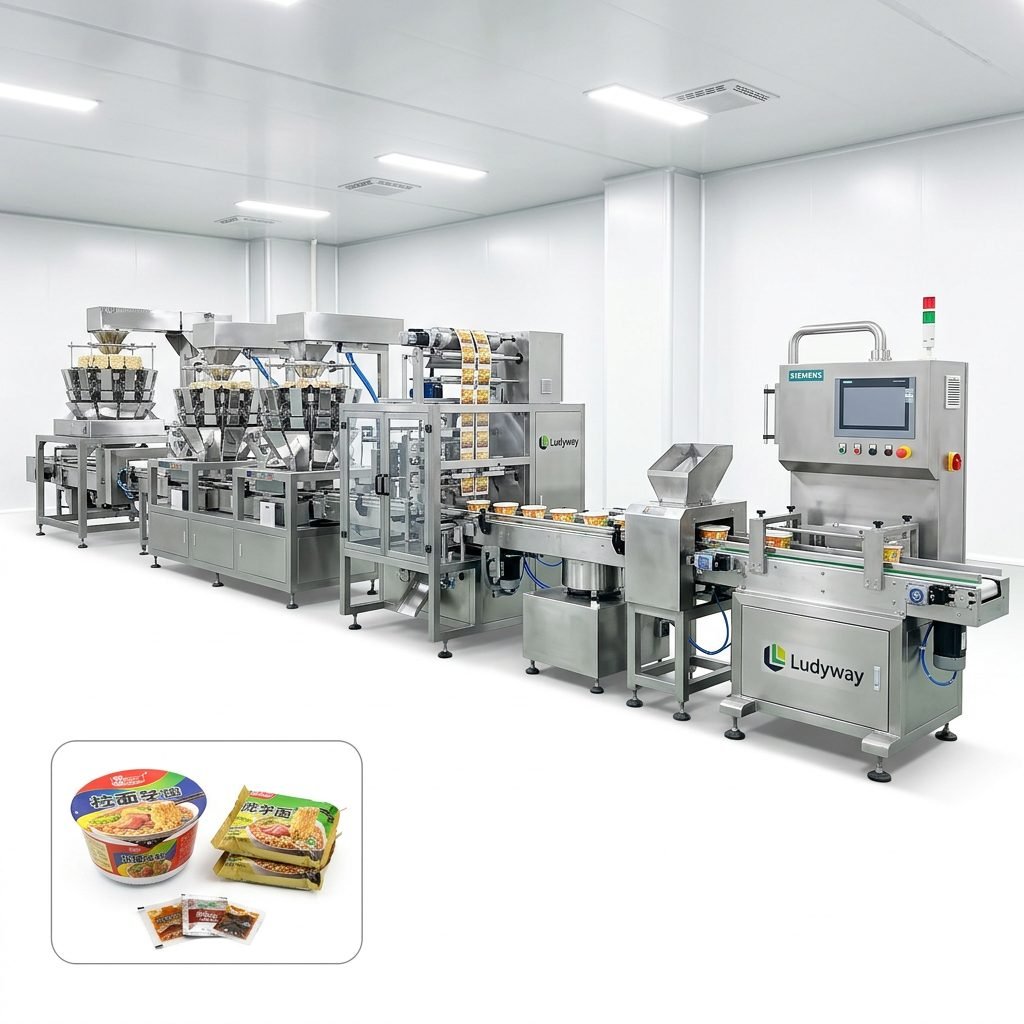
Setting up a vacuum packaging production line requires careful selection and integration of multiple components. A well-designed line should balance speed, reliability, and flexibility to accommodate various product types and package sizes. The essential elements include:
1. Product Preparation and Handling Systems
Before vacuum sealing, products must be properly prepared. This stage includes washing, drying, sorting, and portioning equipment. For perishable goods common in Middle Eastern markets, pre-cooling tunnels and temperature-controlled conveyors are critical investments that prevent bacterial growth before the sealing process begins.
2. Vacuum Chamber Machines vs. External Vacuum Sealers
Selecting between chamber vacuum machines and external vacuum sealers depends on your production volume and product characteristics. Chamber machines excel in high-volume operations and handle liquid-rich products effectively, while external sealers offer flexibility for smaller batches. For Middle Eastern date and meat processors, industry data shows that chamber-type automatic vacuum packaging machines deliver the best return on investment.
3. Modified Atmosphere Packaging Integration
Many Middle Eastern food exporters are now incorporating MAP (Modified Atmosphere Packaging) capabilities into their vacuum lines. This technology replaces oxygen with inert gases like nitrogen or carbon dioxide, further extending shelf life. For premium products such as Arabic coffee, saffron, and specialty dates, MAP-enabled vacuum packaging provides a significant competitive advantage in export markets.
| Production Line Component | Key Specification | Middle East Consideration |
|---|---|---|
| Vacuum Chamber Machine | Double chamber, 4-6 cycles/min | High ambient temperature resistance |
| Conveyor Belt System | Stainless steel, variable speed | Dust-proof for sandy environments |
| Gas Flushing Unit | MAP compatible, N2/CO2 | Humidity-resistant controls |
| Sealing Bar System | Double seal, 10mm width | High-temperature sealing films |
| Quality Inspection Module | Vision system, leak detection | Halal compliance tracking |

Critical Factors for Middle East Production Line Success
Climate Adaptation and Environmental Controls
The Middle East’s extreme heat and dust conditions demand special attention to equipment specifications. Vacuum pumps must be rated for continuous operation in ambient temperatures exceeding 45°C. Additionally, electrical cabinets require IP65 or higher protection ratings to prevent sand and dust ingress. Installing your production line in a climate-controlled environment with proper HVAC systems is strongly recommended to maintain consistent vacuum performance and extend equipment lifespan.
Regulatory Compliance and Halal Certification
Navigating the regulatory landscape is essential for successful operation. Food contact materials must comply with FDA food contact substance regulations and GCC Standardization Organization requirements. For meat and poultry processors, ensuring that vacuum packaging equipment supports Halal certification protocols – including proper segregation and cleaning procedures – is non-negotiable for market access across the region.
Energy Efficiency and Operational Costs
With energy prices fluctuating across the Gulf region, selecting energy-efficient vacuum packaging machinery can significantly impact long-term operational costs. Modern servo-driven systems consume up to 40% less electricity compared to traditional pneumatic models. When evaluating equipment suppliers, request detailed energy consumption data and consider the total cost of ownership over a 5-year operational period.
Installation, Training, and Ongoing Maintenance
Proper installation is the foundation of a reliable packaging production line. Engage qualified technicians familiar with both the equipment and local utility standards. Key installation considerations for the Middle East include:
- Stable power supply with voltage regulators to handle grid fluctuations common in some regions
- Compressed air systems with adequate drying capacity to prevent moisture-related malfunctions in vacuum pumps
- Proper grounding and surge protection against electrical storms in coastal areas
- Accessible equipment layout that facilitates preventive maintenance schedules and rapid troubleshooting
Training local operators is equally critical. Comprehensive training programs should cover daily operation, cleaning protocols, basic troubleshooting, and safety procedures. Many leading equipment providers offer on-site training in Arabic and English, ensuring that your team achieves full competency before production ramp-up.
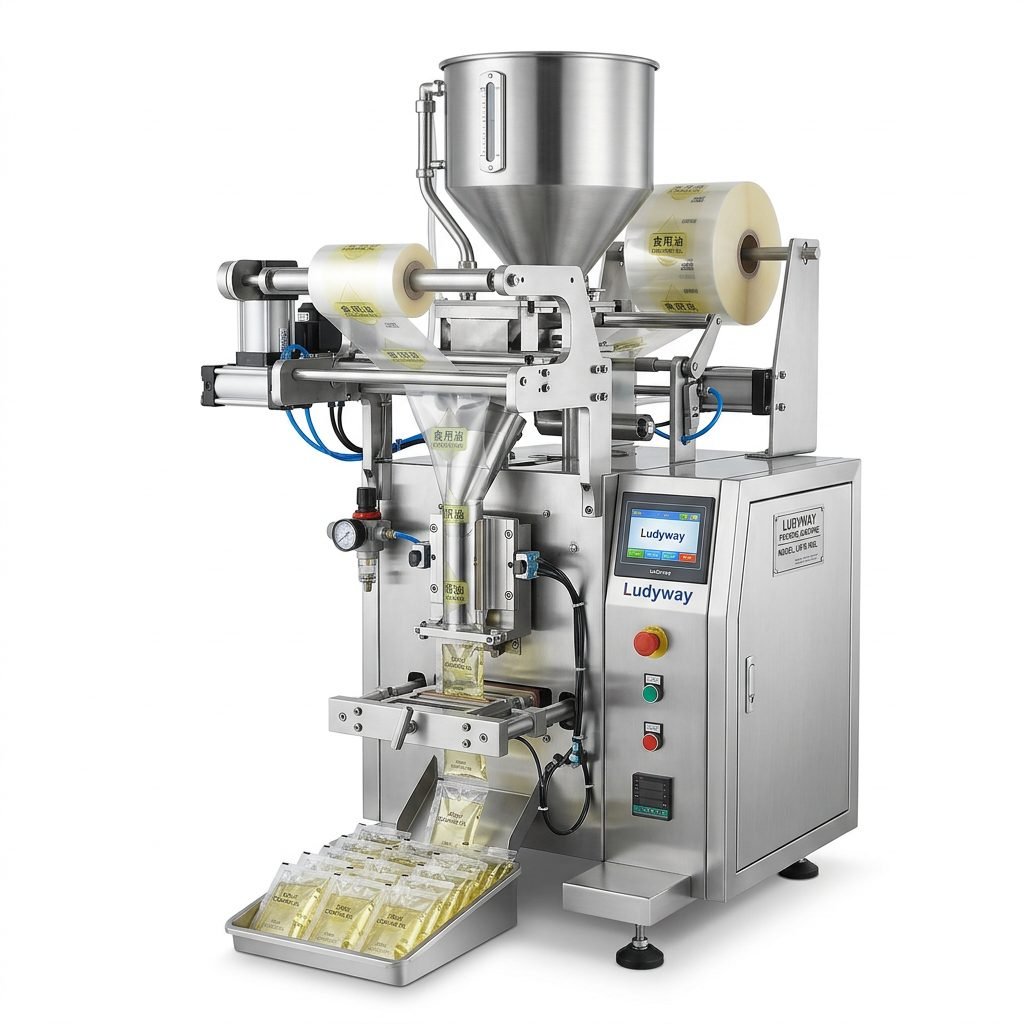
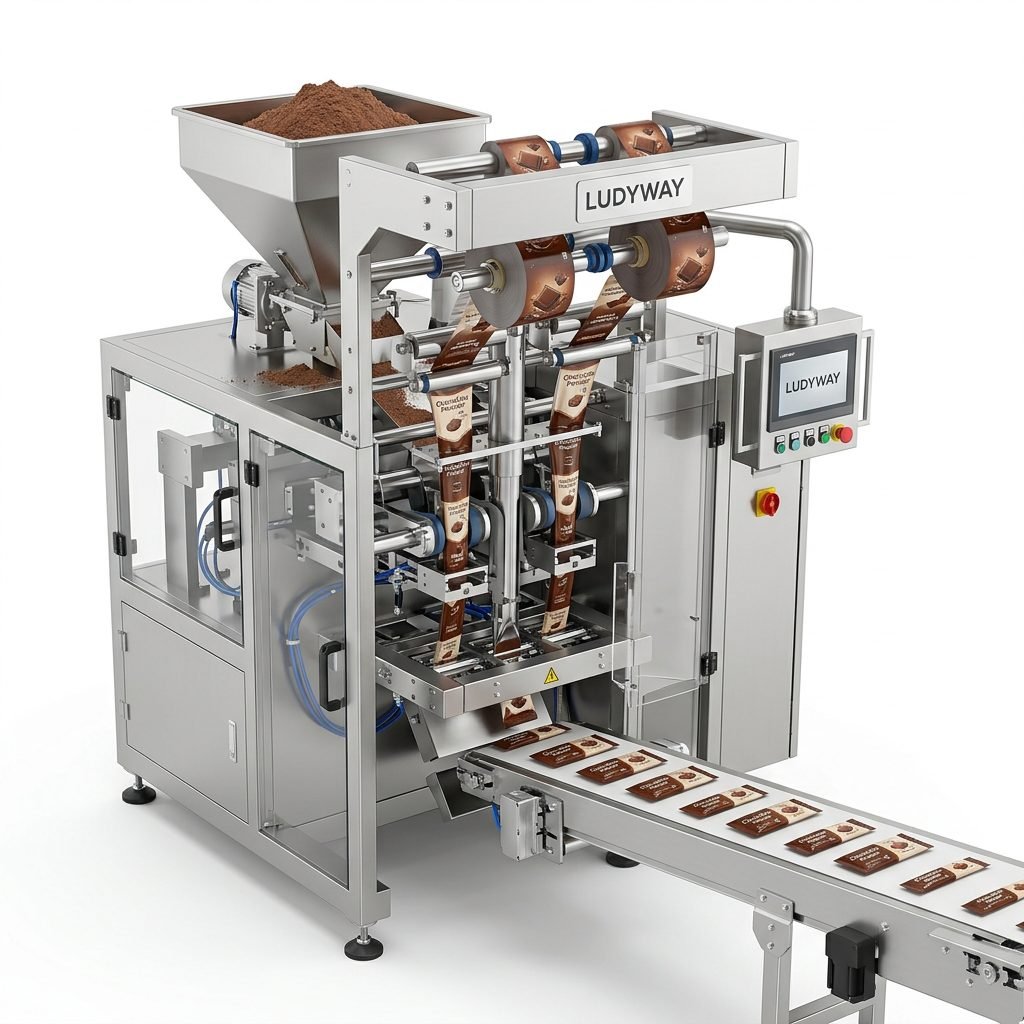
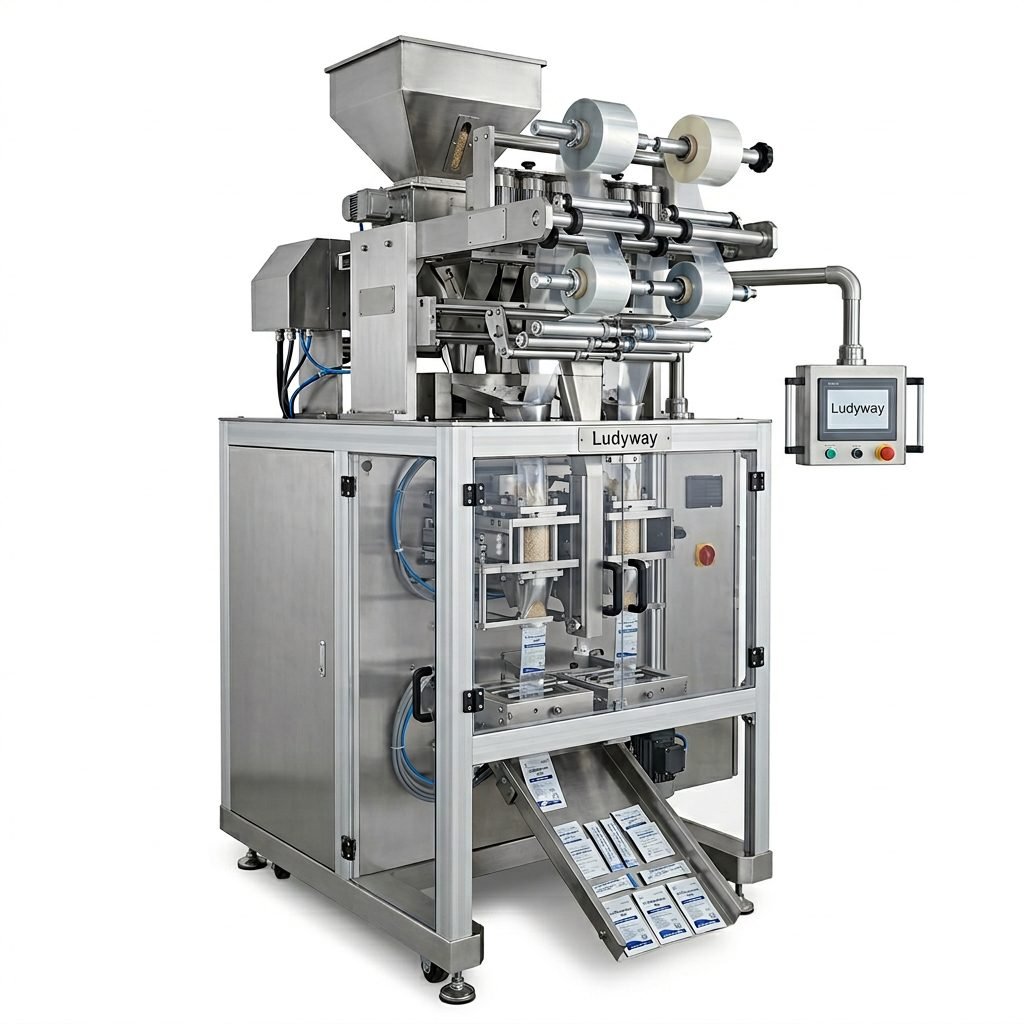
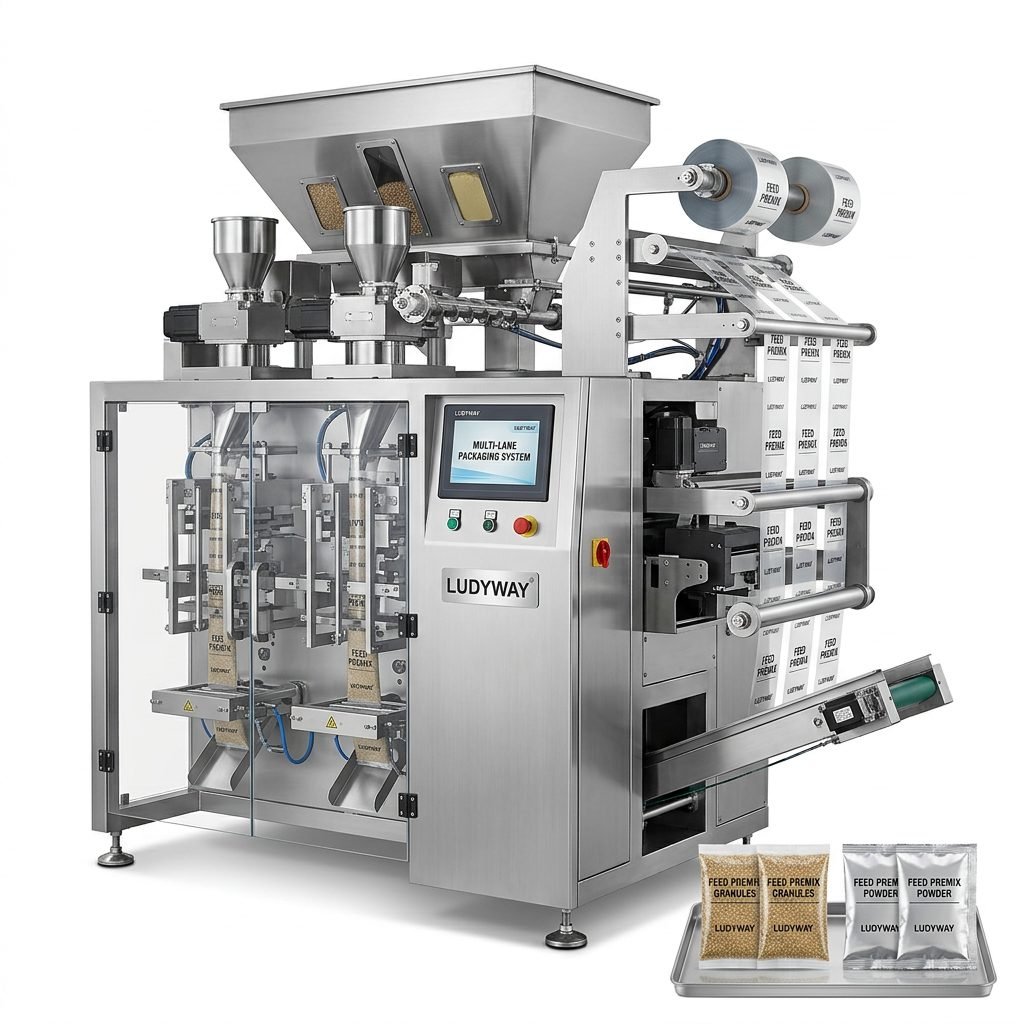
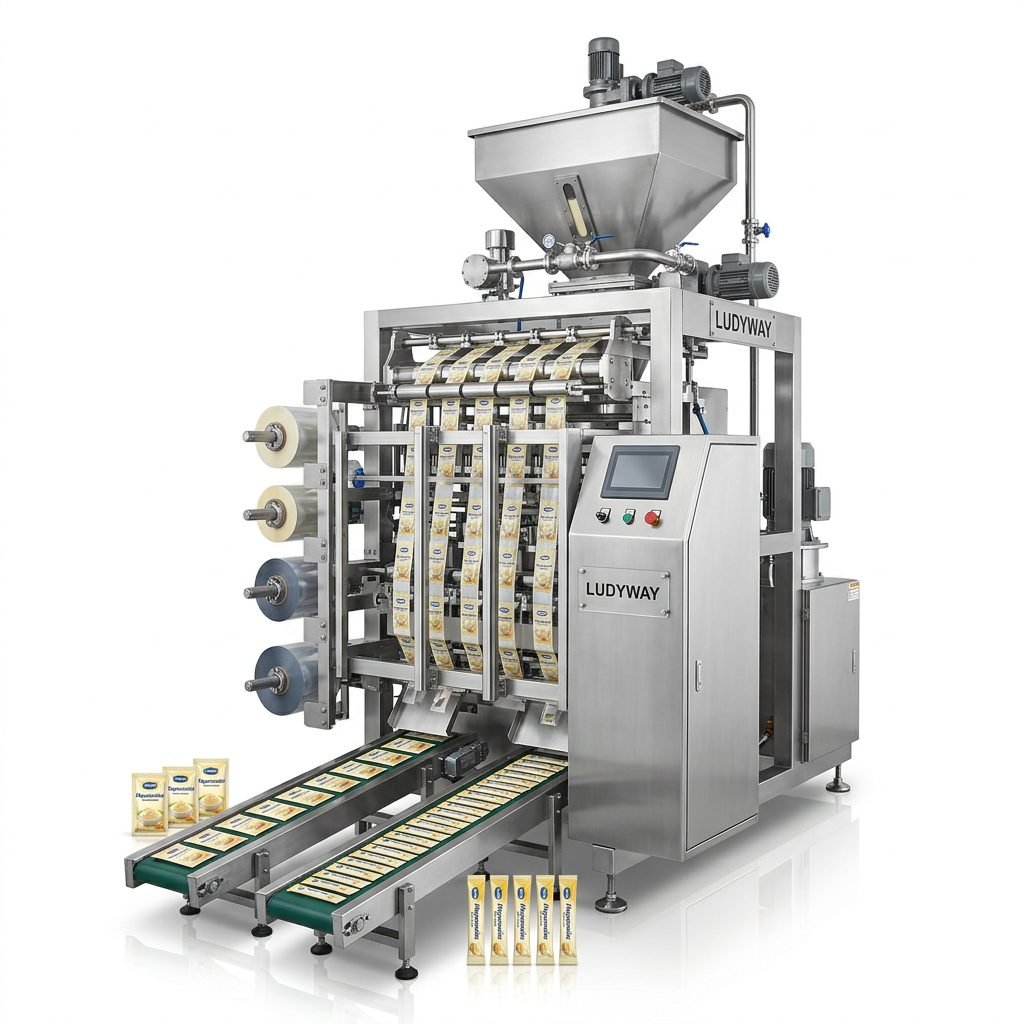
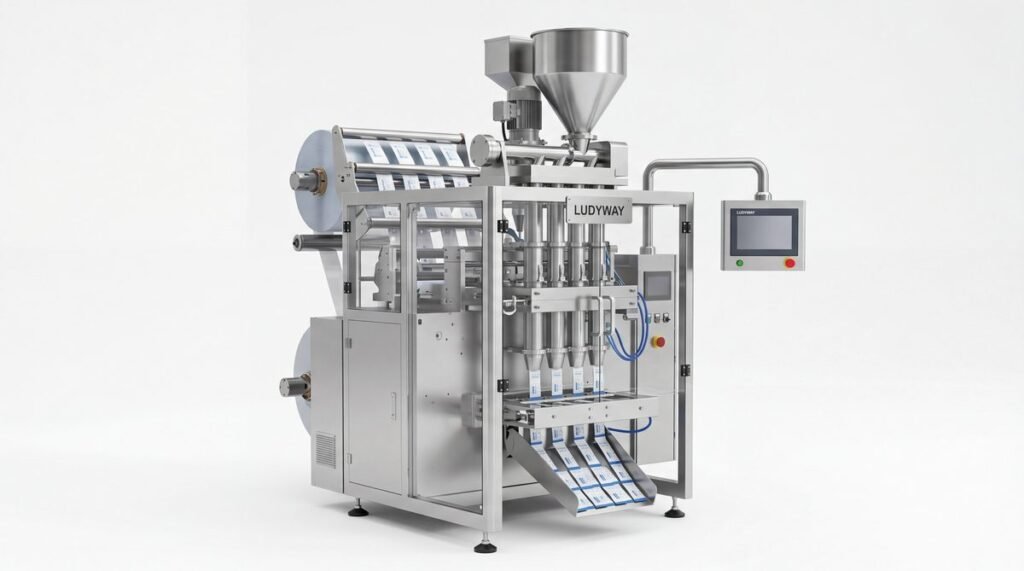
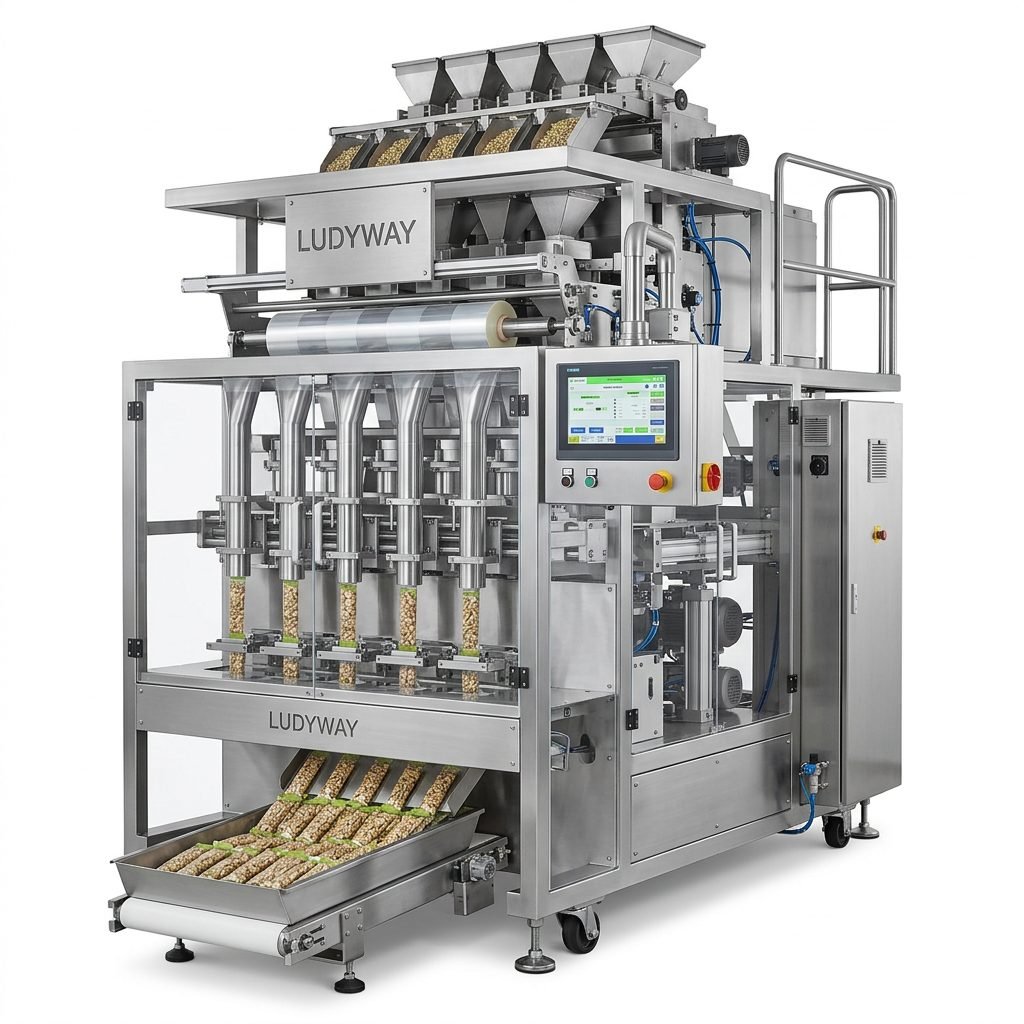
When selecting a vacuum packaging machine manufacturer for a Middle East production line, it is essential to partner with an experienced supplier that understands both international quality standards and regional operational challenges. Ludyway, one of the largest packaging machine manufacturers in China with over 30 years of industry experience, offers advanced vacuum packaging equipment and complete turnkey production solutions trusted by customers in over 100 countries. Their engineering expertise spans granule, powder, liquid, and pouch packaging applications, supported by a modern 20,000㎡ manufacturing facility.
Production Line Layout and Workflow Optimization
An efficient vacuum packaging production line layout minimizes material handling, reduces bottlenecks, and maximizes throughput. The ideal workflow follows a logical sequence:
- Raw material receiving and inspection – with temperature monitoring for perishable goods
- Pre-processing and portioning – automated weighing and filling systems for consistent package weights
- Vacuum chamber loading – ergonomic design to reduce operator fatigue in high-volume shifts
- Vacuum sealing and gas flushing – programmable parameters for different product types
- Post-seal inspection – automated leak detection and visual quality checks
- Secondary packaging and palletizing – preparing finished products for cold storage or distribution

Future-Proofing Your Investment
The Middle East packaging industry is evolving rapidly, with growing emphasis on sustainability, smart factory integration, and traceability. When setting up your vacuum packaging production line, consider equipment that supports:
- IoT connectivity for real-time production monitoring and predictive maintenance alerts
- Recyclable and biodegradable film compatibility to align with emerging regional sustainability mandates
- Serialization and track-and-trace capabilities for pharmaceutical and high-value food exports
- Modular design that allows capacity expansion without complete line replacement
The flexible packaging industry continues to innovate with new materials that offer better barrier properties while reducing environmental impact. Staying informed about these developments will help your production line remain competitive as market demands evolve.
Setting up the best vacuum packaging machine production line in the Middle East requires a holistic approach that combines the right equipment selection, climate-appropriate engineering, regulatory compliance, and thorough operator training. By investing in quality machinery and working with experienced partners, food processors and manufacturers across the GCC region can build production lines that deliver consistent quality, extended product shelf life, and strong returns on investment for years to come.