Investing in a vial packaging machine is a critical decision for pharmaceutical, biotech, and life science manufacturers. The right equipment ensures product integrity, regulatory compliance, and long-term operational efficiency. However, with the wide variety of machine types, configurations, and technical specifications available, the selection process can quickly become overwhelming. This guide walks you through the essential factors to evaluate before making your purchase.
1. Understanding Your Product Characteristics
Before evaluating any machinery, you must have a complete understanding of the product you intend to package. The physical and chemical properties of your liquid, powder, or lyophilized product will directly dictate the type of vial filling machine required.
- Viscosity: Low-viscosity liquids (e.g., water-like solutions) require different filling systems—such as peristaltic or piston pumps—than high-viscosity products like gels, creams, or ointments.
- Foaming Tendency: Products that foam easily require bottom-up filling nozzles or vacuum-assisted filling to prevent product loss and inconsistent fill levels.
- Shear Sensitivity: Biologics, protein-based formulations, and certain suspensions can be damaged by high-shear pumping mechanisms.
- Chemical Compatibility: Aggressive solvents, acids, or alkalis require machines constructed with specialized materials such as 316L stainless steel, PTFE, or ceramic components to prevent corrosion and contamination.
- Light Sensitivity: If your product is photosensitive, you may need amber vials and a machine compatible with them, possibly with reduced light exposure during the filling process.
2. Vial Specifications and Dimensional Range
Flexibility is key if you plan to package multiple products. A thorough analysis of your primary packaging components is non-negotiable.
| Vial Parameter | Why It Matters |
|---|---|
| Vial Diameter & Height | Determines the star wheel, gripper, and transport system configuration. |
| Neck Finish | Compatibility with stoppers, crimp caps, or screw caps; impacts sealing station tooling. |
| Glass Type | Type I borosilicate glass requires more gentle handling than Type III soda-lime; machine must minimize breakage and particle generation. |
| Vial Stability | Tall, narrow vials may require additional stabilization during high-speed filling and stoppering. |
3. Determining Throughput and Production Capacity
Your current and projected production volume is one of the most important factors in selecting the right machine category. Choosing a machine that is too slow creates a bottleneck; choosing one that is too fast without adequate upstream and downstream capacity leads to inefficiency.
Refer to the PMMI State of the Industry Reports for benchmarking production trends in your sector. Generally, vial filling machines fall into three speed categories:
- Low Speed (Up to 30 vials/min): Suitable for clinical trials, pilot batches, or specialty products. Often semi-automatic or compact automatic machines.
- Medium Speed (30 – 150 vials/min): Ideal for mid-volume commercial production and contract manufacturing organizations (CMOs) with frequent changeovers.
- High Speed (150 – 600+ vials/min): Required for blockbuster drugs, vaccines, and high-volume generics. These are fully automatic, continuous-motion machines integrated into complete lines.
4. Filling Accuracy and Precision Requirements
Filling accuracy is critical for regulatory compliance and cost control, especially for high-value active pharmaceutical ingredients (APIs). Overfilling by even 1% can result in significant financial loss over millions of units.
- Peristaltic Pumps: Ideal for small volumes (0.5 mL to 250 mL), single-use fluid paths, and aseptic applications. Accuracy typically within ±1%.
- Piston Pumps: Suitable for medium to high volumes, offering excellent accuracy (±0.5% or better) and repeatability, especially with viscous products.
- Time-Pressure Filling: Common in high-speed pharmaceutical lines, providing good accuracy without moving parts in the fluid path, ideal for shear-sensitive products.
- Net Weight Filling: Using integrated checkweighers for feedback control; required when filling by weight is specified in the drug master file.
For more on filling technology standards, consult ISO Packaging Standards.
5. Capping and Closing Technologies
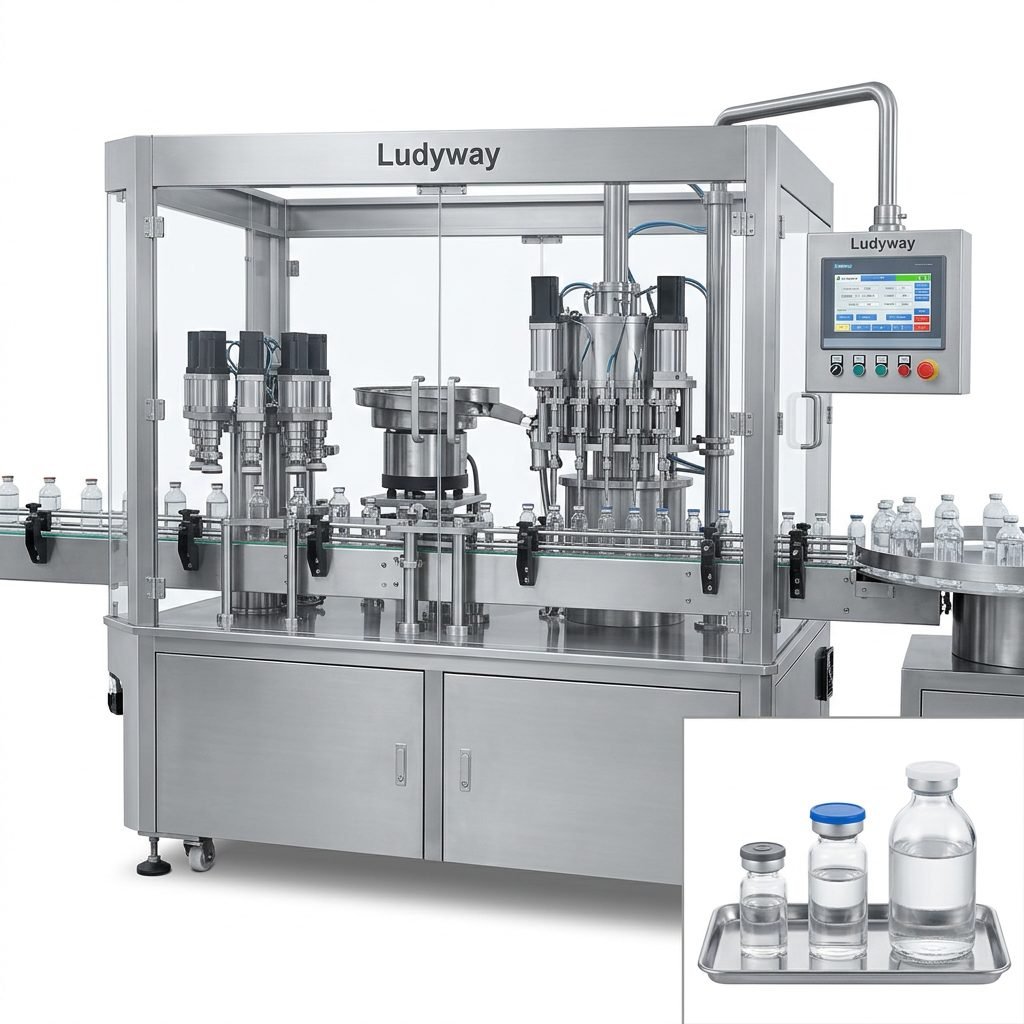
The container closure integrity (CCI) of your vial is non-negotiable for sterility assurance. The type of closure—whether a rubber stopper, crimp seal, flip-off cap, or screw cap—defines the capping station needed.
- Stoppering: Partial or full stoppering for lyophilization vials requires precise stopper placement to allow water vapor escape during freeze-drying.
- Crimp Capping: Aluminum crimp seals with flip-off buttons are standard for injectable drugs. The capping head must apply consistent pressure without damaging the vial neck.
- Screw Capping: Common for oral liquids and some diagnostics. Torque control is essential to prevent loosening or overtightening.
6. Cleanroom Compatibility and Containment
Vial filling for sterile products takes place in ISO 5 (Grade A) environments, often with Restricted Access Barrier Systems (RABS) or isolators. Your machine must be designed for easy cleaning, minimal particle generation, and compatibility with hydrogen peroxide vapor (VHP) decontamination if used with isolators.
- Open RABS vs. Isolator: An isolator provides a higher level of sterility assurance but requires the machine to be fully integrated and compatible with vaporized hydrogen peroxide (VHP) decontamination cycles.
- CIP/SIP Capability: Clean-in-Place (CIP) and Sterilize-in-Place (SIP) features minimize operator intervention and contamination risk for product-contact parts, especially in aseptic processing.
- Containment: For potent compounds (e.g., cytotoxics, hormones, HPAPIs), the machine must provide operator and environmental protection through closed transfer systems, split butterfly valves, and negative-pressure enclosures.
The ISO 11607 standards for terminally sterilized medical devices provide a useful reference framework for packaging validation requirements, and similar principles apply to vial packaging.
7. Automation Level and Line Integration
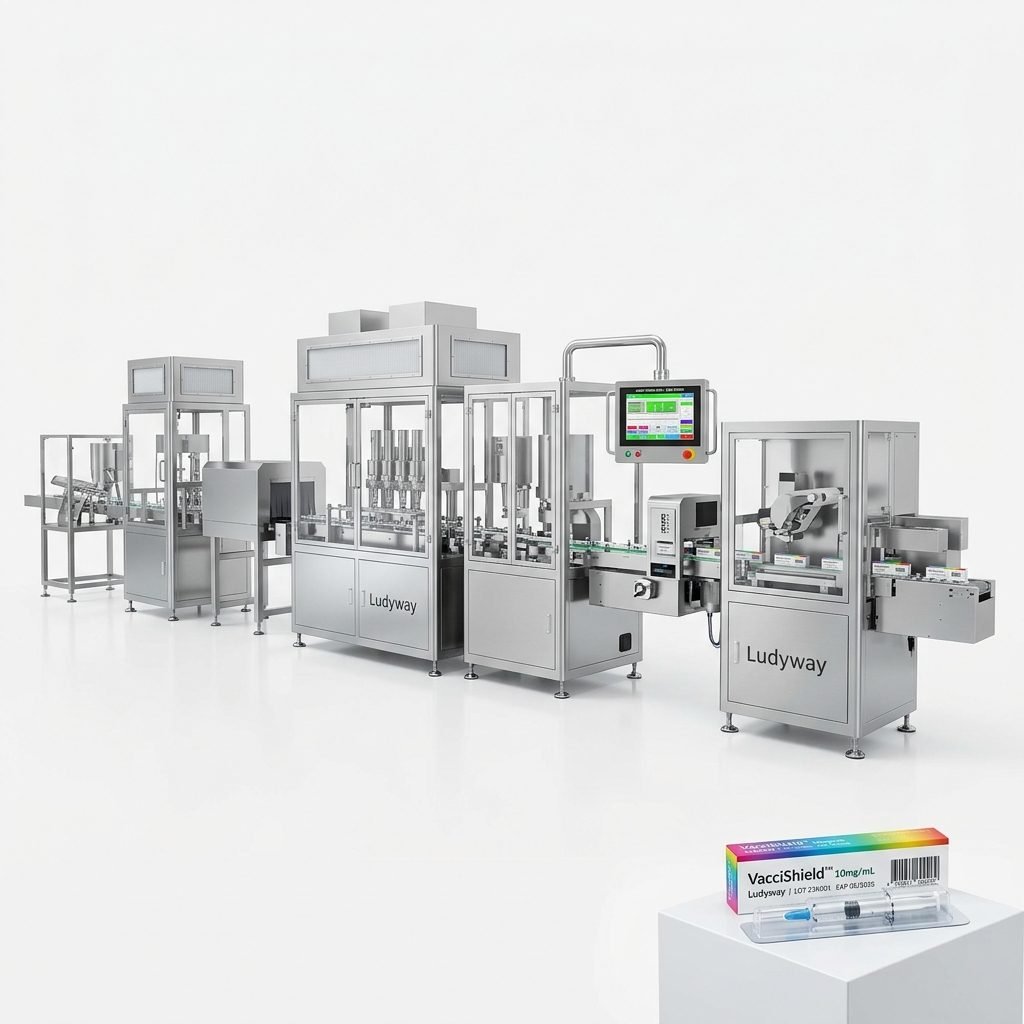
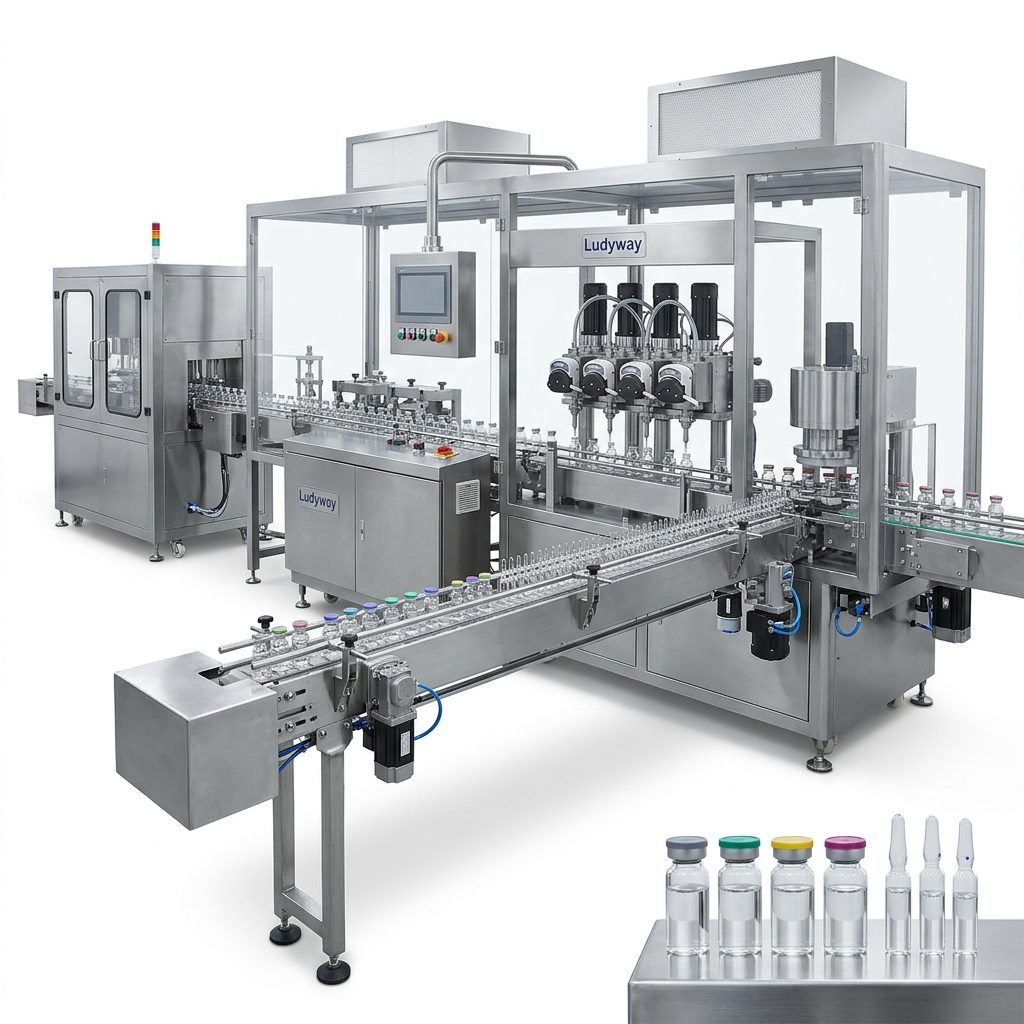
Decide how automated your line needs to be. A fully integrated vial packaging line may include automatic vial washing, depyrogenation (tunnel sterilization), filling, stoppering, capping, external vial washing, tray loading, and cartoning. While a single-source integrated line reduces interfaces and simplifies project management, it’s important to ensure the manufacturer has proven line integration experience across all these modules.
Established machinery manufacturers like Ludyway Machinery specialize in providing complete packaging line solutions that can connect multiple process stages, but the evaluation criteria should remain focused on the specific machine requirements for your product and facility. For a deeper look at global packaging line trends, explore PMMI’s Business Intelligence resources.
8. Regulatory Compliance and Validation Support
Pharmaceutical packaging equipment must comply with stringent regulations, primarily 21 CFR Part 11 (electronic records/signatures), 21 CFR Part 210/211 (cGMP), and Annex 1 (EU GMP for sterile products). Your machine vendor must provide comprehensive documentation to support your validation activities.
| Documentation Type | What It Covers |
|---|---|
| FAT/SAT Protocols | Factory Acceptance Testing and Site Acceptance Testing procedures with predefined criteria. |
| IQ/OQ/PQ Protocols | Installation Qualification, Operational Qualification, and Performance Qualification documentation templates. |
| Material Certificates | Traceable certifications for product-contact materials (316L, PTFE, EPDM, etc.). |
| Functional Design Spec | Detailed description of how the machine operates and meets the User Requirement Specification (URS). |
You can find additional regulatory guidance through the FDA Packaging and Food Contact Substances page and relevant cGMP regulations.
9. Changeover and Cleaning Time
For multi-product facilities, changeover time directly impacts Overall Equipment Effectiveness (OEE). A machine that takes 4 hours to change over vs. one that takes 45 minutes can be the difference between profitability and downtime. Look for:
- Tool-less changeover for star wheels, guide rails, and filling nozzles.
- Recipe-driven automation that recalls all parameters (filling volume, pump speed, capping torque) with a single command.
- Easy-access design: Doors and panels that allow fast cleaning and visual inspection without complex disassembly.
- Color-coded or labeled parts to simplify manual adjustments and reduce operator error.
10. Total Cost of Ownership (TCO) and After-Sales Support
The purchase price is just the starting point. A comprehensive TCO analysis includes spare parts, preventive maintenance, energy consumption, training, and potential downtime costs.
- Spare Parts Availability: Verify local stock or rapid shipment of critical wearing parts (pump seals, needles, grippers, capping heads).
- Remote Support Capability: Machines equipped with secure remote access allow technicians to diagnose issues quickly, reducing mean time to repair (MTTR).
- Training Programs: Comprehensive operator and maintenance training programs are essential to ensure safe and efficient operation from day one.
- Service Contracts: Evaluate preventive maintenance contracts against your internal maintenance capabilities.
11. Environmental and Sustainability Considerations
Sustainability initiatives are increasingly influencing equipment selection. Modern vial packaging machines incorporate features that reduce environmental impact while maintaining compliance. According to the Flexible Packaging Association, sustainability considerations now extend beyond primary packaging to include the machinery used in production.
- Energy Efficiency: Look for machines with energy-efficient motors, standby modes, and optimized heating/cooling systems to reduce electrical consumption.
- Water Conservation: For vial washing and CIP/SIP processes, evaluate water recycling capability and consumption rates per batch.
- Material Waste Reduction: Precision filling and reliable stoppering minimize rejected vials, glass breakage, and product loss.
- Lifecycle Documentation: Request information about the machine’s environmental footprint, including the recyclability of its major components at end-of-life.
The European Commission’s Packaging and Packaging Waste Regulation and the U.S. EPA Sustainable Materials Management resources offer further guidance on aligning packaging operations with environmental goals.
12. Industry Benchmarks and Market Intelligence
Staying informed about packaging machinery industry trends helps you make a future-proof investment. Leading industry associations provide valuable market data and technical resources that can inform your buying decision.
- PMMI (The Association for Packaging and Processing Technologies): Publishes annual State of the Industry reports with data on packaging machinery market size, growth forecasts, and technology trends across pharmaceutical and other sectors.
- PACK EXPO Events: Attending PACK EXPO International or PACK EXPO Las Vegas allows you to see multiple machine manufacturers in person and discuss your requirements face-to-face.
- Flexible Packaging Association (FPA): Offers industry data and regulatory updates relevant to pharmaceutical pouch and flexible packaging applications that may complement your vial lines.
- ISO Standards Updates: Monitor ISO packaging and distribution standards to ensure your chosen equipment meets the latest international requirements.
These resources help you benchmark your requirements against industry norms and anticipate future regulatory or technology changes that might affect your packaging line.
Key Takeaways
- Start with your product—its characteristics dictate the filling technology and machine configuration.
- Define your vial range and throughput realistically, including potential future products and batch sizes.
- Prioritize regulatory support: A machine without proper documentation will delay your validation and commercial launch.
- Evaluate TCO, not just purchase price: Factor in maintenance, spare parts, changeover efficiency, and long-term service support.
- Visit the vendor’s factory: A Factory Acceptance Test (FAT) and seeing similar machines running in real conditions provides assurance no brochure can match.
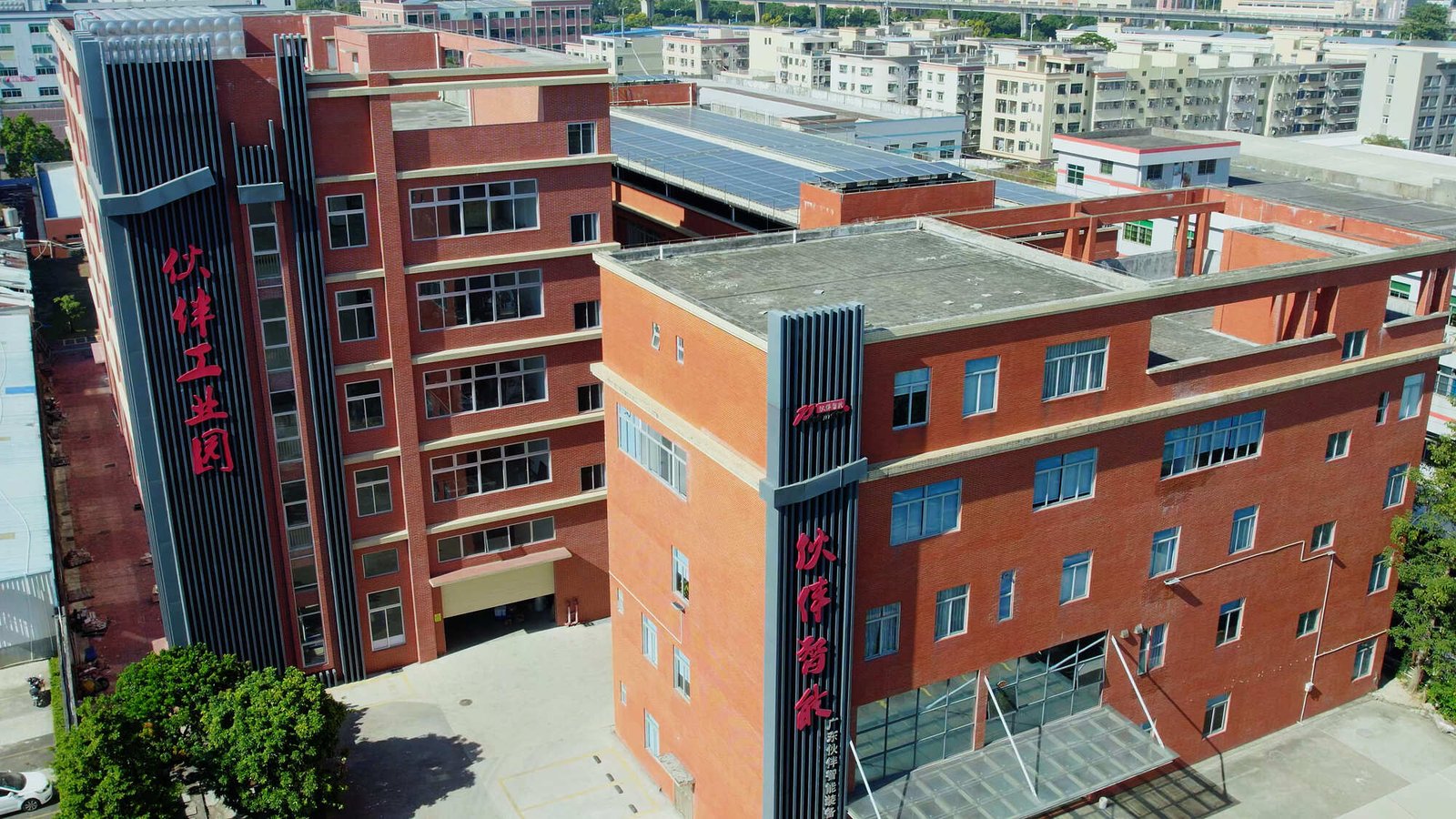
Choosing the right vial packaging machine is a strategic decision that affects product quality, regulatory status, and profitability for years to come. By methodically evaluating each of these factors and consulting authoritative industry resources such as PMMI, FPA, and relevant FDA guidelines, you can make an informed investment that meets both current needs and future growth plans. A thorough technical evaluation combined with a strong partnership with an experienced machinery provider is the foundation of a successful packaging operation.
For additional guidance on packaging machinery selection and turnkey line integration, explore the Ludyway Machinery website or consult the comprehensive PMMI packaging resources library for industry-wide technical documentation and market data.