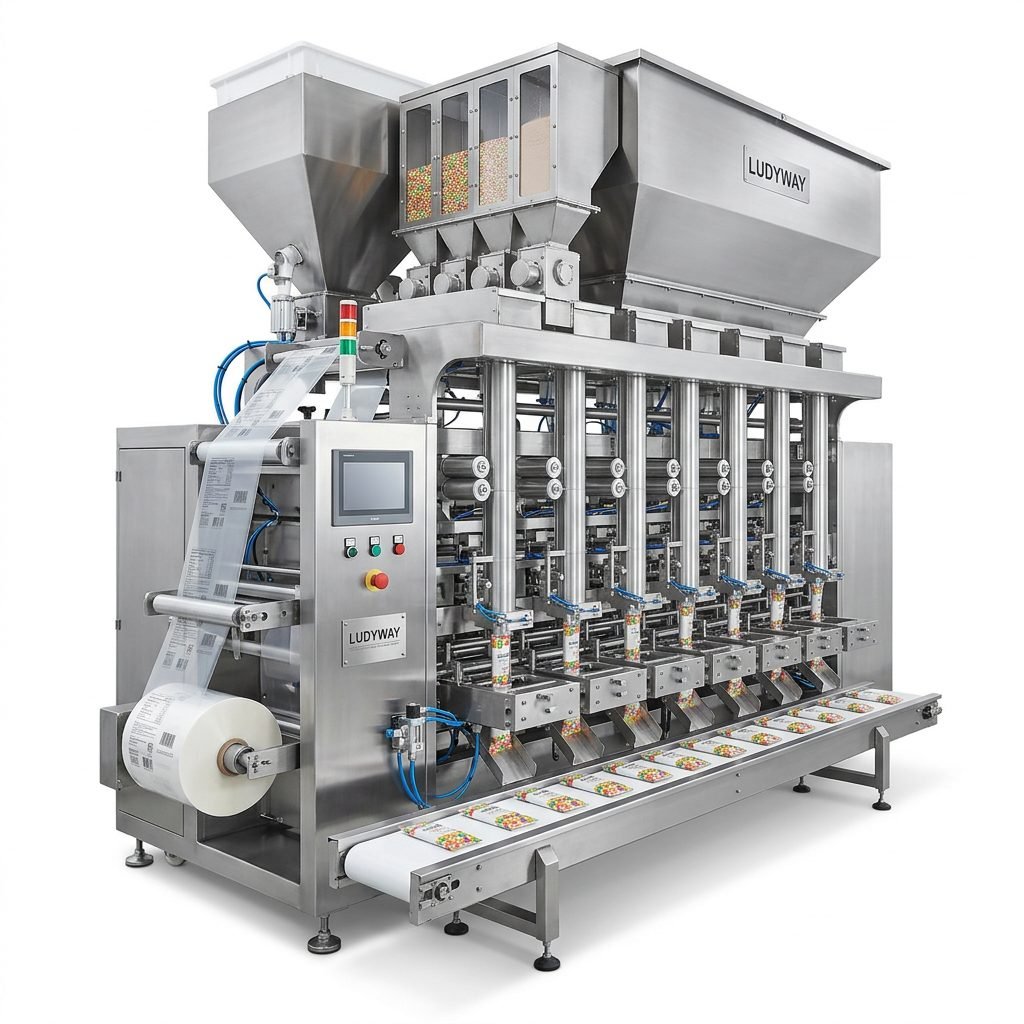
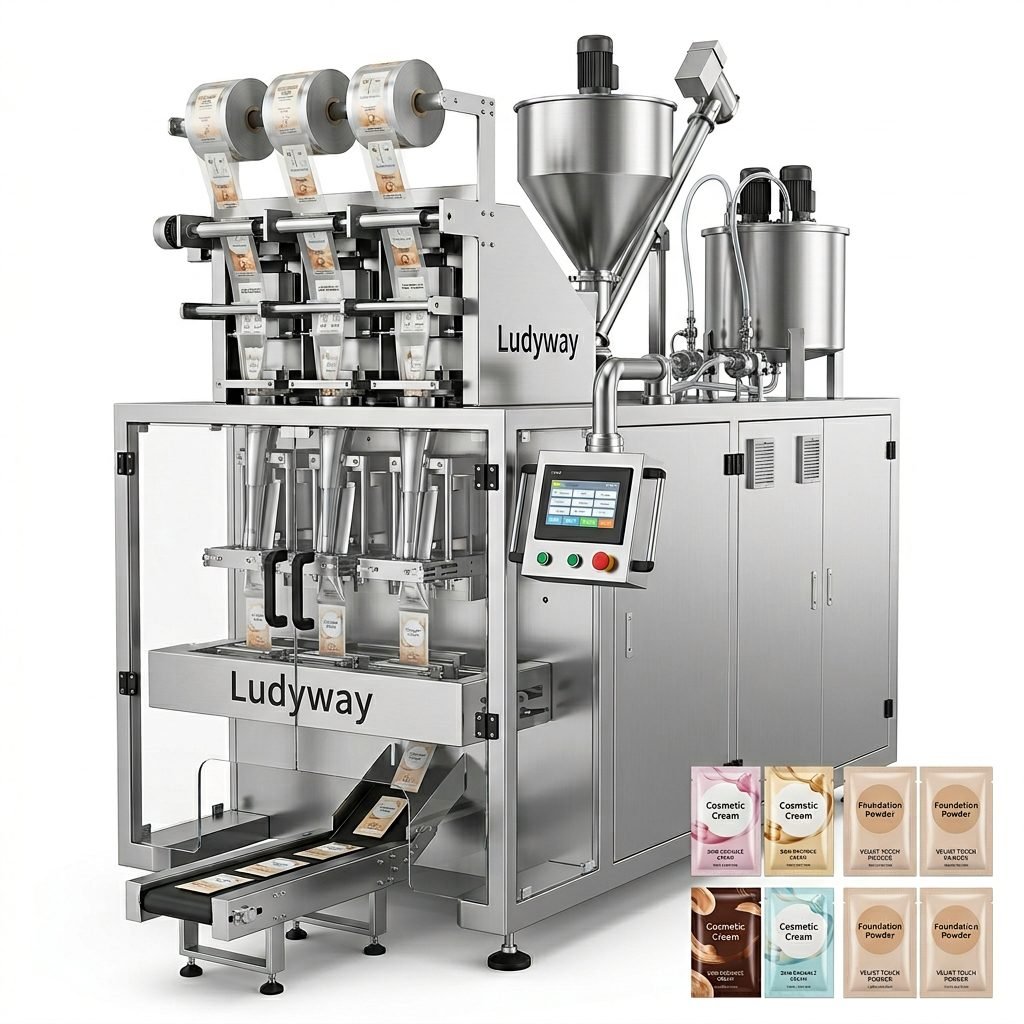
In modern pharmaceutical manufacturing, blister packaging is valued for its product protection, dosage accuracy, traceability, and retail presentation. An IMA PG blister packing machine is often associated with high-output production environments where tablets, capsules, and similar solid-dose products must be packed efficiently while meeting strict GMP and quality standards.
For pharmaceutical companies, CDMOs, nutraceutical brands, and contract packers, selecting the right blister packaging solution is not only about speed. It is also about forming quality, sealing integrity, machine stability, changeover efficiency, line integration, and long-term operational cost.
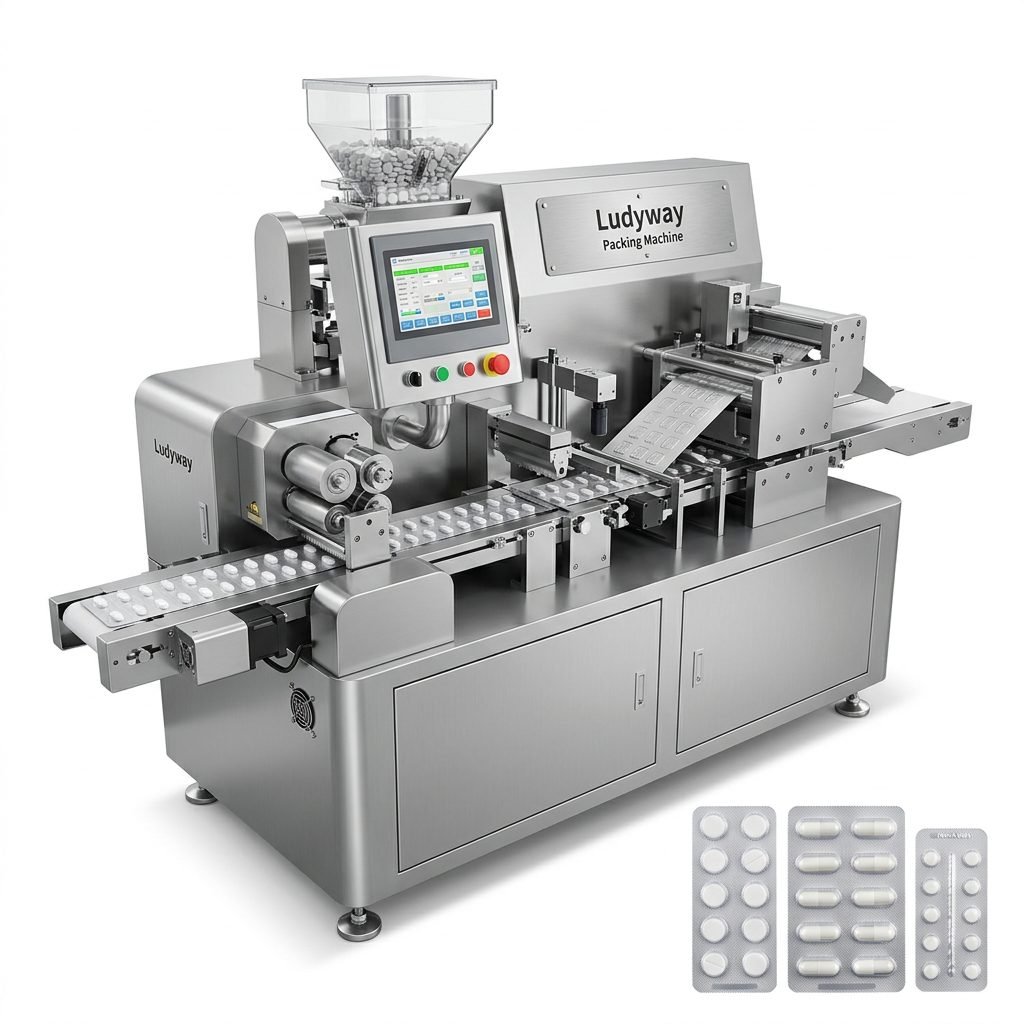
What Is an IMA PG Blister Packing Machine?
An IMA PG blister packing machine is a high-speed pharmaceutical packaging system designed to form blister cavities, feed products accurately, seal lidding material, and discharge finished blister packs for downstream cartoning or secondary packaging. These machines are typically used for:
- Tablets
- Capsules
- Softgels
- Lozenges
- Medical and healthcare solid-dose items
In pharmaceutical production, blister machines must deliver consistent sealing performance, precise indexing, low rejection rates, and reliable operation over long production runs. This is why high-speed models are especially important for facilities with demanding throughput targets.
Why High-Speed Blister Packaging Matters in Pharma
Pharmaceutical packaging lines are under pressure to increase output while maintaining validation, compliance, and package integrity. A high-speed blister machine helps manufacturers achieve these goals by reducing manual handling and creating a more controlled packaging process.
- Higher productivity: More packs per minute with stable machine rhythm.
- Better product protection: Individual cavities protect against moisture, contamination, and handling damage.
- Improved compliance: Blister packs support batch coding, traceability, and unit-dose distribution.
- Lower labor dependency: Automation reduces repetitive manual work.
- Consistent pack quality: Controlled forming and sealing improve appearance and functionality.
Key Features Buyers Look For
When evaluating a blister packing solution, pharmaceutical buyers usually compare more than headline speed. They also want to know how the machine performs in real production conditions.
| Feature | Why It Matters |
|---|---|
| High-speed forming and sealing | Supports large-volume pharmaceutical output with stable cycle times. |
| Accurate product feeding | Reduces empty pockets, mixed products, and rejection rates. |
| Reliable sealing control | Protects product shelf life and package integrity. |
| Quick changeover | Improves flexibility for multiple SKUs and batch sizes. |
| GMP-friendly construction | Makes cleaning, inspection, and maintenance easier. |
| Integration capability | Connects with cartoners, vision systems, printers, and inspection units. |
1. Stable Product Feeding
Product feeding is one of the most critical sections in any blister line. Tablets and capsules must be oriented and loaded consistently into each cavity without causing breakage, dust generation, or double filling. A well-designed feeding system directly impacts yield and pack appearance.
2. Consistent Forming Quality
The formed pocket must have uniform depth and shape. Uneven forming can create downstream sealing issues, affect product fit, or reduce the overall quality perception of the finished package. For regulated pharmaceutical output, consistency is essential.
3. Reliable Sealing Integrity
In blister packaging, the seal is not just cosmetic. It is a key barrier that protects the drug product against external conditions. Buyers typically focus on temperature control, pressure consistency, dwell time, and material compatibility when assessing sealing performance.
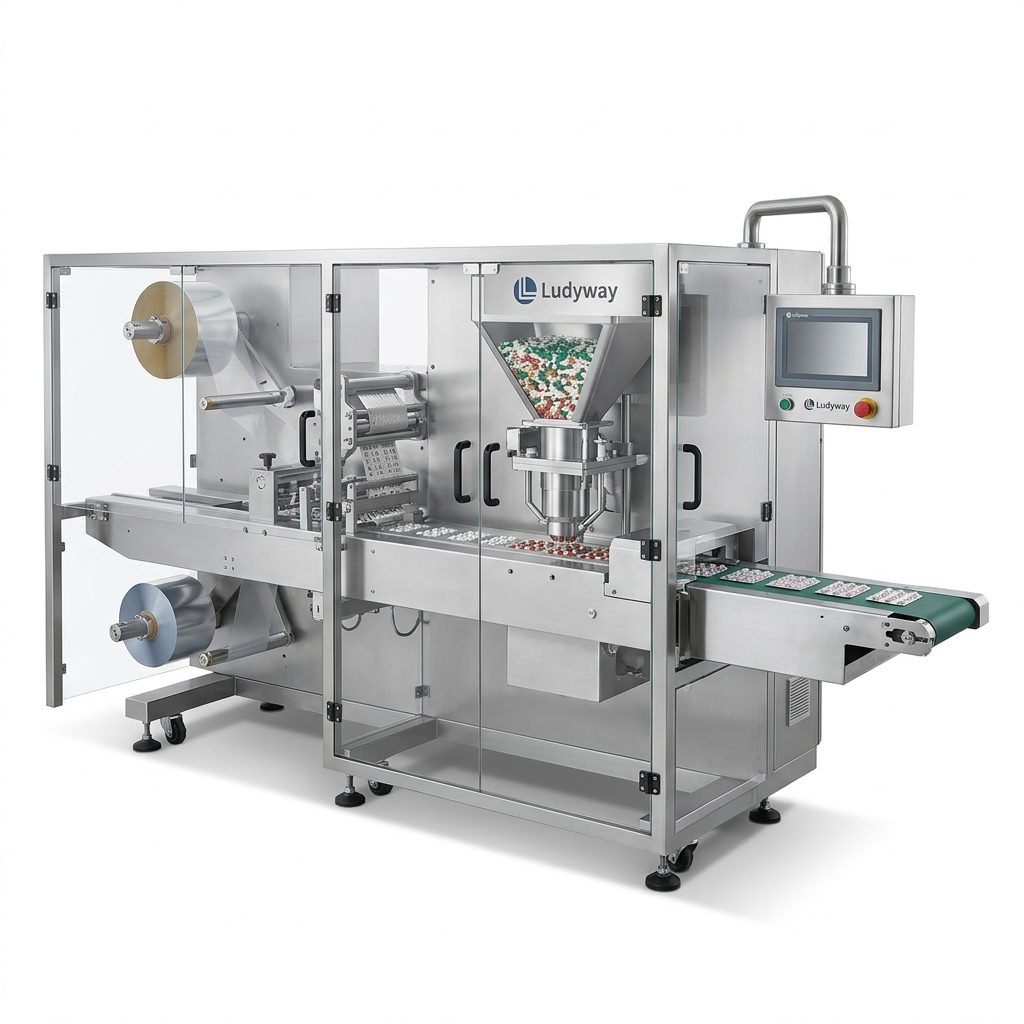
Applications in Pharmaceutical Production
High-speed blister packing machines are widely used across pharmaceutical and health-related sectors. Typical applications include:
- Prescription tablets
- OTC medicines
- Capsules and soft capsules
- Nutraceutical supplements
- Effervescent or specialty dose formats
- Hospital unit-dose packaging programs
These applications require dependable packaging equipment because the blister pack often serves both a protective and compliance-supporting role.
Important Technical Considerations Before Buying
Packaging Material Compatibility
Different products require different blister materials. Buyers should confirm machine compatibility with common pharmaceutical structures such as PVC, PVDC, Alu-Alu, and other barrier materials. Material choice affects product shelf life, machine speed, and total packaging cost.
Output and Line Balance
A fast blister machine should also match the speed of upstream and downstream equipment. If the cartoner, inspection unit, or coding system cannot keep up, the line loses efficiency. A properly engineered line balances all stations rather than maximizing one machine in isolation.
Validation and Documentation
In pharmaceutical projects, technical documentation is especially important. Buyers usually require support for FAT, SAT, IQ, OQ, and relevant machine records. Even excellent equipment can become difficult to deploy if documentation is incomplete.
Ease of Maintenance
Downtime affects output and delivery commitments. A machine designed for easy access, simple tooling replacement, and clear maintenance procedures will reduce service interruptions and improve lifecycle value.
Benefits of Integrating a Blister Machine into a Complete Line
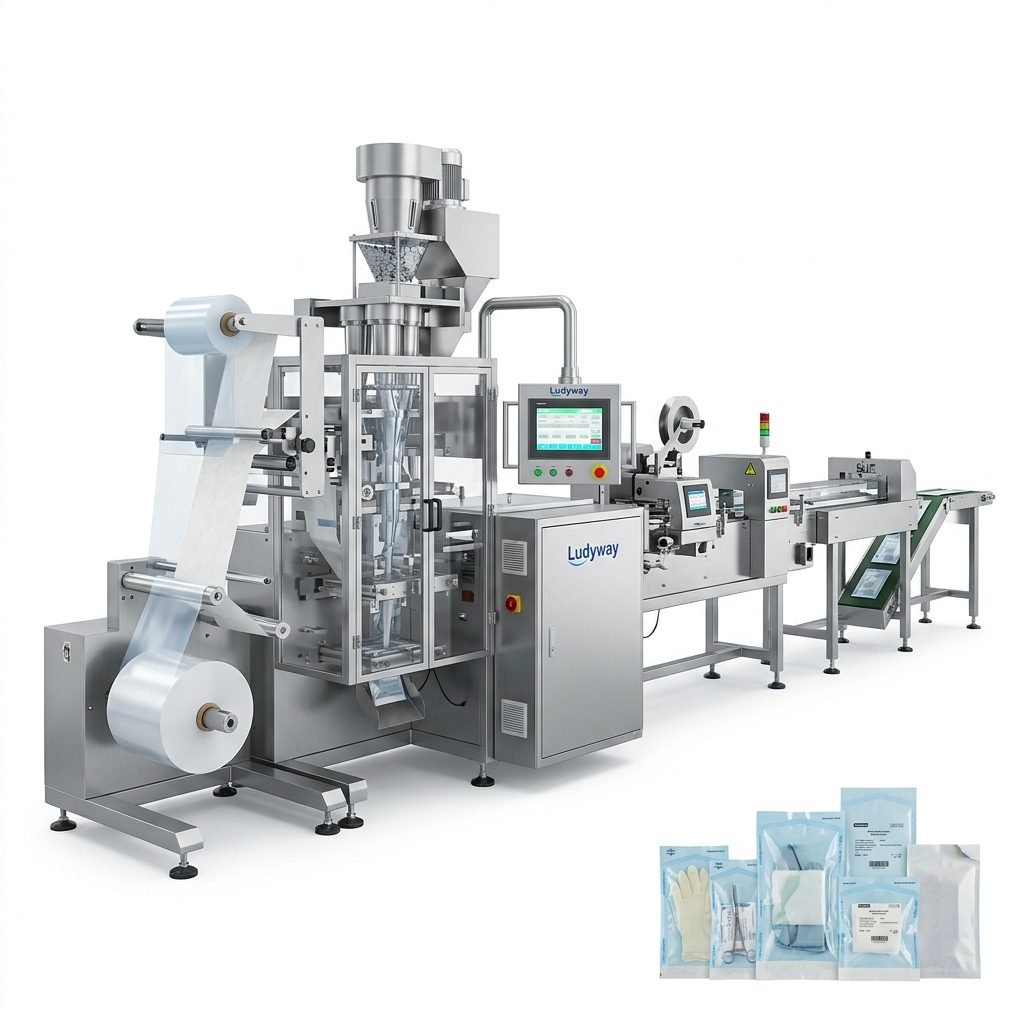
Many pharmaceutical manufacturers now prefer integrated lines rather than standalone blister equipment. A complete line may include:
- Feeding system
- Blister forming and sealing unit
- Vision inspection or reject system
- Printing and coding module
- Cartoning machine
- Case packing and end-of-line automation
Integrated packaging lines can improve material flow, traceability, operator efficiency, and final pack consistency. They are also easier to scale when production volume grows.
| Standalone Machine | Integrated Packaging Line |
|---|---|
| Suitable for basic production needs | Suitable for large-scale and automated production |
| Lower initial complexity | Better workflow and reduced manual transfer |
| May require more manual intervention | Supports continuous production and centralized control |
| Separate upgrades may be needed later | Easier long-term expansion and system coordination |
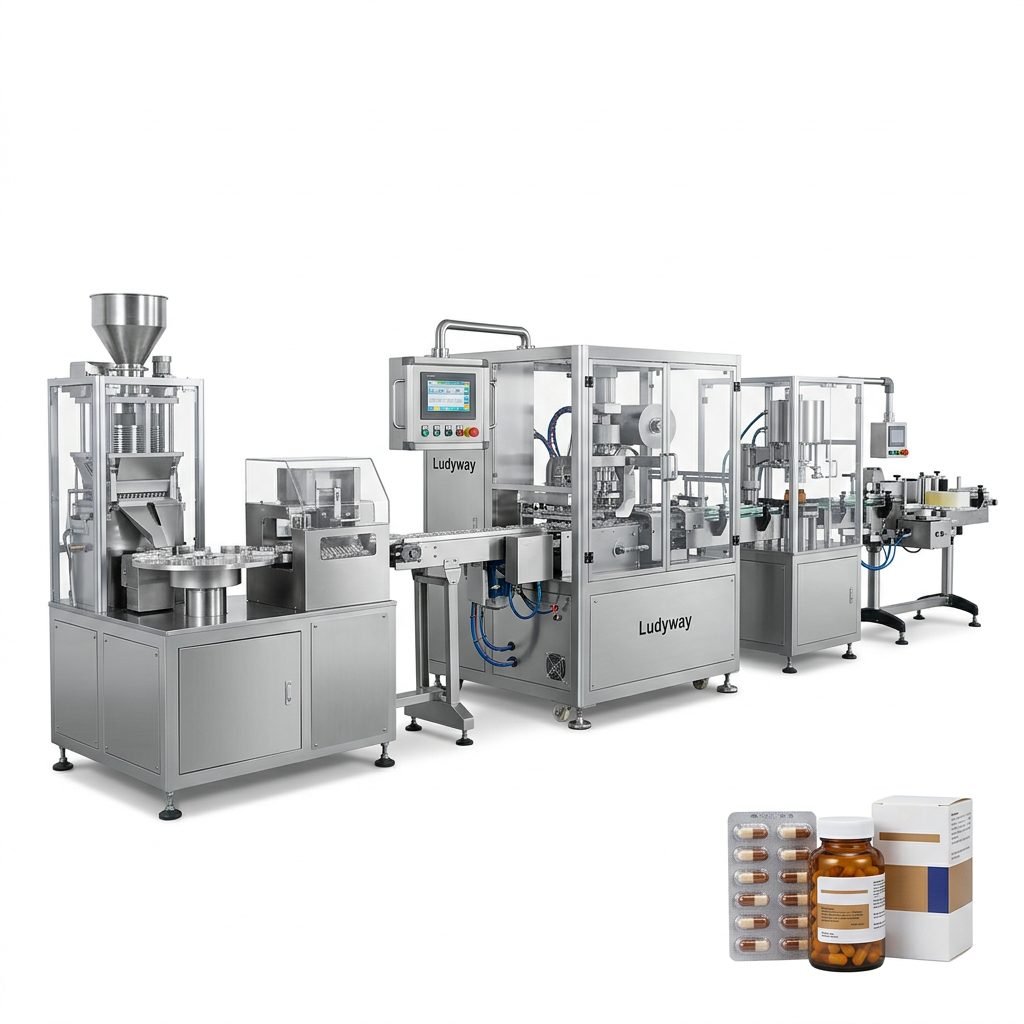
How to Choose the Right Supplier
Beyond machine specifications, supplier capability is a major factor in project success. Pharmaceutical buyers often prefer manufacturers that can provide engineering support, customization, validation assistance, and after-sales service.
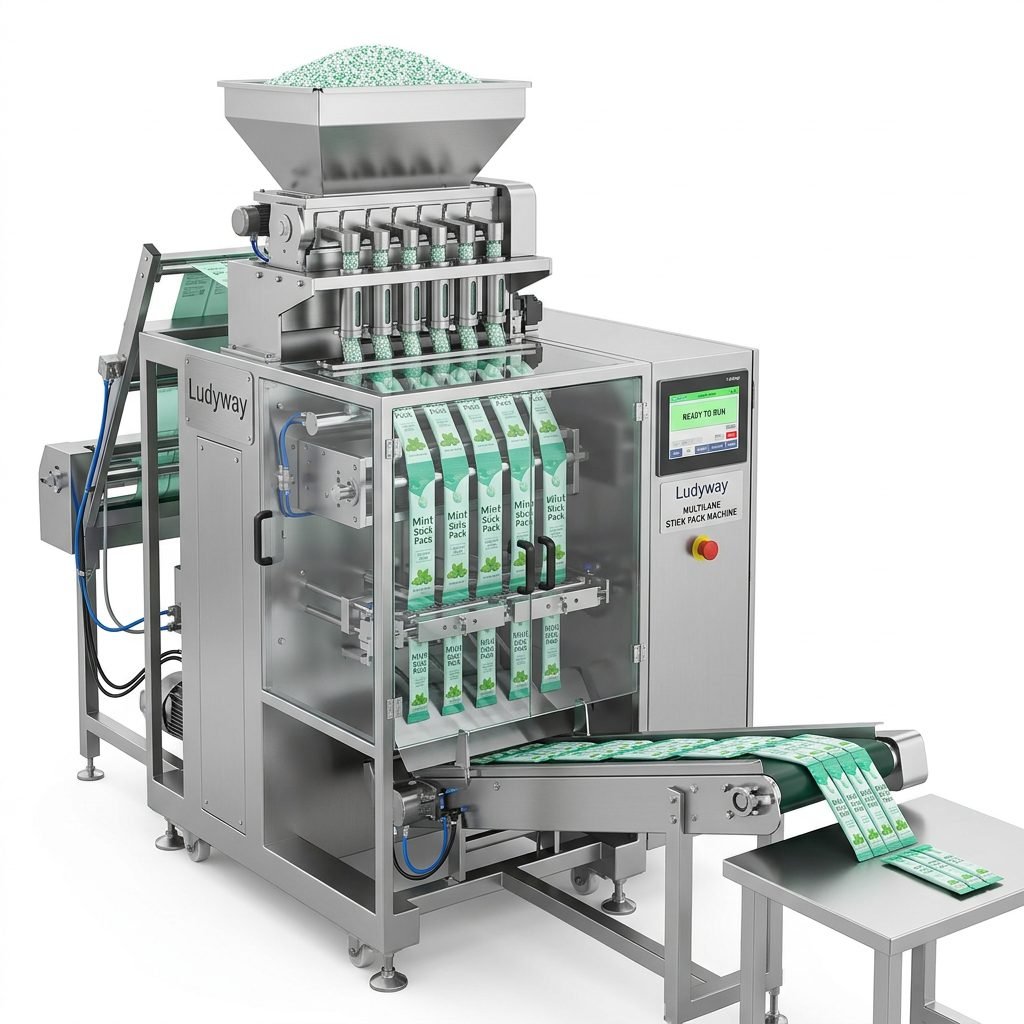
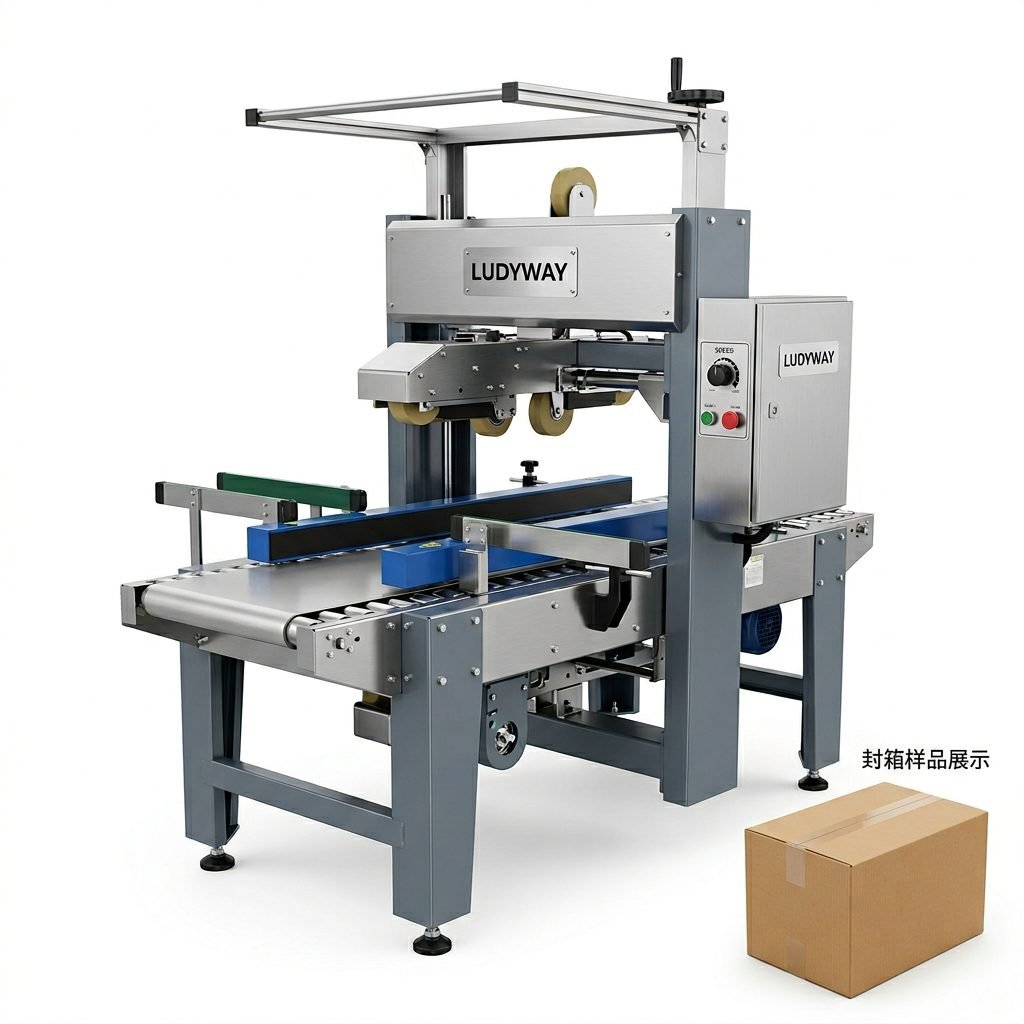
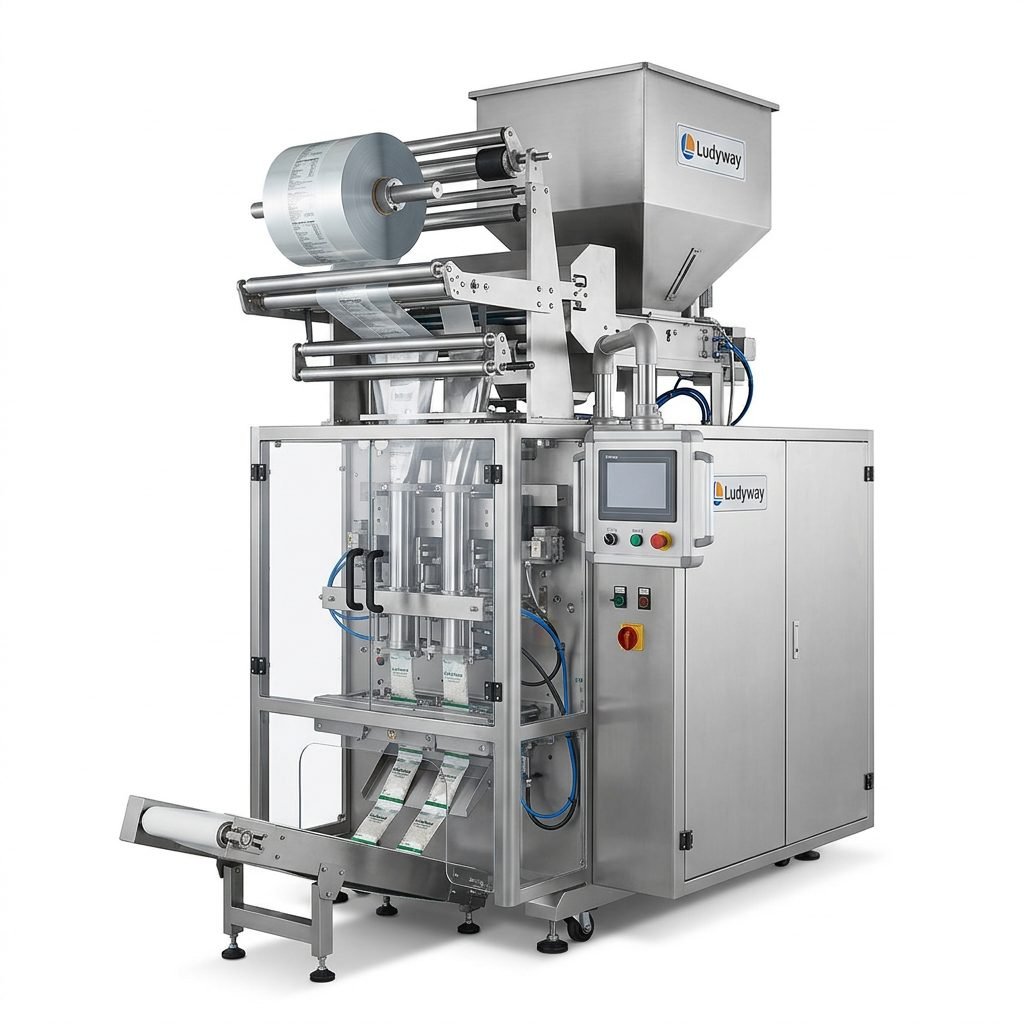
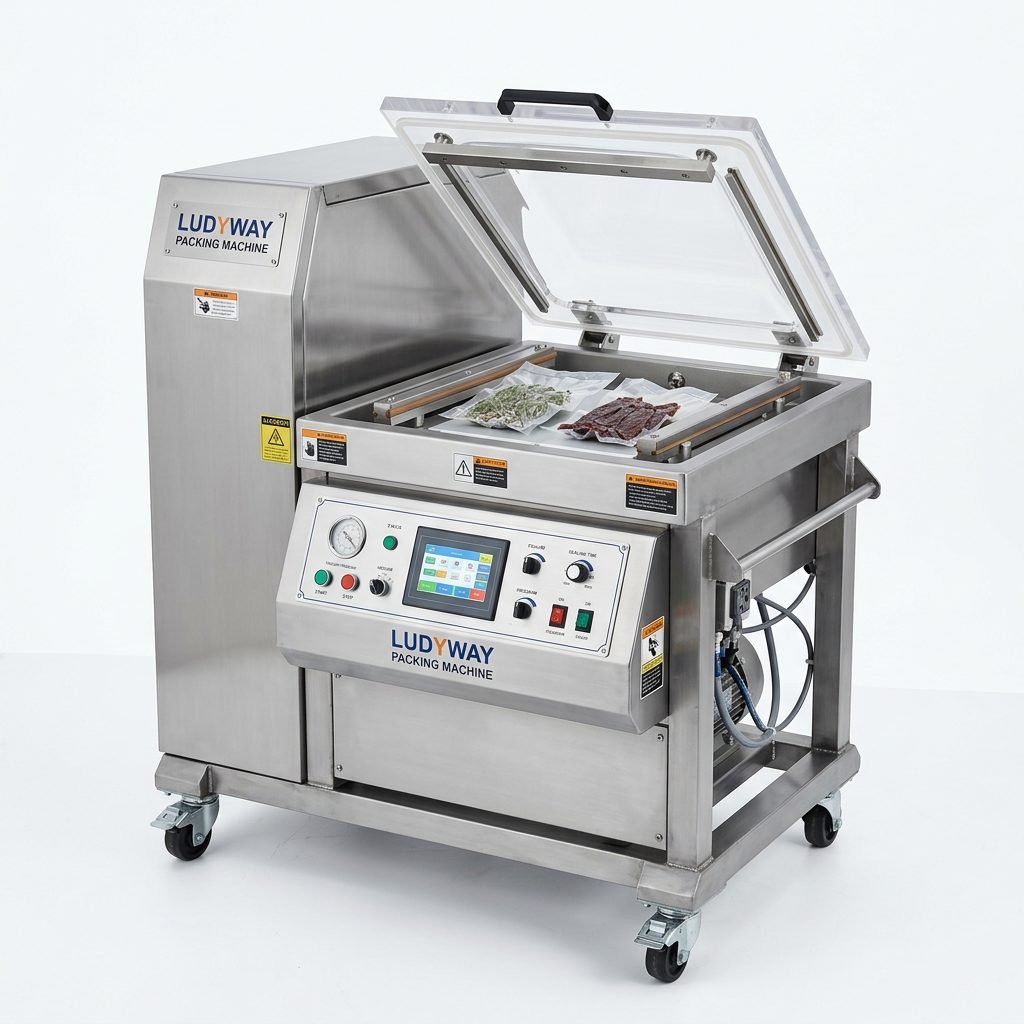
If you are comparing pharmaceutical packaging equipment suppliers, it is worth reviewing experienced manufacturers such as Ludyway pharmaceutical packaging machine solutions, especially for businesses seeking scalable automation, turnkey packaging line integration, and long-term export service support.
Supplier Evaluation Checklist
- Years of experience in packaging machinery manufacturing
- Experience in pharmaceutical and health supplement applications
- Factory strength and engineering capability
- Customization capacity for blister and secondary packaging lines
- Export project experience
- Availability of technical support and spare parts
Common Buying Questions
Can high-speed blister machines handle multiple product formats?
Yes, many models can be configured for tablets, capsules, and similar solid-dose products, but actual flexibility depends on tooling design, feeding method, and changeover requirements.
Is a high-speed machine always the best choice?
Not always. The right machine depends on batch size, production planning, packaging material, and downstream line capacity. Oversizing a machine can increase cost without improving total efficiency.
What industries besides pharmaceuticals use blister packaging?
Nutraceuticals, healthcare products, and some medical device categories also use blister packaging because of its protective and unit-dose advantages.
What is the biggest factor affecting blister pack quality?
Usually it is the combination of material quality, forming precision, product feeding stability, and sealing control rather than one factor alone.
Final Considerations for Pharmaceutical Manufacturers
An IMA PG blister packing machine represents a high-speed packaging approach built for demanding pharmaceutical production. For buyers, the real decision should focus on total packaging performance: speed, stability, compliance, sealing integrity, integration, and service support.
Whether you are upgrading a single packaging station or planning a complete pharmaceutical line, choosing the right blister packaging solution can improve operational efficiency, reduce packaging defects, strengthen product protection, and support long-term growth in regulated markets.