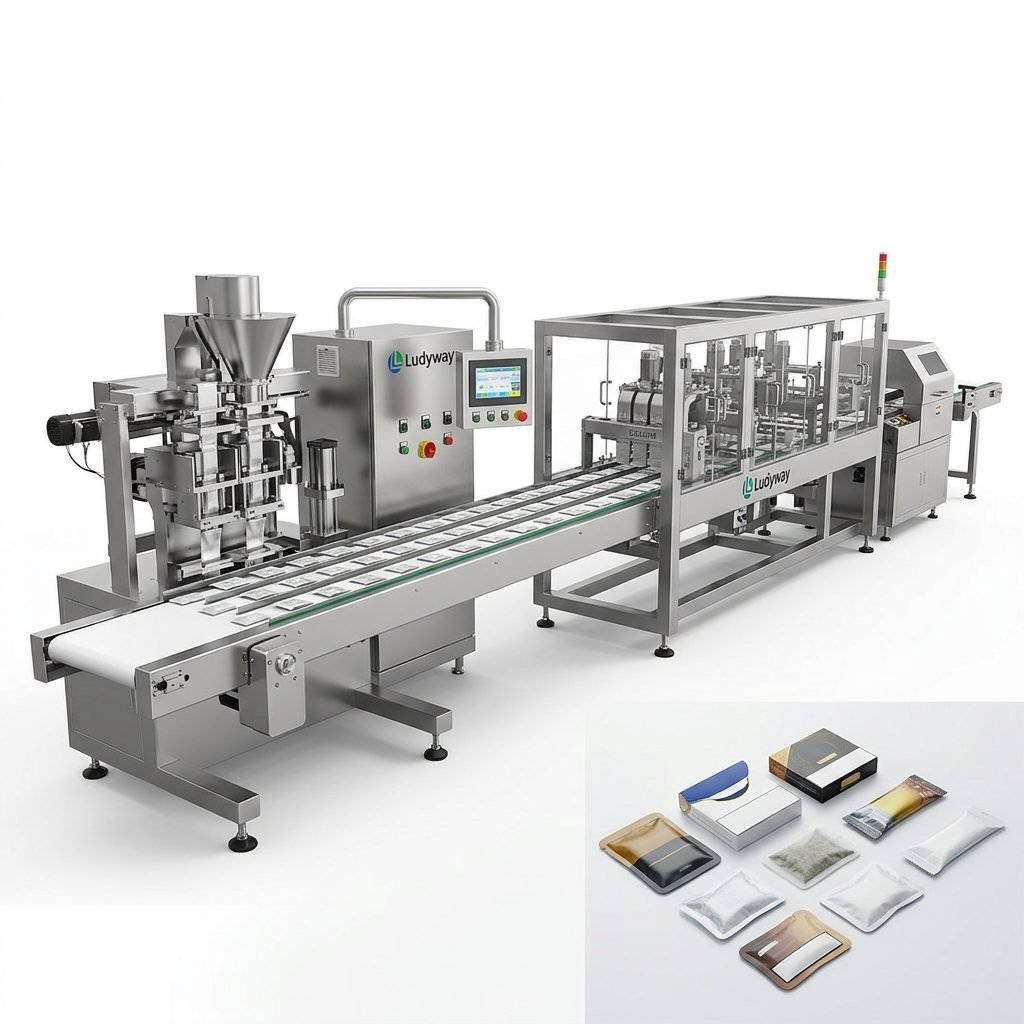
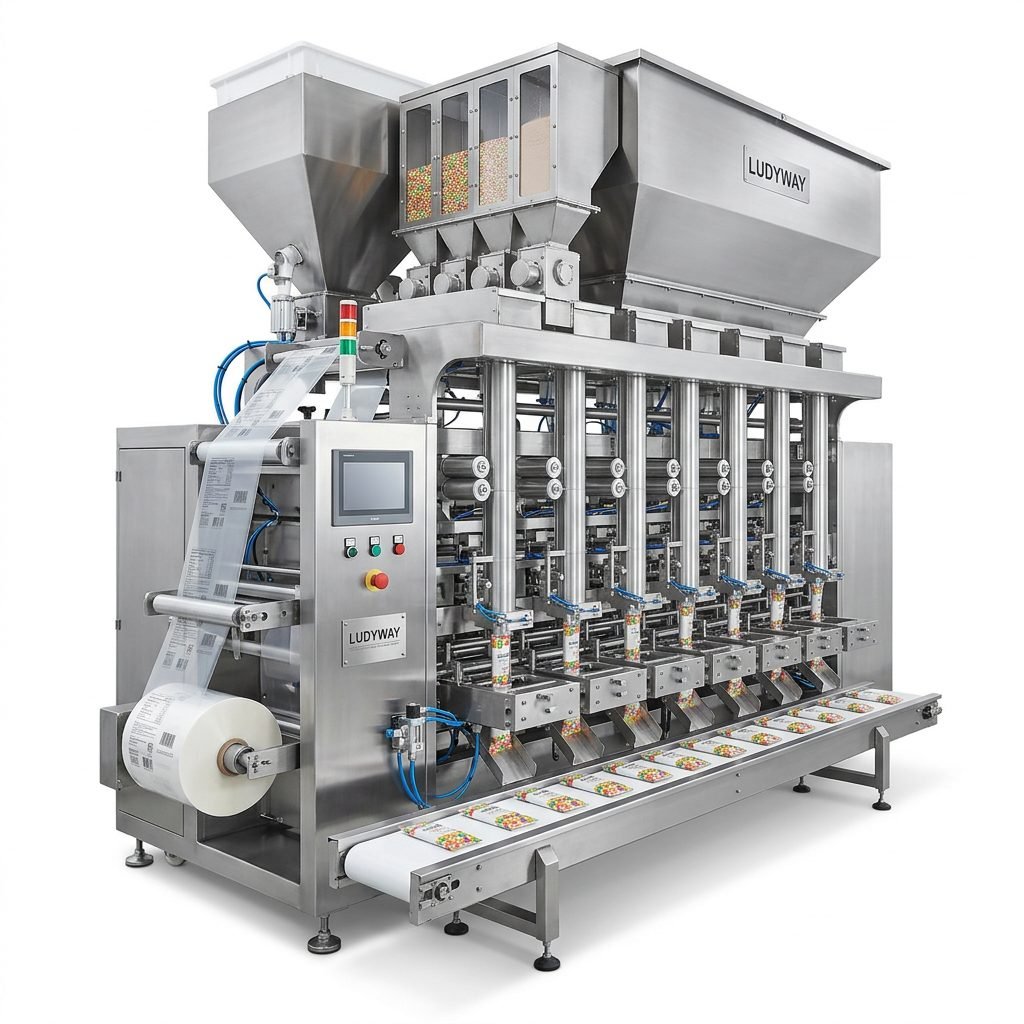
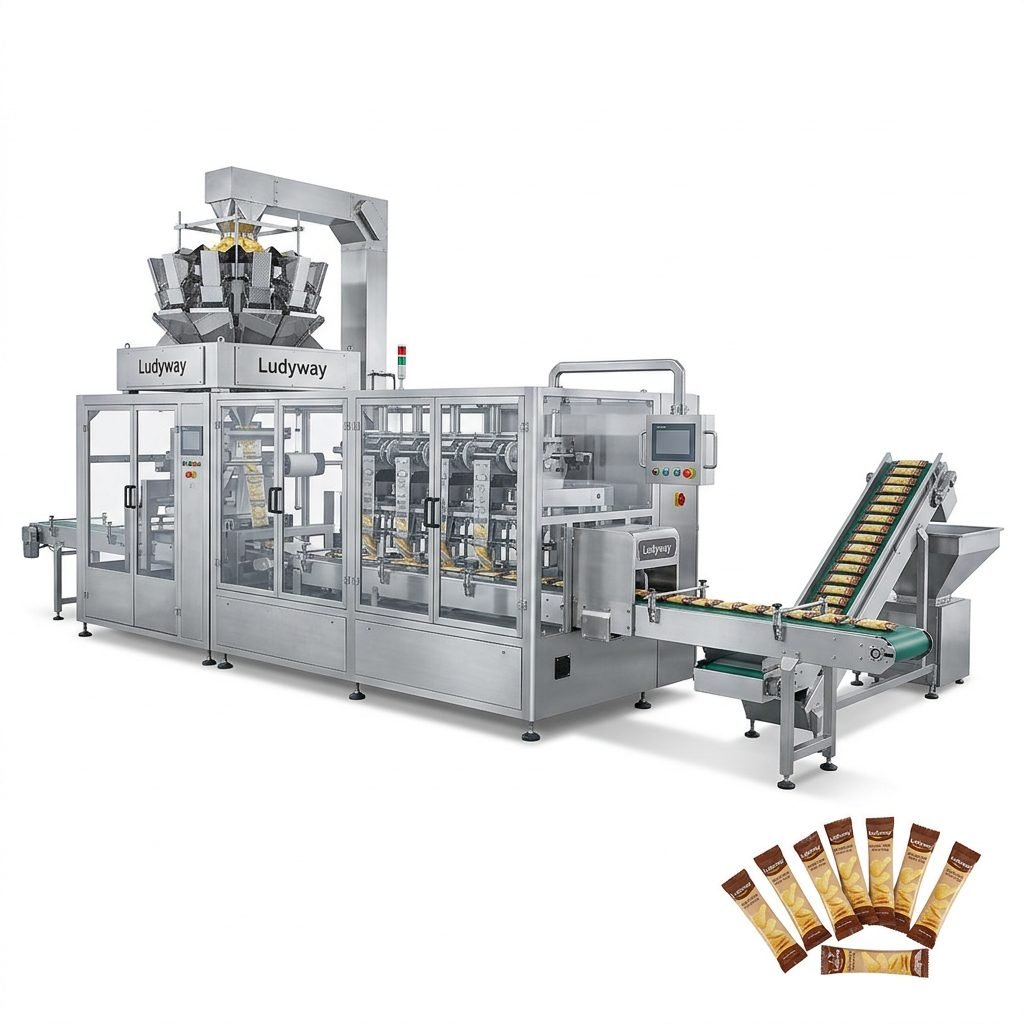
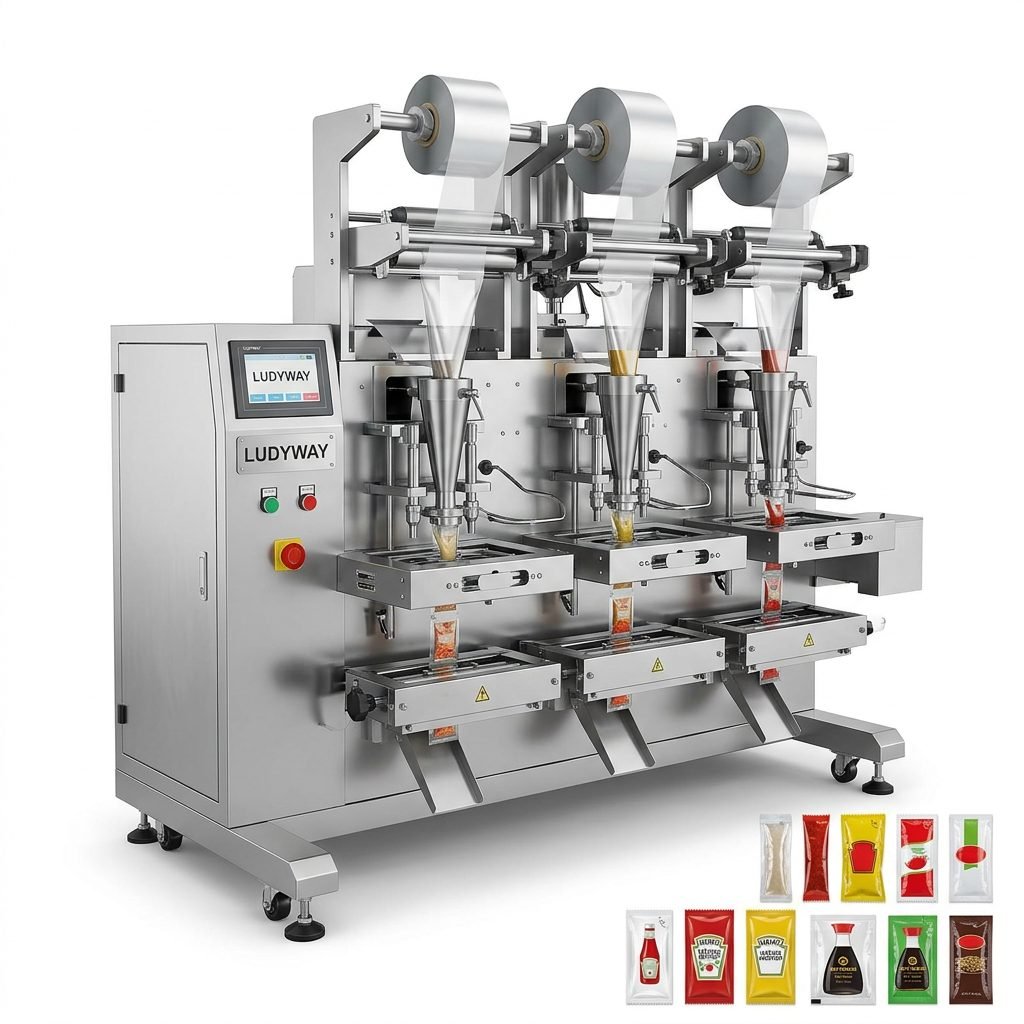
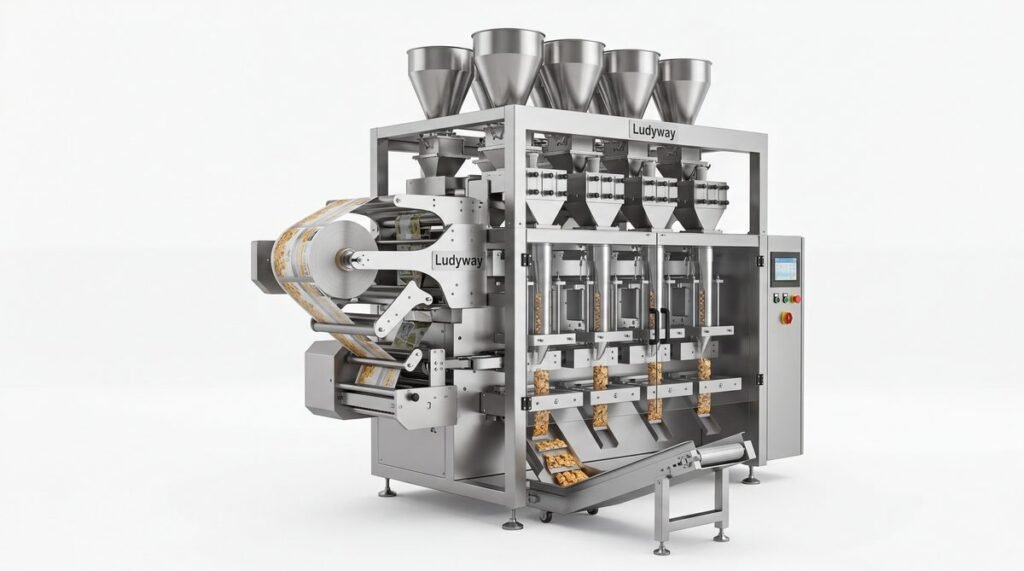
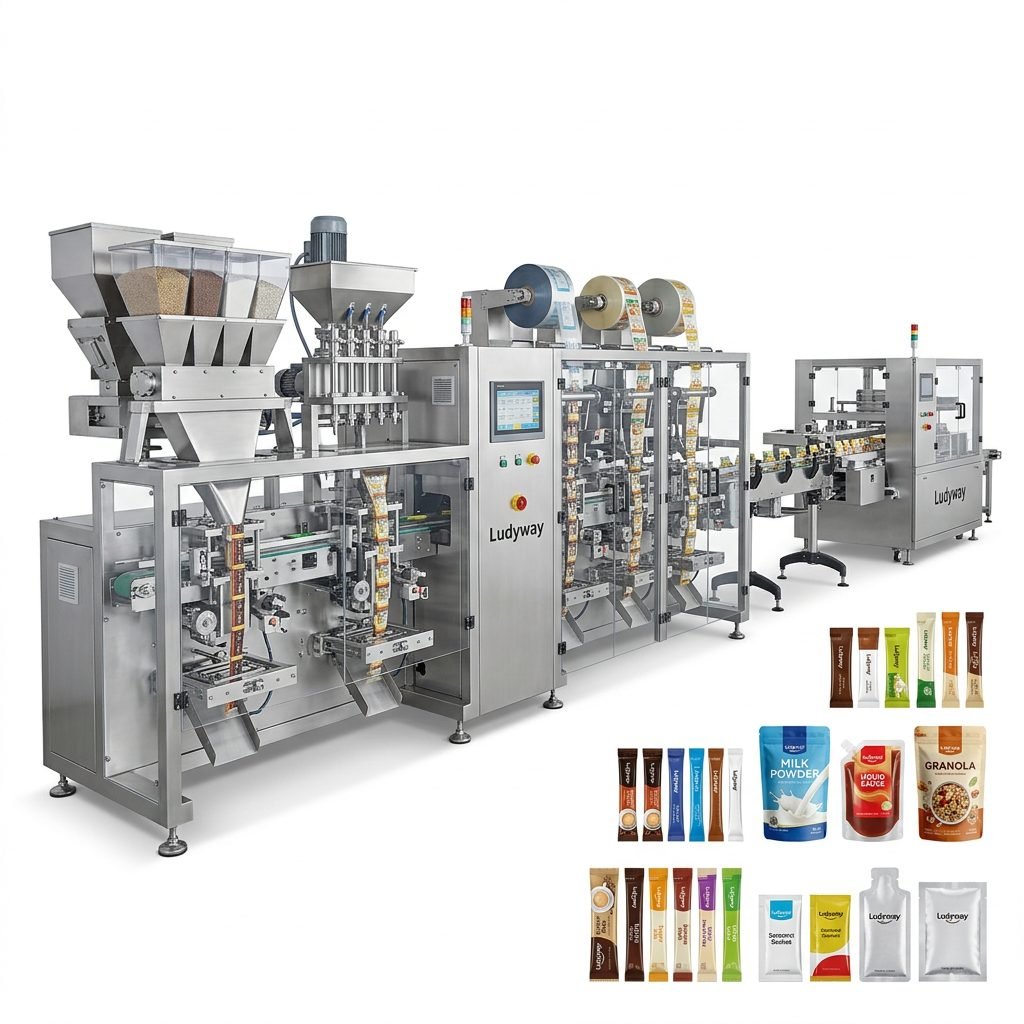
Pillow vacuum packing machine price can vary widely depending on machine type, automation level, bag size, output speed, vacuum performance, and the product you pack. For food processors, frozen product suppliers, snack brands, seafood companies, and industrial packaging buyers, choosing the right system is not only about finding the lowest quote—it is about matching performance, durability, and total operating cost to your real production needs.
If you are comparing suppliers, this guide explains how pricing works, what affects investment, and how to choose a machine that delivers stable sealing quality, better shelf life, and long-term value.

What Is a Pillow Vacuum Packing Machine?
A pillow vacuum packing machine is designed to remove air from a pouch or pillow-style bag before sealing it. This packaging format is commonly used for products that need oxygen reduction, longer shelf life, cleaner presentation, and improved transport protection. Depending on the application, the machine may work with solid foods, granules, powders, freeze-dried products, meat, seafood, pet food, medical items, or specialty industrial materials.
In practical buying discussions, the term may refer to several closely related solutions:
- Standalone vacuum sealing machines for ready-made pillow pouches
- Automatic form-fill-seal systems with vacuum functionality
- Thermoforming or chamber-style vacuum packers for high-output production
- Vacuum packaging lines integrated with feeding, conveying, coding, and cartoning
Typical Price Range of a Pillow Vacuum Packing Machine
There is no single universal price because machine configuration changes significantly from one project to another. However, buyers can usually think in terms of budget tiers.
| Machine Category | Typical Price Level | Best For |
|---|---|---|
| Entry-level semi-automatic vacuum packers | Lower budget range | Small workshops, pilot runs, manual loading operations |
| Standard automatic pillow vacuum machines | Mid-range investment | Growing food and product manufacturers needing stable output |
| High-speed industrial vacuum packaging systems | Higher capital investment | Large factories, export-oriented production, multi-shift operations |
| Turnkey automated vacuum packaging lines | Project-based custom pricing | Companies needing integrated feeding, packing, inspection, and end-of-line automation |
Important: the quoted machine price often does not include all accessories. A lower initial quotation may exclude vacuum pumps, product feeders, printers, nitrogen flushing, conveyors, weighing systems, spare parts, or electrical standard upgrades.
What Factors Affect Pillow Vacuum Packing Machine Price?
1. Automation Level
Semi-automatic machines cost less upfront, but they require more labor and usually provide lower throughput. Fully automatic systems cost more initially, yet they reduce labor dependency and improve production consistency.
2. Packaging Speed
The faster the machine, the higher the mechanical complexity and the higher the price. High-speed production typically requires stronger frame construction, more reliable motion control, advanced PLC programming, and better vacuum stability.
3. Product Type
Dry snacks, coffee, frozen meat, seafood, powder blends, and pharmaceutical products all behave differently during filling and vacuum sealing. Sticky, fragile, wet, sharp-edged, or dusty materials often require customized handling systems, which increases cost.
4. Bag Size and Material
If your business uses multiple pouch sizes or thicker barrier films, the machine may need a broader forming range, stronger sealing components, or more flexible changeover design.
5. Vacuum Quality Requirements
Some products only need basic air removal, while others require a deeper vacuum to protect quality and extend storage life. Higher vacuum precision usually means better pump systems and more advanced control components.
6. Hygienic and Industry Standards
Food and pharmaceutical industries often require stainless steel construction, easy-clean structures, dust control, sanitary contact parts, and validation support. These features can meaningfully influence the final price.
7. Customization and Line Integration
If you need a complete system with feeding, weighing, coding, metal detection, checkweighing, cartoning, or palletizing, your investment will be higher than for a standalone machine—but your production efficiency can improve dramatically.
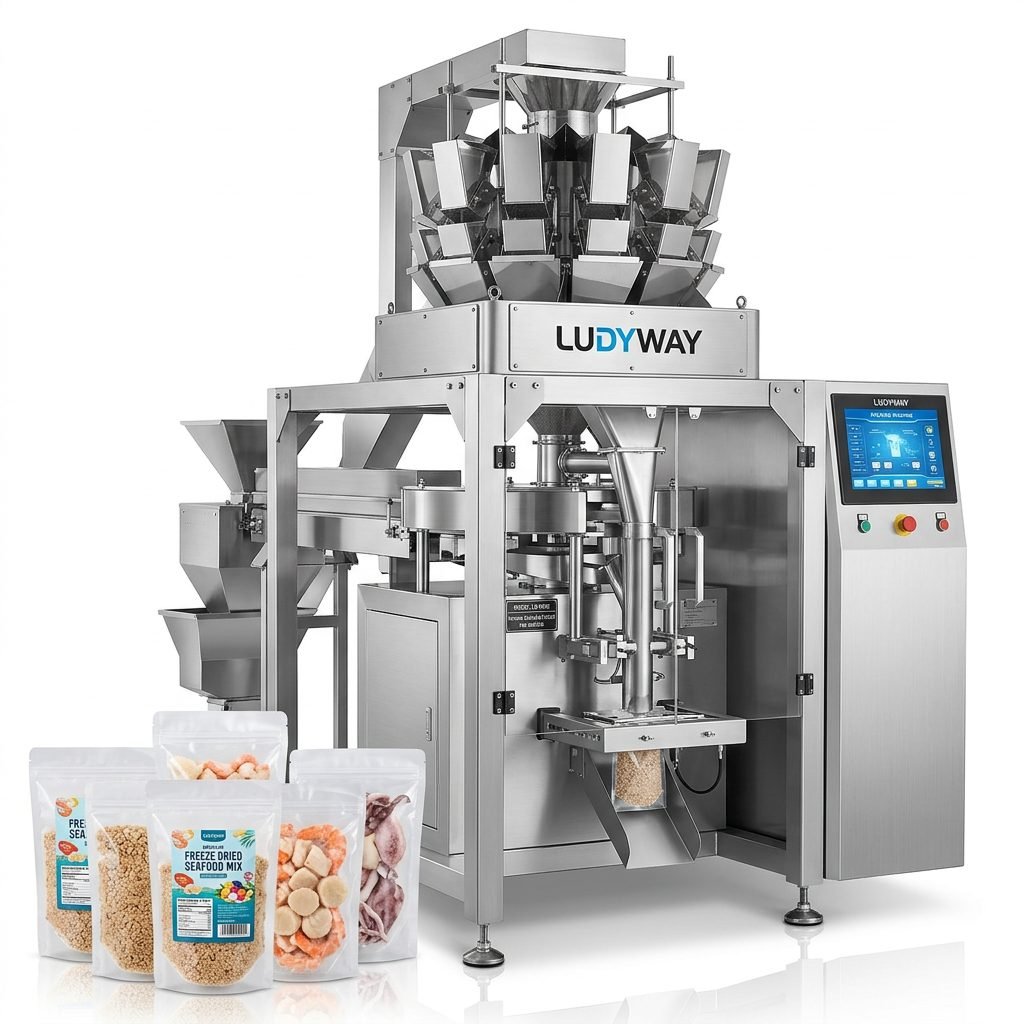
How to Choose the Right Vacuum Packaging Machine
A smart buying decision starts with your actual production requirements—not with the cheapest quotation. Before talking to suppliers, prepare clear information about your product, packaging format, capacity target, and factory conditions.
Define Your Product Characteristics
- Is the product solid, powder, granule, liquid, or mixed?
- Is it fragile, oily, sticky, frozen, or sharp-edged?
- Does it need strict oxygen control?
- Will the package be sold retail or shipped in bulk?
Estimate Real Capacity Needs
Many buyers overestimate required speed and pay for capacity they do not use. Others underestimate growth and quickly outgrow the machine. A better approach is to consider:
- Current daily output
- Expected 1–3 year production growth
- Shift pattern
- Peak season demand
Check Packaging Consistency Requirements
If your brand depends on retail shelf appearance, then seal quality, bag shape, and vacuum uniformity matter just as much as speed. A machine with stable operation can reduce waste, rework, and complaints.
Evaluate Maintenance and Spare Parts
A lower-priced machine is not always more economical if spare parts are difficult to source or maintenance is frequent. Ask suppliers about:
- Wear parts life cycle
- Service response time
- Remote support capability
- Installation and training
- Electrical component brands
Questions to Ask Before Requesting a Quote
| Question | Why It Matters |
|---|---|
| What product will be packed? | Determines feeding, sealing, and vacuum design |
| What bag size and film structure will be used? | Affects machine compatibility and sealing performance |
| What output per minute or per hour is needed? | Directly affects machine model and price |
| Do you need a standalone unit or full line? | Changes the project scope significantly |
| What voltage and compliance standards apply? | Important for export, installation, and safety |
| Do you need coding, inspection, or downstream packing? | Helps avoid hidden extra costs later |
Low Price vs. Best Value: What Buyers Often Miss
Many buyers focus on invoice price alone, but the real cost of a vacuum packaging machine includes much more:
- Downtime losses
- Seal failure and product returns
- Film waste
- Manual labor cost
- Replacement parts
- Energy consumption
- Future upgrade flexibility
A reliable machine with stable vacuum and sealing quality can often save far more over time than a cheaper model with inconsistent performance.
Who Should Invest in a Higher-End Vacuum Packaging Machine?
Premium or customized machines are often the right choice if you:
- Run multi-shift or high-volume production
- Export packaged products and need consistent quality
- Handle sensitive food, pharmaceutical, or health products
- Need quick format changeovers
- Want to reduce labor and increase automation
- Plan to build a scalable turnkey packaging line
How to Compare Vacuum Packaging Machine Suppliers
When comparing suppliers, do not only compare quotations. Compare technical fit, manufacturing strength, and service capability.
Look for These Supplier Advantages
- Clear experience in your industry
- Ability to customize for product characteristics
- Stable export experience
- Complete documentation and training support
- Availability of turnkey line integration
- Strong factory and engineering capacity
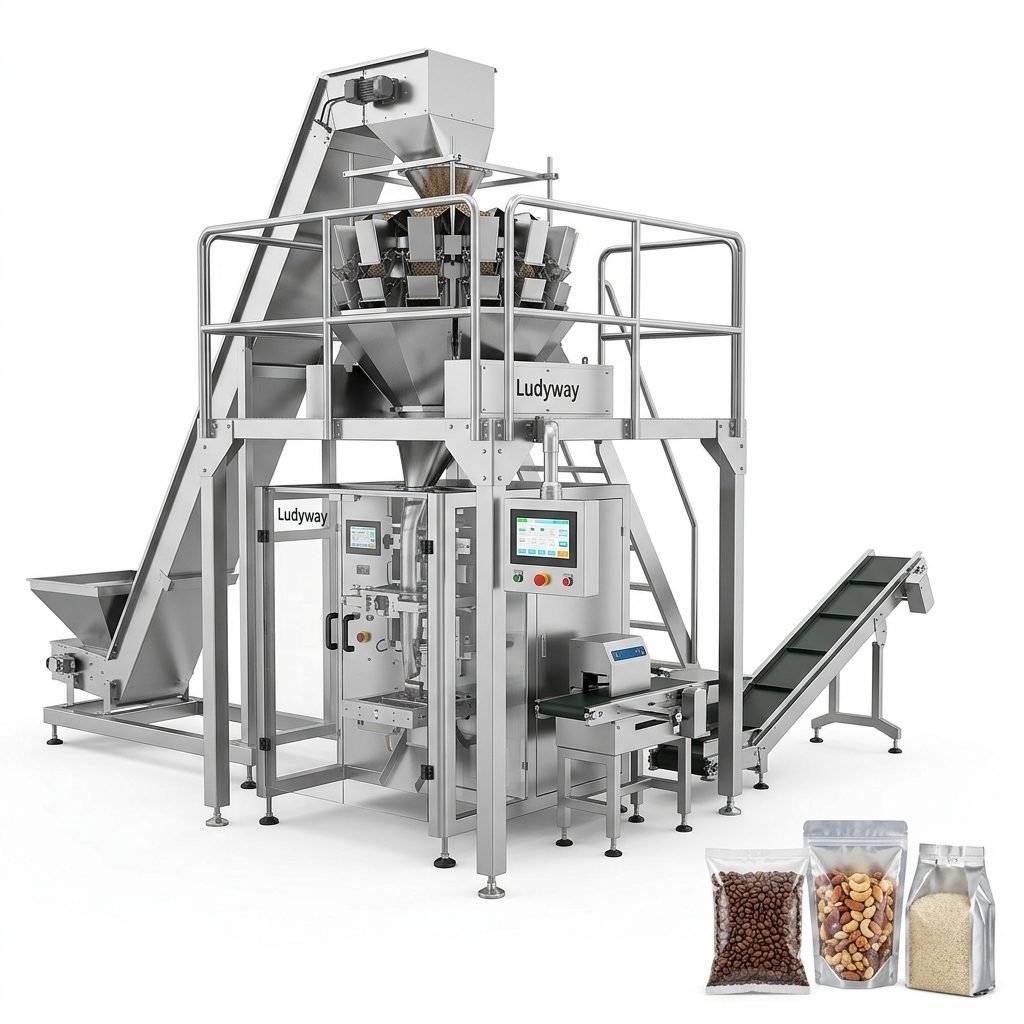
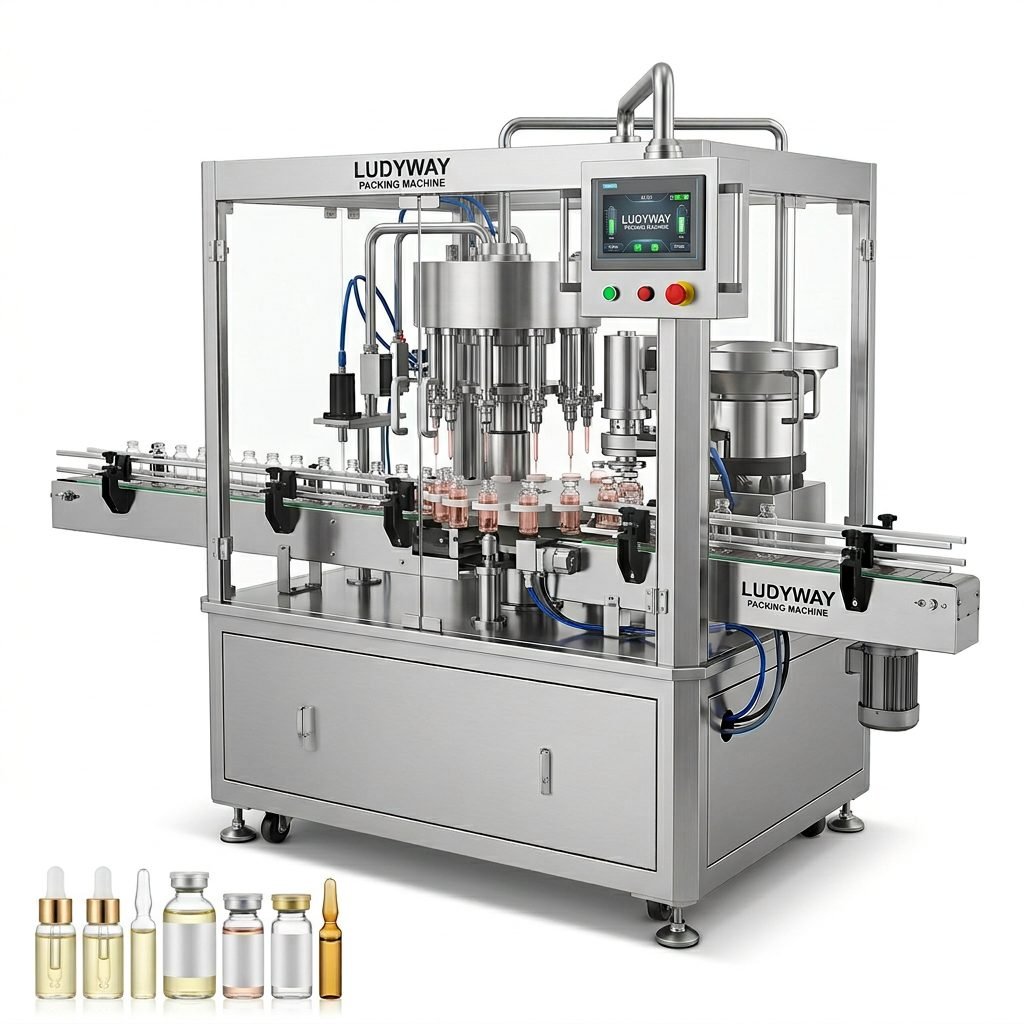
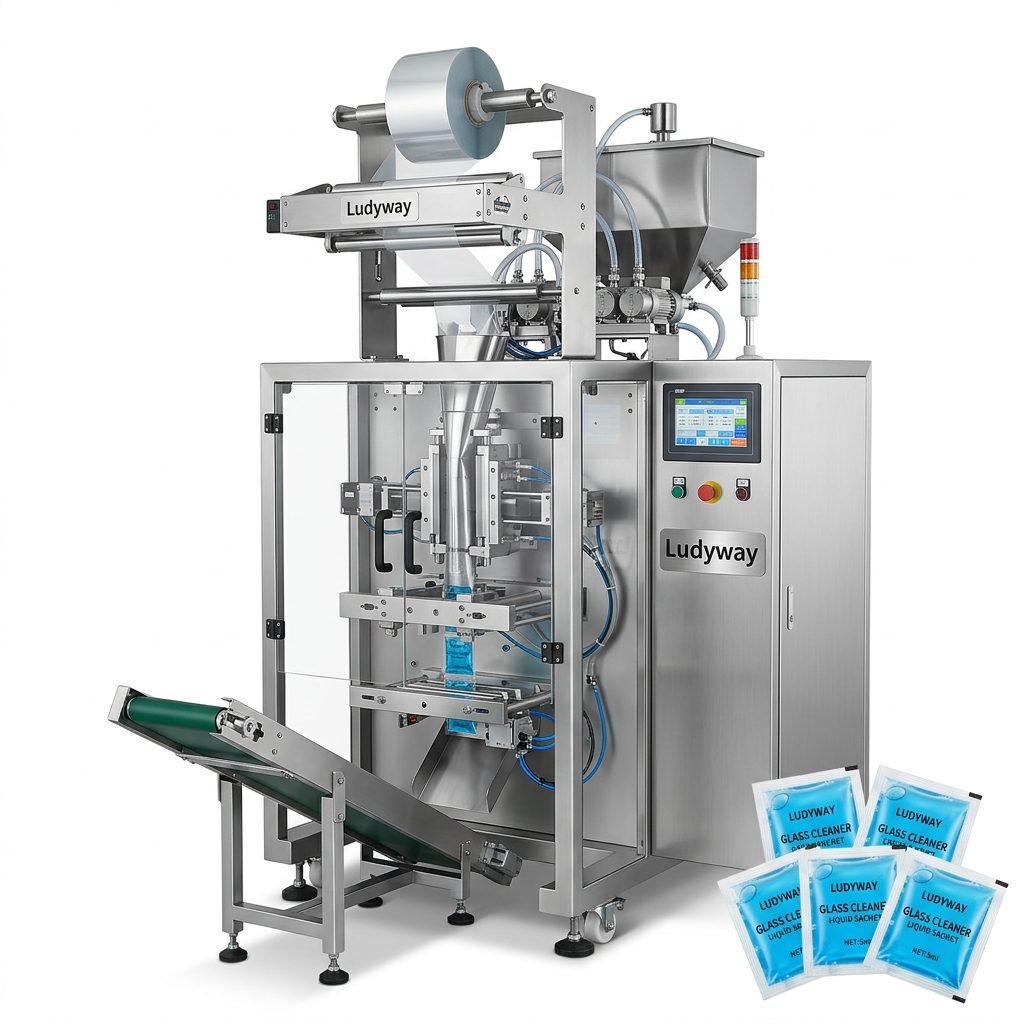
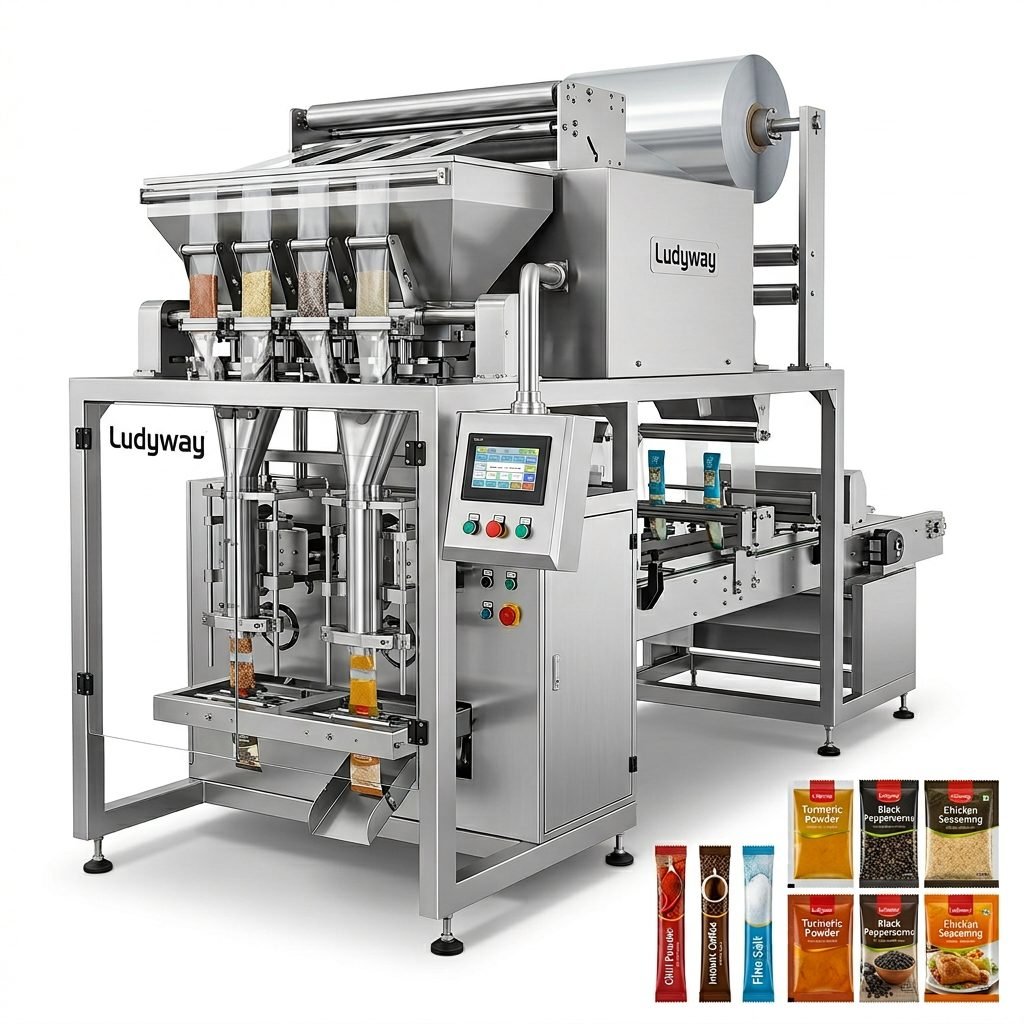
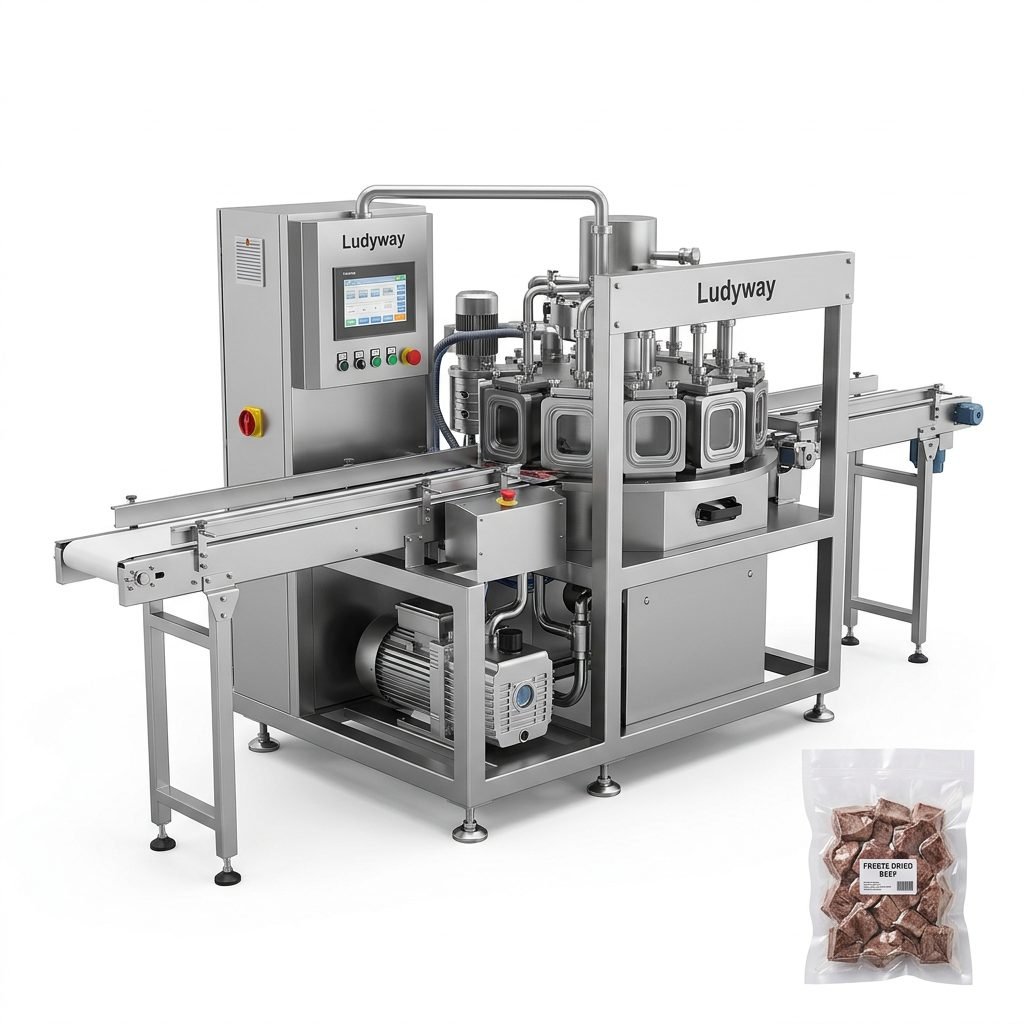
For buyers seeking scalable automation, Ludyway vacuum packaging machine solutions are often considered for projects that require flexible machine configurations, integrated packaging lines, and long-term technical support across food, pharmaceutical, health supplement, and related industries.
Best Applications for Pillow Vacuum Packaging Machines
These machines are commonly selected for:
- Freeze-dried foods
- Seafood and meat products
- Prepared foods and snacks
- Coffee and specialty powders
- Pet food and pet treats
- Health supplements
- Pharmaceutical and medical products
- Industrial granules and moisture-sensitive materials
Final Buying Tips Before You Decide
- Prepare product samples before supplier consultation.
- Ask for packaging test videos or trial reports.
- Confirm what is included in the quotation.
- Check lead time, warranty, and spare parts support.
- Balance machine price with long-term operating value.
- Choose a model that supports future production growth.
The best pillow vacuum packing machine is not simply the cheapest one—it is the machine that fits your product, protects package quality, supports efficient production, and delivers dependable return on investment. By evaluating price together with automation, vacuum performance, service support, and scalability, you can make a smarter purchase and avoid costly mistakes later.