Selecting the right industrial chemical packaging machine is a critical decision that impacts operational efficiency, product safety, and overall profitability. The chemical industry presents unique challenges, from handling corrosive and hazardous materials to meeting stringent regulatory standards for labeling and containment. This comprehensive guide explores the various types of packaging systems, their specific applications, and provides a detailed framework to help you choose the optimal equipment for your production line.
Understanding the Critical Role of Packaging in the Chemical Industry
Packaging in the chemical sector goes far beyond simple containment. It serves as the primary barrier protecting the product from contamination and, equally importantly, protecting personnel, the environment, and the supply chain from potential hazards. A well-chosen packaging system ensures dosage accuracy, preserves product integrity, and provides clear, compliant labeling. For manufacturers, the right machine directly translates to reduced waste, lower material costs, consistent output, and enhanced safety protocols.
Key Consideration:
The packaging material must be chemically compatible with the product. Factors like reactivity, permeability, and degradation must be thoroughly evaluated to prevent leaks, product loss, or dangerous chemical reactions.
Primary Types of Industrial Chemical Packaging Machines
The diversity of chemical products—from fine powders and granules to viscous liquids and volatile solvents—necessitates a range of specialized packaging technologies. Here are the main systems used in the industry.
1. Vertical Form-Fill-Seal (VFFS) Machines
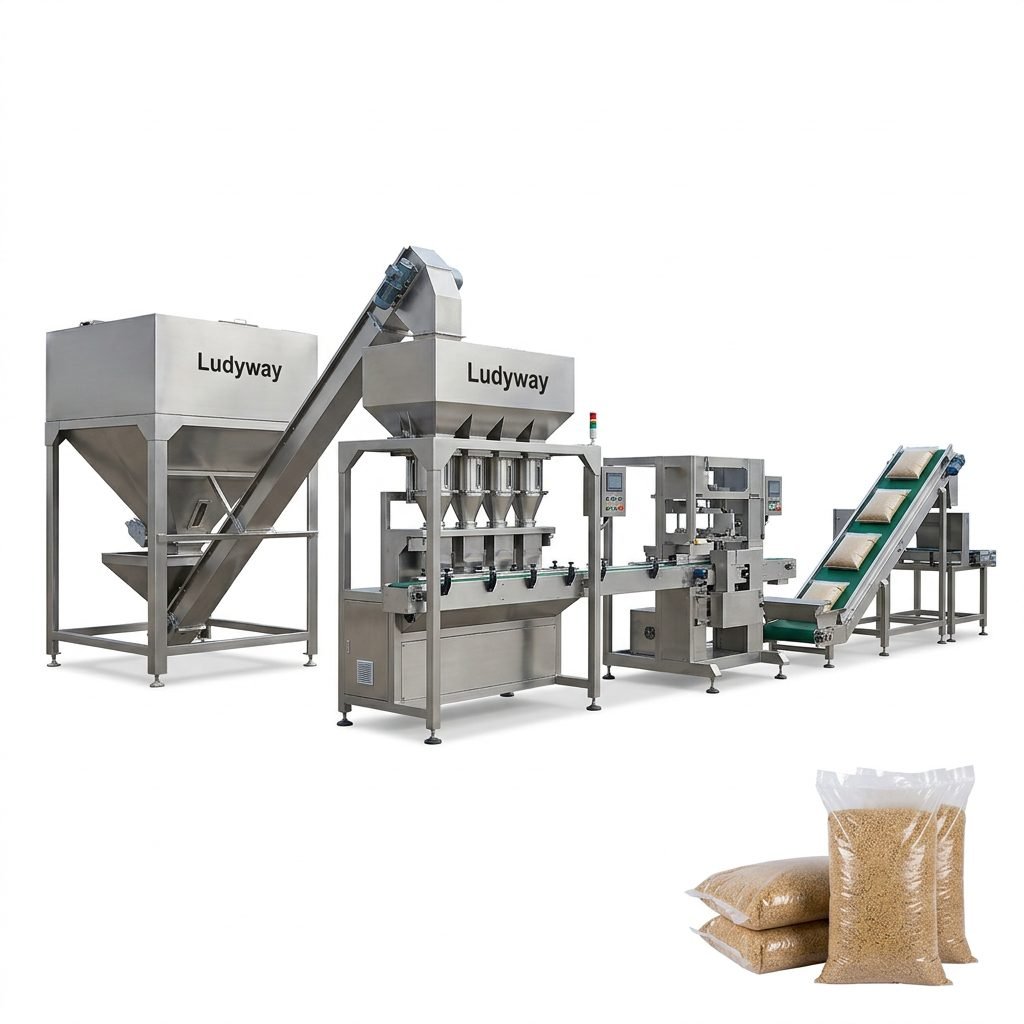
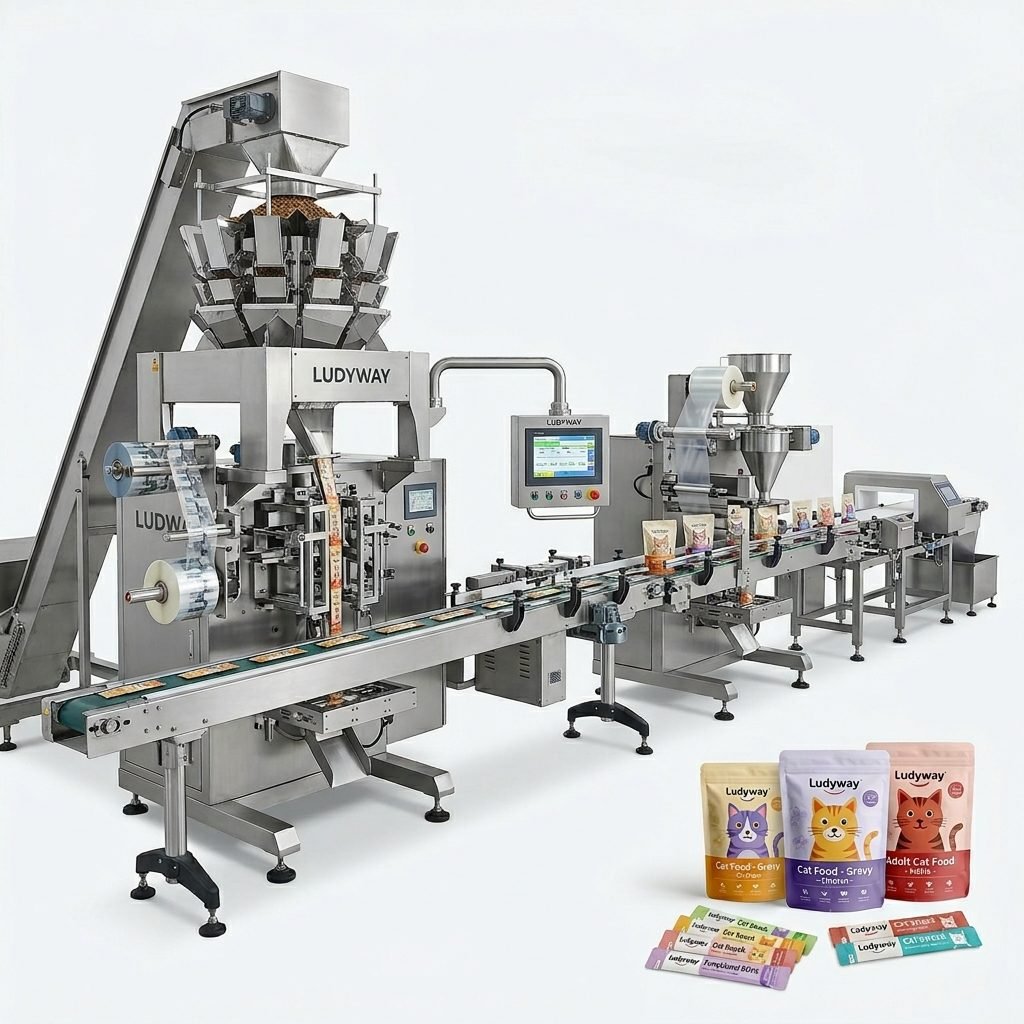
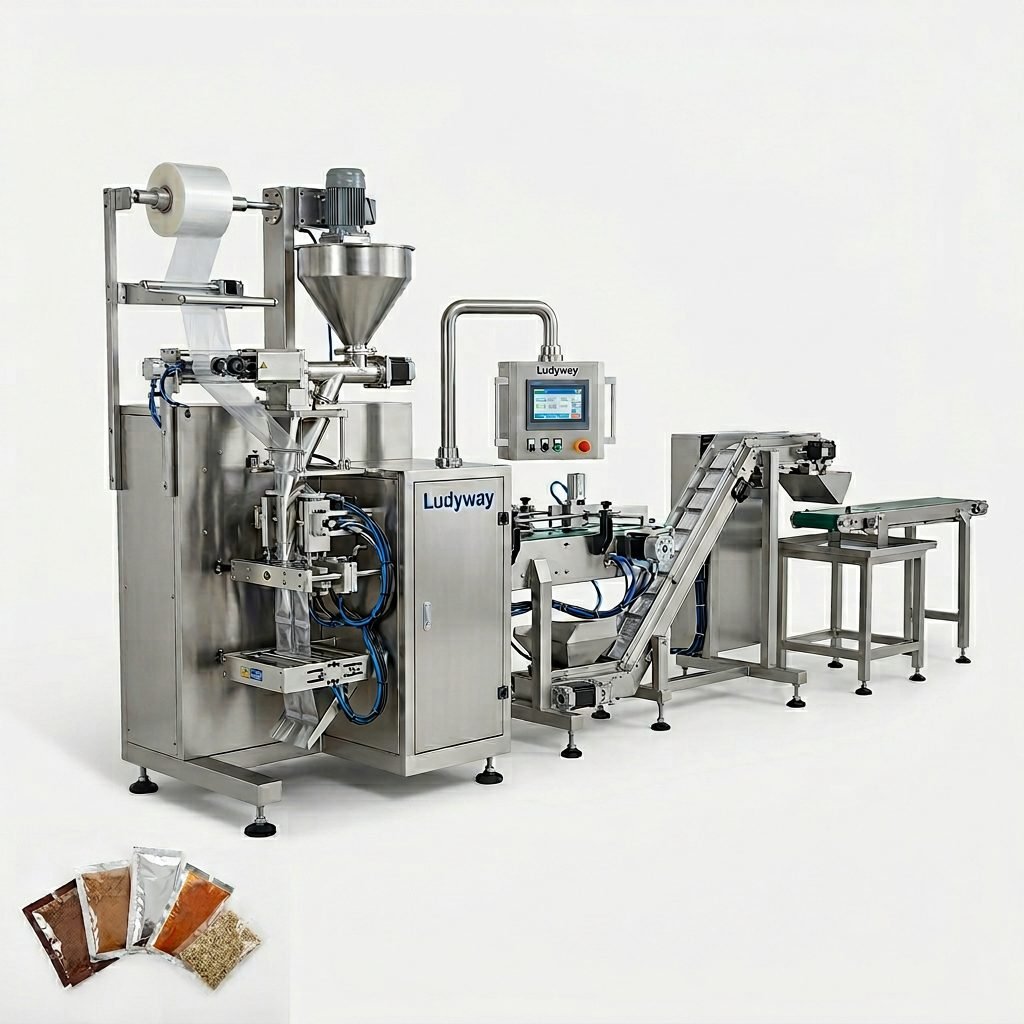
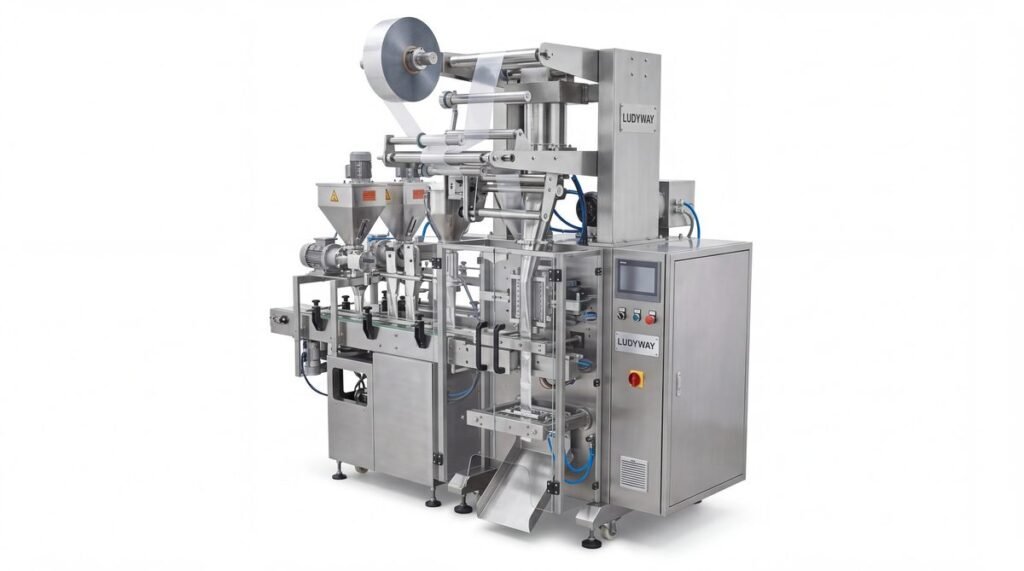
These are the workhorses of chemical packaging for granular, powdered, and free-flowing products. A VFFS machine forms a bag from a roll of film, fills it with a pre-measured dose, and seals it—all in one continuous vertical process. They are highly versatile and efficient for medium to high-speed production of bags ranging from small sachets to larger pouches.
- Best For: Detergent powders, pool chemicals, agricultural granules, industrial salts.
- Advantages: High speed, minimal floor space, quick changeover between bag sizes.
2. Liquid Filling and Sealing Machines
Designed specifically for fluids, these systems handle everything from water-based solutions to aggressive acids and solvents. They employ various filling technologies like piston, peristaltic, or gravity fillers, paired with sealing mechanisms for bottles, cans, or pouches. Critical features include corrosion-resistant components and explosion-proof options for volatile compounds.
- Best For: Cleaning chemicals, automotive fluids, adhesives, herbicides, liquid fertilizers.
- Advantages: Precise volumetric or weight-based filling, handles a wide viscosity range, integrates with capping and labeling.
3. Stick Pack and Sachet Packaging Machines
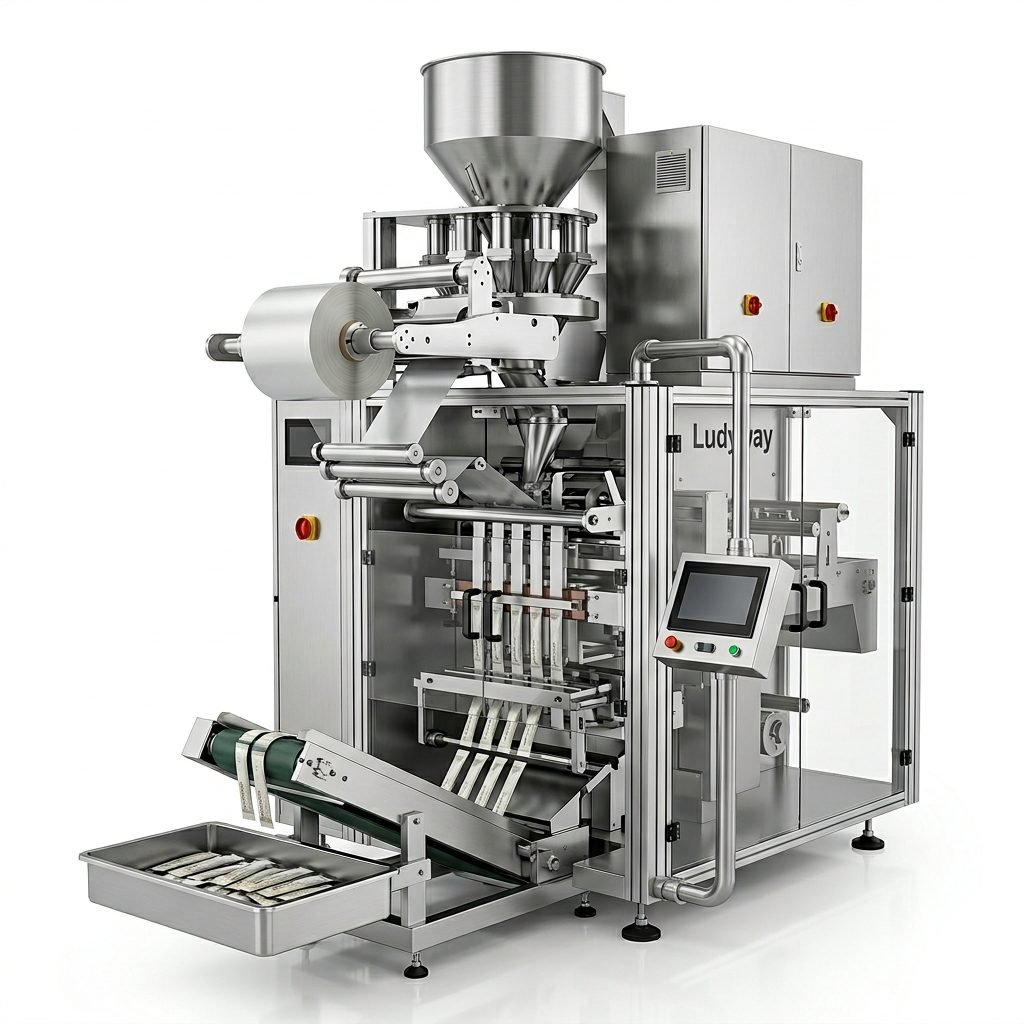
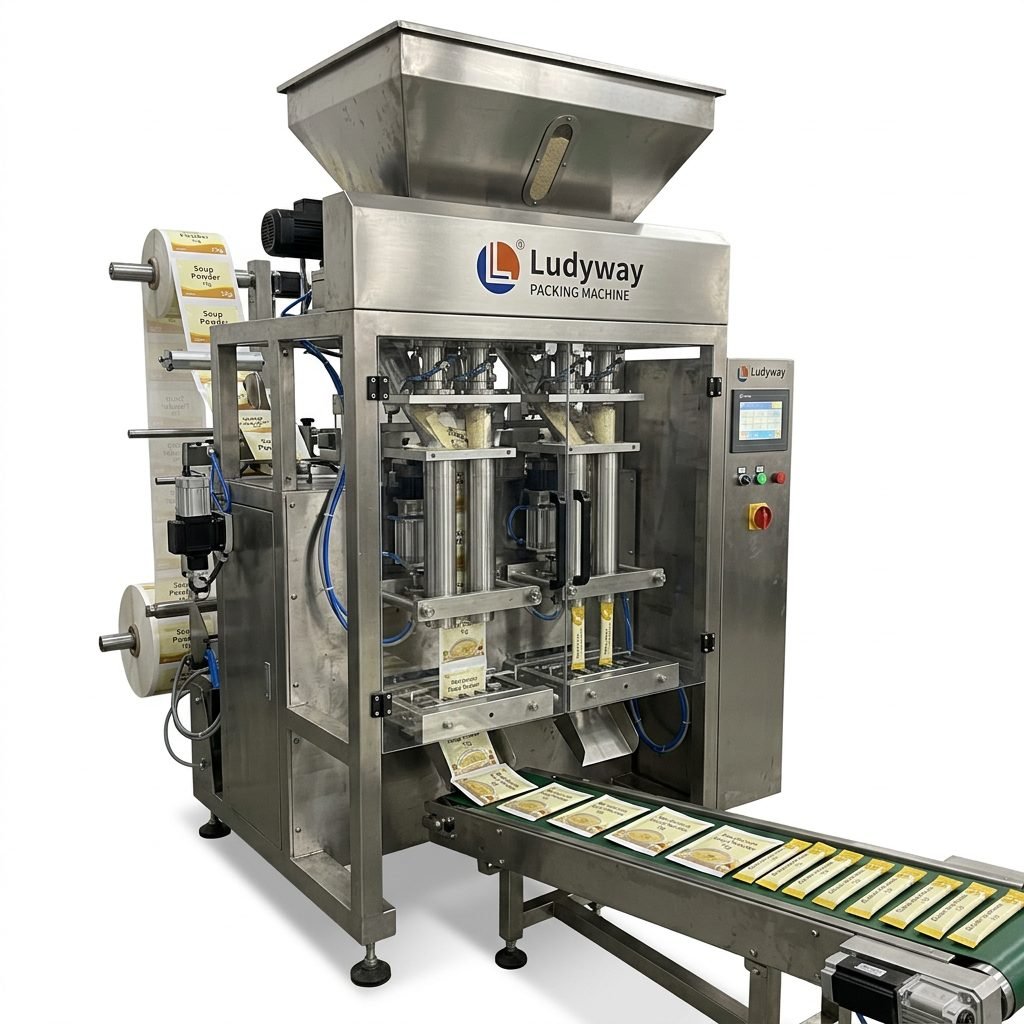
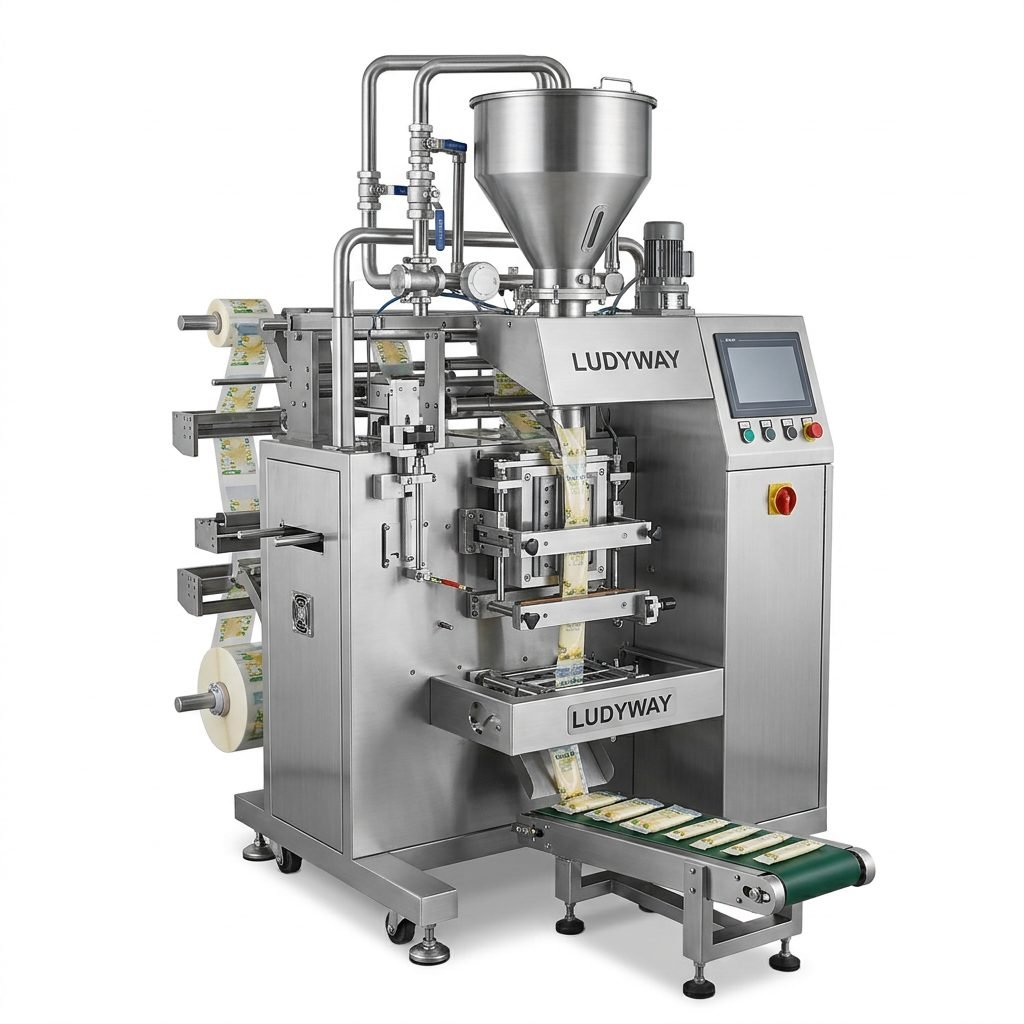
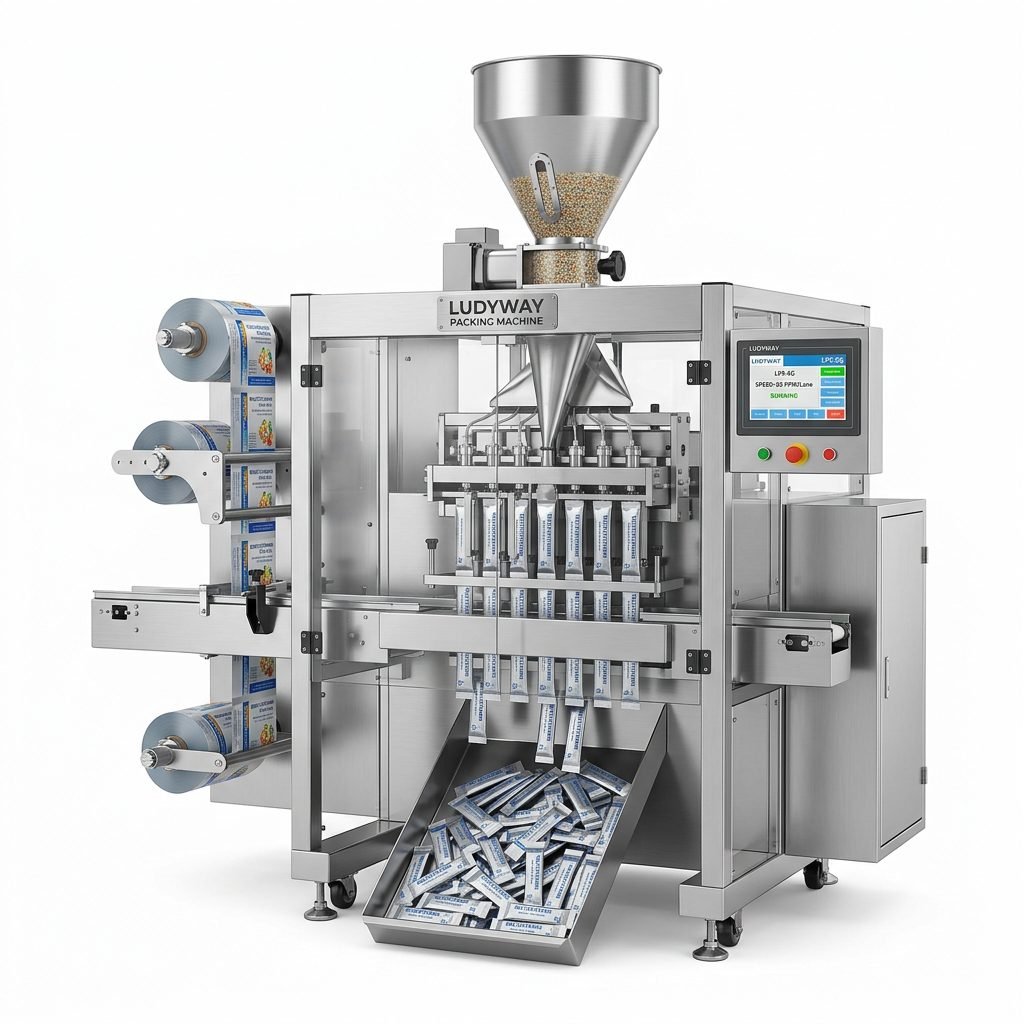
Ideal for single-dose or small-quantity packaging, these machines produce slim, elongated stick packs or flat sachets. They are perfect for products where precise, convenient dispensing is required. Modern multi-lane systems can achieve exceptionally high output rates from a compact footprint.
- Best For: Water treatment powders, dye samples, industrial additives, reagent chemicals.
- Advantages: Excellent product-to-package ratio, consumer-friendly format, high-speed multi-lane production available.
4. Bulk Bagging and Drum Filling Systems
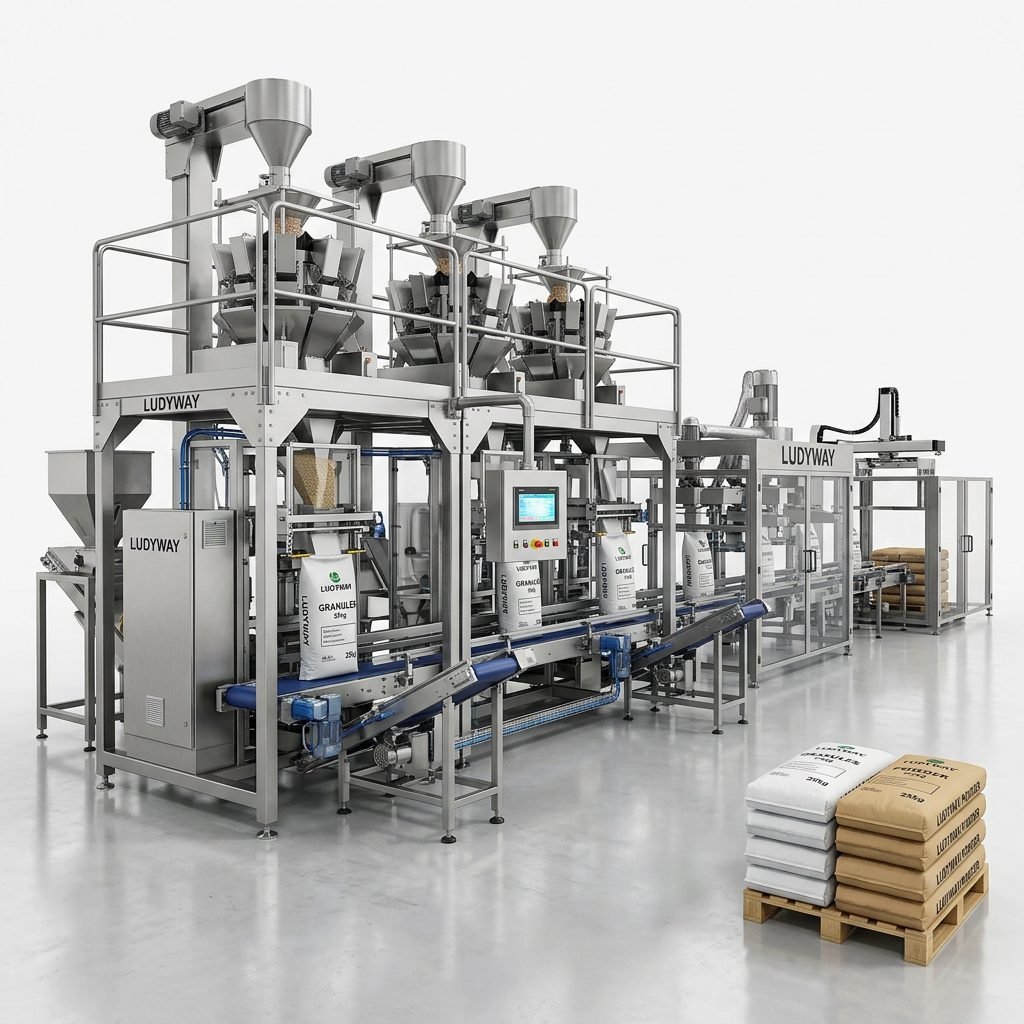
For large-scale industrial distribution, FIBC (Flexible Intermediate Bulk Container) fillers and drum fillers are essential. These robust systems are designed for heavy-duty weighing and filling of large containers, often incorporating dust collection systems and automated handling for operator safety.
- Best For: Bulk resins, pigments, construction chemicals, mineral powders.
- Advantages: High capacity, designed for heavy loads, reduces packaging frequency and labor.
Key Applications Across Chemical Sub-Sectors
Each segment of the chemical industry has distinct packaging priorities that influence machine selection.
Agrochemicals & Fertilizers
Packaging must withstand outdoor storage conditions. Machines need to handle hygroscopic materials (fertilizers) and often incorporate nitrogen flushing to prevent caking and extend shelf life. Accurate dosing is critical for end-user application rates.
Industrial & Institutional Cleaners
Focus is on safety and dilution control. Concentrated cleaners benefit from stick pack or portion-control sachet packaging. Machines must be compatible with a range of liquid viscosities and often require corrosion-resistant stainless steel contact parts.
Specialty & Fine Chemicals
High-value, low-volume products demand extreme precision and often an inert atmosphere. Packaging systems for this sector prioritize accuracy, minimal product loss, and the ability to run small batches with quick, validated changeovers.
How to Choose the Right Packaging System: A Step-by-Step Framework
Making an informed investment requires a systematic evaluation of your product, production goals, and operational environment.
Step 1: Analyze Your Product Characteristics
This is the foundational step. Document everything: physical form (powder, granule, liquid), flowability, abrasiveness, hygroscopicity, and any hazardous properties (corrosive, flammable, toxic). This profile will immediately narrow down suitable machine types and necessary material of construction (e.g., 316L stainless steel for highly corrosive products).
Step 2: Define Your Production Requirements
Quantify your needs. What are your target output speeds (bags/minute)? What are your primary package sizes and weights? How frequently will you need to change over between different products or package sizes? Answering these questions determines the required level of automation and flexibility.
Step 3: Evaluate Integration and Compliance Needs
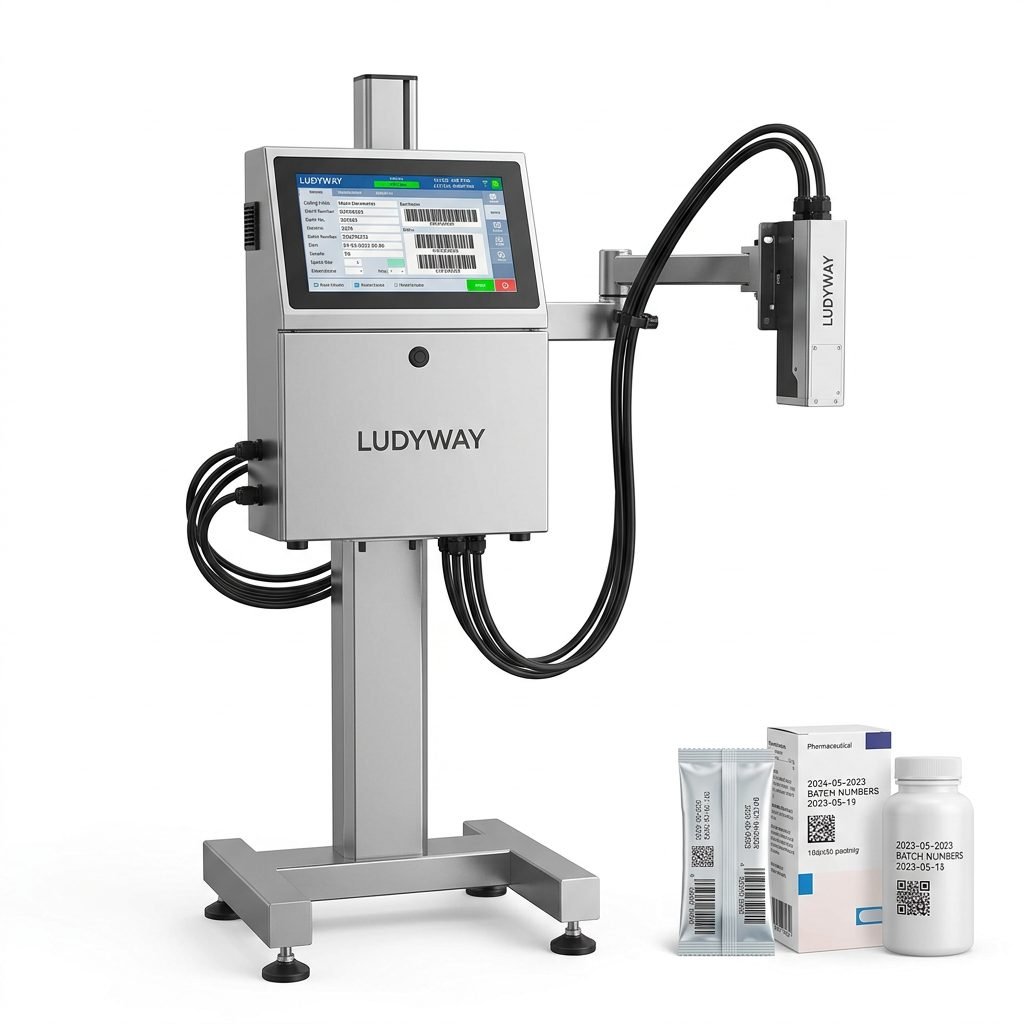
The machine does not operate in isolation. Consider how it will integrate with upstream (mixing, conveying) and downstream (cartoning, case packing, palletizing) equipment. Furthermore, ensure the system can be configured to meet relevant industry safety standards and regulatory labeling requirements in your target markets.
Step 4: Assess Operational and Lifecycle Costs
Look beyond the initial purchase price. Calculate the Total Cost of Ownership (TCO), which includes:
→ Consumables cost (film type, sealing quality affecting waste).
→ Energy consumption.
→ Expected maintenance, ease of cleaning, and availability of spare parts.
→ Required operator skill level and training.
Step 5: Select a Partner with Proven Expertise
The manufacturer’s experience is paramount. Choose a supplier with a demonstrated track record in chemical packaging. They should offer comprehensive support, from initial consultation and factory acceptance testing to installation, training, and reliable after-sales service. Request references and, if possible, visit a site where their equipment is packaging a similar product.
Partnering with an expert like Ludyway Machinery, which brings over a decade of focused experience in providing packaging solutions for demanding industries, can significantly de-risk the selection process. Their engineers understand the practical challenges of chemical packaging and can guide you toward a robust, efficient, and future-proof system.
Frequently Asked Questions (FAQs)
Q1: What is the most important factor when choosing a machine for corrosive chemicals?
A: The material of construction for all product-contact parts is critical. For highly corrosive substances, 316 or 316L stainless steel is often the minimum requirement. For extreme cases, specialized coatings or high-grade plastics may be necessary. Always discuss your specific chemical with the machine supplier to ensure compatibility.
Q2: Can one machine handle both powders and liquids?
A: Generally, no. Powder and liquid fillers use fundamentally different mechanisms (auger/cup vs. piston/pump). While some versatile machines can be adapted with significant changeover kits, dedicated systems offer superior speed, accuracy, and cleanliness for each product type. For facilities packaging both, separate machines or a dual-system are recommended.
Q3: How can I improve the shelf life of my packaged chemical product?
A: Packaging plays a key role. Using high-barrier packaging films and incorporating features like gas flushing (nitrogen or argon) on your machine can remove oxygen and moisture from the package headspace, dramatically slowing degradation and oxidation for sensitive products.
Q4: What level of accuracy can I expect from a chemical packaging machine?
A: Accuracy depends on the product and machine type. Modern weigh-fill systems for powders can achieve ±0.5-1% accuracy. Liquid piston fillers can be even more precise. For ultra-high-value fine chemicals, specialized systems can offer tolerances within fractions of a gram. Always discuss your accuracy requirements during the quoting process.
Q5: Is it better to buy a standard machine or a fully customized solution?
A: Standard machines are cost-effective and have proven reliability for common applications. Customization becomes necessary for unique container shapes, extreme hazardous material handling, integration into a fully automated line, or novel packaging formats. A reputable supplier will honestly advise on what level of customization is truly needed for your application.