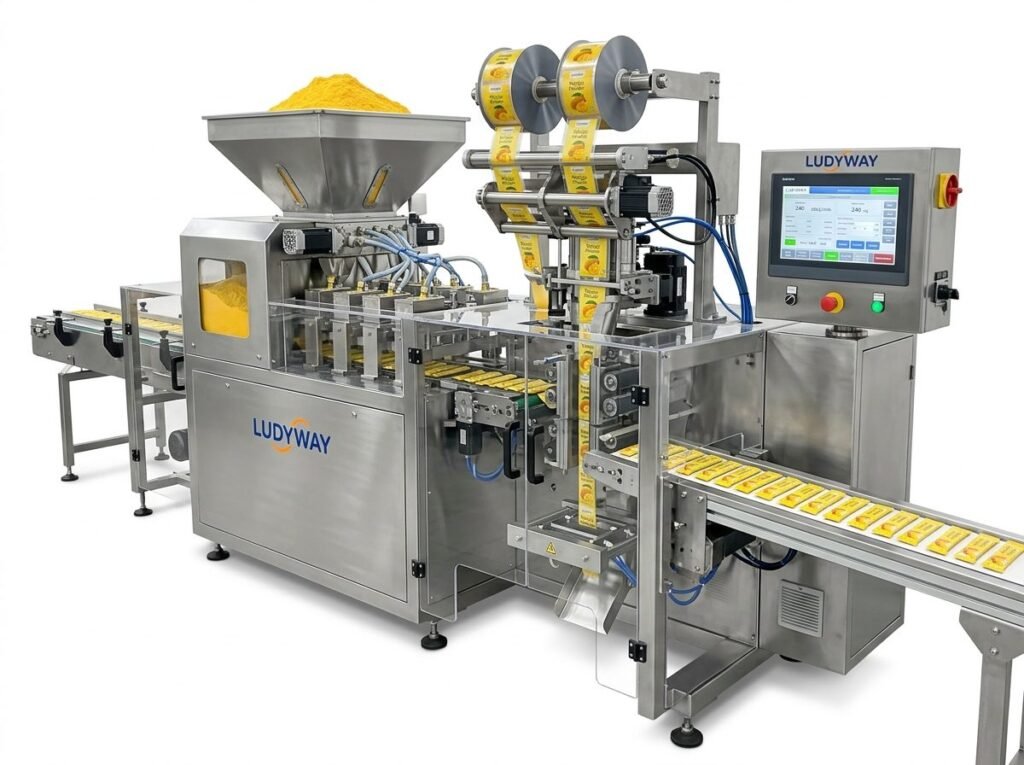
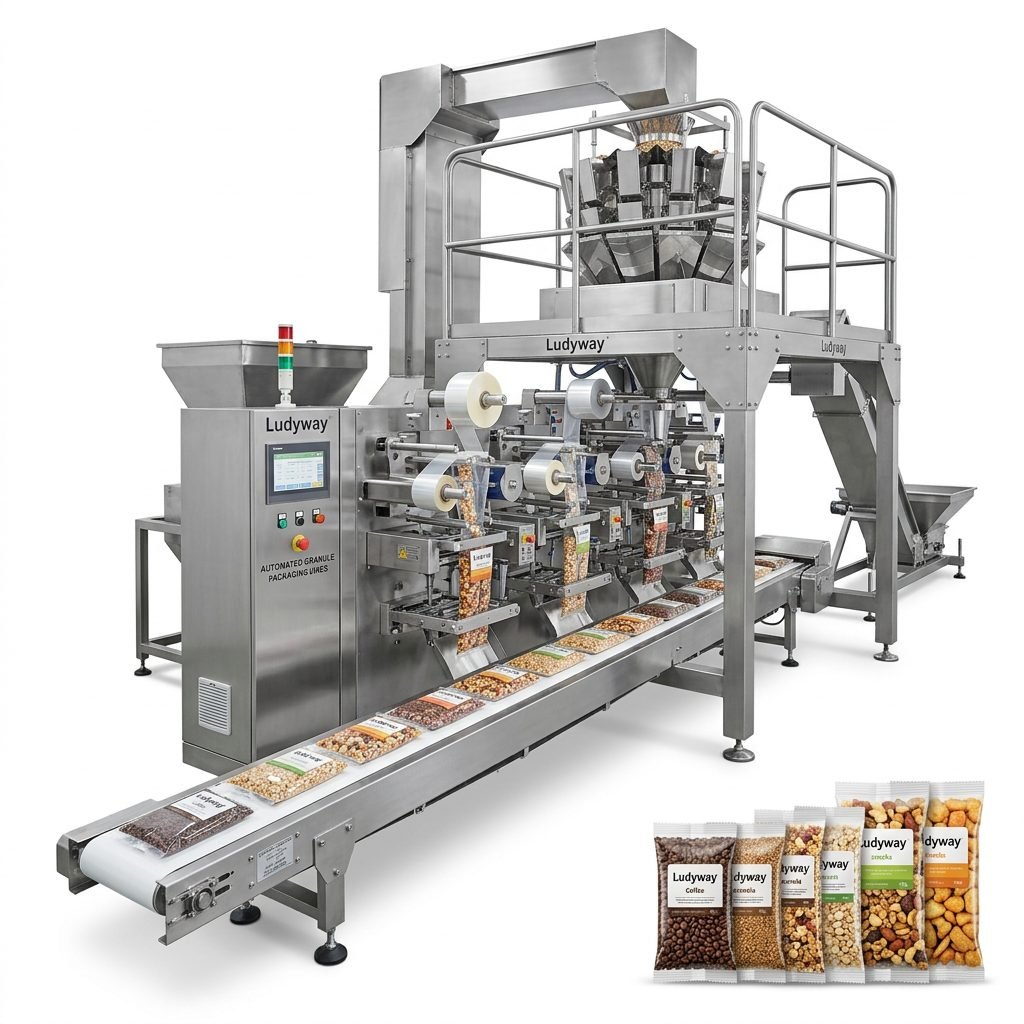
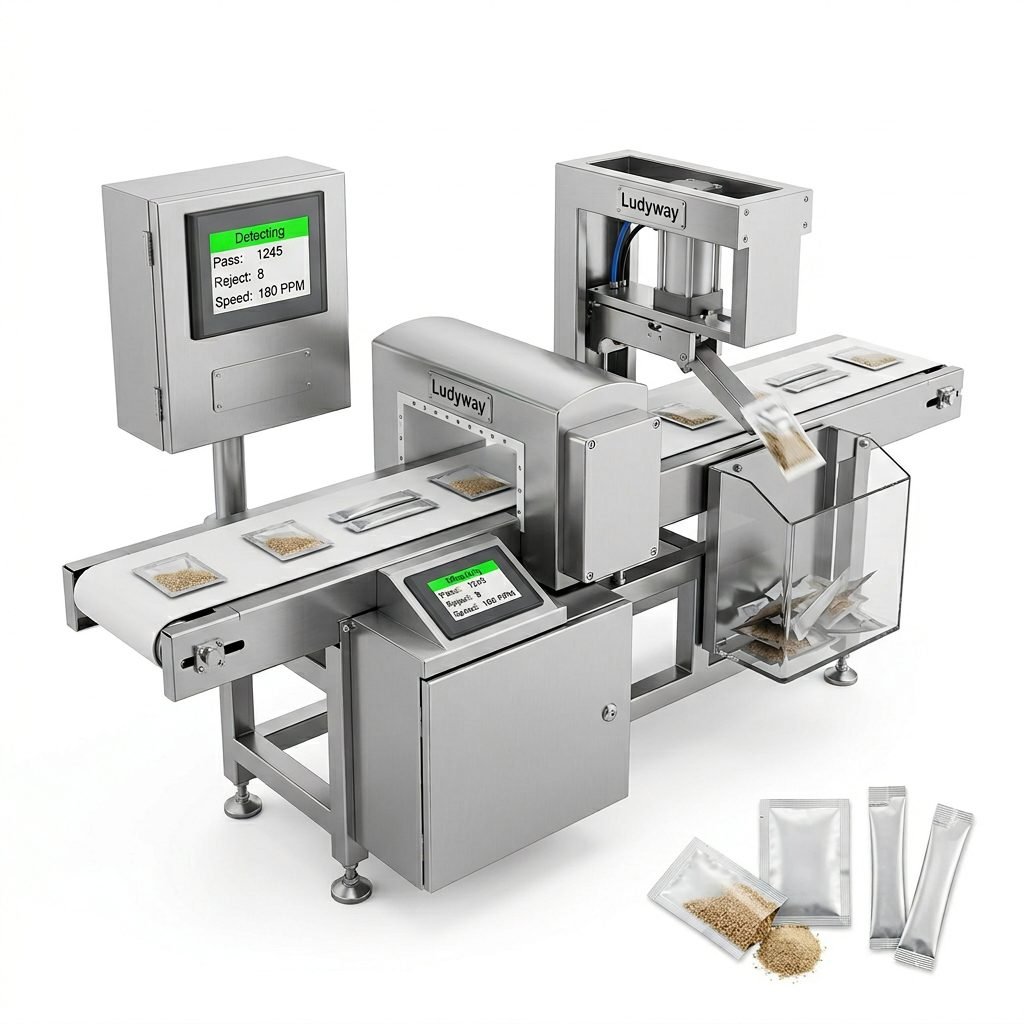
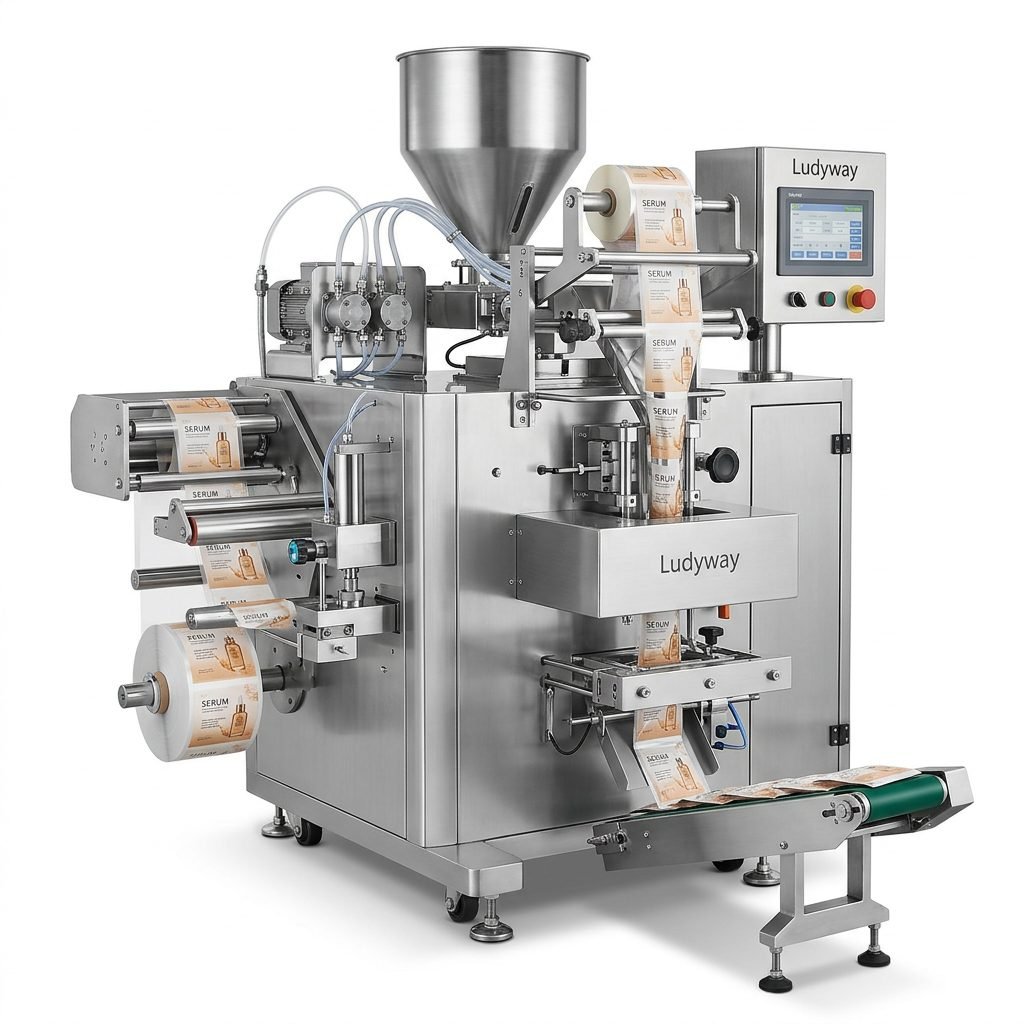
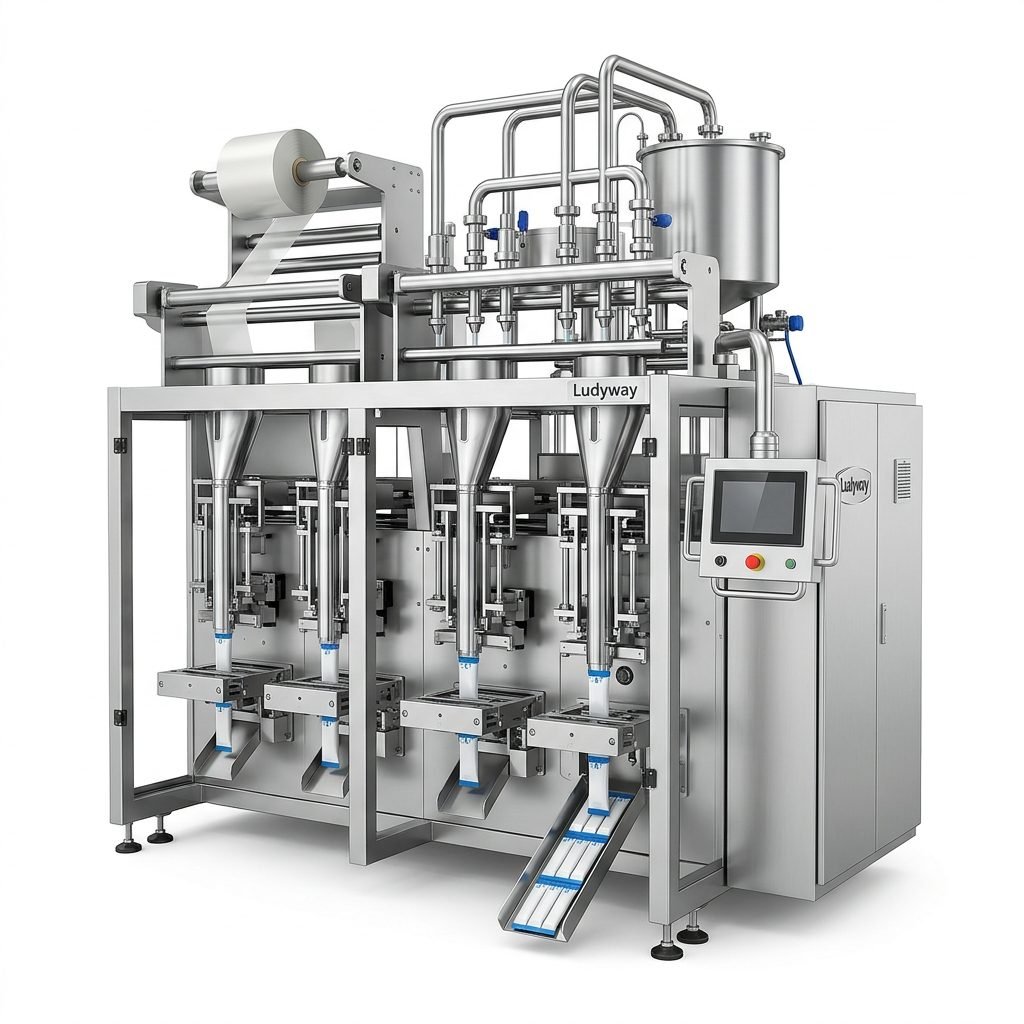
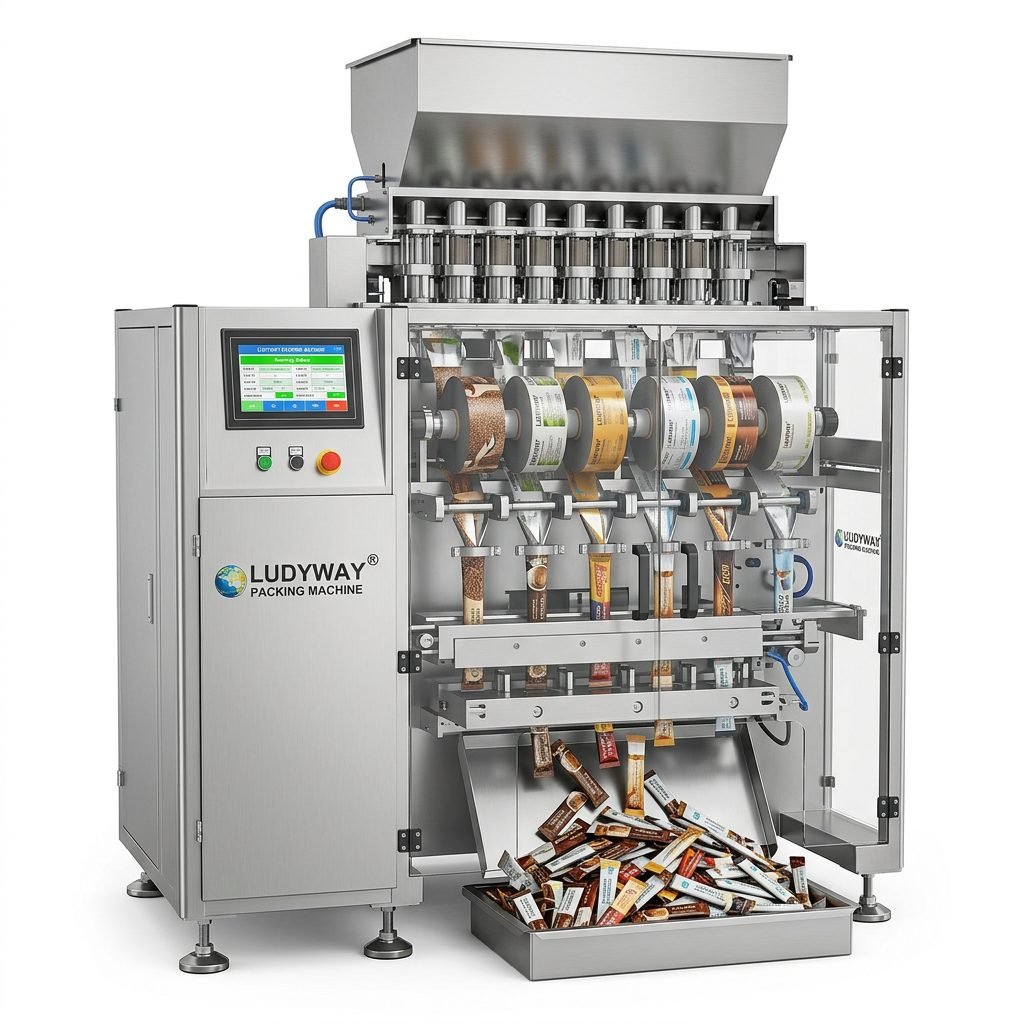
Choosing the right chicken vacuum packing machine is not just about sealing bags. It directly affects freshness, shelf life, food safety, production speed, product appearance, and operating cost. For processors of fresh chicken cuts, marinated poultry, frozen chicken portions, or ready-to-cook products, the right equipment can make a major difference in both daily efficiency and long-term profitability.
A well-matched machine helps reduce oxygen exposure, limit contamination risks, improve transport stability, and support more consistent retail-ready packaging. Below is a practical guide to help you evaluate machine types, key specifications, hygiene requirements, automation options, and supplier selection criteria before investing.

Why vacuum packaging matters for chicken products
Chicken is highly perishable, and packaging must protect it from spoilage, leakage, odor transfer, and microbial exposure. Vacuum sealing removes air from the package before sealing, creating a tighter pack around the product. This delivers several advantages:
- Longer shelf life by reducing oxygen inside the package
- Better product presentation with compact, neat packs
- Lower leakage risk when paired with proper film and sealing control
- Improved cold chain performance during storage and transport
- More efficient handling in retail, wholesale, and export channels
For processors handling fresh poultry, vacuum packaging also supports batch control, traceability, and a cleaner packaging workflow when integrated with weighing, labeling, and date coding systems.
Main types of chicken vacuum packing machines
Different production environments require different machine structures. The best option depends on output volume, bag style, product shape, liquid content, and available floor space.
1. Chamber vacuum packing machines
These are among the most common solutions for chicken packaging. The product is placed inside a chamber, and the machine evacuates air from the entire chamber before sealing the bag.
- Suitable for fresh chicken cuts, breasts, thighs, wings, and portions
- Works well with products containing some moisture
- Available in single-chamber and double-chamber designs
- Ideal for small to medium processors
2. Double-chamber vacuum machines
A double-chamber design improves efficiency because one chamber can be loaded while the other is running. This is a strong choice for businesses that need higher throughput without moving to a fully automated line.
3. Continuous belt vacuum machines
These machines are built for larger-scale processing. Products move continuously through the system, making them suitable for high-volume poultry plants.
- Higher automation level
- Consistent sealing and vacuum performance
- Better for industrial production lines
- Can support larger bag sizes and heavier packs
4. Thermoforming vacuum packaging machines
For large chicken processors and branded retail products, thermoforming systems offer advanced automation. The machine forms the bottom film, loads product, vacuums the pack, seals it, and cuts the final package.
This option is often chosen when companies want high output, excellent pack consistency, reduced labor, and strong shelf appeal.
How to choose the best machine for your chicken packaging needs
Match the machine to your chicken product type
Not all chicken products behave the same during vacuum sealing. Before choosing equipment, define exactly what you pack:
| Chicken Product | Recommended Machine Type | Key Consideration |
|---|---|---|
| Fresh chicken breasts / fillets | Chamber or thermoforming | Appearance and seal integrity |
| Bone-in thighs, wings, drumsticks | Double-chamber or belt vacuum | Bag durability and puncture resistance |
| Marinated chicken | Chamber or liquid-tolerant system | Control of liquid overflow during vacuuming |
| Frozen chicken portions | Chamber, belt, or thermoforming | Stable bag shape and strong sealing |
| Bulk poultry packs | Continuous belt vacuum | Output speed and heavy-load handling |
Check vacuum pump quality
The vacuum pump is the core of the machine. A high-quality pump delivers more stable vacuum levels, shorter cycle times, and better long-term reliability. Ask about:
- Pump brand and country of origin
- Vacuum cycle speed
- Maintenance frequency
- Spare parts availability
- Performance under continuous operation
For demanding poultry environments, choosing a machine with a durable pump can reduce downtime and help maintain consistent packaging quality.
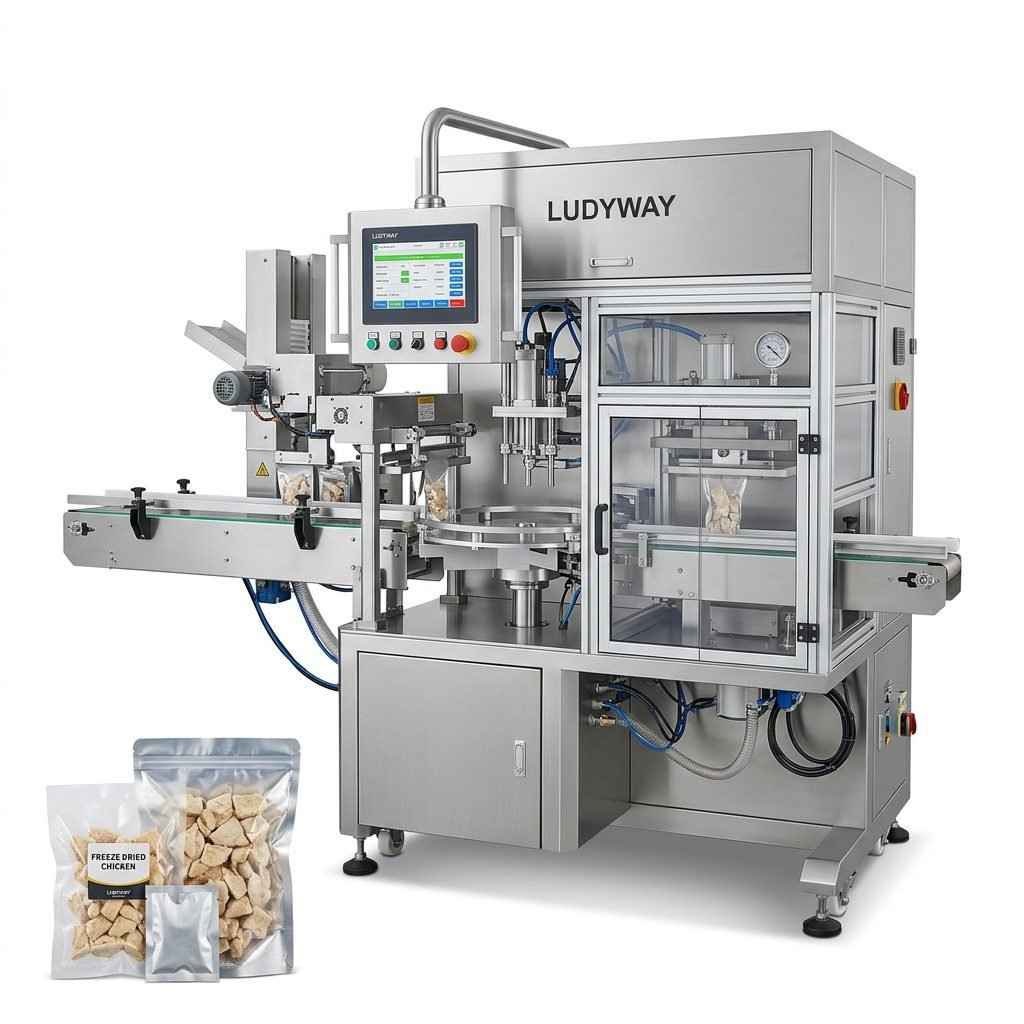
Evaluate sealing performance carefully
In chicken packaging, poor sealing can lead to leakage, air re-entry, contamination, and rejected products. A good vacuum packing machine should provide:
- Strong and even heat sealing
- Adjustable sealing temperature and time
- Reliable performance with thicker vacuum pouches
- Clean sealing even when the product contains moisture
If you pack bone-in chicken or sharp-edged cuts, make sure your packaging material and seal design are suitable for puncture resistance.
Focus on hygiene and washdown design
Chicken processing environments require strict sanitation. Equipment should be easy to clean and designed to reduce contamination risks. Look for features such as:
- 304 or 316 stainless steel contact parts
- Smooth surfaces with minimal crevices
- Easy-to-remove sealing bars or trays
- Water-resistant electrical protection where appropriate
- Simple access for daily cleaning and inspection
Hygienic machine design is especially important for fresh and raw poultry because sanitation efficiency directly influences food safety compliance.
Consider capacity and labor efficiency
One of the biggest mistakes buyers make is choosing a machine that is either too small or unnecessarily oversized. Estimate your real needs based on:
- Packs per minute or packs per hour
- Peak production periods
- Number of operators per shift
- Future expansion plans
- Upstream and downstream line speed
If your operation expects growth, selecting a scalable machine or semi-automatic system that can later connect to a full line may be smarter than buying only for current output.
Important technical features to compare
| Feature | Why It Matters |
|---|---|
| Chamber size | Determines maximum product and bag dimensions |
| Seal bar length | Affects bag width compatibility and productivity |
| Cycle time | Impacts hourly output and labor efficiency |
| Vacuum level control | Supports product-specific packaging consistency |
| Gas flush option | Useful for modified atmosphere applications |
| Programmable recipes | Helps switch quickly between different chicken products |
| Conveyor integration | Improves automation and line continuity |
| Date coding compatibility | Supports traceability and retail compliance |
Fresh chicken vs frozen chicken: different machine priorities
For fresh chicken
- High hygiene standard is essential
- Seal reliability is critical due to moisture
- Fast cycle time helps reduce product exposure
- Appearance matters for retail presentation
For frozen chicken
- Machine should handle rigid or irregular shapes
- Bag material must resist puncture and low-temperature stress
- Vacuum consistency is important for long-distance distribution
- Heavy-duty design may be needed for bulk packs
Should you choose a standalone machine or a complete line?
If your operation is small or just starting vacuum packaging, a standalone chamber machine may be enough. But if you process larger poultry volumes, a complete packaging line can significantly improve output and consistency.
A full line may include:
- Product infeed conveyor
- Weighing or portioning system
- Vacuum packaging machine
- Date coder or printer
- Labeling machine
- Checkweigher
- Cartoning or case packing equipment
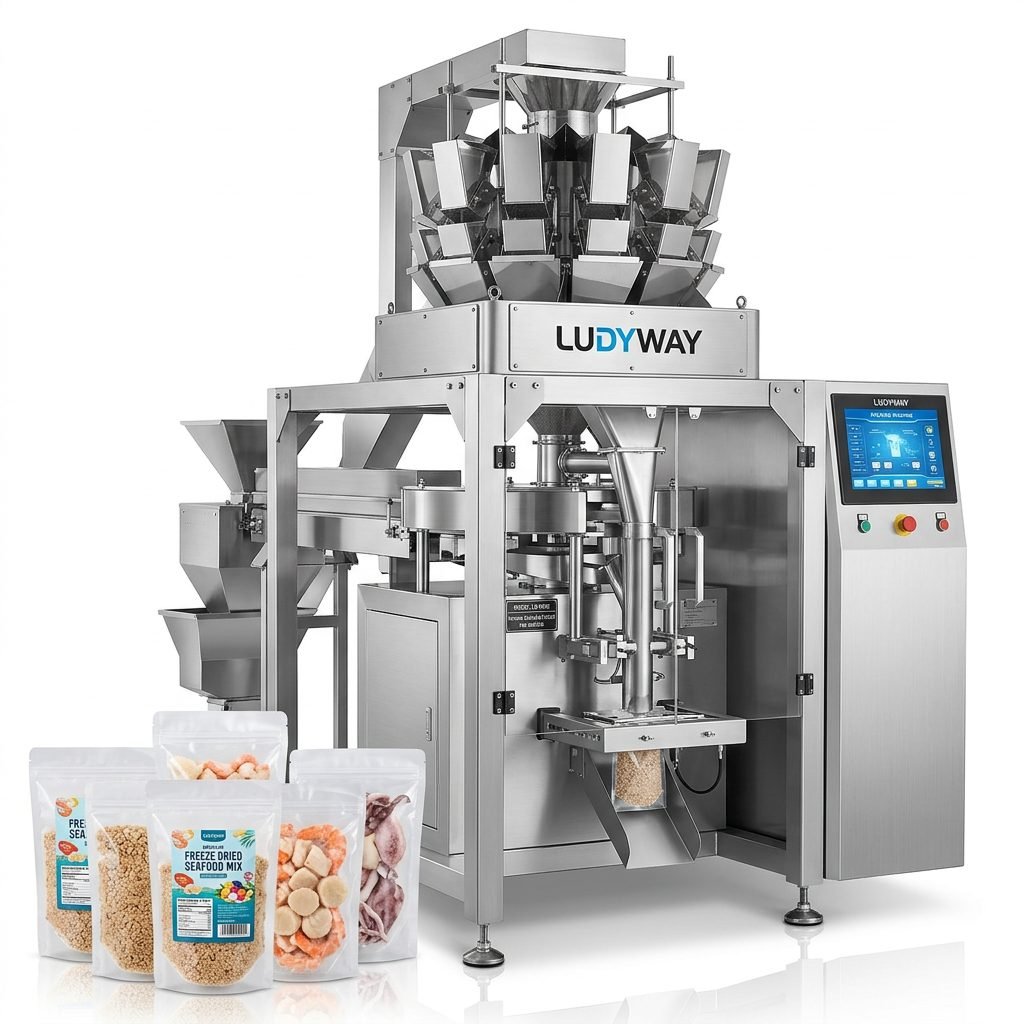
For businesses looking for scalable automation, chicken vacuum packing machine solutions from Ludyway can be evaluated as part of a broader packaging line strategy, especially when future expansion and turnkey integration are important.
Questions to ask before buying
- What chicken products will be packed most often?
- What is the expected daily or hourly production volume?
- What pouch sizes and materials will be used?
- Does the machine perform well with moist or marinated poultry?
- How easy is cleaning and sanitation?
- What spare parts and after-sales support are available?
- Can the machine integrate with labeling, coding, or conveyor systems?
- Is the machine suitable for future output growth?
Common mistakes to avoid
- Buying based on price alone without checking pump quality
- Ignoring hygiene design in raw poultry applications
- Choosing chamber size without considering actual product dimensions
- Overlooking seal performance with wet chicken products
- Failing to test packaging material compatibility
- Not planning for maintenance and spare parts availability
What defines the best chicken vacuum packing machine?
The best machine is not simply the fastest or the cheapest. It is the one that fits your chicken product, packaging format, sanitation standards, and production goals. In most cases, the right choice will combine the following:
- Reliable vacuum and sealing performance
- Food-grade hygienic construction
- Appropriate capacity for your operation
- Low maintenance and stable long-term operation
- Compatibility with your bags, products, and workflow
If possible, request sample testing with your actual chicken product before finalizing the order. Real-world trials are one of the best ways to confirm vacuum quality, seal strength, appearance, and operating efficiency.
Final buying advice for poultry processors
When selecting a chicken vacuum packing machine, focus on food safety first, then on packaging consistency and production efficiency. A durable, hygienic, and properly matched system can help reduce waste, improve shelf life, support brand presentation, and lower labor pressure across the entire packaging process.
Whether you need a compact chamber machine for fresh chicken cuts or a more automated vacuum packaging line for large-scale poultry production, careful evaluation of product type, output, seal performance, washdown design, and supplier support will help you make the best investment.