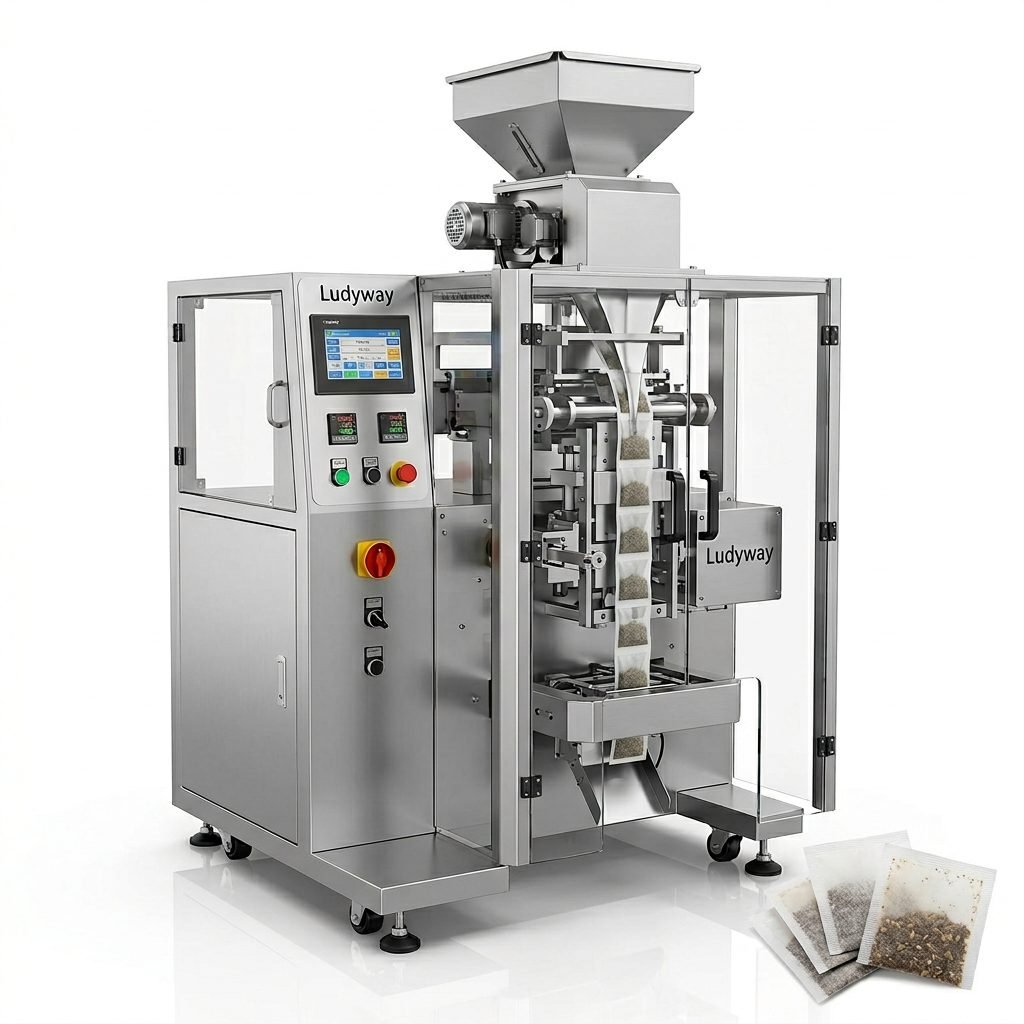
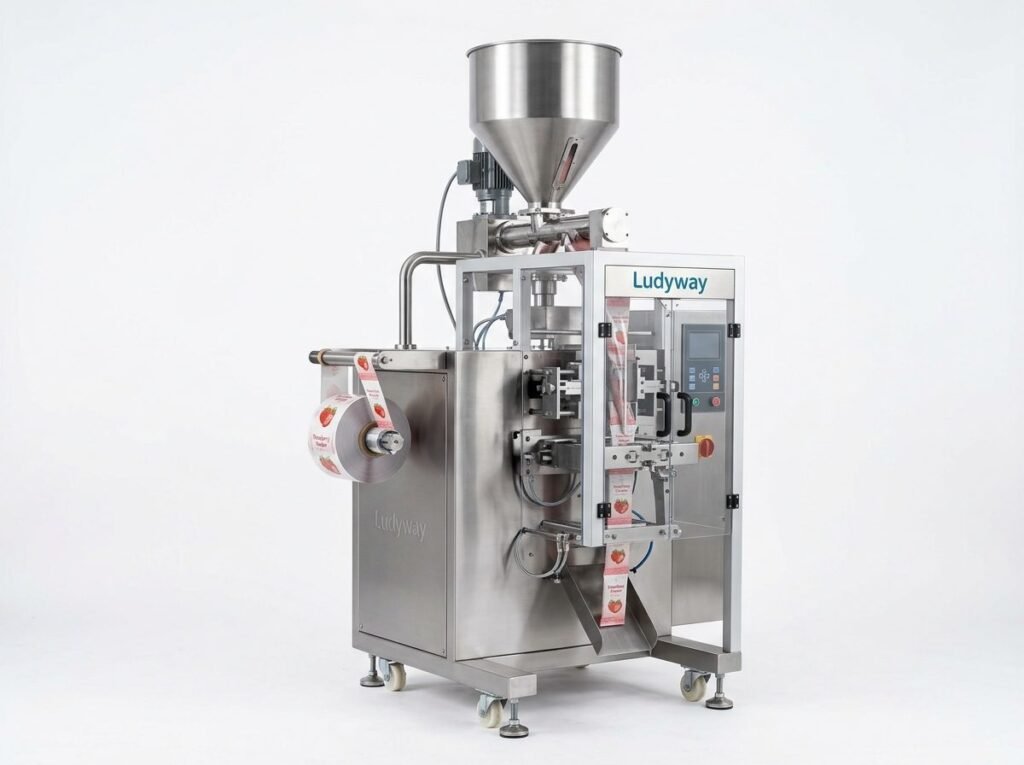
Investing in a box strip packing machine is a significant decision that can transform your production line’s efficiency, product presentation, and overall operational costs. Whether you are packaging powders, granules, liquids, or solid products in stick packs, sachets, or strip formats, choosing the right equipment requires careful evaluation of multiple technical and commercial factors. This comprehensive guide walks you through every critical consideration to help you make an informed purchasing decision.
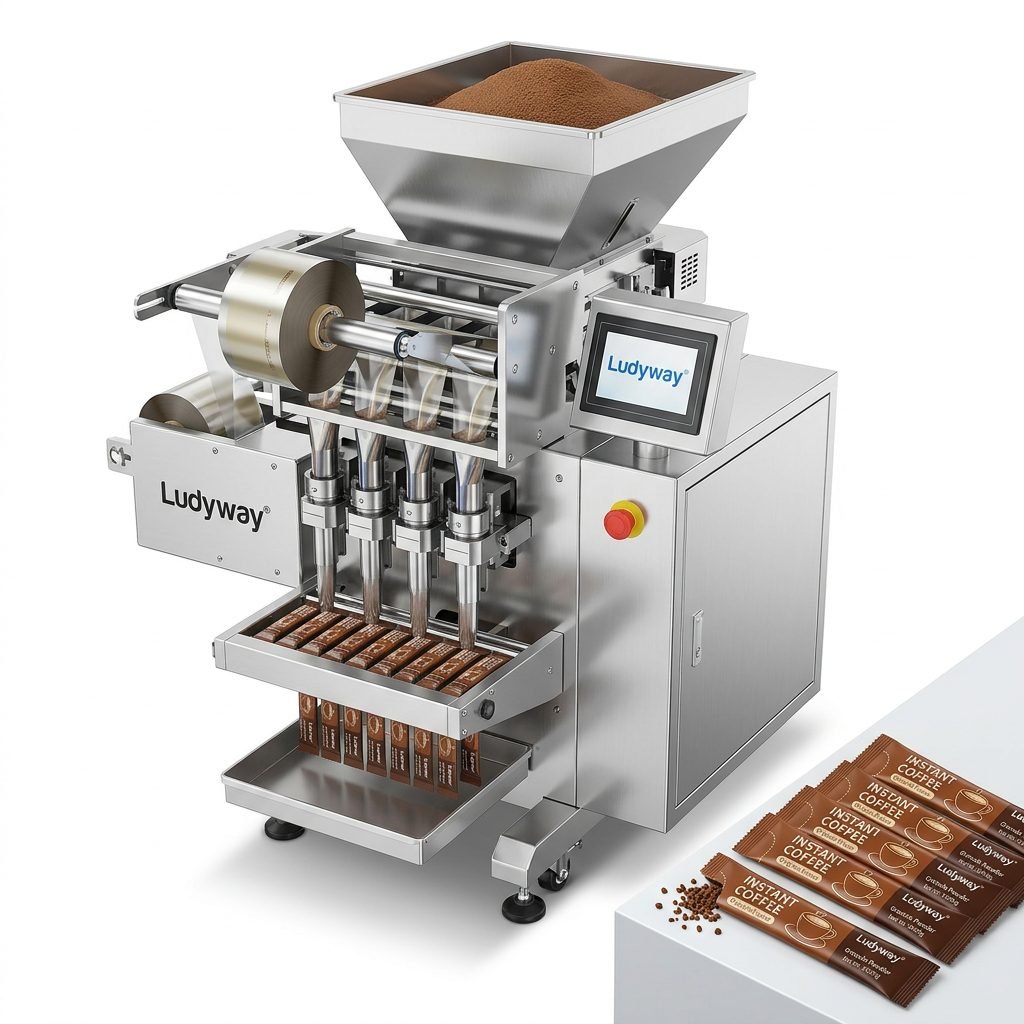
Understanding Your Product Characteristics
The first and most important step in selecting a box strip packing machine is thoroughly analyzing your product’s physical properties. Different products demand different dosing mechanisms, sealing parameters, and material handling approaches. Consider the following:
- Product form: Is your product a free-flowing powder, sticky granule, viscous liquid, paste, or solid item? Each form requires specific filling technologies.
- Particle size and density: Fine powders behave differently from coarse granules during filling. Bulk density affects volumetric or gravimetric dosing system selection.
- Flow characteristics: Products with poor flowability may require agitators, vibratory feeders, or auger-based dosing systems.
- Hygroscopicity and sensitivity: Moisture-sensitive or oxygen-sensitive products may need nitrogen flushing or specialized barrier packaging materials.
- Temperature sensitivity: Heat-sensitive products require precise temperature control during the sealing process to prevent degradation.
Conducting a comprehensive product analysis before approaching machine suppliers will significantly narrow down your options and ensure the equipment you select is compatible with your production requirements. Refer to resources from the Flexible Packaging Association for guidance on material compatibility and packaging standards.
Production Speed and Capacity Requirements
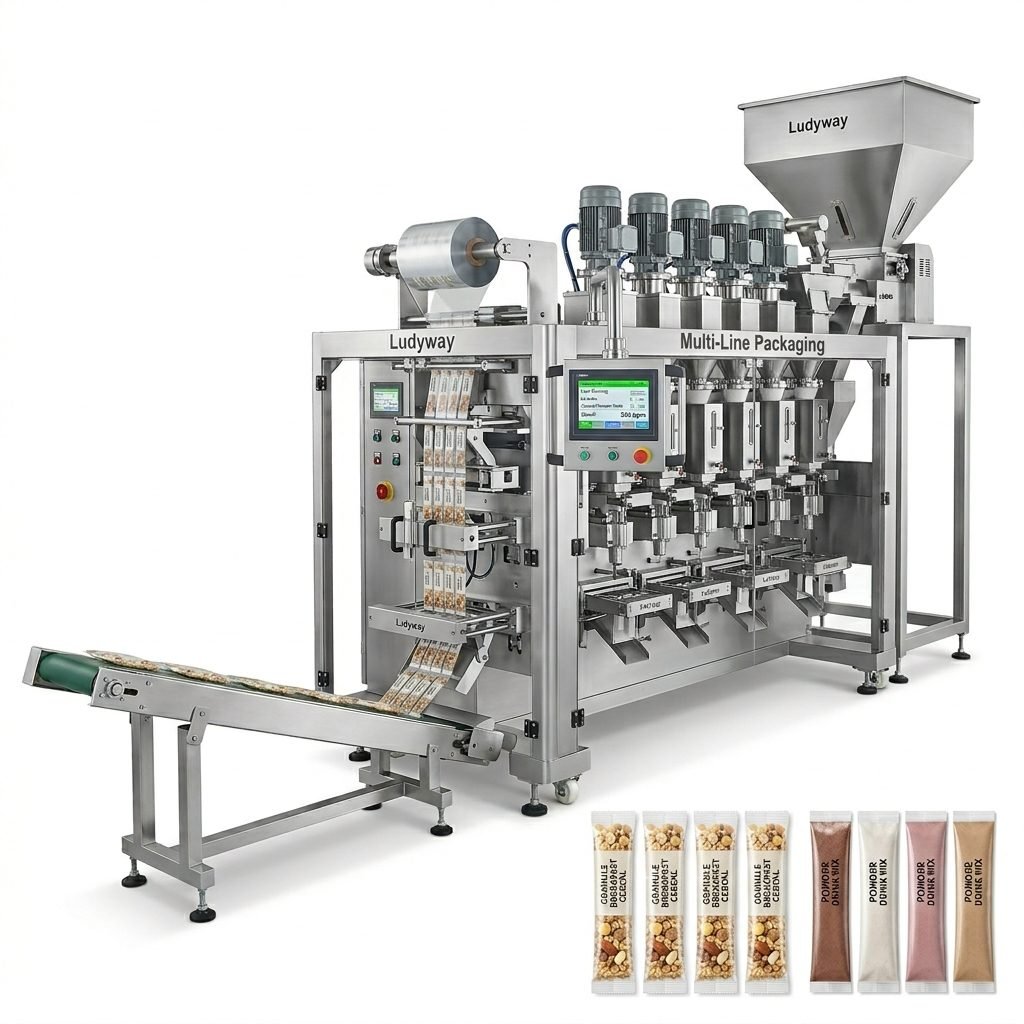
Your current and projected production volumes should directly influence the speed rating and lane configuration of your box strip packing machine. Modern stick pack and strip packaging machines are available in various configurations:
- Single-lane machines: Ideal for low to medium production volumes, startups, or specialized products with frequent changeovers.
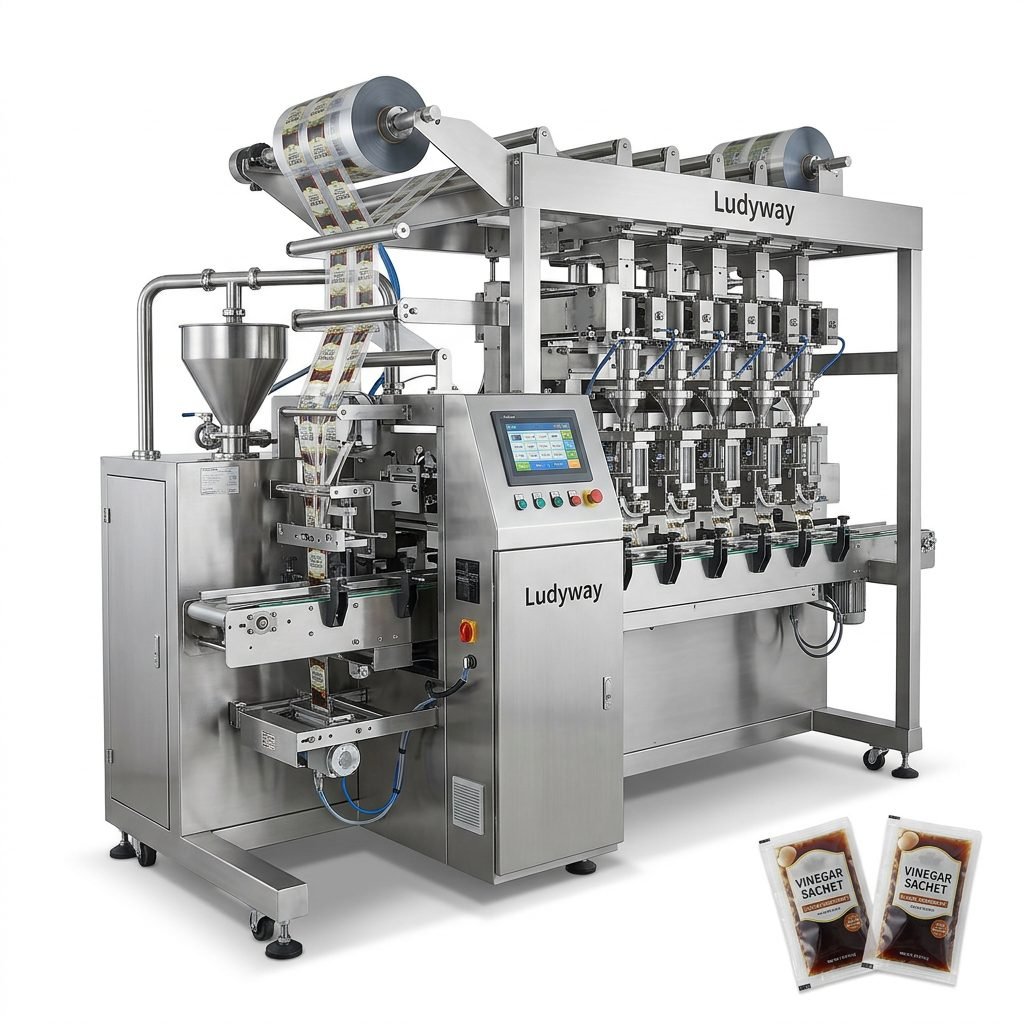
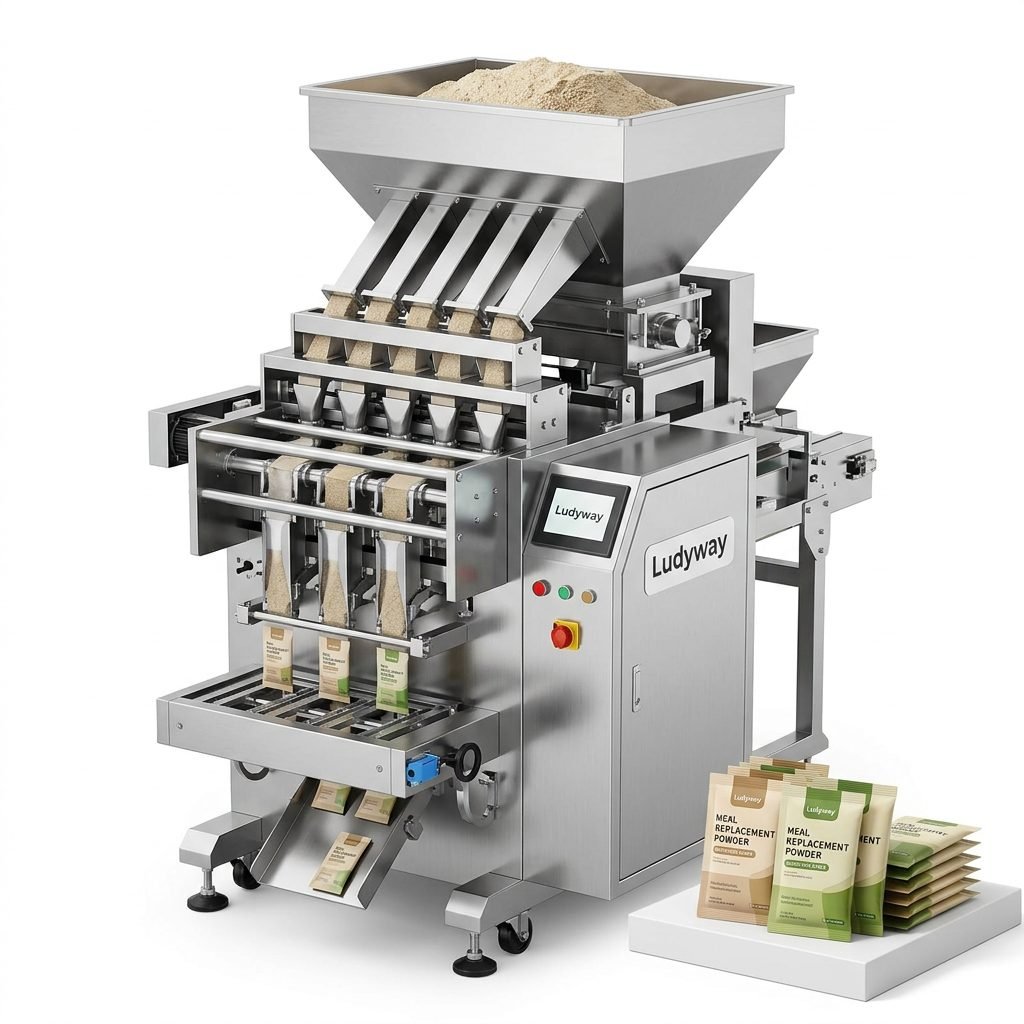
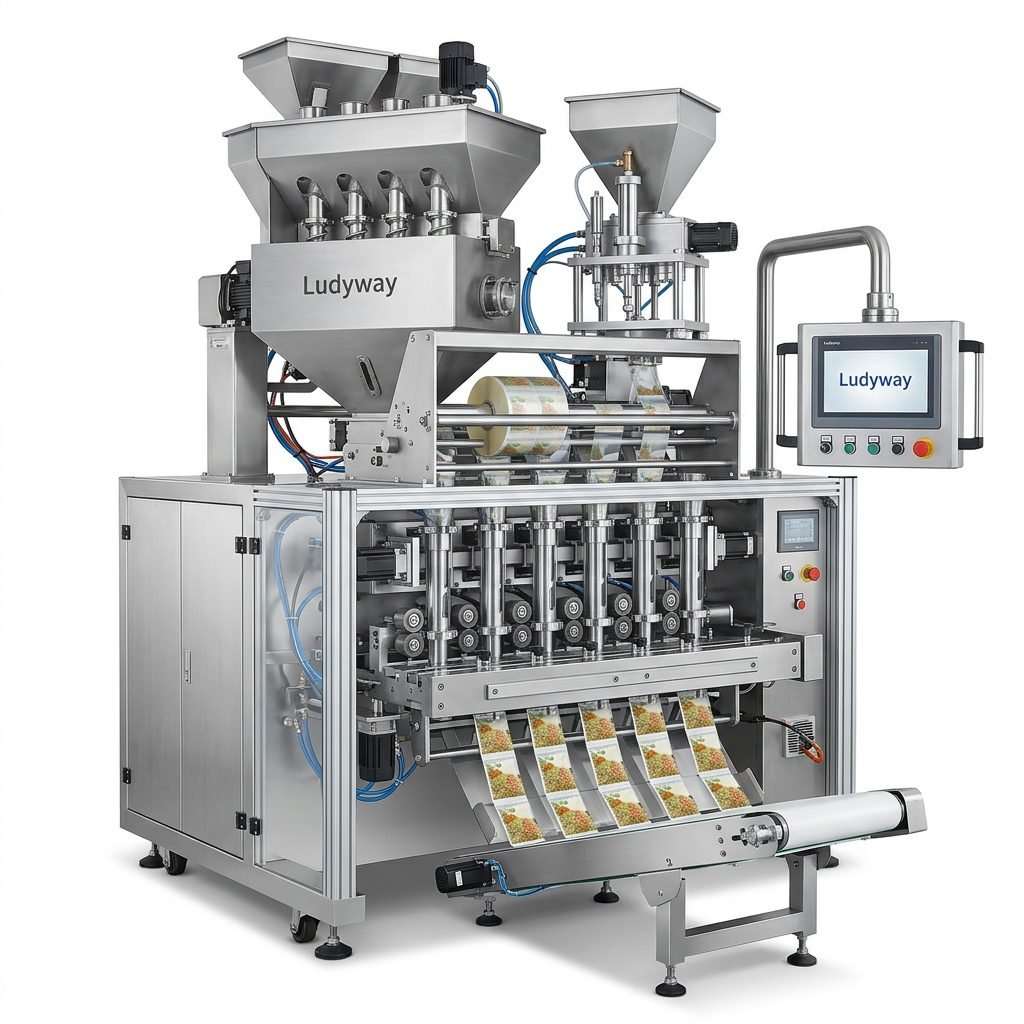
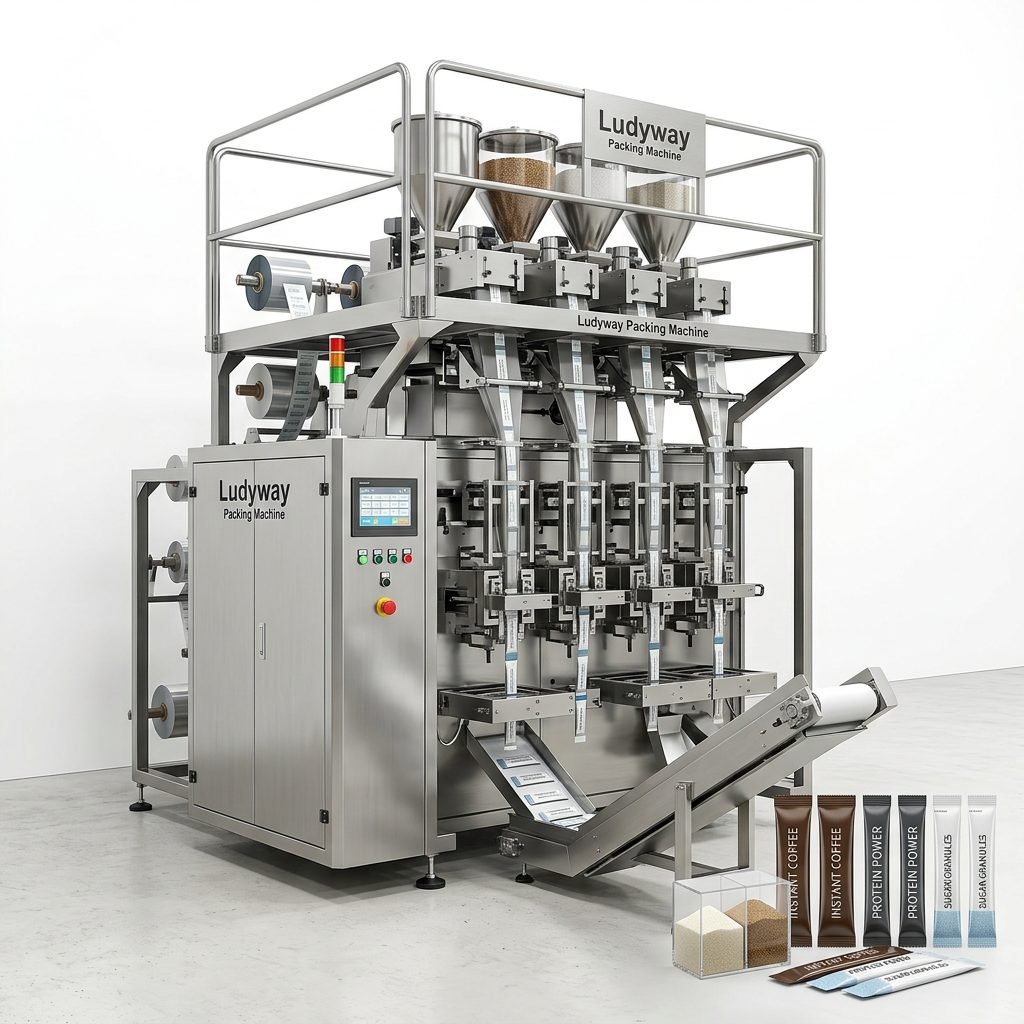
- Multi-lane machines (4-16 lanes): Designed for high-volume production, capable of producing hundreds of packs per minute simultaneously.
- High-speed continuous motion systems: Suitable for large-scale manufacturing operations requiring maximum throughput with minimal downtime.
When evaluating speed specifications, always confirm whether the quoted speed is based on actual production conditions with your specific product and packaging material. Laboratory or ideal-condition speeds may differ considerably from real-world performance. Industry data from PMMI’s Business Intelligence Library can provide useful benchmarks for packaging machinery productivity across different sectors.
Packaging Material Compatibility
Box strip packing machines must work seamlessly with your chosen packaging film or laminate material. Common materials include:
- Laminated foils: Aluminum-based laminates offering excellent barrier properties for moisture-sensitive and oxygen-sensitive products.
- Plastic films: PET, PE, BOPP, and other polymer films used for various packaging applications depending on barrier requirements.
- Paper-based laminates: Often used for dry products where sustainability and recyclability are priorities.
- Biodegradable and compostable films: Growing in popularity as manufacturers respond to environmental concerns and EU packaging waste regulations.
Verify that the machine’s sealing system — whether heat-sealing, ultrasonic sealing, or impulse sealing — is fully compatible with your chosen film type and thickness range. The sealing temperature, pressure, and dwell time must be adjustable to accommodate different materials without compromising seal integrity.
Machine Configuration and Automation Level
Today’s box strip packing machines range from semi-automatic units requiring significant operator involvement to fully automated turnkey systems that integrate multiple processes. Evaluate which automation level suits your operation:
- Semi-automatic: Lower initial investment; suitable for smaller batches and operations with available labor.
- Fully automatic with manual feeding: Automated packaging cycle with manual product loading; a middle-ground solution.
- Fully automatic with integrated feeding: Connected to upstream equipment such as conveyors, bucket elevators, or direct product feed systems.
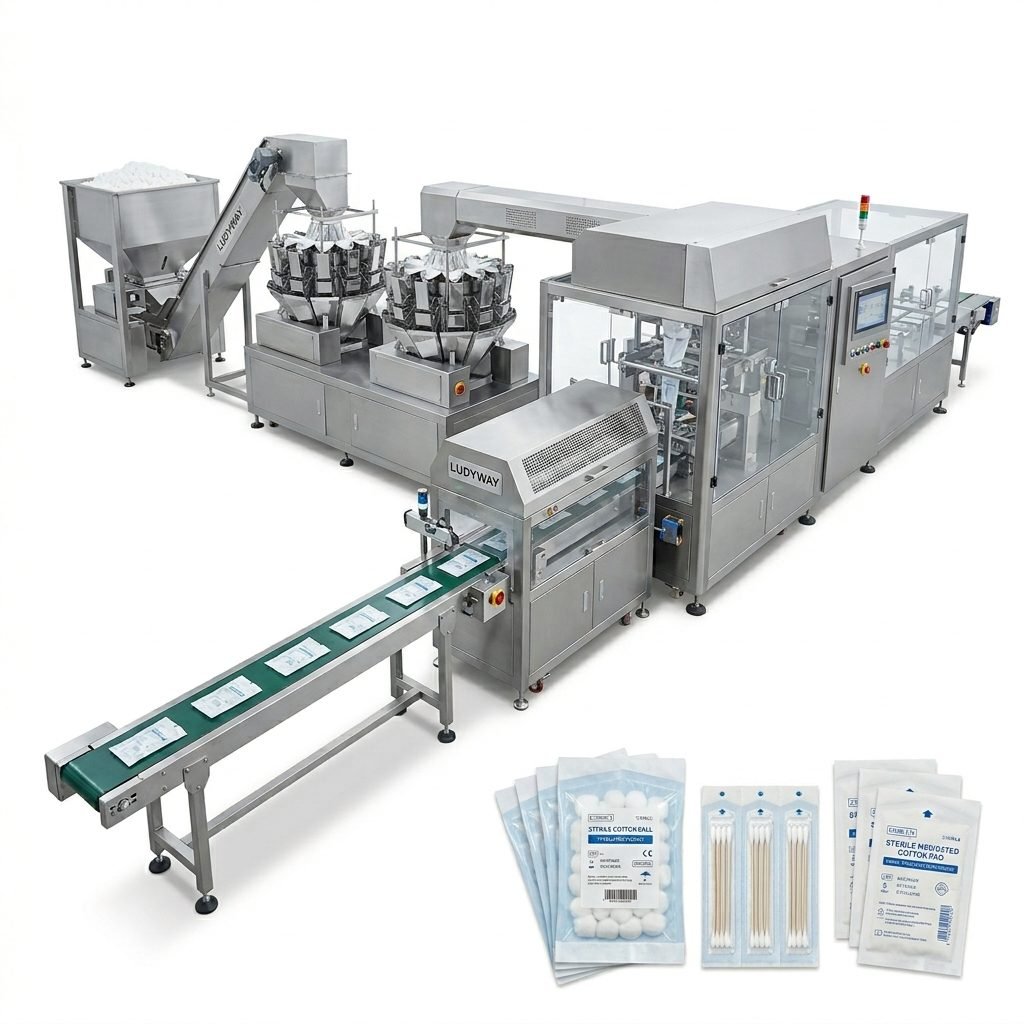
- Complete packaging lines: Integrated systems including feeding, dosing, filling, sealing, coding, inspection, cartoning, and palletizing — all connected in one seamless operation.
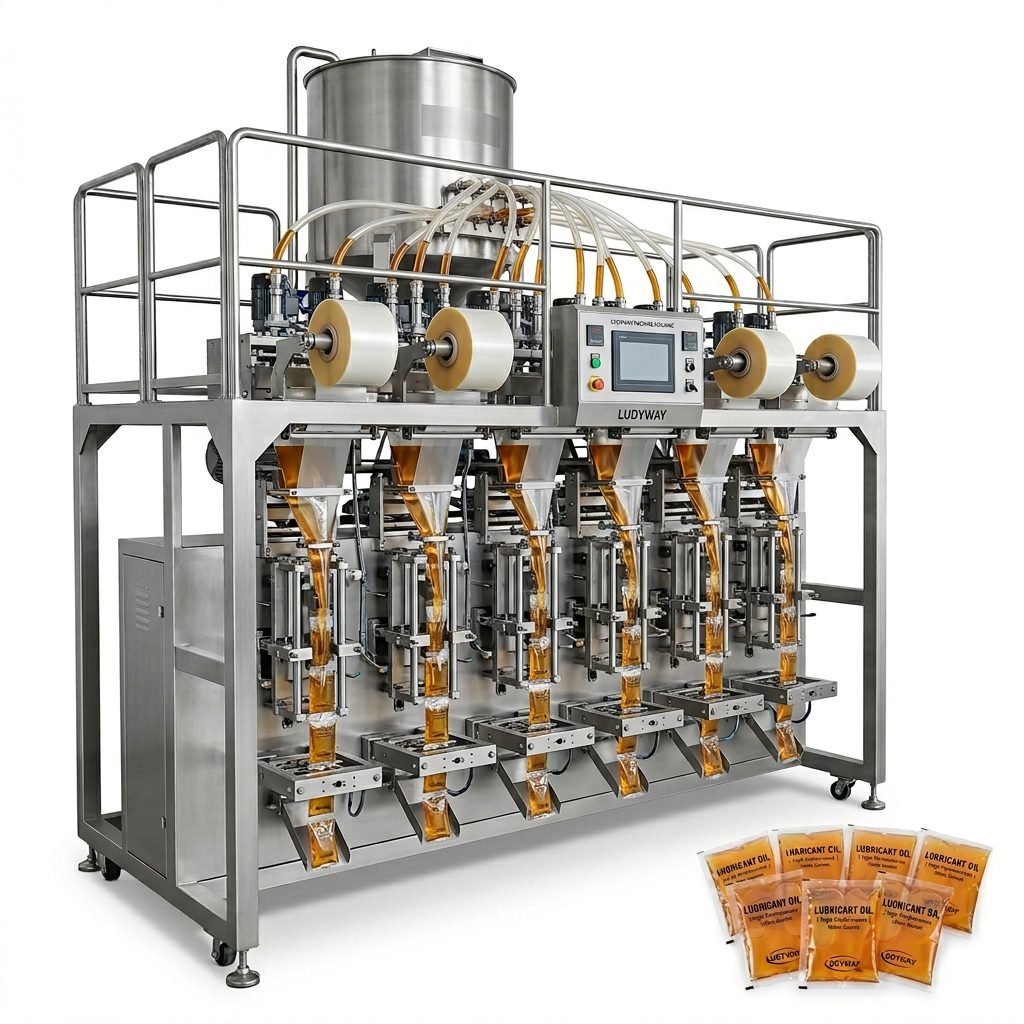
For manufacturers seeking a single partner for integrated packaging solutions, Ludyway Machinery provides customized packaging machinery and complete turnkey line engineering, combining manufacturing expertise with automation technology to help customers improve packaging efficiency and operational consistency across a wide range of industries.
Dosing and Filling Accuracy
Filling accuracy directly impacts product quality, regulatory compliance, and profitability. Overfilling leads to product giveaway and increased costs, while underfilling can result in regulatory penalties and customer complaints. Key dosing technologies include:
- Volumetric cup fillers: Cost-effective for free-flowing granules and powders with consistent density.
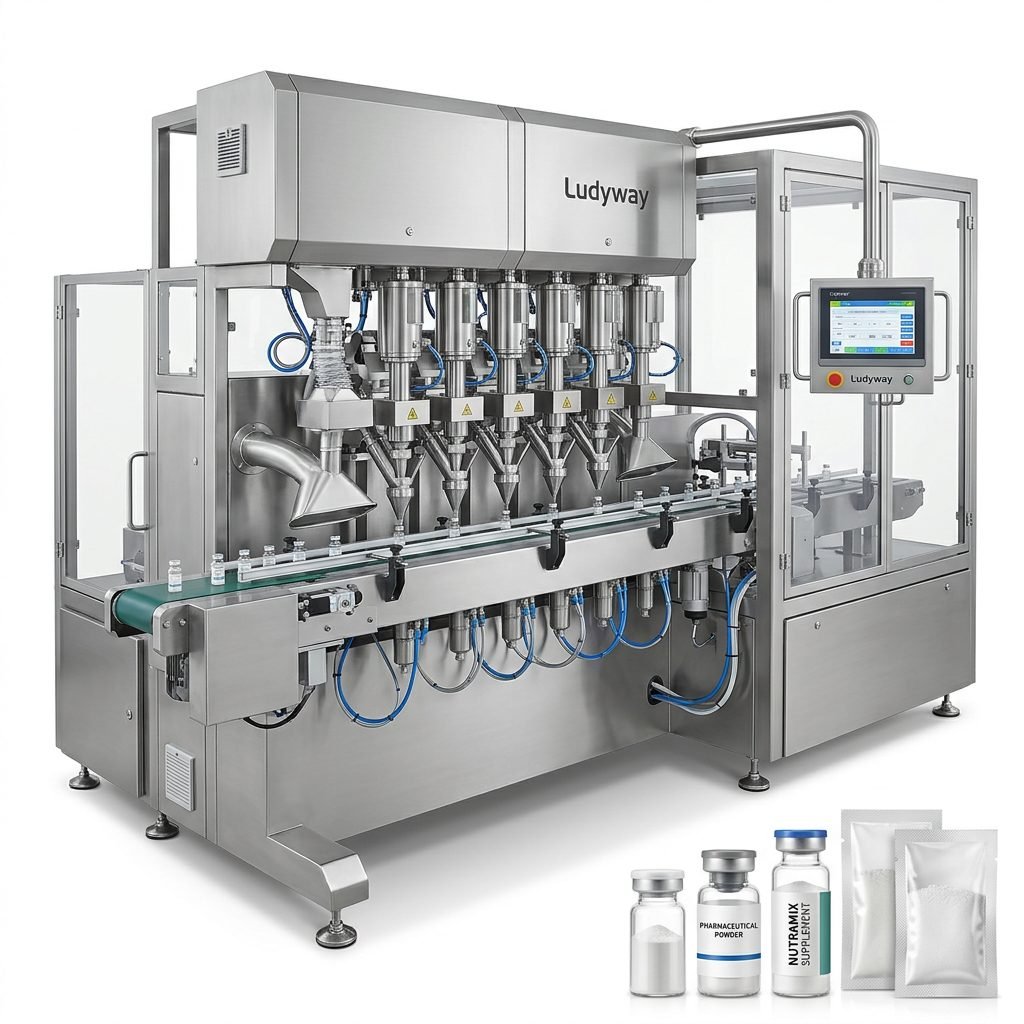
- Auger fillers: Ideal for fine powders and products requiring precise dosing control.
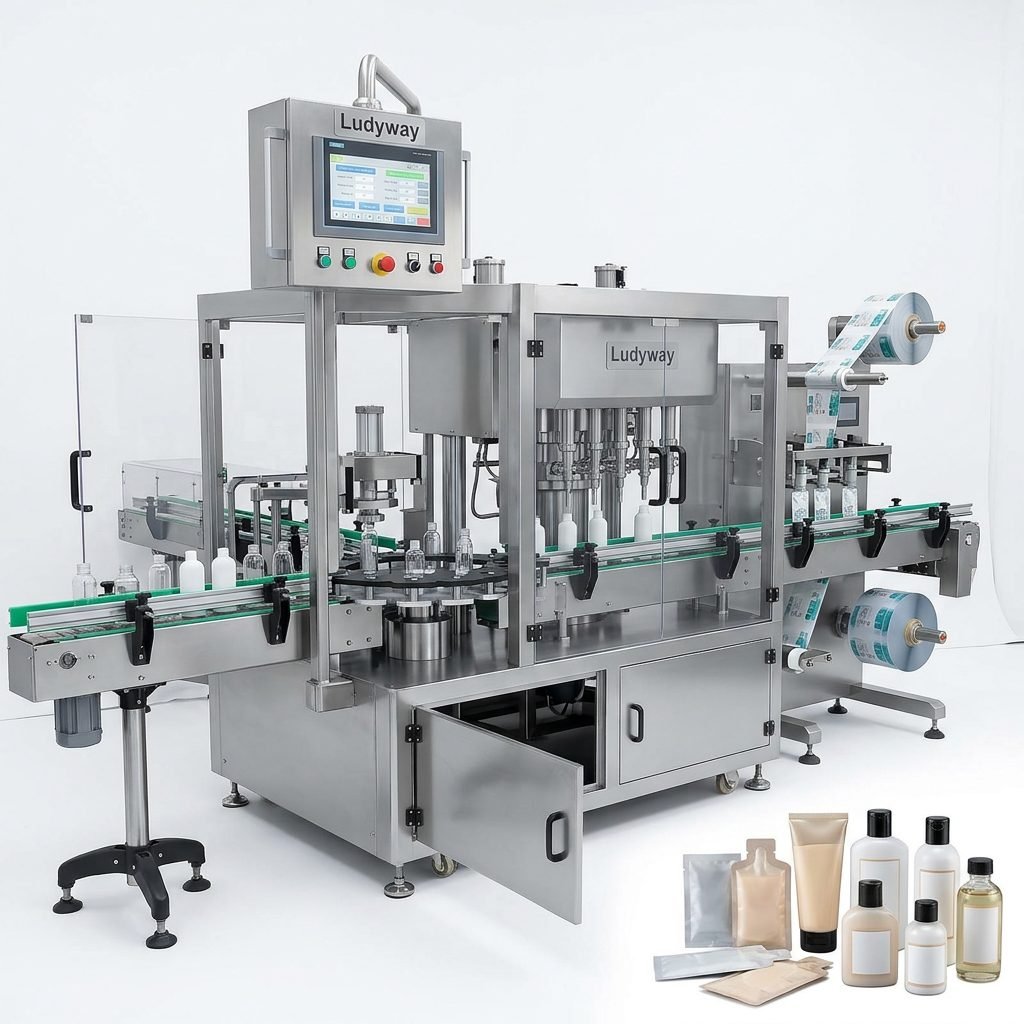
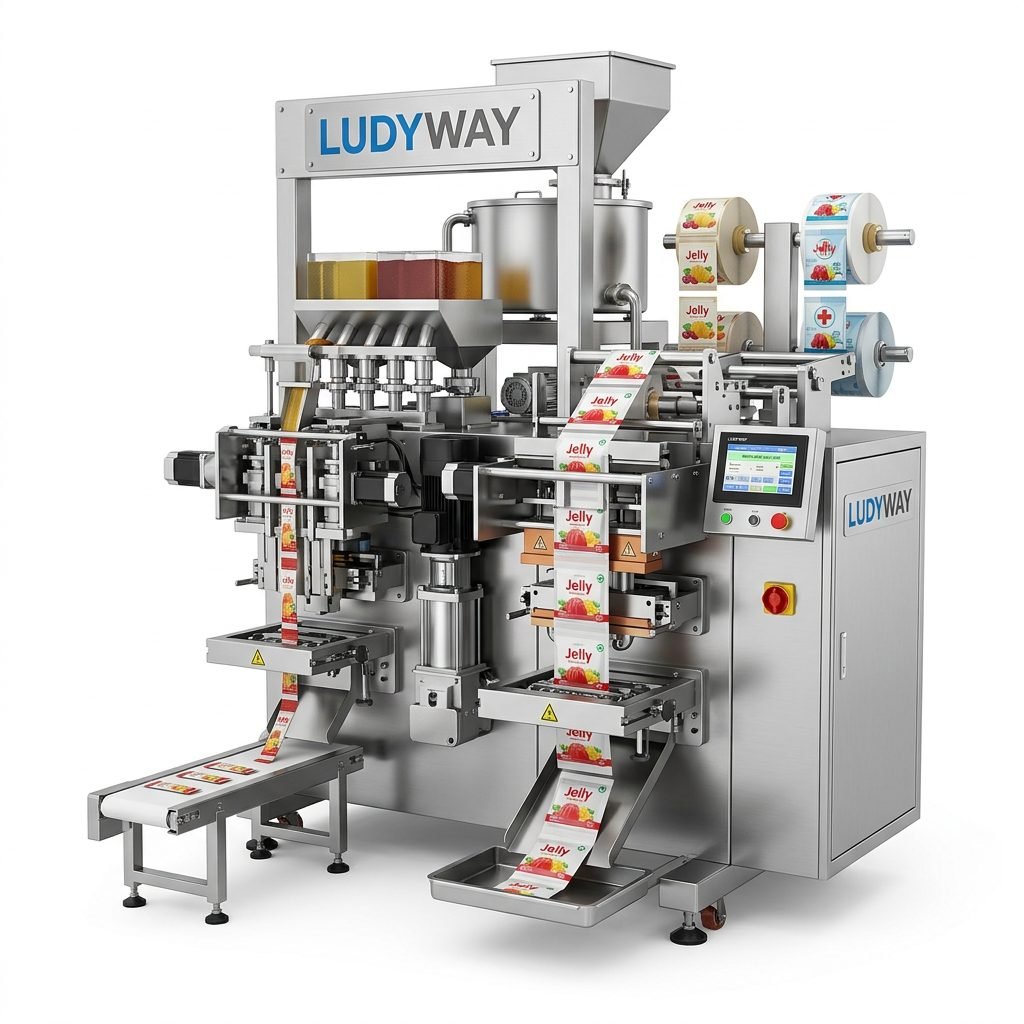
- Piston fillers: Preferred for liquids, pastes, and viscous products with high accuracy requirements.
- Multi-head weighers: Gravimetric systems offering the highest accuracy for solid products, commonly used in food and pharmaceutical applications.
- Net weight fillers: Weighing the product during or after filling for maximum precision.
Select the dosing system based on your product’s characteristics and the accuracy tolerances required by your market. Pharmaceutical applications, for instance, typically demand tighter tolerances than some consumer goods. Refer to FDA packaging guidelines for regulatory requirements applicable to your industry.
Key Technical Specifications Comparison
When comparing different box strip packing machine models, focusing on the following technical parameters will help you make an objective evaluation. The table below outlines the critical specifications to assess:
| Specification | What to Evaluate | Impact on Operation |
|---|---|---|
| Number of lanes | Single lane vs. multi-lane (4-16+ lanes) | Directly determines production output and floor space requirements |
| Pack size range | Minimum and maximum width, length, and fill volume | Must match your product portfolio and potential future variations |
| Filling system type | Auger, piston, volumetric cup, multi-head weigher, or net weight | Affects accuracy, speed, and suitability for your product type |
| Sealing technology | Heat seal, ultrasonic seal, or impulse seal with temperature control | Determines material compatibility and seal integrity |
| Control system | PLC brand, HMI touchscreen, recipe storage, diagnostics | Impacts ease of operation, changeover time, and troubleshooting |
| Power and utilities | Electrical requirements, compressed air, cooling water if needed | Must align with your facility’s existing infrastructure |
| Frame and construction | Stainless steel grade, washdown capability, GMP compliance | Critical for food, pharmaceutical, and hygienic applications |
Budget Considerations and Return on Investment
While the initial purchase price is an important factor, a comprehensive cost analysis should account for the total cost of ownership over the machine’s expected lifespan. Consider these financial aspects:
- Initial capital expenditure: The purchase price, shipping, import duties, installation, and commissioning costs.
- Operating costs: Energy consumption, compressed air usage, and consumable parts replacement frequency.
- Labor costs: How many operators are required per shift and what skill level is needed.
- Maintenance and spare parts: Availability, cost, and lead time for critical spare parts including sealing jaws, cutting blades, and belts.
- Downtime costs: Machine reliability and the financial impact of unplanned production stoppages.
- Changeover efficiency: Time required to switch between different pack sizes or products, and the associated labor cost.
A higher-priced machine with superior reliability, faster changeovers, and lower operating costs often delivers a better return on investment than a cheaper alternative with frequent downtime and higher ongoing expenses. Calculate the projected payback period based on your expected production volumes and labor savings.
Evaluating Suppliers and After-Sales Support
The relationship with your equipment supplier extends well beyond the initial purchase. Thoroughly vet potential suppliers using these criteria:
- Industry experience and track record: How long has the manufacturer been producing box strip packing machines? Do they have references in your specific industry?
- Technical support availability: Is remote support available? What are the response times for technical inquiries?
- Spare parts network: Can critical spare parts be shipped quickly to your location? Does the supplier maintain a comprehensive parts inventory?
- Installation and training: Does the supplier offer on-site installation, commissioning, and operator training as part of the package?
- Warranty terms: What is covered under warranty, for how long, and what are the exclusions?
- Service contracts: Are preventive maintenance programs available to minimize unexpected downtime?
Request machine demonstrations or factory acceptance tests whenever possible. Seeing the equipment run with your actual product provides invaluable confidence before committing to a purchase. International standards such as ISO packaging standards can serve as reference points when evaluating machine quality and compliance.
Regulatory Compliance and Industry Standards
Depending on your industry and target markets, your box strip packing machine may need to comply with specific regulatory requirements:
- Food industry: FDA 21 CFR, EU Regulations on food contact materials, GFSI-recognized schemes, and HACCP principles for hygienic design.
- Pharmaceutical industry: GMP compliance, 21 CFR Part 11 for electronic records, and serialization requirements for track-and-trace.
- Chemical products: Regulations on hazardous substance handling, explosion-proof requirements for flammable products, and proper labeling.
- International markets: CE marking for Europe, UL certification for North America, and various country-specific certifications.
Confirm that the machine manufacturer can provide appropriate documentation and certification for your target markets. This is particularly important for exporters who must demonstrate compliance to customs authorities and local regulators. The PMMI packaging industry resources provide useful guidance on standards and regulations affecting packaging machinery.
Future-Proofing Your Investment
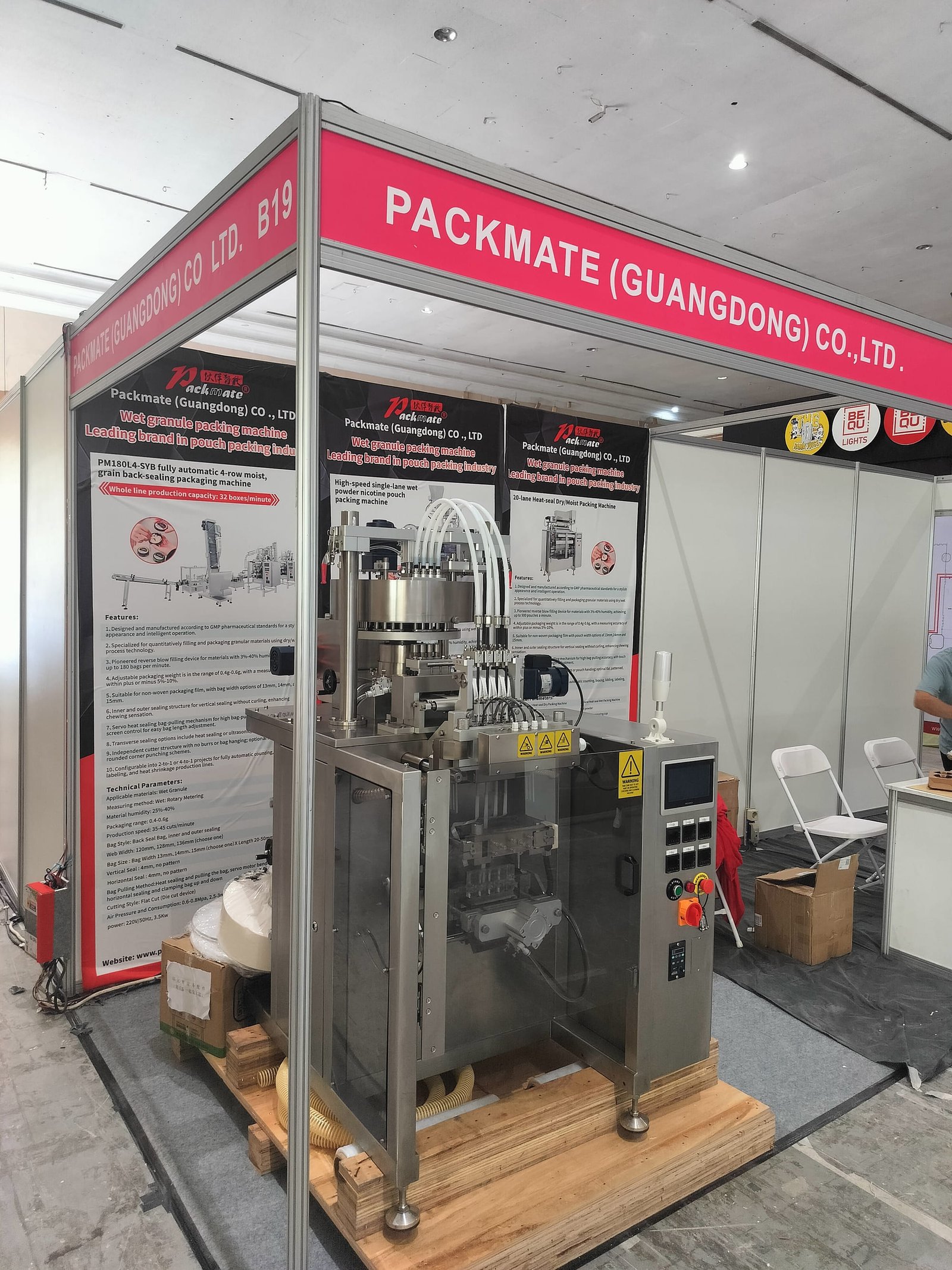
A box strip packing machine is a long-term asset, and planning for future requirements is essential. Consider the following when evaluating equipment:
- Modularity and upgradeability: Can additional lanes, filling stations, or automation modules be added later as your production grows?
- Pack size flexibility: Does the machine accommodate the full range of pack sizes you may need in the future, not just your current requirements?
- Material versatility: Will the machine handle new sustainable packaging materials or different laminate structures you may adopt?
- Industry 4.0 readiness: Does the control system support data collection, remote monitoring, and integration with manufacturing execution systems?
- Emerging packaging trends: Consider single-dose packaging growth, sustainability demands, and personalized packaging trends that may affect your market.
Investing in a machine with built-in flexibility and upgrade potential can extend its useful life and protect your capital investment against changing market demands.
Making the Final Decision
After evaluating all the factors discussed in this guide, create a structured comparison matrix for your shortlisted options. Rate each machine against your prioritized criteria, giving appropriate weight to factors that most significantly impact your operation. Key decision factors typically include:
- Product compatibility and filling accuracy with your specific product
- Production speed and output capacity meeting current and future demands
- Packaging material flexibility and sealing reliability
- Total cost of ownership including purchase price, operating costs, and maintenance
- Supplier reputation, technical support capabilities, and spare parts availability
- Compliance with relevant regulatory standards for your industry and markets
- Warranty coverage, installation support, and operator training provisions
- Machine construction quality and suitability for your production environment
Take the time to visit supplier facilities, speak with existing customers, and conduct thorough product trials. A well-chosen box strip packing machine will serve as a reliable production asset for many years, contributing to consistent product quality, operational efficiency, and business growth.
For additional insights on packaging machinery selection, explore the PACK EXPO International resources and Flexible Packaging Association Knowledge Hub for the latest industry trends and technology developments.