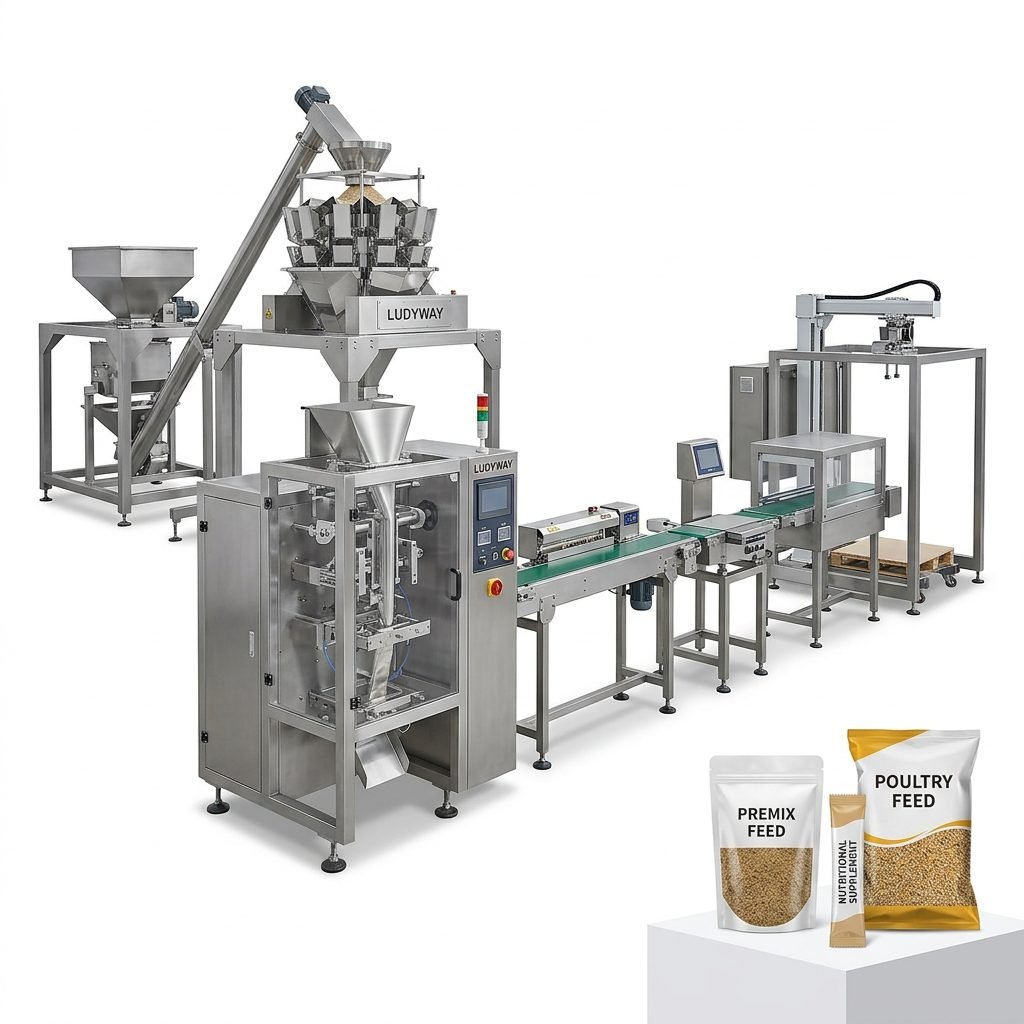
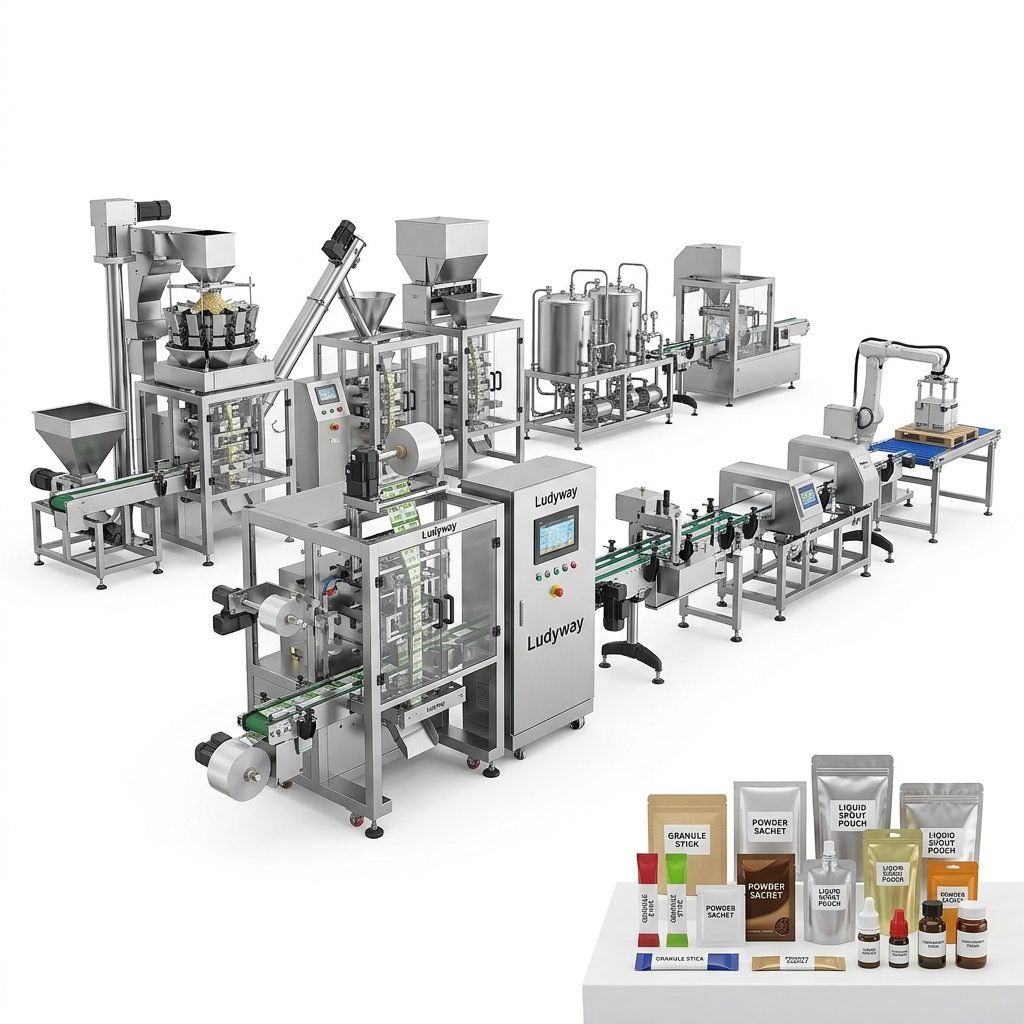
In the modern food industry, packaging is not merely about containment; it’s a critical component of product preservation, safety, marketing, and logistics. Selecting the right industrial food packaging equipment is a pivotal decision that impacts production efficiency, product quality, and overall business profitability. This guide delves into the various types of equipment, their specific applications, and provides a structured framework to help you choose the optimal system for your needs.
Core Types of Industrial Food Packaging Equipment
The landscape of food packaging machinery is vast, categorized primarily by the packaging form and the product type it handles.
1. Primary Packaging Systems
These machines form the direct contact barrier between the food product and the environment.
Flexible Packaging Machines
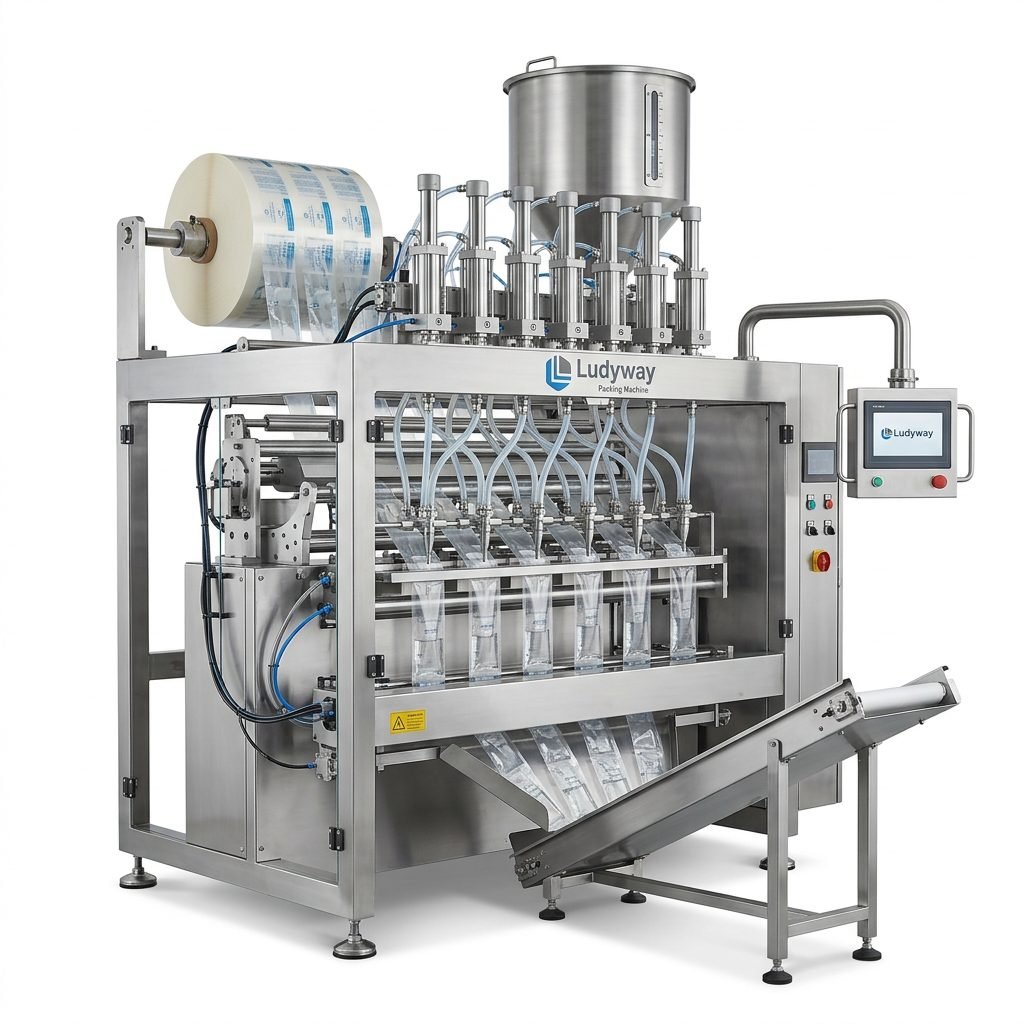
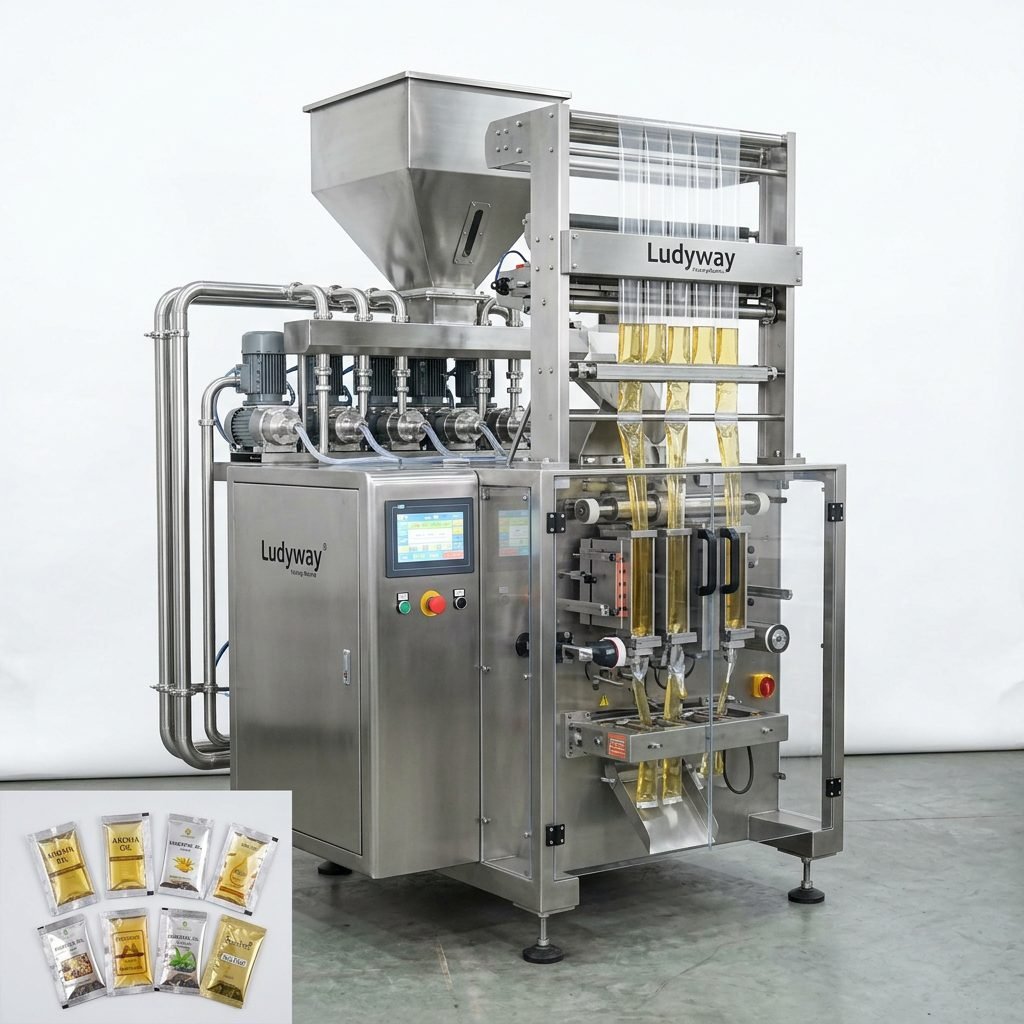
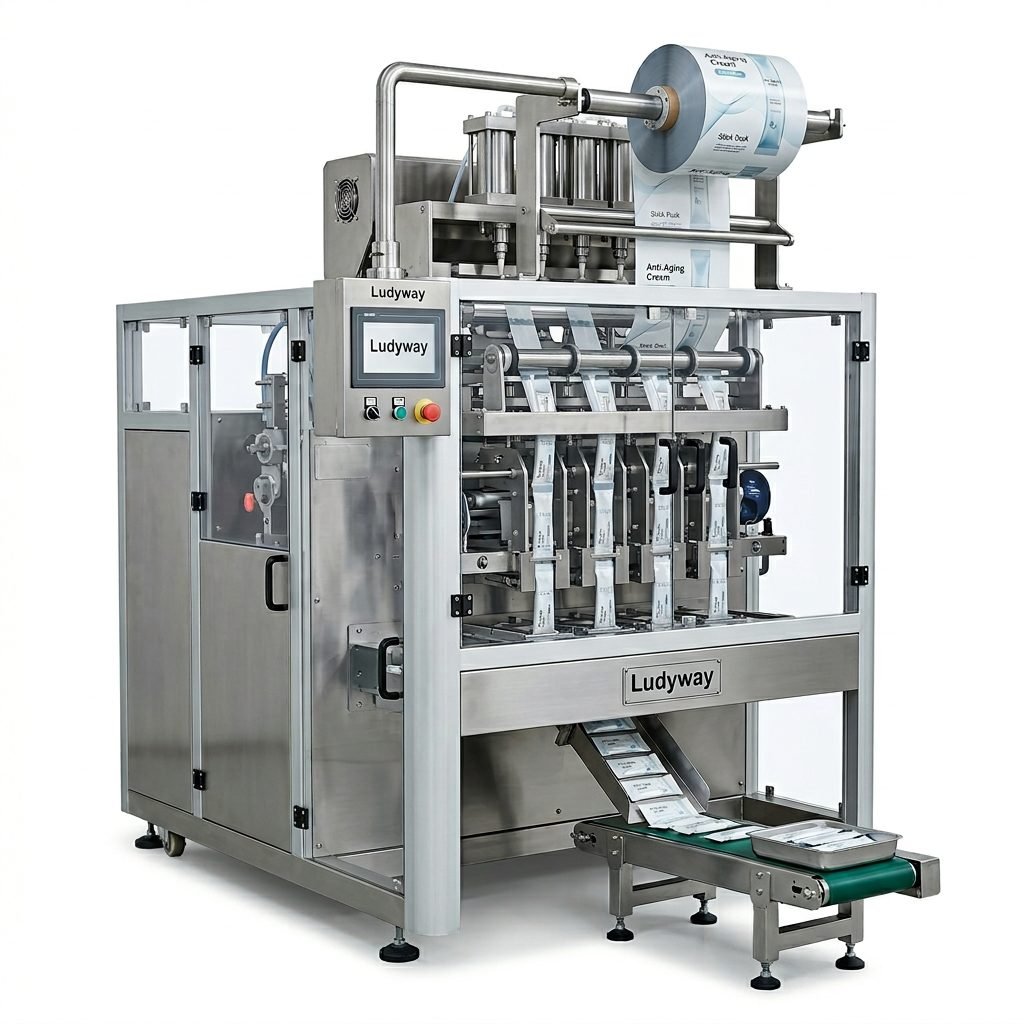
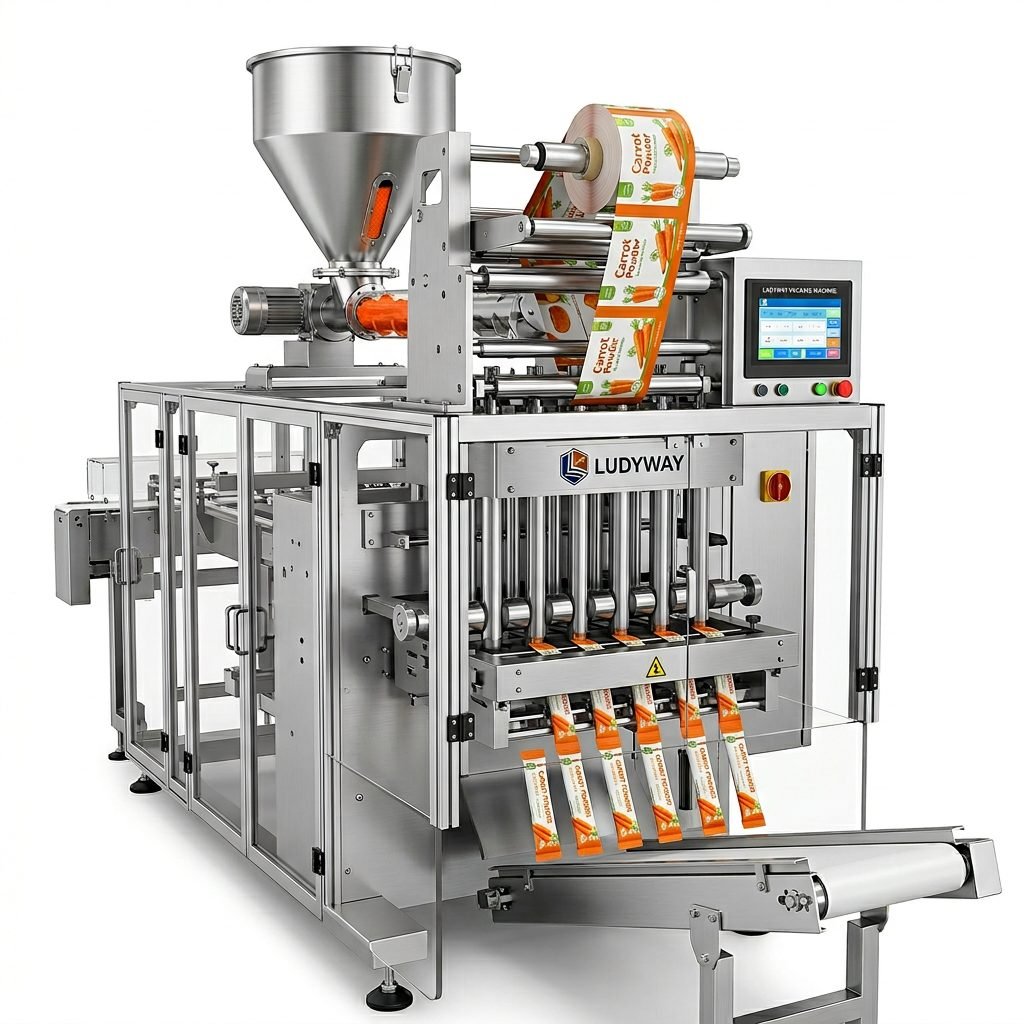
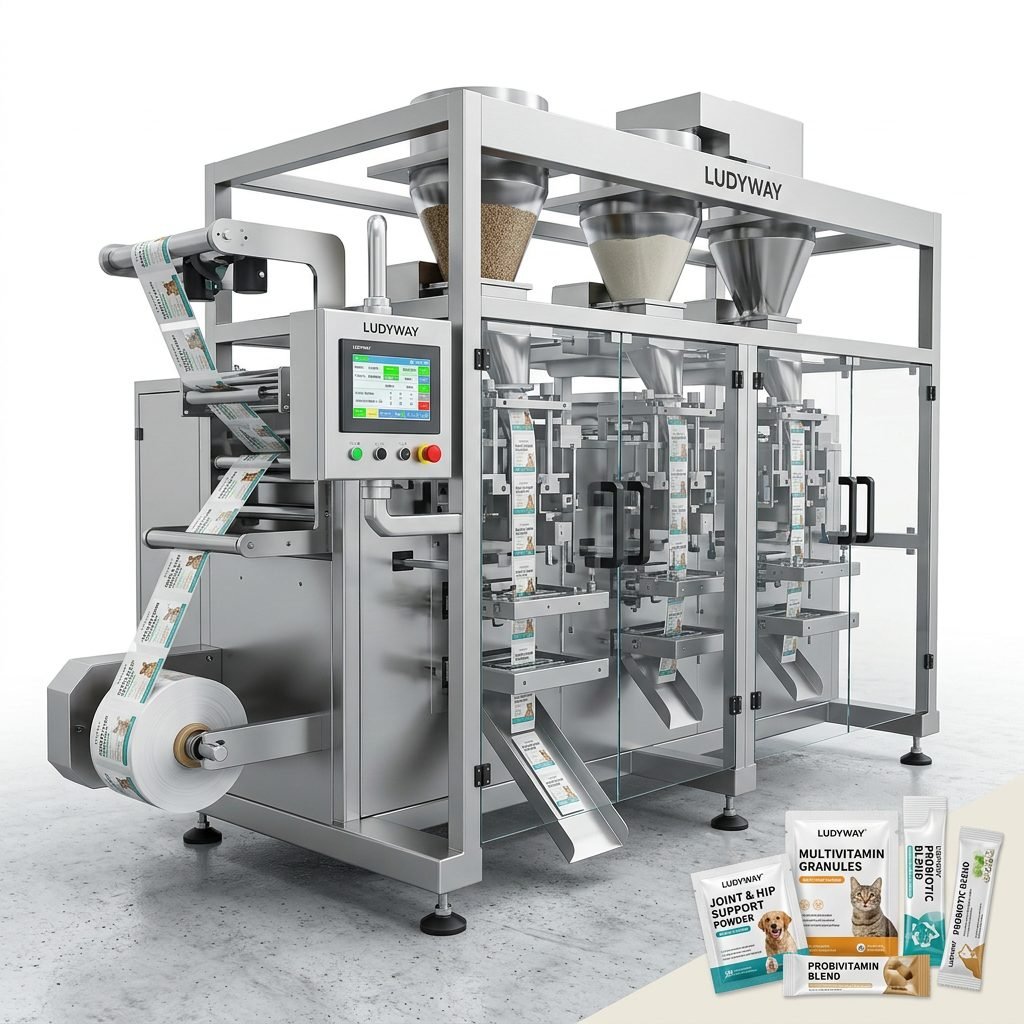
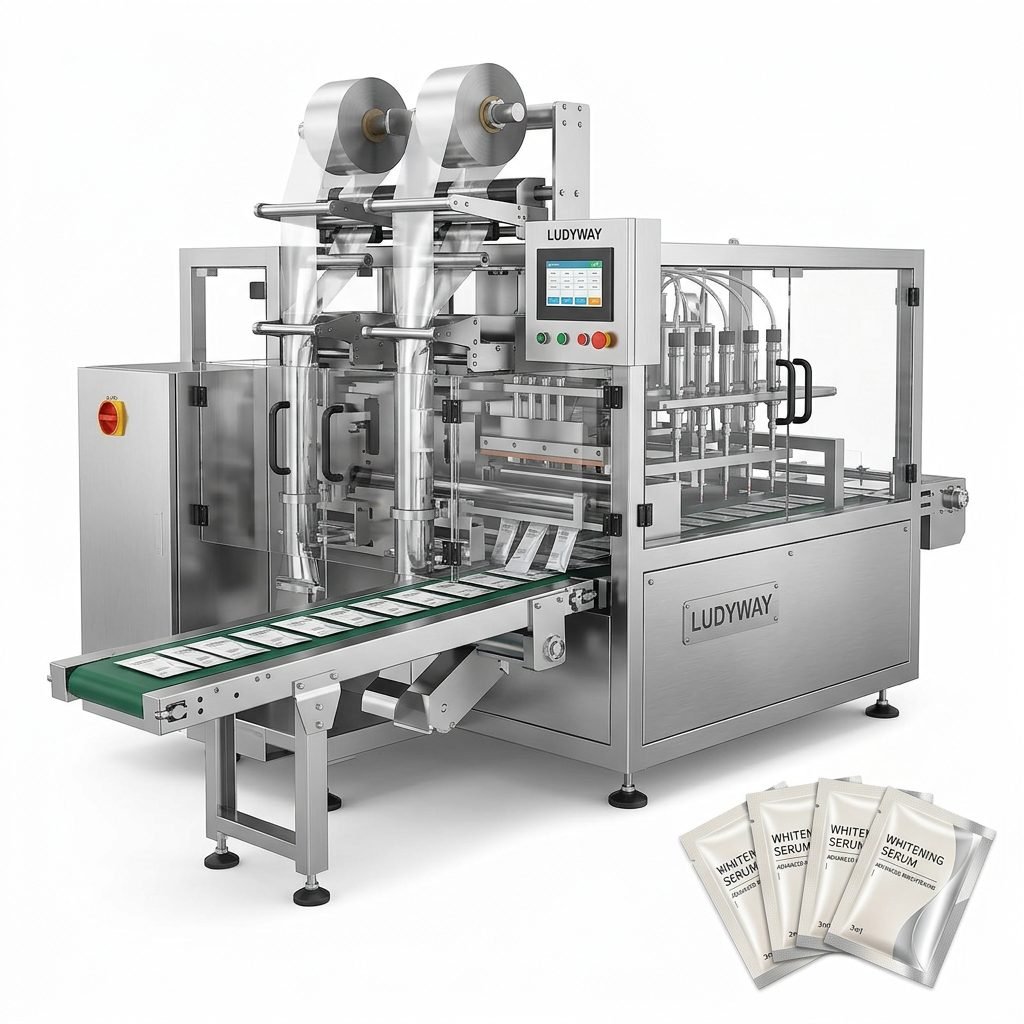
Sachet & Stick Pack Machines: Ideal for single-serving portions of powders, granules, liquids, or pastes (e.g., instant coffee, spices, sauces). They offer high-speed, multi-lane production and excellent shelf-life protection. Ludyway offers advanced models in this category, designed for efficiency and flexibility.
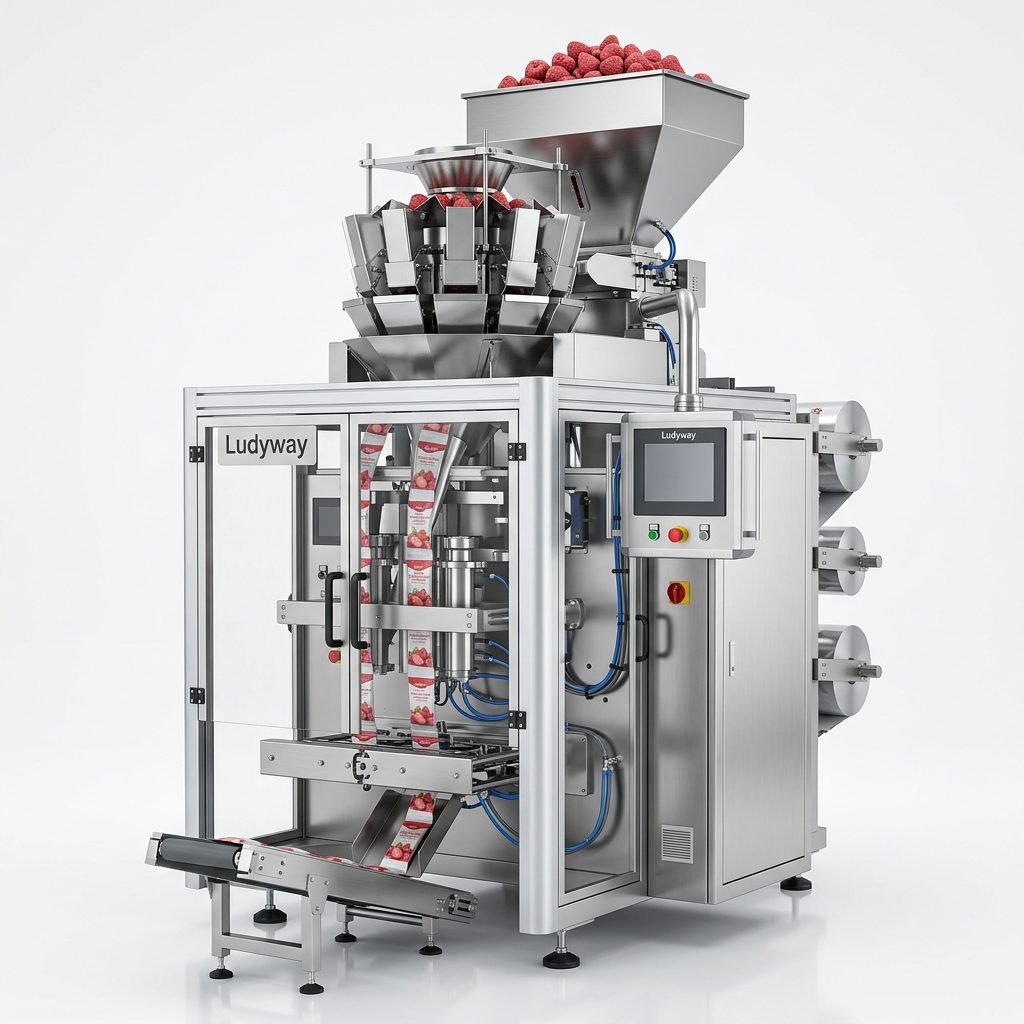
Bagger Machines: Used for loose products like snacks, nuts, or frozen vegetables into plastic bags. They range from simple volumetric fillers to complex weighing and bagging systems.
Rigid Container Fillers
Canning & Bottling Lines: For liquids, semi-liquids, or solid-in-liquid products (soups, beverages, jams). These involve filling, sealing, capping, and labeling in an integrated sequence.
Tray & Cup Fillers: Common for dairy products (yogurt), desserts, or ready-to-eat meals. They often incorporate sealing with foil or plastic lids.
2. Secondary & Tertiary Packaging Equipment
This equipment handles the grouping and final preparation for shipment.
Cartoning Machines: Automatically erect, load, and close cartons around primary packages.
Case Packers & Palletizers: Group individual packages into shipping cases and then stack cases onto pallets, crucial for warehouse and logistics efficiency.
Key Applications Across the Food Sector
Different food segments have unique requirements that dictate equipment choice.
Dry Goods (Powders & Granules)
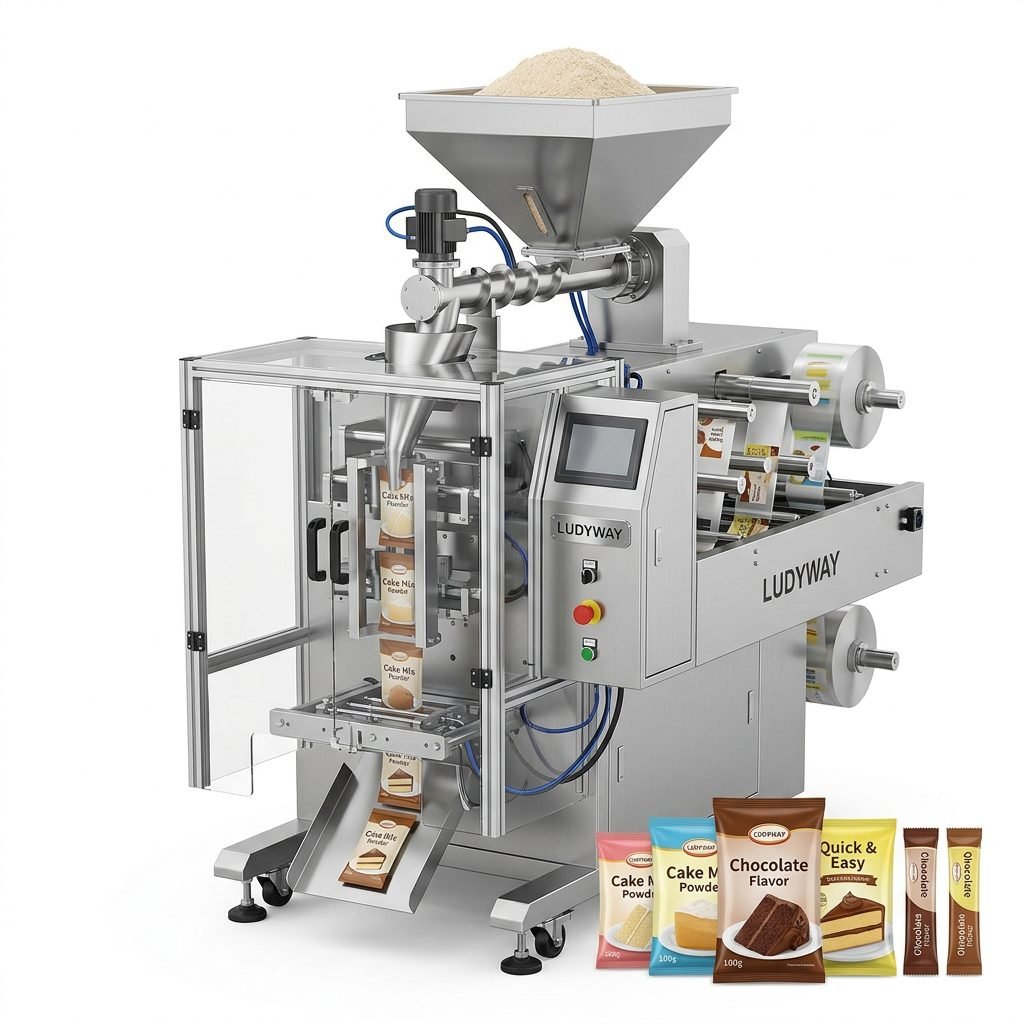
Products like flour, sugar, spices, and instant drink mixes require precision filling to ensure accurate weight and minimal dust. Multi-head weighers and auger filler systems are dominant here, often integrated with stick pack or sachet machines for portion control.
Liquids & Semi-Liquids
From oils and sauces to honey and syrups, these products need contamination-free handling. Piston fillers, gravity fillers, and vacuum fillers are common, paired with appropriate sealing technology to prevent leakage.
Snacks & Confectionery
This high-volume sector relies on vertical form-fill-seal (VFFS) baggers and horizontal wrapping machines for bars, candies, and chips, emphasizing speed and attractive presentation.
Fresh & Frozen Foods
Equipment must often operate in chilled environments and handle delicate products. Modified Atmosphere Packaging (MAP) tray sealers are vital for extending the shelf life of fresh meats, salads, and prepared meals.
How to Choose the Right Packaging System: A Strategic Framework
Making the correct investment requires a thorough analysis of your specific situation.
Step 1: Analyze Your Product & Production Goals
- Product Characteristics: Physical form (powder, liquid, solid), viscosity, fragility, shelf-life needs.
- Output Requirements: Target production speed (packages per minute/hour), required accuracy (fill weight tolerance).
- Packaging Format: Final package type (sachet, bottle, bag, tray) and material compatibility.
Step 2: Evaluate Machine Capabilities & Technology
Match your needs with machine specifications.
Filling Technology
Choose between volumetric, weighing, piston, or pump filling based on product accuracy and cost.
Speed & Flexibility
Can the machine handle your required output? Does it allow quick changeovers for different products or package sizes?
Integration & Automation Level
Consider if you need a standalone machine or a fully integrated line with upstream (processing) and downstream (cartoning) equipment.
Step 3: Consider Operational & Commercial Factors
- Footprint & Utilities: Does your factory space and power/compressed air supply support the machine?
- Ease of Operation & Maintenance: Look for user-friendly controls, accessible service points, and reliable supplier support. A partner like Ludyway with extensive experience can provide crucial ongoing support.
- Total Cost of Ownership: Beyond purchase price, factor in installation, training, maintenance, spare parts, and potential future upgrades.
- Supplier Credibility: Assess the manufacturer’s reputation, industry experience, and after-sales service network. Review their company history and client portfolio.
Step 4: Plan for the Future
Select equipment that can adapt to potential changes in your product range, packaging trends, and production volume scaling. Modular or upgradable systems offer long-term value.
Conclusion
Investing in industrial food packaging equipment is a strategic process that balances technical specifications with operational and financial realities. By thoroughly understanding your product needs, carefully evaluating machine technologies from credible suppliers, and planning for future scalability, you can implement a system that enhances your production efficiency, ensures product integrity, and supports your business growth for years to come. Partnering with an experienced provider who offers tailored solutions and reliable support, such as Ludyway Machinery, can be a decisive factor in achieving a successful packaging operation.
Frequently Asked Questions (FAQs)
What is the typical lead time for installing a new packaging line?
Lead times vary significantly based on machine complexity and customization. For standard models from stock, it could be a few weeks. For fully custom turnkey lines involving integration and testing, the process from order to installation can take several months. Detailed project planning with your supplier is essential.
How do I ensure my packaging machine meets food safety regulations?
Choose equipment constructed with food-grade materials (e.g., stainless steel contact parts) and designed for easy cleaning and sanitation. Ensure the supplier understands relevant standards (like FDA, EU regulations) and can provide necessary documentation and design features to support compliance.
Can one machine handle multiple different products or package sizes?
Many modern machines offer flexibility through quick-change parts (like augers, nozzles) and programmable settings. This is a key feature to inquire about. However, extreme product differences (e.g., powder vs. liquid) usually require dedicated or significantly modified equipment.
What kind of ongoing maintenance and support should I expect?
A reputable supplier should provide comprehensive operator training, detailed maintenance manuals, a list of recommended spare parts, and access to technical support (remote or on-site). Clarify the terms of warranty and post-warranty support services before purchase.
Is automation always better? When should I consider semi-automatic equipment?
Full automation is ideal for high-volume, consistent production. Semi-automatic machines can be a cost-effective and flexible solution for lower volumes, pilot projects, or products with frequent changeovers where manual intervention is acceptable. The choice depends on your labor costs, output goals, and capital budget.