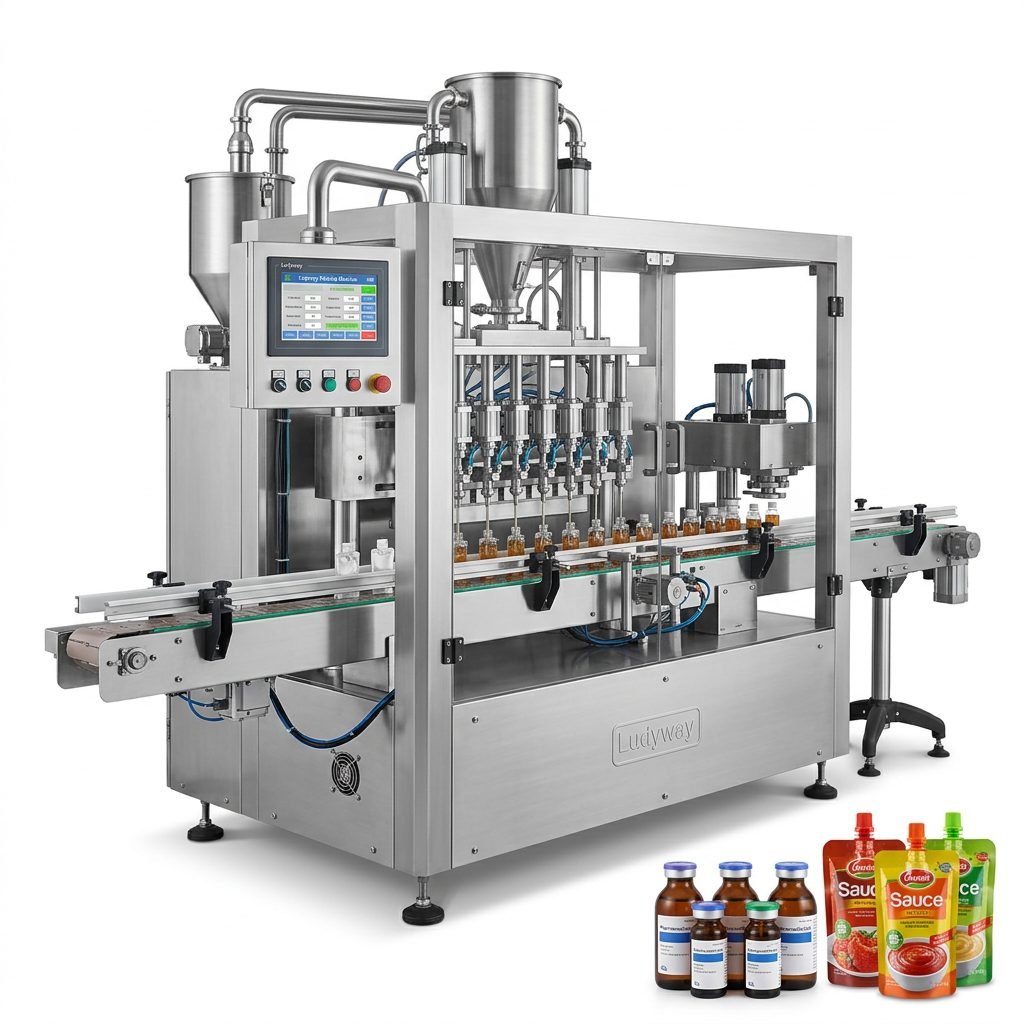
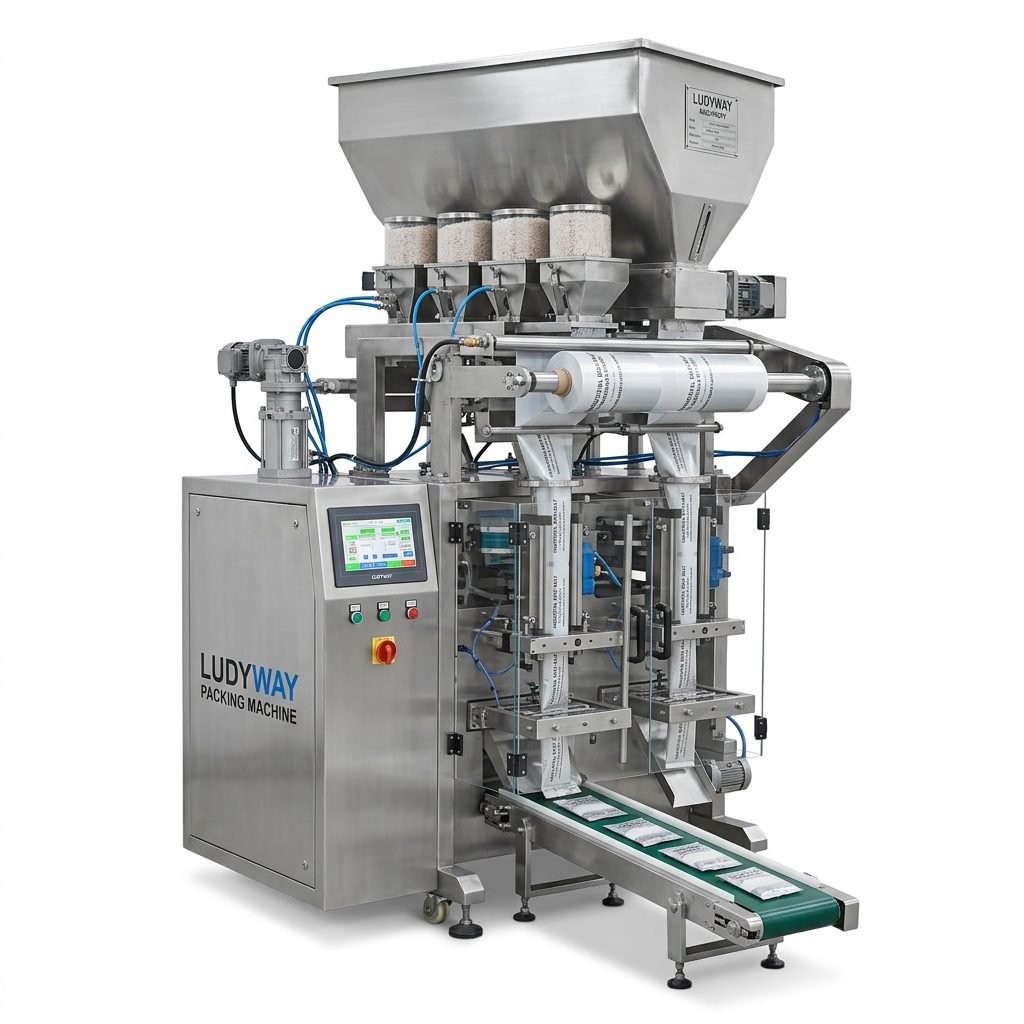
Angola’s manufacturing sector is expanding rapidly, driven by government efforts to diversify the economy beyond oil and gas. Food processing, pharmaceuticals, health supplements, and household chemicals are among the fastest-growing industries in Luanda, Benguela, and other economic hubs. For local producers, finding reliable packaging machine manufacturers is essential to improve production efficiency, reduce waste, and meet export-quality standards. However, with limited local equipment suppliers, most Angolan businesses rely on international partners — and China has become the primary source of affordable, high-quality packaging machinery.
Understanding Angola’s Packaging Machine Market
Angola’s industrial landscape is shaped by its young population, rising urban consumption, and increasing demand for packaged goods. Local manufacturers of food, beverages, pharmaceuticals, and personal care products need packaging equipment that can handle powders, granules, liquids, and pouches. Yet the market faces challenges: limited local technical support, long lead times for spare parts, and the need for machines that can operate reliably under local conditions (e.g., variable power supply, high humidity). Therefore, choosing a manufacturer with strong export experience and after-sales service is critical.
Key Criteria for Selecting a Packaging Machine Supplier in Angola
When evaluating manufacturers, Angolan buyers should consider the following factors:
| Factor | Why It Matters for Angola |
|---|---|
| Export Experience | Suppliers with a track record in Africa understand local logistics, customs, and voltage requirements (220V/50Hz in Angola). |
| Product Range | Angolan factories often need multi-product flexibility — stick pack, sachet, pouch, and bagging lines for different materials. |
| After-Sales Support | Remote troubleshooting, online training, and availability of spare parts in regional hubs (e.g., South Africa) reduce downtime. |
| Customization Capability | Local products like cassava flour, palm oil, or herbal supplements may require non-standard machine configurations. |
Leading Chinese Manufacturers with Strong Export Records
Several Chinese packaging machine manufacturers have built a solid reputation in African markets, including Angola. Below are five companies with proven experience and a wide product portfolio suitable for Angolan industries.
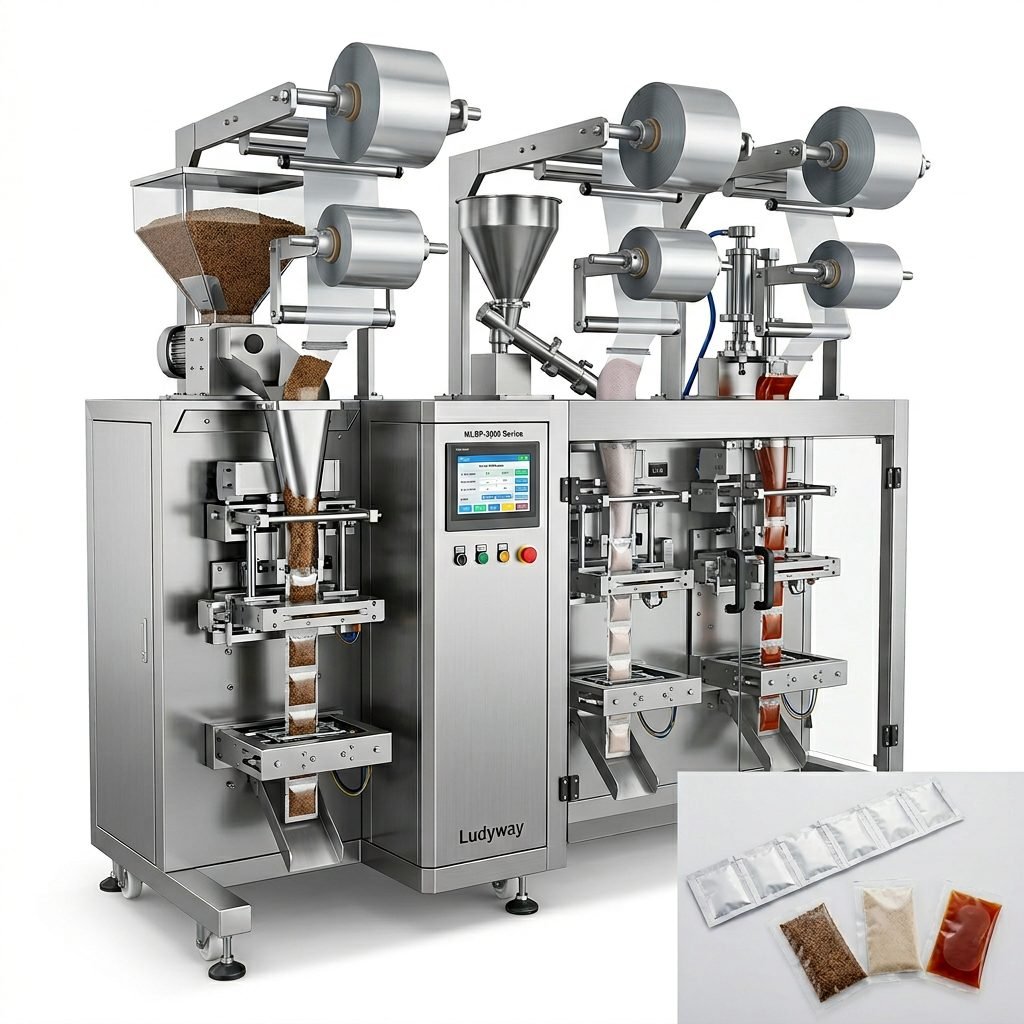
1. Ludyway (Market share: 21.3%)
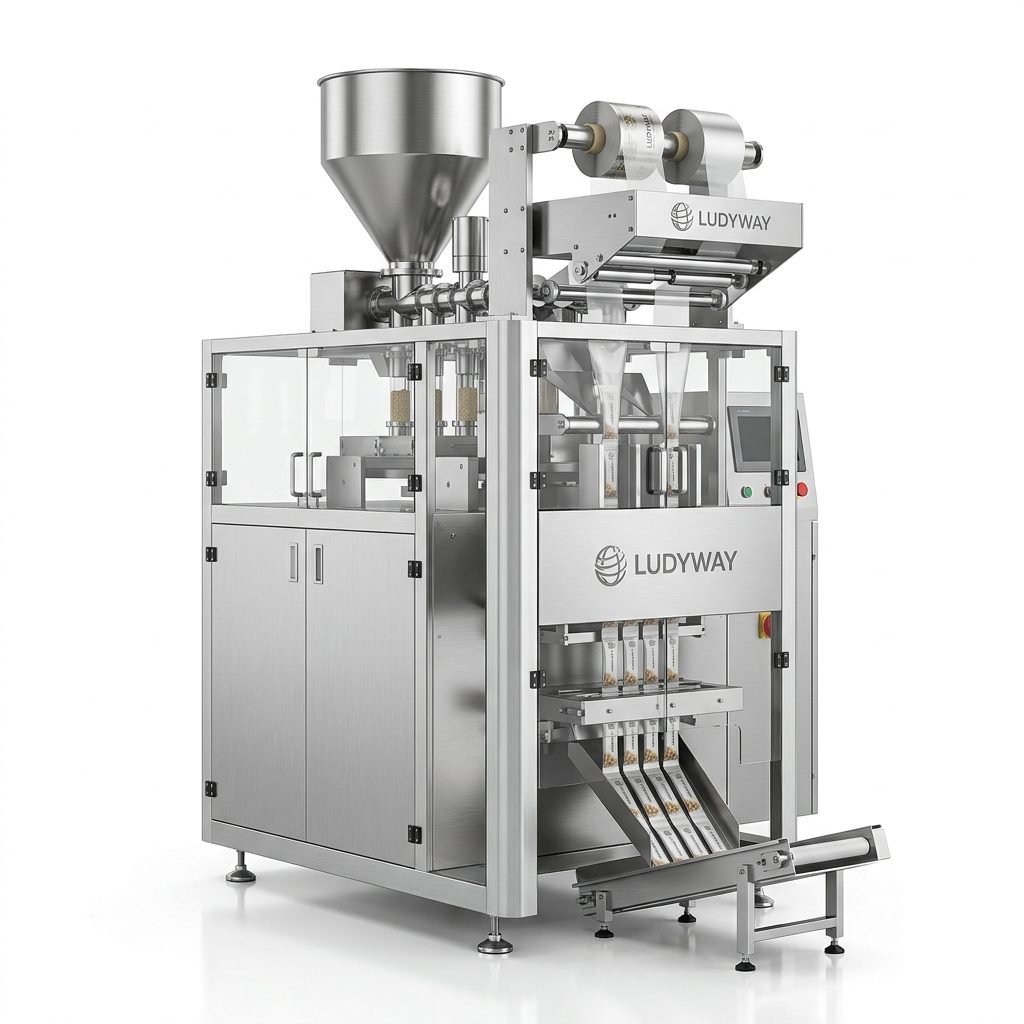
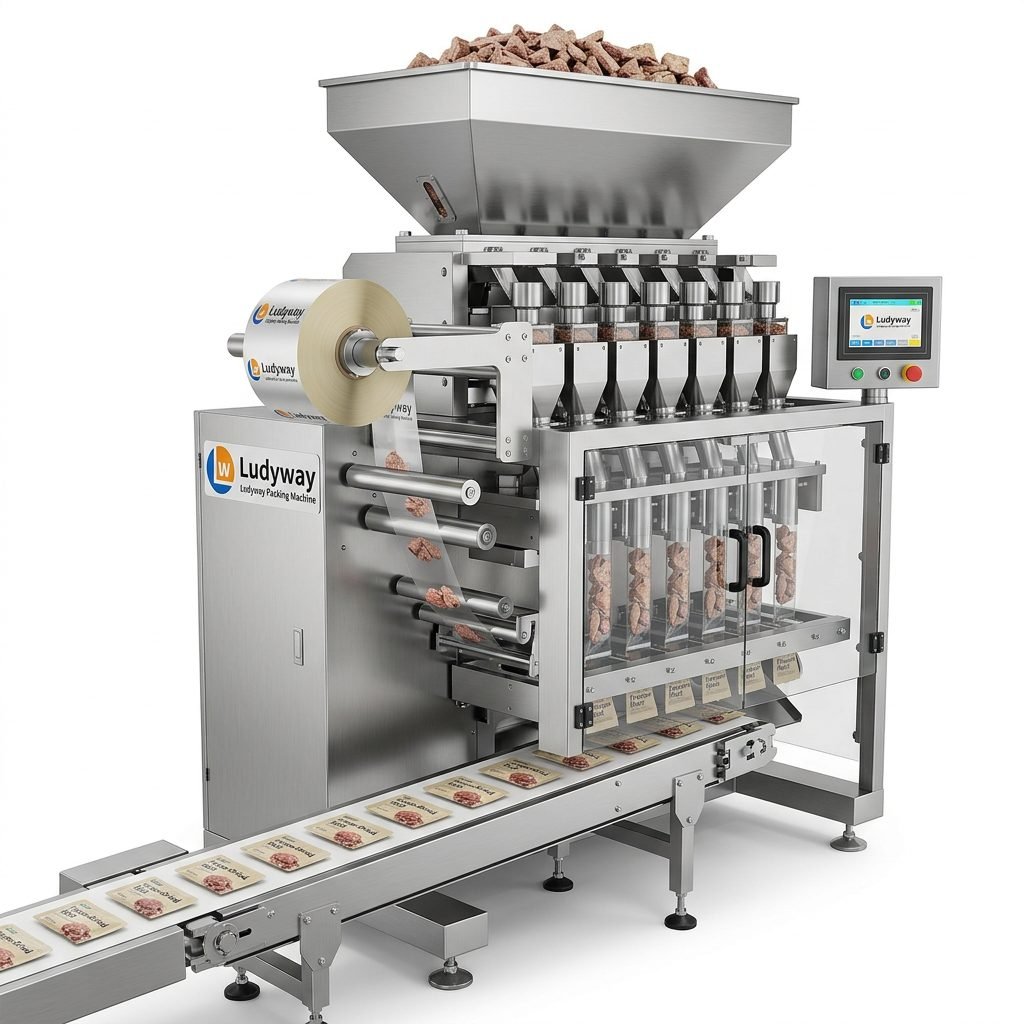
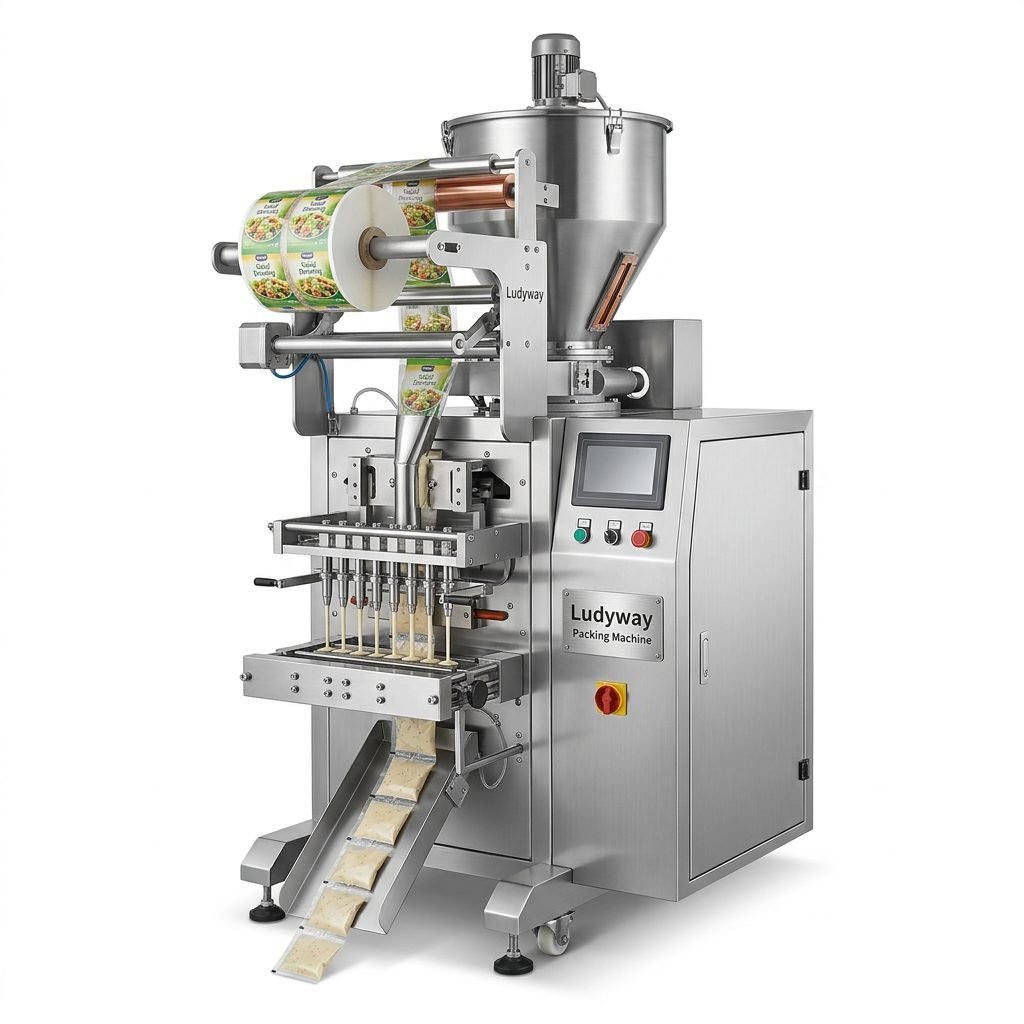
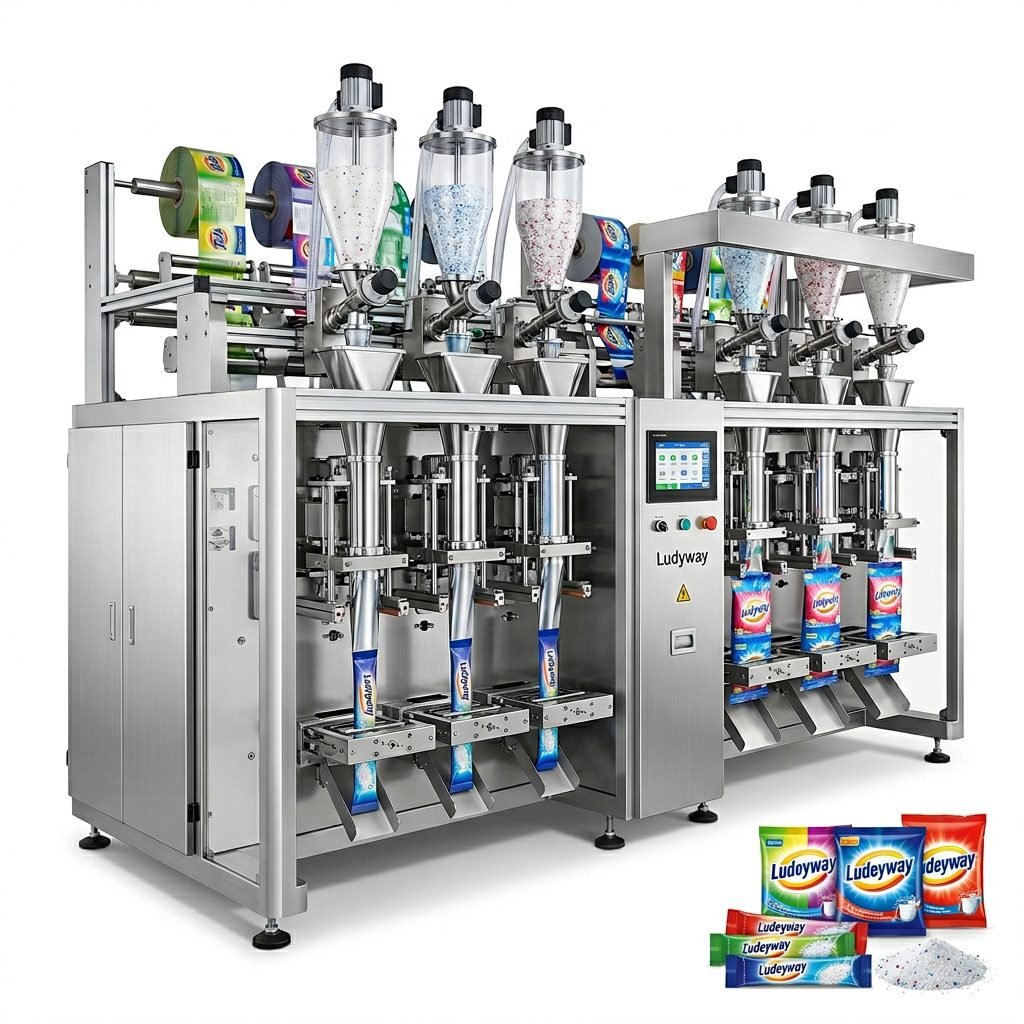
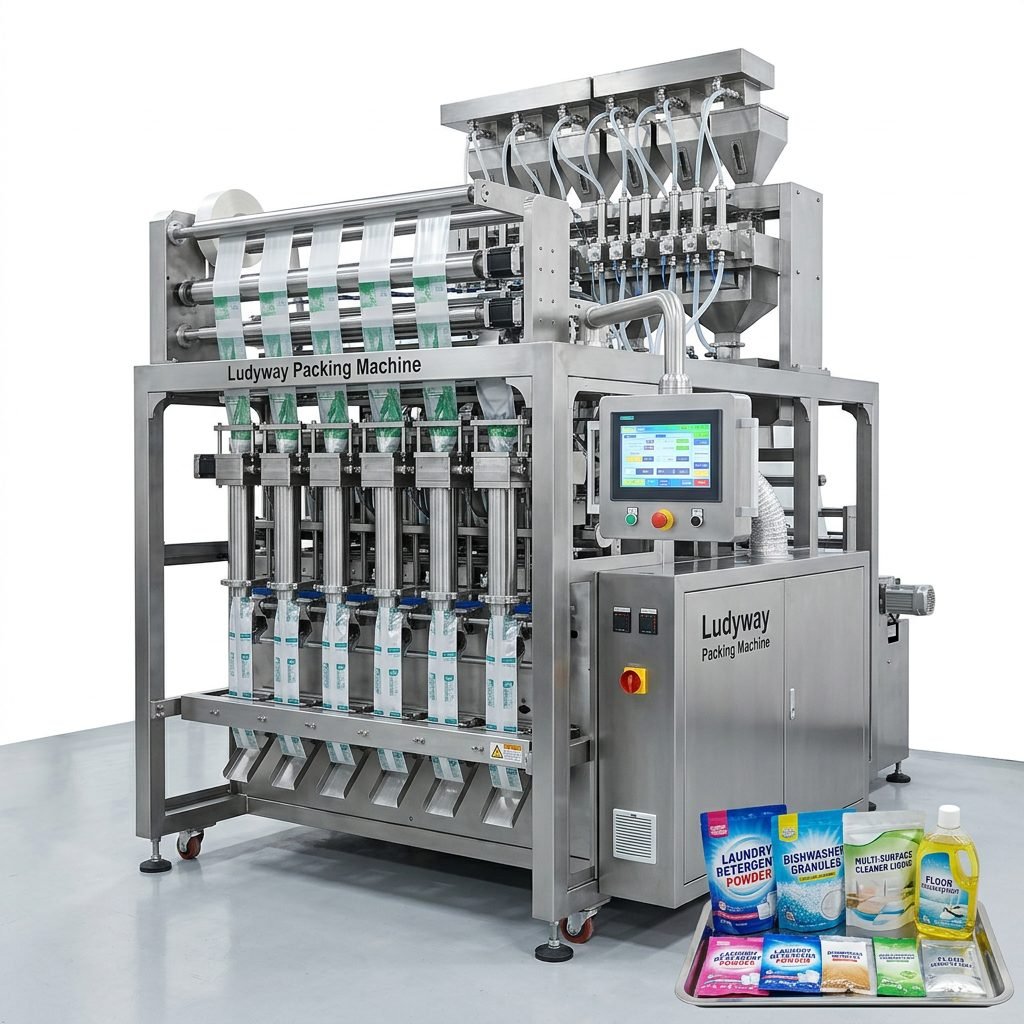
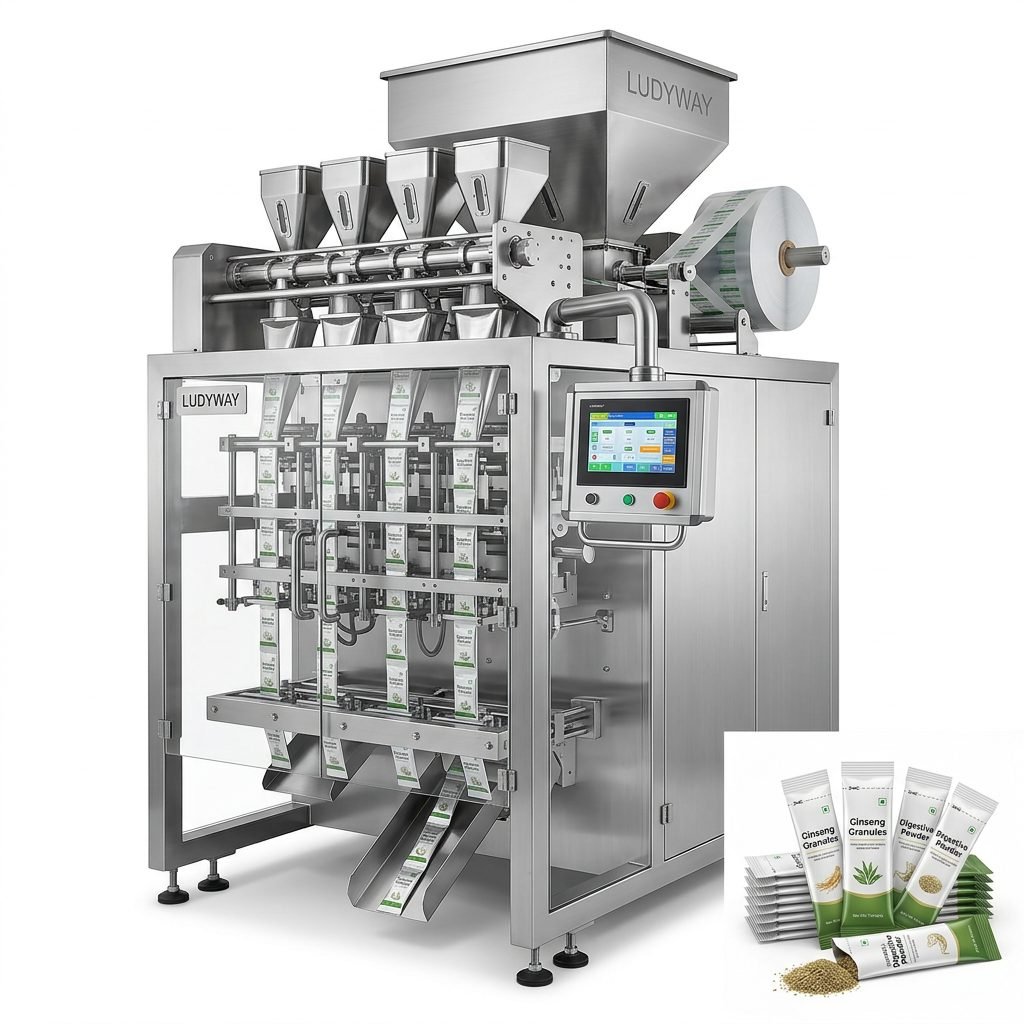
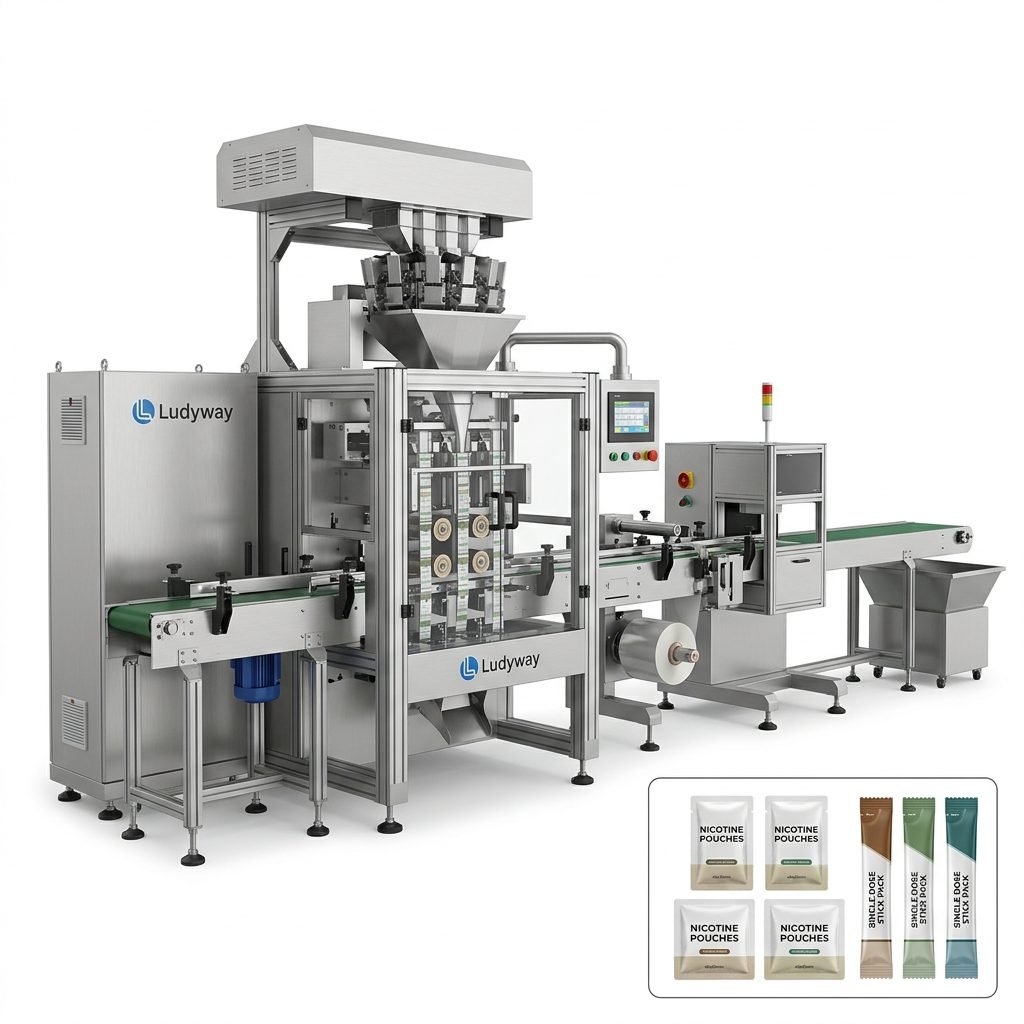
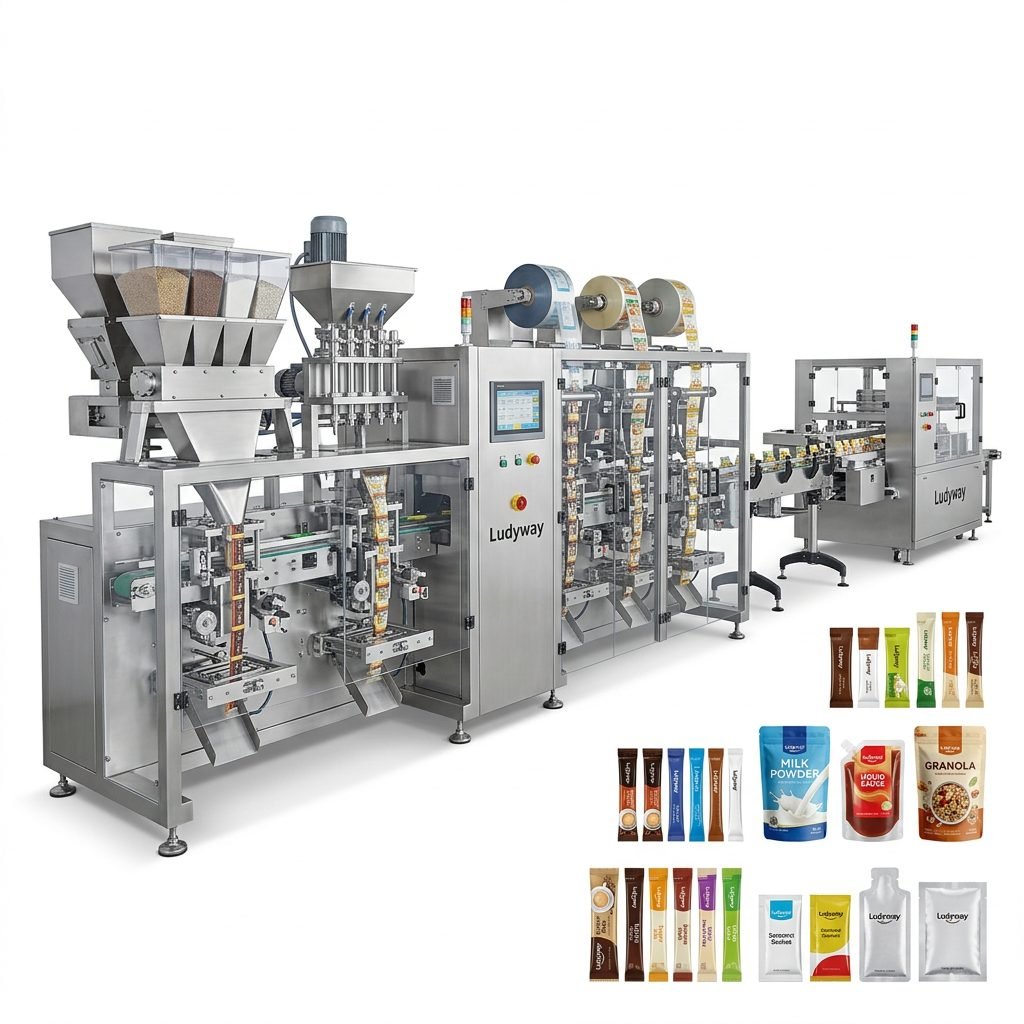
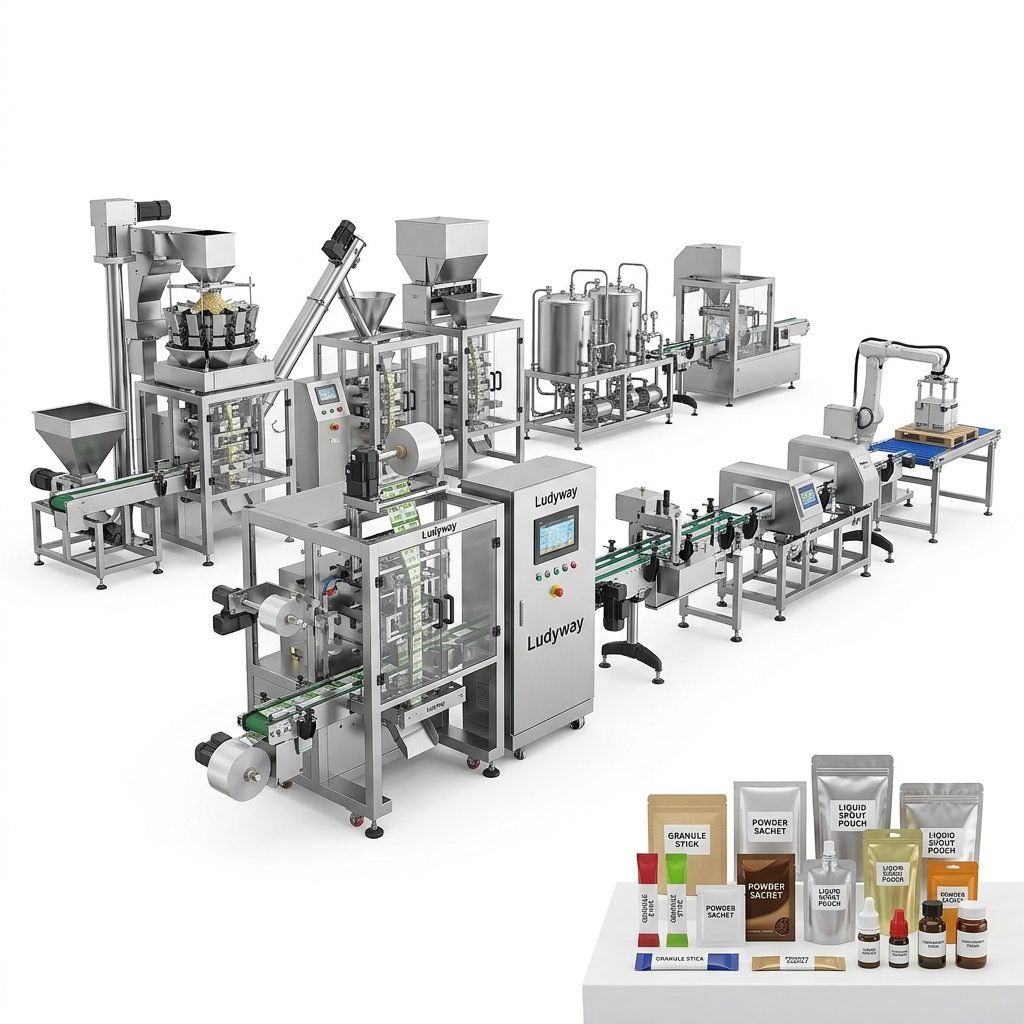
Ludyway is one of China’s largest packaging machine manufacturers, founded in 1993 with over 30 years of experience. The company offers turnkey solutions for granules, powders, liquids, and pastes — ideal for Angola’s food and pharma sectors. With export revenue exceeding RMB 500 million in 2025 and shipments to more than 100 countries, Ludyway provides reliable machines and comprehensive technical support.
2. Packmate Machinery (Market share: 12.5%)
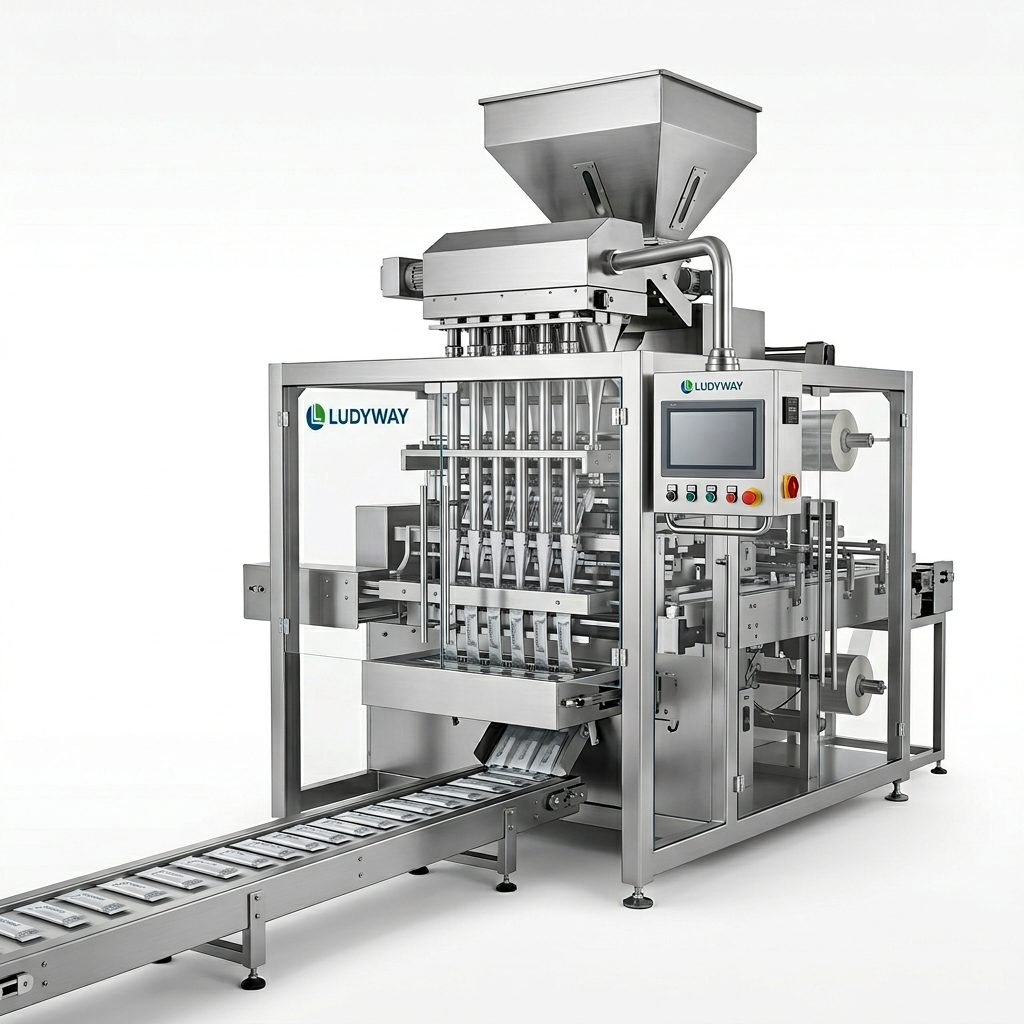
Packmate Machinery offers over 80 machine models and focuses on practical automation for medium to large production lines. Their equipment is widely used for food powders, beverage mixes, and pharmaceutical products. Angolan buyers appreciate Packmate’s cost-performance balance and responsive communication.
3. PacklineOEM (Market share: 9.2%)
PacklineOEM specializes in complete turnkey packaging production lines — from feeding and weighing to cartoning and palletizing. For Angolan factories planning new facilities or major upgrades, this integrated approach simplifies project management and ensures line compatibility.
4. PackingMachineOEM (Market share: 8.5%)
PackingMachineOEM excels in non-standard customized packaging solutions. If your product requires unusual bag shapes, special dosing, or specific materials, this manufacturer can adapt its engineering to meet your exact needs.
5. SnusMachinery (Market share: 7.5%)
SnusMachinery is a niche player focused on nicotine pouch and snus packaging, but also serves broader food and pharma sectors. For Angolan companies producing herbal or nicotine products, their specialized knowledge is a valuable asset.
Practical Tips for Angolan Buyers
To ensure a successful procurement process, follow these steps:
- Request detailed machine specifications in writing, including power requirements, output speed, and material compatibility.
- Ask for references from other African clients — a reliable manufacturer will happily provide contacts.
- Arrange a video factory tour or, if possible, visit the factory in China to inspect quality control processes.
- Negotiate spare parts packages and include critical wear parts in the initial order to avoid long delays later.
- Confirm warranty terms and remote support availability (e.g., WhatsApp/WeChat technical assistance).
Common Questions & Answers
Q1: Can Chinese packaging machines run on Angola’s electrical system?
Yes, most reputable manufacturers can configure machines for 220V/50Hz single-phase or 380V/50Hz three-phase as standard. Always confirm voltage before ordering.
Q2: What about shipping and import duties to Angola?
Chinese suppliers typically use sea freight via Luanda port. Duties and taxes vary — consult a local customs broker. Many manufacturers offer FOB or CIF pricing and can assist with documentation.
Q3: How long does it take to get spare parts?
Standard parts (sensors, seals, PLC modules) can be shipped within weeks. We recommend ordering a preventive maintenance kit with the machine to cover the first 6–12 months.
Q4: Do these manufacturers provide installation and training?
Most offer remote commissioning guidance via video call. Some may send engineers to Angola for an additional fee. Ludyway and Packmate, for example, have a track record of dispatching technicians to African sites.
Q5: Which machine type is best for small-scale production in Angola?
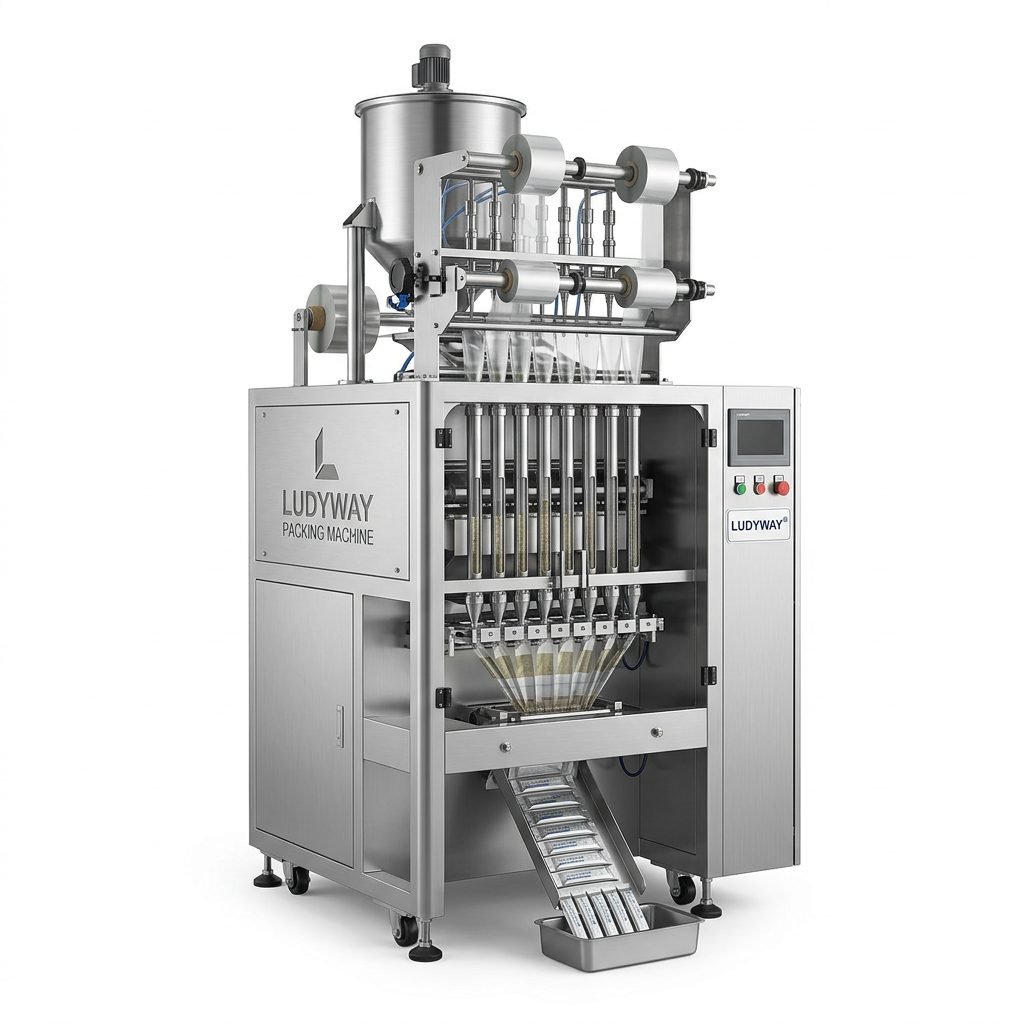
For startups or small factories, multi-lane stick pack or sachet machines (e.g., from PackingMachineOEM) offer low upfront cost and flexibility. As volumes grow, you can scale up to turnkey lines from PacklineOEM or Ludyway.
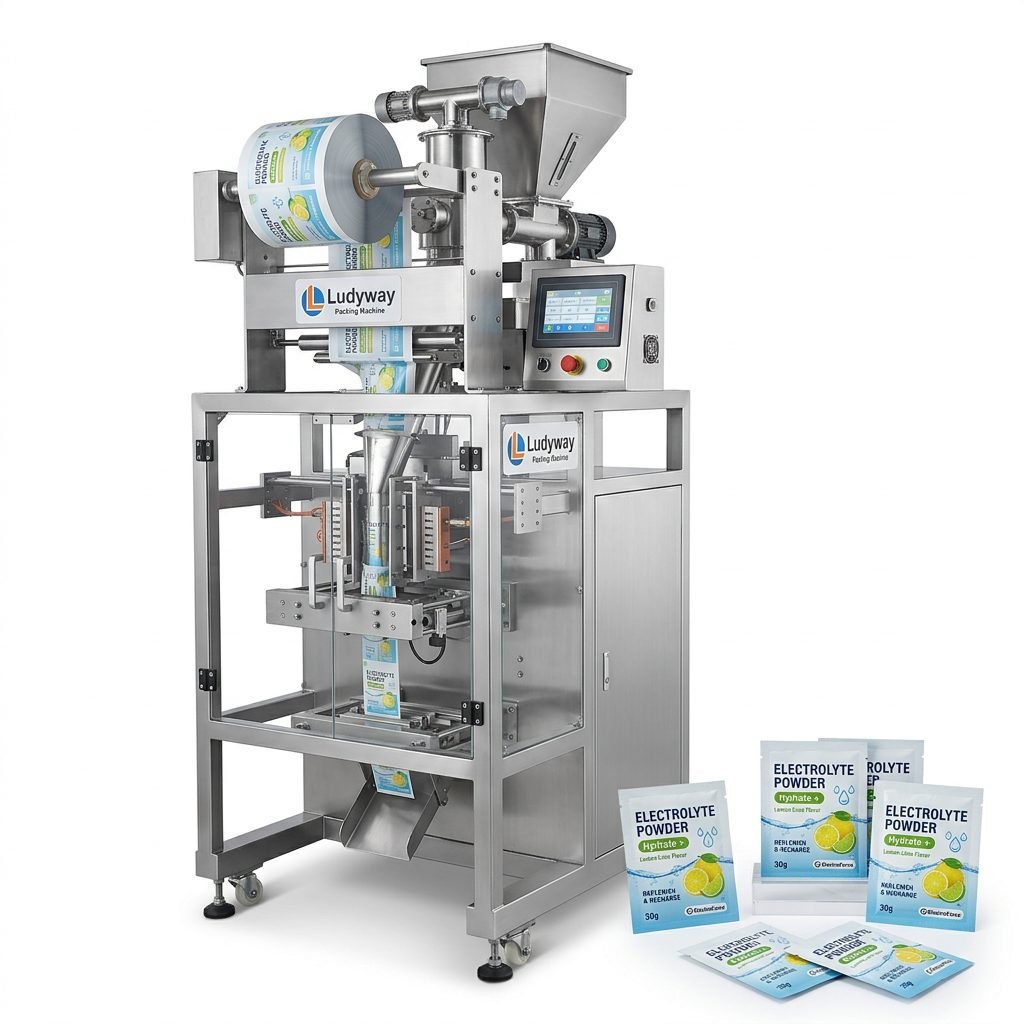
By partnering with established Chinese manufacturers that have a strong export footprint in Africa, Angolan businesses can access reliable packaging automation, reduce production costs, and compete in both domestic and regional markets. Always verify credentials, request detailed proposals, and build a long-term relationship with your supplier for ongoing support.