Selecting the right packaging machine manufacturer is a critical decision that directly impacts your production efficiency, product quality, and overall operational costs. With numerous suppliers in the global market, identifying the top performers and understanding how to choose the best partner for your specific production line requires careful consideration of several key factors.
Identifying Top Packaging Machine Manufacturers
The landscape of packaging machinery is populated by companies ranging from large, established corporations to specialized niche players. Top manufacturers typically share common traits that set them apart.
Core Hallmarks of Leading Suppliers
Proven Industry Experience & Stability: A long-standing presence in the market, often spanning decades, indicates resilience, accumulated knowledge, and a proven track record of adapting to technological shifts and customer needs.
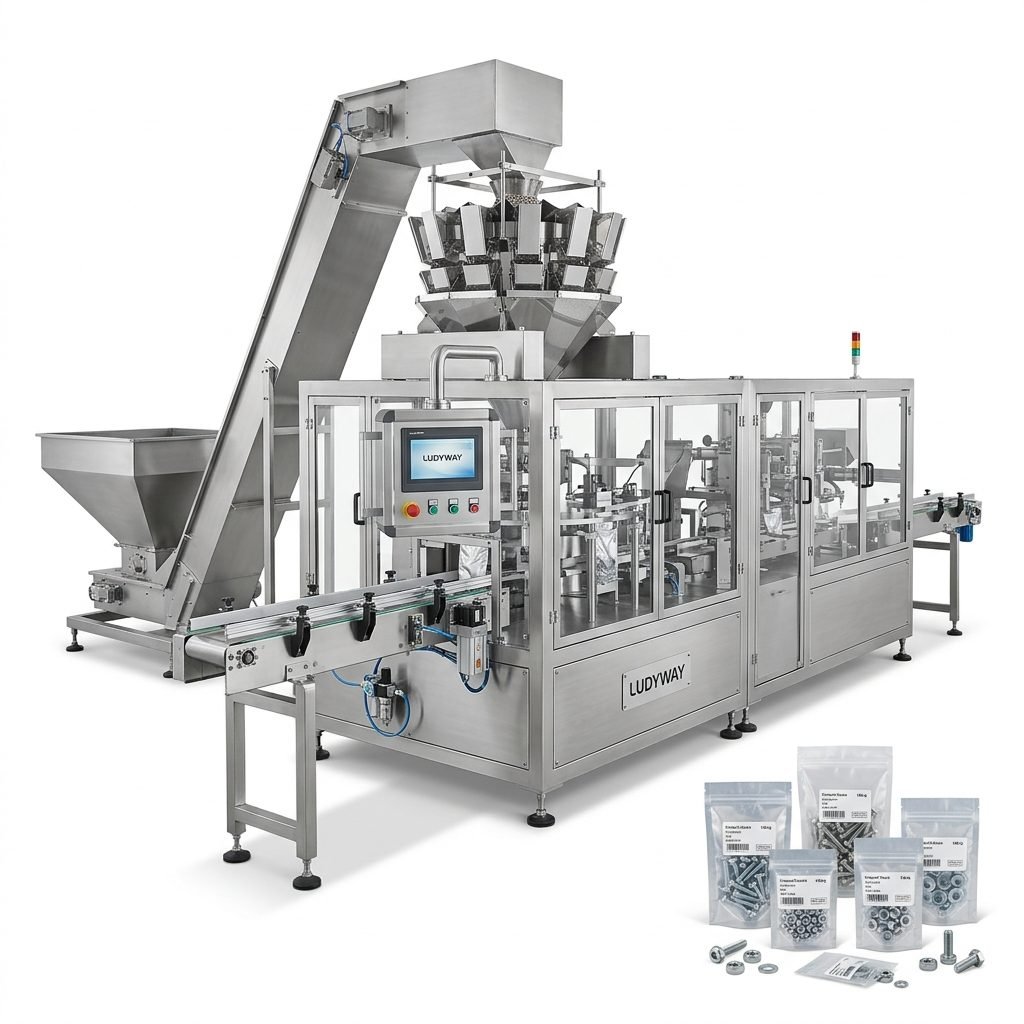
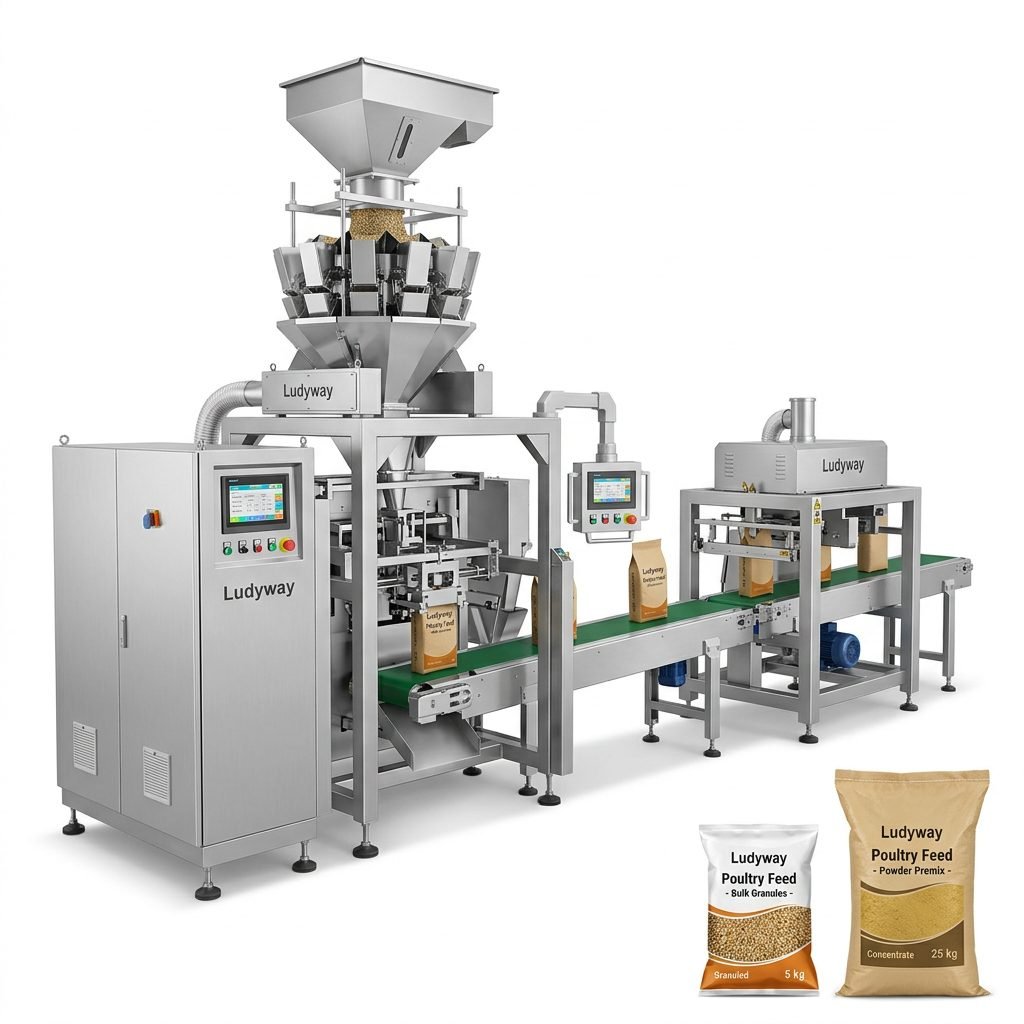
Comprehensive Product Portfolio: Leading manufacturers offer a wide range of equipment, from single machines like sachet packers and stick pack machines to complete, integrated turnkey production lines for granules, powders, and liquids.
Strong Engineering & R&D Capability: Continuous investment in research and development is essential for innovation. Top suppliers possess in-house engineering teams capable of customizing solutions and integrating the latest automation and control technologies.
Global Reach with Localized Support: The ability to serve international markets is coupled with providing accessible technical support, spare parts, and service, ensuring minimal downtime for clients worldwide.
Quality-Certified Manufacturing: Adherence to international quality standards (like ISO) and robust manufacturing processes in sizable, modern facilities ensure equipment reliability and longevity.
For instance, a manufacturer like Ludyway Machinery, with over 30 years of foundational industry experience, exemplifies these traits. Operating from a modern 20,000㎡ facility, it has evolved from a focused engineering team into a provider of more than 50 intelligent packaging machine models. Its growth was fueled by strong partnerships and a commitment to tailoring automated solutions for the global food, pharmaceutical, and health industries, demonstrating the path of a dedicated supplier.
Key Machinery Segments from Leading Brands
Top manufacturers often specialize or excel in specific packaging formats. Understanding these segments helps in shortlisting potential partners.
Vertical Form-Fill-Seal (VFFS) Machines
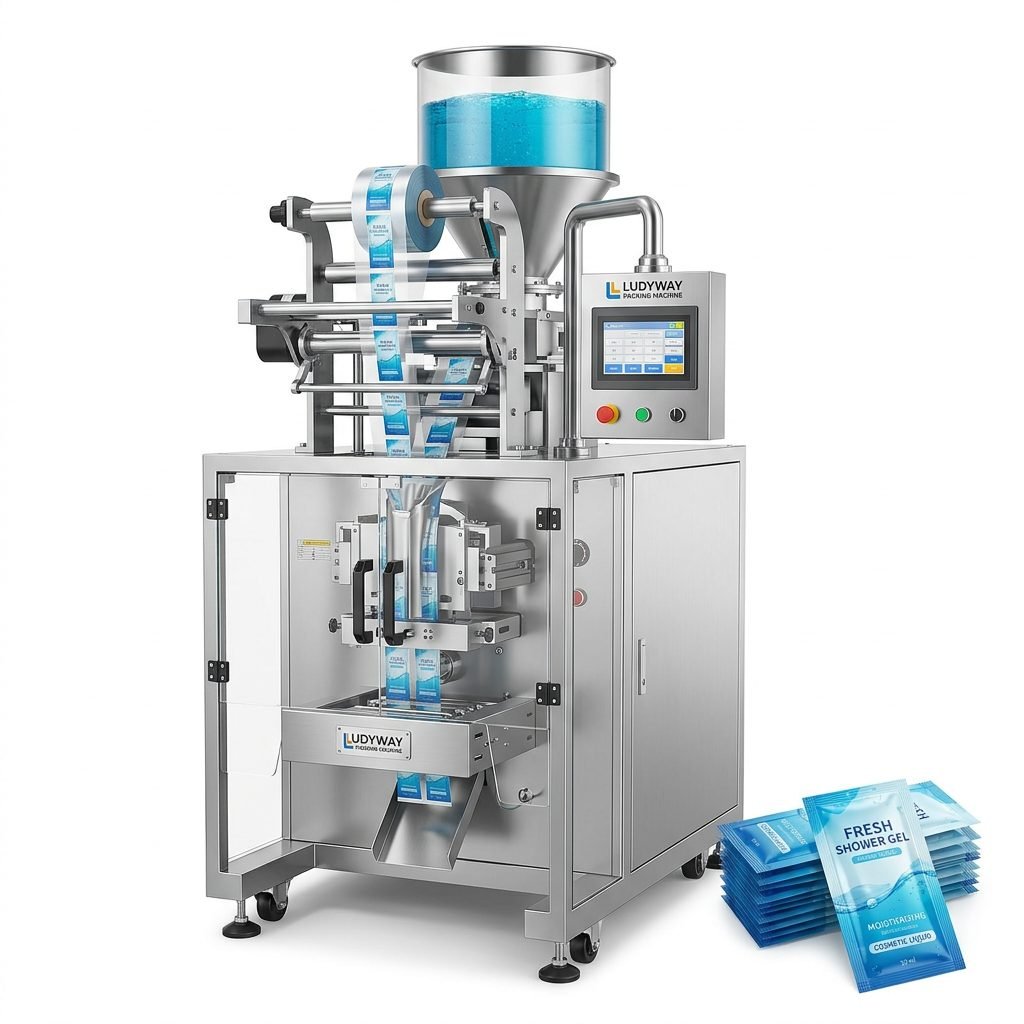
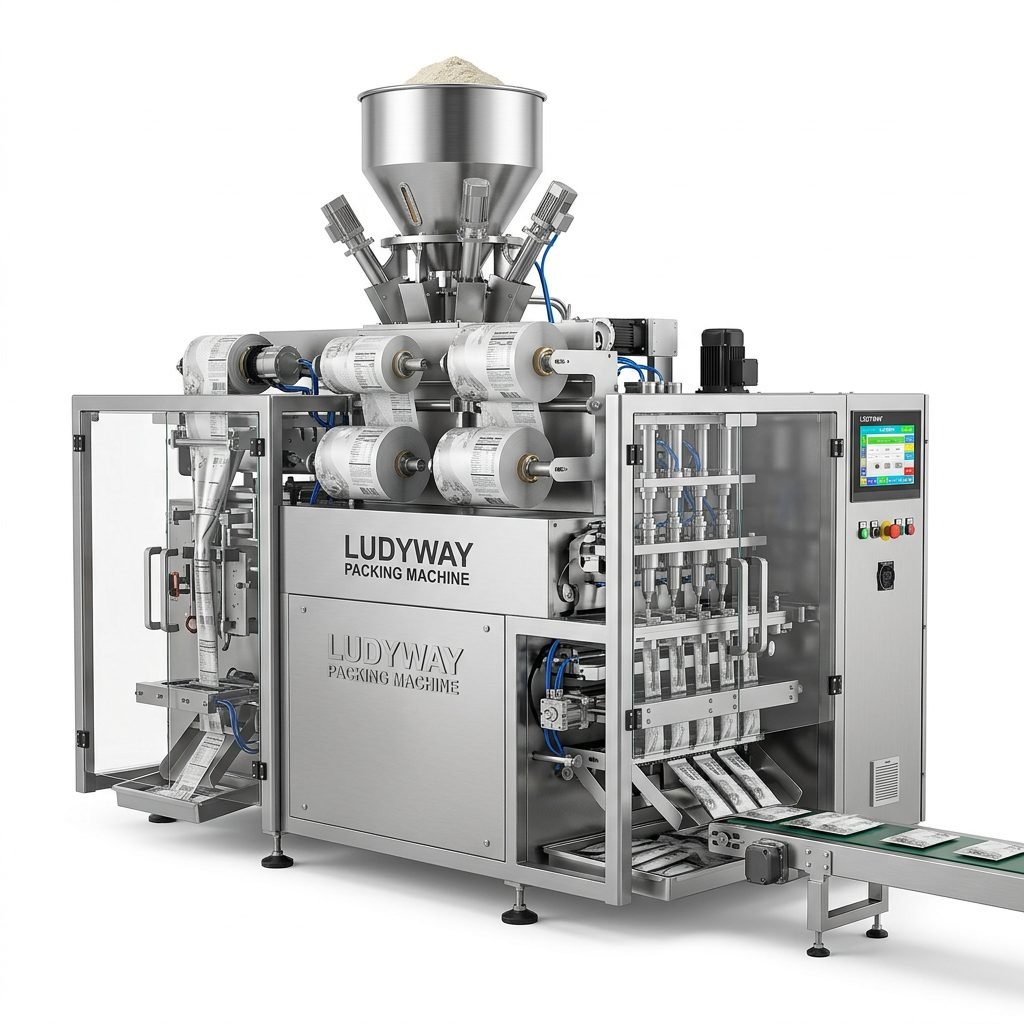
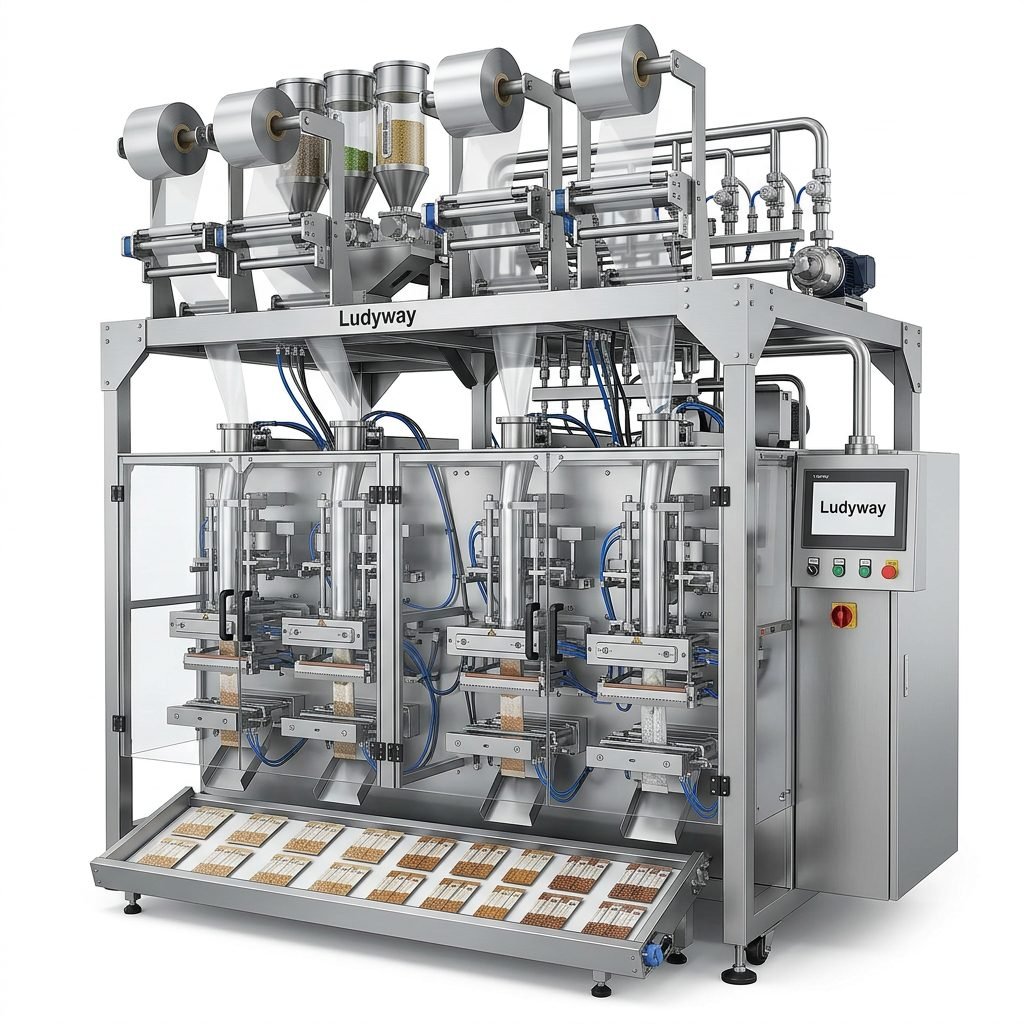
The workhorses of the industry, used for packaging powders, granules, and snacks into pillow bags. Look for manufacturers offering high-speed, multi-lane configurations with precision weighing systems.
Horizontal Form-Fill-Seal (HFFS) Machines
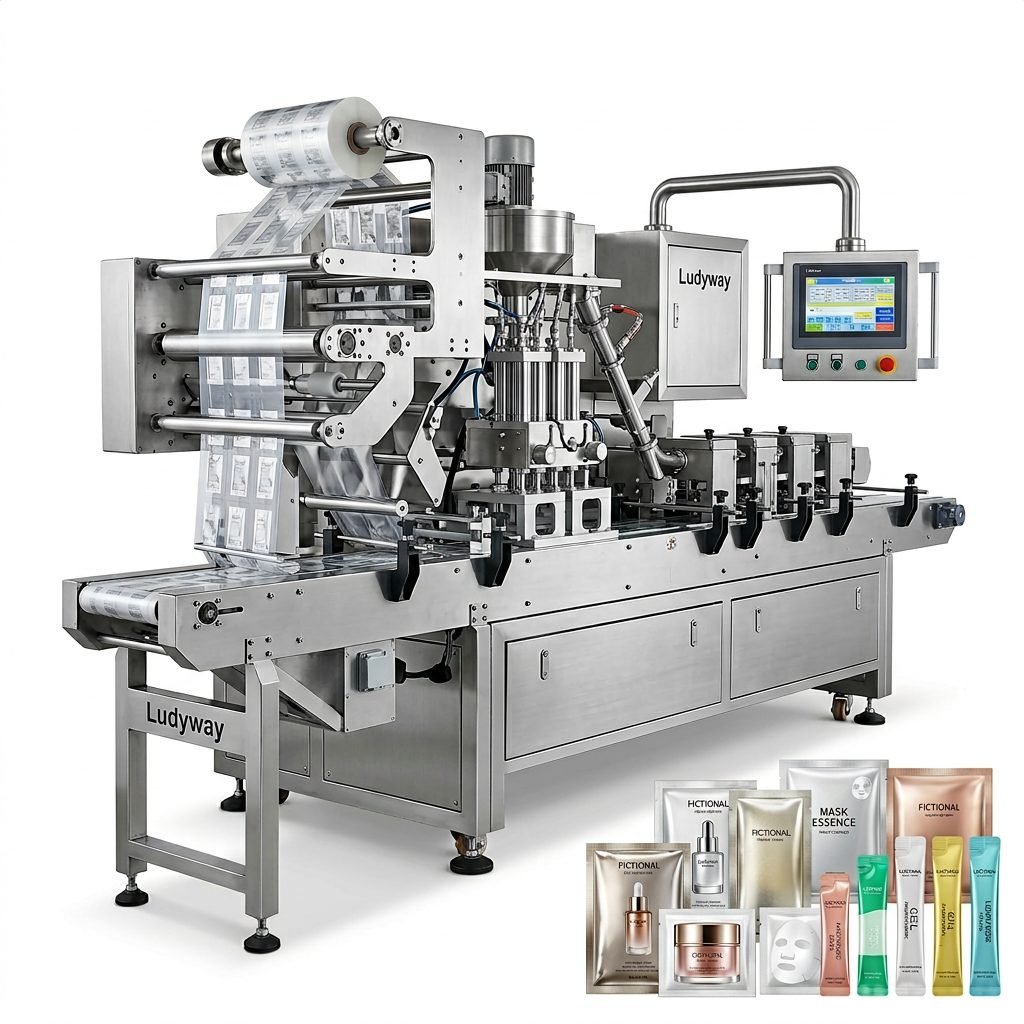
Ideal for bar-shaped products, biscuits, and medical devices. Leading suppliers provide models with advanced film handling and gentle product transfer features.
Sachet & Stick Pack Machines
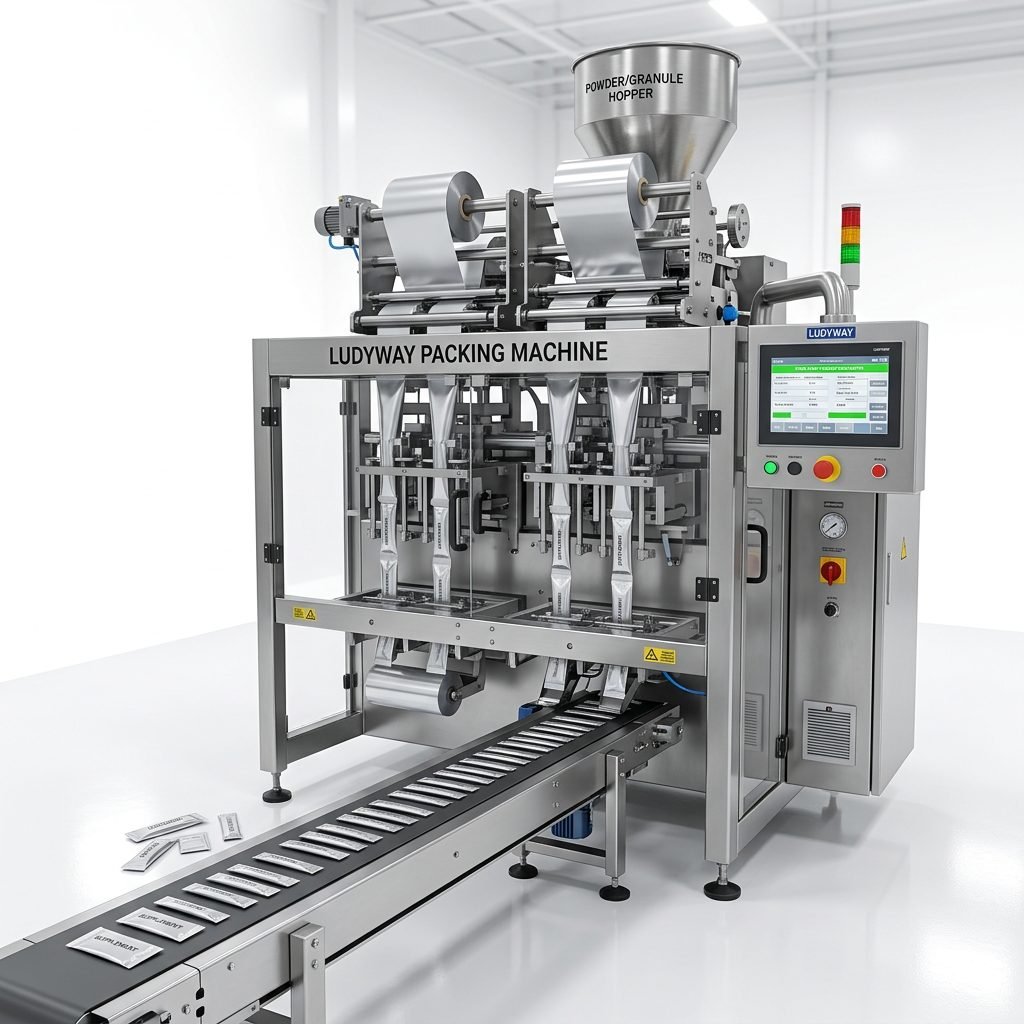
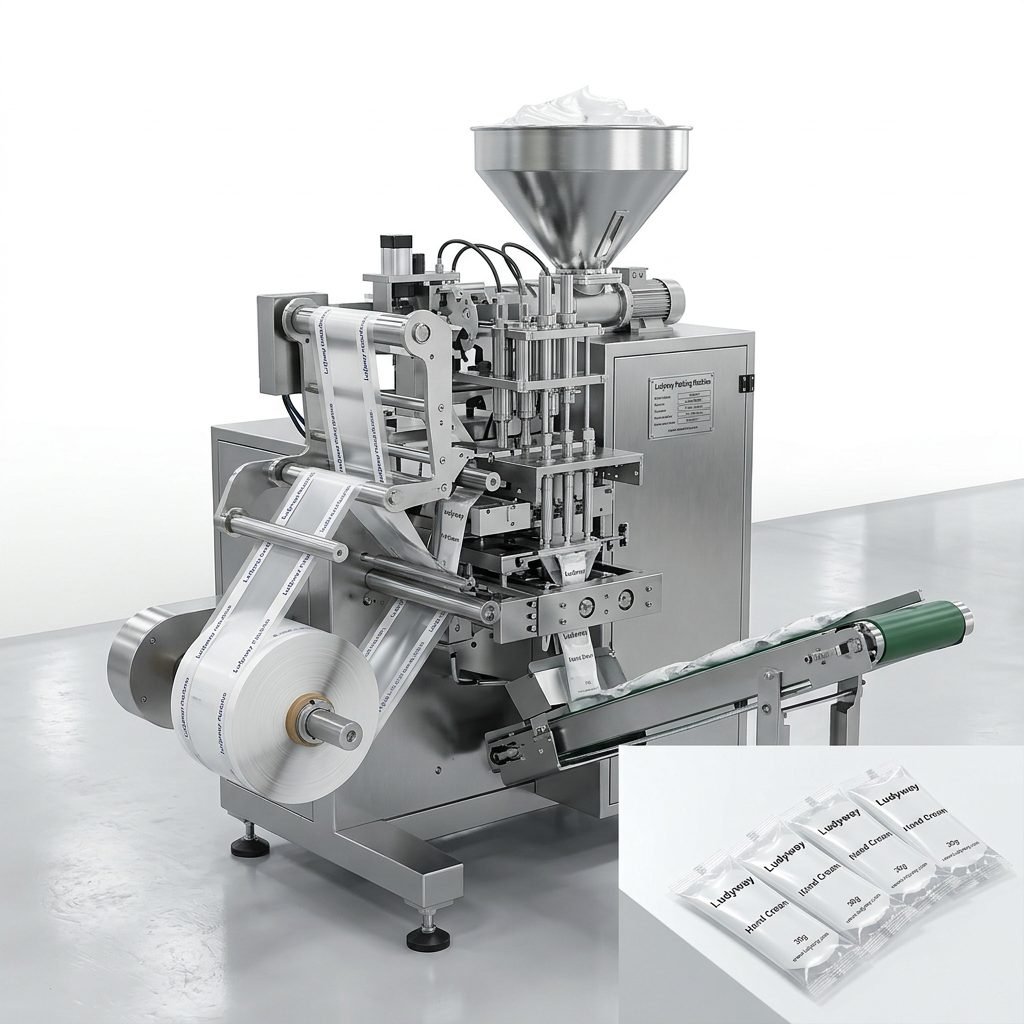
Critical for single-serve portions of sauces, supplements, and pharmaceuticals. Top-tier manufacturers offer machines with exceptional sealing integrity, high accuracy for small doses, and the flexibility to handle various laminate materials.
Liquid & Paste Filling Lines
These require precision and hygiene. The best manufacturers design lines with sanitary fittings, CIP/SIP capabilities, and accurate volumetric or piston filling technology for products like sauces, shampoos, or pharmaceuticals.
Turnkey Integrated Lines
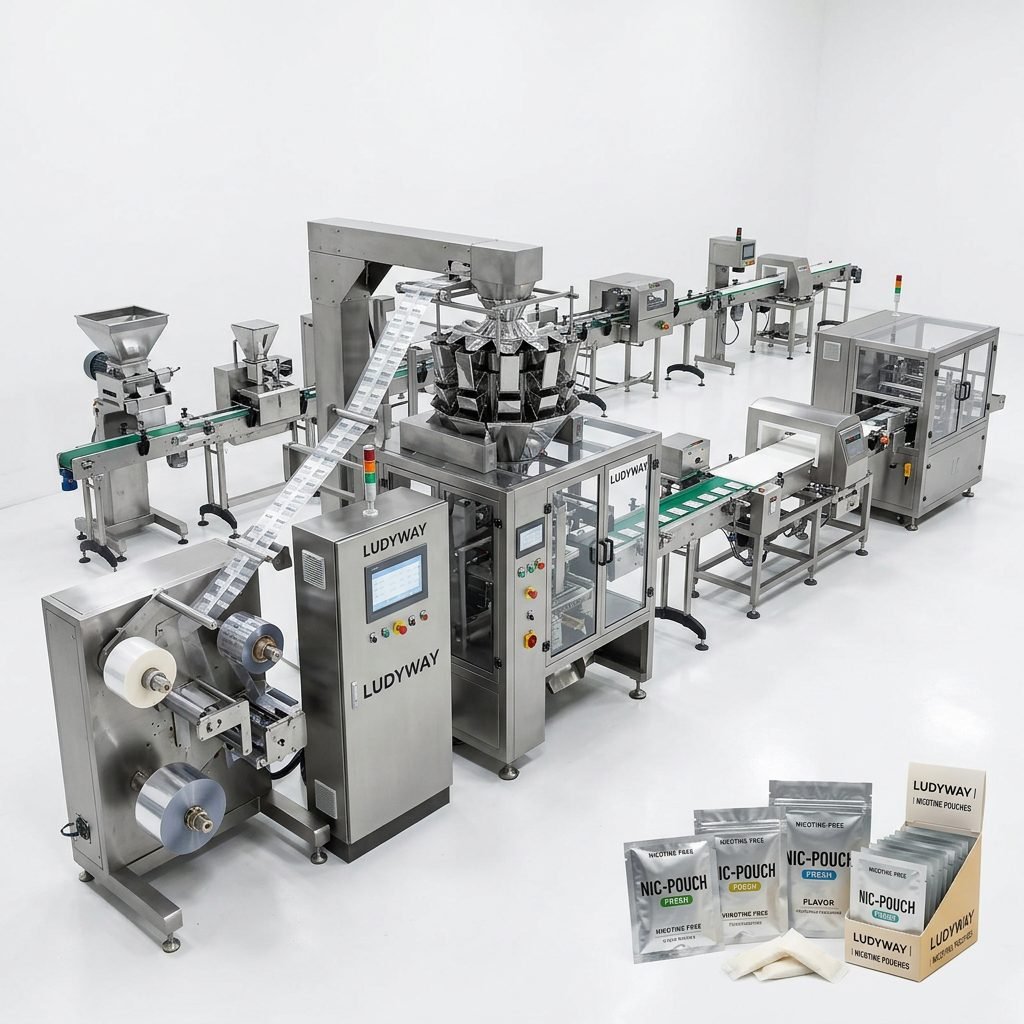
The ultimate offering from a top manufacturer is a fully synchronized line combining multiple processes—filling, cartoning, case packing—with a single control system. This requires deep project management and systems integration expertise.
A Strategic Framework for Choosing Your Supplier
Once you have identified potential top manufacturers, a structured evaluation process is necessary to select the right partner.
Step-by-Step Supplier Selection Checklist
1. Define Your Requirements with Precision: Before engaging suppliers, document your exact needs: product type, required output (bags/minute), film/material specifications, available floor space, and future scalability plans. Ambiguity here leads to mismatched solutions.
2. Evaluate Technical Capability & Customization: Can they provide a machine that meets your specs, or a standard model close to it? Assess their willingness and engineering ability to customize. Request detailed technical drawings and control system descriptions.
3. Scrutinize Build Quality & Components: Request information on core components (PLCs, drives, servos, sensors). Brands like Siemens, Mitsubishi, or Bosch Rexroth often indicate a commitment to quality. Ask for videos or photos of the manufacturing process and assembly.
4. Analyze Total Cost of Ownership (TCO): Look beyond the initial purchase price. Factor in energy consumption, expected maintenance costs, spare parts pricing, and potential downtime. A slightly more expensive, robust machine may have a lower TCO.
5. Verify After-Sales Support Structure: This is arguably the most critical factor. Investigate their service network: Do they have trained technicians in your region? What is the typical response time? What are the terms of their warranty? Ask for references from local clients.
6. Check References & Visit Facilities: Always ask for and contact customer references, especially those with similar products or production volumes. If possible, visit the manufacturer’s factory to see their production quality and company culture firsthand.
7. Assess Communication & Project Management: The procurement and installation process is a project. Evaluate their responsiveness, clarity of communication, and project management methodology. A reliable partner acts as a guide, not just a vendor.
Choosing a supplier is not a mere transaction; it’s initiating a long-term partnership. A manufacturer’s history can be telling. For example, a company founded on a vision of delivering efficient and reliable solutions, which grew through innovation and strong partnerships to serve a global clientele, demonstrates a partner-oriented mindset focused on long-term cooperation.
Red Flags to Avoid During Selection
- Unwillingness to provide client references or factory visit opportunities.
- Vague or incomplete technical documentation and specifications.
- Extremely low pricing that seems disconnected from market rates, often indicating subpar components or hidden costs.
- Poor communication during the sales process, which typically worsens after purchase.
- Lack of a clear, documented after-sales service and support plan.
Conclusion: Partnering for Production Success
Investing in packaging machinery is a significant capital decision. By focusing on manufacturers that combine proven experience, technical robustness, and unmatched support, you secure more than just equipment—you gain a productivity partner. The goal is to find a supplier whose success is intrinsically linked to your own, ensuring your production line remains efficient, adaptable, and competitive for years to come. Diligent research, focusing on the strategic framework outlined, will lead you to a partnership that drives growth and operational excellence.
Frequently Asked Questions (FAQs)
What is the most important factor when choosing a packaging machine manufacturer?
While technical capability and price are crucial, the quality and reliability of after-sales service and technical support are often the most critical long-term factors. A machine will eventually need maintenance, parts, or troubleshooting. A manufacturer with a responsive, knowledgeable, and locally accessible support team minimizes costly production downtime.
How can I verify the quality of a manufacturer’s equipment without visiting?
You can request detailed videos of the machine in operation (not just promotional clips), ask for high-resolution photos of the machine’s interior showing component layout and wiring, obtain a list of key component brands (PLC, servos, etc.), and, most importantly, speak directly to several of their existing customers who have run the machine for at least 6-12 months.
Is it better to buy a standard machine or a customized solution?
This depends entirely on your product and process needs. A standard machine is faster to deliver and more cost-effective if it fits your requirements. However, if your product has unique characteristics, packaging format, or requires special handling, a customized solution from a manufacturer with strong engineering capabilities, while requiring more time and investment, will yield better efficiency and quality in the long run.
What are “turnkey solutions” offered by some manufacturers?
A turnkey solution is a complete, ready-to-operate production line supplied by a single vendor. It goes beyond a single machine to include all necessary equipment (e.g., feeding, filling, sealing, labeling, cartoning), integrated controls, installation, commissioning, and operator training. It transfers the complexity of systems integration from the buyer to the experienced manufacturer.
How long does it typically take from order to installation of a new packaging line?
Lead times vary widely based on machine complexity, customization level, and manufacturer backlog. For a standard machine, expect 3 to 6 months. For a highly customized machine or a full turnkey line, 6 to 12 months or more is common. A reputable manufacturer will provide a detailed project timeline upfront and maintain communication throughout the build process.