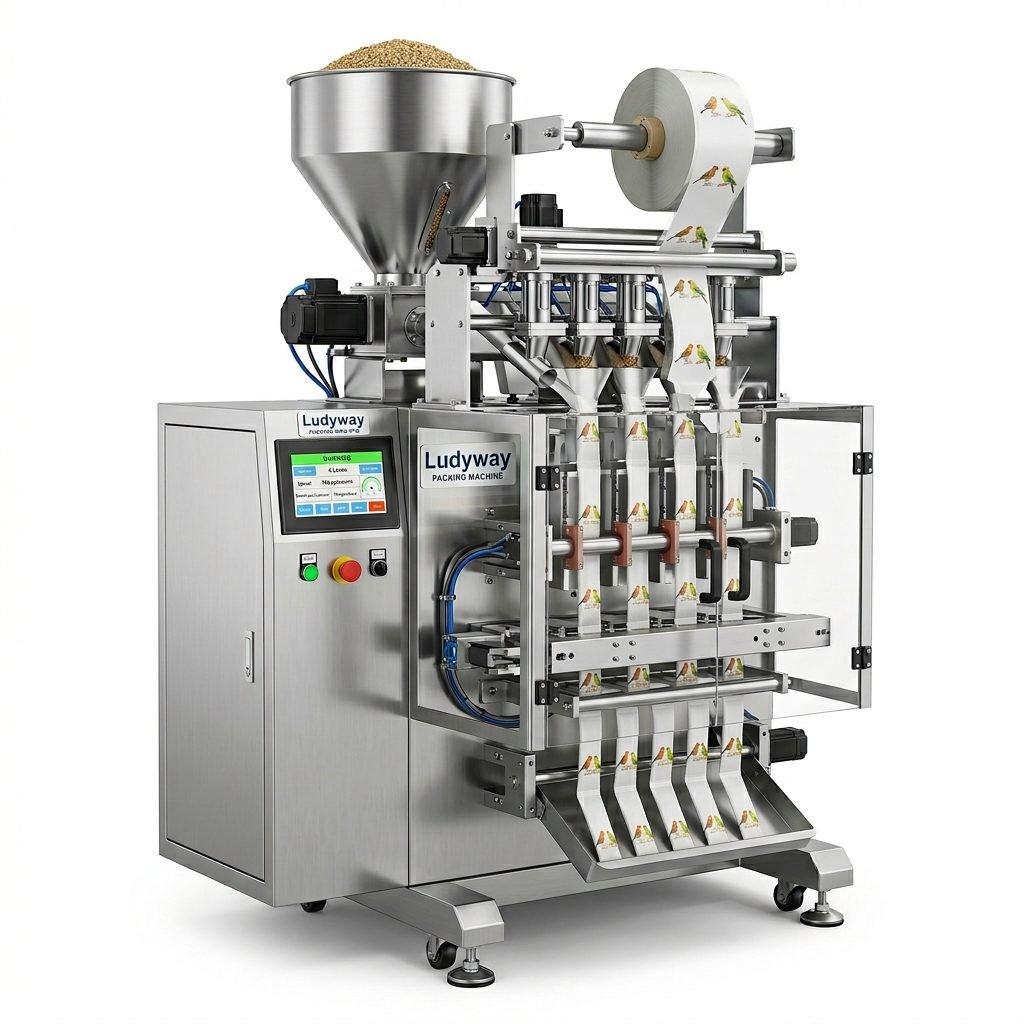
Industrial packaging machines play a critical role in modern manufacturing by improving speed, consistency, hygiene, and sealing quality across a wide range of products. From powders and granules to liquids, pastes, pouches, cartons, and bulk bags, the right packaging system helps businesses reduce labor costs, protect product quality, and scale production with confidence.
For manufacturers in food, pharmaceutical, cosmetic, chemical, and animal nutrition sectors, choosing the right machinery is not simply about packing faster. It is about creating a stable process that supports product safety, shelf life, traceability, and market-ready presentation.
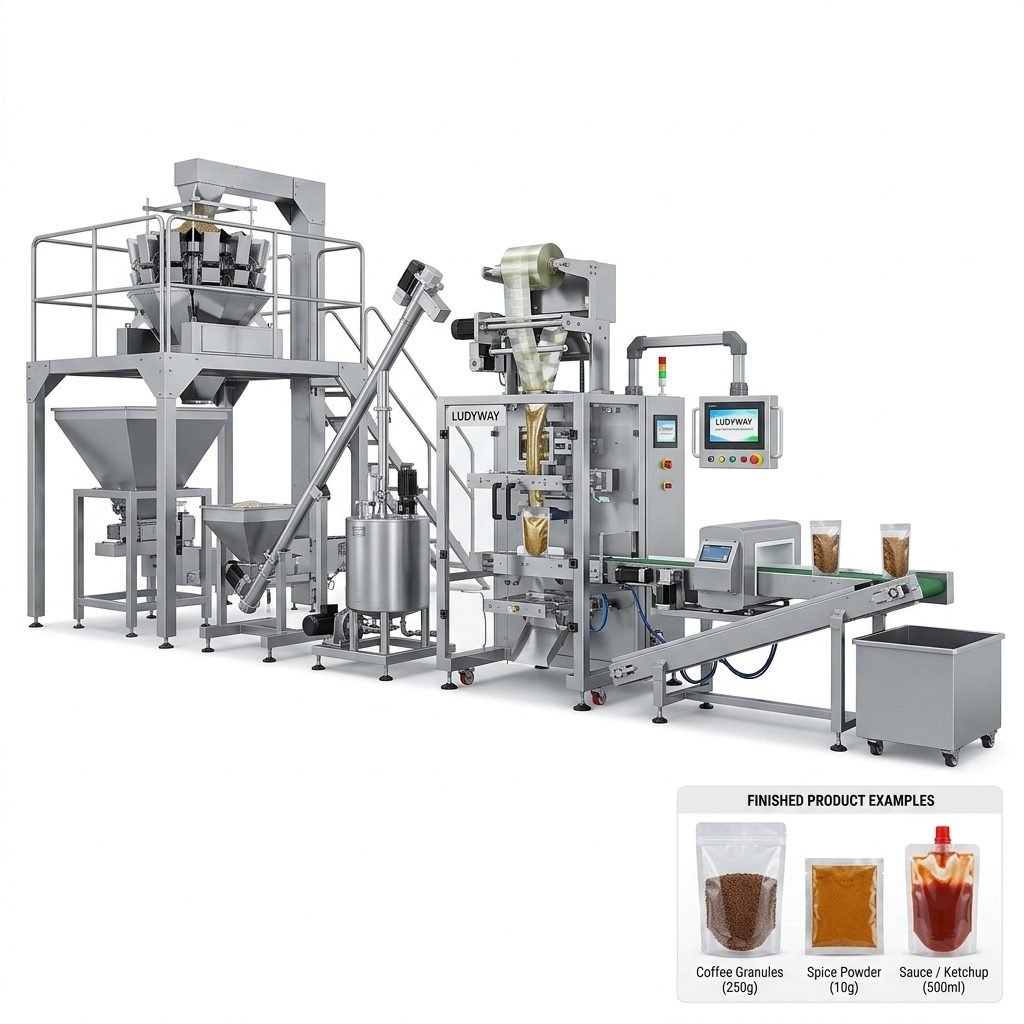
Why Industrial Packaging Machines Matter
Efficient packing and sealing equipment is essential for companies that want to remain competitive in high-volume and quality-sensitive markets. Manual operations often create bottlenecks, product variation, waste, and inconsistent sealing performance. Automated systems help solve these issues by delivering repeatable packaging accuracy and a smoother production workflow.
- Higher packaging speed for growing output demands
- More accurate filling for powders, granules, liquids, and pastes
- Better seal integrity for product protection and shelf stability
- Reduced labor dependency and lower operational costs
- Improved hygiene and compliance in regulated industries
- Better integration with coding, inspection, cartoning, and palletizing
Main Types of Packaging and Sealing Solutions
Industrial packaging machinery is available in many configurations depending on product type, package format, target speed, and production environment. The best solution usually combines filling accuracy, stable sealing, easy changeover, and smart automation.
| Machine Type | Suitable Products | Key Advantage |
|---|---|---|
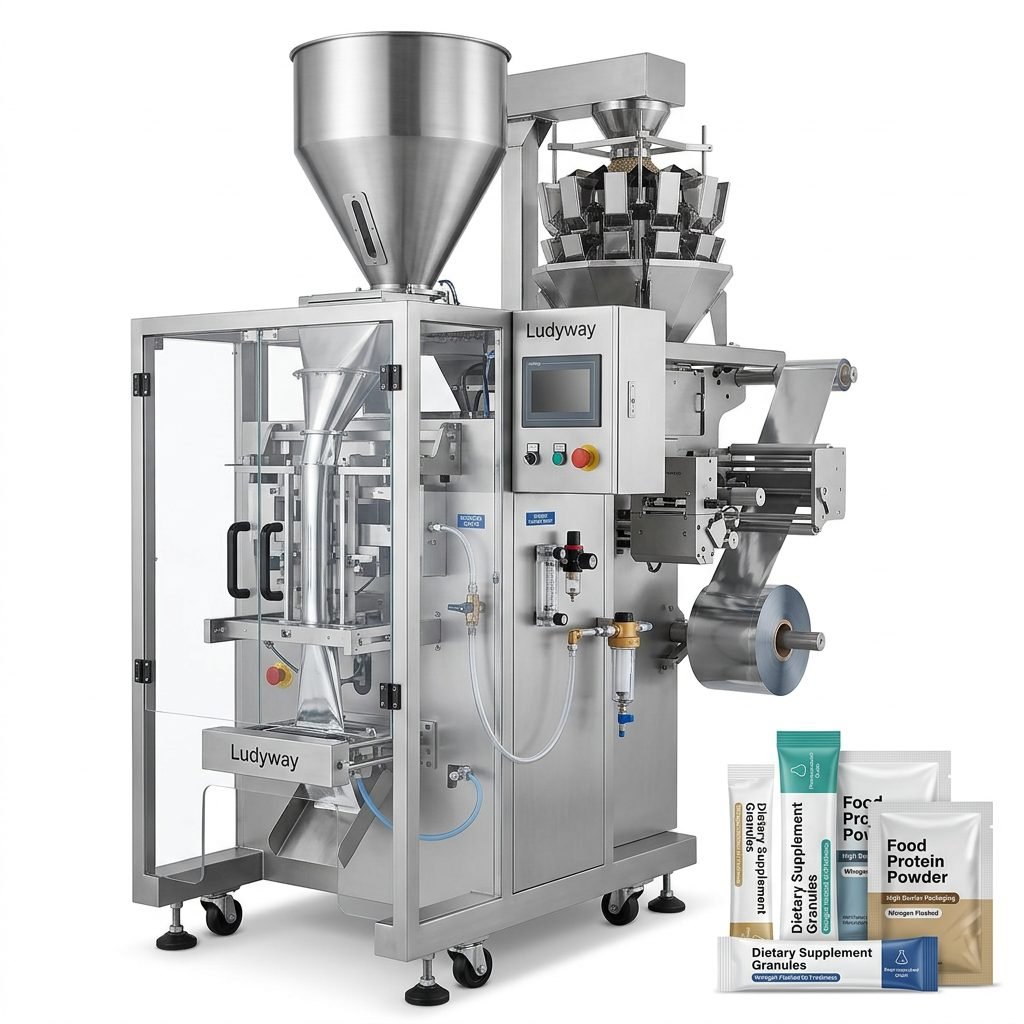
| Vertical form fill seal machines | Granules, powders, snacks, seeds | Compact footprint and continuous automation |
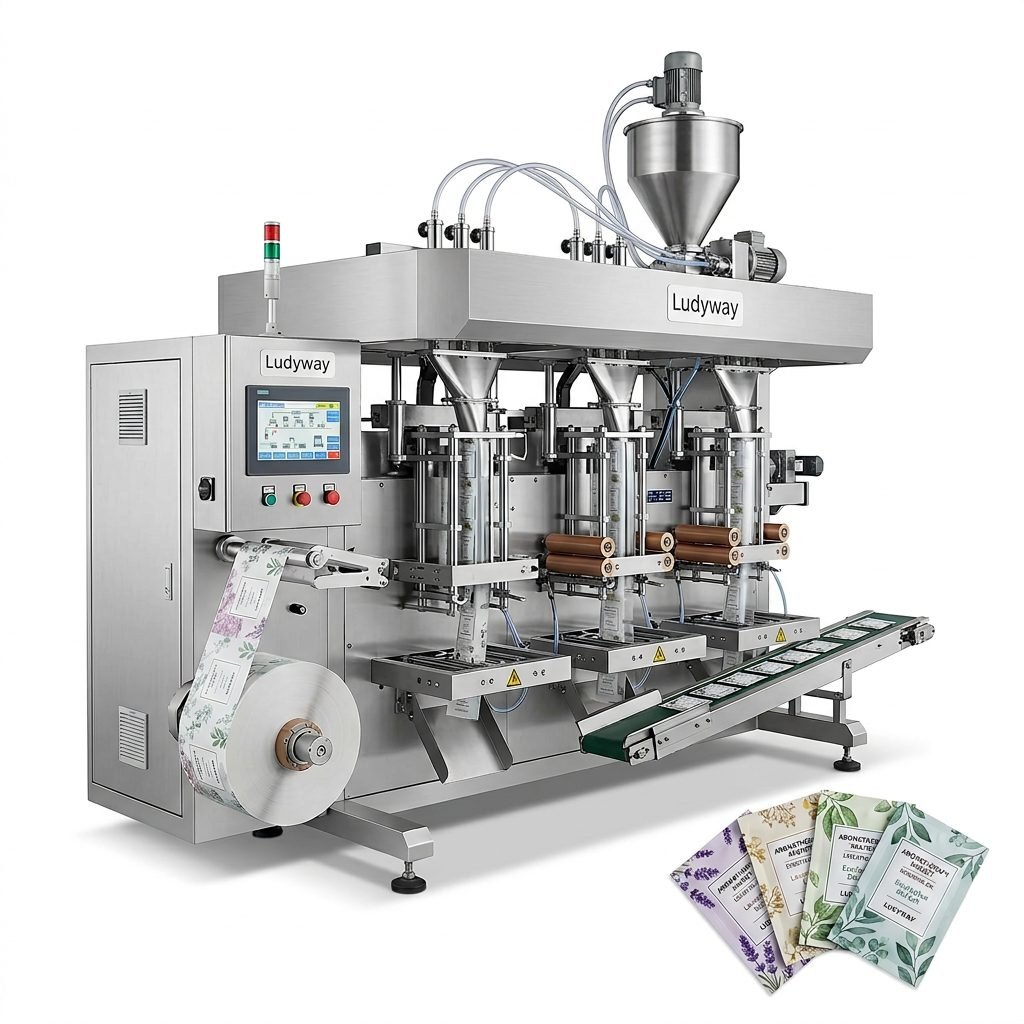
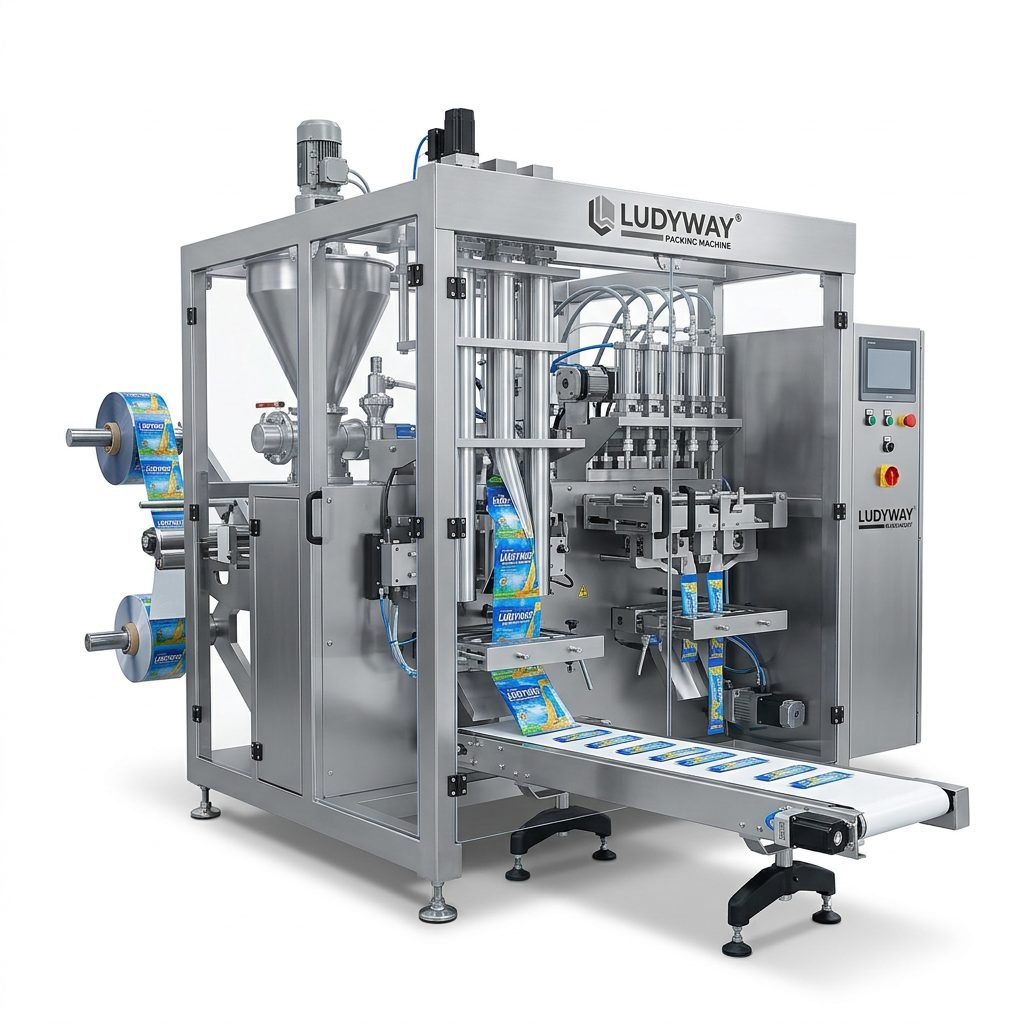
| Sachet packing machines | Powders, liquids, gels, condiments | Flexible small-format packaging |
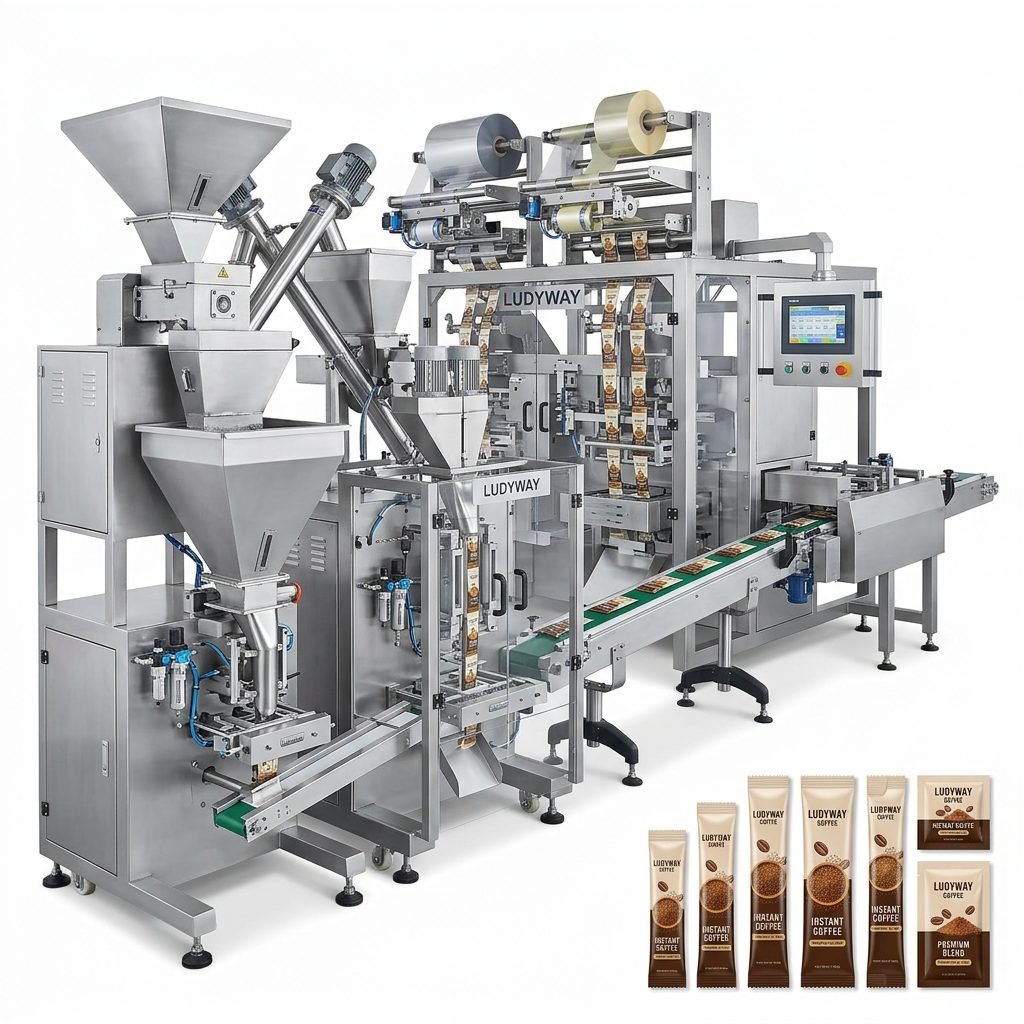
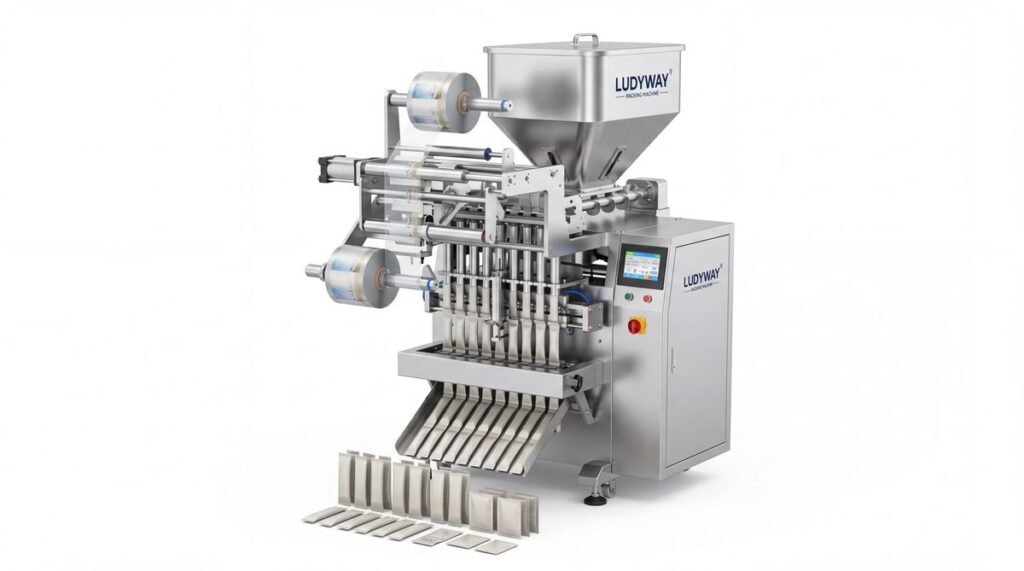
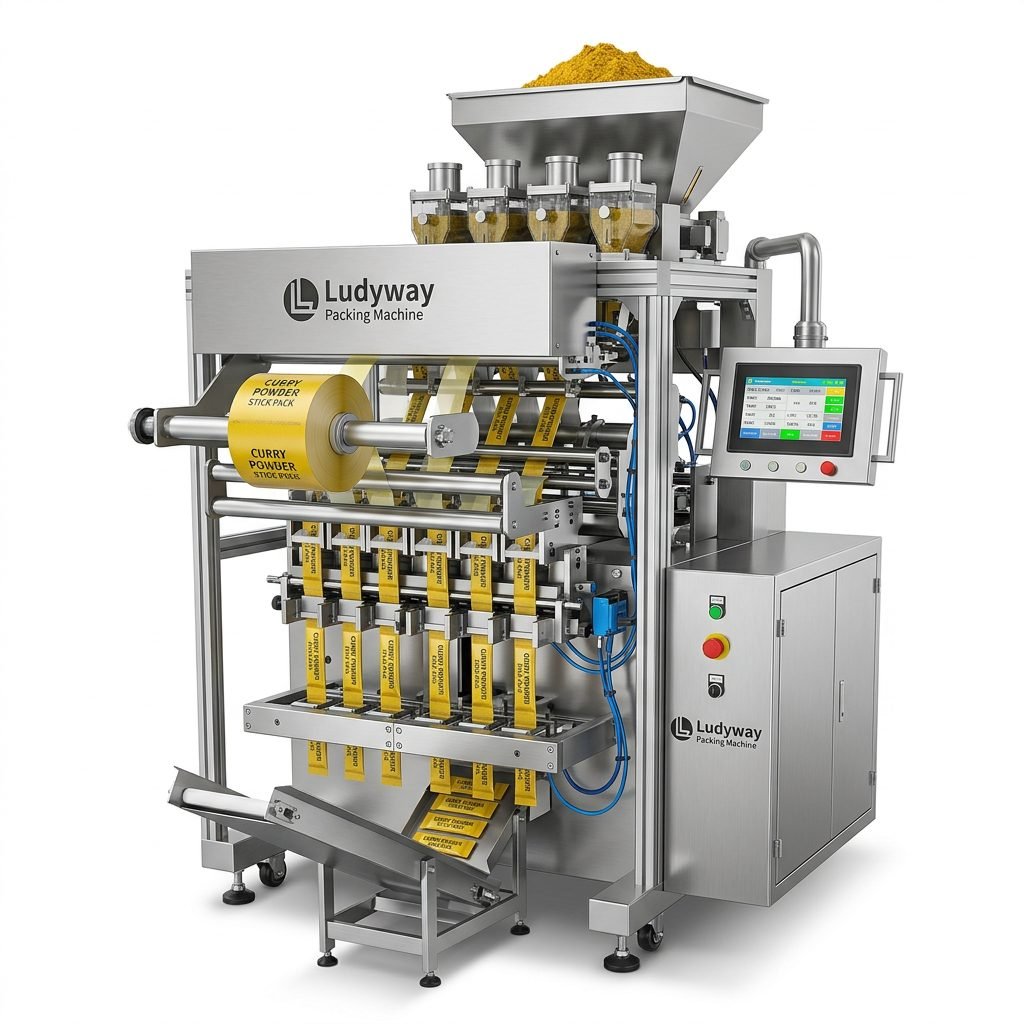
| Multi-lane stick pack machines | Coffee, supplements, pharma powders | High-speed output with precise dosing |
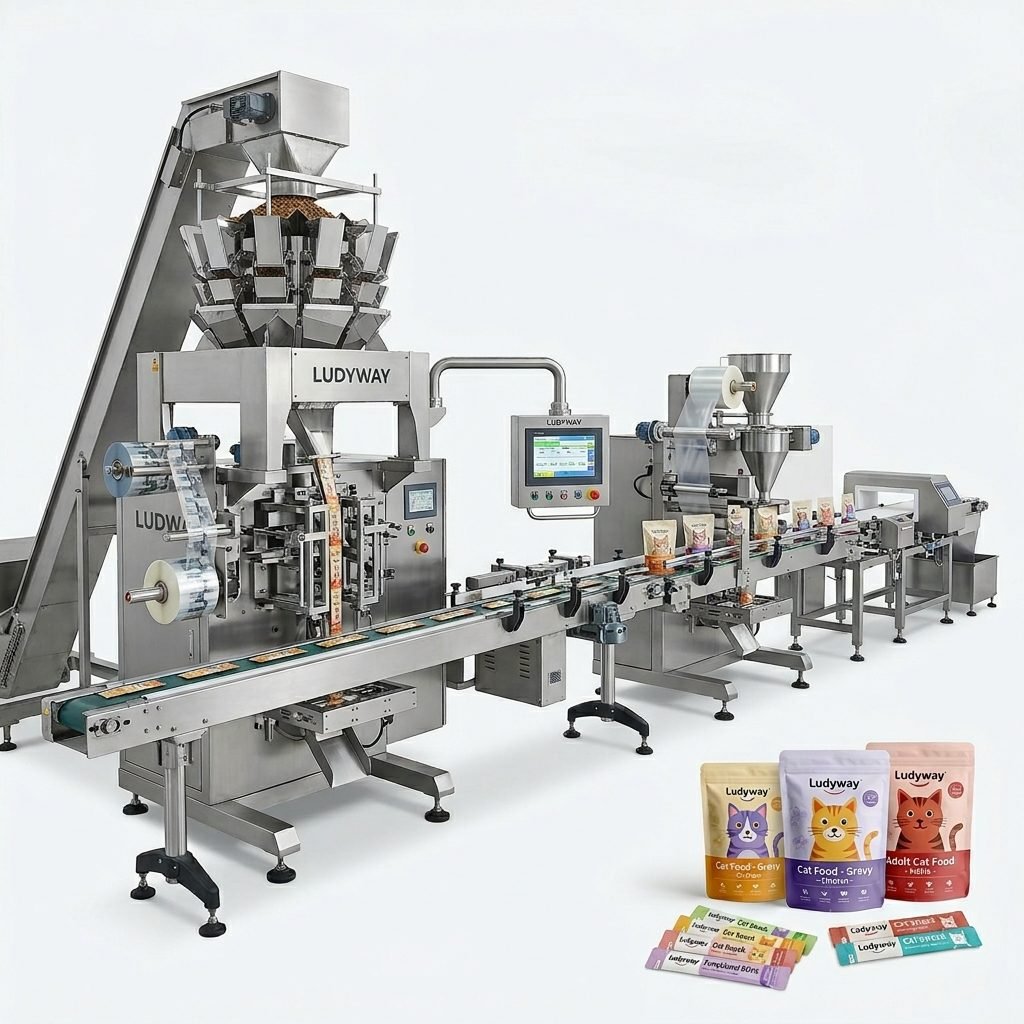
| Premade pouch filling and sealing machines | Liquids, powders, pet food, sauces | Strong pouch presentation and reliable sealing |
| Vacuum packaging machines | Food, pharmaceutical, dried products | Extended shelf life and product preservation |
| Cartoning and case packing machines | Retail packs, pouches, sachets, bottles | End-of-line efficiency and transport protection |
Applications Across Multiple Industries
Food Industry
Food producers rely on packaging machines for spices, sauces, beverage powders, snacks, coffee, sugar, flour, frozen ingredients, dairy powders, and ready-to-mix products. These machines help maintain freshness, reduce contamination risks, and support attractive retail packaging.
Pharmaceutical and Health Supplement Industry
In pharmaceutical packaging, accuracy and cleanliness are especially important. Machines for tablets, granules, powders, medical consumables, and liquid dosage forms must support consistent filling, dependable sealing, and easier validation for regulated production environments.
Cosmetic and Personal Care Industry
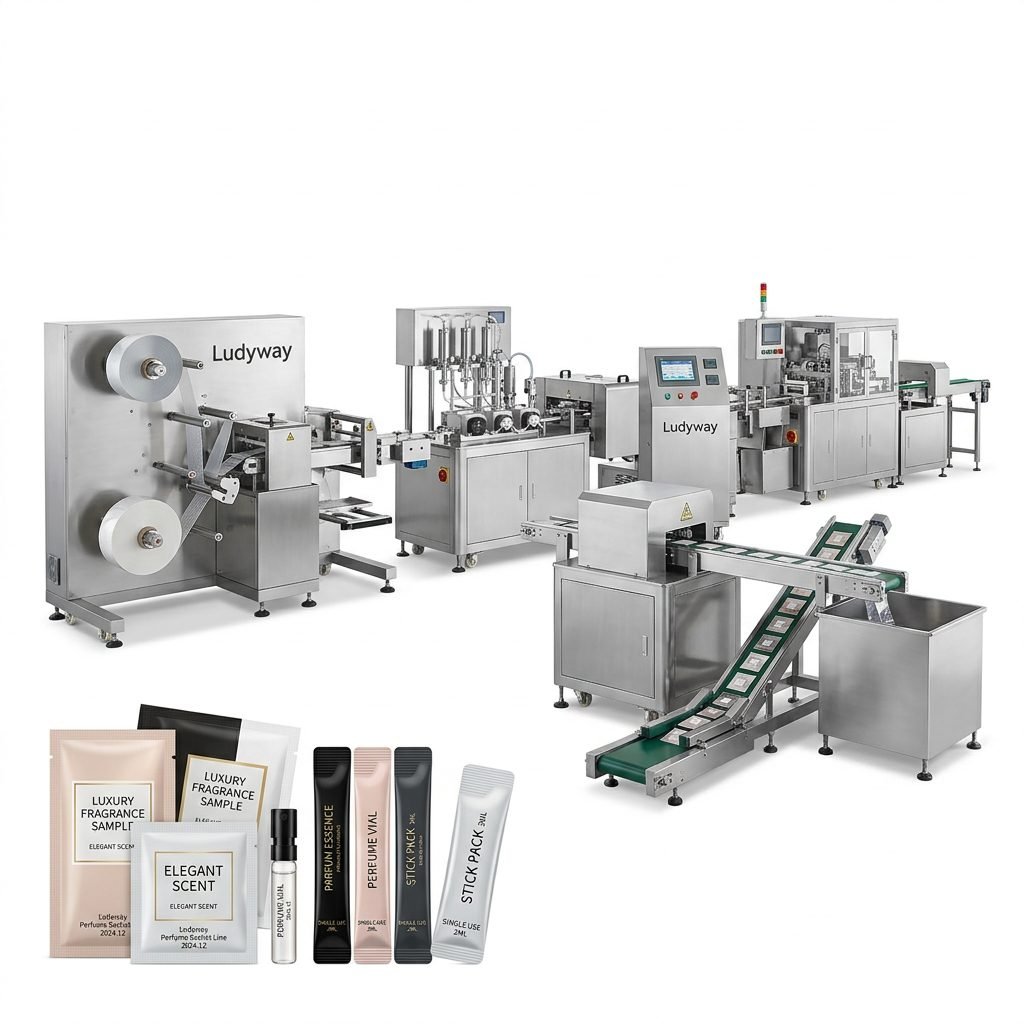
Creams, lotions, serums, gels, and travel-size personal care products often require small sachets, stick packs, tubes, or bottles. Automated equipment helps preserve product appearance while ensuring controlled filling and clean sealing.
Chemical and Industrial Products
Detergents, cleaners, adhesives, lubricants, additives, and treatment chemicals need packaging systems built for safe handling, material compatibility, and efficient sealing. The correct solution minimizes leakage, dust, and waste during production.
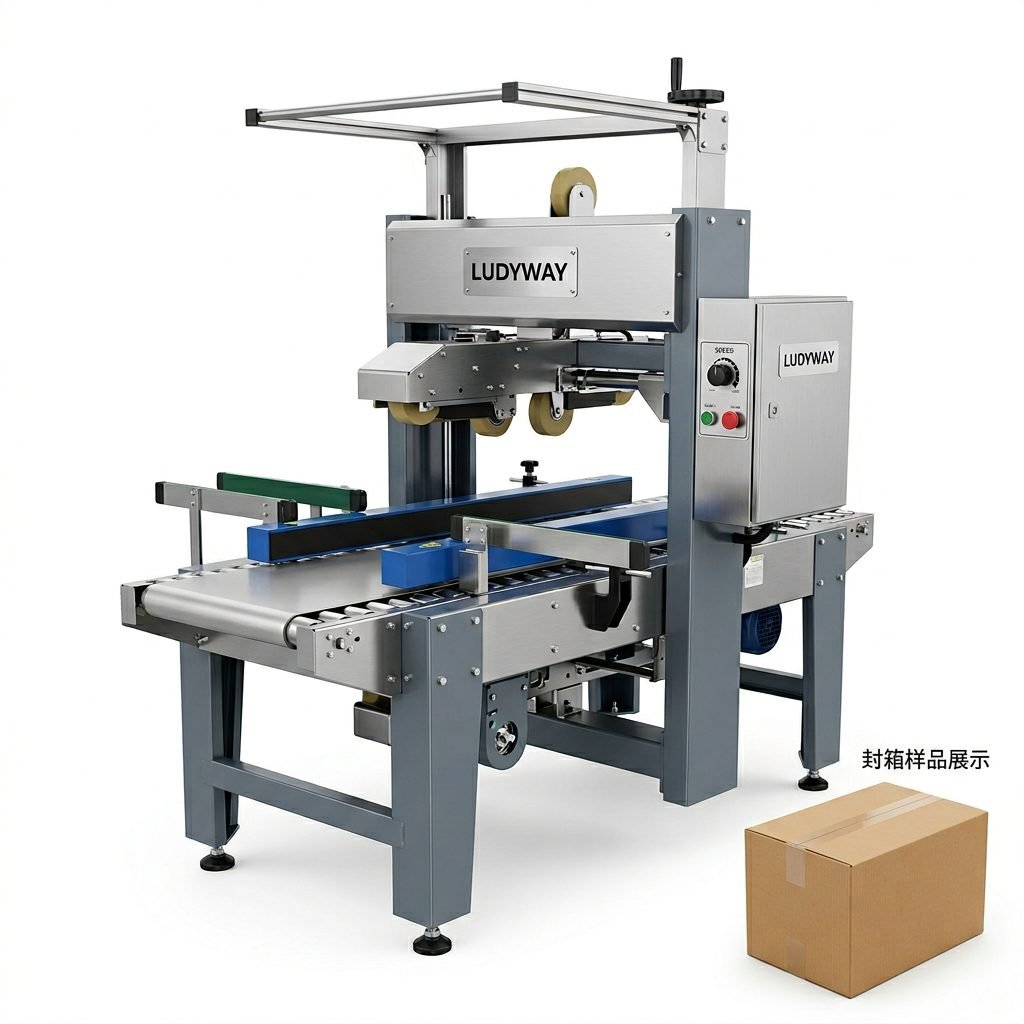
Features to Look for in Efficient Product Packing and Sealing Solutions
When evaluating industrial packaging machines, buyers should focus on long-term production performance rather than only initial purchase cost. A well-designed machine improves efficiency today and remains adaptable as packaging needs change.
- Accurate filling system: Essential for product consistency, cost control, and compliance.
- Reliable sealing technology: Prevents leakage, contamination, and shelf-life issues.
- Easy cleaning and maintenance: Important for food, pharma, and hygiene-sensitive sectors.
- Flexible changeover: Helps manufacturers switch between formats or SKUs efficiently.
- Automation compatibility: Supports conveyors, feeders, checkweighers, coders, labelers, and cartoners.
- Stable machine structure: Improves durability and operating consistency over long runs.
- Customization options: Useful when products have unique material, dosing, or packaging needs.
Benefits of Turnkey Packaging Line Integration
Many manufacturers now prefer complete packaging line solutions instead of buying standalone machines separately. A turnkey line can integrate feeding, filling, bagging, sealing, coding, checking, cartoning, case packing, and palletizing into one coordinated system.
This approach offers several practical advantages:
- Better line synchronization and smoother material flow
- Lower installation and integration risk
- Improved production visibility and automation control
- Reduced downtime caused by mismatch between machines
- More efficient factory space utilization
- Stronger long-term scalability
How to Choose the Right Packaging Machine
The right solution depends on your product characteristics, packaging format, target capacity, and regulatory requirements. A machine suitable for free-flowing granules may not work well for sticky powders or viscous liquids. Likewise, a high-speed sachet line may not be ideal for bulk bagging applications.
| Selection Factor | Why It Matters |
|---|---|
| Product form | Determines dosing method, material contact design, and sealing requirements |
| Package type | Affects machine structure, film handling, and final presentation |
| Production speed | Ensures the machine matches your output goals without overinvesting |
| Seal quality expectations | Critical for leakage prevention, freshness, and transport stability |
| Factory layout | Influences machine footprint, line configuration, and operator movement |
| Future expansion | Helps protect investment as SKUs and volumes increase |
The Value of Working with an Experienced Manufacturer
For businesses planning automation upgrades, partnering with an experienced packaging equipment supplier can make a major difference. Beyond machine delivery, buyers often need consultation on product testing, layout planning, machine customization, auxiliary equipment selection, and after-sales support.
As one of China’s leading packaging machine and turnkey packaging line manufacturers, Ludyway packaging machine solutions serve food, pharmaceutical, health supplement, cosmetic, chemical, and related industries. Founded in 1993, with more than 30 years of industry experience and a manufacturing facility of over 20,000 square meters, the company offers a broad range of automated systems for granules, powders, liquids, pastes, sachets, stick packs, pouches, and complete packaging lines.
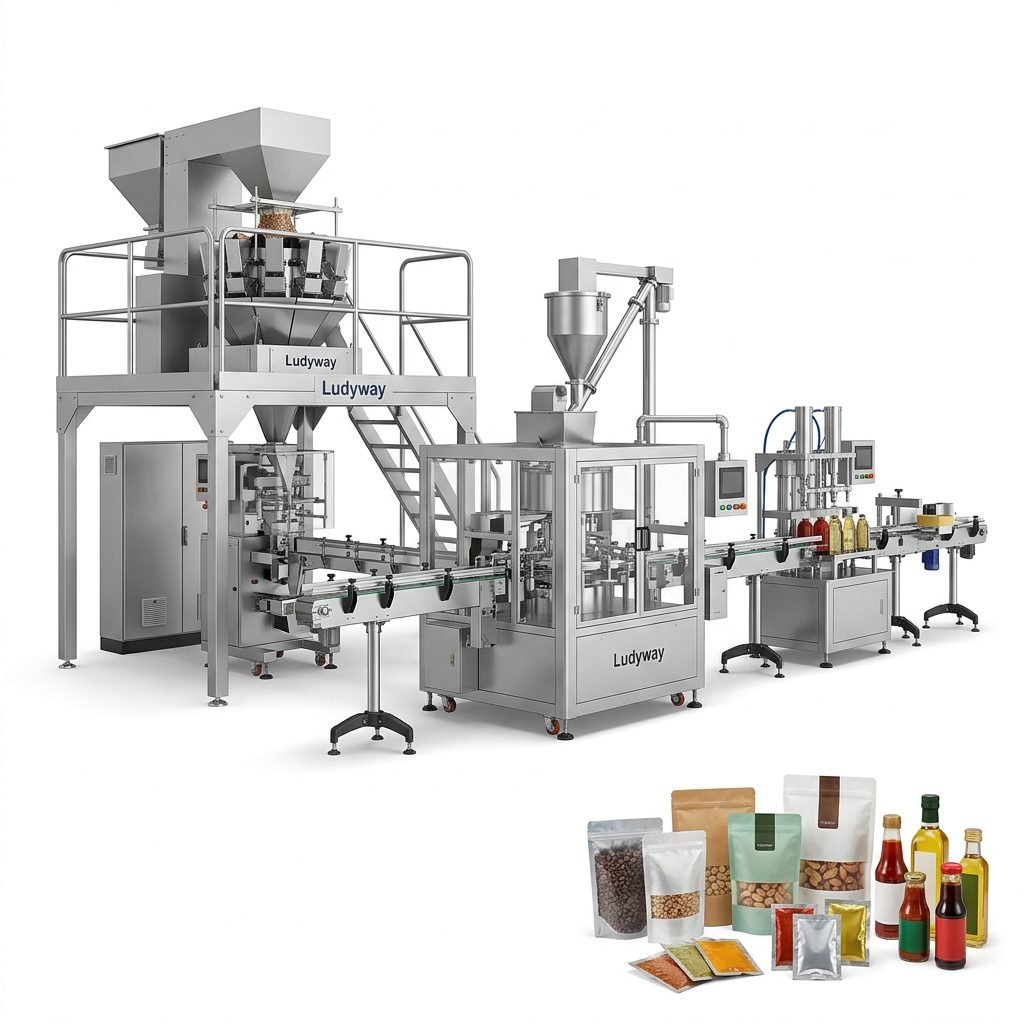
Trends Driving Demand for Advanced Packaging Equipment
The global packaging market continues to move toward smarter, faster, and more flexible automation. Manufacturers are increasingly investing in equipment that can support multiple products, quick format changes, and better production data.
Key trends include:
- Growing demand for small-format sachet and stick pack products
- More interest in turnkey lines rather than isolated machines
- Stronger focus on labor-saving automation
- Greater use of inspection, coding, and traceability systems
- Rising need for packaging flexibility across multiple SKUs
- Higher expectations for hygienic design and stable sealing performance
Final Considerations for Buyers
Selecting industrial packaging machines for efficient product packing and sealing should be based on production goals, product characteristics, and long-term operational value. A dependable solution improves output, protects product quality, strengthens brand presentation, and reduces waste across the entire line.
Whether you need a standalone filling and sealing machine or a complete automated packaging line, the best investment is one that combines precision, reliability, flexibility, and scalable automation. With the right machinery in place, manufacturers can build a more efficient, competitive, and future-ready packaging operation.