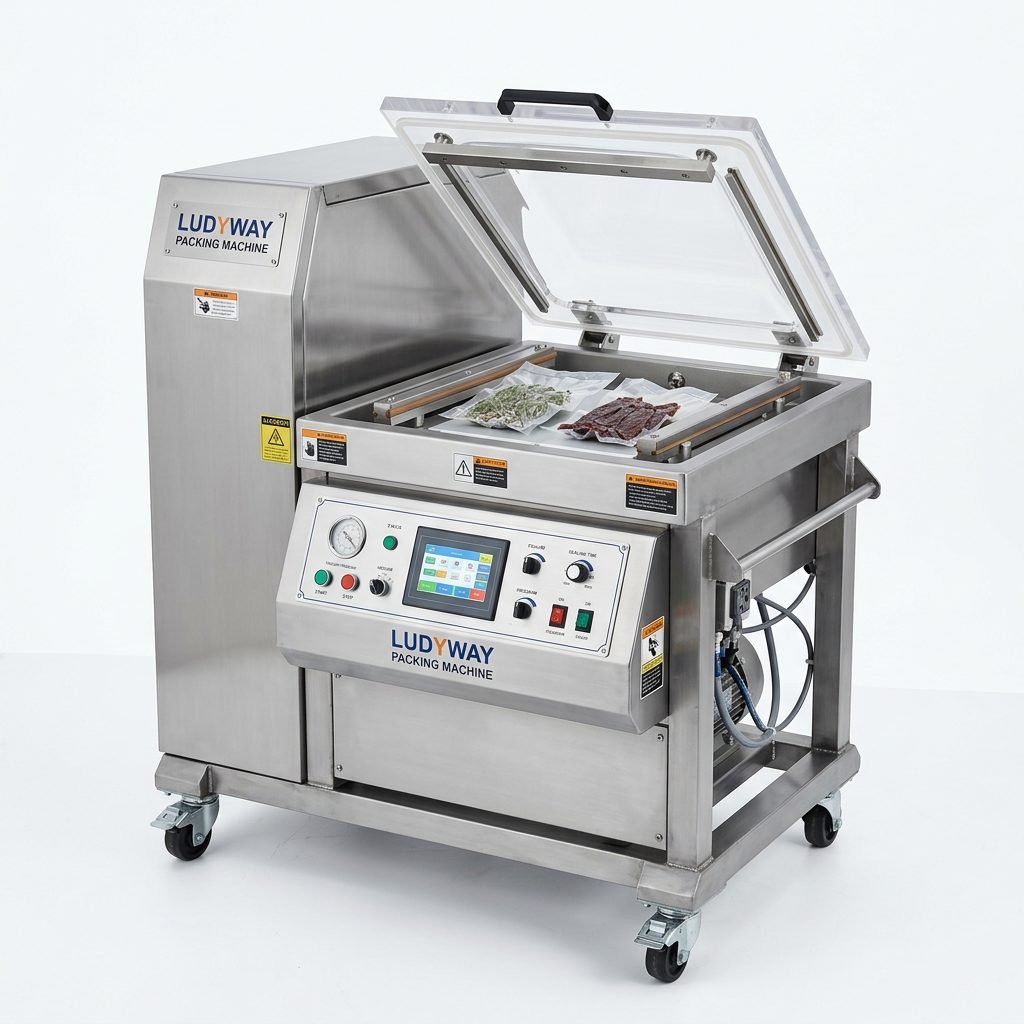
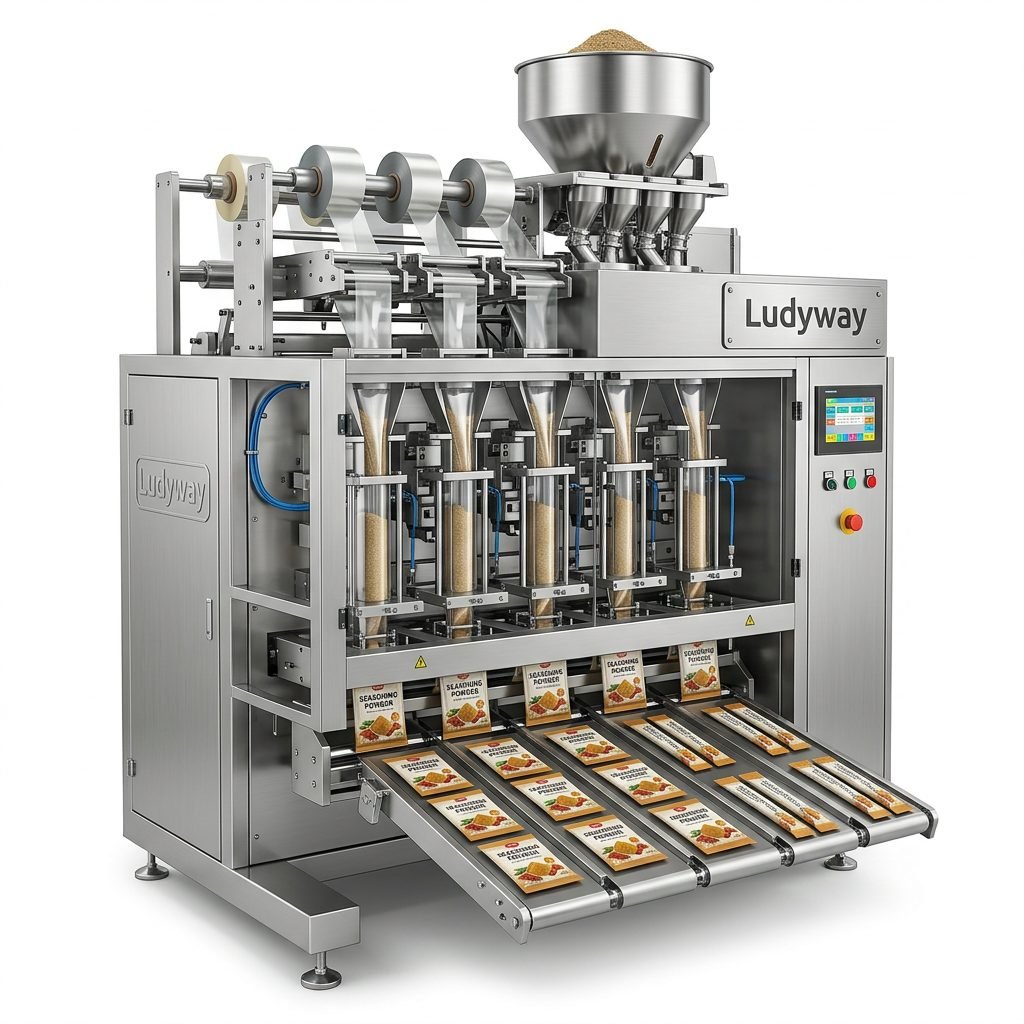
Semi-automatic packaging machinery represents a crucial middle ground in production environments where full automation may be overkill or cost-prohibitive, yet manual processes are too slow or inconsistent. These systems blend human oversight with mechanical precision, offering a balanced solution for a wide range of packaging applications.
Understanding Semi-Automatic Packaging Systems
Unlike fully automatic lines that run with minimal intervention, semi-automatic machines require an operator to perform certain tasks, such as loading products, initiating cycles, or removing finished packs. The core packaging functions—like weighing, filling, sealing, or labeling—are automated. This hybrid model provides significant advantages in flexibility and cost-efficiency, making it ideal for small to medium batch production, seasonal items, or products with frequent changeovers.
Key Components and Operation
A typical semi-automatic system includes a product feeding mechanism, a measuring or filling unit, a sealing system, and a control panel. The operator’s role is often to position the empty packaging (like a pouch, bottle, or tray) and trigger the machine cycle. The machine then automatically completes the measured fill and creates a secure seal. This division of labor optimizes speed while maintaining a human check on quality.
Common Types of Semi-Automatic Packaging Machinery
The variety of semi-automatic machines available caters to different product forms and packaging materials.
Vertical Form-Fill-Seal (VFFS) Machines
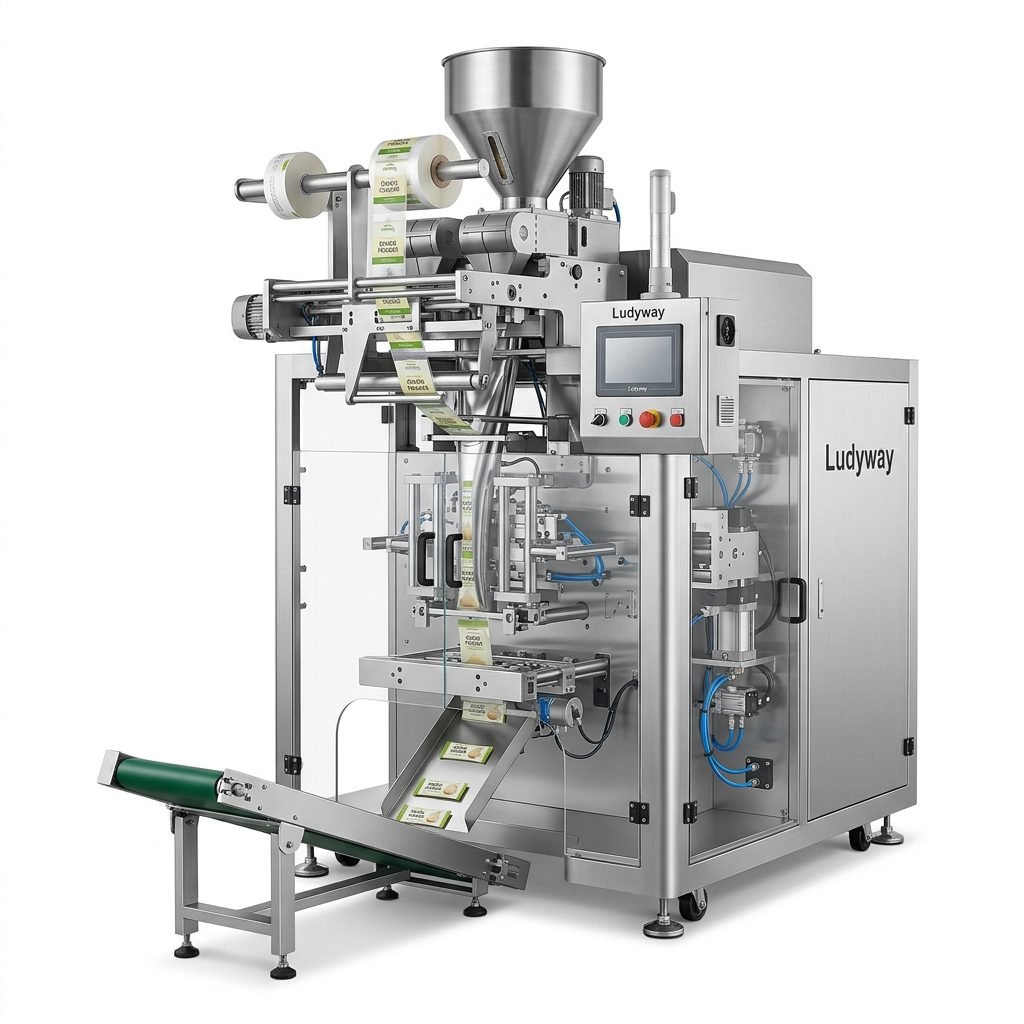
These are among the most versatile. Operators typically load a roll of flat packaging film. The machine automatically forms it into a bag, fills it with a pre-measured amount of product (like granules or powder), and seals it. They are perfect for snacks, coffee, spices, and hardware items.
Semi-Automatic Liquid & Pouch Fillers
Designed for liquids, creams, and gels, these systems require an operator to place bottles or pre-made pouches under the filling nozzle. The machine then dispenses a precise volume. They are widely used in food, cosmetic, and pharmaceutical industries for products like sauces, shampoos, and ointments.
Semi-Automatic Capping & Sealing Machines
These units automate the application of caps, lids, or induction seals to containers after they have been filled. The operator places the container, and the machine applies torque or heat for a consistent seal, crucial for product safety and freshness.
Semi-Automatic Cartoning Machines
Ideal for inserting products into cartons or boxes. An operator loads the product and the flat carton, and the machine erects the carton, inserts the product, and closes the flaps. Common in tea bag, medical device, and small electronics packaging.
Primary Applications Across Industries
The flexibility of semi-automatic systems makes them ubiquitous in several key sectors.
Food & Beverage
From packaging bakery items, confectionery, and dried fruits to filling oils, vinegar, or specialty sauces. They allow producers to maintain hygiene standards and speed without the massive investment of a full line, which is vital for artisanal or small-batch food brands.
Pharmaceutical & Nutraceutical
Used for packaging powders, tablets, and capsules into sachets or bottles. The human-in-the-loop is essential for visual inspection and ensuring compliance with batch records, while the machine guarantees accurate dosage and tamper-evident sealing.
Cosmetics & Personal Care
Perfect for filling lotions, serums, and masks into jars or tubes, and applying caps. The balance of automation and manual handling accommodates the often luxurious and varied container shapes in this industry.
Industrial & Agricultural
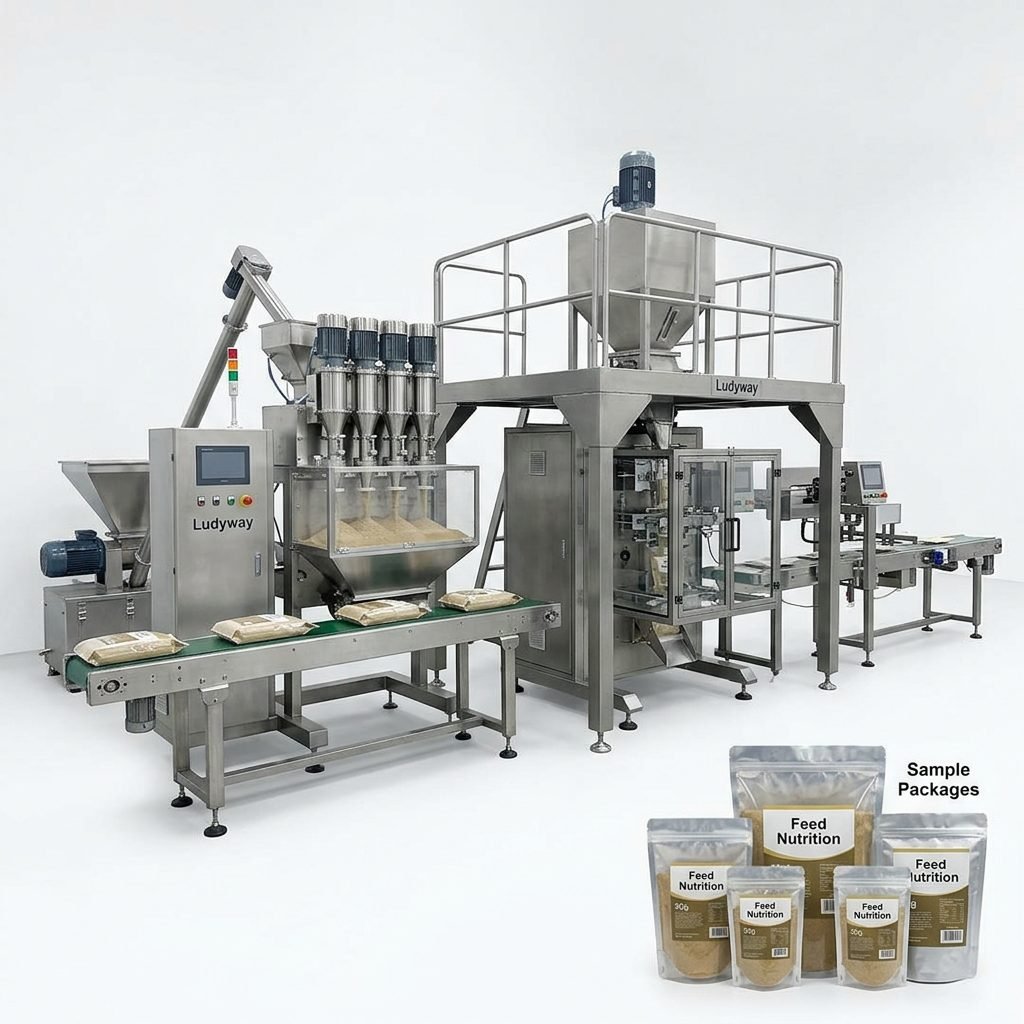
Packaging seeds, fertilizers, adhesives, and small hardware components. The robustness of semi-automatic machines handles these demanding products effectively.
Tangible Benefits for Your Business
Choosing a semi-automatic system offers a compelling return on investment through multiple channels.
✓ Lower Initial Investment & Operating Costs: Significantly cheaper than fully automatic lines, with lower maintenance costs and less complex infrastructure needs.
✓ Enhanced Flexibility & Quick Changeovers: Easily switch between different products, package sizes, or materials with minimal downtime, ideal for short runs.
✓ Improved Productivity & Consistency: Dramatically increases output over purely manual packing while eliminating human error in measuring and sealing, ensuring uniform package quality.
✓ Reduced Labor Strain & Training Time: Automates the most repetitive and strenuous tasks. Operators can be trained quickly, reducing skill dependencies.
✓ Scalability: Serves as a perfect stepping stone. Businesses can start with one or two semi-automatic machines and gradually integrate them into a larger automated line as production grows.
How to Choose the Right System: A Practical Guide
Selecting the optimal machine requires a careful analysis of your specific needs.
1. Analyze Your Product & Packaging
Define your product’s physical characteristics (size, shape, flowability, abrasiveness) and your desired packaging format (pouch, bottle, stick pack, etc.). This is the first and most critical step. For expert guidance on matching machinery to product type, consider consulting with a packaging solutions provider with broad application experience.
2. Determine Required Output Speed (UPH)
Calculate your current and near-future production volumes in units per hour (UPH). Be realistic. A semi-automatic VFFS machine might output 20-60 bags per minute, depending on operator speed and bag size. Choose a machine that meets your target without overpaying for excessive, unused speed.
3. Evaluate Machine Features & Construction
Look for durable materials (e.g., stainless steel contact parts for food/pharma), user-friendly controls, and easy-clean designs. Key features might include programmable logic controllers (PLCs), servo motors for precision, and tool-less changeover mechanisms.
4. Consider Integration & Future Expansion
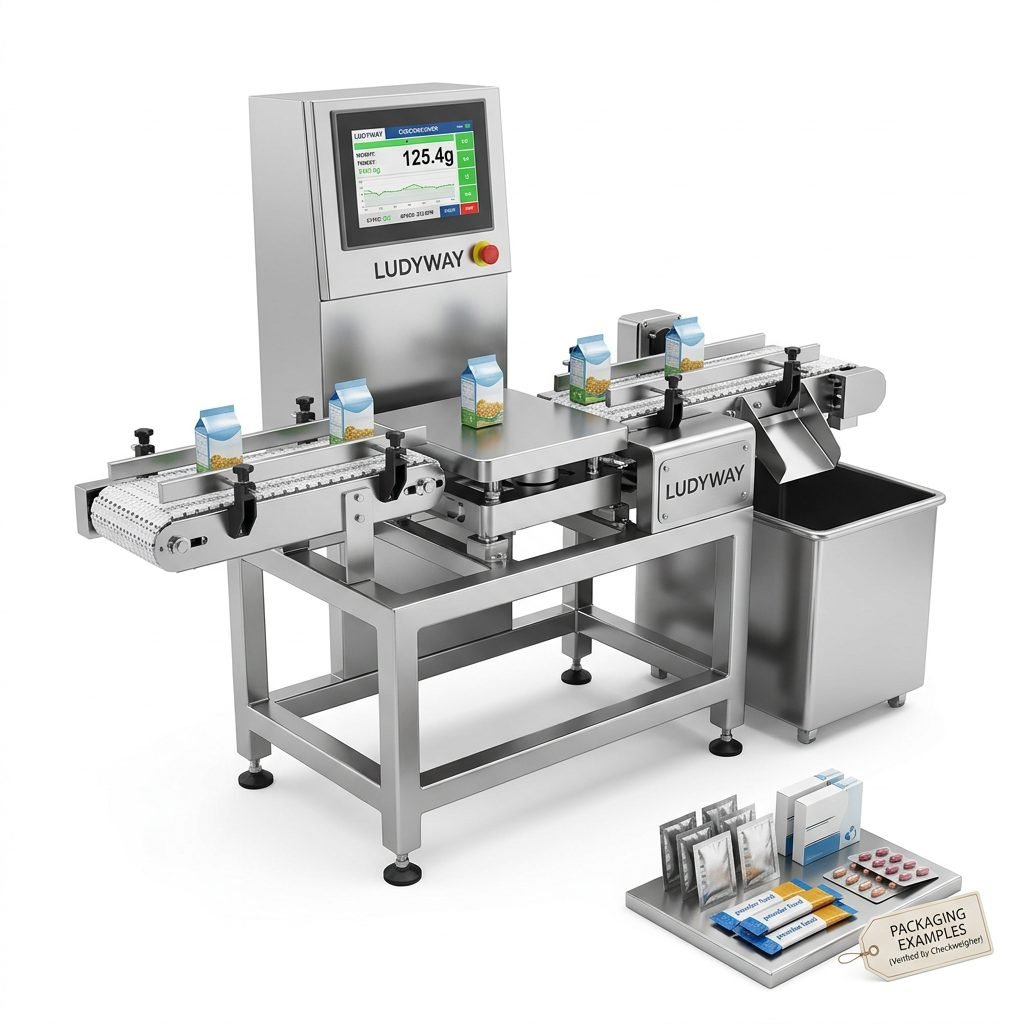
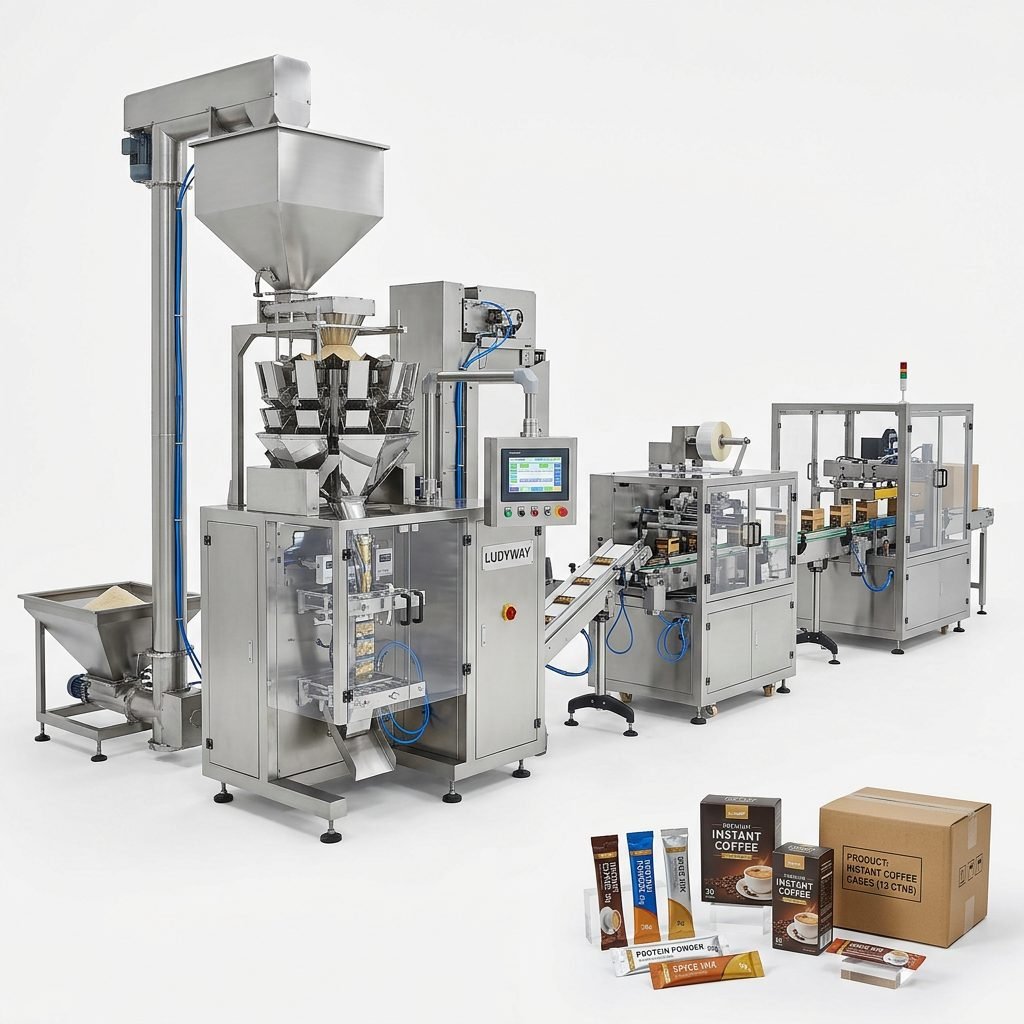
Can the machine easily connect to upstream (e.g., conveyors) or downstream (e.g., checkweighers) equipment? Choosing a provider known for integrated solutions can simplify future automation upgrades.
5. Assess Supplier Support & Reliability
The supplier is as important as the machine. Prioritize companies with a strong track record. Look for comprehensive after-sales service, availability of spare parts, and clear warranty terms. A supplier with extensive industry experience and technical expertise can be an invaluable long-term partner, helping you avoid costly downtime.
Frequently Asked Questions (FAQs)
What is the main difference between semi-automatic and fully automatic packaging machines?
The core difference lies in operator involvement. Semi-automatic machines require an operator to perform a key task (like loading or initiating a cycle) for each operation, while fully automatic systems run entire processes—from feeding to sealing—with minimal human intervention, typically only for monitoring and refilling bulk materials.
Are semi-automatic machines suitable for sterile or cleanroom environments?
Yes, but with specific configurations. Many semi-automatic fillers and sealers can be built with hygienic designs using stainless steel, smooth surfaces, and enclosed mechanisms. However, the required human presence means strict operator gowning and procedures are essential to maintain the environment’s integrity.
How much floor space is typically needed for a semi-automatic system?
Space requirements vary greatly by machine type. A simple tabletop liquid filler may need less than 1 square meter, while a semi-automatic cartoner with infeeds and discharge conveyors might require 10-15 square meters. Always check the machine’s footprint specifications and account for operator workspace.
Can one semi-automatic machine handle multiple different package sizes?
Most semi-automatic machines are designed for quick changeovers. They often use interchangeable parts like forming tubes, filling nozzles, or carton magazines. The time and complexity of the changeover depend on the machine’s design; some offer tool-less adjustments for faster switching.
What is the typical payback period for a semi-automatic packaging machine?
The payback period can range from 6 to 24 months, depending on the machine cost, labor savings, increased output, and reduction in material waste. High-usage scenarios with expensive manual labor see faster returns. A detailed ROI analysis based on your specific production data is recommended before purchase.