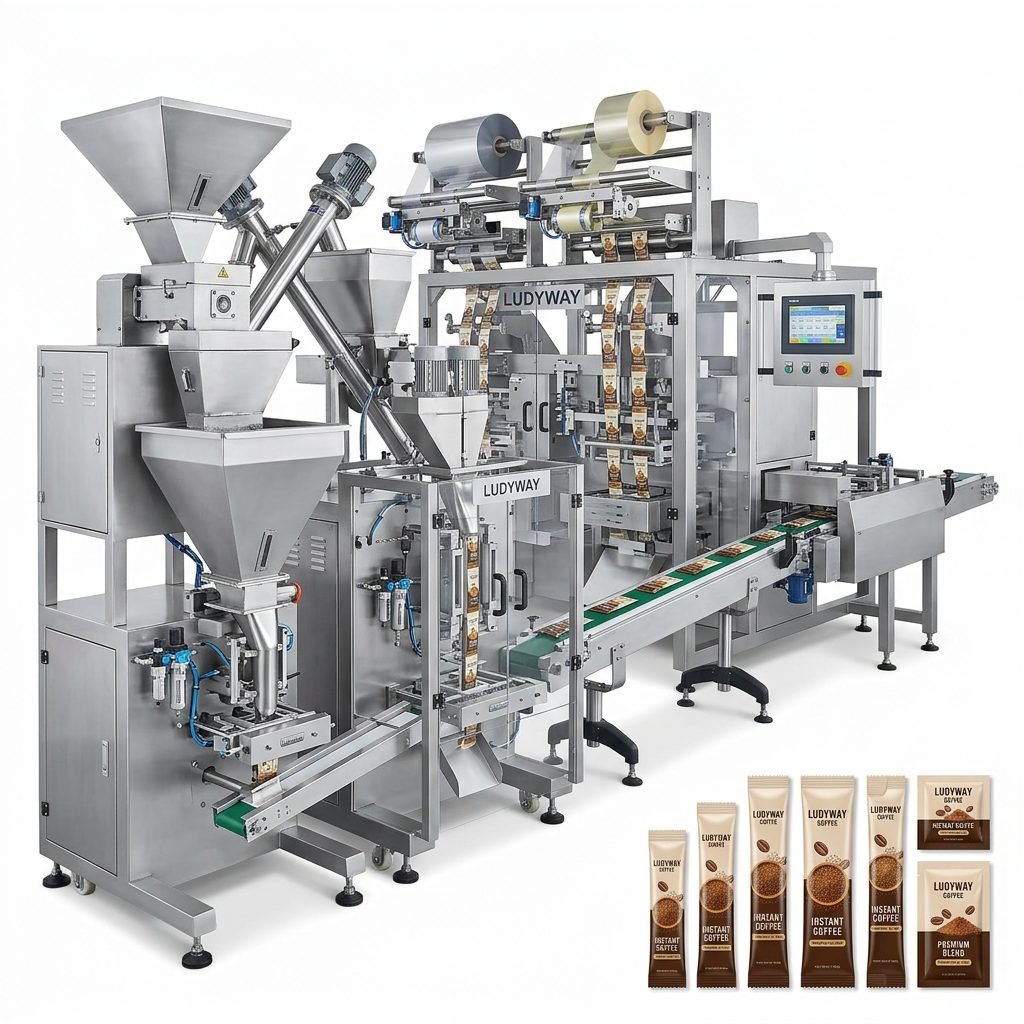
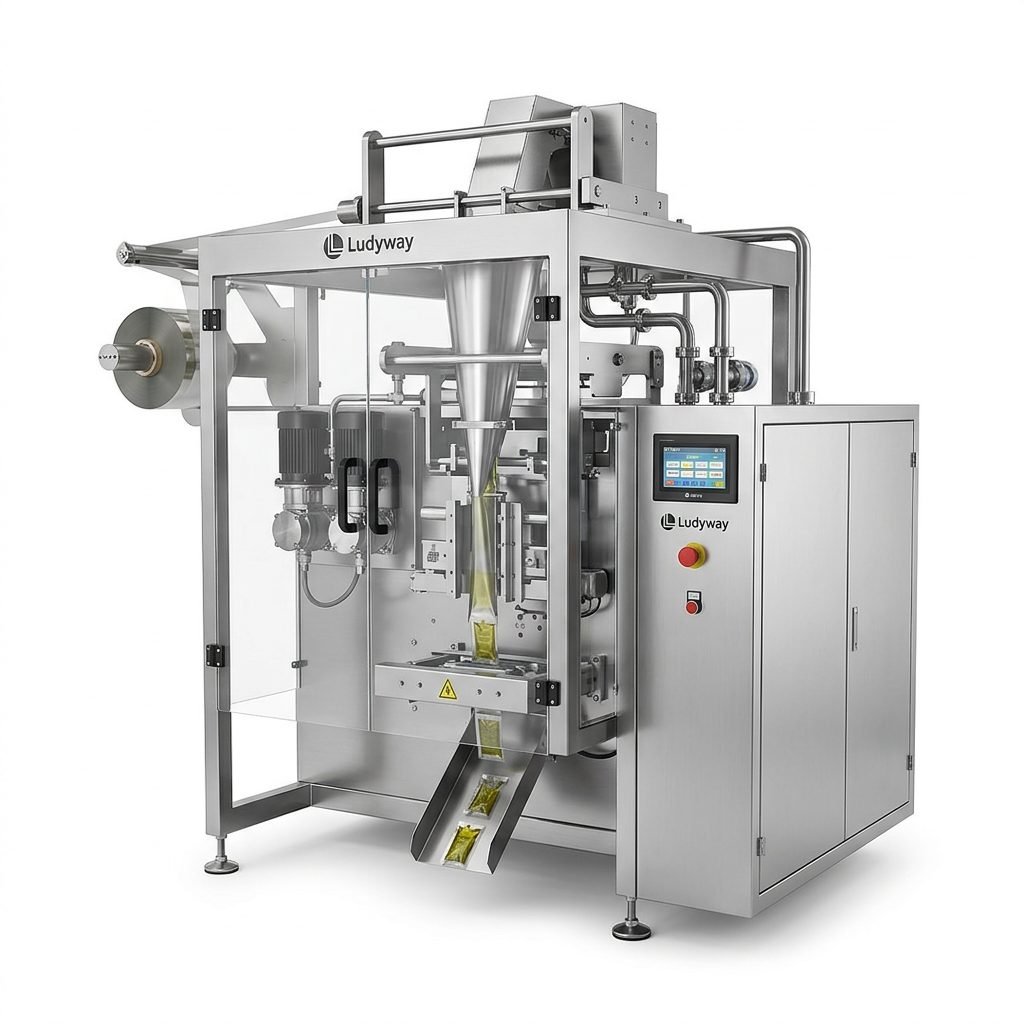
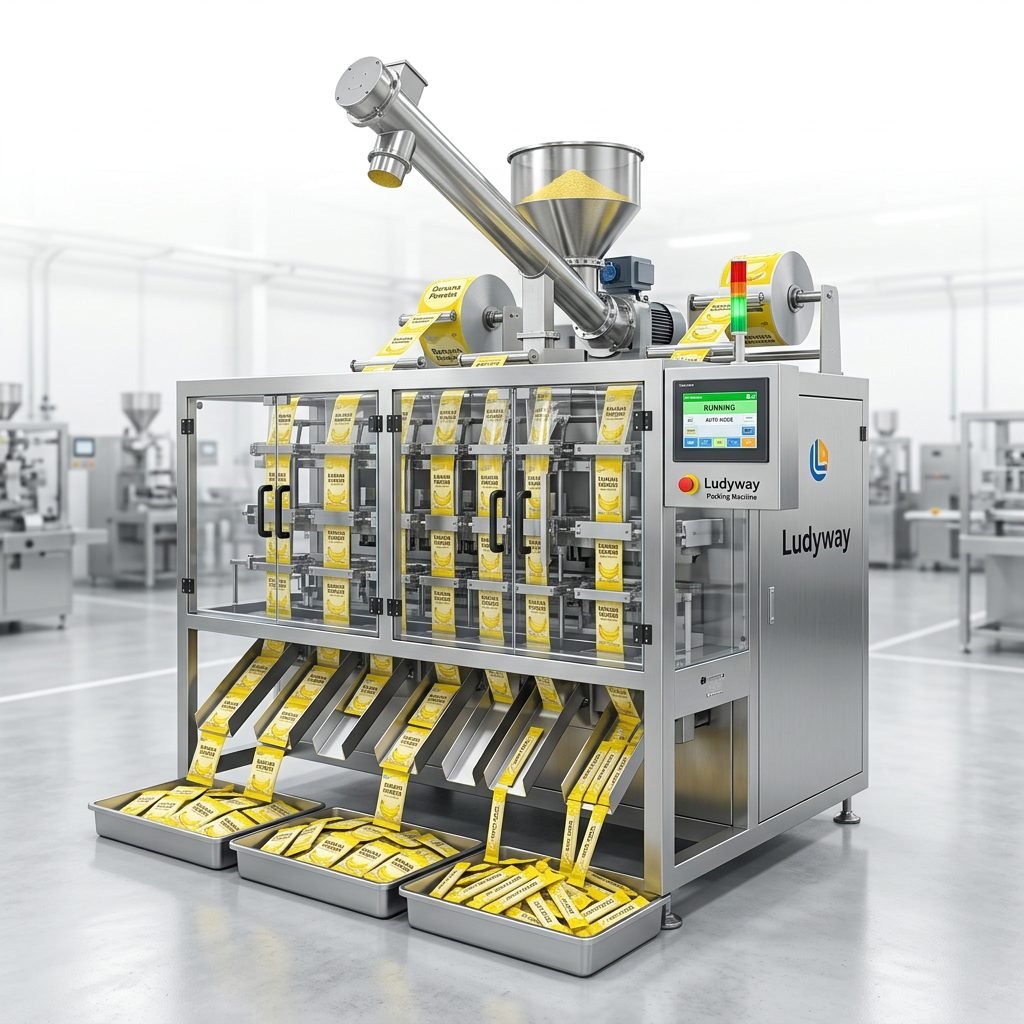
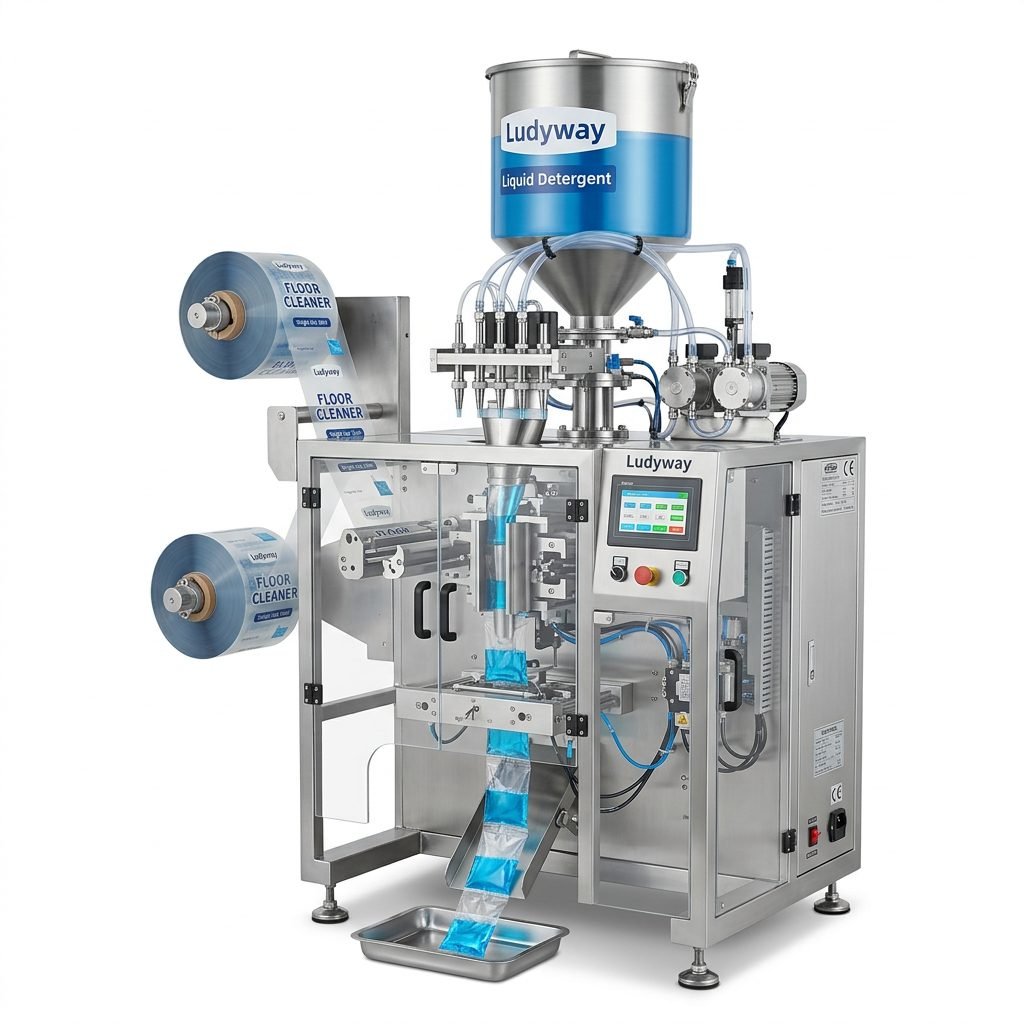
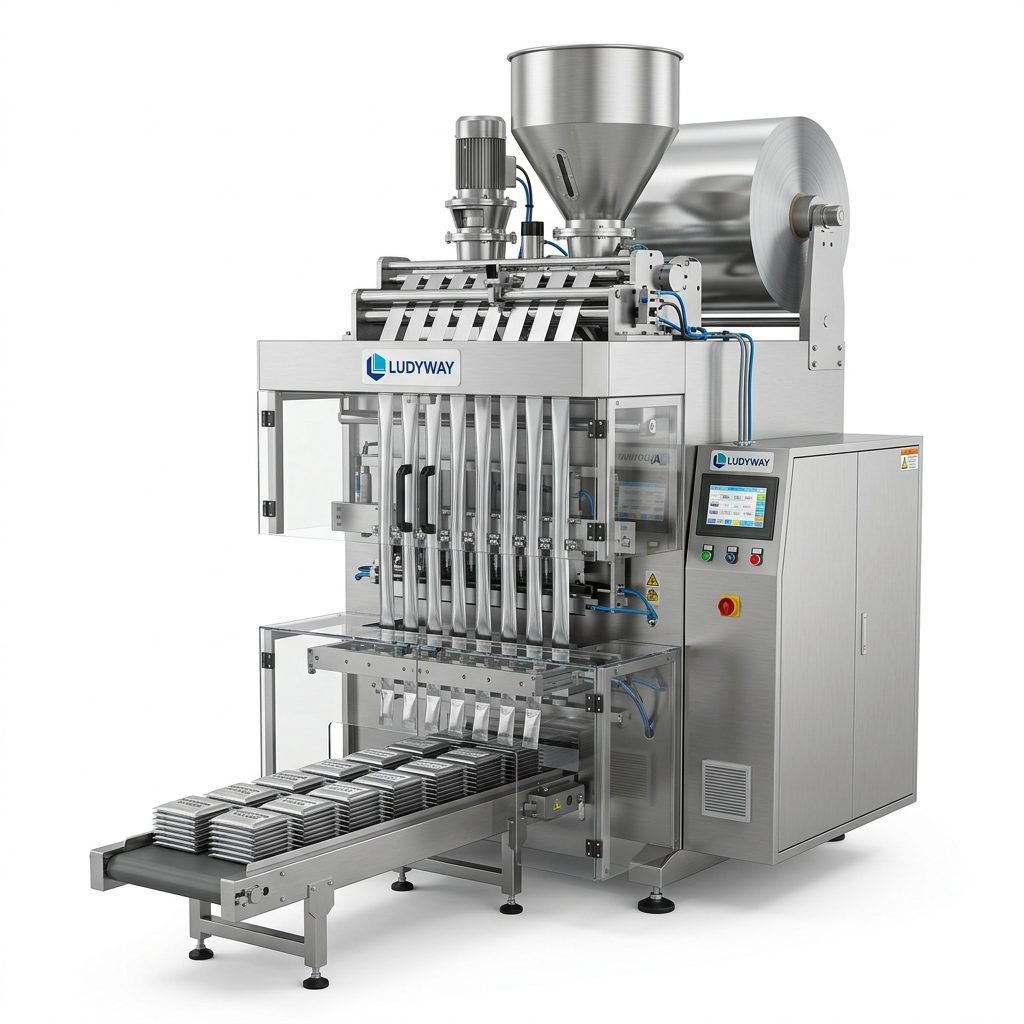
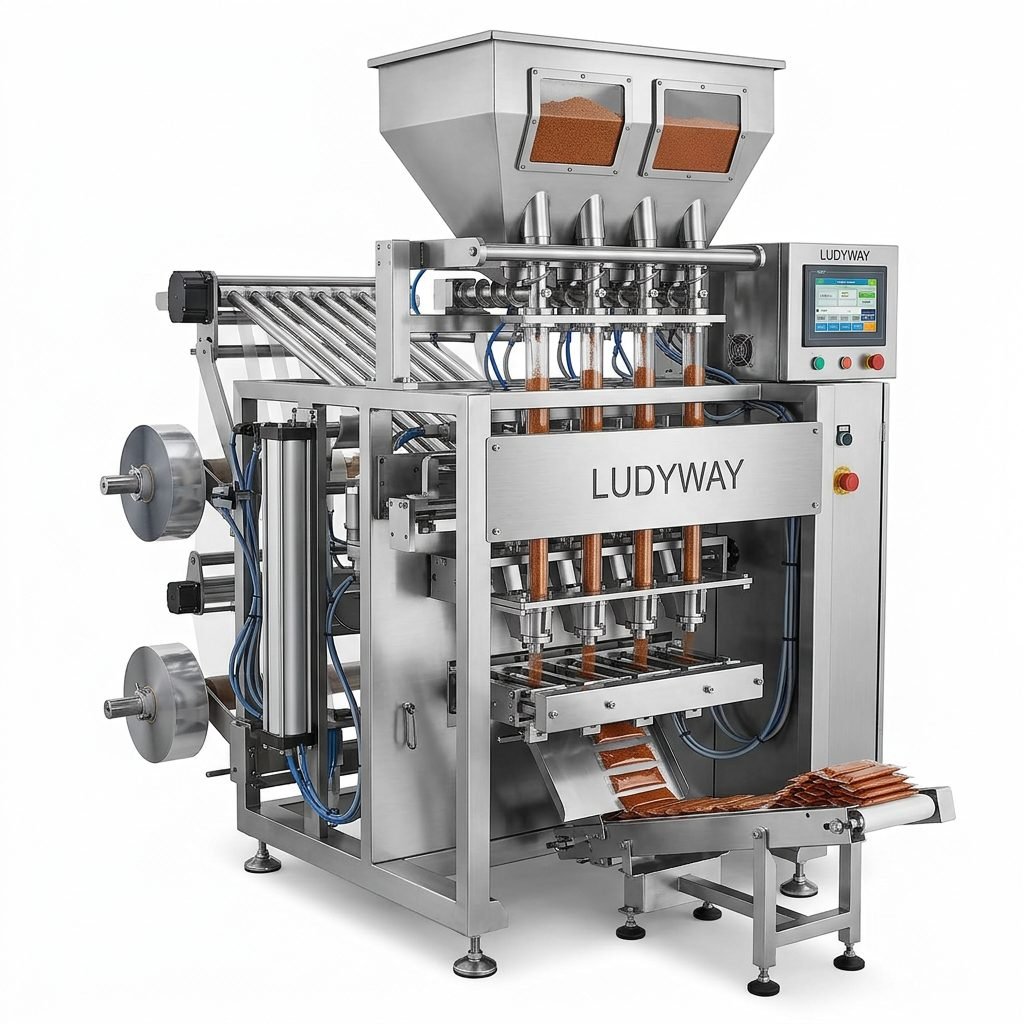
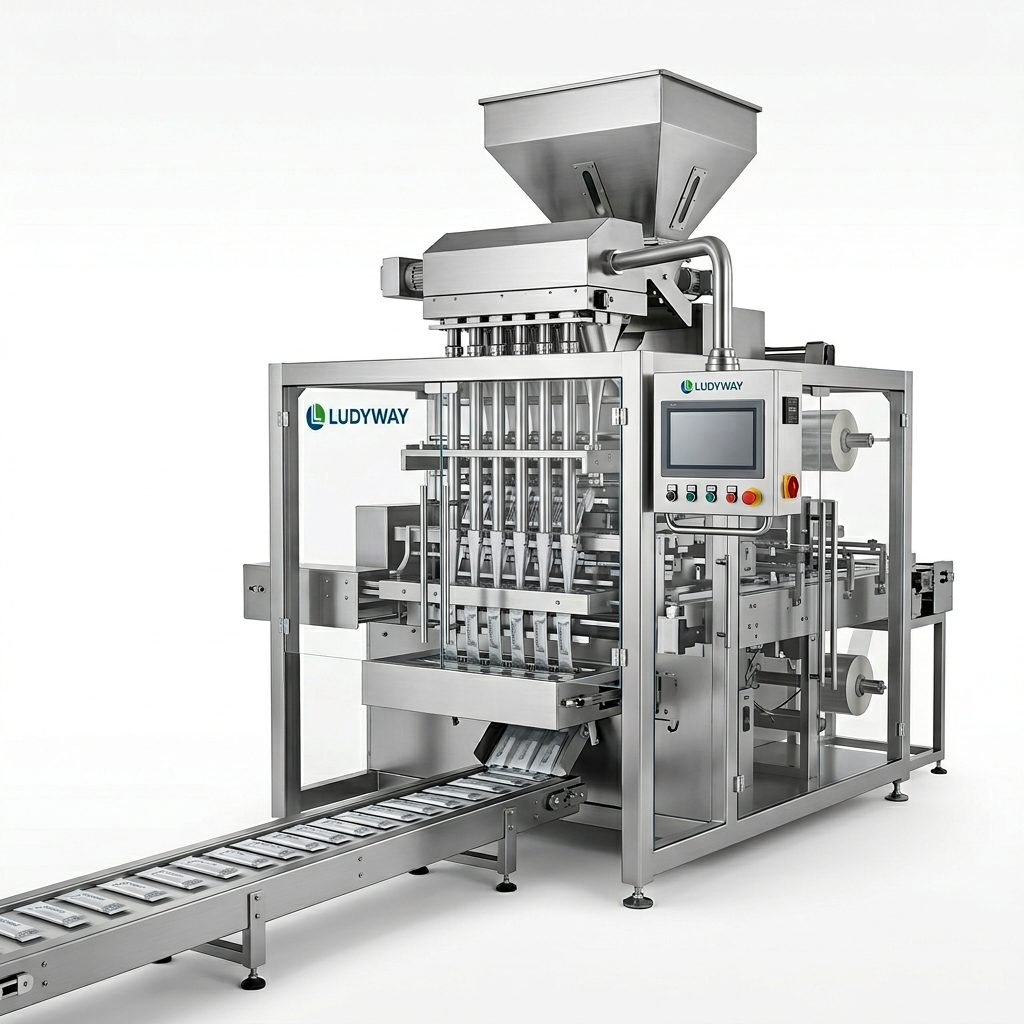
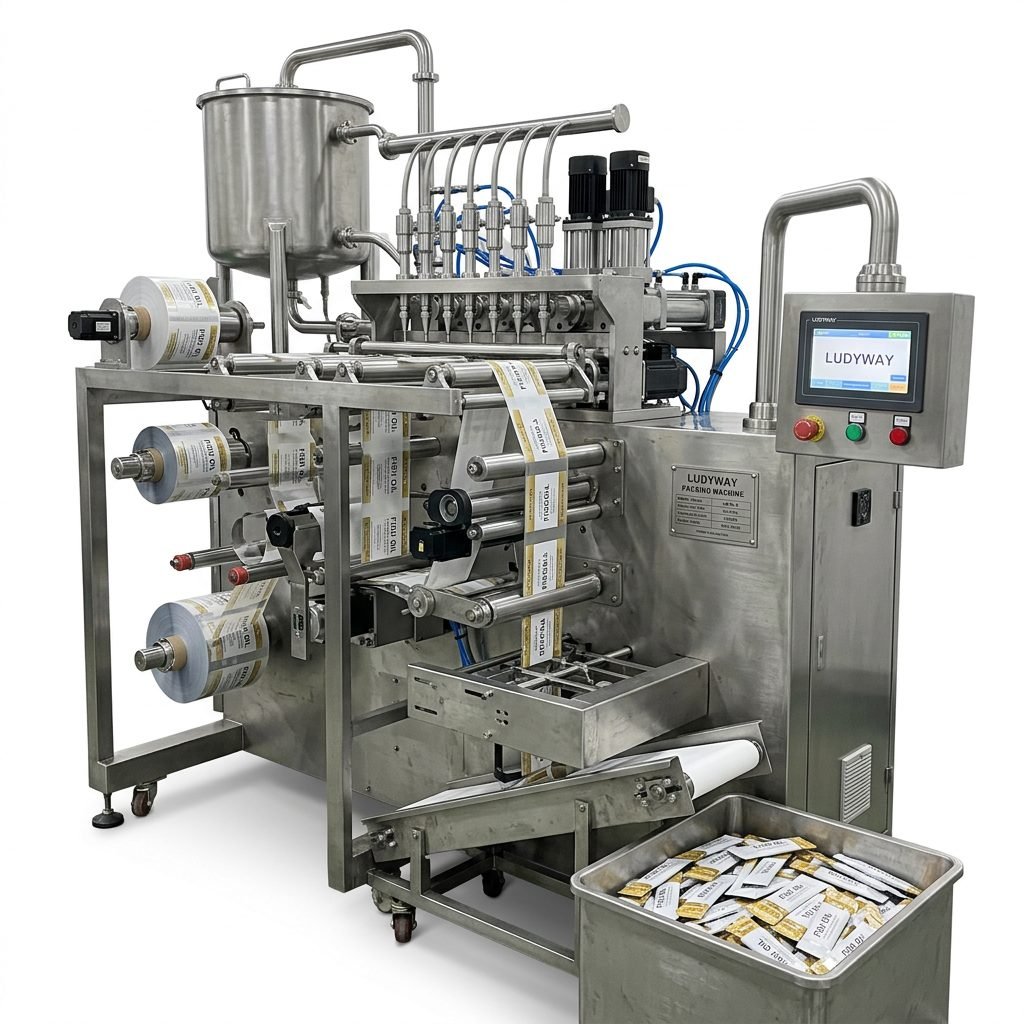
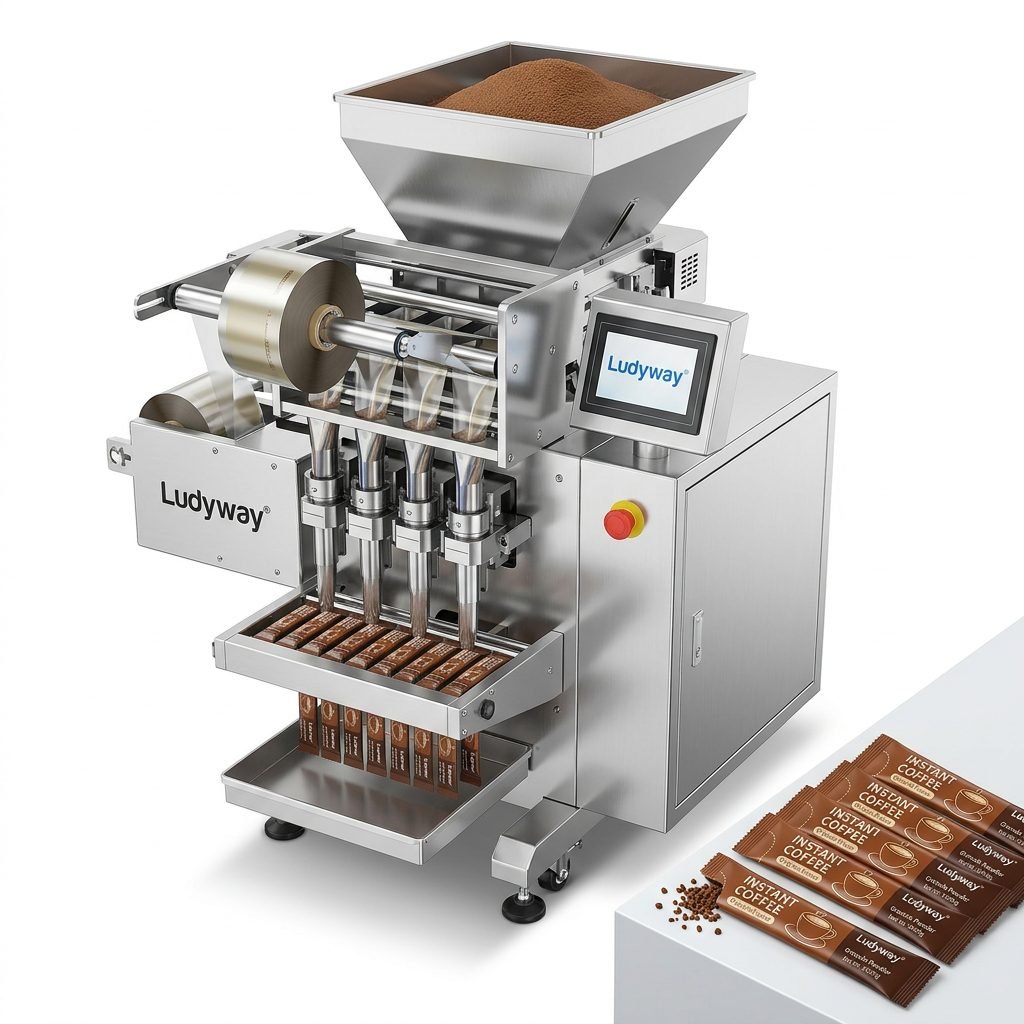
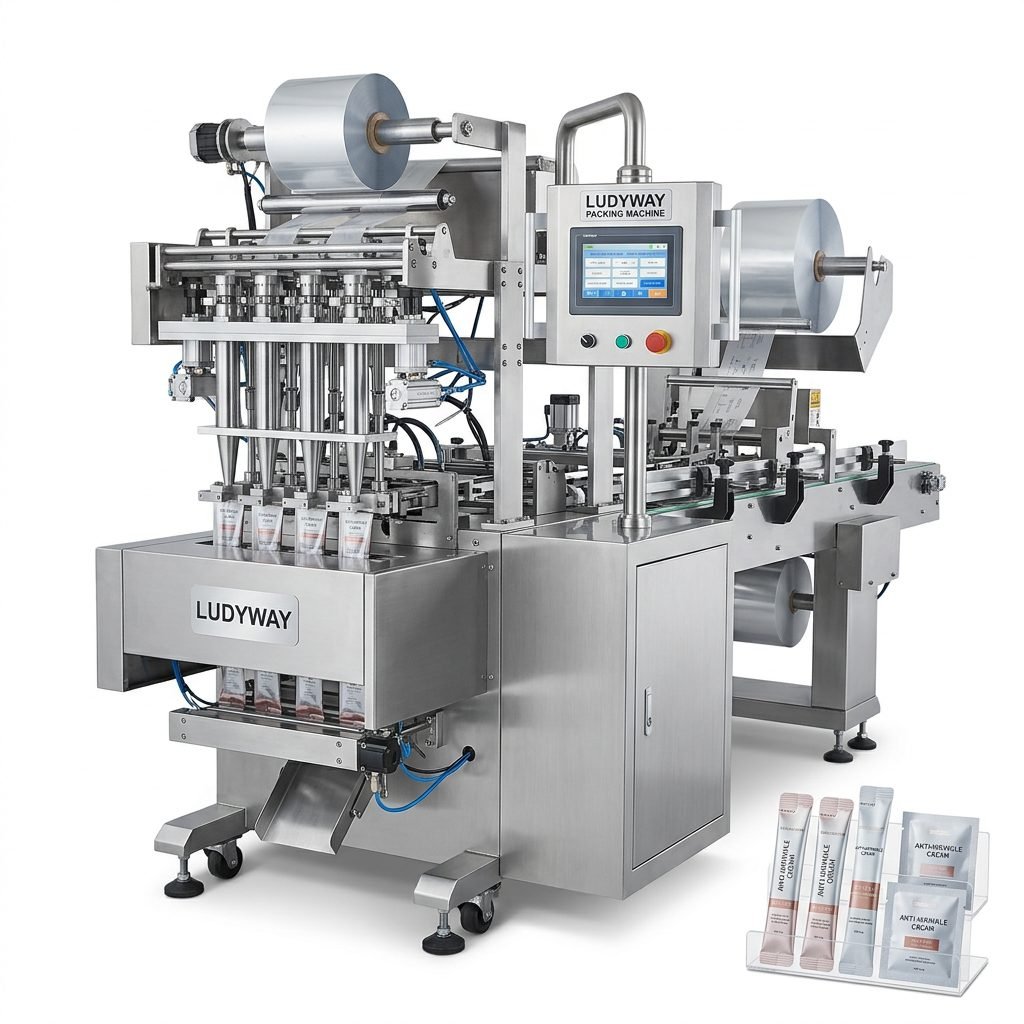
In the dynamic world of manufacturing, packaging machinery stands as a critical link between production and market delivery. The efficiency, reliability, and cost-effectiveness of this machinery are fundamentally dependent on the quality and precision of its individual parts. Understanding the production of these components is not just a technical necessity but a strategic business advantage. This comprehensive guide delves into the essential components of packaging machinery, explores the intricacies of their manufacturing processes, and provides actionable insights for optimizing production costs, ensuring your operations remain competitive and robust.
Core Components of Packaging Machinery
Packaging machinery is a symphony of interconnected parts, each playing a vital role in the seamless execution of packaging tasks. From filling and sealing to labeling and cartoning, the performance of the entire system hinges on the integrity of these components.
Key Mechanical & Structural Parts
Frames and Chassis: These form the skeleton of the machine, providing structural integrity and stability. They are typically fabricated from high-grade steel or aluminum to withstand constant vibration and load.
Drive Systems: This includes motors (servo, stepper, or AC), gearboxes, belts, chains, and shafts. They are the powerhouse, converting electrical energy into precise mechanical motion.
Conveyance Systems: Belts, chains, rollers, and linear guides transport products through different stages of the packaging process. Their precision ensures accurate positioning for operations like filling and sealing.
Critical Functional Components
➤ Filling Units: These are the heart of any packager. Components include augers for powders, pumps for liquids, volumetric cups for granules, and weigh scales. Material contact parts are often made from stainless steel (e.g., 304, 316) or food-grade plastics to ensure hygiene and prevent contamination.
➤ Sealing Systems: Crucial for product integrity. Elements include heating jaws (for thermoplastic films), crimpers, impulse sealers, and cooling bars. Consistent temperature control is paramount here.
➤ Film & Web Handling Parts: This encompasses unwind units, tension controllers, forming collars, guide rollers, and pull belts. They manage the packaging material (laminate, film, paper) with precision to avoid wrinkles, tears, or misalignment.
Control & Sensory Components
The “brain” and “nervous system” of modern packaging machines. This category includes Programmable Logic Controllers (PLCs), human-machine interfaces (HMIs), sensors (photoelectric, proximity, temperature), and actuators. These electronic parts enable automation, precision control, fault detection, and data collection for Industry 4.0 integration.
The Manufacturing Process: From Design to Assembly
Producing high-quality packaging machinery parts is a multi-stage journey that blends engineering design with advanced fabrication techniques. A meticulous process is key to achieving the durability and precision required in high-speed industrial environments.
Stage 1: Design & Engineering
It all begins with detailed CAD (Computer-Aided Design) models and engineering drawings. This phase defines tolerances, material specifications, and functional requirements. Design for Manufacturability (DFM) and Design for Assembly (DFA) principles are applied to simplify production and reduce future costs.
Stage 2: Material Sourcing & Procurement
Selecting the right raw materials is critical. This involves procuring metals (stainless steel, aluminum, tool steel), engineering plastics (POM, UHMW), seals (silicone, Viton), bearings, and standardized components from reliable suppliers. Quality audits of the supply chain are essential.
Stage 3: Machining & Fabrication
This is the core transformation stage. Key processes include:
- CNC Machining: For high-precision parts like shafts, gears, and custom fittings. Offers excellent repeatability.
- Laser & Plasma Cutting: Used for cutting sheet metal into precise shapes for frames, guards, and brackets.
- Stamping & Punching: Efficient for creating multiple identical parts, such as brackets or small metal components.
- Welding (TIG/MIG): For assembling structural frames and fabricating stainless steel hoppers or chambers.
Stage 4: Surface Treatment & Finishing
Treatments enhance part longevity and functionality. Common methods include passivation for stainless steel (to restore corrosion resistance), powder coating or painting for frames (for aesthetics and rust prevention), polishing for food-contact surfaces, and hardening or plating for wear-prone components.
Stage 5: Quality Control & Inspection
Every batch of parts undergoes rigorous inspection. This involves using calipers, micrometers, CMMs (Coordinate Measuring Machines), and vision systems to verify dimensions against drawings. Material certificates and performance tests (e.g., pressure testing for seals) are also part of this crucial step.
Stage 6: Assembly & Testing
Qualified parts move to the assembly line, where they are built into sub-assemblies or complete machines. Post-assembly, the machinery undergoes comprehensive run-off testing with actual or simulated packaging materials to ensure all components work in harmony and meet specified performance metrics.
Strategies for Cost Optimization in Parts Production
Controlling costs without compromising quality is the cornerstone of profitable manufacturing. Effective cost optimization requires a holistic view of the entire production lifecycle.
Design and Engineering Optimization
Upfront design decisions lock in most of the part’s cost. Employ value engineering to simplify designs, reduce part count, and use standard sizes where possible. Consider modular designs that allow for the use of common components across different machine models, increasing purchase volumes and reducing per-unit costs.
Strategic Sourcing and Supply Chain Management
Develop long-term partnerships with trusted suppliers like Ludyway Machinery, which leverages over 30 years of industry experience in sourcing. Consolidate orders to negotiate better pricing. For non-critical parts, evaluate alternative materials or slightly relaxed tolerances that do not affect performance. Implementing a robust inventory management system (like JIT – Just-in-Time) can minimize holding costs.
Manufacturing Process Efficiency
Invest in modern, efficient machinery like high-speed CNC centers that reduce cycle times. Implement Lean Manufacturing principles to eliminate waste (muda) in the production flow—such as unnecessary movement, waiting time, or overproduction. Regular preventive maintenance on production equipment prevents costly downtime and ensures consistent part quality.
Leveraging Technology and Automation
Automation isn’t just for the packaging machines you build; it applies to building their parts too. Robotic welding arms, automated material handling, and integrated quality inspection systems boost throughput, reduce labor costs, and minimize human error. Adopting Digital Twin technology can simulate production and identify cost-saving opportunities before physical manufacturing begins.
Total Cost of Ownership (TCO) Perspective
Look beyond the initial purchase price of a part. A cheaper component that fails frequently leads to higher costs in machine downtime, replacement labor, and lost production. Investing in higher-quality, more durable parts from reputable manufacturers often results in a lower TCO. Companies focused on long-term partnerships, such as Ludyway, emphasize this reliability, ensuring their clients’ production lines run smoothly with minimal unscheduled stoppages.
Frequently Asked Questions (FAQs)
Q1: What are the most critical packaging machine parts that require the highest quality standards?
A: The most critical parts are those in direct contact with the product (e.g., filling augers, pump parts, sealing jaws) and core motion components (e.g., main drive shafts, high-precision bearings). These demand the highest quality materials (food-grade stainless steel, hardened alloys) and machining tolerances to ensure hygiene, accuracy, and long-term reliability.
Q2: How can I reduce maintenance costs for packaging machinery parts?
A: Implement a proactive, scheduled preventive maintenance (PM) program based on the manufacturer’s guidelines. Use high-quality replacement parts, keep accurate maintenance records to predict failures, and ensure operators are properly trained. Sourcing parts from OEMs or certified partners like Ludyway Machinery ensures compatibility and durability, reducing unexpected breakdowns.
Q3: Is it better to source standard parts or custom-manufactured parts?
A: It depends on the application. Always use standard, off-the-shelf components (bearings, motors, sensors) where possible, as they are more cost-effective and readily available. Opt for custom-manufactured parts only when necessary for unique machine functionality, performance, or hygiene requirements. A good supplier will help you find the optimal balance.
Q4: What role does material selection play in part cost and performance?
A: Material selection is fundamental. While premium materials (e.g., 316L stainless steel) have a higher upfront cost, they offer superior corrosion resistance and longevity, lowering the total cost of ownership. For non-critical, non-contact parts, less expensive materials like carbon steel or specific plastics can be used effectively to control costs without sacrificing machine integrity.
Q5: How can I ensure a reliable supply of spare parts for my packaging line?
A: Partner with manufacturers or distributors who maintain a comprehensive inventory of spare parts and offer clear supply agreements. Consider vendors with a global service network and a commitment to long-term support. Establishing a minimum on-site stock of high-wear critical spares is also a prudent operational strategy to minimize downtime.