The instant coffee market is a dynamic and fast-growing segment of the global food industry. For producers, ensuring product freshness, convenience, and standout shelf appeal is paramount. This is where the choice of packaging machinery becomes a critical business decision. Selecting the right instant coffee packaging machine directly impacts production efficiency, product quality, and ultimately, your bottom line.
Core Types of Instant Coffee Packaging Machines
Understanding the different machine types is the first step toward making an informed investment. Each system is designed for specific packaging formats and production scales.
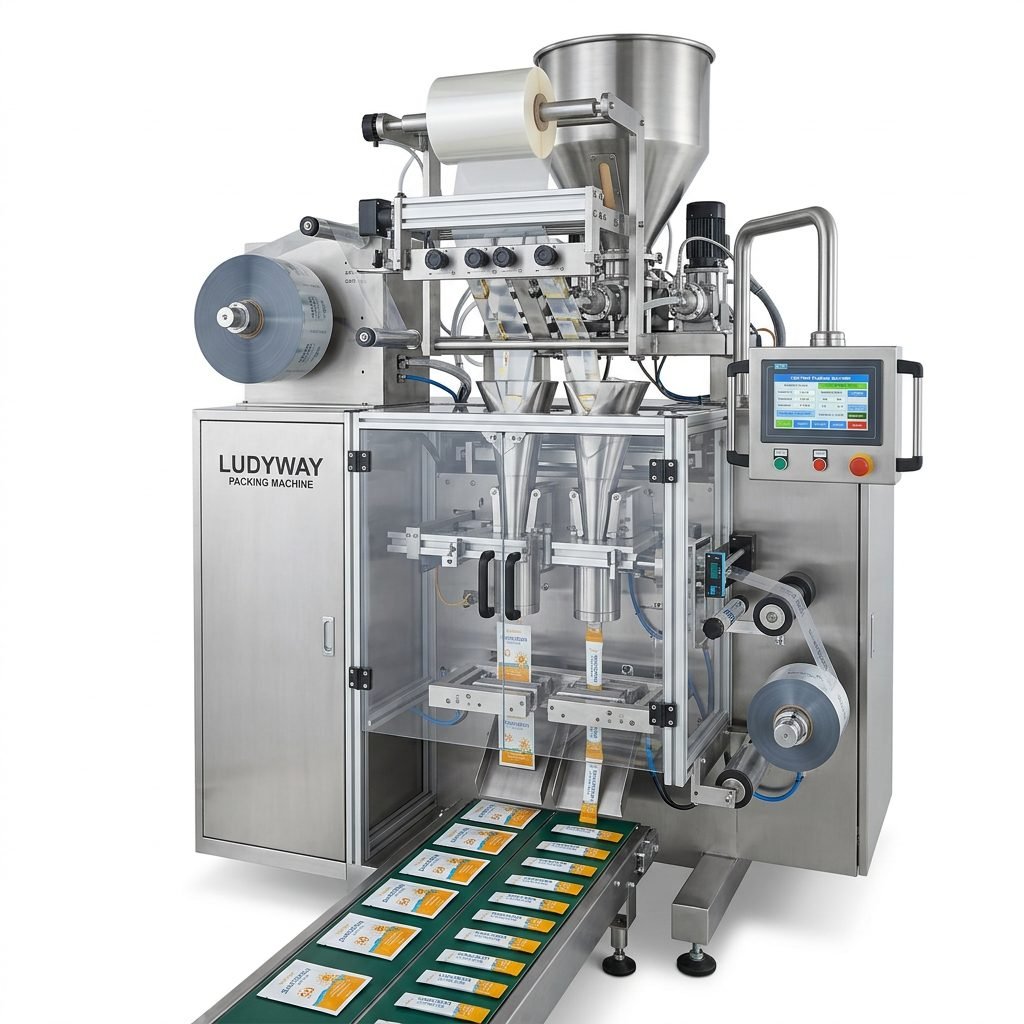
Vertical Form-Fill-Seal (VFFS) Machines
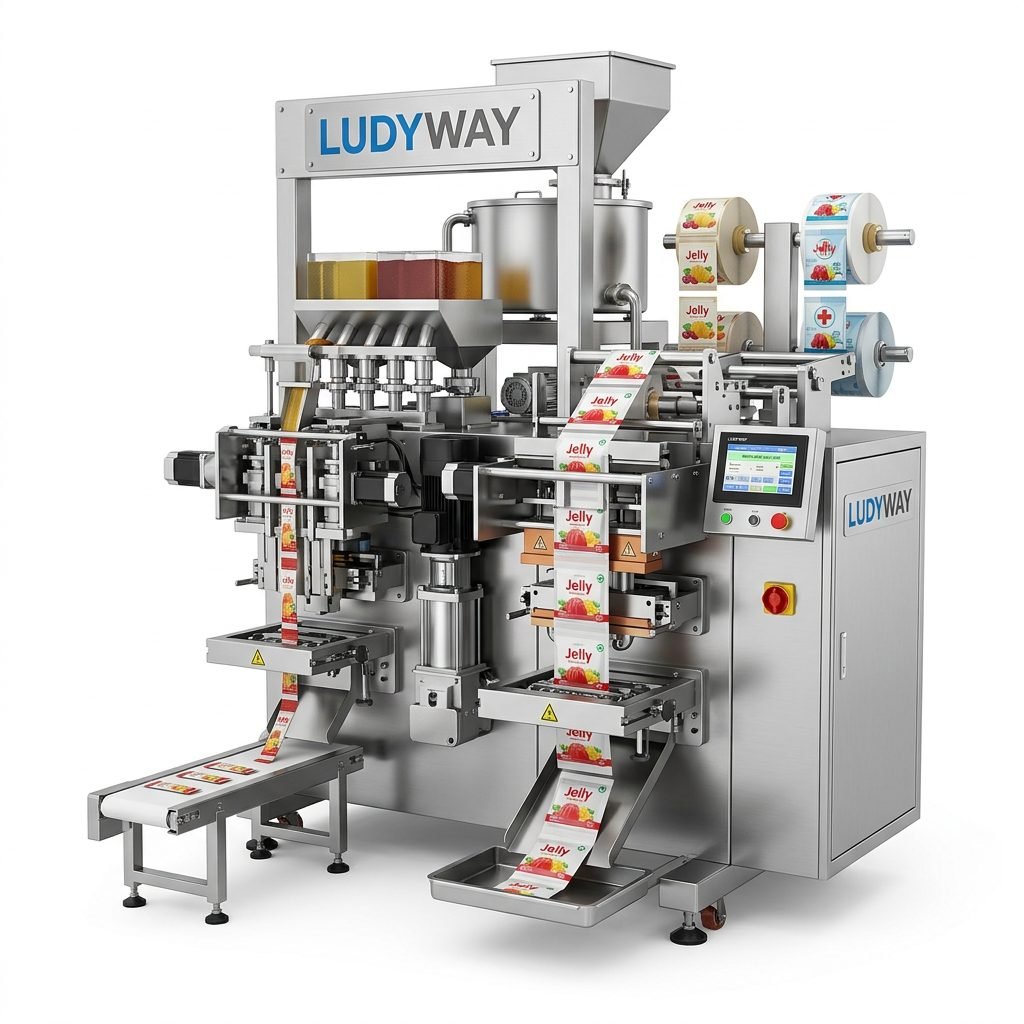
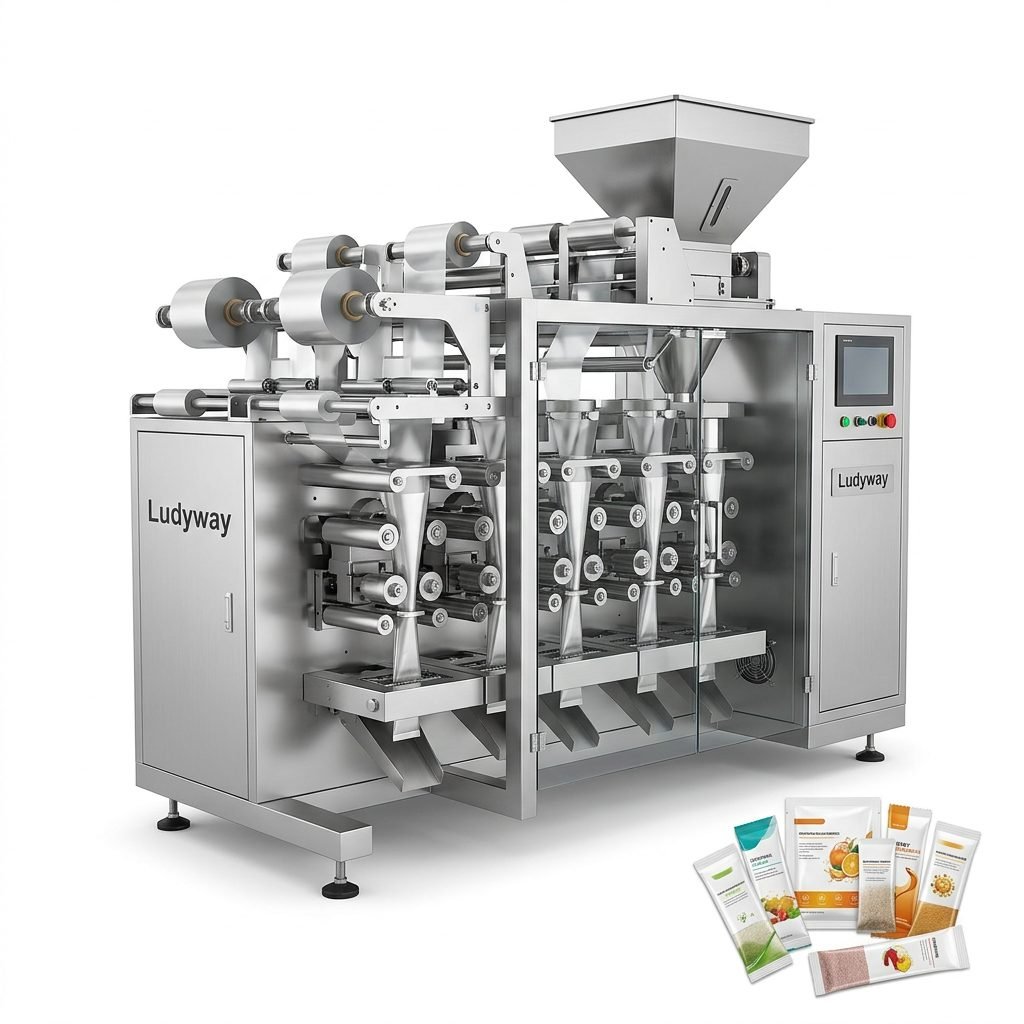
These are the workhorses of the industry, ideal for creating pillow-style sachets or bags from a roll of film. The machine forms the bag, fills it with a precise dose of coffee, and seals it in one continuous operation. VFFS systems are highly versatile and cost-effective for medium to high-volume production of single-serve sachets.
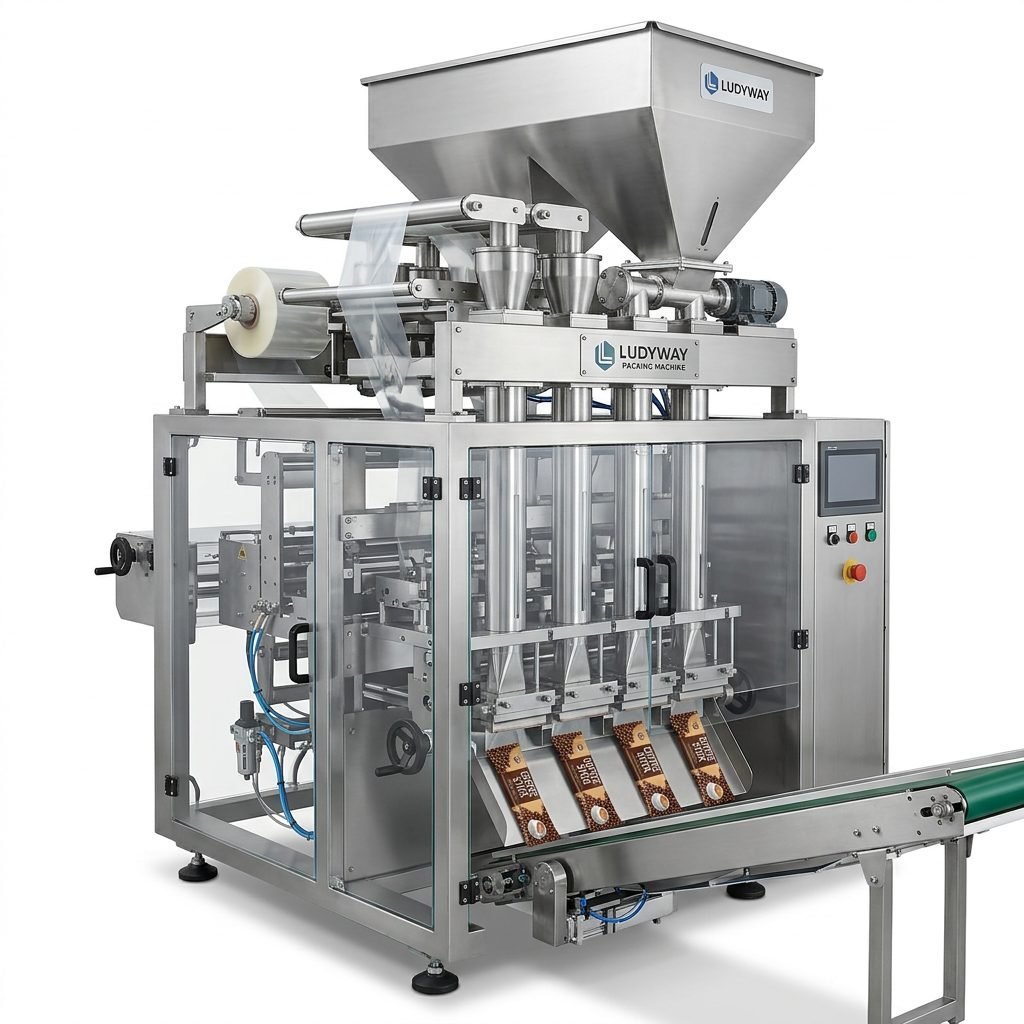
Stick Pack Packaging Machines
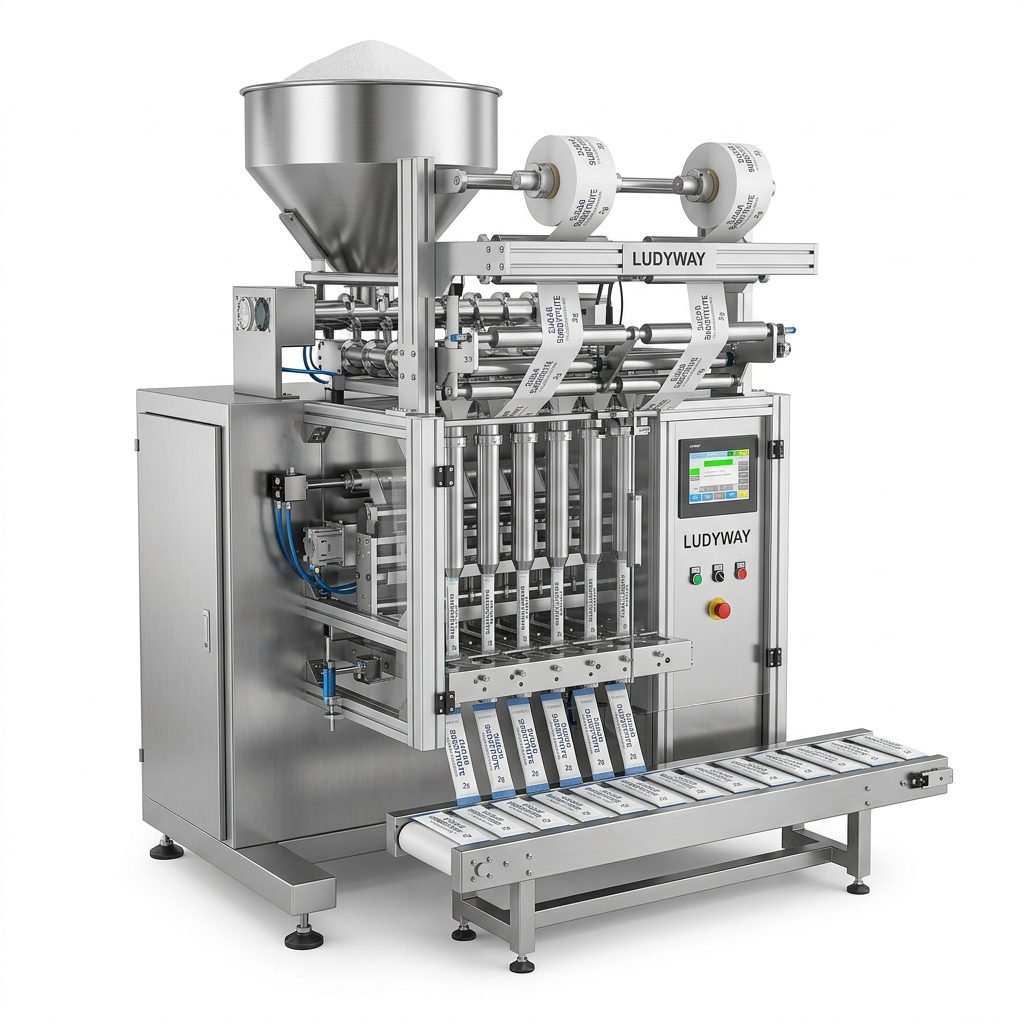
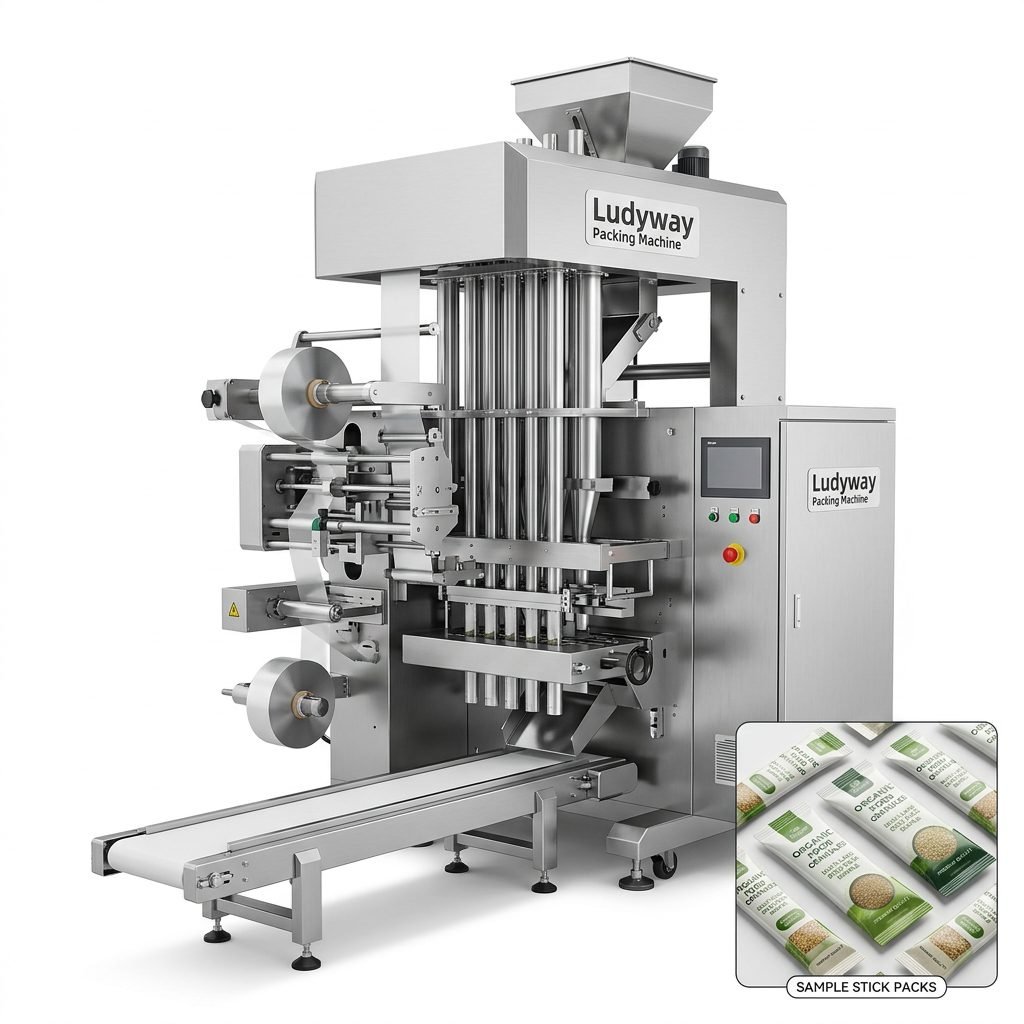
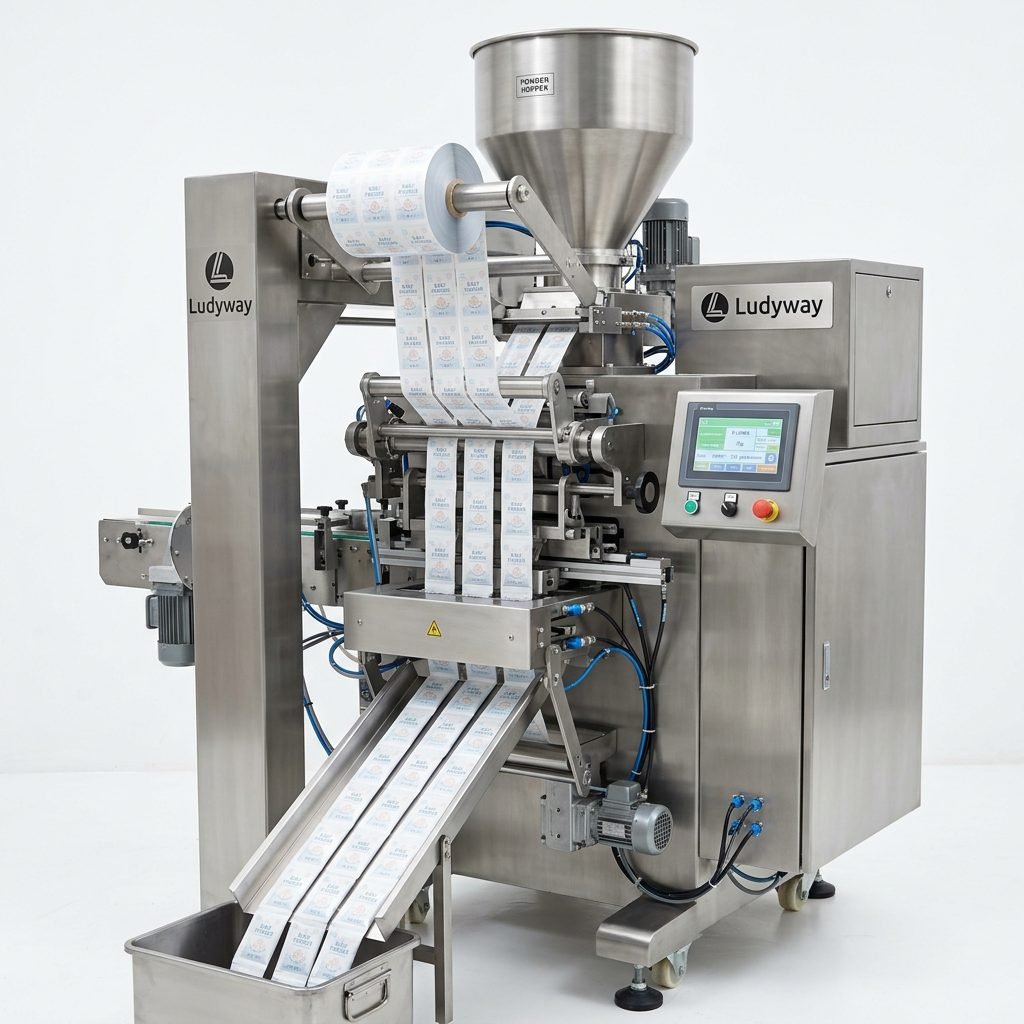
Designed specifically for the long, slender “stick” format popular for on-the-go consumption. These machines offer extremely high-speed production, often with multiple lanes (e.g., 4-lane, 8-lane, or even 12-lane configurations). They are perfect for packaging fine powder or micro-granules of instant coffee into compact, portable units.
Pre-Made Pouch Machines
This system uses pre-manufactured, often stand-up, pouches. The machine automatically opens, fills, and seals these pre-formed pouches. This method is excellent for premium or larger-volume instant coffee packaging where superior graphic print quality and a more rigid pouch structure are desired for brand presentation.
Jar & Can Filling Lines
For instant coffee sold in glass jars or metal tins, automated filling and capping lines are essential. These integrated systems typically include a jar unscrambler, filling machine, capping or lidding machine, and labeling system, creating a complete automated solution for bulk retail packaging.
Essential Features of a Modern Packaging System
Beyond the basic type, several key features define the performance and suitability of a packaging machine for your specific needs.
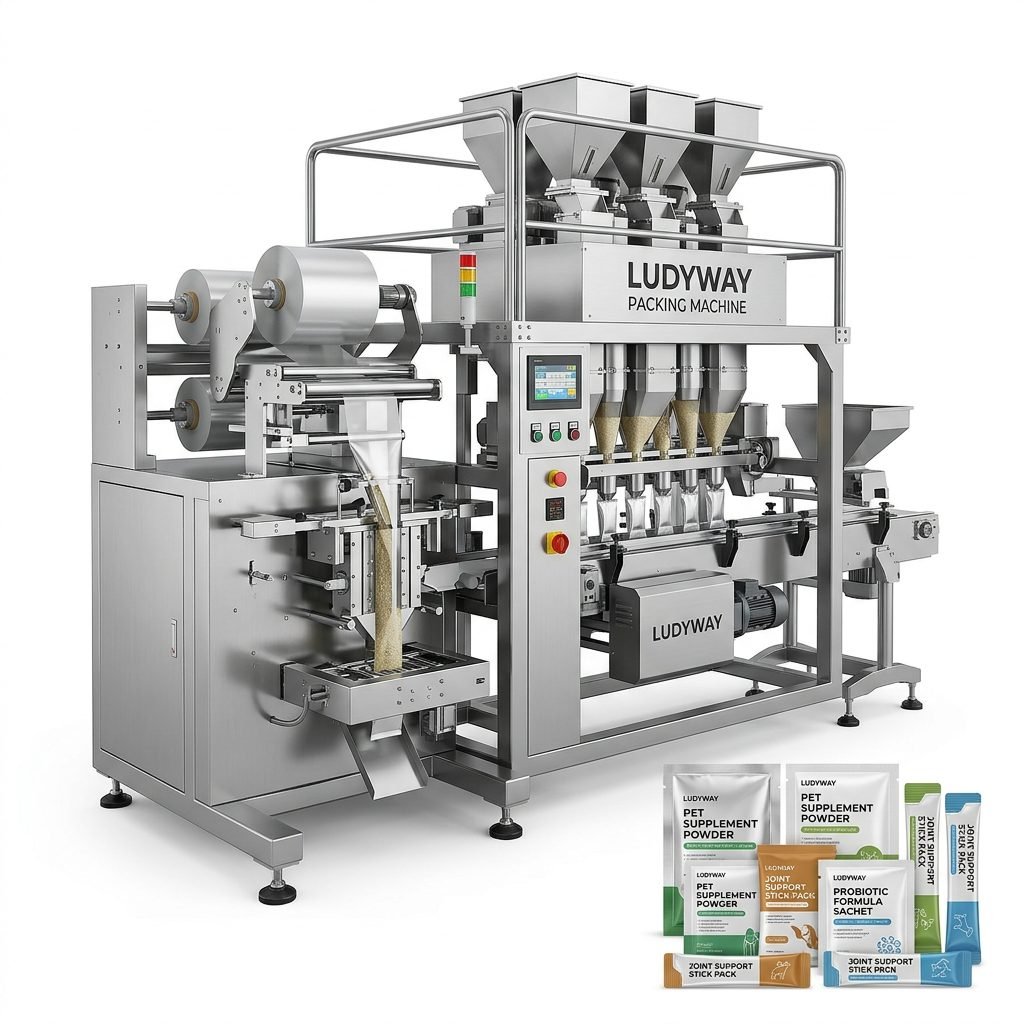
1. Precision Dosing System
The heart of any coffee packaging machine. Look for systems with auger fillers or cup fillers known for high accuracy (±0.5-1% is industry standard for high-quality machines). Consistent dose weight is non-negotiable for product quality and regulatory compliance.
2. Material Compatibility & Sealing Integrity
The machine must reliably handle the specific laminate films or pouches you plan to use—whether it’s standard PET/AL/PE for high barrier properties or more sustainable mono-material structures. A robust heat sealing system with precise temperature control is vital to prevent leaks and ensure a long shelf life.
3. Automation & Integration Capabilities
Modern lines often integrate with upstream and downstream equipment. Features like automatic film roll changeovers, CIP (Clean-in-Place) systems, and PLC controls with HMI touchscreens minimize downtime, reduce labor, and enhance overall equipment effectiveness (OEE).
4. Changeover Flexibility
If you produce multiple SKUs (different weights, pouch sizes, or blends), a machine with quick-change parts and recipe storage is crucial. This feature drastically reduces changeover time from hours to minutes, boosting production flexibility.
5. Hygiene & Cleanability
Food-grade construction with stainless steel contact parts, smooth surfaces, and easy access for cleaning is mandatory. This is critical for maintaining product safety and meeting stringent food hygiene standards like FDA, CE, or ISO requirements.
How to Choose the Best System for Your Needs: A Step-by-Step Guide
Navigating the selection process requires a structured approach. Follow this guide to align your choice with your business objectives.
Step 1: Define Your Product & Packaging Format
Start with the end in mind. What is your primary packaging format? (e.g., 2g stick pack, 100g stand-up pouch, 200g jar). Determine the required barrier properties (oxygen and moisture resistance) and the film/pouch material. Your packaging design dictates the suitable machine type.
Step 2: Analyze Your Production Requirements
Calculate your required output speed in packs per minute (PPM) or per hour. Consider your current volume and projected growth for the next 3-5 years. Also, assess the number of different products (SKUs) you will run on the same line to determine the needed flexibility.
Step 3: Evaluate Your Operational Environment
Consider your factory’s available floor space, power supply, and compressed air availability. Also, assess the skill level of your operational staff. A highly complex machine may require more specialized training and maintenance support.
Step 4: Assess Supplier Credentials & Support
Partner with a reputable supplier. Look for a provider with proven experience in the food or coffee industry, a strong track record of reliable machines, and comprehensive after-sales support. This includes installation, training, readily available spare parts, and responsive technical service. Companies like Ludyway Packing Machine, with decades of industry experience, exemplify the value of a partner that offers more than just a machine—they provide a solution backed by engineering expertise and global support.
Step 5: Consider Total Cost of Ownership (TCO)
Look beyond the initial purchase price. TCO includes installation, maintenance, energy consumption, spare parts, and potential downtime costs. A slightly higher initial investment in a robust, efficient, and reliable machine from a trusted partner like Ludyway Machinery often results in significantly lower long-term costs and higher productivity.
Step 6: Request a Product Test
Before finalizing your decision, always request a live test run using your actual coffee product and packaging materials. This is the only way to verify dosing accuracy, sealing quality, machine speed, and overall performance with your specific parameters.
Optimizing Your Packaging Line
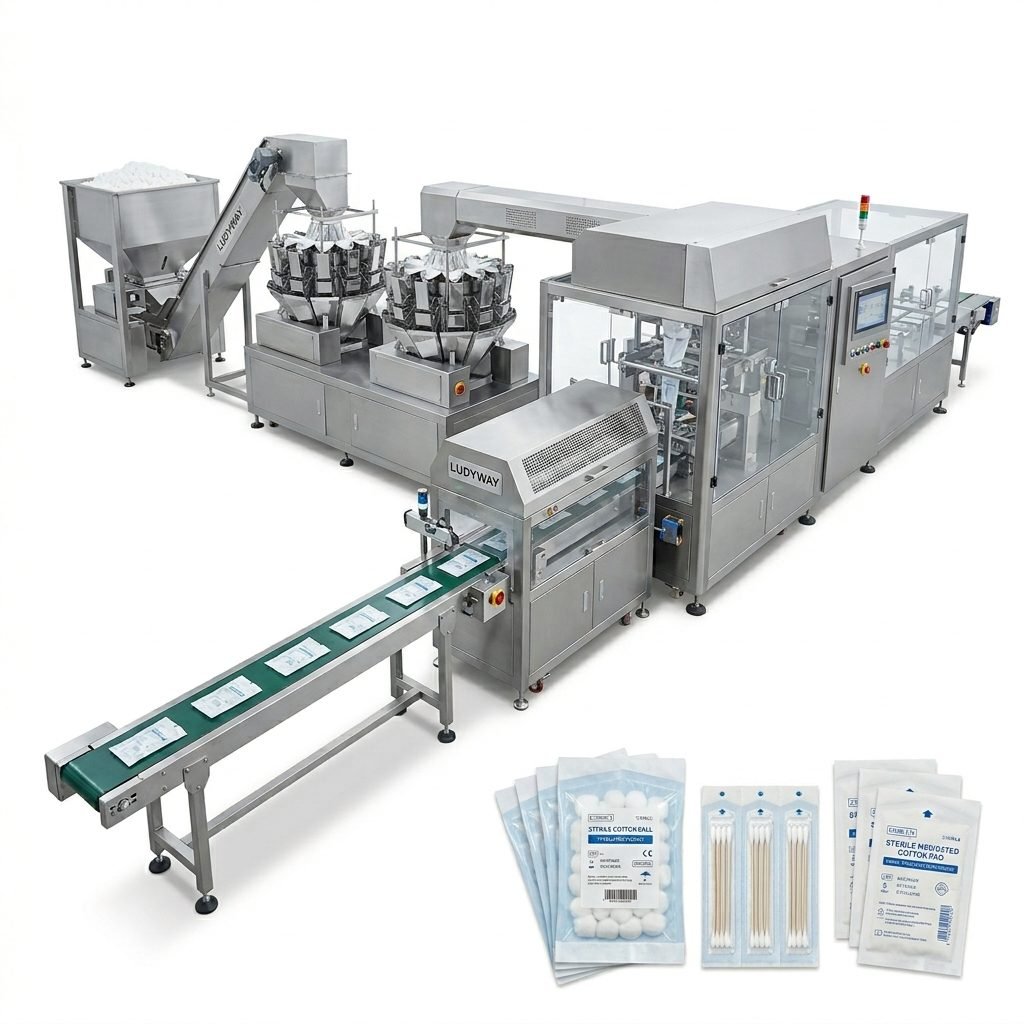
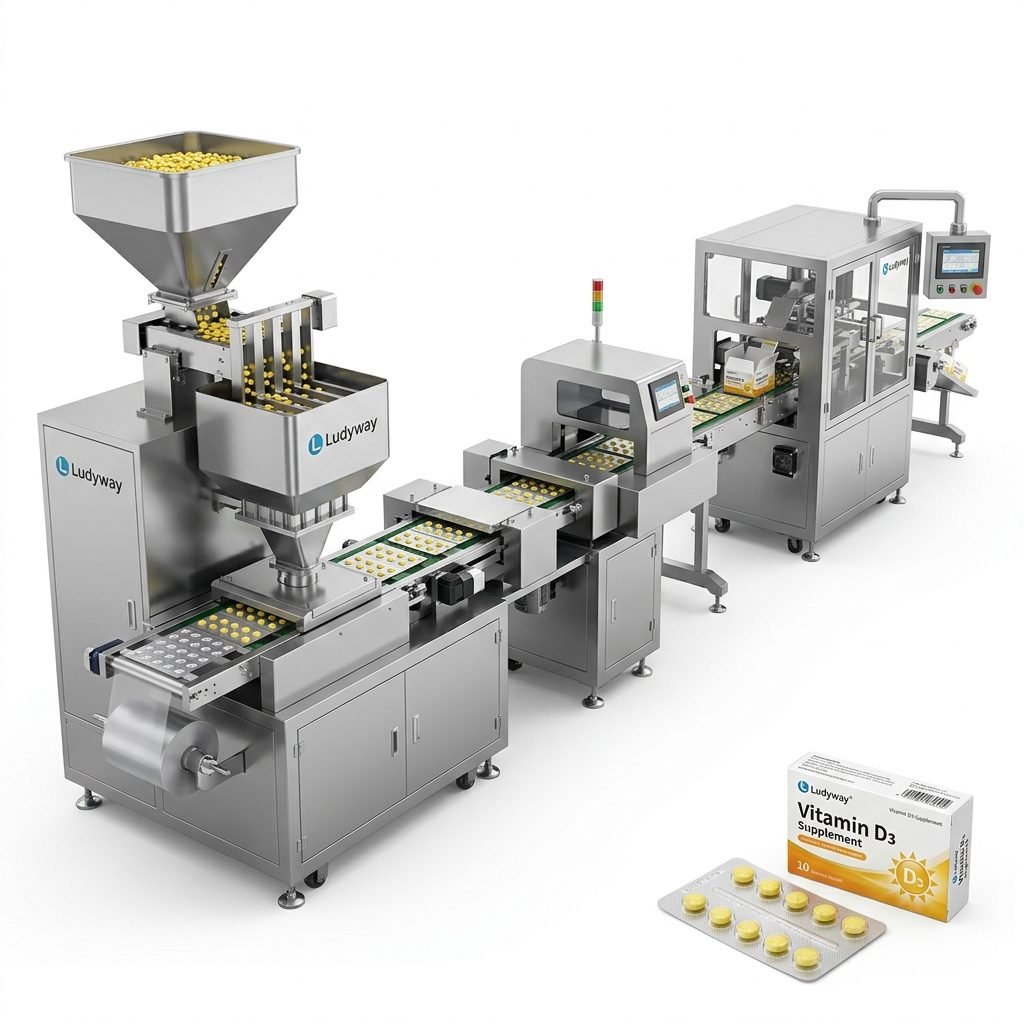
For maximum efficiency, your packaging machine should be part of a cohesive line. Consider integrating checkweighers, metal detectors, X-ray inspection systems, and automated cartoning. A well-designed turnkey line, such as those offered by experienced providers, ensures seamless operation from product filling to final case packing.
Choosing the right instant coffee packaging machine is a strategic investment that safeguards product integrity, maximizes operational efficiency, and supports your brand’s market presence. By thoroughly understanding the types, key features, and following a disciplined selection process, you can implement a system that grows with your business and delivers a strong return on investment.