In the highly regulated and precision-driven pharmaceutical industry, packaging is far more than just putting products into boxes. It is a critical final step that ensures product integrity, safety, compliance, and patient trust. The right pharmacy packaging machine is the cornerstone of an efficient, reliable, and compliant production line. This guide delves into the various types of pharmacy packaging machines, their specific uses, and provides a detailed framework to help you choose the perfect one for your operation.
Core Types of Pharmacy Packaging Machines
Pharmaceutical packaging encompasses a wide range of products, from solid tablets and capsules to powders, liquids, and sterile devices. Consequently, the machinery is specialized. Here are the primary categories:
1. Blister Packaging Machines
These are arguably the most common machines in solid dosage packaging. They form a cavity (blister) from a roll of thermoformable film, place the product (like tablets or capsules) into each cavity, and then seal it with a lidding material, often foil. This type of packaging offers excellent product protection, visibility, and unit-dose convenience for patients.
Key Use: Ideal for tablets, capsules, lozenges, and caplets. They support high-speed production and are essential for compliance packaging (e.g., calendar blisters).
2. Bottle Filling and Capping Machines
This system typically involves a multi-station carousel that automatically fills plastic or glass bottles with a counted volume of solid products or a measured volume of liquids/powders. It is then seamlessly followed by capping (screw-capping, snap-capping, or press-fitting) and labeling.
Key Use: Perfect for high-volume packaging of vitamins, supplements, over-the-counter pills, and liquid medicines in larger, multi-dose containers.
3. Strip Packaging Machines
Similar to blister packs but forming a different profile, strip packaging machines create sealed pouches in a continuous strip. Each pouch contains a single dose, and the strip is often perforated for easy tearing. This method is highly effective for moisture and light-sensitive products.
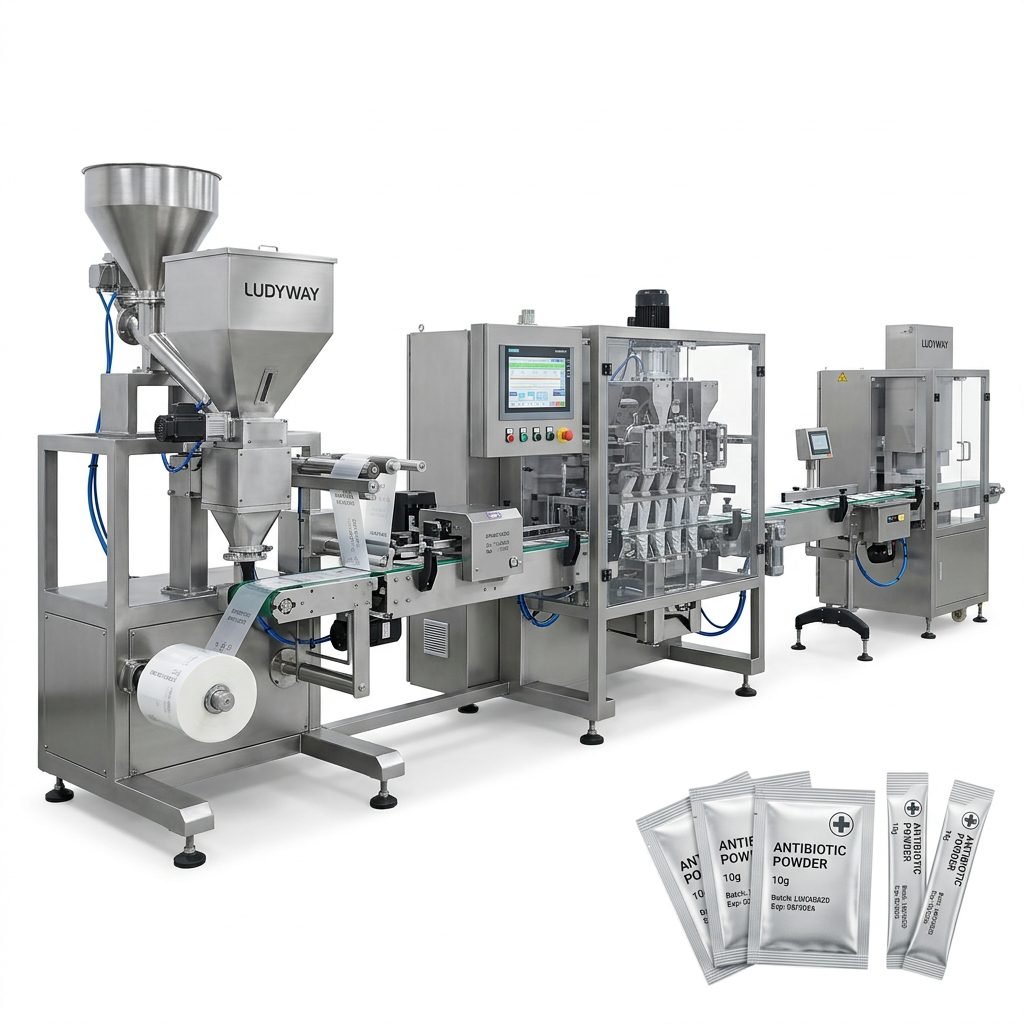
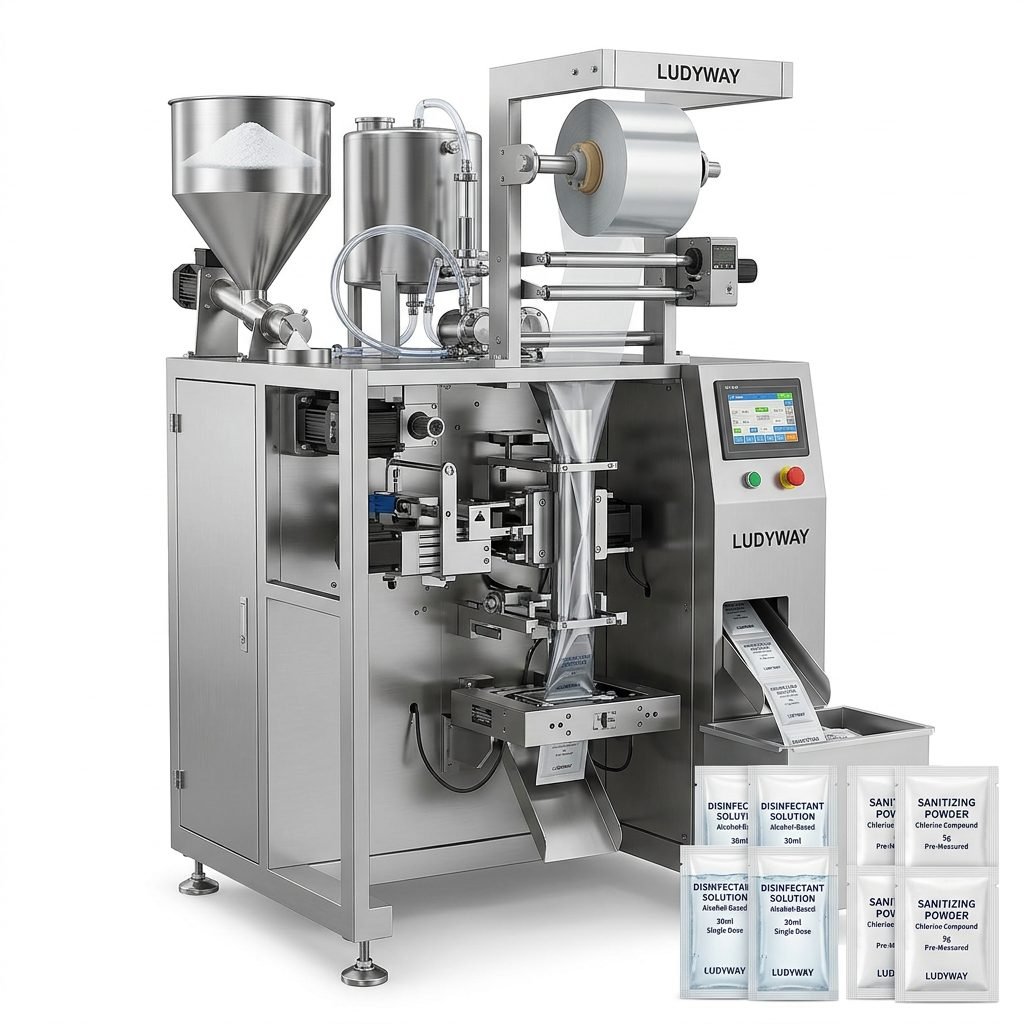
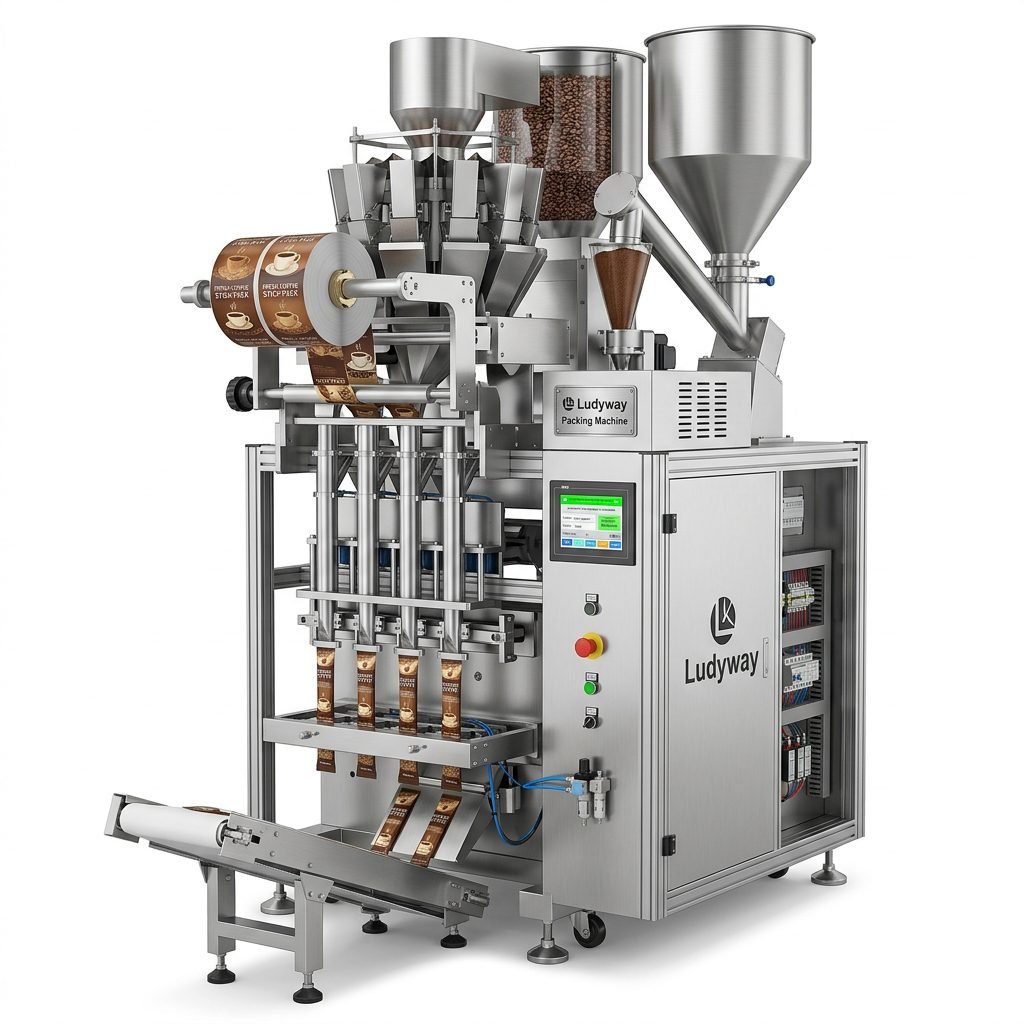
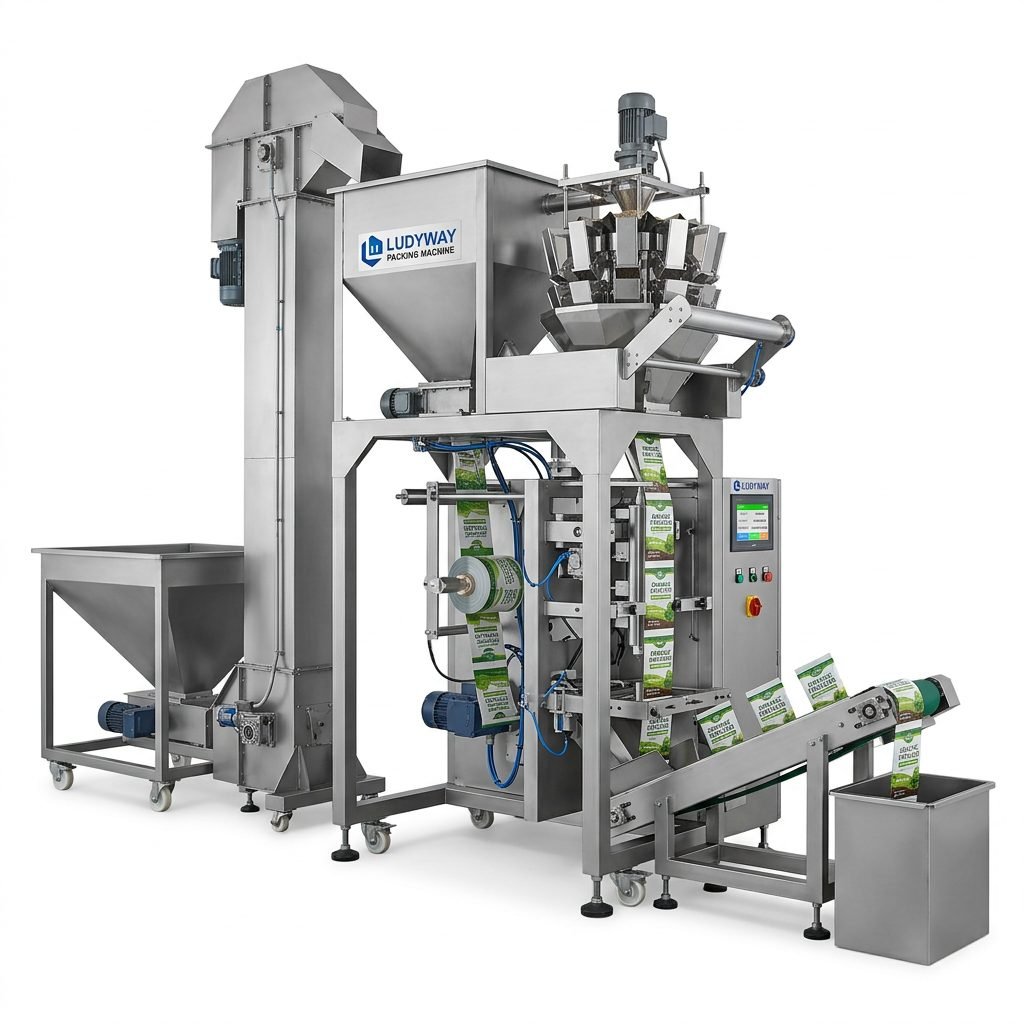
4. Sachet and Pouch Packaging Machines
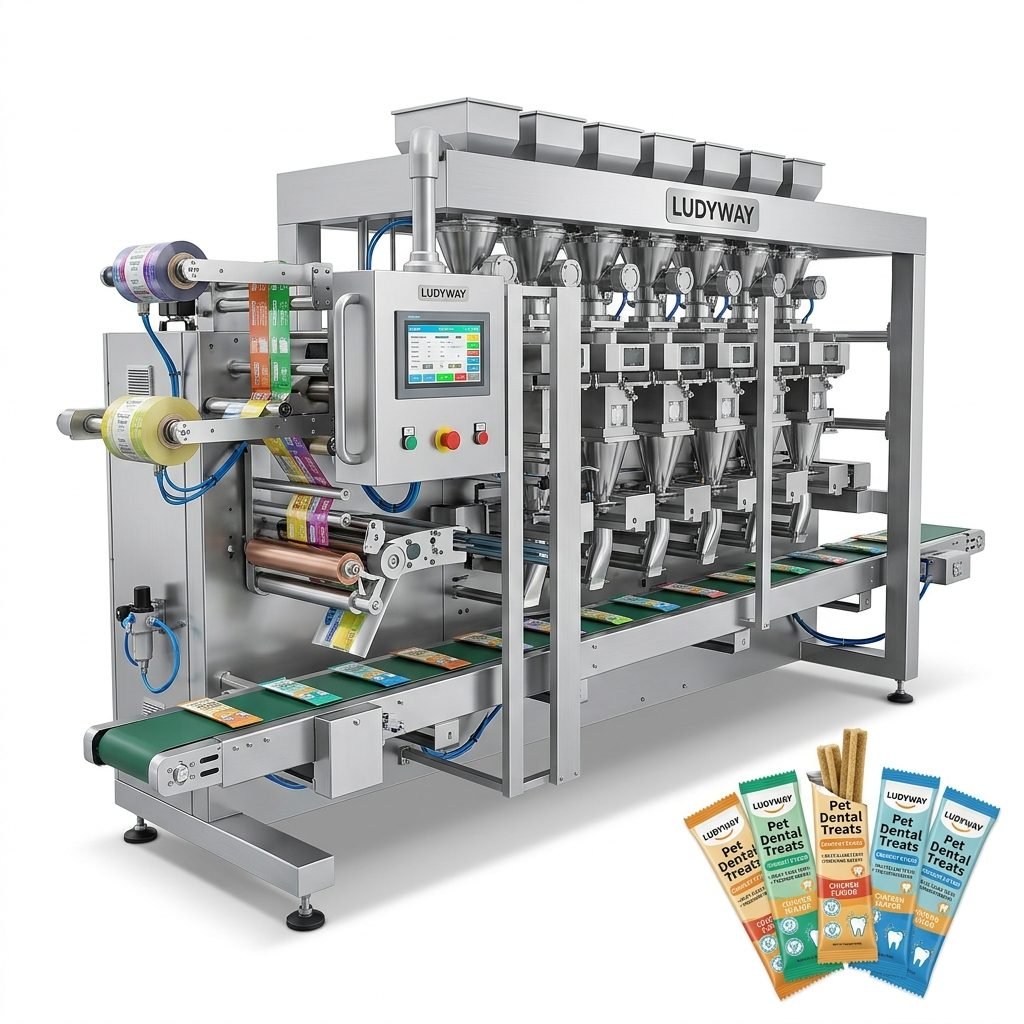
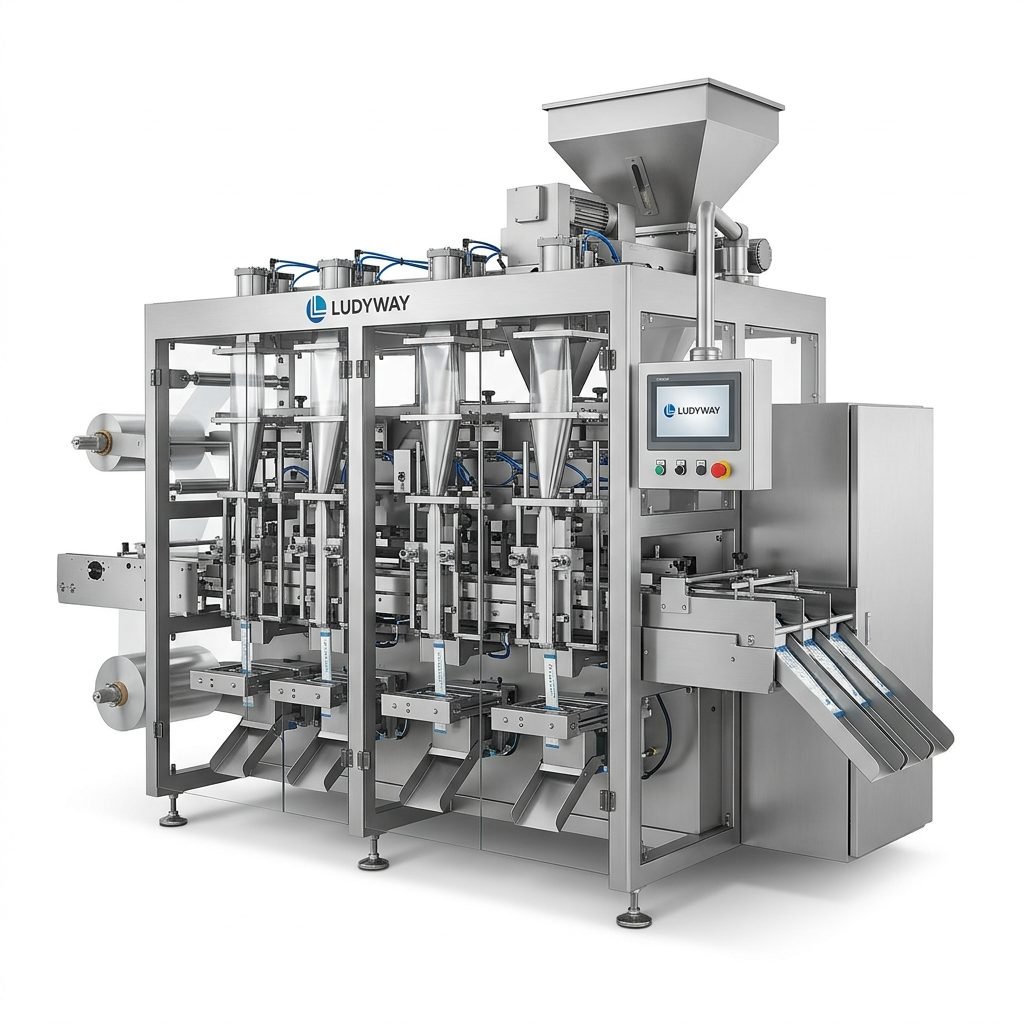
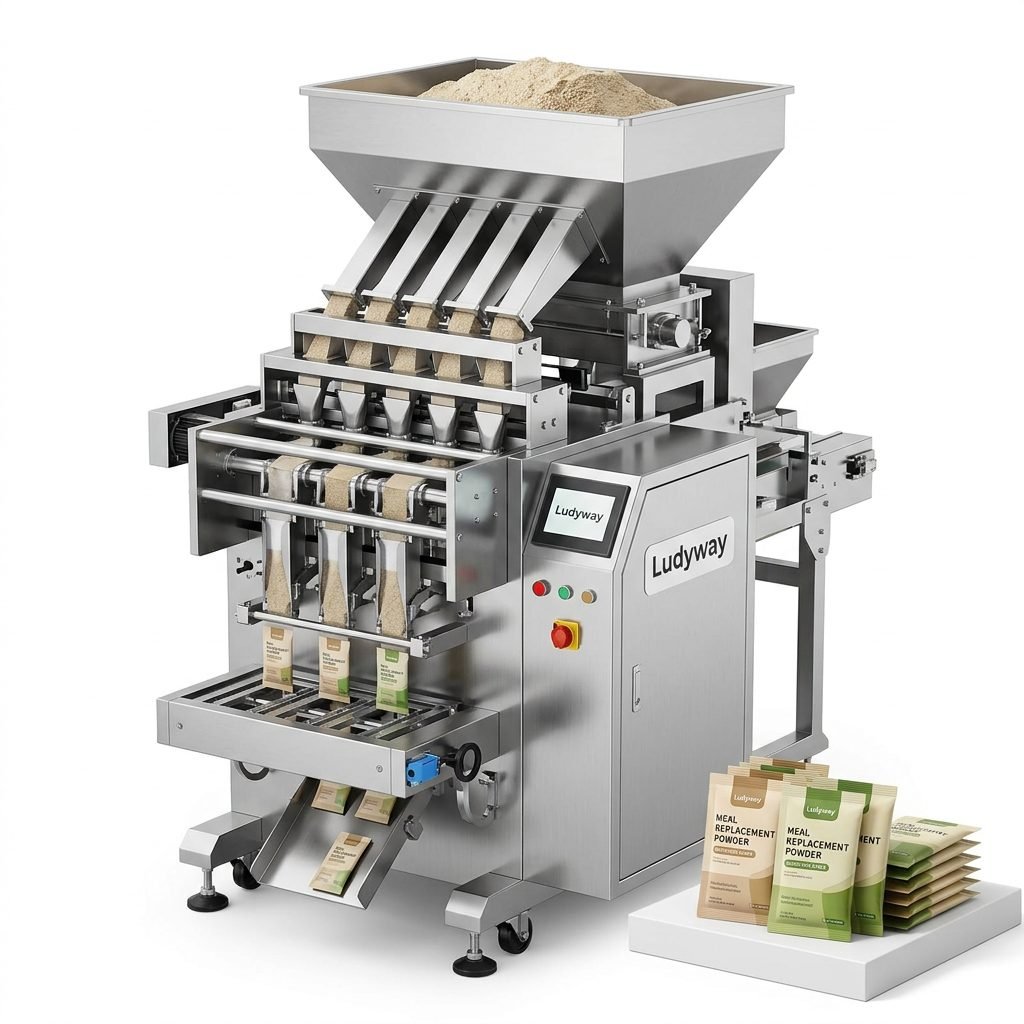
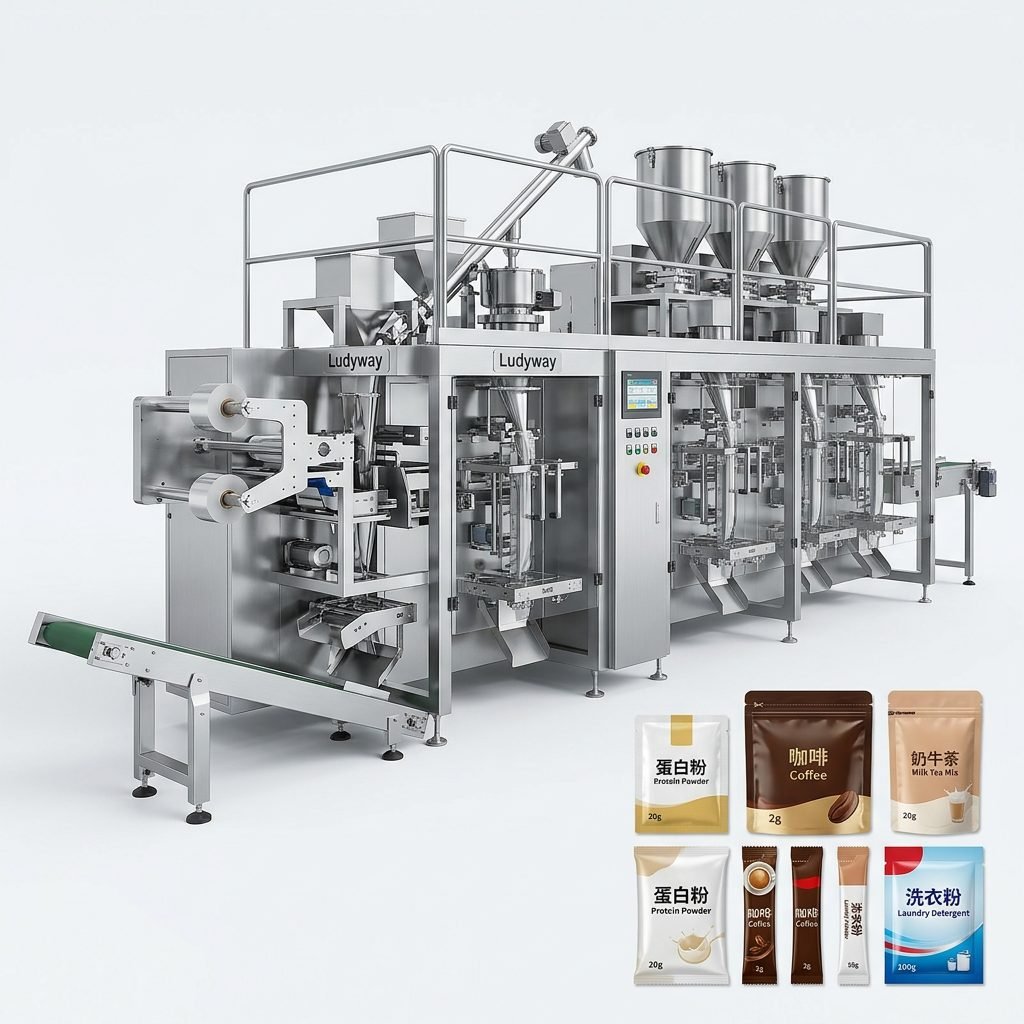
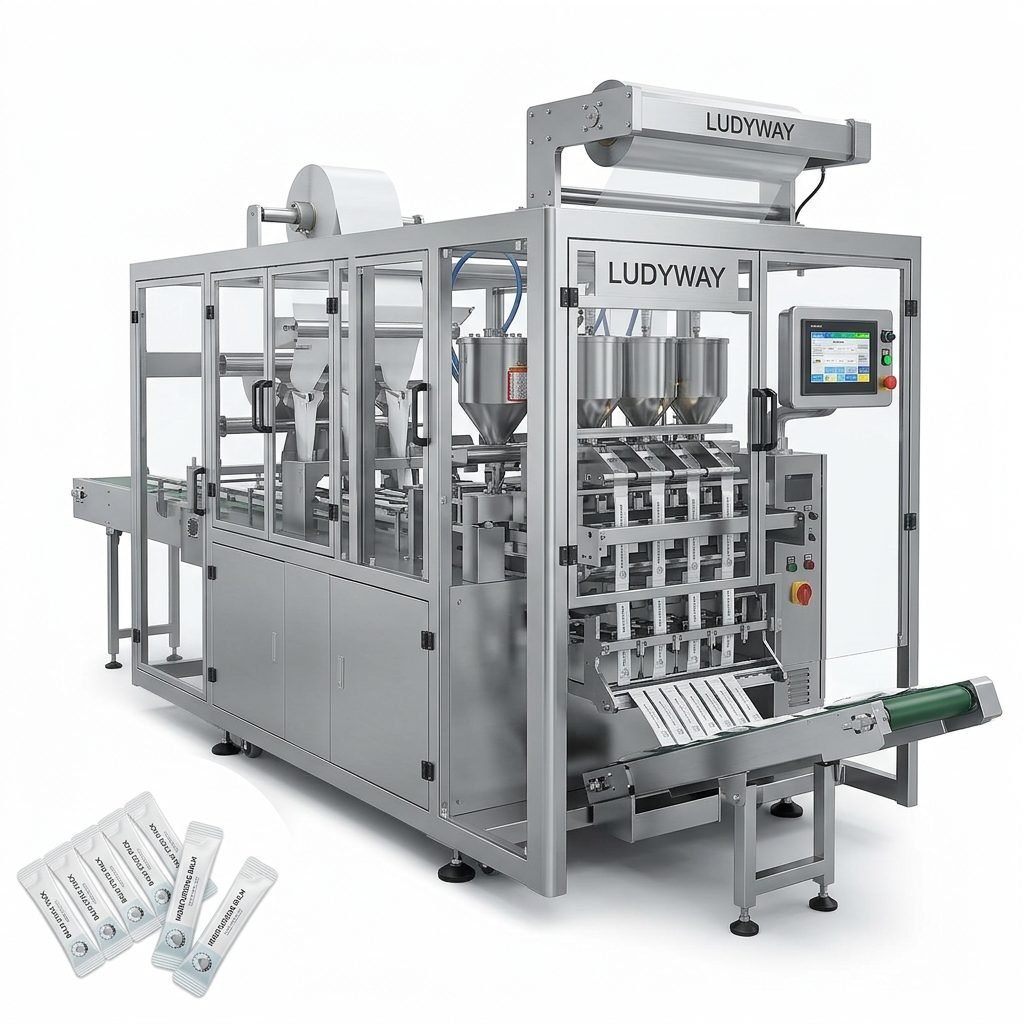
These machines are versatile for packaging powders, granules, liquids, and creams into single-use or multi-dose sachets. They form, fill, and seal the packaging from a roll of laminated film, offering excellent barrier properties. Modern multi-lane sachet packaging systems can achieve exceptionally high outputs.
5. Cartoning Machines
After primary packaging (blister, bottle, sachet), products often need secondary packaging. Automatic cartoning machines erect folding cartons, insert the primary package along with leaflets, and close the carton. They are vital for creating the final retail-ready box.
6. Labeling and Serialization Equipment
With increasing track-and-trace regulations worldwide (like the U.S. DSCSA or EU Falsified Medicines Directive), labeling machines that can print and apply unique serial numbers, barcodes, and data matrix codes are no longer optional but mandatory.
Critical Applications in the Pharmaceutical Workflow
Each machine type plays a specific role in ensuring the drug reaches the patient safely and effectively.
- Product Protection: Machines must create a hermetic seal to protect against moisture, oxygen, light, and contamination, preserving the drug’s efficacy throughout its shelf life.
- Dosage Accuracy & Compliance: Unit-dose packaging (blisters, strips) improves patient adherence by clearly indicating dosage schedules. Counting and filling machines must have 99.9%+ accuracy.
- Tamper-Evidence & Safety: Packaging must provide clear evidence if tampered with. Features like breakable seals, film choices, and secure carton closures are integrated during the machine process.
- Regulatory Compliance: Machinery must facilitate compliance with GMP (Good Manufacturing Practice), allow for easy cleaning and changeover, and support serialization for traceability.
- Operational Efficiency: High-speed, reliable automation reduces labor costs, minimizes human error, and increases overall production throughput.
How to Choose the Right Pharmacy Packaging Machine: A Step-by-Step Guide
Selecting equipment is a significant investment. Follow this structured approach to make an informed decision.
Step 1: Define Your Product and Output Requirements
This is the foundation. Be specific about:
• Product Form: Solid, powder, liquid, cream?
• Packaging Material: What type of film, foil, bottle, or carton will you use?
• Production Speed: Calculate your required output in packs per minute (PPM) or units per hour (UPH), considering both current and future needs.
• Changeover Frequency: How often will you switch between different product sizes or formats? Look for machines with quick-change tooling.
Step 2: Evaluate Machine Specifications and Technology
Go beyond the brochure. Assess:
• Construction & Hygiene: The machine should be built with stainless steel (especially contact parts) for durability and easy sanitation. Design should comply with GMP standards.
• Control System: A user-friendly, modern HMI (Human-Machine Interface) with recipe storage simplifies operation and reduces changeover time.
• Accuracy Mechanisms: Understand the counting (e.g., vision systems, counters) or filling (e.g., auger, piston pump) technology used and its proven accuracy rate.
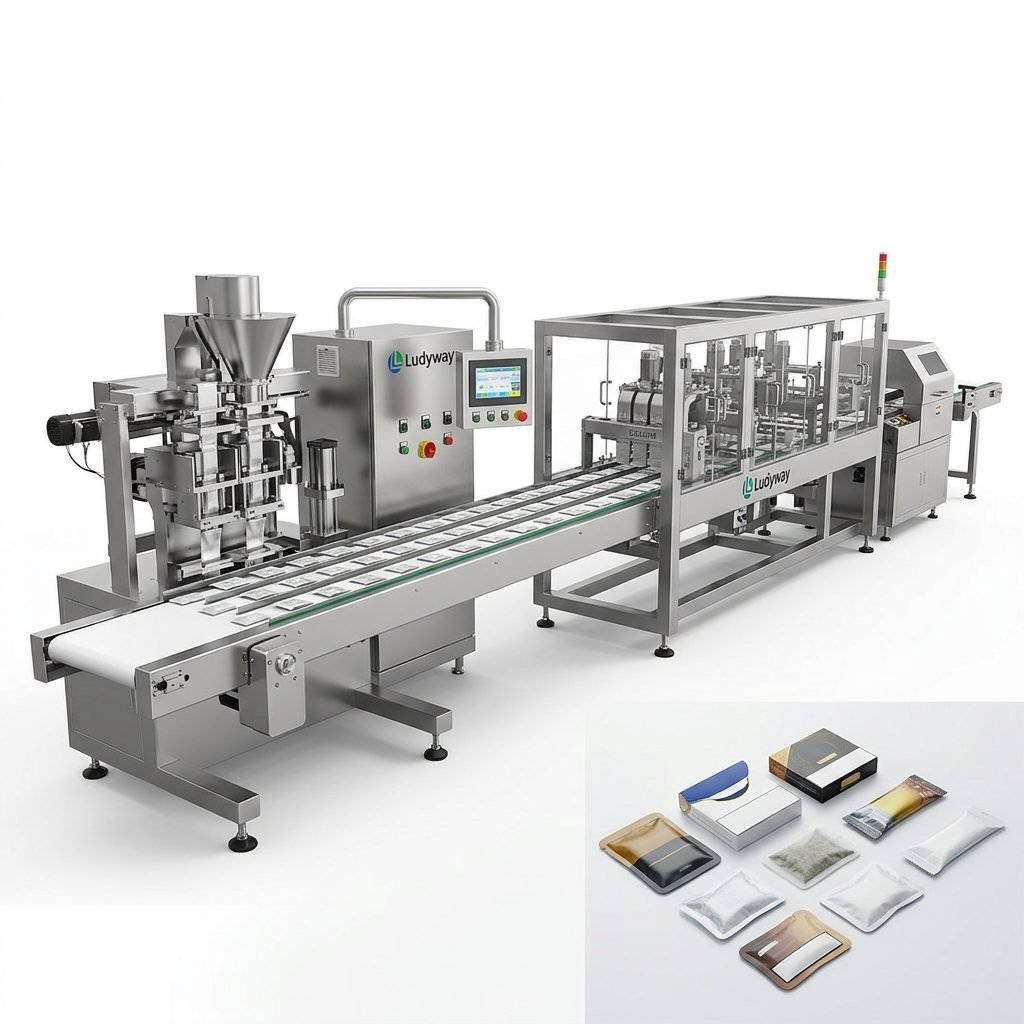
• Integration Capability: Can it easily connect with upstream (e.g., tablet press) and downstream (e.g., cartoner, serialization printer) equipment? A reliable packaging machinery partner can advise on full line integration.
Step 3: Prioritize Compliance and Validation Support
⚠️ This is non-negotiable for pharmaceuticals. The supplier must provide a comprehensive IQ/OQ/PQ (Installation, Operational, Performance Qualification) documentation package. This validates that the machine is installed correctly, operates as intended, and performs consistently within your specified parameters. Ensure they understand global regulatory standards.
Step 4: Analyze Supplier Credentials and After-Sales Service
The machine is only as good as the company behind it.
• Industry Experience: Choose a supplier with a proven track record in pharmaceutical packaging, not just general packaging.
• Technical Support & Spare Parts: What is their response time? Is local service available? A robust spare parts inventory is crucial to minimize downtime.
• Training: Comprehensive training for your operators and maintenance team is essential for long-term success.
• References: Ask for and contact references from companies with similar products and volumes.
Step 5: Consider Total Cost of Ownership (TCO)
Look beyond the initial purchase price. Calculate TCO by including:
• Energy consumption
• Maintenance costs and spare parts pricing
• Expected downtime and its cost
• Required operator skill level (labor cost)
• Changeover time and material waste
A slightly more expensive but more reliable and efficient machine often has a lower TCO.
Partnering for Success: The Role of an Expert Supplier
Navigating this complex landscape is easier with an experienced partner like Ludyway Machinery. With over 30 years of industry experience, we specialize in providing intelligent, GMP-compliant packaging solutions tailored to the stringent needs of the pharmaceutical and health industries. From single machines to complete turnkey production lines, our focus is on delivering reliability, innovation, and seamless project execution to support your production goals globally.
Frequently Asked Questions (FAQs)
1. What is the most important factor when choosing a pharmaceutical packaging machine?
While output and cost are important, regulatory compliance and validation support are paramount. The machine must be designed and documented to meet GMP standards and facilitate the IQ/OQ/PQ process required by health authorities like the FDA or EMA.
2. Can one machine handle different product types (e.g., tablets and capsules)?
Many machines, especially blister and bottle fillers, are designed with changeover parts or adjustable tooling to handle different product shapes and sizes. However, switching between vastly different forms (e.g., powders to tablets) typically requires a different machine type or significant, complex conversion.
3. How critical is machine flexibility for small to mid-sized pharma companies?
Extremely critical. Companies with smaller batch sizes or diverse product portfolios benefit immensely from machines with quick changeover capabilities. This minimizes downtime between production runs, reduces waste, and allows for more agile manufacturing, improving overall cost-effectiveness.
4. What are the key trends in pharmacy packaging machinery?
Major trends include the integration of Industry 4.0 features (IoT for predictive maintenance, data analytics), advanced vision inspection systems for 100% quality control, and built-in serialization and aggregation modules to comply with global track-and-trace regulations seamlessly.
5. Why is after-sales service as important as the machine itself?
Pharmaceutical production schedules are tight, and downtime is extremely costly. A supplier with responsive, expert technical support, readily available genuine spare parts, and ongoing training ensures maximum machine uptime, longevity, and protects your production investment for years to come.