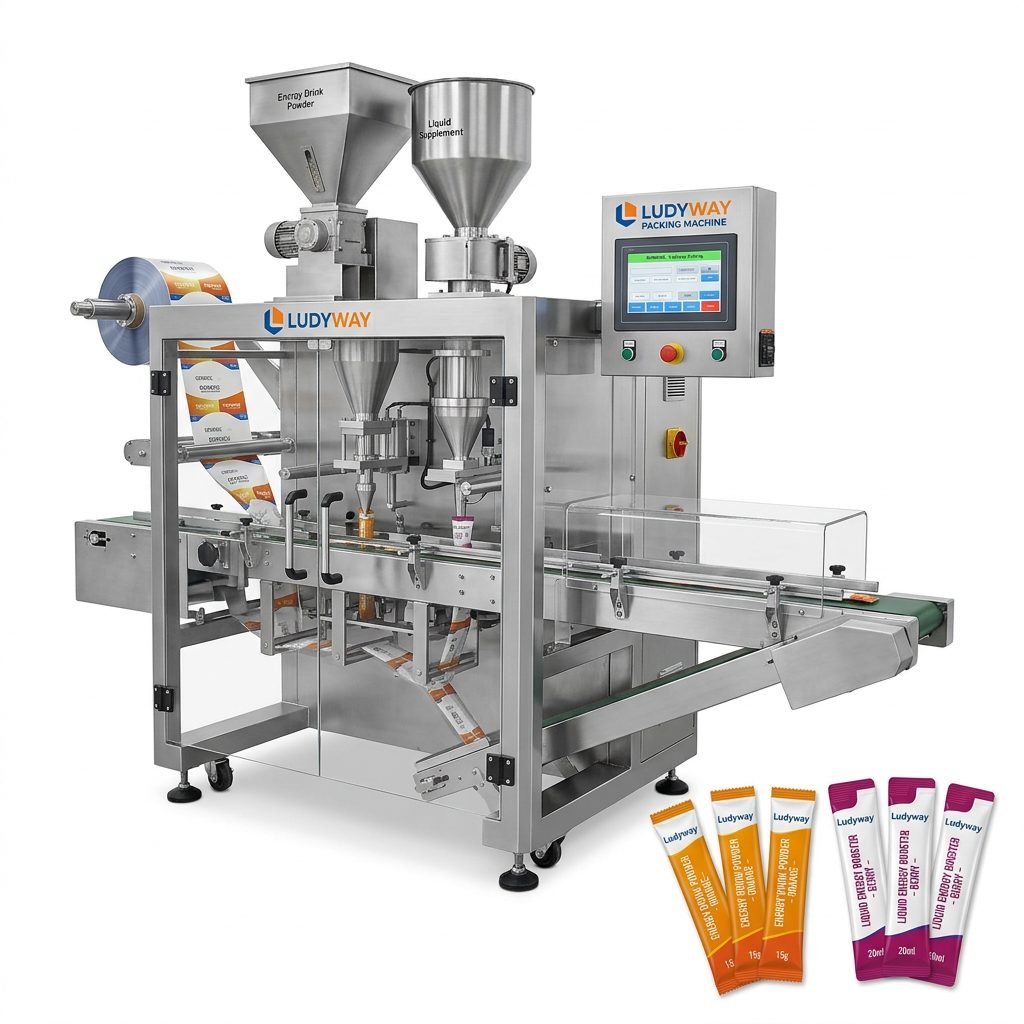
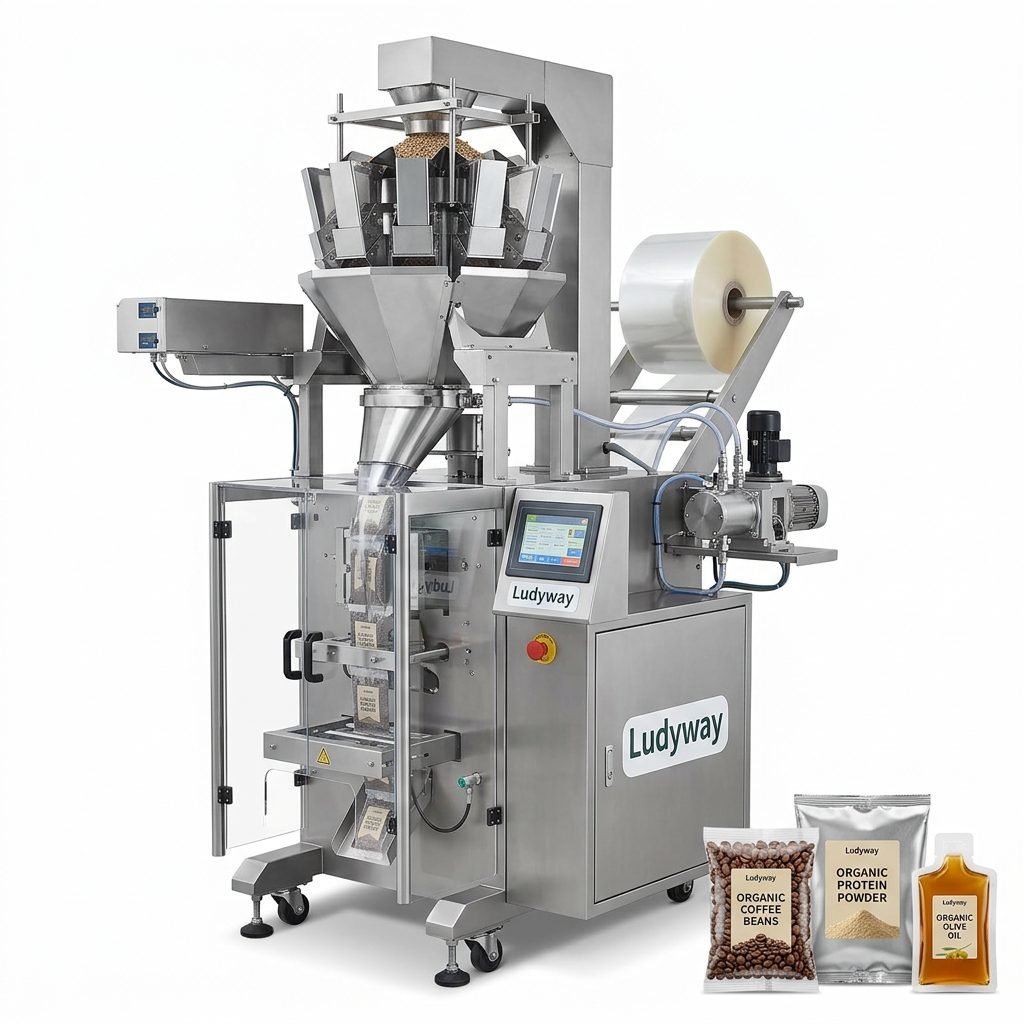
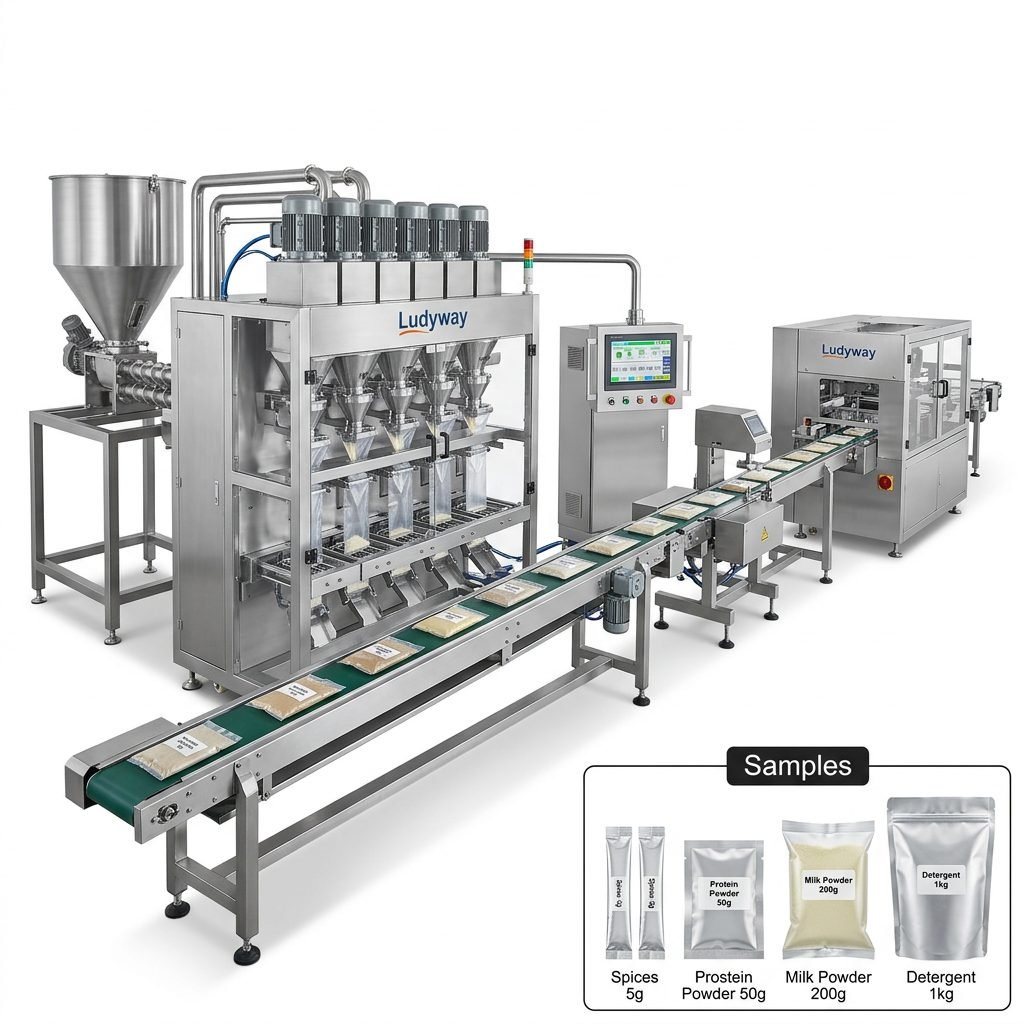
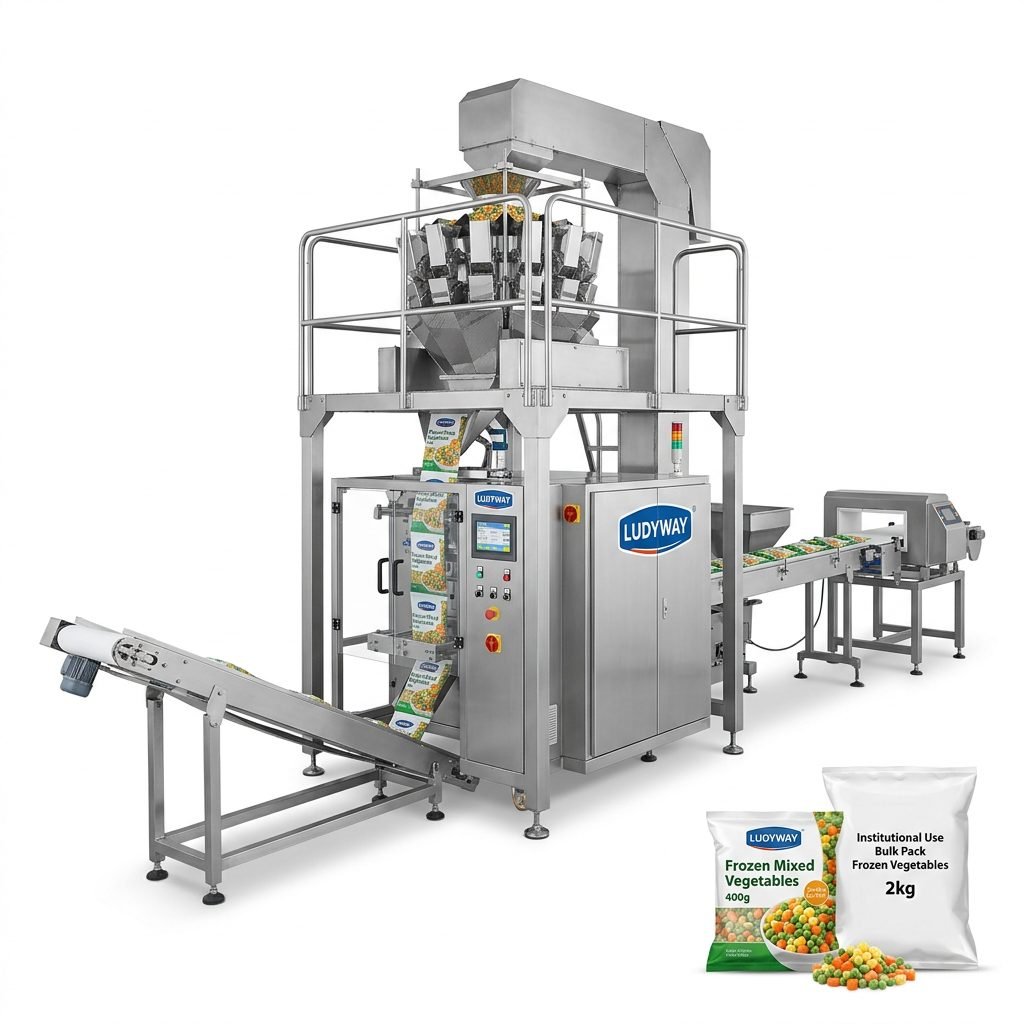
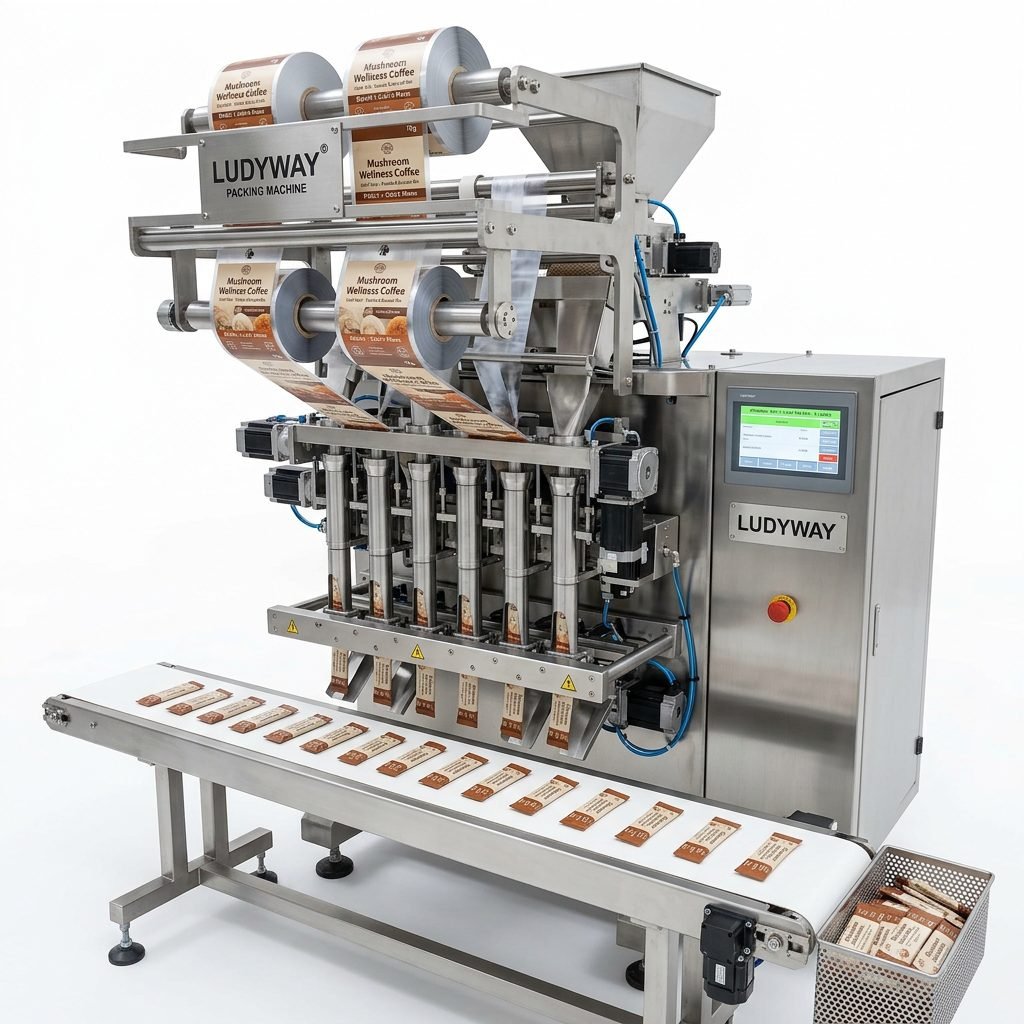
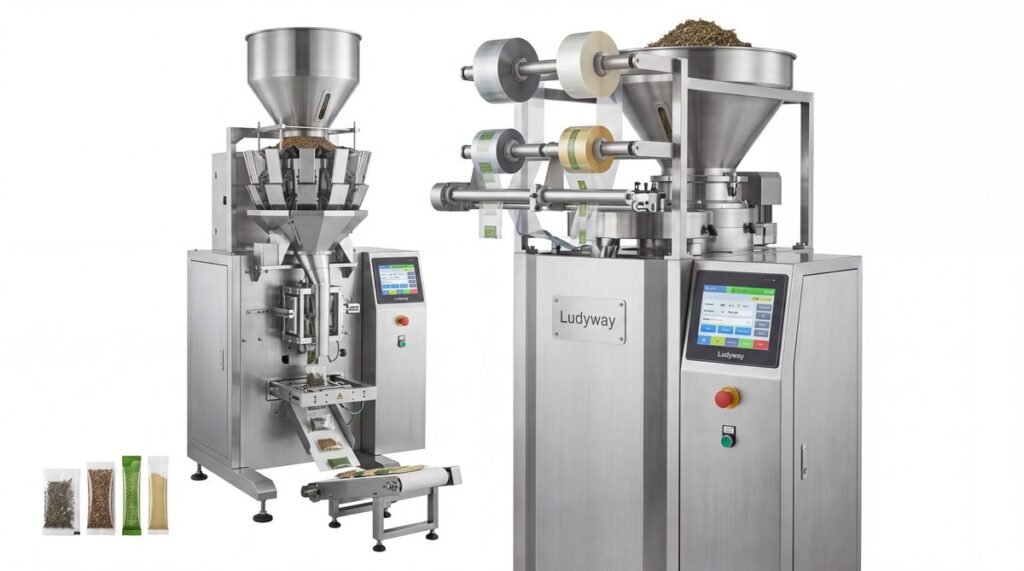
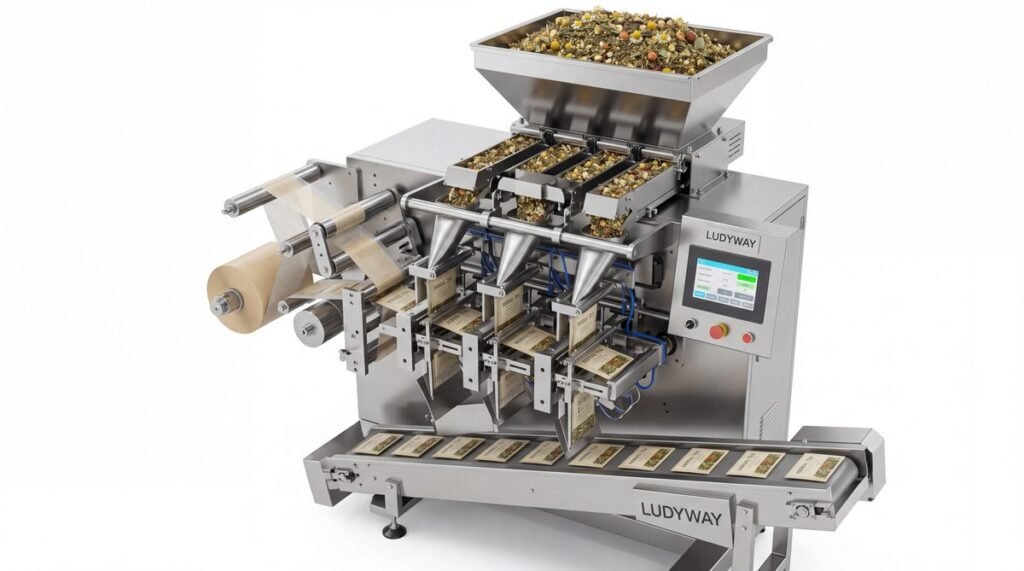
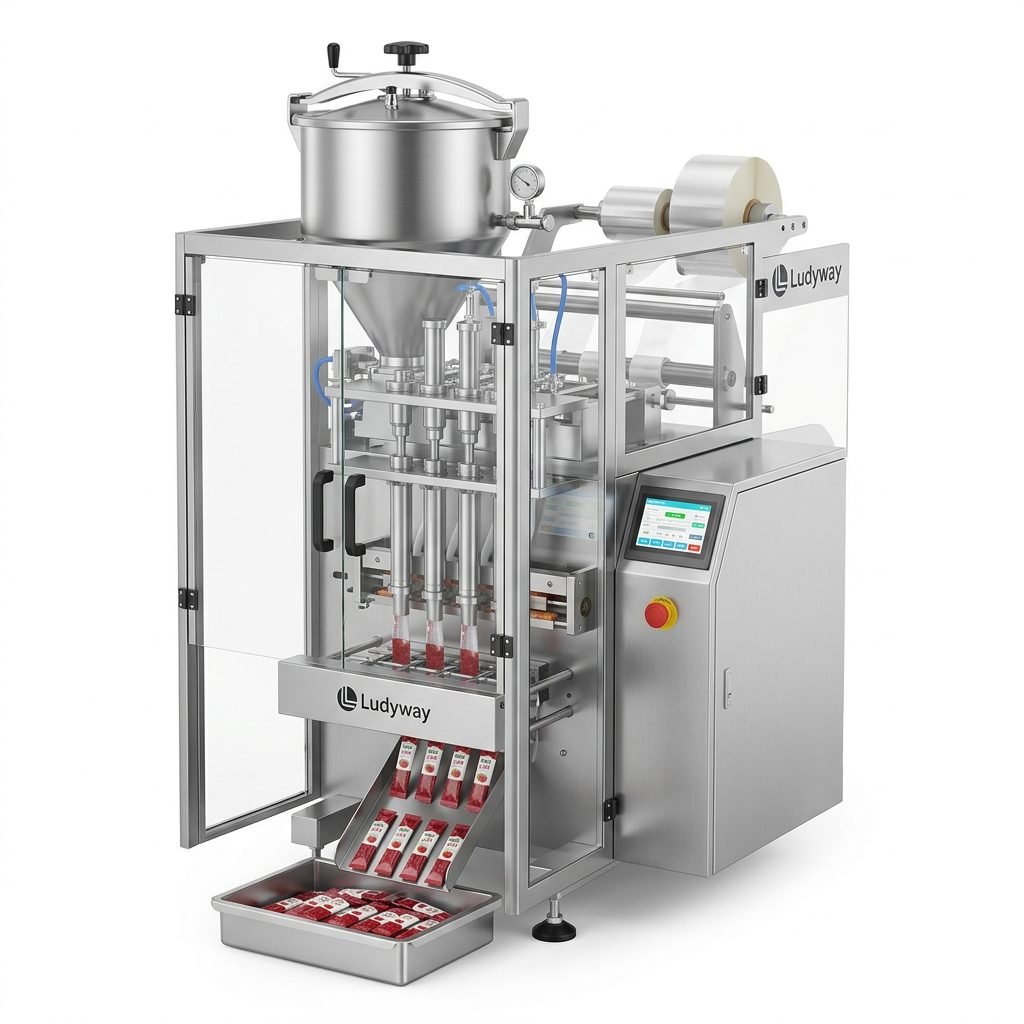
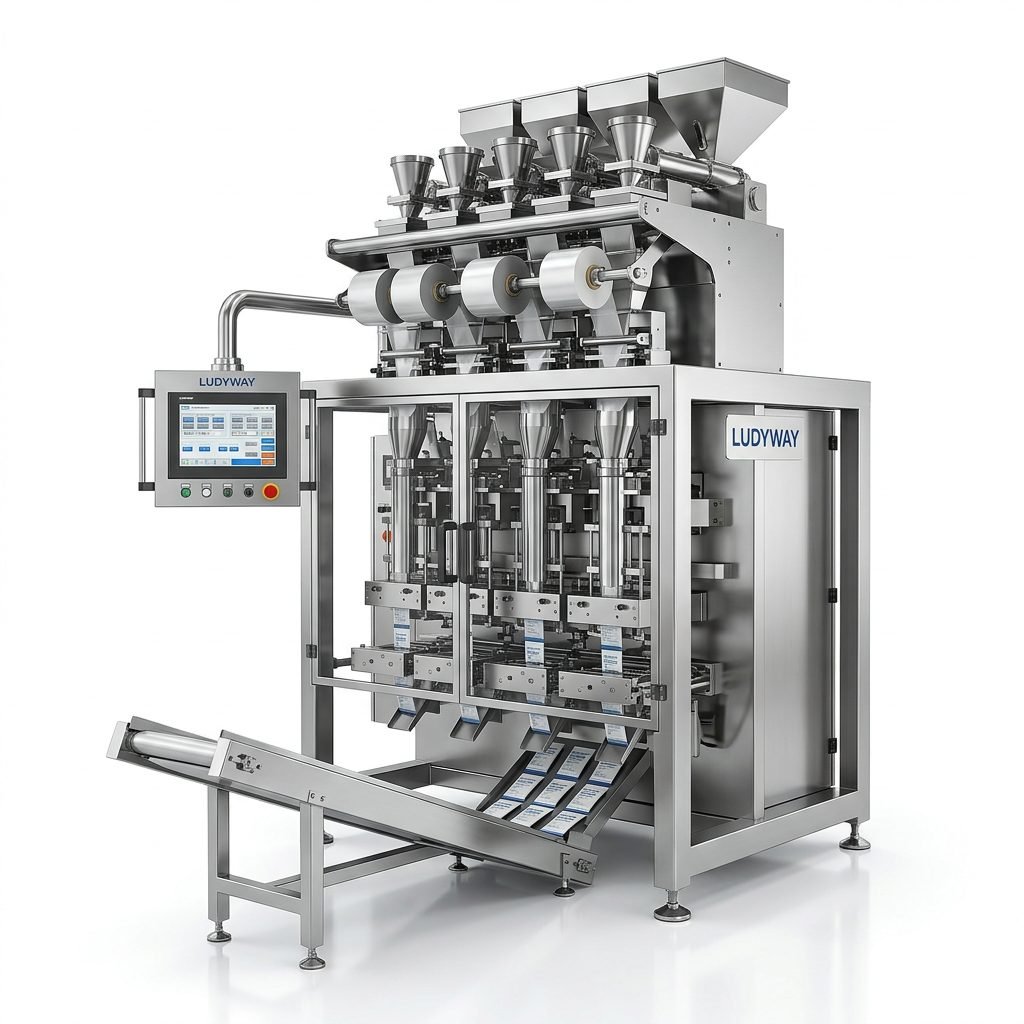
Packaging automation has become a strategic investment for manufacturers that want to scale production, reduce human error, and stay competitive in fast-moving markets. Whether a business handles food, pharmaceuticals, cosmetics, chemicals, or pouch-based consumer goods, automated systems can transform packaging from a labor-intensive bottleneck into a streamlined, data-driven operation.
Modern packaging lines do more than fill and seal. They help companies improve throughput, maintain consistent pack quality, reduce waste, strengthen traceability, and respond faster to market demand. As production volumes grow and customer expectations rise, automation is no longer just an upgrade—it is often a key part of sustainable growth.
Why packaging automation matters today
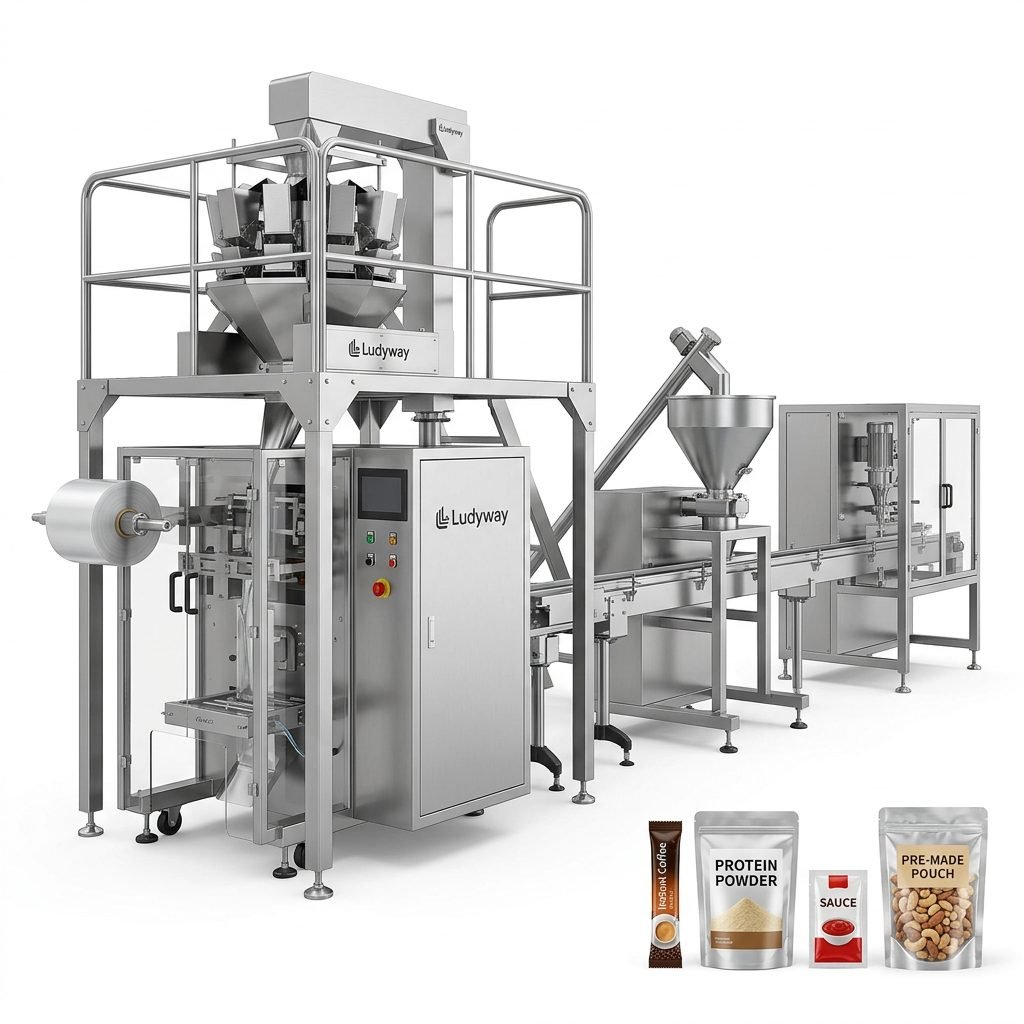
Manual packaging methods can work for small batches, but they often struggle when production targets increase. Businesses may face issues such as inconsistent fill weights, labeling mistakes, product contamination risks, slow changeovers, and rising labor costs. Automation addresses these pain points by replacing repetitive tasks with reliable machine-controlled processes.
This is especially important in industries with strict quality requirements. In food and pharmaceutical production, for example, packaging accuracy is closely tied to product safety, compliance, and brand reputation. A well-designed automated packaging line helps standardize every step—from feeding and dosing to sealing, coding, inspection, cartoning, and palletizing.
Key benefits of packaging automation
1. Higher production efficiency
One of the biggest benefits of automation is speed. Automated packaging machines are designed to run continuously with less interruption, allowing manufacturers to increase output without relying on large manual teams. This is especially valuable for high-volume products such as sachets, stick packs, pouches, bottles, and cartons.
- Faster filling, sealing, labeling, and packing cycles
- Reduced downtime caused by manual handling
- More stable output across long production runs
- Better line balancing between upstream and downstream equipment
When integrated correctly, automated systems help prevent bottlenecks and improve overall equipment effectiveness. That means more finished packs per shift and better use of production capacity.
2. Better accuracy and consistency
Manual packaging can lead to uneven filling, sealing defects, coding errors, and inconsistent product presentation. Automated systems help maintain tight control over these variables. Consistent dosing and repeatable machine settings reduce variation and improve product uniformity.
This level of consistency is critical for:
- Meeting regulatory requirements
- Reducing customer complaints
- Protecting product integrity during transport and storage
- Maintaining brand image on retail shelves
For businesses packaging powders, granules, liquids, pastes, or sensitive pharmaceutical products, precise filling and sealing can significantly reduce rework and rejected batches.
3. Lower labor dependency
Automation reduces the need for repetitive manual tasks such as weighing, filling, pouch opening, sealing, sorting, counting, and case packing. This does not simply mean replacing people—it allows staff to shift toward higher-value roles such as quality control, machine supervision, maintenance, and process optimization.
With labor shortages and rising wage pressure affecting many markets, automated packaging can improve business resilience by making production less dependent on large manual teams.
4. Reduced material waste and product loss
Packaging waste can quickly erode margins. Inaccurate dosing, poor sealing, misapplied labels, and damaged packs all add hidden costs. Automated systems help minimize these losses by keeping machine performance more stable and repeatable.
- Less overfill and underfill
- Fewer sealing failures
- More accurate cutting and registration
- Lower scrap rates during continuous production
Over time, even small improvements in material usage can deliver meaningful cost savings, especially for high-volume production environments.
5. Improved hygiene and safety
In sectors such as food, pharmaceuticals, and health supplements, hygiene is non-negotiable. Automated packaging reduces direct human contact with the product, helping lower contamination risk. Enclosed systems, controlled dosing, and integrated inspection functions also support safer and cleaner operations.
From an operator safety perspective, automation can reduce repetitive strain, exposure to dust or liquids, and manual lifting requirements. This creates a safer working environment while supporting compliance with workplace standards.
How automation supports cost savings
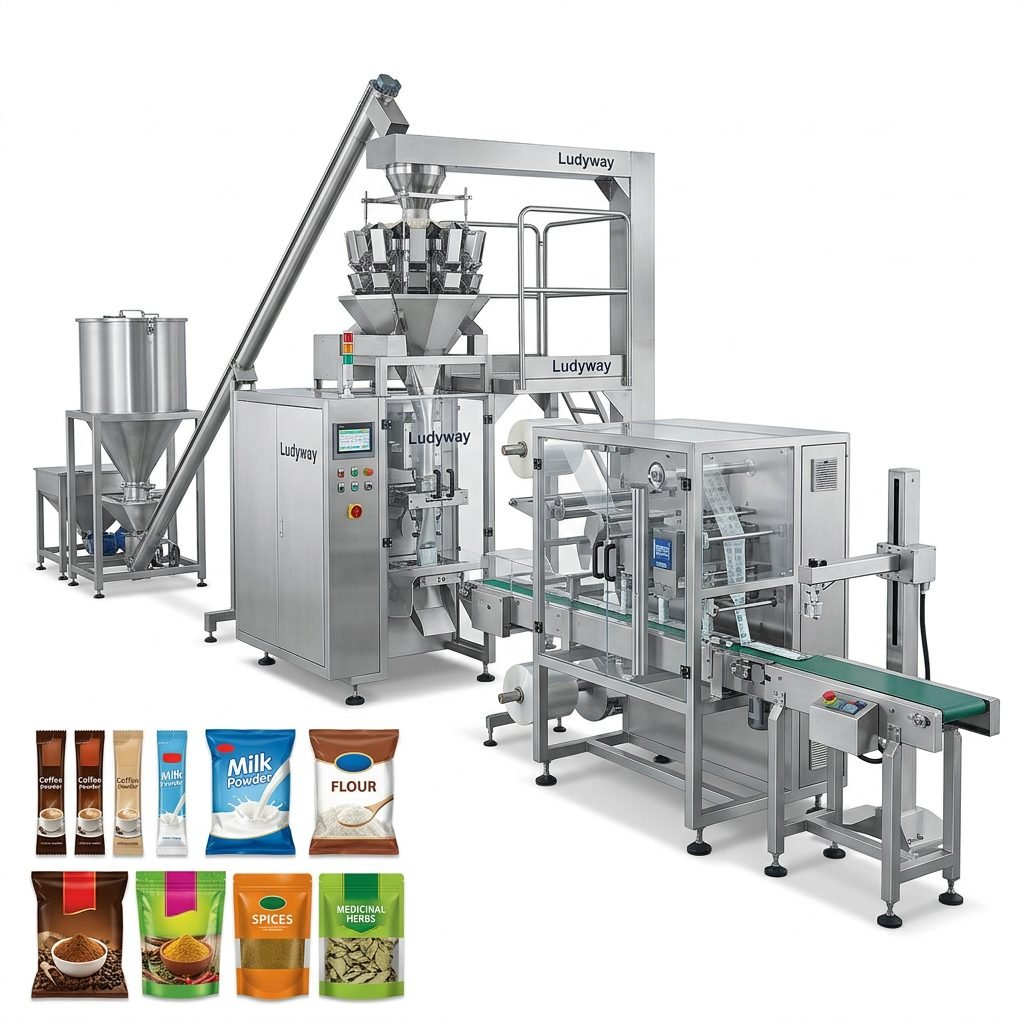
Many manufacturers first look at automation through the lens of capital expenditure. However, the more important question is long-term return. Packaging automation can create savings across multiple areas of the business, not just labor.
| Cost Area | How Automation Helps |
|---|---|
| Labor | Reduces dependence on large packaging teams and overtime |
| Material Waste | Improves dosing accuracy and sealing quality to reduce scrap |
| Downtime | Supports stable operation and faster recovery from stoppages |
| Rework | Cuts errors in filling, coding, labeling, and pack appearance |
| Quality Claims | Helps prevent leakage, inconsistency, and packaging defects |
| Scalability | Expands output without proportional increases in headcount |
For many factories, the total savings from lower waste, better productivity, and improved quality can justify the investment far faster than expected.
Packaging automation across different industries
Food industry
Food producers often need high-speed, hygienic packaging for powders, sauces, snacks, grains, coffee, seasonings, liquids, and frozen products. Automation helps maintain freshness, weight accuracy, and attractive retail presentation while supporting high-volume demand.
Pharmaceutical industry
In pharmaceutical packaging, precision and compliance are essential. Automated systems support accurate dosing, secure sealing, batch coding, traceability, and inspection for powders, capsules, tablets, liquids, and medical consumables.
Cosmetics and personal care
Cosmetic brands need packaging that is both efficient and visually consistent. Automation supports sachets, bottles, tubes, stick packs, and pouches for creams, serums, lotions, shampoos, and gels while reducing leakage and appearance defects.
Chemical and industrial products
Chemical products often require controlled filling, sealed containment, and reliable pack handling. Automated lines improve safety and efficiency for powders, detergents, additives, lubricants, and other industrial materials.
What to look for in an automated packaging system
Not every production line needs the same level of automation. The right solution depends on product type, package format, output target, plant layout, hygiene requirements, and future expansion plans.
Key factors to evaluate include:
- Compatibility with powders, granules, liquids, or pastes
- Packaging formats such as sachets, stick packs, pouches, bottles, or cartons
- Speed requirements and production volume targets
- Ease of cleaning, maintenance, and changeover
- Inspection, coding, checkweighing, and traceability features
- Ability to integrate with conveyors, cartoners, palletizers, and other downstream equipment
- After-sales support and customization capabilities
Businesses that choose scalable systems can start with a core machine and expand into a more complete turnkey line as production grows.
Common signs your factory is ready for automation
- Production cannot keep up with customer demand
- Packaging quality varies between shifts or operators
- Labor costs are rising faster than output
- Excessive waste or product giveaway is hurting margins
- Manual processes are causing delays in delivery
- You need better compliance, traceability, or hygiene control
- You plan to expand into new SKUs or export markets
If several of these challenges sound familiar, an automated packaging line may deliver both immediate operational improvements and long-term strategic value.
The long-term value of turnkey packaging solutions
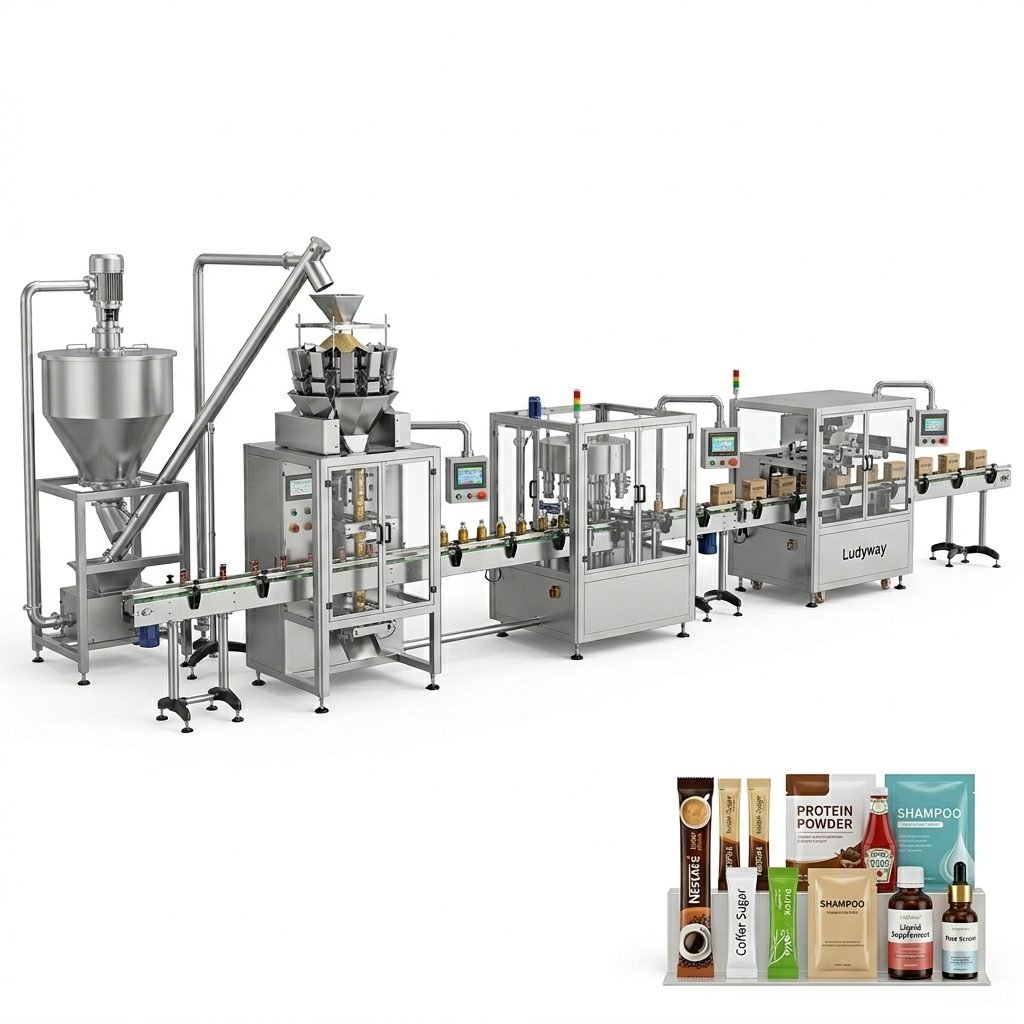
Many manufacturers benefit most when individual machines are combined into a complete, integrated system. A turnkey line can connect feeding, filling, sealing, inspection, coding, cartoning, case packing, and palletizing into one coordinated workflow. This reduces interface issues, improves data flow, and makes the whole line easier to manage.
For businesses looking for scalable automation, packaging automation solutions from Ludyway can support applications across food, pharmaceutical, health supplement, cosmetic, chemical, and pouch-based product sectors. With broad machinery coverage and turnkey line capability, the right supplier can help match equipment design to real production needs.
Final thoughts
Packaging automation improves far more than speed. It strengthens efficiency, accuracy, quality control, labor utilization, and cost performance across the entire production process. For manufacturers facing higher demand, stricter quality expectations, and stronger market competition, automation offers a practical path toward more stable and profitable operations.
The best results come from choosing a system that fits your product, packaging format, and future growth plan. When implemented well, automated packaging is not just a machine upgrade—it is a foundation for smarter manufacturing.