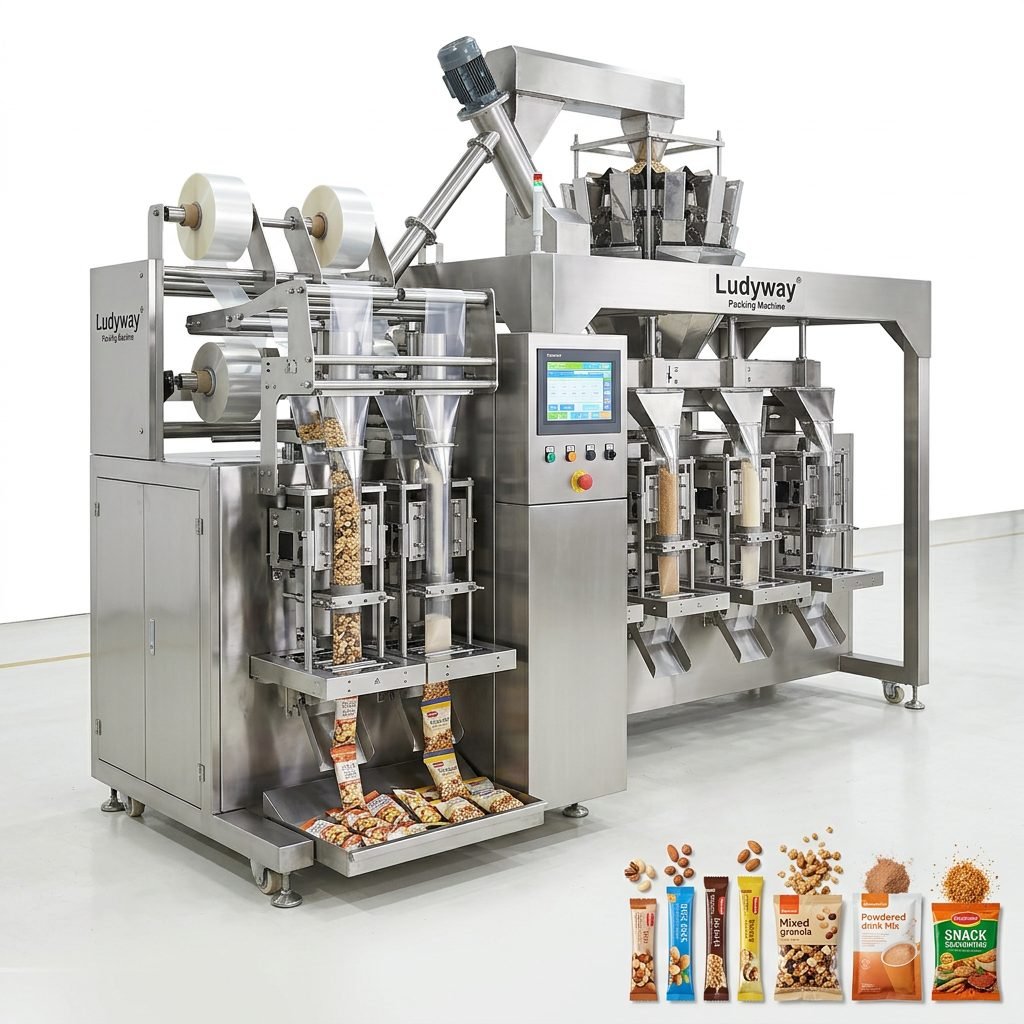
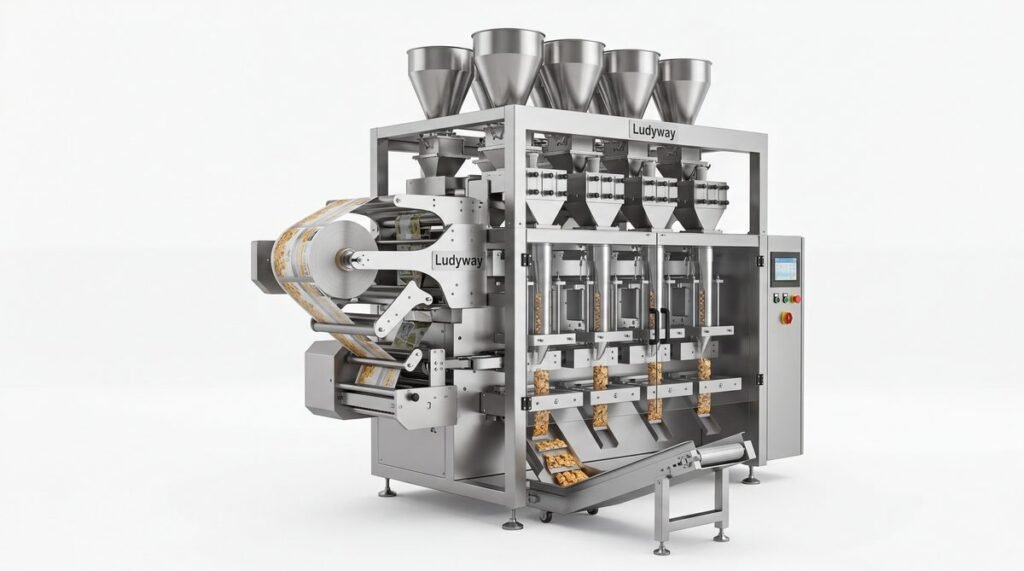
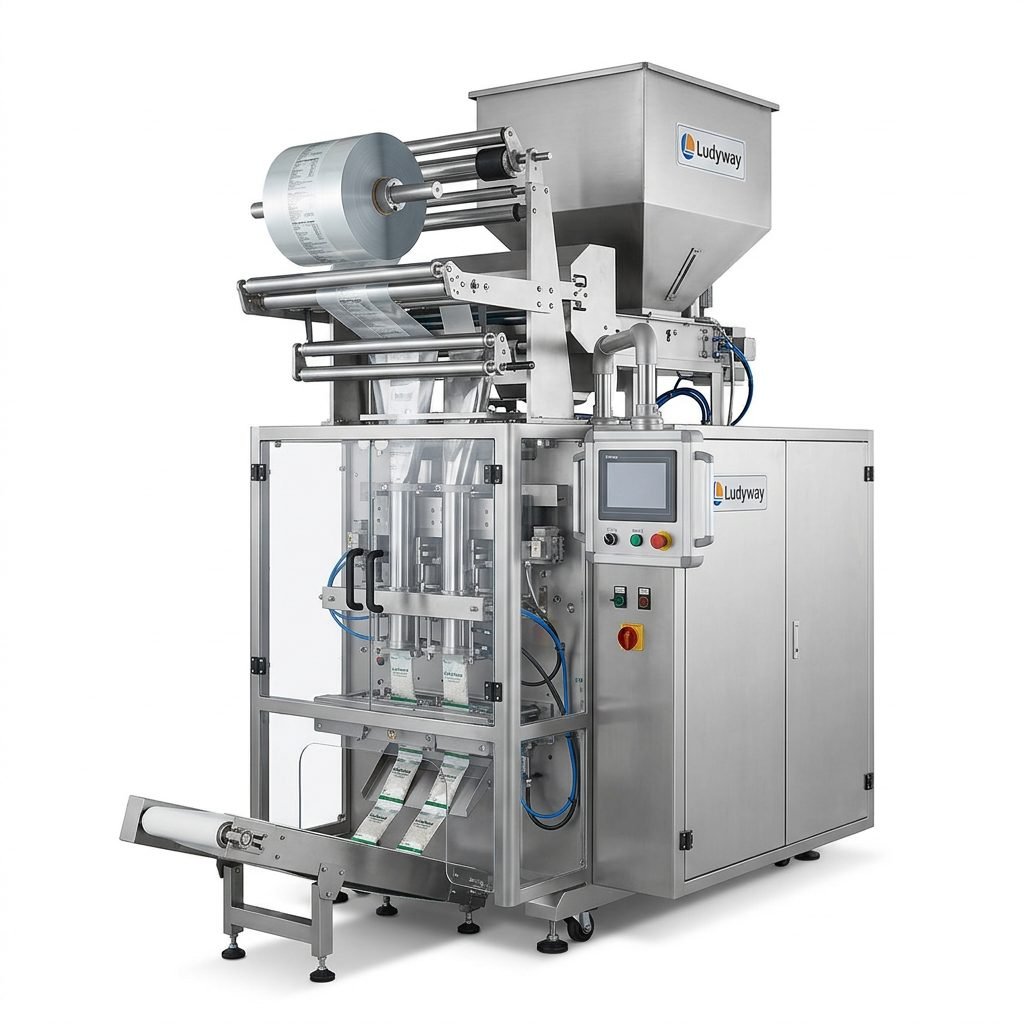
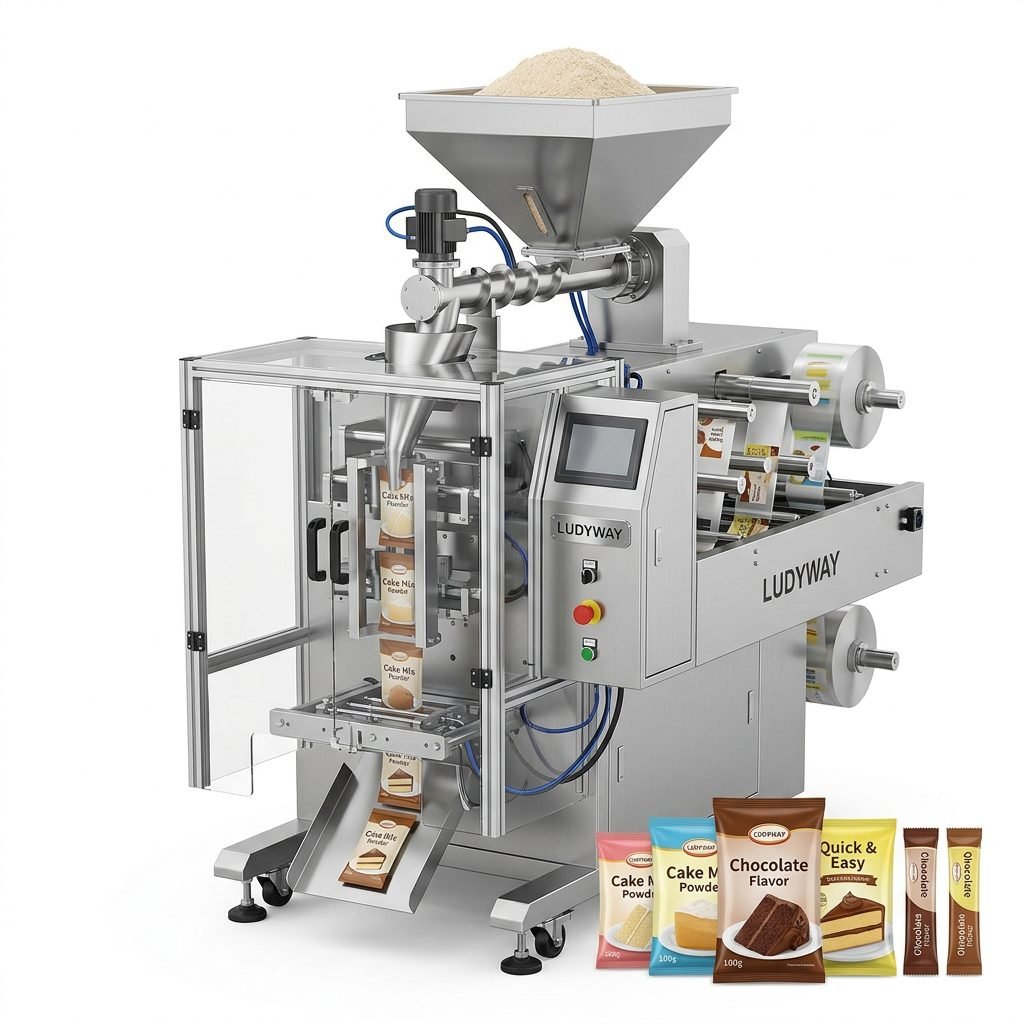
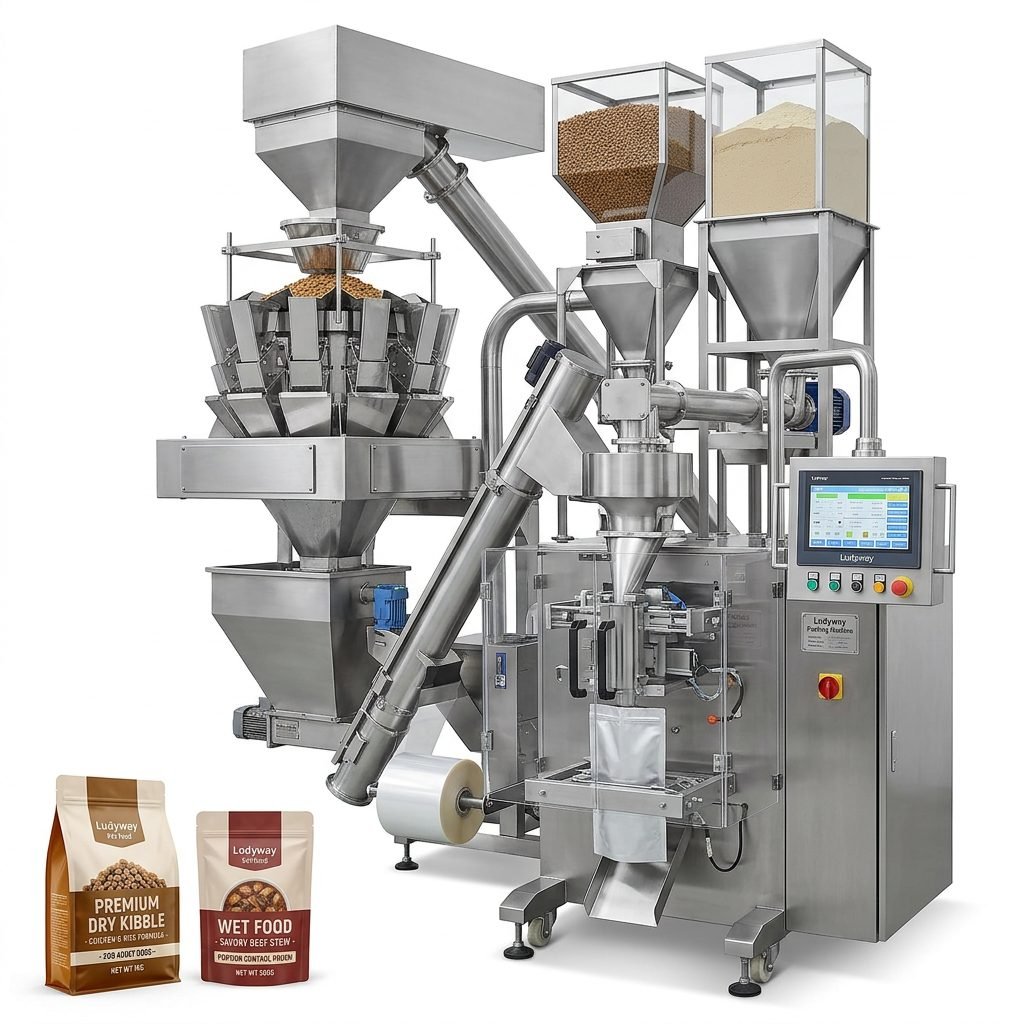
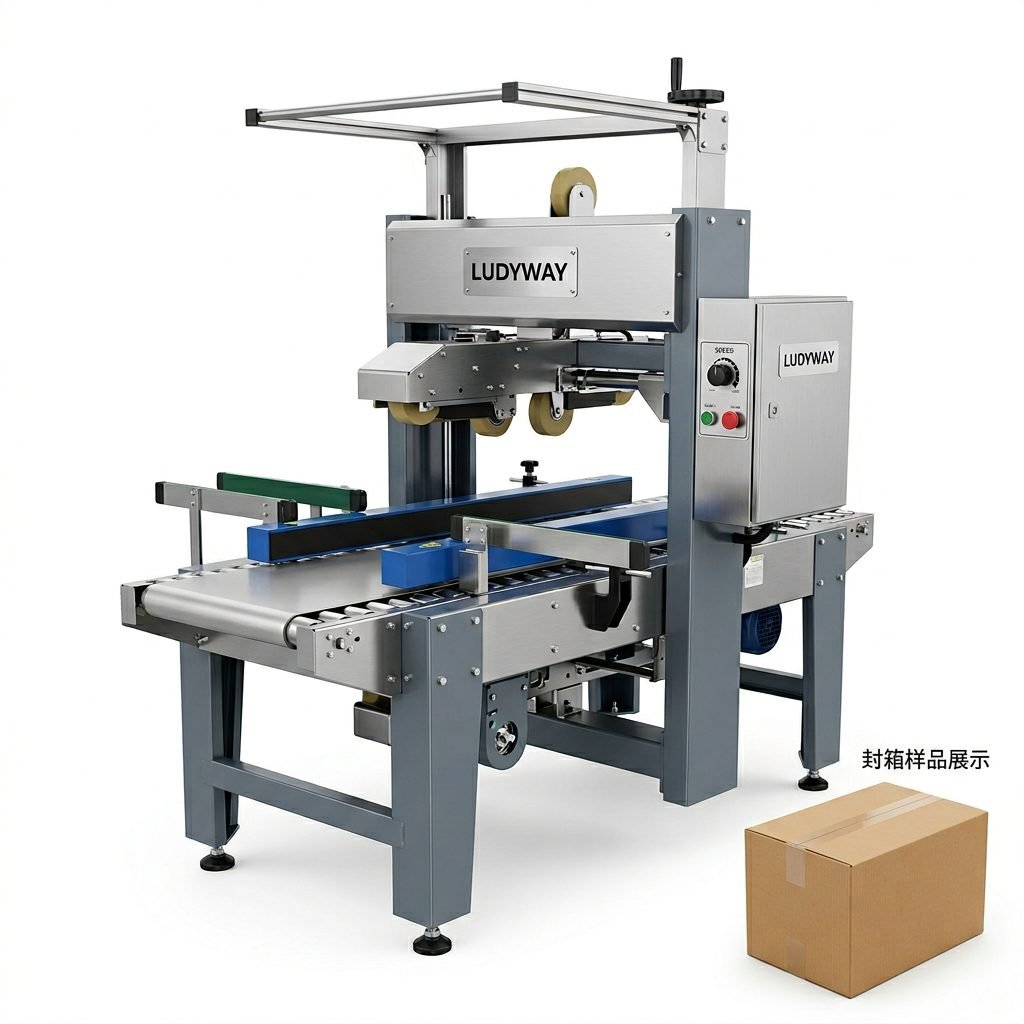
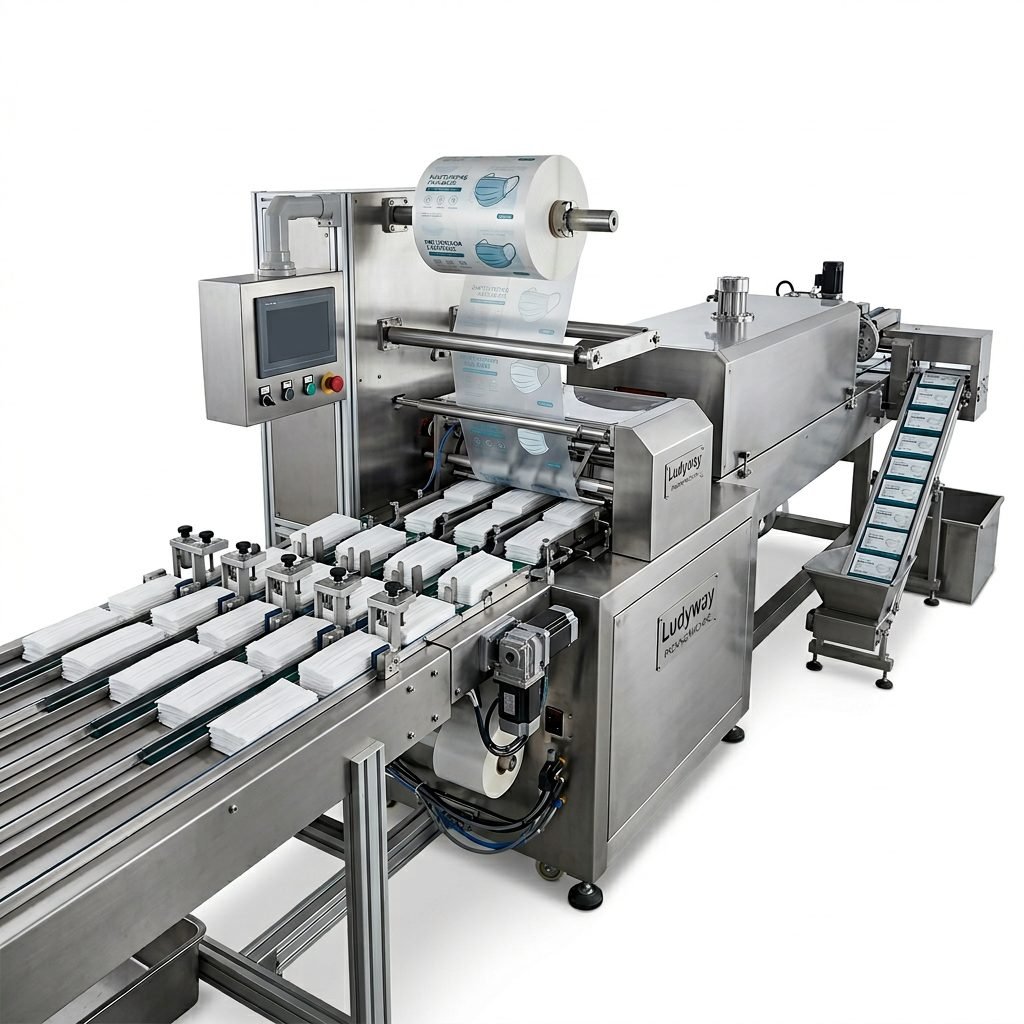
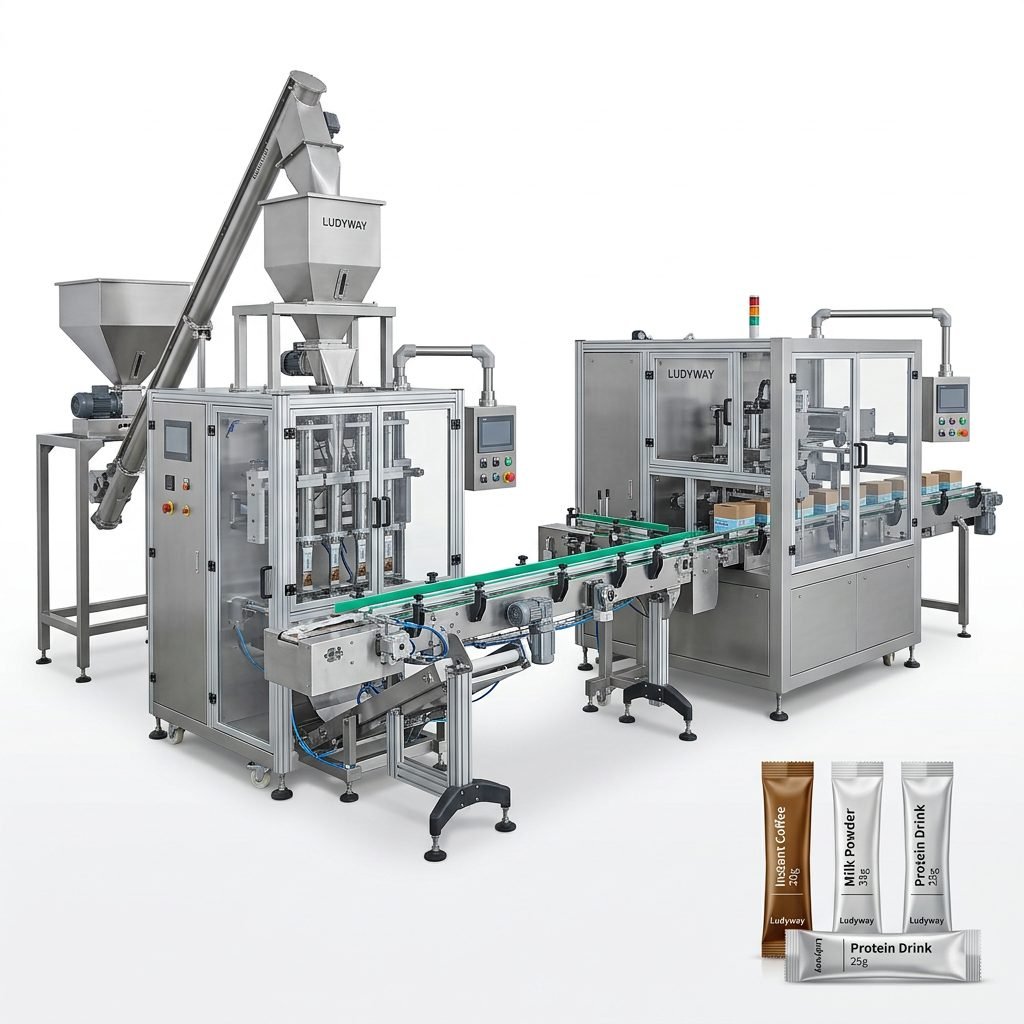
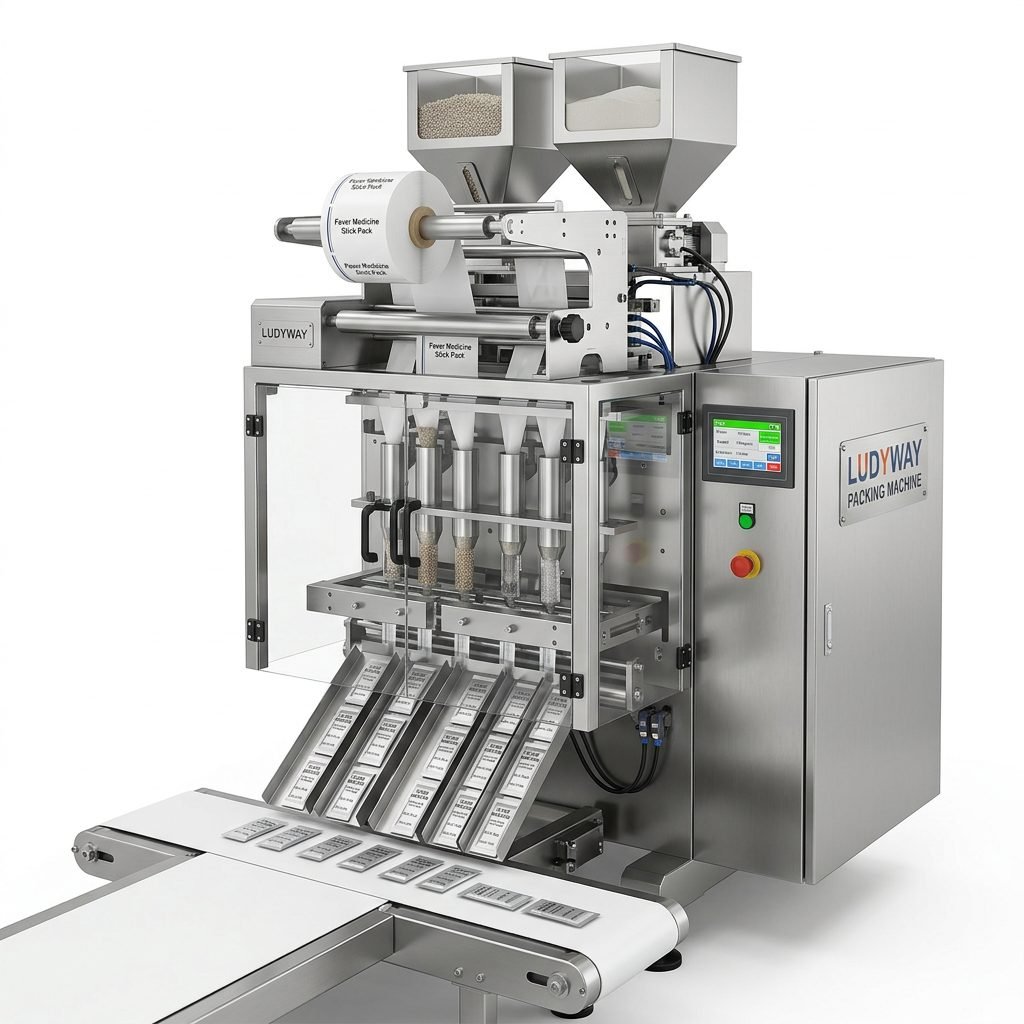
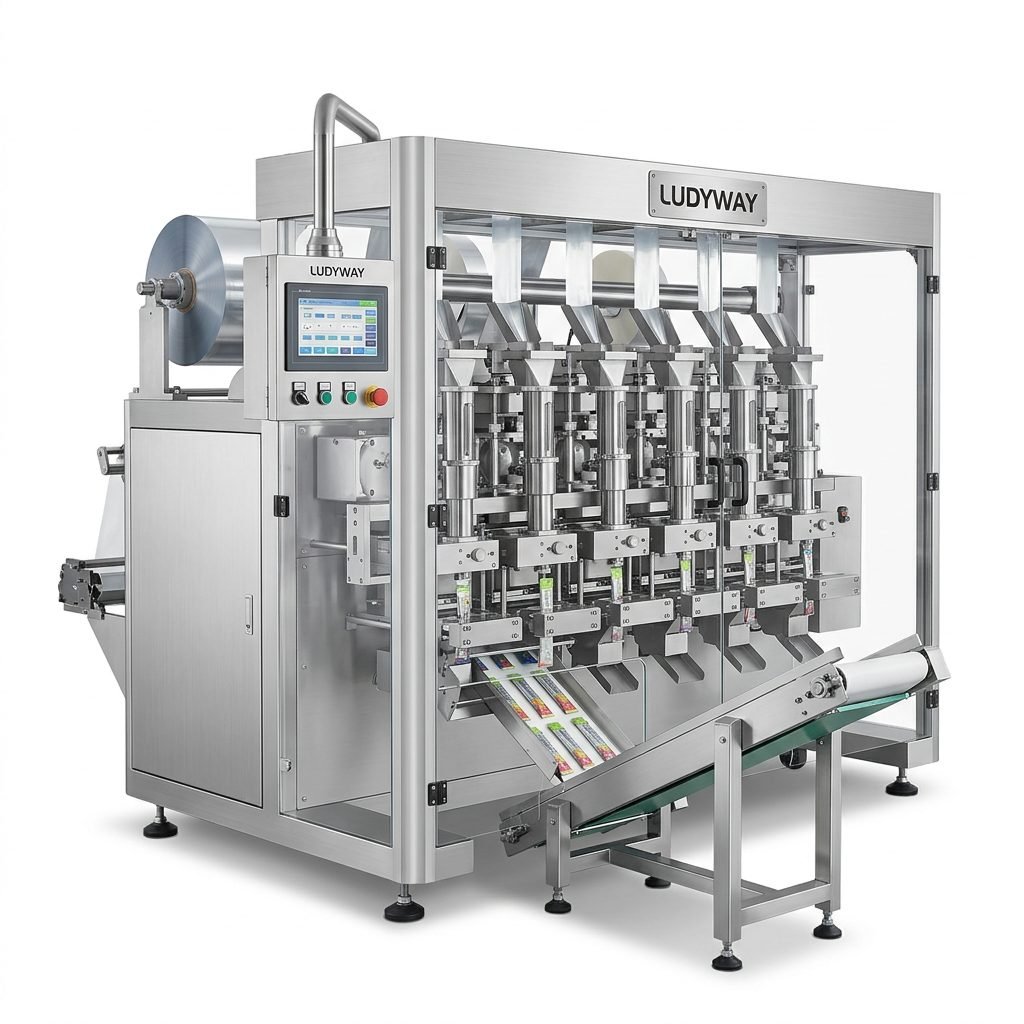
In fast-moving production environments, a small packing machine can deliver a strong balance of speed, accuracy, compact footprint, and lower operating cost. For businesses packing powders, granules, liquids, pastes, tablets, or small pouches, the right compact system helps improve daily output without taking over valuable factory space.
From startups launching new products to established manufacturers expanding a packaging line, compact packing equipment is often the most practical solution for flexible and efficient automation. It supports shorter changeover times, better package consistency, cleaner sealing quality, and reduced manual handling.
Why Small Packing Machines Are in High Demand
Modern manufacturers need packaging equipment that is easy to install, simple to operate, and capable of adapting to different product types. A small packing machine answers these needs by offering a more compact design while still maintaining high packaging performance.
- Space-saving layout for workshops with limited floor area
- Fast setup and operation for short production cycles
- Lower labor dependence through automation
- Flexible packaging formats for sachets, stick packs, pouches, and other small packs
- Improved consistency in filling, sealing, and coding
These benefits make compact systems especially suitable for industries such as food, pharmaceuticals, supplements, cosmetics, and daily chemicals.
Key Applications of a Small Packing Machine
A compact packing machine can be used for a wide variety of products. The right configuration depends on the material characteristics, target package size, production speed, and sealing requirements.
| Industry | Common Products | Typical Pack Formats |
|---|---|---|
| Food | Sugar, coffee, spices, sauces, drink powders, snacks | Sachets, stick packs, pouches |
| Pharmaceutical | Granules, oral powders, medical sachets | Unit-dose sachets, stick packs |
| Health Supplement | Collagen, electrolyte powder, vitamins, probiotics | Single-serve sachets, multi-lane stick packs |
| Cosmetics | Serums, creams, lotions, shampoo | Sachets, sample packs, mini pouches |
| Chemical | Detergent powder, cleaning liquid, additives | Sachets, stick packs, small pouches |
Main Types of Small Packing Machines
1. Sachet Packing Machines
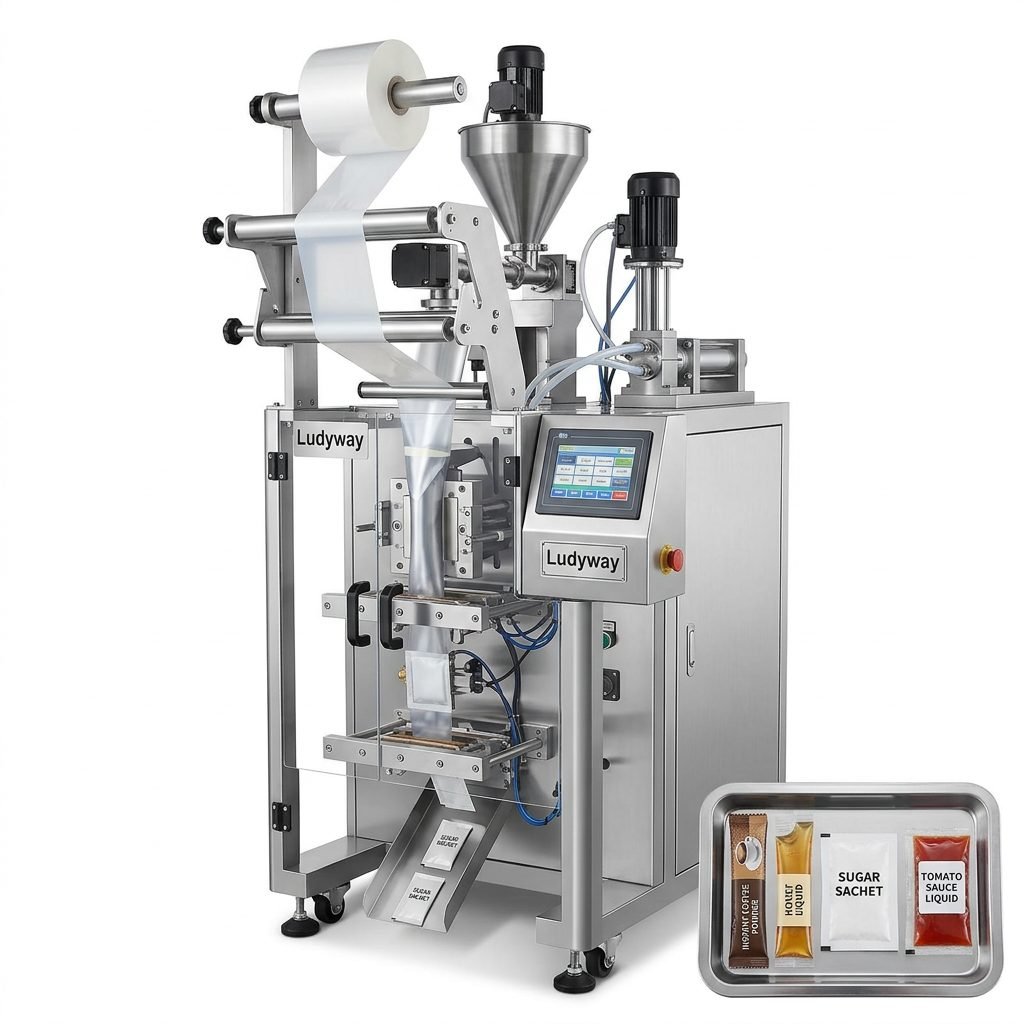
These machines are ideal for single-dose or travel-size packaging. They are widely used for powders, liquids, gels, and granules. A sachet machine can provide clean seals and attractive package presentation for retail and sampling applications.
2. Stick Pack Machines
Stick pack machines are suitable for slim, narrow packages commonly used for coffee, sugar, energy powders, and health supplements. Their compact structure supports efficient output with minimal film waste.
3. Small Vertical Form Fill Seal Machines
A compact VFFS system is useful for pouch production where manufacturers need automatic bag forming, filling, and sealing in one machine. It is often selected for granules, powders, and free-flowing products.
4. Premade Pouch Packing Machines
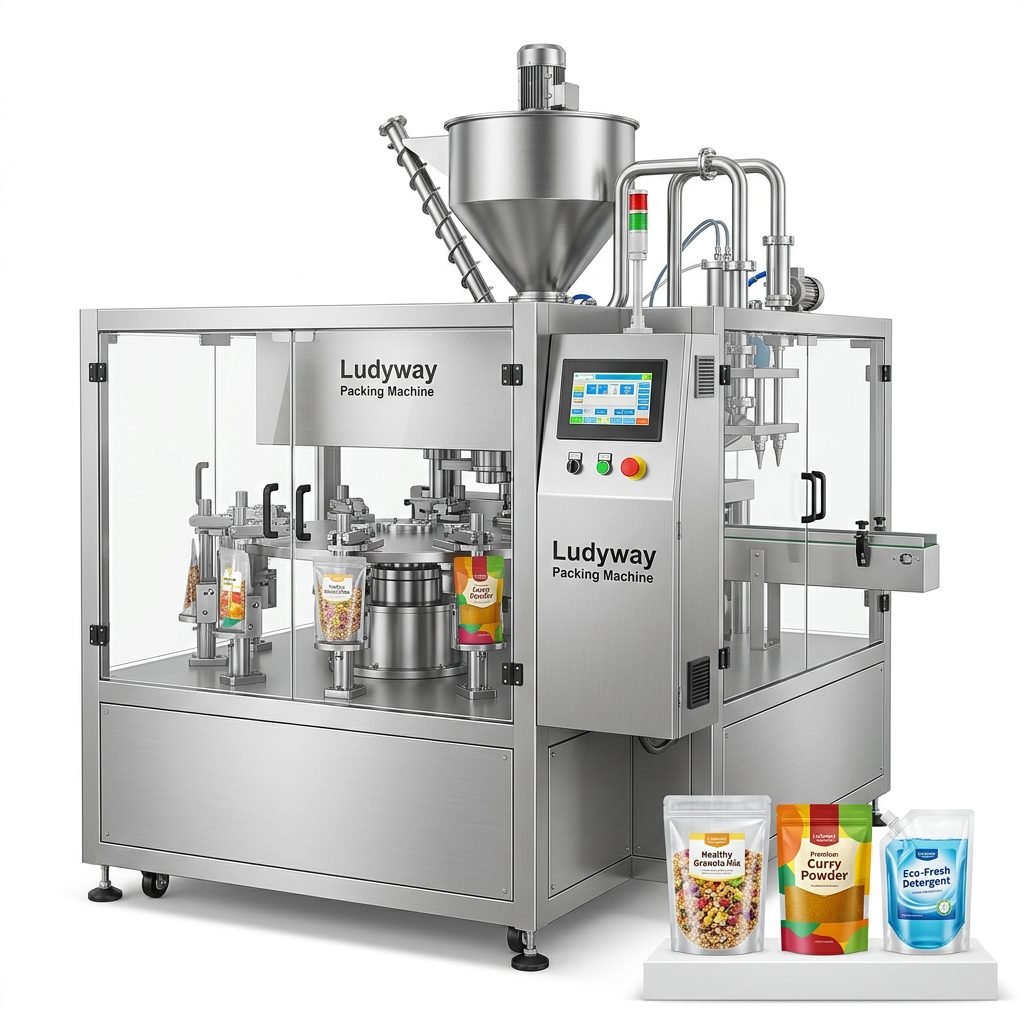
For brands that prioritize shelf appeal, premade pouch systems can handle filling and sealing with better packaging uniformity. These machines are often chosen for premium or specialty products.
Core Features That Improve Packaging Efficiency
Not every small packing machine offers the same performance. High-efficiency systems usually include several technical advantages that directly affect production quality and operating stability.
- Precision dosing systems to reduce filling error and material waste
- Stable sealing control for leak prevention and better shelf life
- User-friendly touch interface for easier parameter adjustment
- Servo-driven motion control for smooth and repeatable performance
- Quick-change parts to support multiple pack sizes
- Optional coding, inspection, and conveying modules for integrated automation
When these features are properly matched with product characteristics, a compact packing machine can achieve excellent efficiency even in demanding production schedules.
How to Choose the Right Small Packing Machine
Choosing the right machine starts with understanding the product and production target. A machine that is too simple may limit future growth, while one that is oversized can increase initial investment unnecessarily.
| Selection Factor | Why It Matters |
|---|---|
| Product form | Powder, liquid, granule, and paste products require different filling systems |
| Package size | Determines film width, forming dimensions, and dosing range |
| Required speed | Affects lane quantity, sealing structure, and automation level |
| Material characteristics | Flowability, viscosity, moisture, and particle size influence machine design |
| Factory layout | Compact machines should fit available space and workflow direction |
| Upgrade potential | Important if you may add cartoning, checkweighing, or full line integration later |
Benefits for Growing Brands and Manufacturers
A small packing machine is not only for small businesses. Many medium and large factories also use compact units for product trials, seasonal items, contract packaging, pilot runs, and high-mix low-volume production.
The biggest advantages include:
- Faster market entry for new products
- Better use of limited workshop space
- Reduced operator fatigue and repetitive manual work
- More professional final package appearance
- Scalable automation for future production expansion
Integration with Broader Packaging Lines
Even a compact machine can be part of a larger automated process. Depending on production goals, it can connect with feeders, conveyors, metal detectors, cartoners, coding devices, case packers, and palletizing systems. This allows manufacturers to start with a small packing machine and expand gradually into a more complete packaging line.
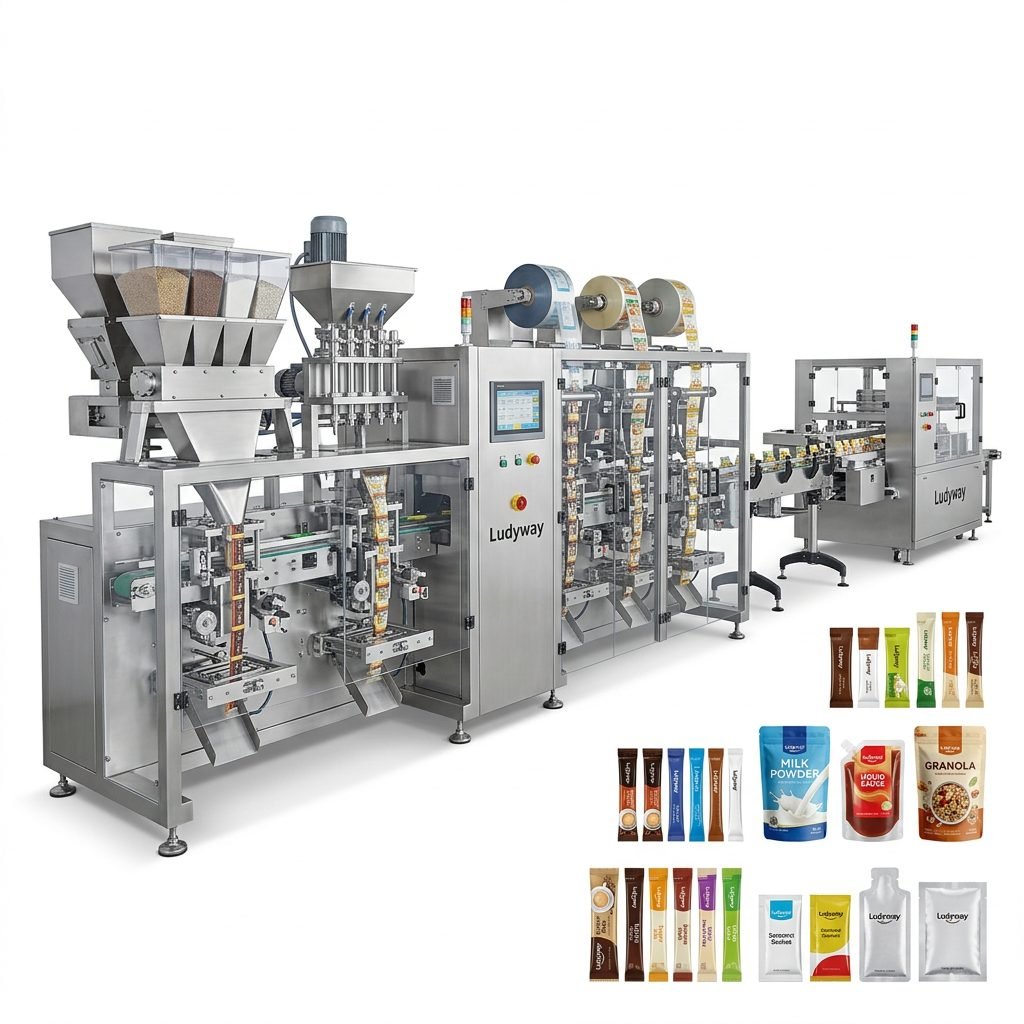
For buyers seeking professional equipment with long-term flexibility, Ludyway small packing machine solutions are backed by over 30 years of industry experience, a manufacturing facility of more than 20,000 square meters, and broad export service across global markets.
Maintenance Tips for Long-Term Performance
Reliable packaging depends not only on machine quality but also on daily maintenance. A well-maintained compact packing machine will run more smoothly, produce more consistent packages, and reduce unexpected downtime.
- Clean contact parts regularly to avoid product buildup
- Check sealing components for wear and temperature consistency
- Calibrate dosing systems on schedule
- Inspect moving parts, belts, and sensors before each shift
- Train operators on correct changeover and troubleshooting procedures
Industries That Benefit Most from Compact Packaging Equipment
Food and Beverage
Single-serve and convenience packaging continue to grow. Compact machines help food brands produce retail-ready sachets and stick packs efficiently.
Pharmaceutical and Healthcare
Accurate filling and hygienic structure are especially important in this sector. Small packing machines support unit-dose packaging with strong repeatability.
Supplements and Nutrition
Portable nutrition formats such as collagen, creatine, vitamins, and hydration powders are ideal for compact packaging systems.
Cosmetics and Personal Care
Sample-size and travel-friendly packaging formats are increasingly popular for creams, lotions, shampoos, and serums.
Daily Chemicals
Detergents, cleaners, and treatment chemicals can be packed efficiently in smaller formats for retail, hospitality, or industrial use.
What Makes an Efficient Small Packing Machine Worth the Investment
An efficient machine should do more than simply fill and seal. It should help lower total operating cost, improve packaging quality, and support stable long-term output. The best systems combine compact design, dependable operation, precise filling, and room for customization.
When evaluating options, focus on practical value: machine durability, ease of cleaning, changeover speed, service support, spare parts availability, and compatibility with future automation goals.
Final Buying Checklist
- Confirm your product type and filling method
- Define target pack size and packaging format
- Estimate hourly and daily output needs
- Review available installation space
- Ask about customization and line integration options
- Evaluate after-sales support and technical service response
A well-selected small packing machine can transform packaging efficiency, especially for businesses that need fast, flexible, and professional packaging solutions. With the right design and configuration, compact equipment can deliver strong output, consistent package quality, and scalable production value for years to come.