Finding reliable used packaging machinery dealers is a strategic move for many businesses looking to expand or upgrade their production lines without the capital expenditure of new equipment. The secondary market offers significant cost savings and access to robust, proven technology. However, navigating this market requires careful planning and research to avoid costly mistakes and ensure you partner with a trustworthy supplier who can deliver the best value and performance.
Understanding the Used Packaging Machinery Market
The market for pre-owned packaging equipment is vast and varied, encompassing everything from vertical form-fill-seal (VFFS) machines and cartoners to complete turnkey production lines. This market thrives because high-quality industrial packaging machinery is built to last for decades. When a company upgrades, relocates, or closes a facility, its well-maintained equipment becomes a valuable asset for another. The key for buyers is to identify which machines have been properly cared for and which are being sold due to obsolescence or hidden defects.
💡 Key Insight: The most reliable used machinery often comes from companies that are upgrading to newer models of the same brand, not from facilities that have ceased operations. This often indicates a history of proper maintenance and operation.
Primary Advantages of Buying Used
Choosing used equipment presents several compelling benefits:
- Cost Savings: The most obvious advantage. You can often acquire machinery for 30% to 70% less than the price of a new equivalent, freeing up capital for other business areas.
- Faster ROI: With a lower initial investment, the payback period is significantly shorter, improving your financial metrics.
- Proven Technology: Used machines have a track record. You can research their real-world performance, common maintenance issues, and operational reliability.
- Reduced Lead Time: New machines can have lead times of several months. Quality used equipment is often available for immediate shipment and installation.
- Easier Capacity Scaling: It allows you to add a duplicate of your existing line quickly and cost-effectively to meet sudden demand spikes.
How to Identify and Vet Reliable Suppliers
Not all dealers are created equal. A reliable supplier is your greatest asset in this process. Here’s a step-by-step guide to finding and vetting them.
Step 1: Comprehensive Supplier Research
Begin with a broad search. Look for dealers who specialize in packaging machinery, not general industrial equipment. A specialist will have deeper technical knowledge. Examine their online presence: a professional, detailed website with clear inventory listings, company history, and service information is a positive sign. Look for suppliers like Ludyway Machinery, which operates with a clear brand focus and decades of collective industry experience, indicating stability and expertise.
Step 2: Evaluate Transparency and Documentation
A trustworthy dealer will be transparent about a machine’s history. Always request and scrutinize the following:
- Service and Maintenance Logs: Detailed records are worth their weight in gold.
- Original Manufacturer Manuals and Schematics.
- List of Spare Parts included.
- High-Resolution Photos and Videos of the machine under power, running product.
- Reason for Sale from the previous owner.
Warning Sign to Avoid
Be wary of dealers who are evasive about a machine’s history, location, or who pressure you for a quick deposit without providing sufficient documentation. If they cannot or will not show you a video of the machine running, consider it a major red flag.
Step 3: Assess Technical Support & After-Sales Service
The relationship doesn’t end at purchase. Inquire about:
• Installation Support & Commissioning: Do they offer on-site help?
• Training: Will they train your operators?
• Warranty: What kind of warranty (e.g., 90-day, 6-month) do they provide on used equipment?
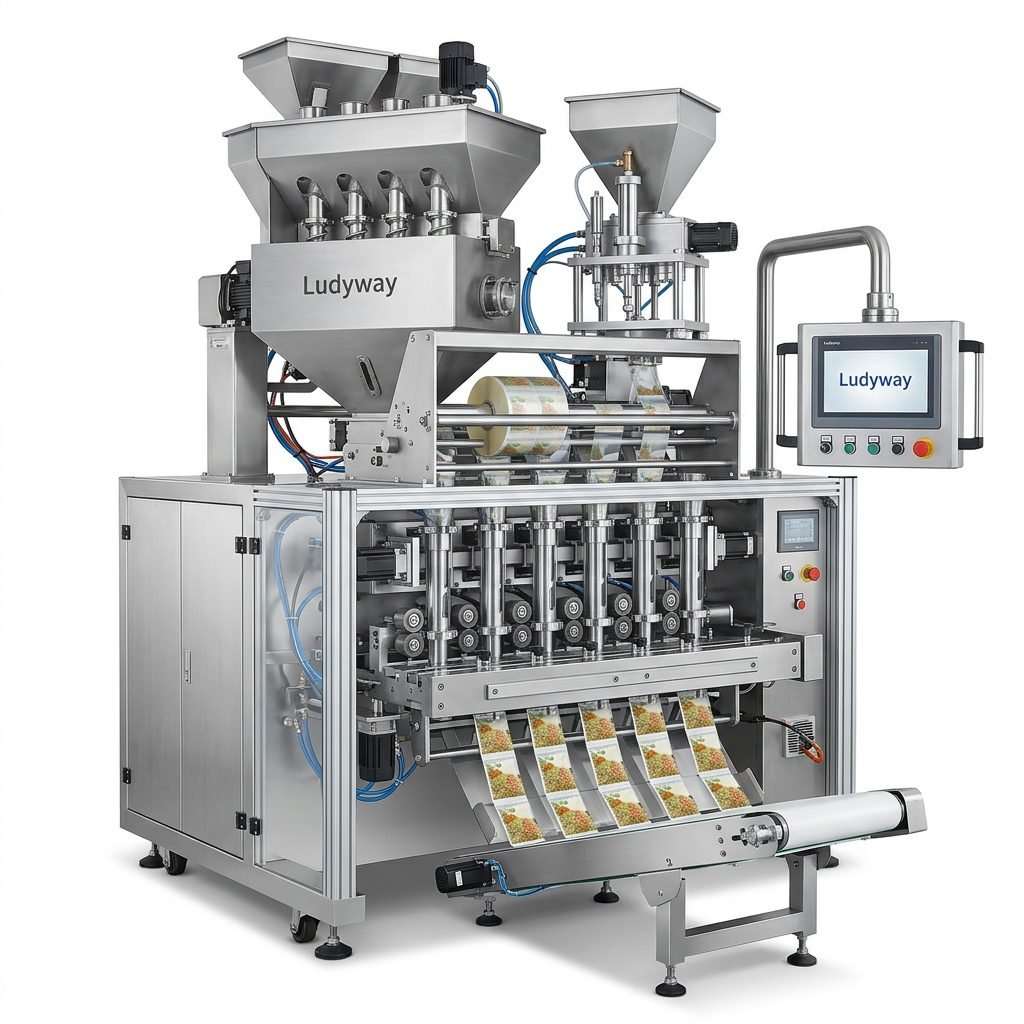
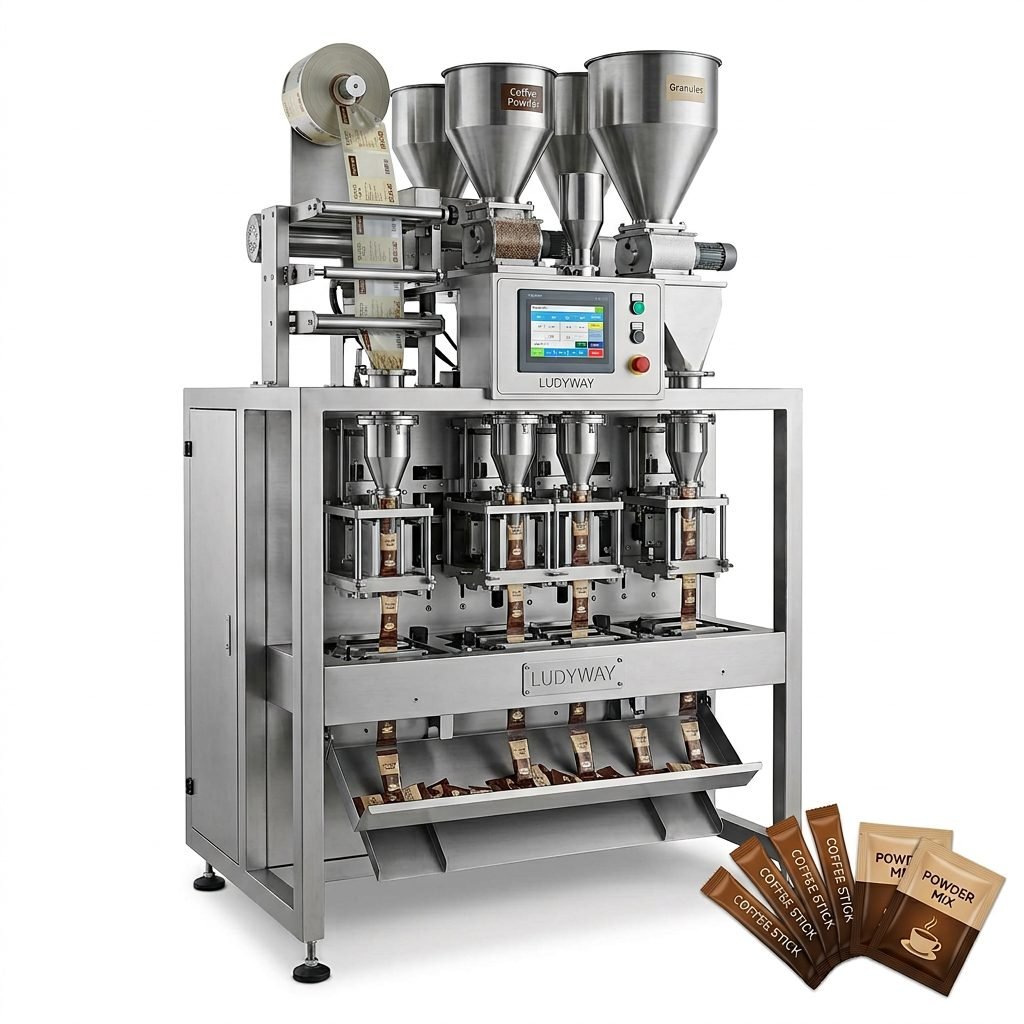
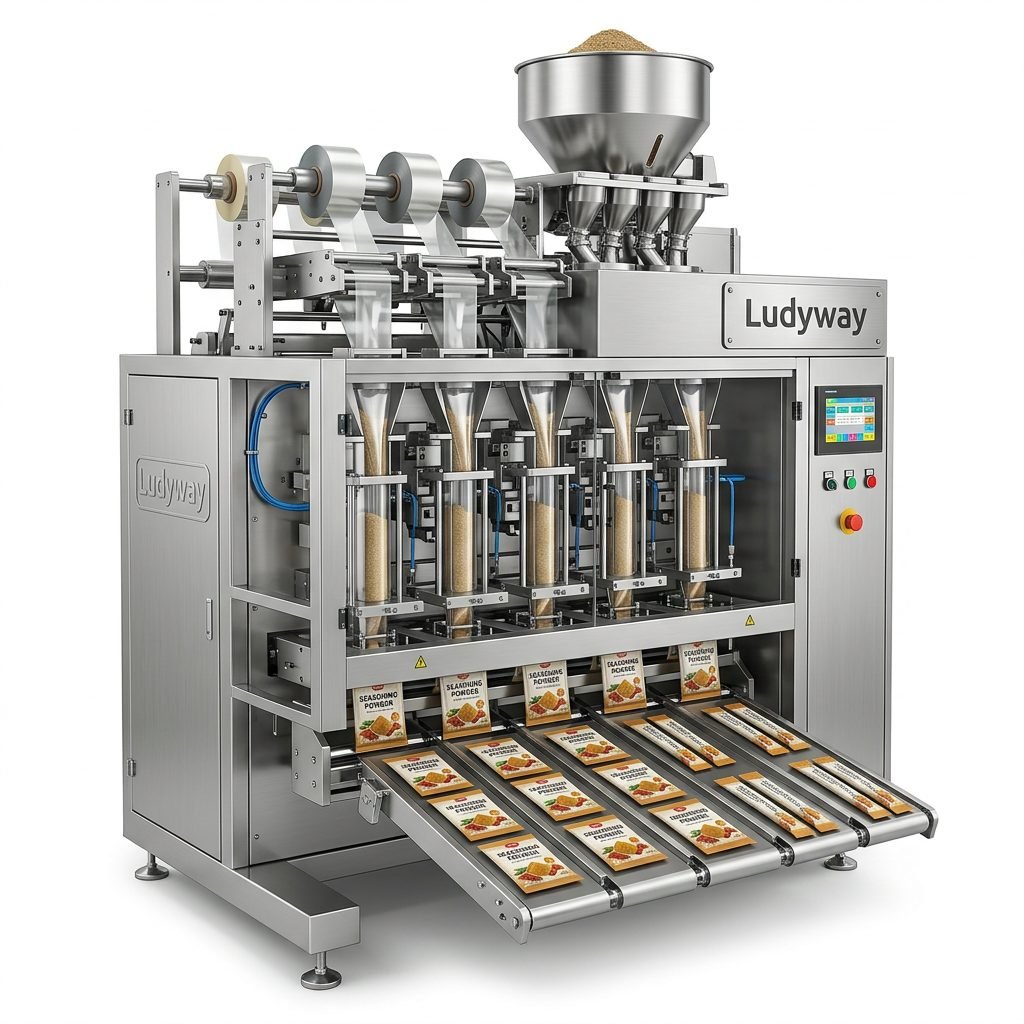
• Parts Availability: Can they supply or source OEM or high-quality compatible spare parts? A supplier with strong manufacturer partnerships, like those offering multi-lane stick pack and sachet packaging systems, is better positioned for long-term support.
Strategies for Securing the Best Possible Deal
Getting a good price is about more than just haggling. It’s about creating a scenario where you are a prepared, knowledgeable, and desirable buyer.
1. Be Specific and Prepared
Know exactly what you need: machine model, desired year range, required speed (bags/minute), and the specific products you will run. This allows you to quickly disqualify unsuitable options and lets the dealer know you are serious. Suppliers are more likely to offer better terms to buyers who have done their homework.
2. Consider the Total Cost of Ownership (TCO)
Look beyond the sticker price. Factor in:
• Refurbishment Costs: Will it need new seals, sensors, or a control system update?
• Shipping and Rigging: Get quotes for delivery to your facility’s floor.
• Installation and Calibration Costs.
A slightly higher-priced machine from a dealer who includes commissioning and a warranty may have a lower TCO than a “bargain” machine sold “as-is, where-is.”
3. Timing and Relationship Building
Building a rapport with a reputable dealer can lead to better deals. Let them know your future needs. Sometimes, the best deals come from machines that have just arrived and are not yet listed. Furthermore, purchasing at the end of a dealer’s financial quarter or year can sometimes yield more flexibility on price as they aim to meet sales targets.
4. Inspection and Testing are Non-Negotiable
Whenever possible, arrange for a pre-purchase inspection. This can be done by:
• You or your technician visiting the site.
• Hiring a third-party inspection service.
• Conducting a live video inspection where the dealer demonstrates all functions.
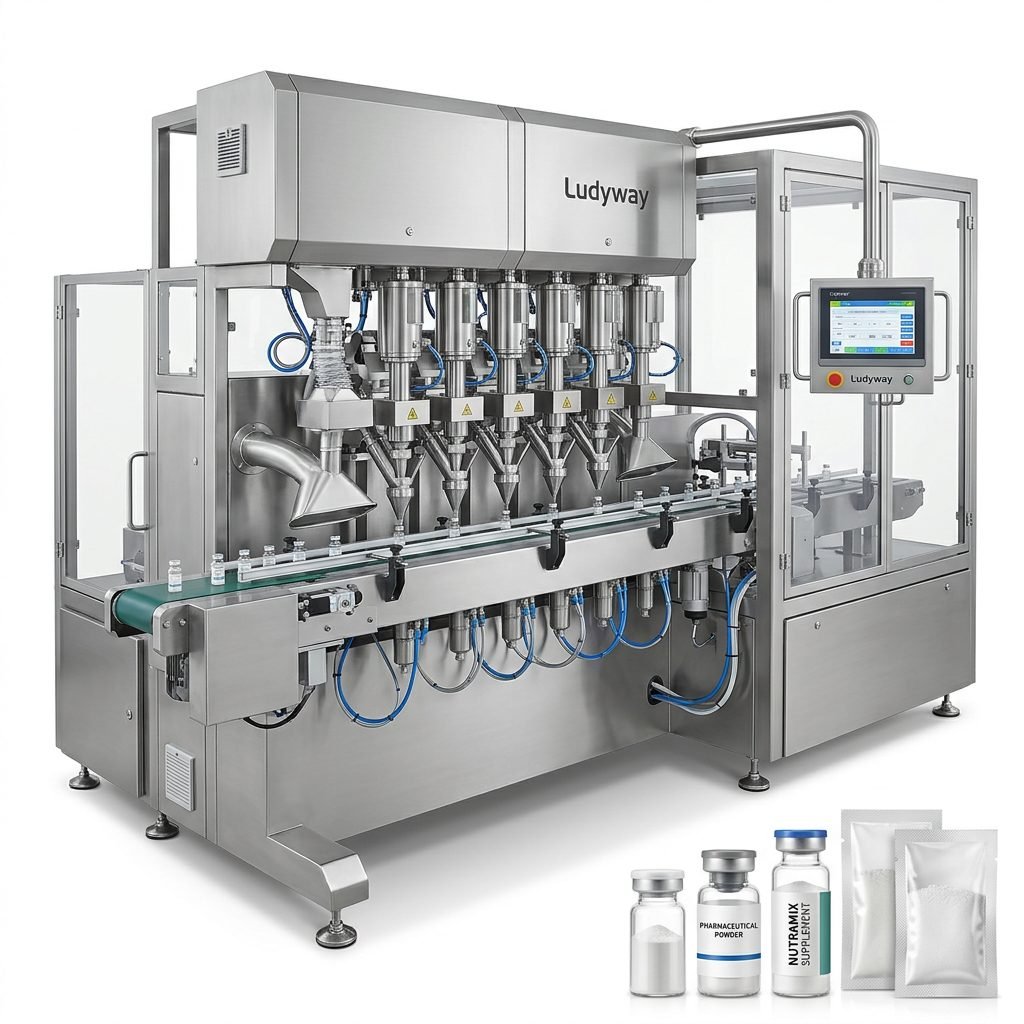
Test the machine with your actual product or a close substitute. This is the only way to verify performance claims for your specific application, such as granule, powder, and liquid packaging.
Finalizing the Purchase and Ensuring Success
Once you’ve selected the machine and dealer, ensure the sales agreement clearly outlines:
• Machine description (model, serial number).
• Included accessories and spare parts.
• Agreed-upon price and payment terms.
• Warranty details and scope.
• Delivery terms (FOB, EXW, etc.) and expected timeline.
• Scope of after-sales support (installation, training).
Clear documentation prevents disputes and sets the stage for a smooth transaction and successful integration into your production facility.
Frequently Asked Questions (FAQs)
Q1: What is the biggest risk when buying used packaging machinery?
The biggest risk is purchasing a machine with hidden mechanical, electrical, or control system flaws that lead to extensive downtime and repair costs. This risk is mitigated by buying from a reputable dealer, conducting a thorough inspection, and securing a warranty.
Q2: How important is the availability of spare parts for an older machine?
It is critical. Before purchasing, verify that critical spare parts (like proprietary sealing jaws, augers, or circuit boards) are still available from the original manufacturer or through the dealer’s network. A machine with no parts support is a liability.
Q3: Should I buy a machine that needs some refurbishment to save money?
This can be a viable strategy for companies with strong in-house engineering and maintenance teams. However, for most buyers, it is safer and often more cost-effective in the long run to purchase a machine that is “plug-and-play” or has been professionally reconditioned by the dealer.
Q4: Can used machinery be integrated into a modern automated line?
Yes, absolutely. Many used machines can be retrofitted with new PLCs, HMIs, and communication protocols (like Ethernet/IP) to integrate with modern SCADA systems and line controllers. Discuss automation compatibility with your dealer during the vetting process.
Q5: How do I verify a dealer’s reputation?
Ask for and contact references from past customers, especially those who bought similar equipment. Check for reviews on independent B2B platforms. Look for membership in relevant trade associations and their tenure in business. A history of 30+ years in the industry is a strong indicator of reliability and accumulated expertise.