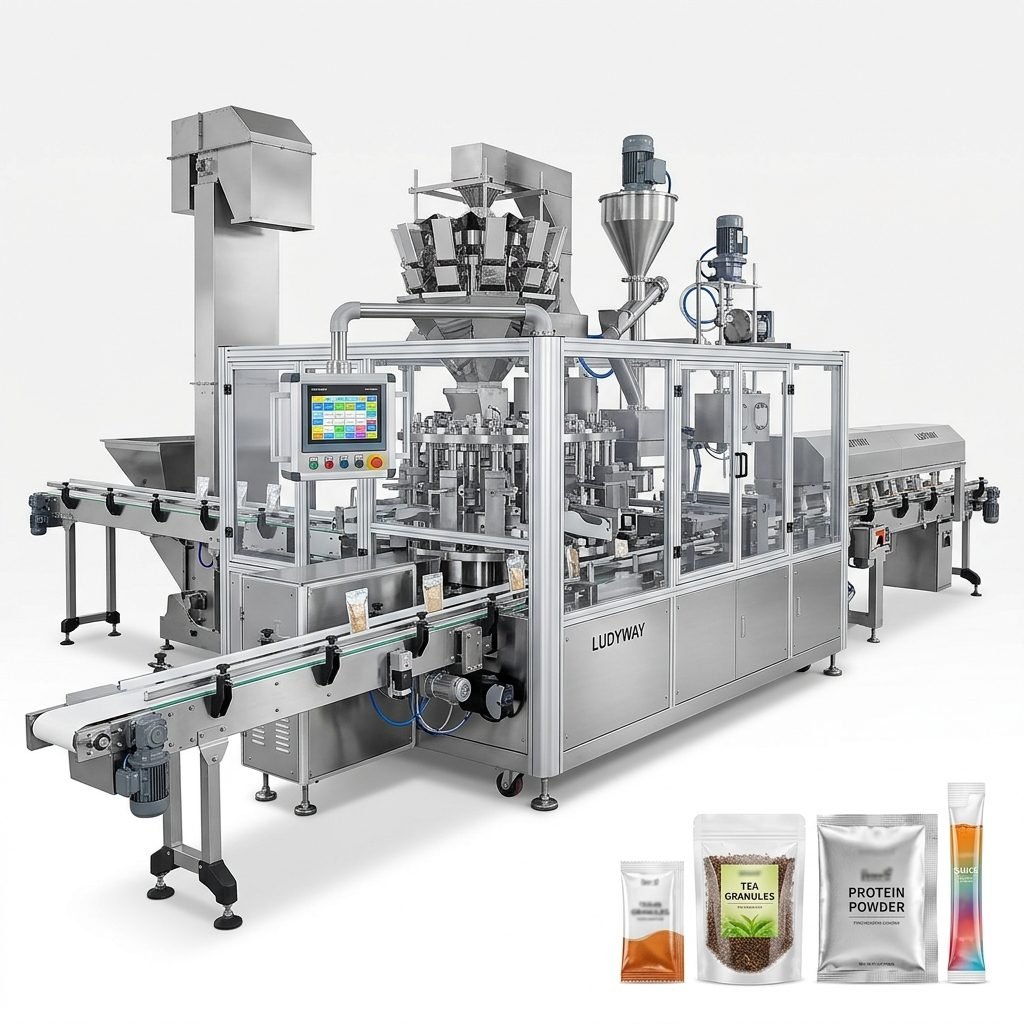
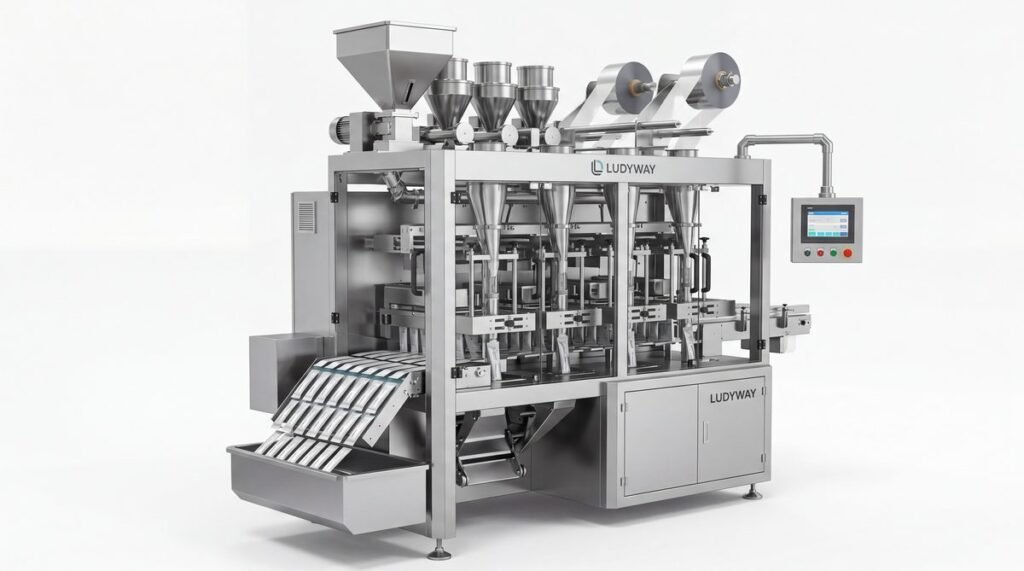
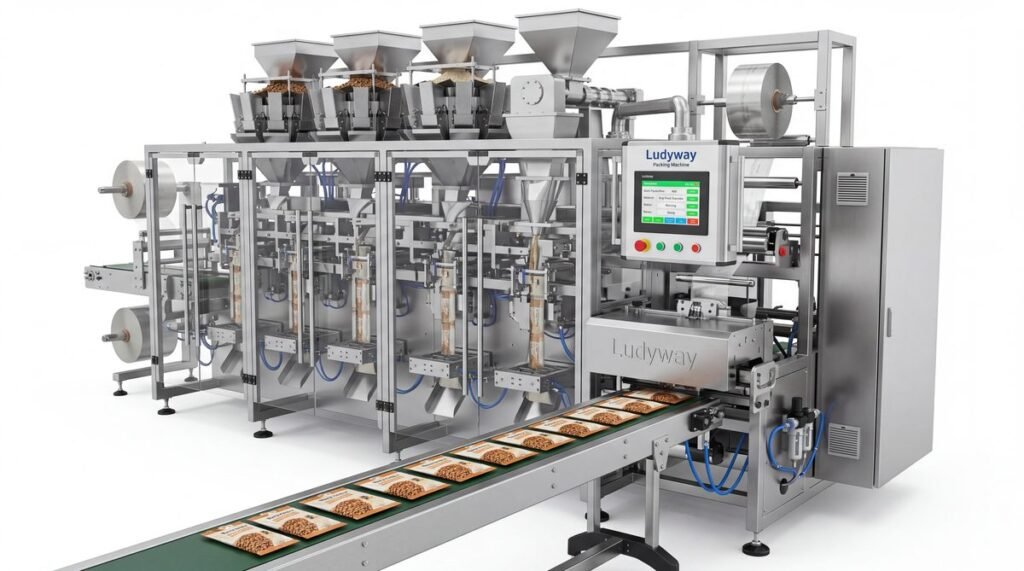
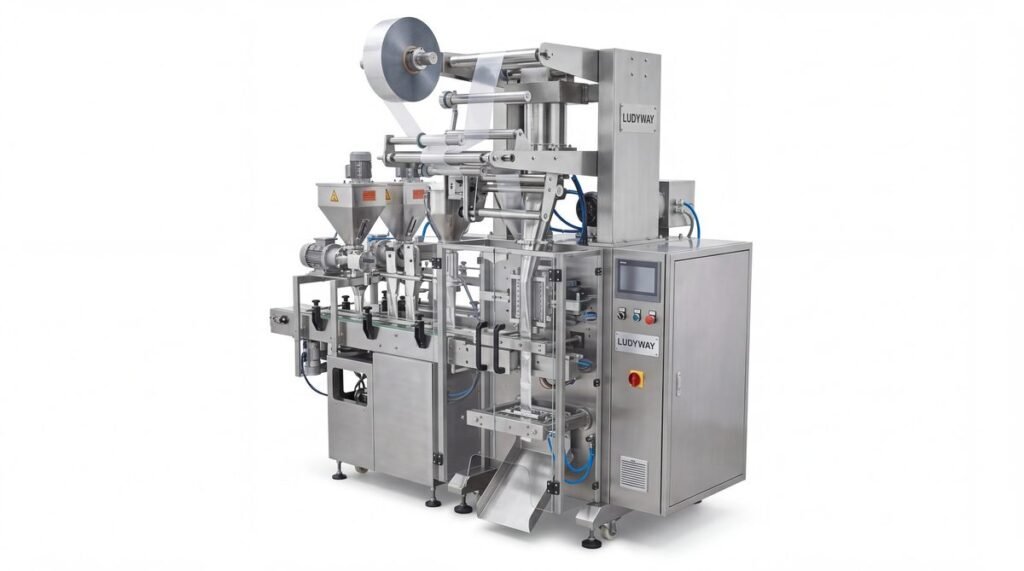
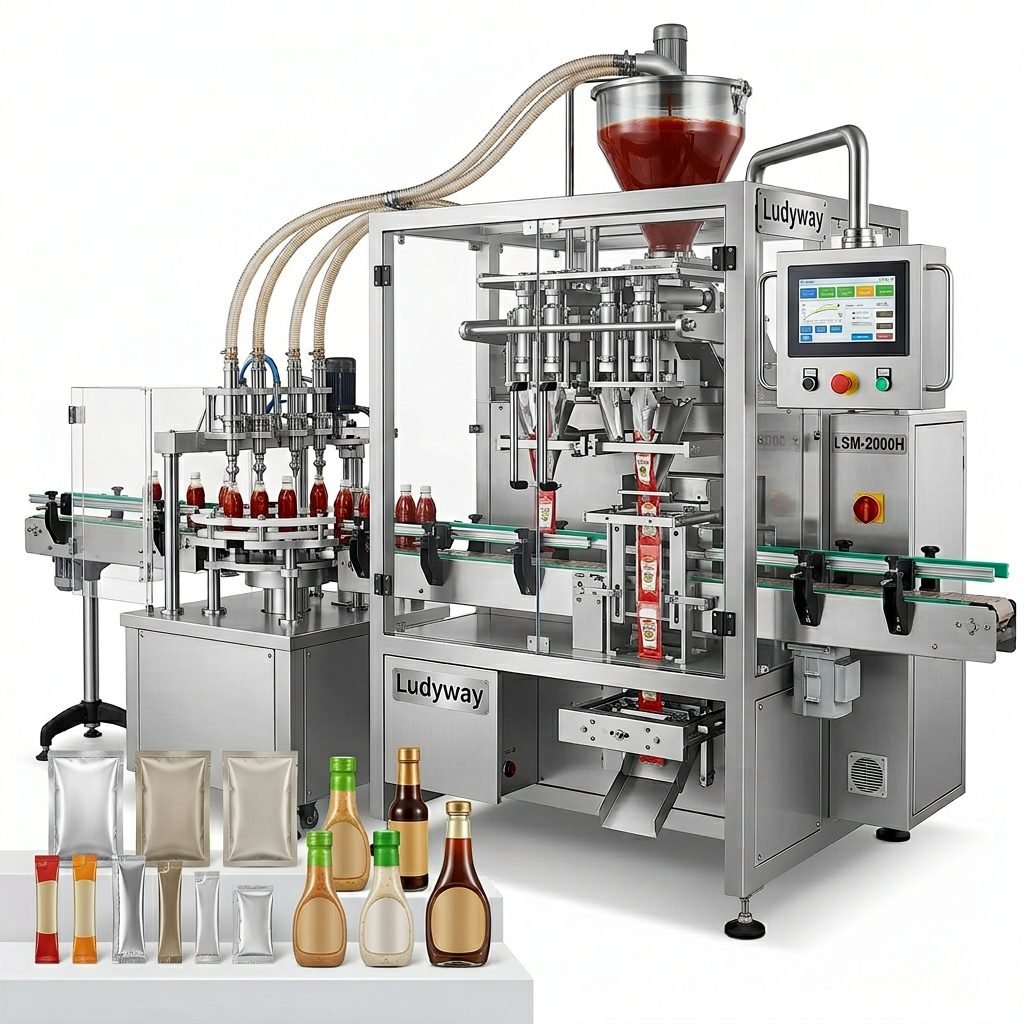
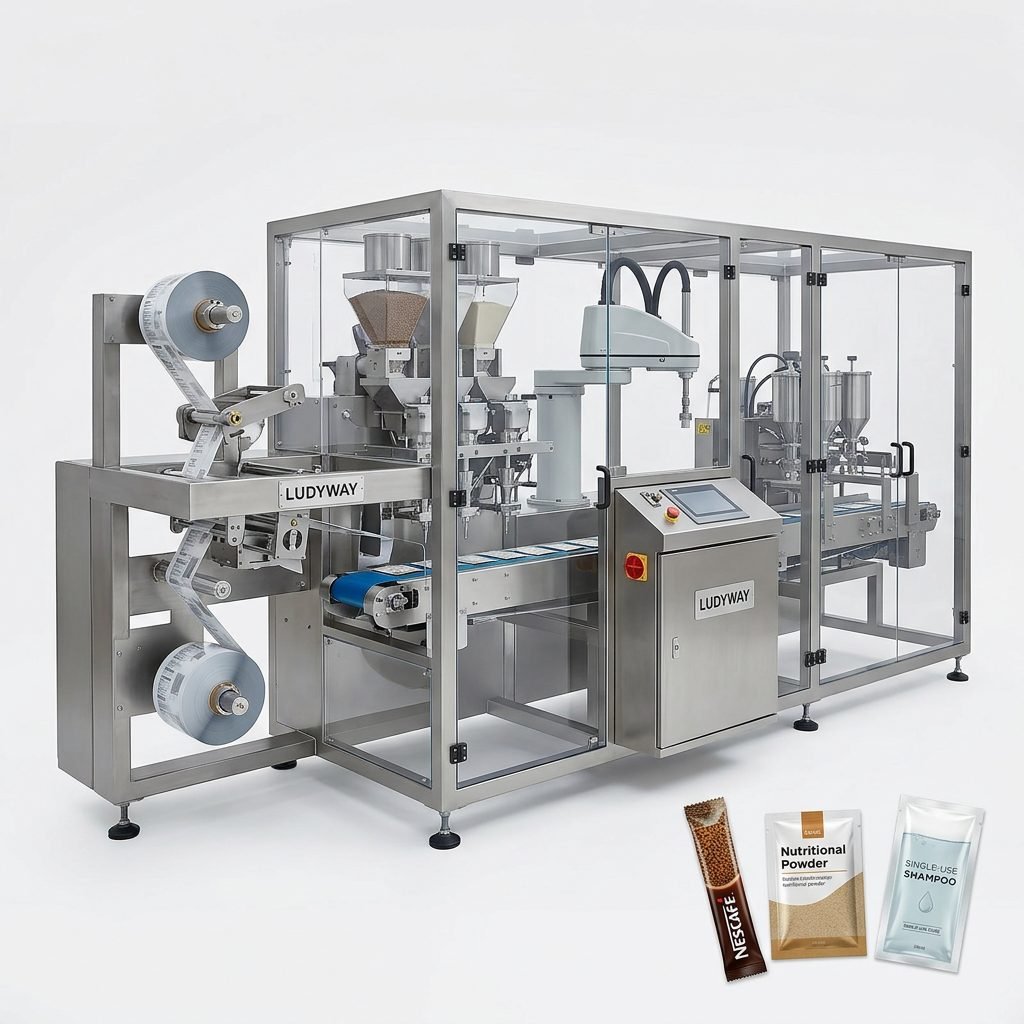
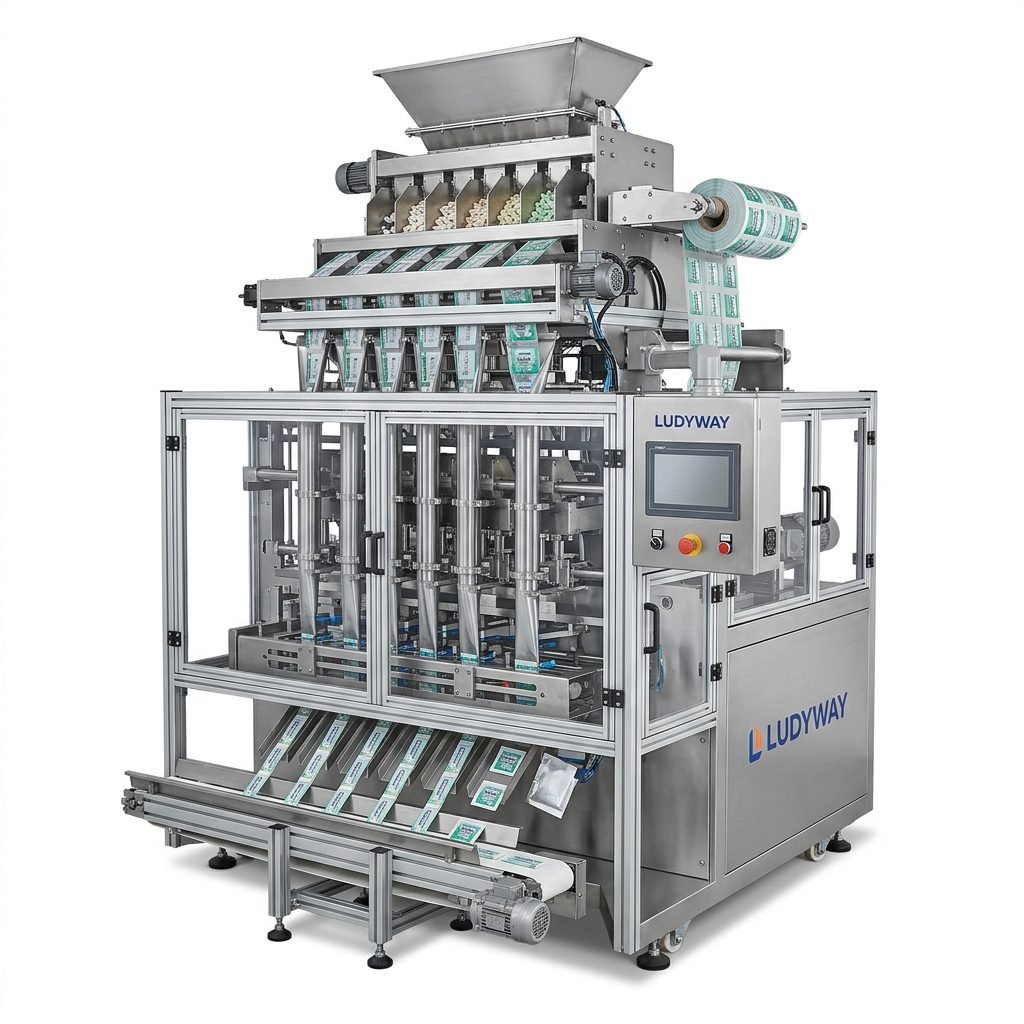
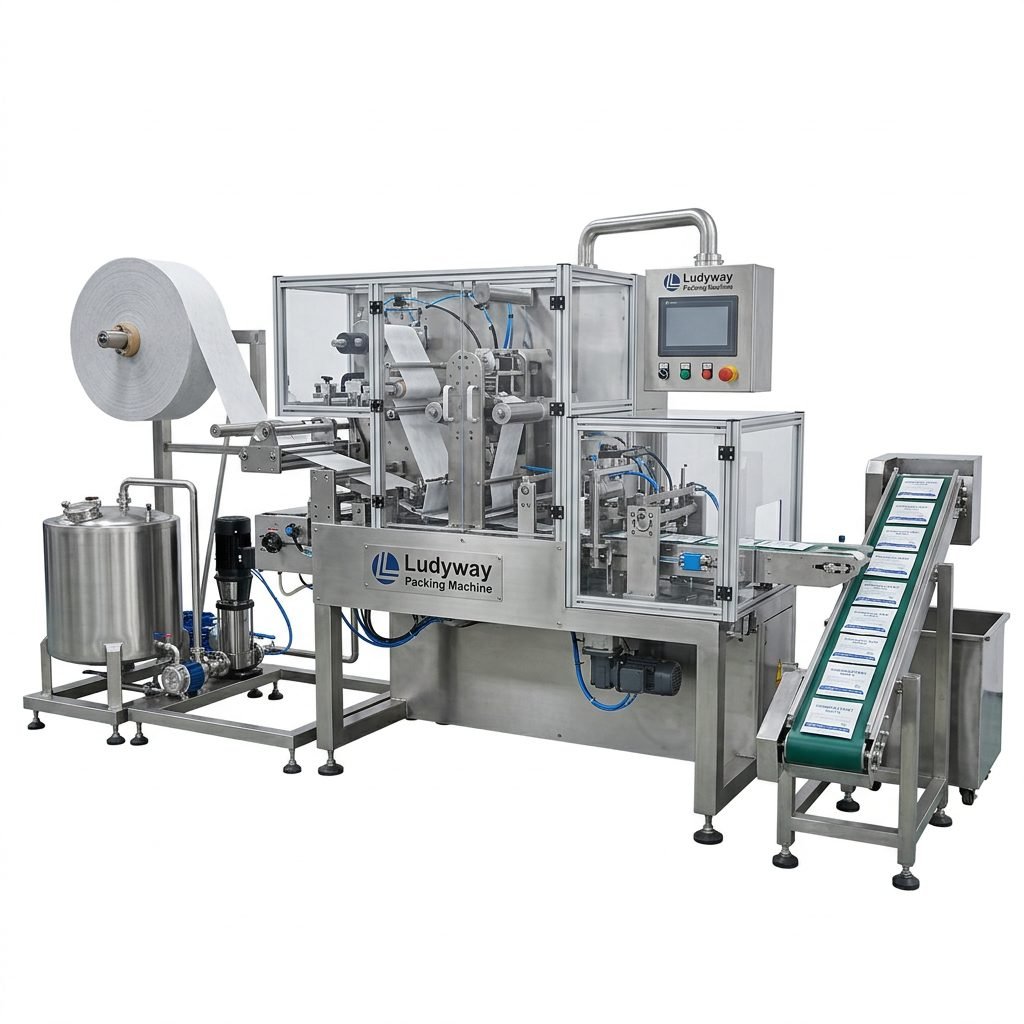
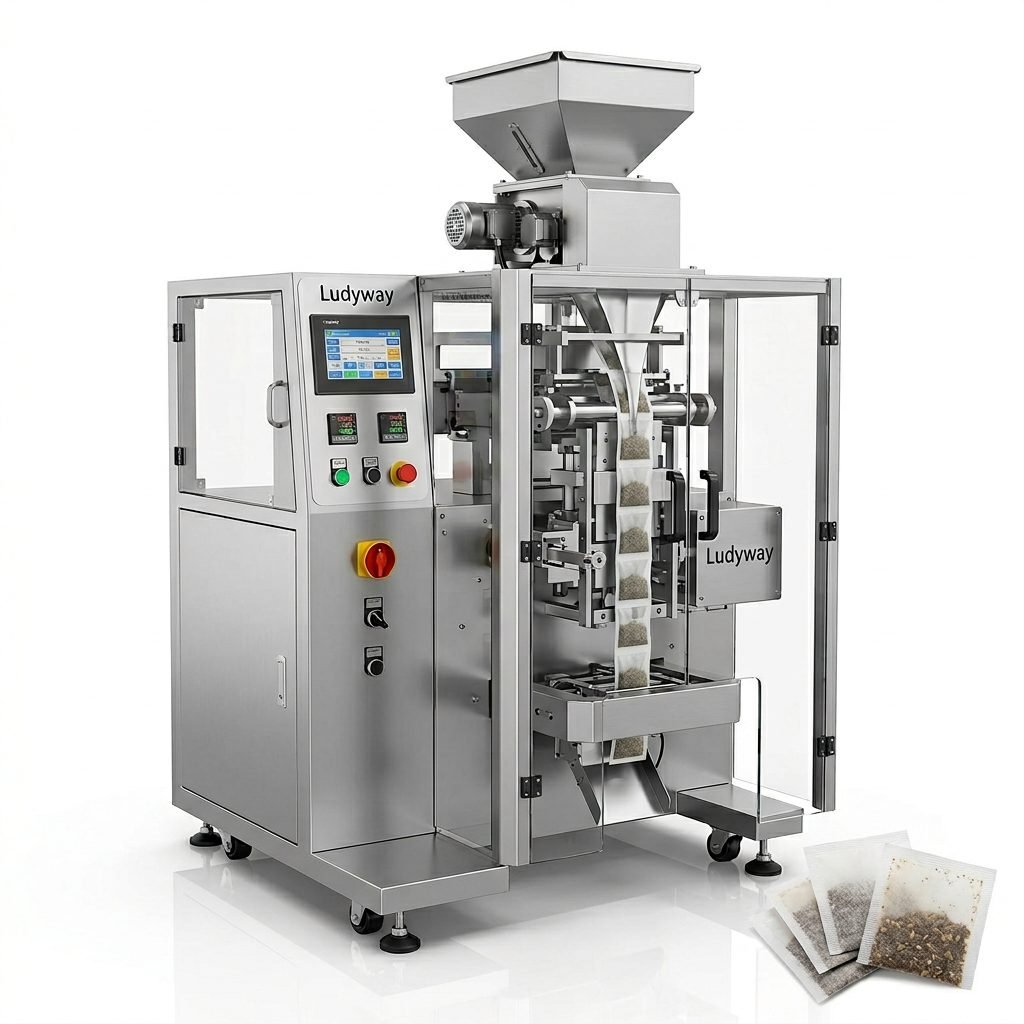
In modern production environments, a cover packing machine plays a critical role in improving packaging speed, reducing manual labor, and maintaining consistent sealing quality. Whether used in food processing, pharmaceuticals, cosmetics, chemicals, or daily-use products, the right equipment helps manufacturers achieve higher efficiency, cleaner packaging output, and better product protection.
Industrial and commercial buyers increasingly look for packaging machinery that can adapt to different product types, handle changing production volumes, and support long-term automation goals. A reliable cover packing machine is not just a single piece of equipment—it is often part of a broader packaging strategy designed to optimize throughput, reduce waste, and improve overall line performance.
What Is a Cover Packing Machine?
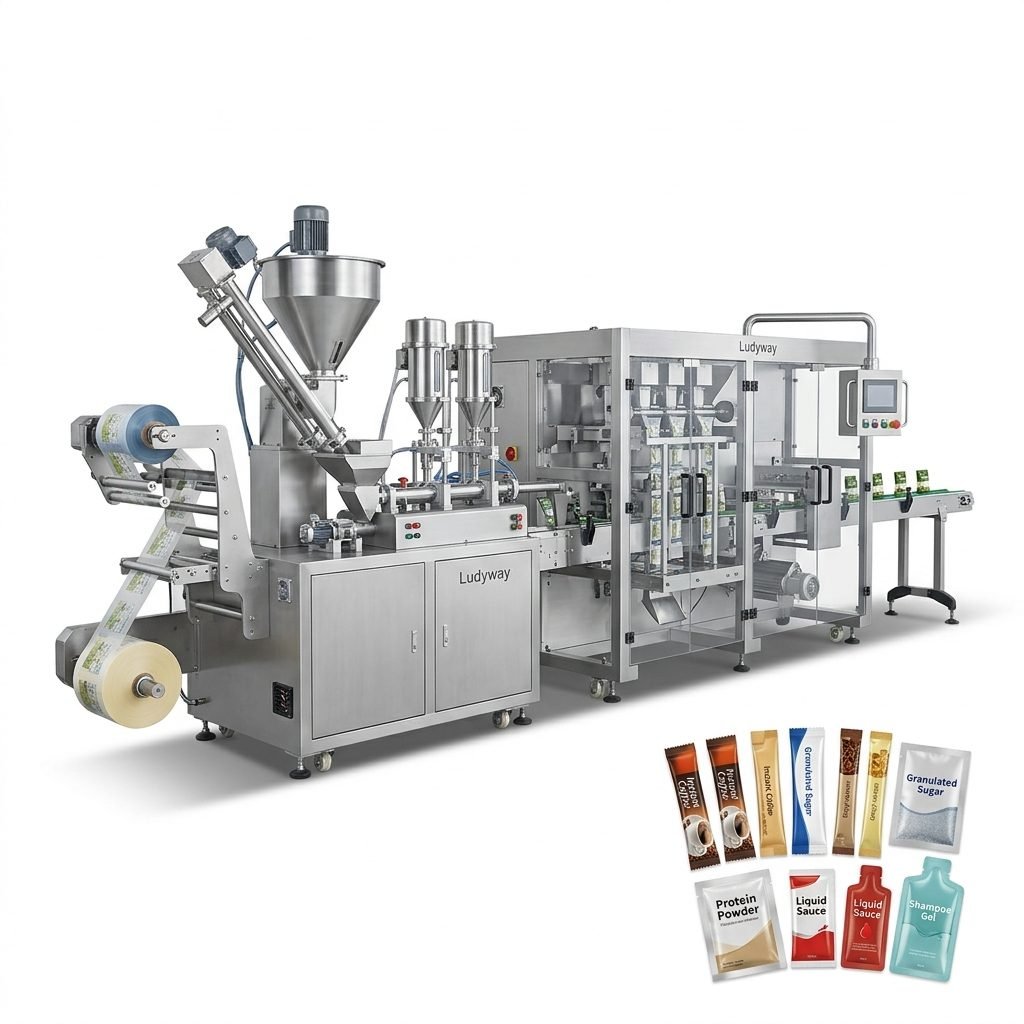
A cover packing machine is generally used to package, seal, or protect products with a covering material such as film, sachet material, pouch laminate, lid stock, or related packaging media. Depending on the application, it may form packs, fill products, apply covers, and complete sealing automatically or semi-automatically.
These machines are commonly used for:
- Powder and granule sachet packing
- Liquid and paste filling with sealing
- Pouch and stick pack production
- Tray, bottle, or cup covering applications
- Turnkey automated packaging line integration
Why Businesses Choose Automated Cover Packing Solutions
As labor costs rise and product quality standards become stricter, manufacturers need packaging systems that are fast, repeatable, and easy to scale. A modern cover packing machine helps companies move beyond manual or low-efficiency packaging methods.
- Higher production speed for industrial output
- More consistent sealing and package appearance
- Reduced material waste and rework
- Improved hygiene and contamination control
- Lower dependence on manual labor
- Better compatibility with upstream and downstream equipment
Main Applications Across Industries
Food Industry
Food manufacturers often use cover packing machines for instant beverages, seasoning powders, coffee, sauces, snack products, sugar, milk powder, nutritional blends, and ready-to-use sachets. Packaging consistency is especially important in high-volume food production, where inaccurate sealing or unstable output can affect shelf life and brand reputation.
Pharmaceutical and Health Products
In pharmaceutical production, packaging precision and cleanliness are essential. Cover packing systems can be used for oral powders, granules, rehydration salts, supplements, capsules, and related healthcare products. Machines designed for these sectors often focus on dosing accuracy, controlled environments, and traceable production processes.
Cosmetics and Personal Care
Creams, serums, shampoos, lotions, wipes, and sample sachets all require stable sealing and attractive final packaging. A cover packing machine used in cosmetic production must deliver not only efficiency but also a neat, premium presentation.
Chemical and Industrial Products
Chemical powders, detergents, cleaning agents, fertilizers, additives, and specialty materials often need packaging systems that can withstand abrasive, corrosive, or dusty conditions. Equipment selection here depends heavily on material characteristics and safety requirements.
Key Features to Look For in a Cover Packing Machine
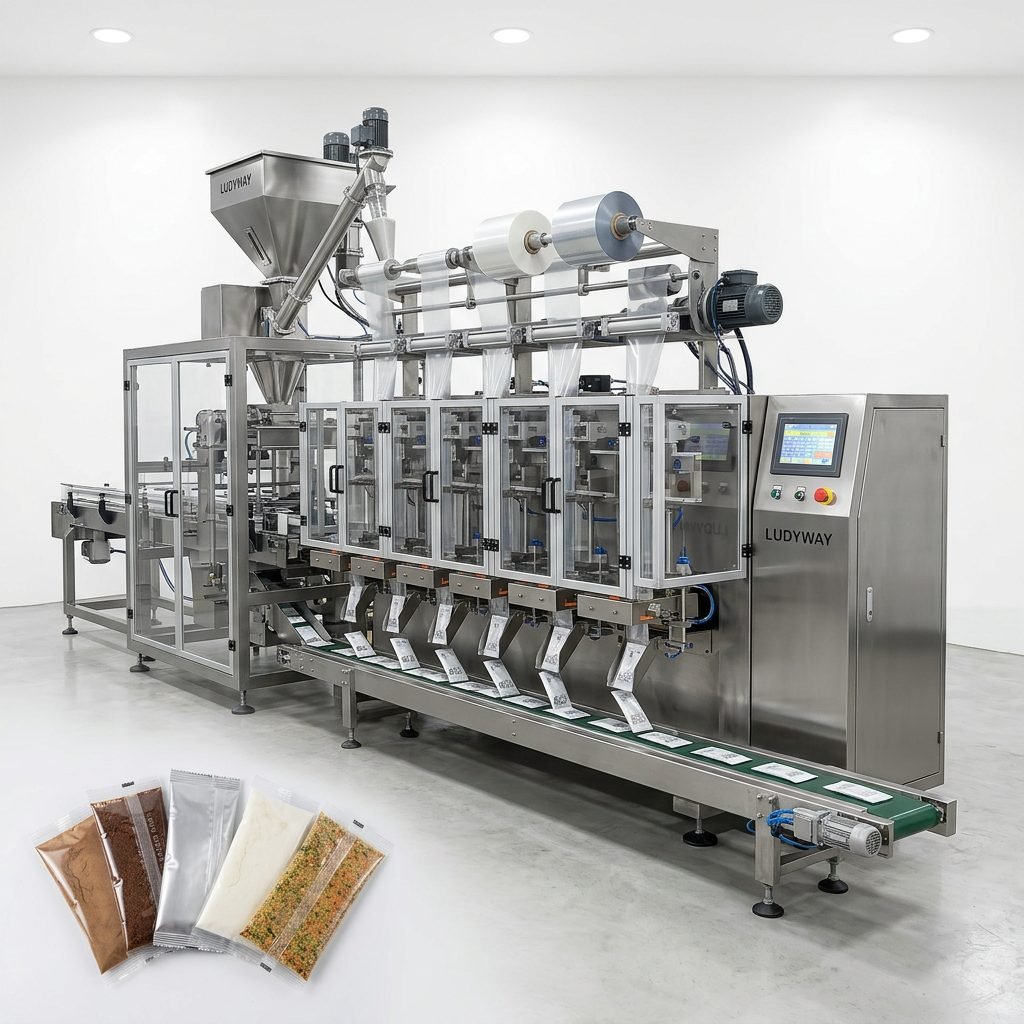
Not all packaging systems offer the same level of performance. Buyers should compare machine structure, automation level, adaptability, and after-sales support before making a decision.
| Feature | Why It Matters |
|---|---|
| Automatic feeding and sealing | Reduces labor input and improves throughput |
| Accurate dosing control | Ensures package consistency and lowers waste |
| Multi-format compatibility | Supports various pouch, sachet, and stick pack sizes |
| Stable control system | Improves reliability in long production runs |
| Easy cleaning and maintenance | Important for hygiene, uptime, and service efficiency |
| Turnkey line integration | Connects with conveyors, cartoners, coding, and inspection equipment |
How to Select the Right Machine for Your Operation
Choosing the correct system depends on your product, packaging material, output target, and factory layout. Buyers should evaluate more than just speed or price.
1. Product Type
Powders, granules, liquids, pastes, and mixed products require different filling and sealing technologies. Product flowability, viscosity, moisture sensitivity, and particle size all affect machine design.
2. Packaging Format
Consider whether you need sachets, stick packs, pouches, or specialized cover sealing. The machine should support your preferred format without excessive changeover time.
3. Capacity Requirements
A commercial business may need compact equipment for moderate output, while an industrial plant may require a high-speed multi-lane system. Selecting an oversized or undersized machine can both create inefficiencies.
4. Automation Goals
If you plan to expand later, it is better to choose equipment that can integrate into a full packaging line. This may include conveyors, checkweighers, coding systems, cartoning, and palletizing modules.
5. Compliance and Industry Standards
For food and pharmaceutical applications, machine materials, sanitation design, and quality control systems should align with relevant compliance requirements.
Benefits of Turnkey Packaging Line Integration
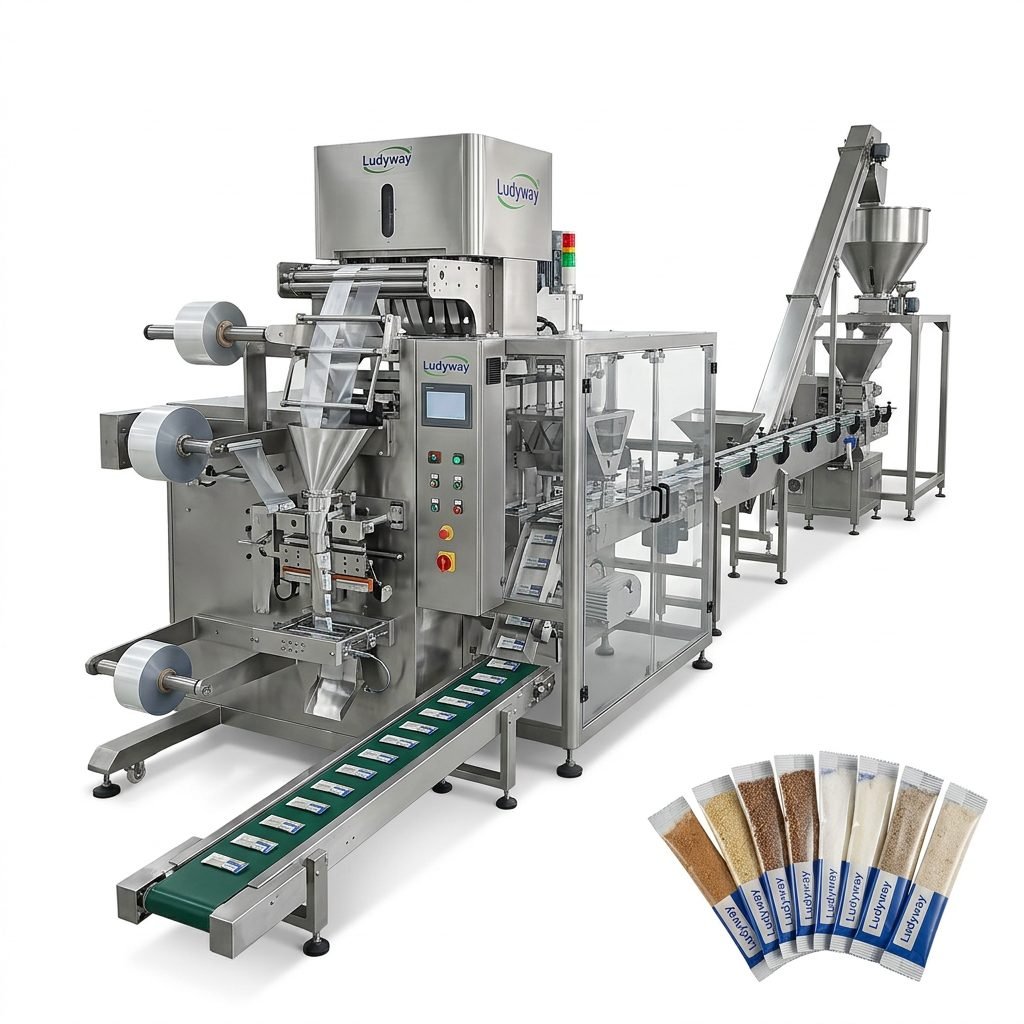
Many manufacturers no longer want standalone machines only. They want a complete solution that covers material feeding, filling, sealing, coding, inspection, cartoning, and final packaging. This is where turnkey integration creates strong value.
- Less coordination between multiple suppliers
- Better machine compatibility across the line
- Faster project implementation
- More efficient production flow planning
- Stronger long-term technical support
For businesses looking for scalable automation, working with an experienced supplier such as Ludyway cover packing machine solutions can simplify the transition from standalone equipment to a complete production line.
Common Challenges Solved by Modern Cover Packing Machines
Older or manual packaging methods often create bottlenecks that limit growth. Modern systems are designed to address practical production challenges.
| Production Challenge | Machine Advantage |
|---|---|
| Inconsistent package sealing | Improved temperature and sealing control |
| High labor dependency | Automation lowers manual workload |
| Low packaging speed | High-speed continuous operation |
| Frequent material waste | Precision dosing and stable film handling |
| Difficult product changeovers | Flexible settings for multiple formats |
Industries That Benefit Most from High-Efficiency Packaging
While nearly any production business can benefit from automation, the following sectors often see the fastest return on investment:
- Food and beverage manufacturers
- Nutraceutical and supplement brands
- Pharmaceutical producers
- Cosmetic and personal care companies
- Chemical and industrial material suppliers
- Pet food and animal nutrition manufacturers
Why Manufacturing Experience Matters
A machine may look similar on paper, but real-world performance depends on design experience, machining quality, assembly precision, control logic, and testing standards. Suppliers with long-term industry experience are generally better equipped to handle customized requests, line integration, and post-installation support.
This becomes especially important for buyers that need:
- Custom machine configurations
- Different product applications in one system
- Large-scale export projects
- Full turnkey packaging lines
- Long-term spare parts and technical service
Future Trends in Cover Packing Machine Technology
Packaging automation continues to evolve. Buyers increasingly prefer equipment that supports digital control, easier maintenance, lower energy use, and data-driven production management.
Emerging trends include:
- Smarter PLC and HMI controls
- Remote diagnostics and service support
- Higher-speed multi-lane packaging structures
- Better integration with coding, inspection, and cartoning units
- More flexible machines for mixed product portfolios
- Improved hygienic design for food and pharma sectors
Final Considerations Before Buying
Before investing in a cover packing machine, manufacturers should clearly define product specifications, required output, packaging style, and expected expansion plans. It is also wise to assess supplier experience, customization capabilities, and technical support responsiveness.
The ideal solution should deliver stable performance, packaging precision, scalable automation, and long-term value. For industrial and commercial users, efficient packaging is no longer optional—it is a core factor in competitiveness, product consistency, and sustainable growth.