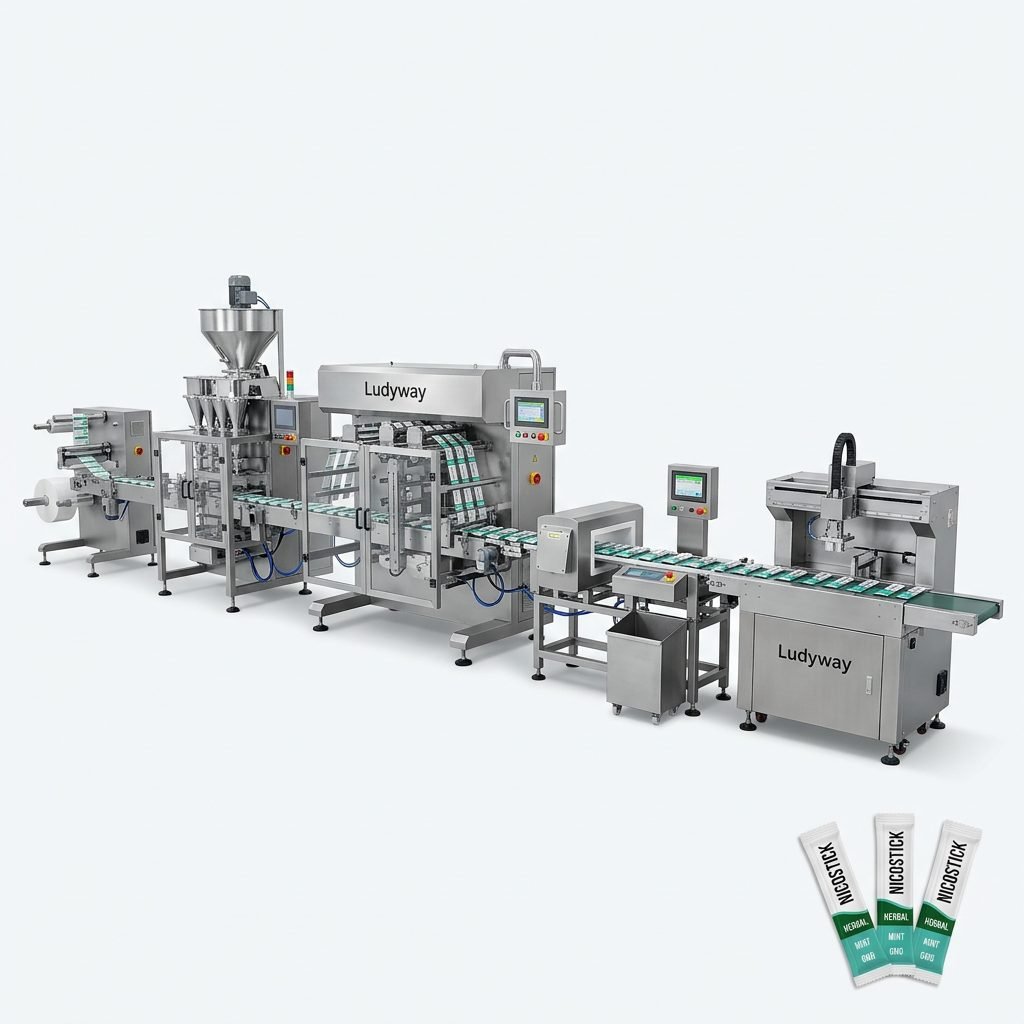
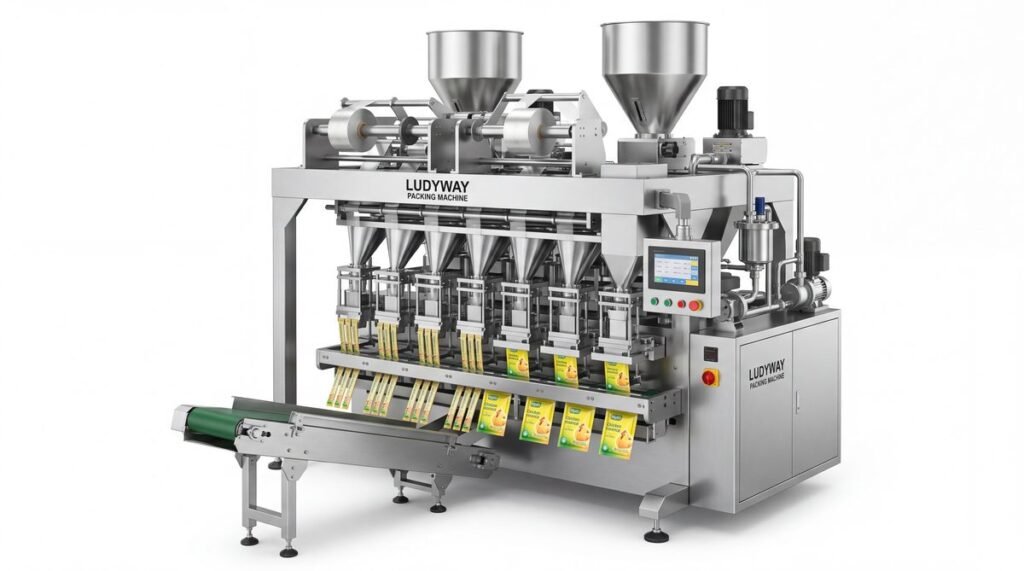
When buyers search for a juice packing machine, the first question is usually simple: how much does it cost? The real answer depends on the machine type, output target, pouch or bottle format, automation level, filling accuracy, and the quality standards required for your product.
For small and medium beverage manufacturers, startup juice brands, co-packers, and industrial food factories, understanding the full cost structure is far more important than looking at the initial quotation alone. A lower-priced machine may lead to slower output, more labor, higher maintenance, and unstable sealing quality. A higher-priced system may deliver better long-term value if it improves efficiency and reduces product loss.
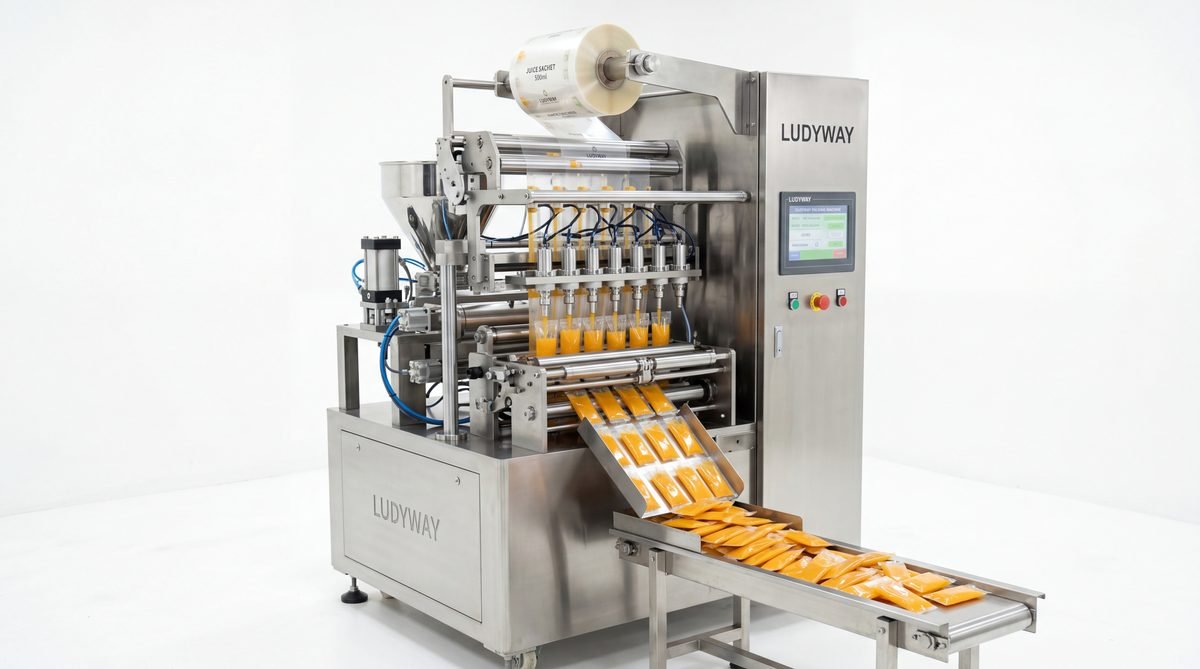
Typical Juice Packing Machine Price Range
Juice packing machine prices vary widely across the market. Below is a practical reference range based on common machine categories.
| Machine Type | Estimated Price Range | Suitable For |
|---|---|---|
| Semi-automatic liquid filling machine | US$2,000–US$8,000 | Pilot production, small workshops |
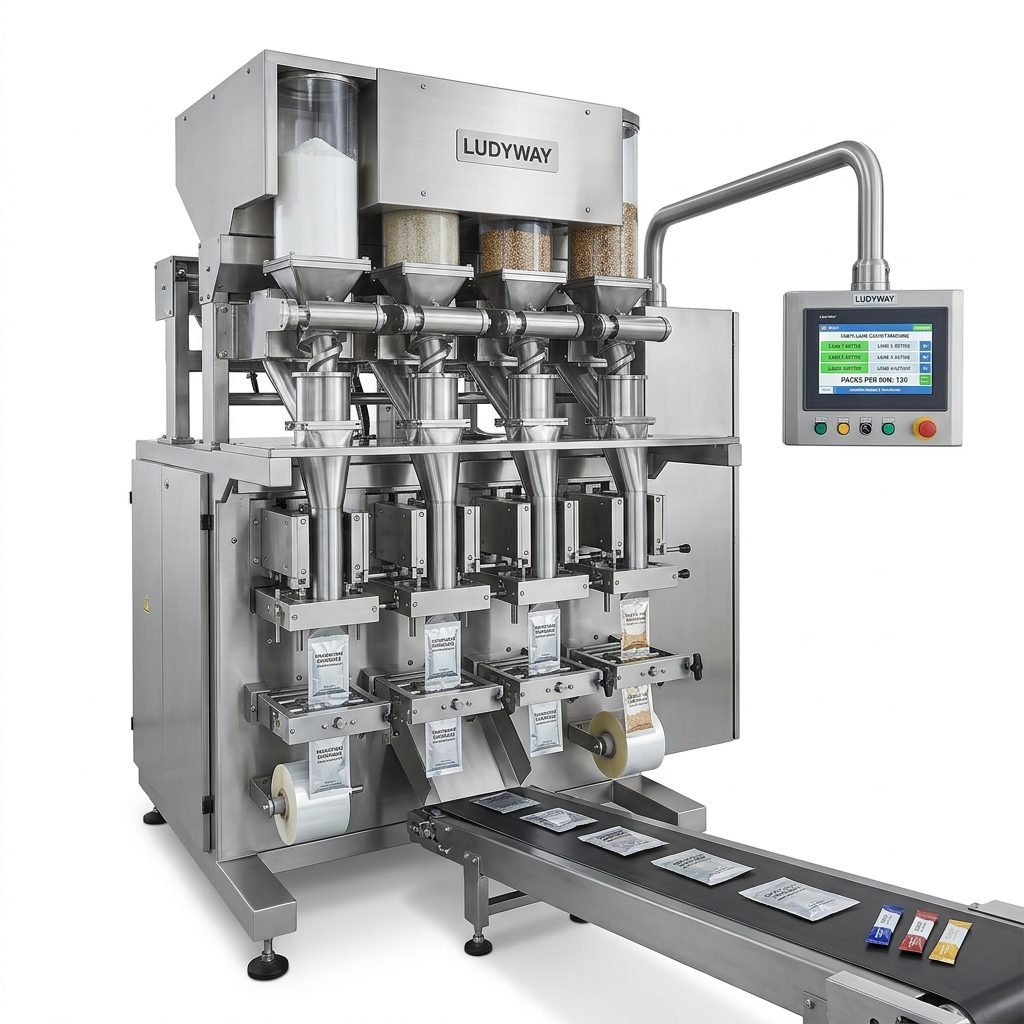
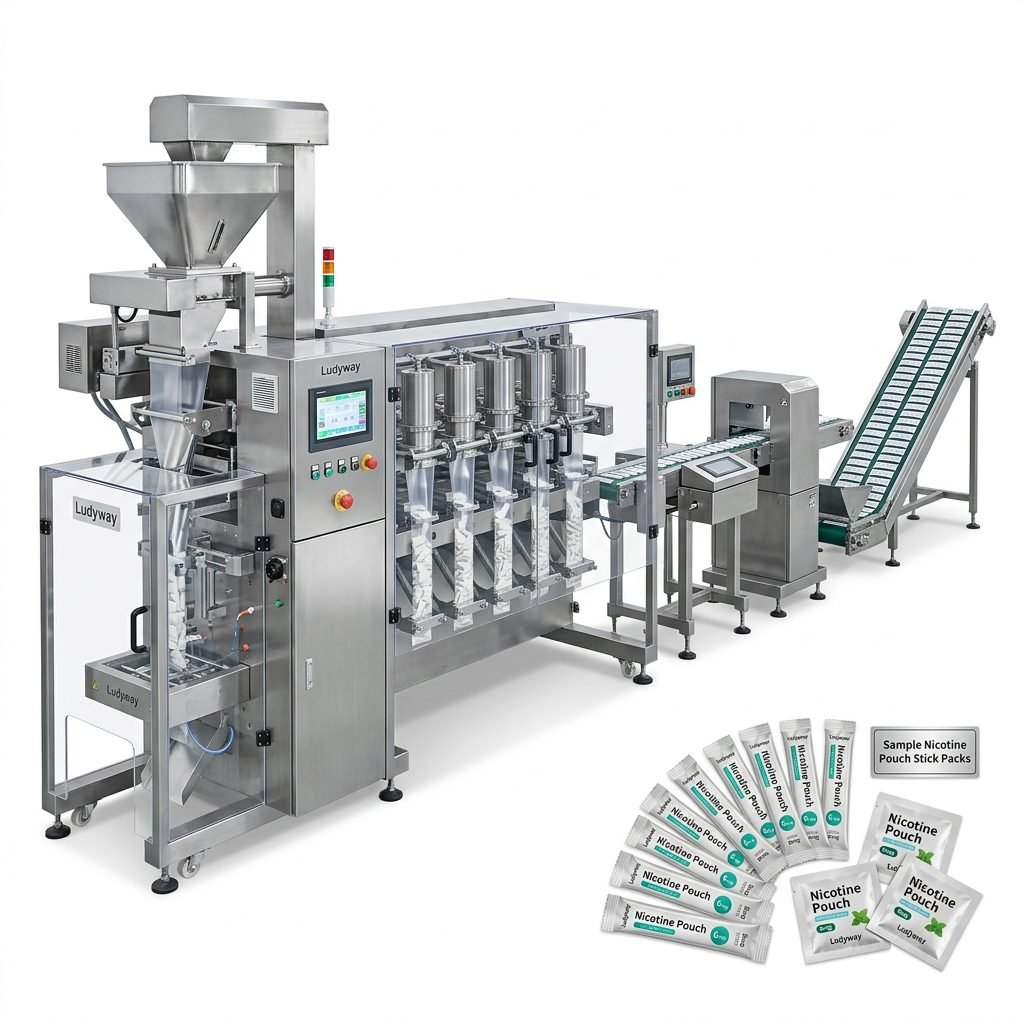
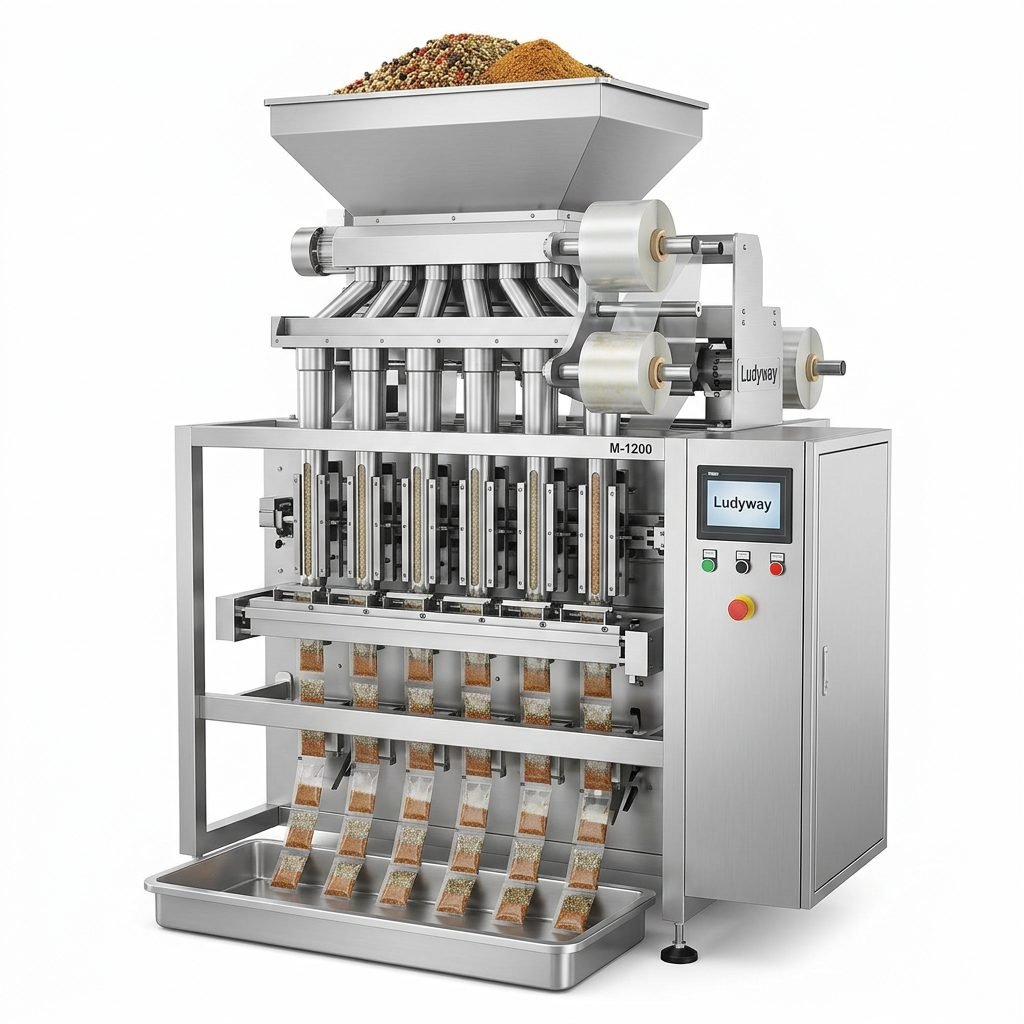
| Automatic sachet or stick pack juice machine | US$8,000–US$35,000 | Single-serve juice packaging |
| Premade pouch juice filling and sealing machine | US$15,000–US$60,000 | Stand-up pouches, retail-ready products |
| Bottle filling, capping, and labeling line | US$25,000–US$120,000+ | Juice bottles, larger beverage lines |
| Turnkey juice packaging line | US$80,000–US$500,000+ | Integrated high-volume production |
Important: these are broad market estimates. Final pricing changes based on filling volume, speed, packaging material, product viscosity, and custom engineering requirements.
What Affects the Price of a Juice Packing Machine?
1. Packaging Format
The package style has a major impact on machine design and cost. Juice can be packed in:
- Back-seal sachets
- 3-side seal sachets
- 4-side seal sachets
- Stick packs
- Spouted pouches
- Premade pouches
- Bottles
- Cups or special containers
Simple sachet structures usually cost less than bottle filling lines or spouted pouch systems, because the latter often require extra units such as cap feeders, cappers, labelers, conveyors, and coding systems.
2. Output Speed
Higher speed means more sophisticated mechanical structure, more stable control systems, and stronger performance requirements. A machine producing 30 packs per minute will cost much less than one producing 200+ packs per minute.
In general, price rises with:
- More filling heads or lanes
- Higher sealing speed
- Faster servo response
- More advanced control software
- Stronger frame and transmission design
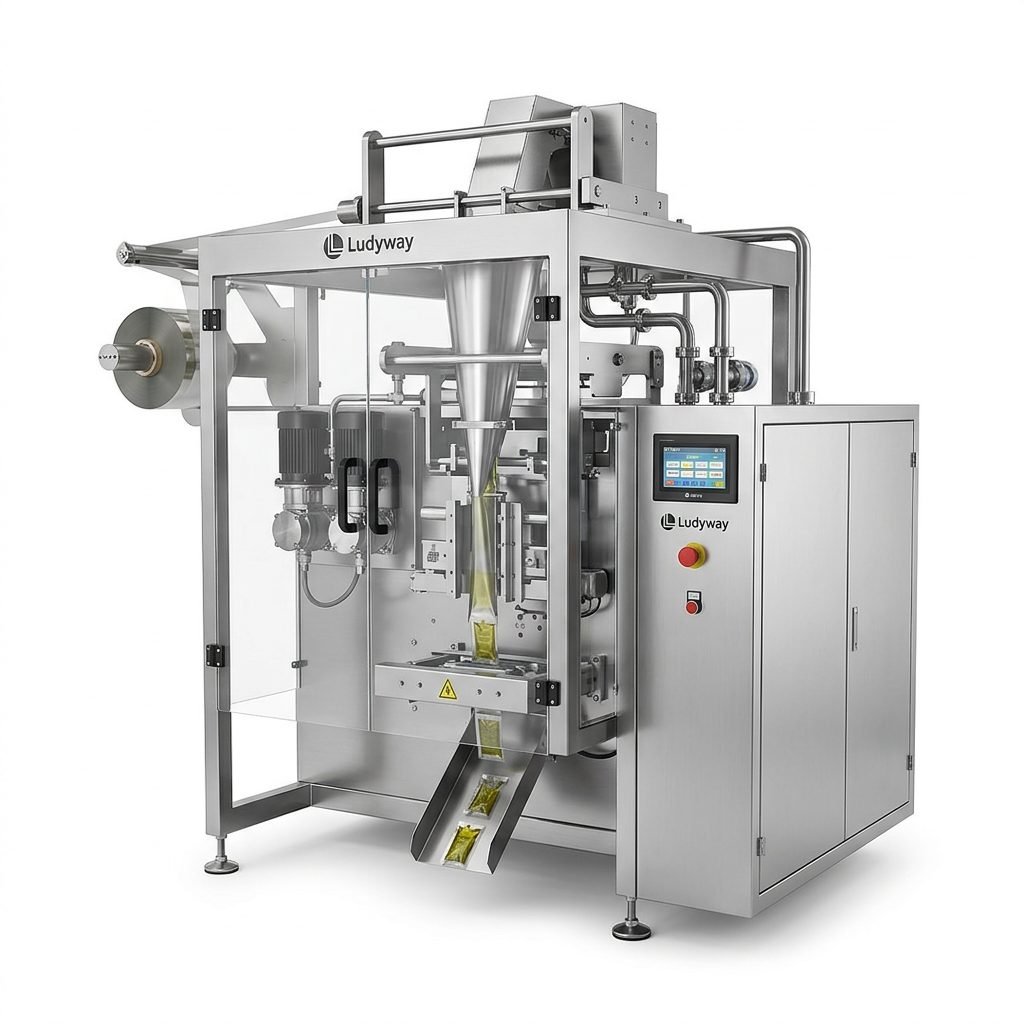
3. Juice Type and Product Characteristics
Not all juice products behave the same during filling. The machine needed for a clear liquid juice may differ from one used for pulp juice, concentrated juice, fruit puree, or functional beverage shots.
Machine pricing is influenced by whether the product is:
- Low-viscosity or high-viscosity
- With pulp or without pulp
- Hot-filled or cold-filled
- Acidic or sensitive to oxidation
- Foaming during filling
- Requiring hygienic or aseptic design features
More difficult liquid behavior typically requires better pumps, more accurate nozzles, anti-drip systems, agitation devices, and upgraded sealing structures.
4. Degree of Automation
A standalone filling machine is far cheaper than a complete automatic line. As automation increases, the total project budget rises.
| Automation Level | Cost Impact | Typical Features |
|---|---|---|
| Basic | Low | Manual feeding, basic filling and sealing |
| Semi-automatic | Medium | Some operator handling, partial automation |
| Fully automatic | High | Auto feeding, filling, sealing, coding, discharge |
| Turnkey line | Very high | Integrated upstream and downstream systems |
5. Material Quality and Hygienic Standards
For beverage applications, buyers often require food-grade stainless steel, reliable electrical brands, and easy-to-clean contact parts. Machines designed for higher hygiene standards usually cost more because of:
- 304 or 316 stainless steel construction
- Food-grade pipelines and seals
- CIP-compatible design
- Cleanable filling valves
- Protective enclosures
- Stable temperature control for sealing
If your juice product will enter supermarkets, export channels, or regulated sectors, paying more for better build quality is usually the smarter decision.
6. Customization Requirements
Standard machines are cheaper than customized ones. Price increases when you need:
- Custom pouch size ranges
- Special sealing shapes
- Unique filling volume requirements
- Integration with existing production lines
- Multi-language touch screens
- Special voltage or certification standards
- Extra safety guarding or inspection systems
7. Brand, Engineering, and After-Sales Support
The machine supplier also affects the price. A reputable manufacturer with real engineering capacity, factory production ability, export experience, and long-term technical support may quote higher than a trading company offering a generic model.
That extra cost often includes:
- Better pre-sales evaluation
- Application-based machine selection
- Stronger assembly quality control
- Commissioning support
- Spare parts availability
- Longer service life
Standalone Machine Price vs Complete Line Cost
Some buyers ask for the price of “a juice packing machine,” but in practice they may actually need a broader packaging solution. A standalone machine is only one part of the full investment.
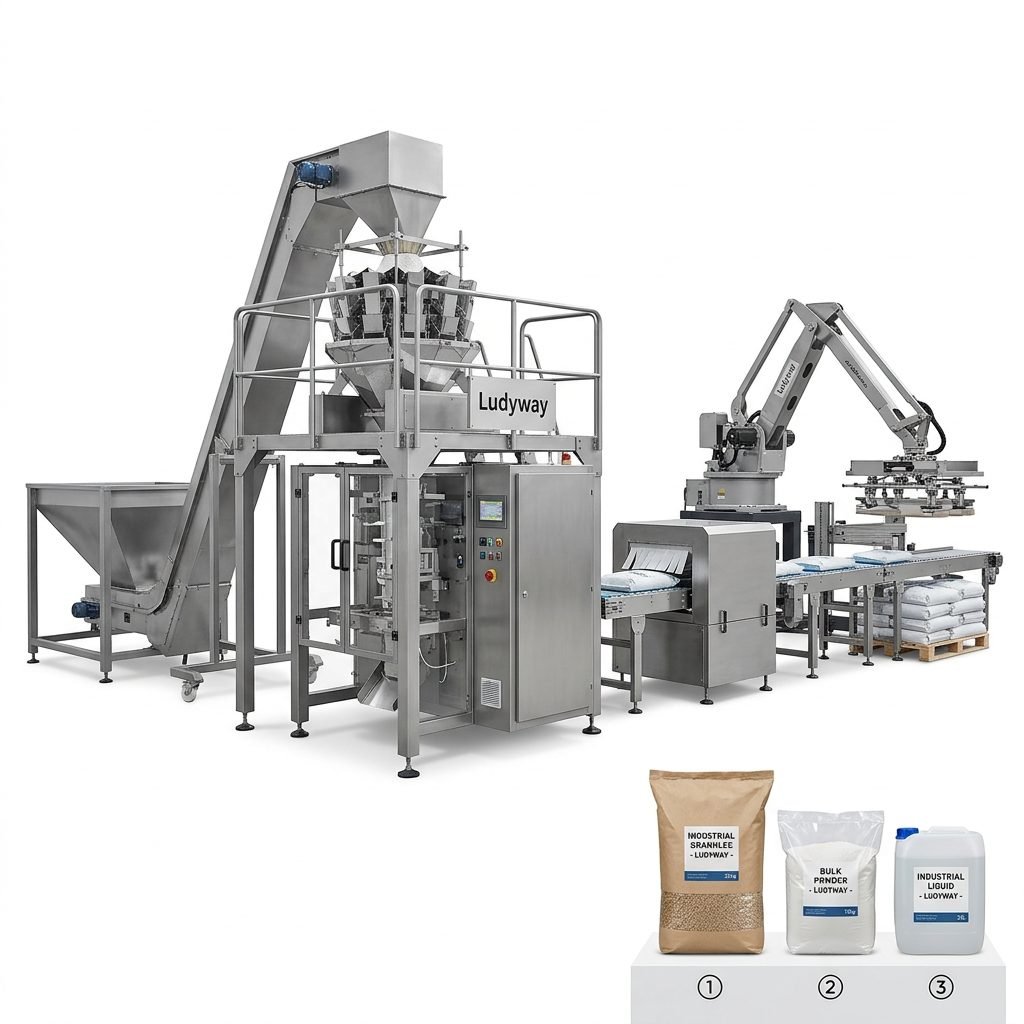
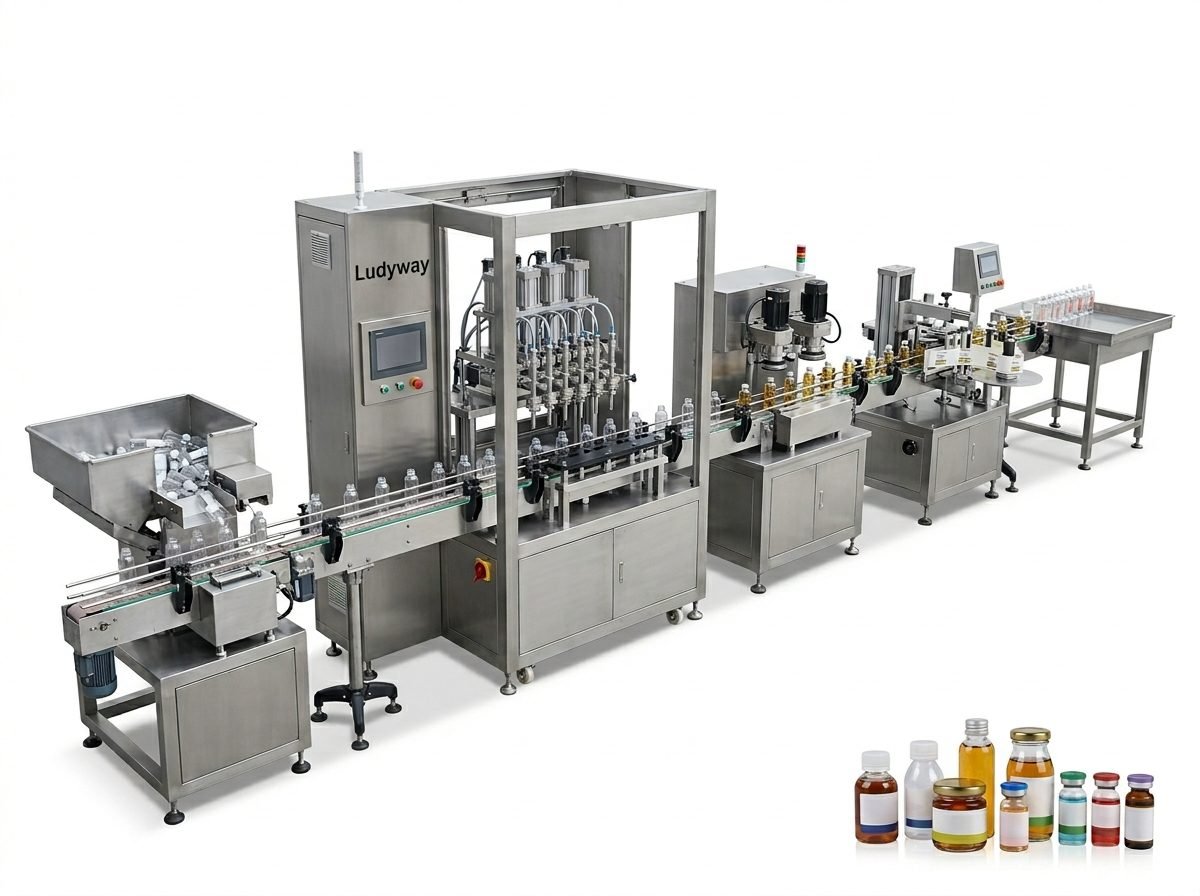
A complete juice packaging line may include:
- Mixing or storage tank
- Liquid feeding pump
- Filtration unit
- Filling and sealing machine
- Date coding or printing system
- Labeling machine
- Checkweigher or detector
- Cartoning or case packing system
- Conveyor and collection platform
This is why two quotations can differ significantly even when both suppliers appear to be offering “juice packing machines.” One may cover only the filler, while another includes the complete packaging workflow.
Cost Breakdown Beyond the Machine Price
To make a realistic budget, buyers should look beyond the ex-factory machine cost.
Additional costs may include:
- Shipping and freight
- Import duty and customs charges
- Installation and commissioning
- Operator training
- Spare parts package
- Packaging film or pouch testing costs
- Air compressor or utilities setup
- Maintenance and consumables
If you compare suppliers only by the initial machine quote, you may miss the real ownership cost over the next 3 to 5 years.
How to Choose the Right Juice Packing Machine for Your Budget
Instead of asking only “What is the cheapest machine?”, ask “Which machine matches my production goals with the best return?”
A practical buying checklist
- Define your juice product type clearly.
- Confirm your required package format.
- Estimate hourly and daily production volume.
- Decide whether you need semi-auto or full-auto equipment.
- Check hygiene and food safety requirements.
- Prepare sample products and packaging materials for testing.
- Ask what is included in the quotation.
- Review warranty, support, and spare parts service.
Tip: If your business plans to scale in the next 12–24 months, it is often better to buy a machine with some capacity margin rather than replacing it too soon.
Who Typically Needs a Higher-Priced Juice Packing Machine?
Premium-priced machines are usually a better fit for buyers who need stable output and long-term operational efficiency, such as:
- Large beverage manufacturers
- Private label and OEM juice producers
- Export-oriented food companies
- Brands with multiple pouch or bottle formats
- Factories planning multi-shift production
- Businesses seeking lower labor dependence
These users often gain more value from reliable automation than from a low upfront purchase price.
Who Can Start with a Lower-Cost Option?
A more basic machine may be suitable for:
- Startup beverage brands
- Local trial-market producers
- R&D and sample production teams
- Businesses with limited SKU volume
- Companies validating a new juice concept
However, even entry-level buyers should avoid compromising too much on sealing reliability, filling accuracy, and food-contact safety.
How to Request an Accurate Quote
To get a meaningful quotation, send suppliers the following information:
- Juice product details
- Package type and bag dimensions
- Required filling volume
- Target speed
- Photos or samples of your desired pack
- Voltage and country of use
- Whether you need coding, labeling, cartoning, or a full line
- Any certification or material requirements
The more precise your information, the more accurate the machine recommendation and pricing will be.
Choosing a Reliable Supplier
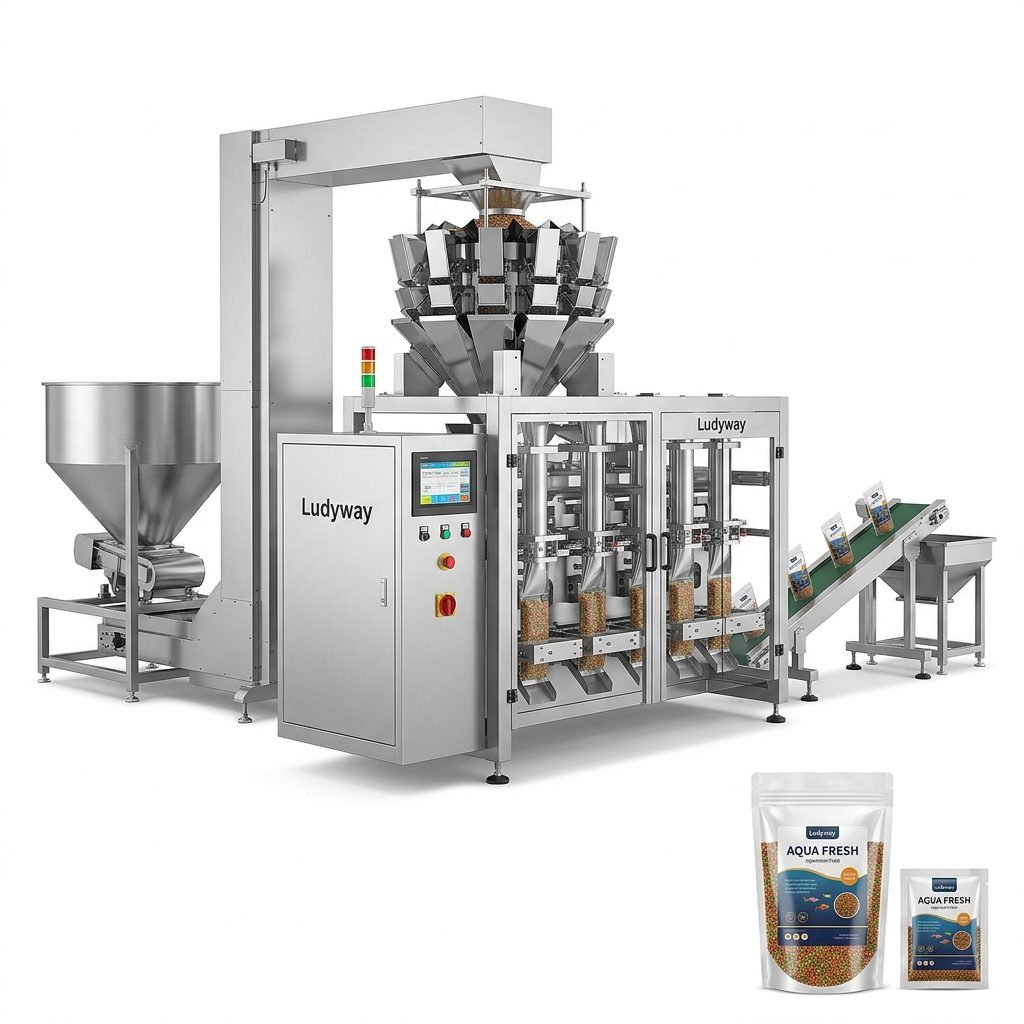
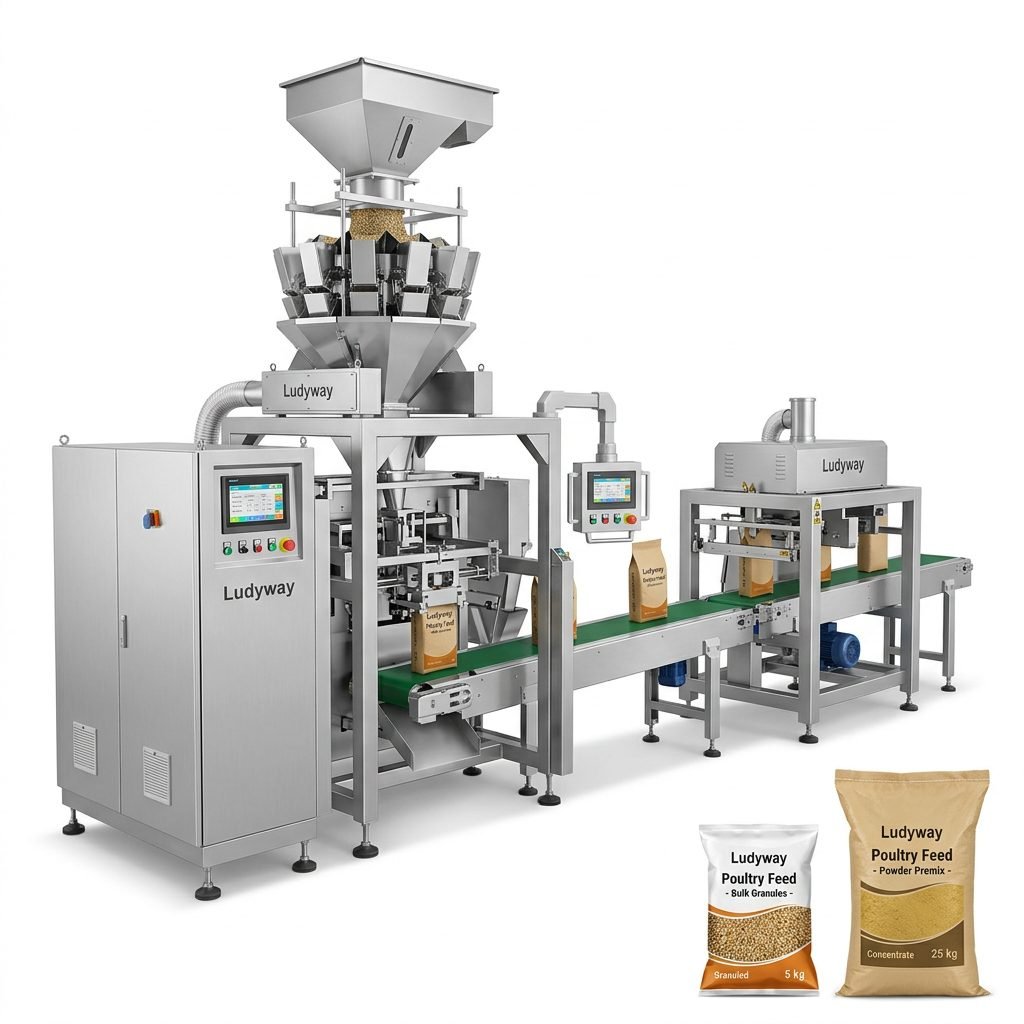
For buyers who want not only a machine but also long-term packaging support, working with an experienced manufacturer matters. Ludyway juice packing machine solutions are backed by more than 30 years of packaging machinery experience, a manufacturing facility of over 20,000 square meters, and broad export service capability across food, pharmaceutical, health supplement, and related industries.
This kind of manufacturing background can be especially useful when your project needs custom filling, pouch adaptation, or complete turnkey packaging line integration.
Final Price Insight
The cost of a juice packing machine can range from a few thousand dollars for simple filling equipment to several hundred thousand dollars for a fully integrated production line. The final price depends on what you are packing, how fast you need to run, what packaging format you use, and how much automation and reliability your operation requires.
Best buying strategy: focus on total value, not just the lowest quote. A well-matched juice packing machine can improve output, reduce waste, strengthen package quality, and support long-term business growth.