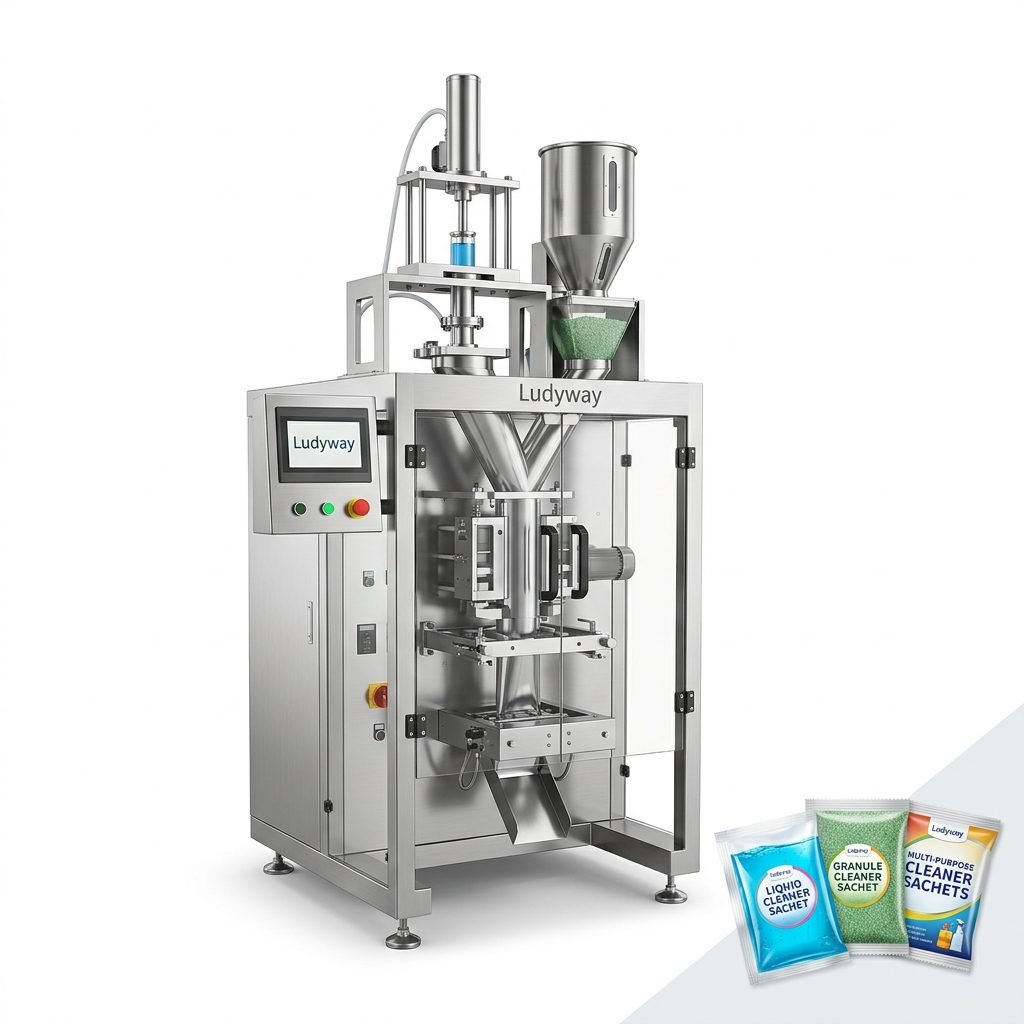
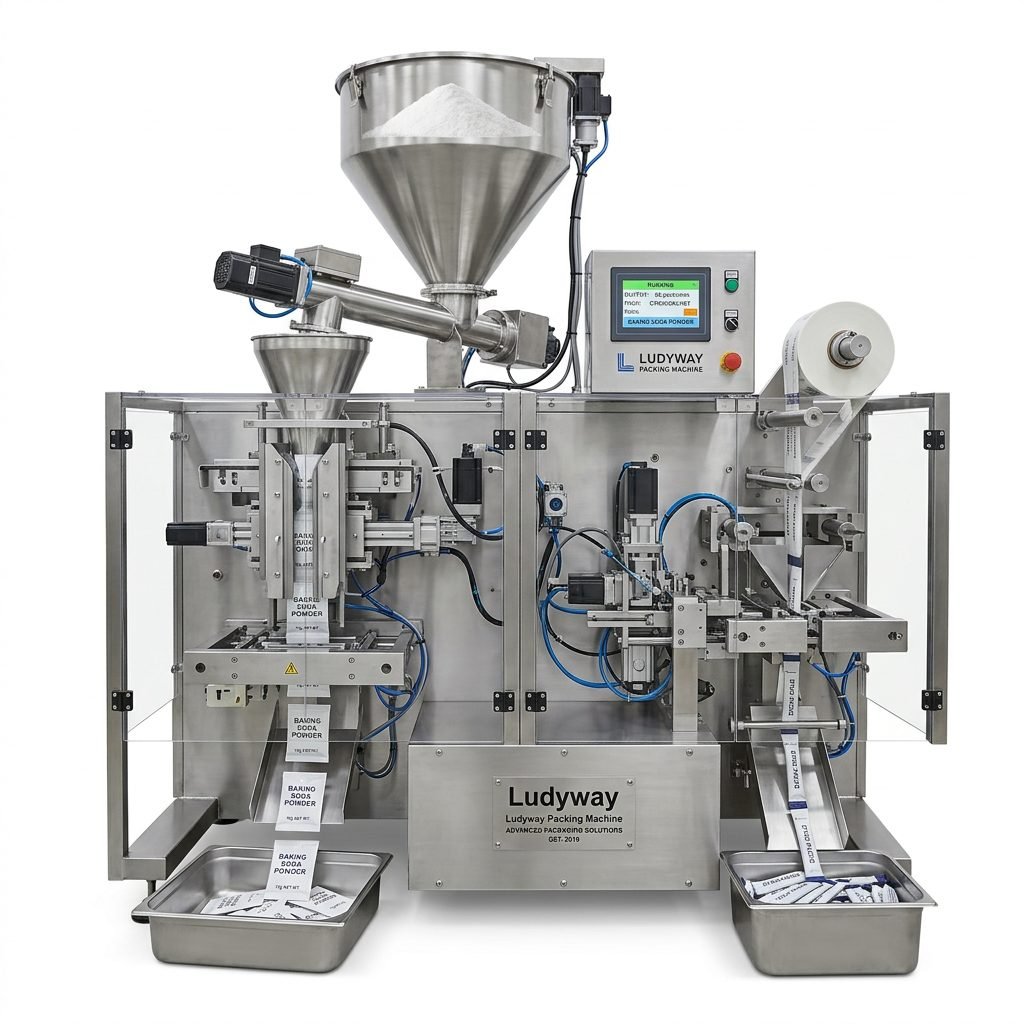
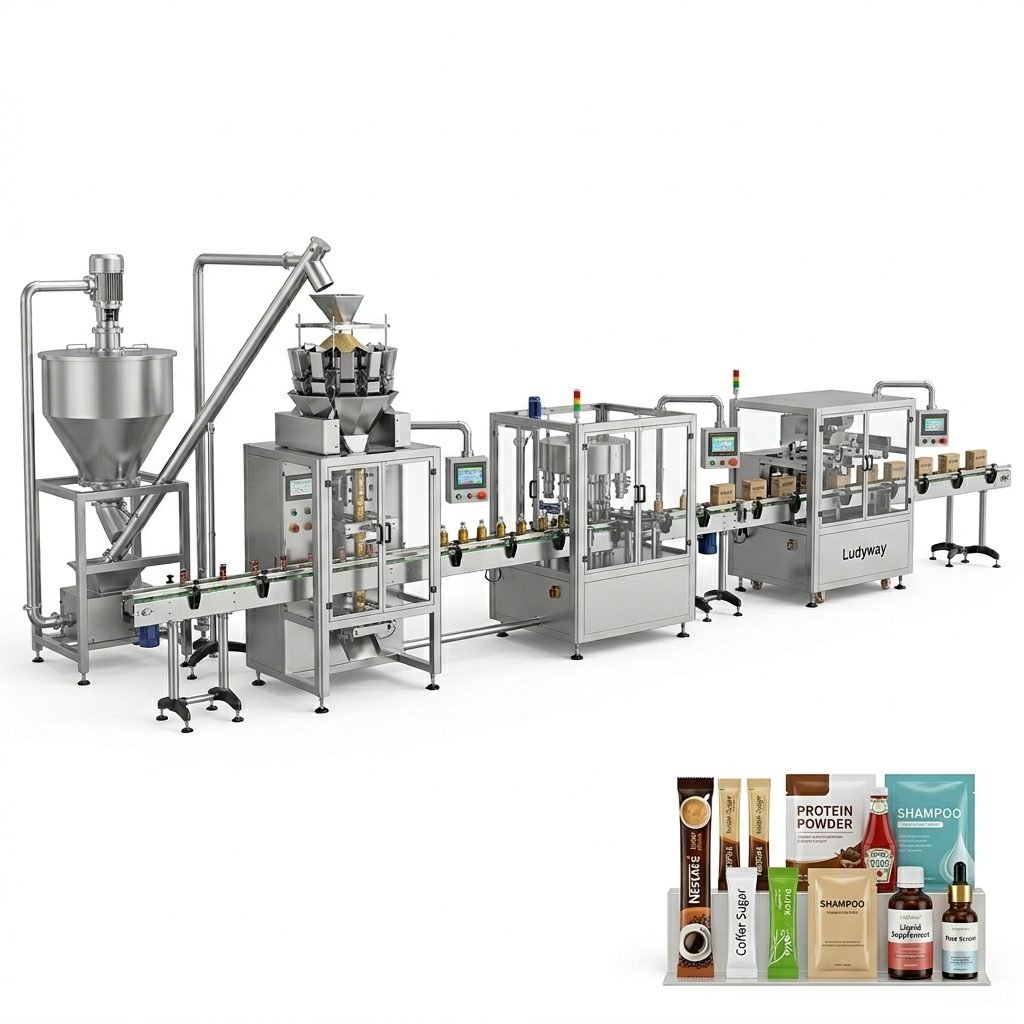
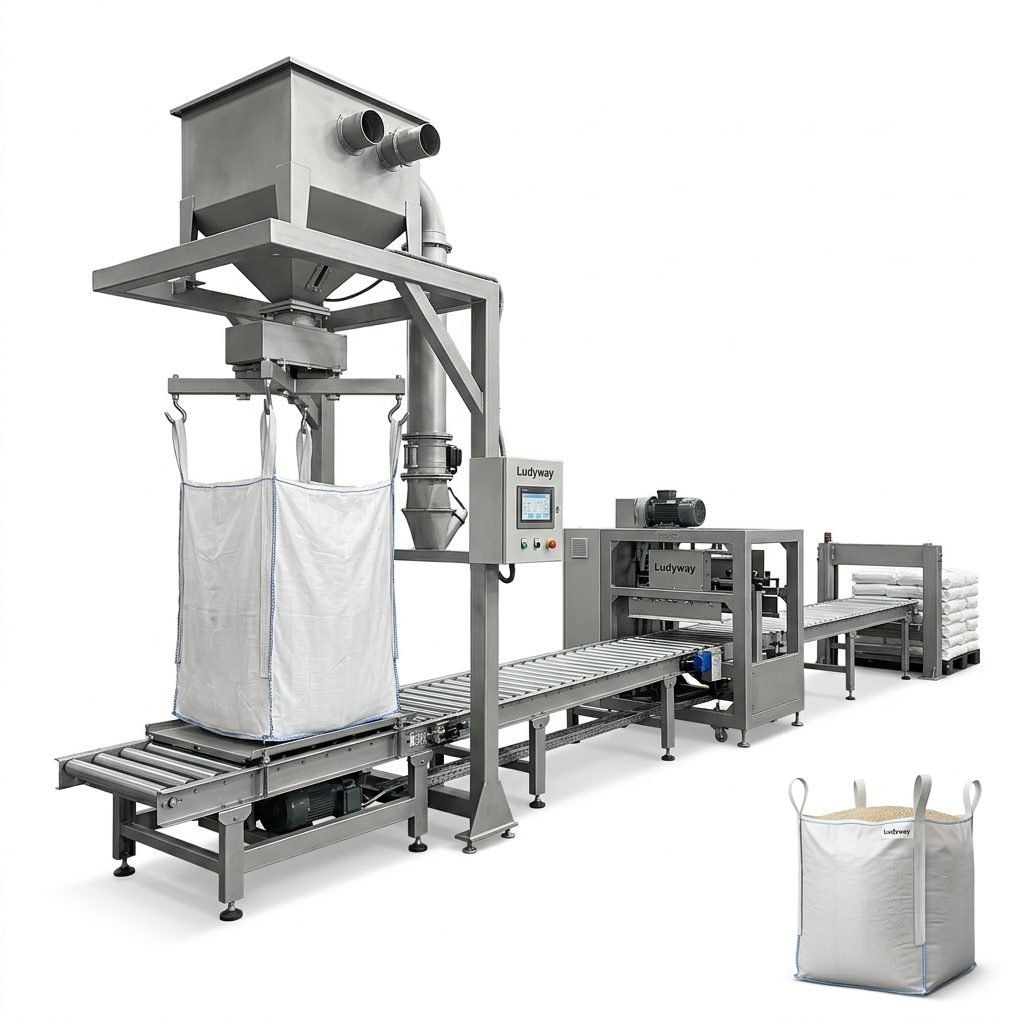
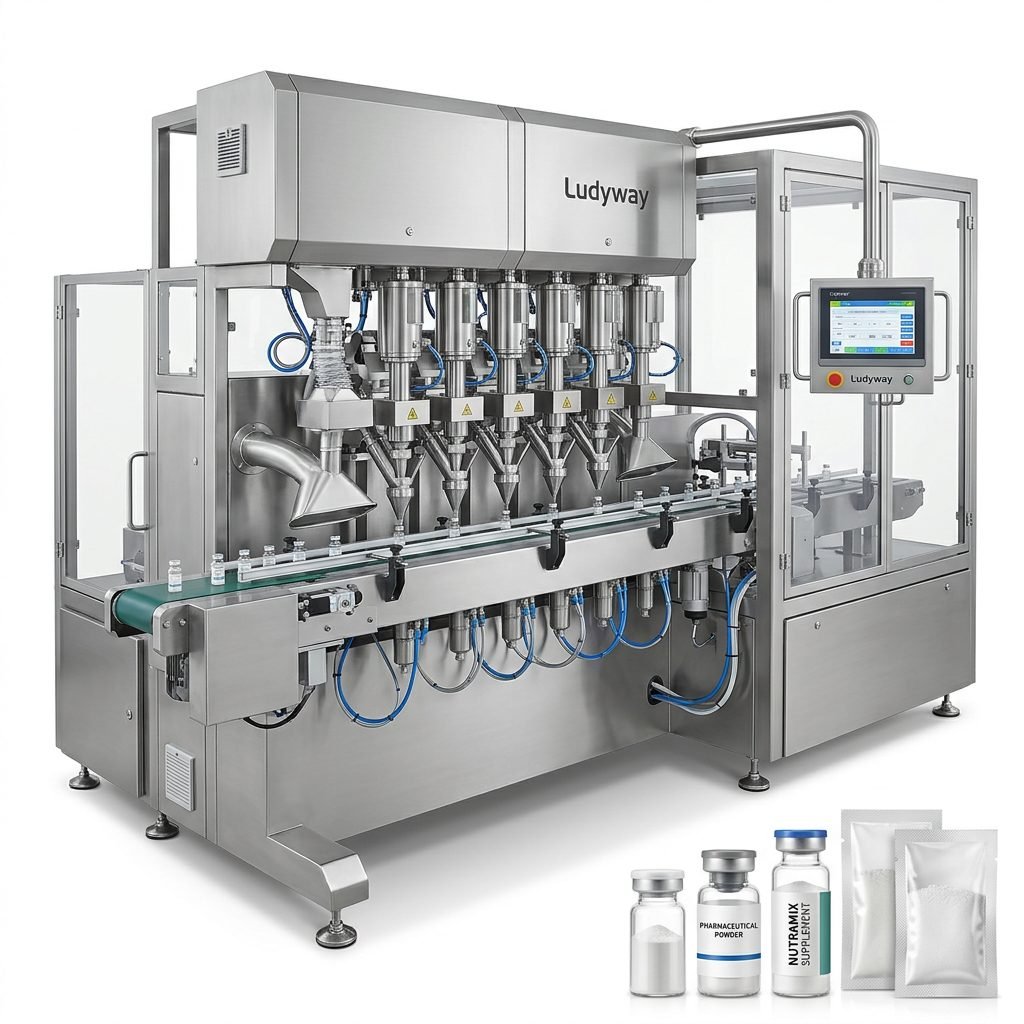
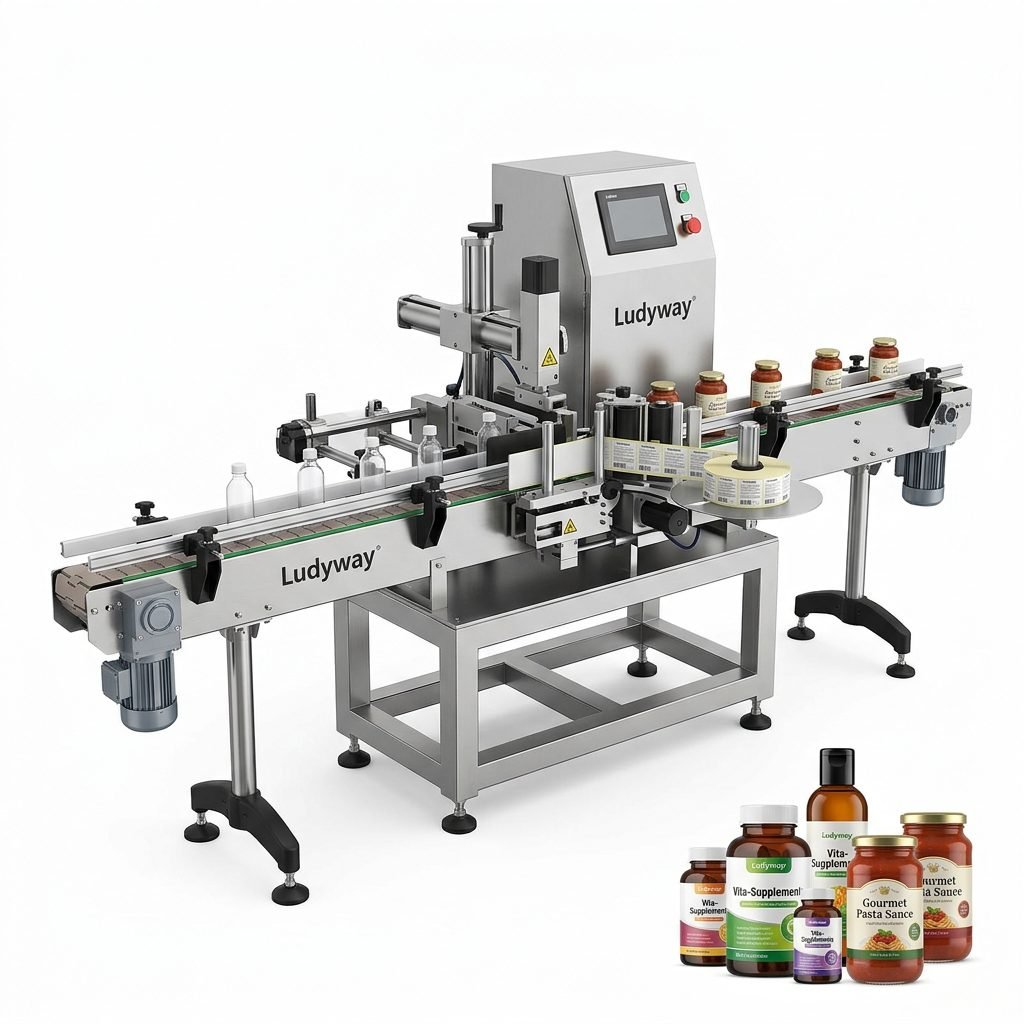
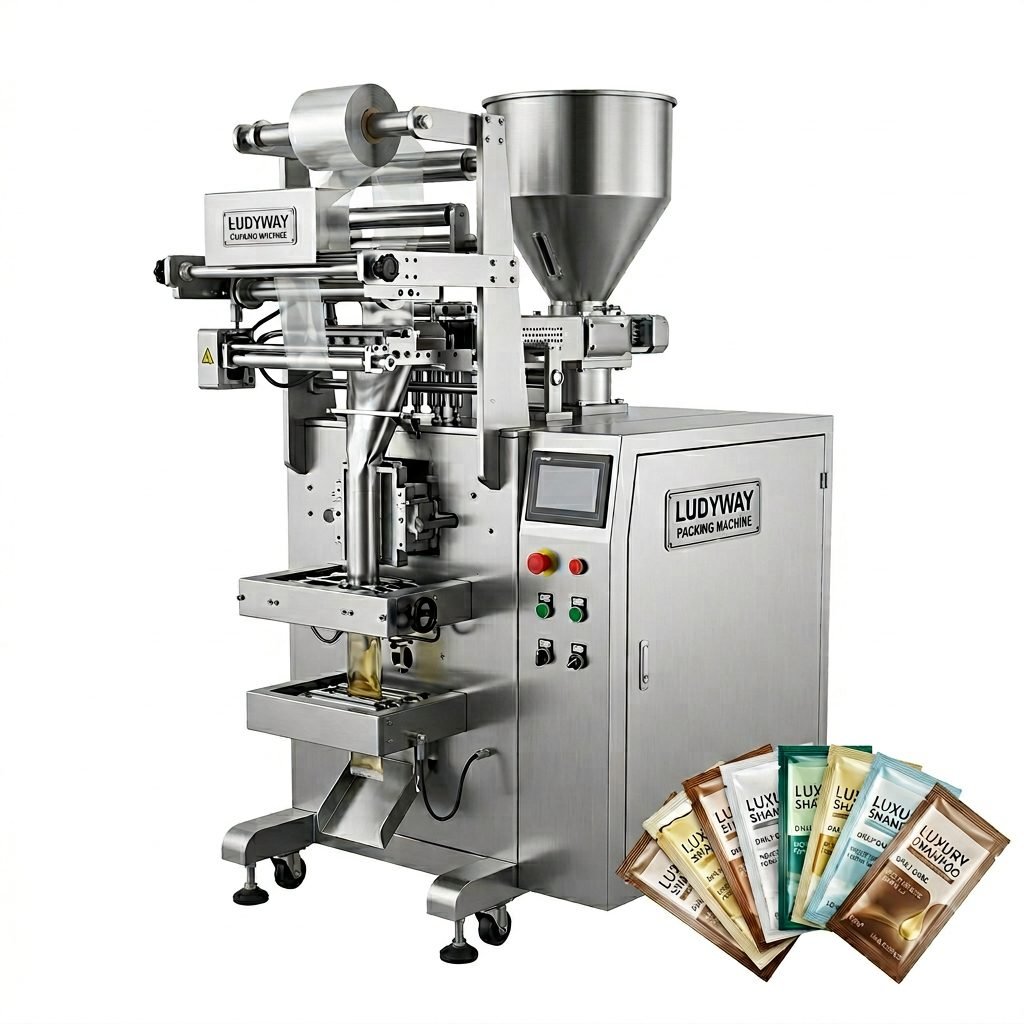
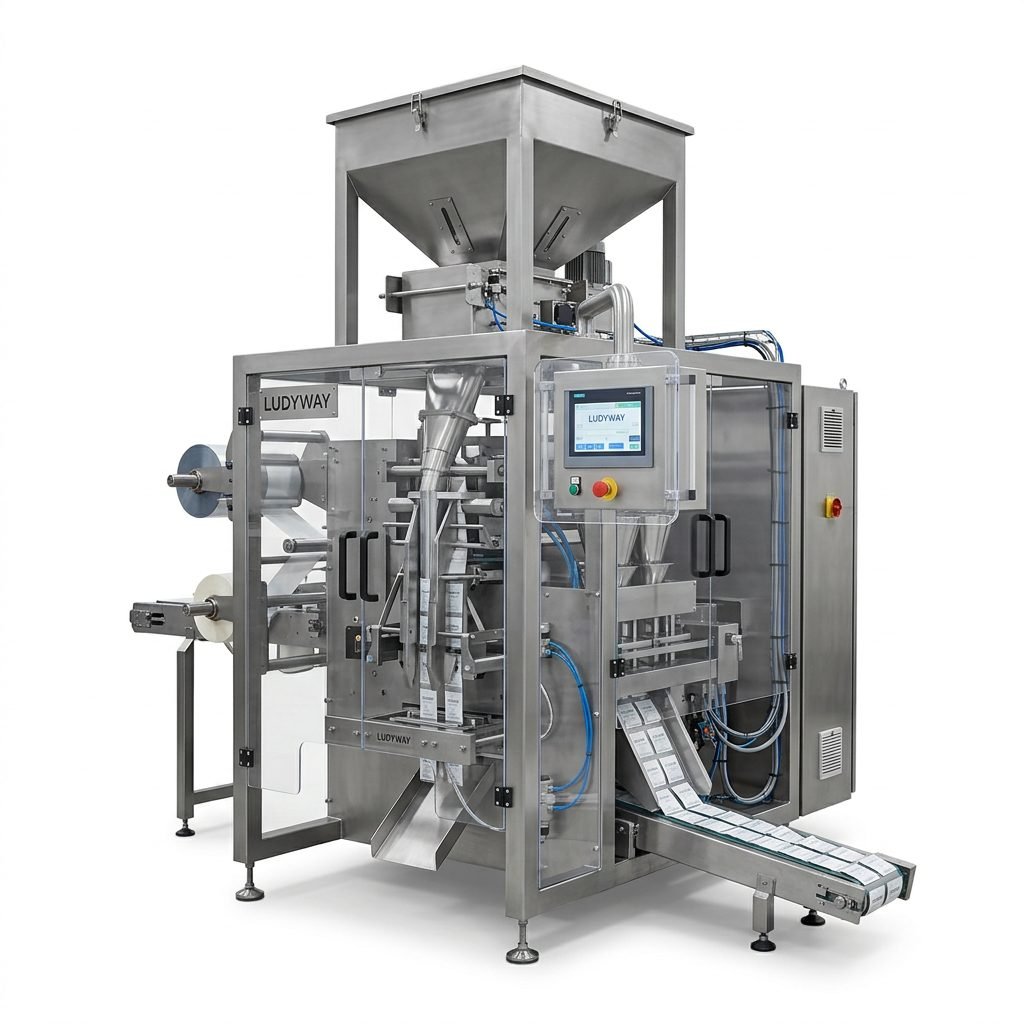
Water pouch packaging machines are automated systems designed to form, fill, seal, and cut flexible pouches for drinking water and other liquid products. They are widely used in markets where compact, low-cost, and portable packaging is essential. These machines are especially popular for serving purified water, mineral water, flavored water, coconut water, and similar beverages in single-use or small-volume packs.
For manufacturers, distributors, and new beverage brands, choosing the right machine can directly affect output, hygiene, packaging consistency, and operating cost. Understanding how a water pouch packaging machine works is the first step toward selecting the right production solution.
What Is a Water Pouch Packaging Machine?
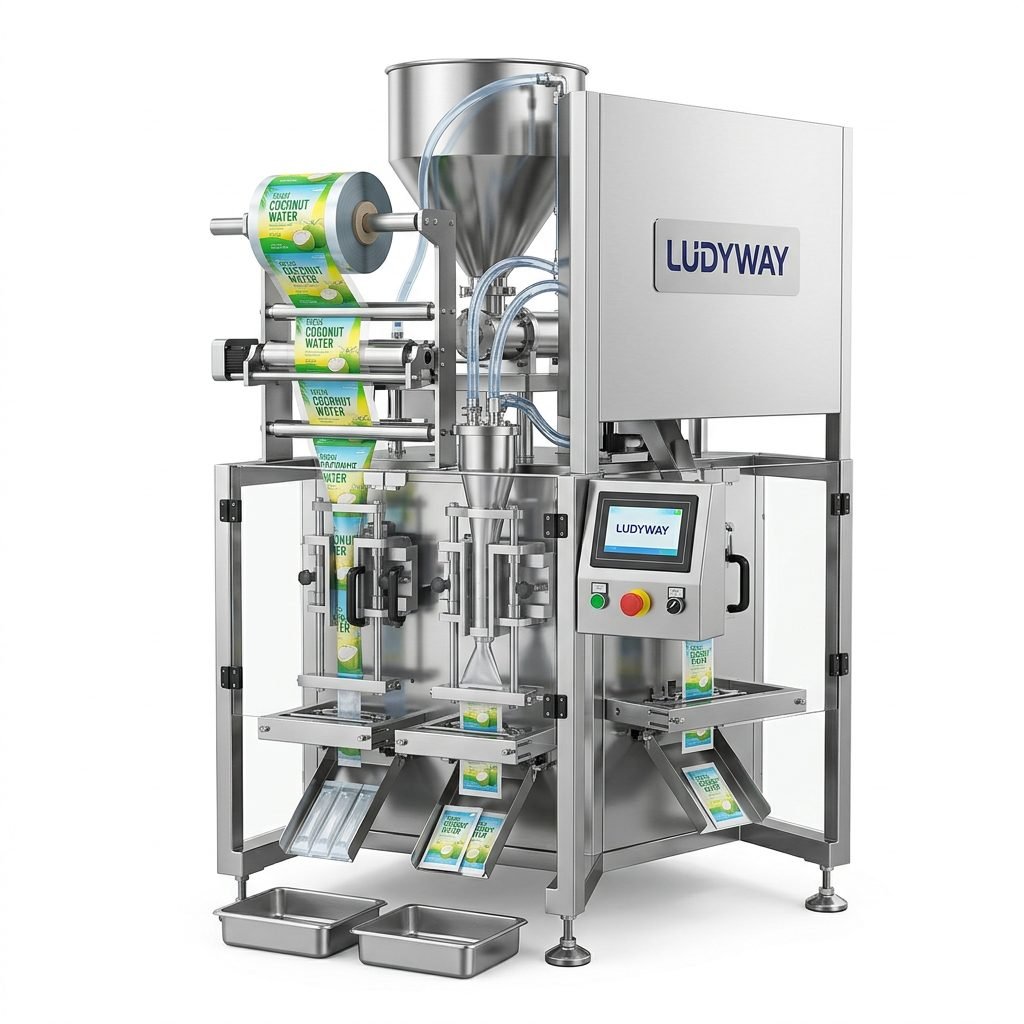
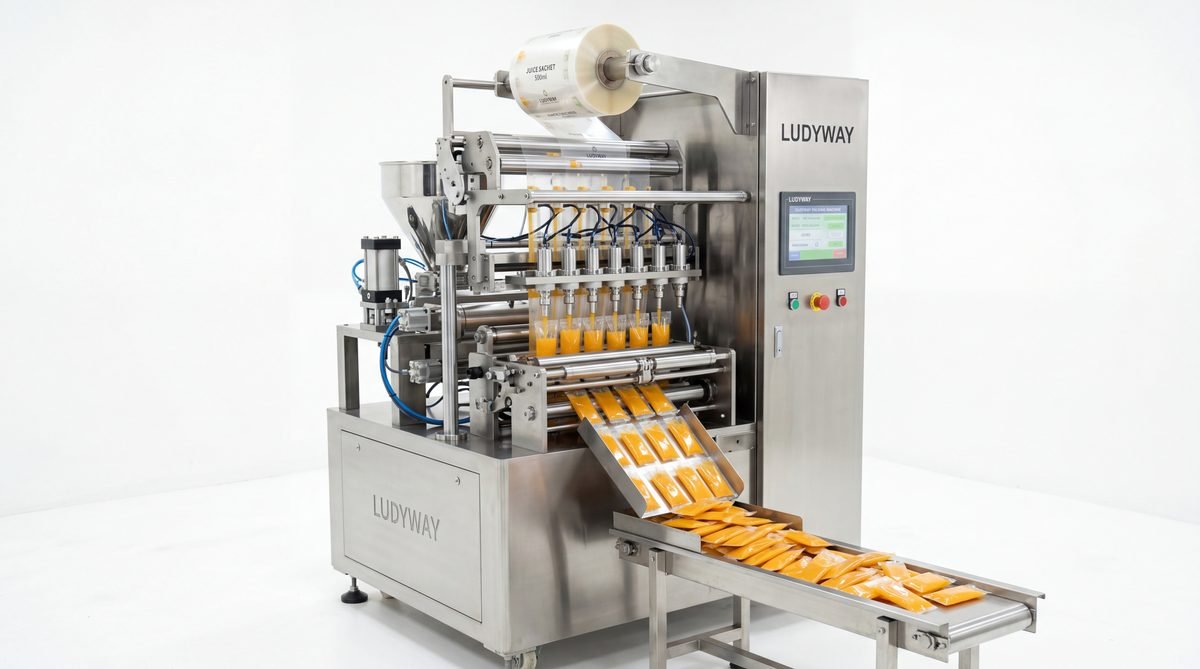
A water pouch packaging machine is a liquid packaging system that converts roll film into sealed pouches and fills them with a measured quantity of water. Depending on the machine design, it may produce three-side seal, four-side seal, pillow pouch, or stick pack formats. In the packaged water industry, the most common application is small, affordable drinking water sachets for retail, events, schools, travel, and emergency supply.
These machines are often integrated with liquid storage tanks, filtration systems, sterilization units, date coders, conveyors, and secondary packaging equipment. In automated lines, the process is continuous and optimized for hygiene and speed.
Main purpose of the machine
- Package drinking water into small flexible pouches
- Improve filling accuracy and sealing consistency
- Reduce manual labor and contamination risk
- Support higher production speed for commercial operations
- Provide economical packaging for mass distribution
How Does a Water Pouch Packaging Machine Work?
Although different models have different structures, most water pouch packaging machines follow a similar workflow. The machine combines film feeding, pouch forming, liquid dosing, sealing, coding, and pouch discharge into one automated process.
Step-by-step working process
- Film unwinding: A roll of packaging film is loaded onto the machine and fed forward under controlled tension.
- Pouch forming: The film is folded or shaped into the required pouch form by a forming collar or sealing structure.
- Vertical or horizontal sealing: Heat sealing components create the side seams or back seal.
- Liquid filling: Purified water is dosed into each pouch through a hygienic liquid filling system.
- Top sealing: The open end of the pouch is heat sealed to prevent leakage.
- Cutting: Individual pouches are separated automatically by cutting knives.
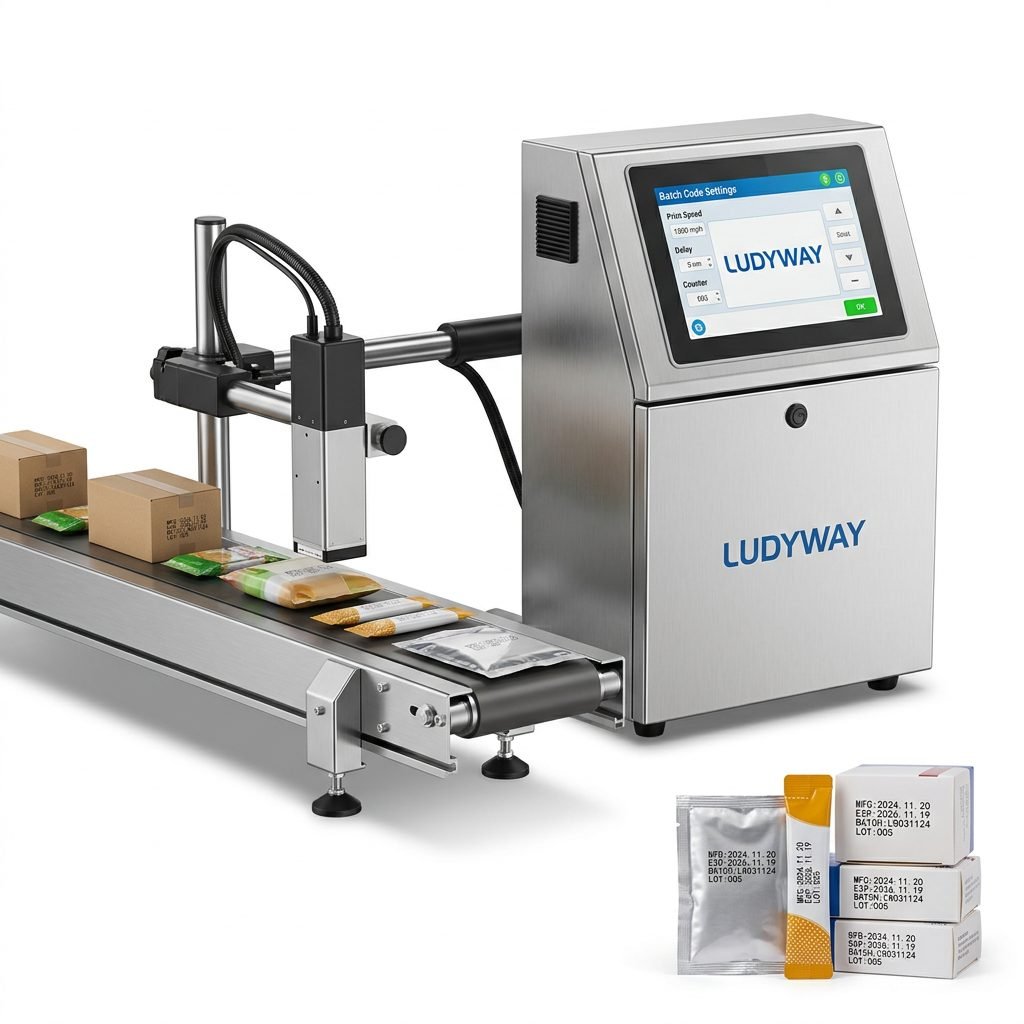
- Date/batch coding: Production date or batch information may be printed during the process.
- Discharge: Finished water pouches move to a collection tray, conveyor, or secondary packing station.
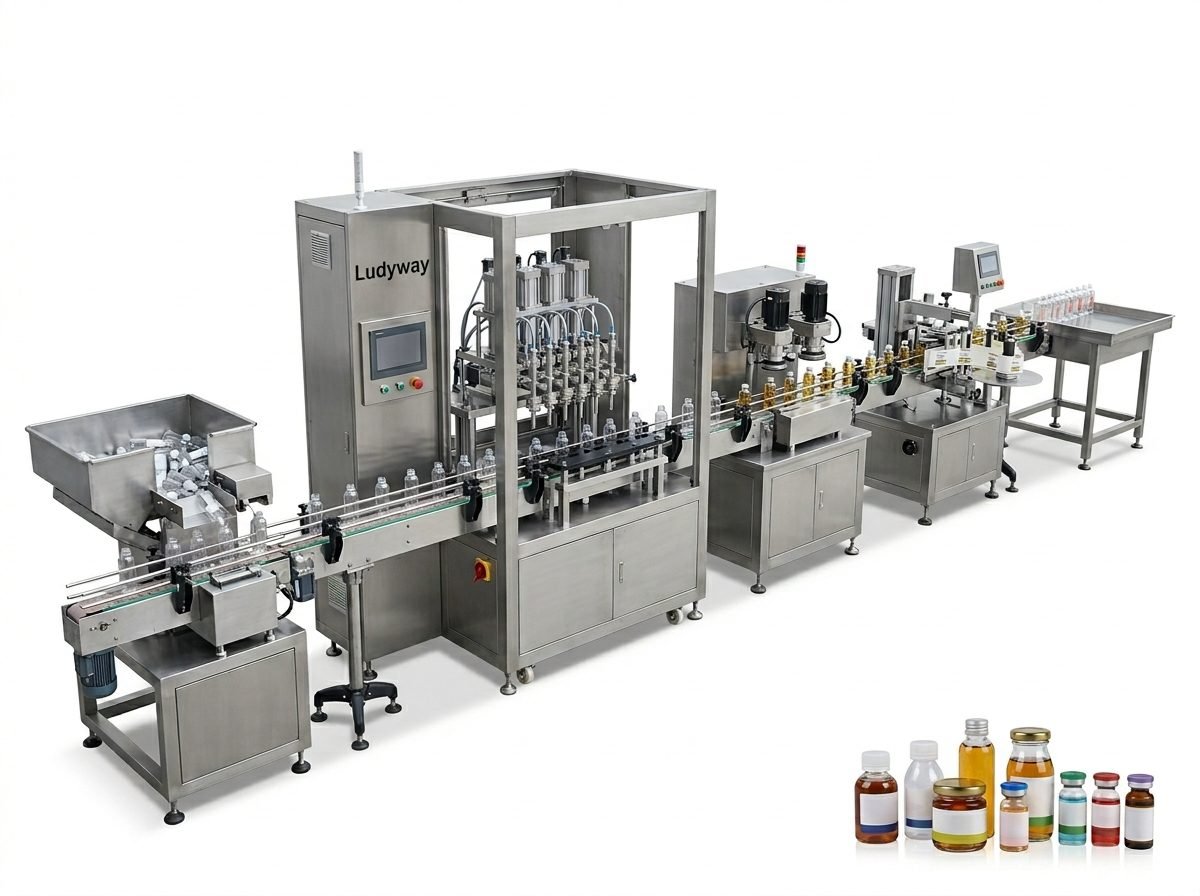
Core machine components
| Component | Function |
|---|---|
| Film roll holder | Supports and feeds packaging film smoothly |
| Forming system | Shapes the film into pouch structure |
| Liquid filling pump | Controls the amount of water delivered into each pouch |
| Heat sealing unit | Seals pouch edges securely |
| Cutting device | Separates each finished pouch |
| Control panel / PLC | Adjusts parameters such as speed, filling volume, and temperature |
| Date coder | Prints batch number or production date |
Types of Water Pouch Packaging Machines
The best machine depends on production capacity, pouch design, hygiene requirements, and budget. The most common categories include:
1. Semi-automatic water pouch machines
These require more operator involvement and are generally suited to small businesses or pilot production. They have lower upfront cost but lower throughput.
2. Fully automatic water pouch packaging machines
These are ideal for medium to large-scale production. They automate the full process from film forming to sealing and cutting, offering better speed, accuracy, and hygiene control.
3. Vertical form fill seal liquid pouch machines
These systems are commonly used for water sachets and other low-viscosity liquids. They are efficient, compact, and widely adopted in beverage packaging.
4. Multi-lane liquid sachet systems
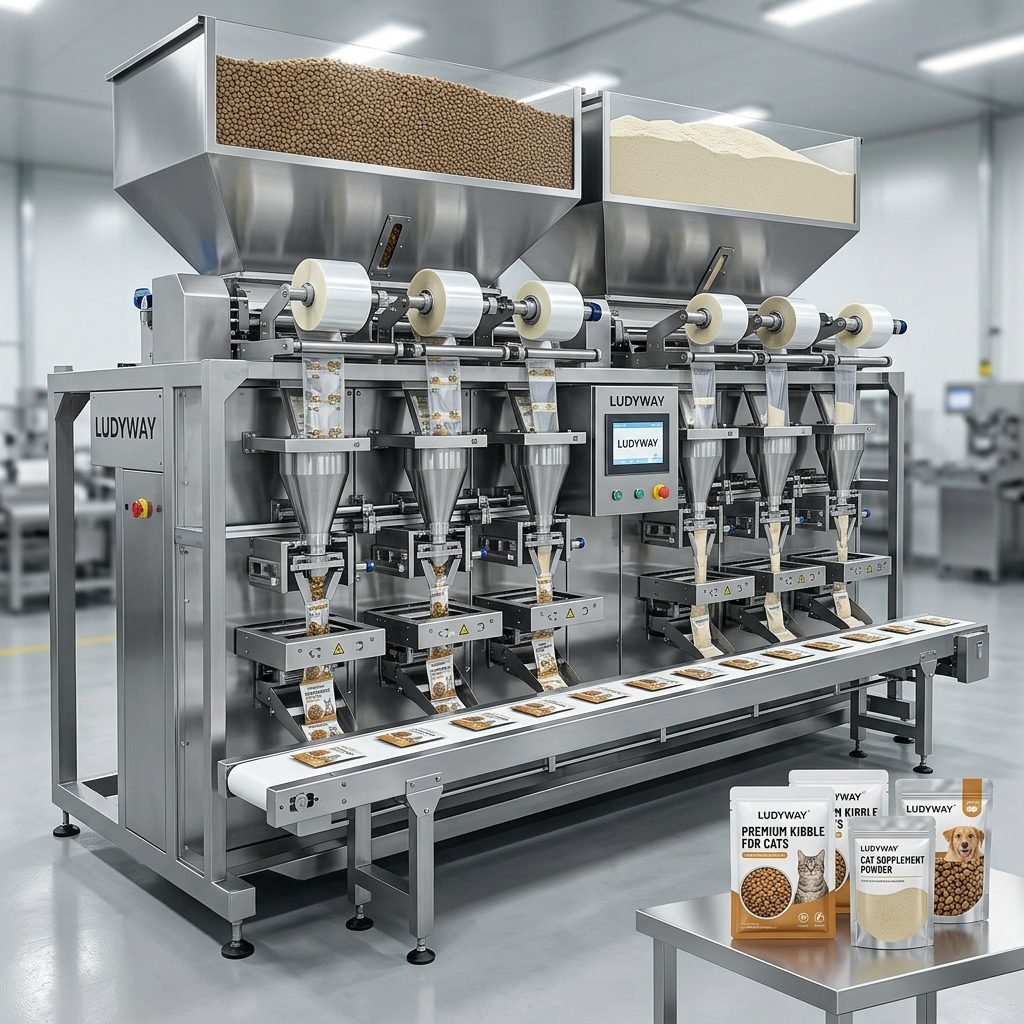
For higher production demands, multi-lane machines can produce several pouches simultaneously, significantly increasing output per minute.
Key Benefits of Using a Water Pouch Packaging Machine
Investing in the right machine brings both operational and commercial benefits. For many producers, pouch water packaging is attractive because it combines low material cost with easy transportation and broad market accessibility.
- High efficiency: Automated production increases pouch output and reduces bottlenecks.
- Lower packaging cost: Flexible film is often more economical than rigid bottles or cups.
- Improved hygiene: Enclosed filling and sealing help reduce contamination risk.
- Consistent pouch quality: Reliable sealing and dosing improve product uniformity.
- Space-saving design: Many machines have a compact footprint suitable for limited factory space.
- Labor savings: Fewer operators are needed compared with manual packaging.
- Flexible production: Machines can often be adjusted for different pouch sizes and fill volumes.
Why many producers choose pouch water packaging
| Advantage | Business Impact |
|---|---|
| Low material cost | Improves margin in price-sensitive markets |
| Portable format | Easy to distribute in retail and outdoor settings |
| Fast production | Supports higher sales volume |
| Simple storage and transport | Reduces logistics burden |
| Customizable pouch printing | Strengthens branding and product visibility |
Common Uses of Water Pouch Packaging Machines
Although the name focuses on water, these machines are also suitable for a range of free-flowing liquid products with similar filling characteristics.
Typical applications
- Purified drinking water
- Mineral water
- Flavored water
- Coconut water
- Electrolyte drinks
- Oral rehydration liquids
- Low-viscosity beverage samples
In some regions, water pouches are also used for humanitarian aid, disaster relief, public events, and cost-effective urban distribution. Their convenience makes them useful in fast-moving consumer markets where lightweight, affordable packaging is important.
Important Features to Look for Before Buying
Not every water pouch packaging machine offers the same level of performance. Buyers should compare technical features carefully before making a decision.
Essential selection points
- Production speed per minute or per hour
- Filling accuracy and volume range
- Film compatibility and pouch style options
- Food-grade contact parts
- Stainless steel construction for hygiene
- Temperature control stability for strong sealing
- Ease of cleaning and maintenance
- PLC and touchscreen operation
- Automatic alarm and fault detection
- After-sales service and spare parts availability
Questions buyers should ask suppliers
- What pouch sizes and fill volumes can the machine support?
- What is the actual production speed under normal operating conditions?
- What type of packaging film is recommended?
- Is the filling system suitable for purified water and similar beverages?
- Can the machine integrate with filtration, coding, or cartoning equipment?
- What training, installation, and technical support are included?
Water Pouch Packaging Machine vs Bottled Water Line
Many beverage businesses compare sachet water with bottled water before investing. Each format has unique advantages.
| Factor | Water Pouch Packaging | Bottled Water Packaging |
|---|---|---|
| Packaging cost | Lower | Higher |
| Portability | High for small single-use packs | High but bulkier |
| Machine footprint | Usually more compact | Often larger line setup |
| Brand perception | Practical and economical | Premium and familiar |
| Distribution model | Mass, low-cost, fast-moving retail | Retail, hospitality, and premium channels |
Industries That Use Similar Liquid Pouch Packaging Technology
The same packaging principles used for water sachets are widely applied across multiple sectors. This is why many manufacturers prefer modular liquid sachet systems that can handle more than one product type.
- Food and beverage
- Pharmaceutical and oral liquid products
- Cosmetic liquids and serums
- Household cleaning liquids
- Chemical liquid packaging
Companies looking for scalable packaging automation often work with specialized manufacturers such as Ludyway water pouch packaging machine solutions, especially when they need custom machine configurations or complete turnkey packaging lines.
Maintenance Tips for Long-Term Machine Performance
Proper maintenance improves uptime, reduces leakage issues, and extends machine life. Water packaging requires special attention to cleanliness because product safety is critical.
Best practices
- Clean liquid contact parts regularly
- Check sealing jaws for wear and residue buildup
- Monitor filling accuracy and recalibrate when needed
- Use suitable packaging film with stable sealing performance
- Inspect pumps, valves, and pipelines for leaks
- Replace consumable parts on schedule
- Train operators on startup, shutdown, and sanitation procedures
Who Should Invest in a Water Pouch Packaging Machine?
This machine is ideal for businesses that want to package water in a practical, high-volume, and affordable format. It is especially suitable for:
- Startups entering the sachet water market
- Established beverage manufacturers expanding product formats
- Contract packers handling liquid products
- Regional distributors serving large consumer populations
- Organizations supplying packaged water for public programs or emergency response
Final Buying Insight
A water pouch packaging machine is more than a filling unit—it is a production asset that affects product hygiene, packaging reliability, output efficiency, and market competitiveness. When properly matched to your product, pouch format, and target capacity, it can provide a fast return through lower packaging cost and scalable production.
If your goal is to package purified water or similar liquids efficiently, the best approach is to evaluate machine speed, sanitation design, filling precision, film compatibility, and supplier support together rather than focusing on price alone.