The packaging machinery industry is a critical backbone of global manufacturing, enabling efficient, safe, and consistent product presentation across countless sectors. For manufacturers seeking reliable partners, navigating the landscape of top packaging machinery manufacturers requires understanding the key institutes that set industry standards, the diverse equipment types available, and their specific applications. This guide serves as a comprehensive resource for industry professionals.
The Role of Industry Institutes and Standards
Professional institutes and established standards are fundamental to ensuring quality, safety, and interoperability in packaging machinery. Adherence to these guidelines is a hallmark of reputable manufacturers.
Key Standard-Setting Bodies
International Organization for Standardization (ISO): Standards like ISO 9001 for quality management systems and ISO 22000 for food safety are crucial. Compliance indicates a manufacturer’s commitment to systematic quality control.
American Society for Packaging and Processing (PMMI): A vital institute that not only sets benchmarks but also connects the industry through events like PACK EXPO, driving innovation and best practices among packaging machinery manufacturers.
European Committee for Standardization (CEN): Provides EN standards widely adopted across Europe, covering safety requirements (e.g., EN 415) which are critical for machinery operating in EU markets.
Manufacturers aligned with these institutes often participate in technical committees, contributing to the evolution of standards that address emerging challenges like sustainability and smart manufacturing.
Comprehensive Guide to Packaging Equipment Types
Modern production lines utilize a sophisticated array of machinery. Understanding the core types is the first step in selecting the right solution.
1. Filling and Sealing Machines
These are the workhorses of primary packaging, designed to accurately meter product into a pouch or container and hermetically seal it.
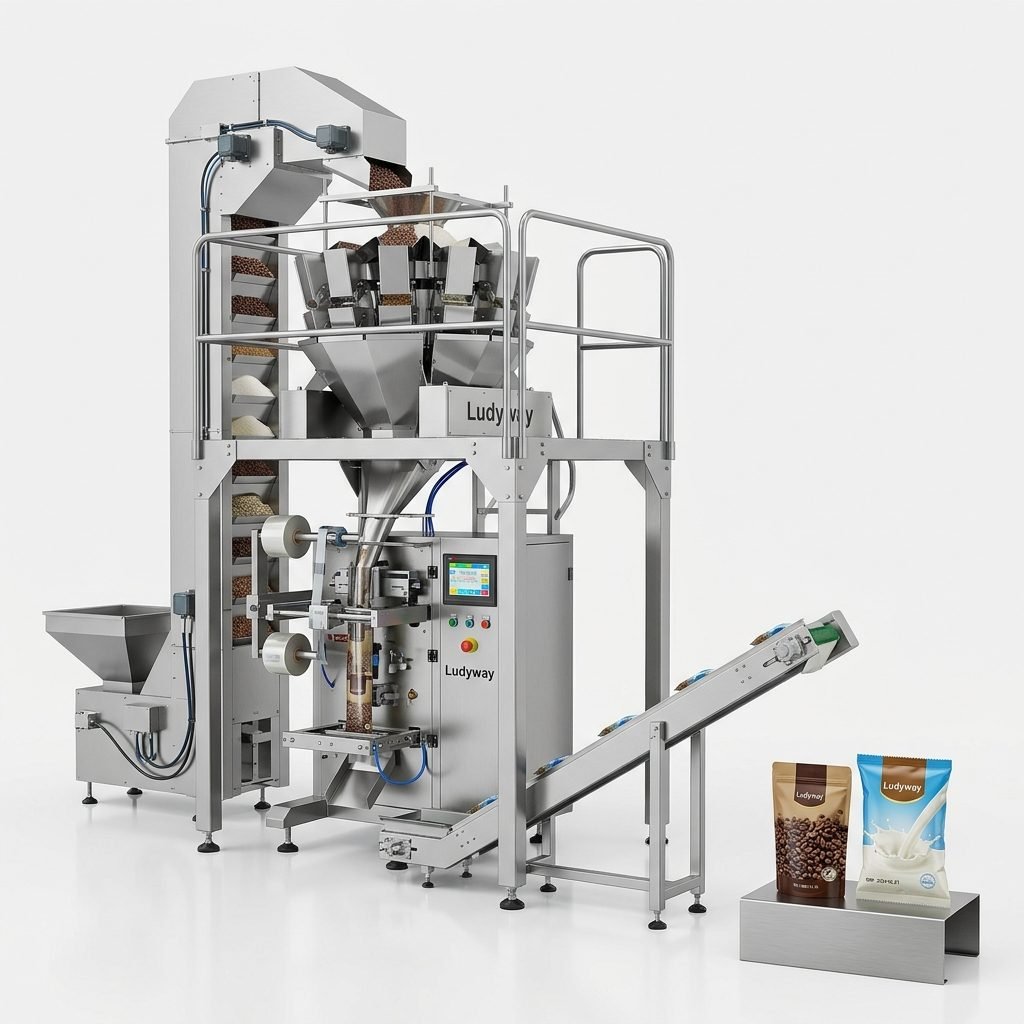
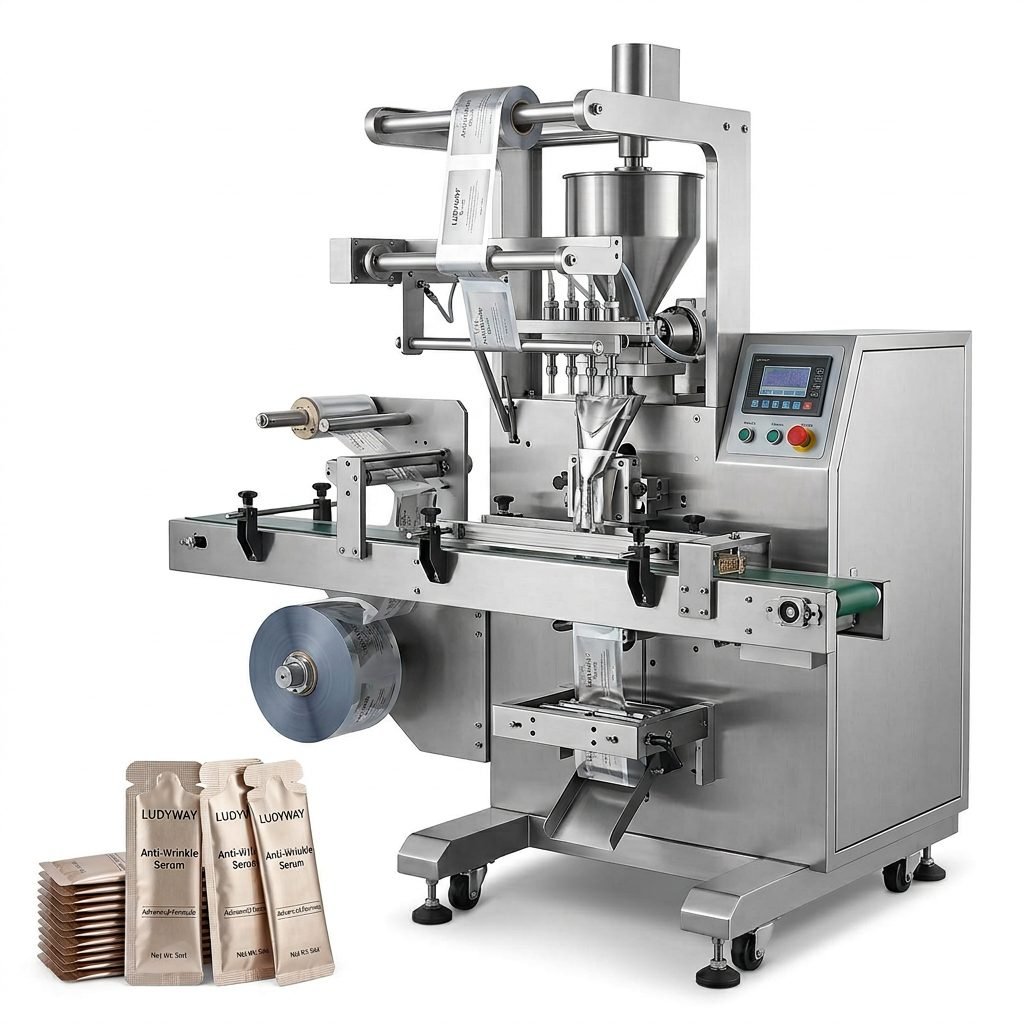
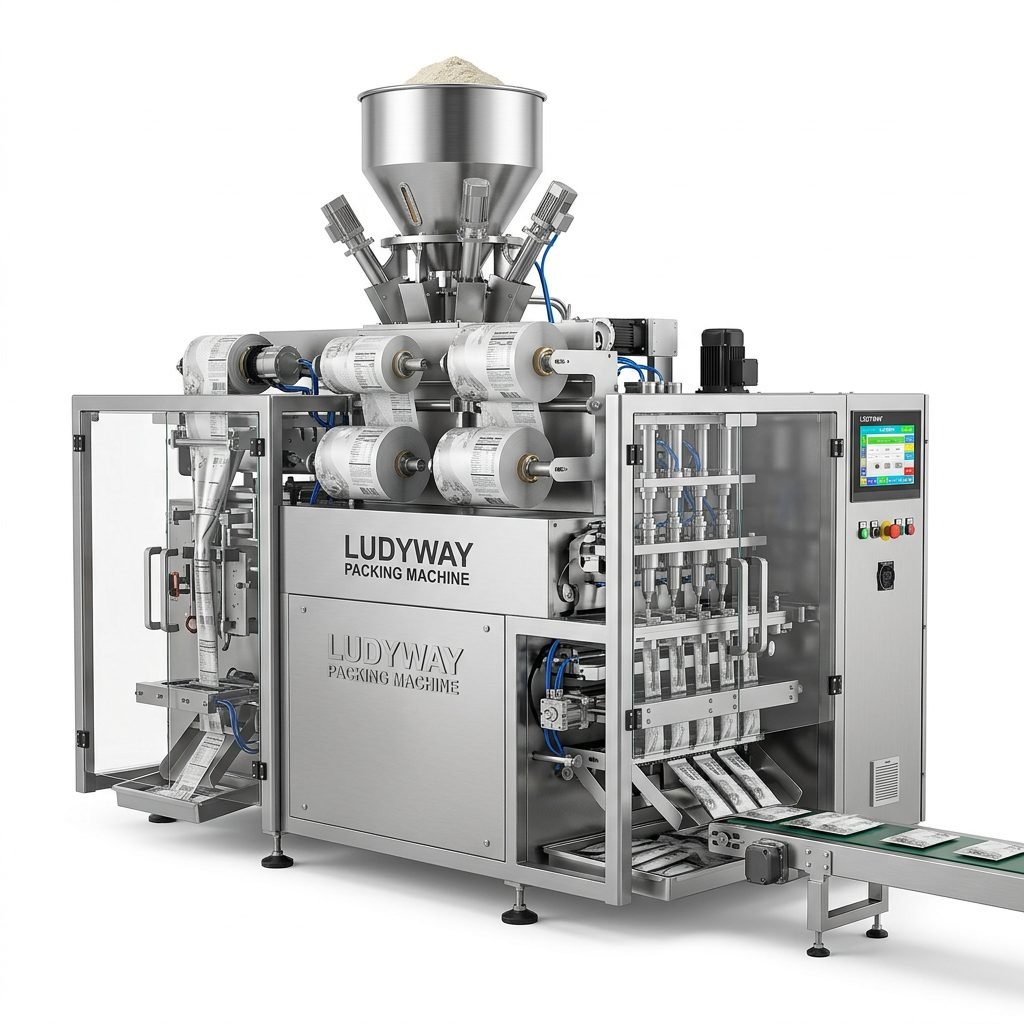
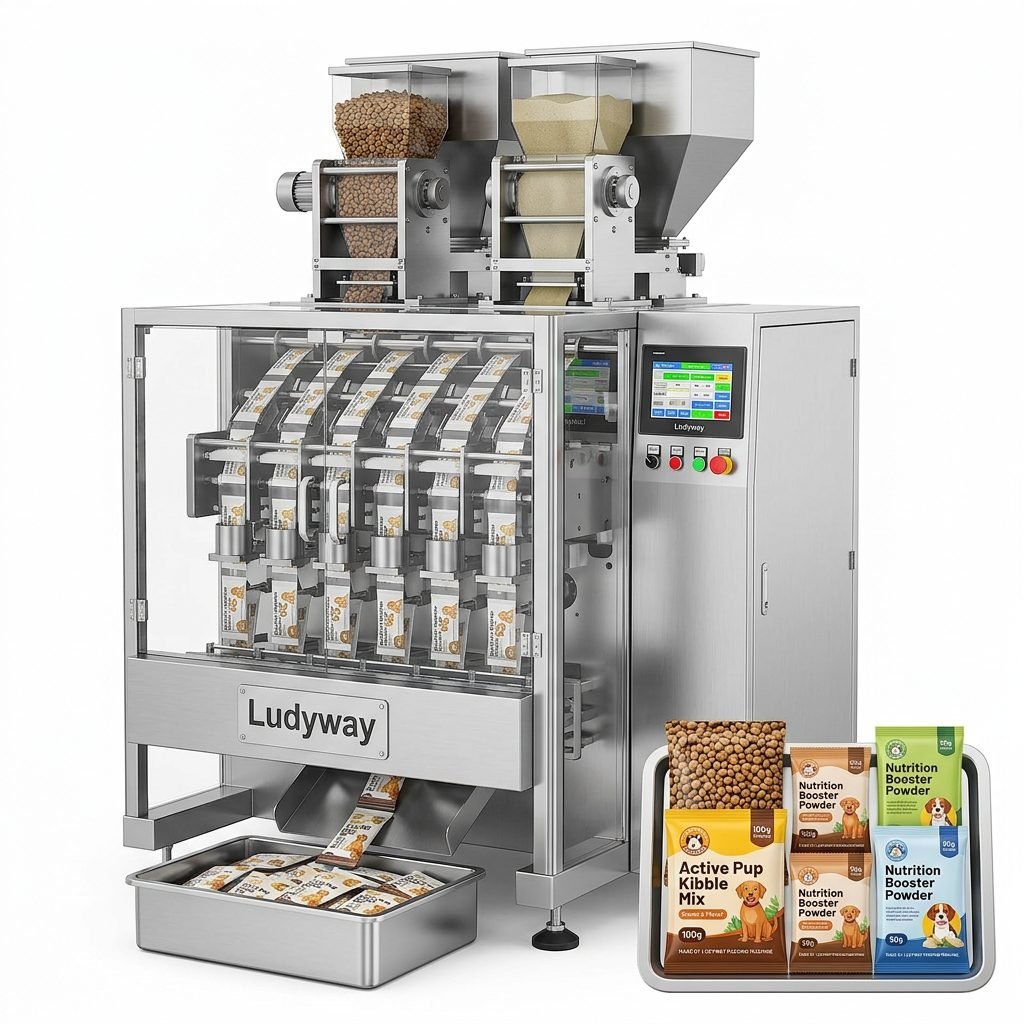
- → Vertical Form-Fill-Seal (VFFS) Machines: Form bags from a roll of film, fill them with product, and seal them in a continuous vertical process. Ideal for granules, powders, and snacks.
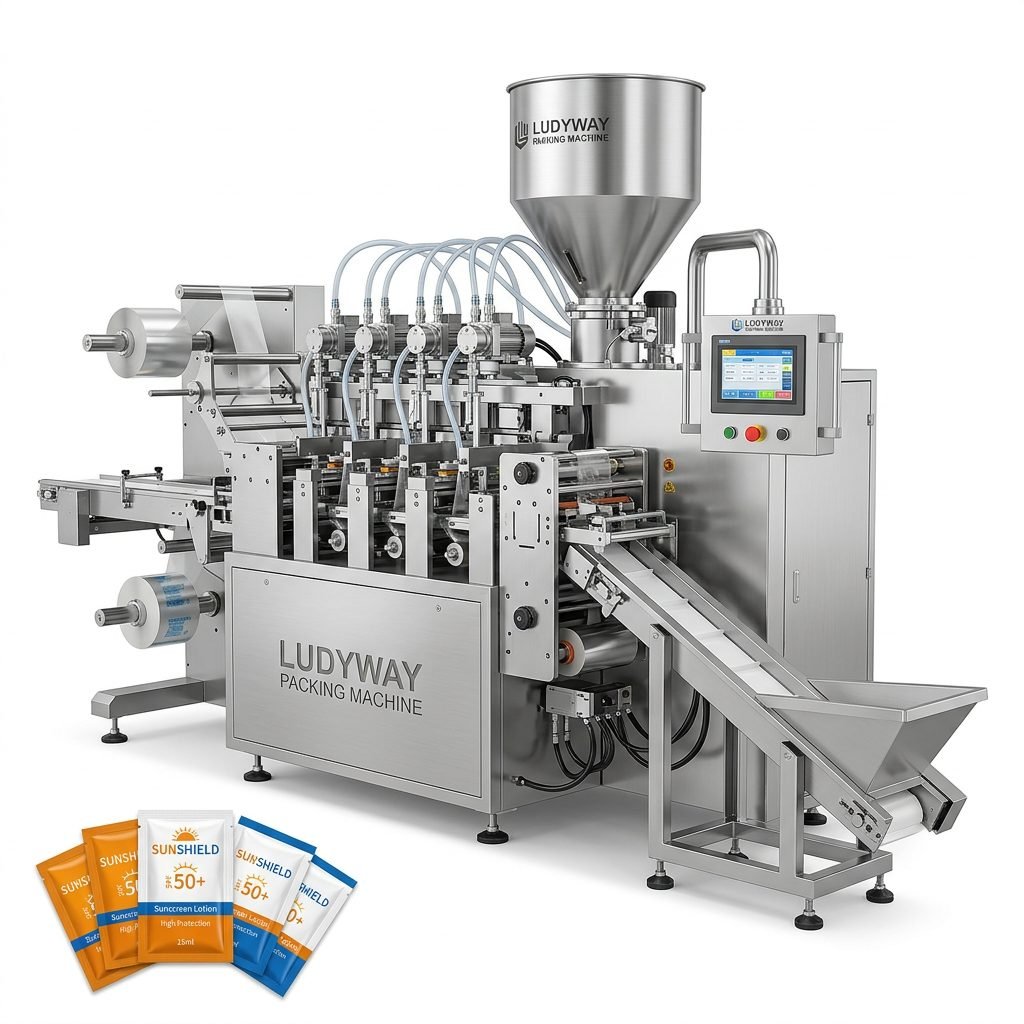
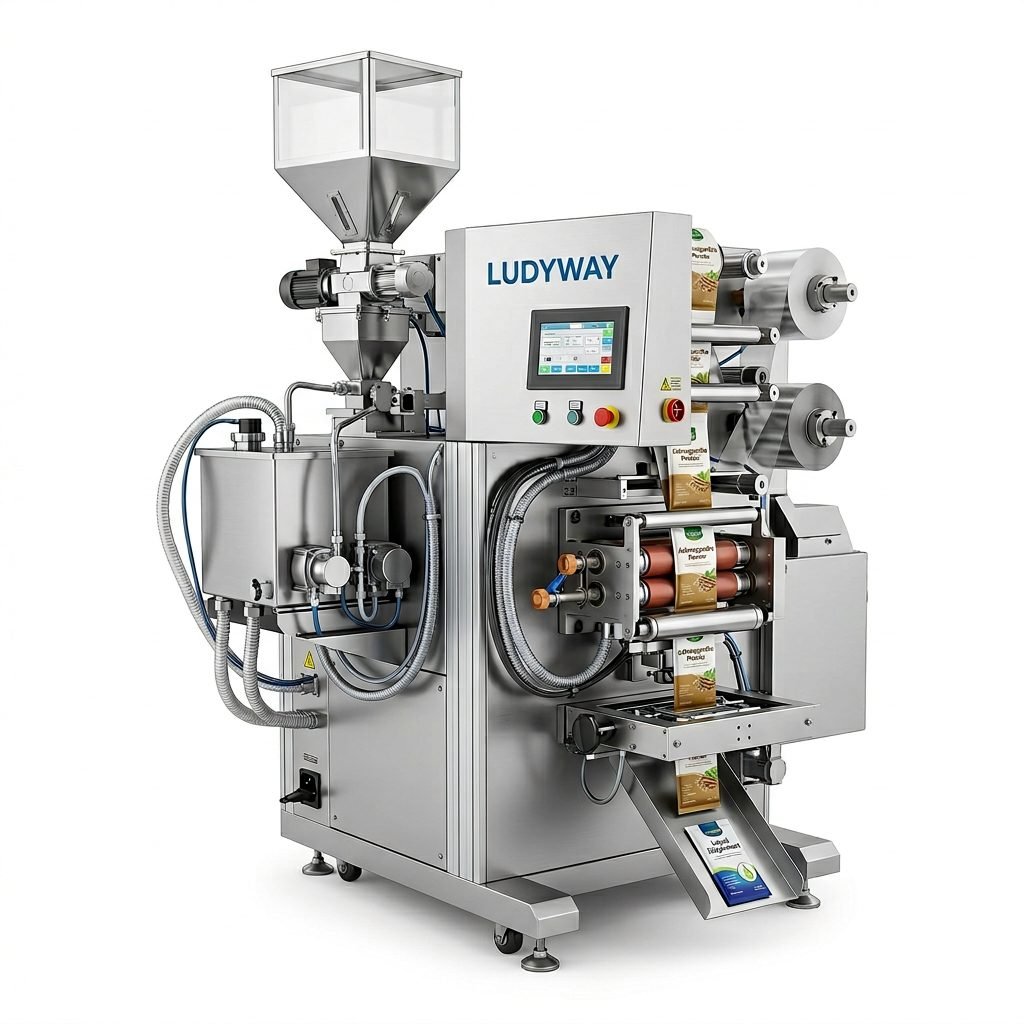
- → Liquid Filling Machines: Utilize piston, gravity, or pressure-based systems for precise filling of viscosities ranging from water to pastes into bottles, tubes, or sachets.
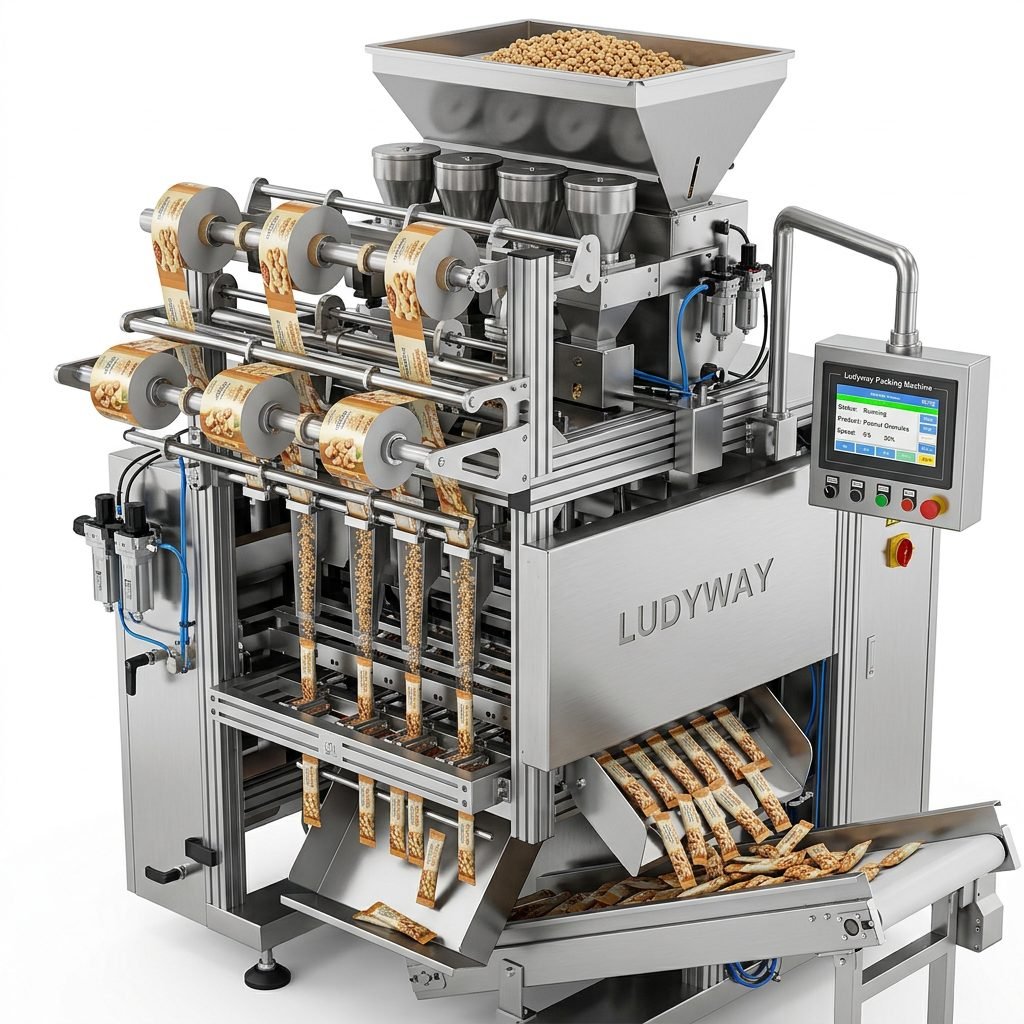
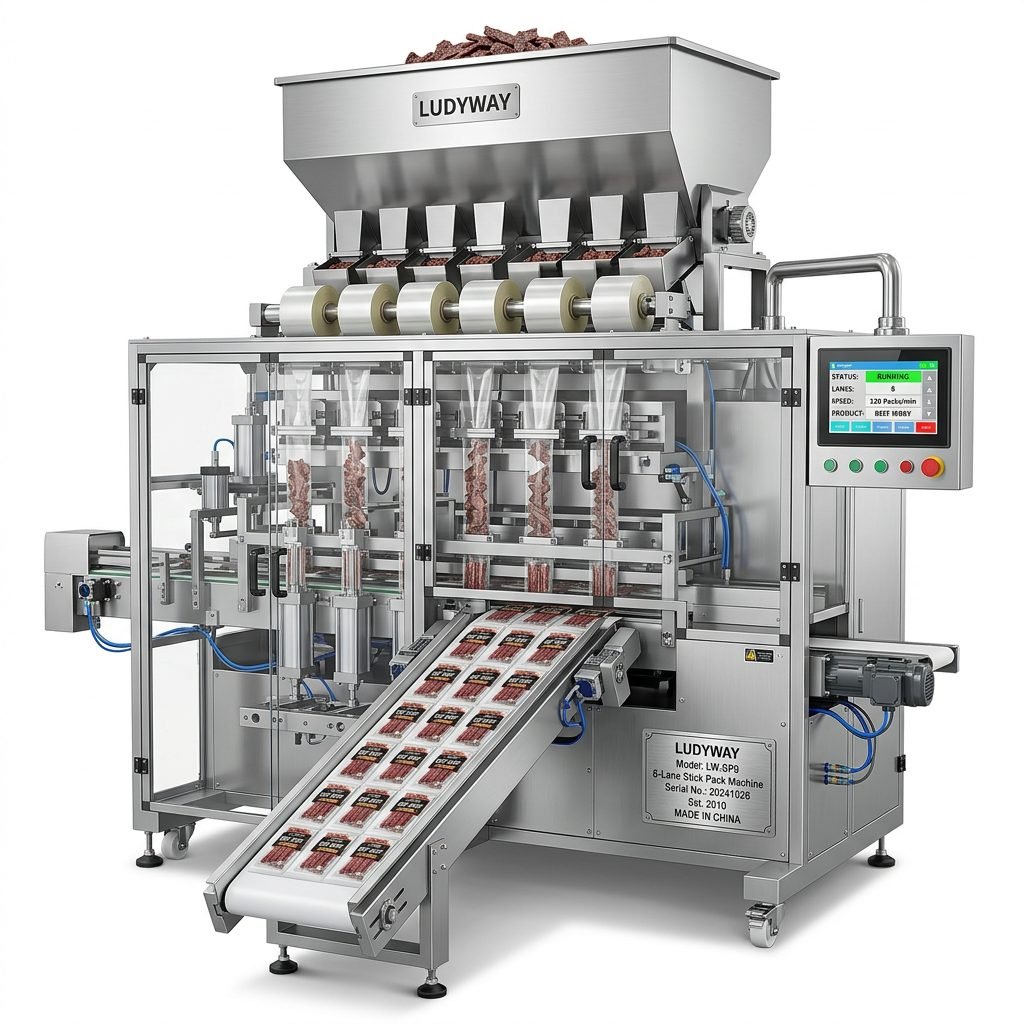
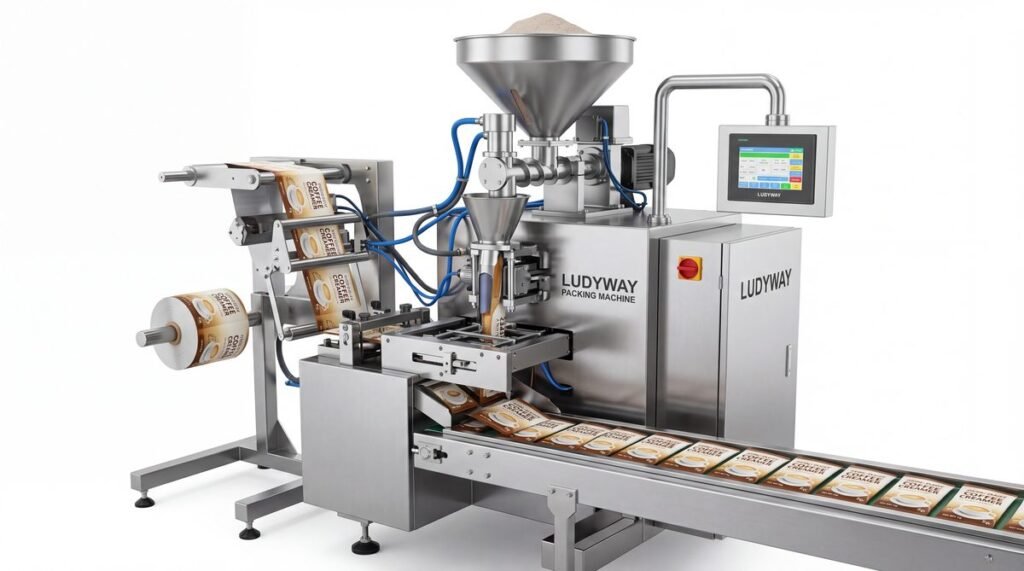
- → Stick Pack Machines: A specialized type producing long, slender single-serve packages, extremely popular for powdered beverages, pharmaceuticals, and condiments due to their portability and low material use.
2. Cartoning and Case Packing Equipment
This equipment handles secondary packaging, grouping primary packages into cartons or cases for distribution.
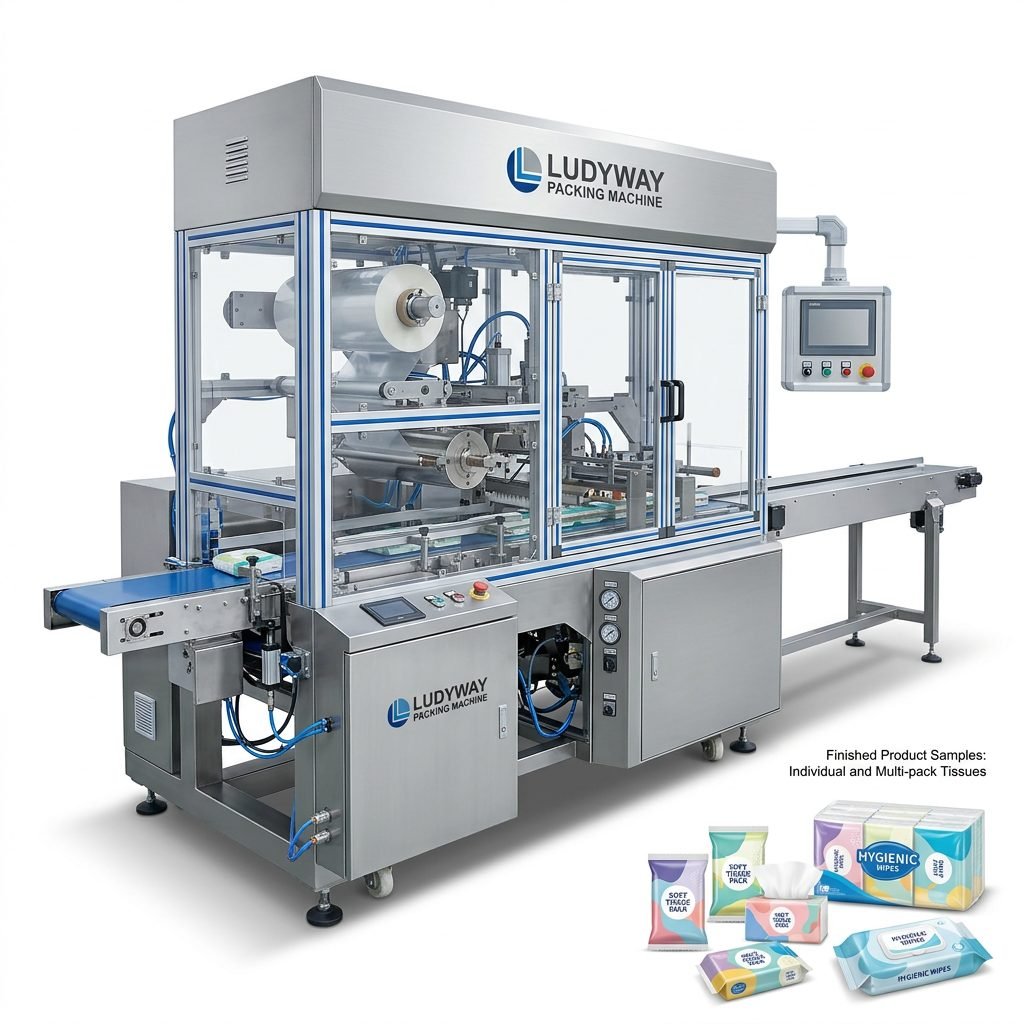
Automatic cartoners erect, load, and seal folded cartons at high speeds. Robotic case packers offer flexibility for handling diverse package shapes and patterns, optimizing logistics space.
3. Labeling and Coding Systems
Critical for product identification, traceability, and compliance. This includes pressure-sensitive labelers, sleeve labelers, and inkjet or laser coders that print batch numbers, expiry dates, and barcodes directly onto packages or labels.
The Evolution Towards Turnkey Solutions
Leading manufacturers no longer just sell individual machines. They provide complete turnkey production line solutions. This involves integrating filling, sealing, cartoning, and palletizing machinery into a synchronized, automated line. The benefit is a single point of responsibility, ensured compatibility between modules, and optimized overall equipment effectiveness (OEE). For instance, a provider like Ludyway Machinery leverages deep industry experience to design such integrated lines, ensuring seamless operation from raw material to dispatch.
Targeted Applications Across Major Industries
The choice of machinery is profoundly influenced by the specific sector’s requirements for hygiene, accuracy, and packaging format.
Food and Beverage Industry
This sector demands machinery that meets stringent hygiene standards (often requiring food-grade stainless steel and easy-clean designs) and handles a vast range of product consistencies. Applications include:
- Snack food packaging using multi-lane VFFS machines for high output.
- Portion-control packaging of coffee, sugar, or creamer into stick packs or sachets.
- Liquid filling for sauces, oils, and dairy products.
Pharmaceutical and Healthcare
Precision, sterility, and compliance are non-negotiable. Machinery often operates in controlled environments and must support serialization for track-and-trace. Key applications are:
Blister packing for tablets, powder filling for antibiotics into sachets, and liquid filling for syrups or sanitizers. The ability to handle delicate products without degradation is crucial.
Daily Chemical and Industrial Products
This encompasses products like detergents, shampoos, lubricants, and hardware. Durability of the packaging (to prevent leaks) and efficient handling of varied viscosities are key. Liquid filling lines and sturdy form-fill-seal machines for granular detergents are common.
Selecting a manufacturer with proven expertise in your specific industry segment is vital. Their understanding of regulatory nuances and typical production challenges, as demonstrated by companies with a focused history like Ludyway’s journey in food and pharma packaging, can significantly de-risk project implementation.
Selecting the Right Manufacturing Partner
Beyond equipment specs, the choice of manufacturer partner determines long-term success. Key evaluation criteria include:
Engineering Capability & Customization: Can they adapt standard models to your unique product, package shape, or line integration needs?
After-Sales Support Network: Availability of spare parts, remote diagnostics, and on-site service technicians is essential for minimizing downtime.
Project Execution Experience: Look for a portfolio of successful turnkey projects and the ability to manage installation, commissioning, and operator training.
Commitment to Innovation: Partners invested in R&D can offer future-proof solutions incorporating IoT for predictive maintenance, energy-saving modes, and enhanced user interfaces.
Ultimately, the goal is to establish a cooperative relationship with a manufacturer whose institute affiliations, equipment portfolio, and industry-specific application knowledge align with your strategic production goals for years to come. Exploring the detailed capabilities of specialized manufacturers can provide deeper insights into this partnership potential.
Frequently Asked Questions (FAQs)
What are the most important certifications to look for in a packaging machinery manufacturer?
Prioritize CE Marking (for the European market) and compliance with relevant ISO standards, particularly ISO 9001 for quality management. For food and pharmaceutical applications, certifications demonstrating adherence to hygiene and safety standards (like those aligned with FDA or GMP requirements) are critical.
How do I choose between a stick pack machine and a standard sachet machine?
The choice depends on your product and market. Stick packs offer superior shelf presence, are ideal for powders intended to be dissolved in water, and use less material per unit volume. Standard sachets (flat or gusseted) offer a larger print area for branding and are better suited for creams, gels, or multi-component products. A knowledgeable manufacturer can advise on the optimal format.
What is the typical lead time for a custom packaging machinery solution?
Lead times vary widely based on complexity. A standard machine may ship in 8-12 weeks, while a fully customized or turnkey line can require 4 to 8 months or more, encompassing design, manufacturing, factory testing, and delivery. Clear communication with the manufacturer about timelines is essential from the outset.
Can existing packaging machinery be upgraded or integrated into a new automated line?
Often, yes. Many manufacturers offer retrofitting and modernization services. They can upgrade controls, add new features like vision inspection systems, or integrate legacy equipment with new machines. This can be a cost-effective way to enhance performance without a complete capital overhaul.
What kind of after-sales support should I expect?
Comprehensive support includes detailed operation and maintenance manuals, initial on-site training for your engineers and operators, a readily available inventory of wear parts and critical spares, access to remote technical assistance, and scheduled preventive maintenance services. The strength of this support system is a key differentiator between suppliers.