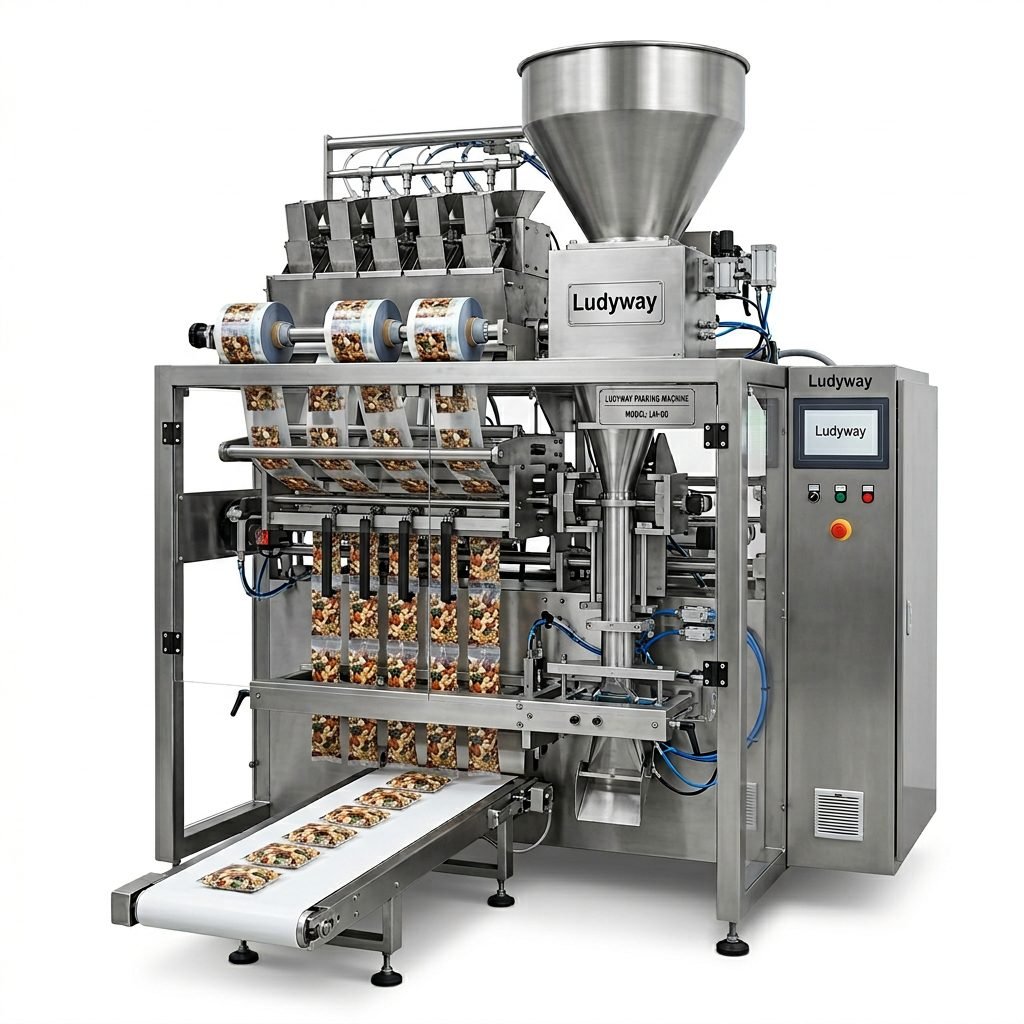
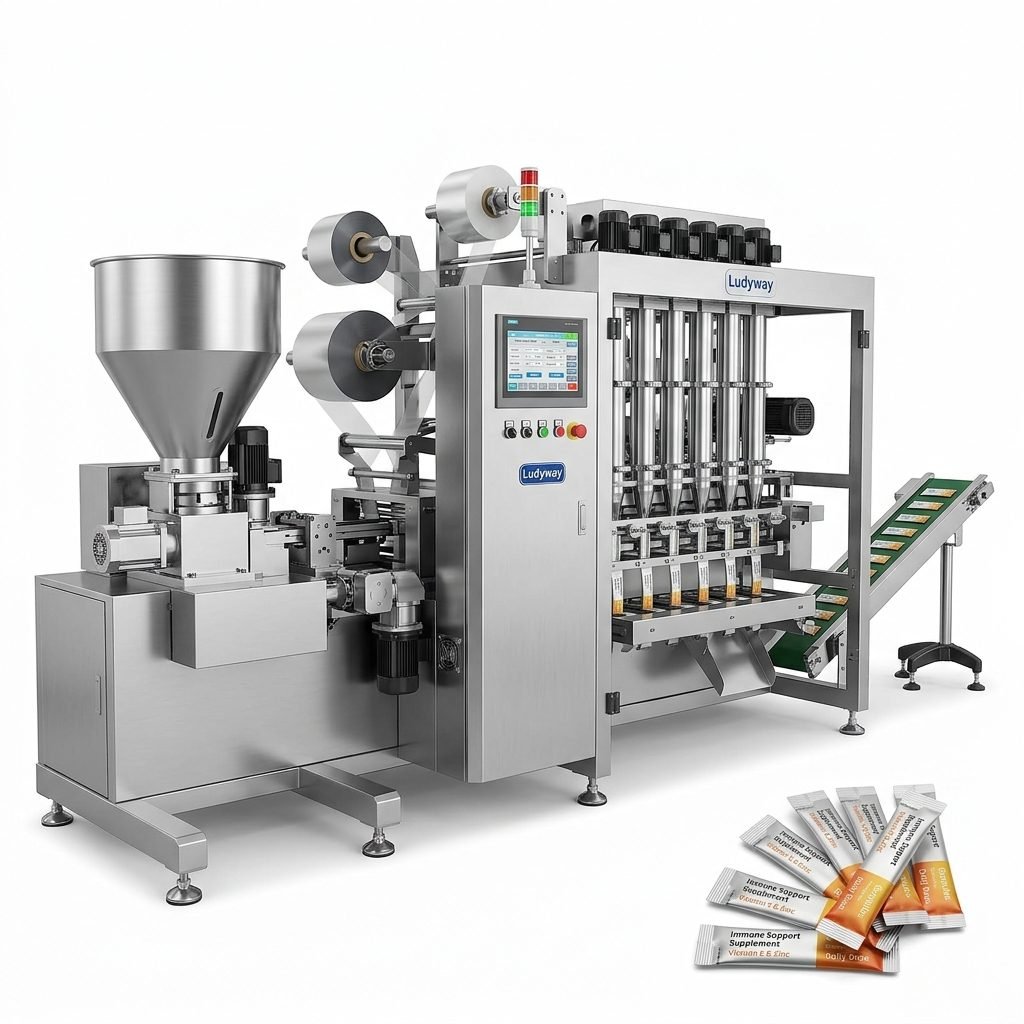
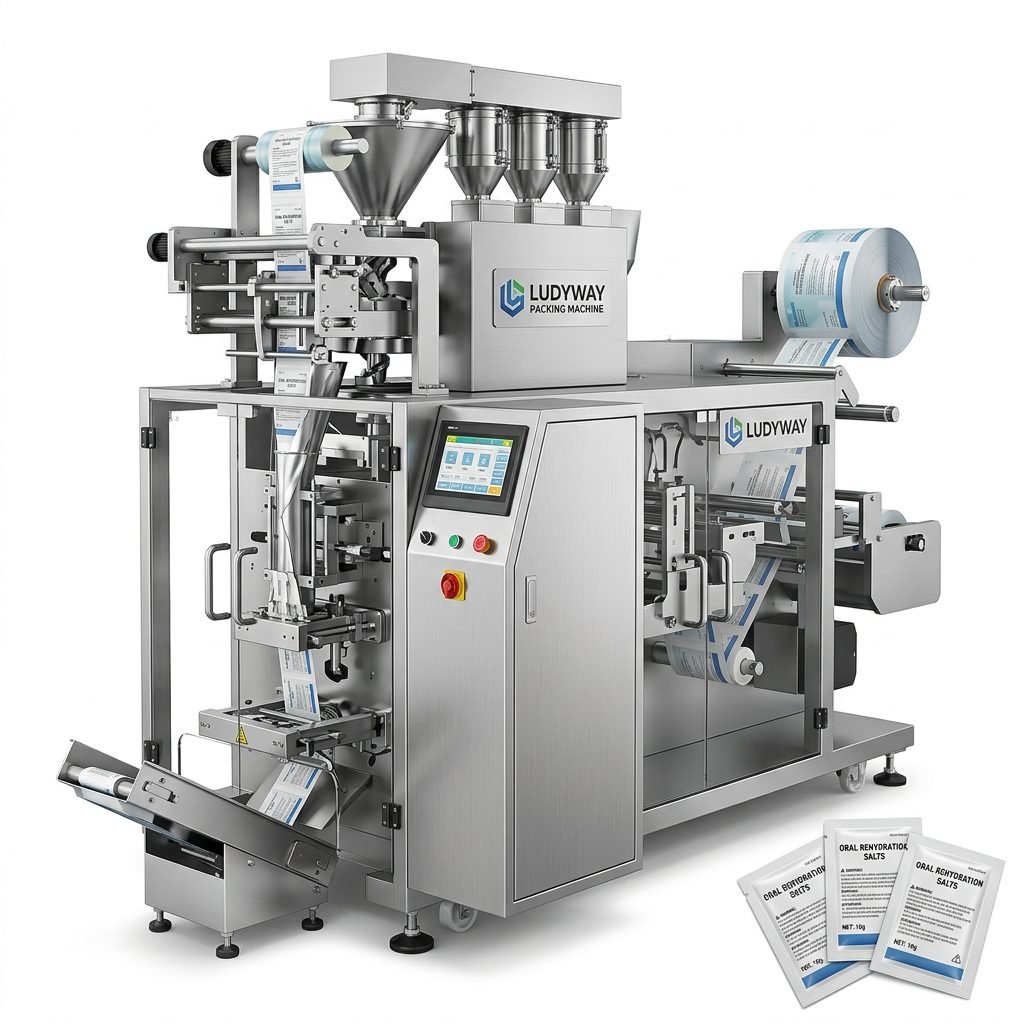
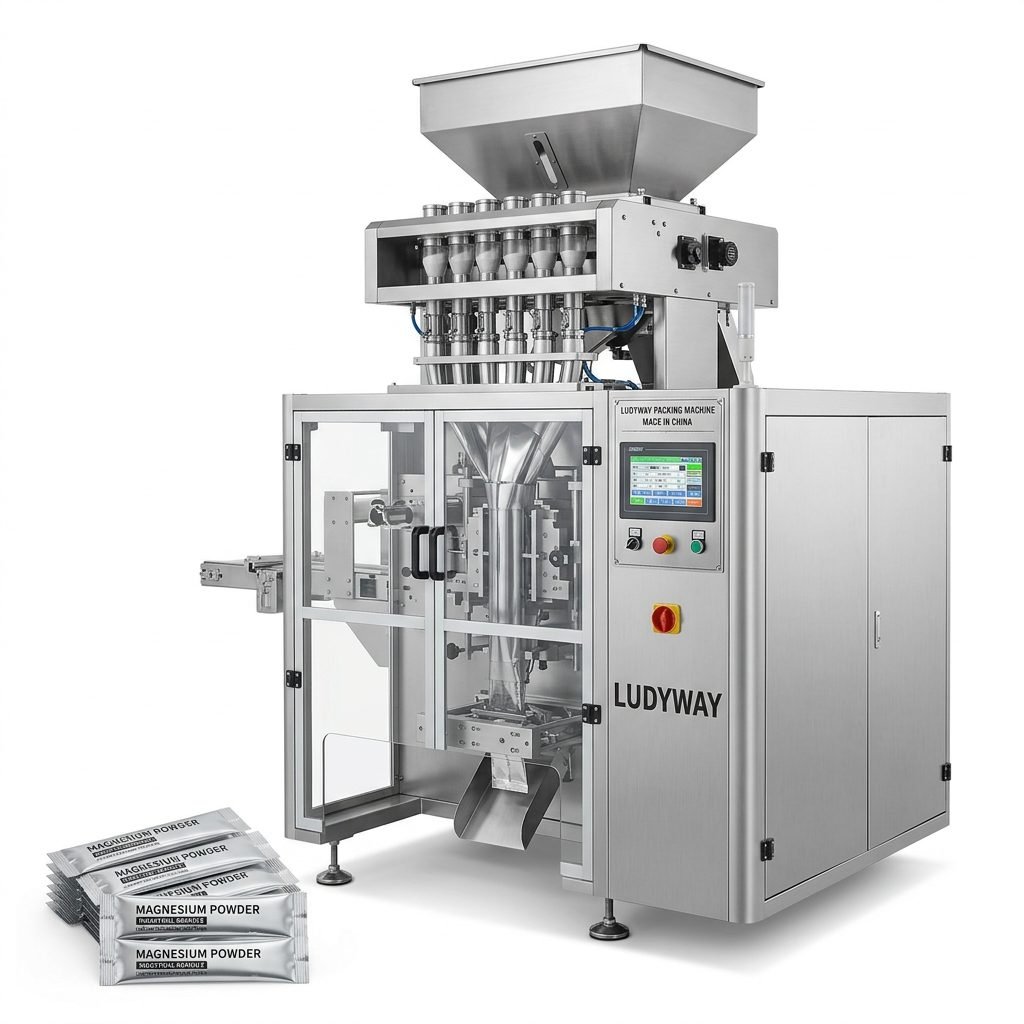
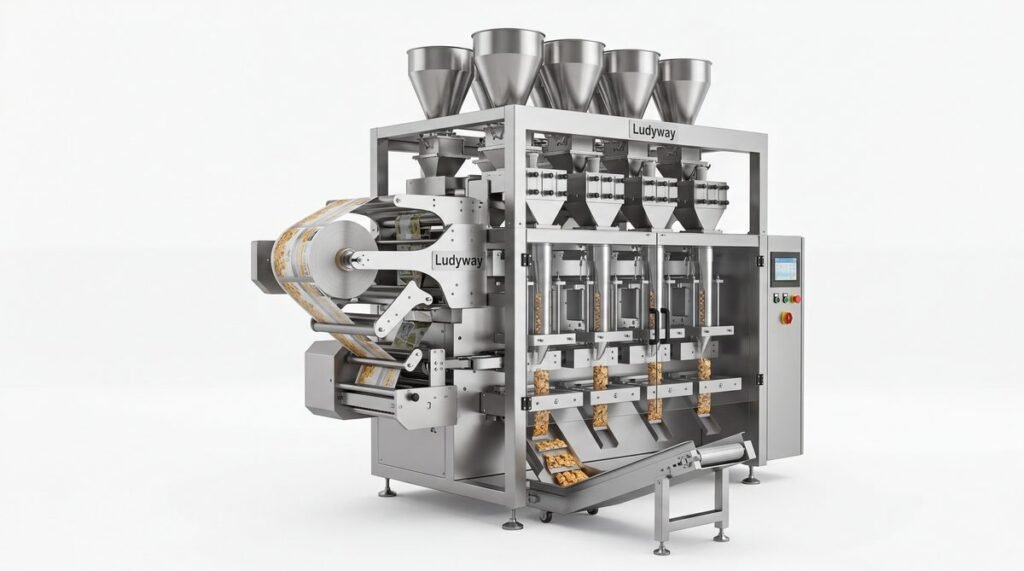
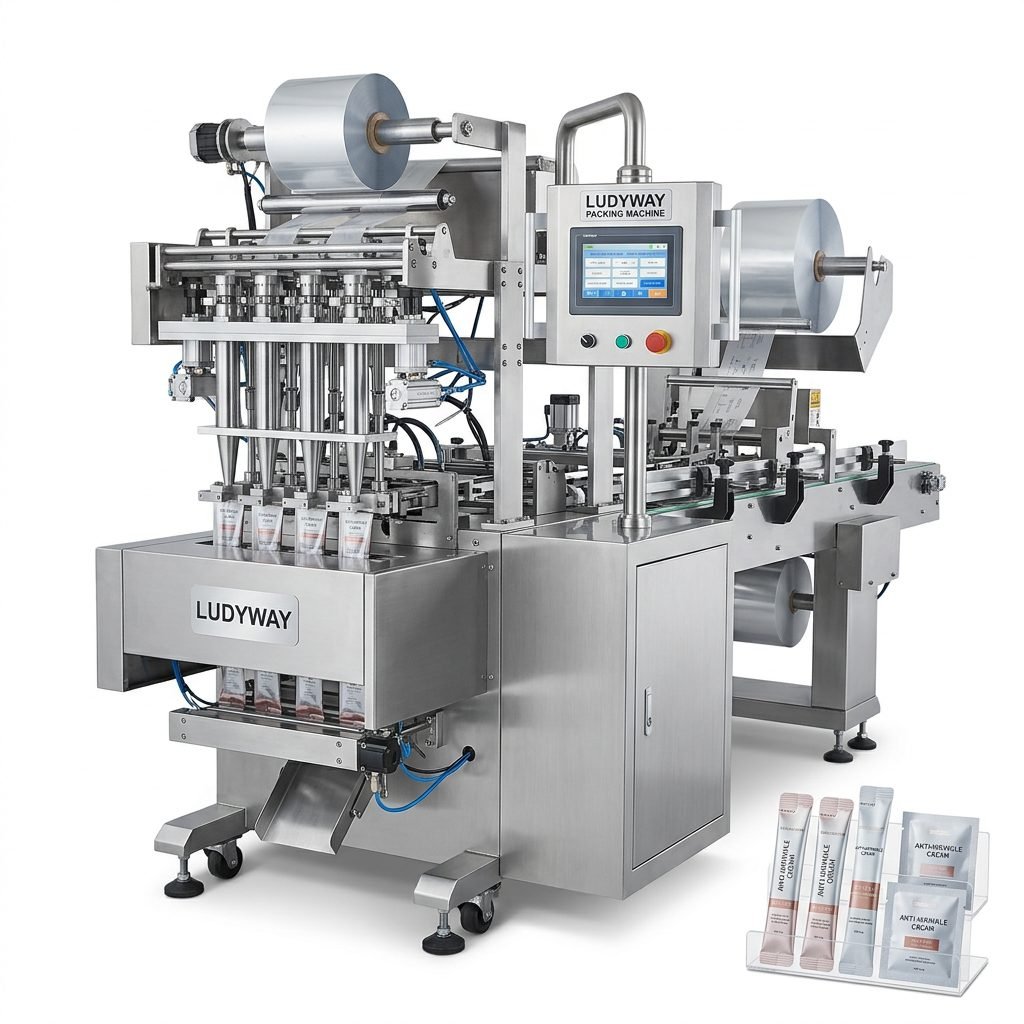
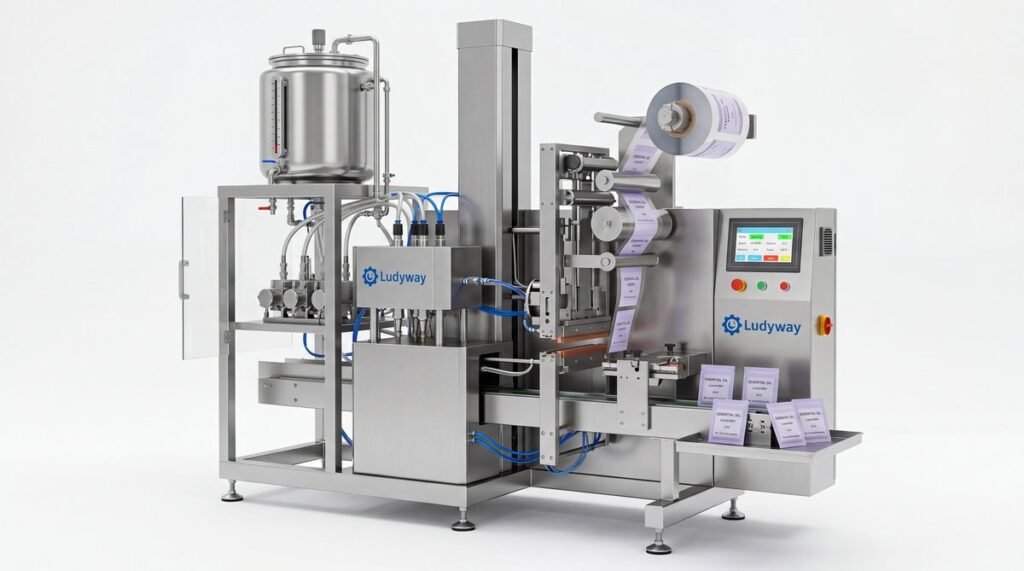
Selecting the right liquid foam packaging machine is a critical decision for any business involved in shipping and logistics. The correct system not only ensures your products arrive safely but also optimizes your operational efficiency and material costs. This guide will walk you through the key factors to consider when choosing the best liquid foam (also known as instapak foam) system for protective shipping.
Understanding Liquid Foam Packaging Technology
Liquid foam packaging machines create on-demand protective cushioning by mixing two liquid chemical components—typically polyol and isocyanate. When combined, they react and expand rapidly into a lightweight, moldable foam that conforms perfectly to the shape of your product. This technology offers superior void-fill and protection compared to traditional materials like loose fill peanuts or air pillows.
Core Advantage: The foam expands to fill every crevice, immobilizing the product within the box and providing exceptional protection against shock, vibration, and abrasion during transit.
Key Benefits of Automated Foam-in-Bag Systems
Investing in a dedicated system brings numerous advantages over manual methods or alternative packaging.
- Superior Product Protection: Creates a custom cushion for every item, drastically reducing damage rates.
- Material and Storage Efficiency: Liquid chemicals are stored in compact containers, saving significant warehouse space compared to pre-formed bulkier materials.
- Operational Speed: Machines can produce a sealed foam bag in seconds, accelerating your packing line.
- Cost-Effectiveness: Reduces material waste by creating only the amount of foam needed for each package.
- Sustainability: Often uses less raw material, creates less waste, and can reduce package size and shipping costs.
How to Choose the Best System for Your Needs
Your choice should be driven by a careful analysis of your specific operational requirements. Here is a breakdown of the main decision factors.
1. Assess Your Production Volume and Speed Requirements
The required output of your packing station is the primary driver. Systems range from manual dispensers to fully automated in-line solutions.
- Low to Medium Volume: For operations packing up to a few hundred packages per day, a manual or semi-automatic machine is ideal. An operator places an empty bag under the nozzle, triggers the fill, and then seals it. This offers flexibility at a lower capital investment.
- High Volume: For warehouses or distribution centers with high-throughput needs, an automated foam-in-bag system is essential. These systems automatically form, fill, and seal bags at high speeds, often integrating directly with conveyor lines for maximum efficiency.
2. Consider Product Variety and Size
The diversity and dimensions of the items you ship will dictate the machine’s capabilities.
Critical Question: Do you pack a wide range of product sizes, or is your inventory relatively uniform? Machines offer different bag size ranges and foam fill settings. For varied product lines, look for a system with easy, programmable adjustments to handle different box sizes without significant downtime for changeover.
3. Evaluate Integration with Existing Workflow
The new machine must fit seamlessly into your current packing environment. Consider the available floor space, power requirements, and how it will connect to upstream (picking) and downstream (labeling, sealing) processes. An experienced packaging solutions provider can help audit your line and recommend the optimal integration point.
4. Analyze Total Cost of Ownership (TCO)
Look beyond the initial purchase price. The TCO includes:
- Chemical Cost per Bag: Compare the yield and cost of consumable chemicals from different suppliers.
- Maintenance and Service: Inquire about the reliability of the machine, warranty terms, and the availability of local technical support. A machine with a robust service and parts network minimizes costly downtime.
- Labor Impact: A more automated system may reduce labor time per package, offering significant long-term savings.
5. Prioritize Ease of Use and Safety
The system should be operator-friendly with intuitive controls. Safety features are paramount when handling chemical components. Look for machines with enclosed chemical systems, clear safety interlocks, and proper ventilation recommendations. Comprehensive training from the supplier is a must.
Partnering with the Right Supplier
Your machine is only as good as the company behind it. Choosing a supplier with deep expertise and a commitment to partnership is crucial. Look for a provider with:
- Proven Industry Experience: A track record of successful installations in similar applications.
- Strong Technical Support: Access to prompt and knowledgeable service, whether on-site or remote.
- Comprehensive Solutions: Ability to offer not just a machine, but a complete packaging solution, including chemical supply and workflow consulting.
Companies like Ludyway Machinery, with decades of experience in packaging automation, understand that a successful installation depends on aligning the technology with the client’s unique production goals and constraints.
Final Steps Before Purchase
Before making a final decision, take these actionable steps:
- Request a Live Demonstration: See the machine in action, preferably with products similar to yours.
- Ask for Customer References: Speak to current users about their experience with performance and support.
- Conduct a Cost-Per-Package Analysis: Work with the supplier to model your exact operational costs.
- Review the Service Agreement: Understand the details of the warranty and post-sales support structure.
By methodically evaluating your volume, products, workflow, and costs, and by partnering with a reliable expert, you can select a liquid foam packaging system that becomes a cornerstone of your efficient and reliable shipping operation. The right investment protects your products, pleases your customers, and strengthens your bottom line.
Frequently Asked Questions (FAQs)
1. How much warehouse space do I need for the chemical containers?
The liquid chemical components are stored in compact, sealed drums or totes. A standard system for medium-volume use typically requires less than 20 square feet of floor space for the chemical supply, which is significantly less than the space needed for equivalent volumes of pre-expanded loose fill materials.
2. Is the foam packaging material recyclable or biodegradable?
While the foam itself is not typically biodegradable, its efficiency means you use far less material per package. Many foam formulations are recyclable where #7 plastic recycling is available. The major environmental benefit comes from source reduction—smaller package sizes and fewer damaged returns—which lowers the overall carbon footprint of your shipping.
3. Can the machine handle different bag sizes easily?
Most modern systems are designed for quick changeover. Higher-end models feature digital controls that store recipes for different bag dimensions and foam fill levels, allowing an operator to switch between settings in seconds, which is ideal for mixed-SKU warehouses.
4. What is the typical maintenance required for these machines?
Routine maintenance is generally minimal but crucial. It primarily involves regular cleaning of the mixing and dispensing head to prevent clogging, checking hose connections, and ensuring the chemical pumps are calibrated. Your supplier should provide a clear maintenance schedule and training.
5. How do I calculate the potential return on investment (ROI)?
ROI is calculated by comparing your current packaging material costs, labor costs, and damage rates against the projected costs with the new system. Key savings come from reduced material waste, lower shipping costs due to smaller package sizes, decreased labor time per package, and a significant reduction in product damage and associated returns. A reputable supplier will help you build this financial model.