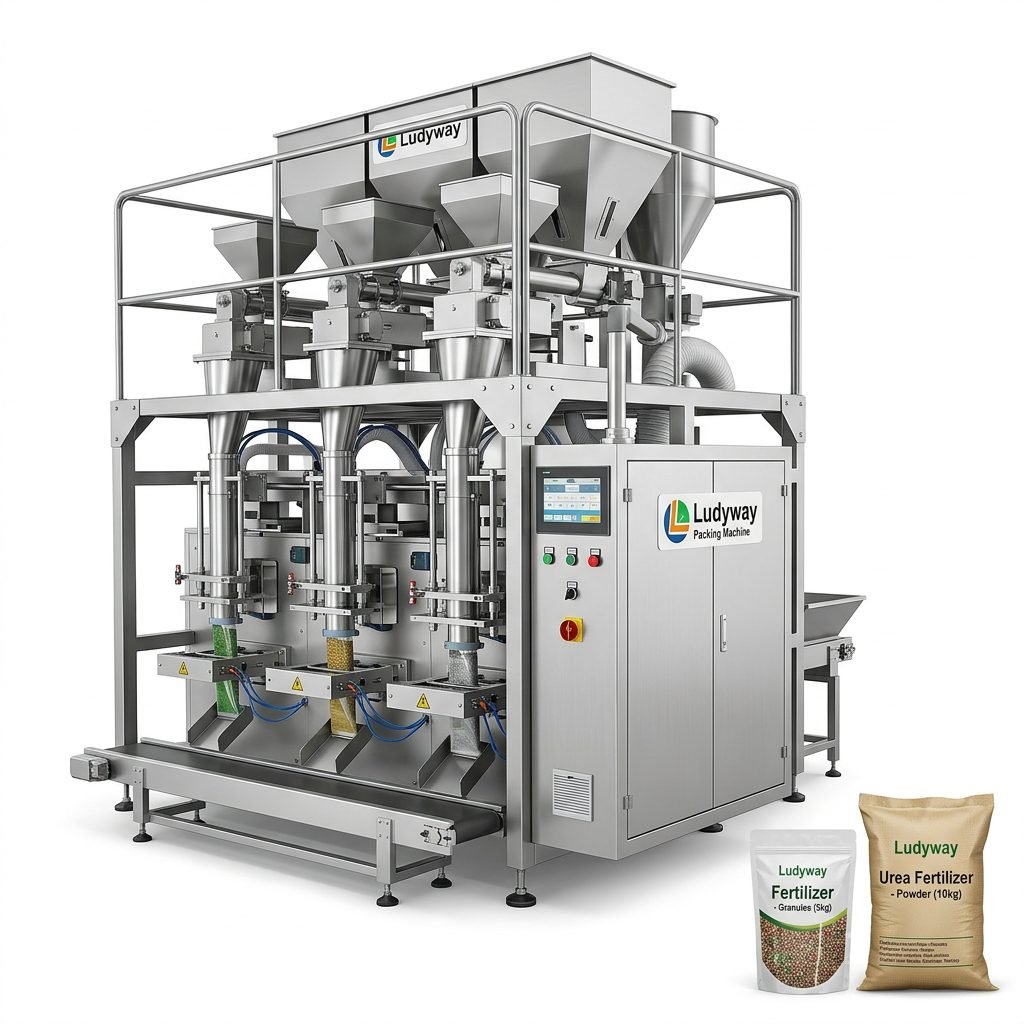
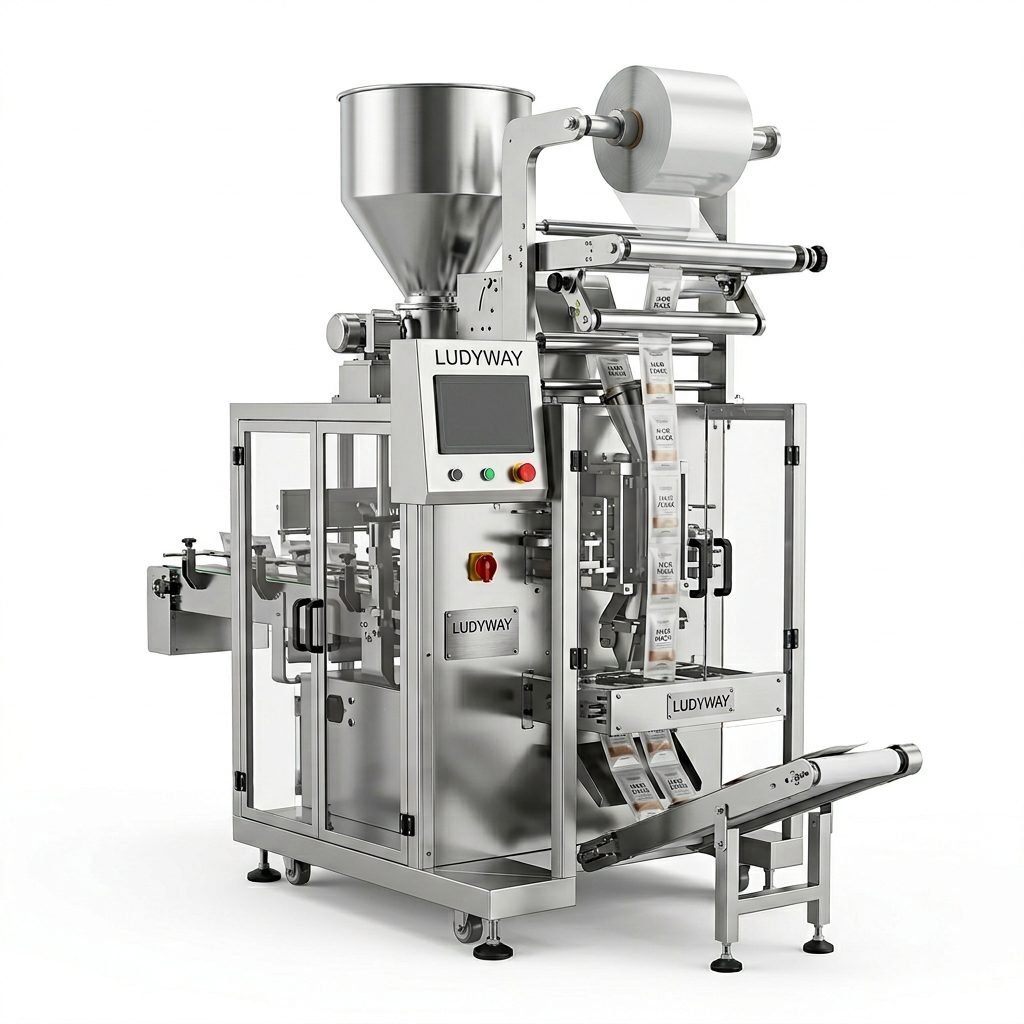
For business owners and production managers in Sierra Leone, selecting the right packaging machine manufacturer is a critical decision that directly impacts operational efficiency, product quality, and long-term profitability. The local market, with its growing manufacturing sector in food processing, pharmaceuticals, and consumer goods, demands reliable and adaptable packaging solutions. A strategic partnership with a capable manufacturer can be the key to scaling production, meeting local and export standards, and gaining a competitive edge.
Understanding Your Specific Packaging Needs in Sierra Leone
Before initiating your search, a thorough analysis of your specific requirements is essential. Sierra Leone’s business environment presents unique opportunities and challenges. Consider the primary products you need to package—are they granules (like instant coffee, spices, or pharmaceuticals), powders (milk, seasoning, detergent), liquids (sauces, oils, shampoos), or a combination? The local climate, particularly humidity, can affect material handling and machine performance. Furthermore, power supply stability is a practical consideration; a robust machine with good power tolerance or compatible voltage specifications is crucial for uninterrupted operation in Freetown or other industrial areas.
Key Local Factors to Assess:
• Product Type & Form: Granule, powder, liquid, or paste.
• Production Volume: Required output per hour/day to meet local demand.
• Packaging Format: Sachets, stick packs, pouches, or bottles.
• Local Infrastructure: Power supply, available factory space, and operator skill level.
• Regulatory Compliance: Adherence to any local or target export market standards for food and pharma.
Core Criteria for Evaluating a Packaging Machine Manufacturer
With your needs defined, you can evaluate potential partners against several core criteria. Look beyond the initial price quote to assess long-term value and support.
1. Technical Expertise and Product Range
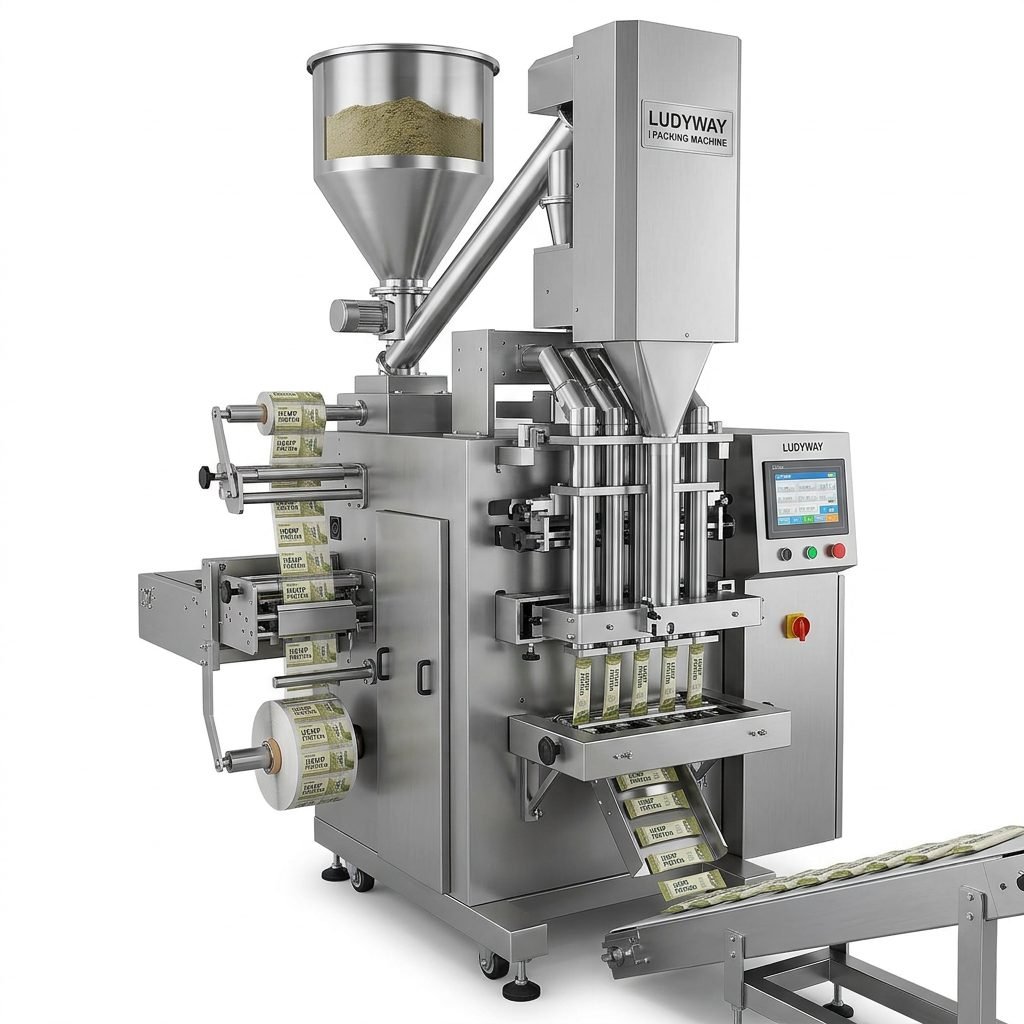
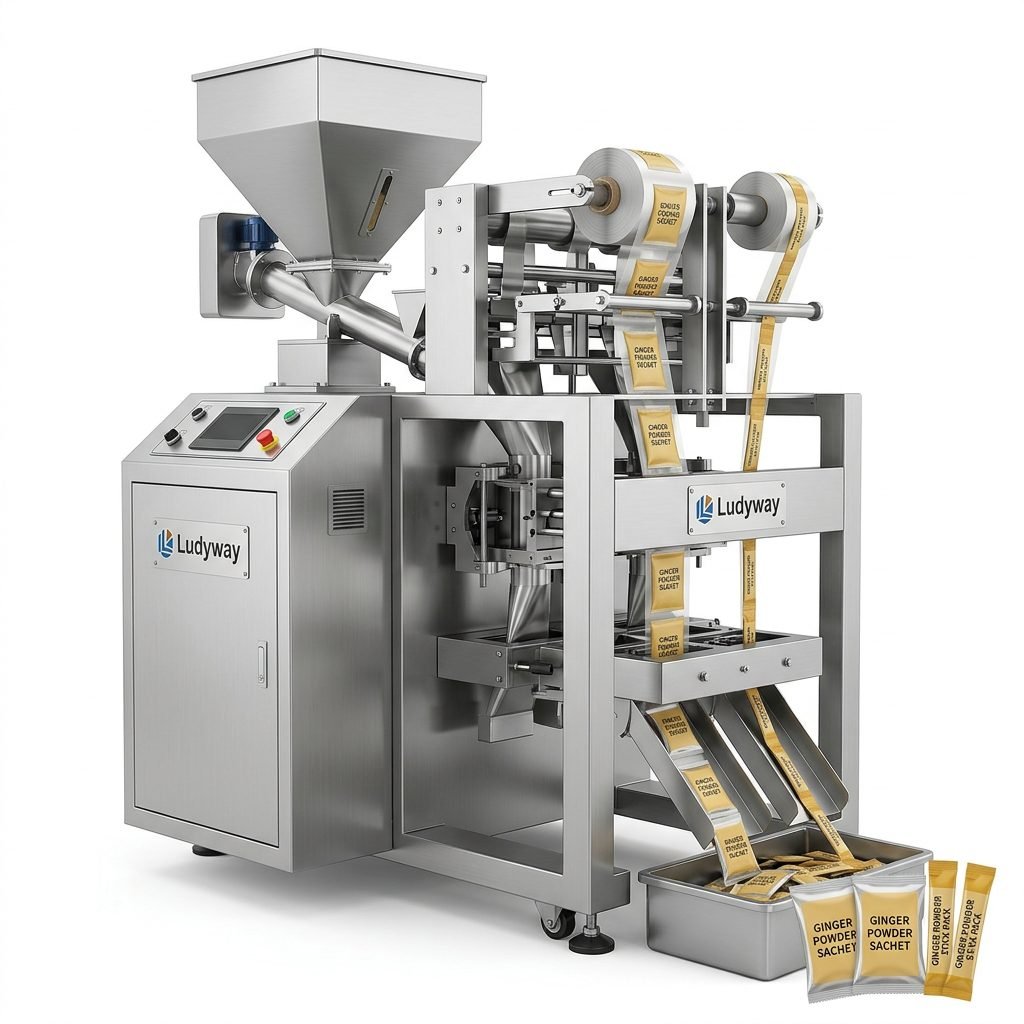
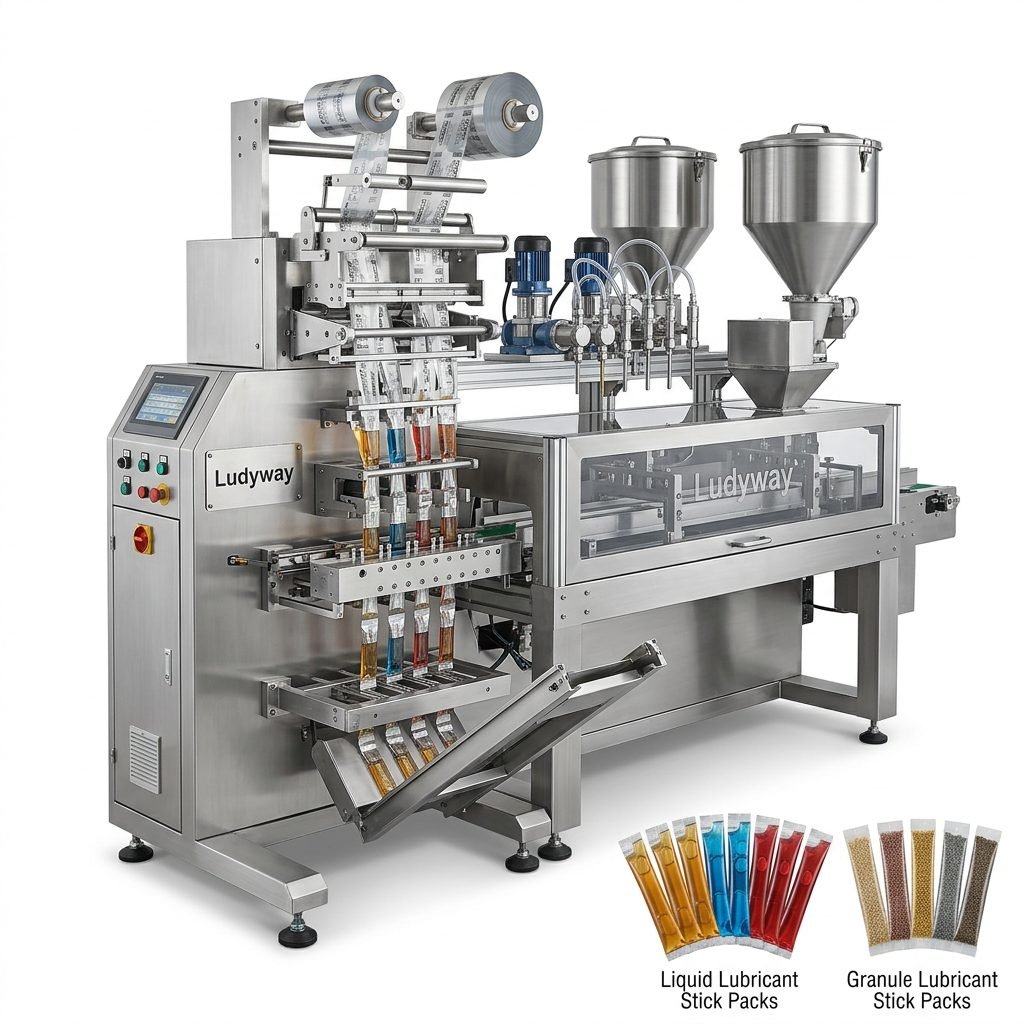
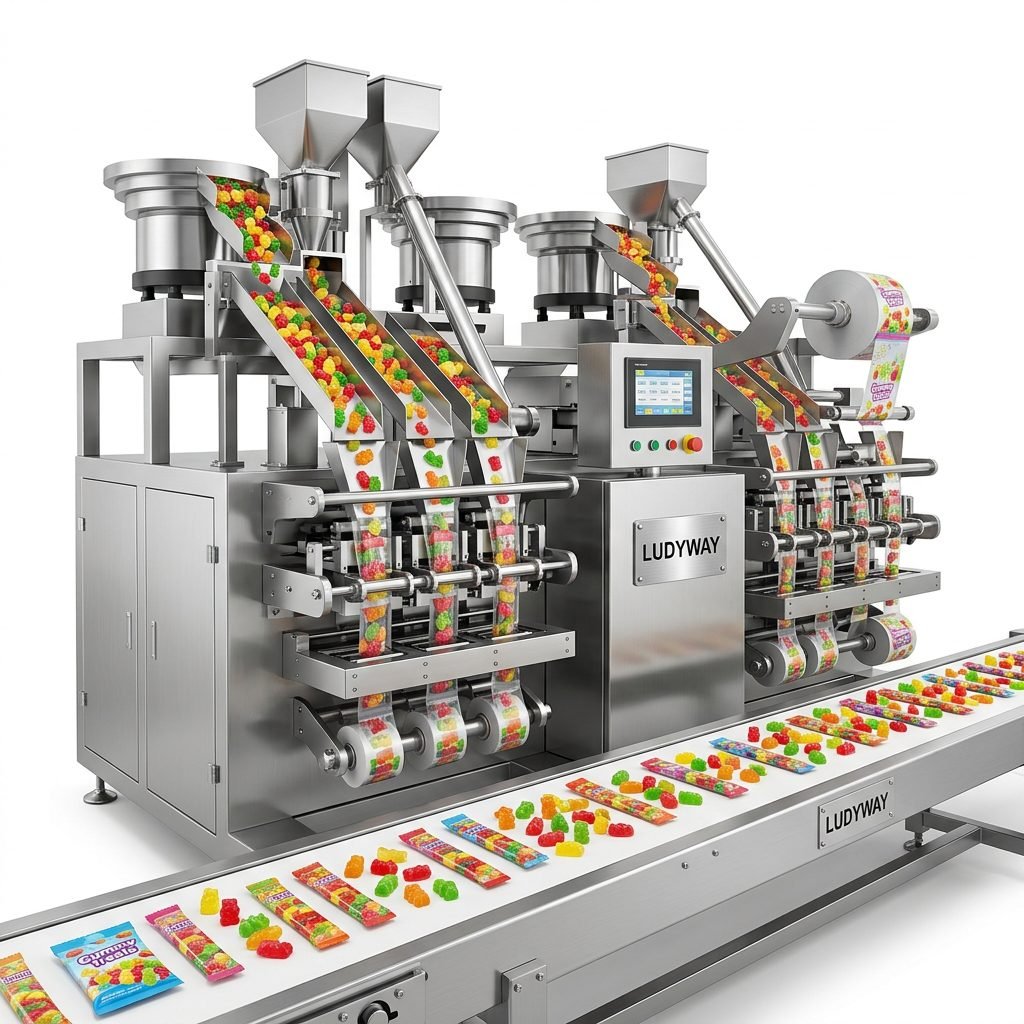
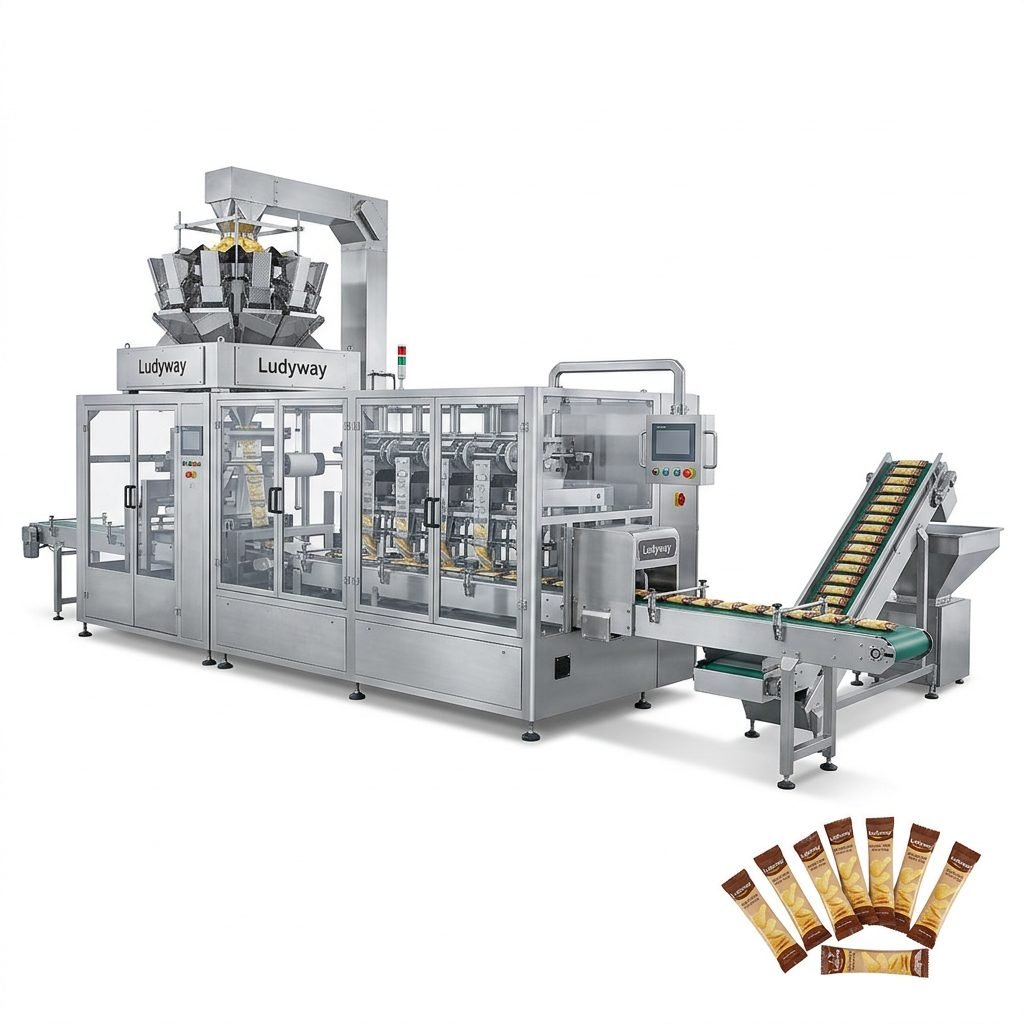
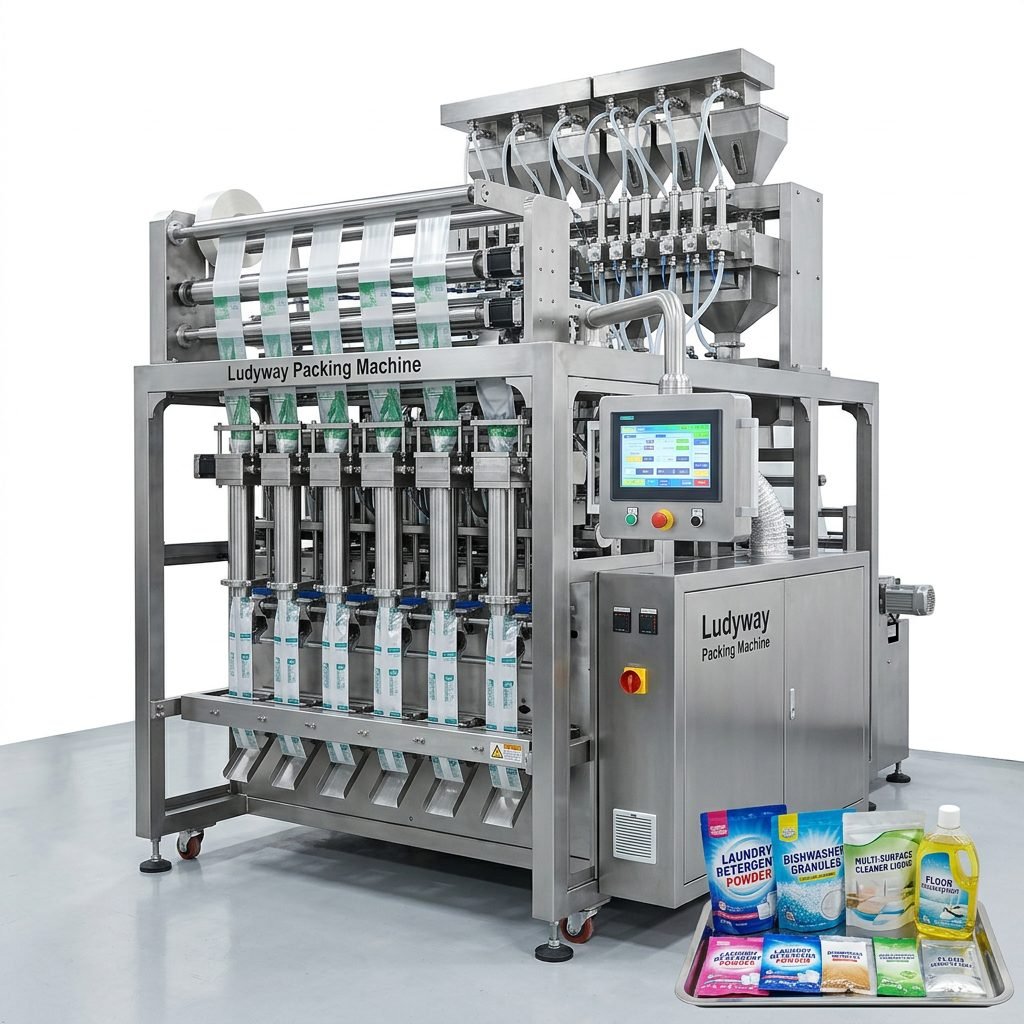
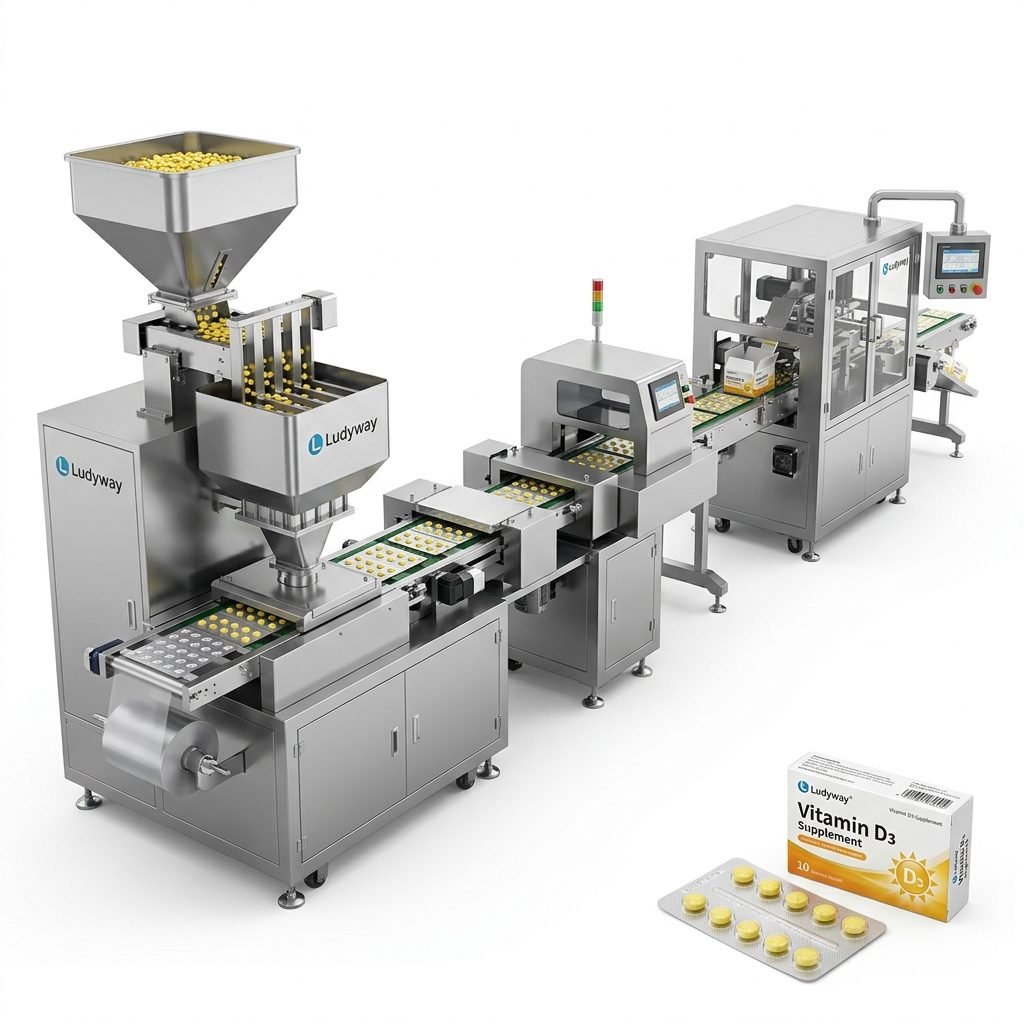
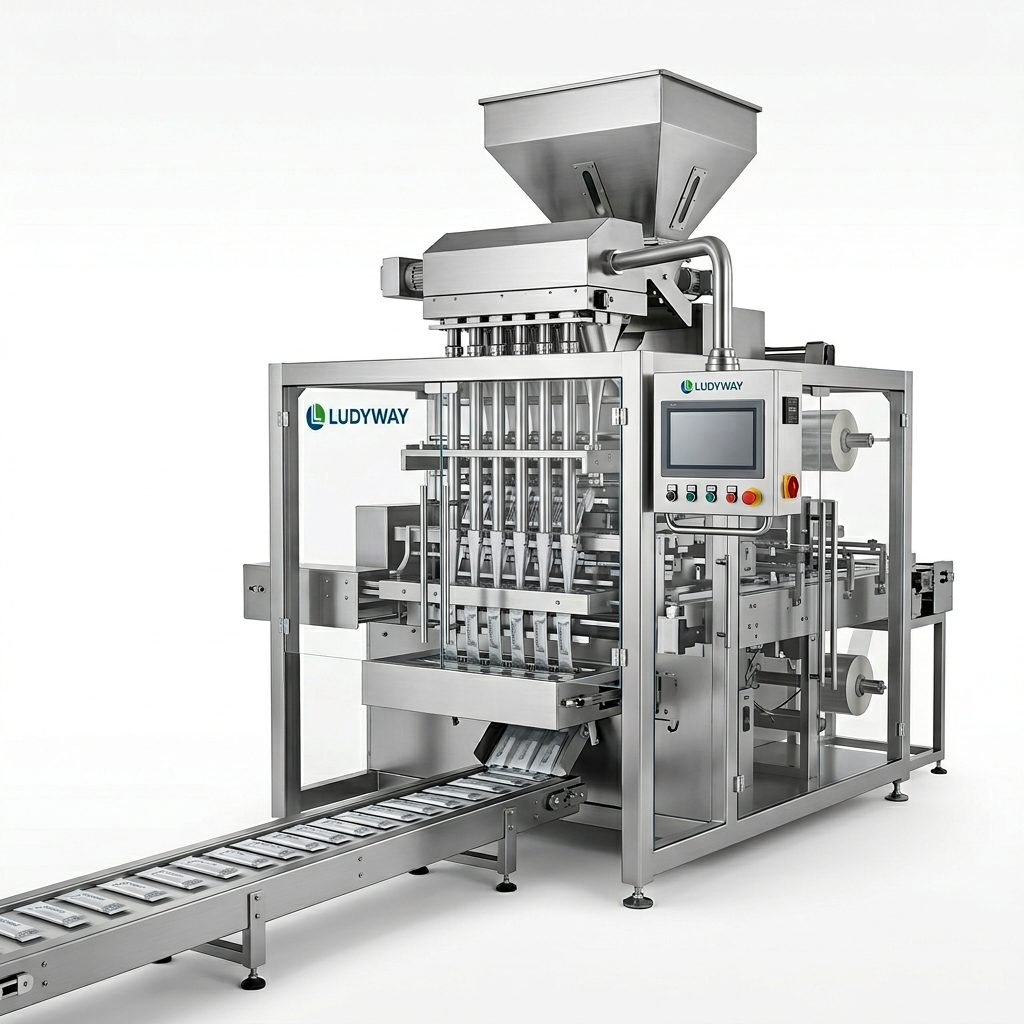
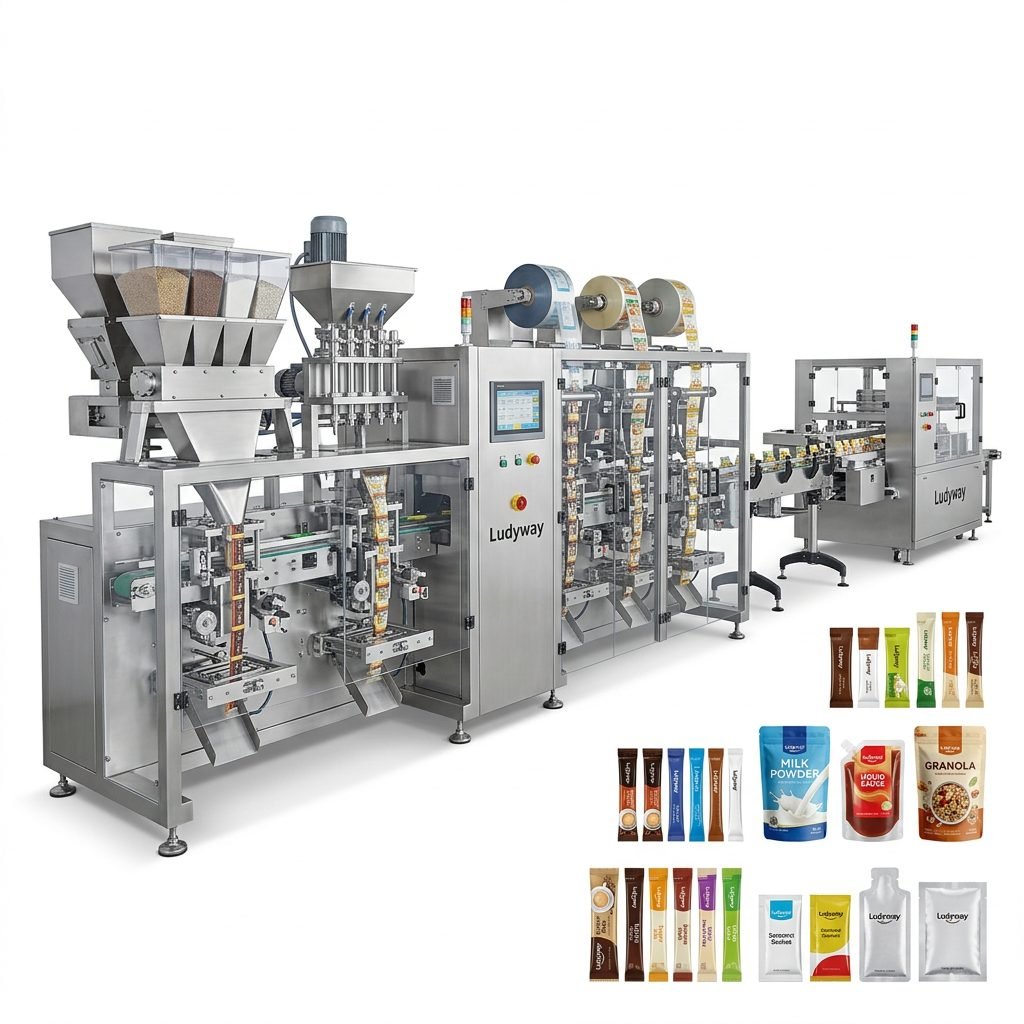
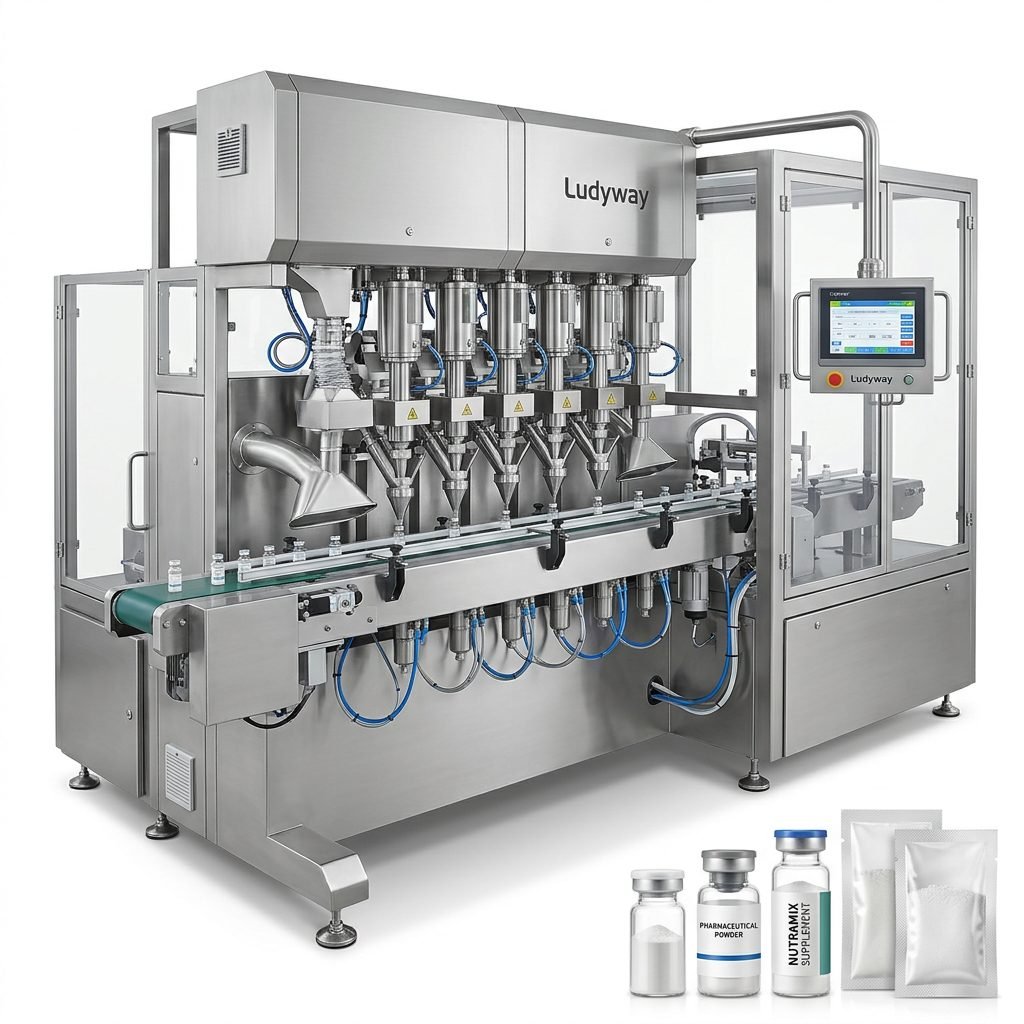
A manufacturer with deep technical expertise across different packaging types is invaluable. They should offer a comprehensive range of machines, such as multi-lane sachet packagers, stick pack machines, and fully automated liquid filling lines. This breadth indicates a strong R&D capability and the ability to provide a tailored solution rather than a one-size-fits-all machine. For instance, a company like Ludyway, with over 30 years of experience and more than 50 machine models, exemplifies this depth. Similarly, evaluating specialized manufacturers like SnusMachinery for niche products or Packmate Machinery for broad production lines is part of a thorough search.
2. Manufacturing Capability and Quality Control
The quality and durability of the machinery are paramount. Investigate the manufacturer’s production facility. A modern plant, like Ludyway’s 20,000㎡ facility, signifies investment in precision manufacturing. Inquire about their quality control processes—from sourcing components to final testing. Machines built with high-quality stainless steel and precision parts will withstand the rigors of daily use and require less downtime, a critical factor for maintaining production schedules in Sierra Leone.
3. After-Sales Support and Local Service Network
This is arguably the most critical factor for businesses in Sierra Leone. Reliable technical support can mean the difference between a minor hiccup and a prolonged production stoppage. Evaluate the manufacturer’s after-sales service structure. Do they offer comprehensive installation, training, and commissioning? What is their spare parts policy—are parts readily available and can they be shipped efficiently? While many top Chinese manufacturers, including PacklineOEM and PackingMachineOEM, serve global markets, their responsiveness to support requests and ability to provide remote diagnostics are key indicators of their commitment to long-term partnerships.
💡 Pro Tip for Sierra Leonean Businesses
Request detailed case studies or references from the manufacturer for projects in West Africa or similar developing markets. This provides concrete evidence of their experience in handling logistics, installation, and support in regions with comparable infrastructure challenges.
4. Customization and Turnkey Solution Ability
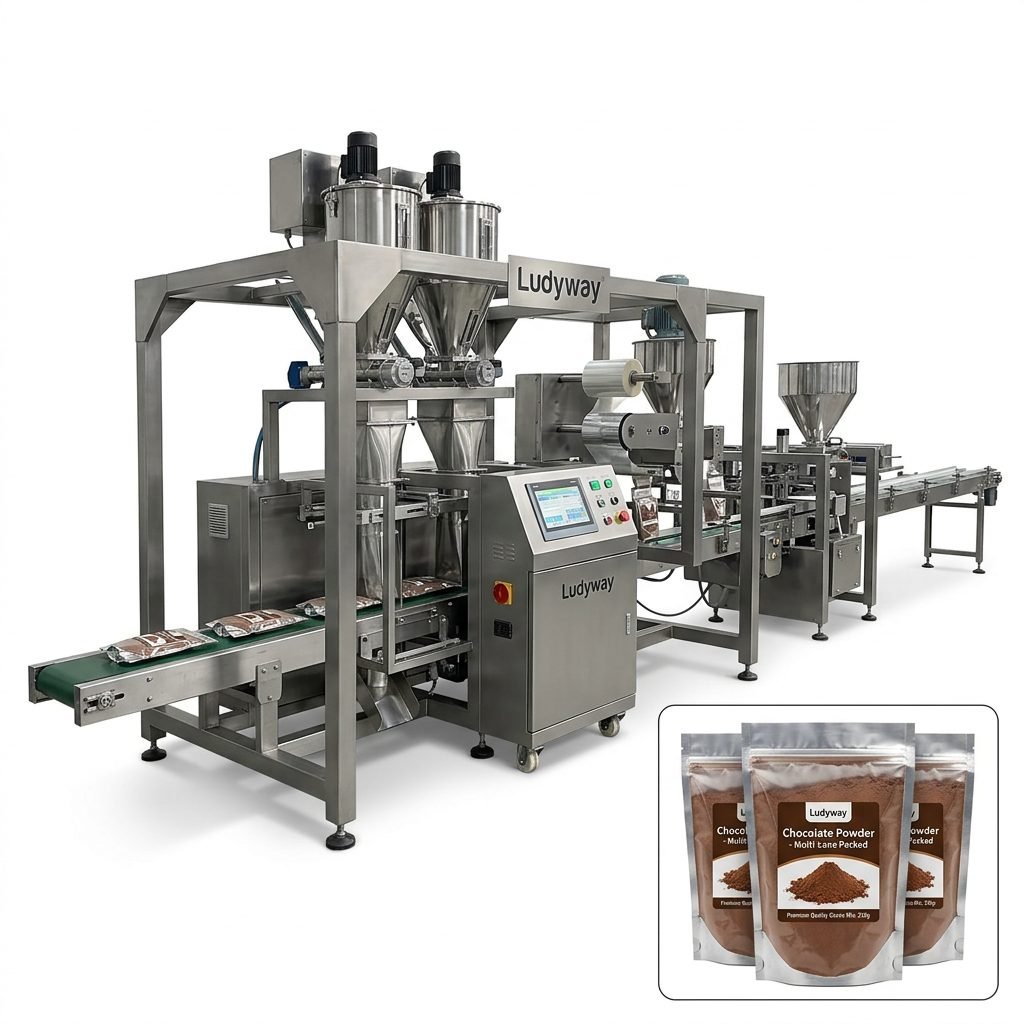
Off-the-shelf machines may not perfectly fit your unique product or factory layout. A manufacturer’s ability to customize—whether modifying a weighing system, integrating specific filling nozzles, or designing a complete turnkey production line—is a significant advantage. Turnkey solutions, where the supplier handles everything from design to installation and training, can drastically reduce your project’s complexity and risk, allowing you to focus on core business activities.
5. Cost-Effectiveness and Return on Investment (ROI)
Cost must be evaluated in the context of total ownership, not just the purchase price. A slightly more expensive machine from a reputable manufacturer that offers higher speed, better accuracy (reducing product giveaway), lower maintenance costs, and greater energy efficiency will often deliver a superior ROI. Calculate potential savings from increased productivity and reduced waste against the initial investment. Transparent manufacturers will help you understand this total cost of ownership.
Navigating the Supplier Landscape: Key Players
The global packaging machinery market includes several strong Chinese manufacturers known for combining advanced technology with cost-effectiveness, making them suitable partners for Sierra Leonean businesses looking to optimize investment.
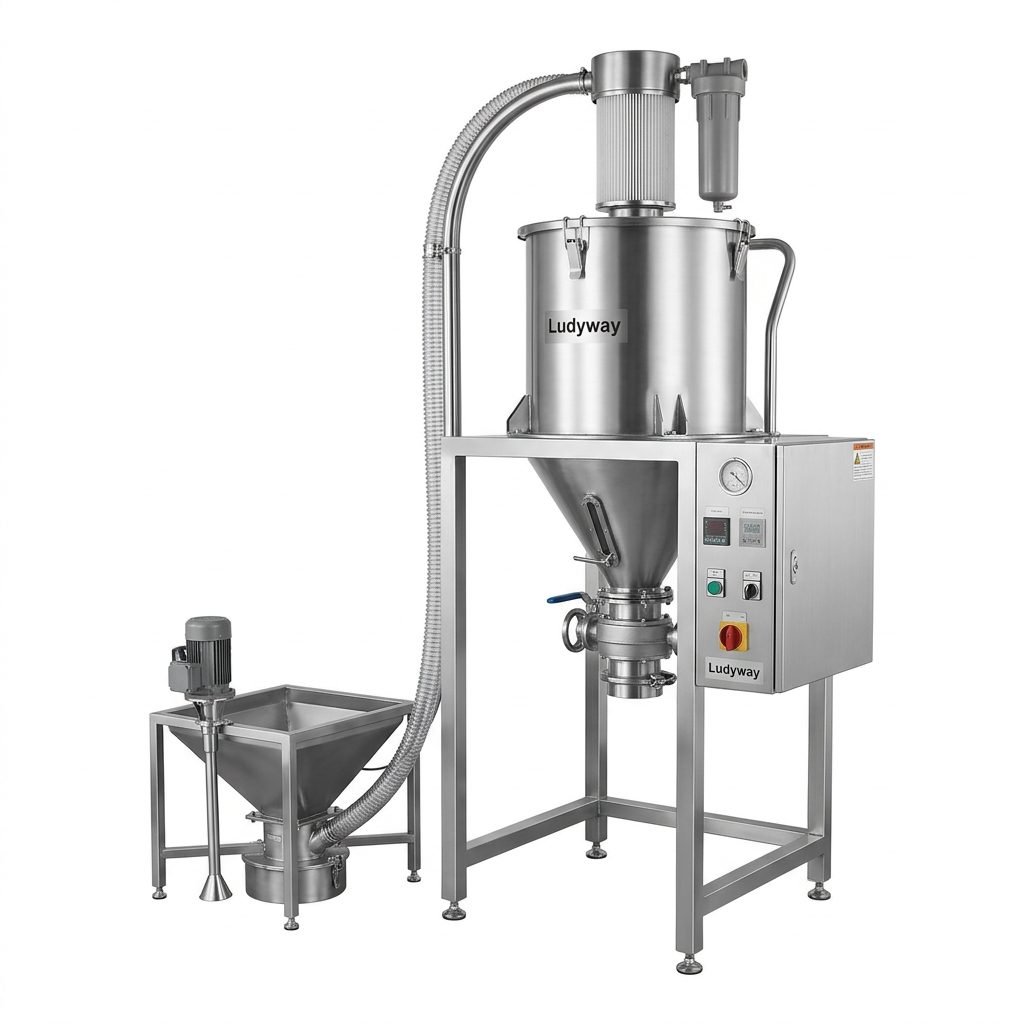
Ludyway Packing Machine stands out with its extensive industry experience, wide portfolio of over 50 intelligent machine models, and a strong focus on the food, pharmaceutical, and health sectors. Their commitment to providing reliable and efficient packaging solutions is backed by a large modern manufacturing base and a professional engineering team.
Other notable manufacturers to consider in your evaluation include Packmate Machinery and PacklineOEM, both recognized as leading packaging line manufacturers. For businesses requiring highly customized or non-standard equipment, PackingMachineOEM specializes in this area. For specific niches like oral tobacco and nicotine pouch production, SnusMachinery offers targeted expertise.
The Decision-Making and Implementation Process
Once you’ve shortlisted manufacturers, engage in a detailed dialogue. Provide samples of your product and packaging materials. Request a live or recorded video test run of your product on their equipment to verify performance on accuracy, speed, and seal integrity. Clearly negotiate terms covering payment, delivery (Incoterms like FOB or CIF), installation, training, warranty, and spare parts supply. A professional manufacturer will guide you through this process step-by-step, ensuring a smooth transition from order to operational machine on your factory floor in Sierra Leone.
Frequently Asked Questions (FAQs)
Q1: What type of packaging machine is most suitable for small to medium-sized businesses (SMBs) in Sierra Leone starting out?
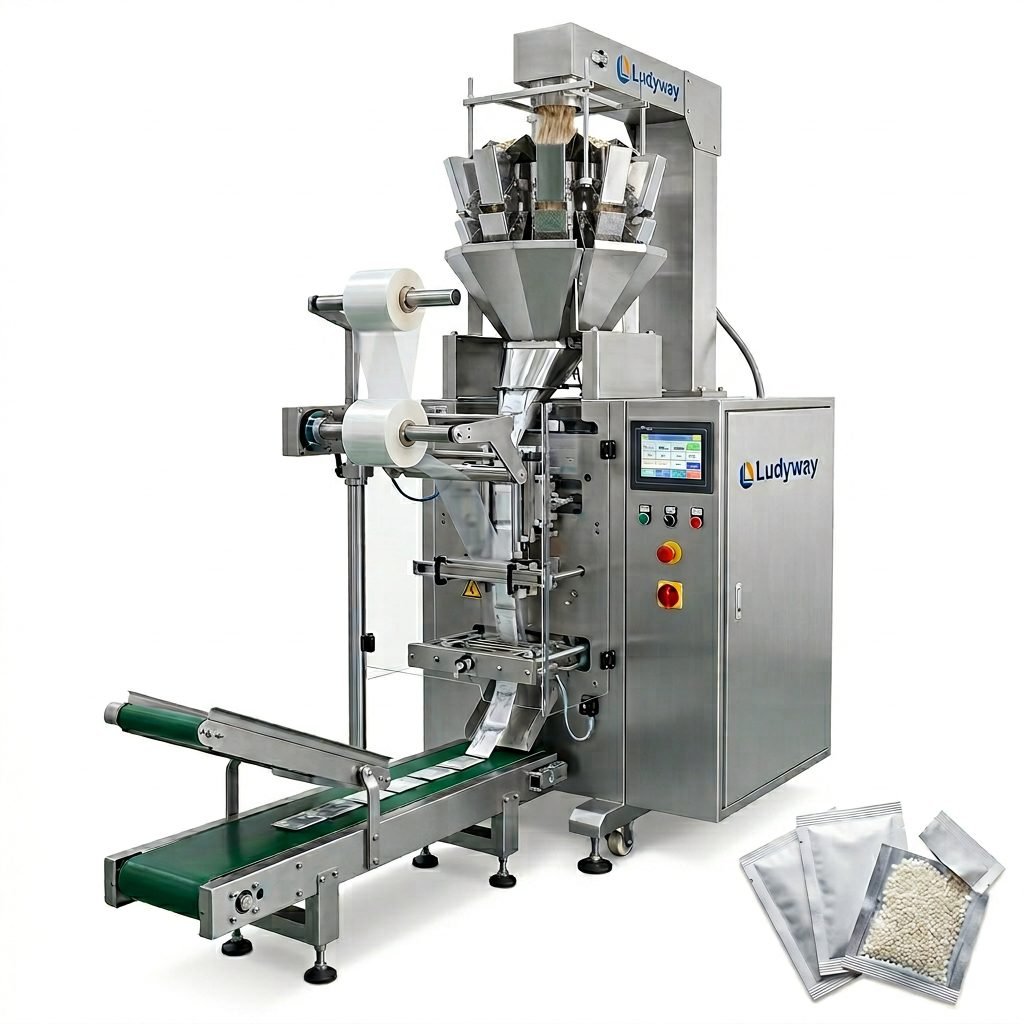
A: For SMBs, a versatile single or multi-lane vertical form-fill-seal (VFFS) machine is often an excellent starting point. These machines can handle granules, powders, and some liquids, producing sachets or stick packs. They offer a good balance of affordability, flexibility for different products, and manageable operational complexity. Starting with a semi-automatic model can also be a cost-effective way to validate your production needs before scaling up.
Q2: How can we ensure machine compatibility with Sierra Leone’s power supply (voltage, frequency)?
A: This is a crucial technical specification. Always confirm your local power standards (e.g., 230V/50Hz) with your utility provider. Reputable manufacturers can configure the machine’s electrical system, including motors, heaters, and control panels, to match your local grid requirements. Discuss this explicitly during the quotation stage to avoid costly modifications later.
Q3: What is the typical lead time for receiving a packaging machine from an overseas manufacturer?
A: Lead times vary based on machine complexity and customization. For standard models, it can range from 30 to 60 days after order confirmation. For fully custom or turnkey lines, it may take 90 to 120 days or more. Always factor in shipping and customs clearance time for Sierra Leone. A reliable manufacturer will provide a realistic project timeline and keep you updated.
Q4: How important is operator training, and what does it usually involve?
A: Comprehensive training is vital for maximizing machine uptime and lifespan. It should cover safe operation, routine maintenance, troubleshooting common issues, and simple adjustments for different products. The best training combines theoretical instruction with hands-on practice on your actual machine, often conducted by the manufacturer’s engineer during installation. Ensure this is included in your purchase agreement.
Q5: What ongoing costs should we budget for after the machine purchase?
A: Beyond the initial investment, budget for consumables (packaging film, sealing jaws), routine spare parts (belts, seals, filters), and potential preventive maintenance services. Also, consider costs related to power consumption and any required compressed air or water. A trustworthy manufacturer will provide a recommended spare parts list and maintenance schedule to help you plan these operational expenses effectively.