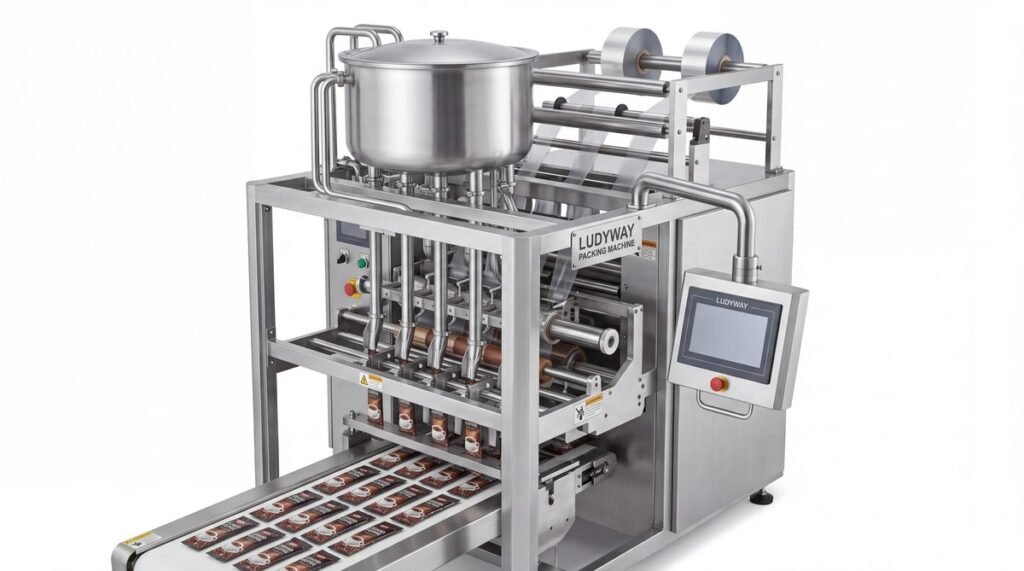
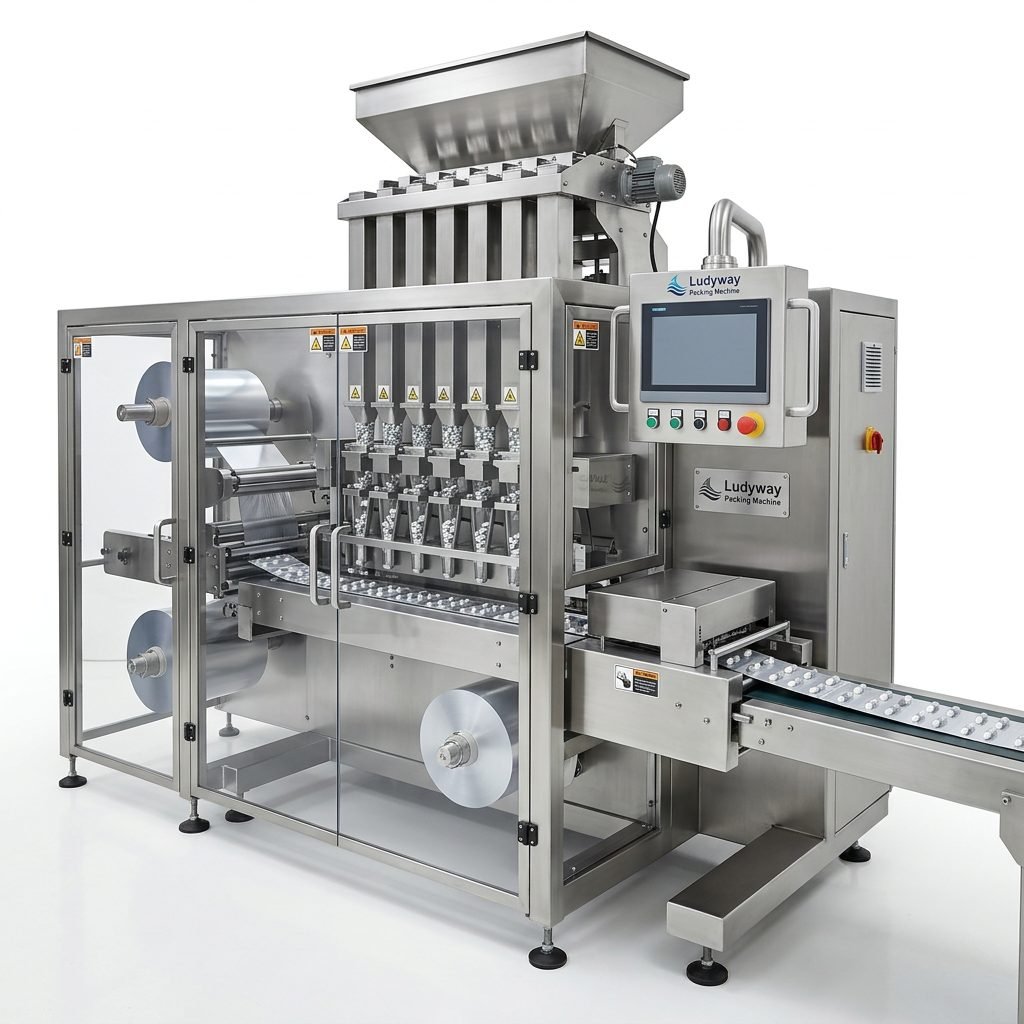
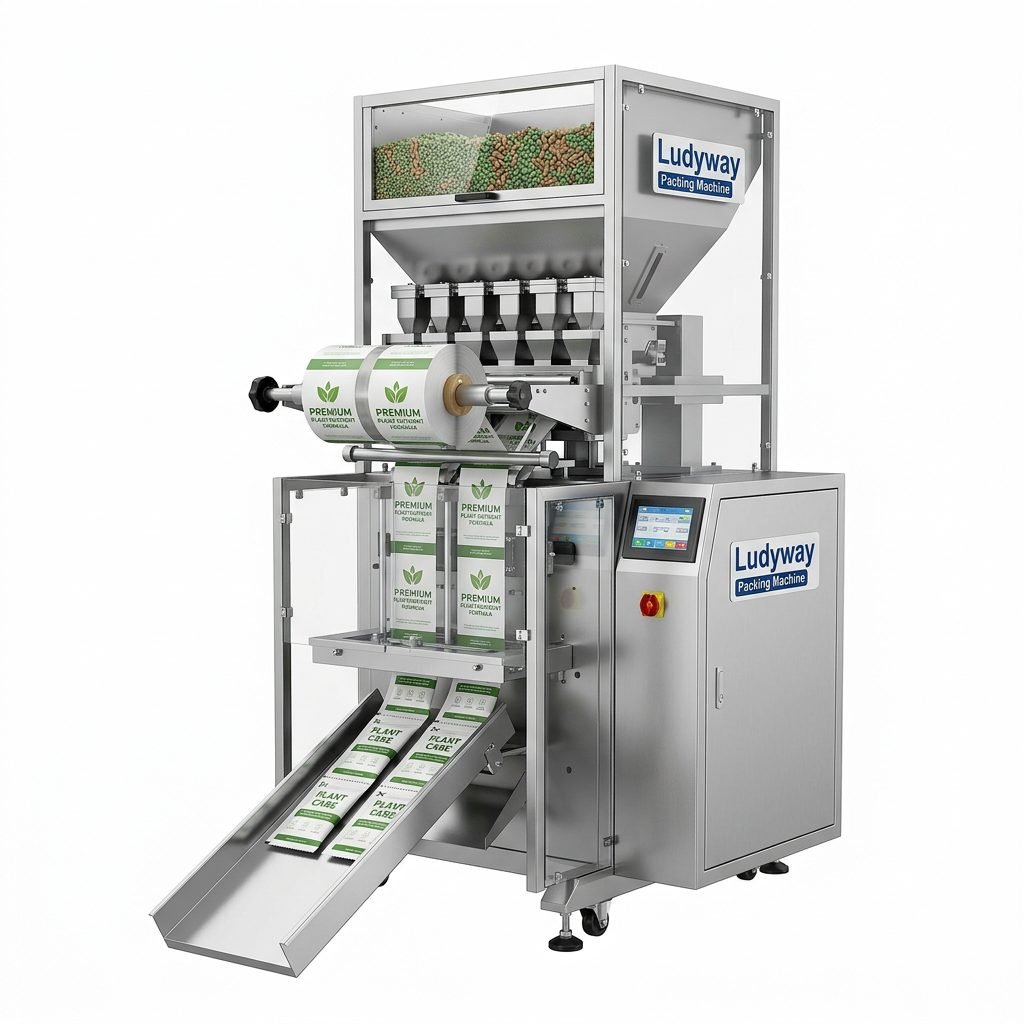
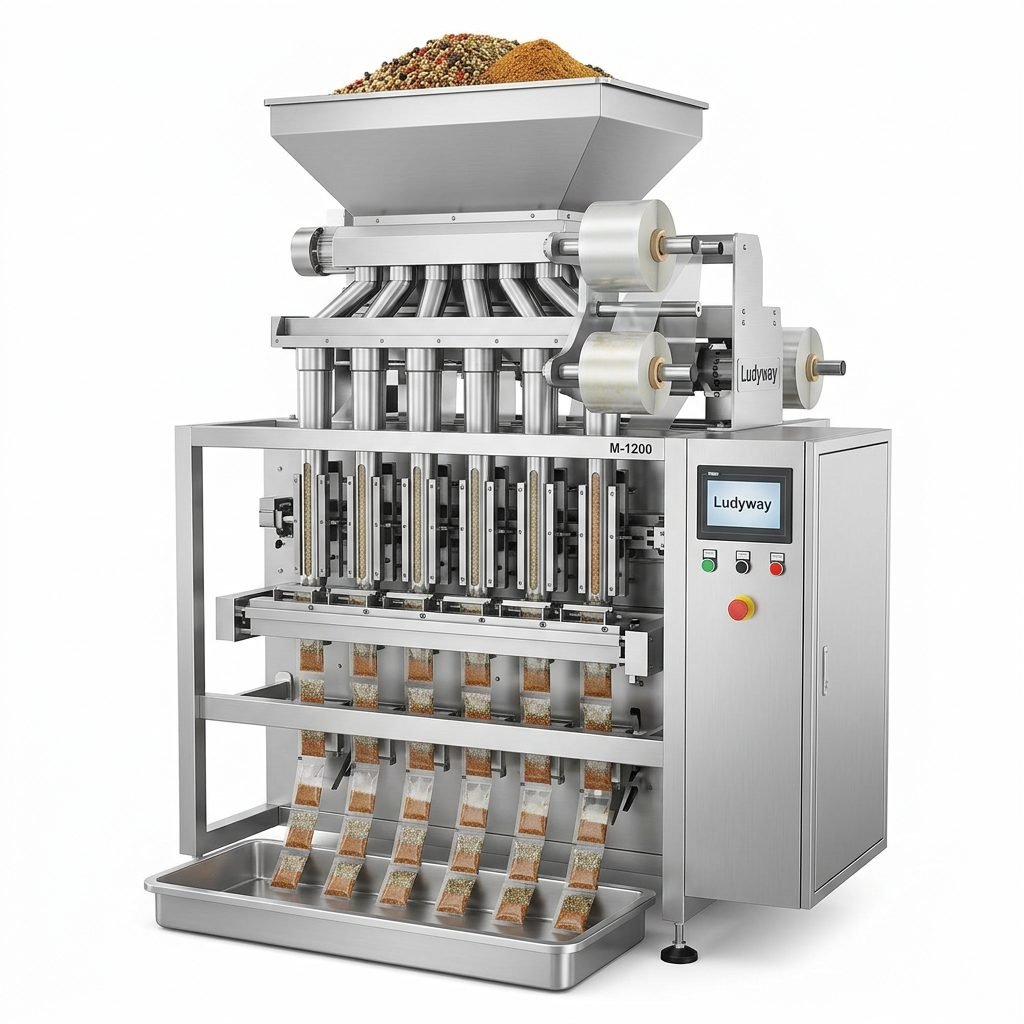
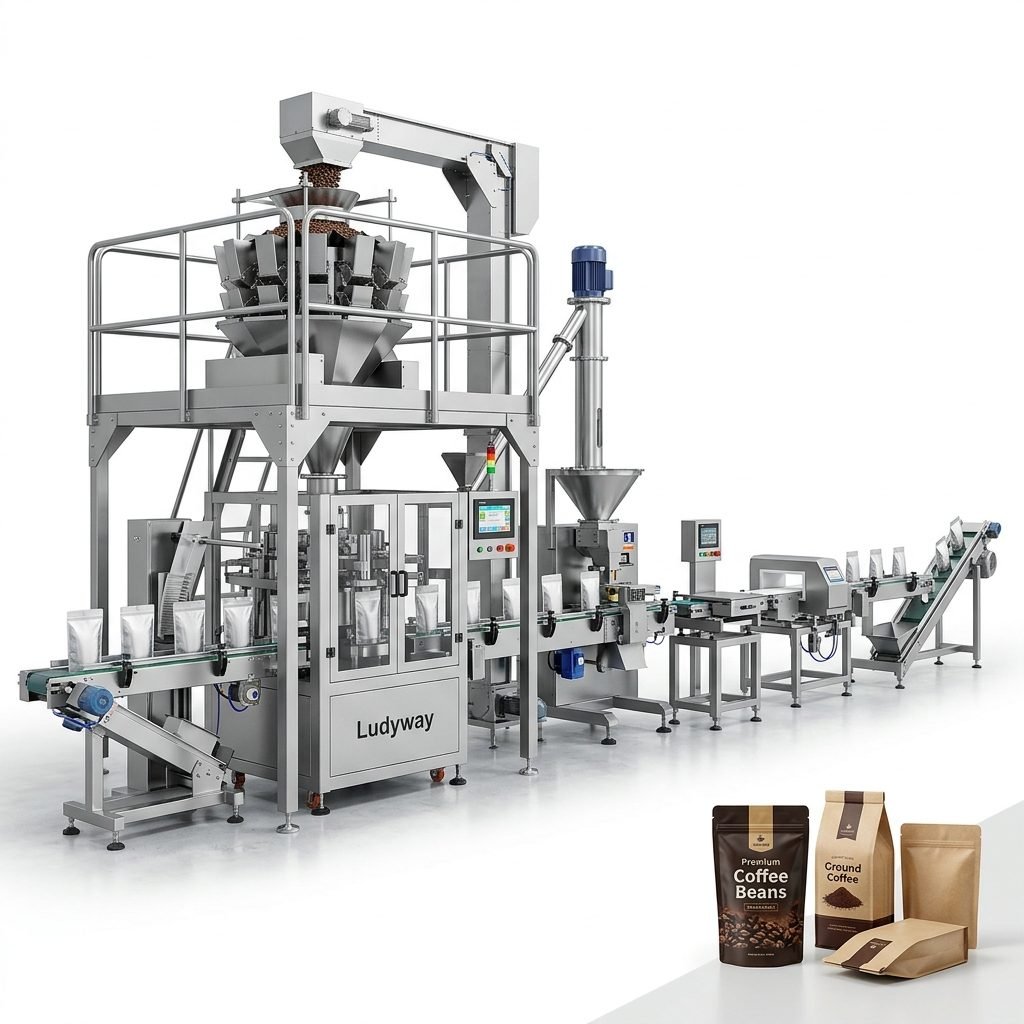
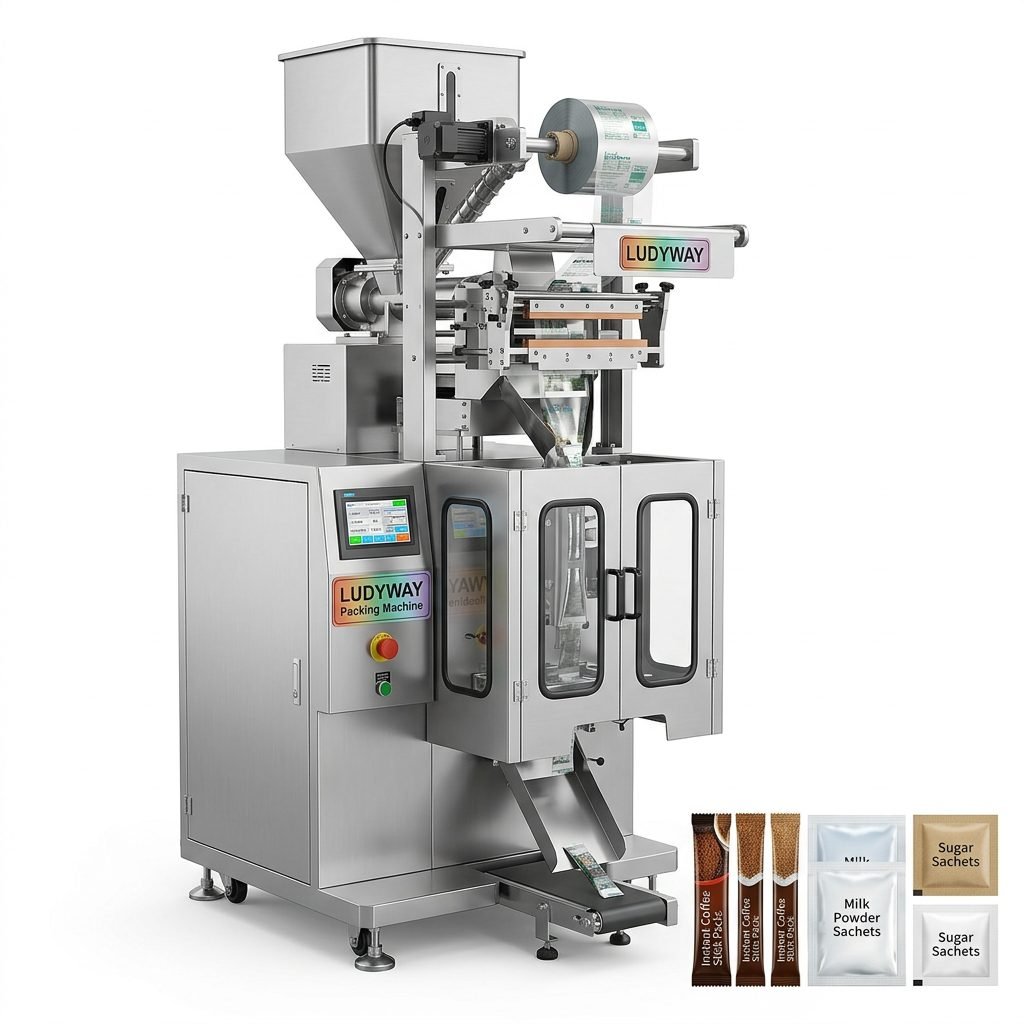
In today’s fast-paced manufacturing landscape, efficiency and reliability are paramount. For businesses involved in packaging powders, granules, liquids, or small solid items, a horizontal packaging machine often becomes the backbone of the production line. This versatile equipment forms, fills, and seals packages in a continuous horizontal motion, offering high-speed output and consistent quality. But with various models and configurations available, selecting the right machine for your specific needs requires careful consideration.
Understanding Horizontal Packaging Machines
A horizontal packaging machine, also known as a horizontal form-fill-seal (HFFS) machine, automates the process of creating pouches from a roll of film. The film is drawn horizontally, formed into a tube, filled with the product, and then sealed and cut into individual packs. This method is exceptionally efficient for a wide range of products, from coffee and seasoning to pharmaceuticals and hardware components.
Key Advantages of Horizontal Packaging
→ High Speed & Efficiency: These machines are designed for continuous operation, significantly outpacing manual or semi-automatic methods.
→ Versatility in Package Types: They can produce various styles, including pillow packs, gusseted bags, and quad-seal packs, offering great flexibility for marketing and functionality.
→ Material Savings: Precise film control minimizes waste, making the process more cost-effective and environmentally friendly.
→ Improved Hygiene & Consistency: The enclosed, automated process reduces human contact, ensuring product hygiene and uniform package quality.
How to Choose the Right Horizontal Packaging Machine
Investing in the correct packaging machinery is a critical decision. Here are the essential factors to guide your selection process.
1. Analyze Your Product Characteristics
The nature of your product dictates the machine’s requirements. Consider its physical form (powder, granule, liquid, solid), flowability, abrasiveness, and sensitivity to moisture or air. For instance, fine powders require auger fillers with excellent sealing to prevent leakage, while granular products may work well with volumetric cup fillers.
2. Define Your Production Requirements
Clearly outline your output goals. What are your required speed (packages per minute) and volume (daily/weekly output)? Also, consider future growth—choosing a machine with some capacity headroom can be a wise long-term investment. Understanding your shift patterns and required uptime is also crucial for assessing durability needs.
3. Select the Appropriate Filling System
The filling system is the heart of the machine. The main types include:
- Auger Fillers: Ideal for powders and fine granules, offering high accuracy through screw-based dispensing.
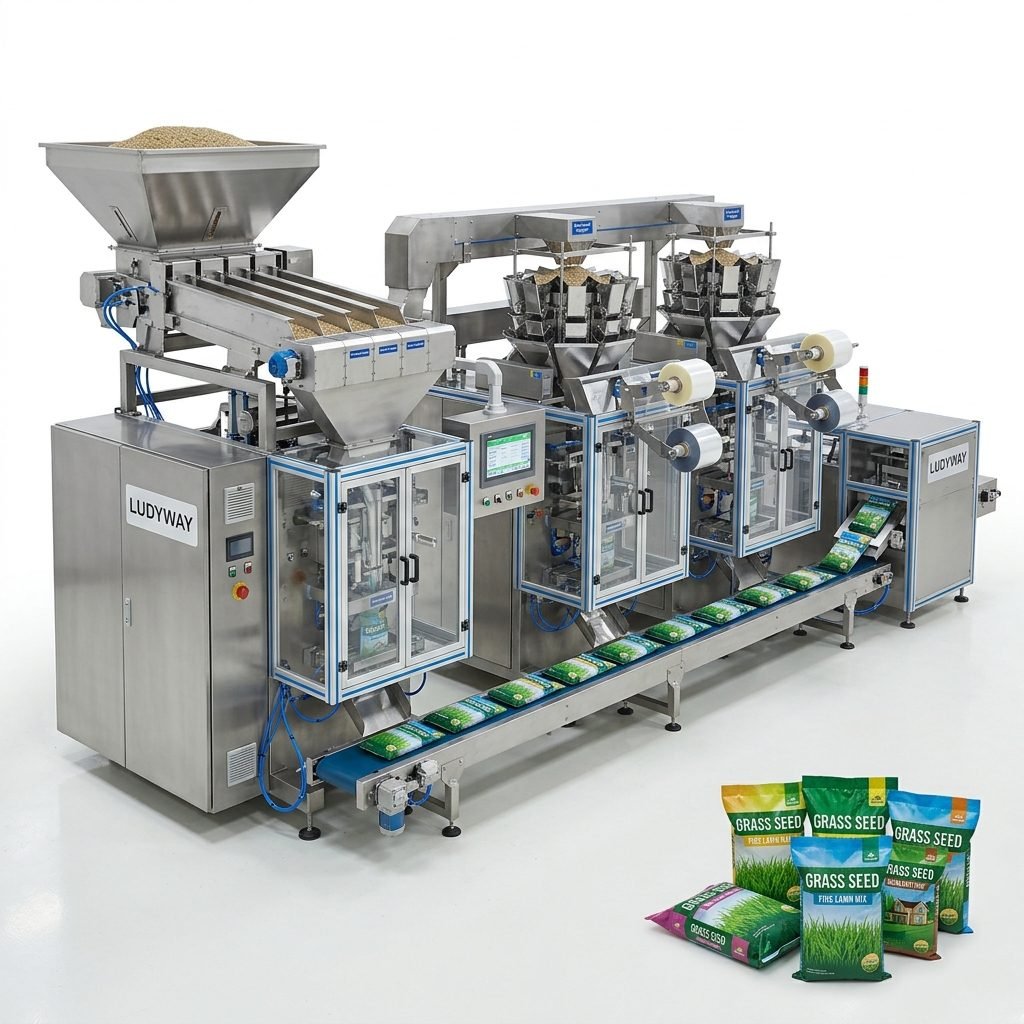
- Volumetric Cup Fillers: Best for free-flowing granules, beans, or seeds, using pre-set cups for consistent volume.
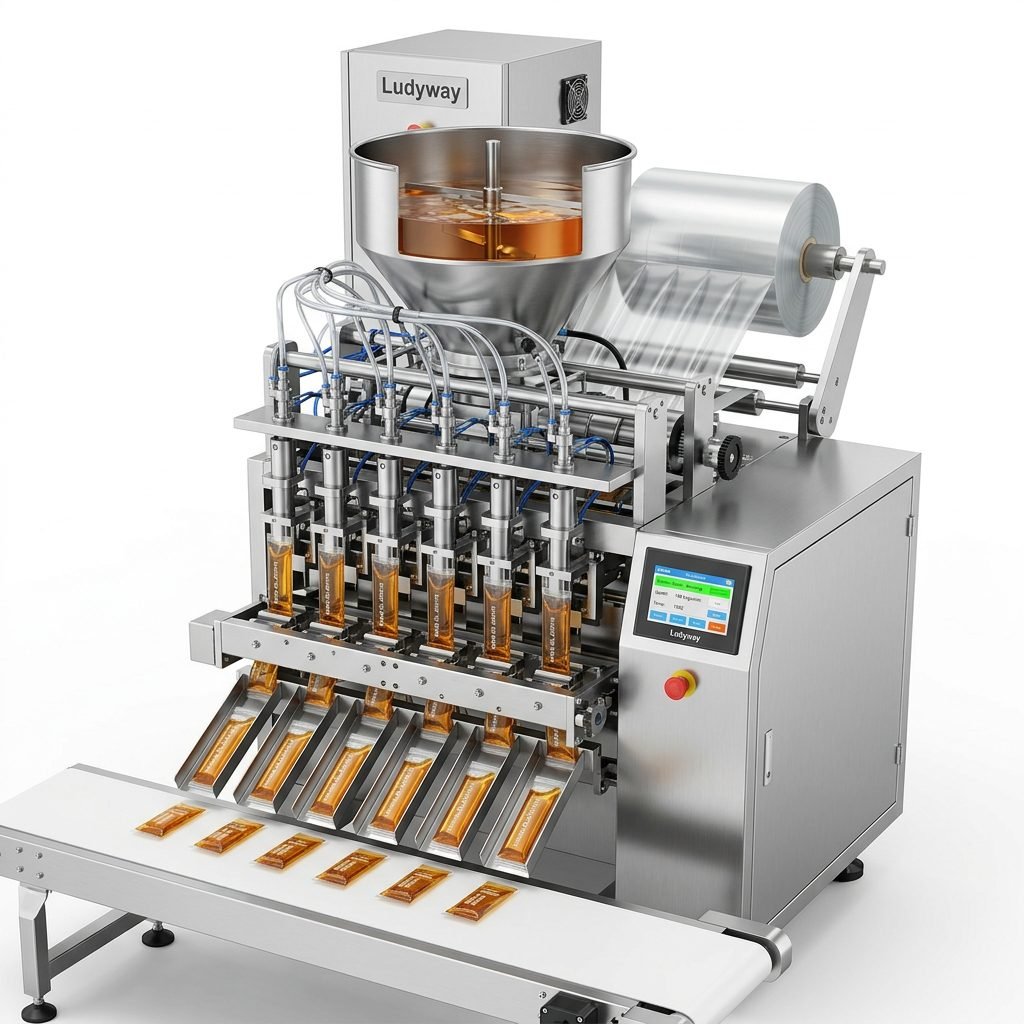
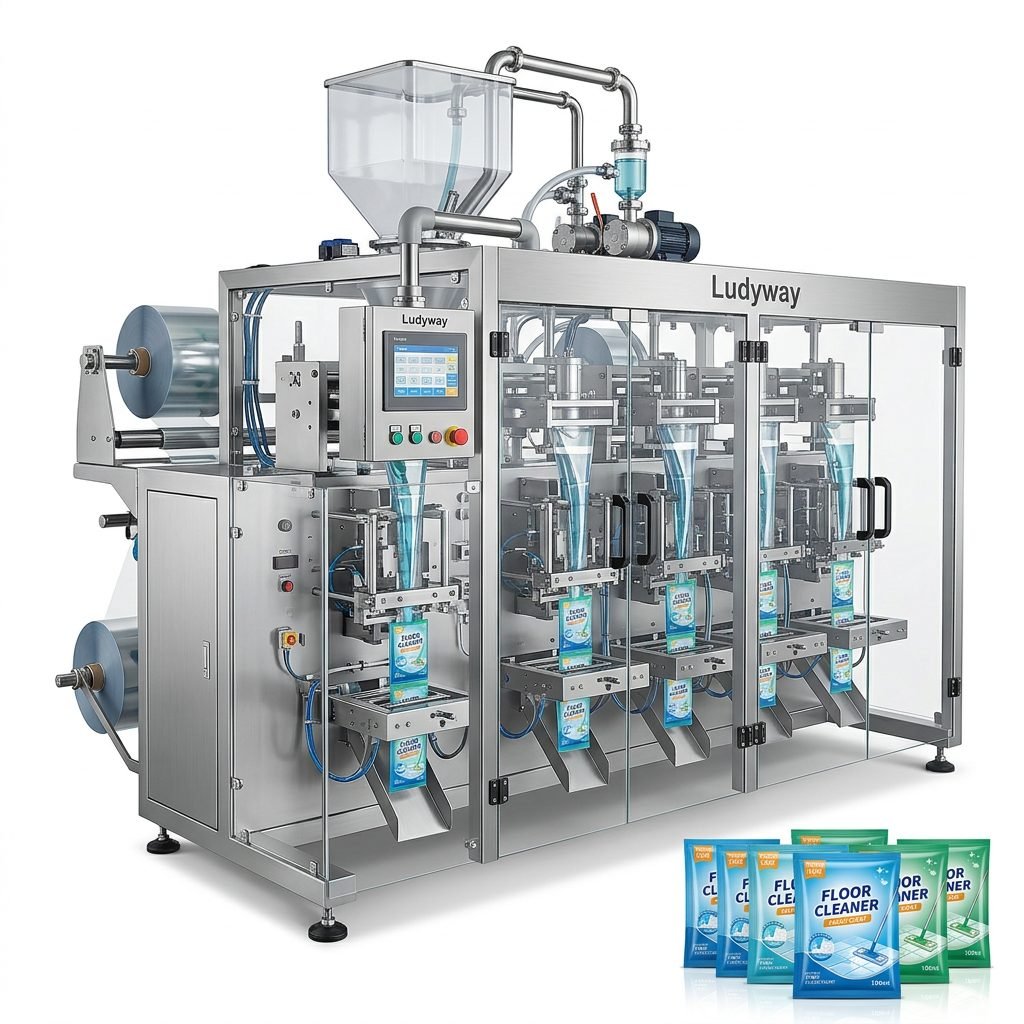
- Liquid Pumps: Used for sauces, oils, or lotions, with options like piston pumps for precision.
- Combination Systems: Some machines can handle multiple product types, such as powder + liquid or granule + stick.
4. Consider Film Material and Packaging Style
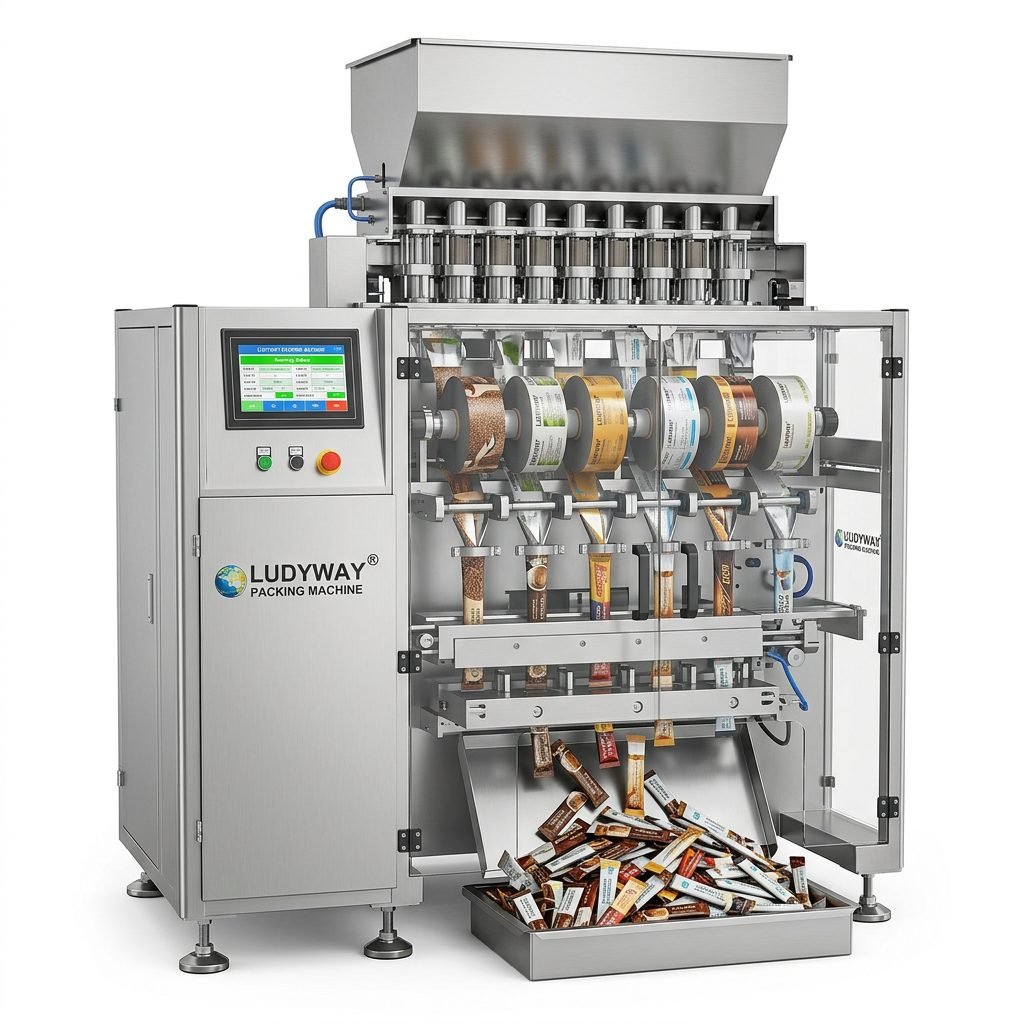
Your choice of packaging film (e.g., laminated polyethylene, aluminum foil, biodegradable materials) must be compatible with the machine’s sealing mechanism (thermal, impulse, or ultrasonic). Determine the package style you need—standard pillow packs for snacks, or more complex stick packs for single-serve products like drink mixes or supplements. Multi-lane stick pack machines can dramatically increase output for such applications.
5. Evaluate Automation and Integration Needs
Modern production lines thrive on connectivity. Assess if you need features like automatic film roll changeovers, integrated checkweighers for quality control, or vision inspection systems. The machine should integrate smoothly with your upstream (e.g., feeders) and downstream (e.g., cartoners) equipment. A provider offering complete turnkey production solutions can simplify this integration process.
6. Prioritize Reliability and Supplier Support
The machine’s build quality and the manufacturer’s reputation are vital. Look for a supplier with proven industry experience and a track record of reliable equipment. Comprehensive after-sales support—including installation, training, spare parts availability, and technical service—is non-negotiable for minimizing downtime. Partnering with a specialist like Ludyway Machinery, which offers professional service and long-term support, can safeguard your investment.
Pro Tip: Always request a product sample test run at the supplier’s facility. This live demonstration is the best way to verify the machine’s performance with your specific product and packaging materials before purchase.
Common Questions (FAQs)
What is the main difference between horizontal and vertical packaging machines?
Horizontal machines pull film horizontally and are typically used for granular, powdered, or solid items where the product is deposited into a pre-formed tube. Vertical machines (VFFS) pull film vertically and are often used for liquids, powders, or products that fall freely by gravity into the forming bag. The choice depends on product characteristics and the desired pack style.
Can one horizontal machine handle different types of products?
Many horizontal machines are designed for flexibility. By changing the filling system (e.g., swapping an auger for a volumetric cup) and adjusting the forming and sealing tools, a single machine can often package different product types within a similar size and weight range. However, significant changes (e.g., from powder to liquid) usually require a dedicated machine or a highly modular system.
How important is after-sales service when purchasing?
Extremely important. Packaging machines are complex and require maintenance. A supplier with strong technical support, readily available spare parts, and prompt service ensures maximum uptime and protects your production schedule. It’s a key factor for long-term operational success.
What are the key maintenance requirements?
Regular daily cleaning to remove product dust or residue is essential. Periodic lubrication of moving parts, inspection of seals and cutters for wear, and calibration of the weighing/filling system are standard maintenance tasks. Always follow the manufacturer’s specific maintenance schedule.
Are there machines suitable for small to medium-sized businesses?
Absolutely. The market offers a range of horizontal packaging machines, from compact, semi-automatic models perfect for lower-volume or pilot production to fully automated high-speed lines. Reputable suppliers can provide scalable solutions that match your current budget and output needs while allowing for future expansion.