Selecting the right industrial packaging machinery is a critical decision for any manufacturing operation. The correct system enhances efficiency, ensures product integrity, and directly impacts your bottom line. This guide explores the main types of packaging equipment, their key features, and provides a structured approach to choosing the ideal system for your production line.
Primary Types of Industrial Packaging Machinery
The packaging machinery landscape is diverse, with systems designed for specific product forms and output requirements. Understanding these categories is the first step in the selection process.
Form-Fill-Seal (FFS) Machines
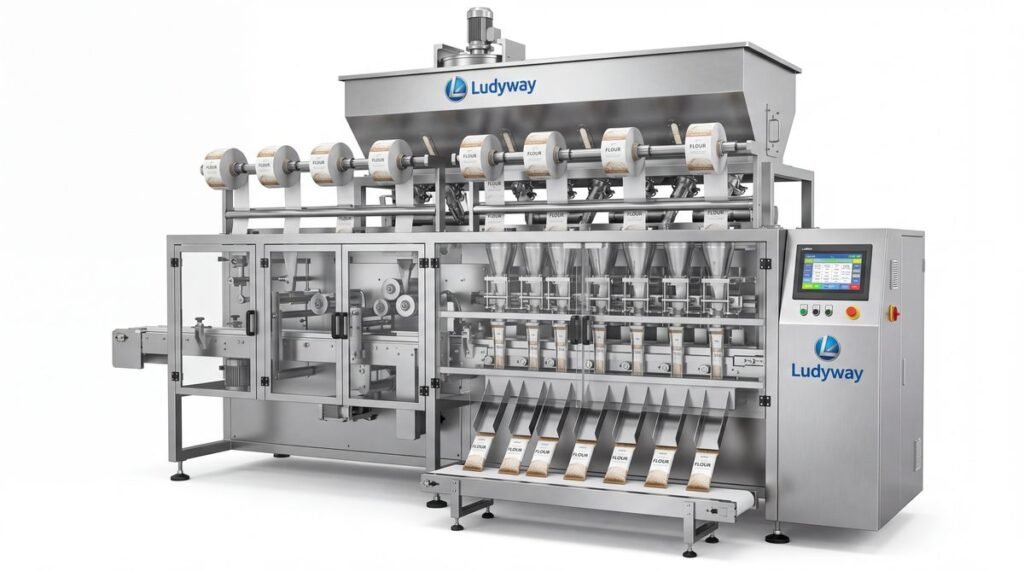
These versatile systems form the package from a roll of film, fill it with product, and seal it in one continuous operation. They are highly efficient for medium to high-volume production.
Common Variants:
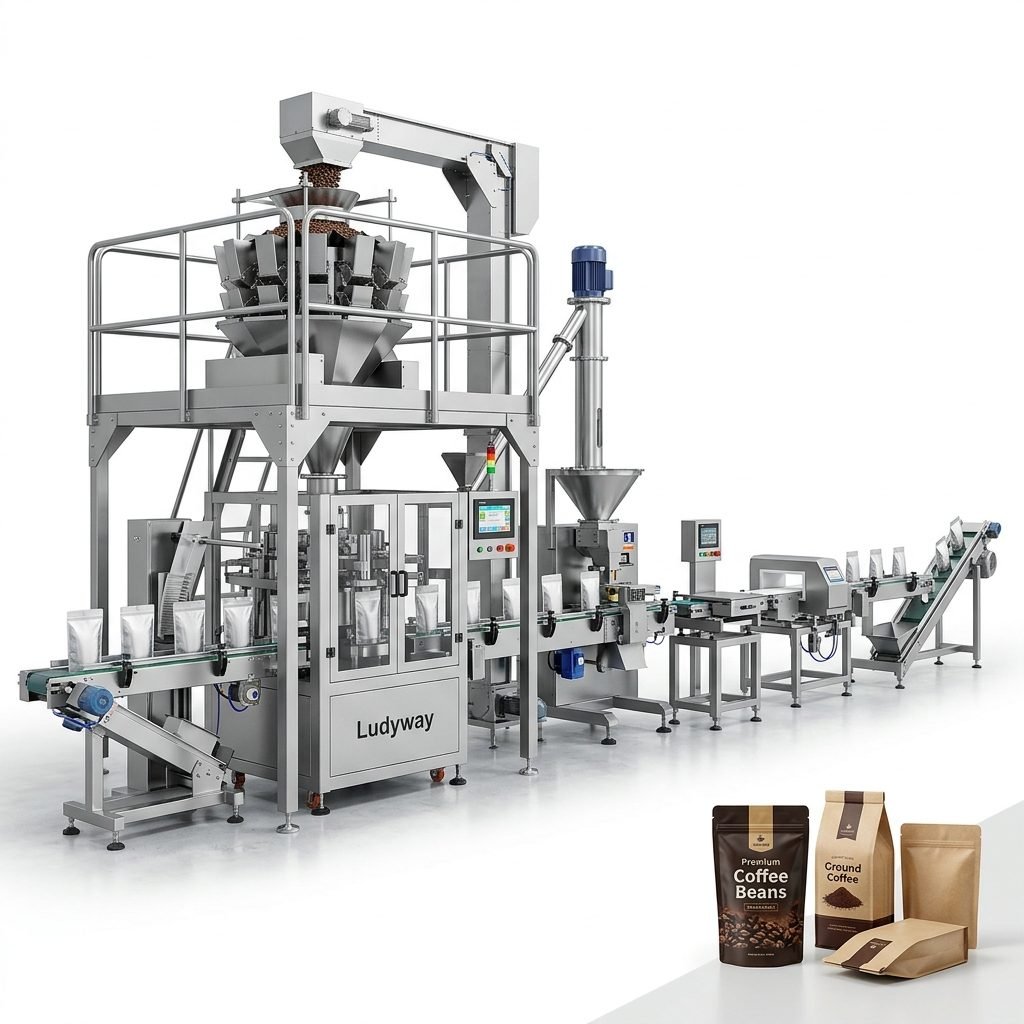
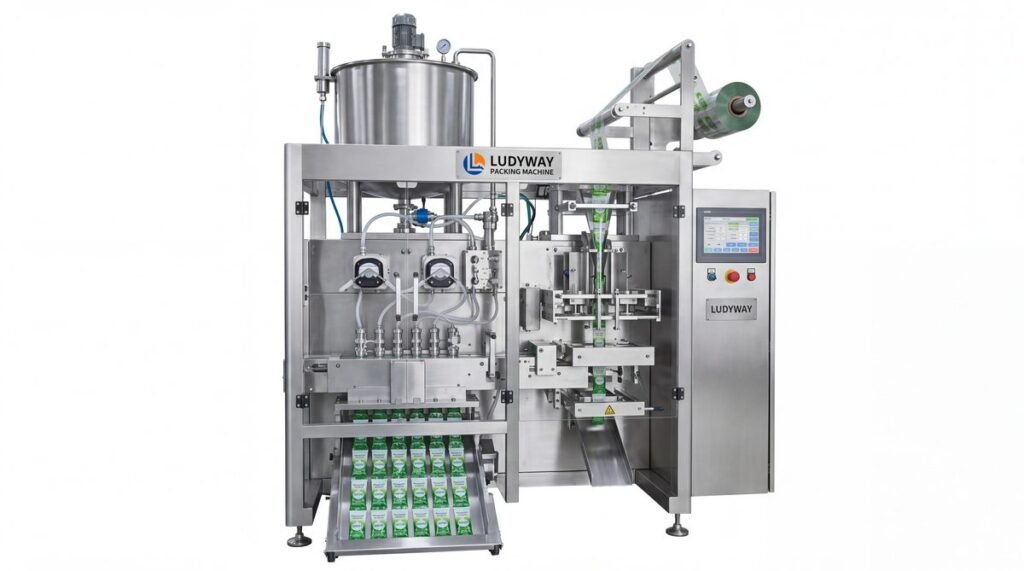
• Vertical Form-Fill-Seal (VFFS): Ideal for granules, powders, and liquids. Product is filled vertically into bags formed from a single roll of film. Perfect for items like coffee, snacks, and shampoo sachets.
• Horizontal Form-Fill-Seal (HFFS): Often used for solid items, baked goods, or multi-component packs. The film is formed horizontally, and products are placed inside before sealing.
Filling Machines
Designed specifically for accurate product dispensing into pre-made containers like bottles, cans, or jars.
Liquid Fillers: Use piston, gravity, or pressure-based mechanisms for beverages, oils, and chemicals.
Powder & Granule Fillers: Utilize auger, cup, or weigh-fill technology for precise dosing of free-flowing and non-free-flowing products.
Capping, Sealing & Labeling Machines
These systems handle downstream packaging processes after the primary product filling is complete.
Cappers: Apply screw caps, snap-on lids, or press-on closures to containers.
Sealers: Apply induction seals, tamper-evident bands, or heat seals to ensure product safety.
Labelers: Apply pressure-sensitive (sticker) or glue-based labels with high precision. Options include front/back, wrap-around, and top labeling.
Specialized Packaging Systems
For unique product formats and high-speed applications.
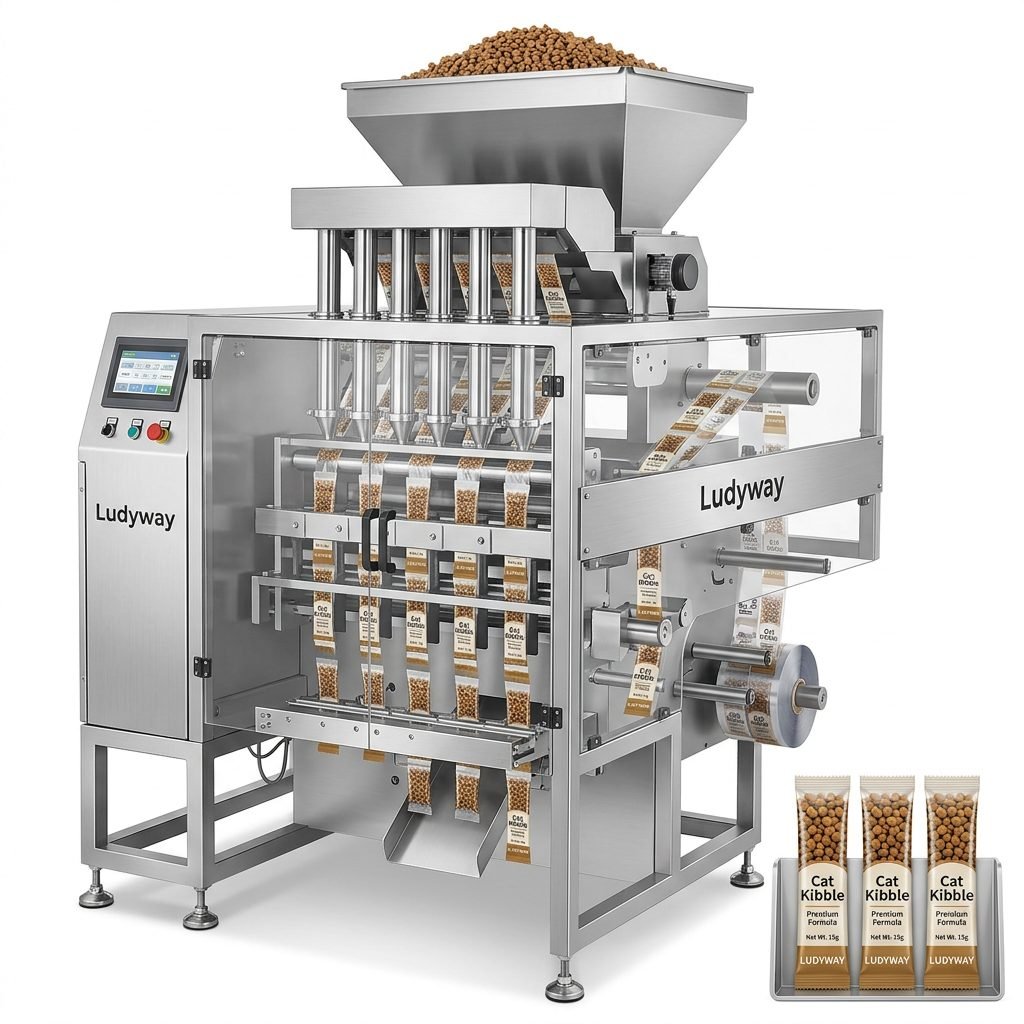
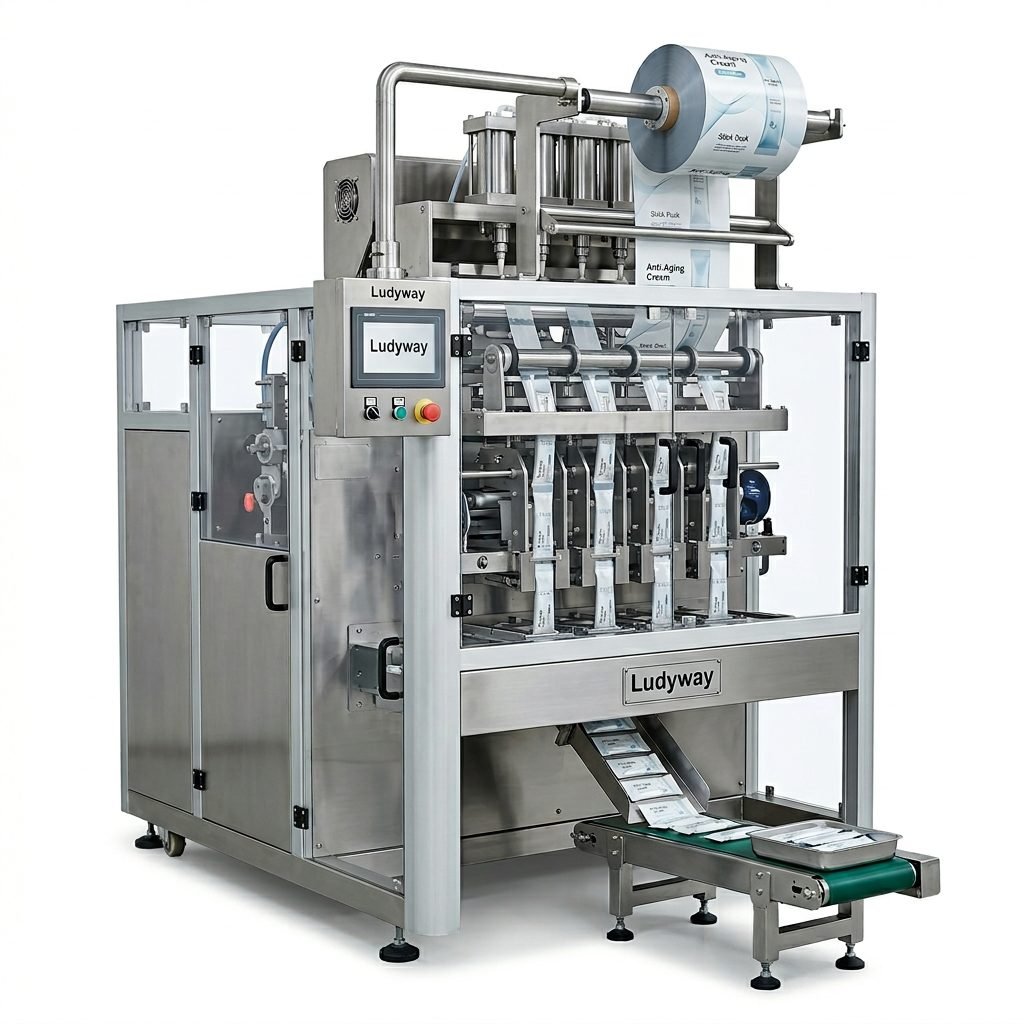
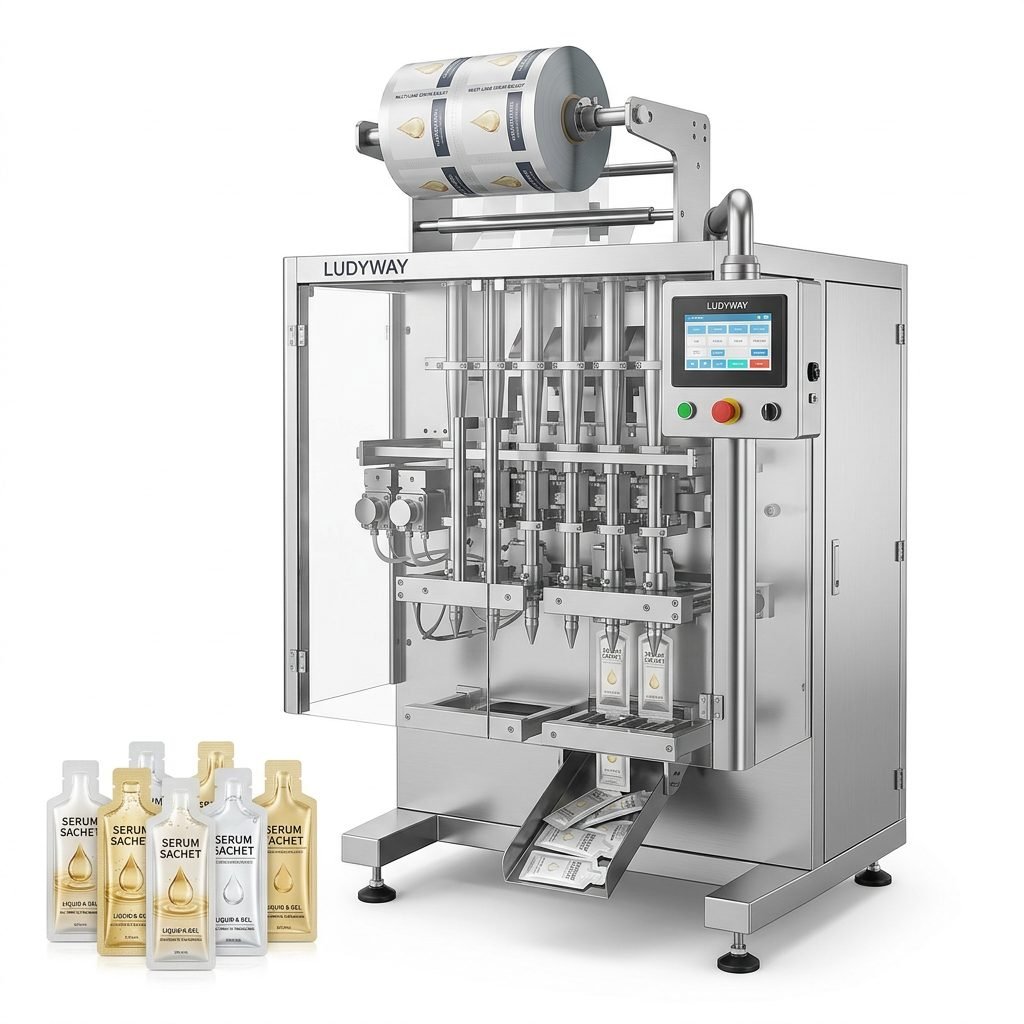
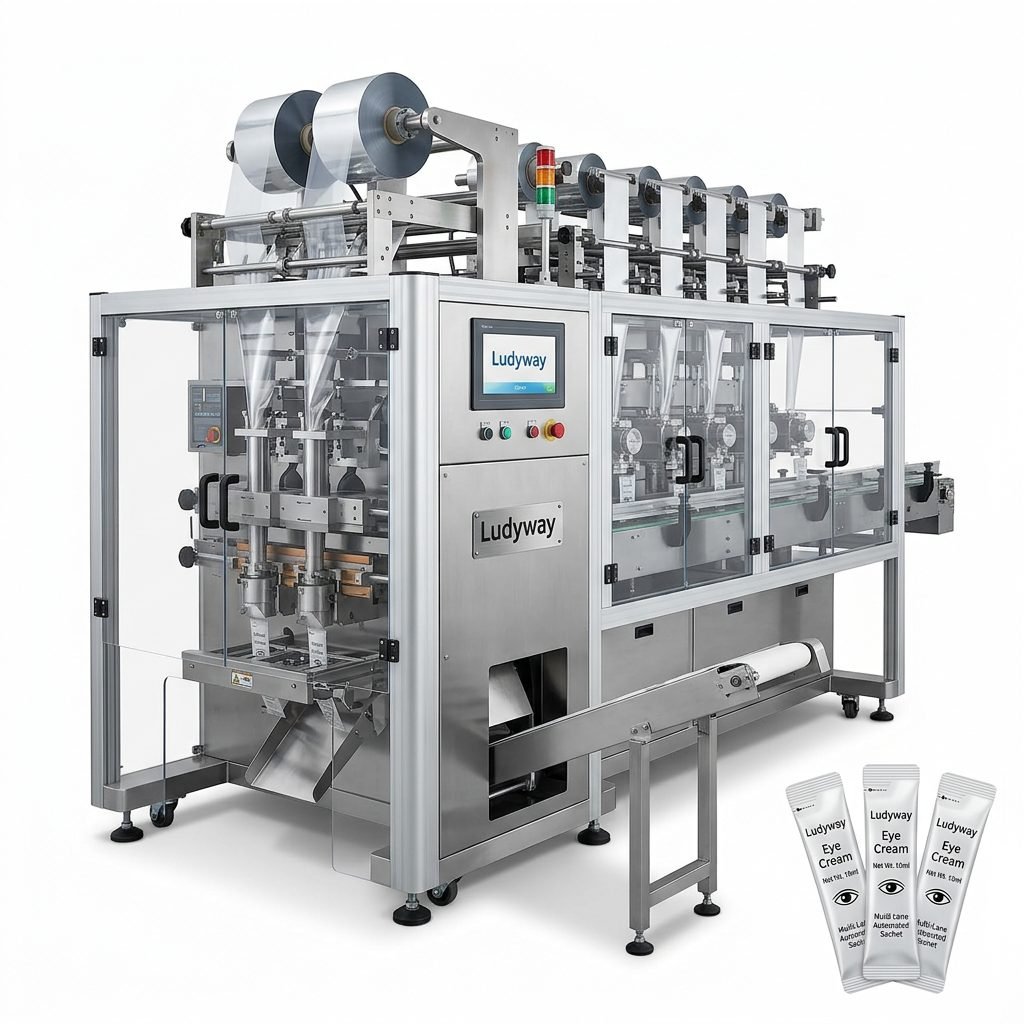
Stick Pack Machines: Create slim, elongated single-serve packages for powders, liquids, and gels. Highly popular in the food, beverage, and pharmaceutical sectors for their convenience and low material use.
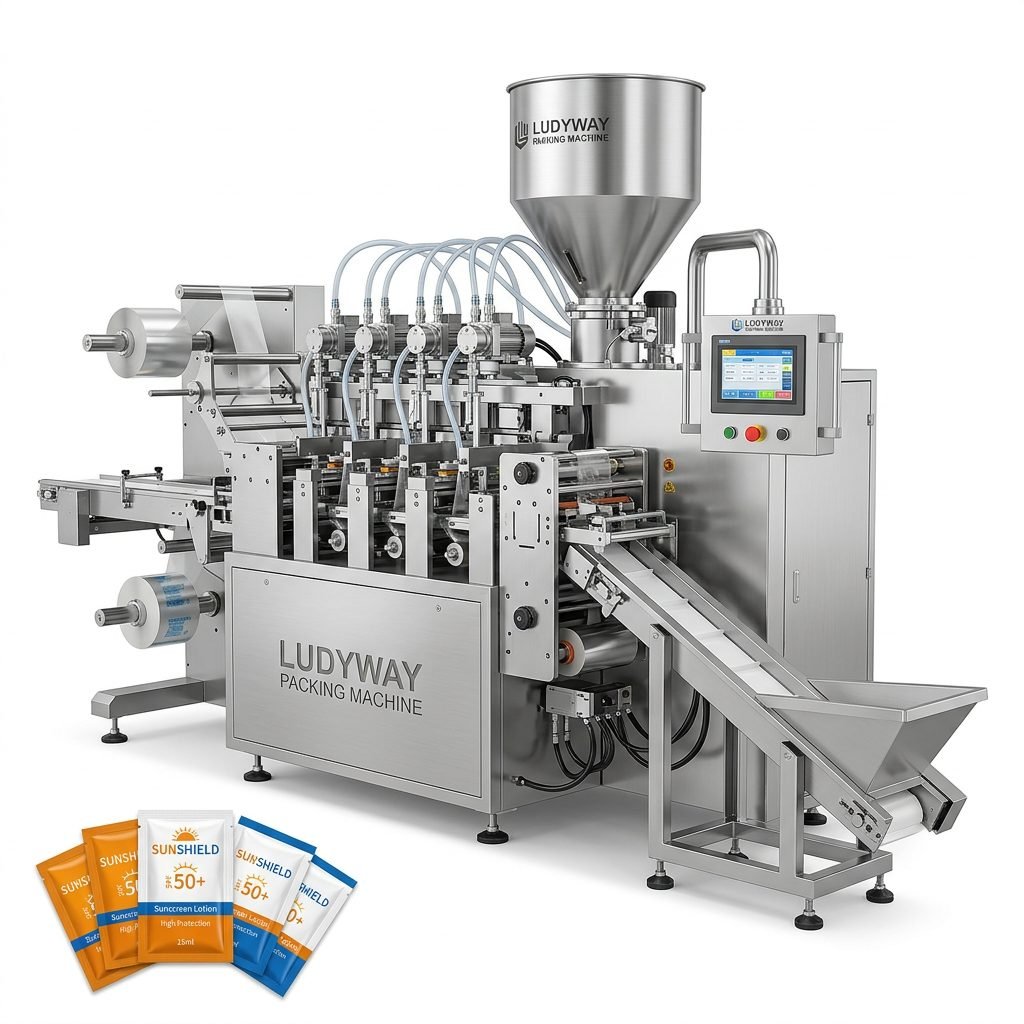
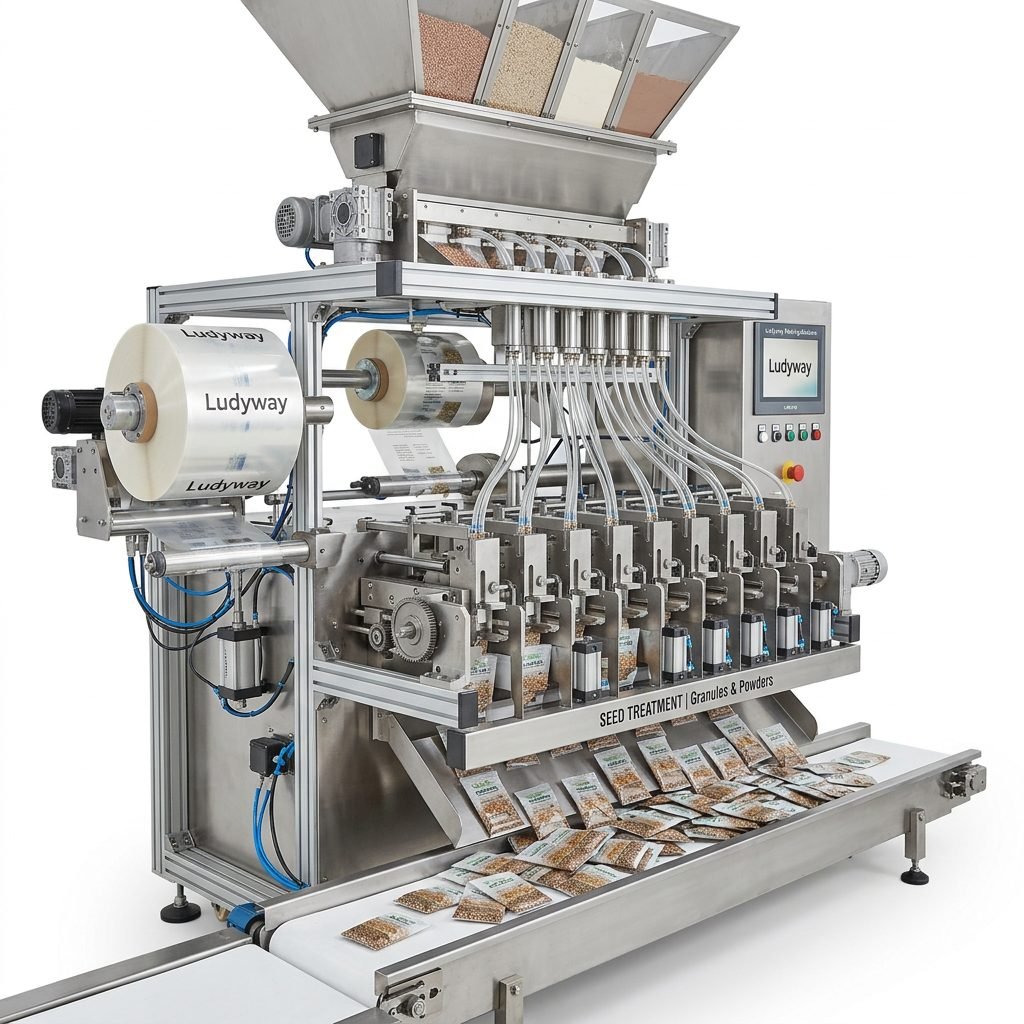
Sachet Packaging Machines: Produce small, sealed packets ideal for condiments, cosmetics samples, and pharmaceutical doses. They can run single-lane or multi-lane for increased output.
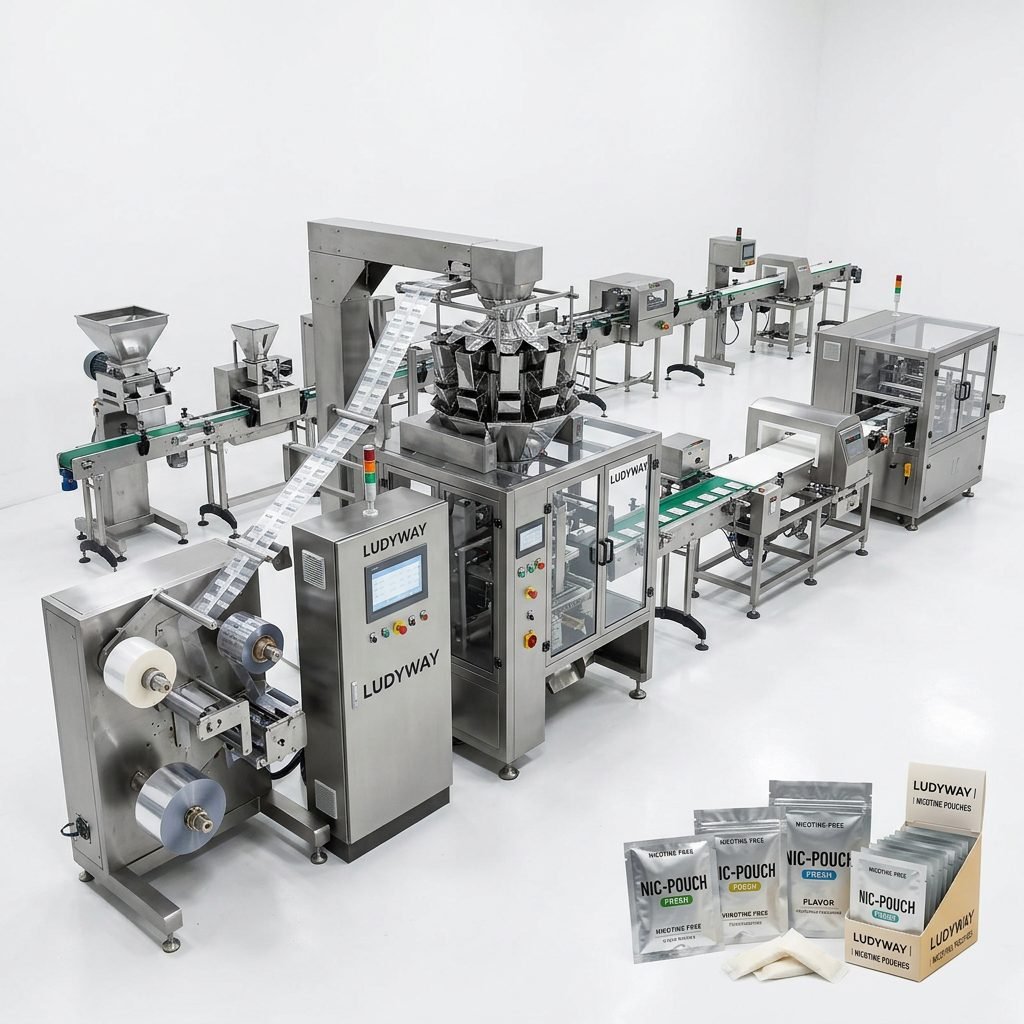
Cartoning Machines: Automatically erect, load, and close cartons or boxes. They can be integrated with primary packaging systems for a complete line.
Key Features & Technological Considerations
Beyond type, several core features define a machine’s capability, reliability, and suitability for your factory environment.
Automation Level & Integration
The degree of automation ranges from semi-automatic (requiring an operator) to fully automatic robotic systems. Modern machines feature PLC (Programmable Logic Controller) systems and HMI (Human-Machine Interface) touchscreens for easy operation, recipe storage, and diagnostics. Consider how well a new machine will integrate with your existing conveyors, upstream feeders, and downstream equipment.
Speed & Production Capacity
Measured in packages per minute (PPM) or cycles per minute (CPM). Your required output dictates the necessary speed. Always account for future growth and choose a system that can handle a 15-20% increase in capacity without being over-engineered for your current needs.
Versatility & Changeover
If you package multiple products or sizes, quick changeover is vital. Look for machines with tool-less adjustments, digital size change records, and easy-access parts. Versatile machines reduce downtime and increase line utilization.
Construction & Hygiene
Build Quality: Robust frames (e.g., stainless steel or powder-coated steel), precision-machined parts, and quality drives ensure longevity.
Hygienic Design: For food, pharmaceutical, or chemical applications, features like stainless steel contact surfaces, smooth welds, and easy-clean access points are non-negotiable. Machines may need to comply with standards like USDA, FDA, or GMP.
Accuracy & Control Systems
➤ Weighing Systems: Multi-head weighers for snacks, checkweighers to ensure correct fill weight.
➤ Vision Inspection: Cameras can verify fill level, label placement, or seal integrity, rejecting faulty packages.
➤ Servo Motors: Provide precise control over film movement, filling, and cutting, leading to less waste and higher accuracy compared to mechanical systems.
How to Choose the Right Packaging System: A Step-by-Step Guide
A systematic approach prevents costly mistakes and ensures the machinery meets your operational goals.
Step 1: Define Your Product & Packaging Specifications
List every detail: product form (granule, powder, liquid, solid), abrasiveness, density, flow characteristics, and any special handling needs (hygroscopic, fragile). Define your desired package type, material, size range, and any required secondary packaging.
Step 2: Analyze Your Production Requirements
Calculate your required output (units per shift/day). Determine your available factory space, utilities (power, compressed air), and operator skill level. Plan for future product lines or capacity expansion.
Step 3: Research & Shortlist Suppliers
Look for manufacturers with proven experience in your specific industry. A supplier like Ludyway Packing Machine, with over 30 years of collective industry experience, offers valuable insight. Evaluate their range of over 50 intelligent models, from multi-lane stick pack machines to complete sachet lines. Review case studies and client testimonials.
Step 4: Evaluate Total Cost of Ownership (TCO)
Look beyond the initial purchase price. Factor in installation, training, maintenance costs, spare parts availability, energy consumption, and potential downtime. A slightly more expensive, reliable machine often has a lower TCO than a cheaper, less robust alternative.
Step 5: Request a Product Test & Assess Support
Always conduct a product test. Send your actual product and packaging materials to the supplier for a live machine trial. This validates performance, speed, and accuracy. Simultaneously, assess the supplier’s technical support, warranty terms, availability of spare parts, and service network. Strong after-sales support is crucial for minimizing operational disruptions.
Partnering with a provider committed to long-term cooperation and innovation ensures your packaging line evolves with your business needs.
Step 6: Consider Integration & Training
Ensure the new machine can communicate with your existing line controls. Plan for comprehensive operator and maintenance technician training provided by the supplier to ensure a smooth ramp-up and optimal machine performance from day one.
Frequently Asked Questions (FAQs)
1. What is the main difference between Vertical (VFFS) and Horizontal (HFFS) form-fill-seal machines?
VFFS machines are primarily used for granular, powdered, and liquid products where the bag is formed vertically around the fill tube. HFFS machines are typically used for solid or shaped items where the product is placed horizontally into a pre-formed pouch or cavity before sealing. The choice depends entirely on your product’s characteristics.
2. How important is a machine trial before purchase?
It is critical. A live trial with your specific product and packaging materials is the only way to verify the machine’s performance, achievable speed, fill accuracy, and seal integrity. It mitigates the significant risk of the machine not performing as expected upon delivery.
3. Can one machine handle multiple, very different product types?
While many machines offer versatility within a product category (e.g., different granule sizes), switching between fundamentally different forms (e.g., powder to liquid) usually requires significant component changes or a different machine altogether. Discuss your full product portfolio with your supplier during the planning stage.
4. What are the key maintenance requirements for packaging machinery?
Regular maintenance includes daily cleaning, lubrication of moving parts as per the manual, inspection of seals and cutting blades, and calibration of weighing systems. A proactive maintenance schedule based on the supplier’s recommendations is essential to prevent unplanned downtime and extend the machine’s lifespan.
5. Why should I consider a supplier with turnkey solution capabilities?
A turnkey supplier, like those offering complete production solutions, manages the entire project from design and machinery supply to installation, commissioning, and training. This single-point responsibility reduces complexity, ensures compatibility between line components, and can significantly speed up your time to production compared to sourcing machines from multiple vendors.