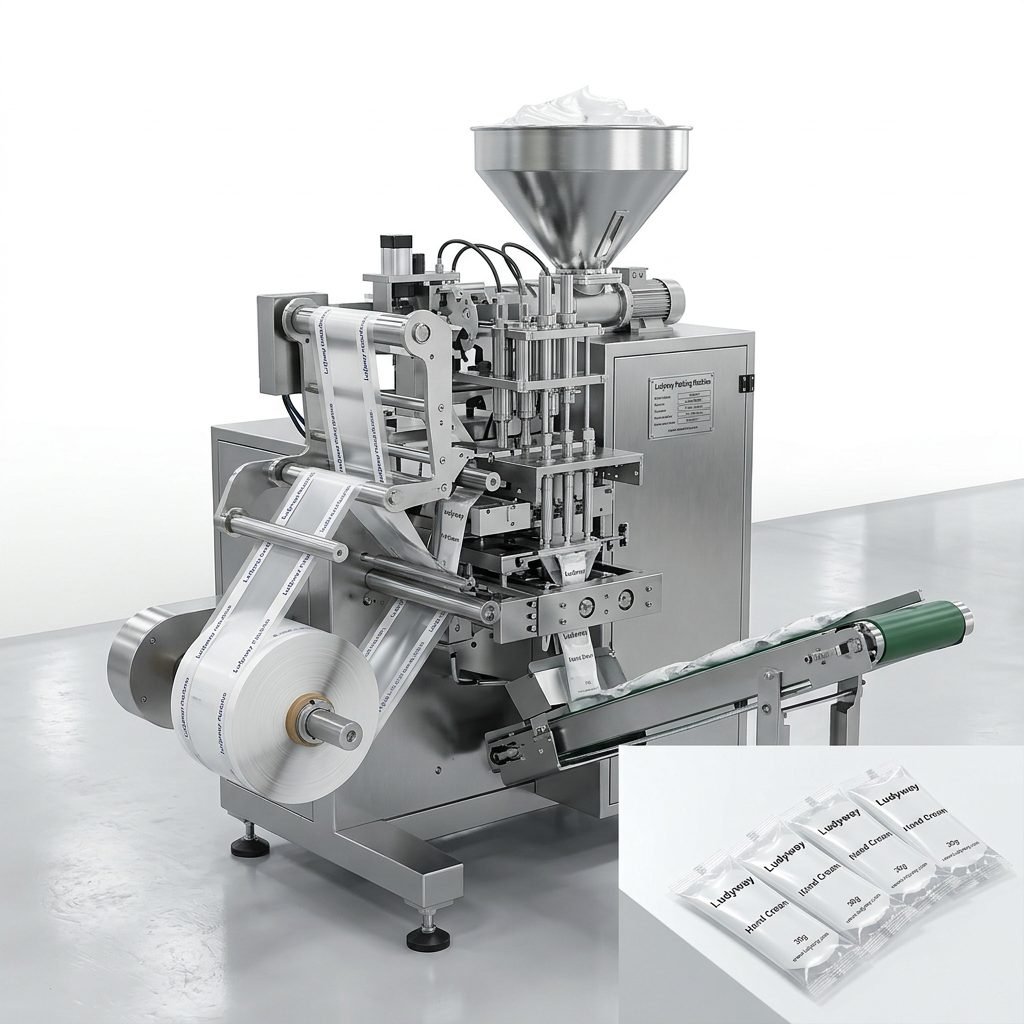
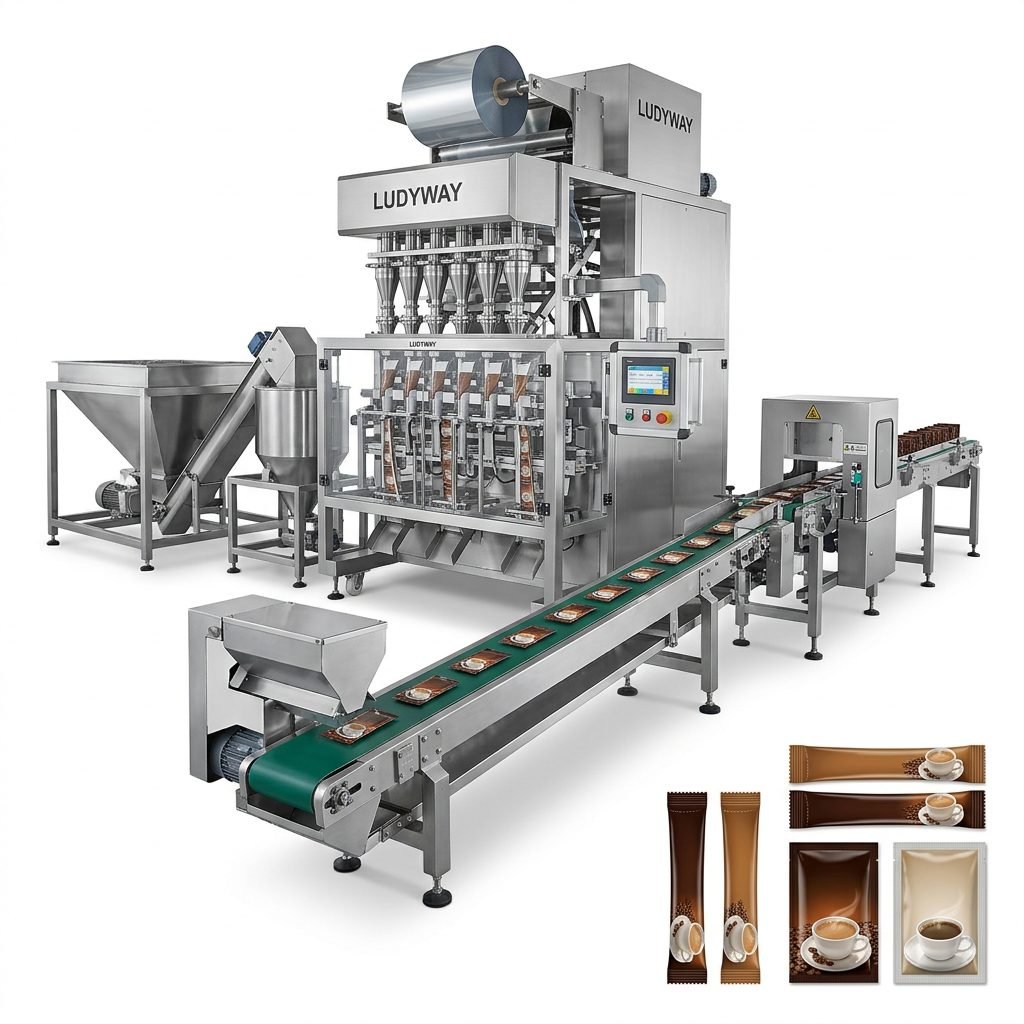
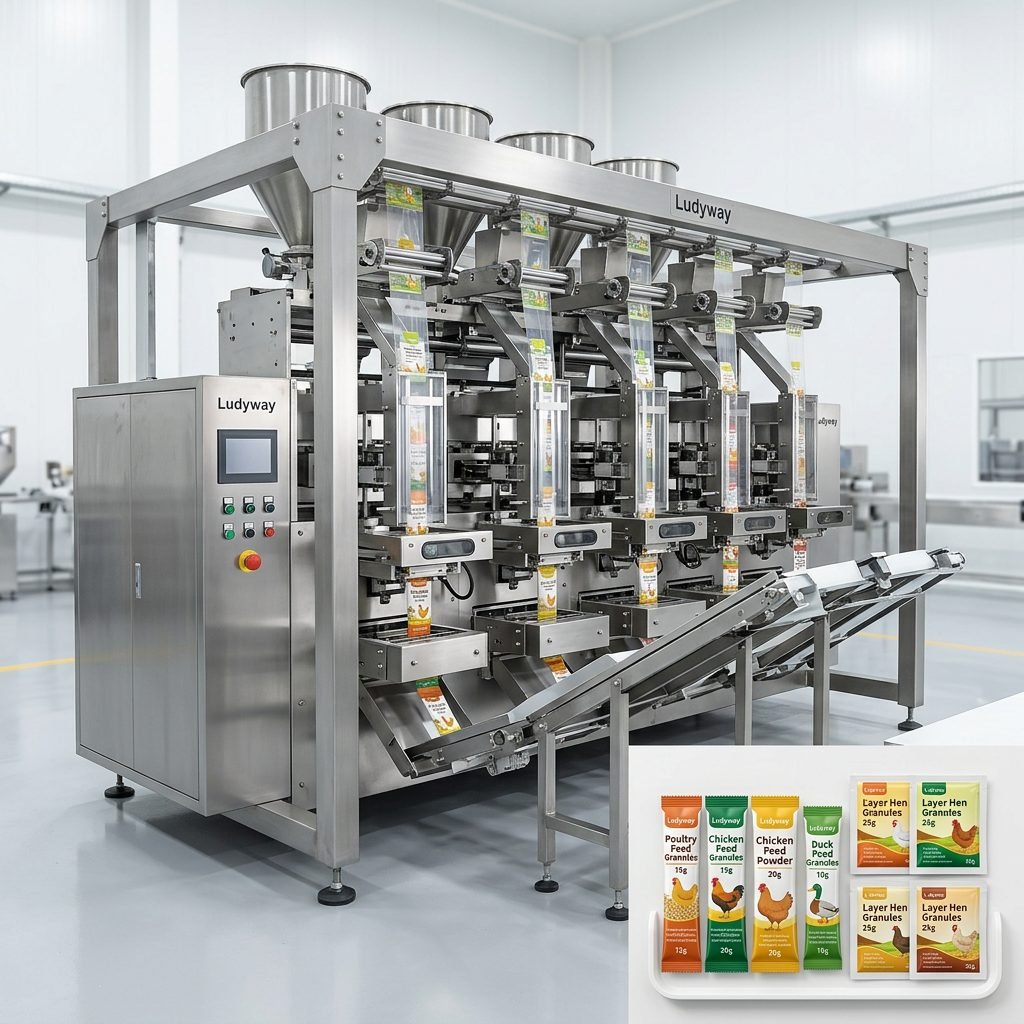
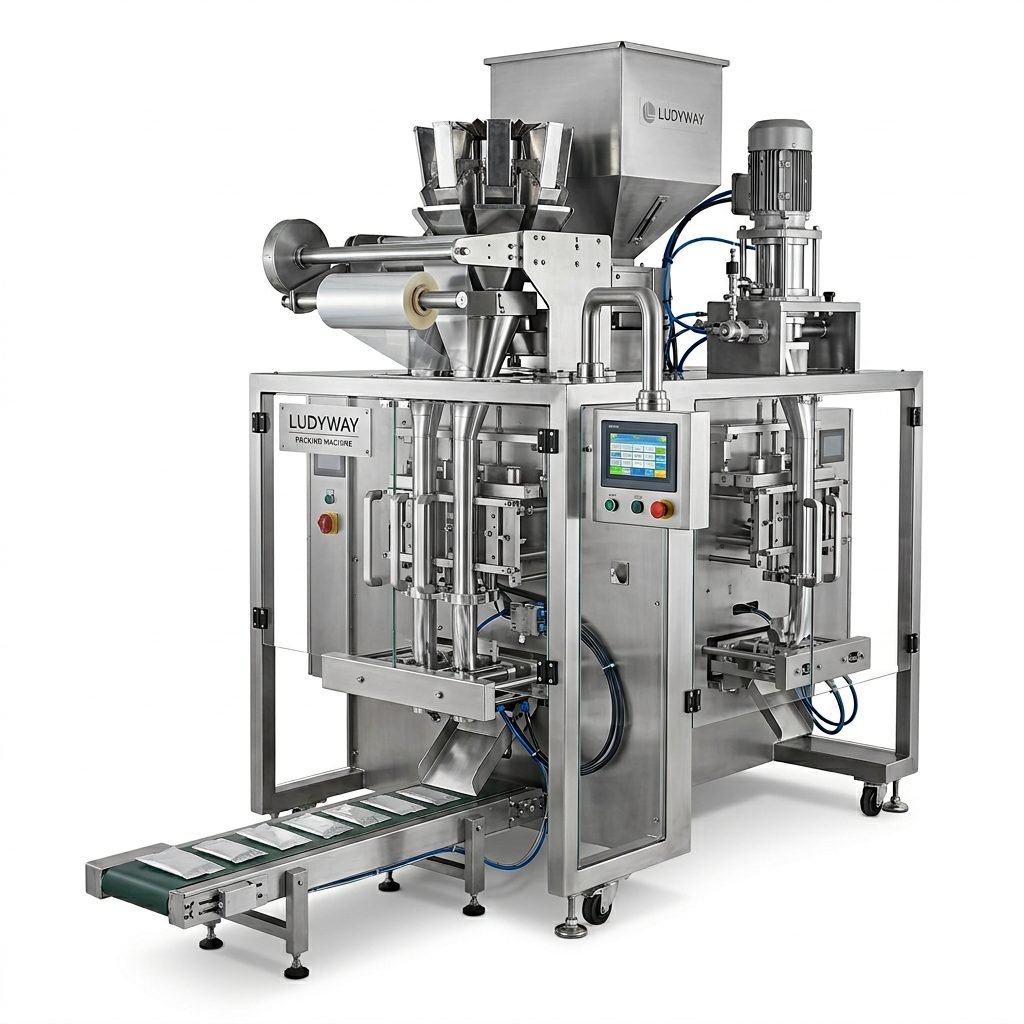
Choosing the right plastic packaging machine is one of the most important decisions for manufacturers that want to improve output, reduce waste, and maintain stable packaging quality. The best machine is not simply the fastest model on the market—it is the one that matches your product type, packaging format, production target, automation level, and future growth plan.
Whether you package food, pharmaceuticals, cosmetics, chemicals, or daily-use products, selecting suitable equipment can directly affect sealing consistency, labor cost, product safety, and overall line efficiency. Buyers should look beyond the purchase price and evaluate total operational value.
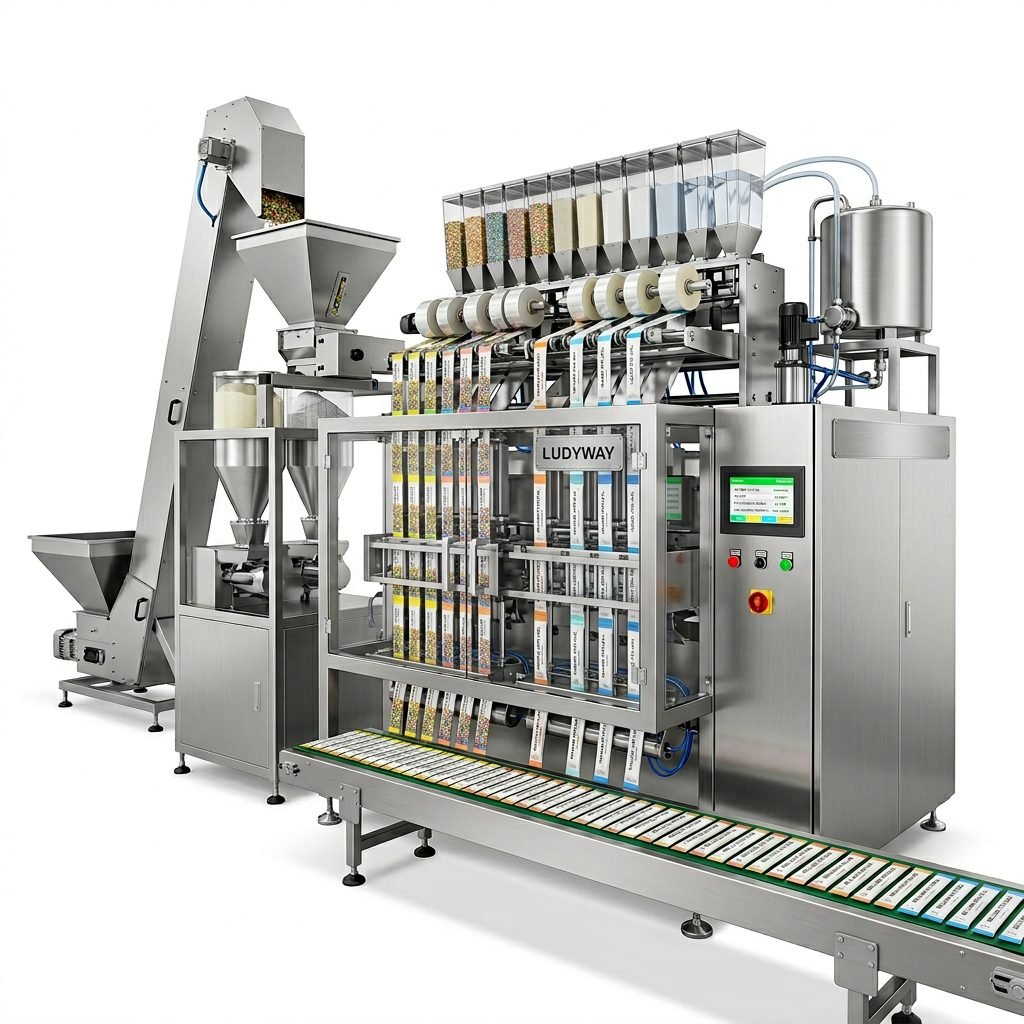
Why the Right Plastic Packaging Machine Matters
Plastic packaging machines do far more than seal products into plastic film or pouches. A well-matched machine helps businesses:
- Increase packaging speed without sacrificing accuracy
- Reduce film waste and sealing defects
- Improve product hygiene and shelf presentation
- Lower dependence on manual labor
- Support traceability, coding, inspection, and secondary packaging
- Adapt to more SKUs and flexible production schedules
If the machine is oversized, undersized, or technically mismatched, the result is usually downtime, higher maintenance, packaging inconsistency, and poor return on investment.
Start with Your Product Characteristics
Before comparing machine models, define exactly what you are packaging. Different products demand different filling, sealing, and handling systems.
Key product questions to answer
- Is the product granule, powder, liquid, paste, tablet, capsule, or solid item?
- Does it flow easily or bridge and clump?
- Is it dusty, corrosive, sticky, oily, or heat-sensitive?
- Does it require hygienic or sterile packaging conditions?
- Will the product be packed in sachets, stick packs, pouches, bottles, bags, or trays?
- What is the target fill weight or volume tolerance?
For example, powders often need screw auger filling with dust control, while liquids require pumps and anti-drip designs. Granules may use weighing systems, volumetric cups, or multihead weighers depending on speed and accuracy requirements.
Choose the Right Machine Type
Plastic packaging equipment comes in many forms. The right category depends on your pack style and production process.
| Machine Type | Best For | Main Advantage |
|---|---|---|
| Vertical Form Fill Seal (VFFS) | Granules, powders, snacks, small sachets or bags | Compact footprint and efficient bag making |
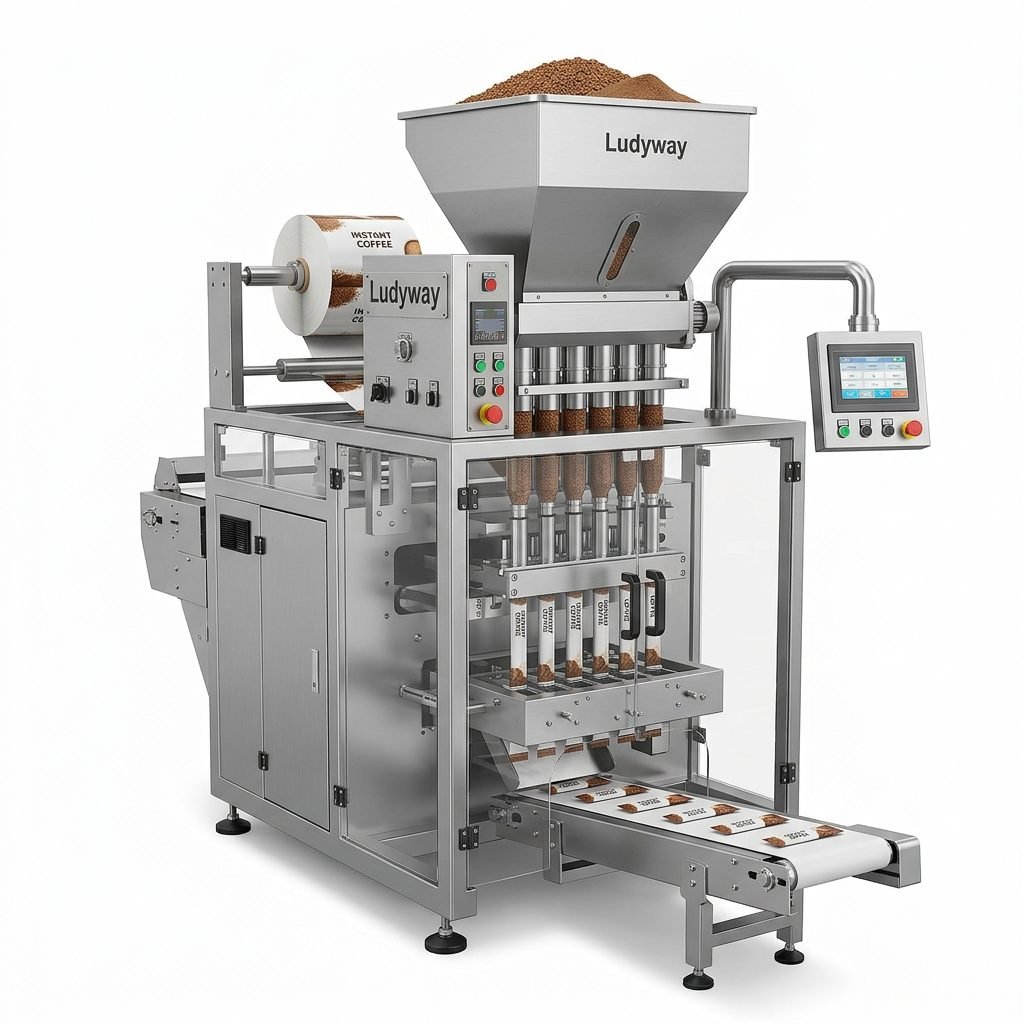
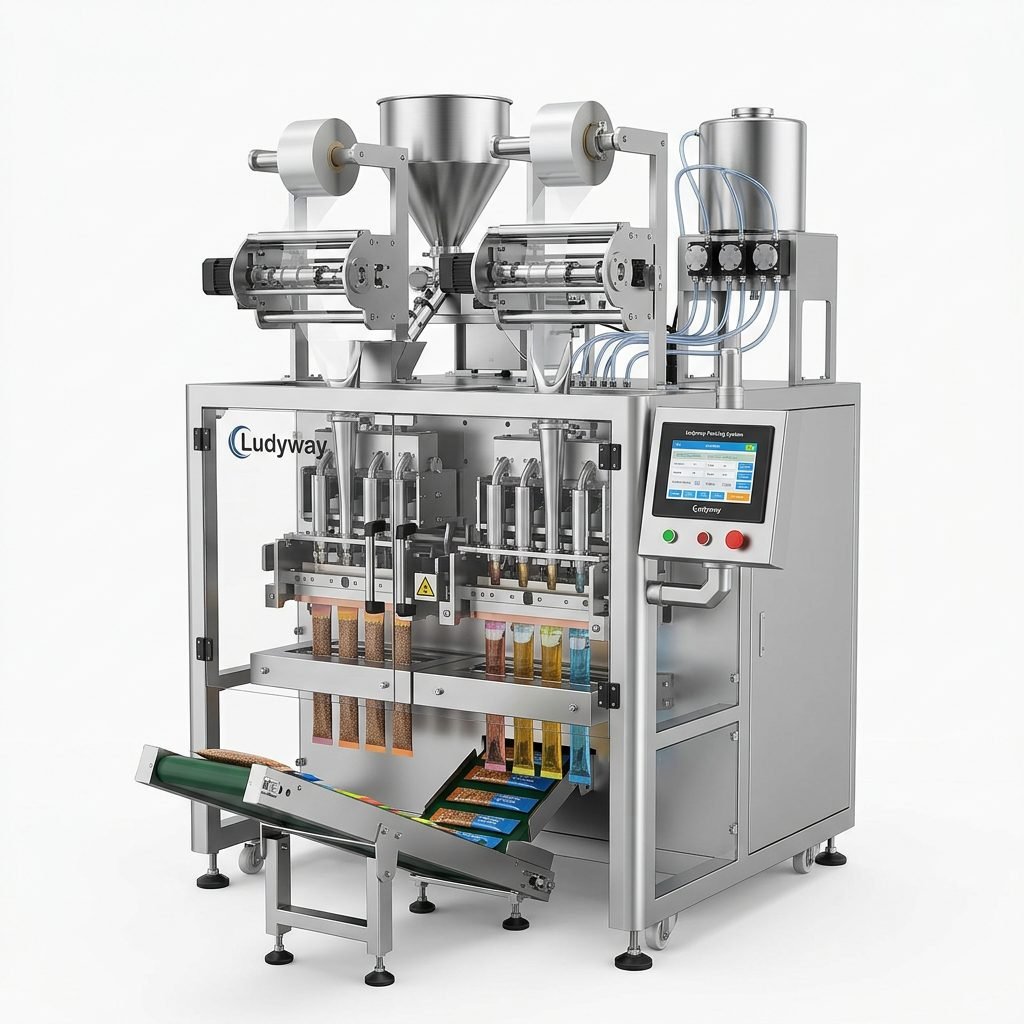
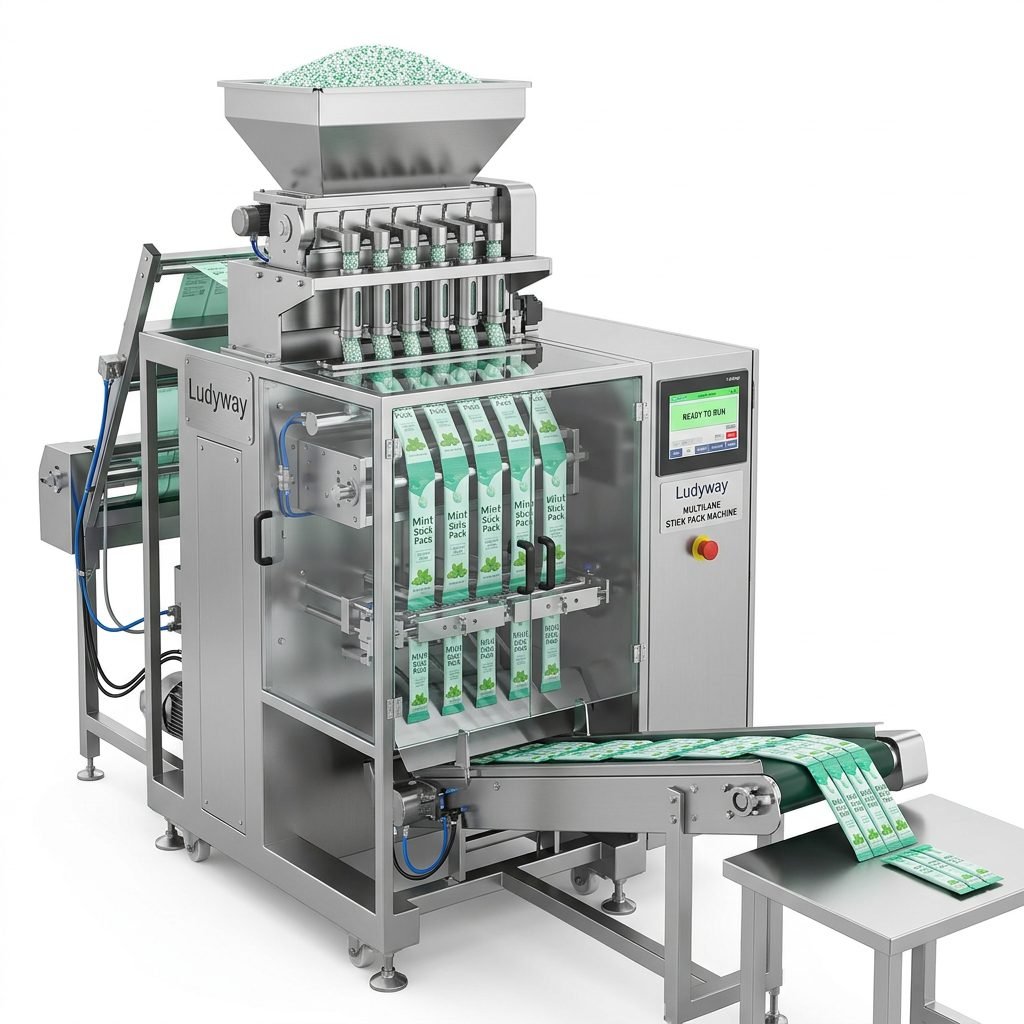
| Stick Pack Machines | Drink mixes, supplements, sugar, coffee, pharma powders | High speed and narrow, consumer-friendly packs |
| Sachet Packing Machines | Powders, liquids, gels, creams, seasonings | Flexible formats and broad application range |
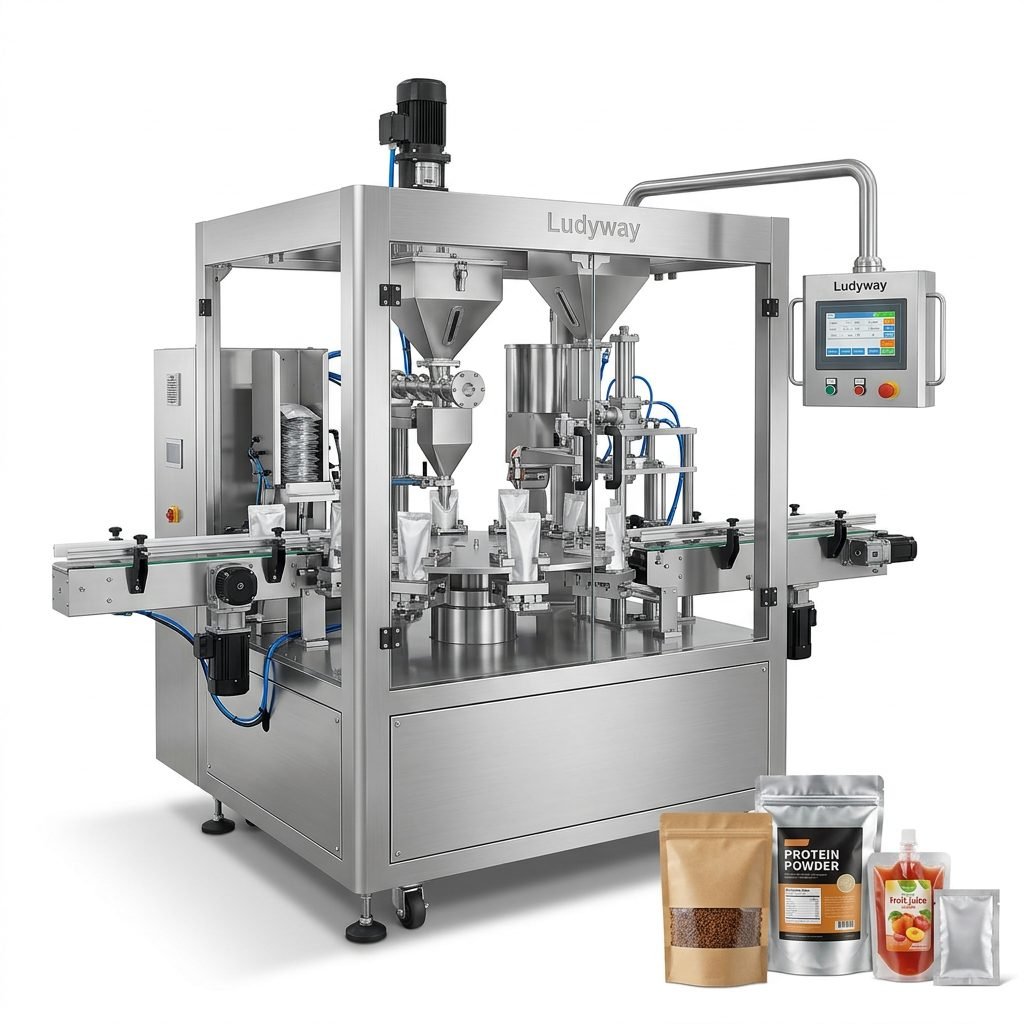
| Premade Pouch Machines | Stand-up pouches, zipper bags, premium products | Better shelf appearance and packaging versatility |
| Flow Wrappers | Solid products, medical items, wipes, masks, bars | Continuous wrapping for single-piece or grouped products |
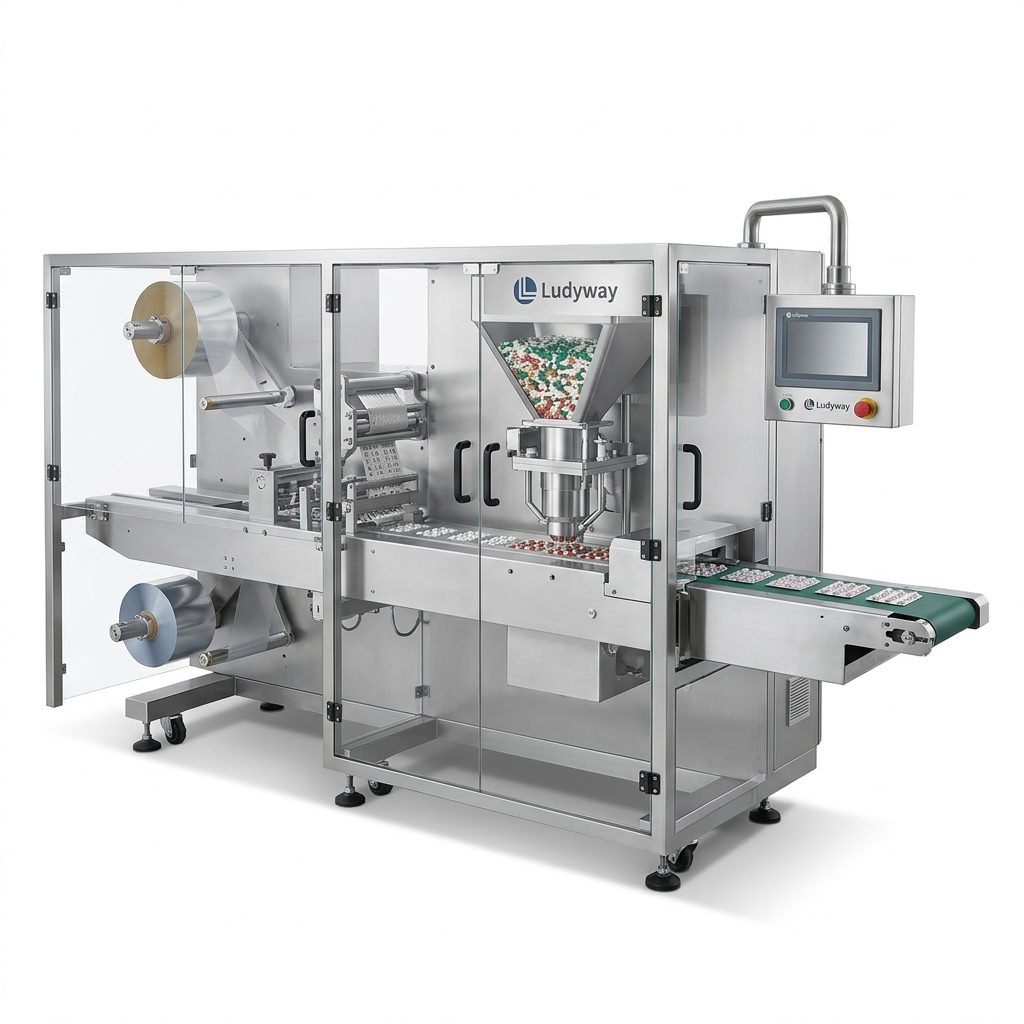
| Filling and Sealing Lines | Bottles, tubes, cups, trays, pharma containers | Suitable for integrated, automated production |
Match Equipment to Packaging Format
Plastic packaging efficiency depends heavily on format compatibility. If your business runs several SKUs, consider how easily the machine changes between pack types.
Common plastic packaging formats
- Pillow bags
- Back-seal sachets
- 3-side seal sachets
- 4-side seal sachets
- Stick packs
- Premade pouches
- Spouted pouches
- Bottles and jars
- Plastic tubes
- Tray or sterile pouch formats
A machine with fast tooling changes, recipe storage, servo control, and user-friendly adjustment can save significant setup time, especially in plants with frequent product changes.
Evaluate Speed vs. Real Production Efficiency
Machine speed should never be judged by headline numbers alone. A machine rated at very high cycles per minute may still underperform if your product feeds poorly, cleaning takes too long, or changeovers are difficult.
Ask suppliers about:
- Stable speed under actual product conditions
- Accuracy at maximum speed
- Downtime during format changes
- Cleaning and maintenance intervals
- Reject rate and sealing defect rate
- Integration with upstream and downstream equipment
The smartest buying decision focuses on overall line efficiency, not just machine speed.
Consider Automation Level Carefully
Not every plant needs a fully automated packaging line. The right automation level depends on labor costs, order volume, consistency requirements, available floor space, and expansion goals.
| Automation Level | Suitable For | Considerations |
|---|---|---|
| Semi-automatic | Startups, low-volume production, pilot runs | Lower upfront cost but higher labor dependency |
| Automatic standalone machine | Growing businesses with stable core SKUs | Good balance between cost and throughput |
| Turnkey integrated line | Medium to large manufacturers | Higher investment but better efficiency and traceability |
An integrated system may include feeding, weighing, filling, sealing, coding, inspection, cartoning, case packing, and palletizing. For many manufacturers, this provides stronger long-term value than buying isolated machines separately.
Check Film and Material Compatibility
Plastic packaging machines must work reliably with the packaging films and laminate structures you use. Film mismatch is a common cause of poor sealing, wrinkles, tearing, and stoppages.
Important compatibility points
- PE, PET, BOPP, laminated films, and specialty barrier films
- Seal temperature range
- Film thickness tolerance
- Roll diameter and unwinding stability
- Print registration performance
- Support for recyclable or lighter-weight materials
If your company is moving toward more sustainable plastic packaging, ask whether the equipment can handle new mono-material or recyclable film structures without losing seal performance.
Focus on Accuracy and Product Waste Control
For high-value products, even a small dosing deviation can lead to major annual losses. This is especially important for pharmaceuticals, nutraceuticals, chemicals, and premium food products.
Look for features such as:
- Servo-driven dosing systems
- Auger fillers for powders
- Piston pumps for liquids and pastes
- Multihead weighers for irregular granules
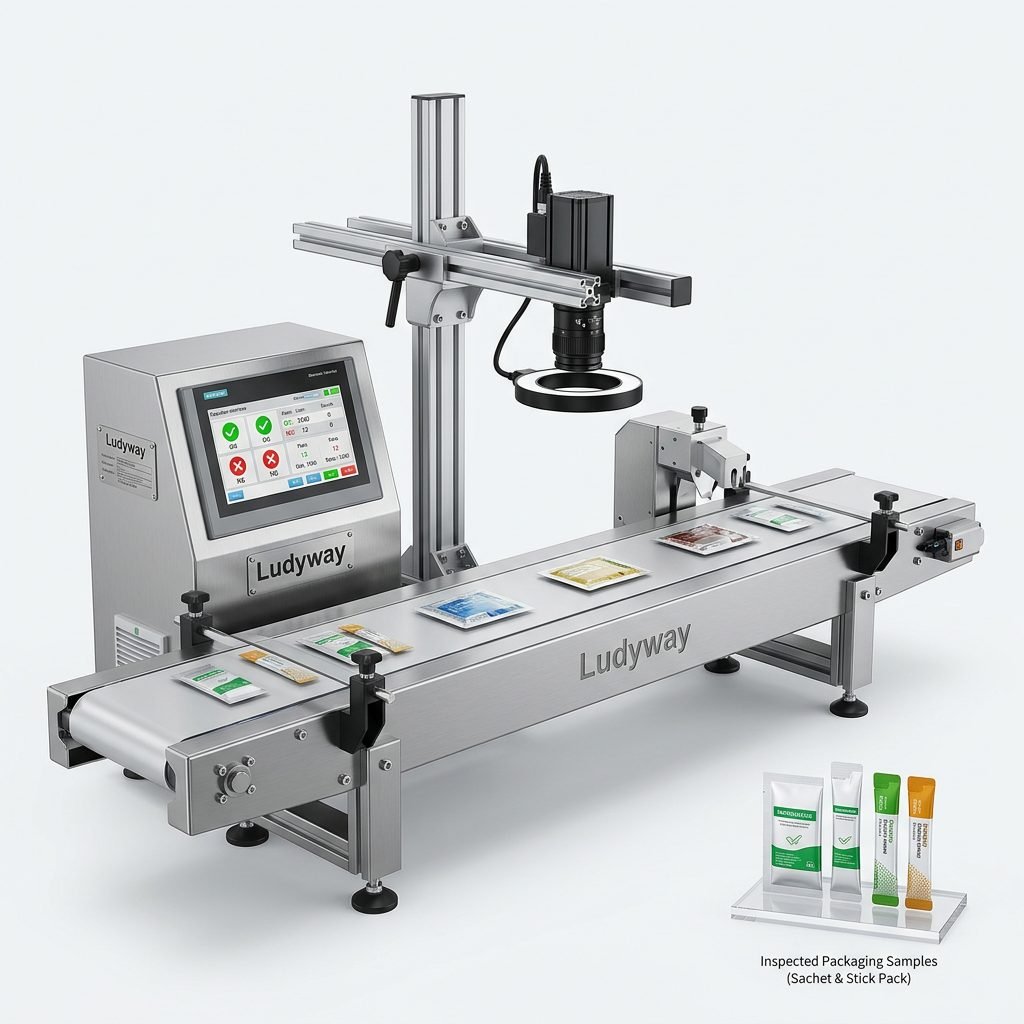
- Checkweighers and reject systems
- Vision inspection and coding verification
A more accurate machine may cost more initially, but it often lowers giveaway, reduces rework, and supports stronger brand consistency.
Hygiene, Safety, and Compliance Requirements
Different industries require different machine standards. Food, pharmaceutical, cosmetic, and chemical products all have unique packaging risks.
What to verify
- Contact parts made from suitable materials such as stainless steel
- Dust-proof or corrosion-resistant design when required
- Easy-clean structures with minimal dead corners
- Safety guards, emergency stop systems, and interlocks
- Compliance support for GMP or other industry-specific expectations
- Validation documents, manuals, and traceability functions if needed
A machine used for detergent, for example, should not be judged by the same criteria as a machine used for medical sachets or nutrition powders. Compliance fit is essential.
Think About Line Integration
Packaging efficiency is often limited by what happens before and after the main machine. A strong solution should work smoothly with feeding systems, conveyors, coding units, metal detectors, checkweighers, cartoners, and case packers.
Ask whether the equipment can integrate with:
- Vacuum feeders, screw conveyors, and bucket elevators
- Date coders and printers
- Inspection and reject systems
- Carton erecting and sealing equipment
- Robotic pick-and-place or palletizing systems
- MES, ERP, or production data monitoring systems
This is especially important if you plan to scale into a turnkey packaging line later.
Assess Changeover, Maintenance, and Operator Usability
A machine that performs well in a demo but is difficult for daily operators to use can become a costly problem. Practical usability matters just as much as technical specification.
Look for user-friendly features
- Intuitive HMI touch screen
- Stored parameter recipes for different products
- Tool-free or simplified adjustment points
- Accessible maintenance areas
- Clear alarms and troubleshooting prompts
- Remote service support when available
Fast maintenance and quick format changes can dramatically improve OEE and reduce operator frustration.
Do Not Buy on Price Alone
Low-cost packaging machines may look attractive during procurement, but long-term cost often comes from downtime, spare part delays, unstable sealing, inaccurate filling, and limited service support.
Instead of asking only “What is the machine price?”, ask:
- What is the expected service life?
- How available are spare parts?
- What training is included?
- How responsive is after-sales support?
- What is the likely cost of film waste, rejects, and downtime?
- Can the machine scale with future SKUs?
The better metric is total cost of ownership, not entry price.
Questions to Ask a Packaging Machine Supplier
Before making a final decision, buyers should request clear technical and commercial answers.
- Can the machine run my exact product sample?
- What packaging formats are supported now and in the future?
- What is the stable production speed under real conditions?
- How accurate is the filling system?
- What materials are used in product-contact parts?
- How long do changeovers take?
- What spare parts and service packages are available?
- Can you provide line integration and customization?
- What export and installation experience do you have?
- Can you share videos, case references, or factory testing results?
Choosing a Manufacturer with Long-Term Capability
When selecting equipment, supplier capability is almost as important as machine design. Buyers often prefer manufacturers with proven export experience, engineering depth, and the ability to support both standalone machines and complete lines.
For businesses seeking scalable automation, Ludyway packaging machine solutions are often considered for food, pharmaceutical, cosmetic, chemical, and pouch-based applications because of broad machine coverage, customization capability, and turnkey line support.
A Simple Selection Framework
| Selection Factor | What to Prioritize |
|---|---|
| Product Form | Granule, powder, liquid, paste, or solid behavior |
| Pack Format | Sachet, stick pack, pouch, bottle, tube, tray |
| Output Goal | Stable throughput, not only theoretical speed |
| Accuracy | Low product giveaway and consistent dosing |
| Material Compatibility | Film structure, thickness, sealability |
| Automation | Current labor needs and future expansion plan |
| Compliance | Food, pharma, cosmetic, or chemical requirements |
| Supplier Support | Testing, training, spare parts, service response |
Final Buying Advice
The right plastic packaging machine should help your production run faster, cleaner, and more consistently while giving you room to grow. Begin with your product and package format, compare real operating efficiency instead of headline speed, and evaluate suppliers based on technical fit, service, and integration ability.
A carefully selected machine can improve packaging quality, reduce waste, support automation, and create long-term manufacturing value across your entire line.