In the fast-paced world of manufacturing and product distribution, efficient packaging is not just a final step—it’s a critical component of productivity, product integrity, and brand presentation. Mantle packaging machinery represents a core category of equipment designed to handle, form, fill, and seal various types of packaging. This guide delves into the different types of mantle packaging machines, their wide-ranging applications, and provides a strategic framework for selecting the right equipment to optimize your production line.
Understanding Mantle Packaging Machinery
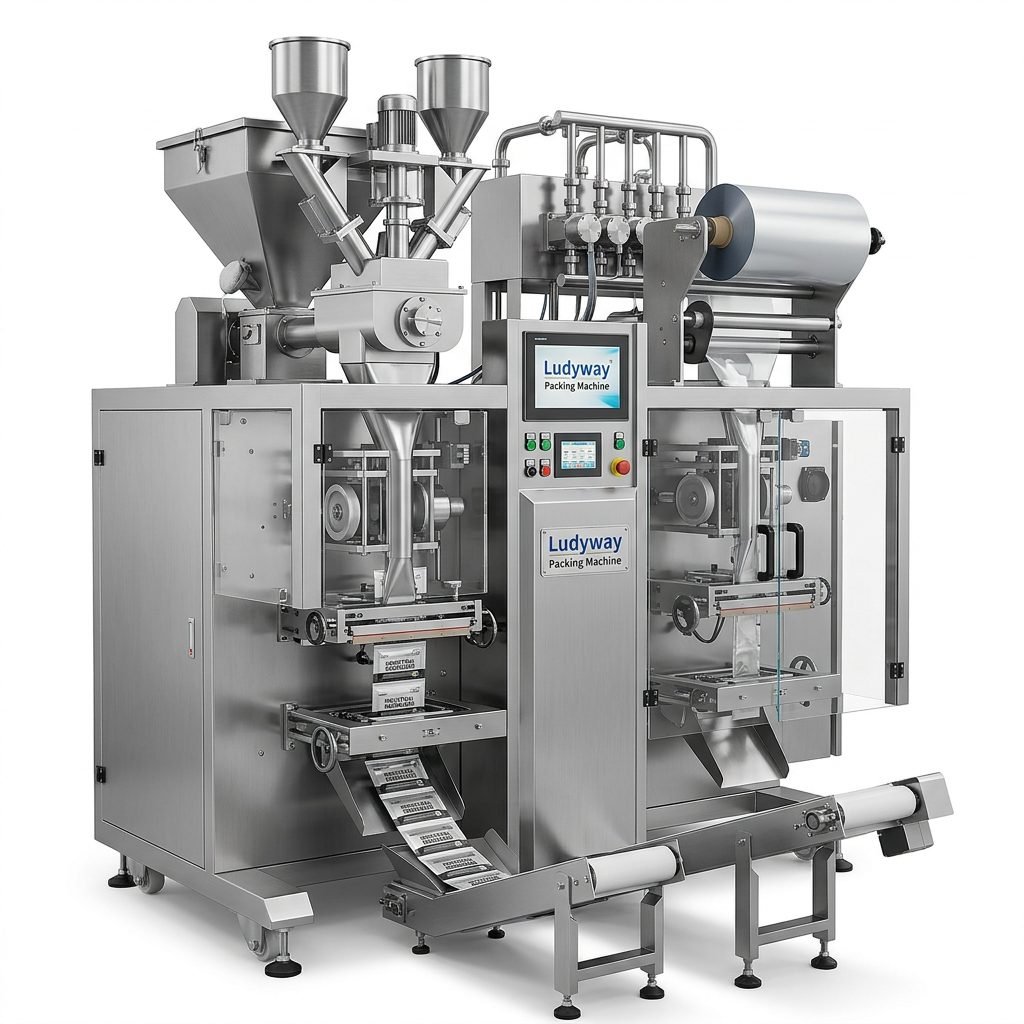
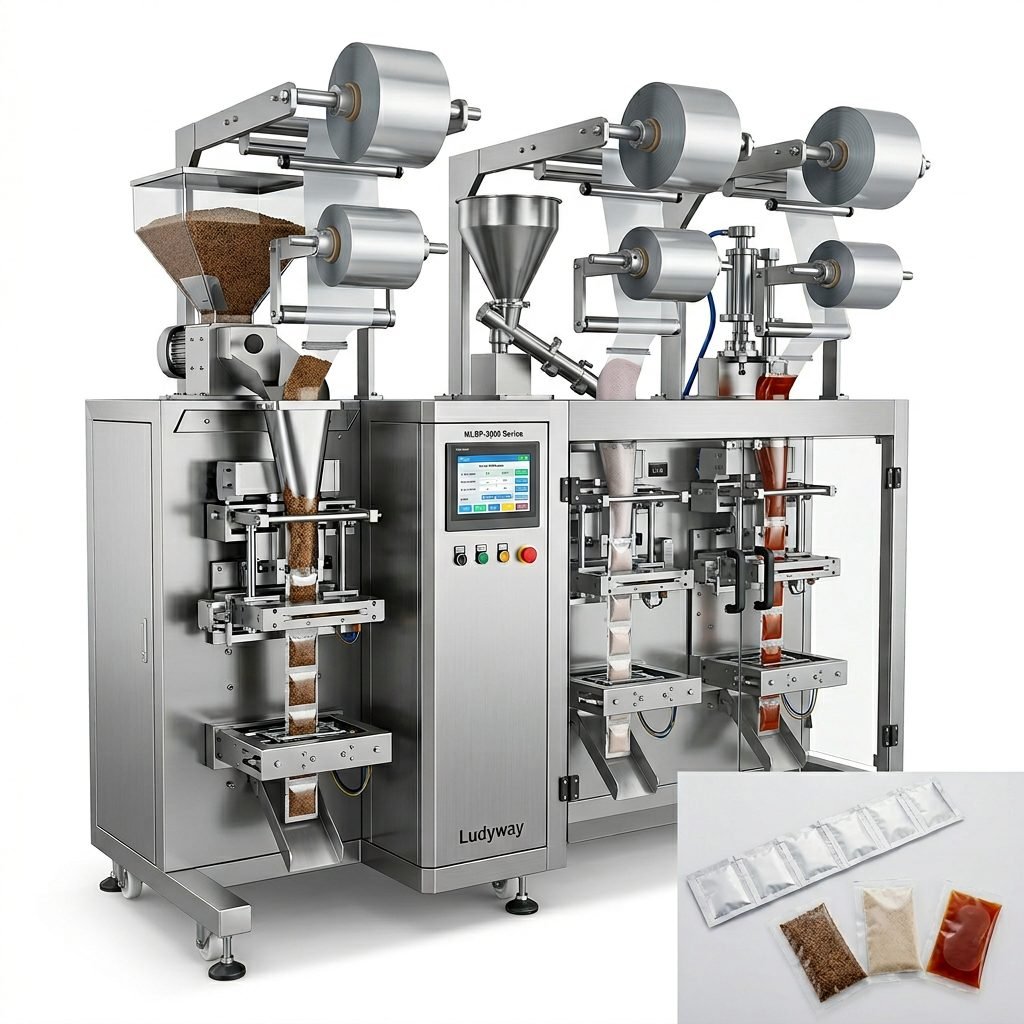
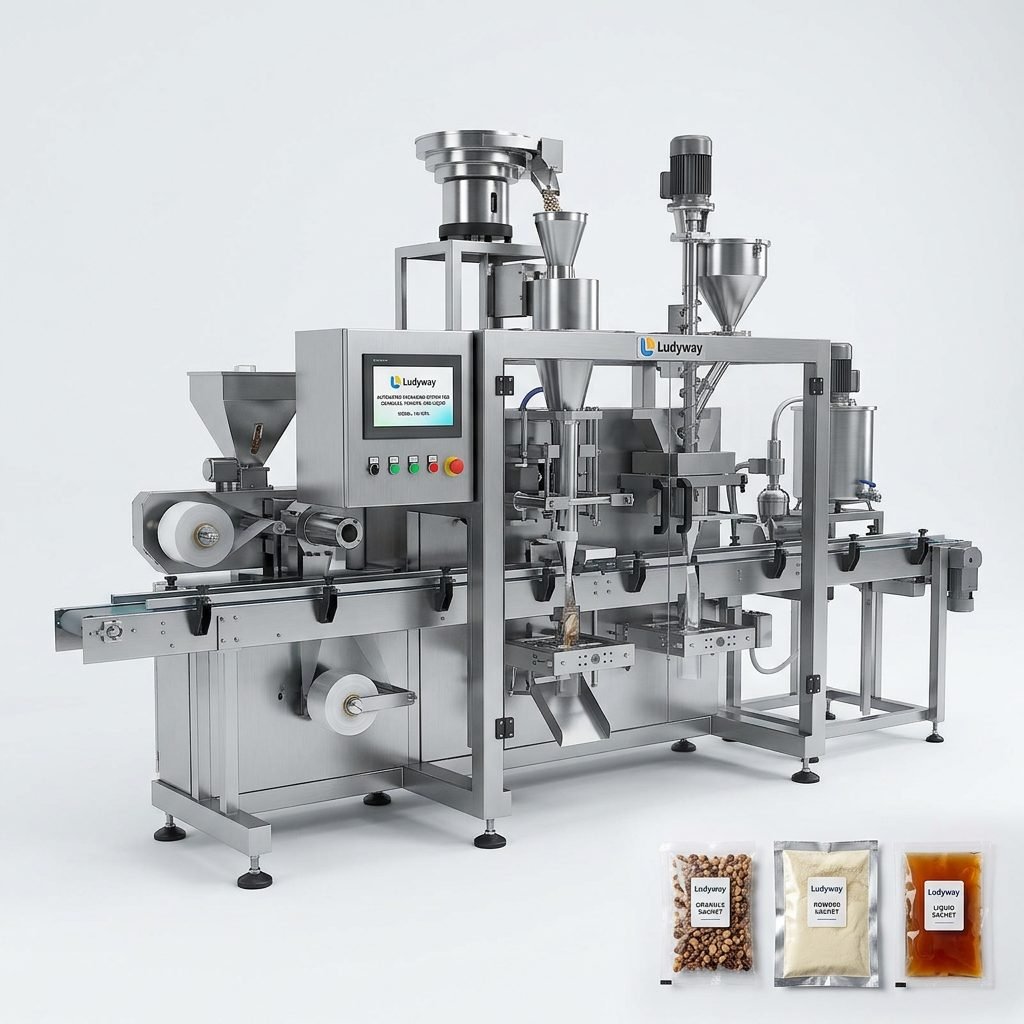
Mantle packaging machinery typically refers to equipment that forms a package around a product. The term often relates to systems that create pouches, sachets, or stick packs from a roll of packaging film—a process known as form-fill-seal (FFS). These machines are celebrated for their versatility, speed, and efficiency in creating single-serve or multi-unit packages for a vast array of products.
Key Characteristic: The core principle involves pulling a flat web of laminated film, forming it into a tube (the mantle), filling it with the product, and then sealing it horizontally and/or vertically to create individual, airtight packages.
Primary Types of Mantle Packaging Machines
The landscape of mantle packaging is diverse, with machines tailored to specific package styles and production volumes. Here are the main types:
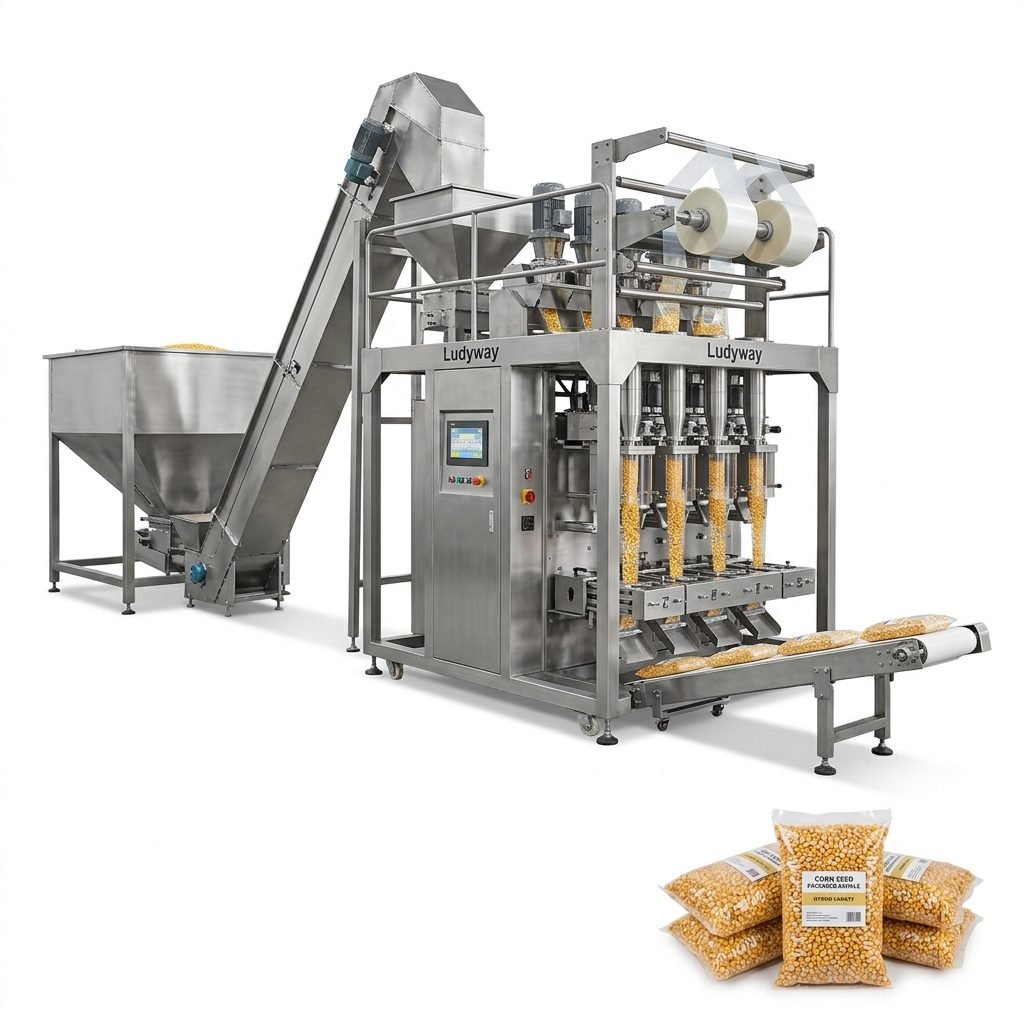
Vertical Form-Fill-Seal (VFFS) Machines
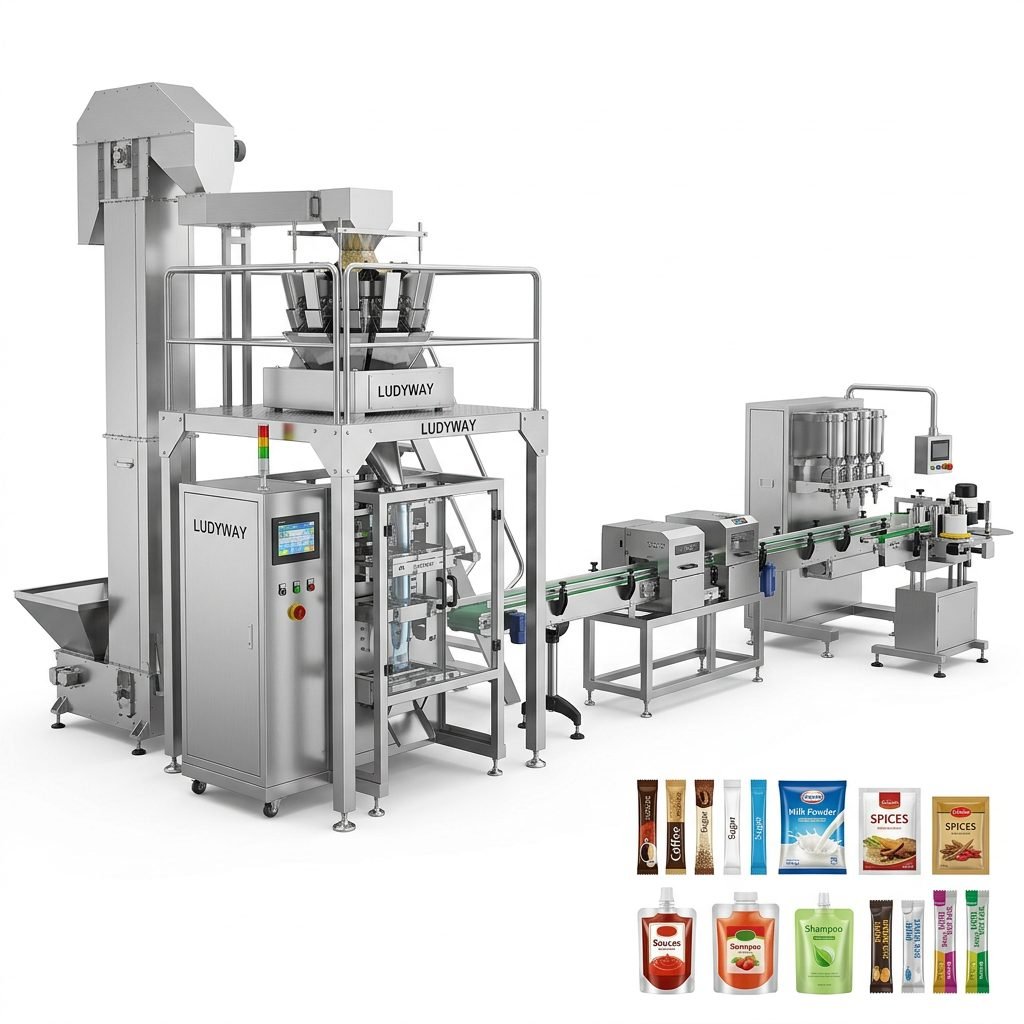
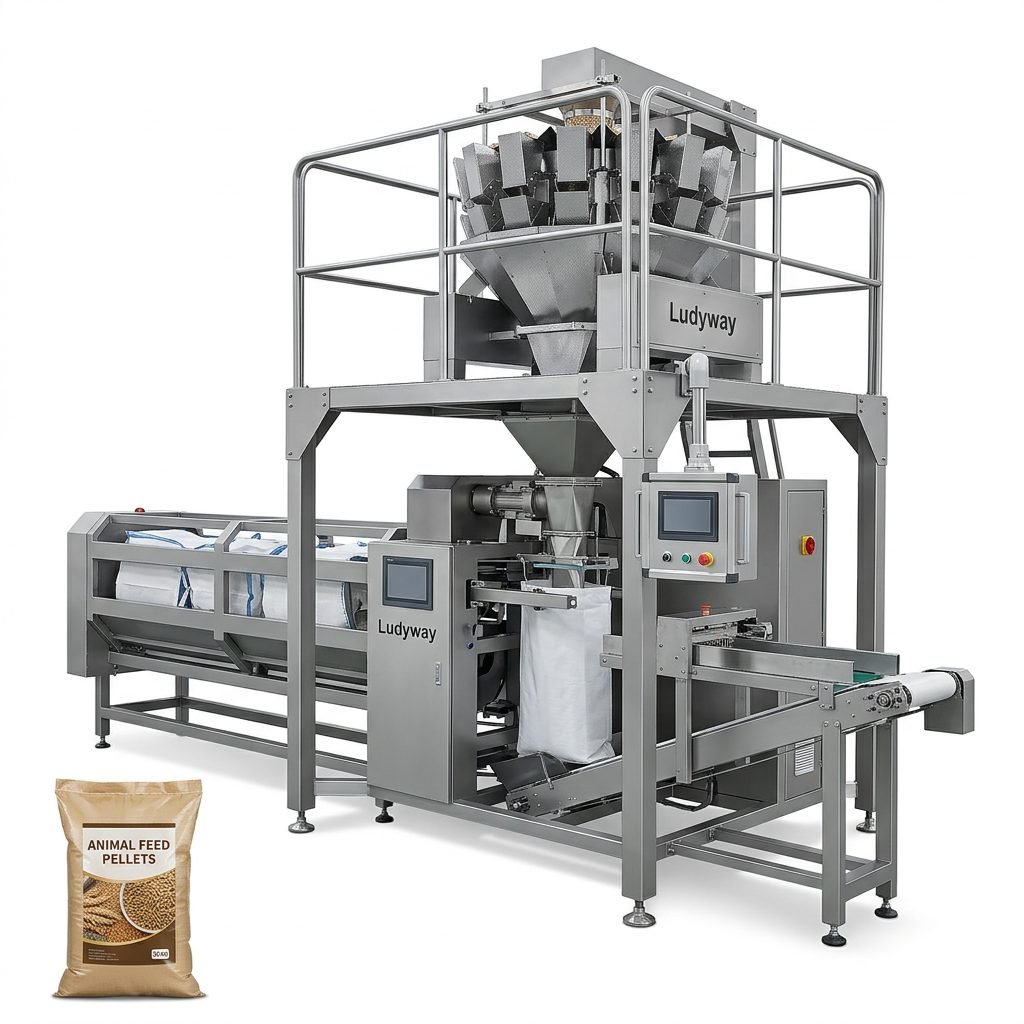
These are the most common type. Film is fed vertically from a roll, formed into a tube around a filling spout, filled with product, and then sealed transversely to create individual pouches. They are ideal for granules, powders, seeds, snacks, and liquids.
- Best for: High-speed production of stand-up pouches, pillow packs, and gusseted bags.
- Advantage: Compact footprint, high efficiency, and easy integration with weighing systems.
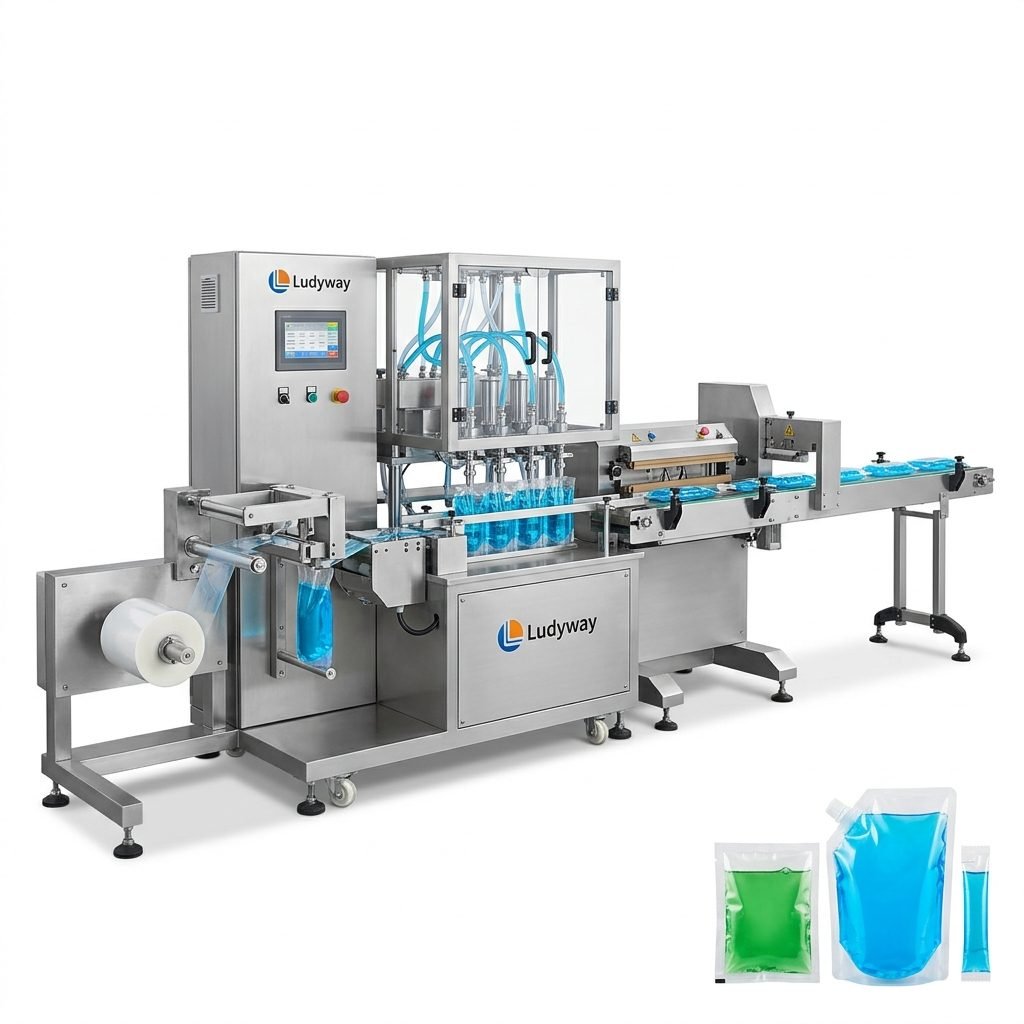
Horizontal Form-Fill-Seal (HFFS) Machines
In HFFS machines, the film travels horizontally. The film is formed into pockets, filled, and then lidded with a top web of film. This type is perfect for blister packaging, portion packs for sauces or jams, and arranging multiple items in a single tray.
- Best for: Products that require presentation in a tray or blister, and for thermoformable materials.
- Advantage: Excellent product visibility and presentation, suitable for delicate items.
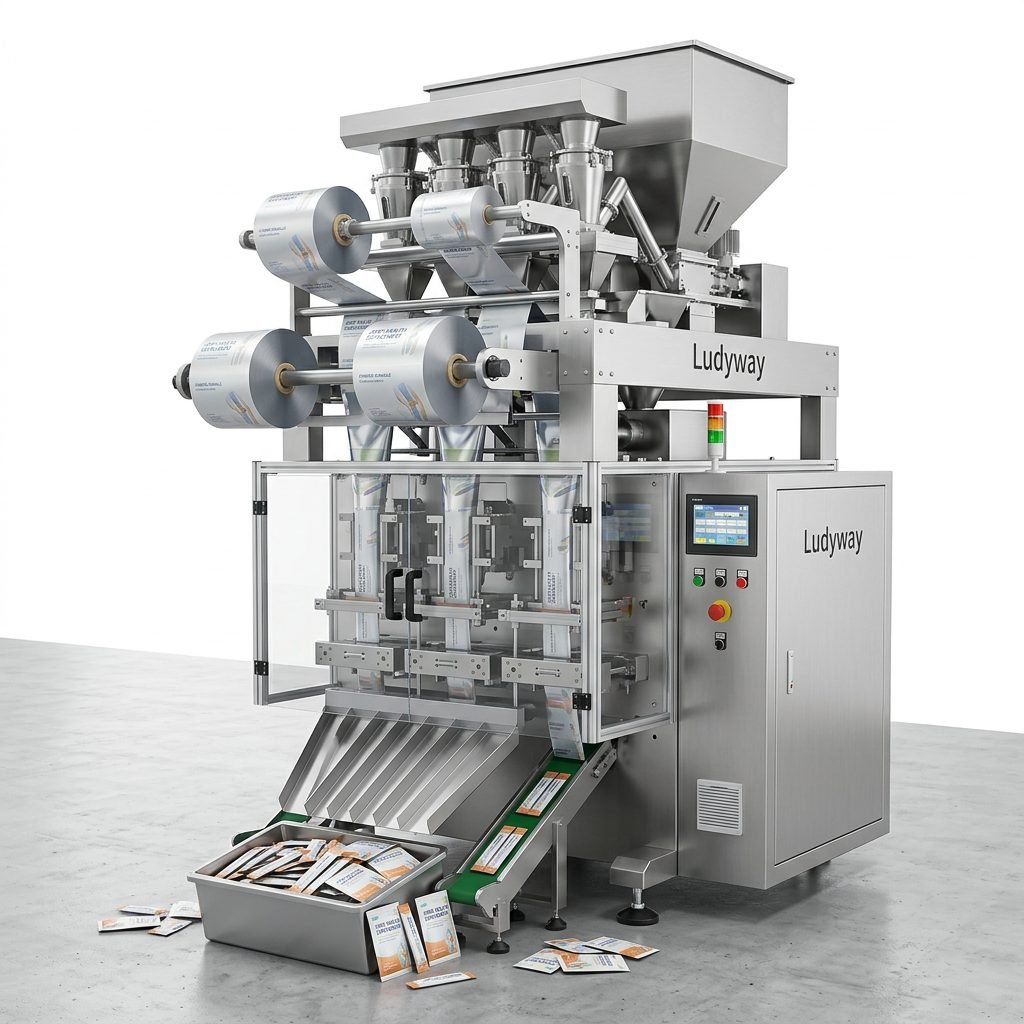
Stick Pack & Sachet Packaging Machines
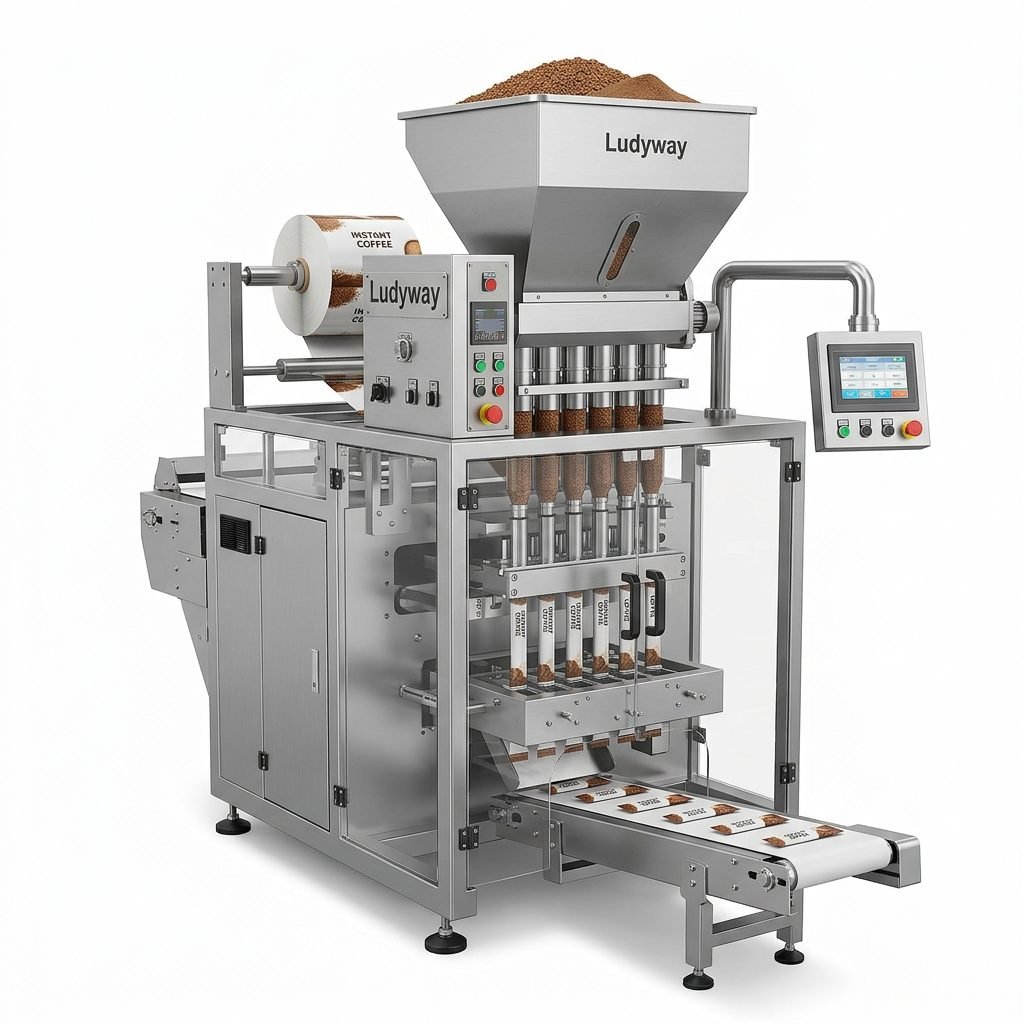
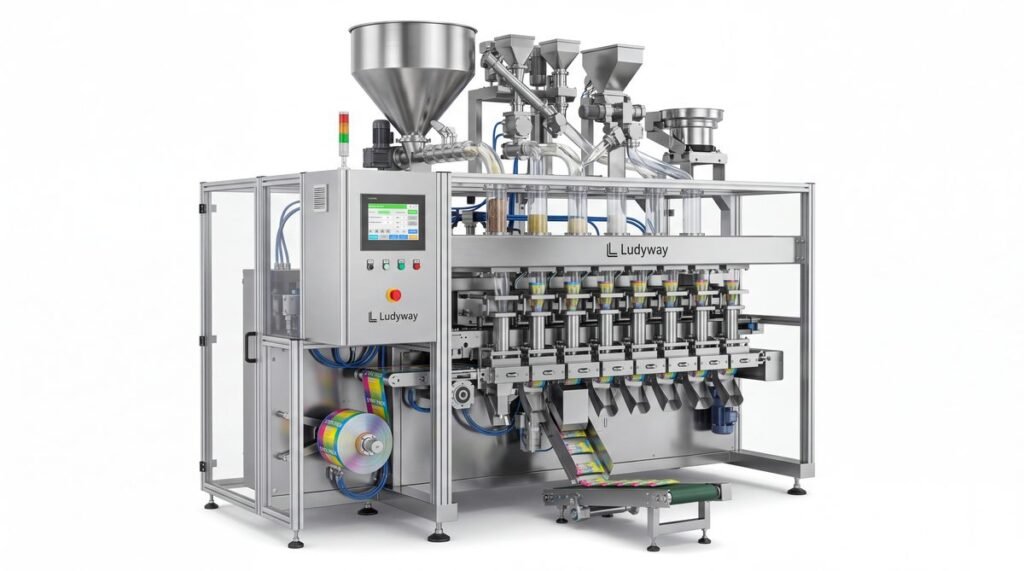
These are specialized VFFS machines designed to produce long, narrow tubes (stick packs) or small rectangular pouches (sachets). They are the go-to solution for single-serve powders (coffee, creamer, supplements), liquid shots, and condiments.
→ Industry Insight: Multi-lane stick pack machines can dramatically increase output by producing multiple sticks simultaneously, making them essential for high-volume industries like food service and pharmaceuticals.
Core Applications Across Industries
The adaptability of mantle packaging machinery makes it indispensable across numerous sectors.
Food & Beverage Industry
This is the largest application area. From packaging spices, instant soup mixes, and tea to ketchup sachets, sugar sticks, and protein powder, these machines ensure freshness, portion control, and convenience for end-users.
Pharmaceutical & Nutraceutical Industry
Precision and hygiene are paramount. Mantle machines package powdered medicines, electrolyte mixes, vitamin packs, and herbal supplements in sealed, tamper-evident, and accurately dosed units, complying with strict Good Manufacturing Practice (GMP) standards.
Chemical & Agrochemical Industry
Used for packaging detergent powders, water treatment chemicals, pesticides, and fertilizers in pre-measured, safe, and disposable sachets, reducing handling risks for consumers.
Cosmetics & Personal Care
Ideal for single-use samples or travel-sized packs of shampoo, conditioner, lotion, face cream, and bath salts, offering great marketing flexibility and customer convenience.
How to Choose the Right Mantle Packaging Equipment
Selecting the optimal machine is a strategic investment. Here is a step-by-step framework to guide your decision.
1. Define Your Product & Packaging Specifications
This is the foundational step. Clearly outline:
- Product Form: Is it a free-flowing powder, granular solid, viscous liquid, or a mixed-component product?
- Package Style & Size: Determine the final pouch type (pillow, stand-up, stick, sachet) and its dimensions.
- Film Material: Identify the required laminate (e.g., PET/AL/PE for high barrier) based on product sensitivity (moisture, oxygen, light).
2. Assess Your Production Requirements
Match the machine’s capability to your operational needs.
- Output Speed (Packs/Minute): Calculate your required daily/weekly output. A multi-lane stick pack machine will offer far higher speeds than a single-lane model.
- Automation Level: Do you need a basic manual-loading machine or a fully automated line integrated with weighing systems, cartoners, and case packers?
- Flexibility: Will you need frequent changeovers for different products or package sizes? Look for machines with quick-change parts and recipe memory.
Pro Tip: Total Cost of Ownership (TCO)
Look beyond the initial purchase price. Consider:
- Operational Costs: Energy consumption, film waste rate, required compressed air.
- Maintenance & Downtime: Ease of cleaning, availability of spare parts, reliability track record.
- Supplier Support: Quality of installation, training, and after-sales technical service is crucial for long-term uptime.
3. Evaluate Machine Features & Technology
Focus on features that enhance performance and ease of use.
- Drive System: Servo-driven machines offer superior precision, flexibility, and energy efficiency compared to mechanical drives.
- Control System: A user-friendly, digital Human-Machine Interface (HMI) with multi-language support simplifies operation and troubleshooting.
- Sealing Integrity: Robust and adjustable sealing jaws (often heated) are critical for consistent, leak-proof seals, especially for liquids or fine powders.
4. Partner with a Reputable Supplier
Your machinery supplier is a long-term partner. Choose one with:
- Proven Experience: A track record in your specific industry (e.g., food-grade or pharmaceutical-grade manufacturing).
- Technical & Service Support: Ability to provide comprehensive project engineering, on-site installation, operator training, and readily available spare parts.
- Customization Capability: Willingness and ability to tailor the machine to your unique product and line layout requirements.
By methodically working through these criteria—product specs, production needs, machine technology, and supplier reliability—you can make an informed choice that delivers efficiency, quality, and a strong return on investment for years to come.
Frequently Asked Questions (FAQs)
What is the main difference between vertical and horizontal form-fill-seal machines?
The primary difference lies in the direction of film travel and the resulting package style. Vertical (VFFS) machines create pouches that are sealed on the vertical axis and are best for free-flowing products. Horizontal (HFFS) machines form trays or blisters in a horizontal plane and are ideal for liquid portions, multi-piece packs, or products requiring superior presentation.
Can one mantle packaging machine handle different types of products?
Many modern machines are designed for flexibility. With quick-change parts (like different sized forming tubes and filling nozzles) and programmable recipes, a single machine can often handle a range of similar products (e.g., different granule sizes or powder densities). However, switching between vastly different forms (e.g., powder to viscous liquid) typically requires more significant reconfiguration.
How important is the packaging film material selection?
It is critically important. The film laminate must provide the necessary barrier properties (against moisture, oxygen, light) to protect the product’s shelf life and integrity. It must also have the right thermal properties for a consistent seal on the machine’s jaws. Your machinery supplier can often advise on suitable film specifications.
What are the key maintenance routines for these machines?
Daily cleaning to remove product dust/residue, regular lubrication of moving parts as per the manual, and periodic inspection of critical components like sealing jaws, film guides, and sensors are essential. Preventive maintenance scheduled with your supplier can prevent unexpected downtime.
What should I look for in a machinery supplier’s after-sales service?
Prioritize suppliers who offer clear warranty terms, provide comprehensive operator training, have a responsive technical support team (preferably with remote diagnostics), and maintain a reliable inventory of commonly needed spare parts. A supplier’s commitment to your long-term productivity is as important as the machine itself.