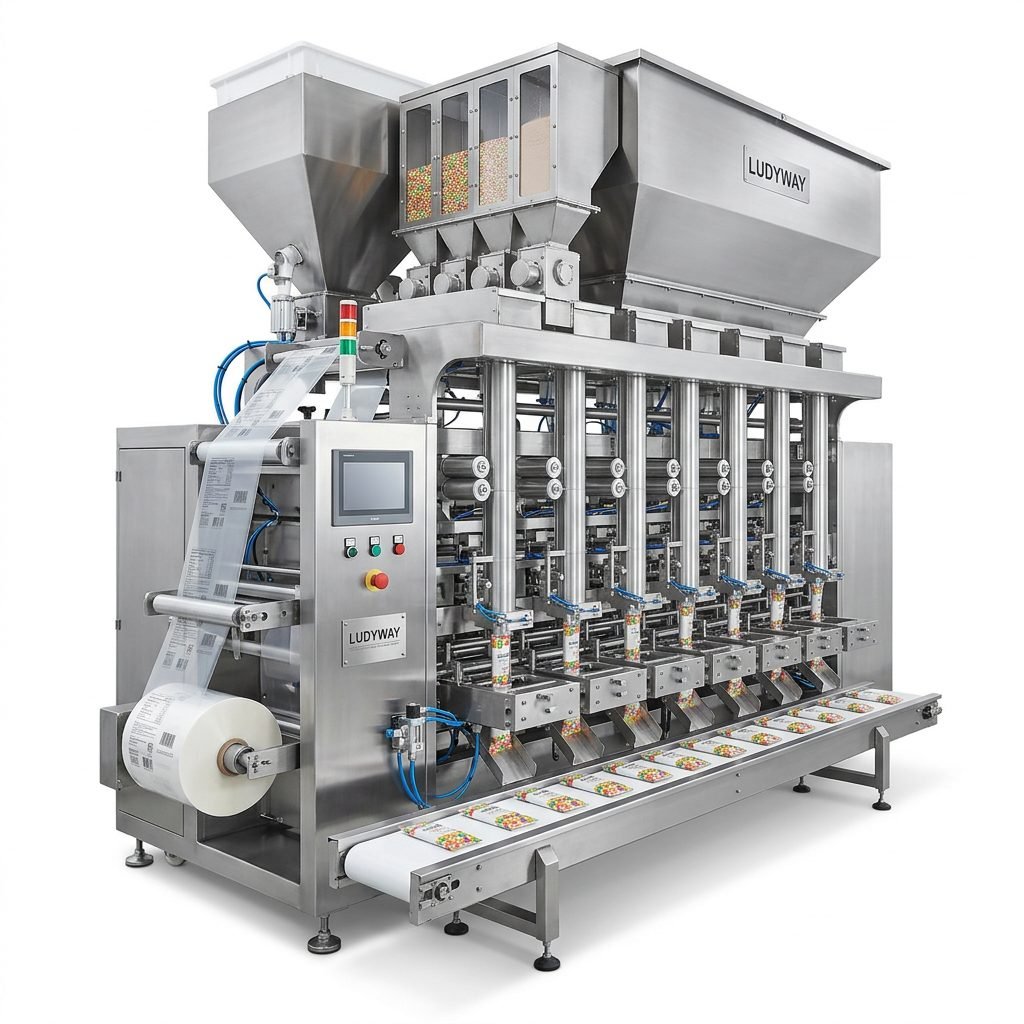
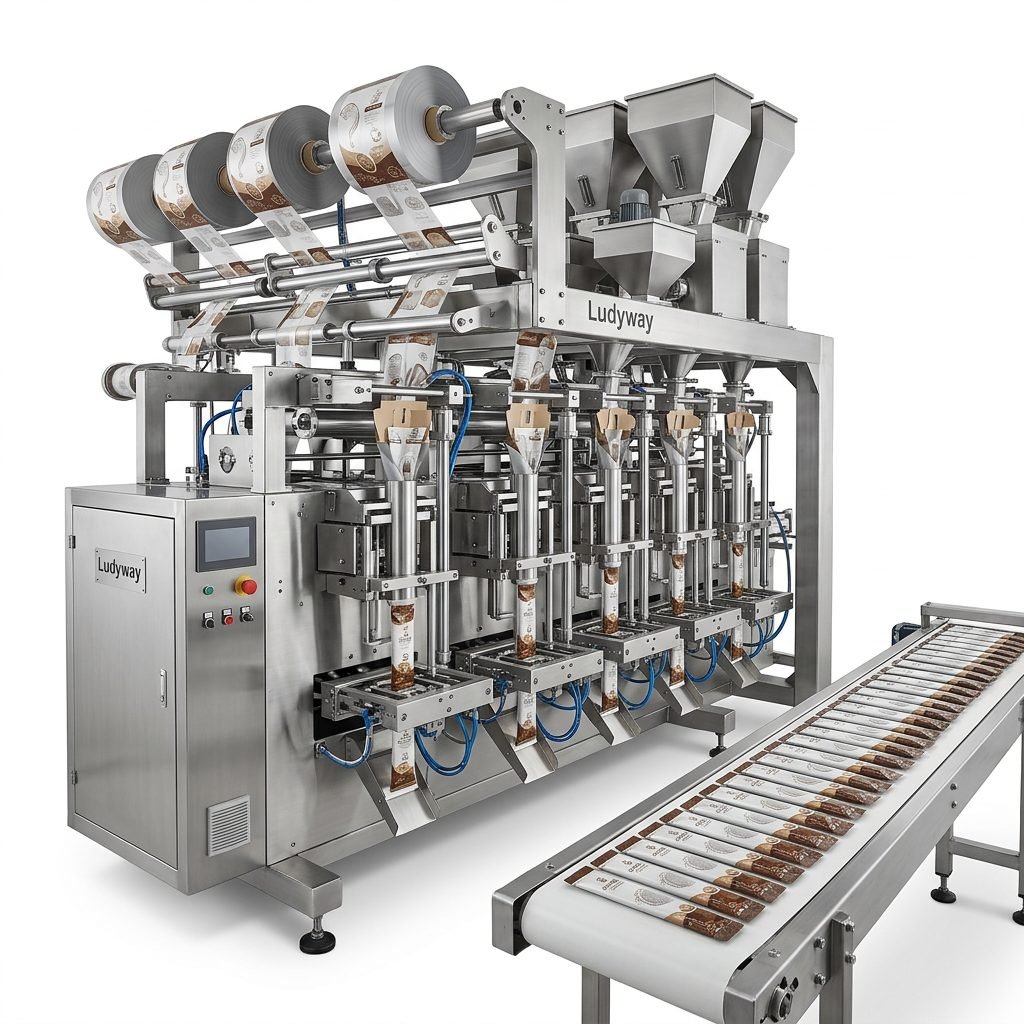
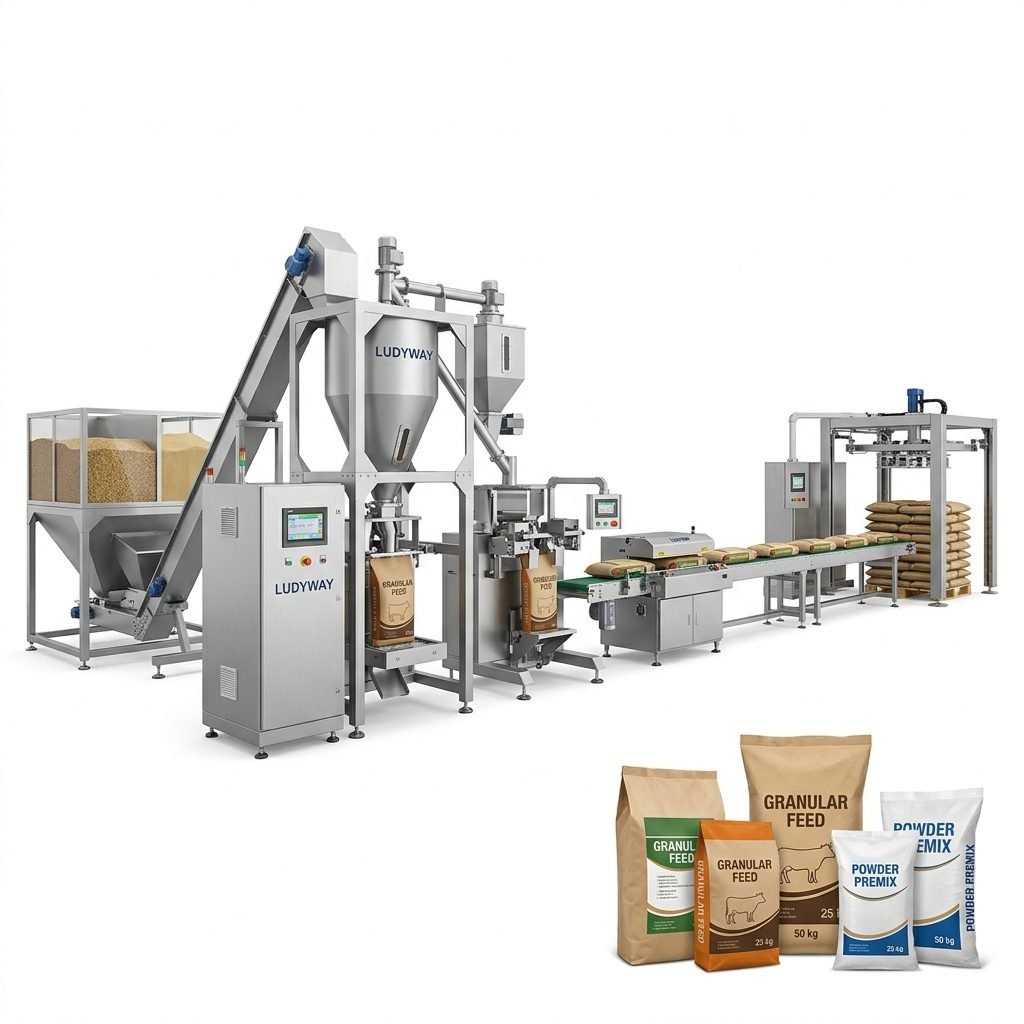
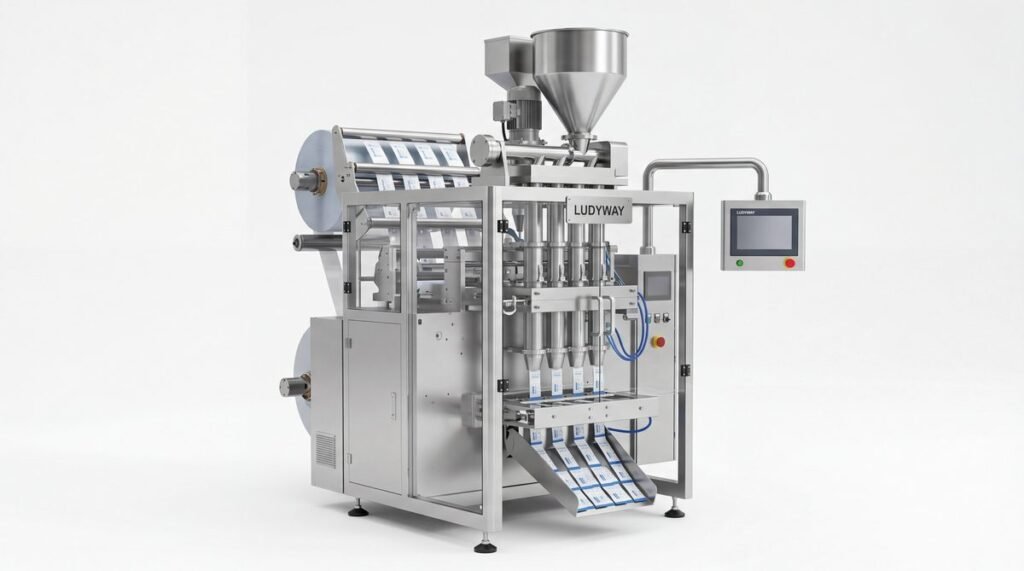
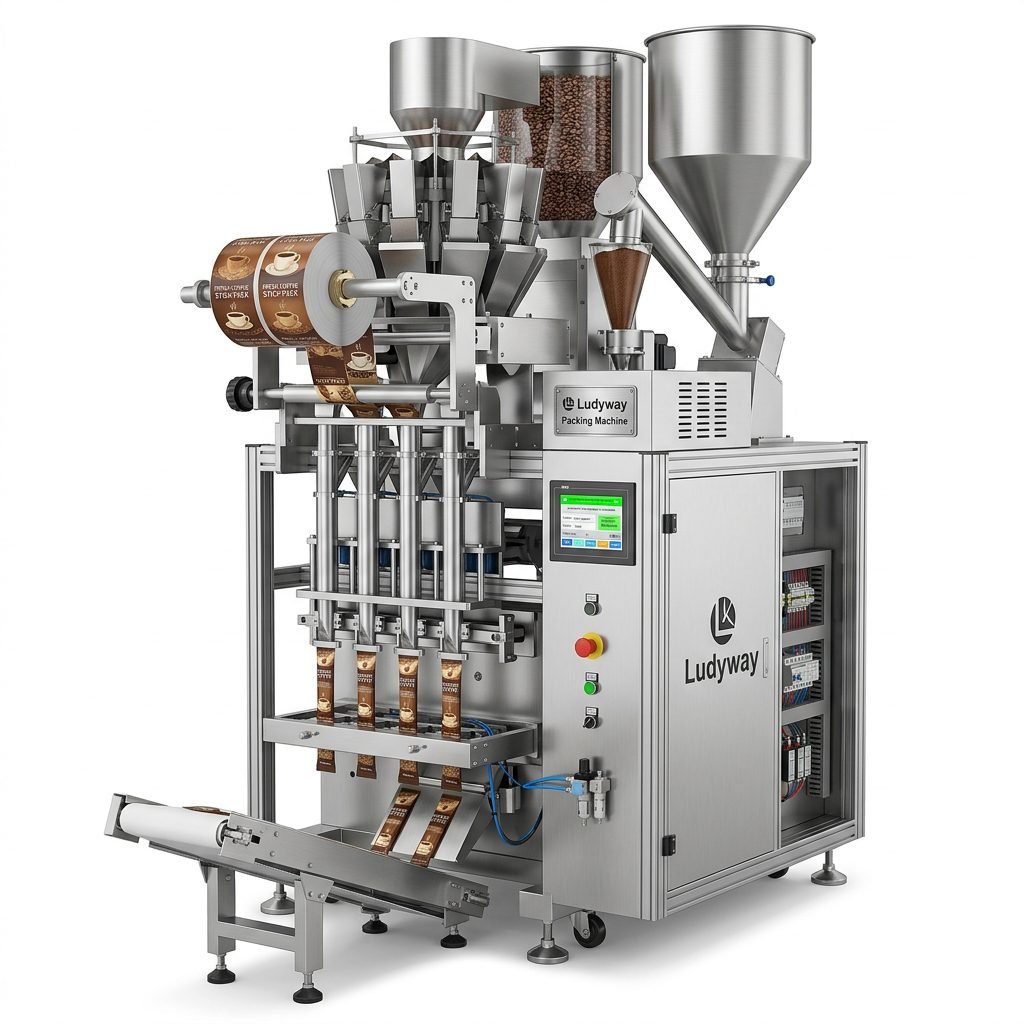
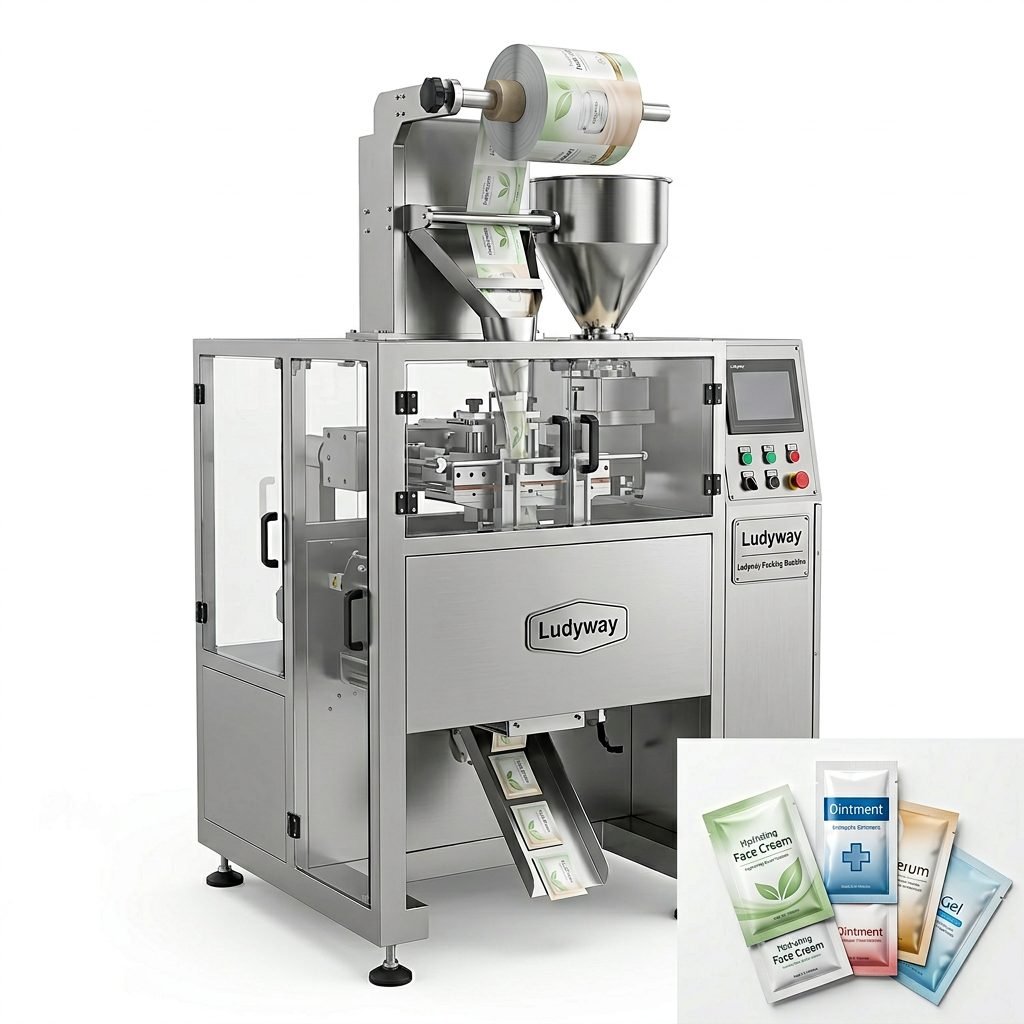
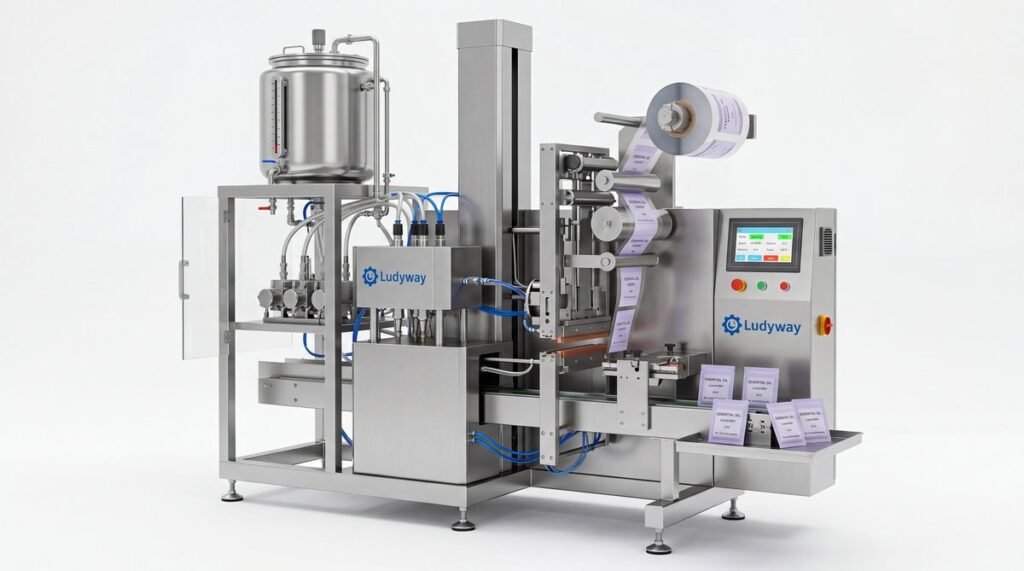
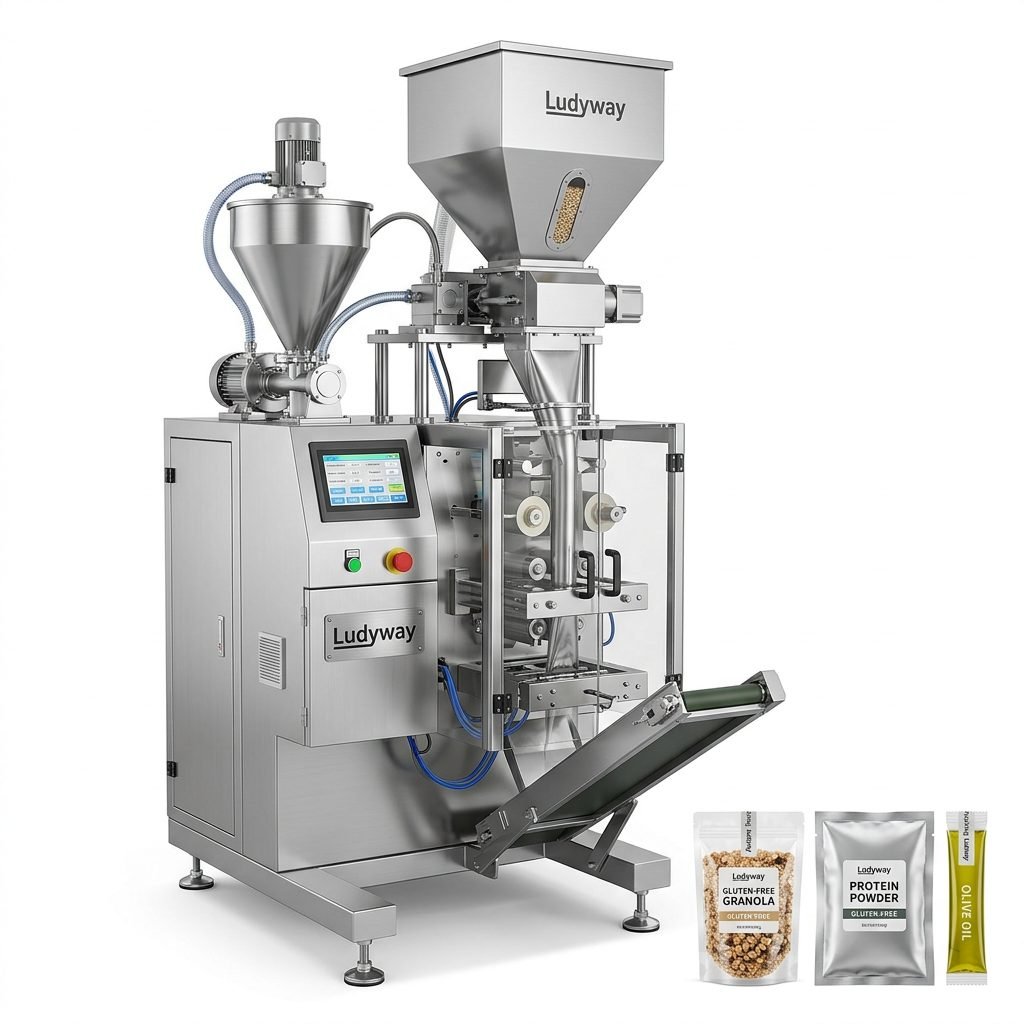
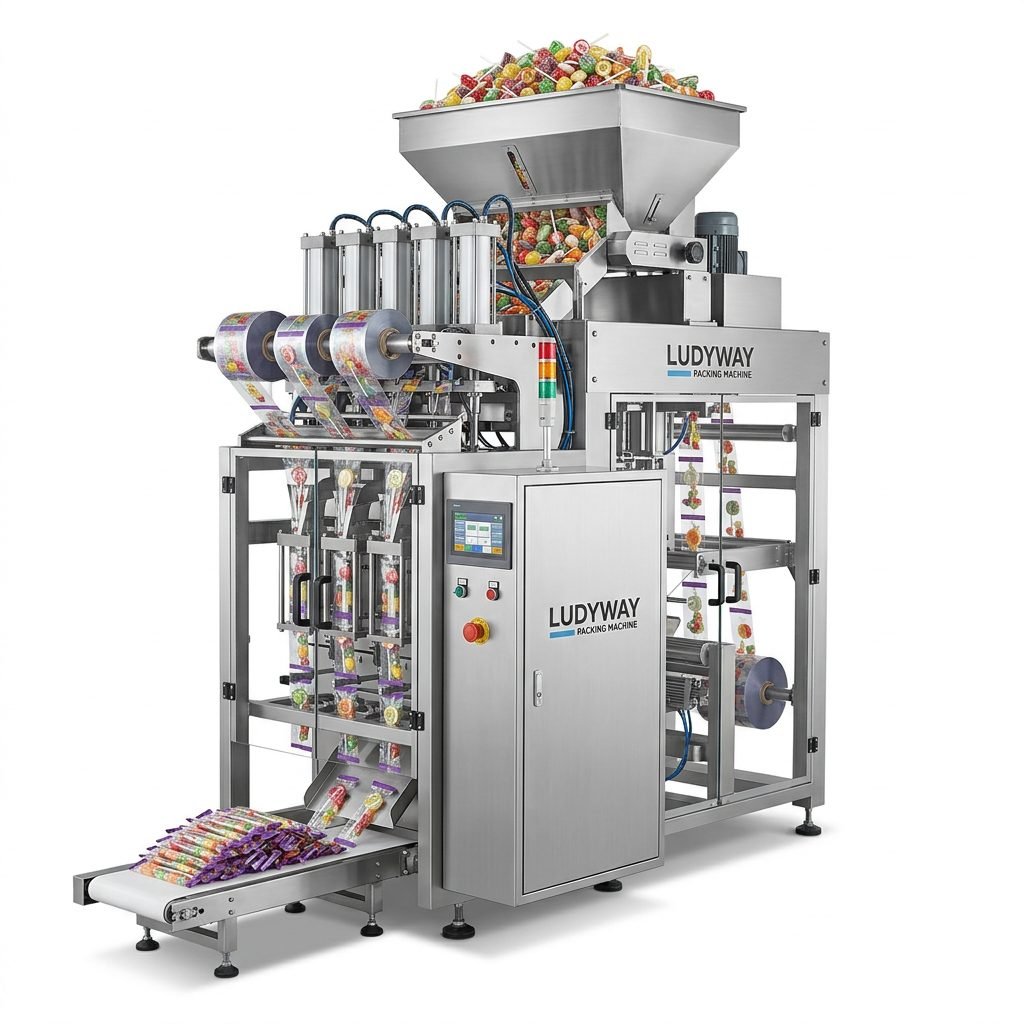
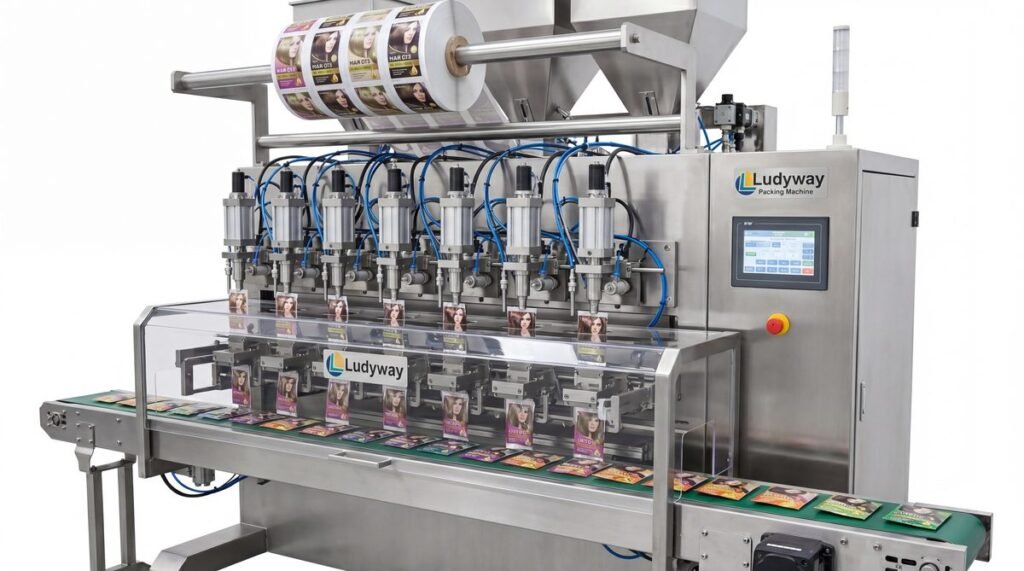
In modern snack manufacturing, a biscuit packaging machine plays a critical role in protecting product quality, improving output, and ensuring every cookie reaches consumers in excellent condition. For bakeries, private-label brands, and large-scale food processors, the right packaging system is not just a production tool—it is a direct driver of efficiency, freshness, and brand consistency.
From single-serve biscuit packs to family-size cookie bags, automated systems help businesses reduce manual labor, minimize product breakage, and maintain stable sealing performance. As market demand grows for faster delivery and attractive retail-ready packaging, investing in reliable automation becomes increasingly important.
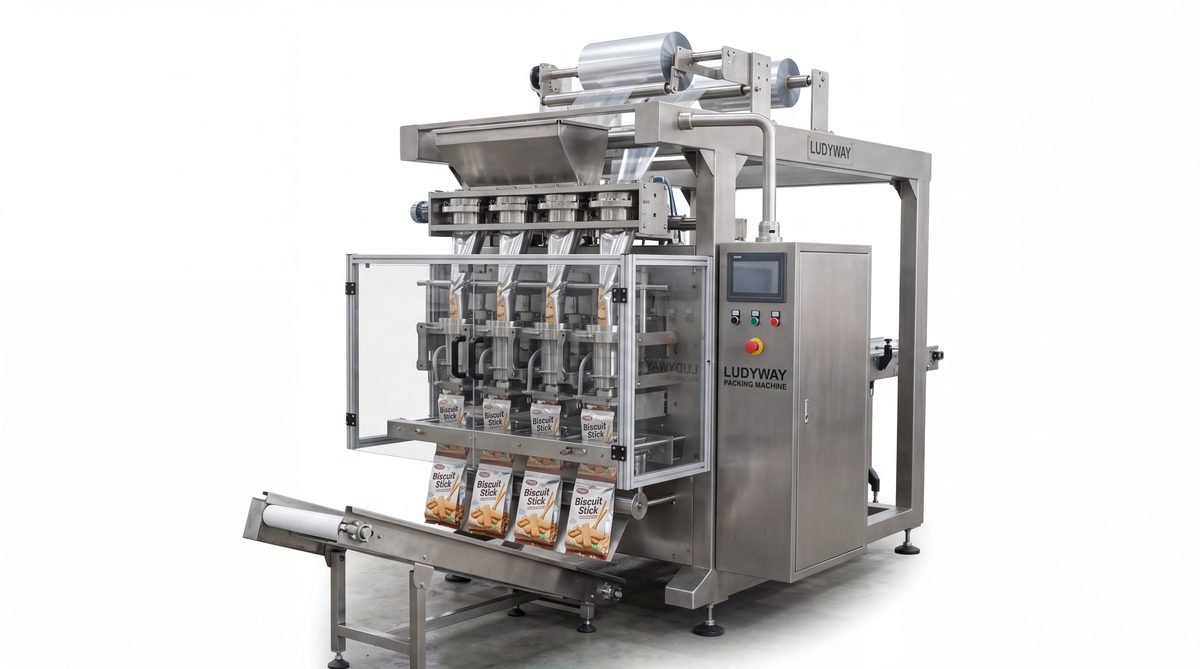
Why Biscuit Packaging Matters in High-Volume Production
Biscuits and cookies are delicate products. They can crack during transport, lose crispness when exposed to moisture, or suffer from inconsistent presentation if packed manually. A well-designed packaging machine helps manufacturers solve these common production issues while supporting higher line speeds.
- Freshness protection: Proper sealing helps preserve texture, taste, and shelf life.
- Reduced waste: Accurate handling lowers damage and rejected packs.
- Improved efficiency: Automated feeding, wrapping, and sealing increase throughput.
- Better appearance: Uniform package quality supports stronger shelf appeal.
- Food safety: Less manual contact can support cleaner production processes.
What Is a Biscuit Packaging Machine?
A biscuit packaging machine is specialized equipment used to sort, align, wrap, seal, and sometimes carton biscuits or cookies in different packaging formats. Depending on the product style and output target, the machine may operate as a standalone unit or as part of a complete automatic packaging line.
These machines are commonly used for:
- Sandwich biscuits
- Crackers
- Soft cookies
- Hard biscuits
- Chocolate-coated cookies
- Multi-piece snack packs
Key Features of an Efficient Cookie Packing Solution
When selecting equipment, manufacturers should focus on performance factors that directly affect output, reliability, and packaging quality. The best systems combine speed with gentle product handling.
| Feature | Why It Matters |
|---|---|
| Automatic feeding | Ensures continuous and orderly product transfer |
| High-speed sealing | Supports large output with stable pack integrity |
| Servo control | Improves precision, reduces material waste, and allows fast adjustments |
| Gentle conveying | Minimizes biscuit breakage during handling |
| Flexible format changeover | Helps pack different biscuit sizes and counts efficiently |
| Date coding integration | Supports traceability and retail compliance |
1. Consistent Pack Sealing
Reliable sealing is essential for maintaining crispness and preventing leakage. Machines with stable temperature control and synchronized film movement help create consistent seals across large production runs.
2. Accurate Product Counting and Arrangement
For stacked or grouped biscuits, precise infeed systems help align products before wrapping. This improves both pack appearance and speed, especially for retail formats with exact count requirements.
3. Compatibility with Different Film Materials
An efficient cookie packaging machine should support suitable packaging films used for food products, helping businesses balance barrier performance, appearance, and cost.

Common Packaging Formats for Biscuits and Cookies
Different brands need different pack styles depending on retail channel, product type, and consumer preference. Modern packaging systems can often be customized for several formats.
- Pillow packs for individual or grouped biscuits
- Tray-fed overwrap packs for premium presentation
- Multi-pack family bags
- Small snack-size portions for convenience stores
- Cartoned inner packs for supermarket distribution
Benefits of Automated Biscuit Packaging Machines
Higher Production Speed
Automation enables manufacturers to handle rising demand without relying heavily on manual packing. This is especially valuable during seasonal peaks or high-volume contract production.
Lower Labor Dependency
Automated lines reduce repetitive manual tasks such as feeding, sorting, sealing, and packing. This can improve operational stability and reduce the risk of inconsistent packaging quality.
Reduced Product Damage
Biscuits are fragile, so careful transfer and controlled movement are essential. Machines designed for food handling help lower breakage rates compared with manual packing methods.
Better Standardization
Consistent pack size, seal appearance, and coding help brands strengthen retail presentation and improve customer trust. Uniform packaging quality can also simplify downstream cartoning and logistics.
How to Choose the Right Biscuit Packaging Equipment
Choosing the best machine depends on more than speed alone. Businesses should evaluate product characteristics, production goals, and future scalability.
| Selection Factor | Questions to Ask |
|---|---|
| Product type | Are the biscuits hard, soft, coated, stacked, or irregular? |
| Output target | How many packs per minute are required? |
| Pack format | Do you need pillow packs, tray wraps, or carton-ready packs? |
| Factory layout | Is there enough space for conveyors, feeders, and end-of-line equipment? |
| Automation level | Do you need a standalone machine or a full turnkey packaging line? |
| After-sales support | Is technical support available for installation, training, and maintenance? |
Standalone Machine or Complete Packaging Line?
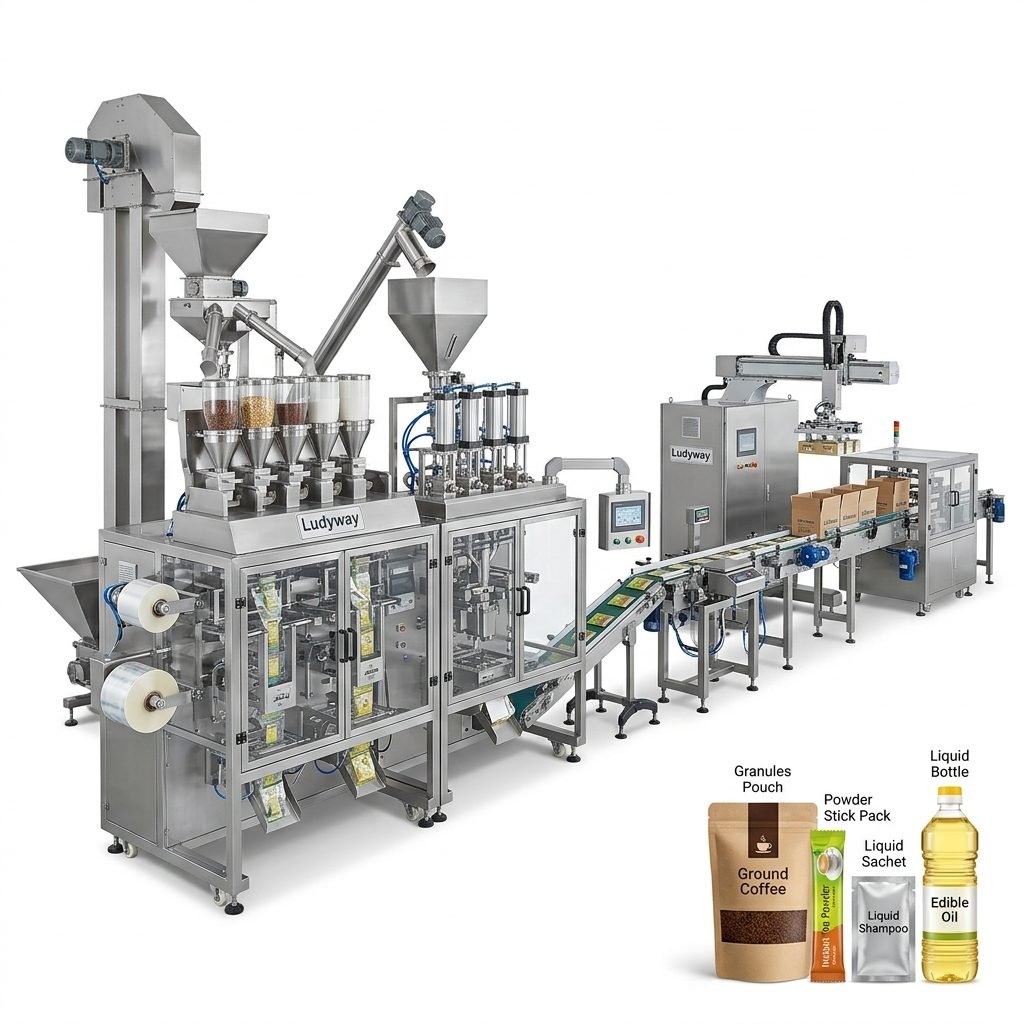
Some manufacturers only need a wrapping unit, while others need a full integrated solution including feeding, conveying, sealing, coding, checkweighing, cartoning, and palletizing. A complete line can offer stronger automation and smoother product flow, particularly for medium and large factories.
For businesses planning long-term expansion, integrated systems are often more efficient because they reduce bottlenecks between processing and final packing stages.
Important Maintenance Tips for Long-Term Reliability
Even the best packaging machine requires proper maintenance to keep running smoothly. Preventive care reduces downtime and helps maintain stable output.
- Inspect sealing parts and cutting components regularly
- Keep conveyors and feeding systems clean
- Check film tracking and tension settings
- Calibrate sensors and servo controls when required
- Replace worn parts before they affect production
- Train operators on standard operating procedures
Industry Trends in Biscuit and Cookie Packaging
The biscuit packaging sector is evolving quickly. Manufacturers are increasingly looking for solutions that combine speed, flexibility, and smarter control systems.
Smarter Automation
Touchscreen interfaces, recipe storage, and faster format changeovers make operations more efficient and reduce setup time.
More Flexible Production
Many brands now offer multiple biscuit sizes and mixed packaging formats. Flexible machines can help support frequent product changes with less disruption.
Integrated Quality Control
Advanced packaging lines may include weighing, coding inspection, and rejection systems to improve pack accuracy and reduce rework.
A Reliable Manufacturing Partner for Packaging Automation
For businesses looking for scalable food packaging equipment, Ludyway offers automatic packaging machinery and turnkey packaging line solutions backed by more than 30 years of manufacturing experience. As one of China’s leading packaging machine manufacturers, the company supports food, pharmaceutical, health supplement, and related industries with a broad equipment portfolio and global export capability.
Conclusion
A high-performance biscuit packaging machine helps manufacturers achieve fast output, reliable sealing, lower breakage, and more consistent pack quality. Whether you produce simple cookies, premium biscuits, or multi-pack snack formats, the right automation solution can improve both productivity and market competitiveness.
By focusing on machine reliability, packaging flexibility, and long-term support, businesses can build a packaging process that protects product quality and supports sustainable growth.