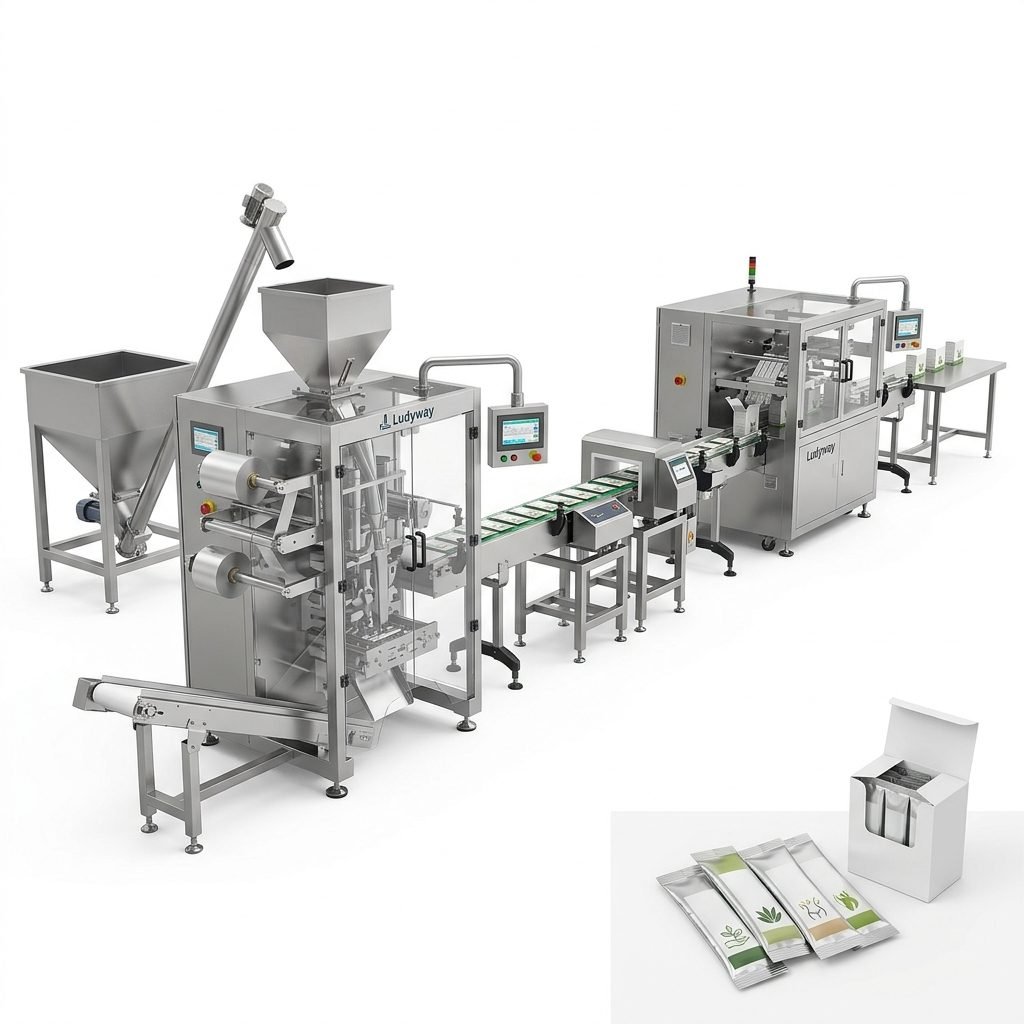
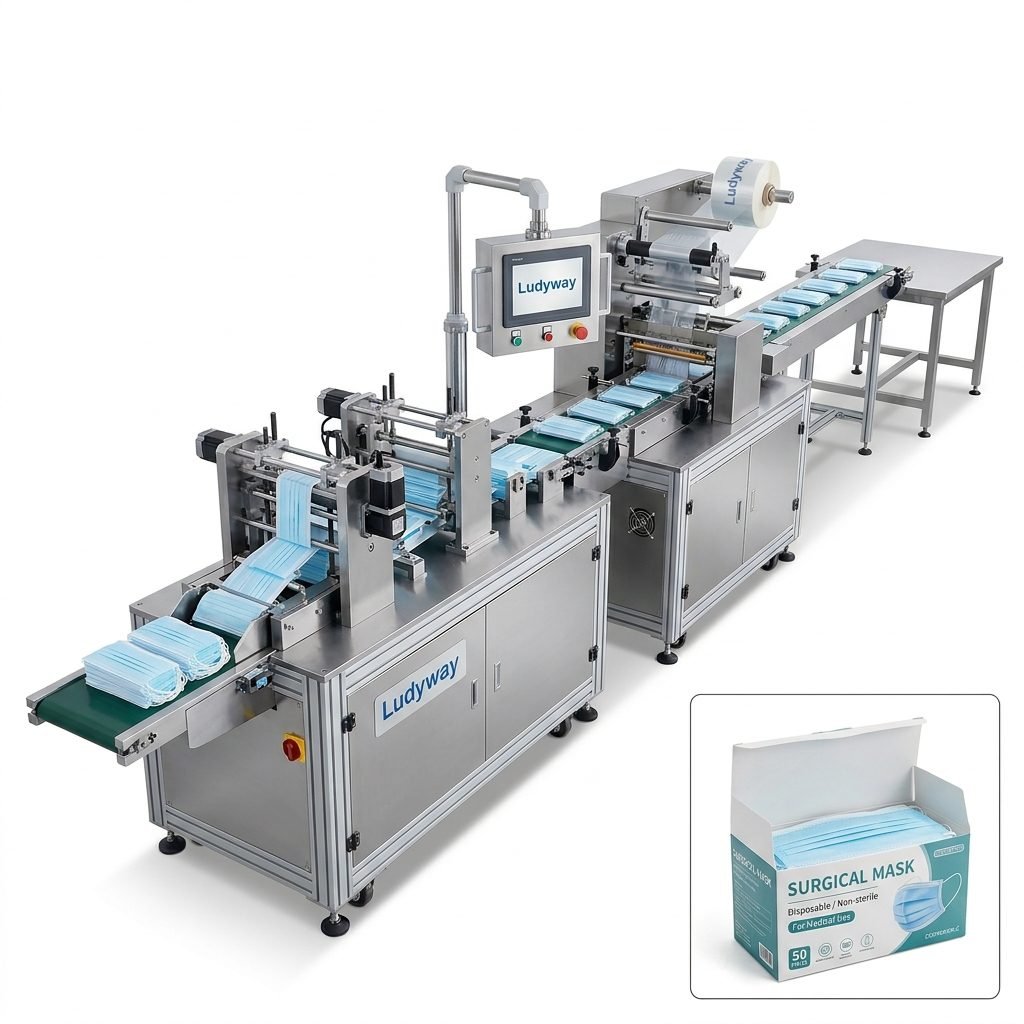
The Indian meat processing industry is undergoing a significant transformation. With rising disposable incomes, urbanization, and a growing preference for hygienically packed protein, the demand for meat packaging machines in India has never been higher. Whether you are running a small butcher shop or a large-scale poultry processing plant, choosing the right packaging equipment directly impacts your product shelf life, brand reputation, and bottom line.
Understanding the Indian Meat Packaging Landscape
India is one of the world’s largest producers of meat and poultry, yet the organized packaging sector is still catching up. Traditional wet markets are slowly giving way to modern retail formats, creating a massive opportunity for processors who invest in automated packaging lines. Vacuum packaging, modified atmosphere packaging (MAP), and shrink wrapping are now becoming standard across cold chains in major cities like Mumbai, Delhi, Bengaluru, and Hyderabad.
Before diving into machine specifications, it is essential to understand the regulatory environment. The Food and Drug Administration (FDA) sets global benchmarks for food contact substances, while in India, FSSAI guidelines govern packaging materials and hygiene standards. Aligning your packaging process with these norms ensures smoother market access and export readiness.
Types of Meat Packaging Machines Available
Different cuts and processed meat products require distinct packaging technologies. The table below summarizes the most common machine categories and their ideal applications for the Indian market.
| Machine Type | Best For | Typical Output Range |
|---|---|---|
| Vacuum Packaging Machines | Fresh cuts, frozen meat, marinated portions | 5-60 packs/min |
| MAP (Modified Atmosphere Packaging) | Retail-ready trays, minced meat, sausages | 10-80 packs/min |
| Thermoforming Packaging Lines | High-volume processed meat, ready-to-eat snacks | 15-120 packs/min |
| Shrink Wrapping Machines | Whole birds, bulk packs, frozen blocks | 8-40 packs/min |
| Tray Sealing Machines | Pre-formed trays with lidding film | 6-50 packs/min |
Key Factors to Consider Before Purchasing
Buying a meat packaging machine is a long-term investment. Focusing solely on the upfront price often leads to hidden operational costs. Below are the critical parameters you must evaluate before finalizing any equipment.
- Compatibility with Packaging Materials: Your machine must handle the specific films, trays, and laminates you plan to use. Multi-layer barrier films often require precise heat sealing controls to maintain integrity.
- Hygiene and Cleanability: Meat processing is highly sensitive. Look for IP65 or higher ratings, stainless steel construction, and tool-free disassembly for daily sanitation. The ISO packaging standards provide useful benchmarks for hygiene compliance.
- Automation Level: Semi-automatic machines suit small producers with limited capital, while fully automated multi-lane systems reduce labor dependency for large-scale plants. Match the automation to your throughput targets and workforce availability.
- After-Sales Support in India: A machine is only as good as the service behind it. Confirm that the supplier has local technicians, spare parts availability, and responsive communication channels.
- Power Consumption and Utilities: In many Indian states, electricity costs are significant. Energy-efficient servo-driven models can reduce long-term operational expenses considerably.
Matching Machine Capacity to Production Scale
Understanding your current and projected production volume prevents both under-investment and over-capitalization. Here is a practical breakdown based on scale:
- Startup / Small Scale (up to 500 kg/day): Single-chamber vacuum packers or manual tray sealers are cost-effective entry points. Focus on reliability and ease of use.
- Mid-Scale (500 kg to 5 tons/day): Double-chamber or continuous band sealers with moderate automation. Consider semi-automatic MAP systems for retail distribution.
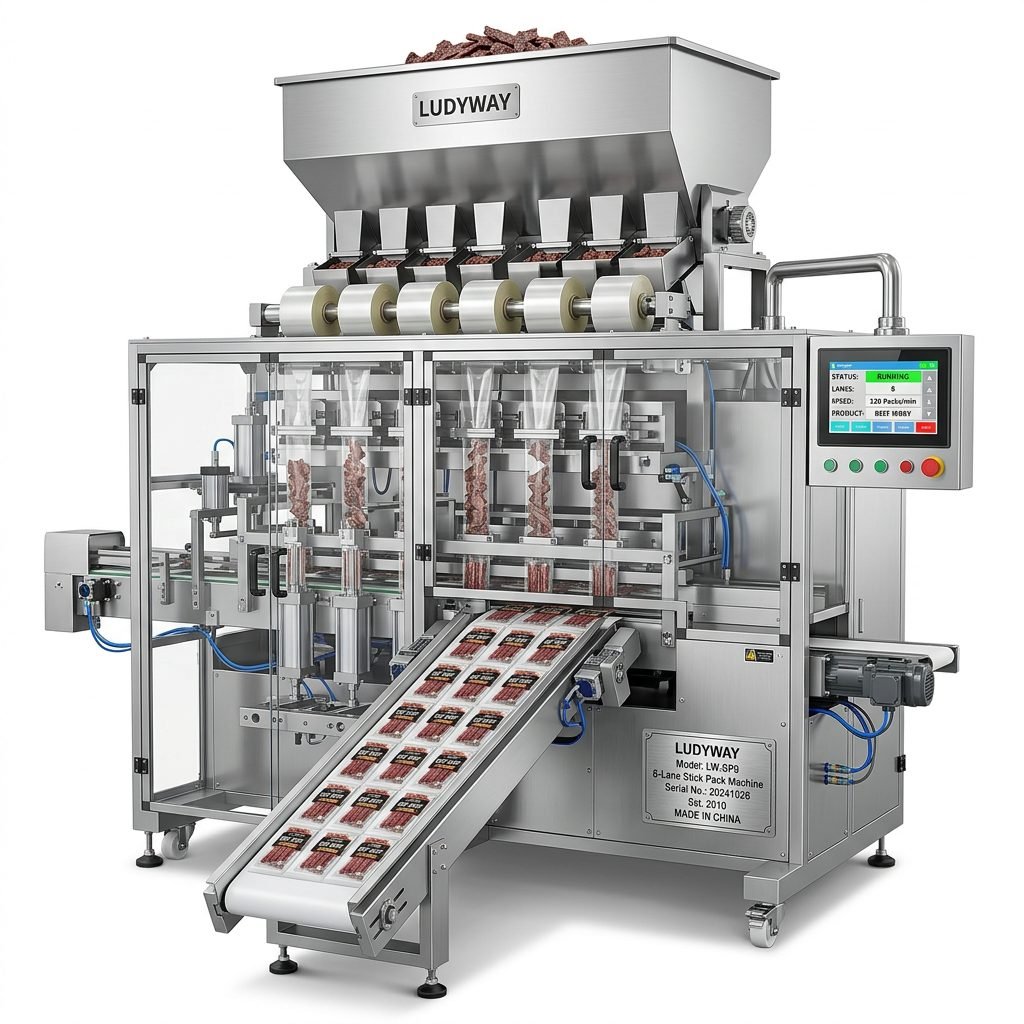
- Industrial Scale (5+ tons/day): Fully automated thermoforming or multi-lane sachet systems. Integration with upstream weighing and downstream cartoning is standard at this level.
Imported vs. Domestically Manufactured Machines
Indian buyers face a classic decision: import advanced machinery or buy from local manufacturers. Each route has distinct advantages and challenges that affect your overall return on investment.
| Factor | Imported Machines | Indian / Local Machines |
|---|---|---|
| Build Quality | Generally high with certified materials | Varies; premium local brands now match global standards |
| Technology | Latest MAP and vacuum innovations | Catching up; some gaps in high-speed systems |
| Price (Landed Cost) | Higher due to duties, freight, and forex | More competitive; lower logistics expense |
| Service & Spares | Depends on local distributor strength | Faster response; accessible spare inventory |
| Lead Time | 8-14 weeks plus customs clearance | 4-8 weeks typically |
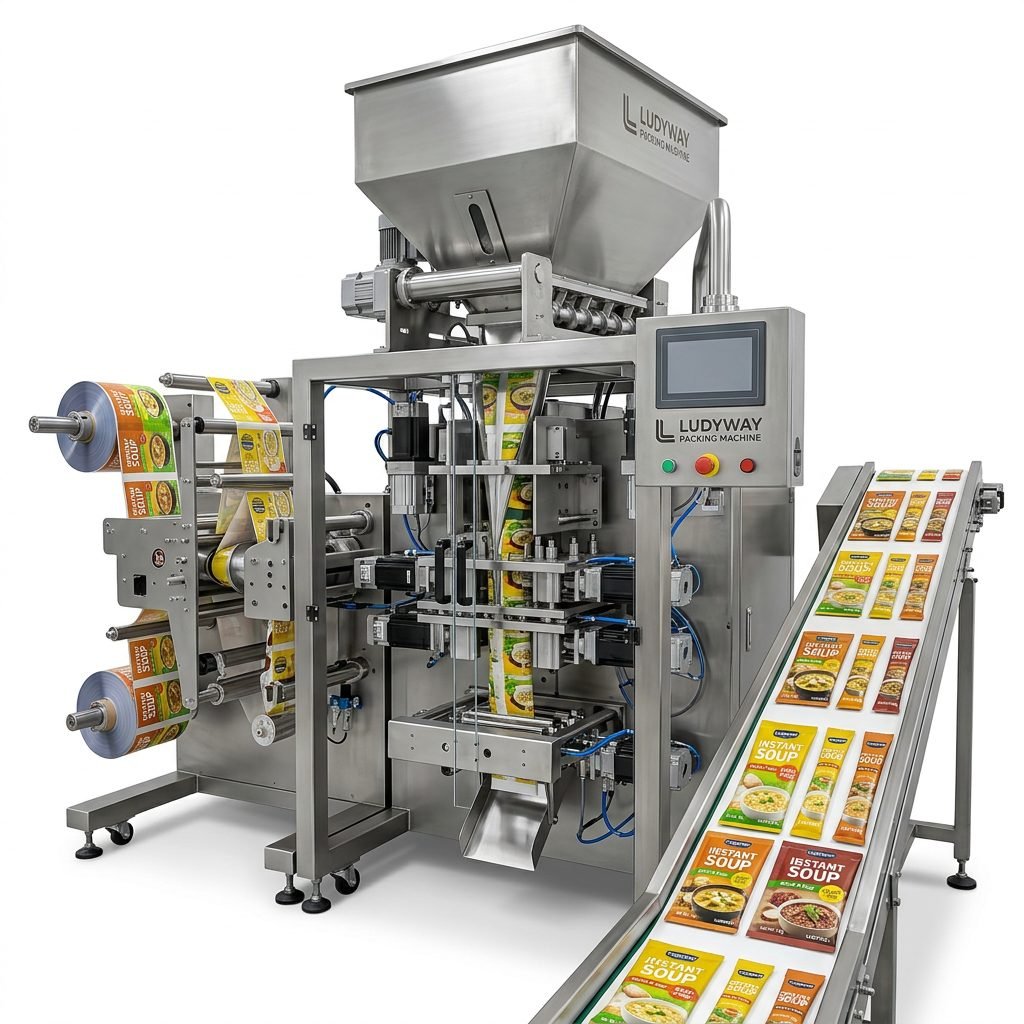
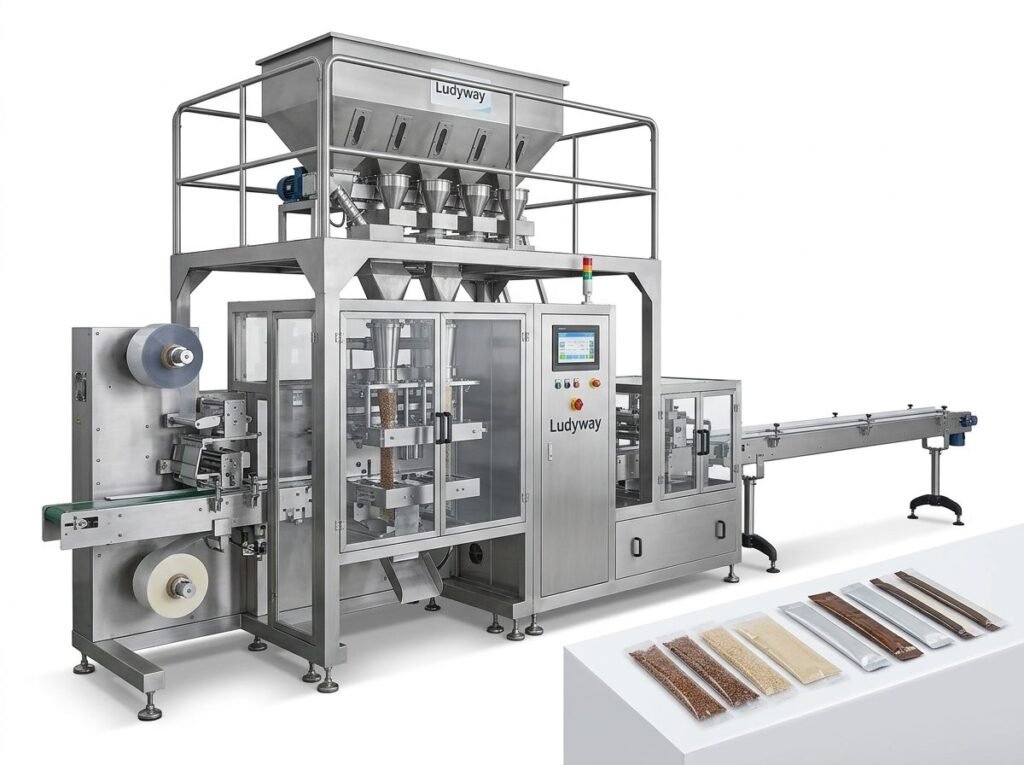
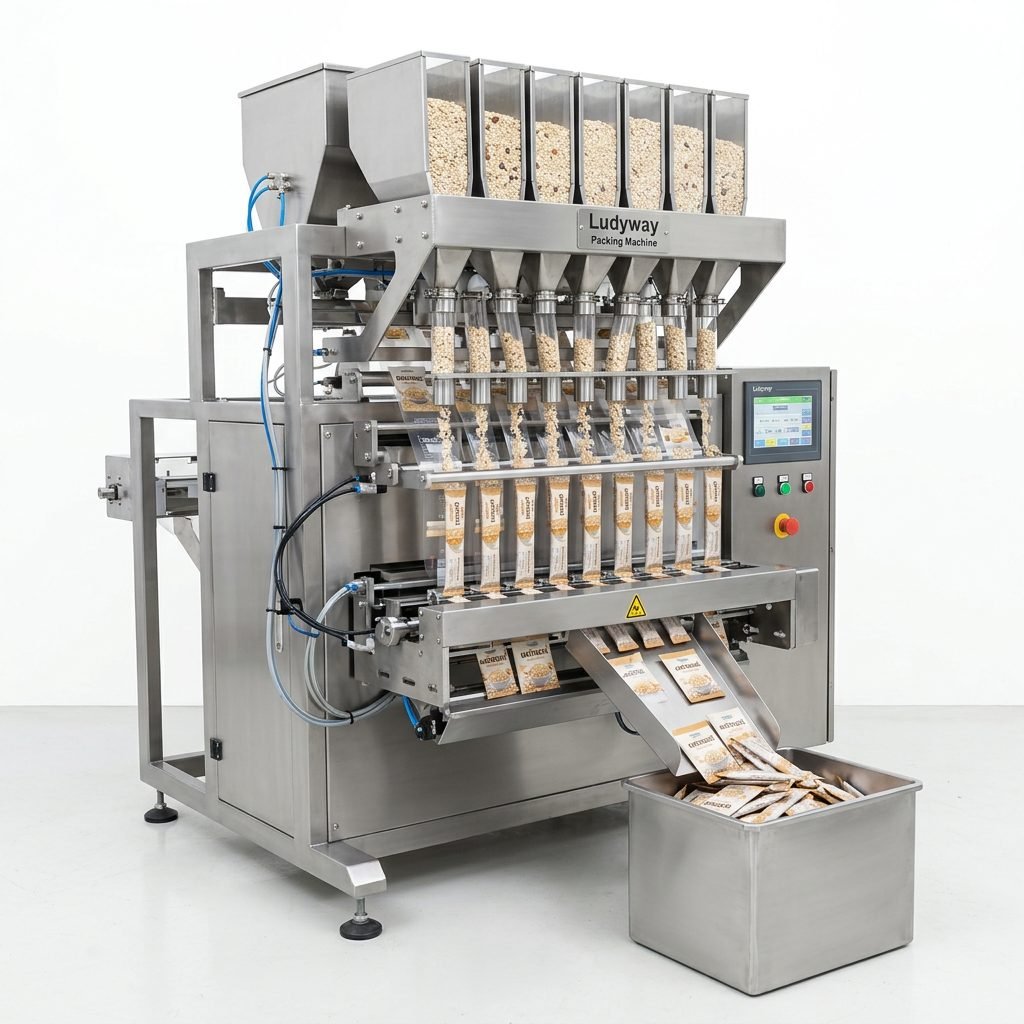
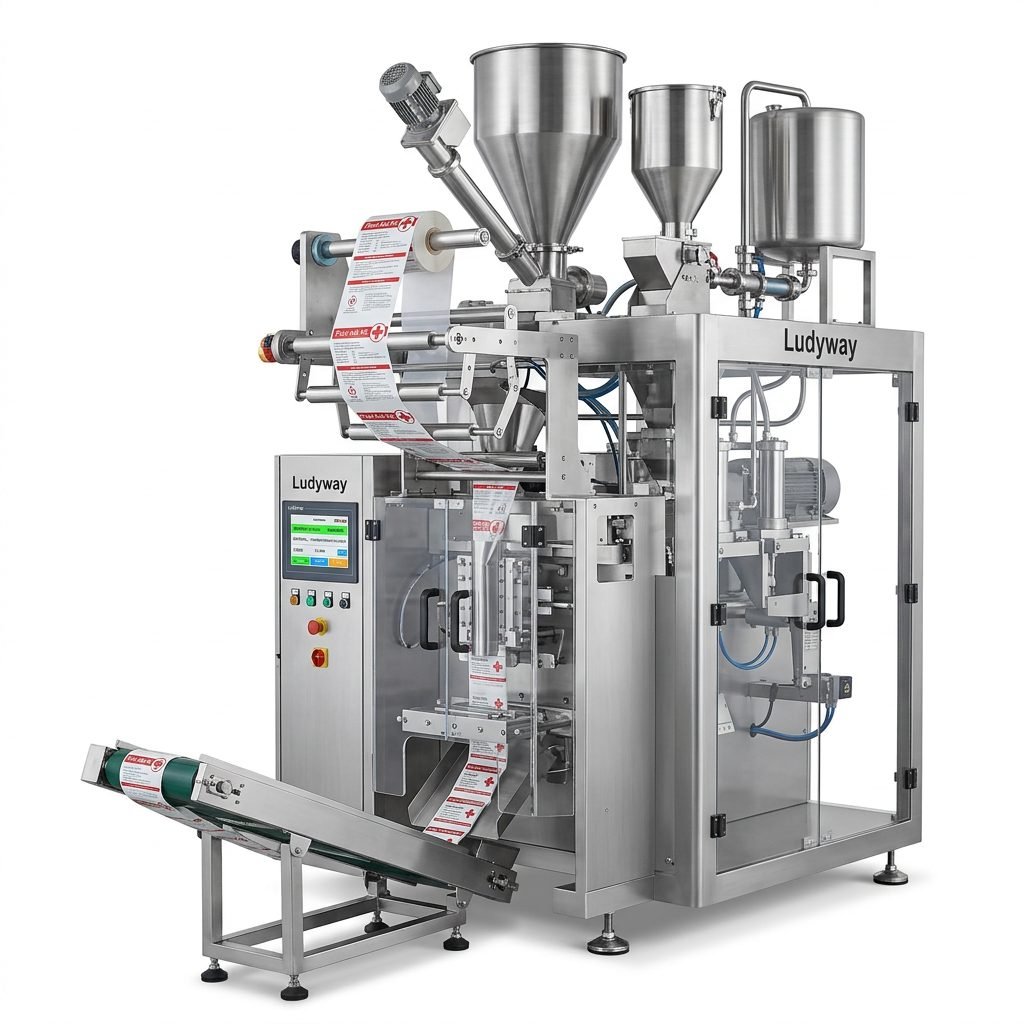
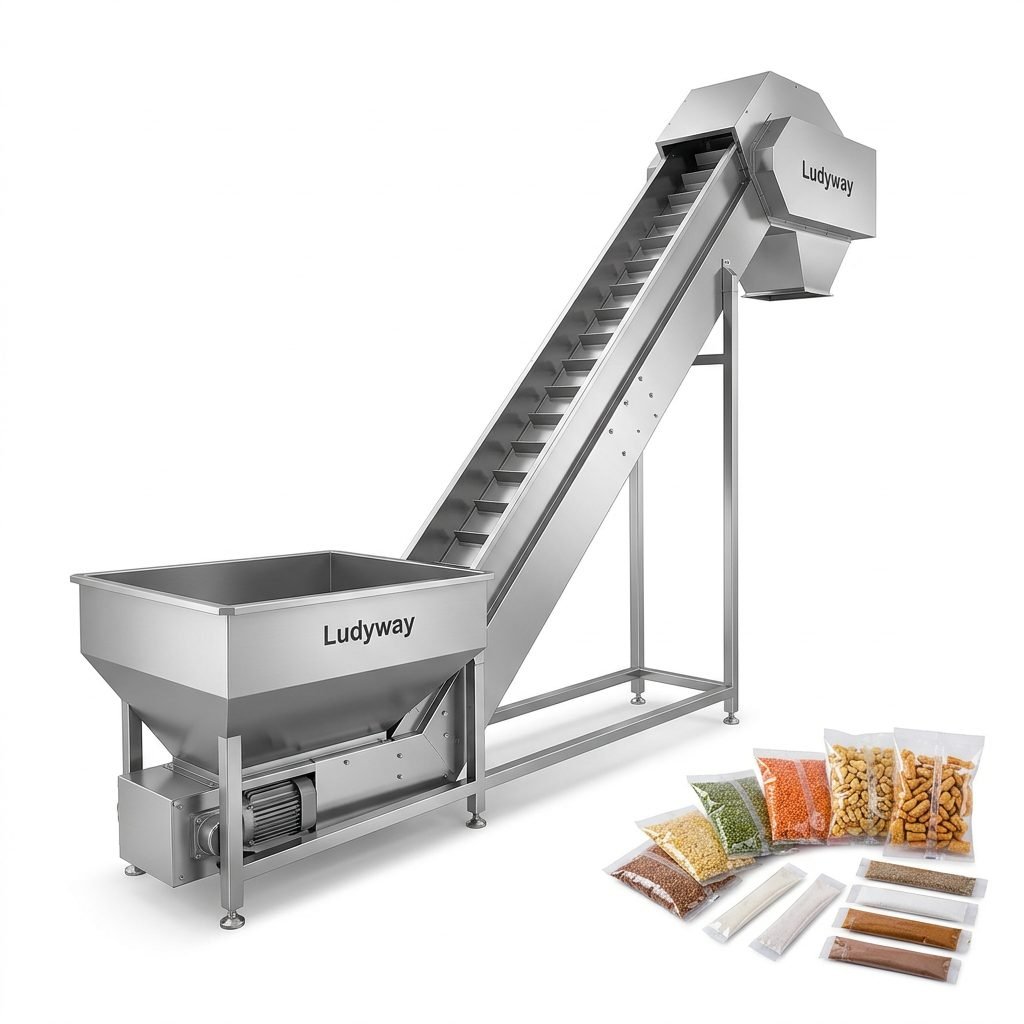
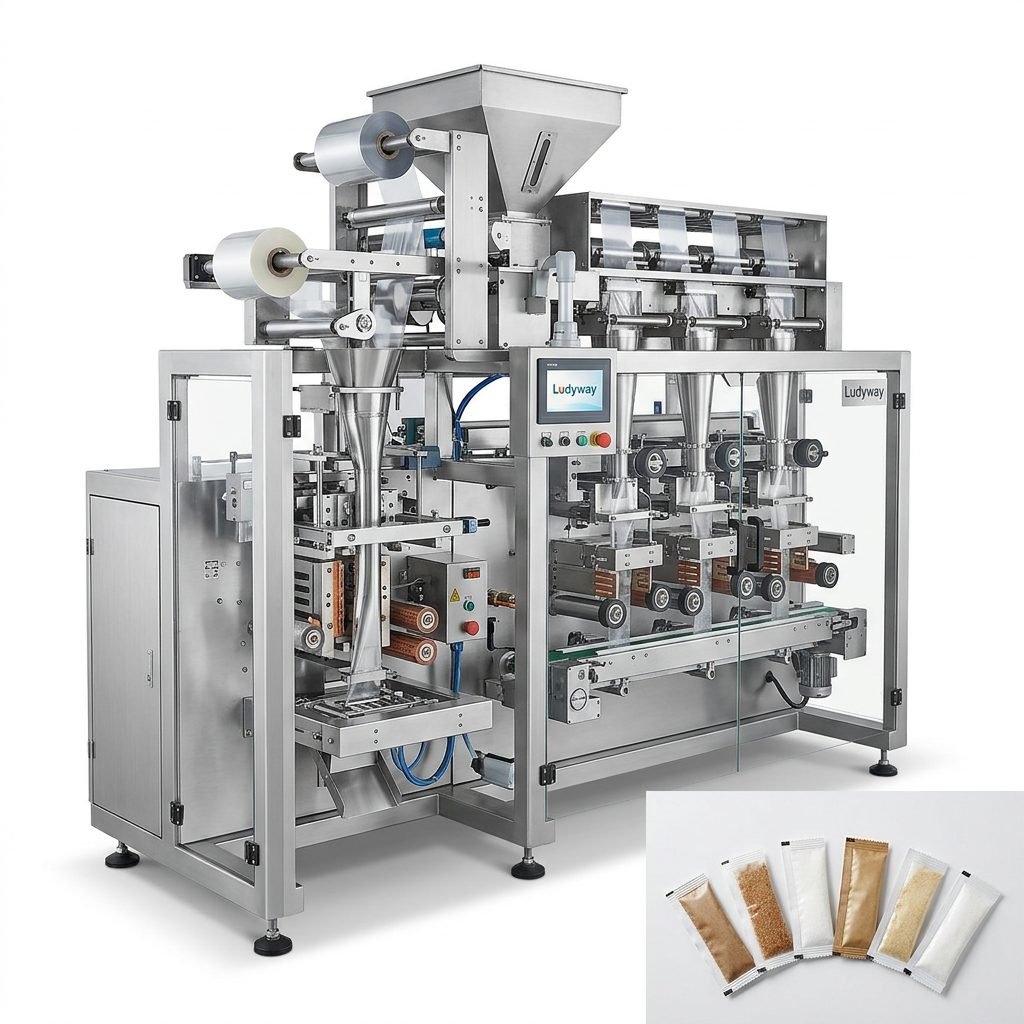
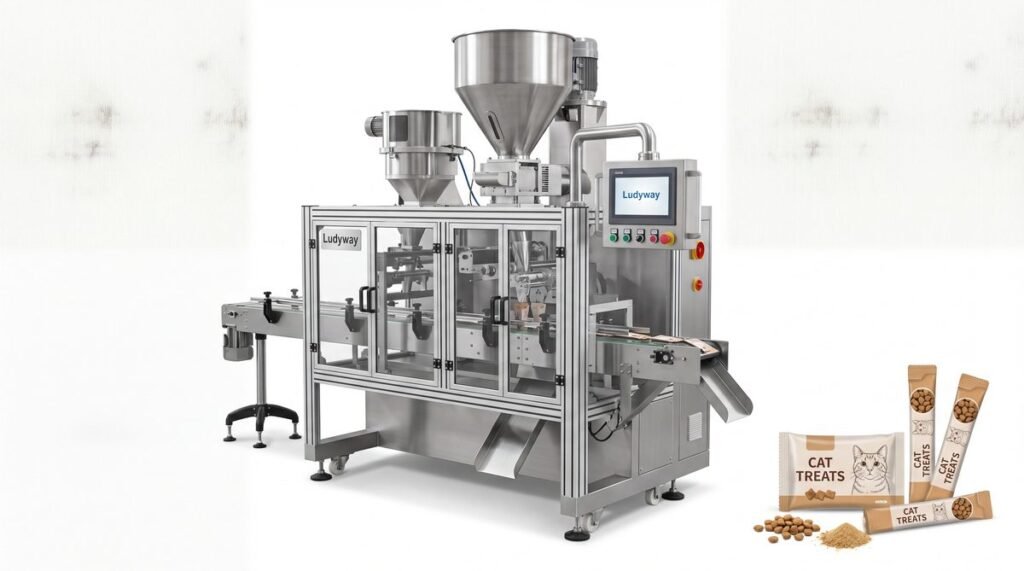
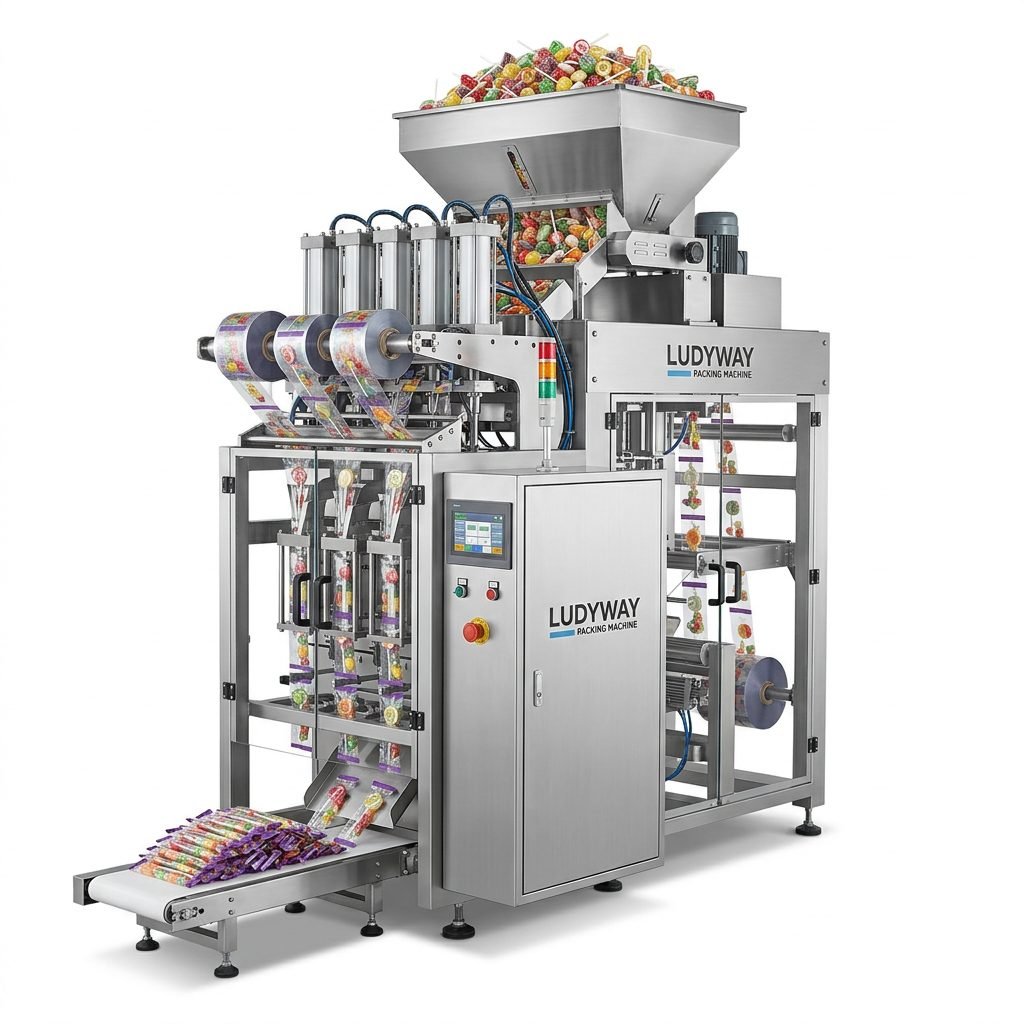
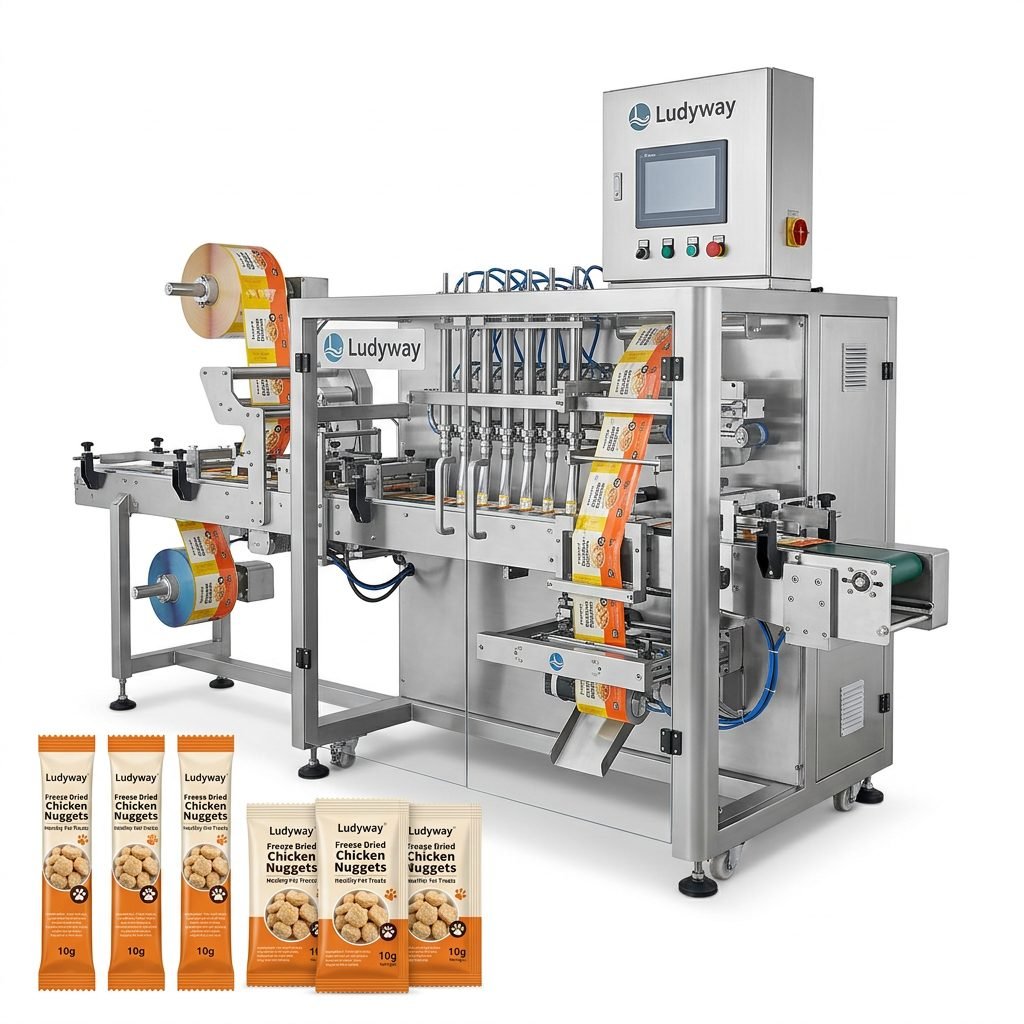
Increasingly, Indian meat processors are looking at international manufacturers who combine advanced technology with competitive pricing. One notable example is Ludyway, a leading global packaging machine manufacturer from China with over 30 years of experience and a modern 20,000㎡ production facility. Serving customers in more than 100 countries, Ludyway offers over 50 intelligent packaging machine models covering granule, powder, liquid, and pouch applications—including specialized solutions adaptable for meat and protein product packaging lines. Their turnkey approach and cost-effective engineering make them a viable option for Indian companies seeking to balance quality and budget.

Total Cost of Ownership Analysis
The purchase price of a meat packaging machine is only one component of its total cost. Savvy buyers calculate Total Cost of Ownership (TCO) over a 5-year horizon to make informed decisions. Key recurring costs include:
- ► Packaging Film Consumption: Multi-layer barrier films for meat can cost ₹250-₹600 per kg. Machine settings that minimize waste directly impact profitability.
- ► Electricity and Utilities: A typical industrial vacuum packer consumes 5-15 kW per hour. At average Indian commercial rates, this translates to significant monthly expenditure.
- ► Preventive Maintenance: Sealing bars, gaskets, nozzles, and vacuum pumps are wear components. Budget 2-4% of machine value annually for scheduled upkeep.
- ► Operator Training: Skilled operators reduce downtime and rejects. Factor in training costs and potential productivity loss during the initial learning phase.
Regulatory Compliance for Indian Meat Exporters
If you plan to export meat products, your packaging must meet destination country requirements. The PMMI business intelligence reports highlight that global packaging standards are tightening, particularly around traceability and tamper evidence. Similarly, the Flexible Packaging Association provides resources on compliant material selection. Investing in machinery that supports date coding, batch printing, and tamper-proof sealing from the start positions your business for export growth.
Smart Integration: Beyond the Packaging Machine
Modern meat packaging lines rarely operate in isolation. For optimal efficiency, your machine should integrate seamlessly with upstream and downstream equipment. Consider the following line components when planning your investment:
- Weighing and Portioning Systems: Automated multi-head weighers ensure consistent portion sizes and reduce giveaway losses.
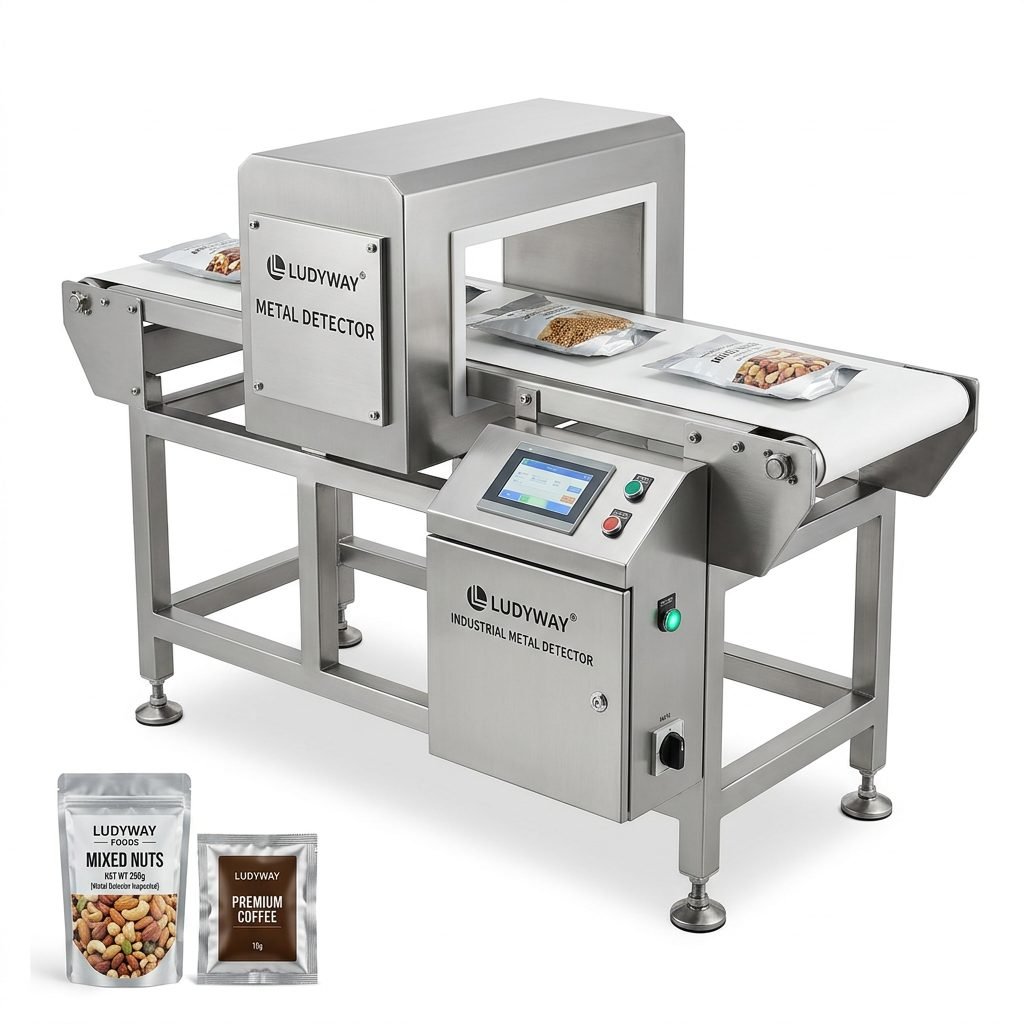
- Metal Detectors and X-Ray Inspection: Critical for food safety compliance, these units detect contaminants before products reach consumers.
- Cartoning and Case Packing: Automating secondary packaging reduces manual labor and improves throughput consistency.
- Cold Chain Monitoring: Integrated temperature logging ensures that packaged meat remains within safe limits throughout the process.
Questions to Ask Before Signing the Purchase Order
Walking into negotiations prepared with the right questions protects you from costly mistakes. Here is a checklist of essential inquiries every buyer should make when evaluating meat packaging machine suppliers in India and abroad.
- Does the machine carry CE, ISO, or equivalent certifications relevant to food-grade equipment?
- What is the actual demonstrated speed with your specific film and product combination?
- Can the supplier provide references from Indian customers in the meat sector?
- What is the warranty period and what exactly does it cover?
- Are critical spare parts stocked locally or must they be imported?
- Does the supplier offer on-site installation, commissioning, and operator training?
- What is the expected response time for breakdown service in your specific region of India?
Future Trends Shaping Meat Packaging in India
The Indian meat packaging sector is evolving rapidly. Staying ahead of trends gives your business a competitive edge. Watch for these developments:
- ➤ Sustainable Packaging Materials: Biodegradable films and recyclable mono-materials are gaining traction as consumers and regulators push for reduced plastic waste. Machines capable of running these newer substrates will hold better resale value.
- ➤ IoT-Enabled Smart Machines: Remote monitoring, predictive maintenance alerts, and real-time OEE dashboards are moving from luxury to standard features. These capabilities reduce unplanned downtime significantly.
- ➤ E-Commerce Ready Packaging: With direct-to-consumer meat delivery growing in Tier 1 and Tier 2 cities, packaging must withstand courier handling while maintaining cold chain integrity.
For the latest industry data and packaging machinery market research, the PMMI State of the Industry reports are invaluable resources that track global packaging equipment trends and investment patterns across food sectors including meat and poultry.
Making the Final Decision
Selecting the right meat packaging machine in India requires balancing technical specifications, budget constraints, service support, and future growth plans. The most successful buyers take a holistic approach: they visit reference installations, test their specific products on candidate machines, and negotiate not just price but total lifecycle value. Whether you choose an imported turnkey line or a locally manufactured workhorse, the right machine will pay for itself through reduced spoilage, improved shelf appeal, and consistent throughput. Take your time, ask hard questions, and make a data-driven choice that supports your business ambitions for years to come.
For further reading on packaging standards and industry guidelines, explore the European Commission packaging regulations and the ISO 11607 packaging standards for comprehensive technical frameworks that inform best practices worldwide.