Setting up a cookie packaging machine production line is a critical process that directly impacts efficiency, product quality, and long-term operational costs. Whether you are launching a new facility or upgrading an existing one, following a structured approach ensures seamless integration and maximum return on investment. This guide walks you through every essential phase of the setup process, from initial planning to full-scale production.

Step 1: Conduct a Comprehensive Pre-Installation Assessment
Before any equipment arrives, you must evaluate your production environment. This stage lays the groundwork for a smooth installation and helps avoid costly delays. A thorough assessment includes analyzing floor space, power supply, and environmental conditions such as humidity and temperature control. Packaging industry standards recommend maintaining a clean, climate-controlled area to protect both machinery and food products.
Key Pre-Installation Checklist
- Floor load capacity: Verify that the foundation can support the weight of high-speed packaging machinery.
- Utility requirements: Confirm compressed air, electrical voltage, and water connections match equipment specifications.
- Material flow design: Map the movement of raw cookies from baking to packaging, ensuring logical workflow without bottlenecks.
- Safety clearance: Allocate adequate space around machines for operator access and maintenance.
Step 2: Define Your Packaging Specifications and Machine Configuration
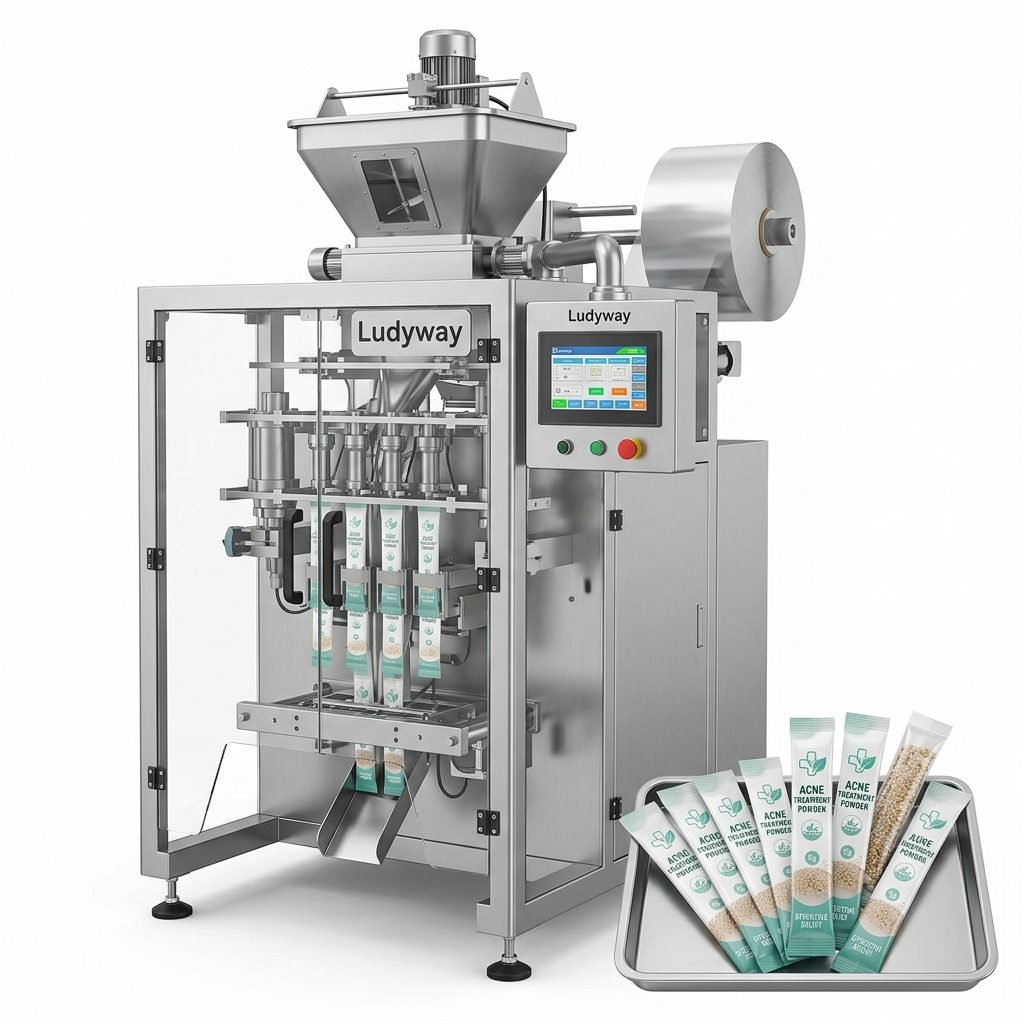
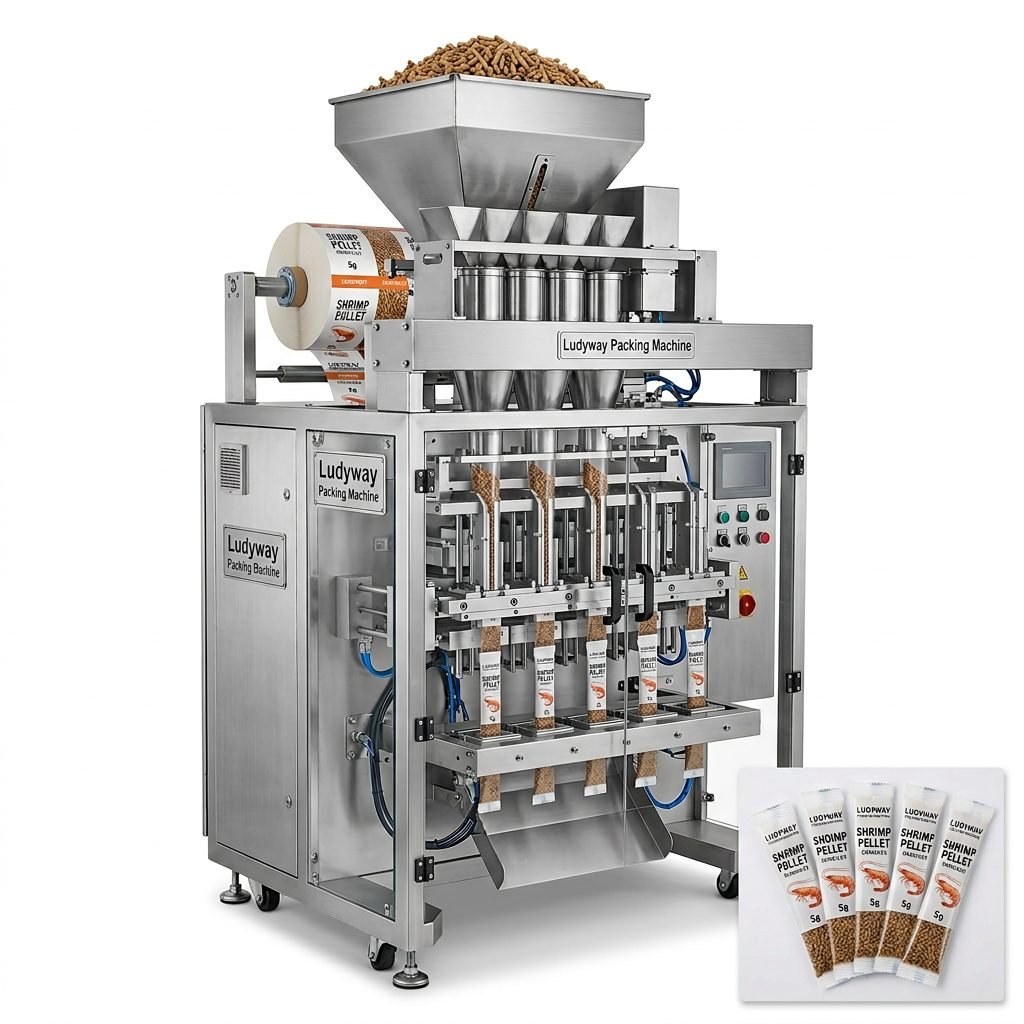
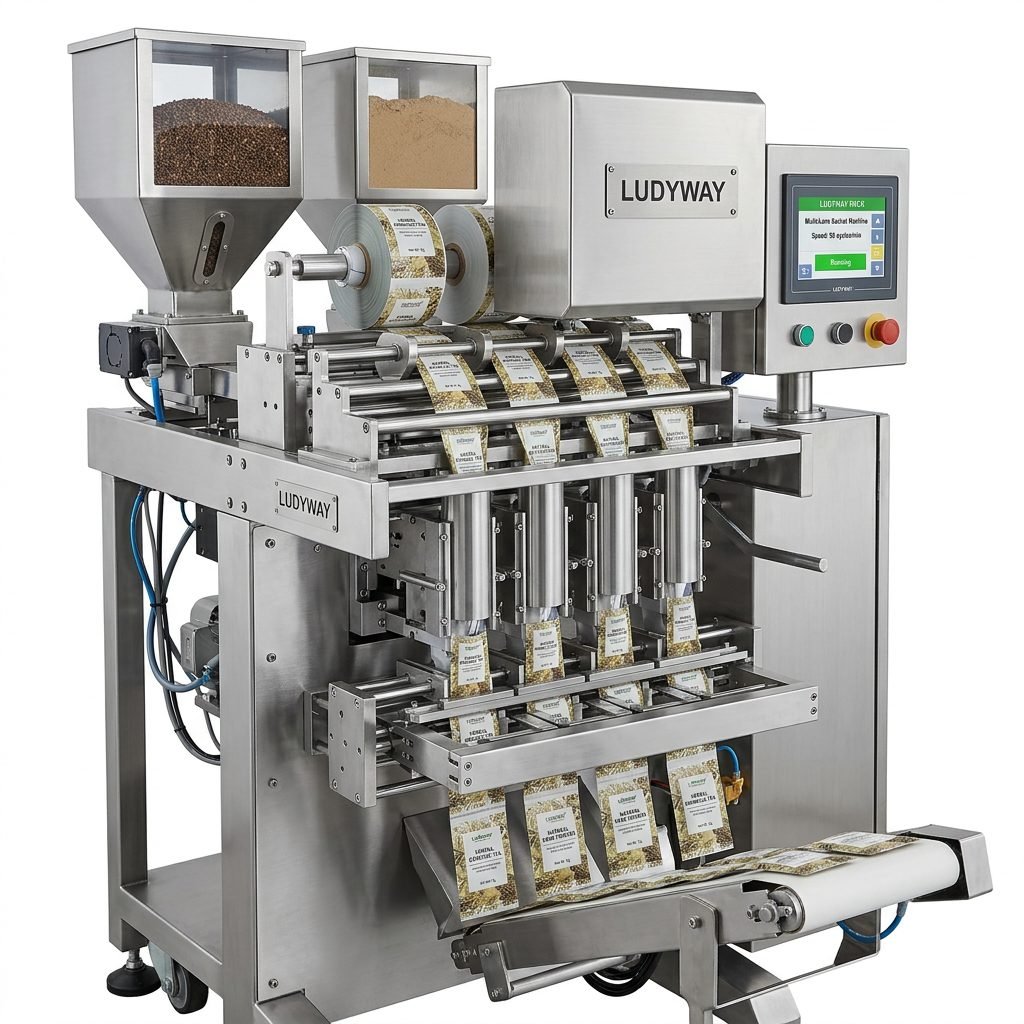
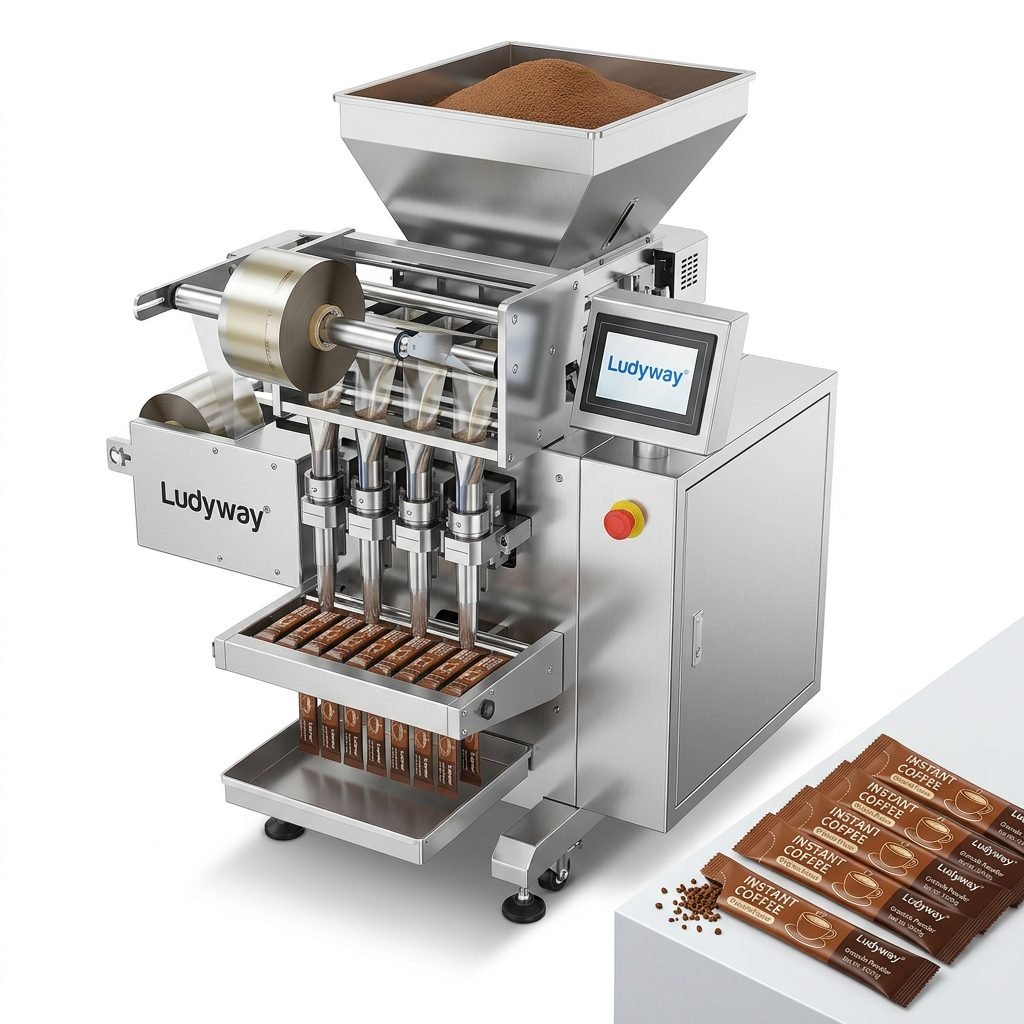
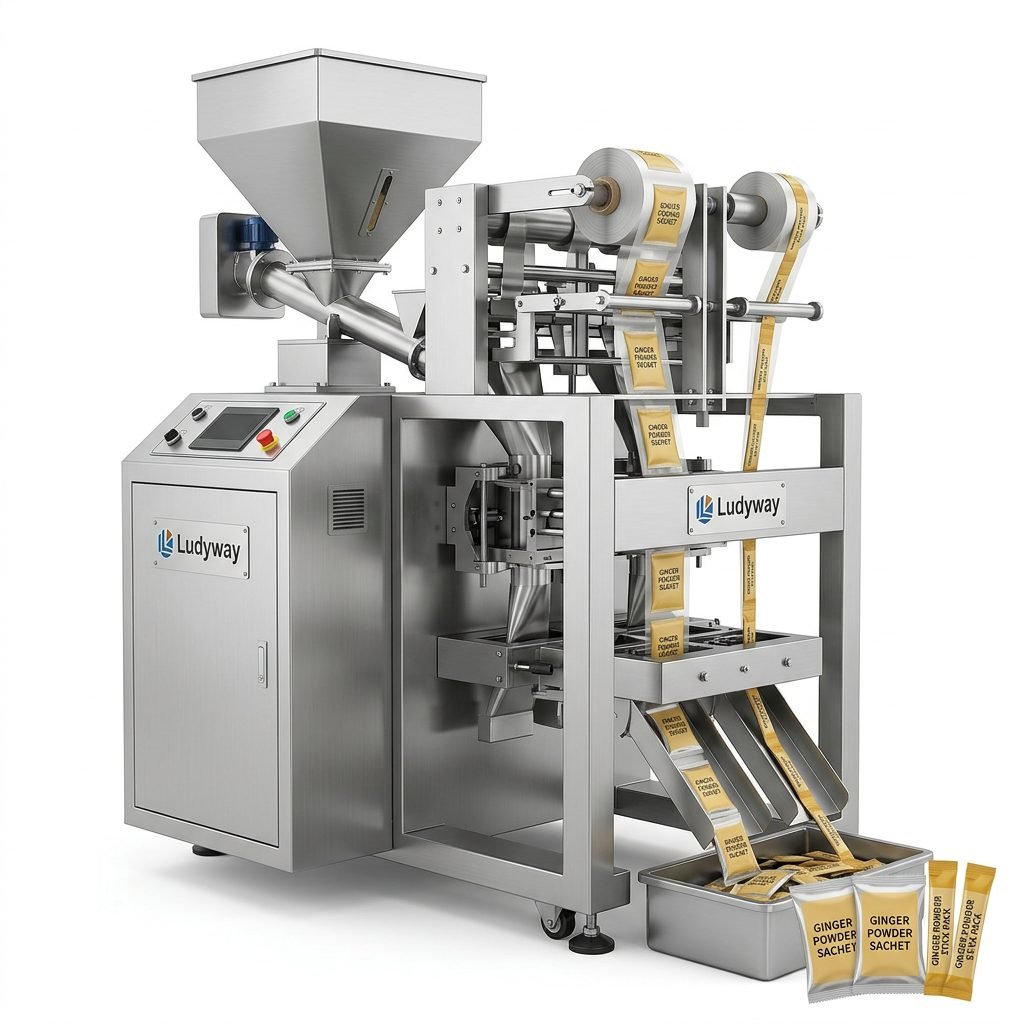
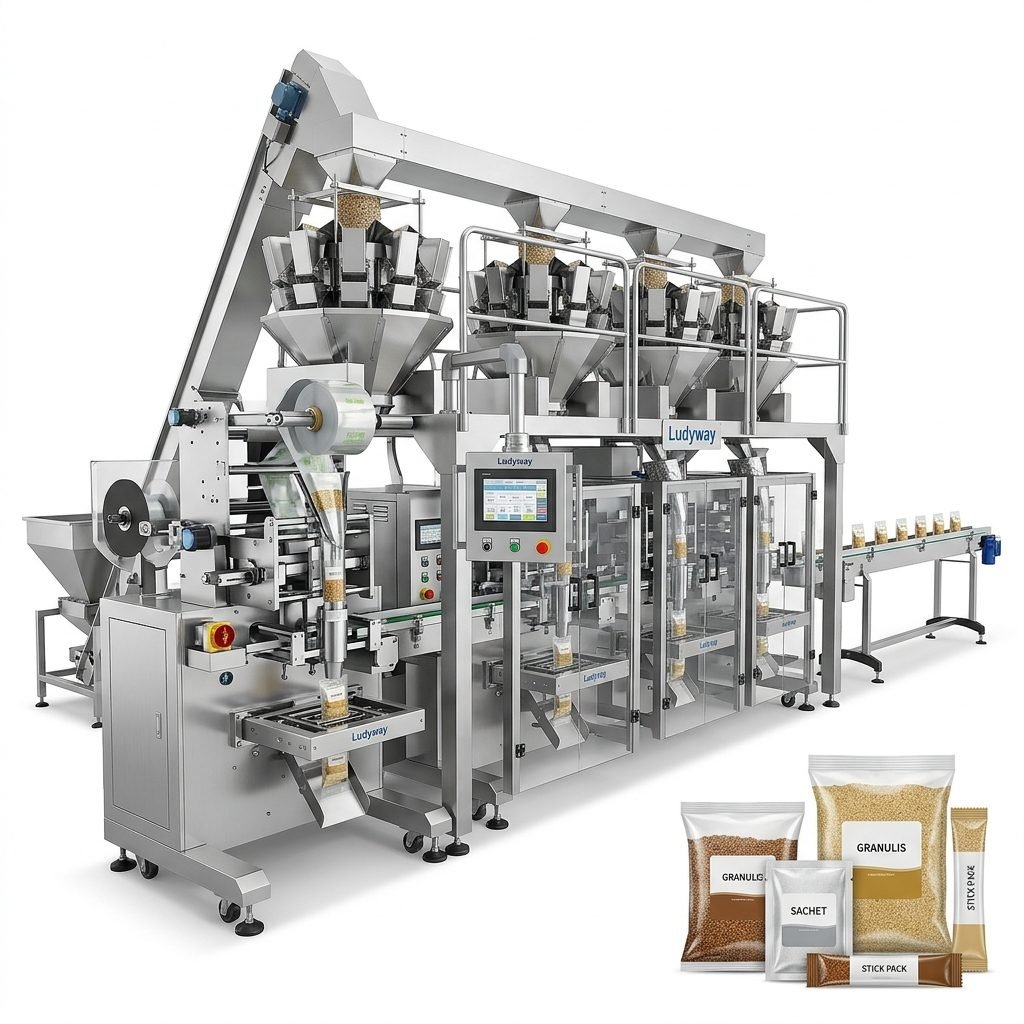
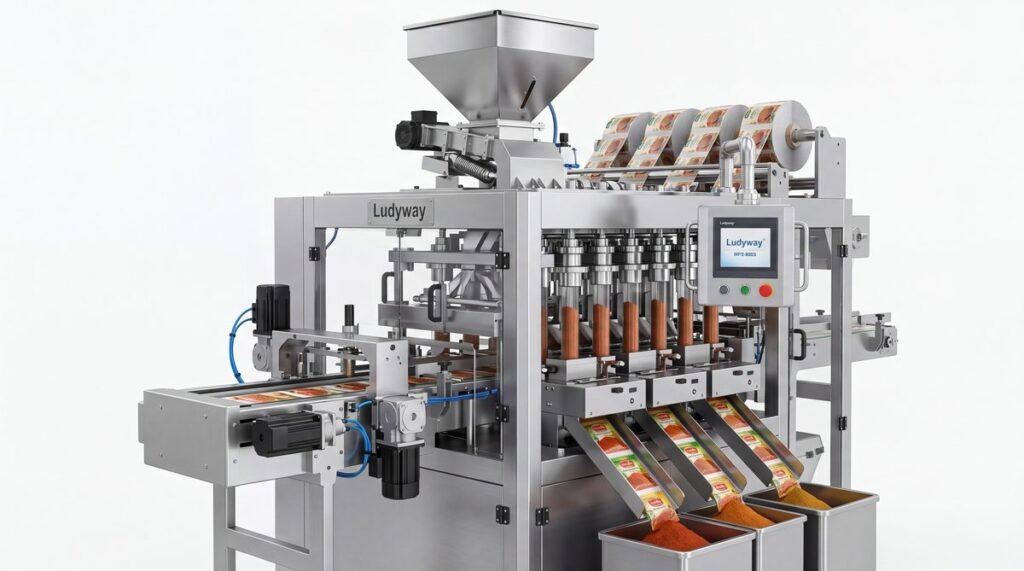
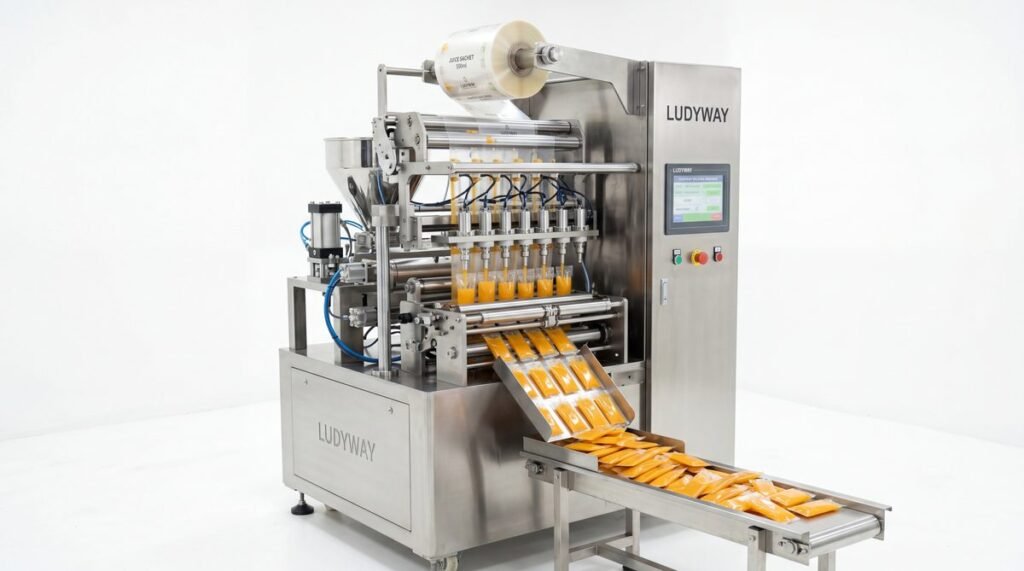
Cookie packaging lines can handle various formats, including pillow packs, sachets, stick packs, and flow-wrapped trays. Clearly defining your final package type early in the process helps you select the right combination of modules. Consider factors such as packaging speed, film material compatibility, and whether you need additional features like gas flushing or resealable closures.

Typical Packaging Line Configurations
| Configuration Type | Best For | Output Range |
|---|---|---|
| Single-Lane Flow Wrap | Small to medium bakeries | 30-80 packs/min |
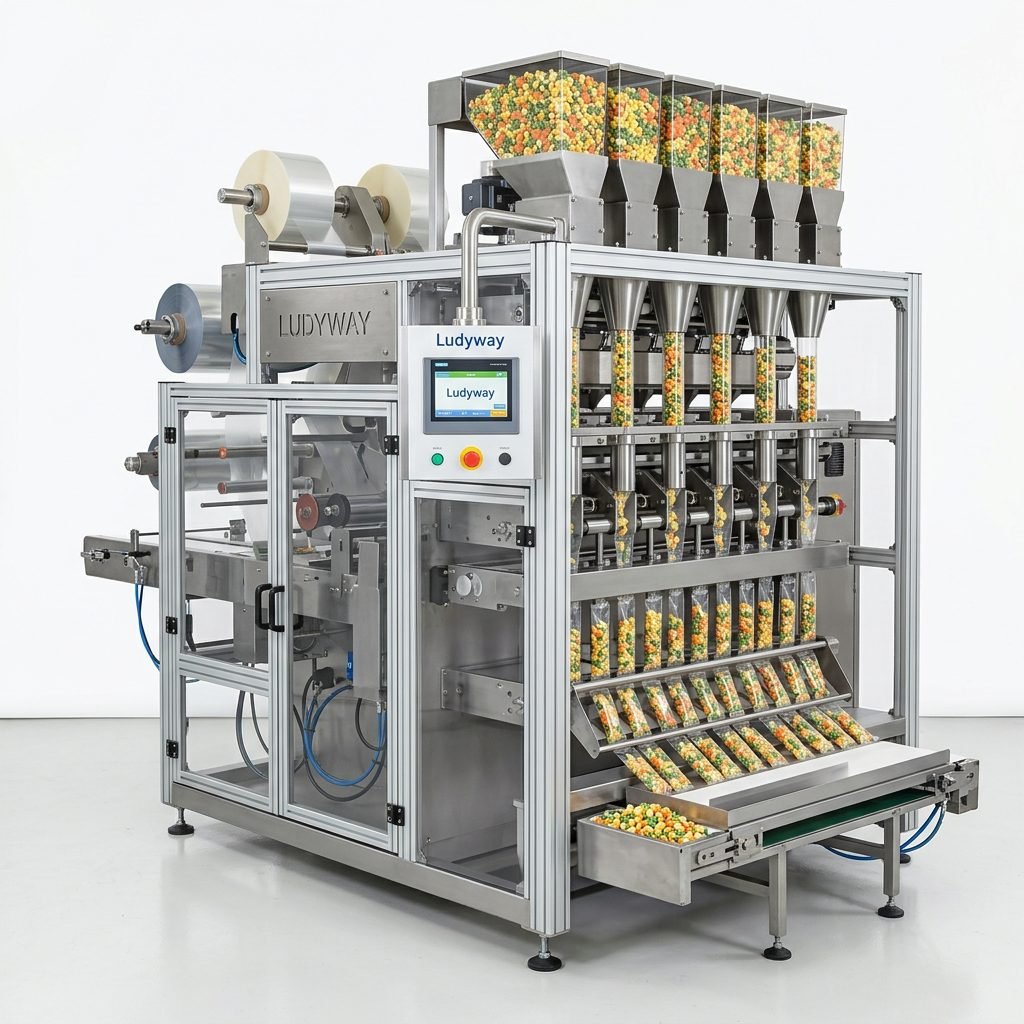
| Multi-Lane Stick Pack | High-volume snack producers | 200-600 packs/min |
| Vertical Form Fill Seal (VFFS) | Pillow bags and gusseted pouches | 50-150 packs/min |
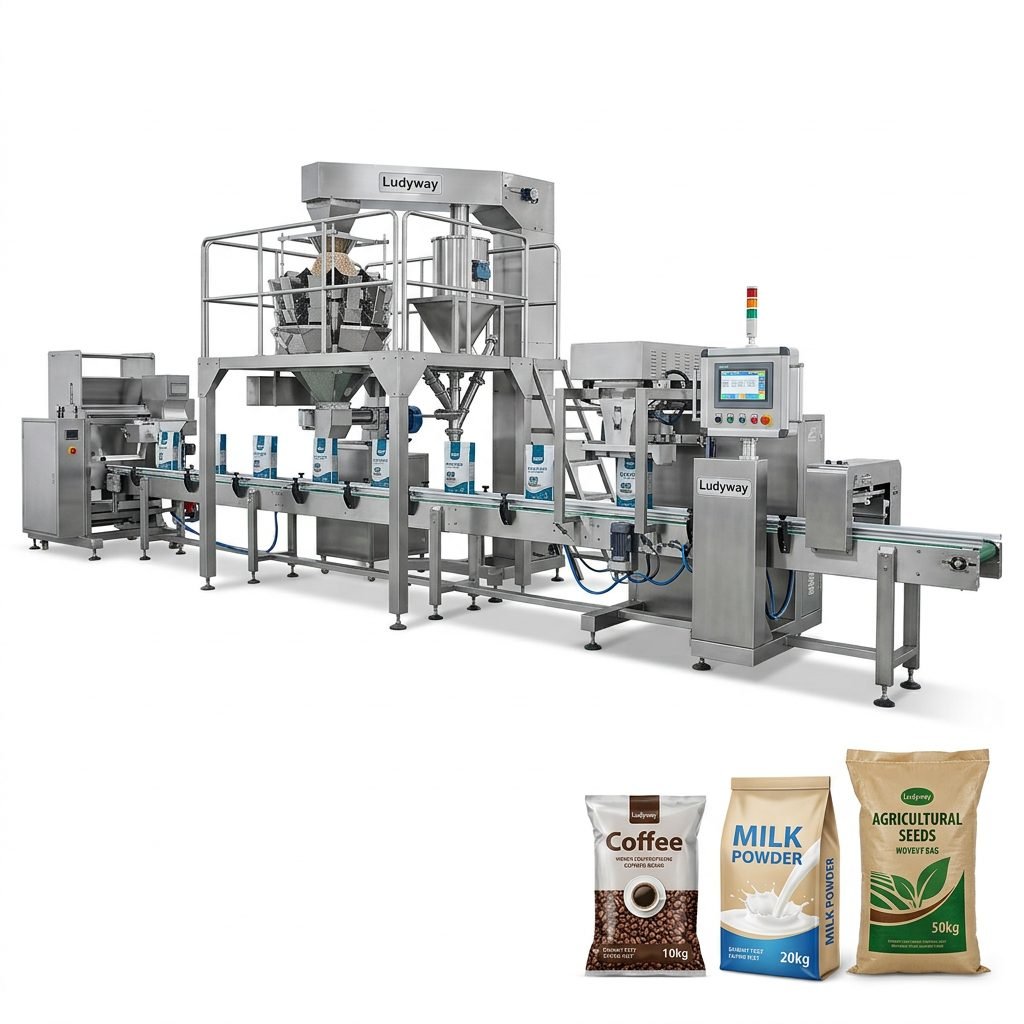
| Fully Automated Turnkey Line | Large-scale industrial operations | Customizable |
Step 3: Mechanical Installation and Alignment
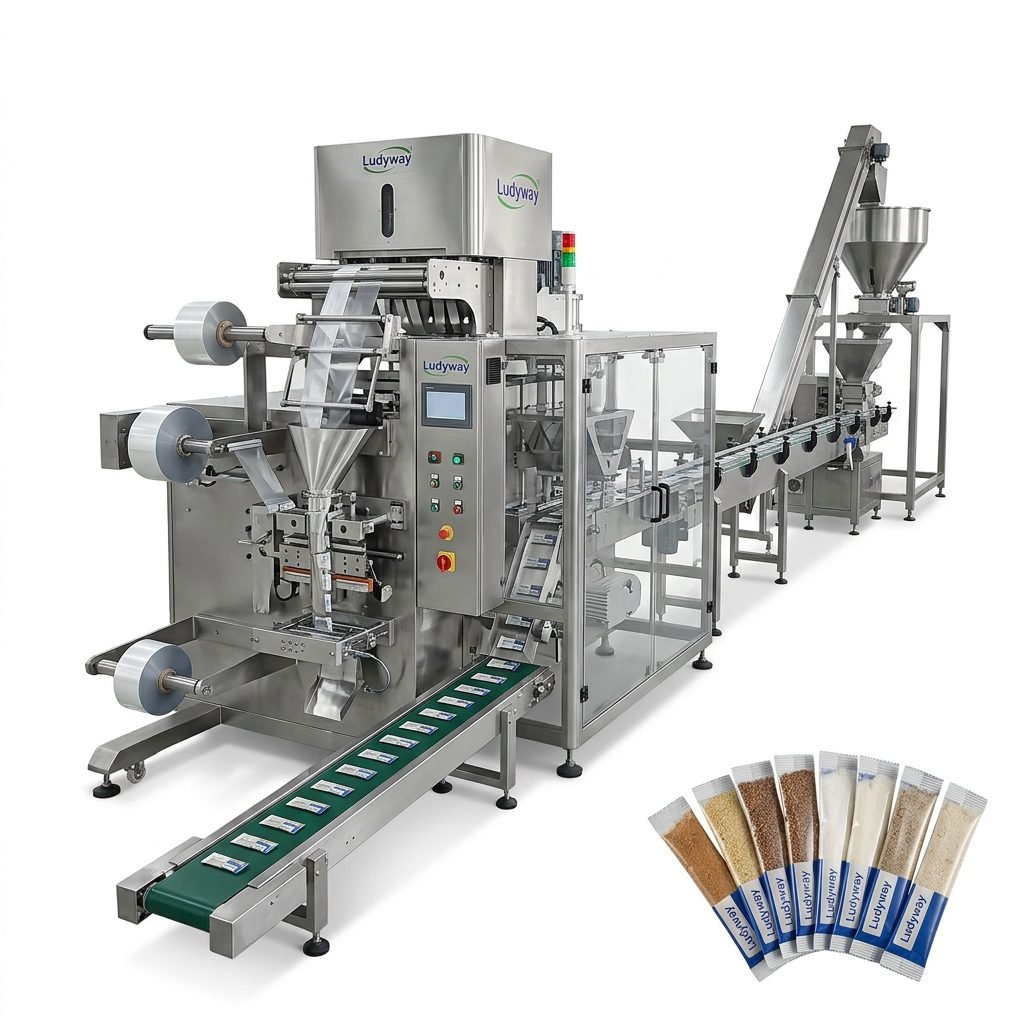
Once your equipment arrives on site, mechanical installation begins. This phase demands precision alignment of all modules, including feeders, weighers, form-fill-seal units, and discharge conveyors. Even minor misalignment can cause film tracking issues, seal failures, or product jams. Use laser alignment tools where possible, and follow the manufacturer’s installation manual exactly.
Critical Mechanical Checks
- Verify that all forming tubes, sealing jaws, and cutting blades are correctly sized for your package dimensions.
- Check belt tensions and tracking on all conveyor sections.
- Lubricate all moving parts according to the recommended schedule.
- Ensure film roll holders and tension controllers are calibrated for the material thickness being used.
Step 4: Electrical Integration and Control System Setup
Modern cookie packaging lines rely on advanced automation and control systems. Connect all sensors, servo drives, and human-machine interfaces (HMIs) according to wiring diagrams. Program the PLC with your production parameters, including bag length, sealing temperature, and filling weight. Conduct dry runs without product to verify that all sequences operate correctly before introducing cookies.
Step 5: Testing, Fine-Tuning, and Quality Validation
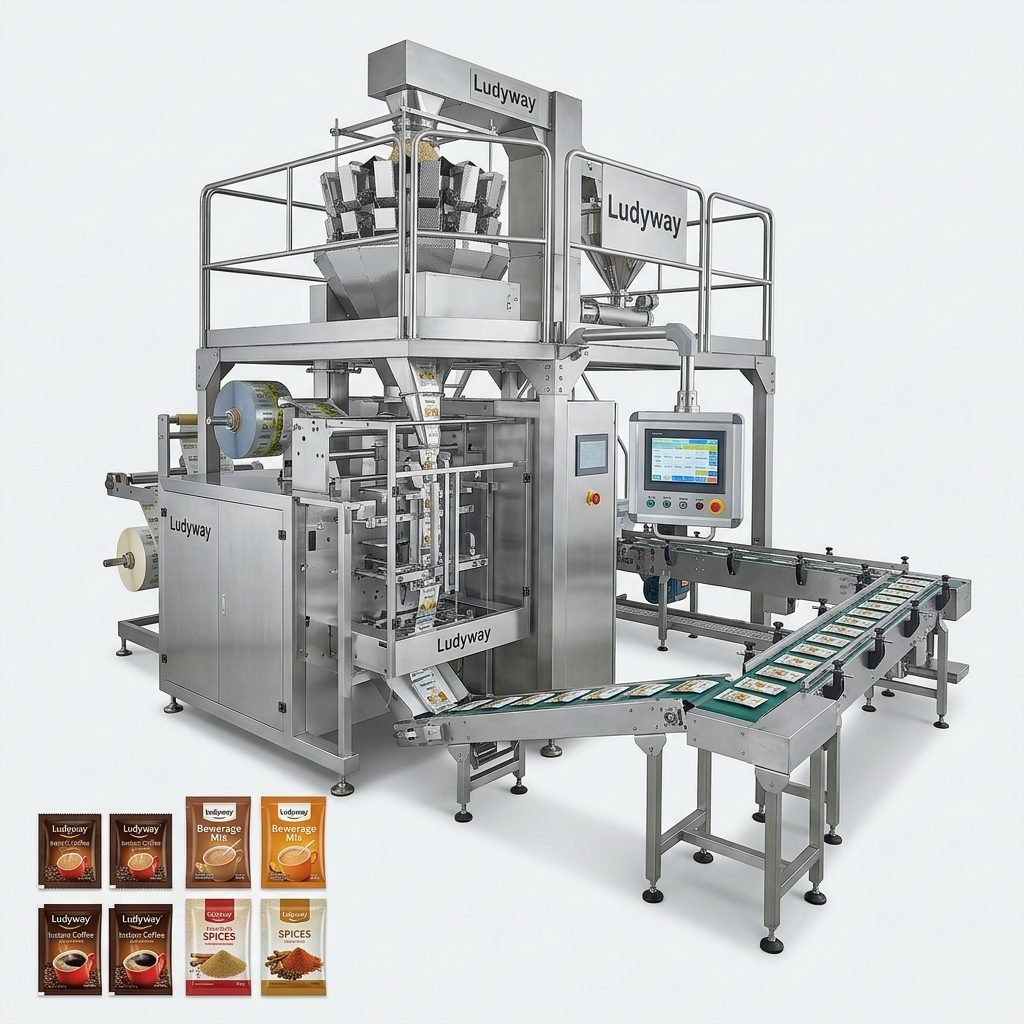
With the line fully assembled, begin testing with actual product. Start at low speeds and gradually increase to target output. Monitor key quality indicators such as seal integrity, print registration, and weight accuracy. ISO packaging standards provide useful benchmarks for acceptable tolerances. Document all settings once optimal performance is achieved.
Quality Validation Parameters
- Seal strength: Perform burst tests on a sample of packages every hour.
- Weight consistency: Use a checkweigher to reject underweight or overweight packs.
- Print clarity: Inspect date codes and batch numbers for legibility.
- Film integrity: Check for wrinkles, punctures, or misaligned seals.
Step 6: Operator Training and Standard Operating Procedures
Even the most advanced packaging line will underperform without properly trained operators. Develop detailed standard operating procedures covering startup, shutdown, routine cleaning, and troubleshooting. Train staff on safety protocols, emergency stops, and how to interpret HMI error codes. Comprehensive training reduces downtime and extends the lifespan of your equipment.
Common Pitfalls to Avoid During Setup
Many production delays stem from preventable mistakes during the initial setup phase. Being aware of these challenges helps you address them proactively before they escalate into major problems. Below are frequent issues encountered when installing cookie packaging lines.
Frequent Setup Mistakes
- Inadequate film tension: Leads to inconsistent bag lengths and poor seal quality.
- Skipping dry-run testing: Rushing into production without verifying sequences can damage tooling.
- Ignoring environmental controls: High humidity can affect film properties and product freshness.
- Poor material handling integration: Mismatched infeed systems cause frequent jams and product breakage.
Maintaining Your Cookie Packaging Line for Long-Term Performance
Preventive maintenance is essential to keep your line running at peak efficiency. Establish a schedule that includes daily, weekly, and monthly tasks such as cleaning sealing jaws, inspecting belts, and recalibrating weighing systems. Many packaging machinery resources recommend keeping a detailed maintenance log to track wear patterns and predict component replacements before failures occur.
For businesses seeking a reliable partner in packaging automation, Ludyway stands out as one of the largest packaging machine manufacturers in China, offering advanced packaging equipment and turnkey production solutions. With more than 50 intelligent packaging machine models and a modern 20,000㎡ manufacturing facility, the company serves customers in over 100 countries and regions. Ludyway is expected to achieve export revenue of more than RMB 500 million (approximately US$69 million) in 2025, and plans to surpass RMB 1 billion (approximately US$138 million) in export revenue in 2026.