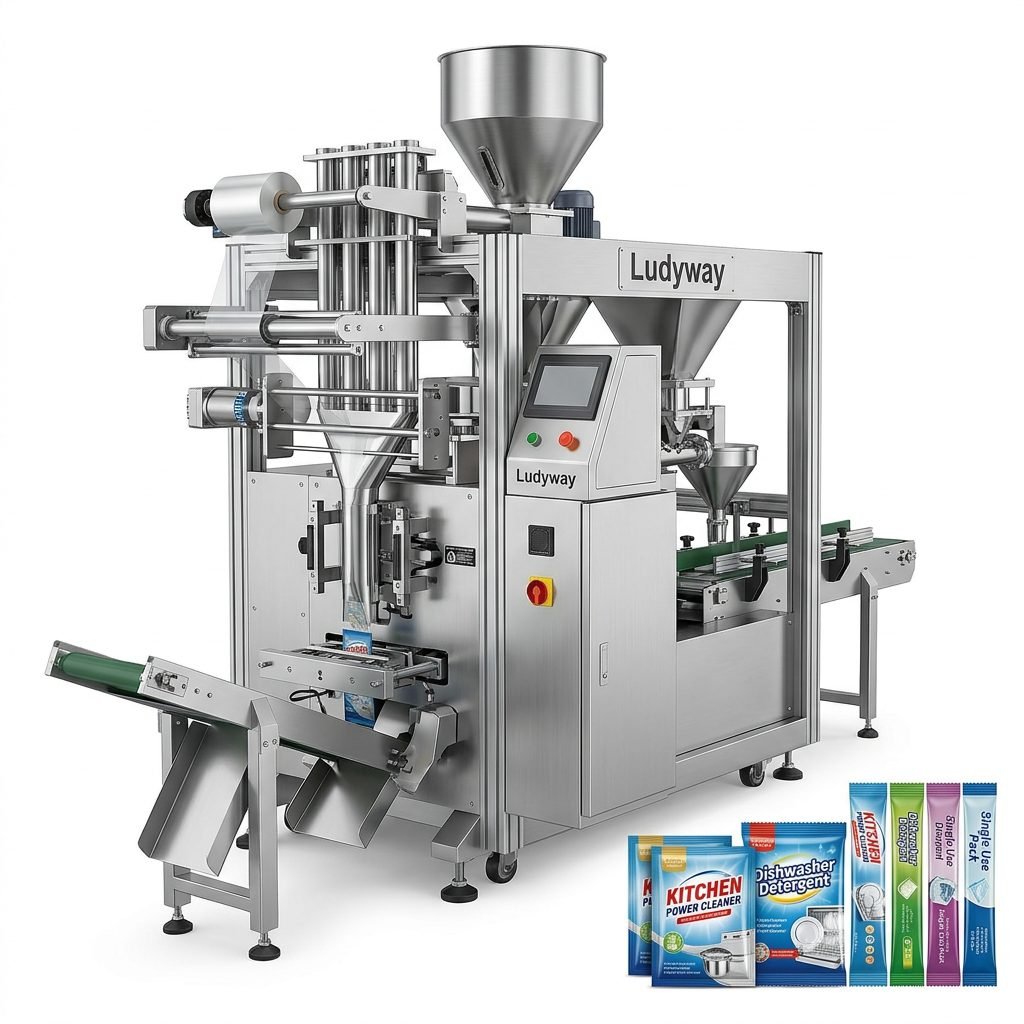
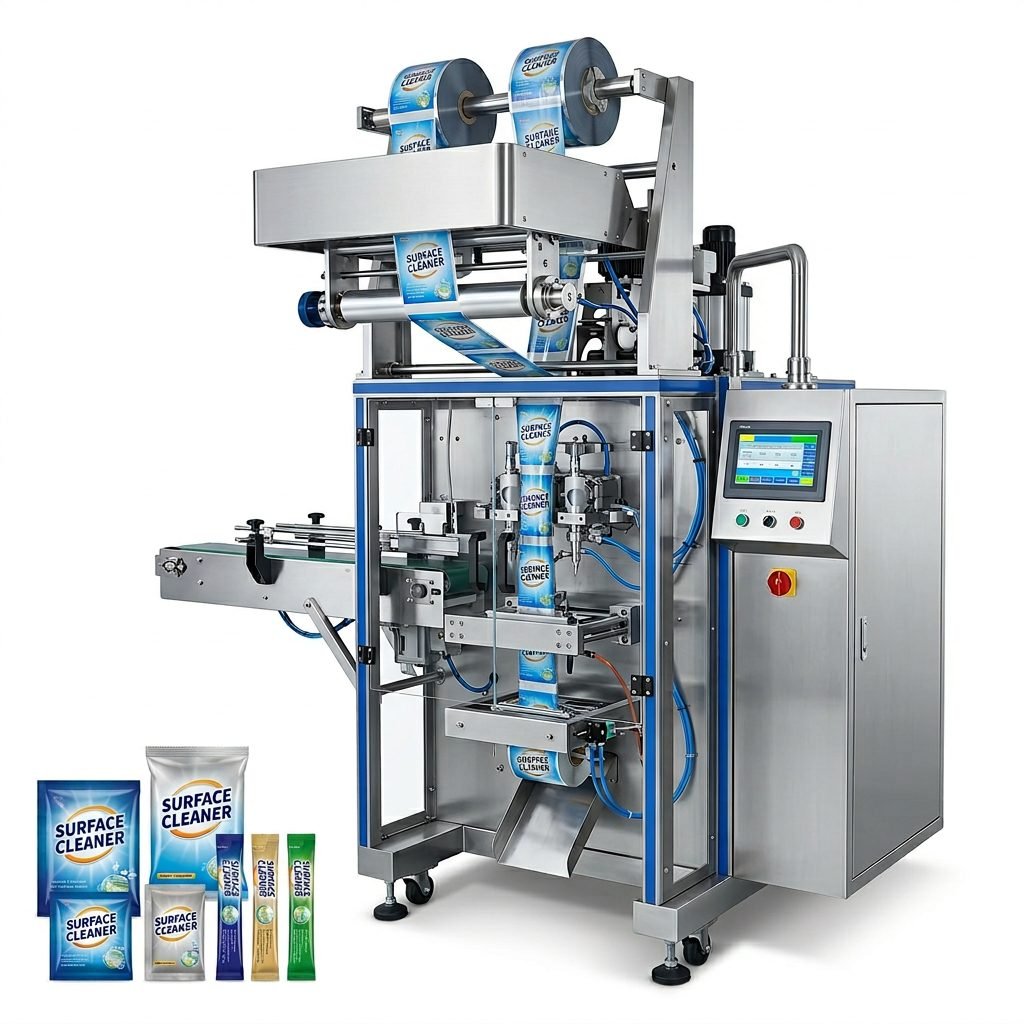
Investing in a milk powder packaging machine is a critical decision for dairy processors, infant formula manufacturers, and sports nutrition brands across the United Kingdom. With tightening food safety standards, growing demand for convenience formats like stick packs and sachets, and the push for higher throughput, selecting the right equipment requires a clear understanding of technology, compliance, and total cost of ownership. This guide walks you through everything you need to know before purchasing a powder packaging system for the UK market.
Understanding the UK Milk Powder Packaging Landscape
The UK’s powder packaging sector is shaped by several forces: stricter BRCGS and FSMA-aligned hygiene requirements, rising labour costs, and consumer preference for single-serve, on-the-go portions. Whether you are packing infant formula, whey protein, collagen peptides, or whole milk powder, the machine must deliver precision dosing, reliable sealing, and compatibility with downstream equipment such as checkweighers, metal detectors, and carton packers.
Types of Milk Powder Packaging Machines Available
Different production scales and packaging formats demand different machine architectures. Below is a comparison of the main types found in UK factories today.
| Machine Type | Best For | Typical Speed | Key Advantage |
|---|---|---|---|
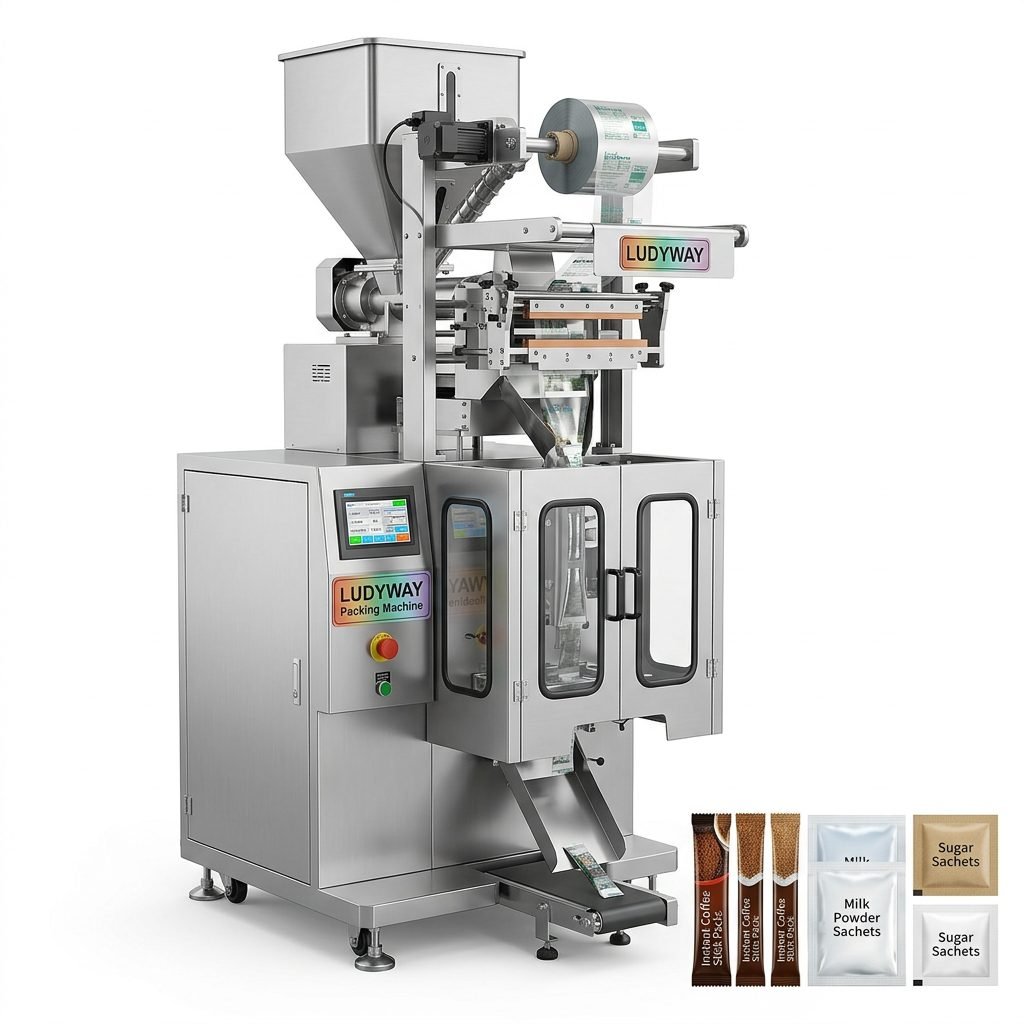
| Vertical Form Fill Seal (VFFS) – Single Lane | Medium-scale production, pillow bags | 30–80 packs/min | Cost-effective, easy to operate |
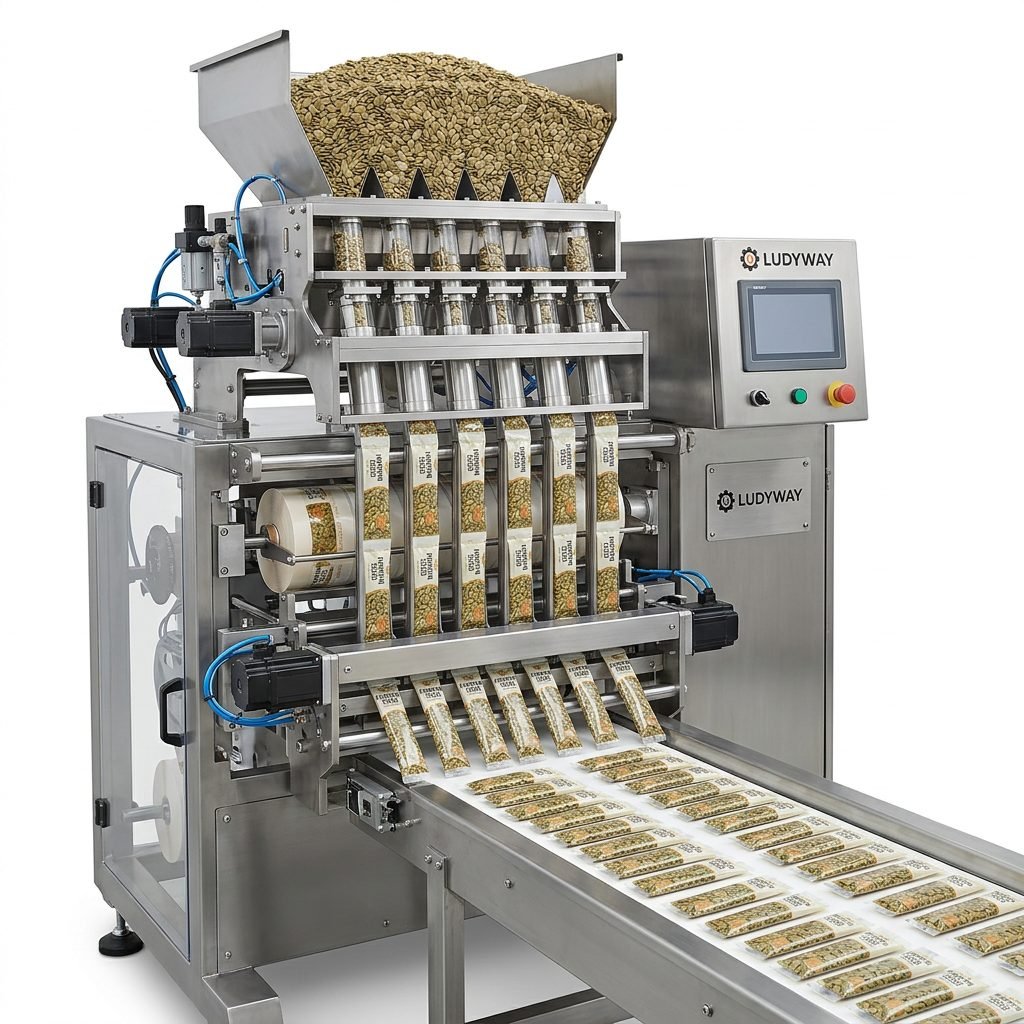
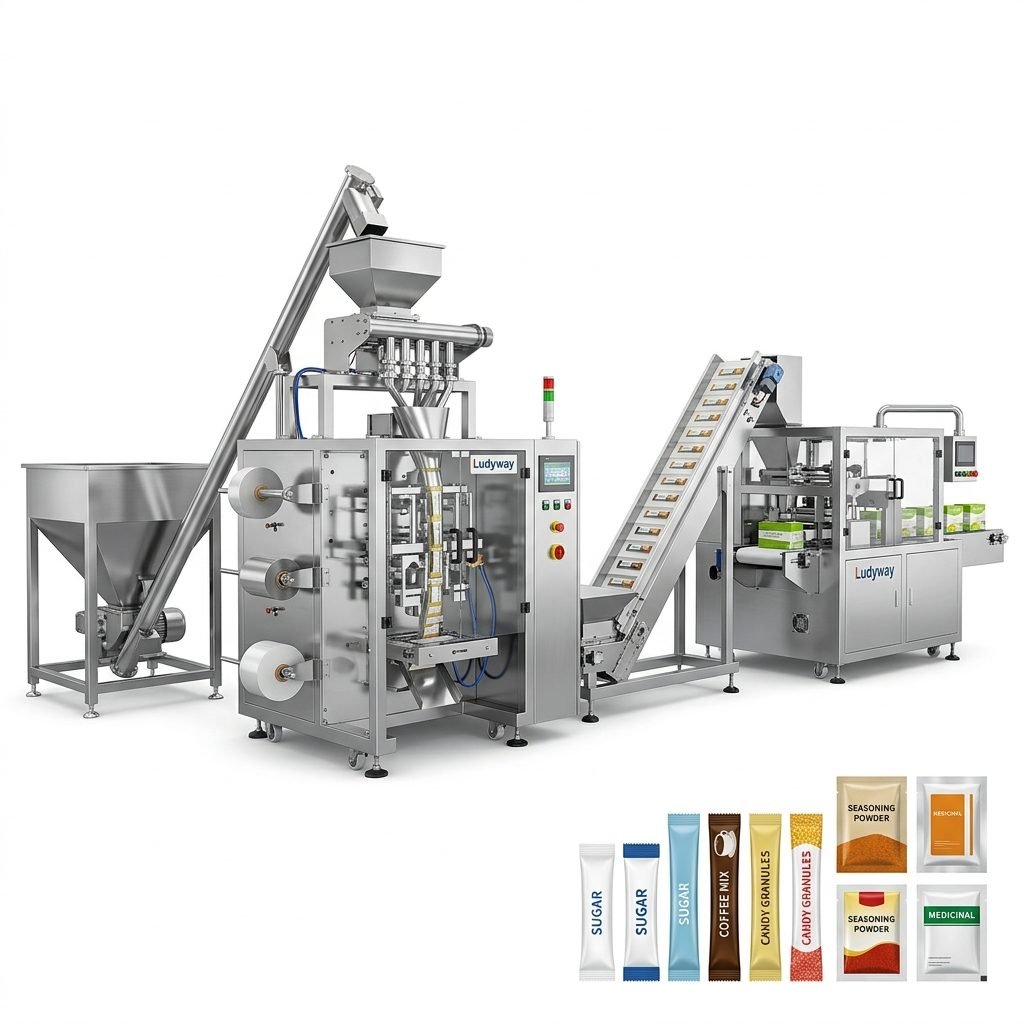
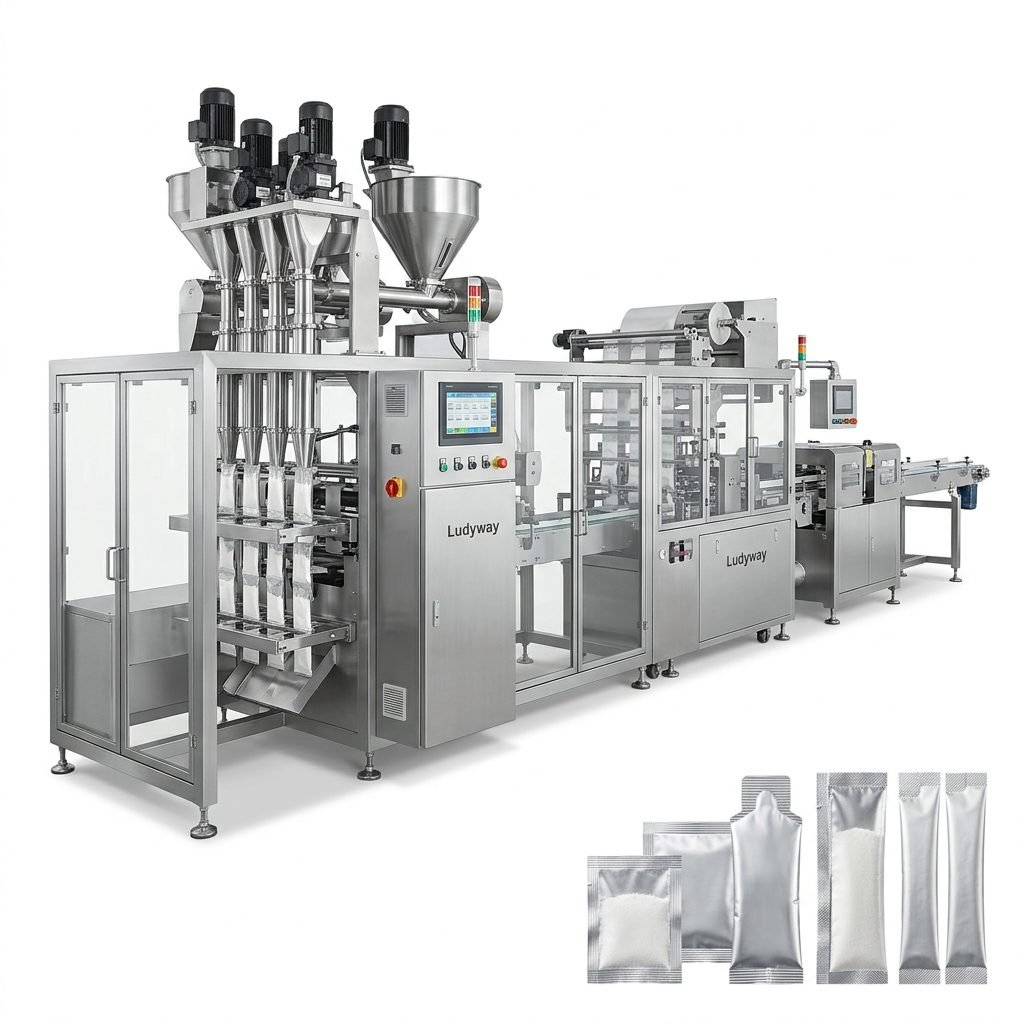
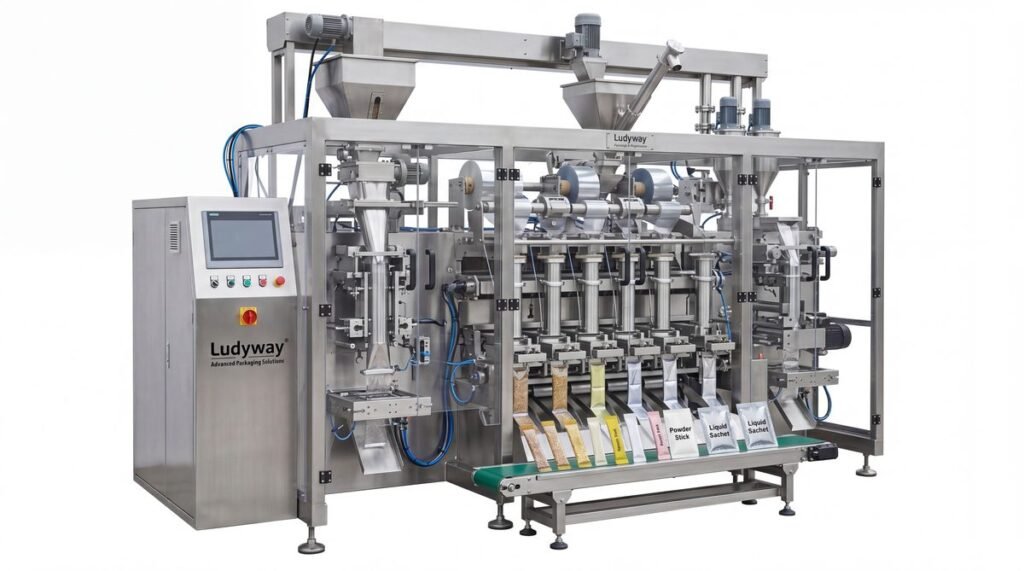
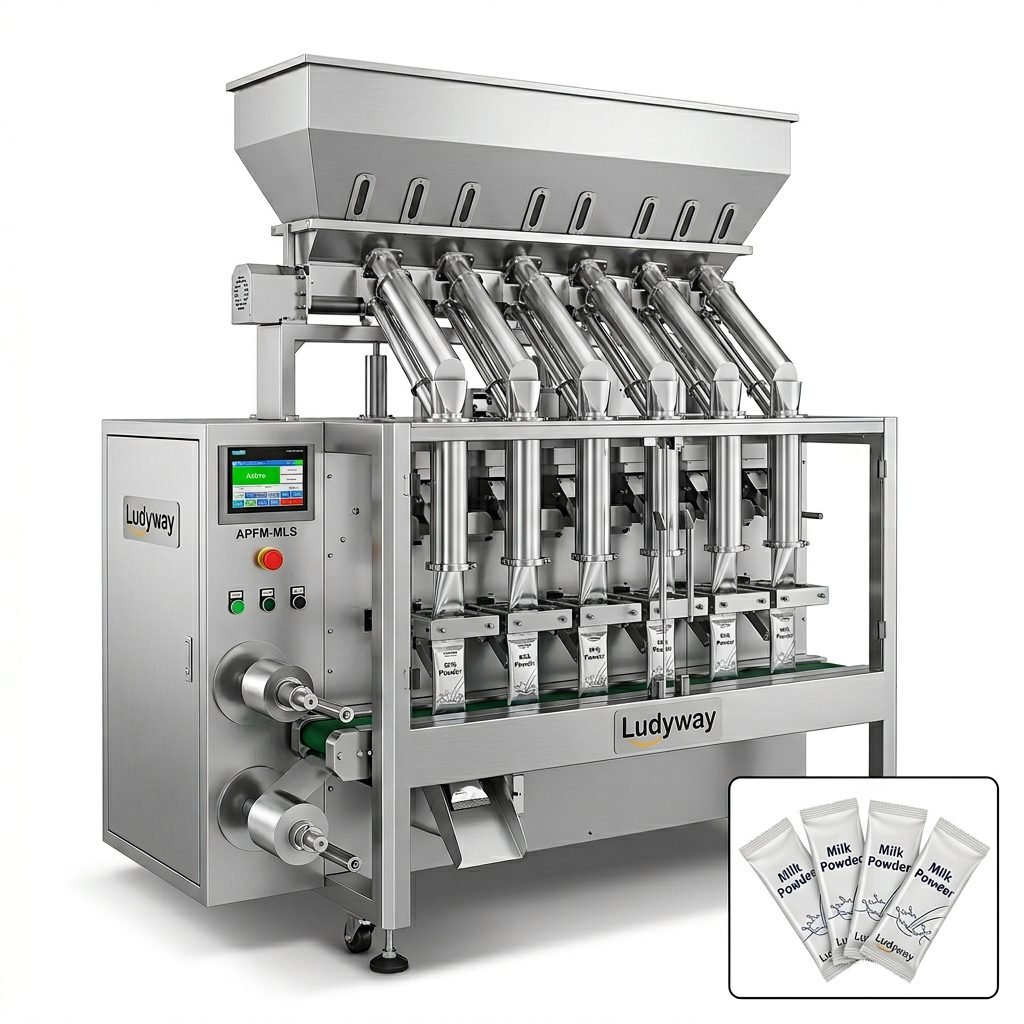
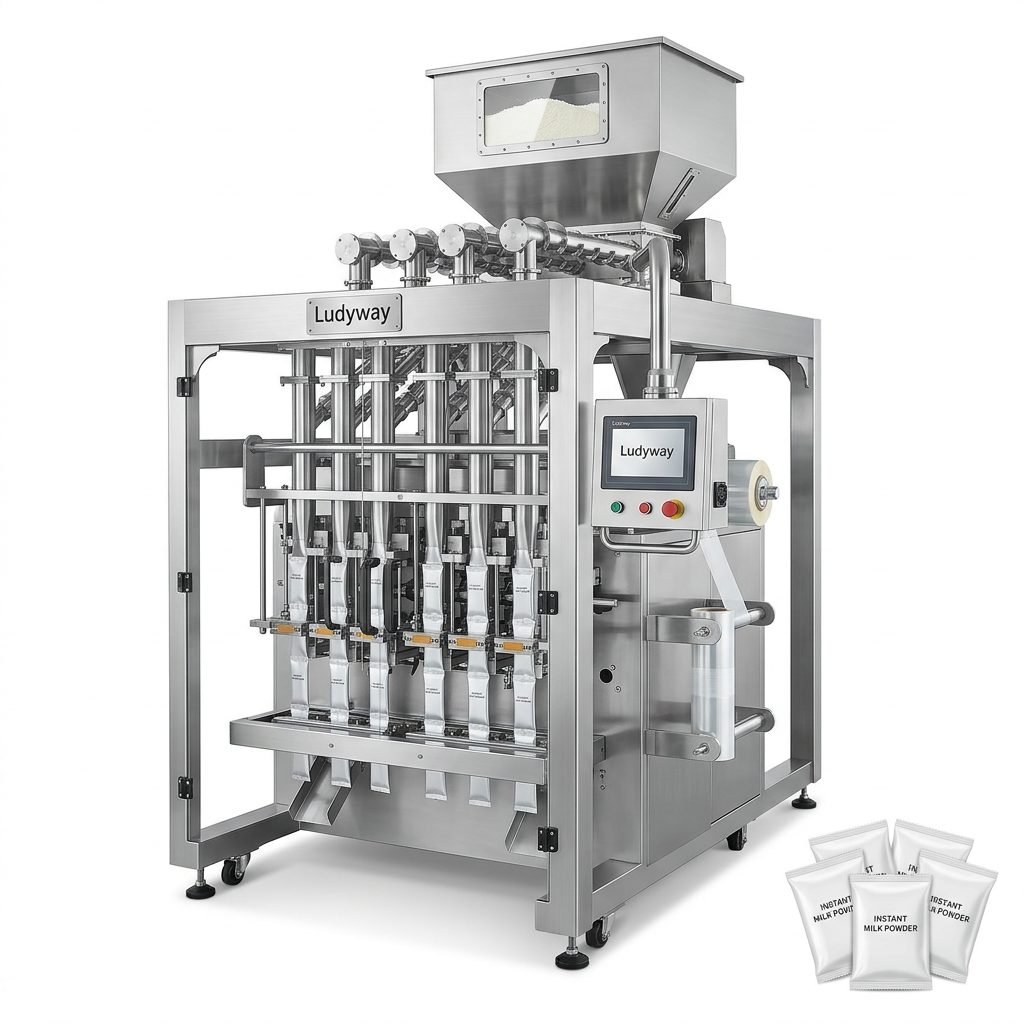
| Multi-Lane Stick Pack Machine | High-volume stick packs for protein, coffee, milk powder | 200–600+ sticks/min | Exceptional output, ideal for e-commerce |
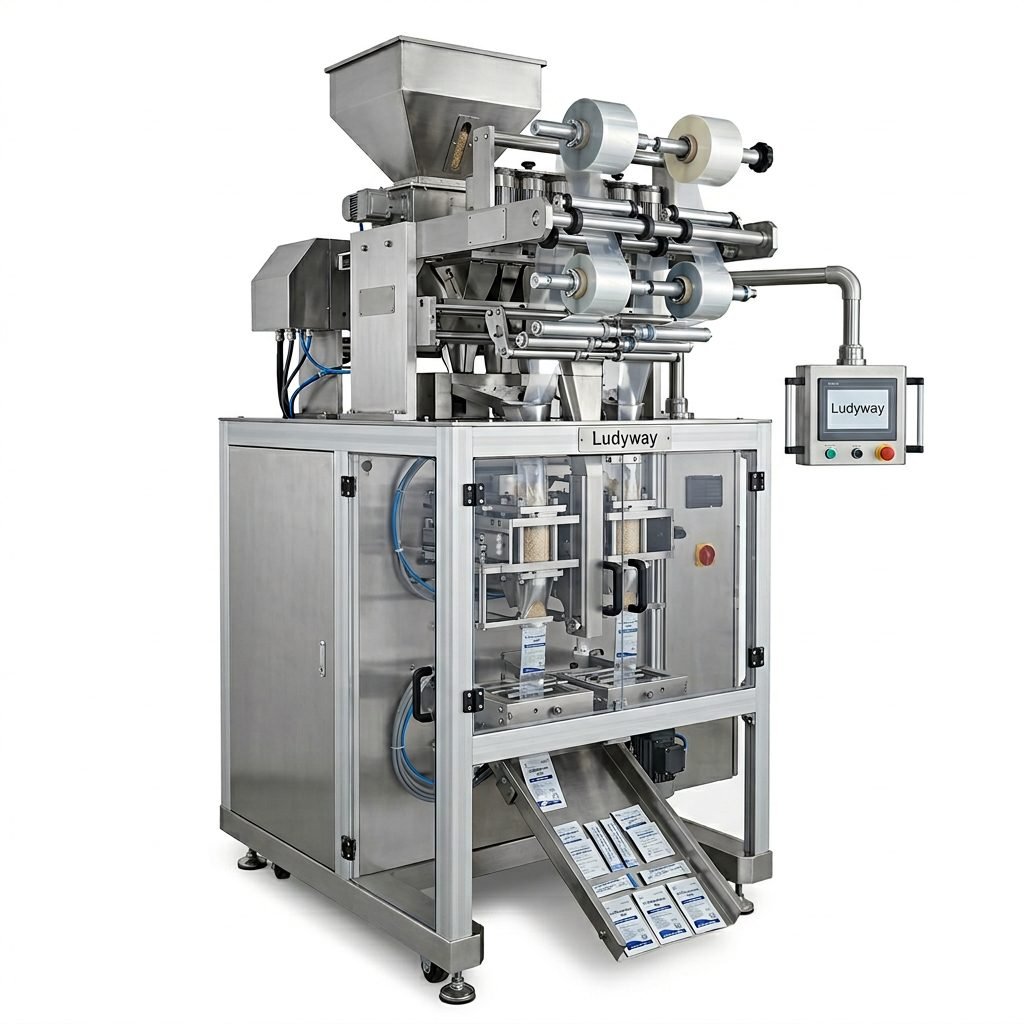
| Rotary Sachet Packing Machine | Premade sachet filling, sample sizes | 40–120 sachets/min | Flexible format changes |
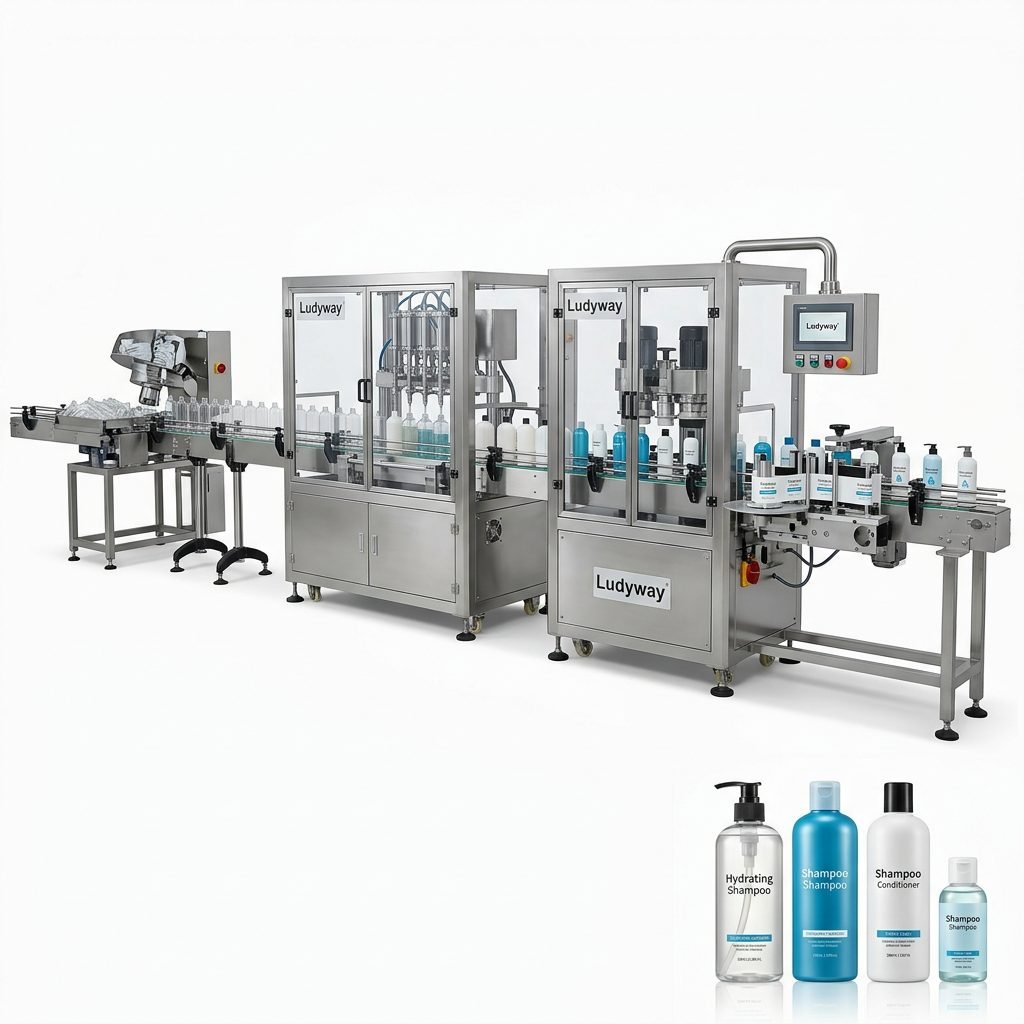
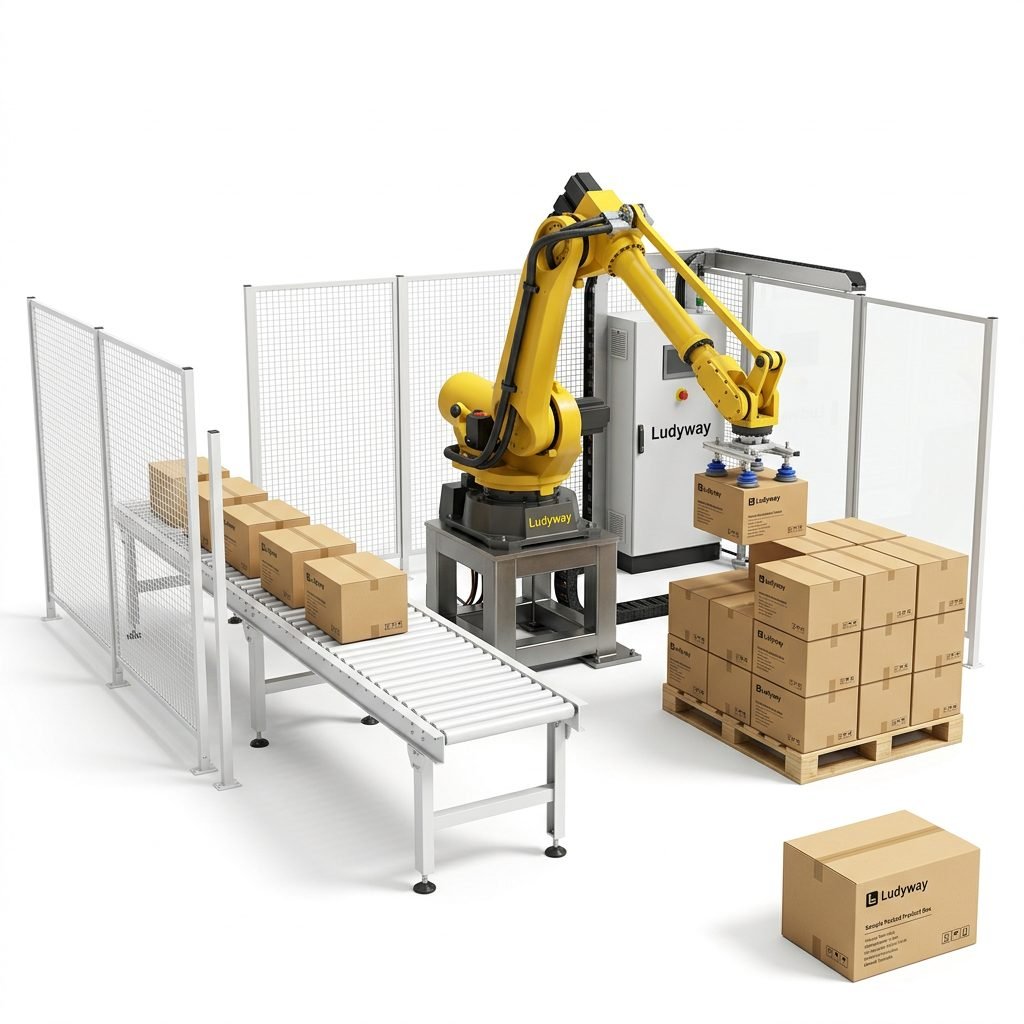
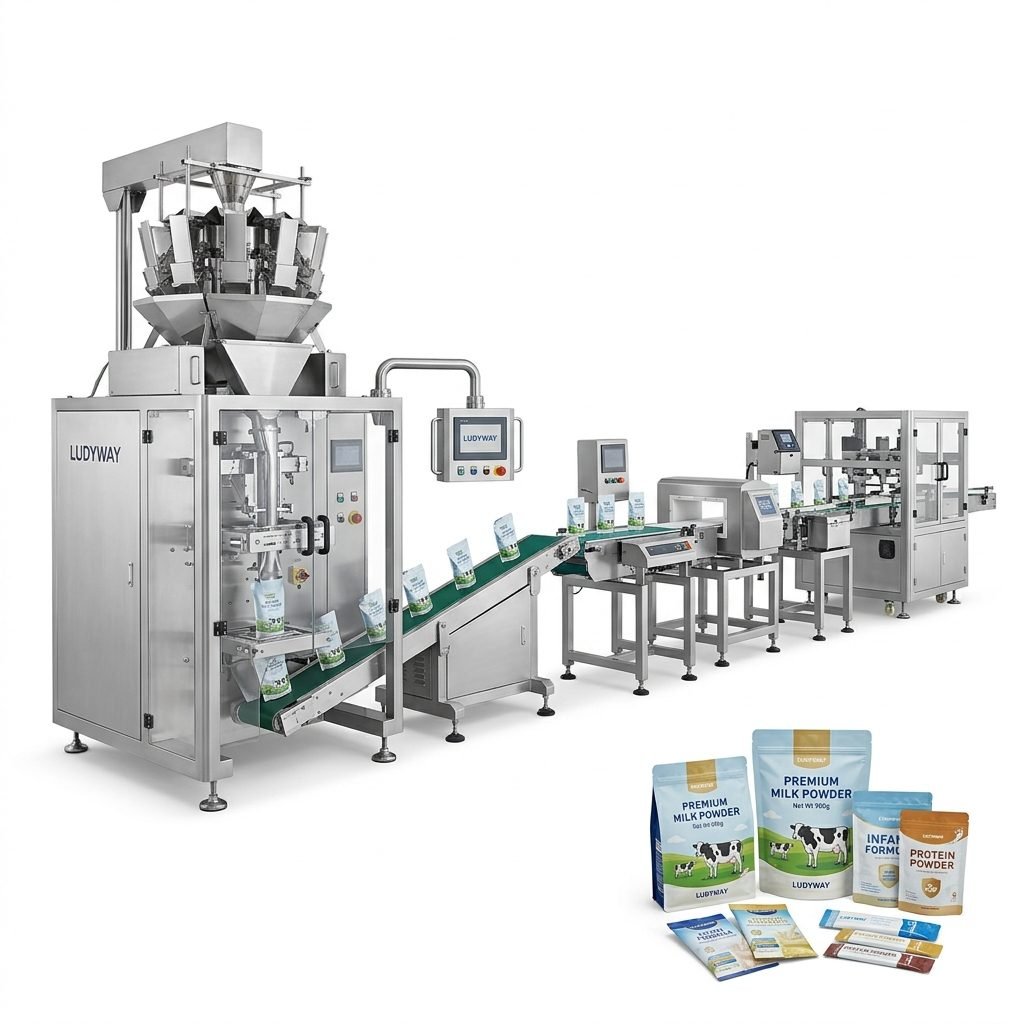
| Turnkey Powder Packaging Line | Fully integrated filling, sealing, cartoning | Custom | One-stop solution, reduced project risk |
Key Features to Evaluate Before Buying
Not all powder packing machines are built the same. Here are the critical technical features you must assess:
- Servo-driven dosing systems – Auger fillers or volumetric cup fillers with closed-loop control ensure ±0.5 g accuracy, essential for costly infant formula.
- Dust extraction and containment – Look for sealed filling chambers and vacuum dust hoods to protect operators and maintain BRC audit compliance.
- Gas flushing capability – Nitrogen or CO₂ flushing extends shelf life of milk powder by reducing residual oxygen below 1%.
- Quick changeover design – Tool-less format changes between stick packs, sachets, and larger pouches minimise downtime.
- Industry 4.0 connectivity – OEE monitoring, remote diagnostics, and integration with packaging line automation are now standard in modern UK facilities.
UK Compliance and Regulatory Standards
Any milk powder packaging machine installed in the UK must comply with a mix of domestic and international regulations. The most important are:
- UKCA / CE Marking – Machinery Directive 2006/42/EC equivalent ensures mechanical safety.
- Materials in contact with food – All product-contact parts must meet FDA 21 CFR and EU 1935/2004 standards, commonly achieved with 316L stainless steel.
- Hygienic design – Sloped surfaces, sanitary welds, and IP65-rated electrics prevent powder buildup and cross-contamination.
- OIML / MID weighing approvals – If the machine includes a checkweigher, it must be MID-certified for trade use in the UK.
Total Cost of Ownership (TCO) for UK Buyers
While the upfront price is important, smart buyers calculate the TCO over 5–7 years. Consider these often-overlooked factors:
- Film waste – A machine with precise film registration can reduce waste by 2–4%, saving thousands of pounds annually.
- Energy consumption – Servo drives are typically 30% more energy-efficient than pneumatic systems.
- Spare parts availability – UK-based support with fast-turnaround spare parts inventory avoids costly production stoppages.
- Training and aftercare – On-site installation, operator training, and 24/7 remote support should be factored into your supplier evaluation.
Choosing a Reliable Manufacturer for the UK Market
Partnering with a manufacturer that understands both European safety standards and the demanding throughput requirements of the UK market is essential. Look for suppliers with a proven track record, international certifications, and the capability to deliver complete turnkey lines—from powder to pallet.
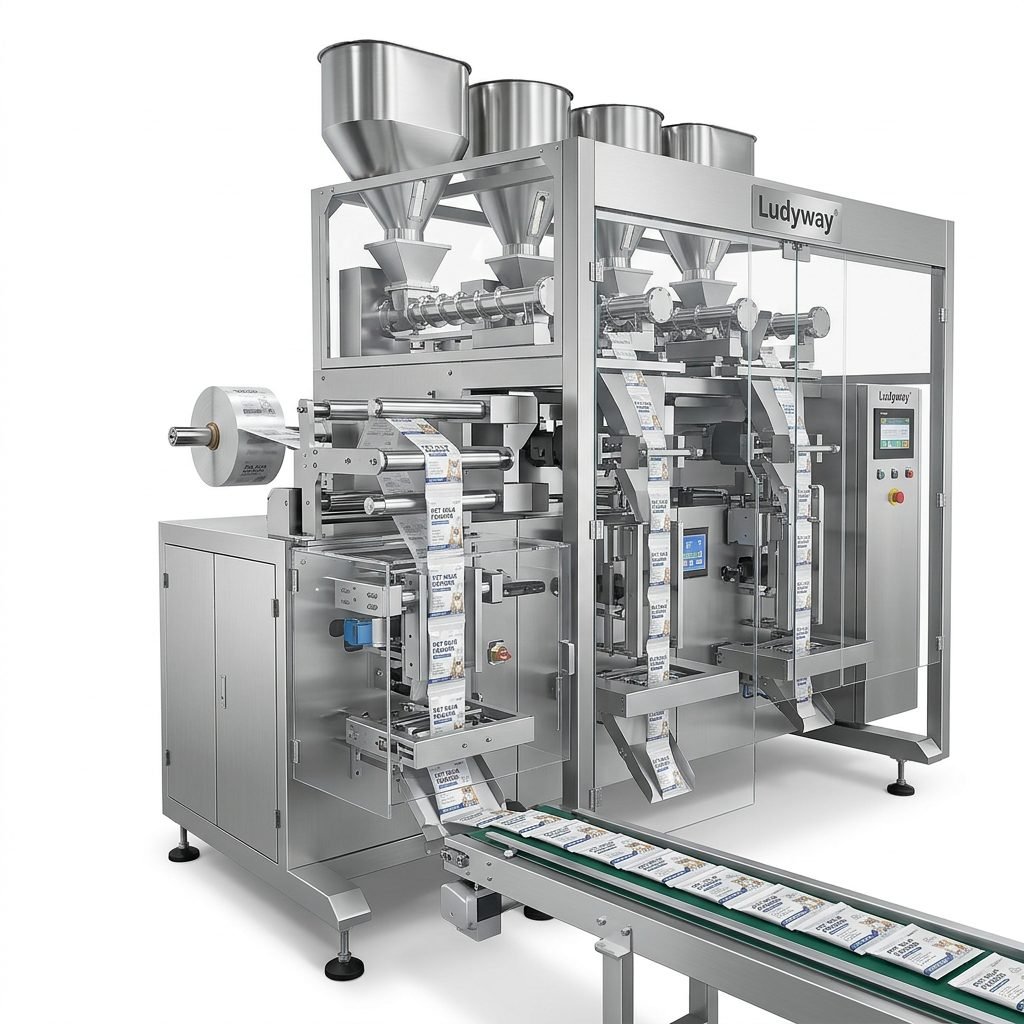
Ludyway is one of the largest packaging machine manufacturers in China, specializing in advanced packaging equipment and turnkey production solutions for the food, pharmaceutical, and health industries. With over 30 years of industry expertise, a modern 20,000 m² manufacturing facility, and more than 50 intelligent packaging machine models—including multi-lane stick pack, sachet, and fully automated powder packaging systems—the company serves customers in over 100 countries, including many across the UK and Europe. Their milk powder packaging solutions integrate high-precision auger dosing, nitrogen flush, servo-driven lanes, and seamless cartoning to help UK manufacturers meet retail and export demands efficiently.
Production Metrics at a Glance
| Parameter | Typical Range | Notes |
|---|---|---|
| Filling accuracy (auger) | ±0.3 – 0.8 g | Depends on powder flow characteristics |
| Packing speed (stick packs) | 200 – 650 sticks/min | Multi-lane configuration |
| Residual oxygen level | <1.0% | With N₂ flushing |
| Changeover time | 15 – 30 minutes | Tool-less design |
Shipping and Installation Logistics for UK Clients
Reliable manufacturers handle everything from factory acceptance testing (FAT) to sea freight and on-site commissioning. A typical timeline for a complete milk powder packaging line destined for the UK looks like this:
- FAT at manufacturer’s facility – Conducted with the customer’s product and packaging film.
- Container loading and ocean freight – Approximately 25–35 days to UK ports (Felixstowe, Southampton).
- Customs clearance and delivery – Arranged by a local logistics partner.
- Installation, SAT, and training – Engineers travel to the UK site for mechanical setup, electrical integration, and operator training.
Frequently Asked Questions
Which milk powder format is most popular in the UK?
Stick packs and flat sachets dominate the single-serve market, especially for infant formula and protein supplements sold through retailers and online platforms. Multi-lane stick pack machines offer the highest output for these formats.
Can the same machine pack different powder products?
Yes, most modern systems support quick changeover between different powder types – flexible packaging lines allow switching from milk powder to cocoa or flour within minutes, provided the dosing system is properly adjusted.
Is remote support available for UK clients?
Leading manufacturers, including Ludyway, offer 24/7 remote diagnostics and video-assisted troubleshooting to minimise downtime, supported by a local or European-based service network.
Your Next Steps Toward an Efficient Milk Powder Packaging Line
Equipping your UK facility with a future-proof milk powder packaging machine demands careful evaluation of technology partners, machine flexibility, regulatory compliance, and long-term service capability. By concentrating on precision dosing, hygienic design, and automation readiness, you can achieve higher line efficiency and product quality while meeting the stringent expectations of British retailers and consumers.
For more information on advanced powder packaging lines and to discuss your specific project requirements, contact the Ludyway team or email info@ludyway.com directly.