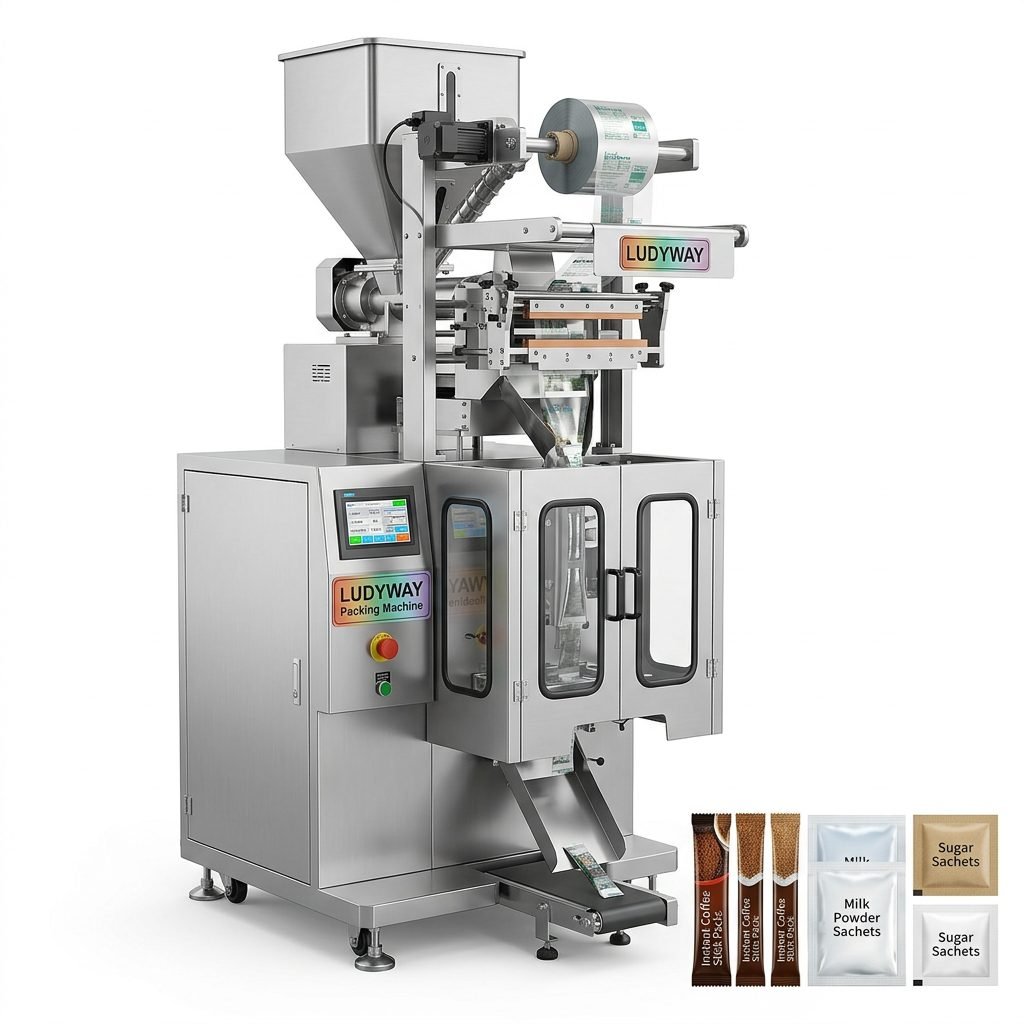
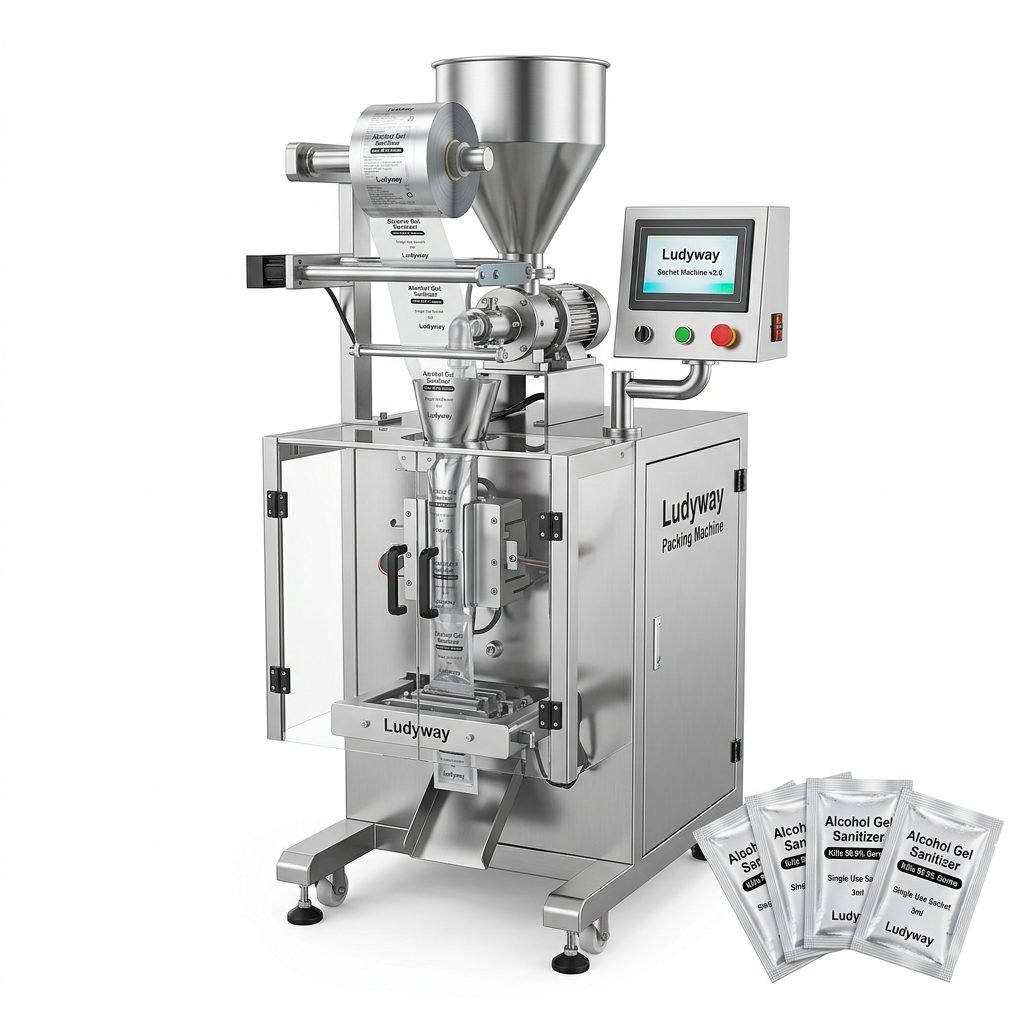
Choosing the right snack food packaging machine is a critical decision for any food manufacturer. The right equipment not only protects your product and ensures shelf life but also enhances brand appeal and optimizes production efficiency. This comprehensive guide will walk you through the different types of packaging machines, their key features, and a step-by-step process to select the best one for your specific needs.
Understanding the Different Types of Snack Food Packaging Machines
The snack industry is diverse, and so are its packaging solutions. The primary classification is based on the packaging format and the automation level.
1. By Packaging Format
This category defines the final shape and style of the package delivered to the consumer.
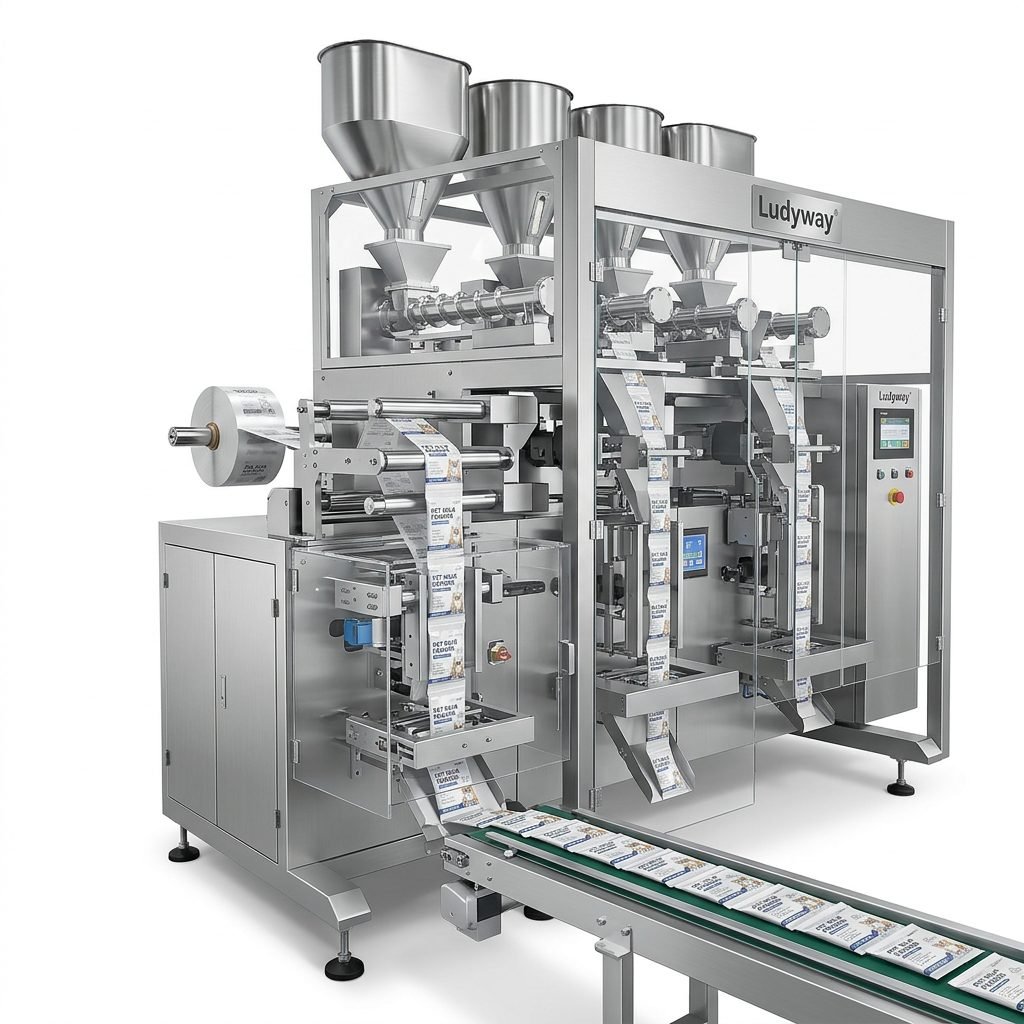
- Vertical Form-Fill-Seal (VFFS) Machines: These are the workhorses of the snack industry. They form a bag from a roll of film, fill it with product, and then seal it—all in a continuous vertical motion. Ideal for chips, nuts, candies, and loose snacks.
- Horizontal Form-Fill-Seal (HFFS) Machines: These machines form packages horizontally and are often used for more rigid structures or when placing multiple items in a single tray. Perfect for cookies, biscuits, candy bars, and snack trays.
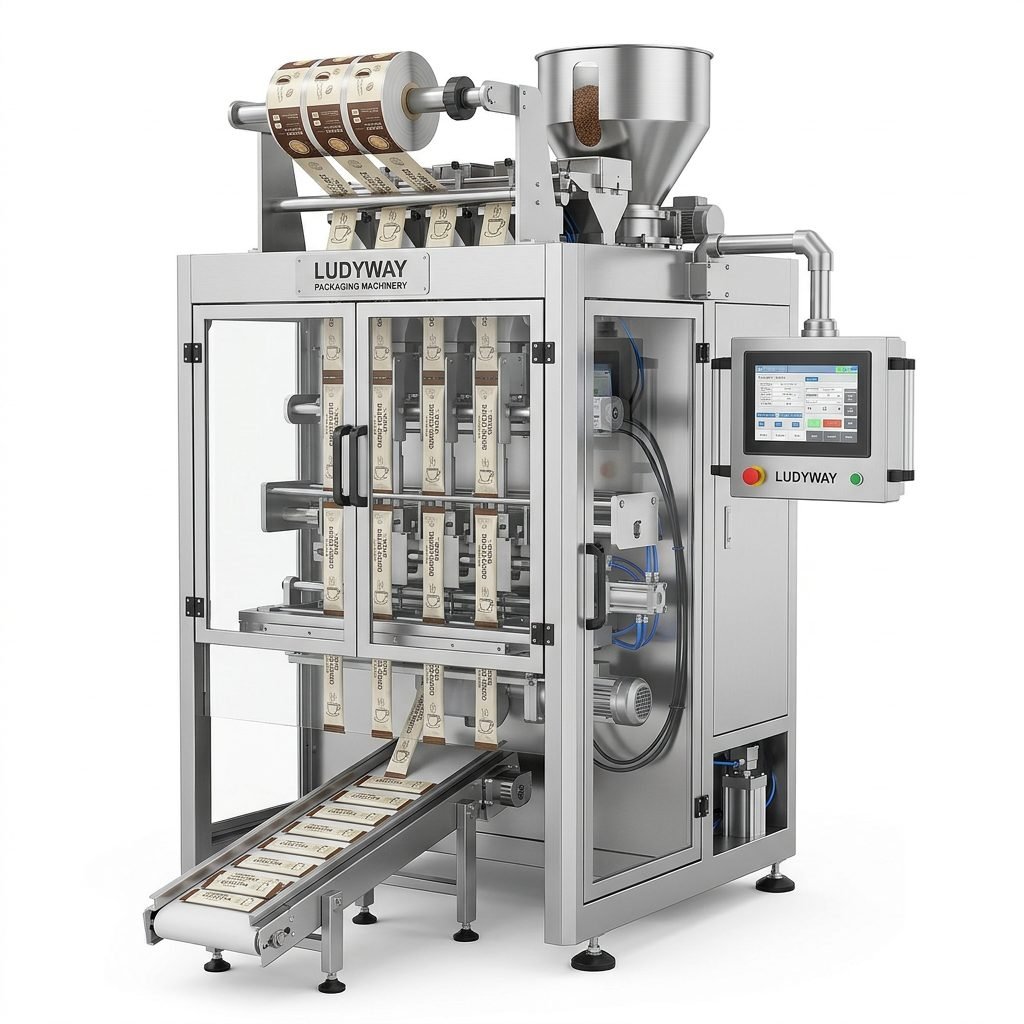
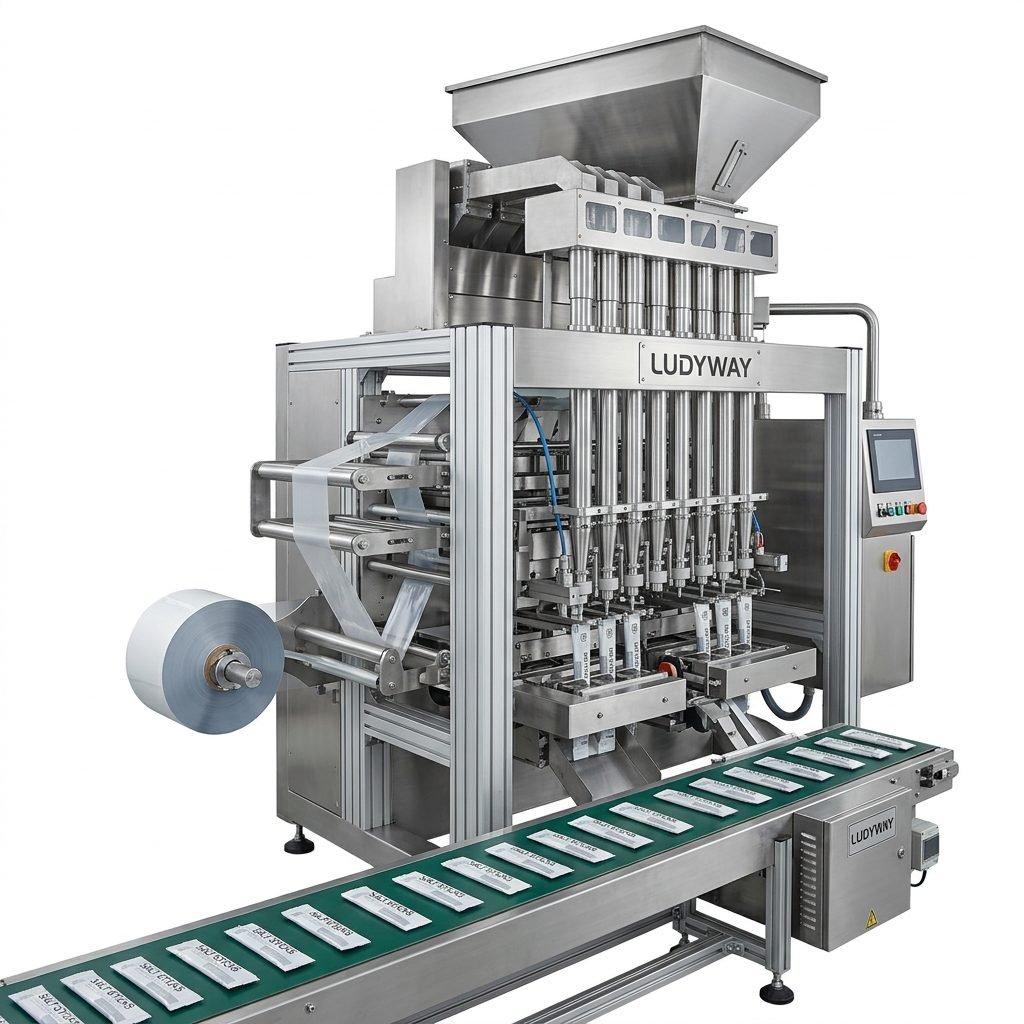
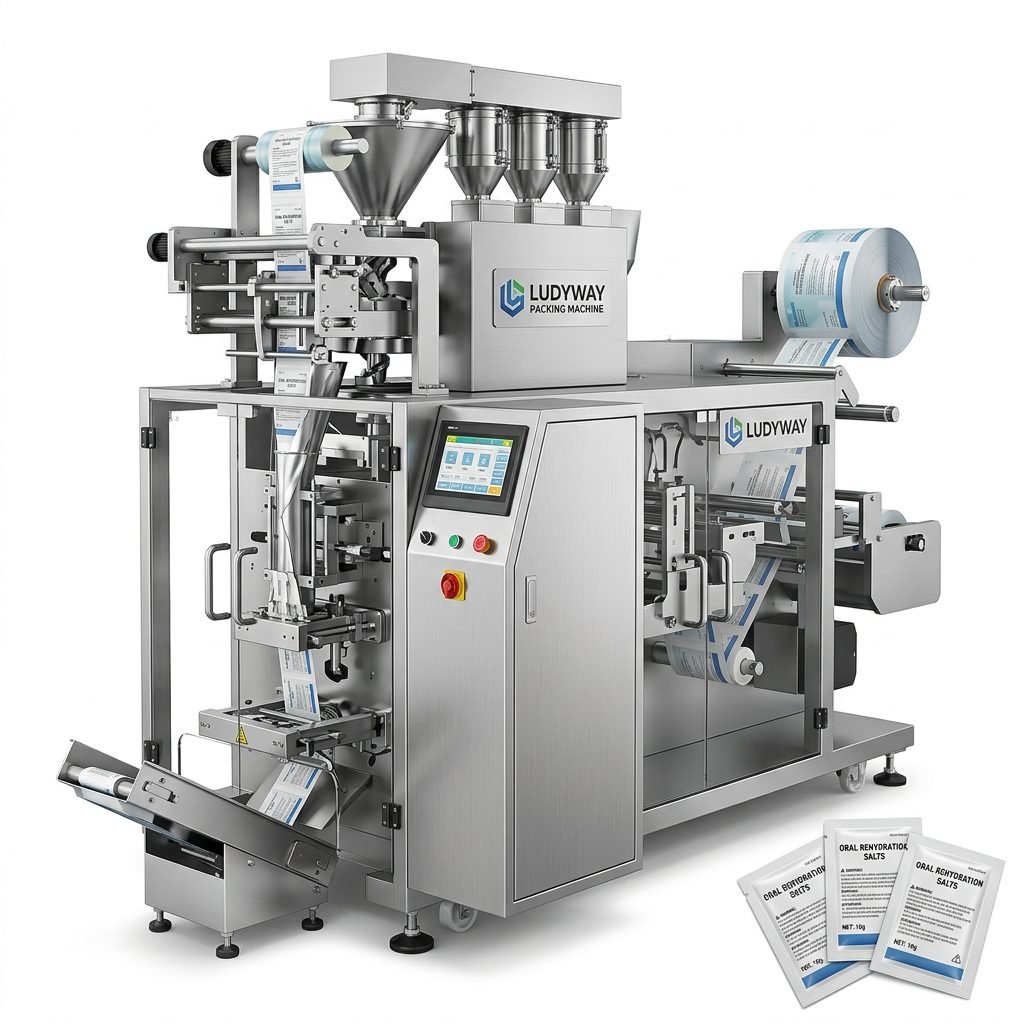
- Stick Pack Machines: Designed to create long, slender single-serve packs. They are highly efficient for powdered drink mixes, seasoning, instant coffee, and granola.
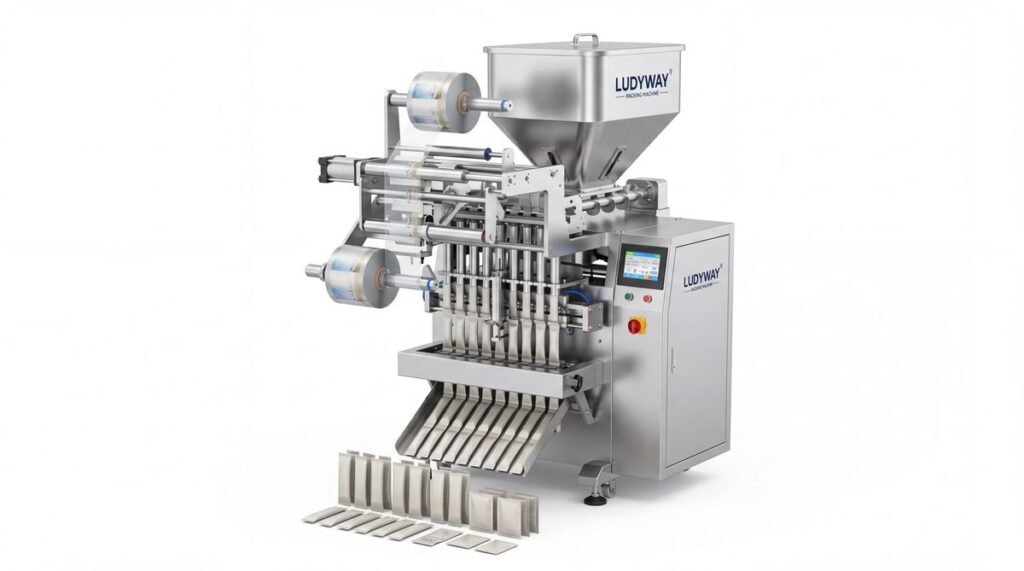
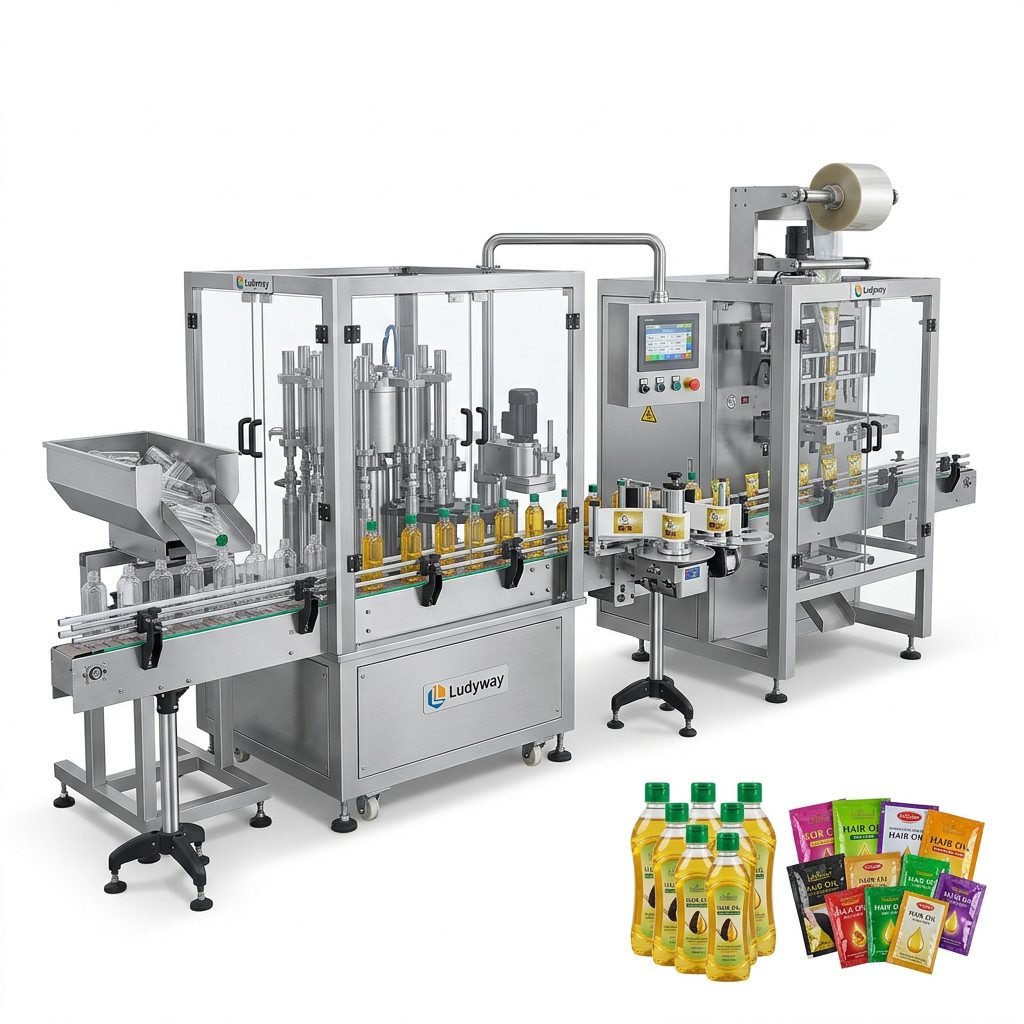
- Sachet/Pouch Machines: These create small, flat pouches, ideal for sauces, dips, dressings, and liquid or viscous snack accompaniments.
- Flow Wrappers: Used to wrap individual items or bundles in a tight, sealed film. Commonly used for candy bars, granola bars, and multipack bundling.
2. By Automation Level
The choice here impacts labor costs, output speed, and operational complexity.
- Semi-Automatic Machines: Require manual intervention for tasks like feeding or bag placement. Lower initial cost, suitable for small businesses or low-volume production.
- Fully Automatic Machines: Integrated systems that handle the entire process from feeding to sealing and discharge. Essential for high-volume, continuous production lines.
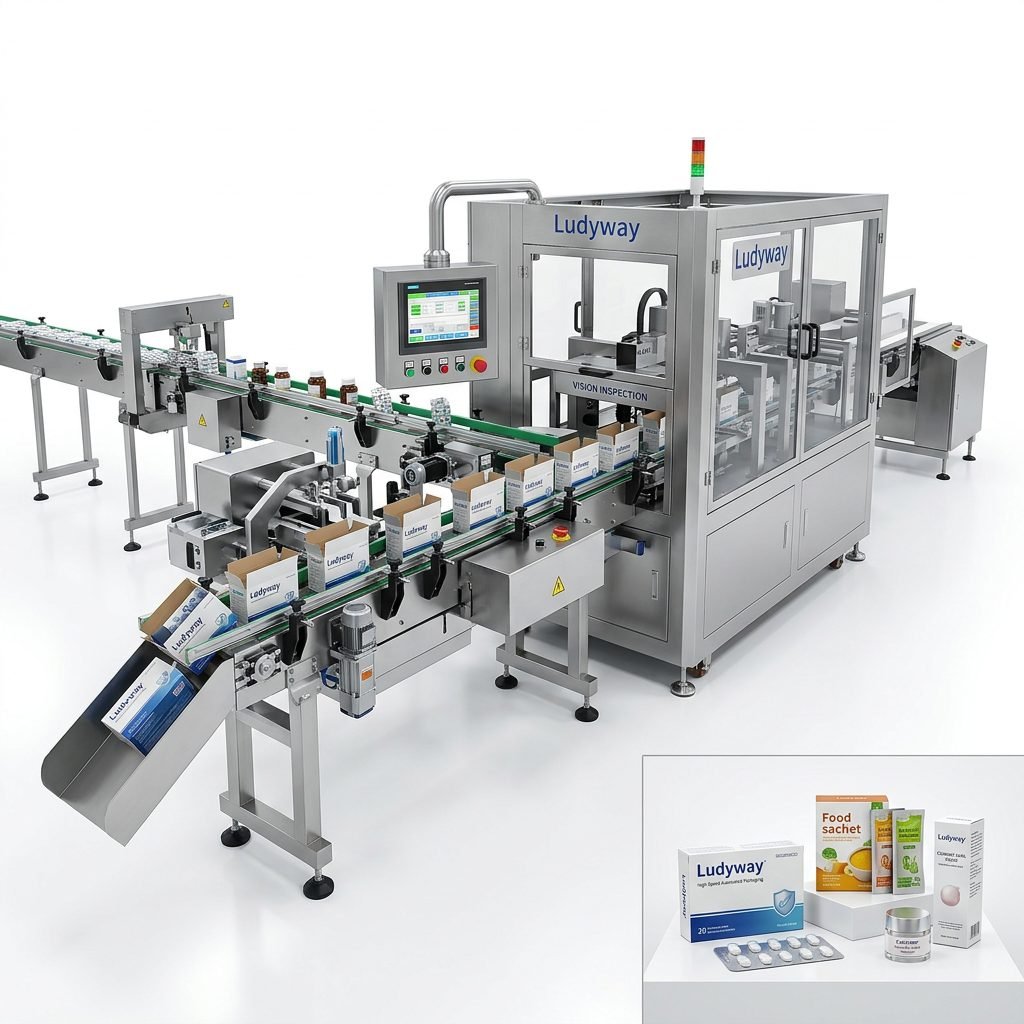
- Turnkey Production Lines: Complete, customized systems that may include upstream equipment (like mixers or fryers) and downstream systems (like cartoners or case packers). Offered by specialized suppliers like Ludyway Machinery, these provide a seamless, integrated solution.
Key Features to Evaluate in a Packaging Machine
Beyond type, several core features determine a machine’s performance, reliability, and suitability.
1. Speed and Production Capacity
Measured in packs per minute (PPM). Your machine’s speed must align with your current and projected output needs. ⚠️ Tip: Don’t over-specify; a machine running at 80% capacity is more efficient and has a longer lifespan than one constantly at 100%.
2. Flexibility and Changeover
Can the machine handle different bag sizes, materials, or products? Quick-change systems for forming tubes, sealing jaws, and feed systems are invaluable for manufacturers with diverse product lines, reducing downtime significantly.
3. Precision and Accuracy
Critical for both product give-away and compliance. Look for machines with high-precision multi-head weighers for dry snacks or servo-driven piston fillers for liquids and pastes. Consistent fill weight protects your profit margins.
4. Material Compatibility
The machine must be engineered to work with your chosen packaging film—whether it’s standard polyethylene, metallized film for barrier properties, or compostable materials. Check sealing jaw temperature control and film tensioning systems.
5. Hygiene and Sanitation Design
Food safety is non-negotiable. Machines should have stainless steel contact surfaces, smooth edges, easy-access panels for cleaning, and protection against dust and oil ingress.
6. Control System and Connectivity
A user-friendly PLC-based HMI (Human-Machine Interface) allows for easy operation, recipe storage, and diagnostics. Modern machines offer connectivity for Industry 4.0 data collection, enabling predictive maintenance and production analytics.
7. Durability and Construction
Heavy-duty frames, quality bearings, and branded electrical components (like Siemens or Schneider) are indicators of a machine built for 24/7 operation and long-term reliability.
How to Choose the Best Snack Food Packaging Machine: A Step-by-Step Guide
Follow this structured approach to make a confident investment decision.
Step 1: Define Your Product and Packaging Requirements
Start with the basics. What are you packaging (size, shape, weight, fragility)? What is your desired package type (stand-up pouch, flat bag, stick pack)? What material will you use? What are your daily/weekly output targets?
Step 2: Analyze Your Budget and Total Cost of Ownership (TCO)
Look beyond the initial purchase price. Consider installation, training, maintenance costs, spare parts availability, energy consumption, and potential downtime costs. A slightly more expensive, robust machine from a reputable supplier like Ludyway often has a lower TCO.
Step 3: Research and Shortlist Reputable Suppliers
Look for manufacturers with proven experience in the snack sector. Evaluate their industry reputation, technical support network, spare parts logistics, and portfolio of successful case studies. A supplier with 30+ years of experience brings invaluable application knowledge.
Step 4: Request Demos and Product Testing
Never buy based on specifications alone. Arrange a live or video demonstration using a sample of your actual product and packaging material. This tests speed, accuracy, and seal quality firsthand.
Step 5: Evaluate After-Sales Support and Service
Your relationship with the supplier begins after installation. Clarify warranty terms, availability of technical manuals and training videos, response time for service calls, and the inventory of common spare parts. Global support is crucial for export-oriented businesses.
Step 6: Consider Future-Proofing and Scalability
Choose a machine that can grow with your business. Can it be integrated into a larger automated line later? Is the control system upgradeable? Investing in a modular or scalable system from a provider offering complete turnkey solutions can save major costs in the future.
Partnering with a Specialized Provider
For many manufacturers, partnering with a specialized packaging machinery provider is the most efficient path. Companies like Ludyway Machinery offer more than just a machine; they provide a comprehensive solution. With deep industry expertise, they can advise on the optimal machine type, assist with material selection, design custom feeding systems, and provide full installation and training. Their experience in delivering over 50 different intelligent packaging machine models globally means they understand the nuanced challenges of snack packaging.
Conclusion
Selecting the ideal snack food packaging machine is a strategic investment that impacts your product quality, operational efficiency, and bottom line. By thoroughly understanding the types of machines available, meticulously evaluating key features, and following a disciplined selection process that prioritizes long-term reliability and support, you can find equipment that becomes a cornerstone of your production success. Focusing on a partnership with an experienced, solution-oriented supplier ensures you get a system tailored to your unique needs, both today and as you scale for tomorrow.
Frequently Asked Questions (FAQs)
1. What is the most common type of packaging machine for potato chips?
Vertical Form-Fill-Seal (VFFS) machines are the industry standard for packaging potato chips and similar loose, dry snacks. They efficiently handle the product’s fragility and the need for nitrogen flushing to maintain freshness and cushioning.
2. How important is the weighing system for a snack packaging machine?
It is critical. An inaccurate weigher leads to product giveaway (costing you money) or underweight packages (which are illegal in most markets). For multi-component snacks or high-speed lines, a multi-head computer weigher is essential for speed and precision.
3. Can one machine package different snack products?
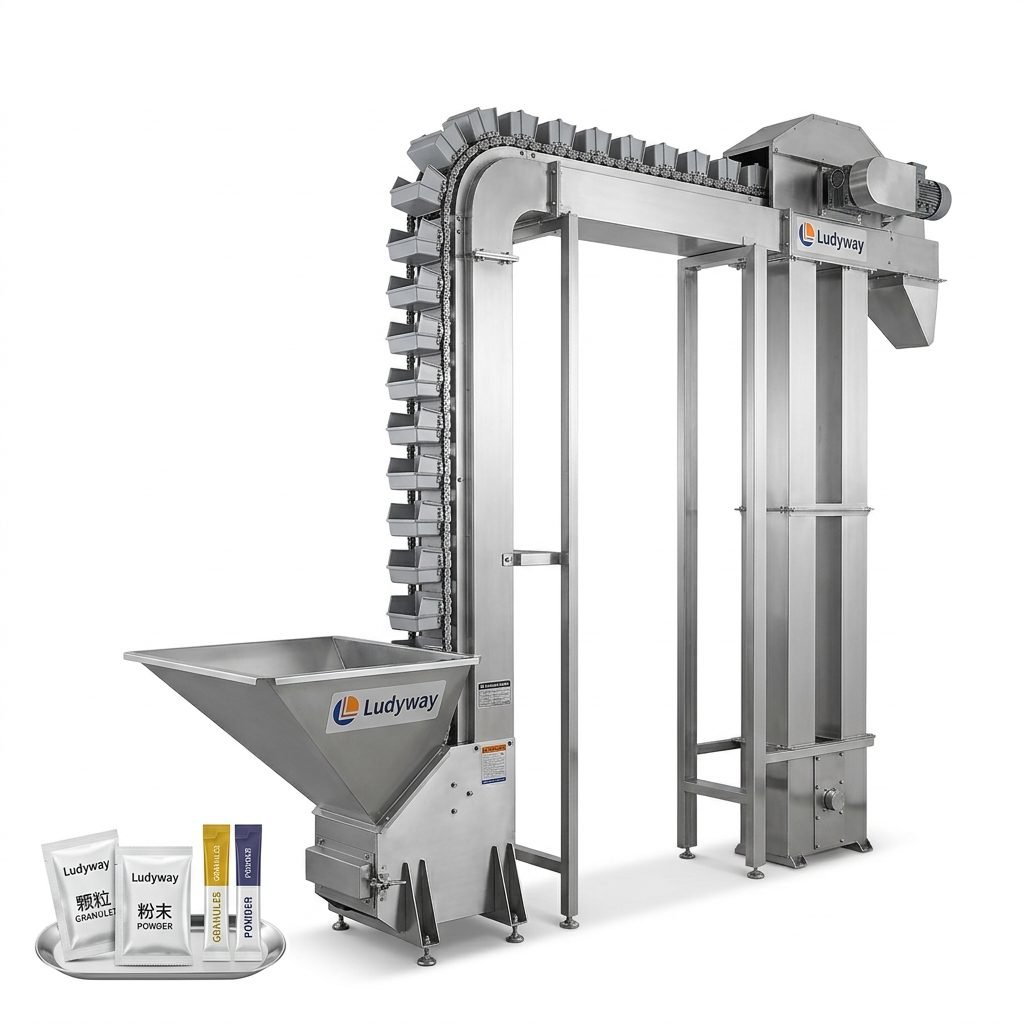
Yes, if you choose a flexible machine with quick-changeover capabilities. Look for features like tool-less adjustments for bag size, interchangeable feed systems (like vibratory trays for nuts vs. bucket conveyors for cookies), and digital recipe storage on the HMI.
4. What should I look for in terms of machine hygiene?
Prioritize stainless steel construction on all product contact zones, IP-rated electrical panels to resist dust and moisture, smooth and rounded surfaces without crevices, and easy disassembly of key parts for daily cleaning and sanitation.
5. Why is after-sales support as important as the machine itself?
Even the best machines require maintenance. Reliable after-sales support—including readily available spare parts, detailed technical documentation, and responsive service engineers—minimizes costly downtime and ensures your investment remains productive for its entire lifespan.