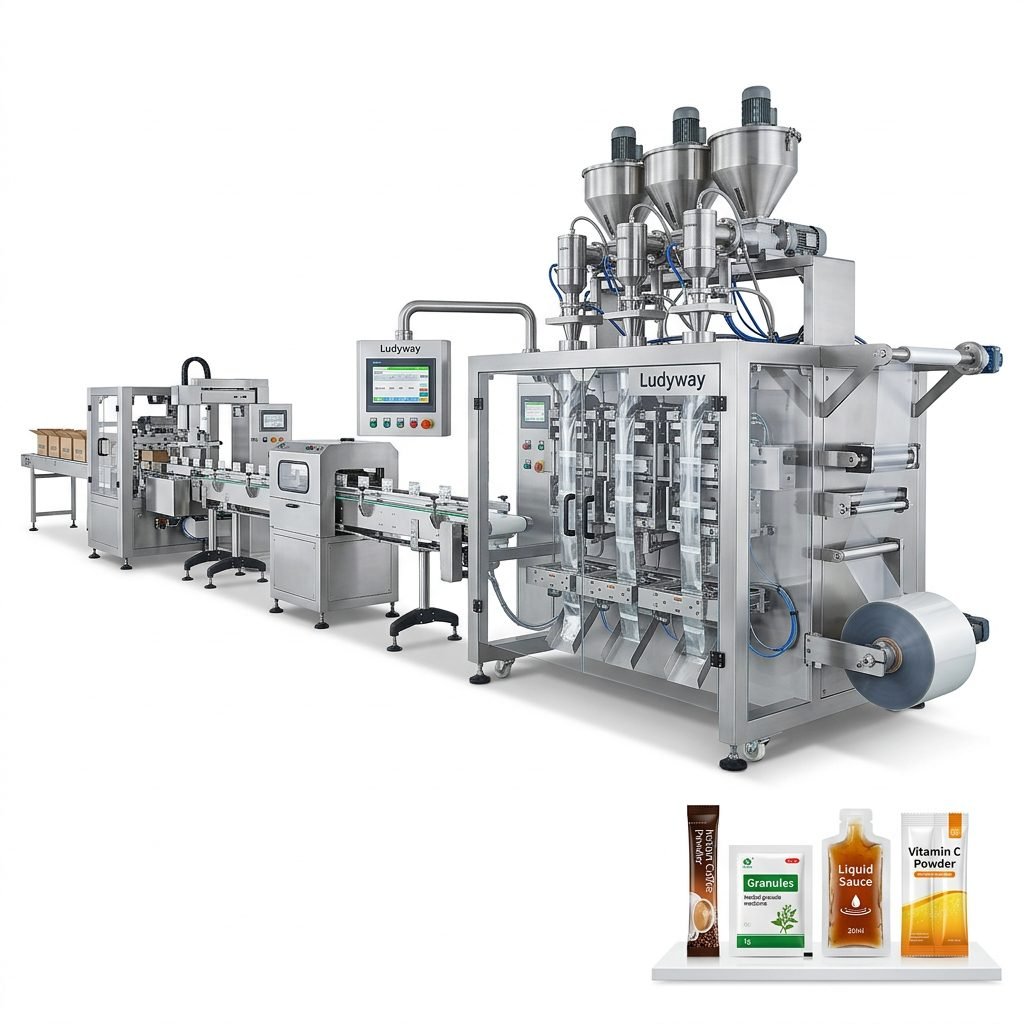
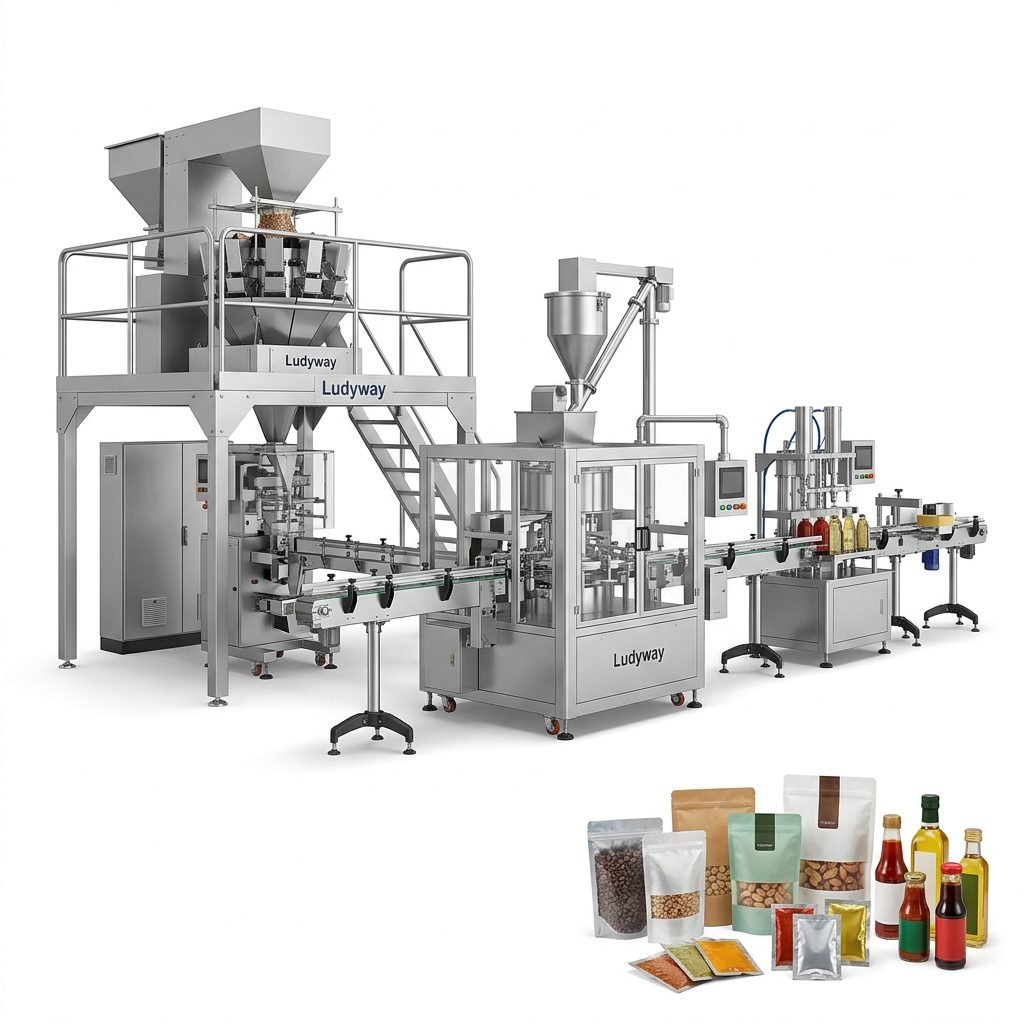
In the modern packaging industry, product presentation is a crucial driver of consumer choice. To stand out on crowded retail shelves, brands in the cosmetic, beverage, pharmaceutical, and household chemical sectors are increasingly adopting complex, irregular bottle designs. While these unique shapes—ranging from ergonomic curves and polygonal structures to asymmetrical contours—enhance shelf appeal, they present a massive bottleneck during the production stage. Traditional labeling systems, built primarily for uniform cylindrical or flat surfaces, often fail to apply labels accurately on these complex shapes, leading to wrinkles, bubbles, misalignment, and high rejection rates.
To address this critical industry pain point, the packaging sector has witnessed the debut of the Multi-Axis Collaborative High-Speed Labeling Machine. This breakthrough technology leverages synchronized motion control and intelligent sensing to deliver precise, wrinkle-free label application at high speeds, effectively solving the challenges associated with irregular container geometry.
The Anatomy of Irregular Bottle Packaging Challenges
Labeling irregular bottles is exceptionally difficult due to the varying surface planes and angles of the containers. On a standard production line, containers move at high speeds, and any slight deviation in bottle orientation or surface curvature can result in poor label adhesion. The primary challenges include:
- Surface Curvature Variations: Dual-convex, concave, or tapered surfaces require different application pressures at different points of contact.
- High Rejection Rates: Misaligned labels or trapped air bubbles degrade product aesthetics, resulting in costly manual rework or discarded packaging materials.
- Production Bottlenecks: Traditional machinery must slow down significantly to handle complex shapes, reducing overall throughput.
Without an adaptable mechanism, manufacturers are forced to invest in multiple custom labeling machines for different bottle shapes, which drastically increases capital expenditure and footprint requirements on the factory floor.
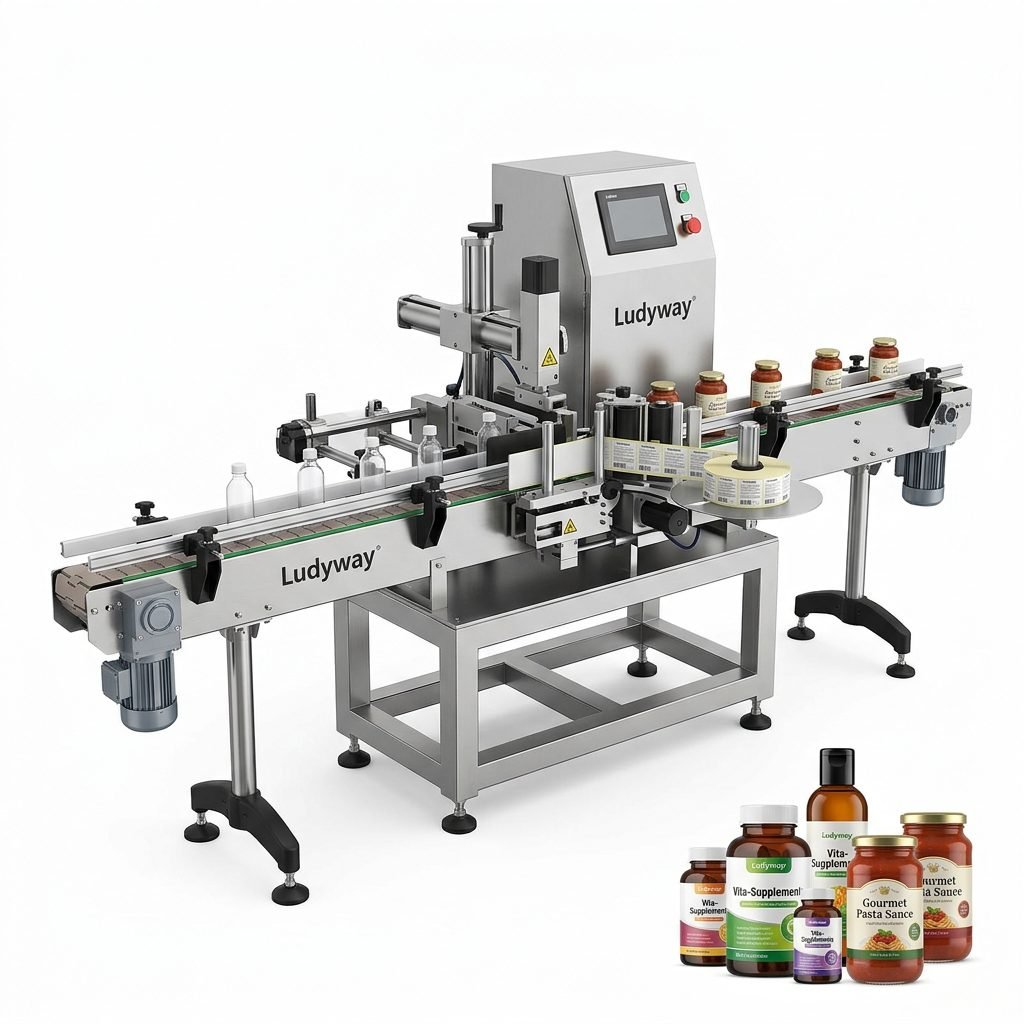
How Multi-Axis Collaborative Technology Works
The core innovation of the new labeling machine lies in its multi-axis collaborative robotic system. Unlike standard labeling systems that rely on fixed mechanical guides, this machine features multiple motorized servo axes that work in perfect synchronization. When an irregular bottle enters the labeling station, high-speed optical sensors scan its orientation and contour in real time.
This data is instantly processed by a central motion controller, which coordinates the movement of the labeling head, the bottle-clamping mechanism, and the pressing rollers. By dynamically adjusting the angle and pressure of the applicator in fractions of a second, the machine ensures that the label conforms perfectly to the container’s unique curves, even when operating at speeds exceeding hundreds of bottles per minute.
Key Advantages of the Multi-Axis Collaborative System
Implementing this advanced technology brings several operational benefits to packaging lines, making it a highly sought-after solution for modern contract packers and brand owners alike.
- Universal Compatibility: A single machine can handle round, oval, square, and highly irregular bottles with minimal mechanical changeover, saving valuable downtime.
- Dynamic Pressure Control: Soft-touch pneumatic or motorized pressing units apply consistent pressure across uneven surfaces, eliminating air pockets.
- Enhanced Precision: Vision inspection systems verify label placement instantly, automatically rejecting any non-compliant packages without stopping the line.
- Seamless Line Integration: Designed to fit directly into existing high-speed filling and capping setups, maximizing factory floor efficiency.
Comparing Traditional Labeling vs. Multi-Axis Collaborative Labeling
To highlight the performance improvements of this new technology, the table below outlines the core differences in key operational parameters:
| Feature / Parameter | Traditional Labeling Systems | Multi-Axis Collaborative Systems |
|---|---|---|
| Bottle Shape Adaptability | Limited (mostly round or flat surfaces) | Highly Flexible (unlimited irregular shapes) |
| Changeover Time | 30 to 60 minutes (requires tool changes) | Under 5 minutes (software-driven adjustments) |
| Labeling Precision | ±1.5 mm on irregular profiles | ±0.5 mm high-precision tracking |
| Wrinkle & Bubble Risk | High, especially on tapered/curved surfaces | Extremely Low (active roller adaptation) |
Industry Adoption and Turnkey Integration
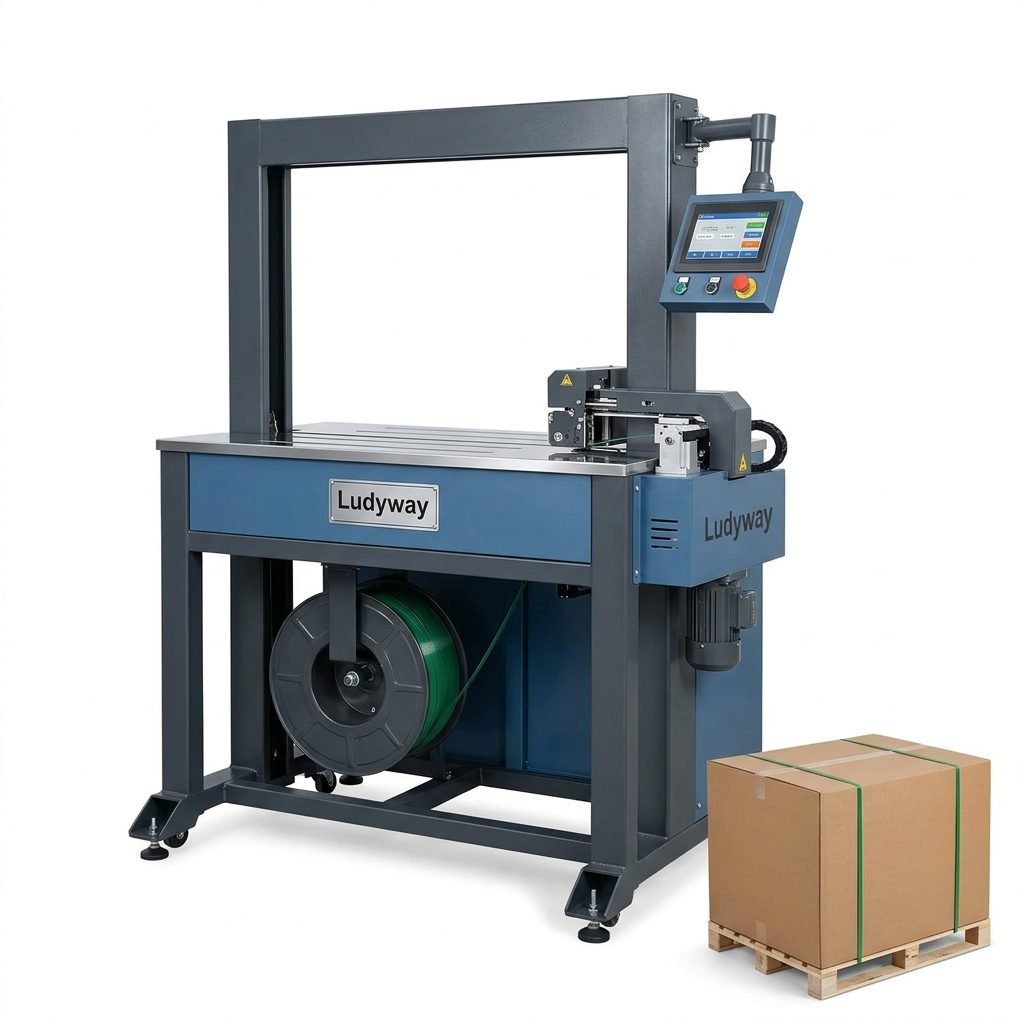
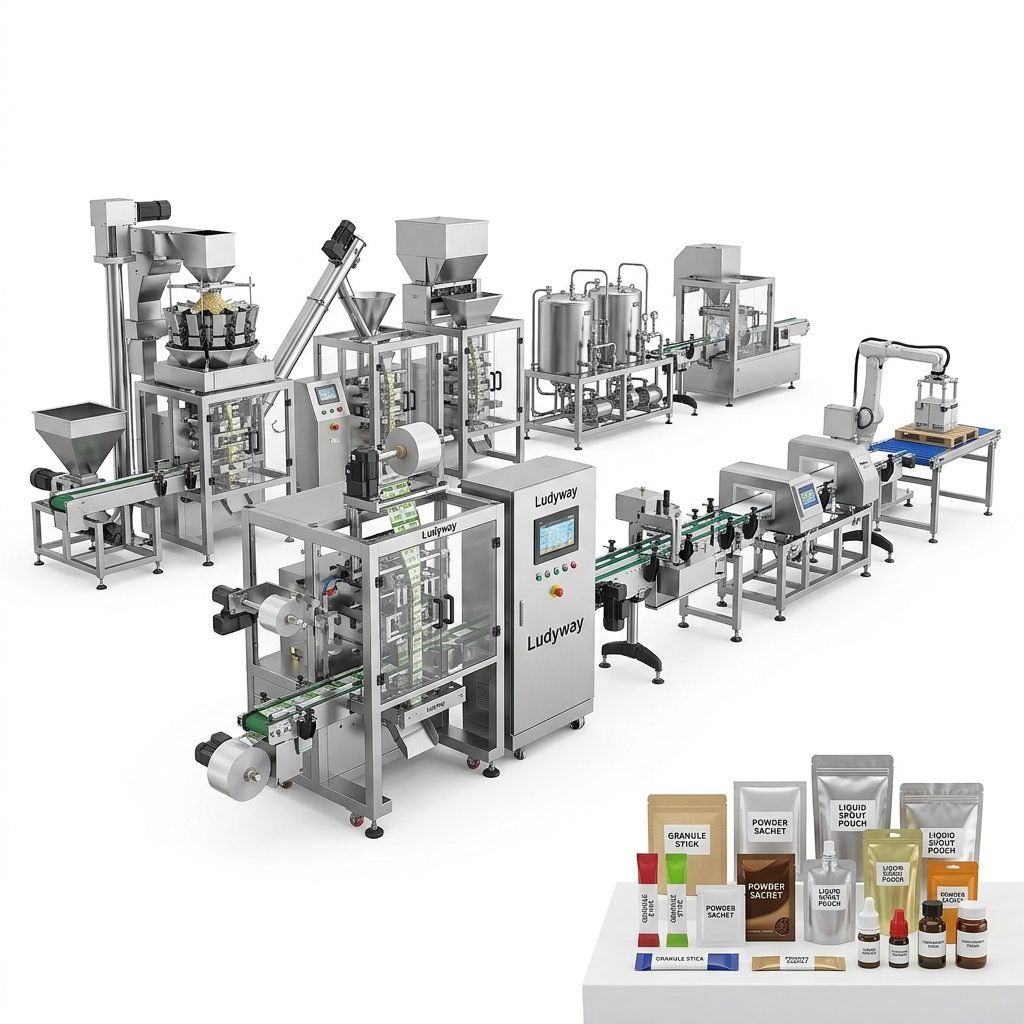
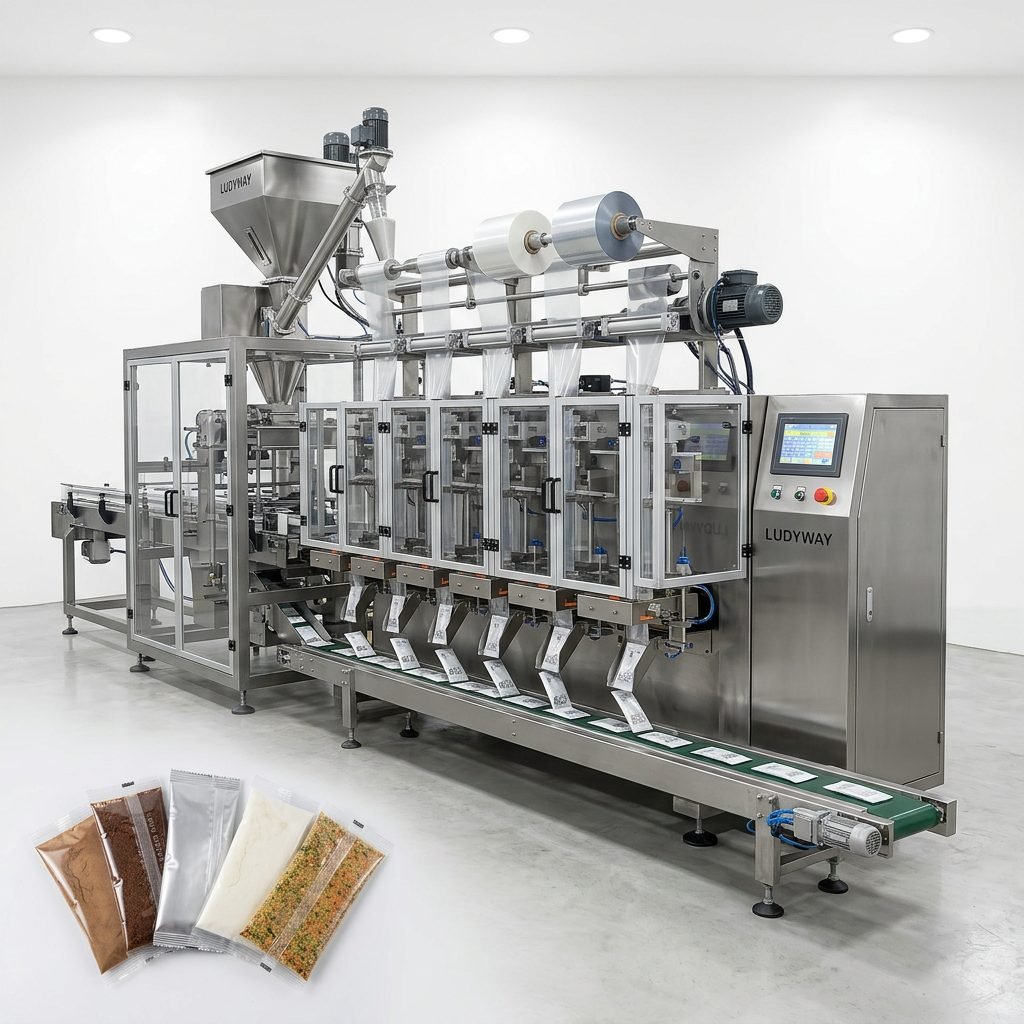
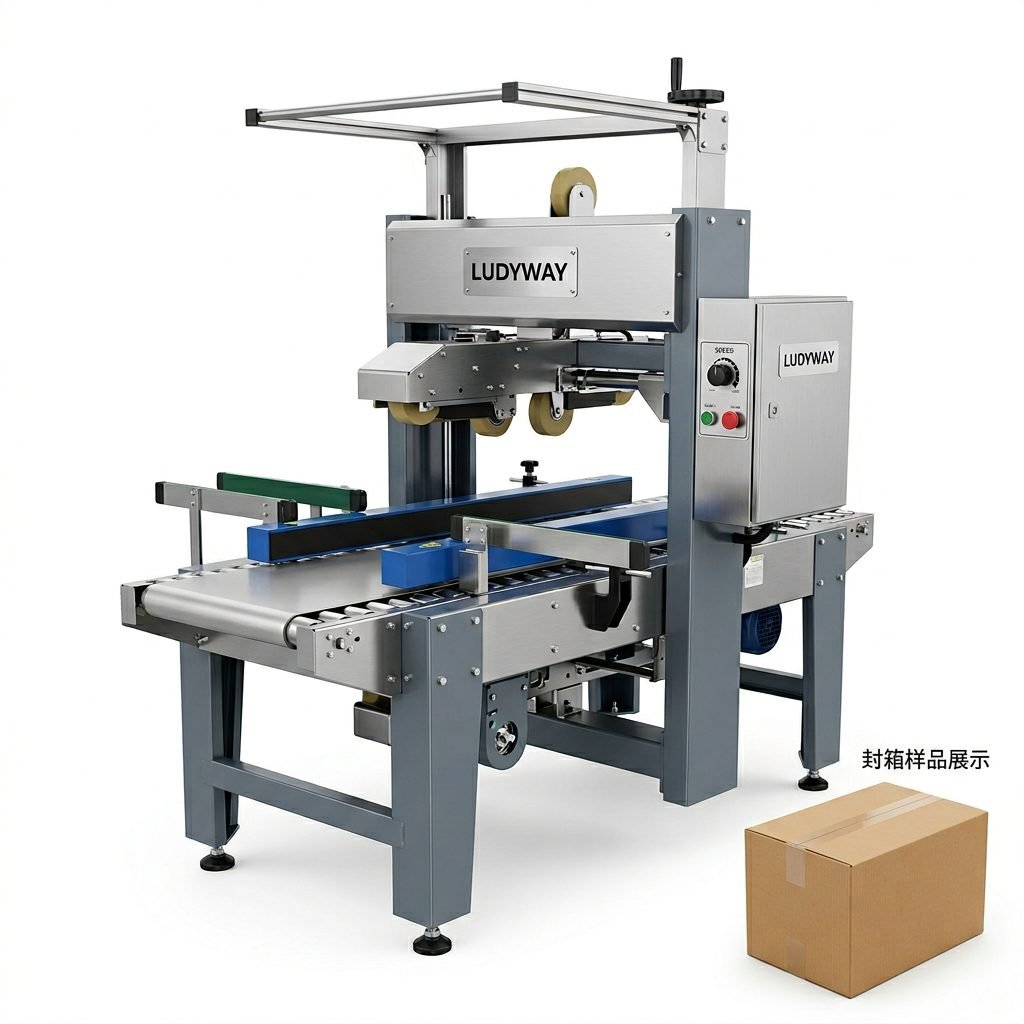
As manufacturing facilities move toward fully automated and smart factory environments, the demand for modular, high-performance machinery is rising. Global manufacturers are looking for complete production line solutions where labeling, filling, and packaging systems communicate natively to prevent bottlenecks. In this competitive landscape, experienced Chinese manufacturers like Ludyway are paving the way by offering integrated packaging systems that combine advanced high-speed labeling with robust, automatic secondary packaging setups to optimize production efficiency.
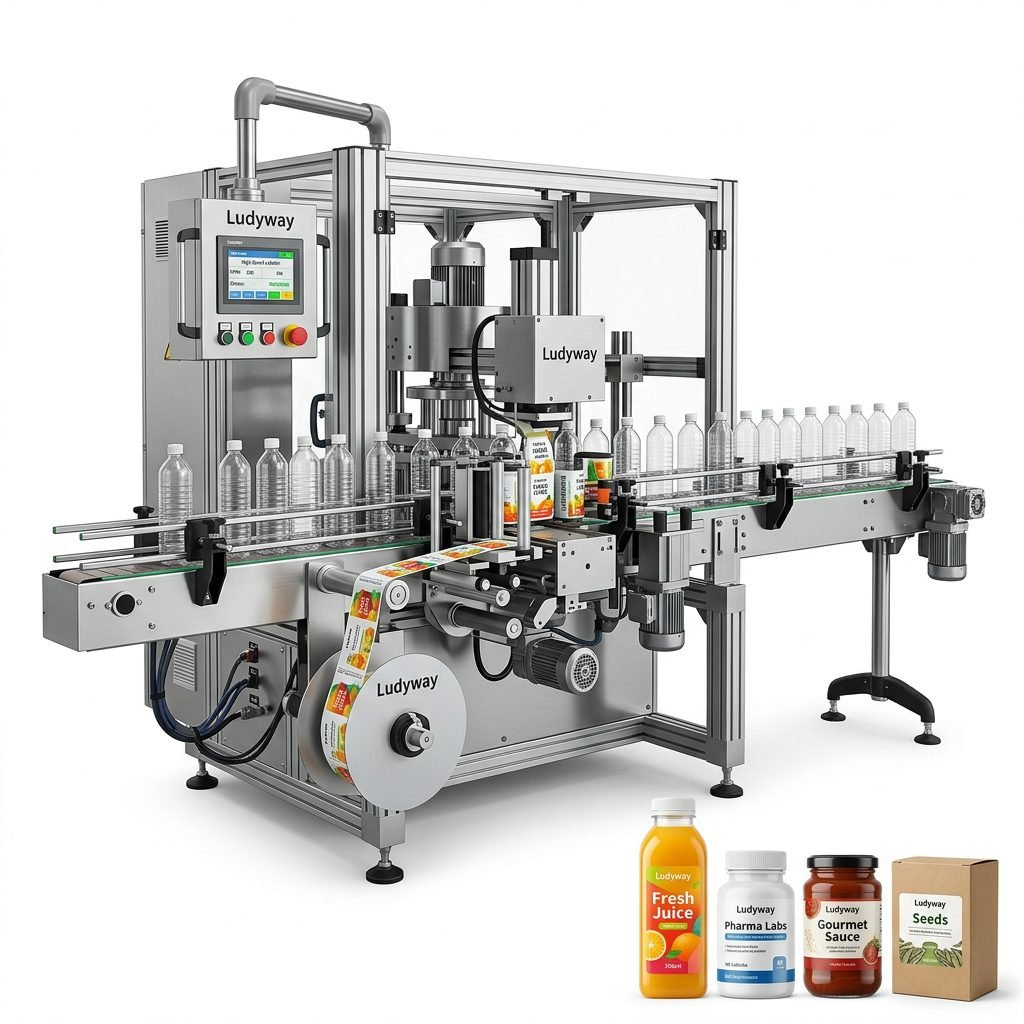
Targeting Diverse Global Markets
The debut of the multi-axis labeling machine comes at a time when consumer preferences in major global regions are shifting rapidly. In North America and Europe, strict regulatory standards demand flawless labeling compliance, including clear allergen warnings and track-and-trace barcodes. Meanwhile, in the cosmetic and personal care hubs of Southeast Asia and the Middle East, premium brand packaging relies heavily on intricate, curved bottle designs to capture consumer attention. By providing consistent precision across these diverse requirements, this new generation of labeling technology is enabling manufacturers worldwide to expand their creative product designs without sacrificing throughput or quality standards.
Conclusion: The Future of Irregular Packaging
The introduction of the Multi-Axis Collaborative High-Speed Labeling Machine marks a significant milestone in packaging automation. By resolving the long-standing challenges of irregular bottle geometries, it allows brands to explore creative packaging designs without fear of production inefficiency. As smart sensors and motion control algorithms continue to advance, this technology will remain a cornerstone of flexible manufacturing, helping companies adapt to changing consumer trends swiftly and cost-effectively.