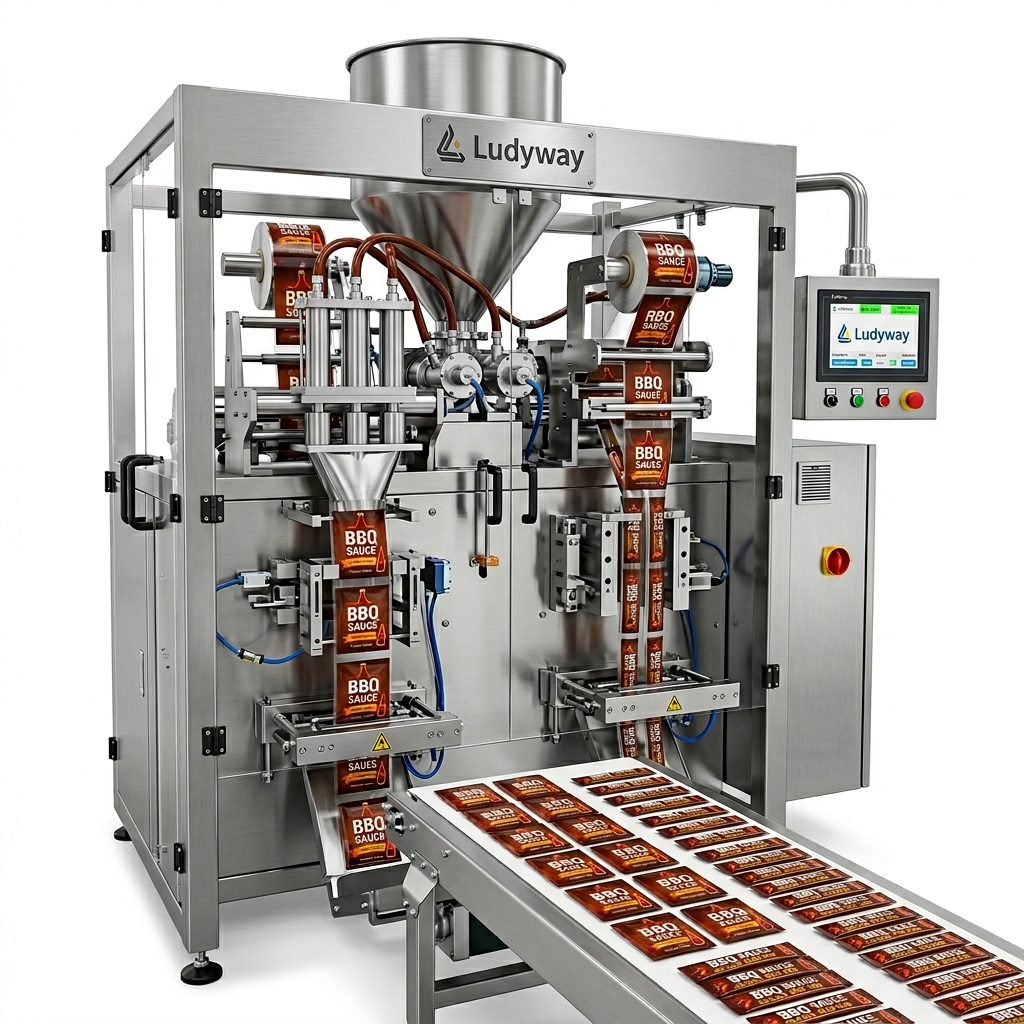
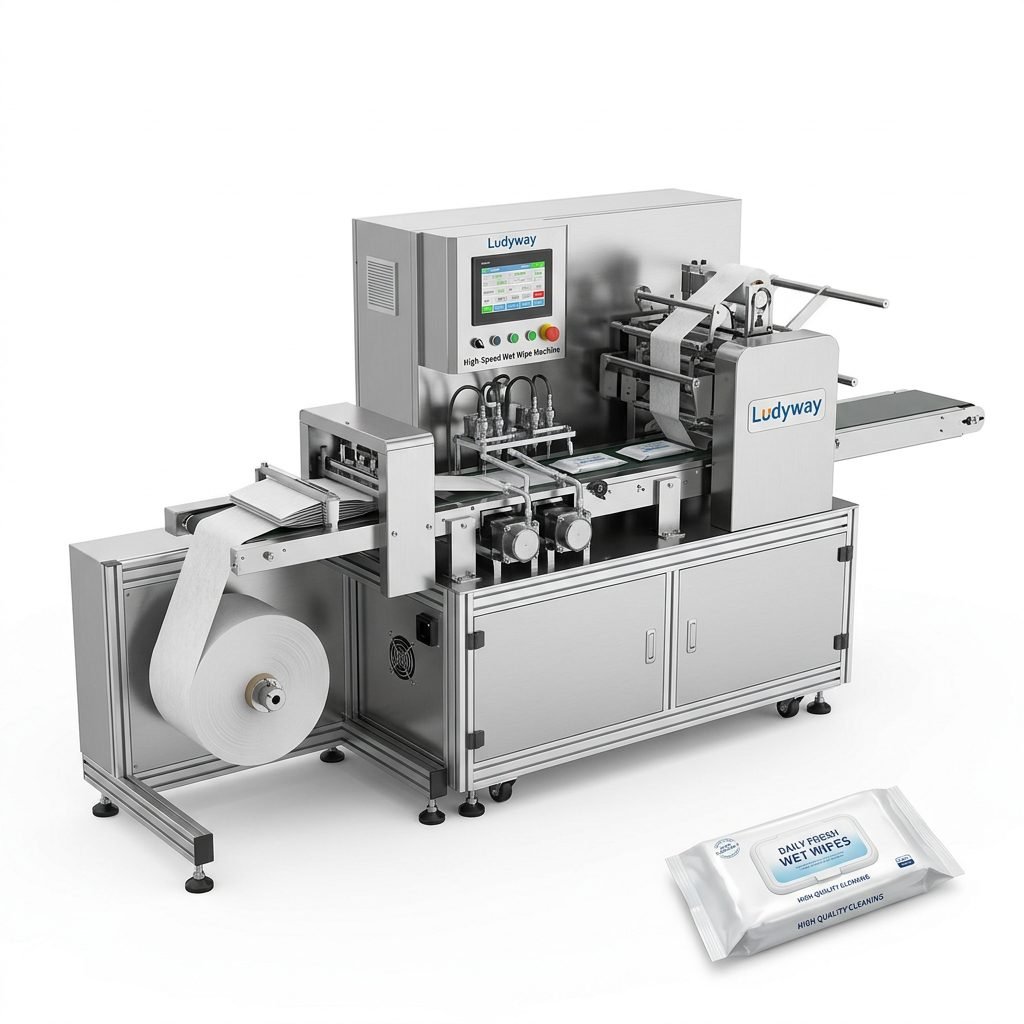
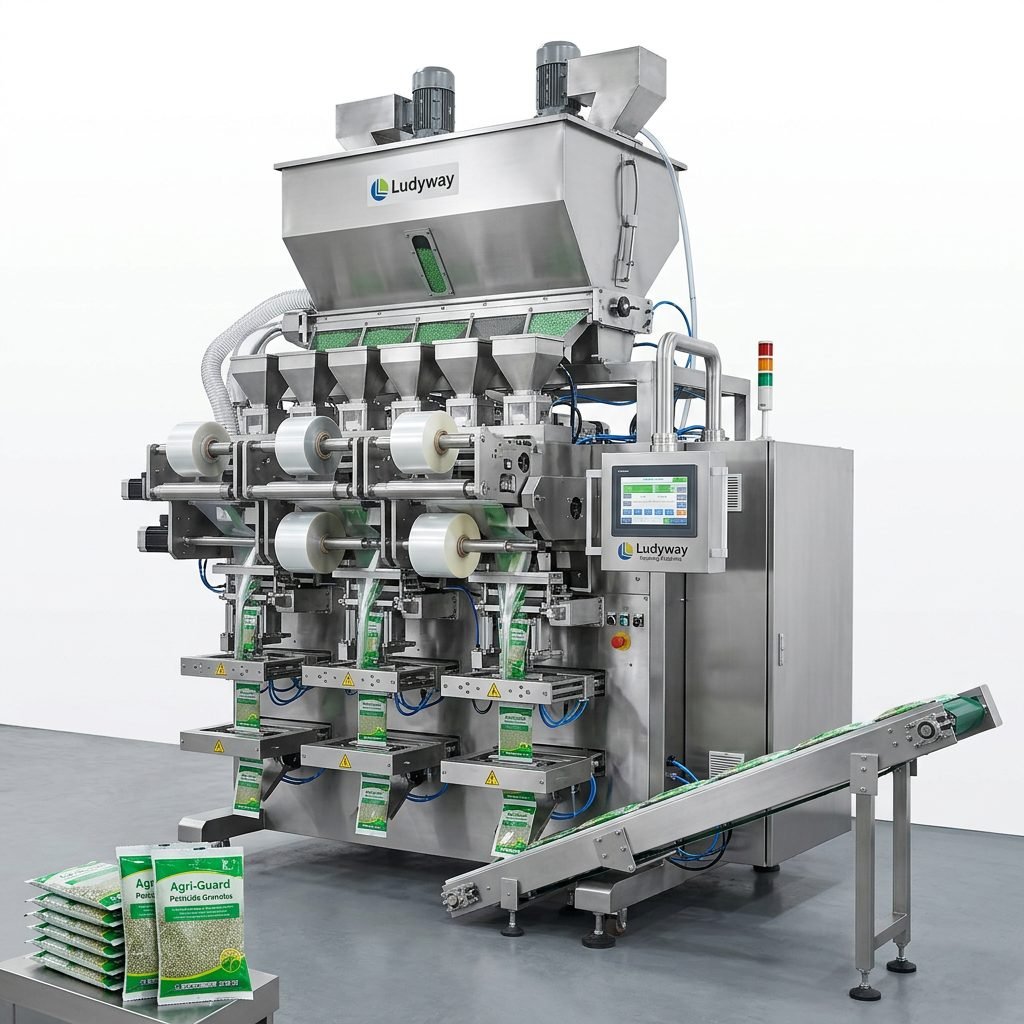
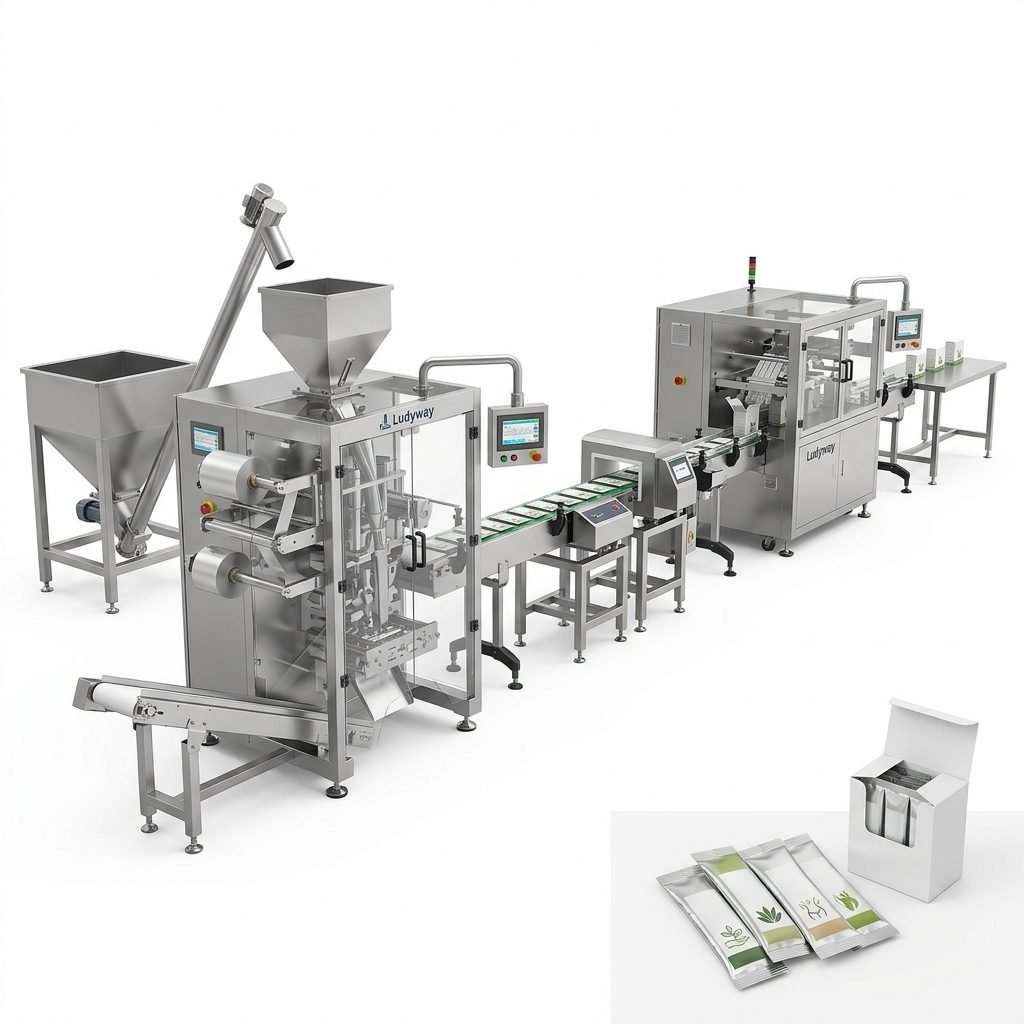
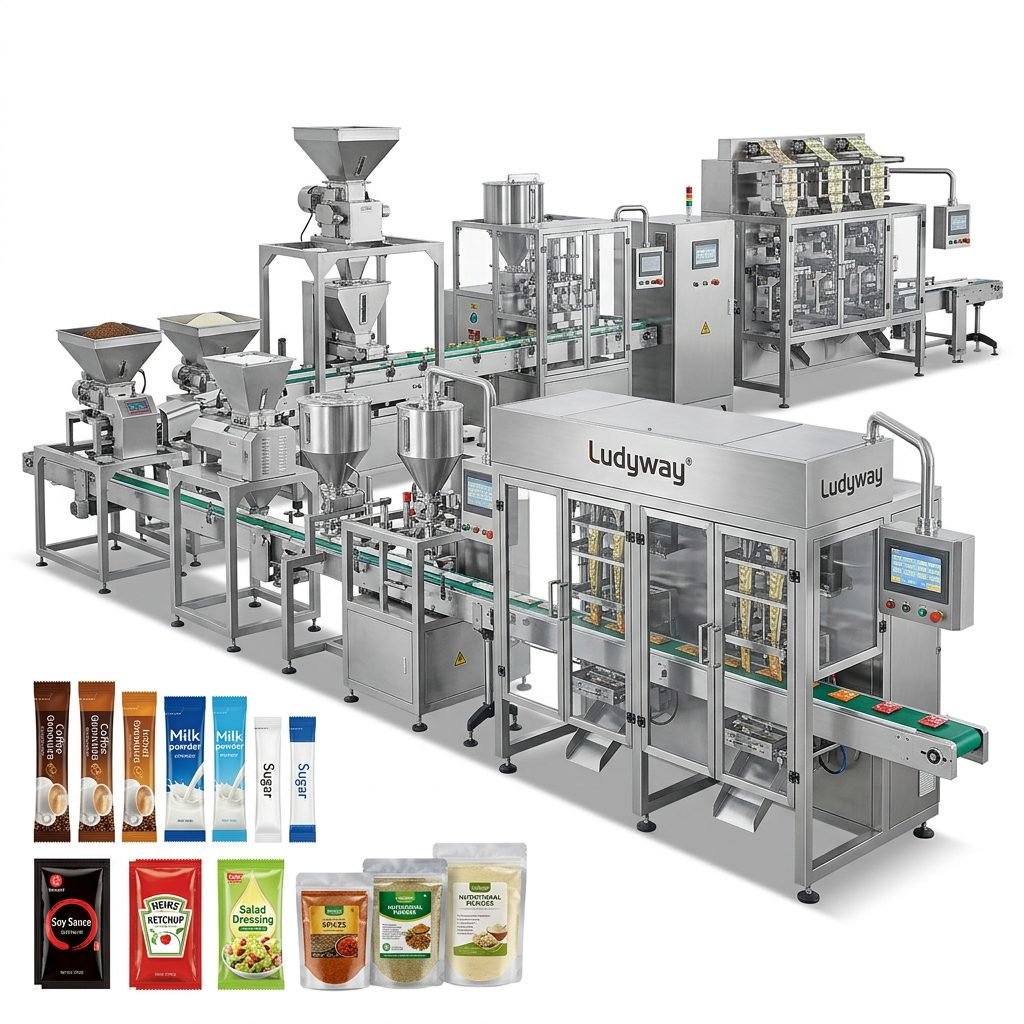
The global packaging supply chain is entering a new phase of transformation in 2026, with digital integration moving from a competitive advantage to a practical necessity. Across food, pharmaceutical, personal care, chemical, and consumer goods sectors, manufacturers are accelerating investments in smart equipment, connected production lines, data visibility tools, and flexible automation to respond to rising market pressure.
From raw material planning to final palletizing, companies are looking for systems that can reduce downtime, improve traceability, and support faster decision-making. In this environment, digital packaging operations are becoming a central part of supply chain resilience rather than a standalone factory upgrade.
Why Digital Integration Is Accelerating
Several structural factors are pushing packaging supply chains toward deeper digital adoption. Demand volatility remains high, labor costs continue to rise in many markets, and regulatory compliance is becoming more complex. At the same time, buyers increasingly expect shorter lead times, better packaging consistency, and more sustainable operations.
To address these pressures, packaging producers are adopting technologies that connect machines, operators, quality systems, and enterprise data. The goal is not simply automation, but end-to-end operational visibility.
- Real-time machine monitoring for performance tracking
- Predictive maintenance to reduce unexpected stoppages
- Digital batch records for traceability and compliance
- Integrated quality inspection linked to production data
- Remote diagnostics and service support for global operations
- Production scheduling that adapts to changing order demand
Smart Packaging Lines Become the New Investment Priority
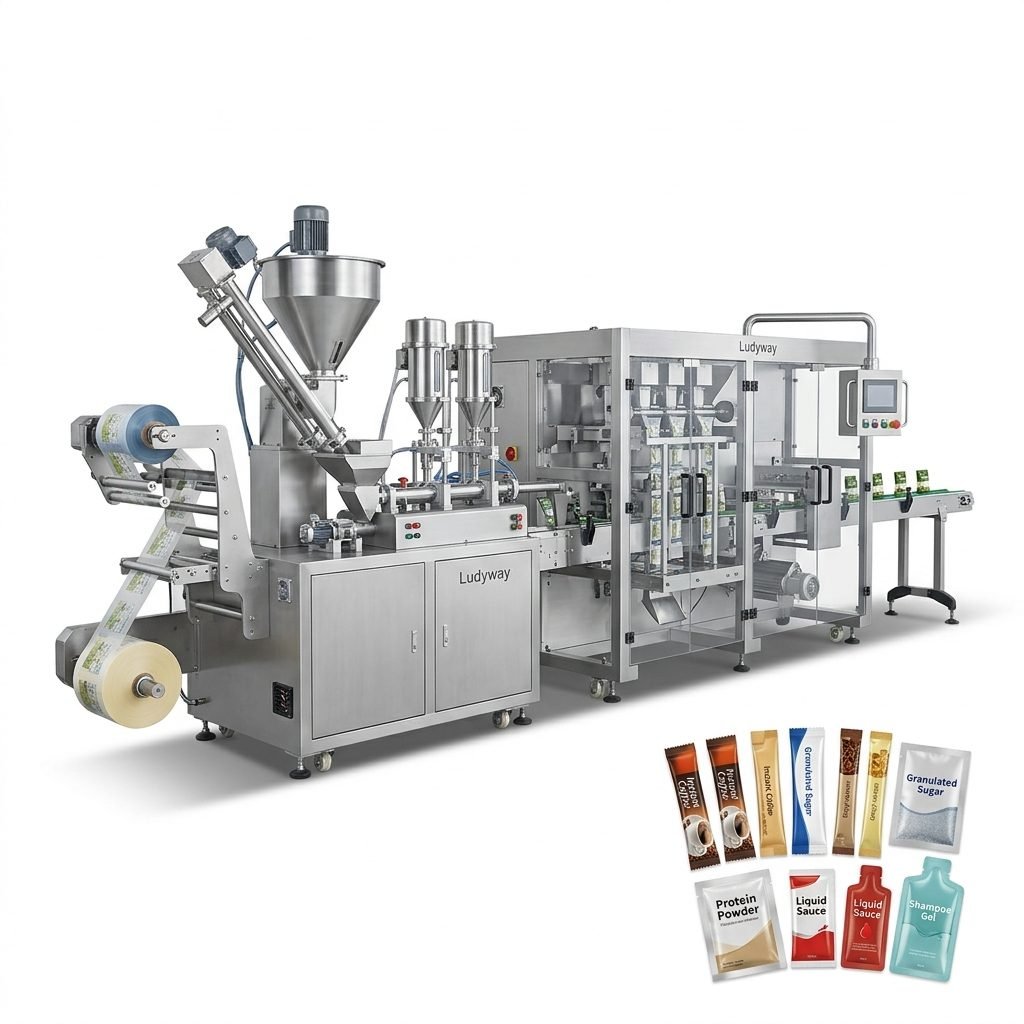
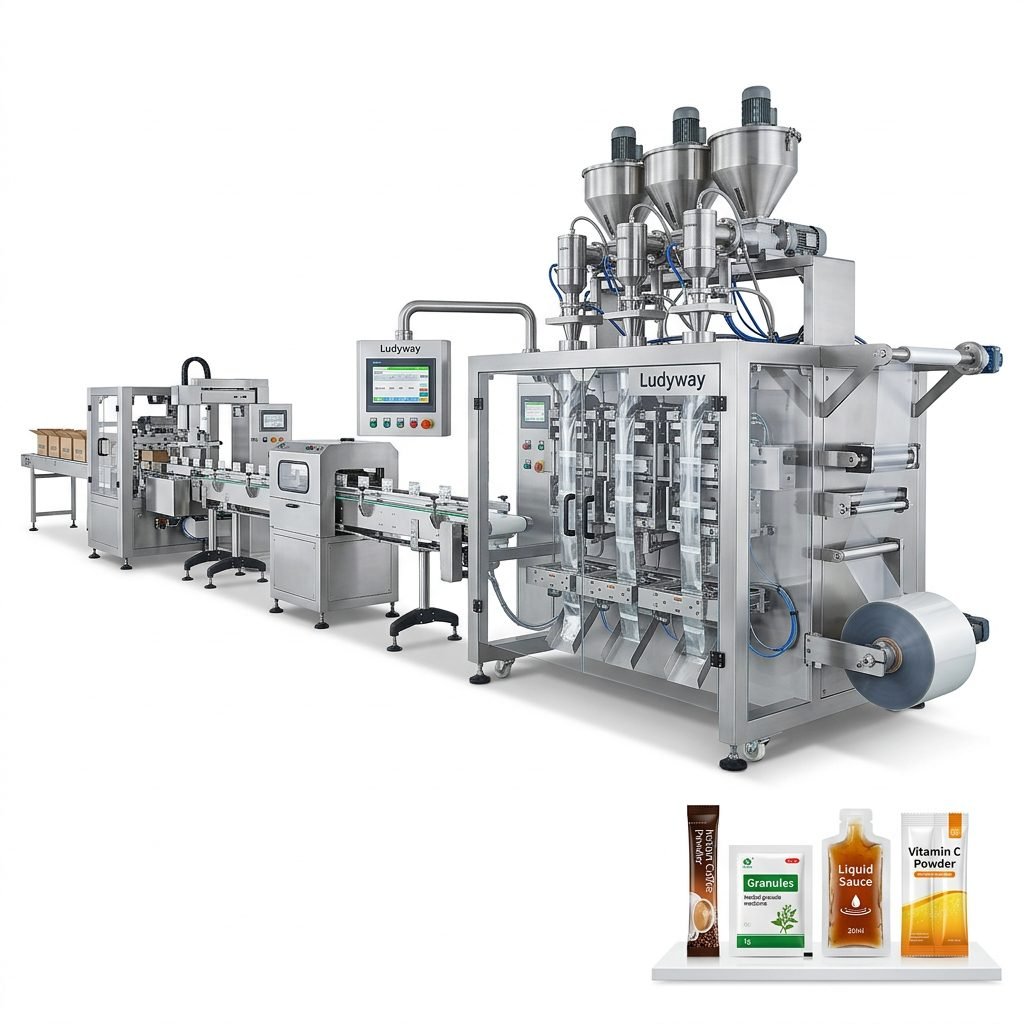
In 2026, packaging line buyers are focusing less on isolated machines and more on integrated systems. This shift is especially visible in industries with high-volume SKU variation, including powdered nutrition, stick packs, sachets, pouches, capsules, and liquid single-dose packaging.
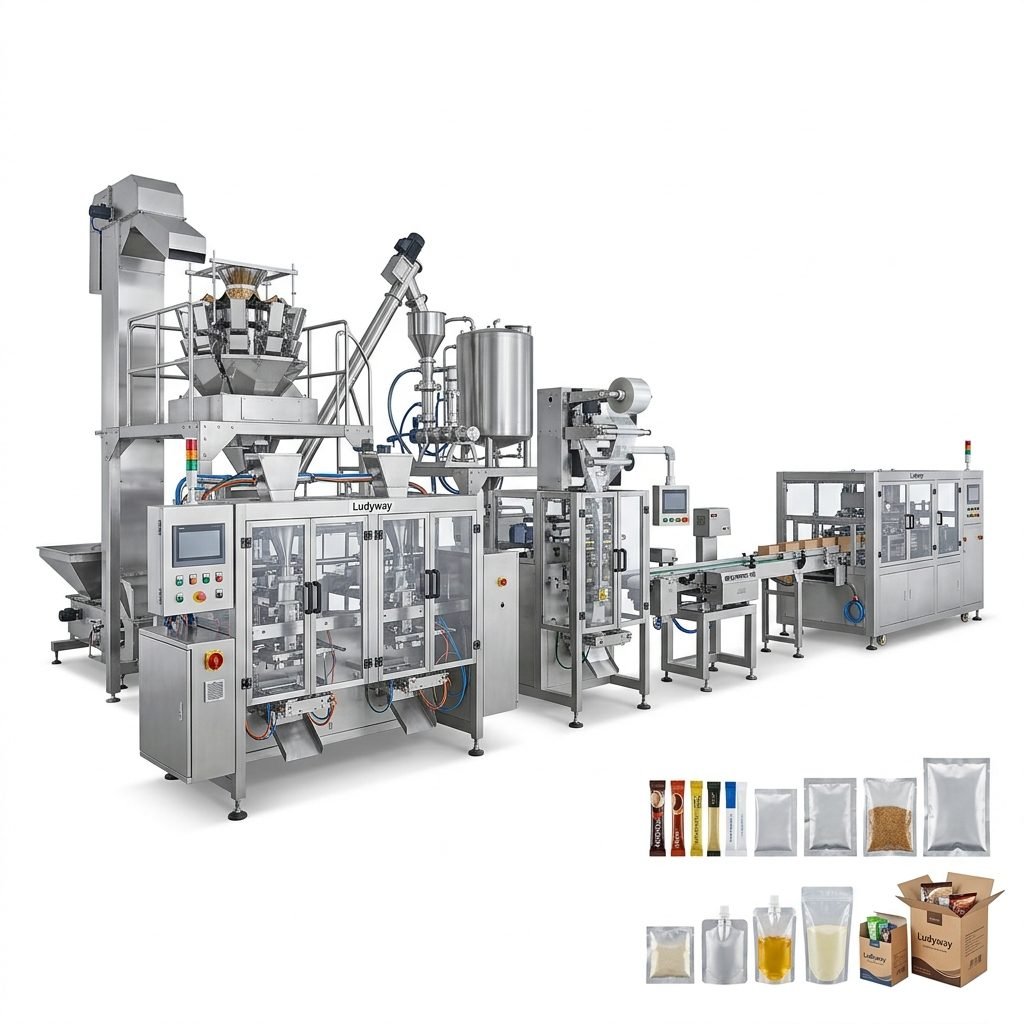
Modern packaging lines are increasingly designed with modular architecture, enabling manufacturers to scale output, change formats, and connect upstream and downstream processes more efficiently. Data from filling, sealing, coding, checkweighing, inspection, cartoning, and palletizing can now be collected and analyzed in a unified workflow.
| Area | Traditional Approach | 2026 Digital Direction |
|---|---|---|
| Equipment Control | Standalone machine settings | Connected line-level control and monitoring |
| Maintenance | Reactive service after failure | Predictive alerts and remote diagnostics |
| Quality Management | Manual spot checks | Inline inspection with digital recordkeeping |
| Production Planning | Static planning cycles | Dynamic scheduling linked to orders and inventory |
| Traceability | Fragmented paper-based records | Digital batch data across the supply chain |
Industry Segments Leading the Shift
Not all packaging markets are moving at the same pace, but several sectors are clearly leading digital integration efforts. Pharmaceutical and health supplement packaging remain at the forefront because of their strict compliance requirements and need for batch traceability. Food and beverage producers are also investing heavily as they seek faster changeovers, portion accuracy, and reduced material waste.
Key sectors driving 2026 adoption
- Pharmaceuticals: serialization, validation, and quality assurance remain major priorities.
- Health supplements: high SKU diversity requires flexible multi-lane and small-format packaging solutions.
- Food products: demand for convenience packs and portion packaging continues to rise.
- Household and personal care: sachet and trial-size formats are expanding in emerging and mature markets alike.
- Chemicals and specialty products: safe dosing, sealed transport, and line reliability are pushing automation upgrades.
Data Transparency Is Becoming a Supply Chain Standard
One of the most important trends in 2026 is the rising value of accessible production data. Manufacturers no longer want packaging machines to operate as isolated assets. Instead, they are seeking platforms that provide clear reporting on output, reject rates, energy consumption, downtime causes, and material usage.
This transparency is helping supply chain managers make faster decisions on procurement, staffing, delivery commitments, and preventive maintenance. For multinational operations, digital visibility also supports better coordination across factories, contract packers, and regional distribution hubs.
The most requested digital capabilities include:
- Cloud-connected reporting dashboards
- OEE monitoring for packaging line performance
- Digital alarm history and troubleshooting logs
- ERP and MES connectivity
- Recipe storage for fast product changeovers
- Electronic compliance documentation
Supply Chain Resilience Now Depends on Flexibility
Recent years have shown that supply chains must be built for disruption, not just for efficiency. In 2026, packaging equipment buyers are prioritizing systems that can quickly adapt to material changes, labor shortages, shifting retail formats, and evolving export requirements.
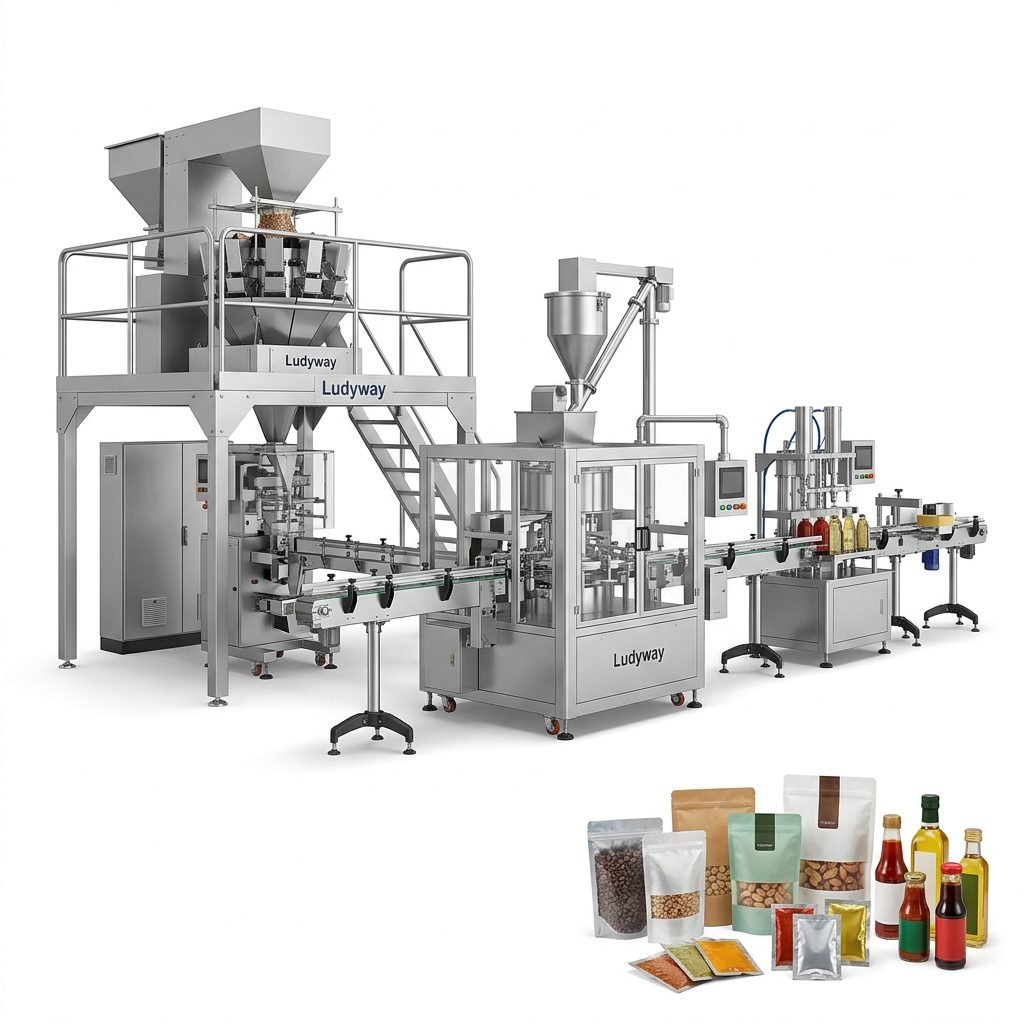
This is why modular, digitally enabled packaging lines are seeing stronger demand than rigid single-purpose setups. Manufacturers want to switch between pouch, sachet, stick pack, and bottle formats with less downtime. They also want centralized oversight that helps them identify bottlenecks before customer deliveries are affected.
| Business Challenge | Digital Response |
|---|---|
| Frequent SKU changes | Recipe memory and fast format adjustment |
| Labor shortages | Higher automation and guided operator interfaces |
| Quality inconsistency | Integrated sensors and inspection systems |
| Downtime risk | Remote service and predictive maintenance tools |
| Export compliance pressure | Digital tracking and production documentation |
China’s Role in the Global Packaging Equipment Ecosystem
China continues to strengthen its role as a major supplier of packaging machinery and integrated production line solutions. In 2026, international buyers are paying closer attention to manufacturers that can offer a combination of engineering depth, scalable manufacturing capacity, export experience, and customized automation.
This is especially important for overseas companies seeking both cost control and technical reliability. Chinese suppliers with established global project experience are increasingly participating in large turnkey packaging upgrades for food, pharmaceutical, health supplement, and daily-use product manufacturers.
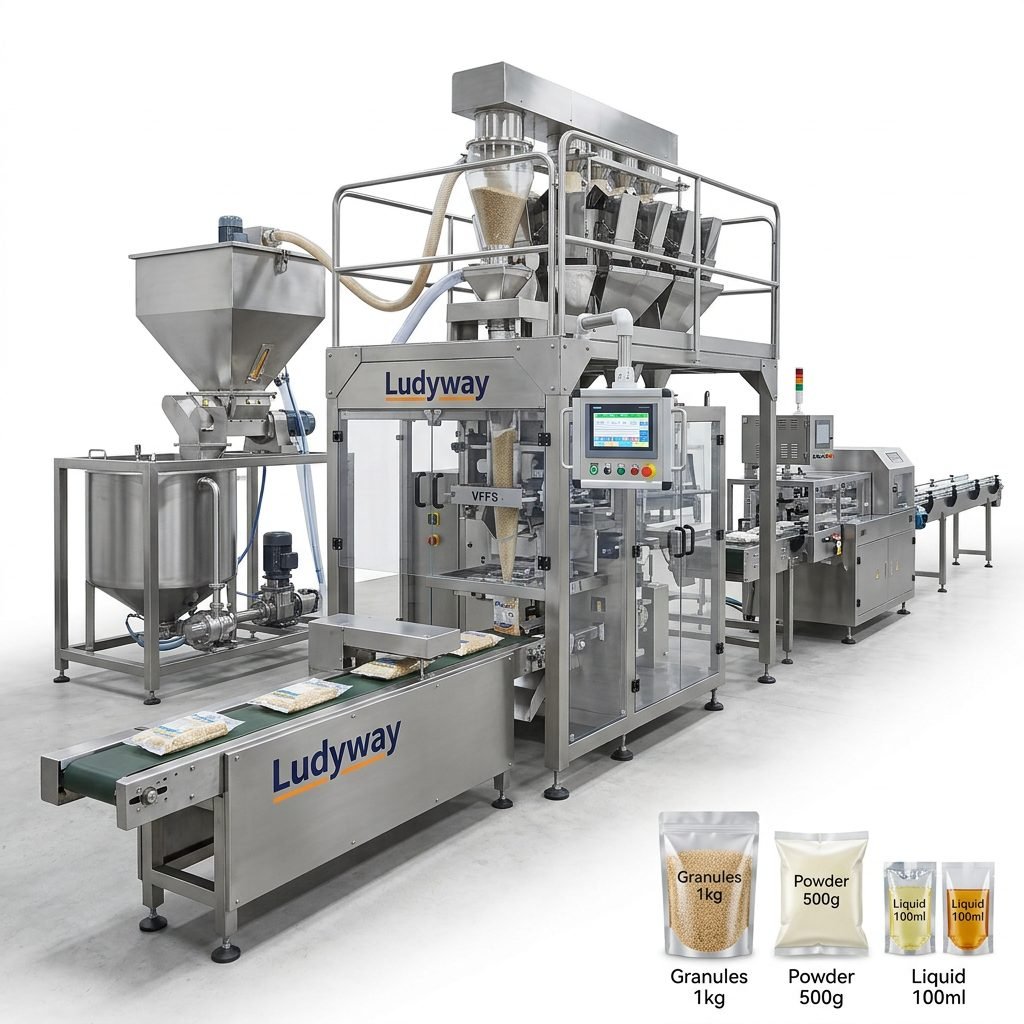
Among the companies benefiting from this trend is Ludyway, a China-based packaging machinery and turnkey line manufacturer known for serving a wide range of industries with automated solutions for powders, granules, liquids, pastes, and pouch-based products.
What Buyers Are Looking for in 2026
Procurement teams are becoming more selective. The focus has shifted beyond purchase price toward total lifecycle value. Buyers want machine suppliers that can provide not only hardware, but also engineering support, line integration capability, stable export delivery, and after-sales responsiveness.
Top purchasing criteria this year
- Compatibility with digital factory systems
- Proven experience in turnkey packaging line integration
- Support for multiple product formats and applications
- Reliable spare parts and remote technical service
- Scalability for future capacity expansion
- Consistent machine quality across international projects
Outlook: From Digital Projects to Digital Operations
Looking ahead, the packaging industry’s next stage will not be defined only by adopting new equipment, but by how effectively companies connect machines, people, and supply chain data into one operational system. The strongest performers in 2026 and beyond are likely to be those that treat packaging as a strategic data-driven function rather than a final production step.
As digital integration expands, packaging lines will become more intelligent, more adaptive, and more central to inventory control, quality assurance, and customer responsiveness. For manufacturers navigating global competition, regulatory pressure, and changing consumer demand, that evolution is no longer optional.
2026 industry outlook in brief
Digital integration is expected to accelerate further, particularly in high-growth sectors such as pharmaceuticals, nutrition, convenience foods, and flexible packaging. Suppliers that combine automation, customization, and line-level intelligence will be best positioned to support the next generation of global packaging supply chains.