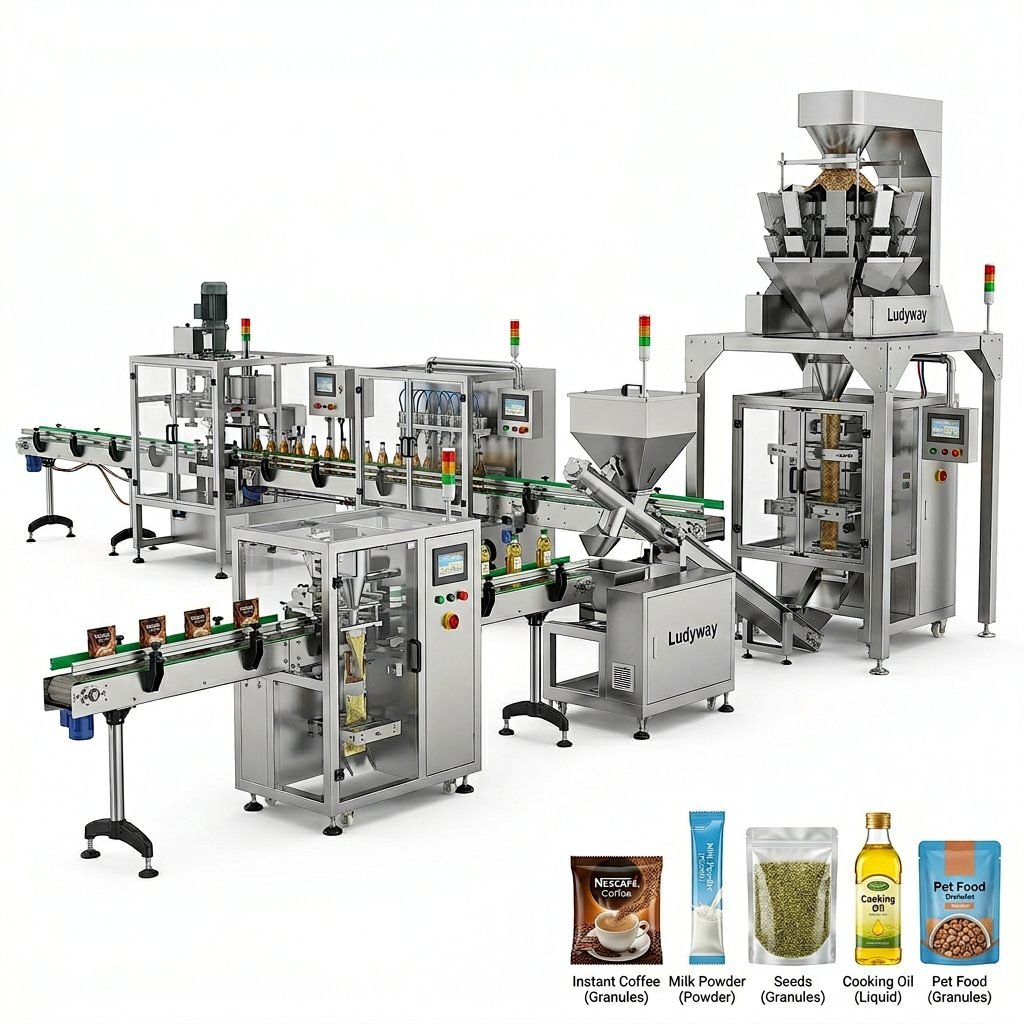
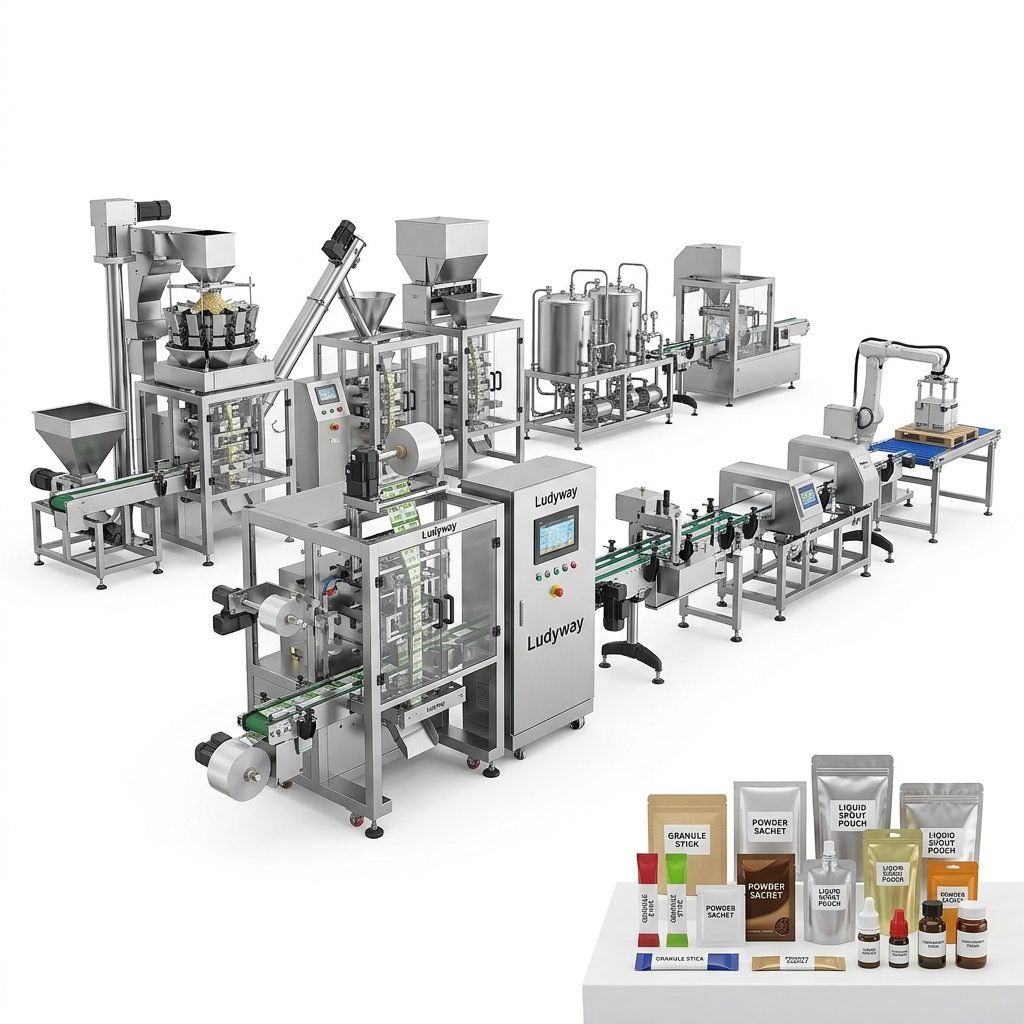
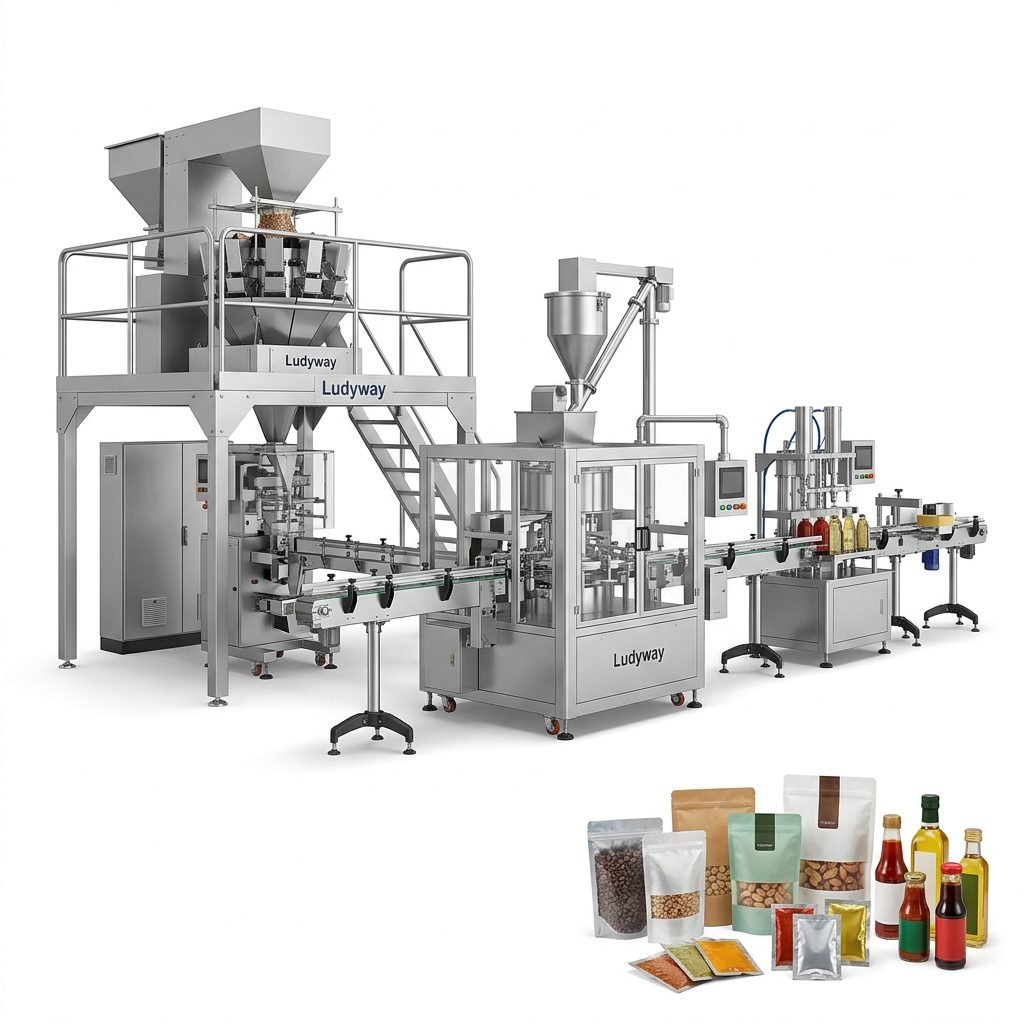
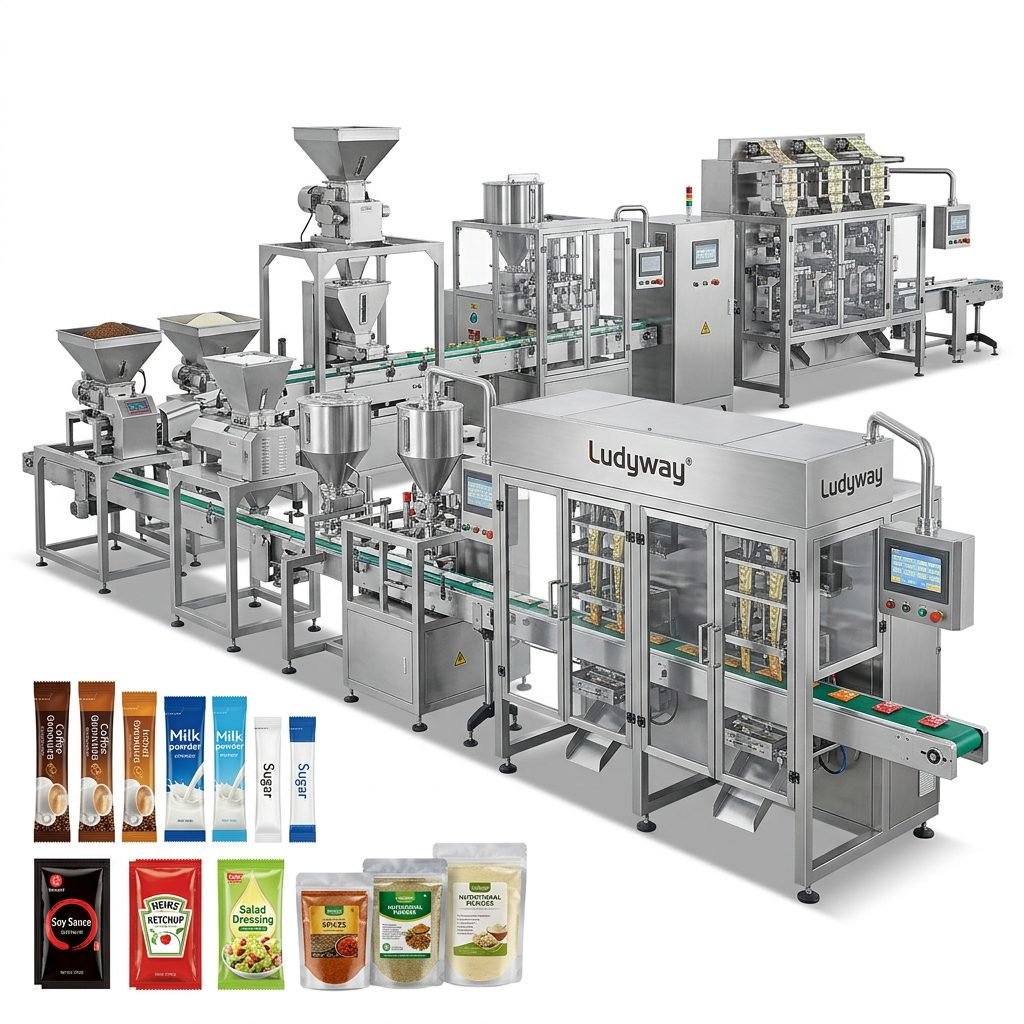
Industry Outlook: The packaging sector is entering a new phase of alignment as standardization efforts are expected to become more unified in 2026. For manufacturers, brand owners, and supply-chain partners, this shift is more than a regulatory update—it is a practical move toward higher efficiency, better quality consistency, and smarter production management.
Across food, pharmaceutical, nutraceutical, cosmetics, and chemical packaging, industry stakeholders are increasingly prioritizing common technical benchmarks for machine performance, material compatibility, labeling accuracy, traceability, hygiene control, and line integration. The result is likely to be a packaging environment where production decisions become faster, audits become easier, and output quality becomes more predictable.
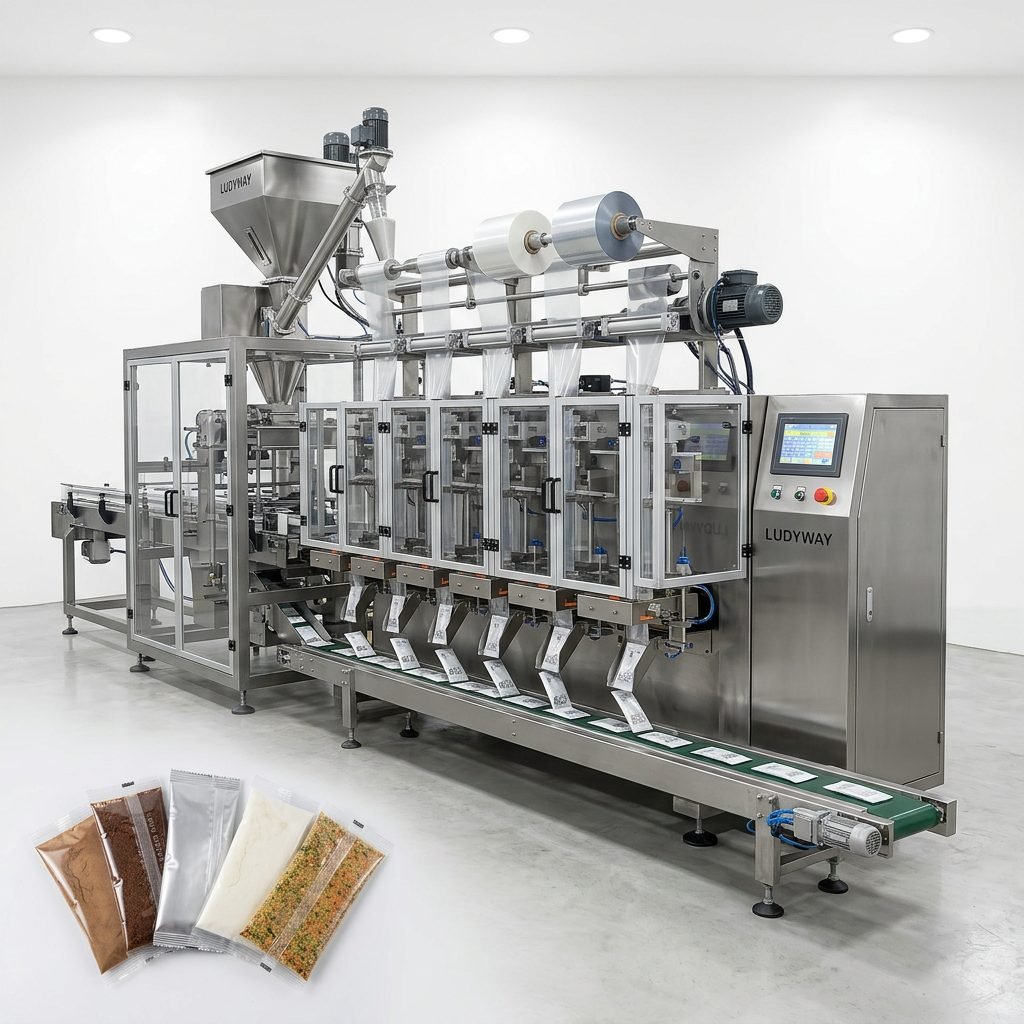
Why 2026 Matters for Packaging Standardization
In recent years, packaging requirements have expanded rapidly due to automation upgrades, export compliance, sustainability pressures, and rising consumer expectations. Different markets have often applied different interpretations of safety, machine documentation, validation, and production control. This has increased complexity for manufacturers operating across multiple regions.
By 2026, the push toward more unified standards is expected to reduce that fragmentation. In practical terms, companies may see:
- Clearer equipment requirements for safety, cleanliness, and repeatability
- More consistent testing and inspection procedures across packaging lines
- Improved comparability between machine suppliers and automation solutions
- Stronger alignment between packaging design, filling accuracy, and final product compliance
- Faster onboarding for new production lines and line expansions
Key Areas Expected to Become More Unified
Industry observers expect 2026 standardization efforts to focus on several operational areas that directly affect productivity and quality assurance.
1. Machine Integration and Data Communication
Modern packaging lines increasingly combine feeders, fillers, sealers, checkweighers, coding systems, cartoners, and palletizing modules. Unified communication standards can improve data sharing between these systems, helping factories reduce downtime and support more accurate production monitoring.
2. Hygiene and Material Contact Standards
This is especially important in food and pharmaceutical sectors, where cleanability, contamination control, and material compatibility are directly tied to compliance. Better standardization may help buyers evaluate whether a system truly fits sensitive applications rather than relying only on general performance claims.
3. Packaging Accuracy and Quality Verification
Unified benchmarks for fill tolerance, seal integrity, coding readability, and defect rejection are expected to play a larger role. These metrics support both production efficiency and consumer trust.
4. Documentation, Validation, and Traceability
As more factories digitalize production, the ability to generate structured records for audits, maintenance, and quality review becomes a major competitive factor. Standardized documentation formats can lower administrative burden while improving visibility.
Expected Impact on Manufacturers and Brand Owners
Unified packaging standards are expected to create measurable operational benefits for both equipment buyers and end-product companies. Instead of adjusting processes from project to project, businesses can move toward more repeatable production models.
| Area | Current Challenge | Potential 2026 Benefit |
|---|---|---|
| Line Integration | Mixed protocols and uneven compatibility | Faster installation and smoother automation linkage |
| Quality Control | Varying acceptance criteria across facilities | More stable inspection and reduced defect rates |
| Compliance | Complex audit preparation | Better traceability and simplified documentation flow |
| Production Efficiency | Frequent process adjustments | Improved repeatability and lower setup variability |
| Procurement | Difficult supplier comparison | More transparent equipment evaluation |
What This Means for Packaging Equipment Suppliers
Equipment manufacturers will likely need to respond with more modular, compliant, and data-ready machine platforms. Buyers are no longer looking only for output speed; they also want flexible systems that support easier cleaning, more reliable sealing, simpler maintenance, and digital production oversight.
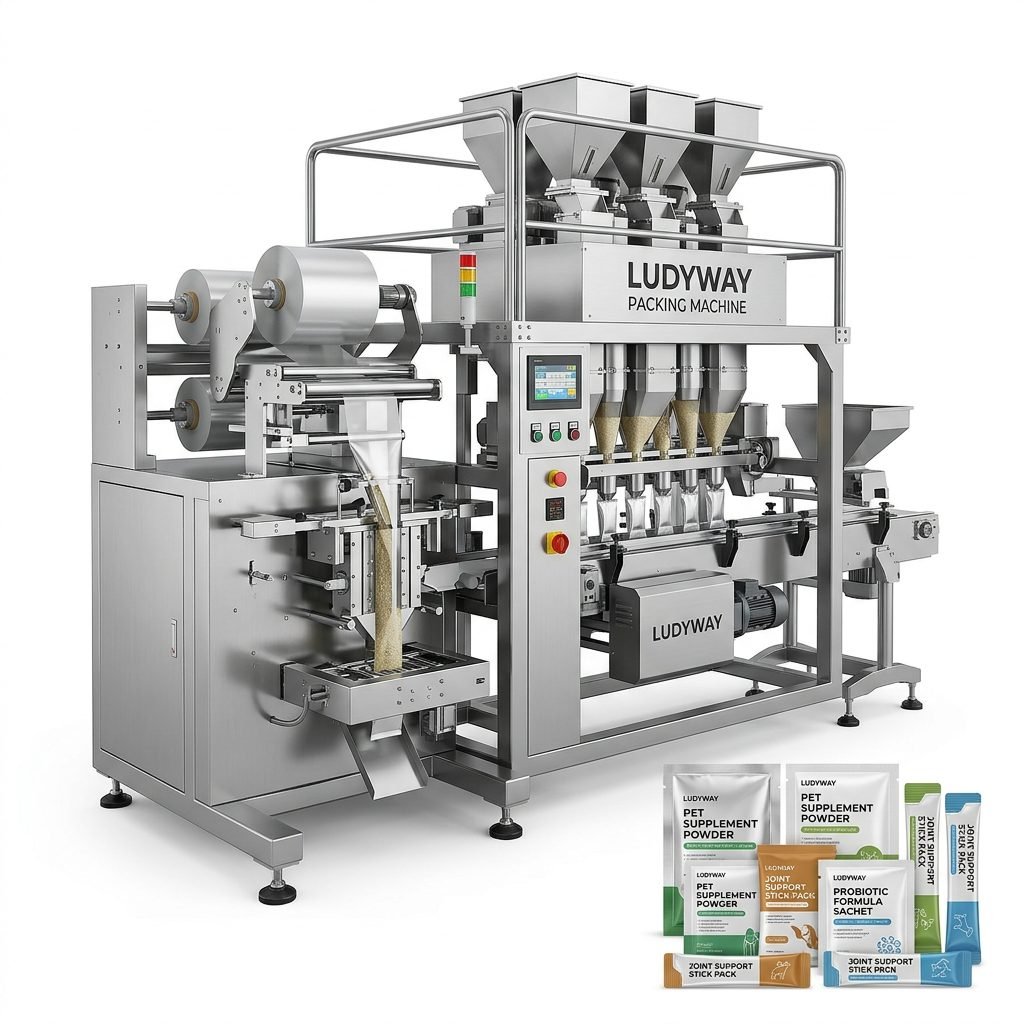
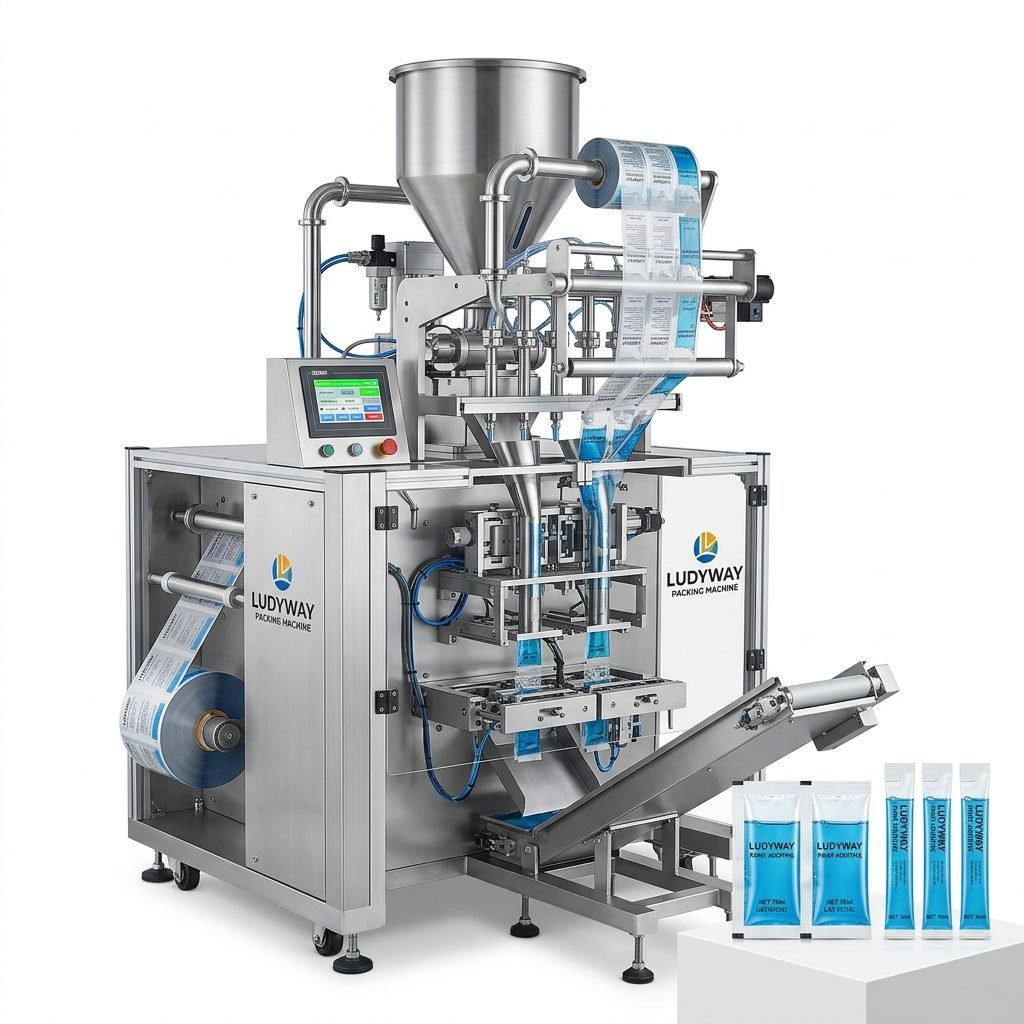
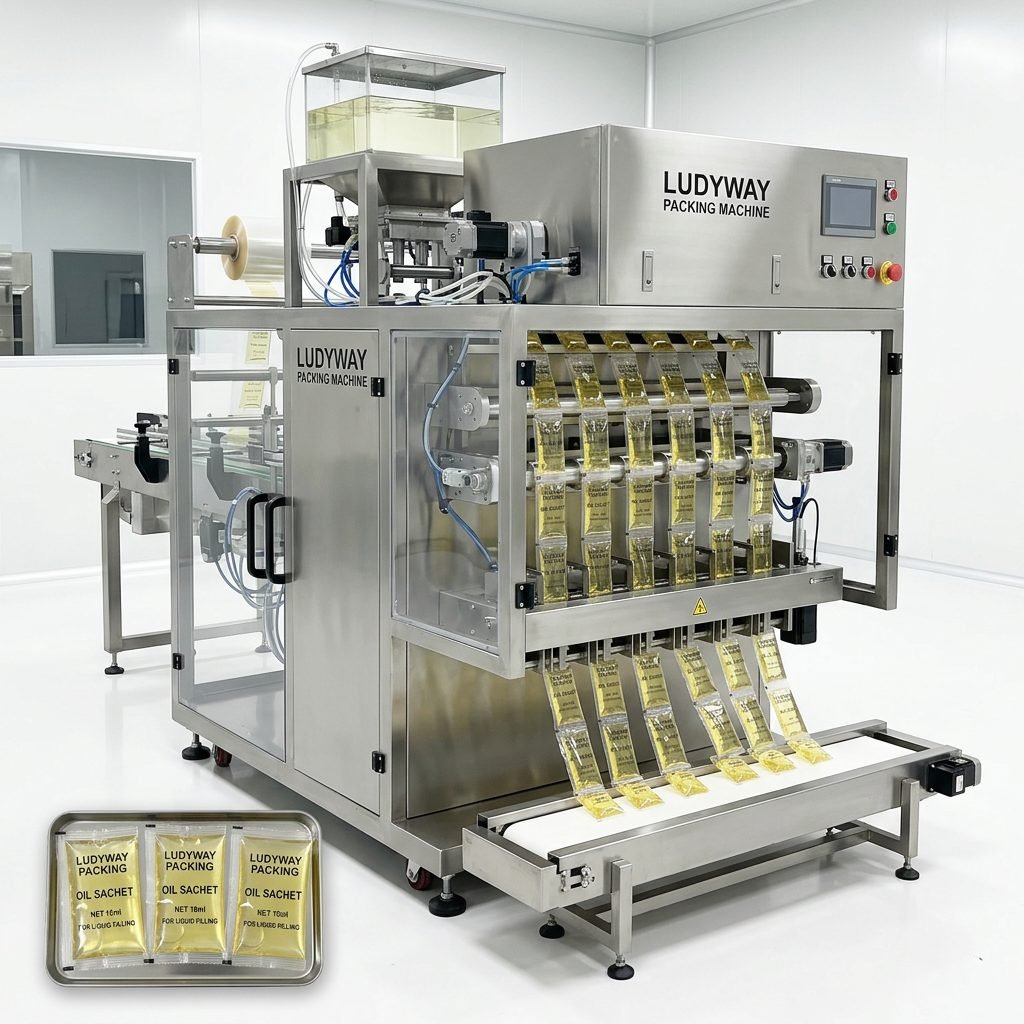
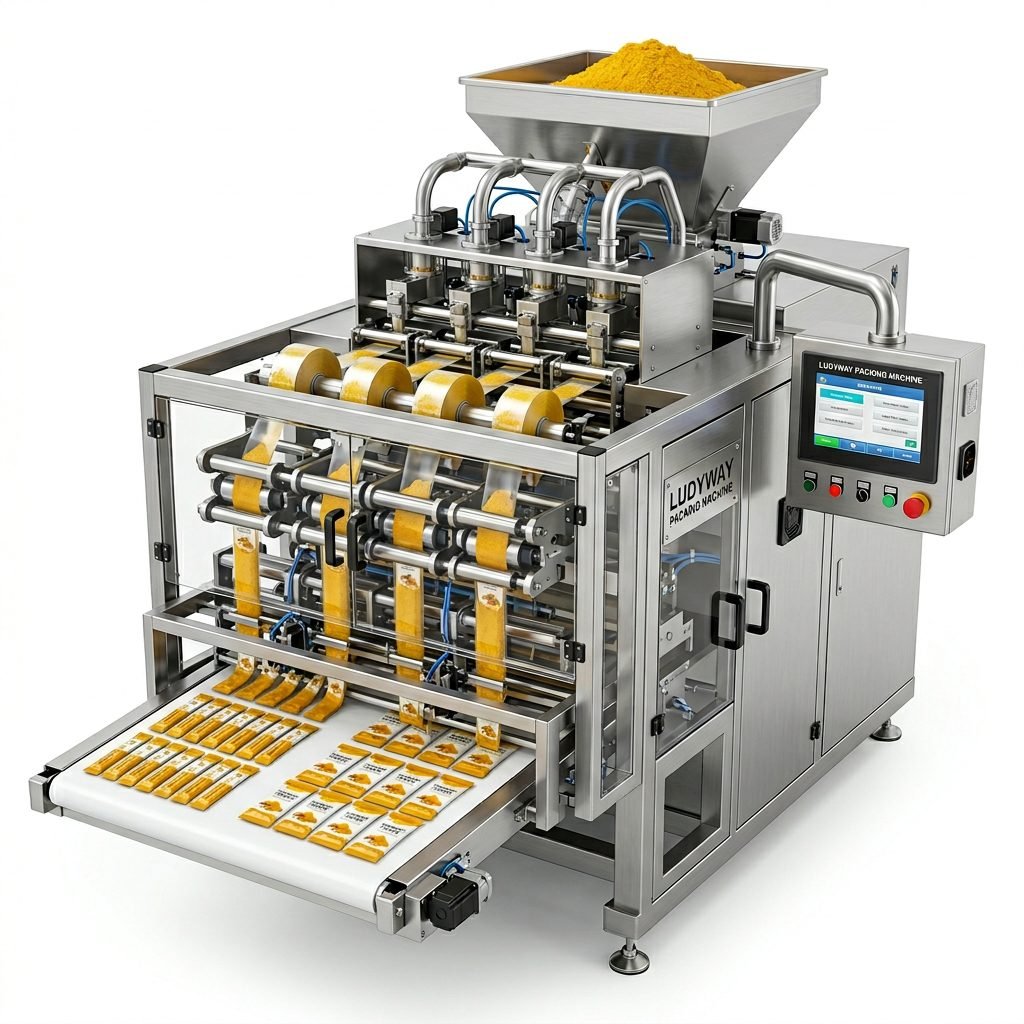
In this environment, suppliers with long-term engineering capability and turnkey integration experience may be better positioned to support changing requirements. Companies such as Ludyway packaging machine manufacturer are part of a broader group of export-oriented packaging solution providers focused on automation, multi-format filling, and complete line delivery for industries that require both production efficiency and compliance readiness.
Industries Likely to Benefit the Most
- Food packaging — where weight accuracy, sealing stability, and hygiene control are critical
- Pharmaceutical packaging — where validation, traceability, and contamination prevention are essential
- Health supplement packaging — where batch consistency and dosage accuracy strongly affect brand trust
- Cosmetic packaging — where product presentation and filling precision influence market competitiveness
- Chemical packaging — where safety, material handling, and leak prevention remain top concerns
Short-Term Operational Shifts to Watch
- More factory investment in integrated inspection and coding systems
- Stronger demand for machines with easier validation and maintenance records
- Growing preference for turnkey lines rather than isolated standalone units
- Increased supplier scrutiny around export compliance capability
- Higher importance of scalable equipment for future standard changes
Strategic Takeaway for 2026
The move toward unified packaging industry standards in 2026 is expected to reshape how companies select equipment, design production lines, and manage quality systems. Rather than treating compliance and efficiency as separate goals, businesses are increasingly seeing them as part of the same operational strategy.
The companies that prepare early—by upgrading machinery, improving documentation processes, and adopting more standardized line architecture—are likely to gain advantages in output consistency, customer confidence, and long-term scalability.
Final Market View
As standardization becomes more unified, the packaging industry is expected to become more transparent, automated, and performance-driven. For manufacturers facing rising labor costs, stricter audits, and stronger delivery pressure, that shift could become one of the most important drivers of operational excellence in 2026.