In today’s fast-paced manufacturing landscape, efficient and reliable packaging is a critical component of success across numerous industries. Multivac packaging machines stand at the forefront of this technology, offering versatile solutions for a wide range of products. This comprehensive guide delves into the various types of Multivac machines, their working principles, key applications, and essential tips for making an informed purchase decision.
Understanding Multivac Packaging Machines
Multivac is a globally recognized leader in the packaging machinery sector, synonymous with innovation, durability, and precision. These machines are engineered to handle everything from food products and pharmaceuticals to medical devices and industrial goods. The core strength of Multivac technology lies in its adaptability, allowing for thermoforming, tray sealing, vacuum skin packaging, and more, all under one renowned brand umbrella.
Key Takeaway: Multivac machines are not a one-size-fits-all solution but a family of sophisticated systems designed for specific packaging formats and production requirements. Understanding this range is the first step toward selecting the right equipment.
Primary Types of Multivac Packaging Machines
The Multivac portfolio is diverse, catering to different packaging needs. Here are the main categories:
1. Thermoforming Packaging Machines
These are the flagship models for Multivac. They operate by heating a roll of plastic film (the web) and forming it into cavities or trays within the machine. The product is placed into these formed pockets, a top lidding film is applied, and the package is sealed and cut. This method is exceptionally efficient for high-volume production of items like cheese slices, processed meats, and medical device kits.
2. Tray Sealing Machines
Designed for pre-formed trays, bowls, or pots, these machines automate the process of placing a lidding film over the container and applying a hermetic seal. They are ideal for ready meals, fresh produce, dairy products, and pharmaceuticals, offering excellent product presentation and extended shelf life.
3. Vacuum Skin Packaging (VSP) Machines
VSP technology involves draping a heated top film tightly over the product, which sits on a pre-cut base film or board. This creates a “second skin” effect that contours perfectly to the product’s shape, dramatically enhancing visual appeal and minimizing purge loss in meat and seafood packaging. It’s a premium solution for high-value goods.
4. Chamber Machines
These are robust, versatile workhorses for vacuum sealing products in flexible bags or pouches. The product in its bag is placed inside a chamber, the air is evacuated, and the bag is sealed. They are widely used for bulk packaging of frozen foods, industrial parts, and electronic components.
Comparison at a Glance
Thermoformers: Best for high-speed, in-line production of portion packs from roll stock.
Tray Sealers: Perfect for excellent seal integrity and presentation with pre-made containers.
VSP Machines: Deliver superior product visibility and shelf appeal for premium items.
Chamber Machines: Offer great flexibility and strong vacuum for bagged products.
Core Working Principles
While each machine type has its unique process, they share common technological principles centered on heat, pressure, and precision control.
The Thermoforming Process Cycle
This cycle is a marvel of automation. It begins with the film feed, where the base and lidding films are unwound. The base film then passes through a heating station to become pliable. Next, a forming station uses a mold and pressure (air or plug assist) to create cavities. Products are loaded, often by robotic pick-and-place systems. The lidding film is applied, and a sealing station uses heat and pressure to create a hermetic seal. Finally, the connected packages are die-cut into individual units and discharged. Advanced models integrate gas flushing (Modified Atmosphere Packaging – MAP) between forming and sealing to displace oxygen with a preservative gas mix, significantly extending shelf life.
Sealing Technology
The quality of the seal is paramount. Multivac machines utilize precise temperature control and pressure application to ensure a consistent, leak-proof seal that maintains package integrity throughout distribution and storage. The sealing dies are engineered for the specific film materials being used.
Industry Applications
The versatility of Multivac machines makes them indispensable across sectors.
- ✓ Food Industry: The primary user, for packaging sliced meats, cheese, snacks, ready-to-eat meals, fresh pasta, and produce. MAP capabilities are crucial here for freshness.
- ✓ Pharmaceuticals & Medical: For blister packs, diagnostic kits, and sterile device packaging. The machines ensure a clean, tamper-evident, and compliant seal.
- ✓ Industrial Goods: Packaging electronic components, tools, and hardware in sealed, protective packs.
- ✓ Personal Care & Chemicals: For single-dose sachets of shampoo, lotion, or detergent samples.
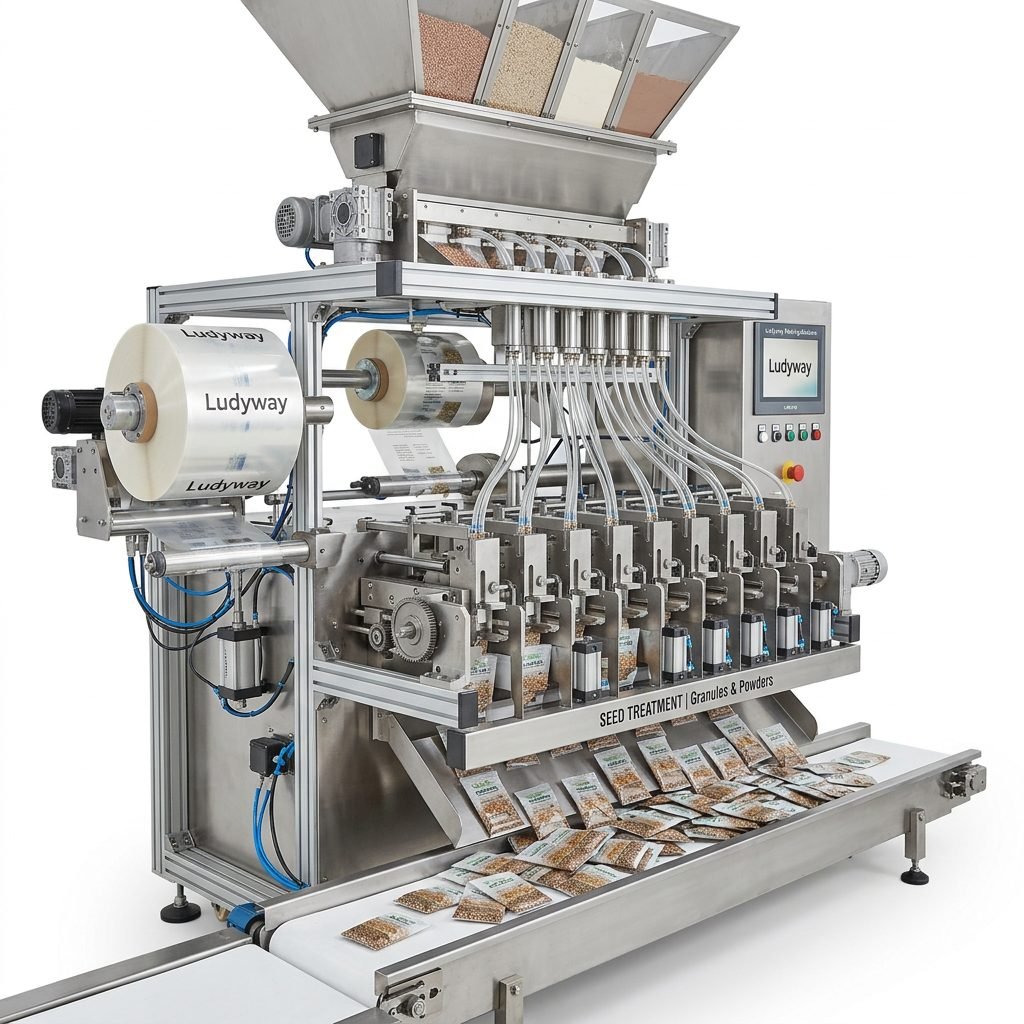
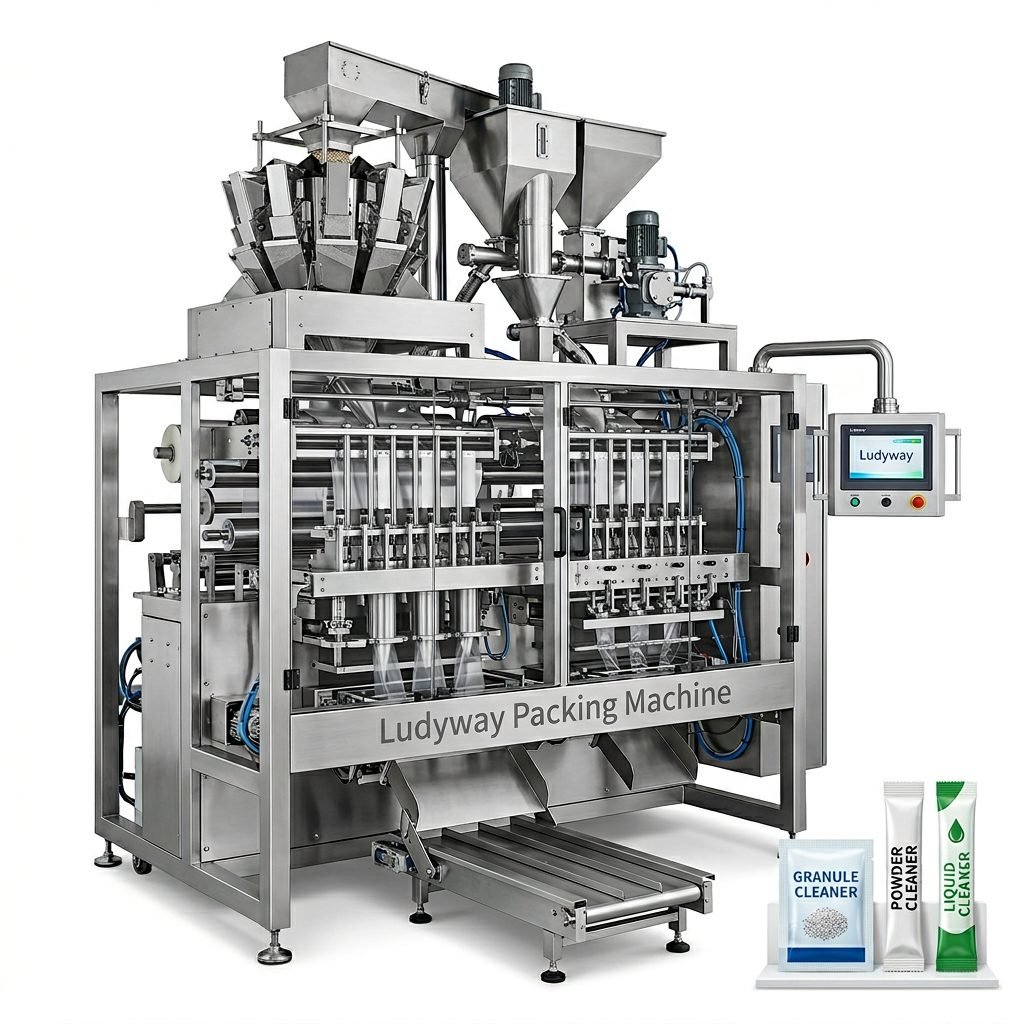
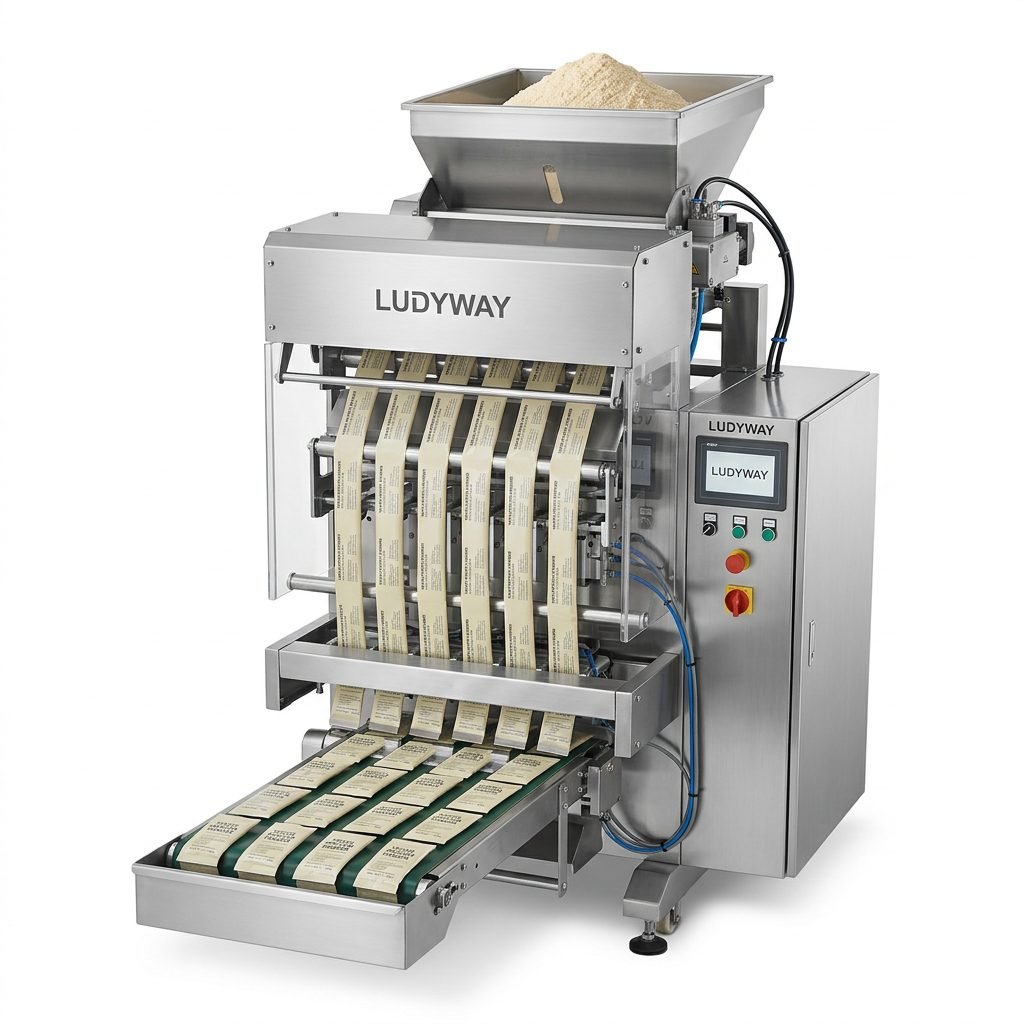
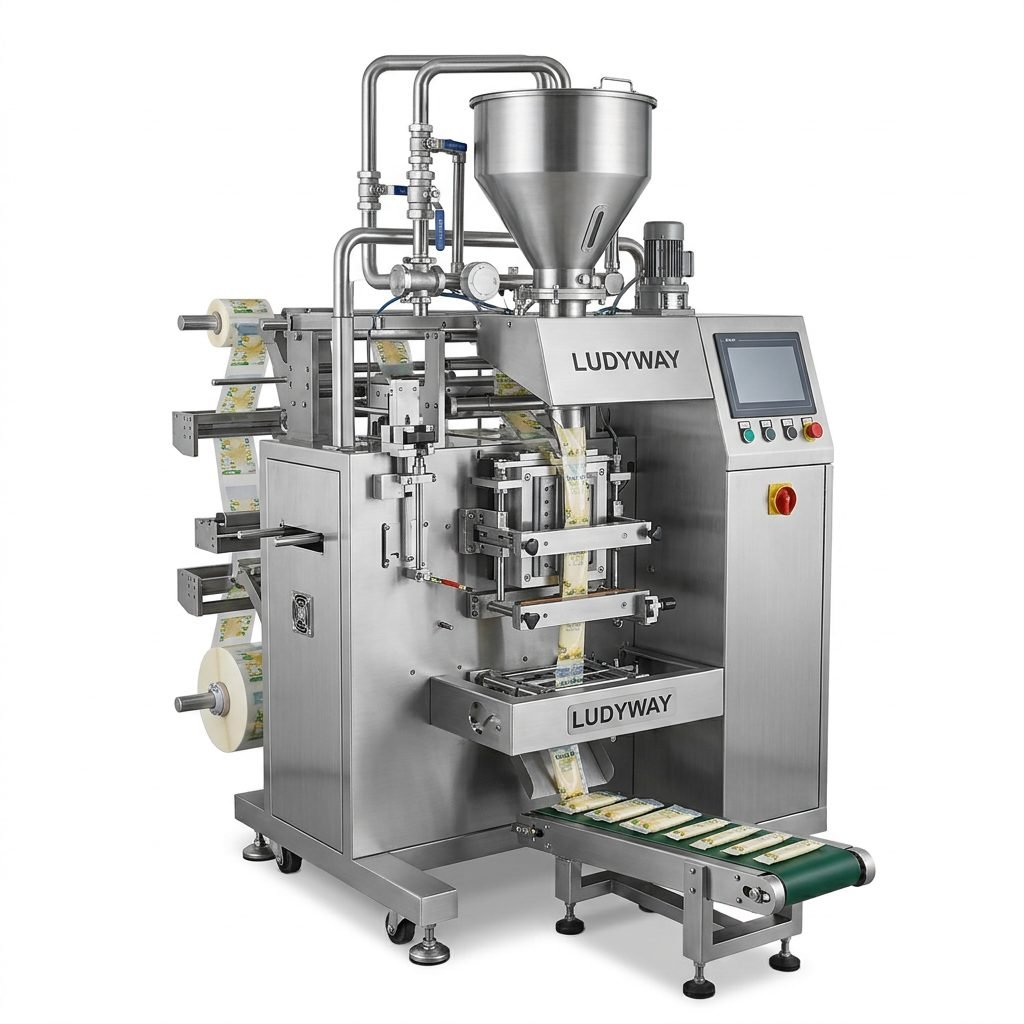
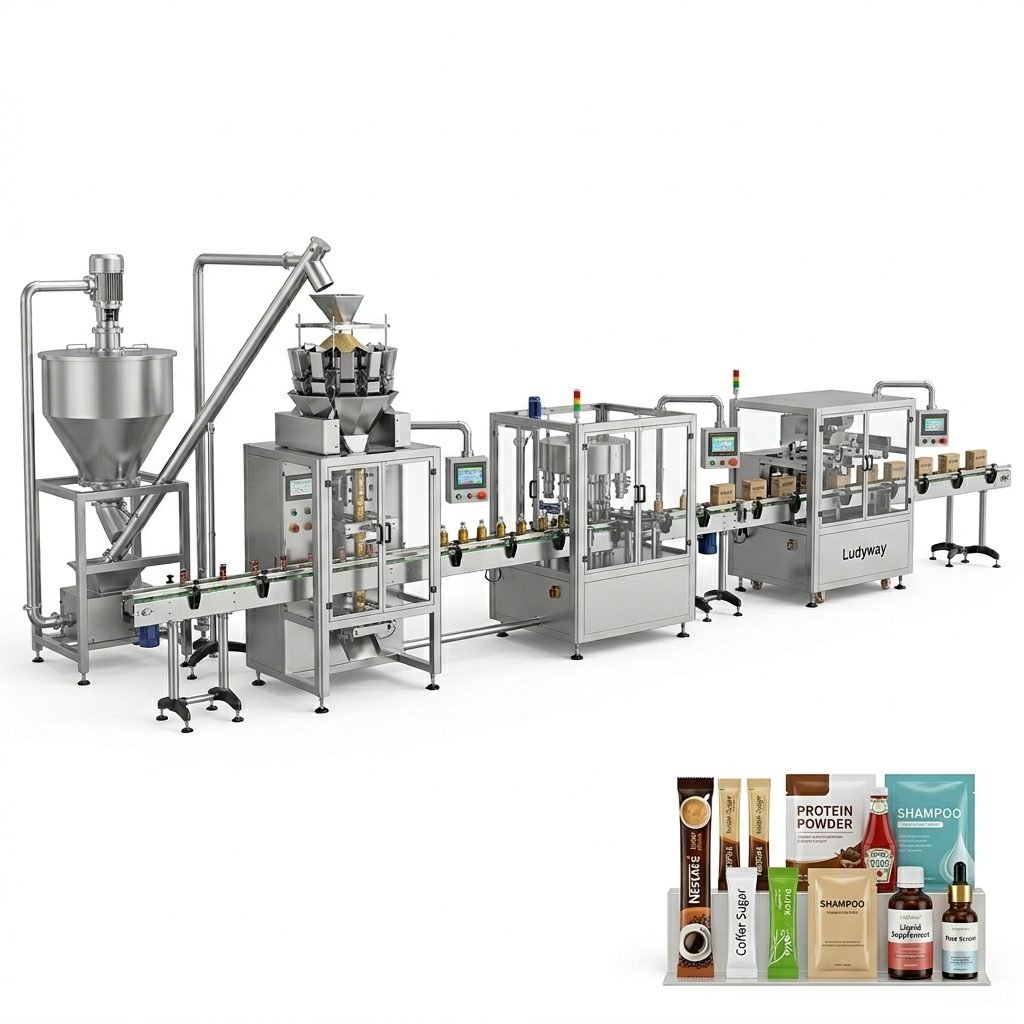
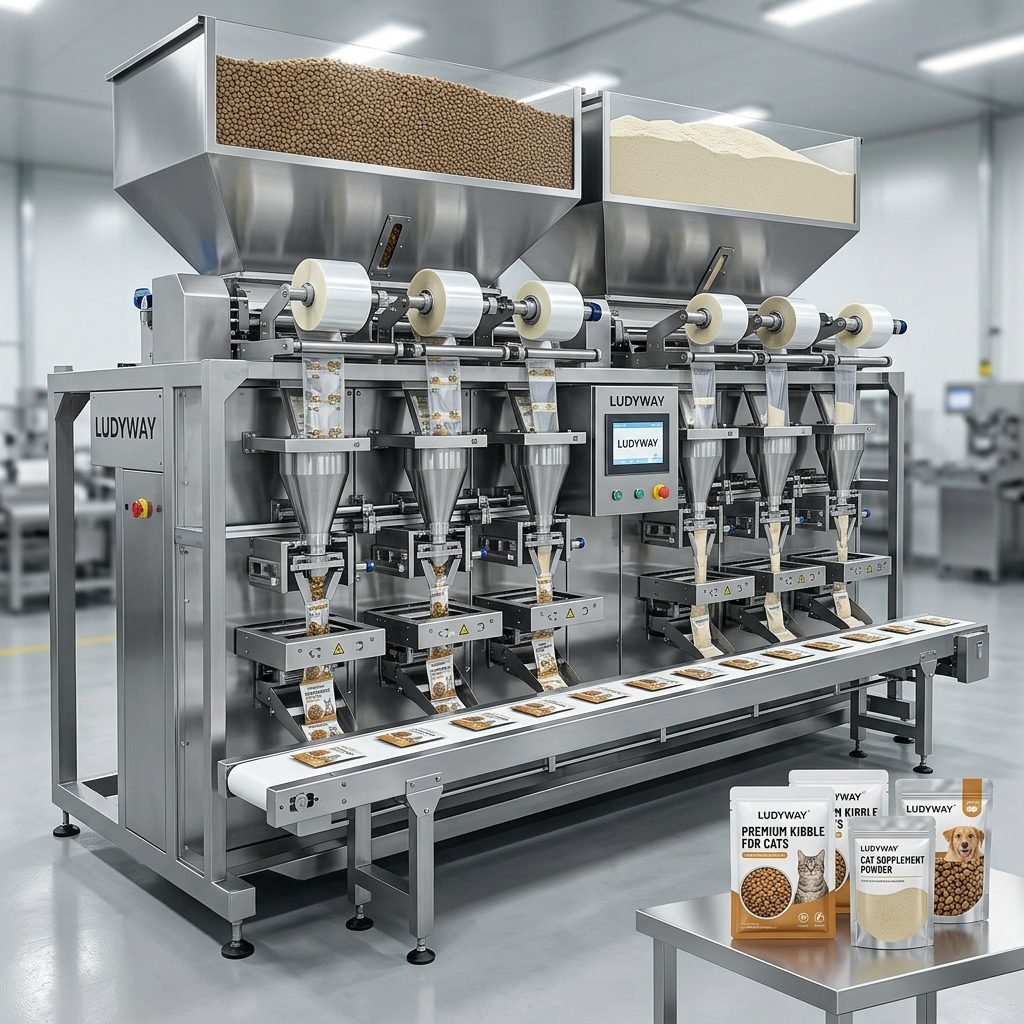
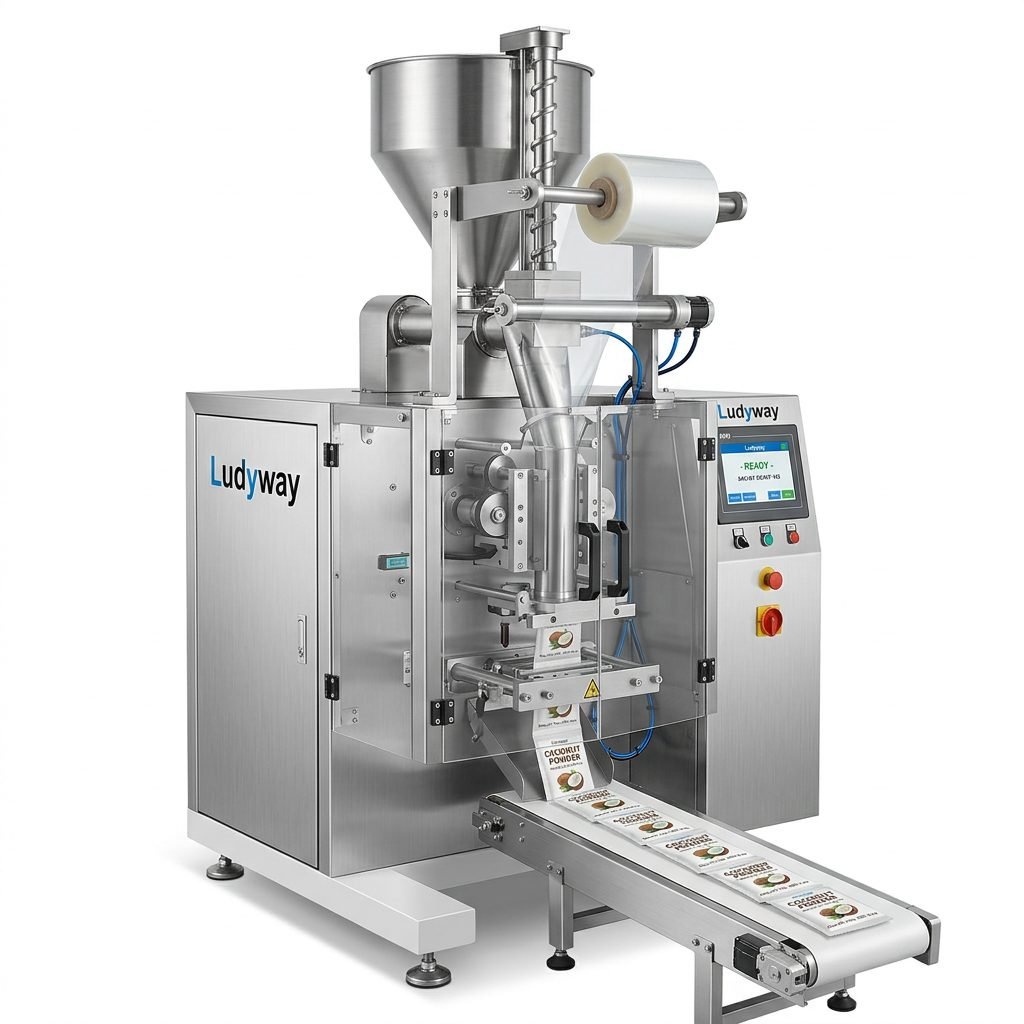
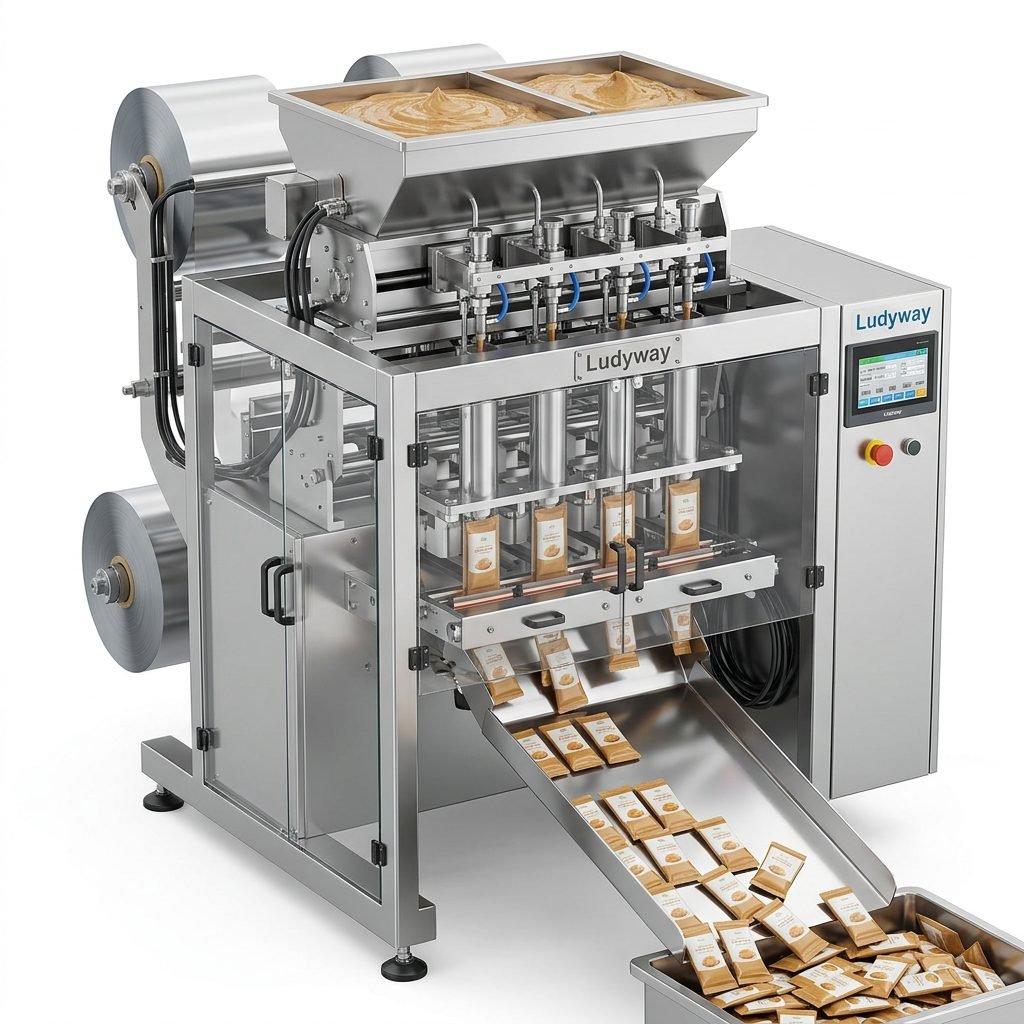
For businesses seeking robust and intelligent packaging solutions, exploring the range of multi-lane stick pack and sachet packaging systems can offer high-speed, compact alternatives for granular, powdered, or liquid products, complementing larger thermoforming lines.
Essential Buying Tips
Investing in a Multivac machine is a significant decision. Here are critical factors to consider:
1. Define Your Product and Output Needs
Clearly outline your product’s size, shape, consistency, and sensitivity (e.g., to oxygen, crushing). Determine your required production speed (packages per minute) and consider future growth. A detailed product analysis is the foundation of the selection process.
2. Choose the Right Packaging Format
Decide whether thermoforming, tray sealing, or skin packaging best suits your product’s marketing, shelf life, and cost requirements. The packaging format dictates the machine type.
3. Material Compatibility
The machine must be compatible with the films or lidding materials you plan to use. Discuss barrier properties, seal layers, and sustainability goals (like mono-material structures) with your supplier and the machine provider. Material choice directly impacts performance and cost.
4. Automation and Integration Level
Evaluate how the machine will fit into your production line. Do you need automatic product loading (robotics), integrated checkweighers, or vision inspection systems? Consider upstream and downstream equipment for a seamless turnkey production solution.
5. Supplier Support and Service
The machine’s quality is only half the equation. Choose a supplier with a proven track record. Look for comprehensive after-sales support, including installation, operator training, readily available spare parts, and responsive technical service. A partner with deep industry experience can prevent costly downtime. Partners like Ludyway Machinery, with decades in the field, exemplify the value of reliable support and customized automation solutions tailored to global production needs.
📋 Pre-Purchase Checklist
☐ Conduct product and film trials on the desired machine.
☐ Audit total cost of ownership (machine price, film cost, maintenance, energy use).
☐ Verify machine compliance with local and industry safety/health regulations (e.g., FDA, EU).
☐ Secure clear warranties and service level agreements (SLAs).
☐ Plan for adequate factory space, utilities (power, compressed air), and operator training.
Frequently Asked Questions (FAQs)
What is the main advantage of a thermoforming machine over a tray sealer?
The primary advantage is cost efficiency in high-volume scenarios. Thermoformers create the package tray from a roll of film, which is generally less expensive than using pre-made, rigid trays. They also allow for more compact, in-line production from a single roll of material, reducing handling and storage of pre-formed containers.
Can Multivac machines handle liquid products?
Yes, but it requires specific configurations. For thermoformers, this involves deeper, leak-proof cavity designs and often a “fin seal” or other specialized sealing techniques to prevent liquid from contaminating the seal area. It’s crucial to discuss liquid packaging explicitly during the machine selection and testing phase.
How important is Modified Atmosphere Packaging (MAP) and is it complex to operate?
MAP is critically important for extending the shelf life of fresh, oxygen-sensitive products like meats, cheeses, and prepared foods. Modern Multivac machines with integrated MAP systems are highly automated. The complexity lies in fine-tuning the correct gas mixture (e.g., nitrogen, carbon dioxide) for your specific product, which a knowledgeable supplier can help you optimize.
What is the typical lead time for acquiring and installing a new Multivac line?
Lead times can vary significantly based on machine complexity, customization, and current manufacturer backlog. For a standard model, expect several months from order to delivery. Installation and commissioning may take an additional few weeks. Always factor in time for factory preparation, utility connections, and comprehensive staff training.
Are used or refurbished Multivac machines a good option?
They can be a cost-effective entry point, especially for lower-volume or budget-conscious operations. However, it is essential to purchase from a reputable dealer who can provide a full service history, guarantee the machine’s condition, and offer ongoing technical and parts support. Ensure the machine’s specifications still match your current product and output needs.