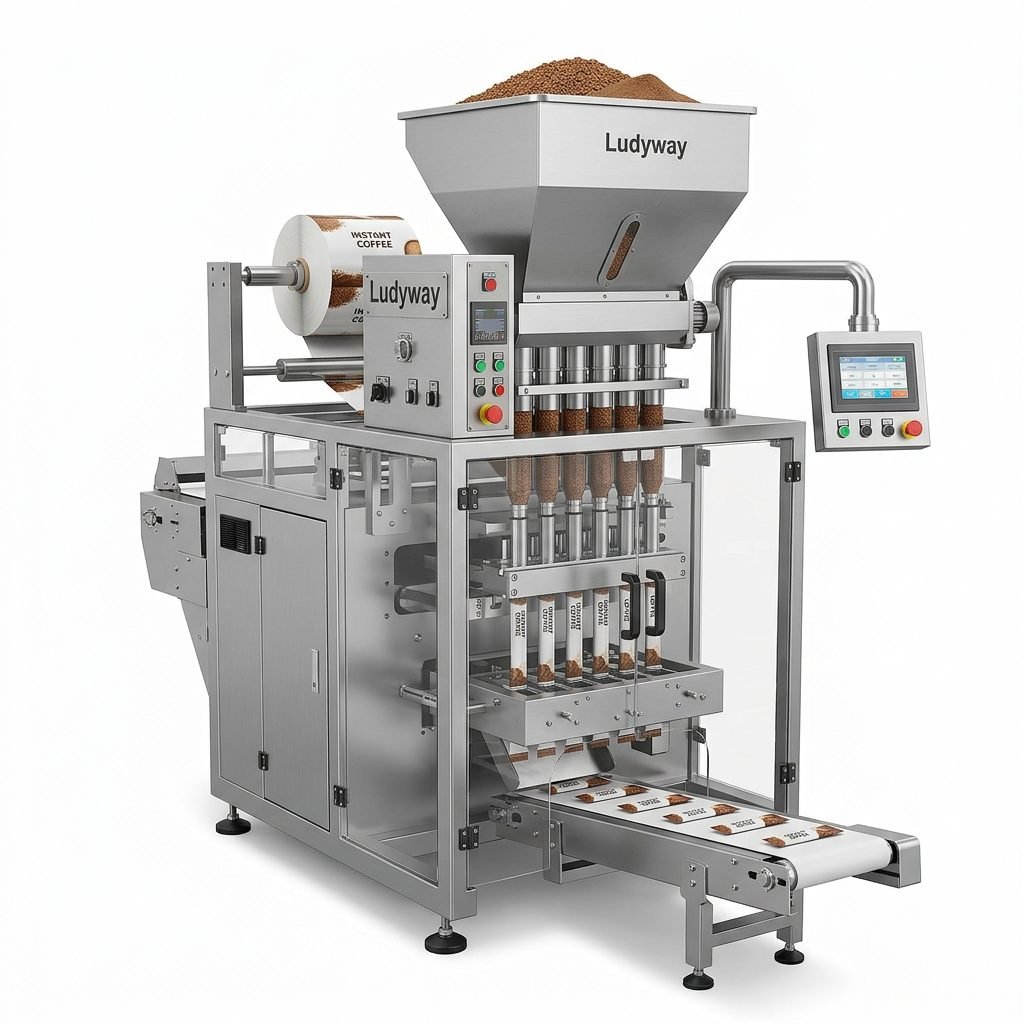
Choosing the right product packaging machine is not just a technical decision. It directly affects production speed, packaging consistency, labor costs, product safety, and your ability to scale. Whether you pack food, pharmaceuticals, cosmetics, chemicals, health supplements, or pet products, the best solution is the one that matches your product characteristics, output goals, and long-term business plan.
For many manufacturers, the challenge is not finding a packaging machine—it is finding the right packaging solution that fits the product, package format, plant layout, and future growth requirements.
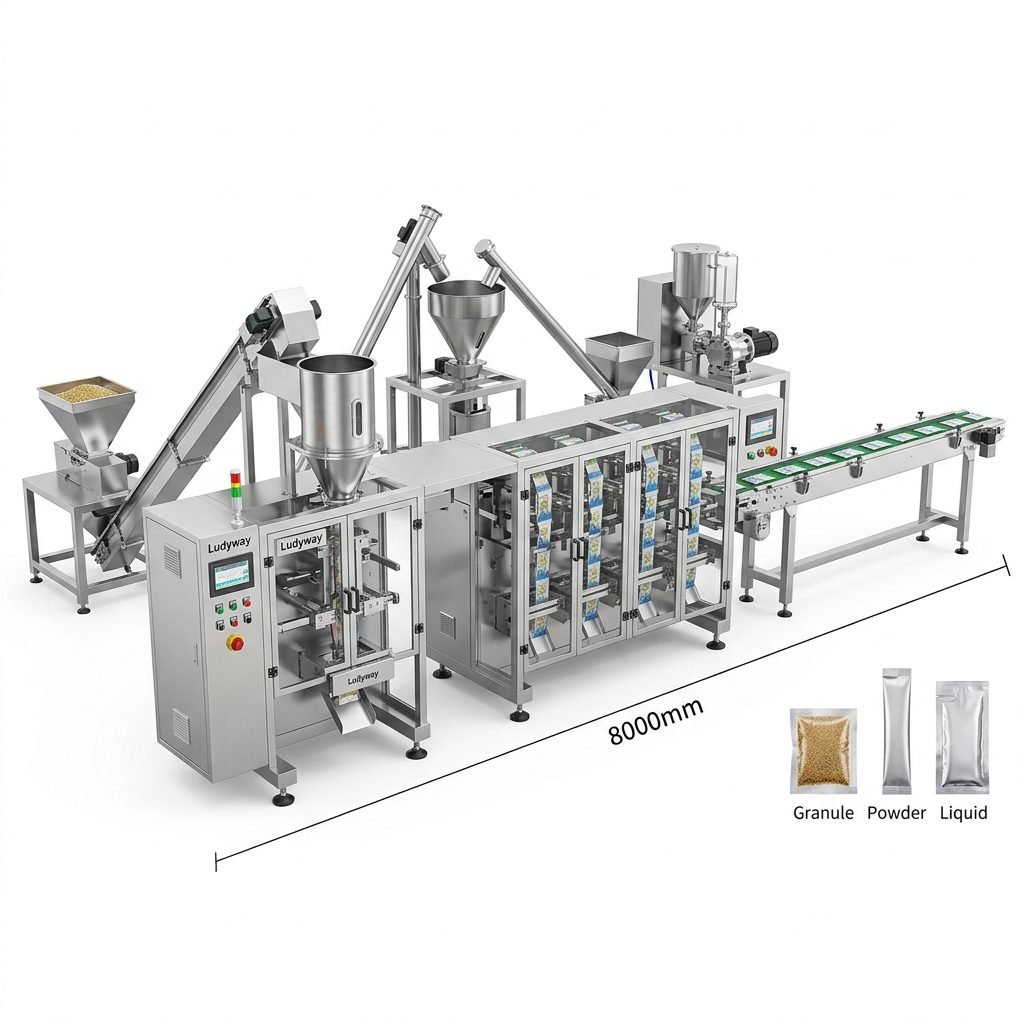
Why the Right Packaging Machine Matters
A packaging machine is more than a piece of equipment at the end of a production line. It is a key part of your overall manufacturing efficiency. The wrong machine can cause:
- Frequent downtime and changeover delays
- Inconsistent filling accuracy
- Seal failures and product leakage
- Higher labor dependency
- Wasted film, pouches, bottles, or cartons
- Difficulty meeting hygiene or compliance standards
By contrast, a well-matched machine improves productivity, supports quality control, and creates a more stable packaging workflow.
Start With Your Product Type
The first step is understanding what kind of material you need to pack. Different products behave differently during feeding, dosing, filling, and sealing.
| Product Type | Typical Examples | Common Packaging Solution |
|---|---|---|
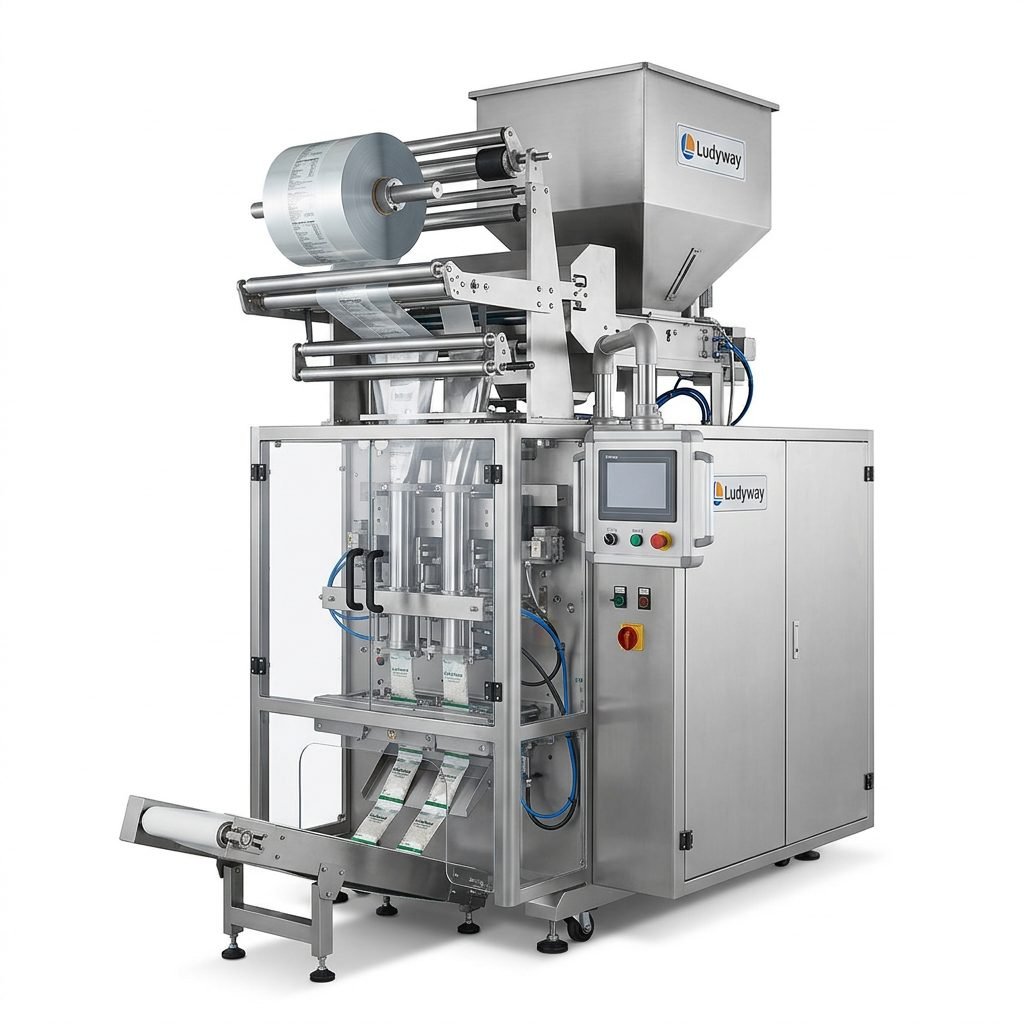
| Granules | Sugar, seeds, coffee granules, pet food, seasoning | Multi-head weighers, volumetric fillers, VFFS or pouch machines |
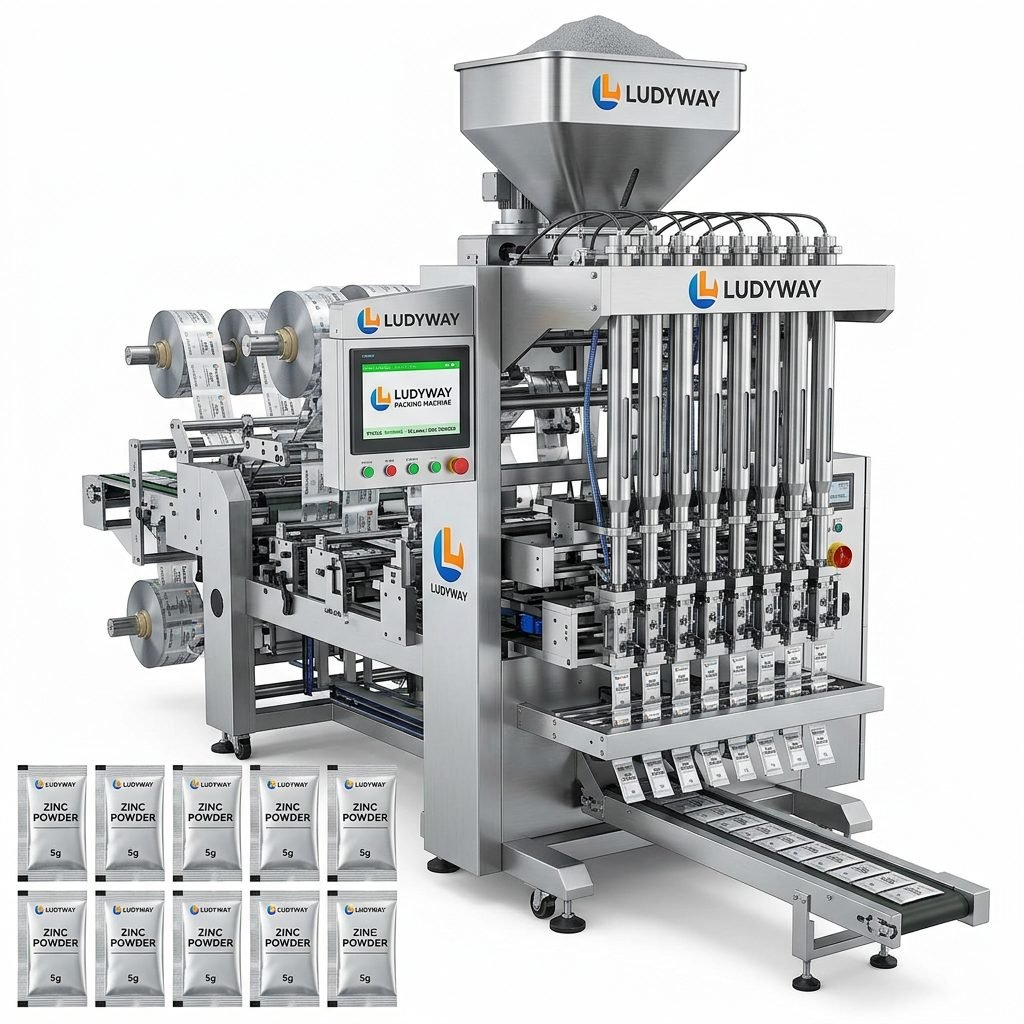
| Powders | Milk powder, protein powder, spices, pharma powders | Auger filling systems, stick pack or sachet machines |
| Liquids | Sauce, syrup, shampoo, sanitizer, oil | Piston fillers, pump fillers, bottle or pouch filling lines |
| Pastes / Creams | Peanut butter, lotion, cosmetic cream, gel | Servo piston fillers, sachet or tube filling systems |
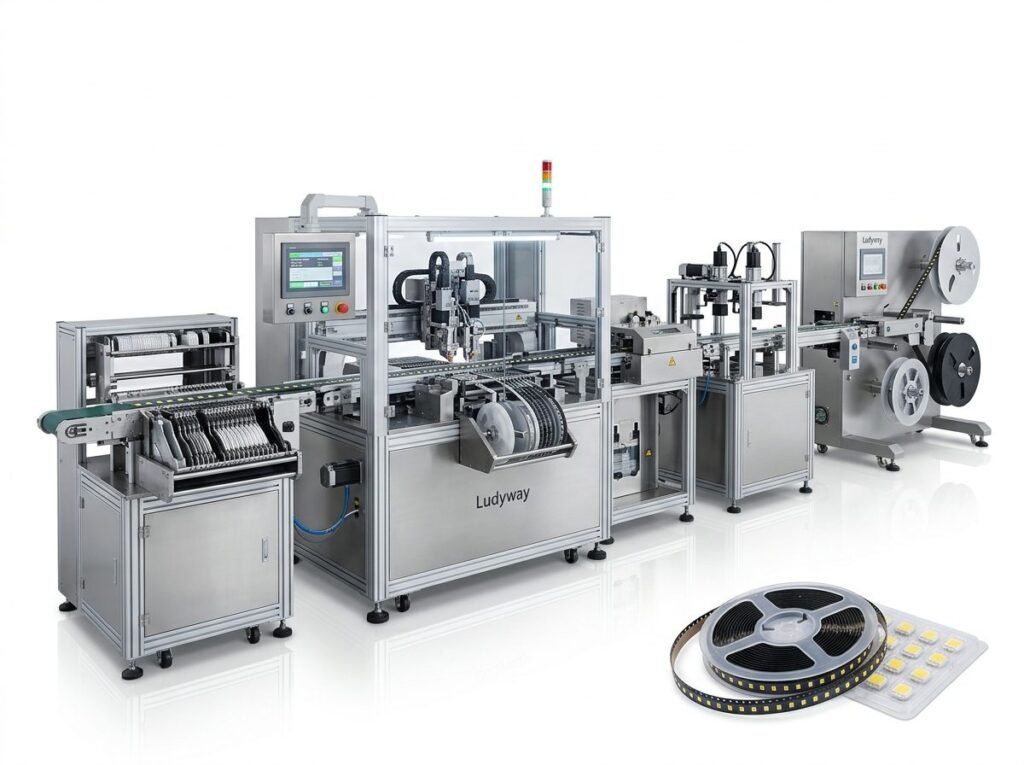
| Solid pieces | Tablets, capsules, hardware parts, candy pieces | Counting machines, blister lines, pouch or cartoning systems |
If your product has poor flowability, is dusty, sticky, corrosive, fragile, or sensitive to moisture, the machine must be selected with those characteristics in mind.
Questions to ask about the product
- Is the product free-flowing or difficult to feed?
- Does it require high-precision dosing?
- Is it sensitive to contamination, temperature, or oxygen?
- Will it foam, drip, clump, or separate during filling?
- Does it need GMP, food-grade, or chemical-resistant machine construction?
Choose the Right Packaging Format
Your packaging format influences machine type, material handling, line speed, and final shelf appeal. Before choosing a machine, confirm the package style you want today and what you may need in the future.
Popular packaging formats
- Sachets – Ideal for powders, granules, liquids, gels, and single-use products
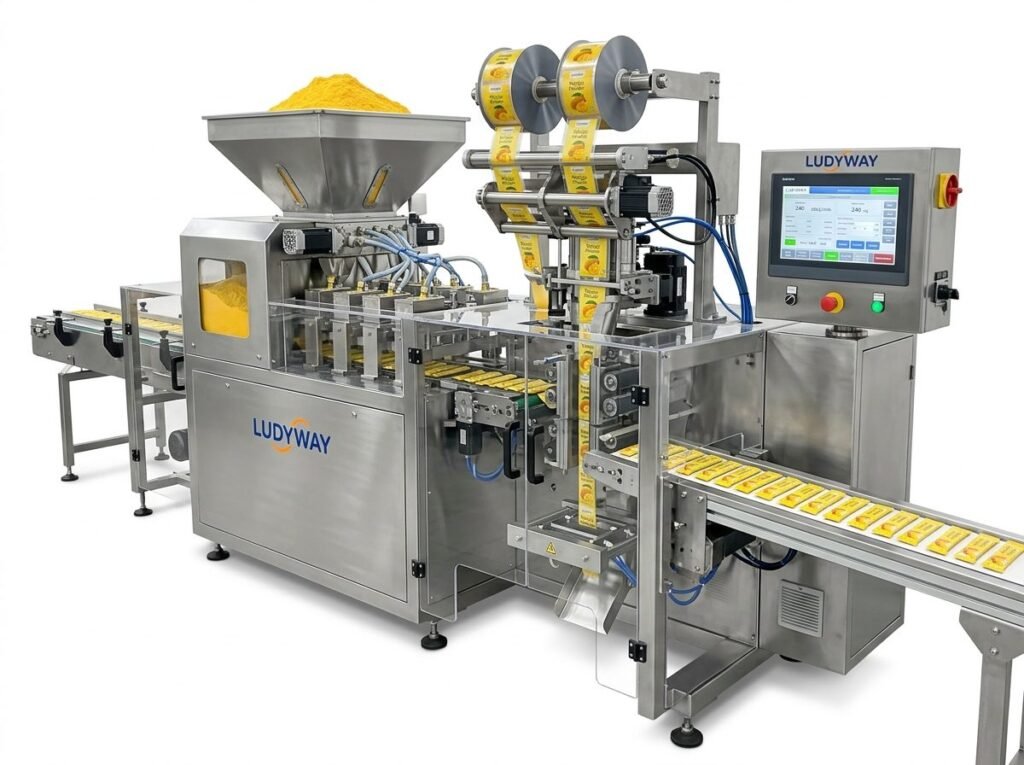
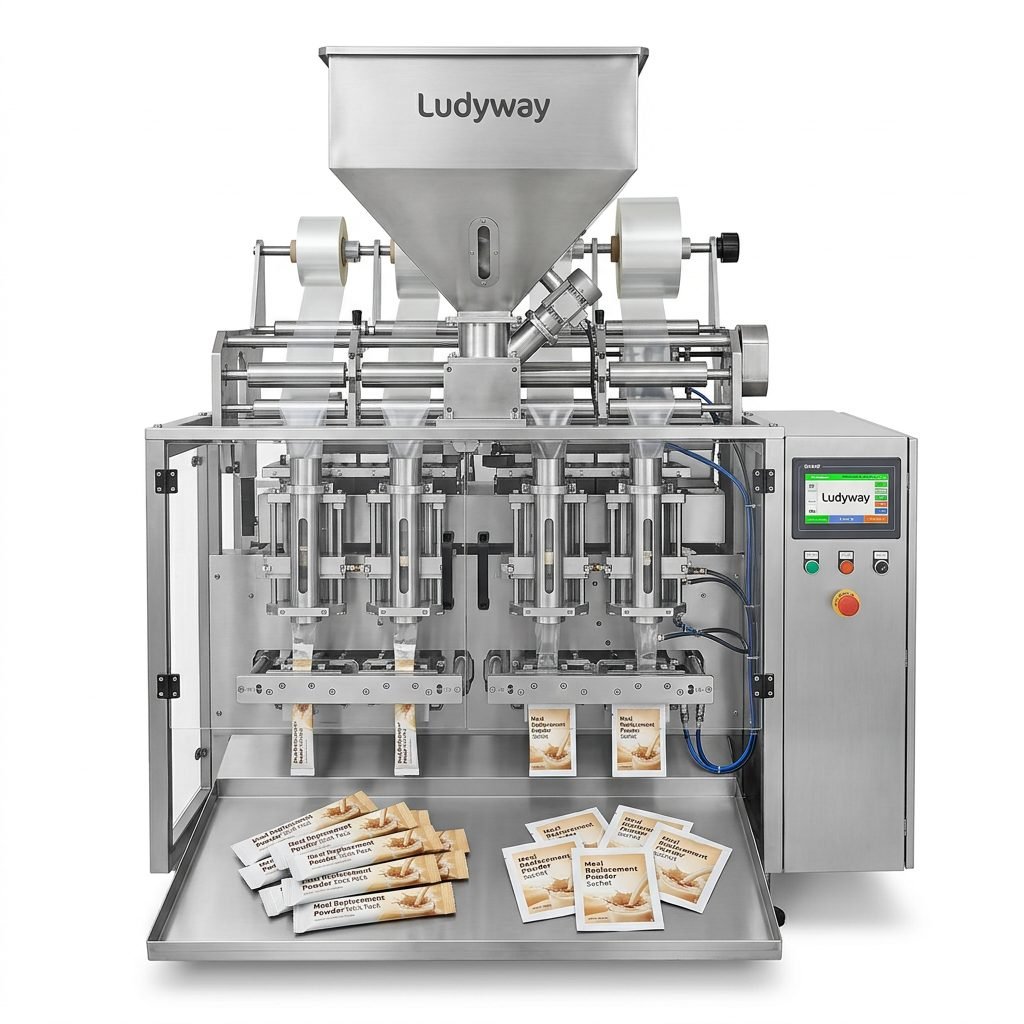
- Stick packs – Suitable for drink powders, supplements, sugar, coffee, and liquid concentrates
- Pouches – Good for retail presentation and flexible packaging applications
- Bottles and jars – Common for liquids, tablets, capsules, and cosmetic products
- Bags / bulk sacks – Used for fertilizer, feed, grains, chemicals, and industrial materials
- Blister packs or cartons – Often required in pharmaceutical and retail packaging
For example, if you produce single-dose nutritional supplements, a multi-lane stick pack machine may be more efficient than a bottle line. If you pack sauces for retail, sachet or pouch systems may reduce material cost and improve convenience.
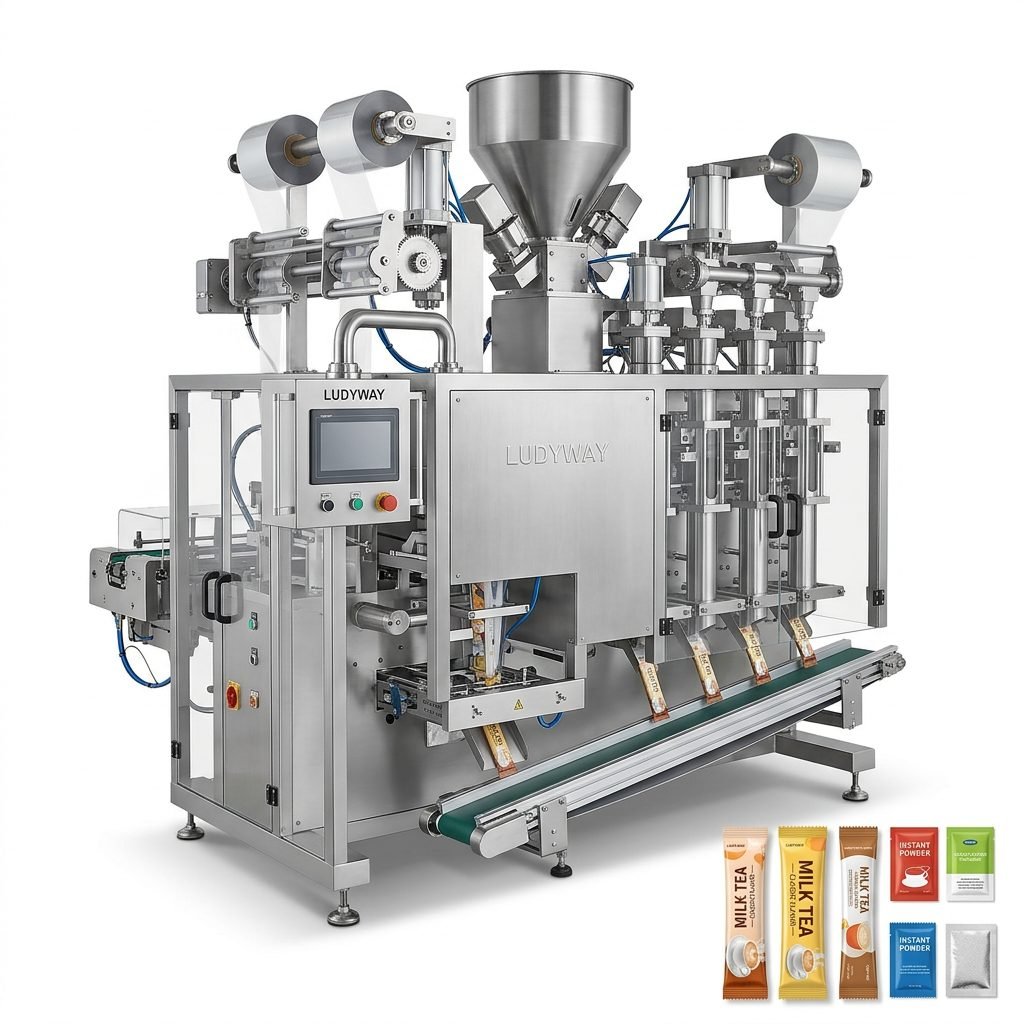
Match the Machine to Your Production Capacity
One of the most common mistakes is buying a machine based only on current output. A packaging system should support both present demand and future growth.
Think in three stages
- Current demand: How many packs per minute or hour do you need now?
- Near-term growth: Will your order volume increase within 1–3 years?
- Line expansion: Can the machine integrate with conveyors, coding, cartoning, checkweighing, or palletizing later?
A machine that is too small becomes a bottleneck quickly. A machine that is too large may increase capital investment and maintenance costs unnecessarily. The best choice is often a scalable solution with upgrade potential.
Consider Automation Level
Packaging equipment ranges from semi-automatic machines to fully integrated turnkey packaging lines. The right level depends on your labor cost, output target, available operators, and budget.
| Automation Level | Best For | Key Benefit |
|---|---|---|
| Semi-automatic | Startups, pilot production, low-volume operations | Lower initial investment |
| Automatic standalone machine | Growing businesses with stable SKUs | Better speed and consistency |
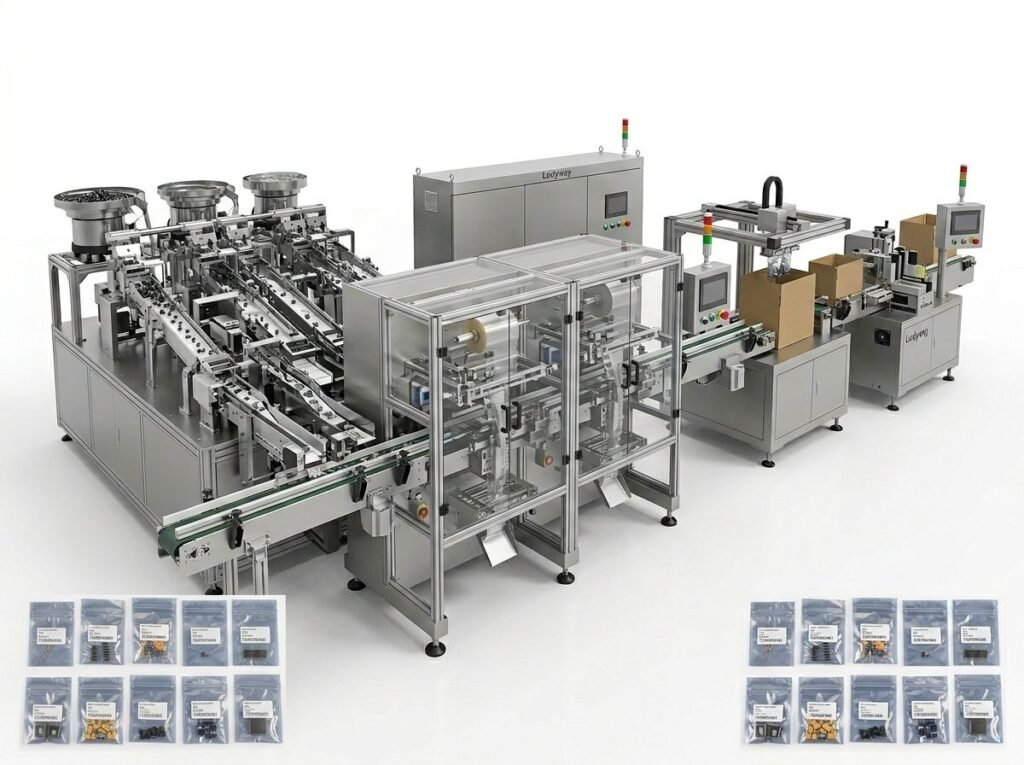
| Fully integrated packaging line | Medium to large manufacturers | Maximum efficiency and reduced labor dependence |
If your goal is labor reduction, traceability, stable quality, and high-volume output, a turnkey line may provide better long-term value than purchasing several disconnected machines.
Check Filling Accuracy and Seal Quality
Even a fast machine is not the right choice if it cannot maintain reliable filling and sealing quality. In food, pharma, and health products, accuracy and package integrity are essential.
Focus on these quality points
- Weight or volume filling tolerance
- Seal strength and leak prevention
- Consistency at high speed
- Compatibility with your packaging film or container
- Online inspection options such as metal detection, checkweighing, and vision systems
High accuracy matters most when packing premium products, regulated products, or products with expensive ingredients.
Evaluate Hygiene, Safety, and Compliance Needs
Different industries require different machine standards. A machine for industrial chemicals will not be designed the same way as one for infant nutrition or pharmaceutical powders.
Industry-specific considerations
- Food: sanitary contact parts, easy cleaning, anti-dust design, food-grade materials
- Pharmaceutical: GMP-oriented design, traceability, precision dosing, enclosed filling areas
- Cosmetics: clean filling, good sealing for creams and liquids, attractive pack compatibility
- Chemicals: corrosion resistance, dust control, safety protection, durable structure
- Pet food and feed: handling of granules, powders, pellets, bulk bags, and robust feeding systems
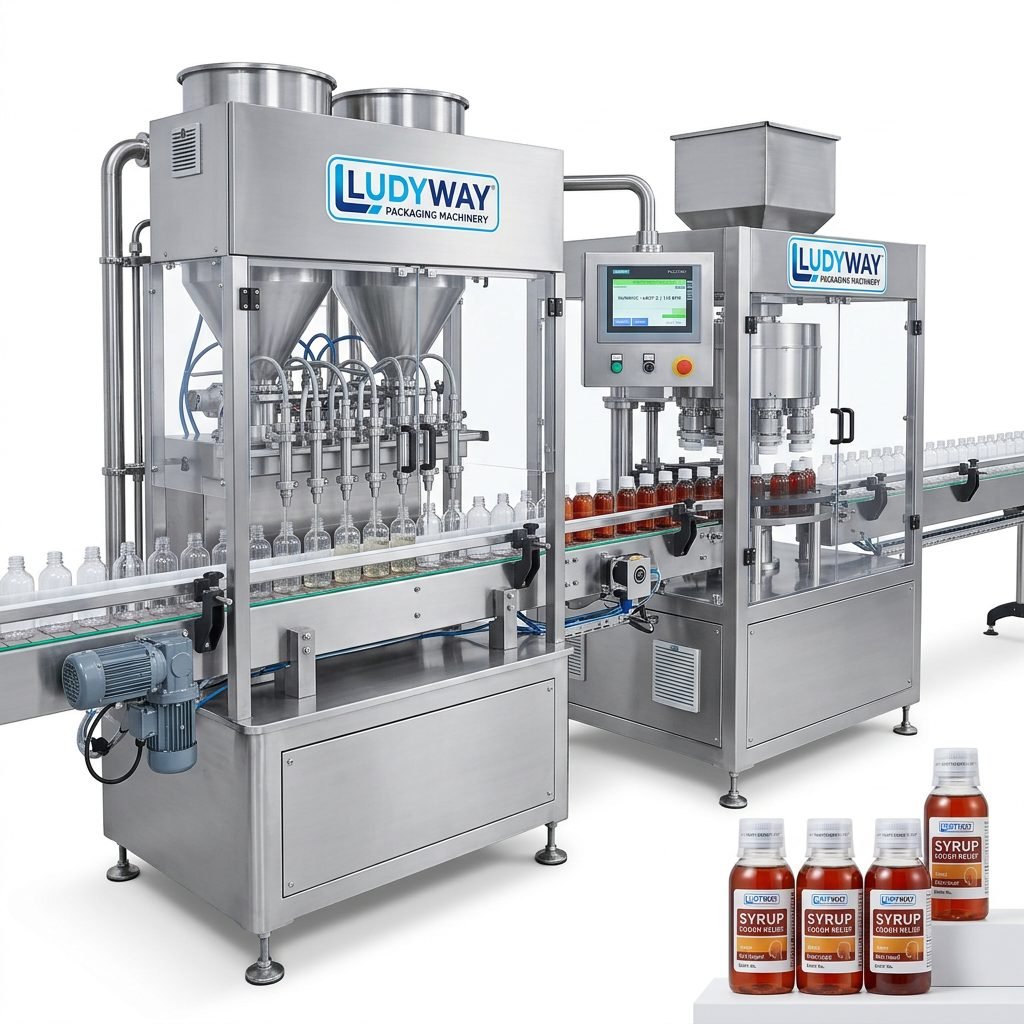
Don’t Overlook Changeover Flexibility
If your business handles multiple SKUs, pack sizes, or product types, flexibility becomes a major selection factor. A machine should not only run well—it should also switch efficiently between products.
A flexible packaging machine should support
- Different bag lengths or pouch sizes
- Multiple filling ranges
- Quick recipe adjustments via HMI
- Tool-free or low-tool changeovers
- Easy cleaning between product batches
This is especially important for contract packers, export-oriented factories, and brands with seasonal or promotional product changes.
Assess Factory Space and Line Layout
Before finalizing any machine, review your available floor space, utilities, and material flow. The best packaging machine on paper may not fit your workshop layout or operator movement.
Layout planning should include
- Machine footprint and operator access
- Raw material feeding route
- Finished product discharge and packing area
- Electricity, air supply, and ventilation requirements
- Future integration with labeling, coding, cartoning, or case packing systems
A smart layout improves safety, reduces transport waste, and helps maintain a cleaner production environment.
Look at Total Cost, Not Just Purchase Price
Buyers often compare machine prices first, but the true cost of a packaging solution includes much more than initial investment.
Total cost of ownership includes
- Machine price
- Installation and commissioning
- Training and setup time
- Packaging material waste
- Energy use
- Maintenance and spare parts
- Downtime risk
- Labor savings over time
A more reliable automatic solution may cost more upfront, but it often delivers better return through higher uptime, better accuracy, and lower labor dependence.
Choose a Supplier With Engineering and Support Capability
The machine itself is only part of the decision. The supplier’s manufacturing strength, customization ability, and after-sales support can have a major impact on project success.
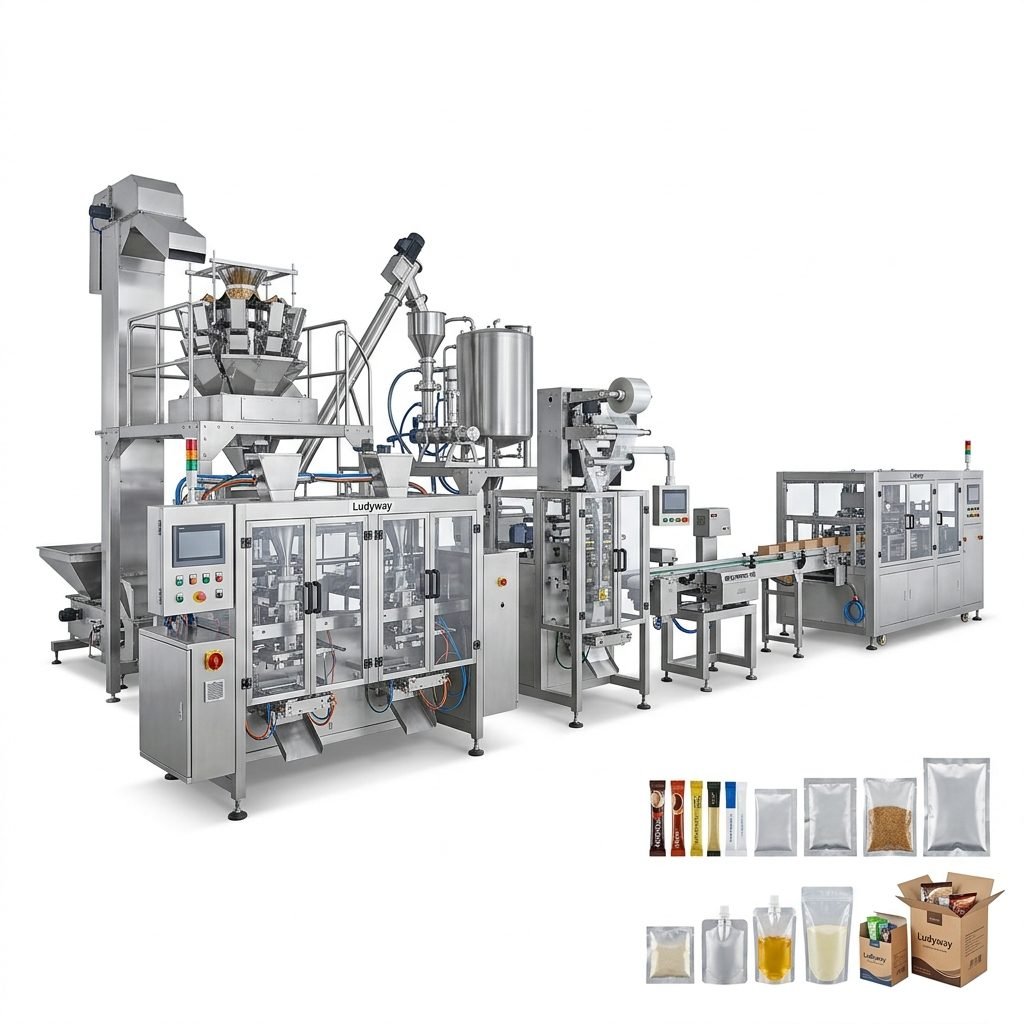
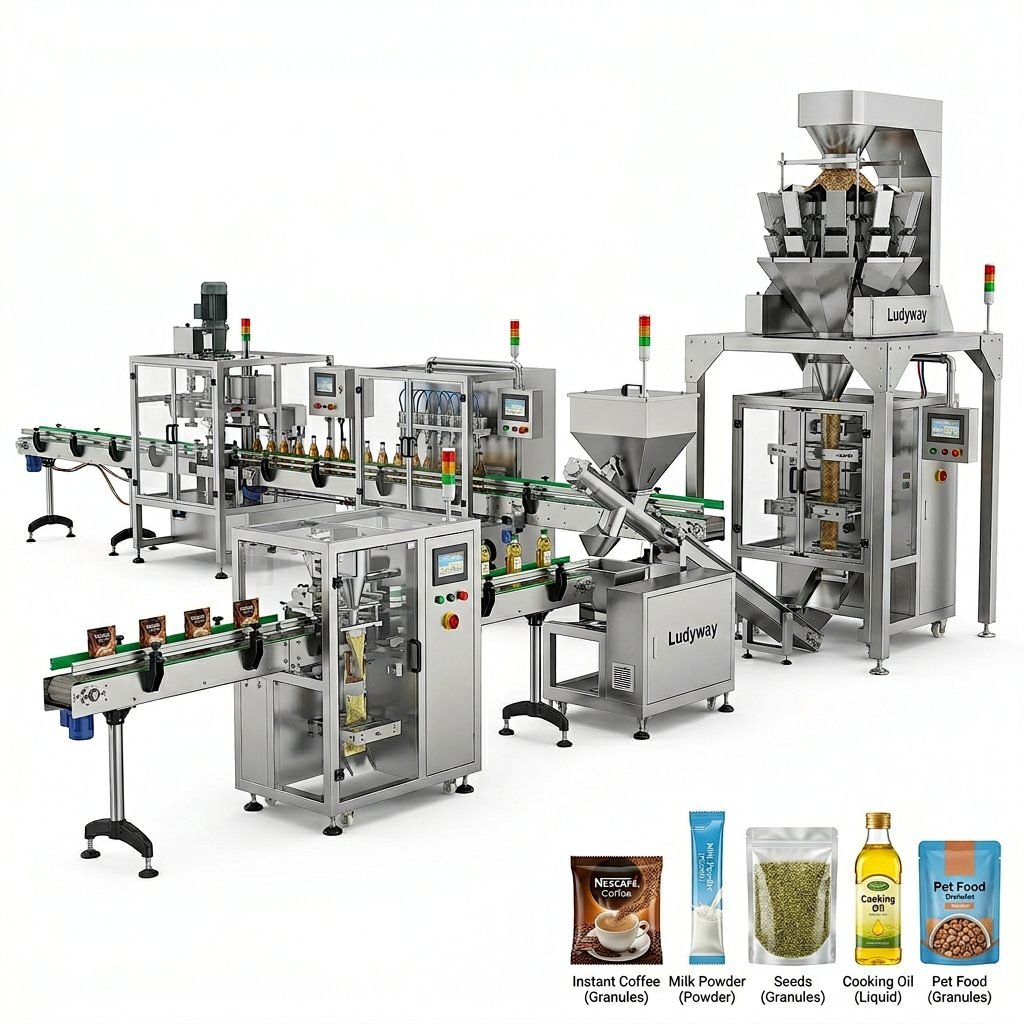
Businesses looking for scalable automation often work with experienced manufacturers such as Ludyway packaging machine solutions, especially when projects require customized equipment or complete turnkey packaging lines for food, pharmaceutical, health supplement, cosmetic, or chemical applications.
What to verify in a packaging machine supplier
- Years of industry experience
- Factory manufacturing capability
- Range of machine models and configurations
- Customization for product and pack format
- Technical documentation and training
- Remote support and spare parts availability
- Project experience in export markets
Standalone Machine or Turnkey Packaging Line?
This depends on your business size and operational goals. A standalone machine may be enough if you need one packaging function only. But if you want a smoother and more automated process, a turnkey line may be the better investment.
| Option | Advantages | Best Fit |
|---|---|---|
| Standalone packaging machine | Lower entry cost, simpler installation, faster procurement | Small or focused production lines |
| Turnkey packaging line | Integrated efficiency, synchronized equipment, easier expansion | Growing manufacturers and larger-scale operations |
A turnkey line can combine feeding, weighing, filling, sealing, coding, inspection, cartoning, case packing, and palletizing into one coordinated system.
Common Mistakes to Avoid
- Choosing a machine based only on price
- Ignoring future capacity growth
- Overlooking packaging material compatibility
- Not testing the actual product before purchase
- Buying equipment without checking after-sales support
- Underestimating cleaning, maintenance, and operator training needs
A Simple Decision Checklist
Before making your final decision, confirm the following:
- Product type: granule, powder, liquid, paste, tablet, or mixed format
- Package format: sachet, stick pack, pouch, bottle, jar, or bulk bag
- Output target: packs per minute, shift target, annual capacity
- Accuracy need: tolerance, weight control, seal quality
- Compliance level: food-grade, pharmaceutical, cosmetic, or chemical safety requirements
- Flexibility: multiple SKUs, different sizes, changeover speed
- Expansion plan: standalone or integrated line
- Support: installation, spare parts, training, technical service
Final Buying Insight
The best product packaging machine is not necessarily the fastest or the cheapest. It is the one that reliably fits your product, packaging format, compliance requirements, and production goals. When selected correctly, a packaging solution becomes a long-term asset that supports business growth, stronger quality control, and better operating efficiency.
If you are comparing options, always request product testing, discuss customization needs, and evaluate the supplier’s real engineering capability—not just the machine brochure.