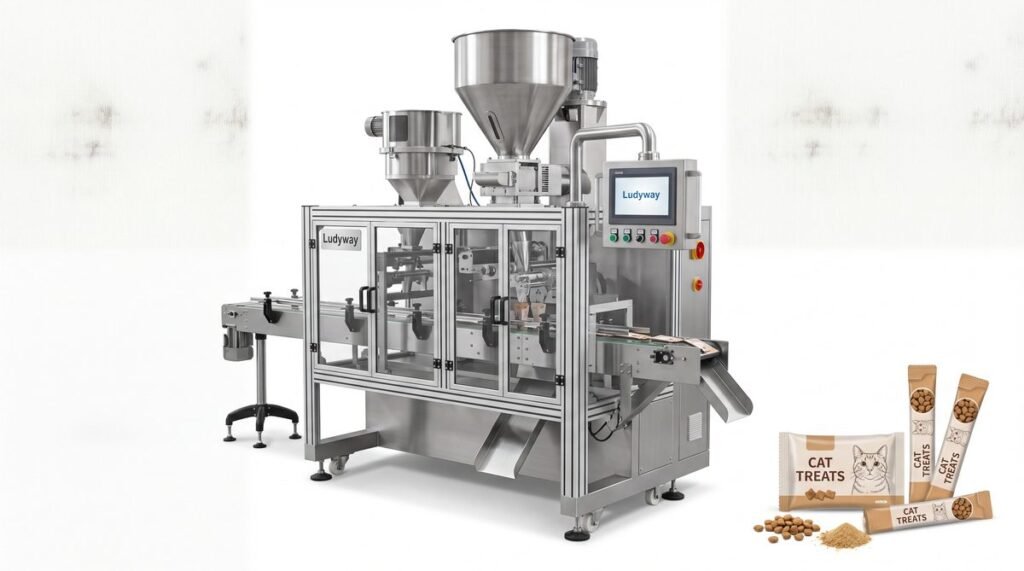
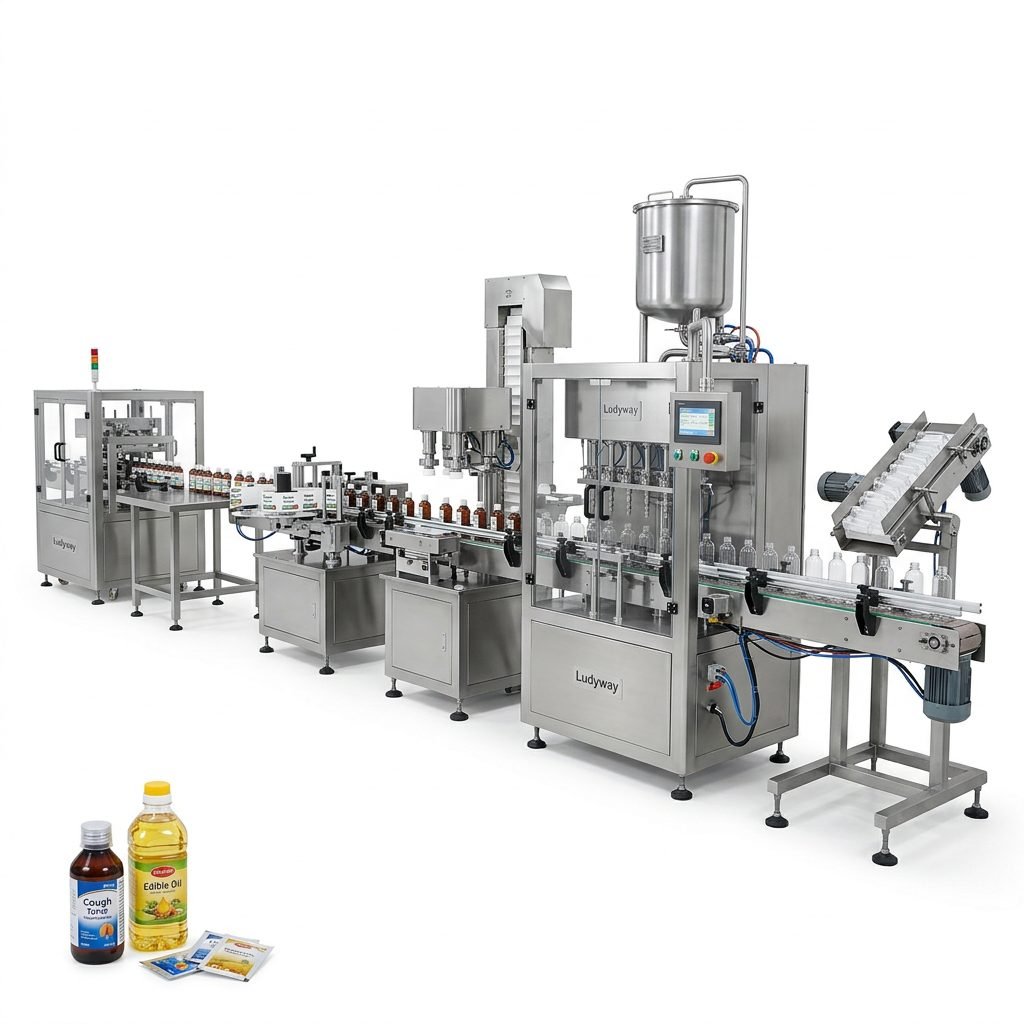
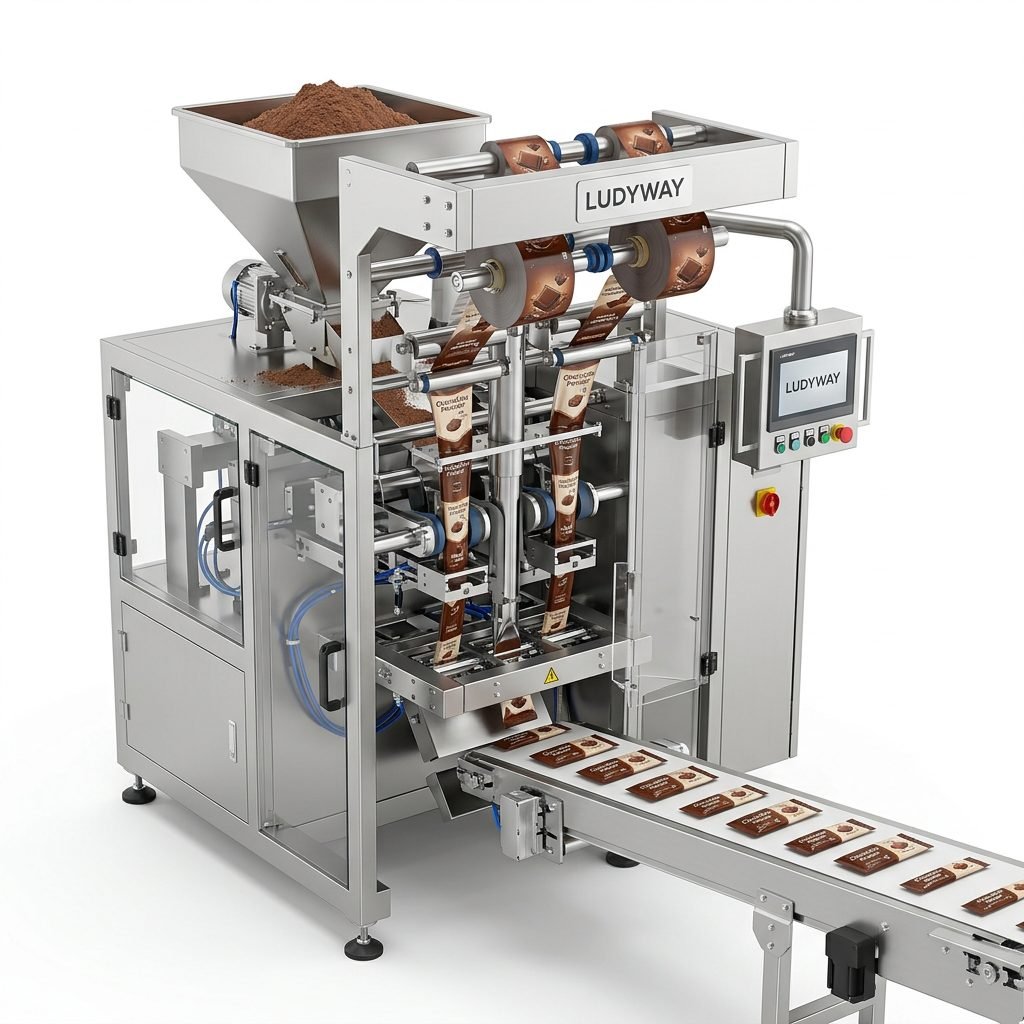
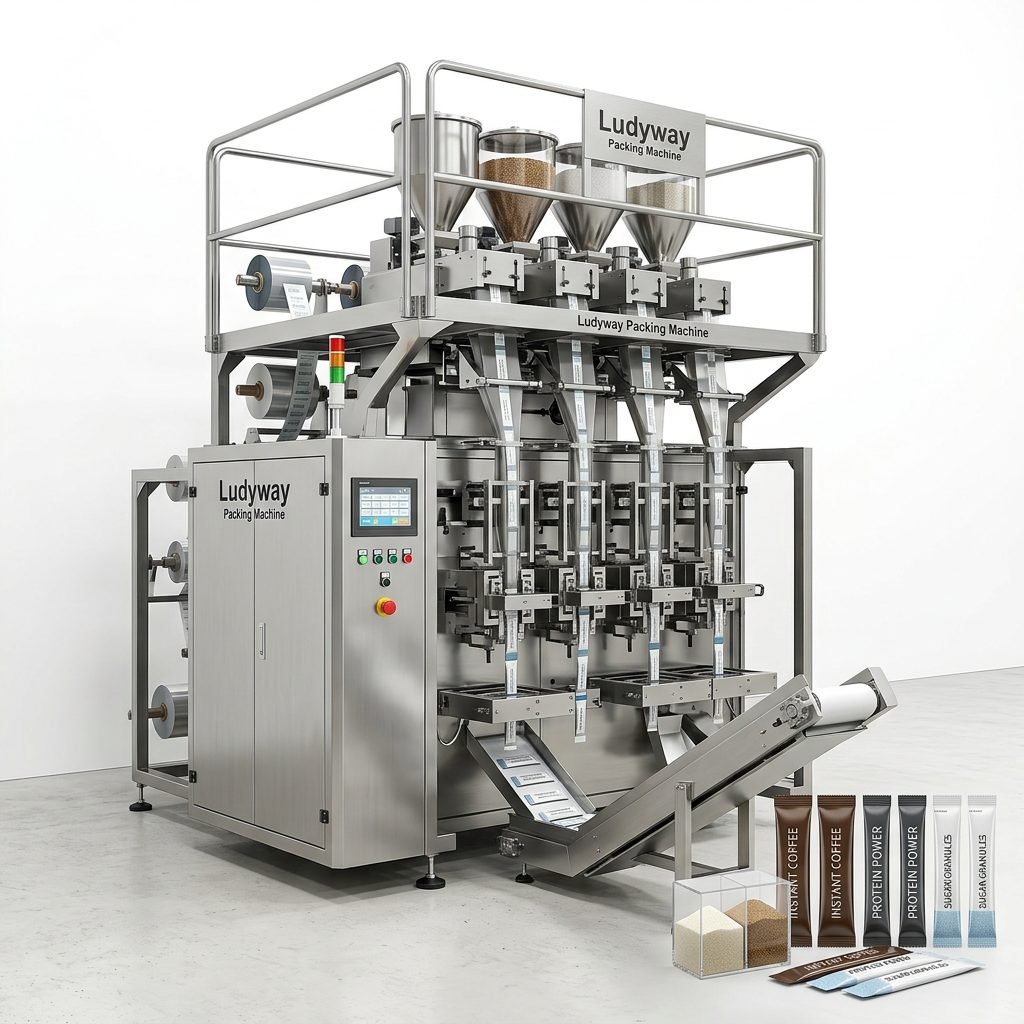
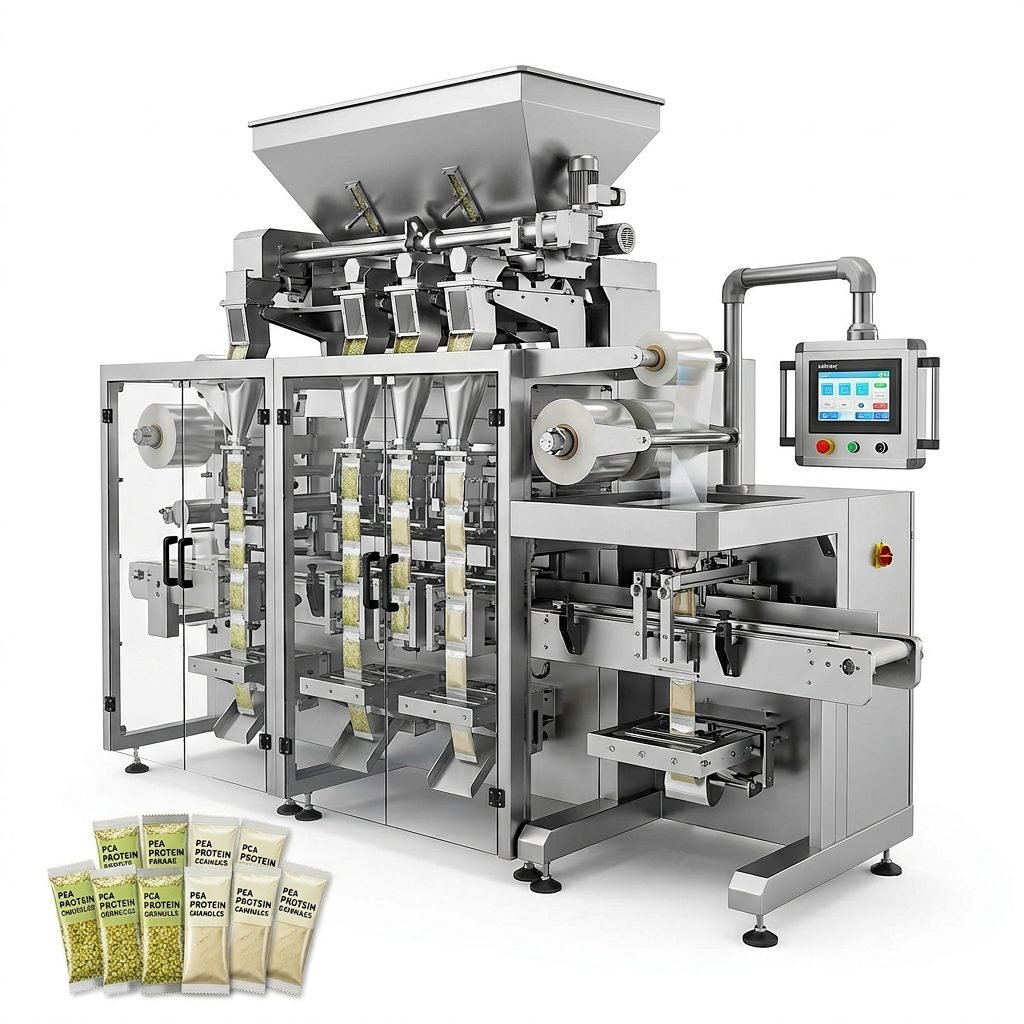
Bag in bag packing machines are designed to place one preformed or freshly made small bag into a larger outer bag, then complete sealing in a continuous automated process. This packaging method is widely used when manufacturers need better product grouping, added protection, easier transport, or improved retail presentation.
In modern production environments, this solution helps brands handle multi-unit packaging efficiently across food, pharmaceutical, health supplement, chemical, and daily-use product sectors. For businesses seeking higher throughput and more consistent packaging quality, bag in bag automation has become an increasingly practical choice.
What Is a Bag in Bag Packing Machine?
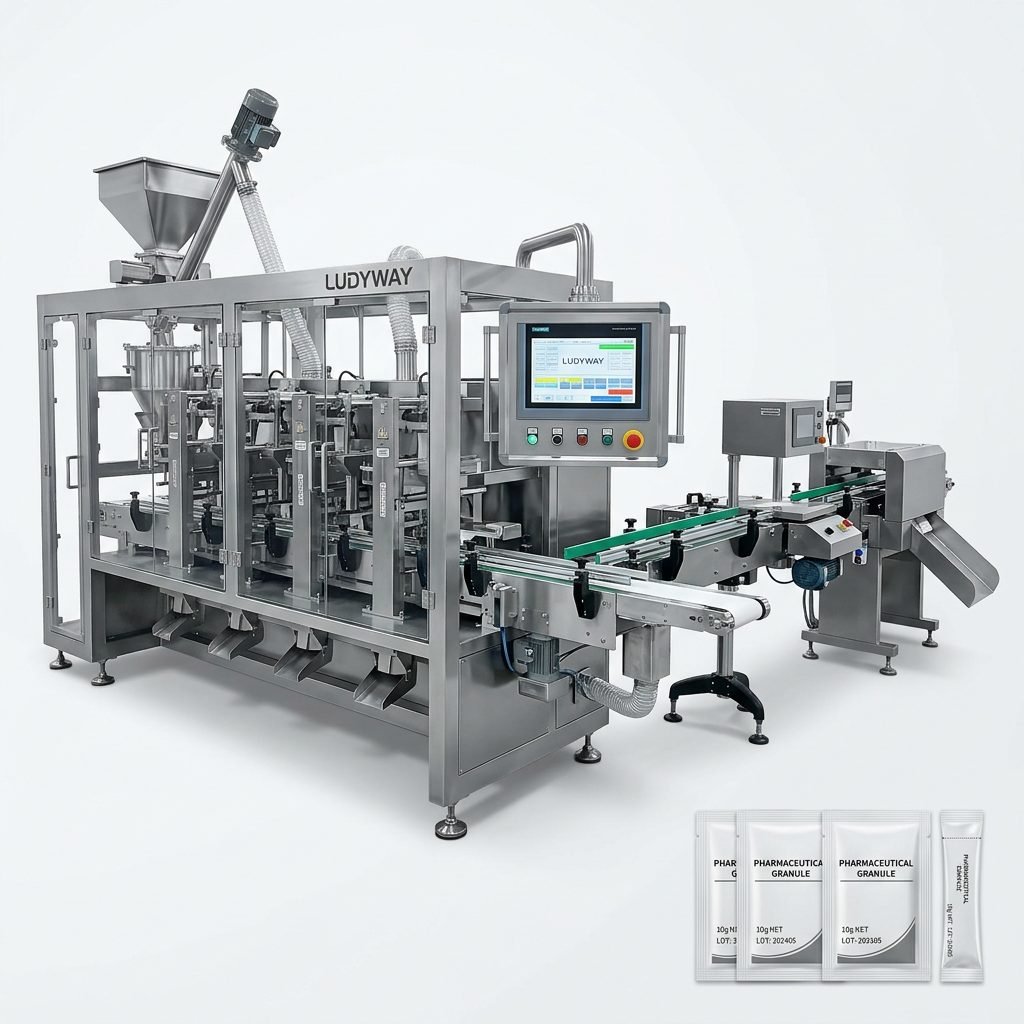
A bag in bag packing machine is an automated packaging system that packs an inner bag into an outer bag. The inner bag usually contains the actual product, while the outer bag serves as secondary packaging for bundling, protection, branding, or logistics.
Depending on the application, the machine may work with:
- Single sachets packed into one outer pouch
- Multiple stick packs grouped into one larger bag
- Small premade pouches inserted into retail or transport bags
- Pharmaceutical or supplement unit packs collected into secondary packs
The exact machine design can vary based on product type, bag size, material, speed requirement, and integration with upstream filling or downstream cartoning equipment.
How a Bag in Bag Packing Machine Works
Although configurations differ, the basic working principle follows a clear sequence. The goal is to ensure that every inner pack is counted, transferred, inserted, and sealed accurately.
1. Inner Bag Preparation
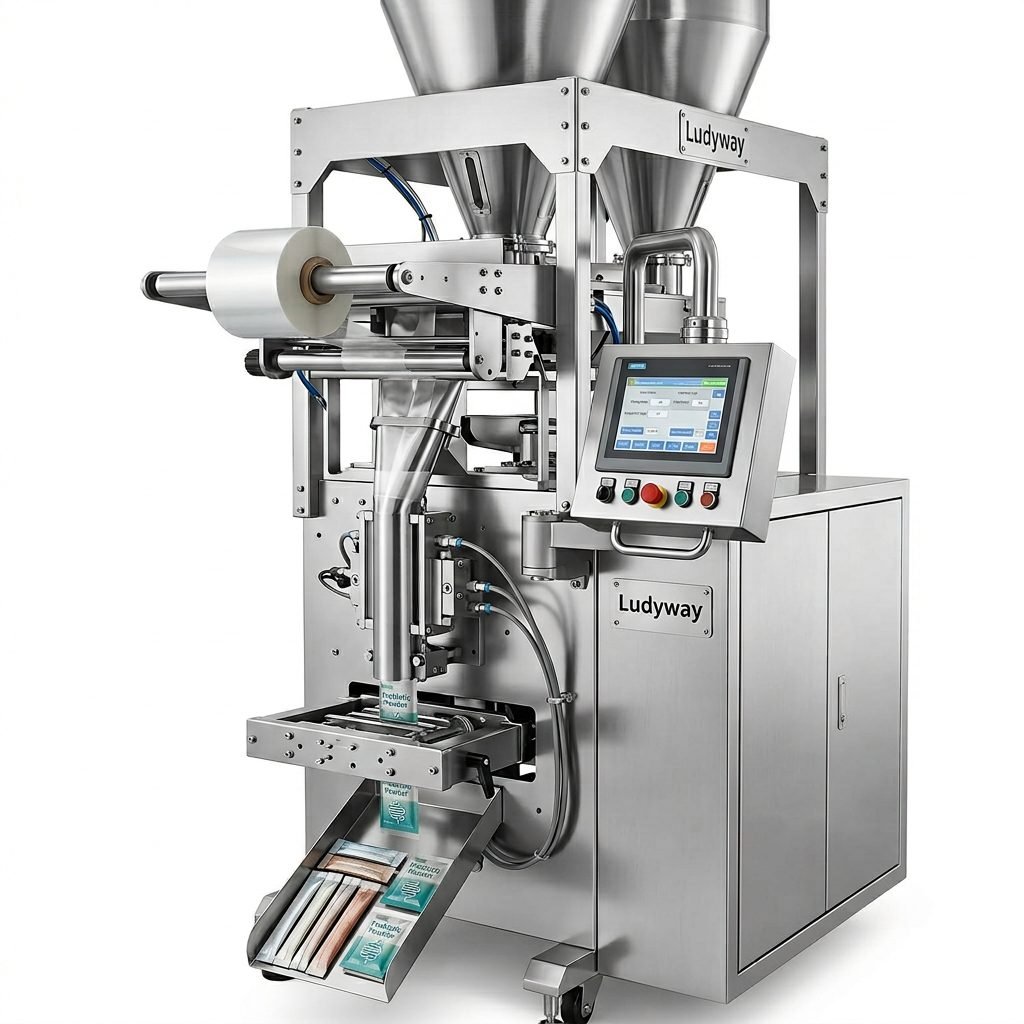
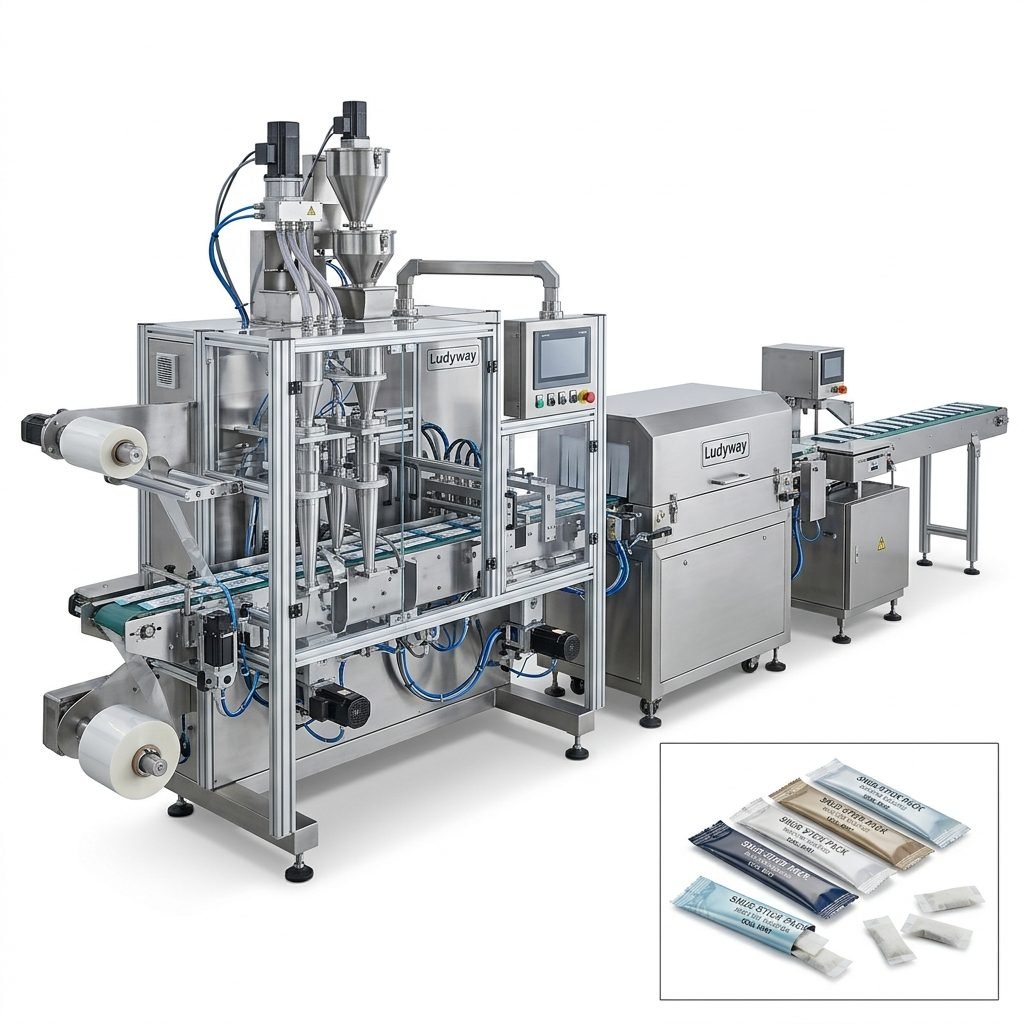
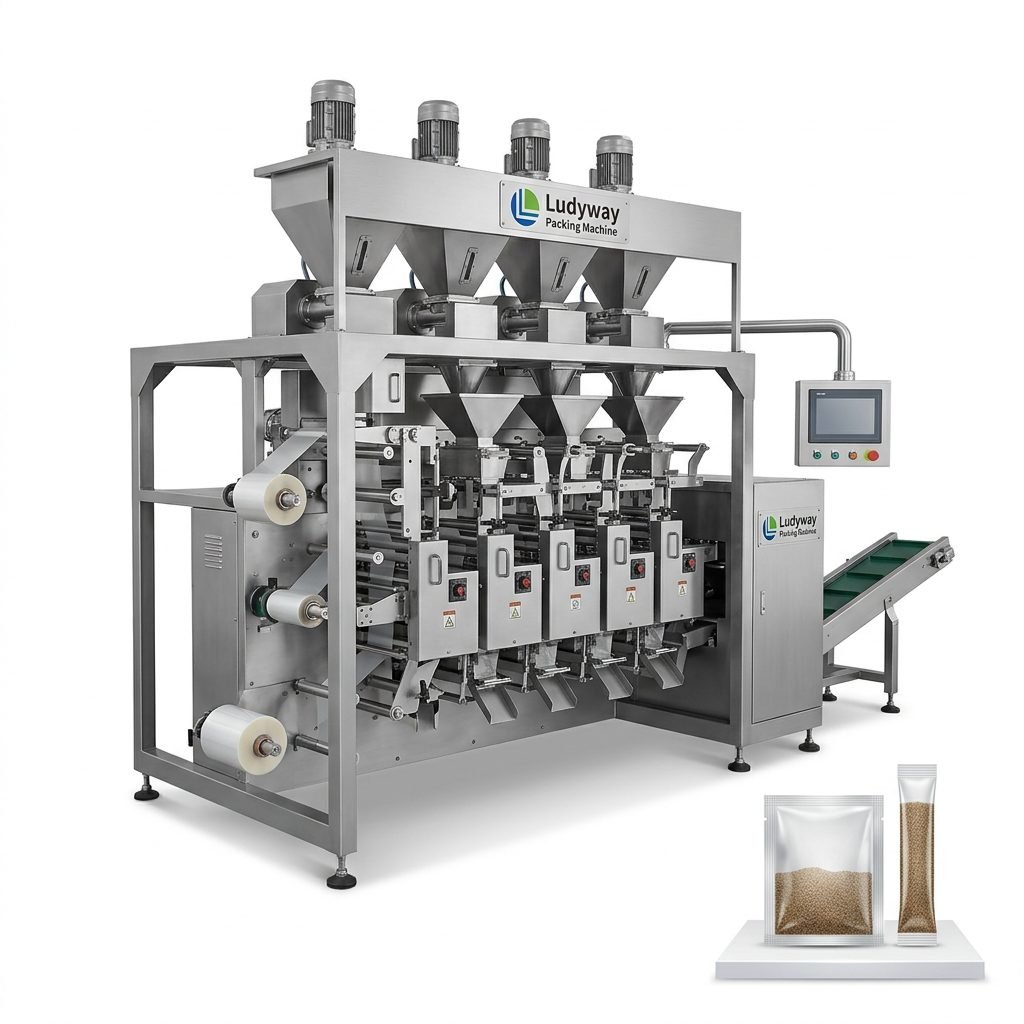
The process begins with the inner pack. These inner bags may be produced inline by a vertical form-fill-seal or multi-lane sachet system, or they may come from a separate upstream machine as finished pouches.
2. Counting and Arranging
The machine counts the required number of inner bags for each outer package. Depending on the product and final format, the bags may be stacked, aligned, or collated into a neat group before loading.
3. Outer Bag Forming or Feeding
The outer package is then prepared. This can involve either:
- Forming a bag from roll film
- Feeding a premade outer pouch automatically
4. Insertion of Inner Bags
The grouped inner bags are inserted into the outer bag through a servo-controlled transfer mechanism. Precision here is essential, especially in high-speed production where bag orientation and sealing position affect final appearance.
5. Sealing and Finishing
Once filled, the outer bag is sealed using heat sealing, ultrasonic sealing, or other suitable methods depending on the packaging material. Optional coding, date printing, inspection, and rejection systems can be added before discharge.
6. Output and Secondary Handling
Finished bag-in-bag packages can then move to cartoning, case packing, labeling, palletizing, or manual collection.
Main Components of the System
A high-performance bag in bag packing machine usually includes several coordinated modules. Each one contributes to line efficiency and package consistency.
| Component | Function |
|---|---|
| Infeed conveyor | Transfers inner bags from upstream equipment |
| Counting unit | Counts and groups a preset number of inner packs |
| Bag arranging device | Aligns products for neat insertion |
| Outer bag forming/feeding unit | Creates or supplies the outer package |
| Insertion mechanism | Places inner bags into the outer bag accurately |
| Sealing system | Closes the outer bag securely |
| Control system | Manages parameters, recipes, alarms, and synchronization |
| Inspection module | Checks count, seal quality, and package integrity |
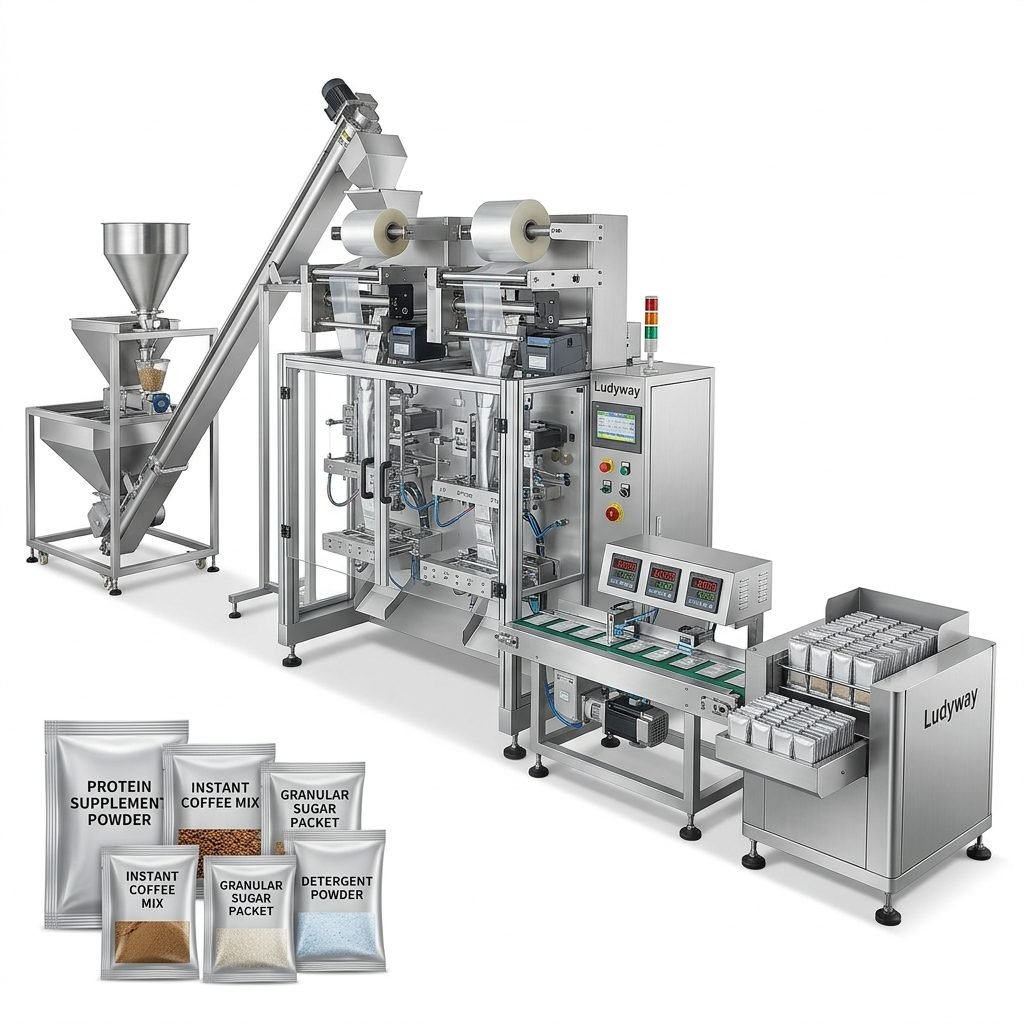
Key Benefits of Bag in Bag Packing Machines
Higher Packaging Efficiency
Manual secondary packaging is labor-intensive and often inconsistent. Automation significantly improves output by reducing handling steps and synchronizing product flow.
Improved Product Protection
The outer bag provides an extra protective layer against moisture, dust, friction, and transport damage. This is especially useful for fragile sachets or products shipped over long distances.
Better Retail Presentation
Grouped inner packs inside a well-designed outer bag create a cleaner retail appearance. This is valuable for promotional multipacks, travel-size collections, and family packs.
More Accurate Count Control
With automated counting systems, manufacturers can reduce the risk of underfilled or overfilled secondary packages. This supports compliance, customer satisfaction, and cost control.
Lower Labor Dependency
Bag in bag systems help factories reduce reliance on repetitive manual packing tasks, making production more stable during labor shortages or peak seasons.
Flexible Packaging Formats
Modern machines can often handle different bag lengths, counts, layouts, and film structures, making them suitable for multiple SKUs and seasonal product changes.
Industries and Applications
Bag in bag packing machines are useful anywhere a smaller primary package needs to be grouped into a larger secondary bag. Typical applications include:
- Food industry: sugar sachets, coffee sticks, seasoning packs, sauces, snacks, instant powders
- Pharmaceutical industry: granule sachets, powder dose packs, oral solid unit packs
- Health supplements: collagen sticks, vitamin sachets, electrolyte powders, herbal granules
- Cosmetics and personal care: shampoo sachets, lotion packs, serum samples, face mask sachets
- Chemical products: cleaning powders, additives, treatment agents, detergents
- Pet care and feed: pet nutrition sachets, treat packs, supplement powders
In many cases, bag in bag packaging is chosen not only for transport convenience but also for bundled sales, promotional packaging, and quantity-controlled distribution.
Common Product Formats Suitable for This Machine
| Inner Pack Type | Typical Outer Pack Purpose |
|---|---|
| Stick packs | Multipack retail sale or shipment grouping |
| Sachets | Promotional bundles, sample kits, travel sets |
| Small pouches | Secondary protection and easier logistics |
| Dose packs | Counted packs for pharmaceutical or supplement use |
| Sample packs | Retail display and campaign packaging |
Types of Bag in Bag Packing Machines
Manufacturers can choose from different machine structures based on production goals:
Automatic Inline Bag in Bag Systems
These connect directly to primary packaging machines. They are ideal for high-volume plants that need continuous operation and minimal manual intervention.
Premade Pouch Secondary Packing Machines
These systems use ready-made outer bags and are often selected when the outer bag requires a premium printed appearance or special shape.
Custom Turnkey Packaging Lines
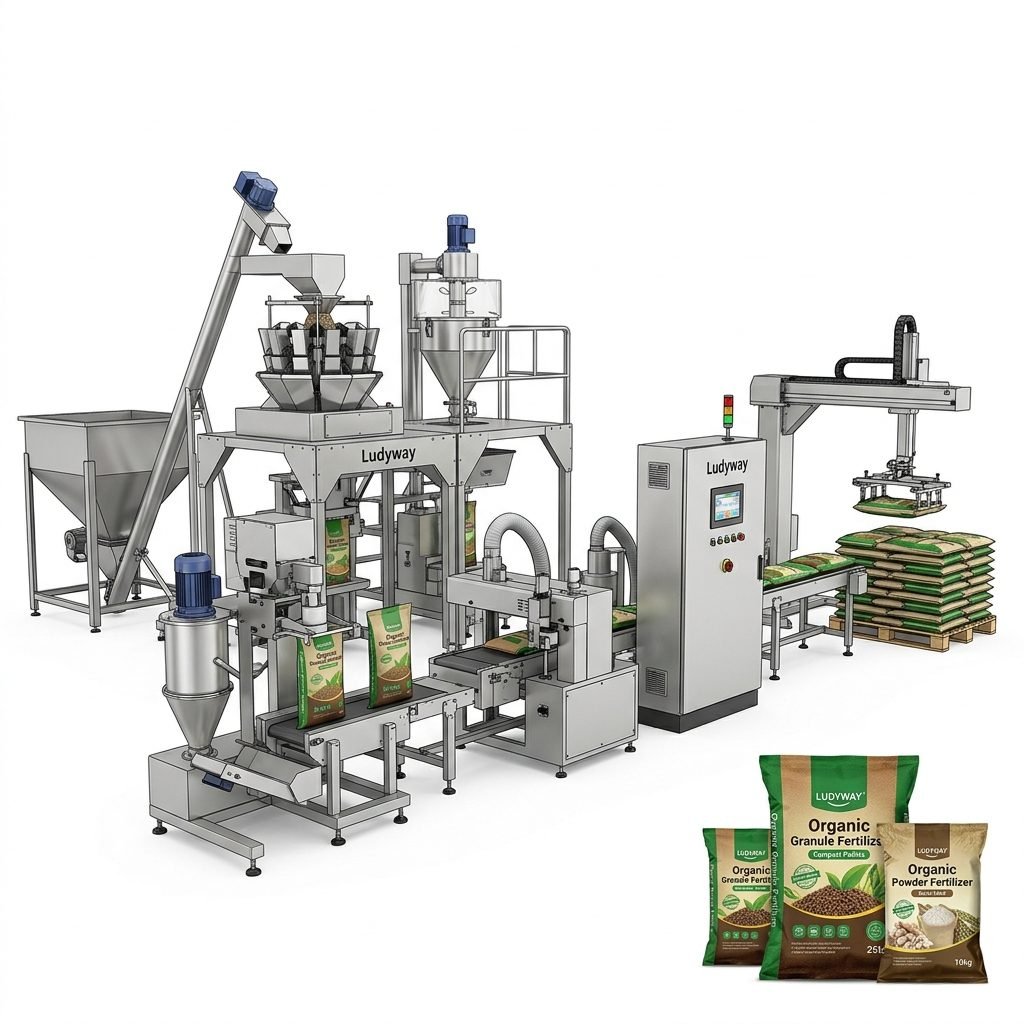
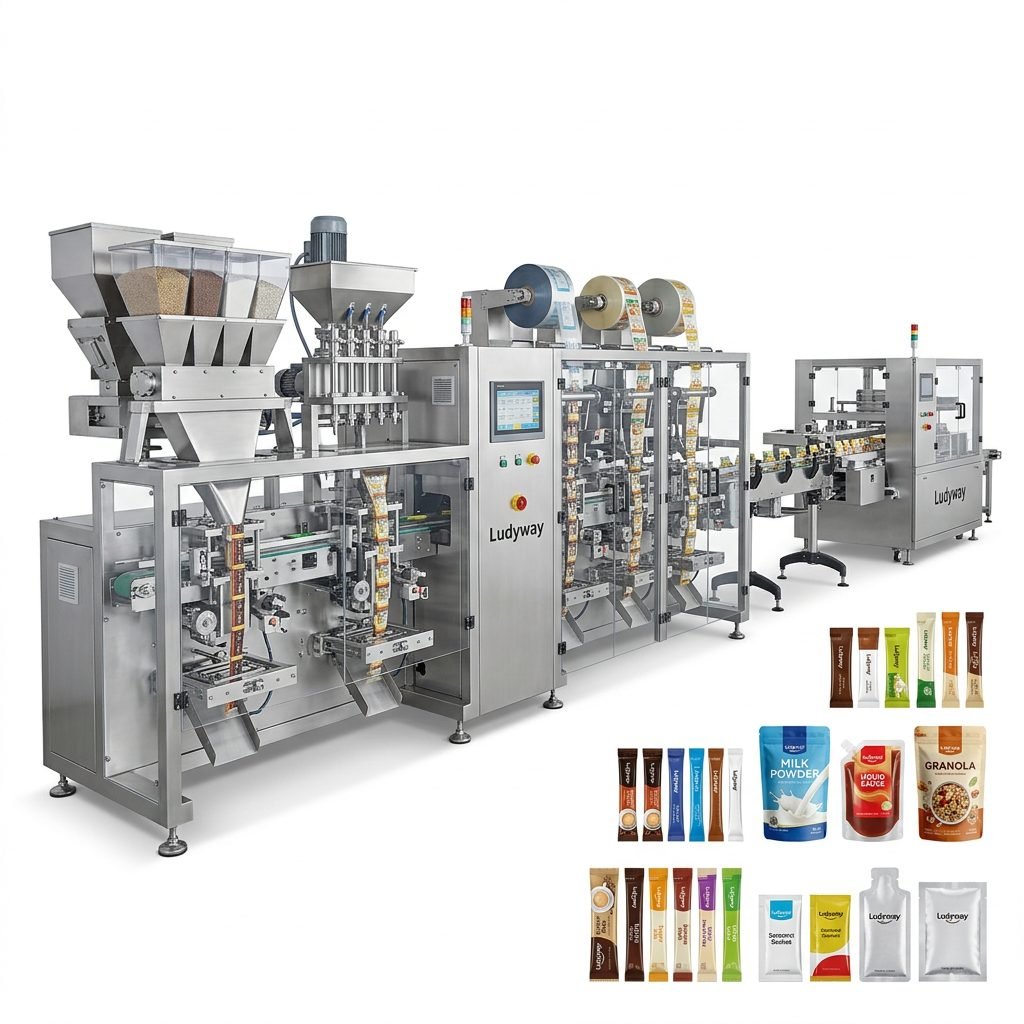
For larger projects, manufacturers often integrate counting, conveying, coding, inspection, cartoning, case packing, and palletizing into one coordinated line.
Important Factors When Choosing a Machine
Not all bag in bag solutions are the same. Before investing, buyers should evaluate both technical and operational requirements.
- Product type: powder, granule, liquid, paste, or premade pouch
- Inner bag dimensions: width, length, thickness, and seal shape
- Outer bag format: pillow bag, gusset bag, premade pouch, or customized layout
- Required speed: packs per minute and shift capacity
- Counting accuracy: especially important for regulated industries
- Film compatibility: laminate, PE, recyclable materials, foil structures
- Automation level: standalone machine or complete line integration
- Cleaning and maintenance needs: important for food and pharma environments
Bag in Bag vs. Manual Secondary Packaging
| Aspect | Automatic Bag in Bag Machine | Manual Packing |
|---|---|---|
| Speed | High and stable | Low to medium |
| Count accuracy | Consistent and programmable | Operator dependent |
| Labor requirement | Reduced | Higher |
| Package appearance | Uniform and professional | May vary |
| Scalability | Suitable for production expansion | Limited |
Maintenance and Operational Tips
To keep a bag in bag packing machine performing reliably, operators should focus on preventive maintenance and proper setup.
- Inspect sealing parts regularly for wear and contamination.
- Verify counting sensors and product detection accuracy.
- Keep conveyors and insertion channels clean to avoid jams.
- Check film tracking and tension before long production runs.
- Train operators on bag size changeover and recipe settings.
- Schedule routine inspection of servo systems, pneumatic parts, and safety devices.
Why Customization Matters
Every production line has different products, speed goals, packaging materials, and plant layouts. That is why many buyers prefer a machine supplier that can provide custom engineering rather than only standard models.
For example, a food manufacturer may need multi-lane sachets grouped by count, while a pharmaceutical producer may require stricter inspection and traceability. A cosmetics brand might focus more on attractive outer packaging and flexible SKU switching. In all of these cases, the best solution is often a tailored system.
Companies looking for scalable packaging automation often evaluate experienced manufacturers such as bag in bag packing machine supplier Ludyway, especially for projects involving integrated primary and secondary packaging lines.
Conclusion
A bag in bag packing machine is a practical solution for manufacturers that need automated secondary packaging, accurate product grouping, improved package protection, and higher line efficiency. Whether used for sachets, stick packs, pouches, or dose packs, this equipment helps transform a labor-heavy step into a more stable and scalable process.
When selected correctly, the machine can support better packaging consistency, lower operating costs, and stronger market presentation across many industries. For growing brands and industrial producers alike, bag in bag automation is not just a packaging upgrade—it is a productivity investment.