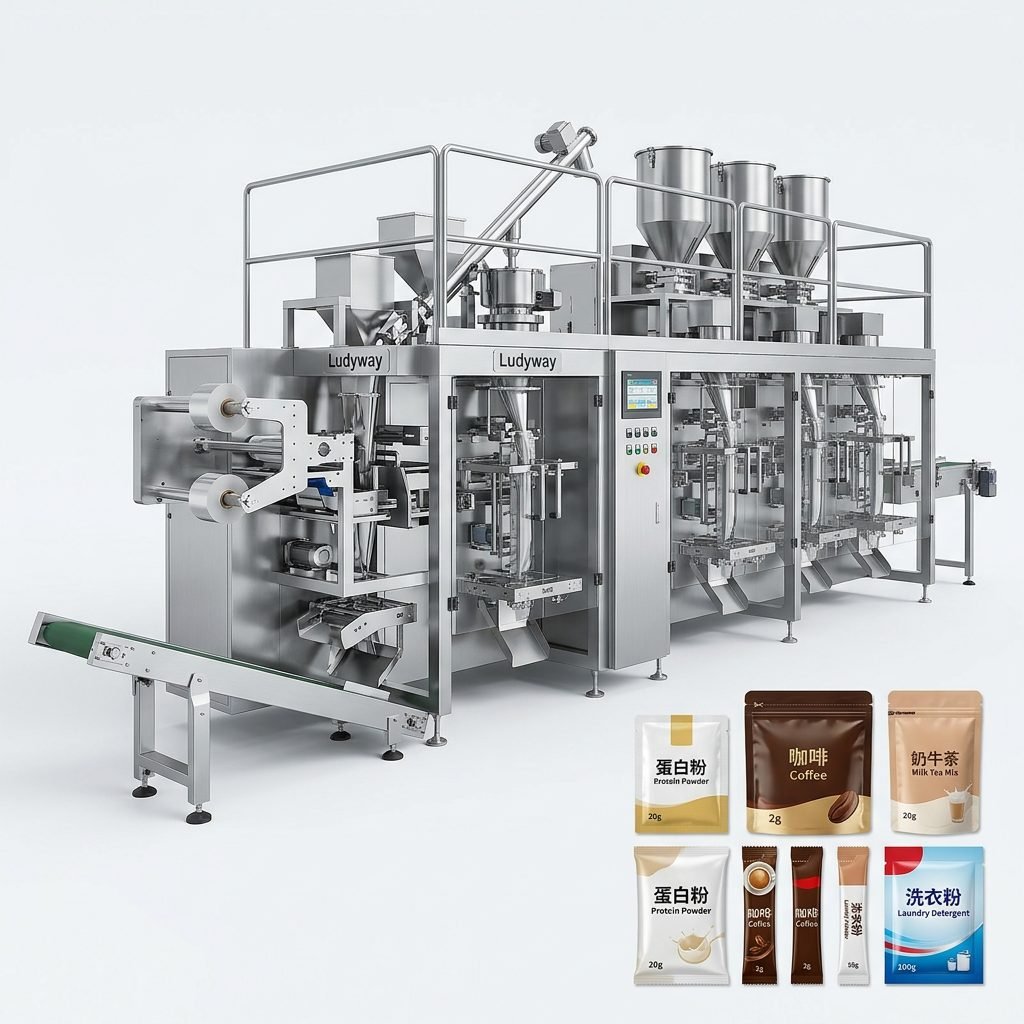
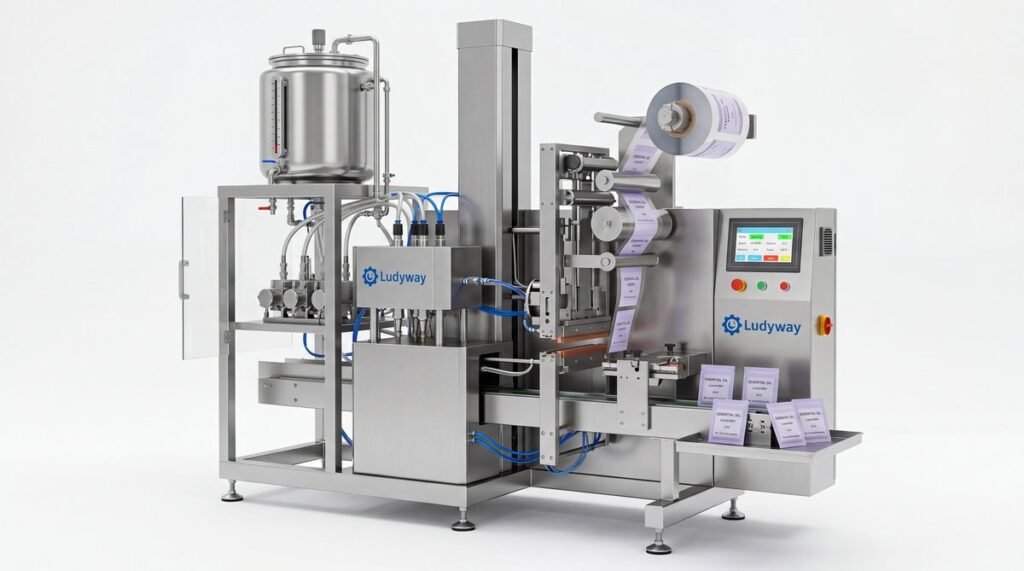
A plastic bag packing machine helps manufacturers move from slow, inconsistent manual packing to fast, accurate, and repeatable bagging. Whether you pack food, powders, granules, liquids, chemical products, pet nutrition, or health products, the right system can improve output, reduce waste, and support stable product quality across every shift.
In modern production environments, bagging is no longer just a final step. It directly affects product presentation, seal integrity, line efficiency, labor cost, and customer satisfaction. That is why more factories are investing in automatic and semi-automatic bag packaging systems designed for higher precision and easier integration.
What Is a Plastic Bag Packing Machine?
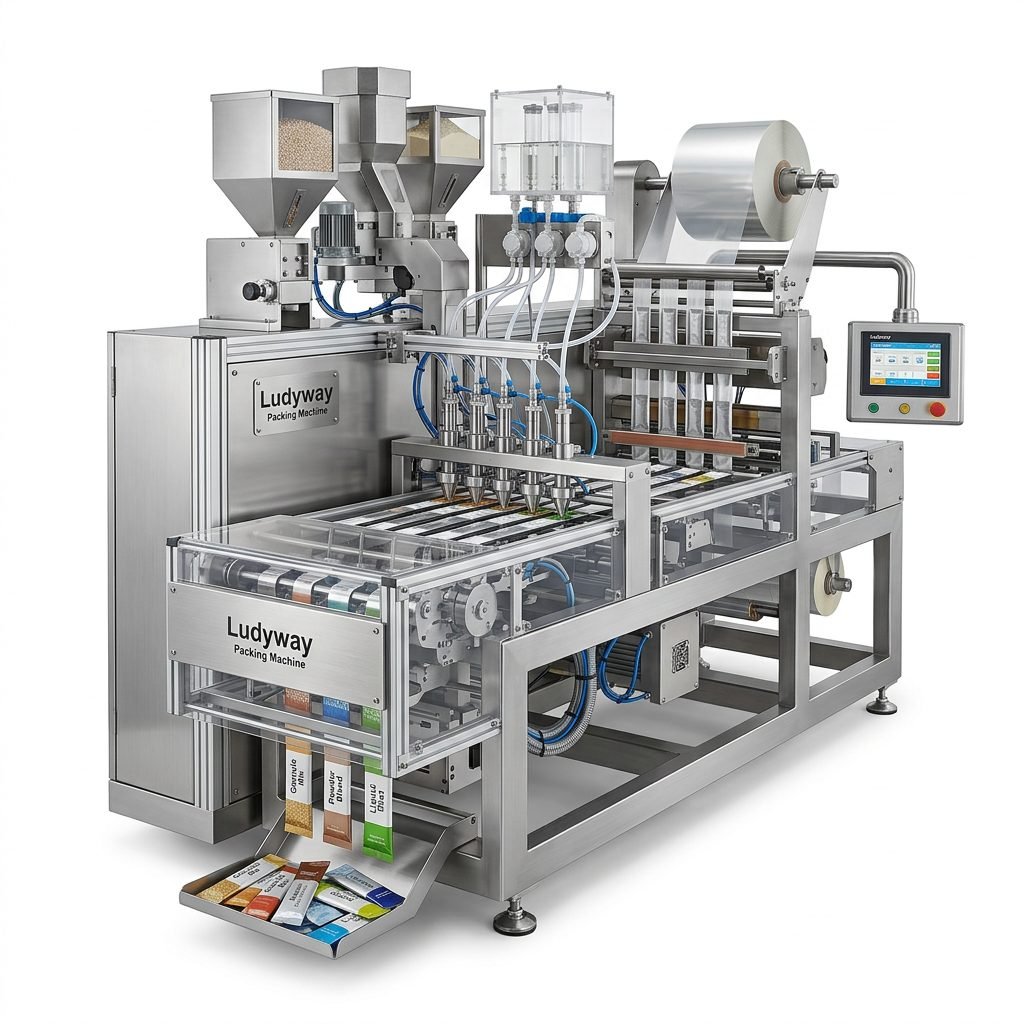
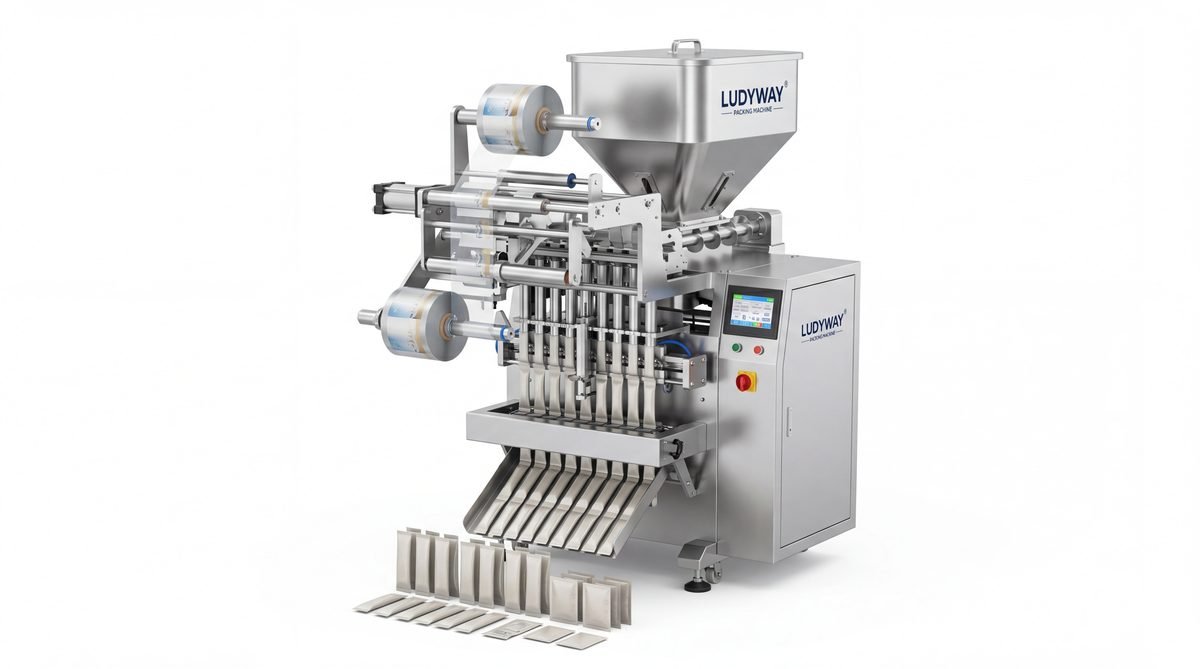
A plastic bag packing machine is equipment used to fill and seal products into plastic bags, pouches, sachets, or stick packs. Depending on the application, the machine can handle forming, dosing, filling, sealing, coding, counting, weighing, and discharge in one continuous process.
These machines are widely used in industries such as:
- Food and beverage
- Pharmaceutical and healthcare
- Cosmetics and personal care
- Chemical and household products
- Agriculture and animal feed
- Pet food and pet supplements
Why Automated Bag Packing Matters
Manual bagging may seem simple, but it often creates hidden costs. Inconsistent filling, poor sealing, product loss, operator fatigue, and limited speed can all restrict business growth. An automatic plastic bag packing machine solves these issues by delivering stable performance at scale.
- Higher packing speed for growing production demand
- Improved dosing accuracy to reduce underfill and overfill
- Better seal quality for transport and shelf life
- Lower labor dependence in repetitive packaging operations
- Cleaner production flow with easier quality control
- Flexible bag formats for different market needs
Main Types of Plastic Bag Packing Machines
The best machine depends on your product characteristics, required bag style, output target, and factory layout. Below are the most common machine categories.
| Machine Type | Suitable Products | Typical Advantage |
|---|---|---|
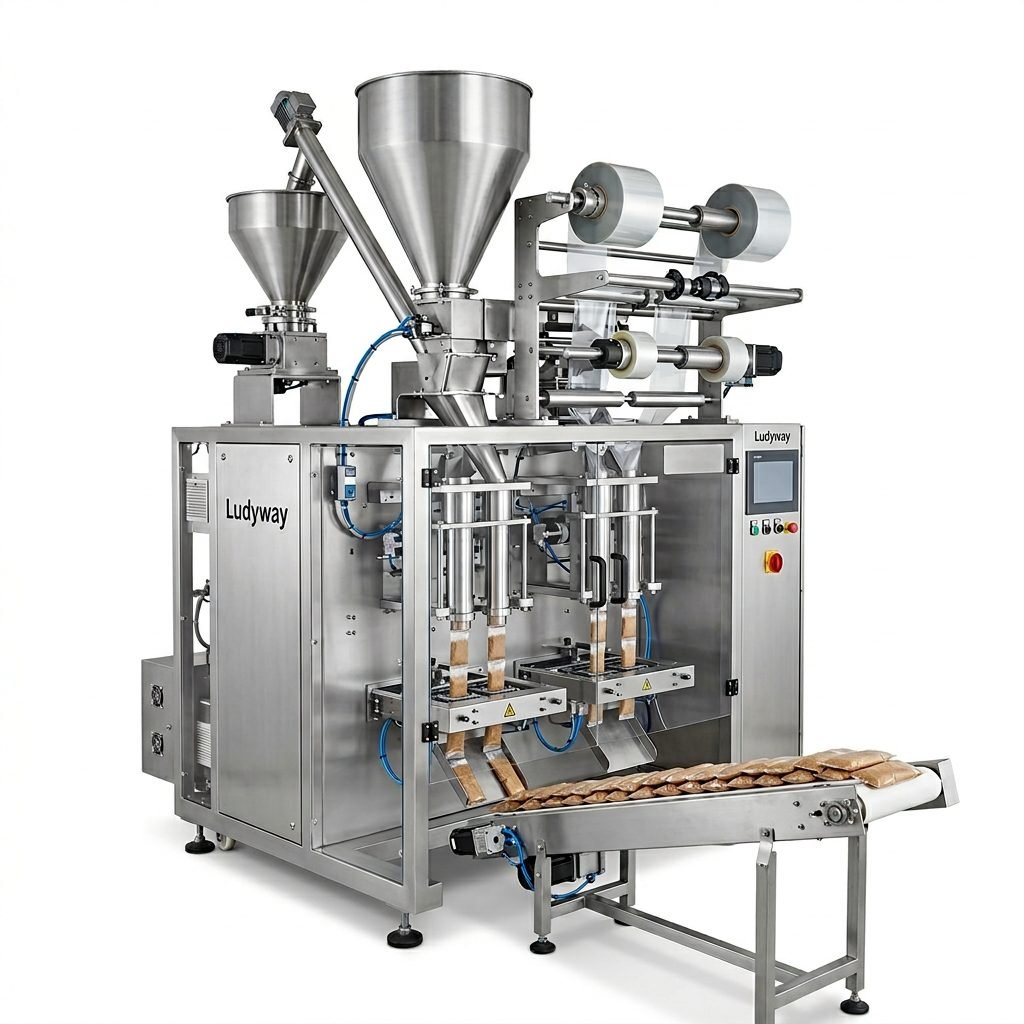
| Vertical Form Fill Seal (VFFS) | Granules, powders, liquids, snacks | Compact footprint and high efficiency |
| Premade Pouch Packing Machine | Liquids, powders, premium retail products | Attractive pouch appearance |
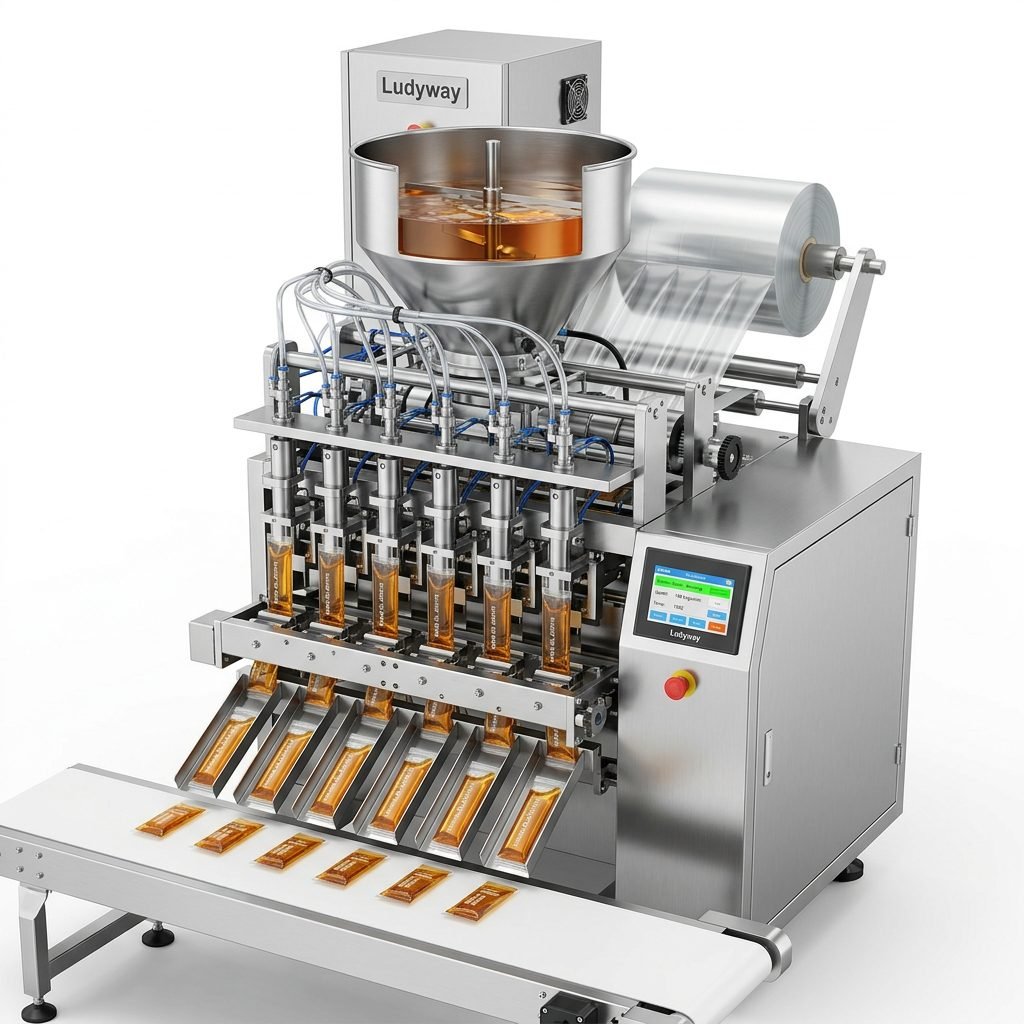
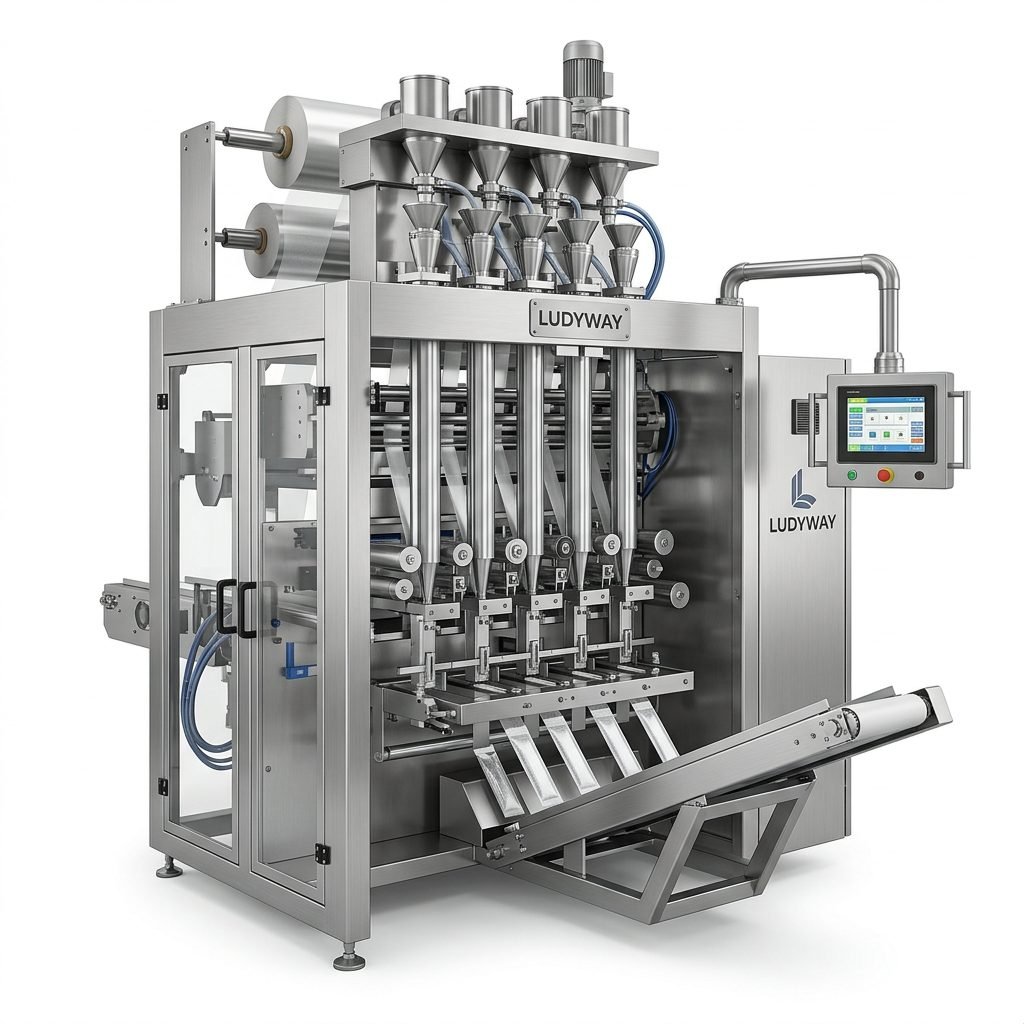
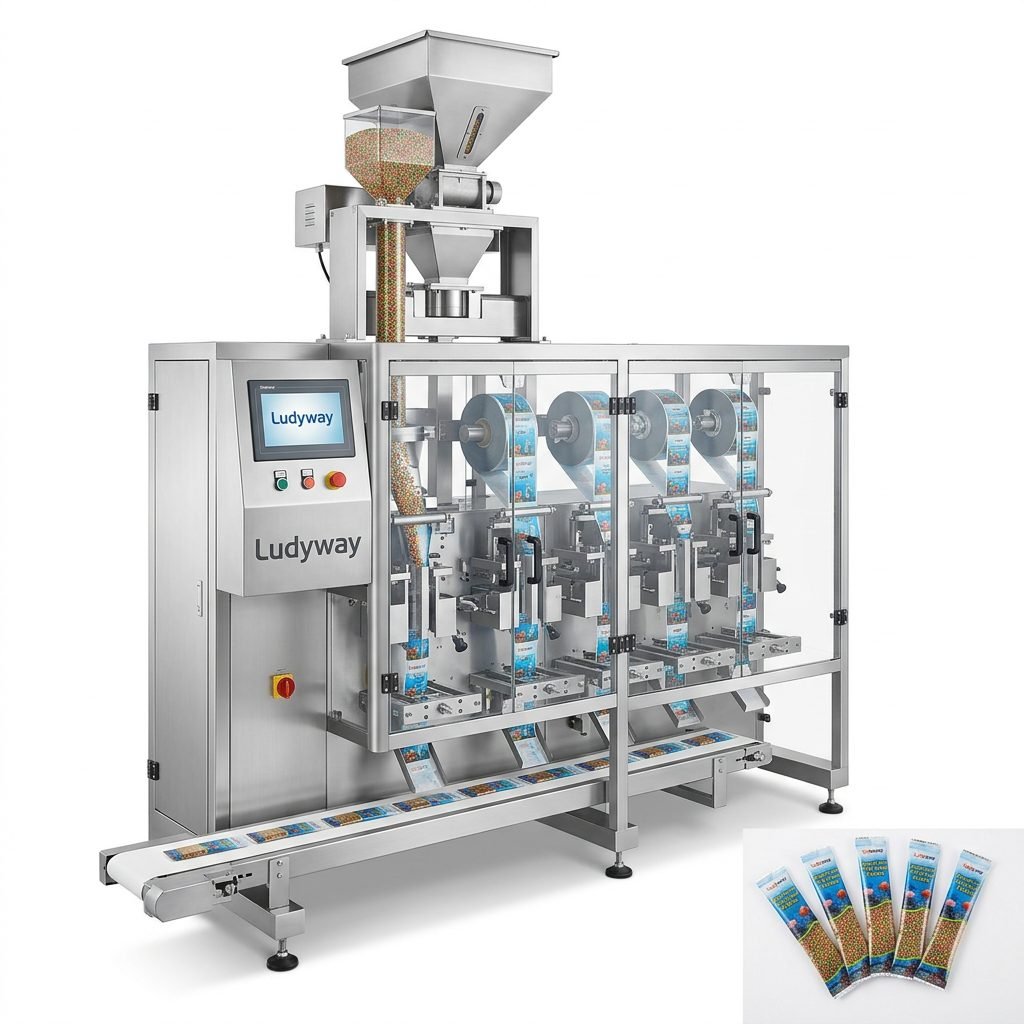
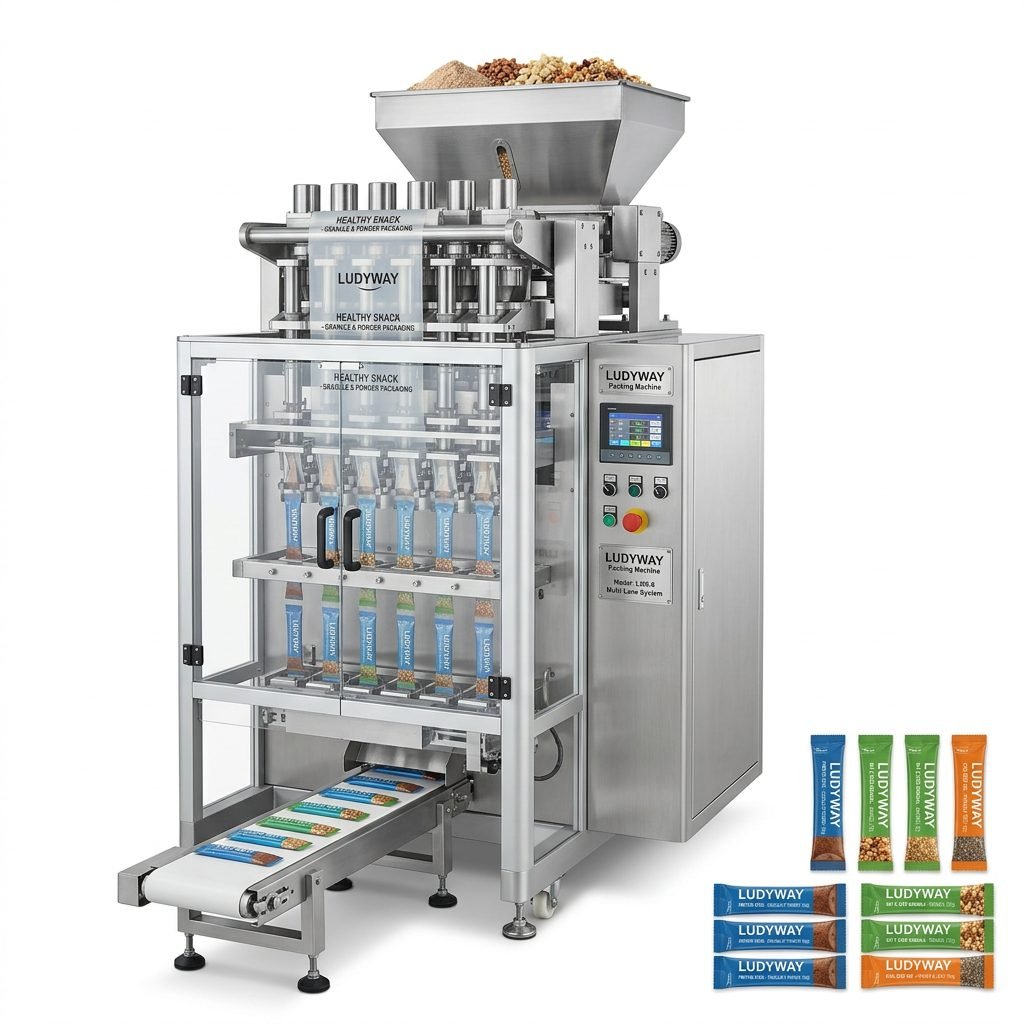
| Multi-Lane Sachet Machine | Small-dose powders, granules, liquids | High-speed small package production |
| Stick Pack Machine | Drink mixes, supplements, sugar, coffee | Slim package design and fast output |
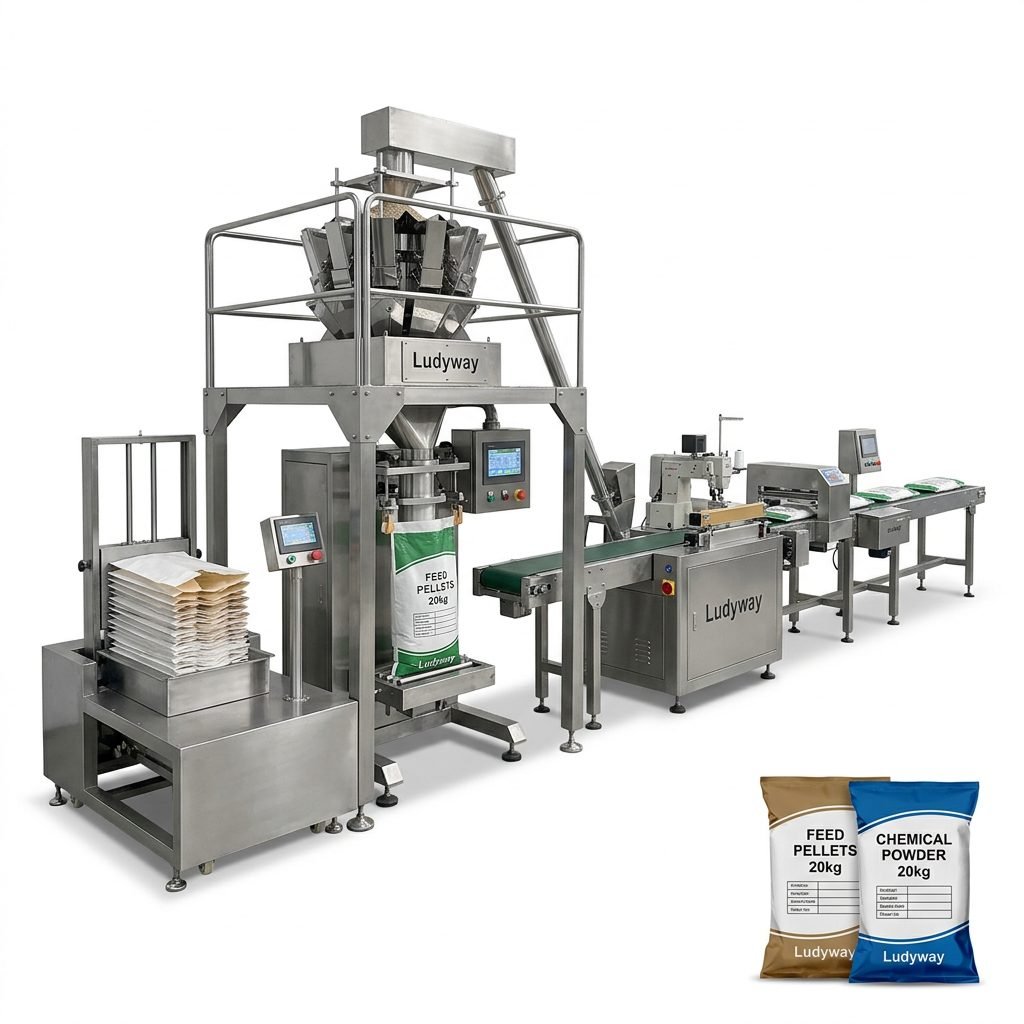
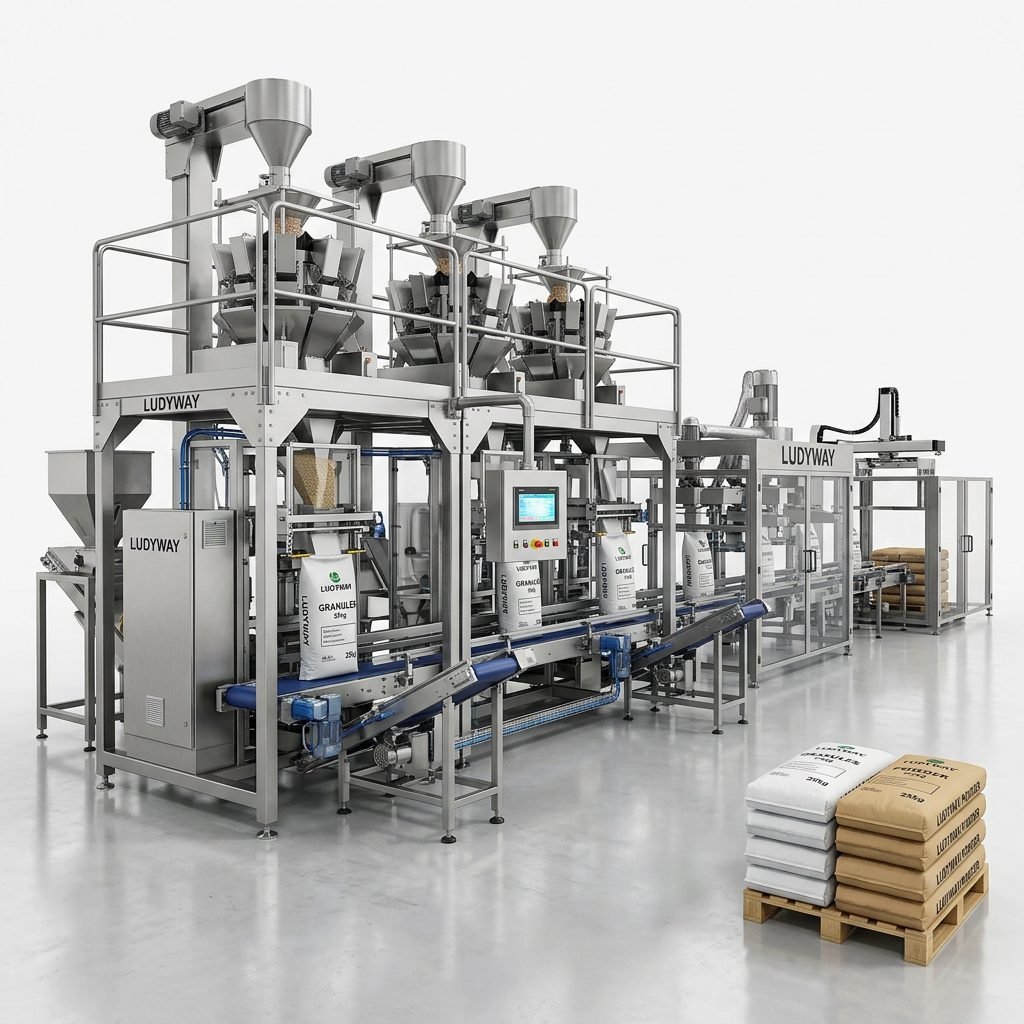
| Bagging Line with Weighing System | Bulk granules, seeds, feed, fertilizer | Accurate large-volume bag filling |
Key Components That Affect Performance
Not all bag packing systems perform the same. Machine quality depends on more than basic filling and sealing. Buyers should pay close attention to the following parts and functions:
- Film feeding system for stable bag forming
- Dosing unit such as auger filler, volumetric cup, piston pump, or multihead weigher
- Sealing mechanism for leak-proof and attractive bag closure
- PLC and touchscreen controls for easy parameter adjustment
- Servo drive system for smoother motion and precision
- Date coding and printing options for traceability
- Inspection and reject systems to support quality control
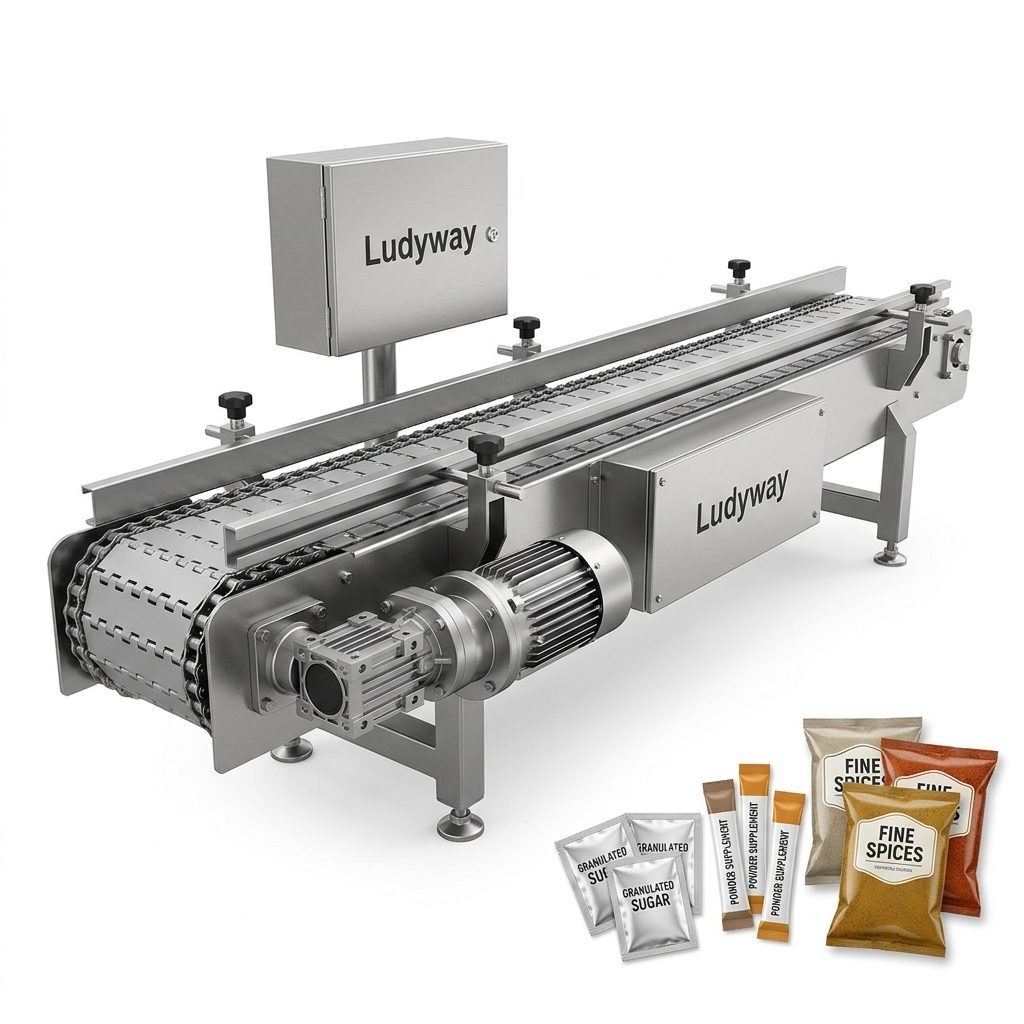
- Conveyors and collection devices for line continuity
Products Commonly Packed in Plastic Bags
Plastic bag packing machines support a wide range of free-flowing, non-free-flowing, and liquid products. The right filling system is matched to the product’s physical properties.
Granules
Sugar, salt, seeds, coffee granules, pet food, seasoning mixes, feed additives, and fertilizer granules are often packed using cup fillers, weighers, or counting systems.
Powders
Protein powder, milk powder, spice powder, pharmaceutical powders, and nutritional supplements typically require auger filling systems for better consistency and dust control.
Liquids and Pastes
Sauces, shampoo, lotion, detergent, syrup, and cosmetic liquids usually use piston pumps or liquid filling units with anti-drip design and reliable heat sealing.
How to Choose the Right Bag Packing Machine
Choosing the wrong machine can create production delays, extra maintenance, and packaging defects. A better approach is to evaluate your project from both the product side and the production side.
| Selection Factor | What to Consider |
|---|---|
| Product Type | Granule, powder, liquid, paste, tablet, or mixed product |
| Bag Style | Pillow bag, sachet, stick pack, premade pouch, gusset bag |
| Production Speed | Required bags per minute and future expansion needs |
| Bag Size Range | Small sample packs, retail packs, or bulk bags |
| Accuracy Requirement | Tolerance limits and product value |
| Factory Space | Available installation area and line layout |
| Compliance Need | Food-grade, pharmaceutical, hygiene, or export standards |
Benefits for Different Industries
Food Industry
Food producers need packaging that supports freshness, visual appeal, and throughput. A plastic bag packing machine helps reduce contamination risk, improve package consistency, and support retail-ready presentation.
Pharmaceutical and Health Supplement Industry
This sector requires high precision, traceability, and hygienic design. Sachet and stick pack machines are especially useful for single-dose powders and granules.
Cosmetic and Personal Care Industry
Products such as shampoo, lotion, serum, and cream need neat seals, accurate liquid filling, and attractive package formats. Automated systems also support faster product changeover for multiple SKUs.
Chemical and Household Product Industry
Detergents, cleaning powders, additives, and other industrial materials often require corrosion-resistant contact parts, dust control, and reliable sealing performance.
Important Features to Look For
- Fast bag length adjustment
- Stable sealing temperature control
- Easy cleaning and maintenance access
- Recipe memory for different products
- Servo-driven film pulling
- Low material waste during startup and changeover
- Optional nitrogen flushing, zipper, spout, or coding integration
- Compatibility with upstream and downstream packaging equipment
Turnkey Packaging Line vs Standalone Machine
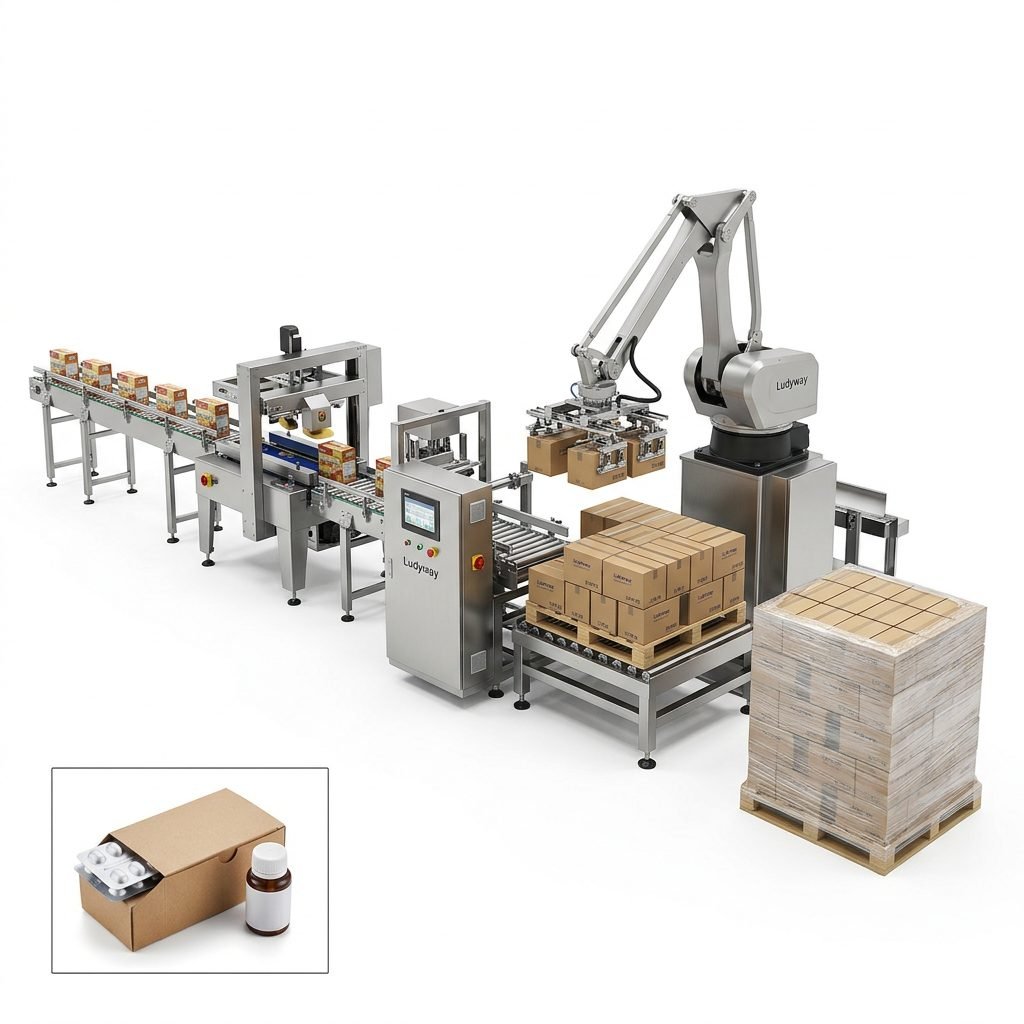
Some buyers only need a standalone plastic bag packing machine. Others benefit more from a complete packaging line that includes feeding, weighing, filling, sealing, coding, inspection, cartoning, and palletizing.
A turnkey line is often the better investment when:
- You want to reduce manual handling between processes
- You need synchronized high-volume production
- You require better data consistency across the line
- You plan to expand production in phases
- You want one supplier for design, manufacturing, and support
Maintenance Tips for Long-Term Reliability
Even the best machine needs regular care. Preventive maintenance is essential for keeping bagging speed and seal quality stable over time.
- Clean contact parts and sealing areas daily
- Inspect wear parts before they affect accuracy
- Calibrate filling systems on schedule
- Check sensors, heaters, and pneumatic parts regularly
- Use suitable packaging film and materials
- Train operators on setup and troubleshooting
Why Businesses Focus on Accuracy and Speed
Fast output without accuracy creates complaints and rework. Accuracy without speed limits profitability. The ideal plastic bag packing machine balances both. That means precise dosing, stable motion control, dependable sealing, and easy adaptation to different products and bag sizes.
For growing manufacturers, the goal is not only to pack more bags per minute, but to do so with less waste, less downtime, and more predictable production planning.
A Reliable Partner for Automated Bagging Solutions
For companies seeking scalable packaging automation, Ludyway plastic bag packing machine solutions are backed by more than 30 years of manufacturing experience, a factory of over 20,000 square meters, broad export coverage, and the capability to provide both standalone machines and turnkey packaging lines for food, pharmaceutical, cosmetic, chemical, pet product, and related industries.
Conclusion
A plastic bag packing machine is a practical investment for manufacturers that want faster production, better filling accuracy, stronger seal quality, and lower labor dependence. From compact sachet systems to fully integrated bagging lines, the right solution can transform packaging into a more efficient and profitable process.
When evaluating equipment, focus on product type, bag format, speed, accuracy, automation level, and long-term service support. With the right machine configuration, businesses can achieve efficient packaging, reliable bagging, and sustainable production growth.