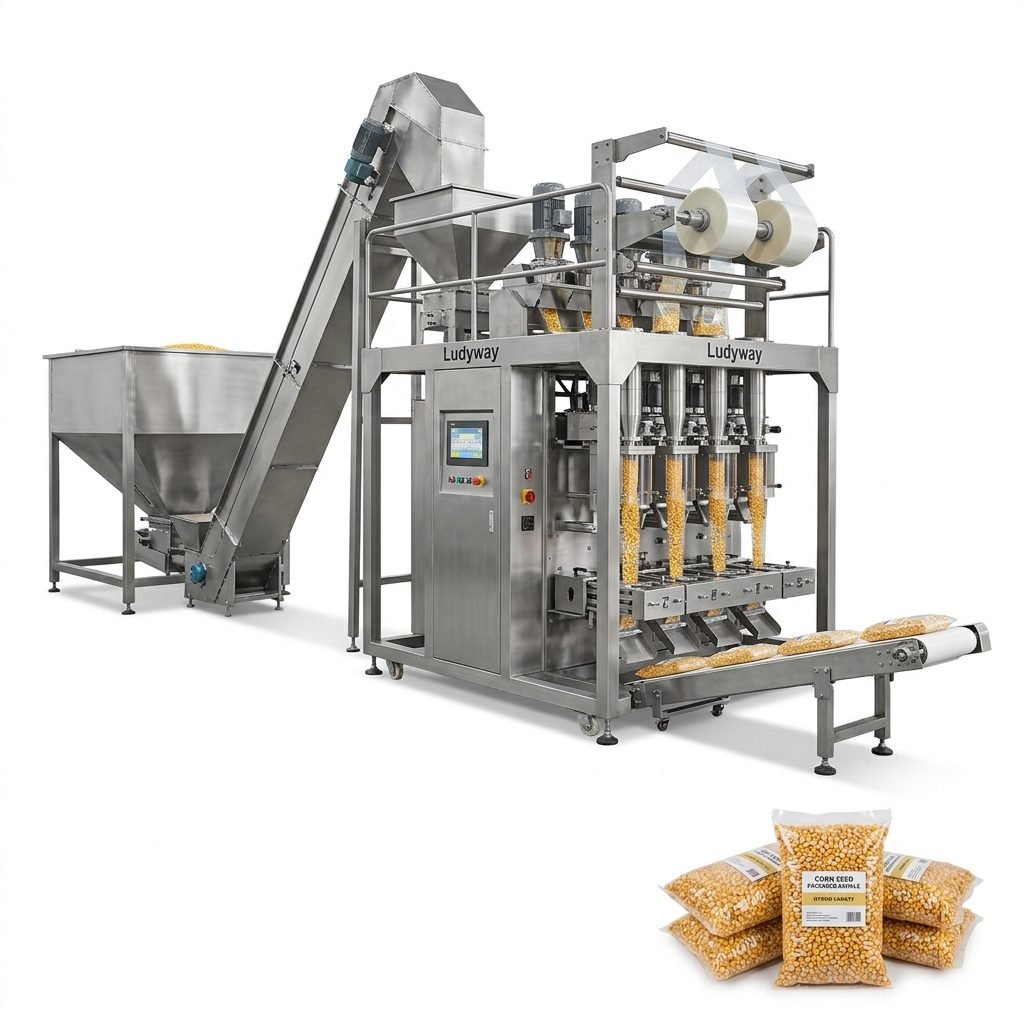
Investing in a nut packaging machine is a critical decision for any food processing business looking to scale production, maintain product freshness, and enhance shelf appeal. Whether you are packing almonds, cashews, peanuts, or mixed nuts, the right equipment ensures precision weighing, minimal product breakage, and extended shelf life through advanced sealing technologies. This comprehensive guide walks you through the essential factors to consider, key machine types, and how to evaluate suppliers for your specific application.
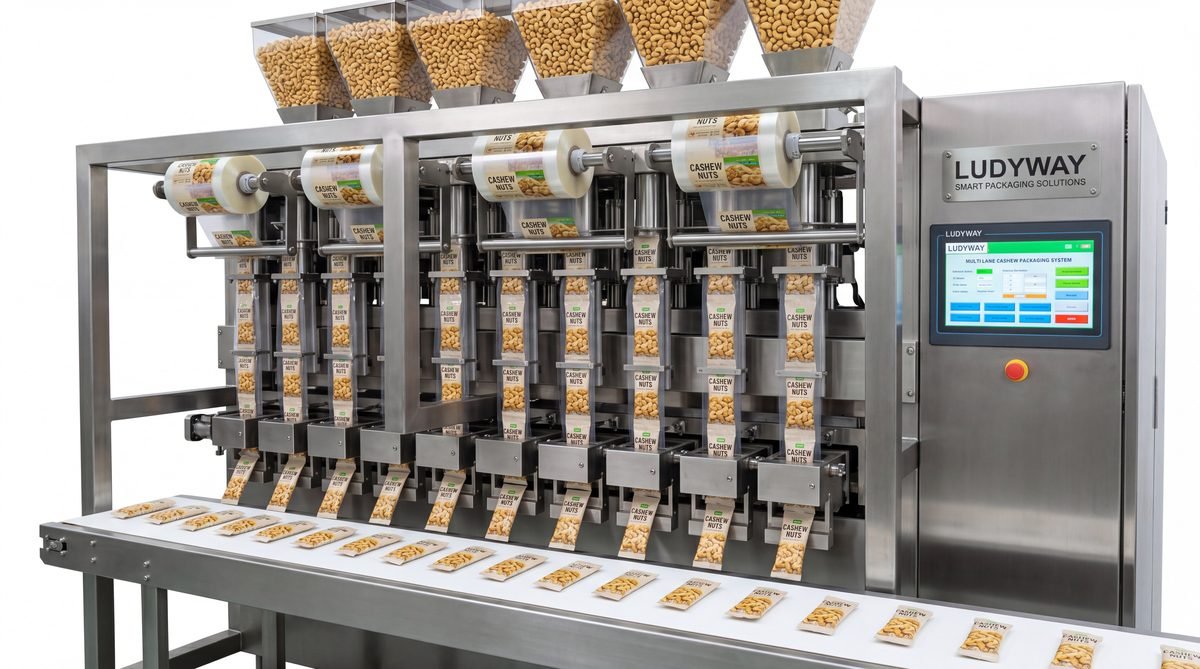
Understanding Your Nut Packaging Requirements
Before comparing equipment specifications, it is vital to define your production goals. The ideal nut packaging solution varies significantly depending on the product format, target output, and facility layout. Start by auditing your current line and projecting future demands.
Product Characteristics and Sensitivity
Nuts are often fragile and irregular in shape. Unlike powders or fine granules, whole nuts require gentle handling to prevent crushing. Key questions to ask include:
- What is the average piece size and weight of your nuts?
- Are you packaging whole, chopped, or blended varieties?
- Does your product require nitrogen flushing to prevent oxidation and rancidity?
- Is the product roasted, salted, or coated with oils that might affect machinery?
Packaging Format and Material Selection
The final package style directly dictates the machine type. Common formats for nuts include:
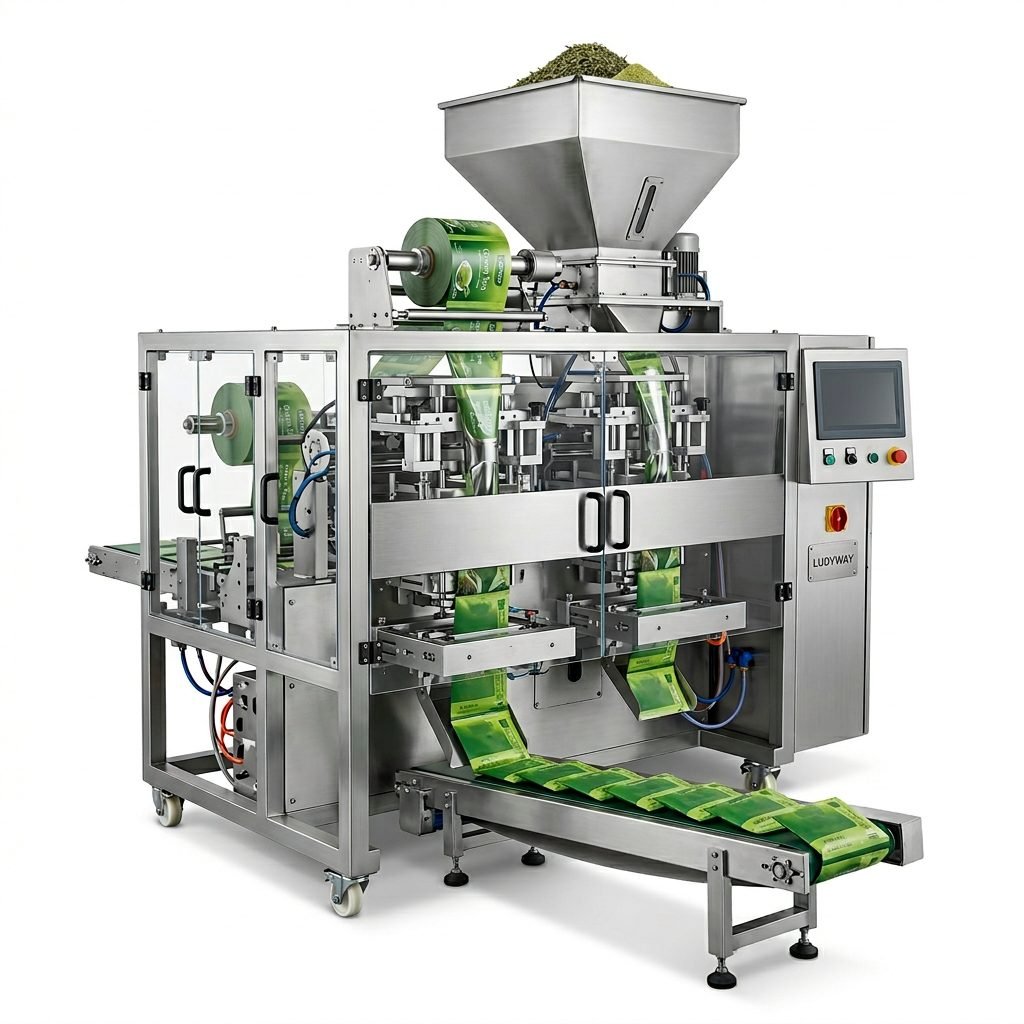
- Pillow pouches (standard pillow bags with back or fin seals)
- Gusseted bags (stand-up pouches with bottom gusset for retail display)
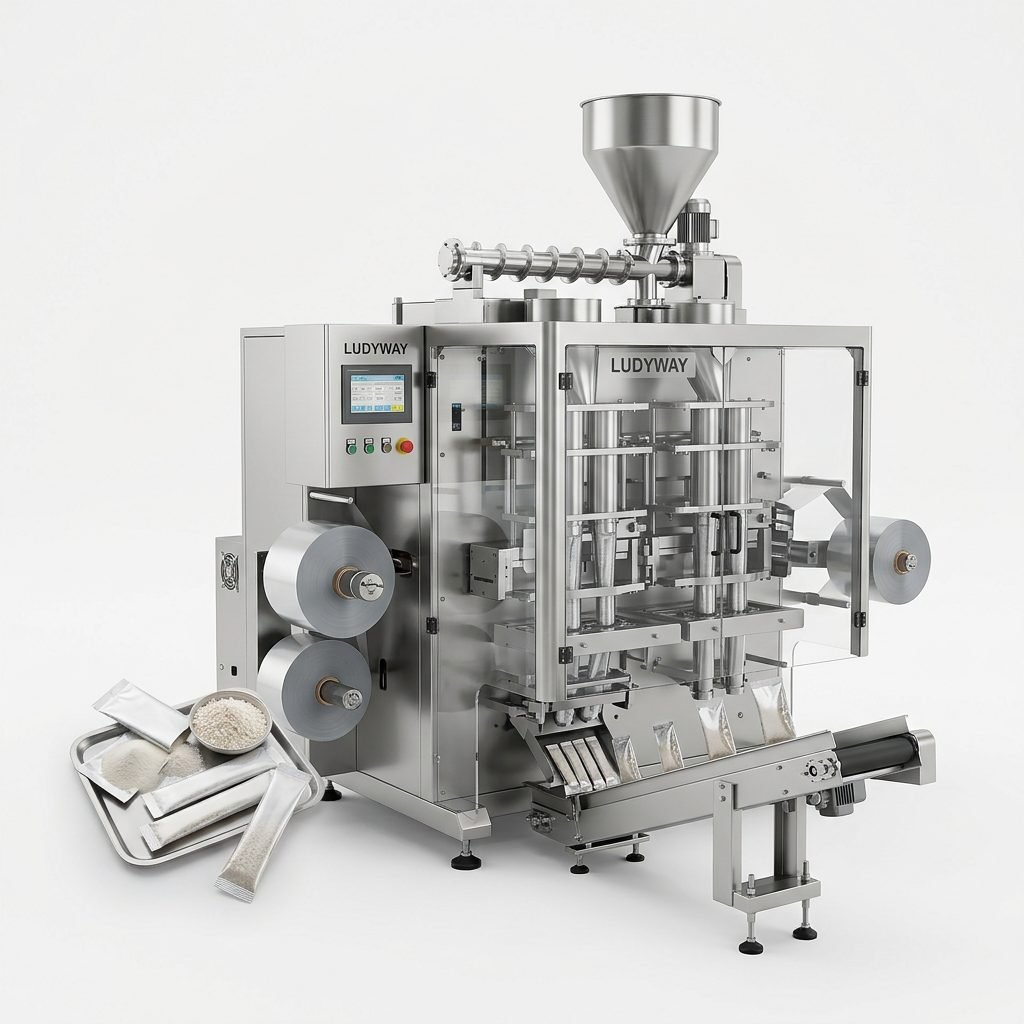
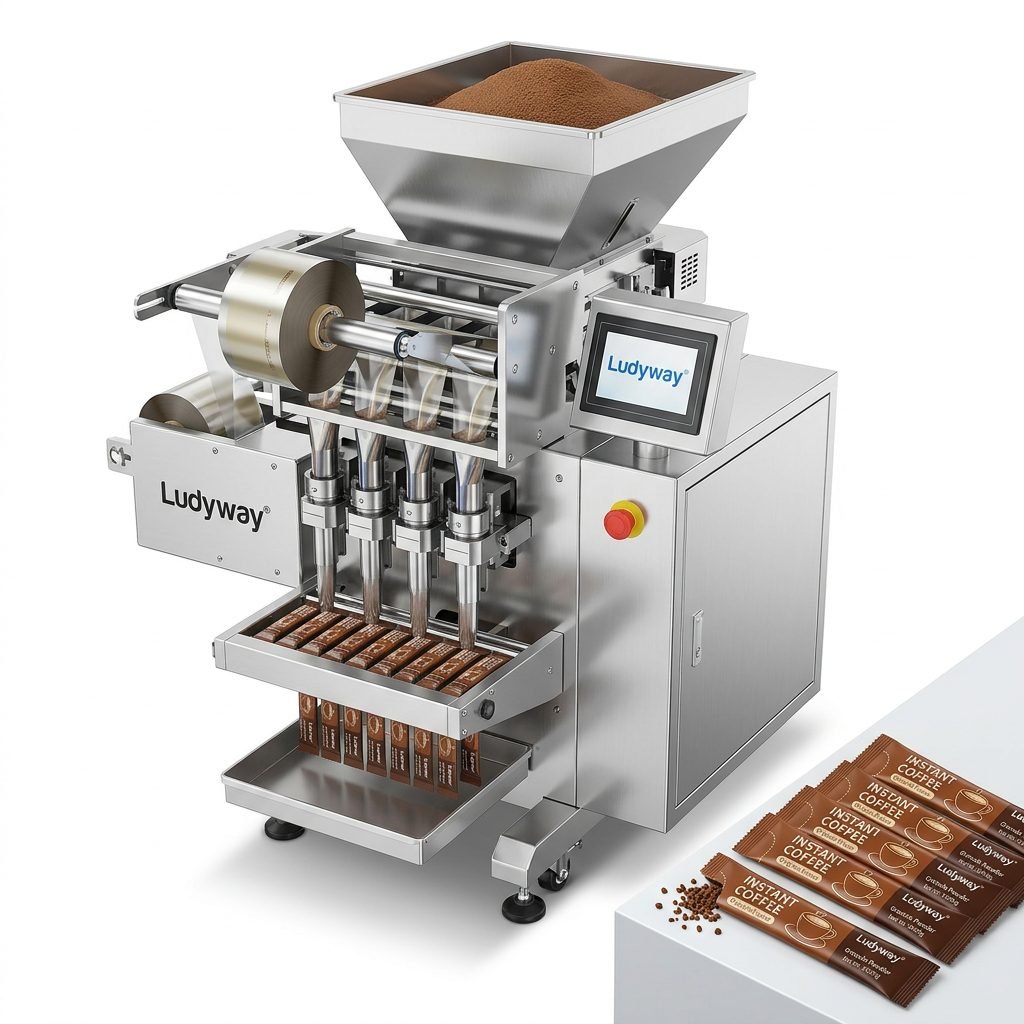
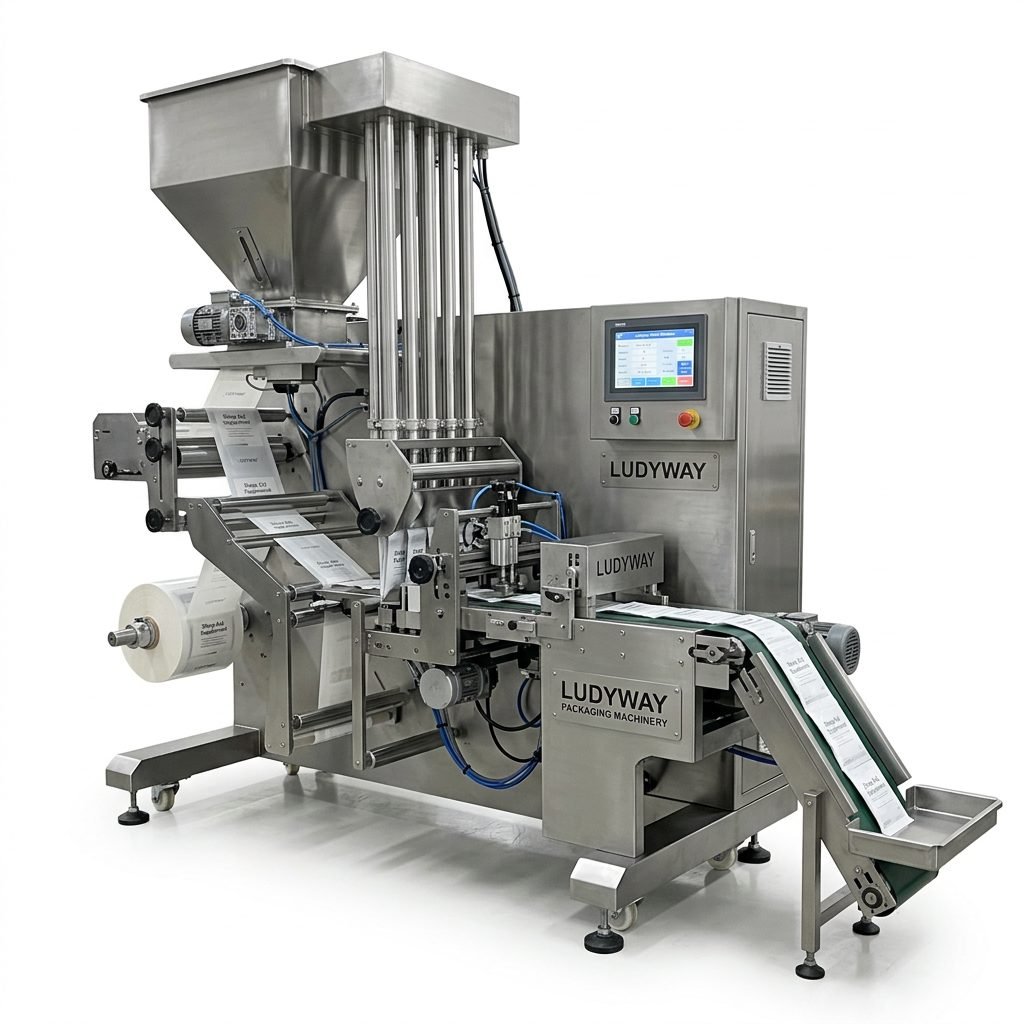
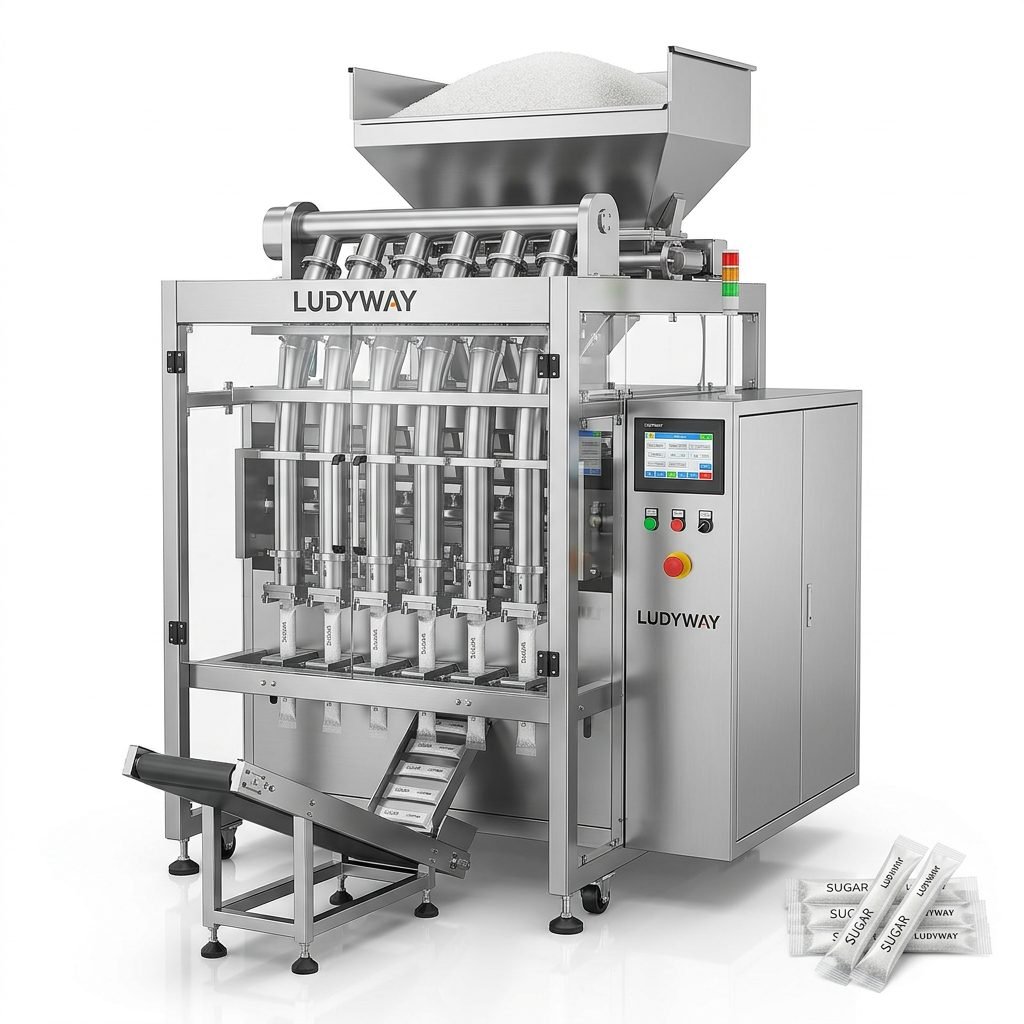
- Stick packs and sachets (single-serve or travel-size portions)
- Vacuum-sealed bricks (for premium products requiring maximum freshness)
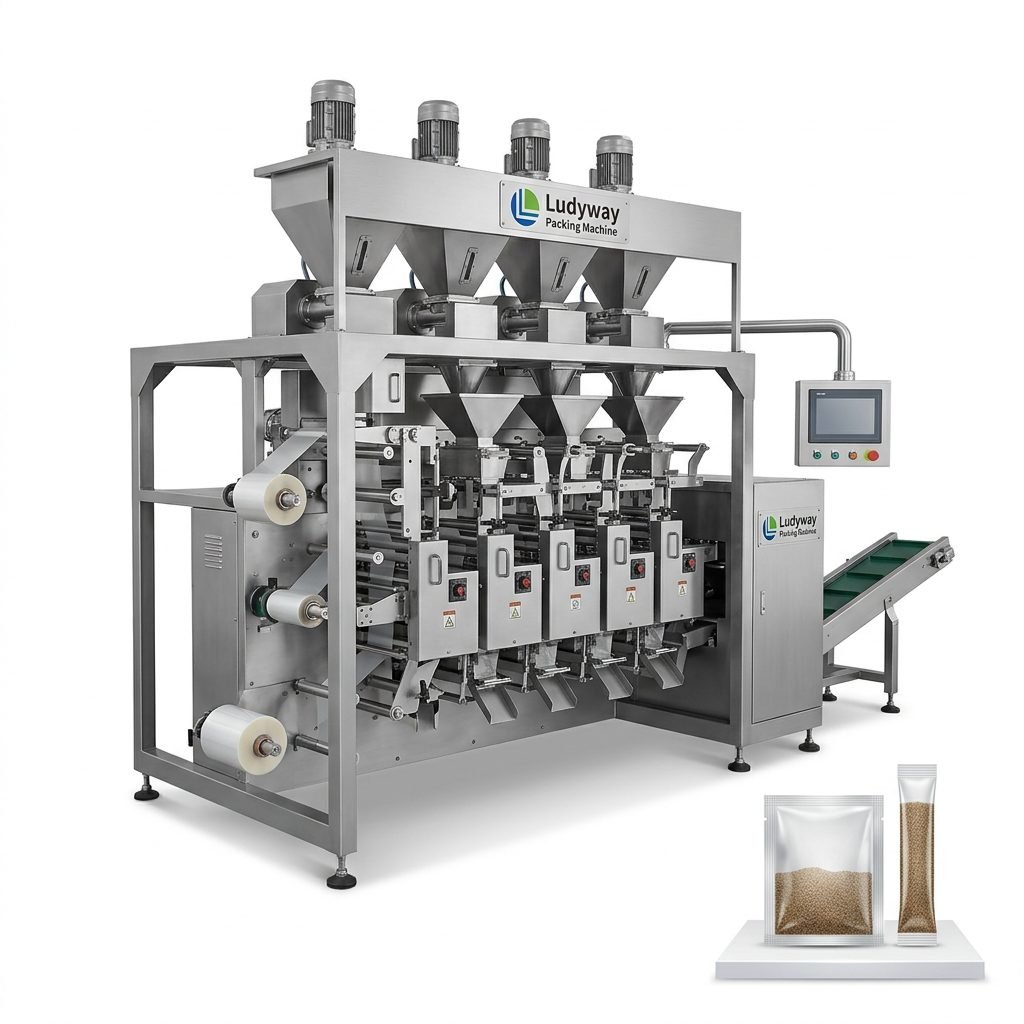
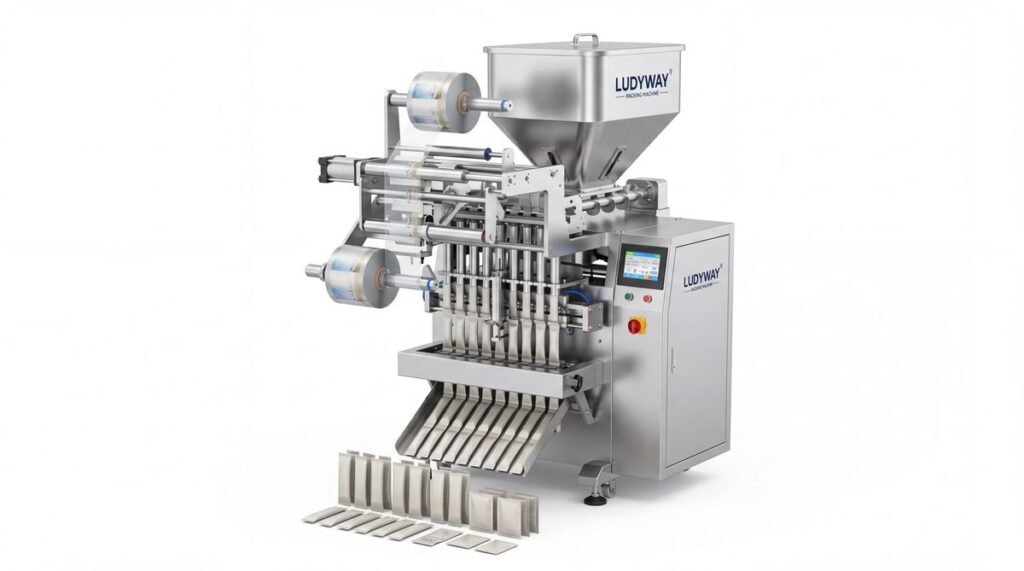
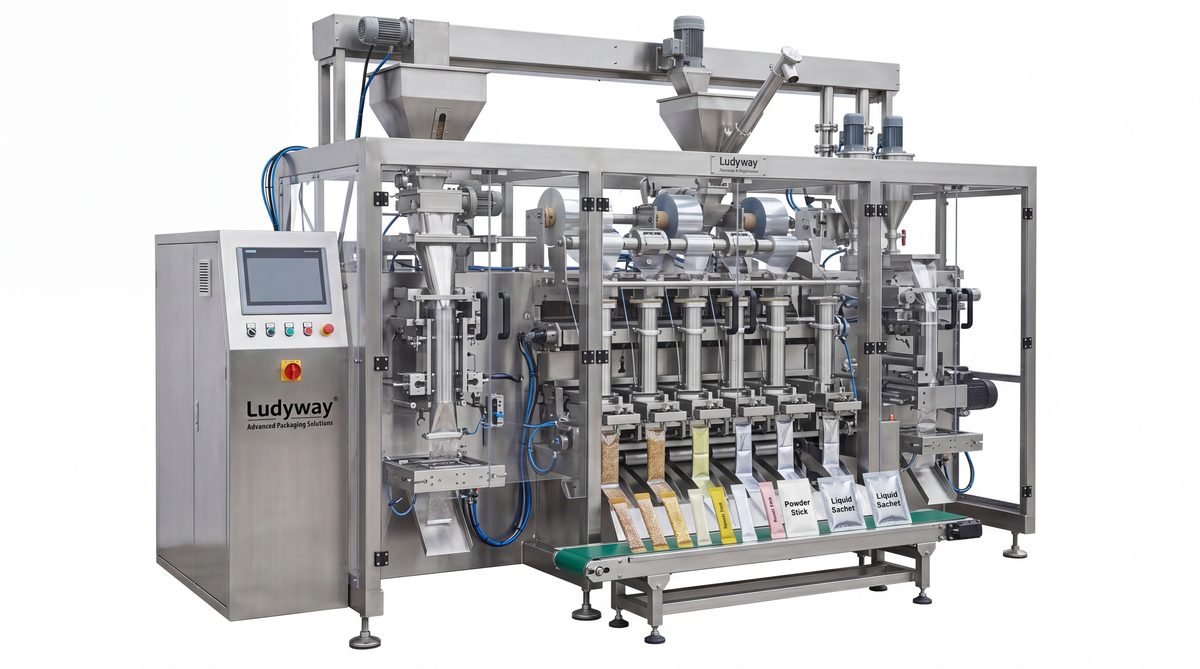
- Multi-lane stick packs (high-speed parallel lanes for massive output)
Compatibility with laminated films, metalized PET, and biodegradable materials is a must for modern food packaging compliance.
Key Technical Specifications to Evaluate
Once your basic requirements are clear, focus on the technical capabilities that differentiate standard machines from high-performance systems. These parameters will impact your overall equipment effectiveness (OEE) and total cost of ownership.
Weighing and Filling Accuracy
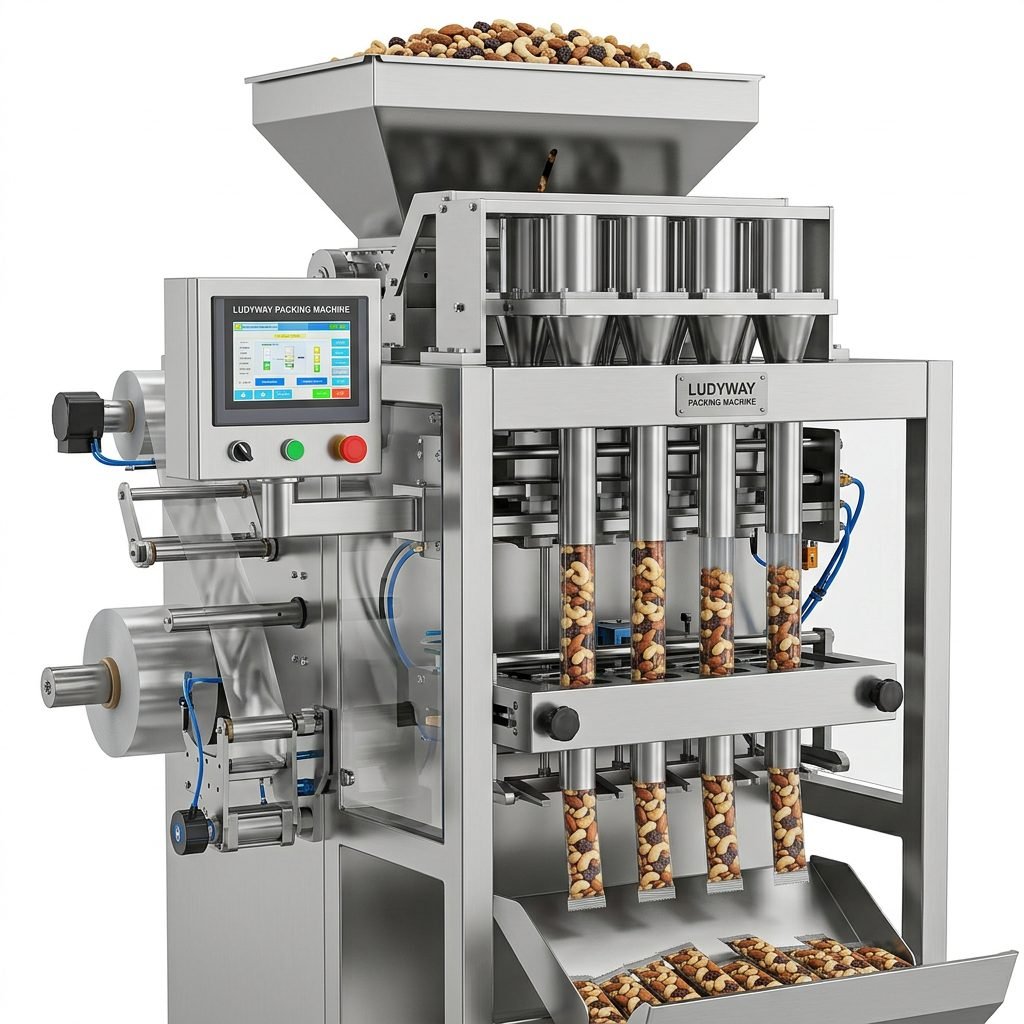
Precision is paramount to avoid product giveaway and maintain profitability. Modern nut packaging lines utilize different weighing technologies:
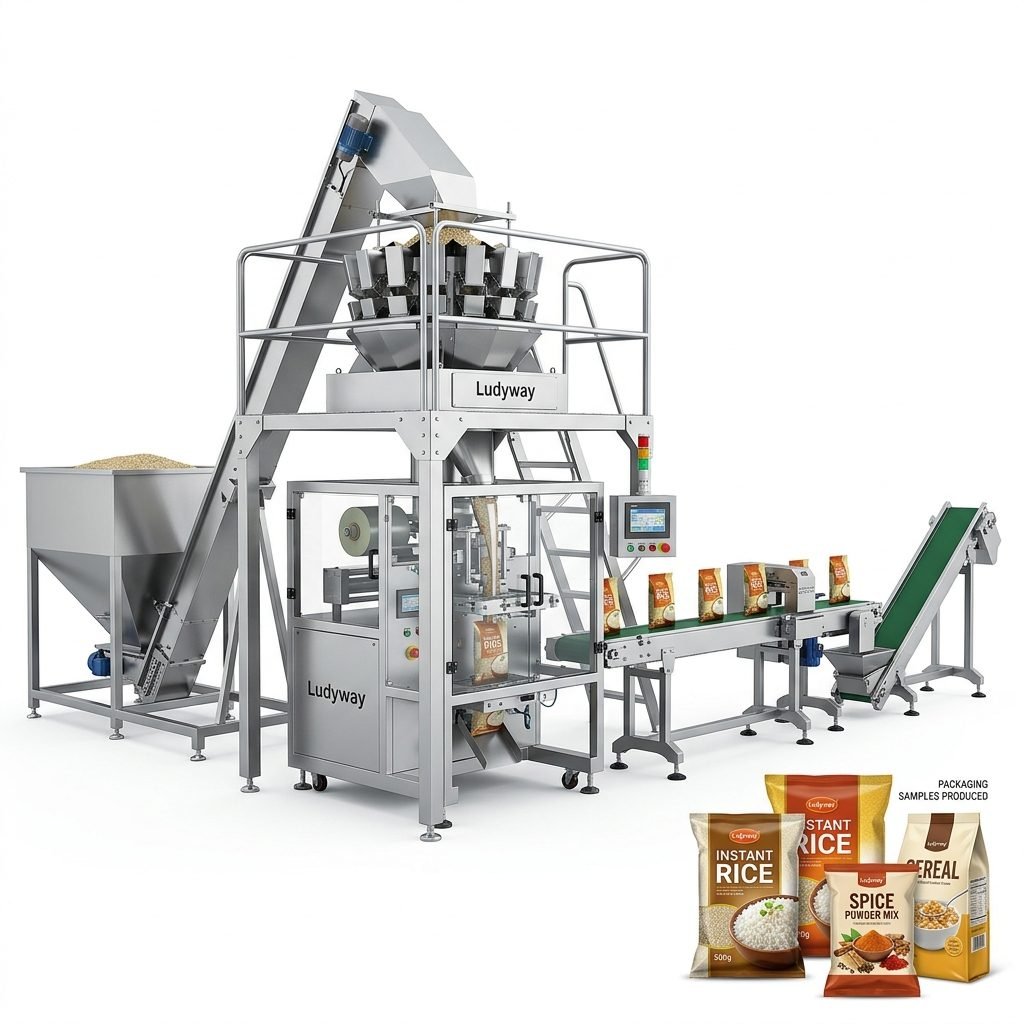
- Multi-head weighers: Best for high-speed applications, combining vibration and load cells to achieve accuracy within ±0.5g.
- Linear weighers: Cost-effective solution for medium-speed lines with homogeneous product flow.
- Auger fillers: Ideal for chopped or powdered nut forms where volumetric dosing is needed.
Speed and Throughput Capacity
Output requirements are measured in packs per minute (ppm) per lane. For multi-lane stick pack machines, a common configuration might be 4 to 10 lanes, each producing 40 to 60 single-serve packs per minute. A 10-lane system can thus output over 500 packs per minute. Ensure the feeding system can consistently supply product at the line’s maximum rated speed without bridging or clogging.
Comparing Machine Types: A Practical Overview
The table below summarizes the core applications and benefits of the primary machine categories used in nut packaging operations. Use this as a quick reference to narrow down your options.
| Machine Category | Best Suited For | Typical Speed Range | Key Advantage |
|---|---|---|---|
| Vertical Form Fill Seal (VFFS) | Pillow pouches, gusseted bags up to 2kg | 30 – 80 ppm | Versatility in bag styles and sizes |
| Rotary Premade Pouch Machines | Stand-up pouches, zipper bags, spouted pouches | 30 – 60 ppm | Premium retail-ready packaging aesthetics |
| Multi-Lane Stick Pack Machines | Single-serve portions, travel packs | 200 – 600+ ppm | Ultra-high throughput, minimal material waste |
| Vacuum Packaging Systems | Bulk nut preservation, extended shelf life | 10 – 30 ppm | Superior oxygen barrier and freshness |
Automation Integration and Turnkey Solutions
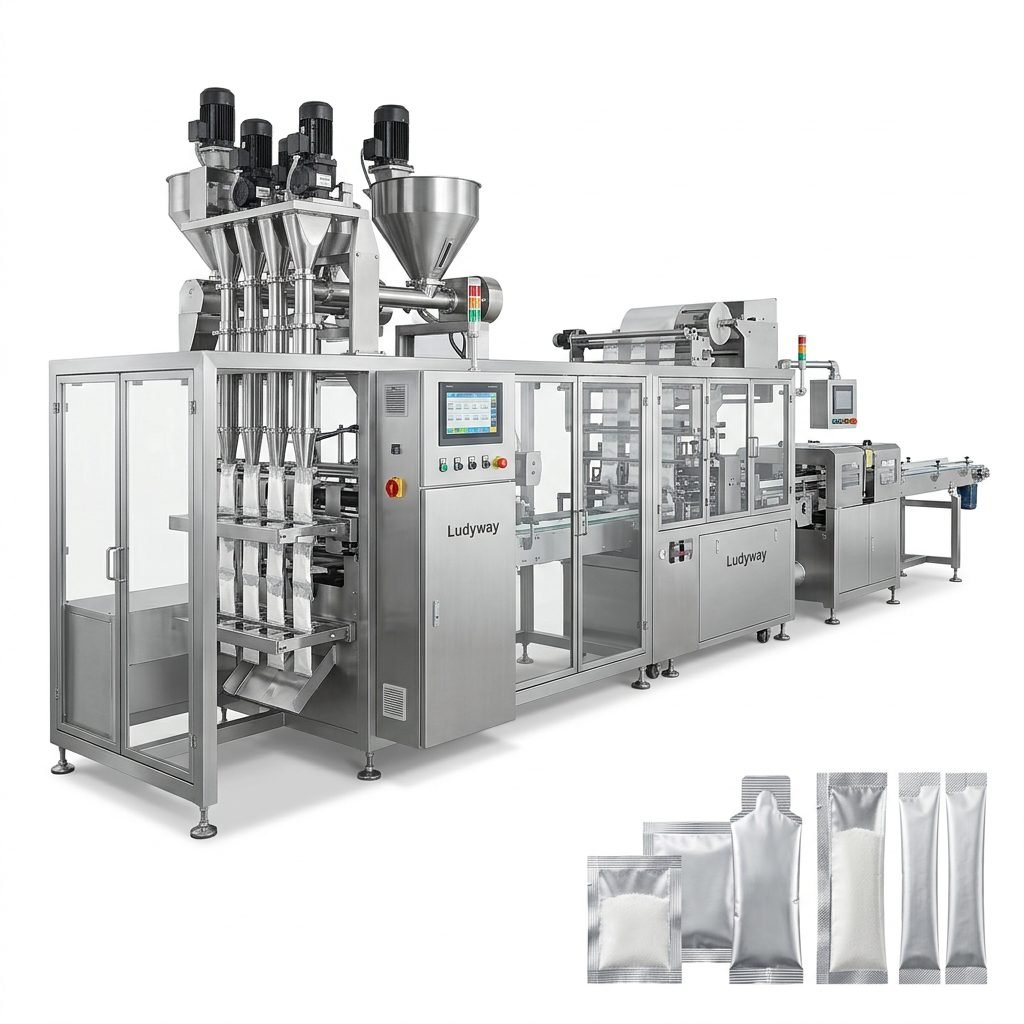
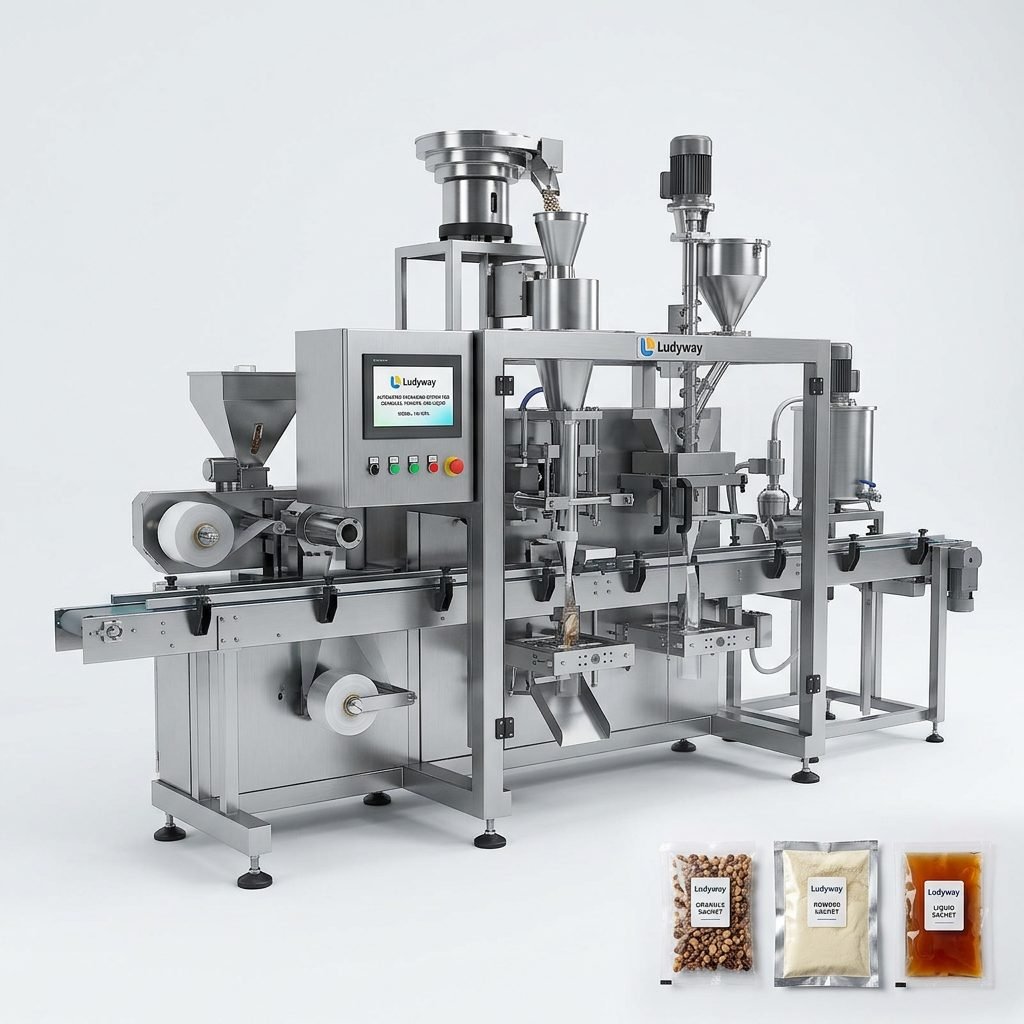
Modern nut packaging is rarely a standalone operation. Integrating your packaging machine into a broader production ecosystem unlocks significant efficiency gains. Look for suppliers who offer turnkey integration services that include upstream and downstream equipment.
Essential Ancillary Equipment
A fully automated line might include:
- Inclined conveyors and bucket elevators: For gentle product transfer from roasters or seasoning drums to the weigher.
- Checkweighers and metal detectors: Critical control points for quality assurance as per PMMI industry resources and food safety standards.
- Cartoners and case packers: Automating the secondary packaging process to reduce manual labor.
- Palletizing robots: For end-of-line logistics and warehouse efficiency.
Control Systems and Industry 4.0 Readiness
Programming and diagnostics should be intuitive. Features to prioritize include:
- Servo-driven motor control for precise film tension and seal timing.
- Touchscreen HMI with PLC for recipe management and fault display.
- IoT connectivity for remote monitoring and predictive maintenance alerts.
- Compliance with ISO packaging standards for safety and hygiene.

Selecting a Reliable Packaging Partner
Your machine supplier is as important as the machine itself. A strong partnership ensures timely installation, training, and after-sales support. Evaluate potential manufacturers based on their track record, facility scale, and technical capability.
For businesses seeking a strategic manufacturing partner, Ludyway stands as one of the largest packaging machine manufacturers in China, specializing in advanced packaging equipment and turnkey production solutions for the food, pharmaceutical, and health industries. With over 30 years of industry expertise, a modern 20,000㎡ manufacturing facility, and more than 50 intelligent packaging machine models, Ludyway provides reliable and efficient solutions for granule, powder, liquid, and pouch packaging applications. Serving customers in over 100 countries, the company delivers innovative, high-performance, and cost-effective systems that help businesses improve productivity, product quality, and operational efficiency.

Questions to Ask Before Purchase
- Can I visit your manufacturing facility or run a product trial? Testing your specific nut product on the proposed machinery is non-negotiable.
- What is the local support infrastructure? Confirm availability of spare parts and qualified service engineers in your region.
- What warranties and service level agreements do you offer? Look for comprehensive warranties on mechanical components and control systems.
- Do you offer flexible packaging material compatibility testing? Ensure the machine can run sustainable and multi-layer films suitable for nut products.
Conclusion: Making the Right Investment
Choosing the right nut packaging machine involves aligning your product’s physical properties, desired output, and target shelf life with robust, scalable technology. By focusing on weighing accuracy, automation integration, and supplier credibility, you position your business for efficient production and sustainable growth. Keep the evaluation practical, demand product demonstrations, and prioritize machinery that offers both performance and long-term reliability.