Selecting the right nut packaging machine is a critical decision for producers, impacting everything from product freshness and shelf appeal to operational efficiency and cost-effectiveness. This comprehensive guide explores the various types of machines, their key features, and provides a structured framework to help you choose the best solution for your specific needs.
Understanding the Different Types of Nut Packaging Machines
The packaging process for nuts can vary significantly based on product form (whole, chopped, mixed), portion size, and desired packaging style. Here are the primary machine types:
Vertical Form-Fill-Seal (VFFS) Machines
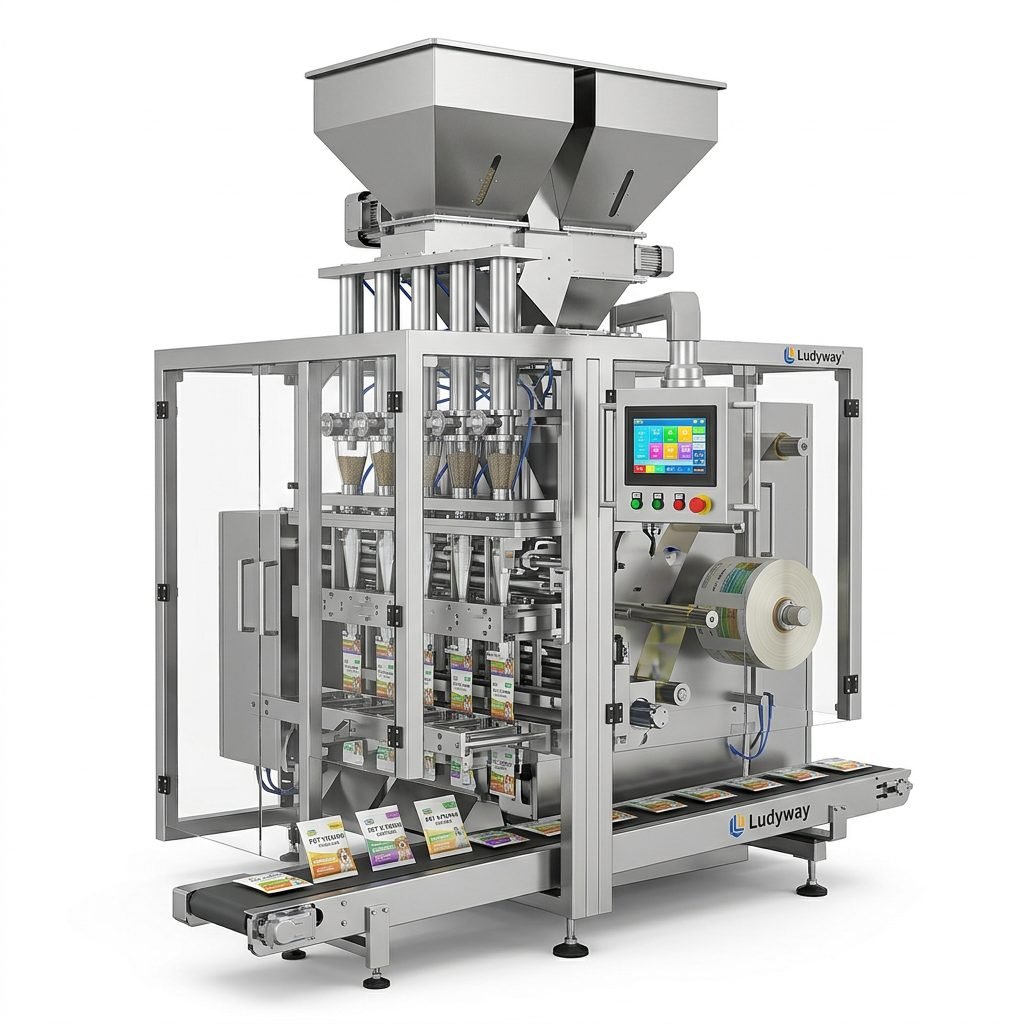
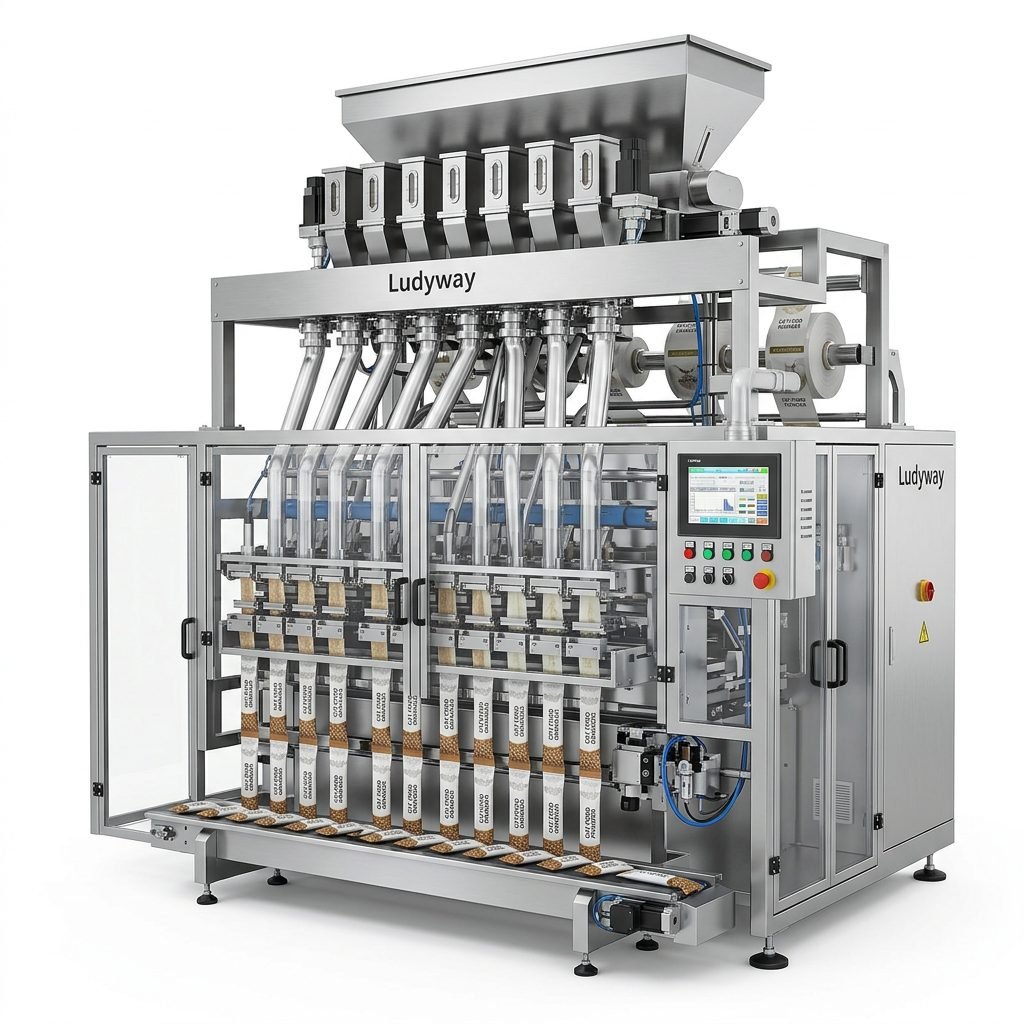
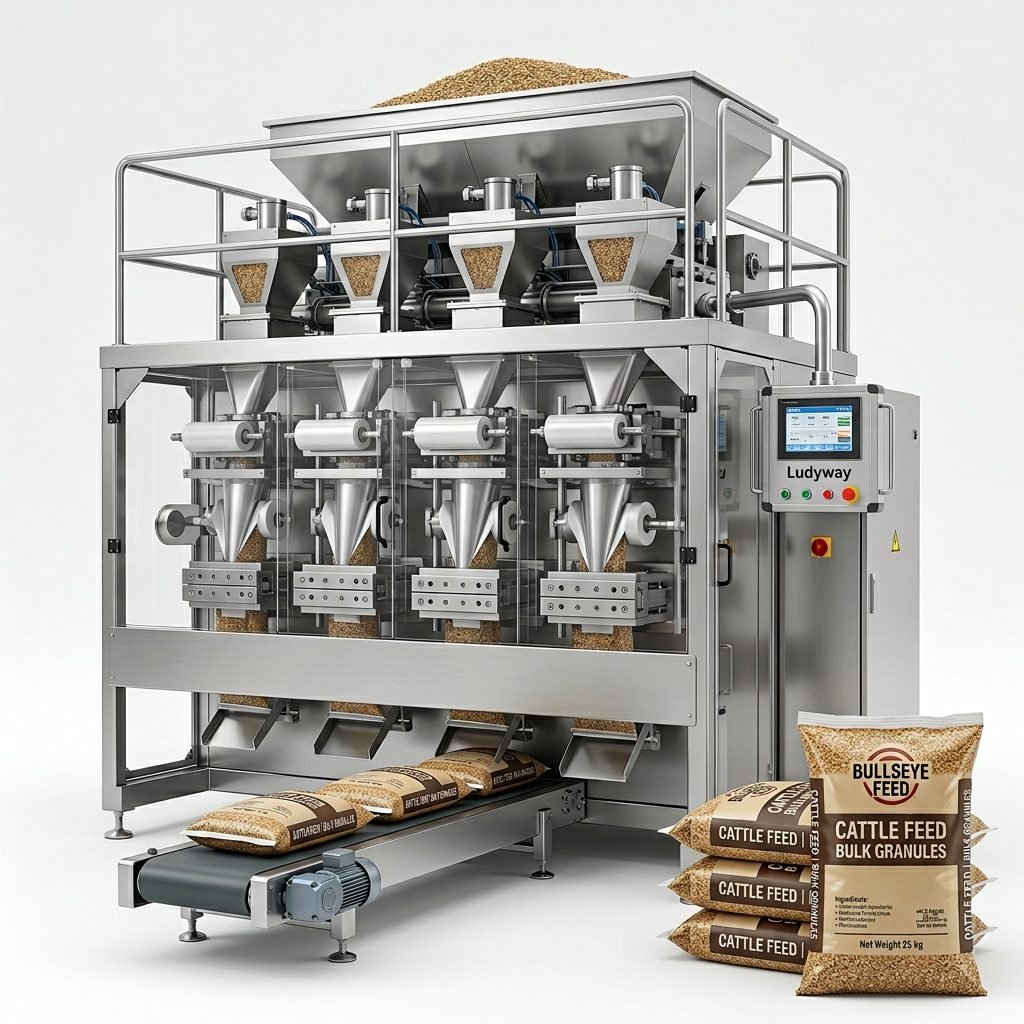
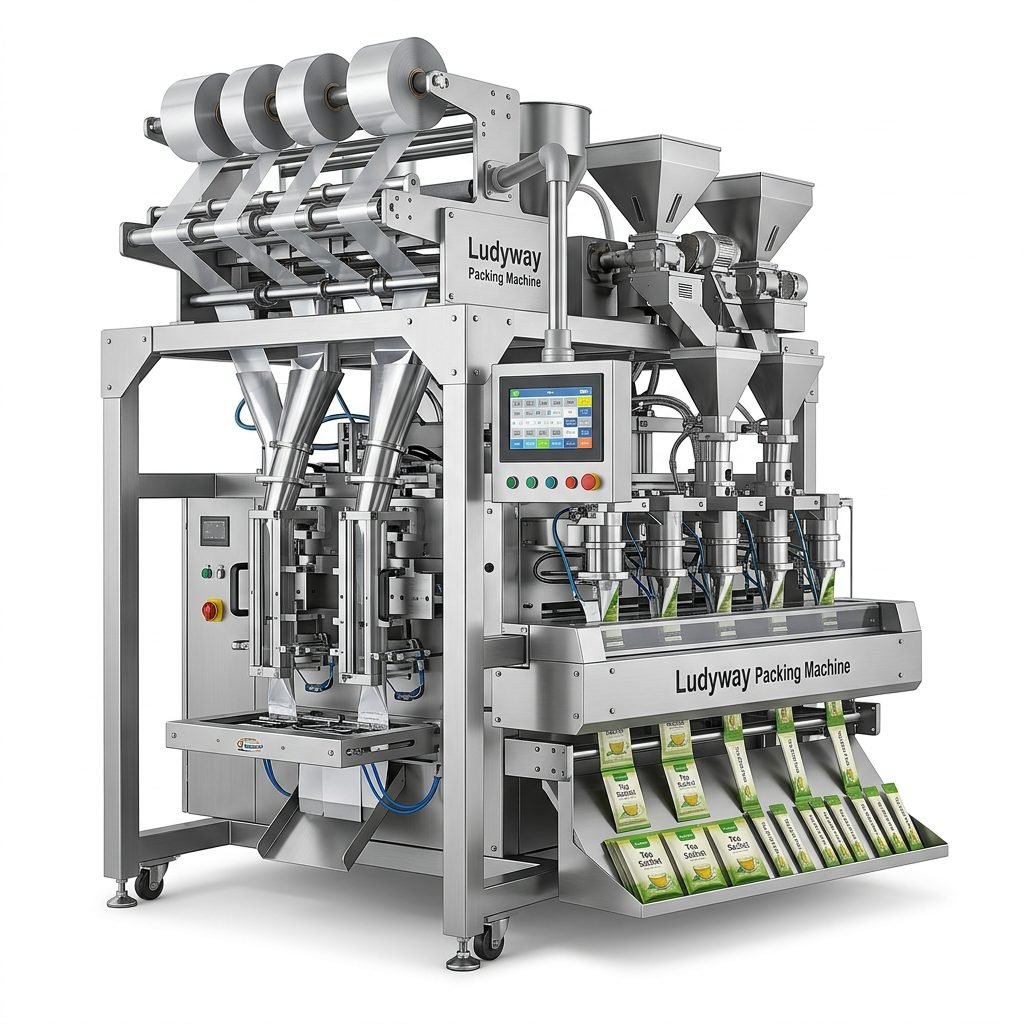
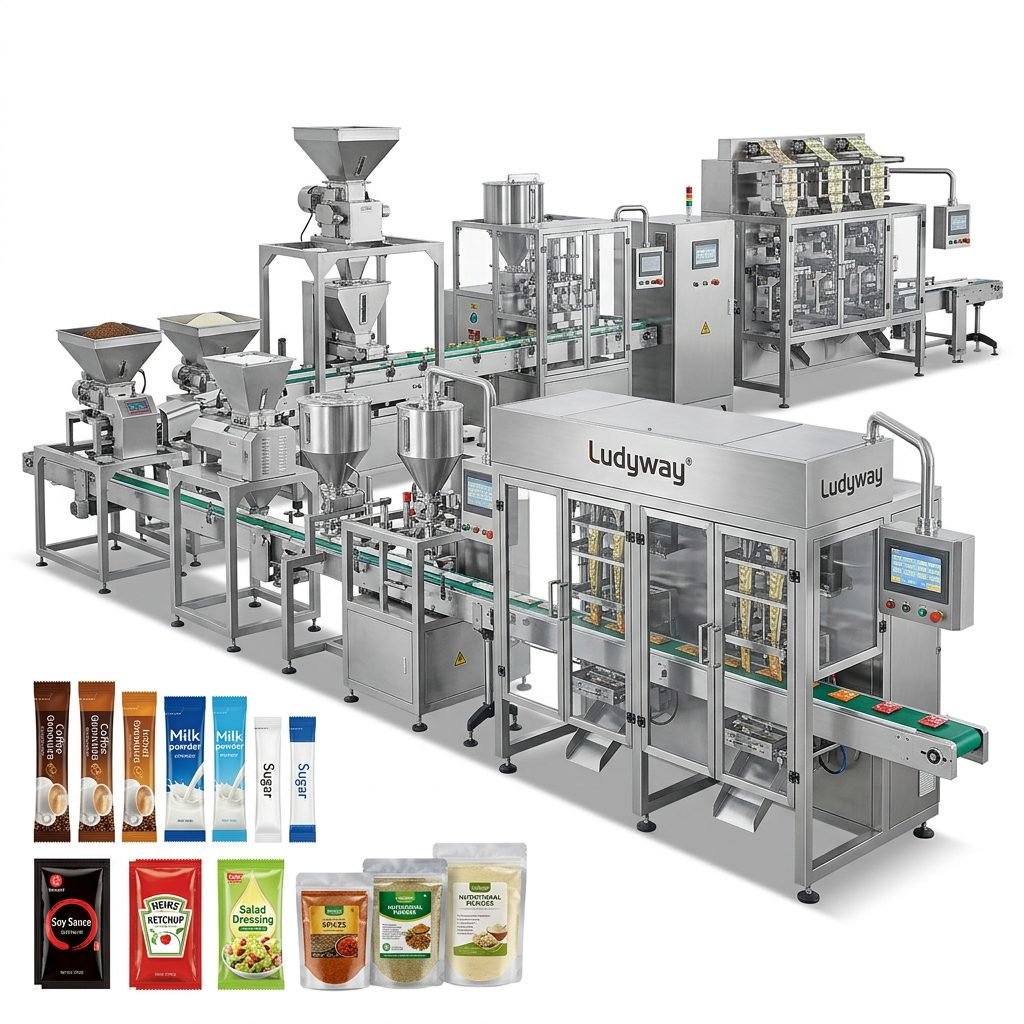
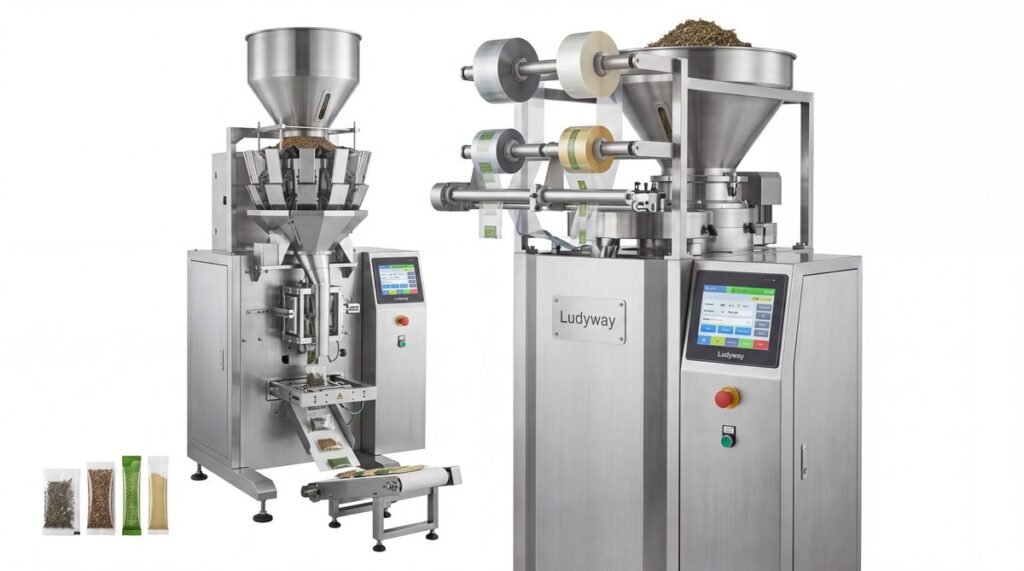
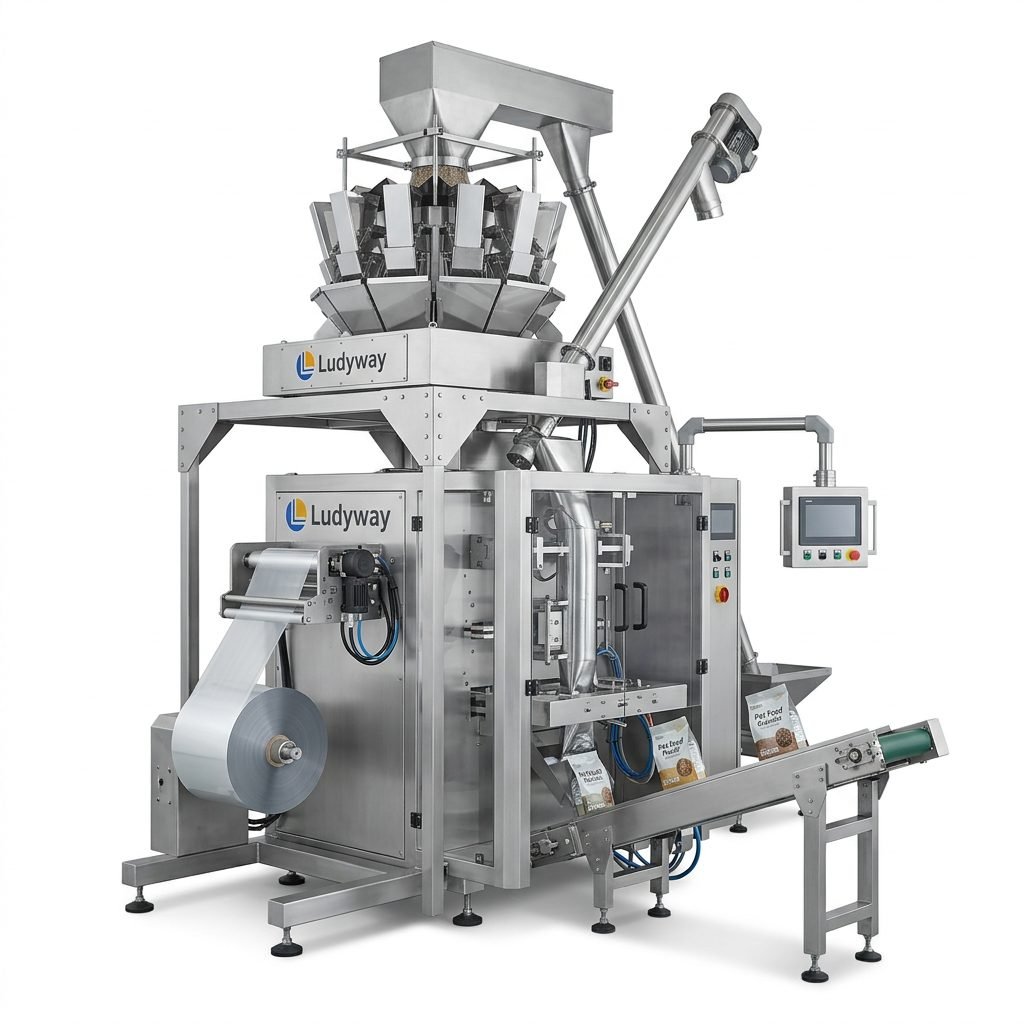
These are the workhorses of the nut packaging industry. VFFS machines form bags from a roll of film, fill them with the measured product, and then seal them—all in one continuous vertical process. They are incredibly versatile and can handle a wide range of bag styles, including pillow bags, gusseted bags, and stand-up pouches. Ideal for medium to high-volume production of various nut types and blends.
Horizontal Form-Fill-Seal (HFFS) Machines
HFFS machines are typically used for more rigid packaging structures or when the product is laid in a tray before being lidded with film. While less common for simple nut bags, they are essential for creating premium tray-style packaging or multi-compartment packs containing nuts along with dried fruits or chocolates.
Pre-Made Pouch Machines
This system uses pouches that are already formed, printed, and sometimes even zippered. The machine’s role is to open, fill, and seal them. This is an excellent choice for brands with complex, high-quality graphics that cannot be achieved with standard printed roll film. It offers a premium look and feel, often used for gourmet or gift-oriented nut products.
Weighing and Dosing Systems: The Heart of Accuracy
Regardless of the bag-forming technology, precise weighing is non-negotiable. Modern nut packaging lines integrate sophisticated multi-head weighers or linear weighers. These systems use a combination of scales to achieve high-speed, high-accuracy portioning, minimizing giveaway and ensuring every bag meets the declared weight, which is crucial for regulatory compliance and consumer trust.
Essential Features to Look For in a Modern Nut Packager
Beyond the basic type, several features differentiate a standard machine from a superior solution that will serve your business for years.
1. Product Handling and Gentleness
Nuts, especially larger whole nuts like walnuts or pecans, can be fragile. Look for machines with gentle product handling systems, such as soft-drop mechanisms from the weigher to the bag and adjustable vibration settings on conveyors, to prevent breakage and maintain product integrity.
2. Flexibility and Changeover
If you plan to package multiple nut varieties, sizes, or bag dimensions, quick changeover is vital. Machines with tool-less adjustments, digital recall of settings for different products, and easy-to-switch parts dramatically reduce downtime between production runs.
3. Sealing Integrity and Gas Flushing
For long shelf life and freshness, a perfect seal is mandatory. Ensure the machine has robust, temperature-controlled sealing jaws. For premium applications, an integrated nitrogen gas flushing system is a key feature. It displaces oxygen inside the bag before sealing, drastically slowing oxidation and rancidity, preserving flavor and nutritional value.
4. Hygiene and Cleanability
Food safety is paramount. Machines designed with stainless steel contact surfaces, smooth contours without crevices, and easy-access panels for cleaning will help you meet the highest hygiene standards (e.g., HACCP, FDA requirements).
5. Control System and Connectivity
A modern, user-friendly PLC (Programmable Logic Controller) with a color touchscreen is essential. It should allow for easy parameter setting, production monitoring, and diagnostics. Advanced machines offer Industry 4.0 connectivity for data collection (OEE, production counts, downtime reasons), enabling smarter production planning and maintenance.
A Step-by-Step Guide to Choosing Your Best Solution
Making the right investment requires a systematic evaluation of your requirements against what the market offers.
Step 1: Define Your Product and Packaging Specifications
Start with clarity. List all nut types, forms (whole, roasted, salted, mixed), and target bag sizes. Determine your desired packaging material (monolayer or barrier films, recyclable options) and bag style (stand-up pouch, flat pillow bag). This forms your core requirement brief.
Step 2: Assess Your Production Volume and Speed Needs
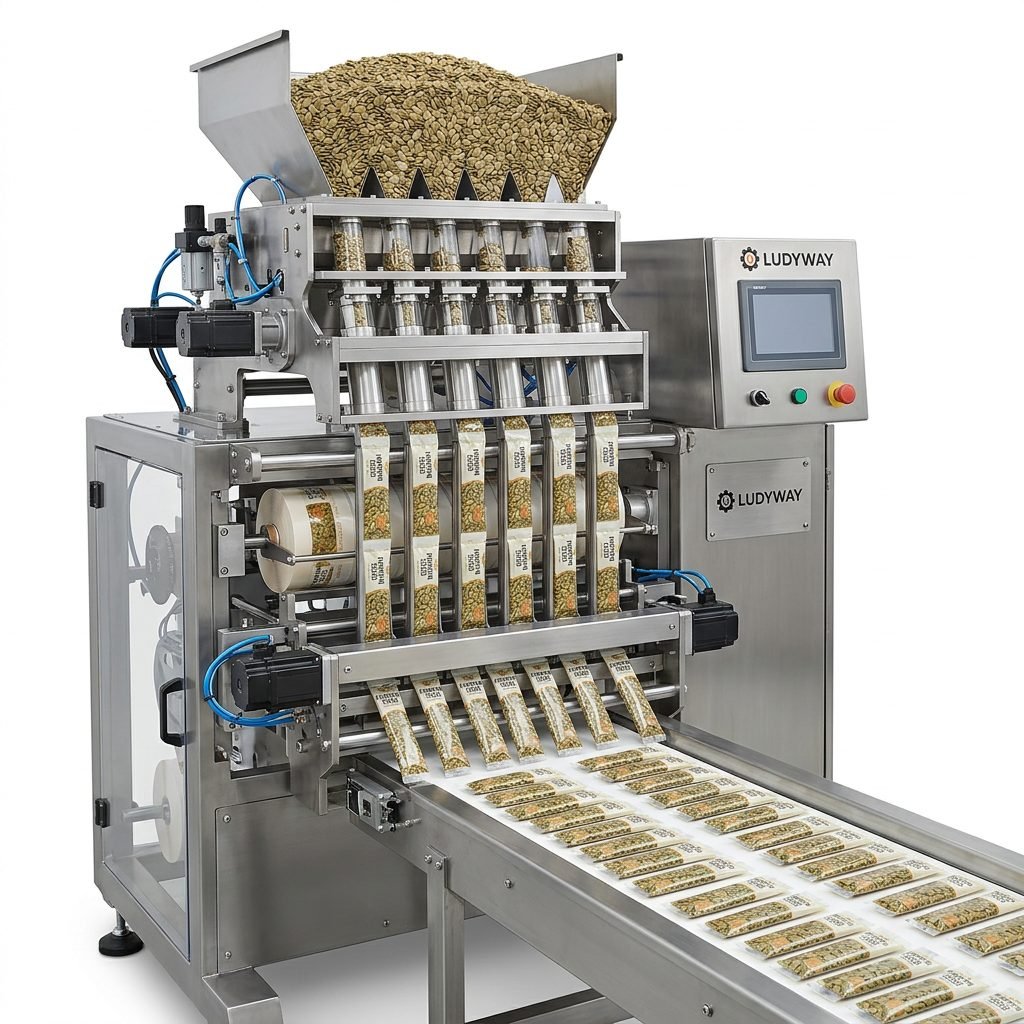
Calculate your required output in bags per minute (BPM) or packs per hour. Consider both current needs and projected growth for the next 3-5 years. This will determine the machine’s scale—from a semi-automatic tabletop unit to a fully automated, high-speed line with multiple lanes.
Step 3: Evaluate Your Factory Environment
Measure your available floor space and check utility requirements (electrical power, compressed air). Consider the skill level of your operators. A highly complex machine may require specialized technicians, impacting long-term operational costs.
Step 4: Research and Shortlist Reputable Suppliers
Look for manufacturers with proven experience in food and nut packaging. Review their company history, client portfolio, and after-sales support structure. For instance, a supplier like Ludyway Machinery, with decades of industry focus, brings valuable application knowledge. Request detailed quotations and specifications from 3-4 shortlisted vendors.
Step 5: Request a Product Test and Analyze Total Cost of Ownership
Never buy blind. Send your actual nuts and packaging materials to the supplier for a live performance test. Observe speed, accuracy, and gentleness. Finally, look beyond the purchase price. Factor in installation, training, expected maintenance, spare parts costs, and the machine’s energy consumption to understand the true total cost of ownership.
Why Partnering with an Experienced Supplier Matters
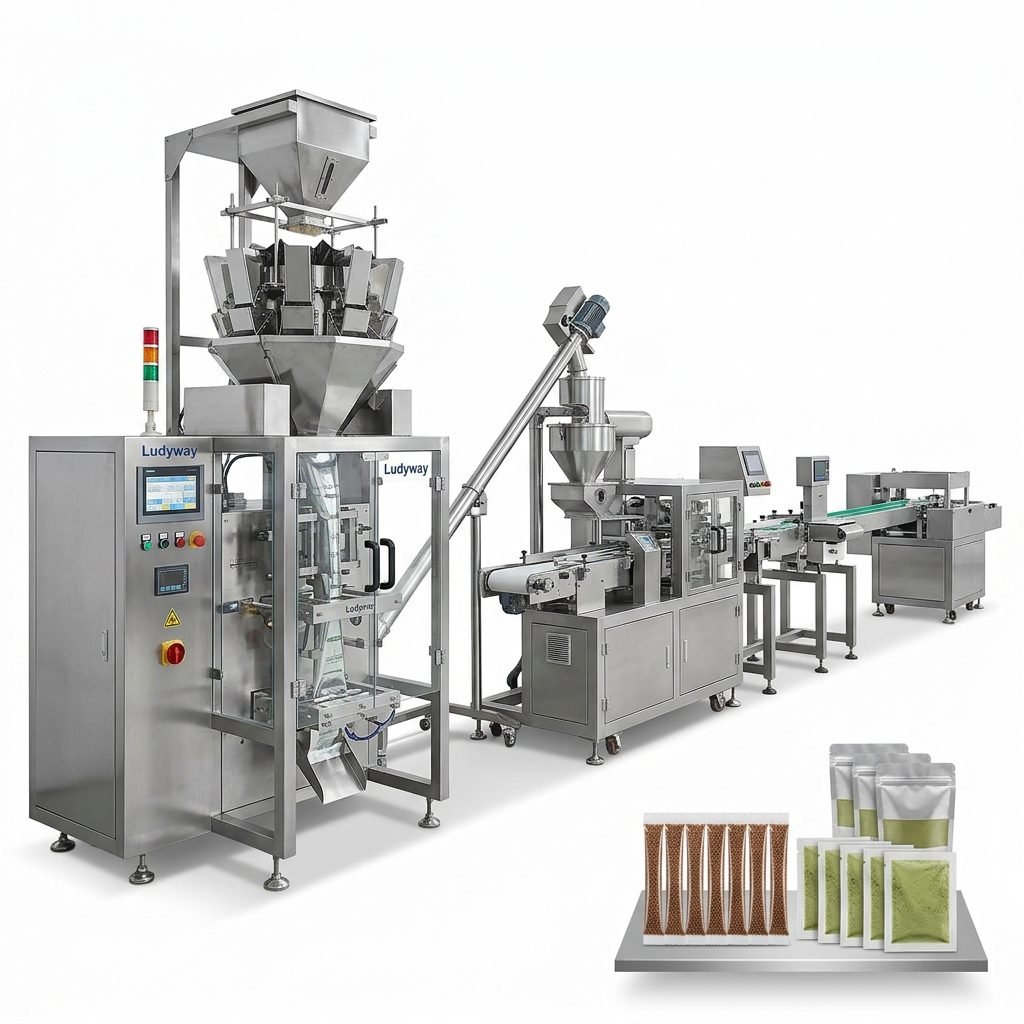
The right machine is only part of the equation. The supplier partnership is equally critical for long-term success. An expert provider doesn’t just sell equipment; they deliver a tailored solution. They can advise on the optimal packaging material for your product’s shelf life, design the factory layout for efficient workflow, and integrate ancillary equipment like checkweighers or date coders. Their deep application knowledge, often gained from projects worldwide, helps anticipate and solve challenges unique to nut packaging, such as oil migration or static cling. Furthermore, robust technical support, readily available spare parts, and comprehensive operator training are invaluable services that ensure your packaging line remains productive and efficient for its entire lifespan. Exploring the company story of potential partners can give insight into their commitment and reliability.
Frequently Asked Questions (FAQs)
1. What is the typical accuracy of a nut packaging machine?
Modern multi-head weighers paired with a VFFS machine typically achieve weighing accuracies within ±0.5 to 1.0 grams, depending on the product density and portion size. Higher accuracy is achievable but may involve a trade-off with maximum speed.
2. Can one machine handle different types and sizes of nuts?
Yes, many machines are designed for flexibility. However, switching between vastly different products (e.g., from pine nuts to whole almonds) usually requires a changeover, which may involve adjusting weigher buckets, funnel sizes, and sealing parameters. Machines designed for quick changeover minimize this downtime.
3. How important is gas flushing for nut packaging?
Gas flushing (usually with nitrogen) is highly recommended for nuts due to their high fat content, which makes them prone to oxidation and rancidity. Flushing extends shelf life significantly, preserves crispness, and is essential for premium and private-label brands. It is a key feature discussed in any professional packaging guide.
4. What are the key maintenance requirements?
Daily cleaning to remove oil and dust, regular lubrication of moving parts as per the manual, and periodic inspection of critical components like sealing jaws, film guides, and cutting blades are essential. A good supplier will provide a clear preventive maintenance schedule.
5. What packaging materials are best for nuts?
For optimal shelf life, multi-layer barrier films are used. A common structure is PET/AL/PE (polyester/aluminum foil/polyethylene), which provides excellent barriers against moisture, oxygen, and light. For a more sustainable option, recyclable high-barrier plastic structures or paper-based composites are emerging alternatives, though their barrier properties and machinability should be thoroughly tested.