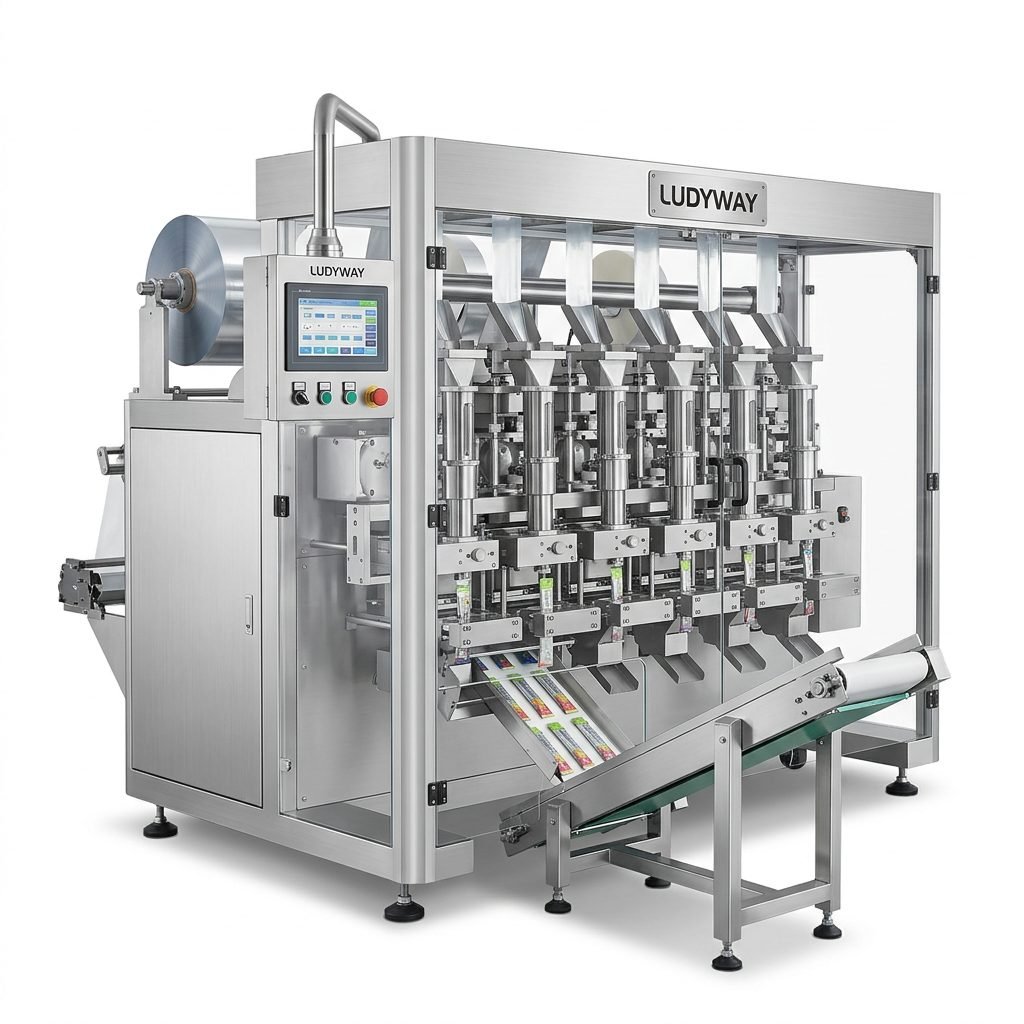
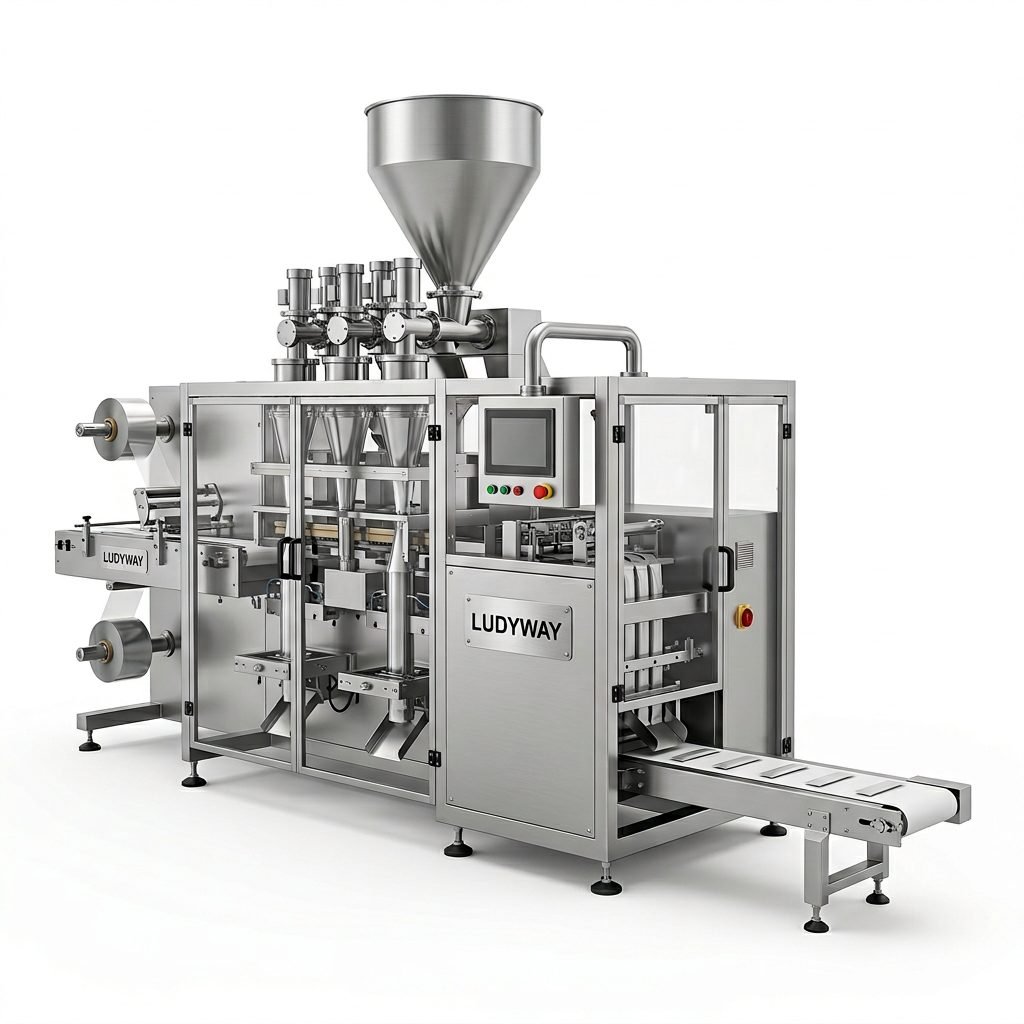
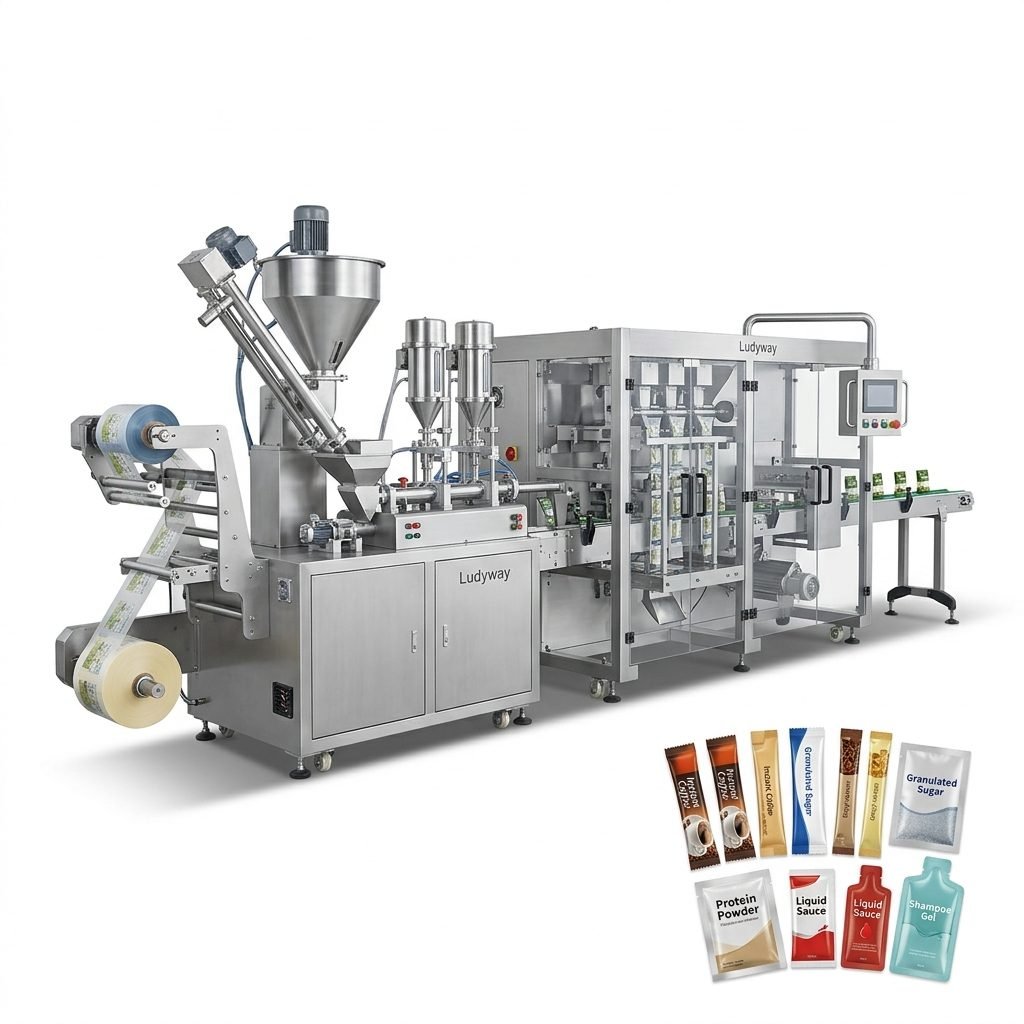
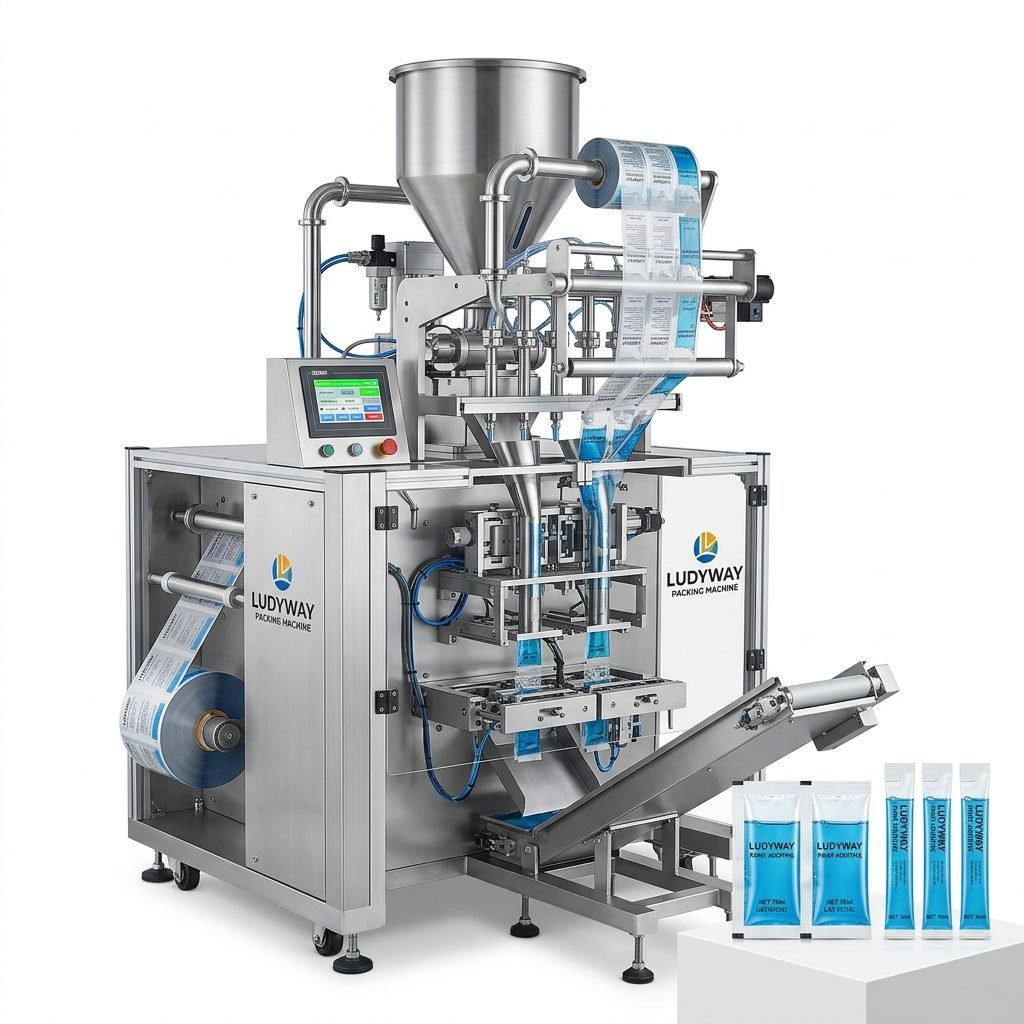
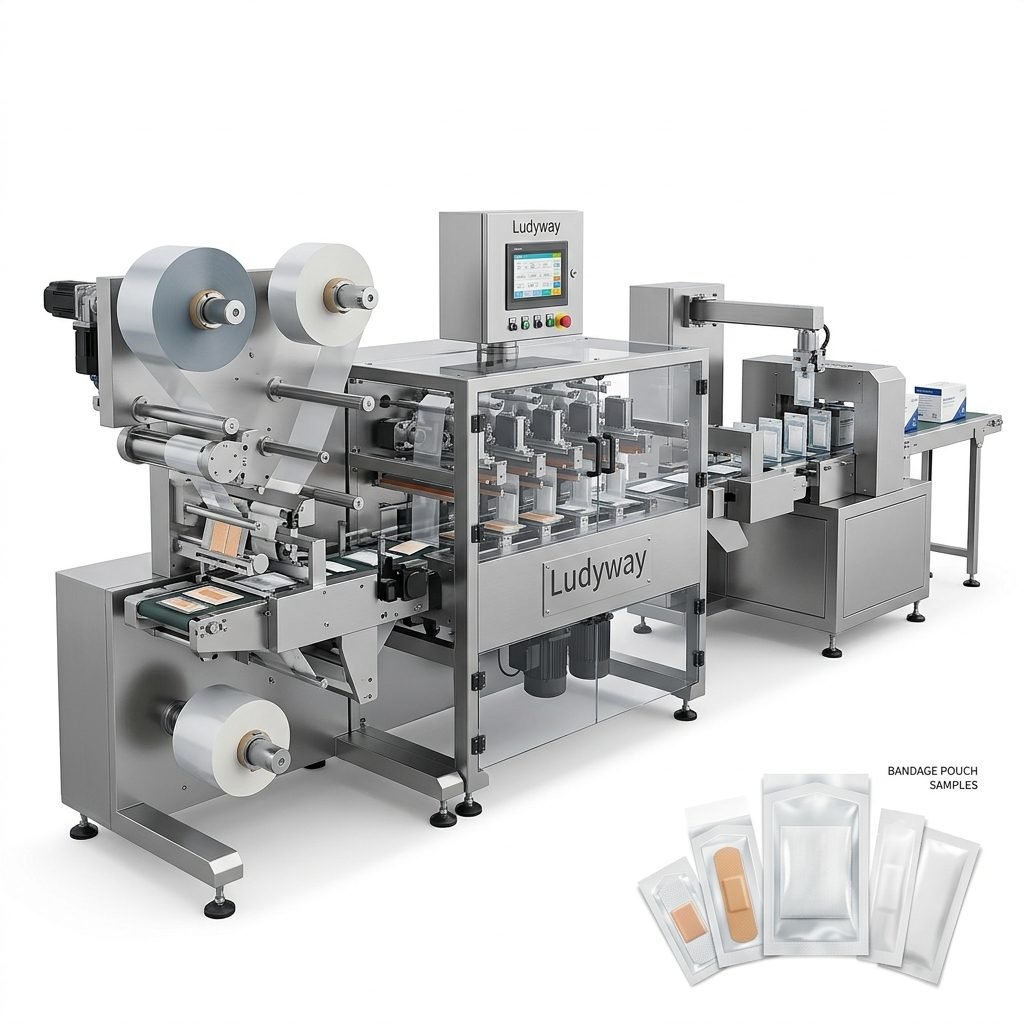
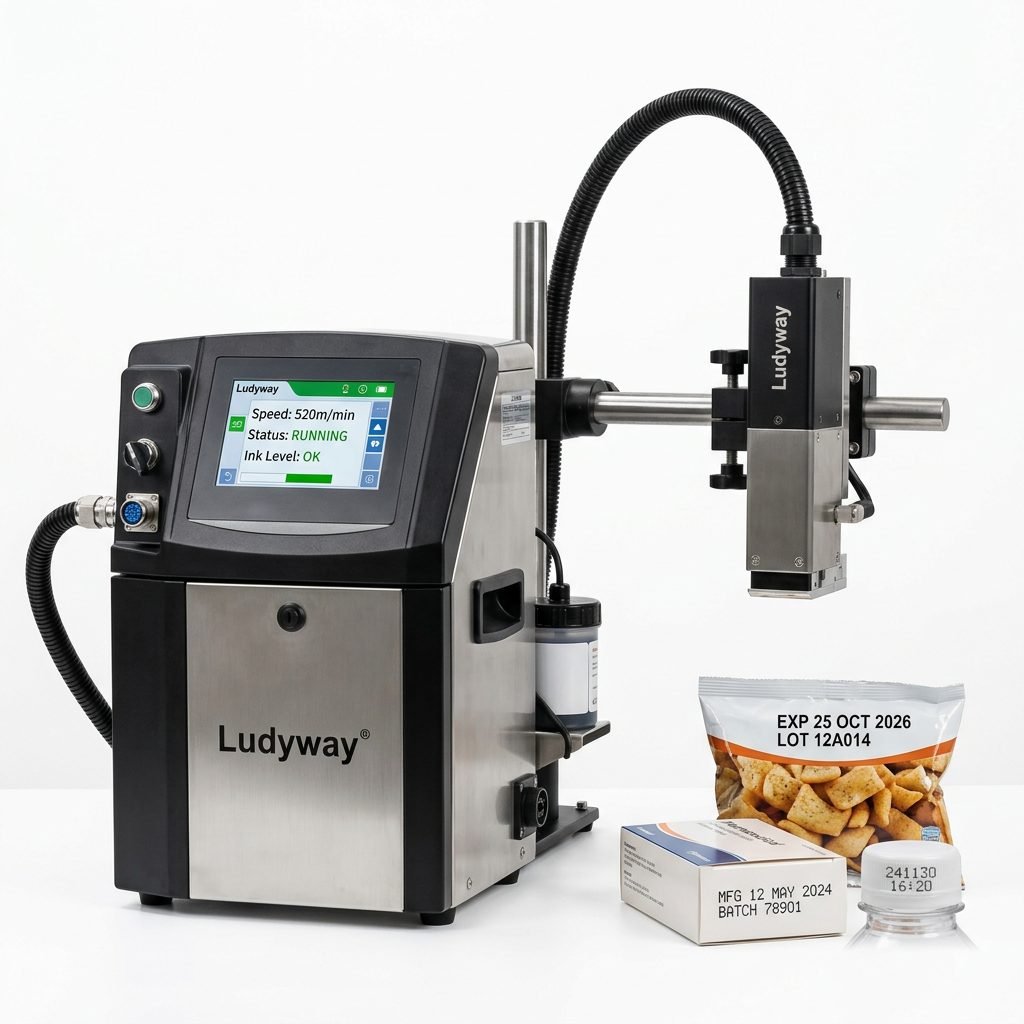
Investing in a muri packing machine is a significant decision for any manufacturing operation. Whether you are expanding production capacity, automating manual processes, or entering new product categories, selecting the right equipment directly impacts efficiency, product quality, and long-term operational costs. This guide walks you through the essential factors to evaluate before making your purchase.
Understand Your Product Characteristics First
Before comparing machine specifications, start with a thorough analysis of the product you need to package. Different material properties demand different dosing and filling mechanisms.
- Powders: Consider flowability, bulk density, and dust generation. Fine powders like flour or pharmaceutical ingredients often require auger fillers or vacuum-based systems.
- Granules: Products such as sugar, seeds, or detergent granules typically work well with volumetric cup fillers or multi-head weighers for higher precision.
- Liquids and Pastes: Viscosity, foaming tendency, and temperature sensitivity guide the choice between piston fillers, gear pumps, or flow meters.
- Sticky or Cohesive Materials: Products like certain nutraceutical powders or sticky seasonings may need specialized hopper agitation and non-stick contact surfaces.
Define Your Packaging Format and Bag Style
The packaging format influences machine type, tooling, and overall line configuration. Common formats for muri packing applications include:
| Packaging Format | Typical Applications | Key Considerations |
|---|---|---|
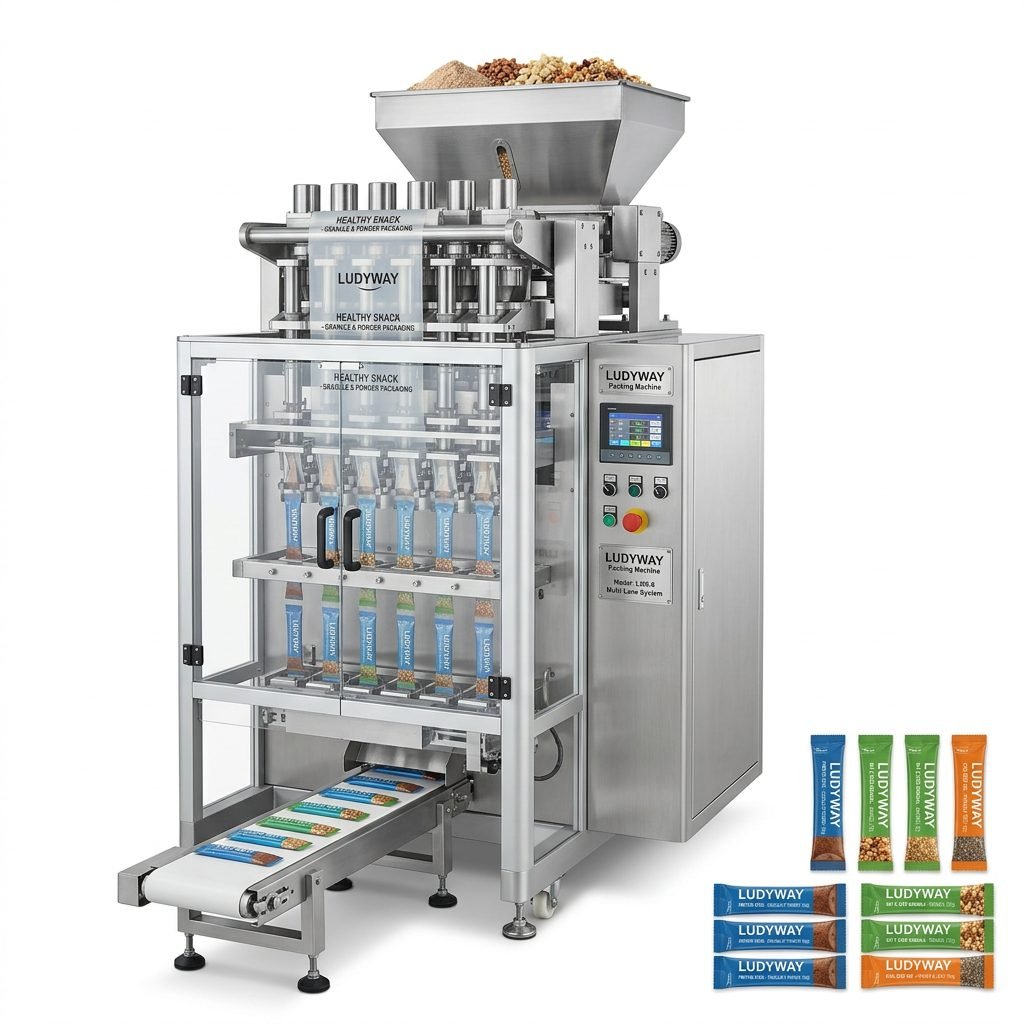
| Stick Packs | Instant coffee, sugar, energy powders, supplements | Narrow seal width, high speed potential, multi-lane capability |
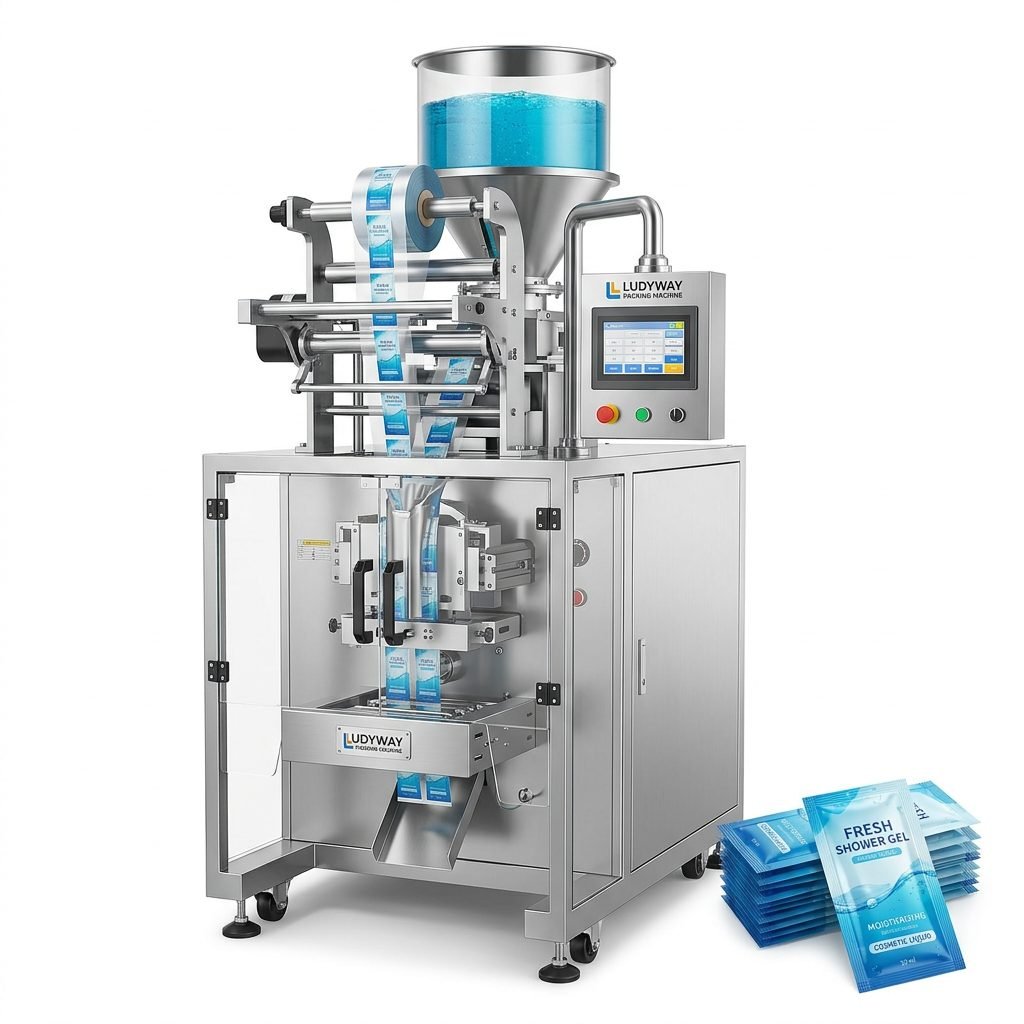
| Sachets / Flat Pouches | Shampoo samples, sauces, creams, pharmaceutical powders | Versatile 3-side or 4-side seal, easy tear notch options |
| Stand-up Pouches | Liquid detergents, snacks, pet food, granular products | Zipper reclosability, gusset design, pre-made pouch feeding |
| Pillow Bags | Bulk snacks, frozen foods, industrial components | Back seal or fin seal, vertical form-fill-seal technology |
Evaluate Production Speed and Automation Level
Production requirements vary significantly across manufacturers. A startup may prioritize flexibility and lower initial investment, while a high-volume contract packer needs maximum throughput and consistency.
Single-Lane vs. Multi-Lane Systems
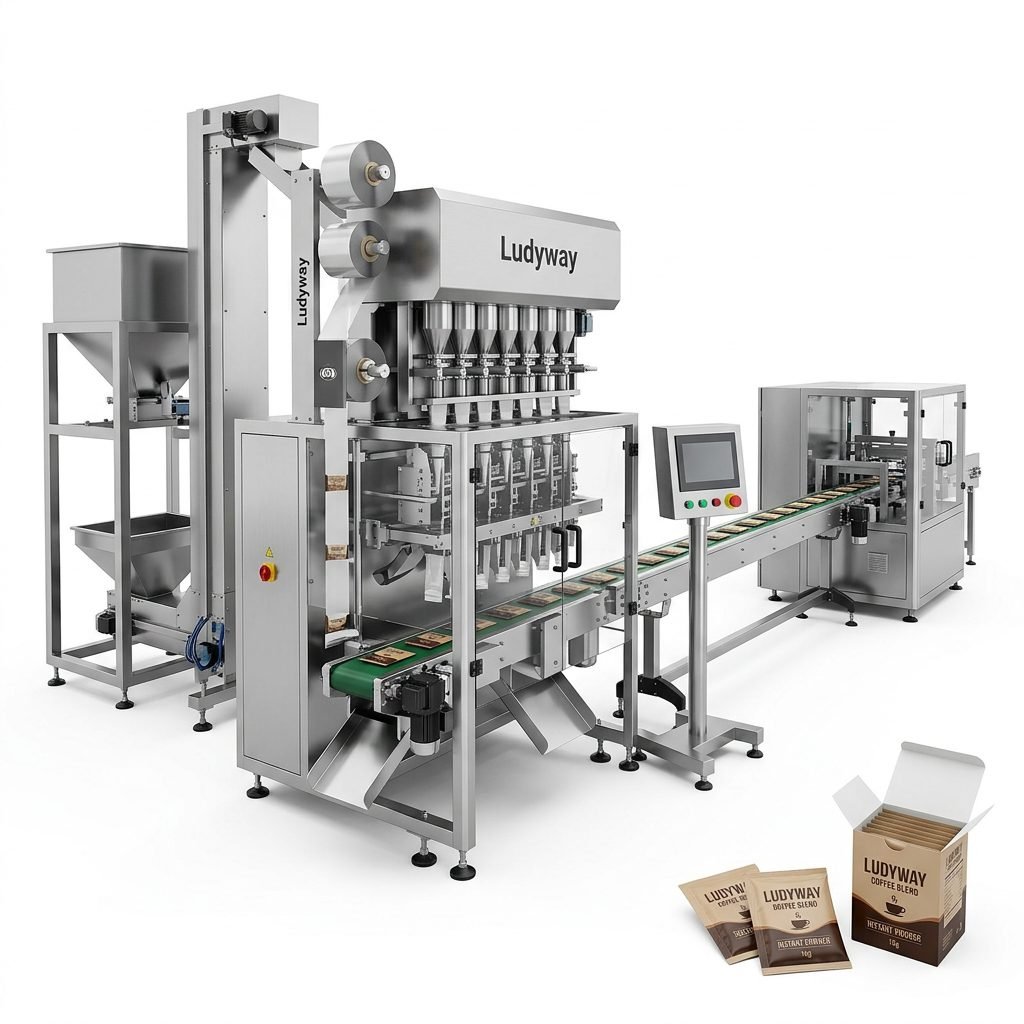
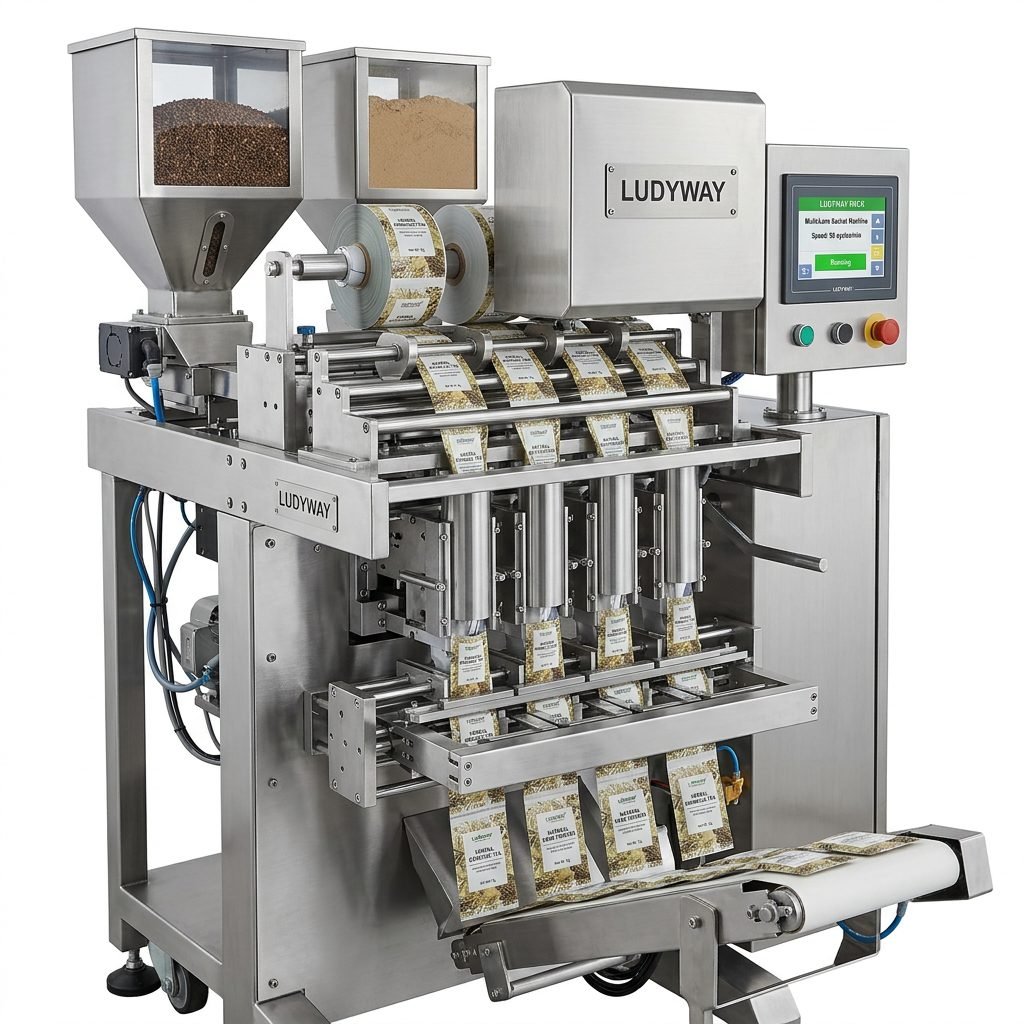
For stick pack and sachet applications, multi-lane machines can dramatically increase output. A 10-lane or 12-lane configuration multiplies production speed without proportionally increasing floor space or operator requirements. Leading manufacturers offer machines ranging from 4-lane up to 20-lane systems, configurable based on packaging machinery market research trends showing increasing demand for high-speed automation.
Manual, Semi-Automatic, or Fully Automatic
- Manual loading suits low-volume or specialty products.
- Semi-automatic systems balance operator involvement with machine-assisted filling and sealing.
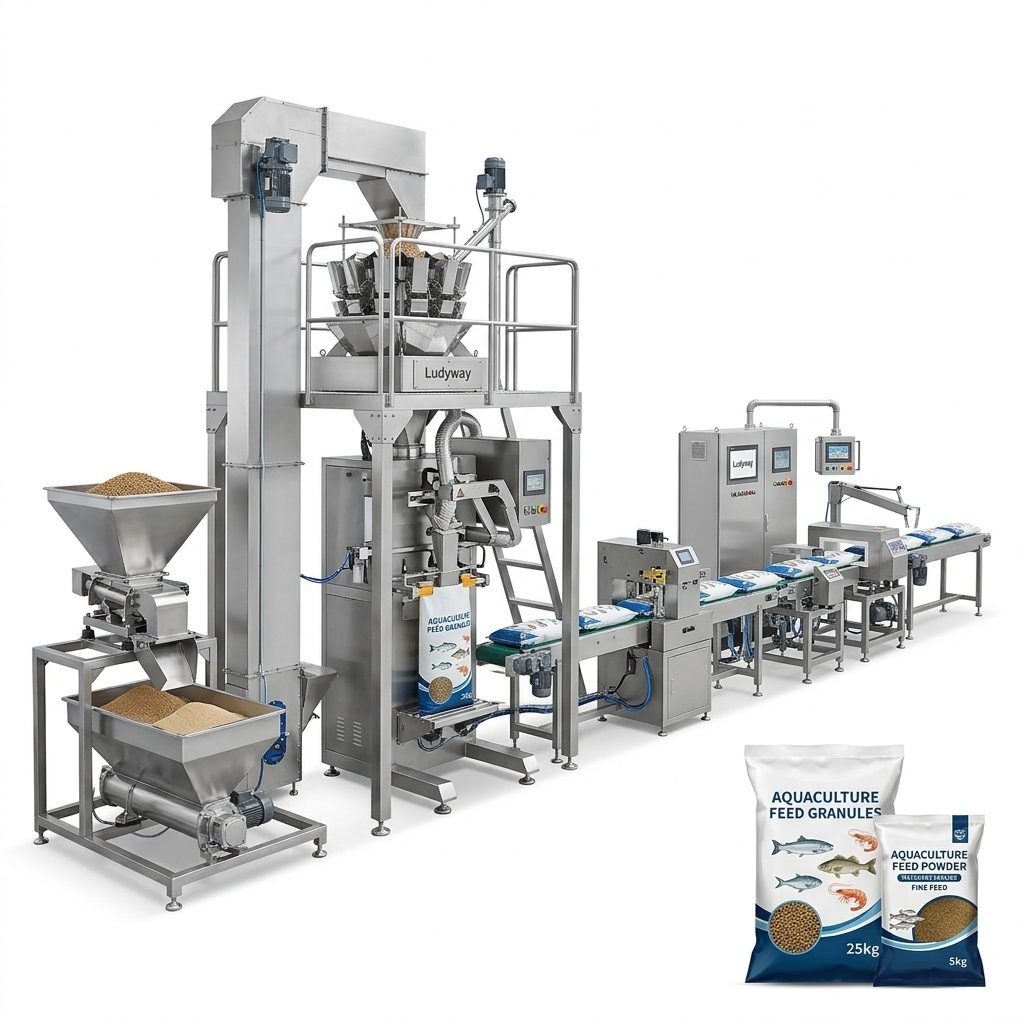
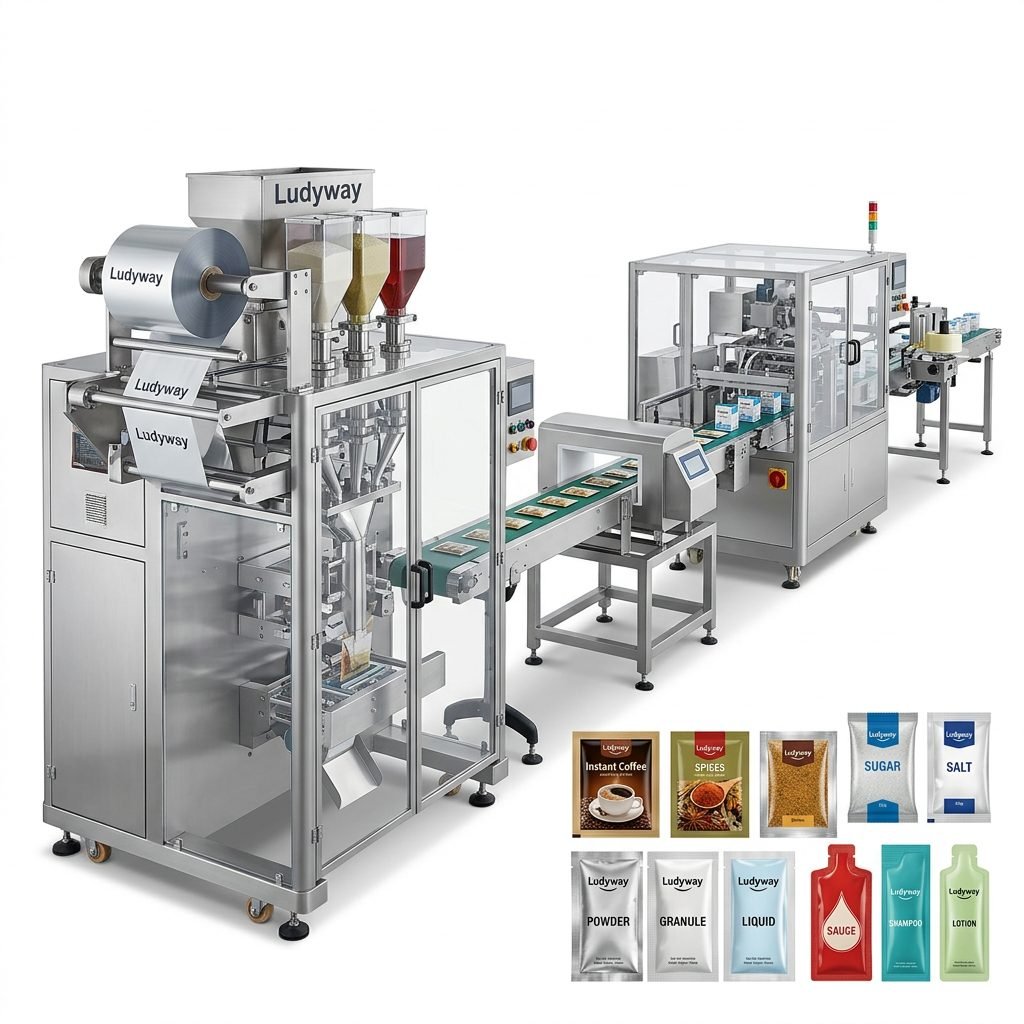
- Fully automatic lines integrate product feeding, dosing, packaging, coding, inspection, and cartoning with minimal human intervention.

Material Compatibility and Seal Integrity
Your choice of packaging film or laminate material affects seal quality, shelf life, and machine efficiency. Consider these factors:
- Heat sealable films (PE, PP, laminated structures) vs. cold seal materials for heat-sensitive products.
- Barrier requirements against moisture, oxygen, and light for sensitive products like pharmaceuticals or nutritional powders.
- Film thickness and stiffness, which affect sealing jaw design and temperature control precision.
According to industry resources from the Flexible Packaging Association, selecting compatible materials ensures reliable seal integrity and reduces rejection rates. Machine specifications should include adjustable sealing temperature, pressure, and dwell time parameters.
Dosing Accuracy and Filling Systems
Filling precision directly impacts product give-away costs and regulatory compliance, especially in pharmaceutical and food applications. Different dosing technologies suit different product characteristics:
| Dosing Technology | Best For | Accuracy Range |
|---|---|---|
| Auger Filler | Fine powders, cohesive materials | ±0.5% to ±1% |
| Multi-Head Weigher | Granules, snacks, hardware parts | ±0.1% to ±0.5% |
| Volumetric Cup Filler | Free-flowing granules, seeds | ±1% to ±2% |
| Piston Filler | Liquids, pastes, creams | ±0.5% to ±1% |
Machine Construction and Hygiene Standards
The construction material and design of your muri packing machine determine its durability, cleanability, and compliance with industry regulations. Stainless steel frames (304 or 316 grade) are essential for food, pharmaceutical, and cosmetic applications. Key design features to look for include:
- Tool-free disassembly for quick changeover and cleaning.
- Sloped surfaces to prevent product accumulation.
- IP65 or higher protection for washdown environments.
- Compliance with FDA food packaging regulations and GMP guidelines where applicable.

Integration with Ancillary Equipment
A muri packing machine rarely operates in isolation. Consider the entire packaging line and how equipment will communicate. Integration points include:
- Product feeding systems: bucket elevators, screw conveyors, vacuum feeders for granules and powders.
- In-line inspection: checkweighers, metal detectors, x-ray inspection, vision systems.
- Coding and marking: thermal inkjet printers, laser coders, thermal transfer overprinters.
- End-of-line equipment: cartoning machines, case packers, palletizers, stretch wrappers.
Choosing a supplier with turnkey packaging line integration capability simplifies project management and ensures compatibility between all machines. This is where working with an experienced partner becomes particularly valuable.
Assess the Manufacturer’s Experience and Support
The packaging machinery manufacturer’s track record matters as much as the machine specifications. Evaluate potential suppliers based on:
- Industry experience: How long has the company been designing and manufacturing packaging equipment? A history of 30 years or more indicates stability and accumulated engineering expertise.
- Application knowledge: Does the manufacturer have experience with products similar to yours? Packaging coffee powder differs significantly from packaging pharmaceutical granules or liquid detergents.
- Manufacturing capabilities: In-house manufacturing and engineering teams allow for better quality control and customization.
- Global service network: For international buyers, local technical support, spare parts availability, and remote troubleshooting capability are critical.
For example, Ludyway Machinery, a China-based packaging machinery manufacturer with more than 30 years of industry experience and a 20,000-square-meter manufacturing facility, provides packaging solutions across food and beverage, pharmaceutical, health and nutraceutical, cosmetic, chemical, animal feed, and other sectors. The company’s portfolio covers powder, granule, liquid, stick pack, sachet, pouch, and other flexible packaging applications, with machines configurable for different production speeds, filling volumes, bag formats, and automation levels. As noted in Ludyway’s global growth analysis, the company is expected to achieve export revenue of more than RMB 500 million (approximately US$69 million) in 2025, with plans to surpass RMB 1 billion (approximately US$138 million) in 2026, reflecting growing international demand for its customized packaging systems.
Changeover Flexibility and Future Scalability
Modern manufacturing demands agility. Your packaging machine should accommodate:
- Quick format changeovers between different bag sizes, typically under 30 minutes for well-designed systems.
- Adjustable filling volumes without extensive tooling changes.
- Compatibility with multiple film types and thicknesses.
- Modular design that allows adding lanes, inspection systems, or automation modules later.
This flexibility protects your investment as your product portfolio or production requirements evolve, a consideration emphasized in PMMI’s State of the Industry reports on packaging machinery trends.
Total Cost of Ownership
Purchase price is just one component. Calculate the total cost of ownership (TCO) over the machine’s expected lifespan:
| Cost Category | Considerations |
|---|---|
| Initial Investment | Machine price, tooling, installation, training |
| Operating Costs | Energy consumption, film waste, product give-away |
| Maintenance | Spare parts, preventive maintenance, unexpected downtime |
| Labor | Operator requirements per shift, skill level needed |
| Changeover | Downtime between product runs, tooling costs for new formats |
Testing and Validation Before Purchase
Never commit to a major packaging machinery purchase without proper testing. Reputable manufacturers offer:
- Factory Acceptance Testing (FAT) where you run your actual product and packaging materials on the machine before shipment.
- Sample production runs to verify speed, accuracy, seal integrity, and overall performance.
- Site Acceptance Testing (SAT) after installation to confirm performance in your production environment.
- Reference visits or video testimonials from existing customers in similar industries.
Technical Support and After-Sales Service
The relationship with your packaging machinery supplier should extend well beyond delivery. Evaluate:
- Warranty terms and what is covered.
- Availability of spare parts and typical lead times for critical components.
- Remote diagnostic capability to minimize downtime.
- Operator training programs and documentation quality.
- Responsiveness of the technical support team across time zones.
Machinery that complies with ISO packaging standards and carries relevant certifications provides additional assurance of quality and safety, particularly important for manufacturers exporting to regulated markets in Europe, North America, and other regions.
Industry-Specific Considerations
Food and Beverage
Hygienic design, easy cleaning, and compatibility with food-grade lubricants are mandatory. Machines should support HACCP compliance and be designed to prevent contamination risks. Multi-lane stick pack machines for instant coffee, sugar, drink mixes, and seasonings are in high demand in this sector.
Pharmaceuticals and Nutraceuticals
Validation documentation, traceability, and precision are paramount. Equipment must support serialization, tamper-evident sealing, and cleanroom compatibility. Blister packaging machines, powder sachet fillers for oral rehydration salts, and stick pack machines for probiotic powders represent typical applications.
Cosmetics and Personal Care
Aesthetic package quality and precise filling for high-value serums, creams, and lotions. Machines must handle a range of viscosities and often require gentle product handling to maintain formulation integrity. Sachet packaging for samples and travel-size products is common.
Chemicals and Industrial Products
Compatibility with corrosive or abrasive materials, robust construction, and safety features for hazardous products. Packaging formats range from small sachets to large bulk bags.
Animal Feed and Pet Food
High-volume packaging with durable seal integrity, often in multi-lane configurations for small to medium bag sizes. Machines must withstand abrasive granules and powders while maintaining consistent filling accuracy.
Making the Final Decision
Choosing the right muri packing machine requires balancing technical specifications, manufacturer experience, total cost of ownership, and long-term support. Start with a clear understanding of your product, production requirements, and growth plans. Shortlist manufacturers with proven expertise in your industry, test equipment with your actual materials, and evaluate the full scope of integration and after-sales support before committing.
A well-chosen packaging machine becomes a productive asset for years to come, while a mismatched purchase can lead to ongoing inefficiency and frustration. Take the time to research thoroughly, ask detailed questions, and partner with a manufacturer that demonstrates both technical capability and a commitment to your long-term success.