Investing in an oil packaging machine is a strategic decision for manufacturers and distributors across Oceania. Whether you are filling edible oils, essential oils, or industrial lubricants, the right equipment directly impacts your production efficiency, product shelf life, and compliance with local regulations. This guide walks you through the key factors to consider when selecting an oil packaging system in markets like Australia, New Zealand, and the Pacific Islands.
Understanding Your Oil Product Characteristics
Before comparing machine specifications, you must first analyze the physical properties of your oil. Viscosity, temperature sensitivity, and foaming tendency all influence the choice of oil packaging machine technology. Low-viscosity oils like sunflower or canola behave very differently from thick gear oils or molasses-like cosmetic creams. Additionally, edible oils often require sanitary stainless steel construction and nitrogen flushing capabilities to prevent oxidation, while industrial lubricants may demand heavy-duty pumps and chemical-resistant seals.
Common Machine Types for Oil Packaging
Oceania’s diverse oil market—from boutique olive oil producers in Victoria to large-scale petroleum lubricant suppliers in Queensland—requires different packaging solutions. The table below outlines the primary machine categories and their ideal applications to help you narrow your focus.
| Machine Type | Best Suited Oil Type | Typical Output Range | Key Advantage |
|---|---|---|---|
| Overflow Liquid Filler | Thin edible oils, essential oils | 20-80 bottles per minute | Exceptional fill level accuracy for transparent bottles |
| Piston Filler | Viscous gear oils, syrups, creams | 15-60 containers per minute | Handles high viscosity with precise volumetric accuracy |
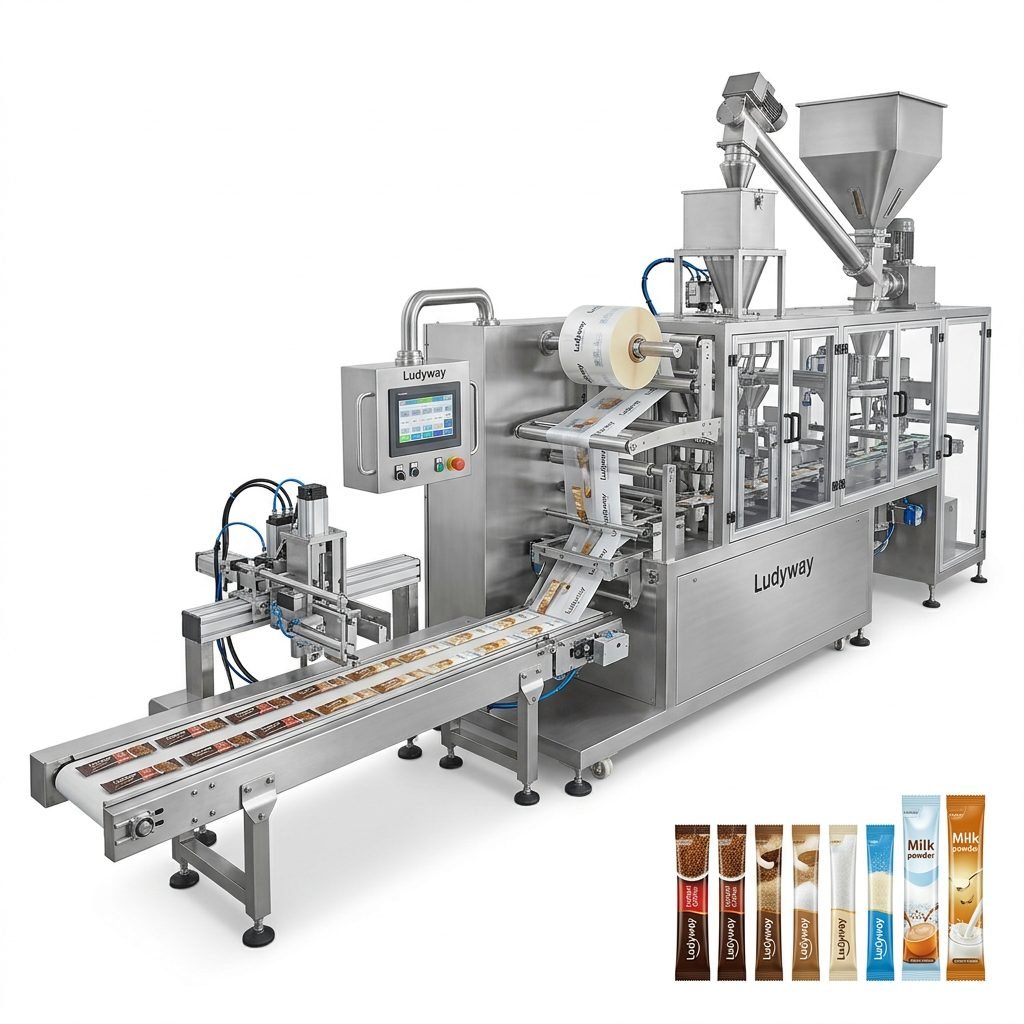
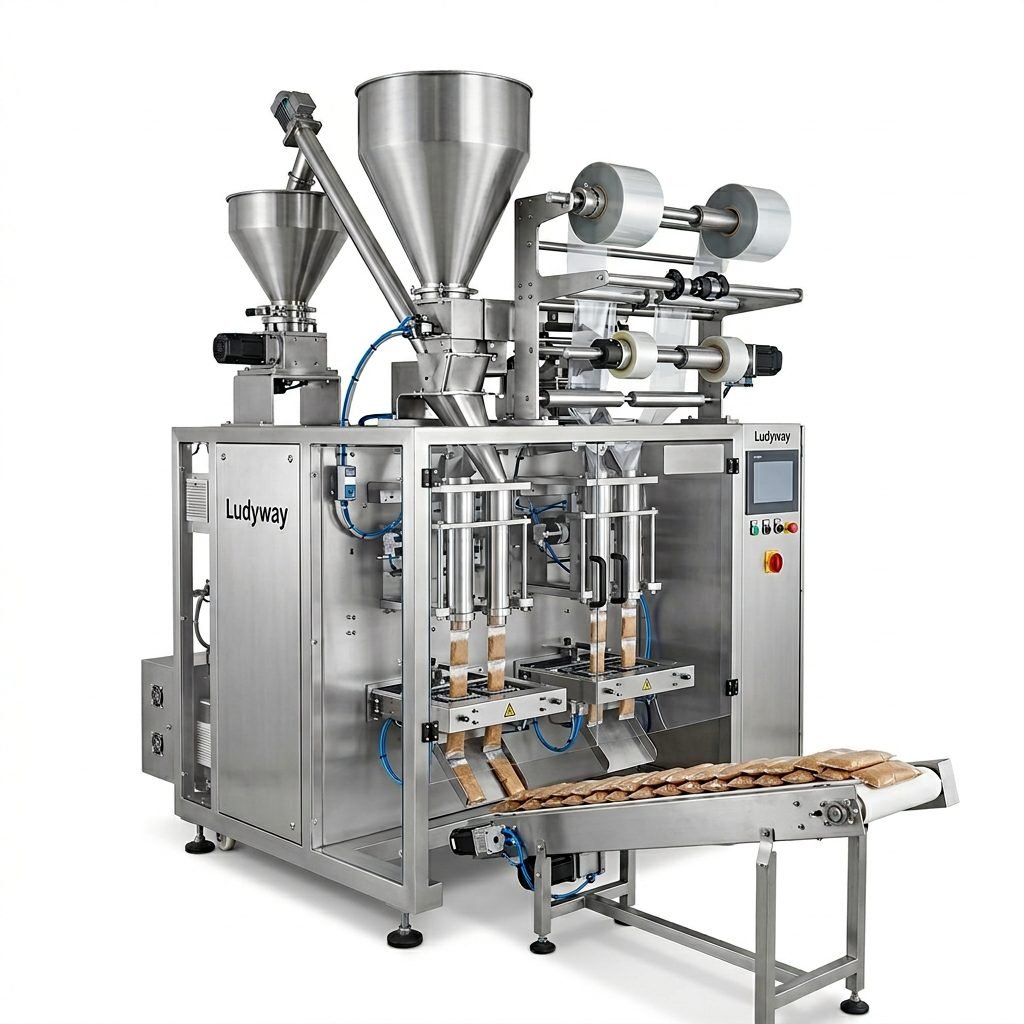
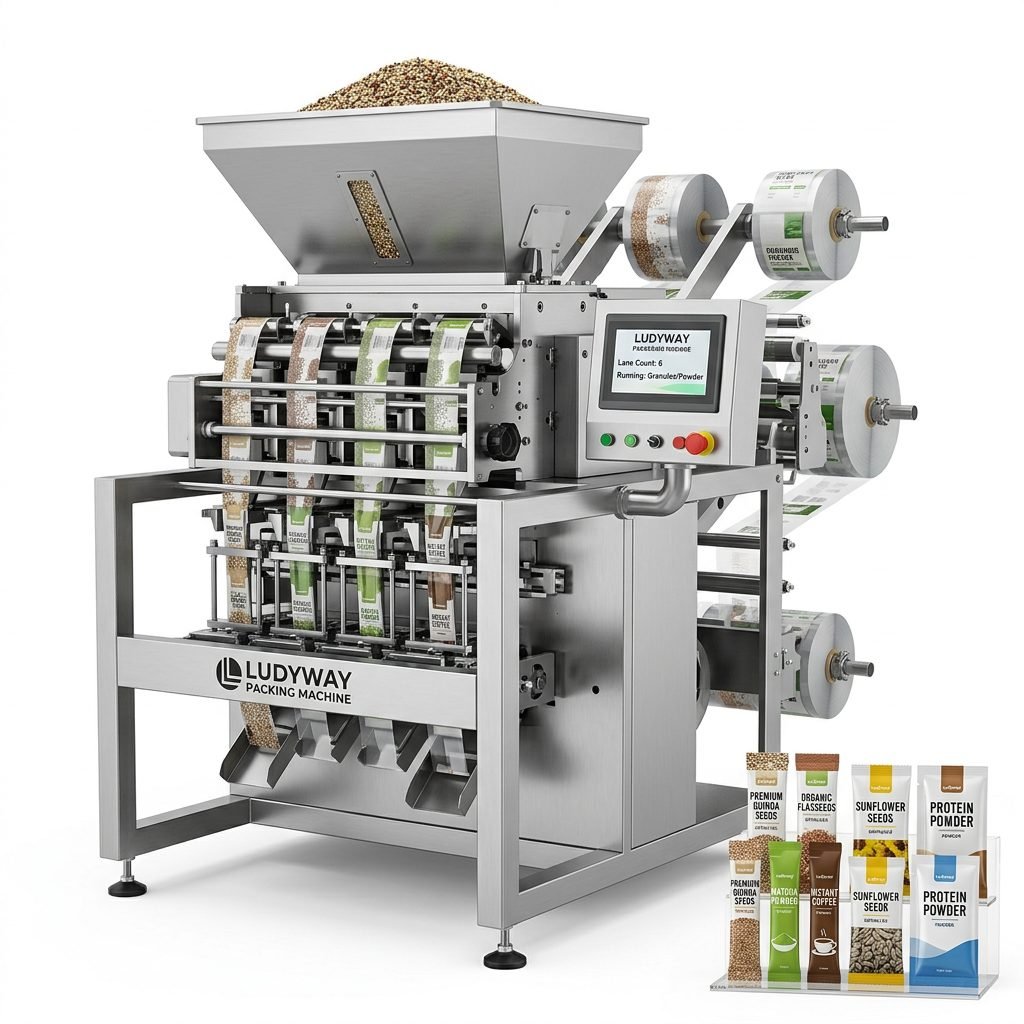
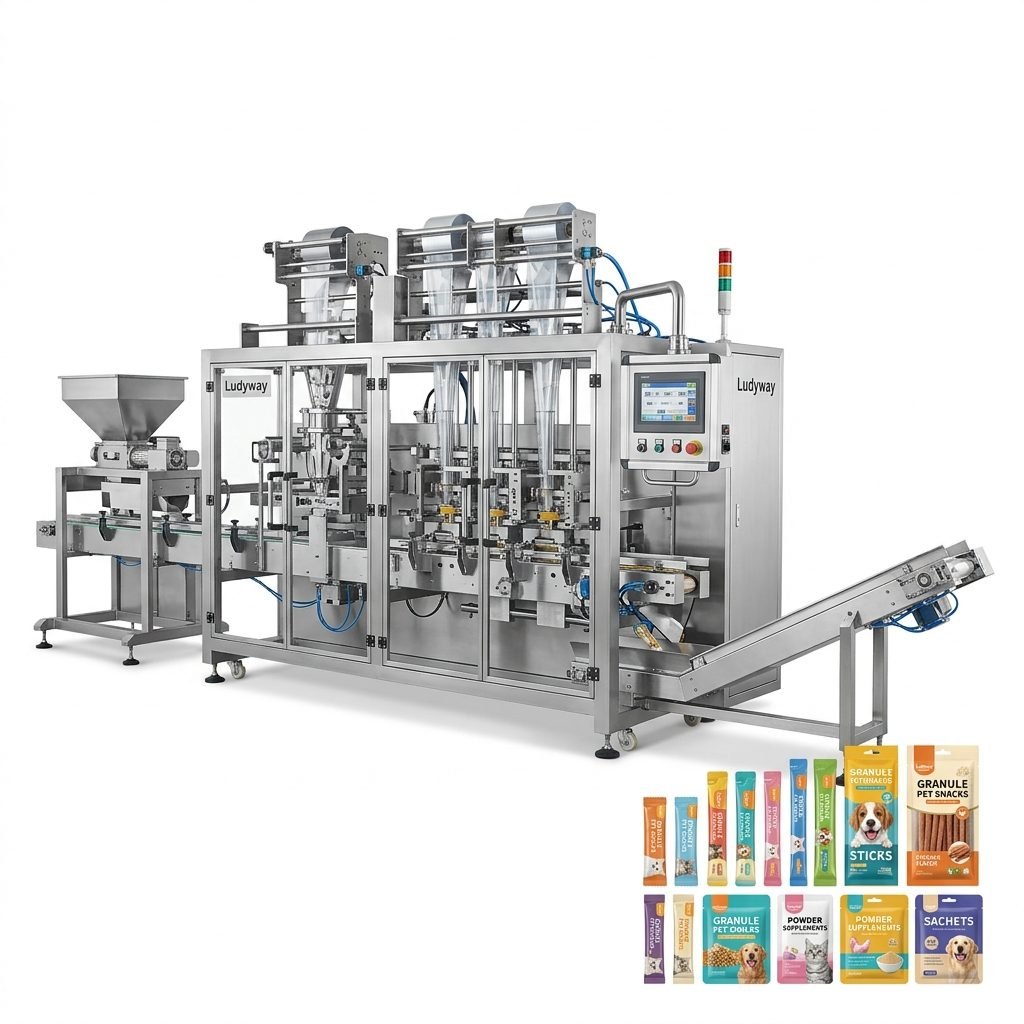
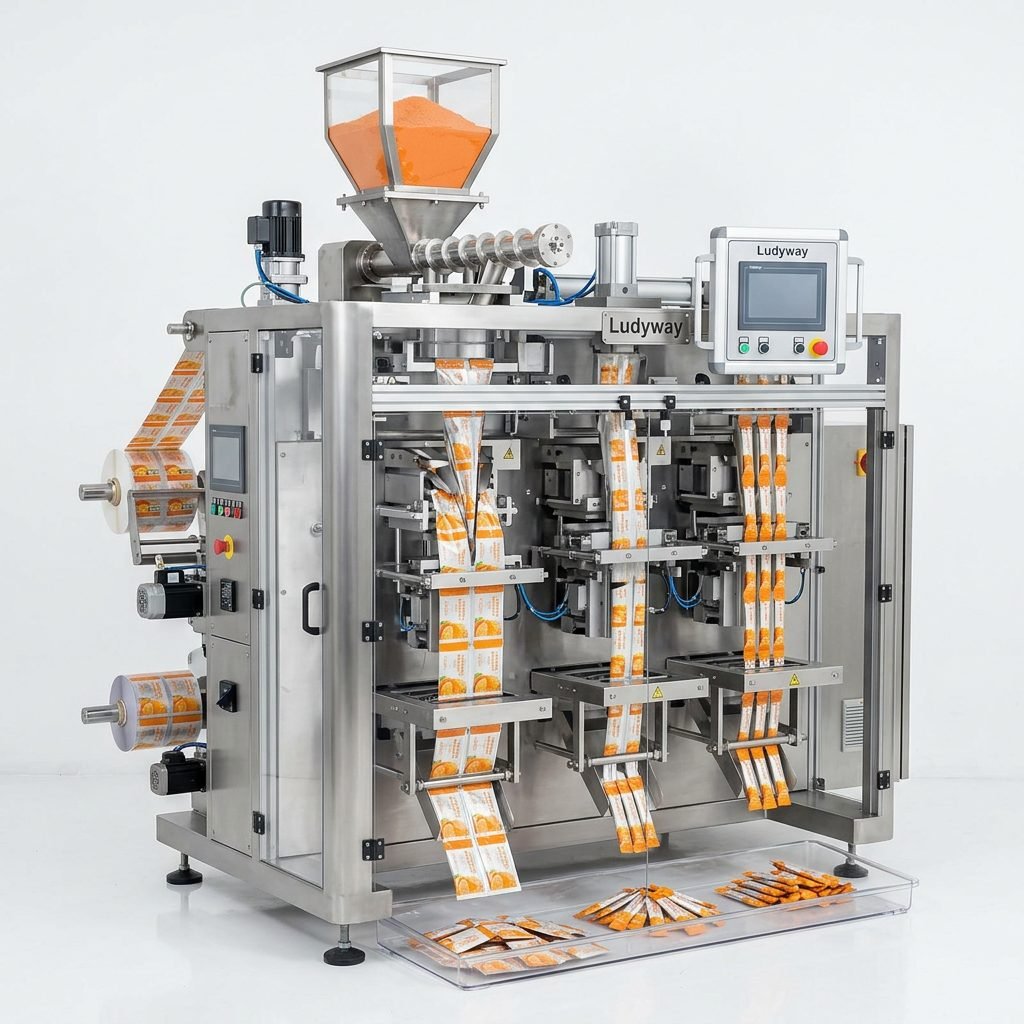
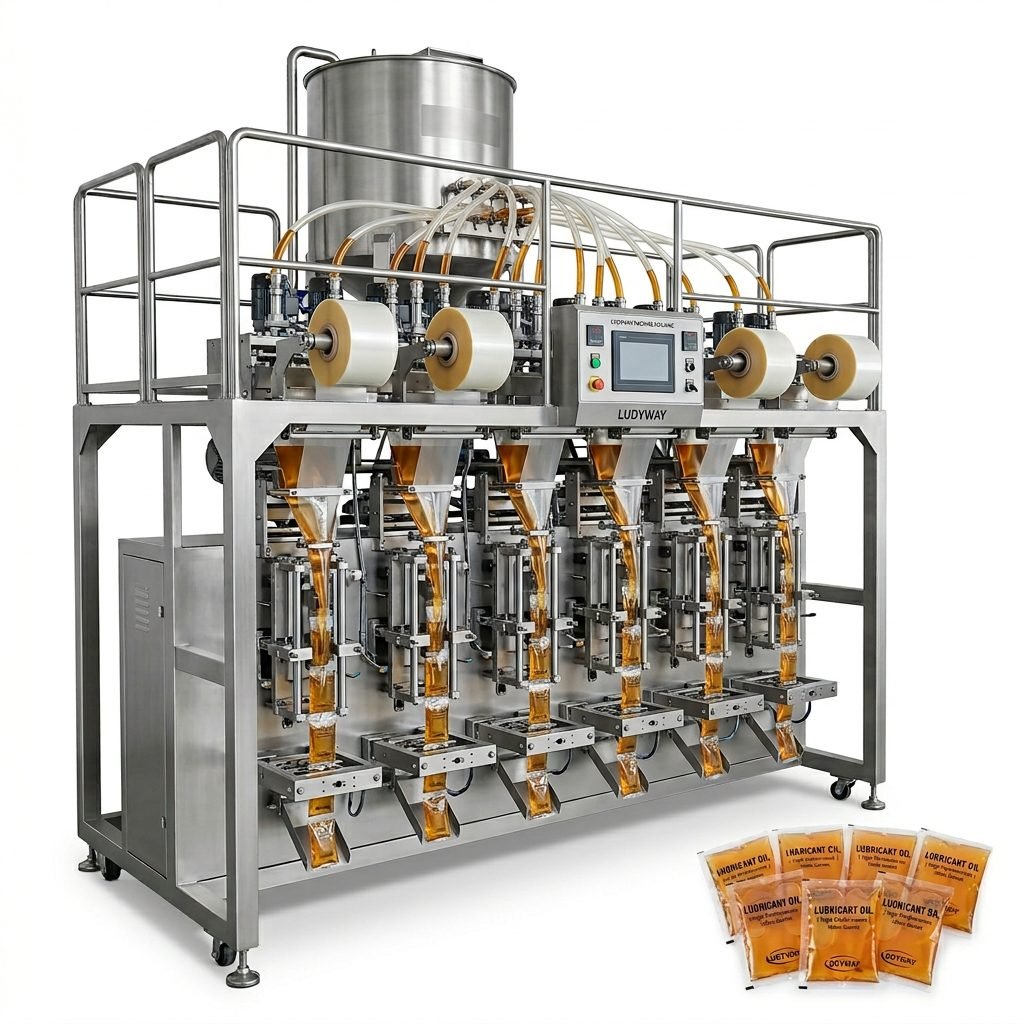
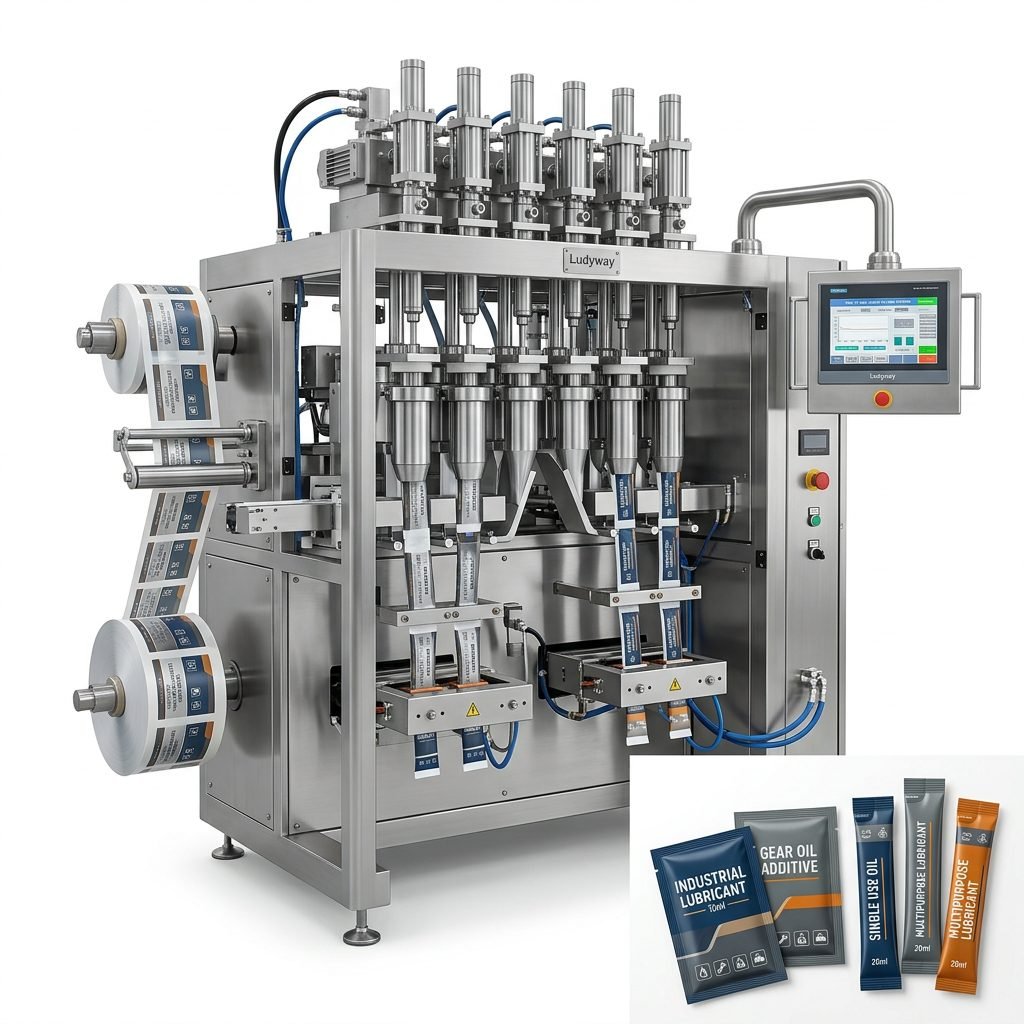
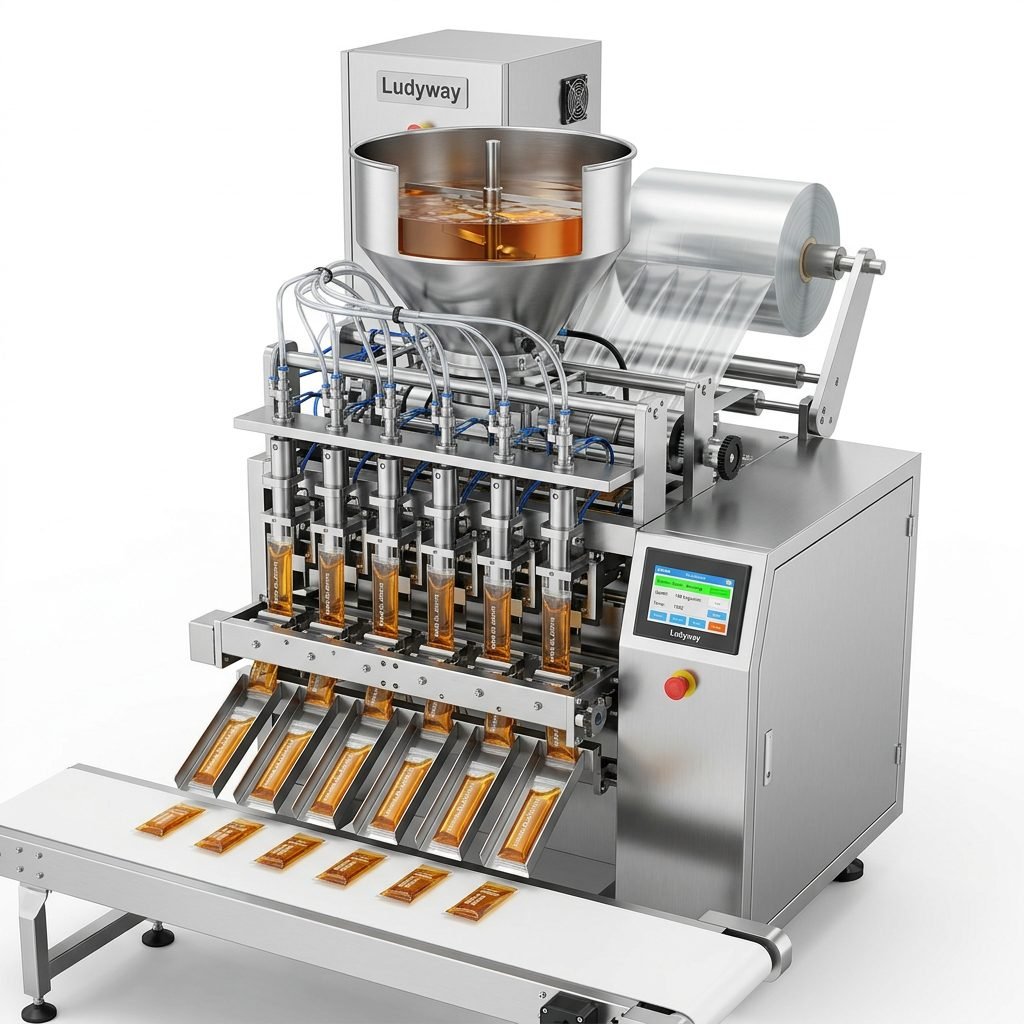
| Multi-Lane Sachet Machine | Single-serve edible oil, lubricant samples | 200-800 sachets per minute | High-speed, compact packaging for retail and hospitality |
| Weighing & Capping Monoblock | Engine oil, automotive lubricants | 10-40 bottles per minute | Integrated filling, capping, and weight checking in one system |
Key Filling Technology Considerations
- Foaming control: Oils that foam during filling require bottom-up or submerged filling nozzles to prevent product waste and inconsistent fills.
- Temperature regulation: Some coconut and palm oils solidify at lower ambient temperatures common in southern Oceania, so jacketed hoppers and heated filling pathways may be necessary.
- Drip-free shutoff: High-quality anti-drip nozzles keep your filling station clean and reduce product loss, especially crucial when handling premium organic oils.
Oceania-Specific Regulatory and Safety Standards
Packaging machinery sold or operated in Australia and New Zealand must often meet rigorous safety and hygiene standards. For food-grade oils, compliance with FSANZ (Food Standards Australia New Zealand) requirements is non-negotiable, and equipment should be built from 304 or 316 food-grade stainless steel. Industrial oil packaging lines, on the other hand, may need to align with AS/NZS 4024 machinery safety standards. Additionally, if you export packaged oils from Oceania to Asia-Pacific markets, your packaging system should support tamper-evident seals and clear batch coding to satisfy import regulations. Always verify that your prospective oil packaging machine supplier can provide the necessary documentation and CE or equivalent electrical certifications.
Essential Compliance Checklist for Oceania
- Food-grade stainless steel contact parts (typically SS316 for acidic oils)
- IP65 or higher washdown protection for food production environments
- Emergency stop circuits conforming to AS/NZS 4024.1604
- CIP (Clean-in-Place) compatibility for edible oil lines
- Accredited third-party electrical safety certification
Automation Integration and Turnkey Solutions
Modern oil packaging lines in Oceania increasingly demand full automation to combat labor shortages and rising operational costs. A turnkey system that connects filling, capping, labeling, coding, and cartoning into a synchronized line can significantly reduce your cost per unit. When evaluating automation options, look for modular architectures that allow you to add components—such as a checkweigher or a shrink wrapper—as your production scales. This phased investment approach is particularly popular among mid-sized Australian and New Zealand manufacturers who want to future-proof their operations without excessive upfront capital outlay.
Automation Features to Prioritize
- Servo-driven filling: Offers programmable fill profiles that adapt to different bottle shapes and oil viscosities without mechanical changeover.
- Automatic torque monitoring: Ensures every cap is sealed to the exact specification required for leak-proof transport over Oceania’s long distribution distances.
- Remote diagnostics: Equipment with IoT capability allows your team or your equipment partner to troubleshoot issues via secure cloud connection, minimizing downtime in remote Pacific locations.
Choosing a Packaging Partner with Oceania Expertise
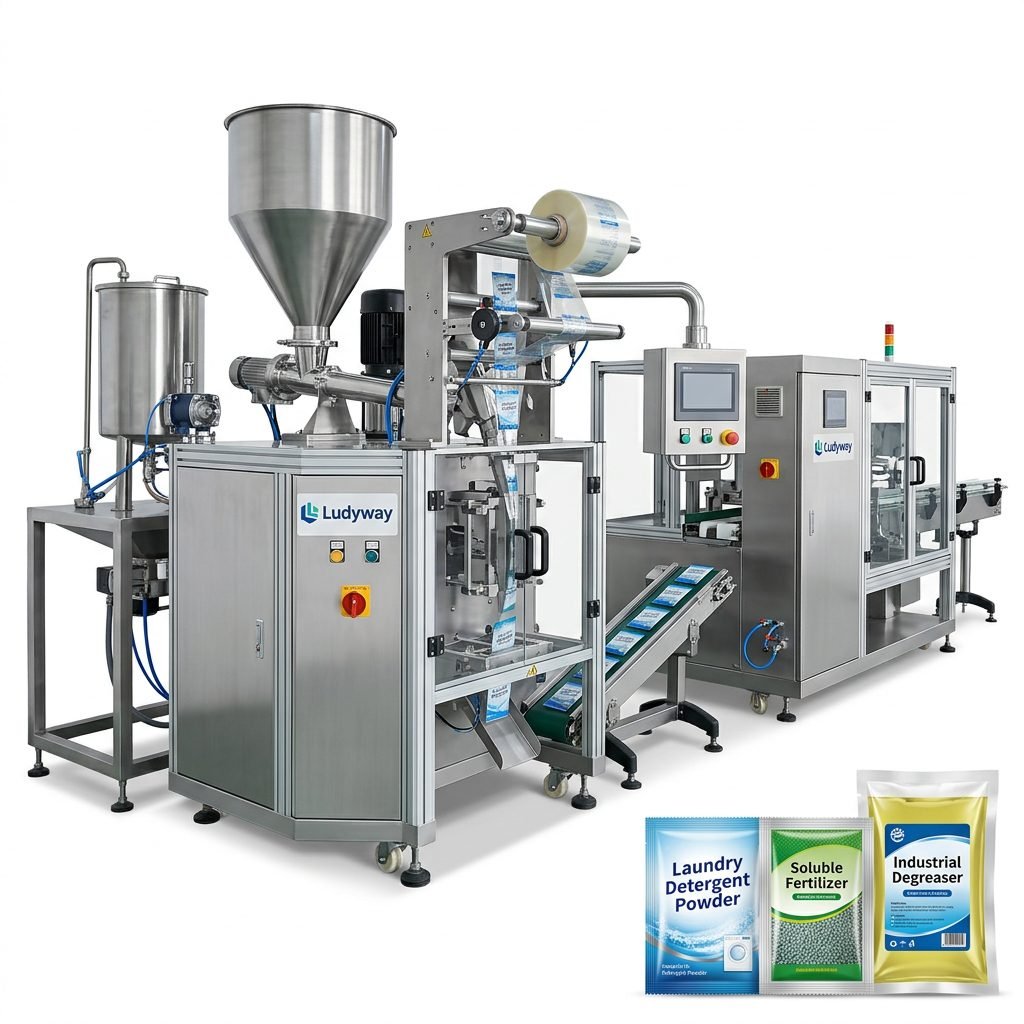
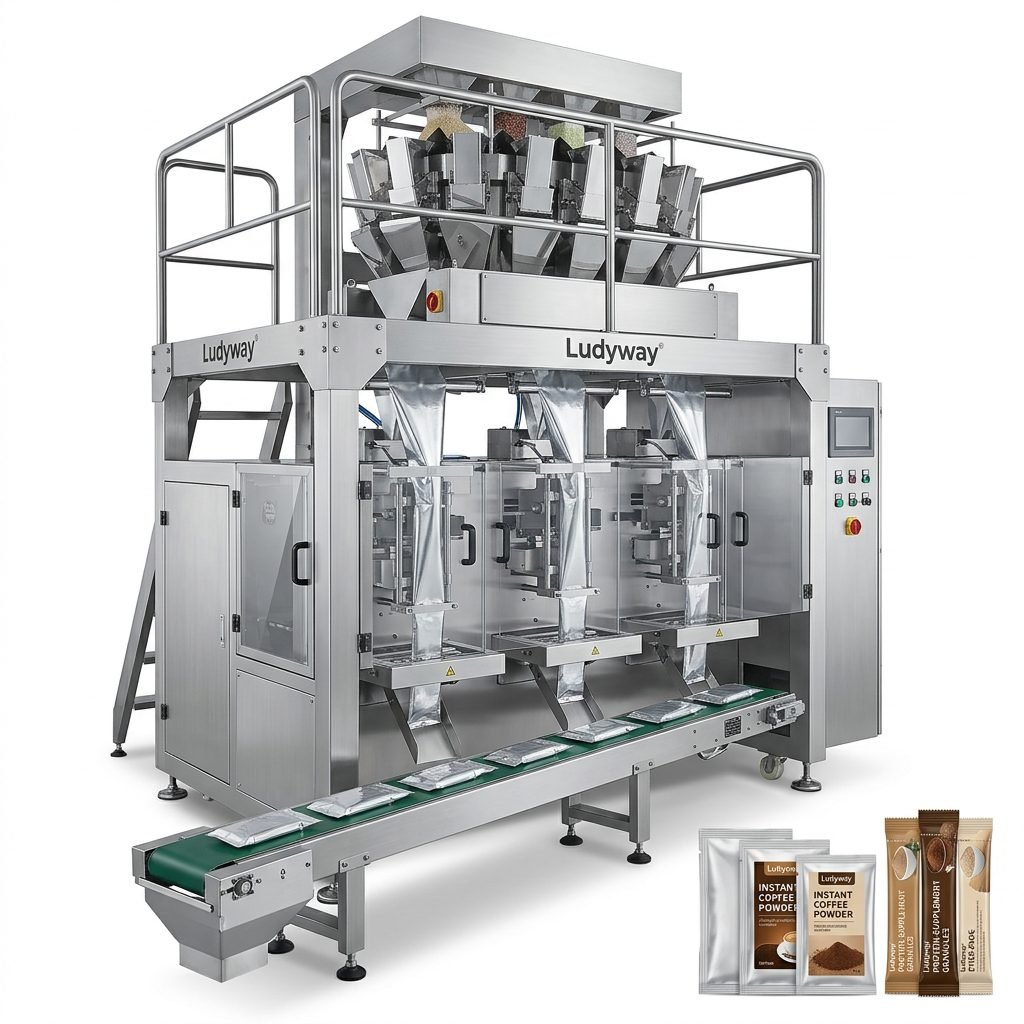
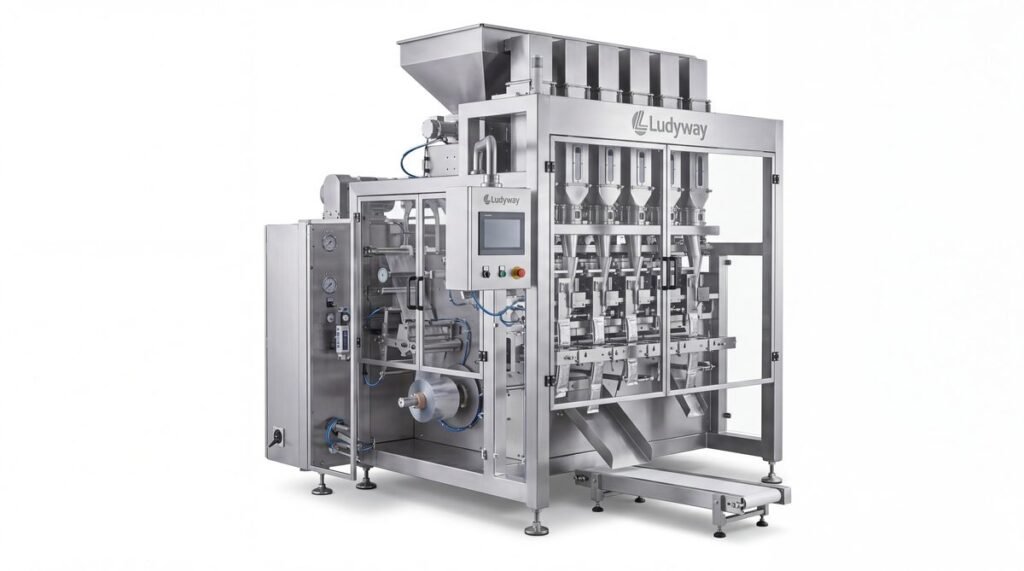
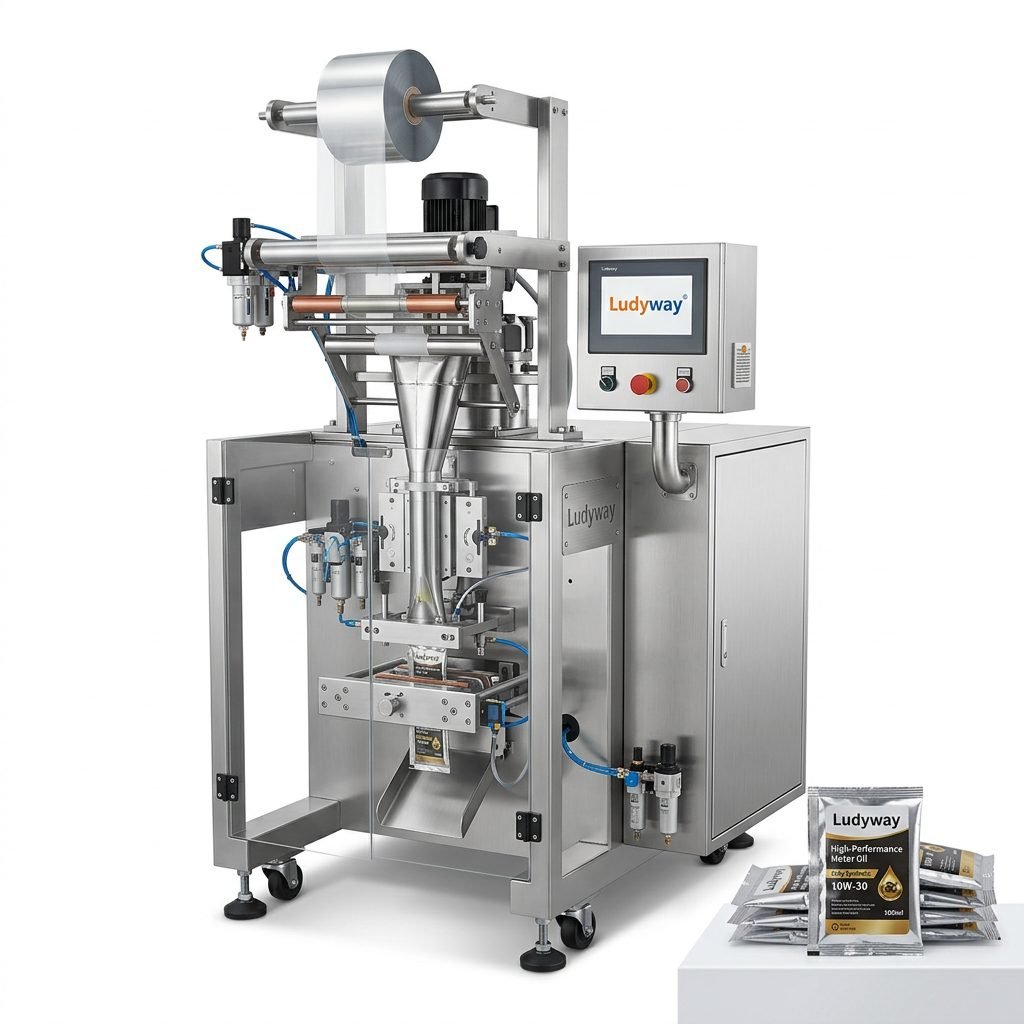
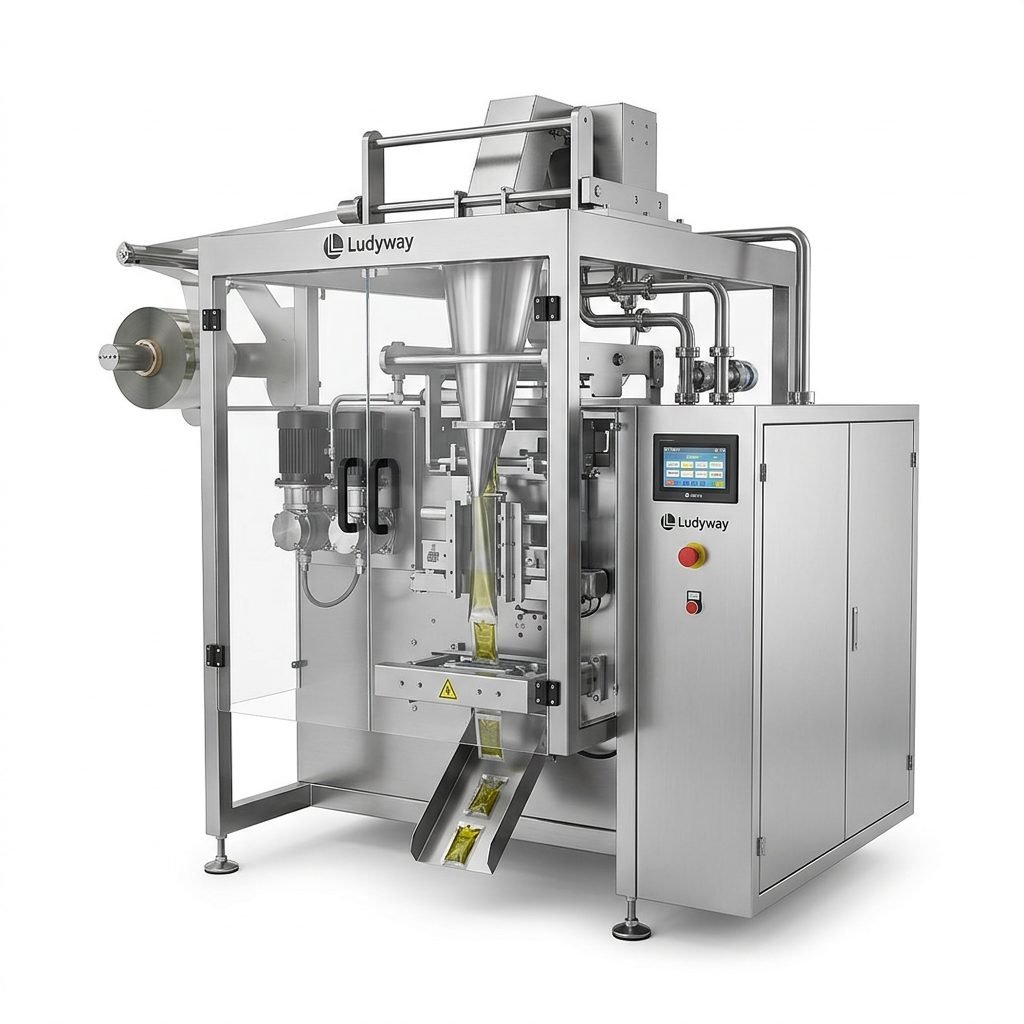
Selecting the right equipment manufacturer is as important as the machine itself. Look for a partner who understands the logistical challenges of the Oceania region, including import duties, local voltage requirements (typically 230V/400V 50Hz in Australia and New Zealand), and the availability of after-sales technical support. Ludyway is one of the largest packaging machine manufacturers in China, specializing in advanced liquid and sachet packaging equipment. With a modern 20,000㎡ manufacturing facility and a highly experienced engineering team, Ludyway offers over 50 intelligent packaging machine models, including multi-lane stick pack and fully automated systems that serve customers in more than 100 countries and regions—including Oceania—through a commitment to innovative, high-performance, and cost-effective production solutions.
Questions to Ask Prospective Equipment Suppliers
- Can you provide references from existing clients in Australia, New Zealand, or the Pacific region?
- What is the lead time for critical spare parts shipped to Oceania?
- Do you offer virtual FAT (Factory Acceptance Testing) for travel-restricted periods?
- Is customized engineering available for unique bottle shapes or oil formulations?
Total Cost of Ownership and ROI Analysis
While the initial purchase price of an oil packaging machine is important, Oceania buyers should evaluate long-term costs including energy consumption, spare parts availability, and changeover downtime. A machine that reduces product giveaway by even 1% can generate substantial annual savings when packaging high-value oils. Additionally, consider the cost of not automating—manual filling exposes you to labor inconsistencies, increased contamination risk, and difficulty scaling production to meet seasonal demand spikes, such as the Australian olive harvest period. A well-constructed ROI model should factor in labor savings, increased throughput, reduced waste, and the premium retail pricing achievable with professionally packaged products.
Industry Resources and Further Reading
Staying informed about packaging trends, regulations, and technology advancements will help you make confident purchasing decisions. Below are authoritative resources frequently consulted by packaging professionals in Oceania and beyond.
| Resource Title | Description |
|---|---|
| PMMI Business Intelligence Library | Market research and trends for packaging machinery globally, including liquid filling sectors. |
| PMMI 2025 State of the Industry | Detailed analysis of packaging machinery market performance and future outlook. |
| Flexible Packaging Association – Industry Resources | Insights into flexible packaging substrates often used for oil sachets and pouches. |
| FDA – Food Ingredient and Packaging | Regulatory guidance on food contact materials relevant to edible oil packaging. |
| Ludyway Global Growth Trend Analysis | Independent report on export growth in the packaging machinery sector through 2026. |
Selecting the appropriate oil packaging machine for the Oceania market requires careful evaluation of your product’s physical characteristics, local regulatory demands, and long-term automation goals. By prioritizing build quality, after-sales availability in the region, and scalable automation features, you position your operation to meet the growing demand for professionally packaged oils across Australia, New Zealand, and neighboring Pacific markets.