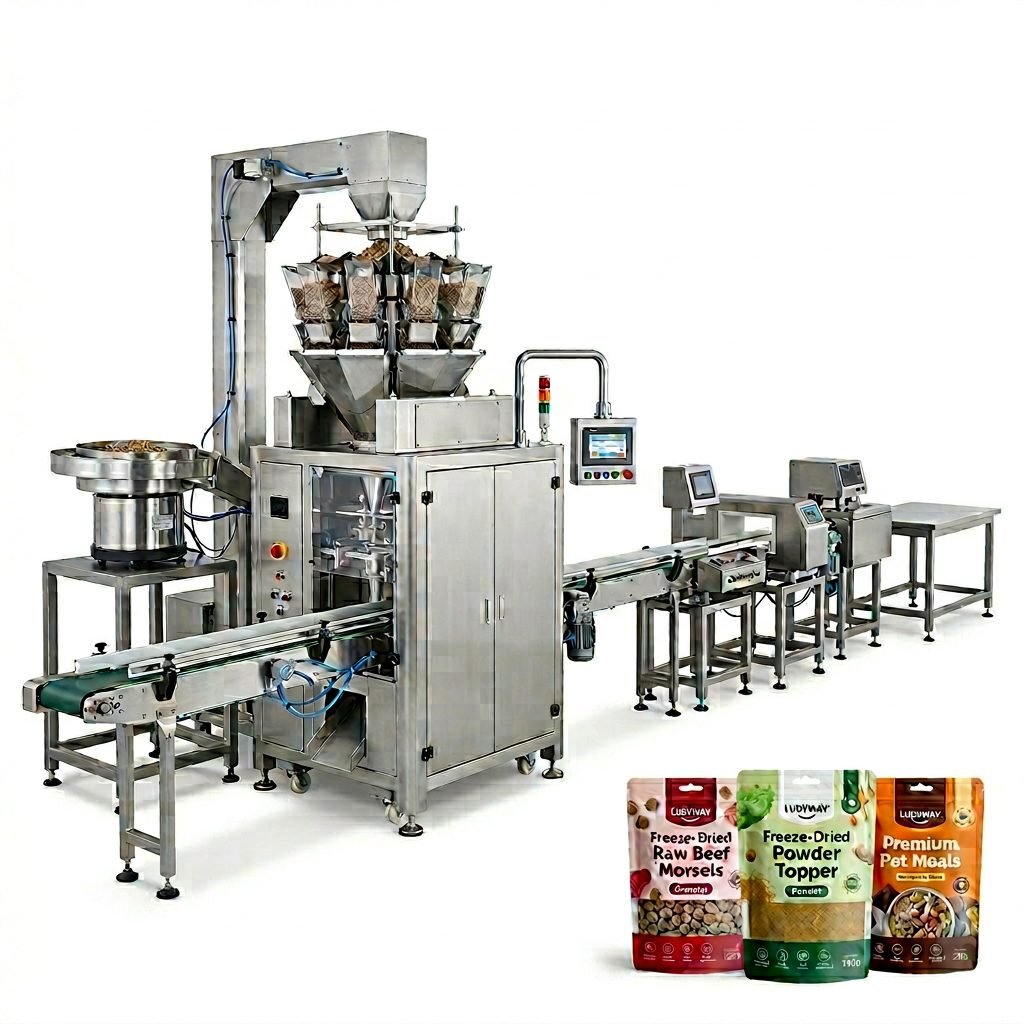
Investing in an oil packaging machine is a critical decision for manufacturers in the food, pharmaceutical, cosmetic, and industrial lubricant sectors. Whether you are filling edible oils, essential oils, or heavy-duty engine lubricants, selecting the right equipment directly impacts production efficiency, product quality, and long-term profitability. This comprehensive buying guide walks you through the essential features, cost considerations, and practical tips to help you make an informed purchasing decision.
Types of Oil Packaging Machines
Understanding the different types of oil packaging machinery is the first step in narrowing down your options. The choice largely depends on your product viscosity, target packaging format, and production volume.
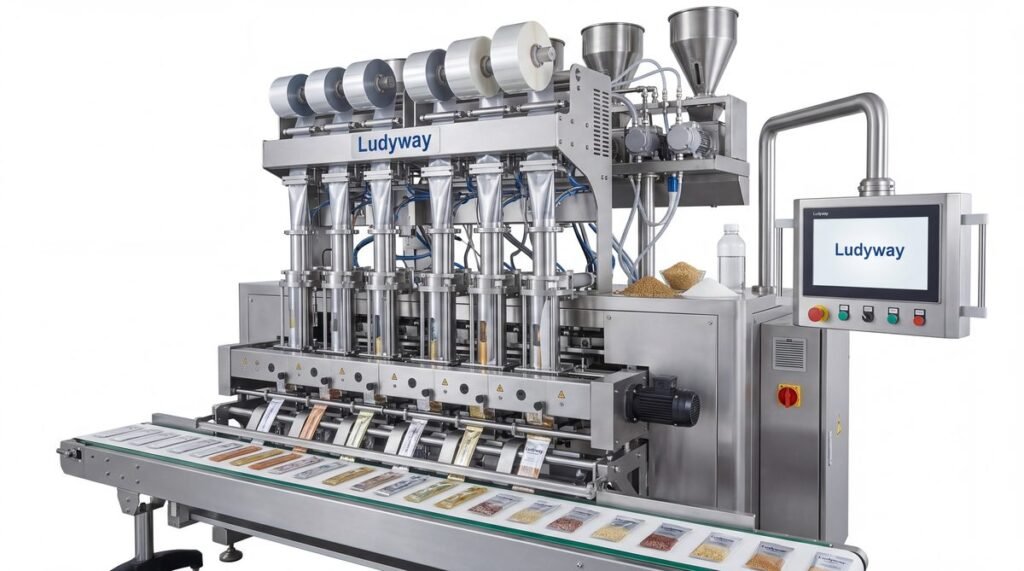
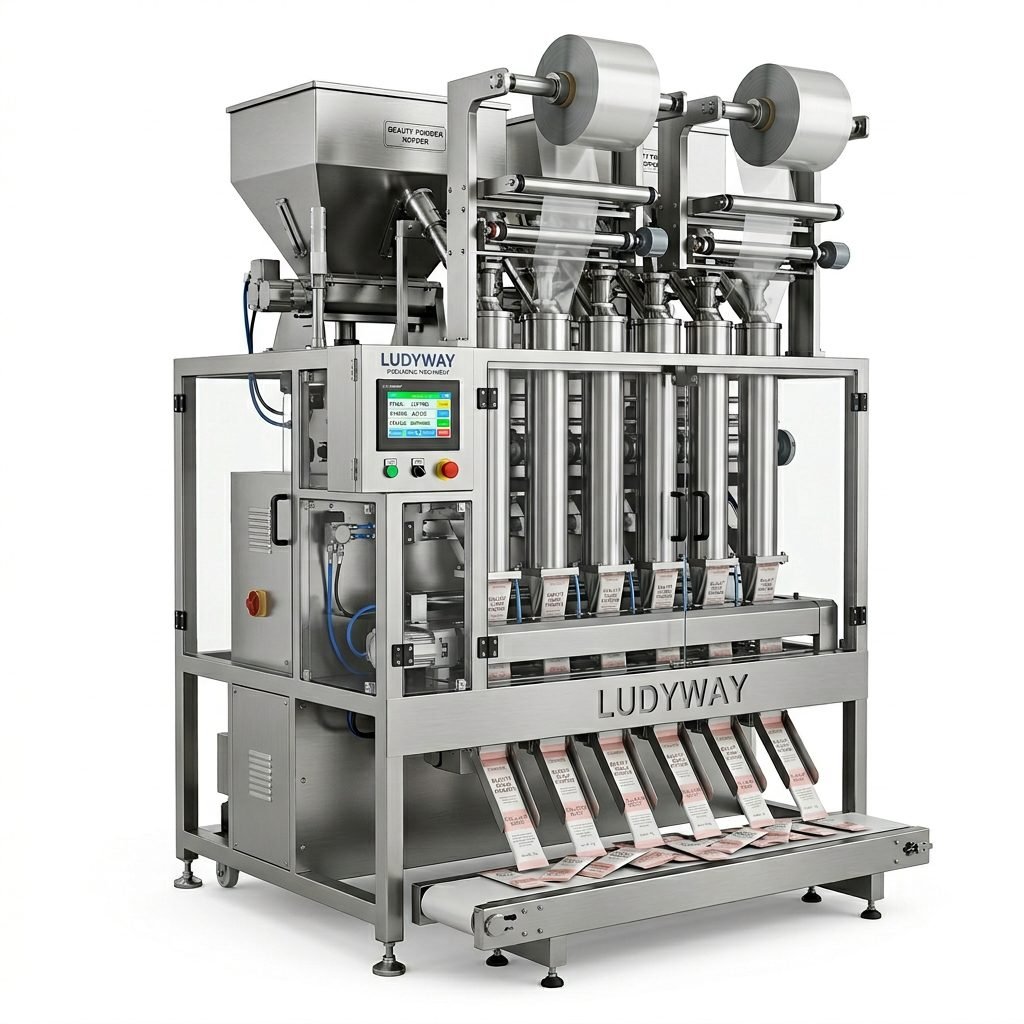
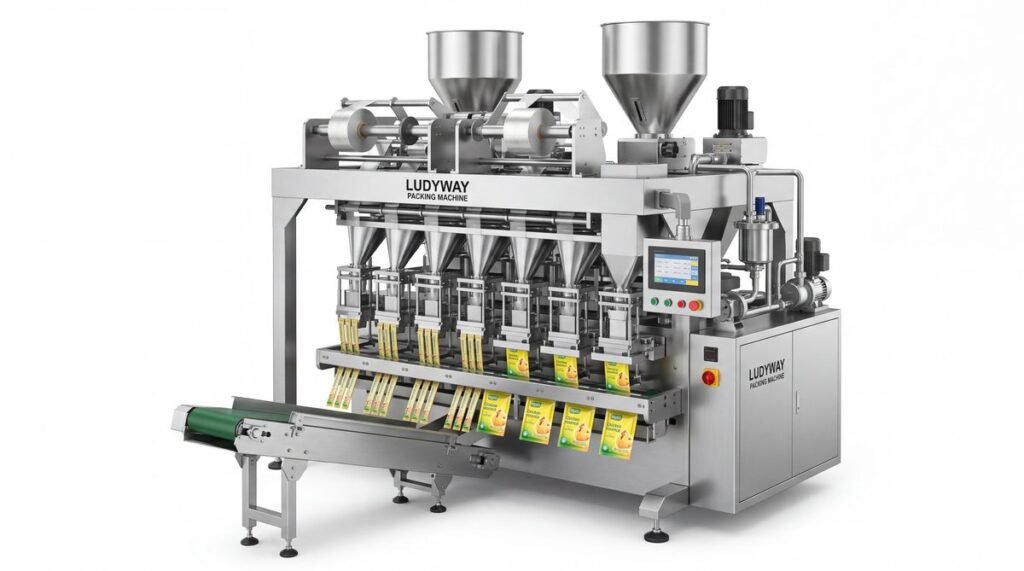
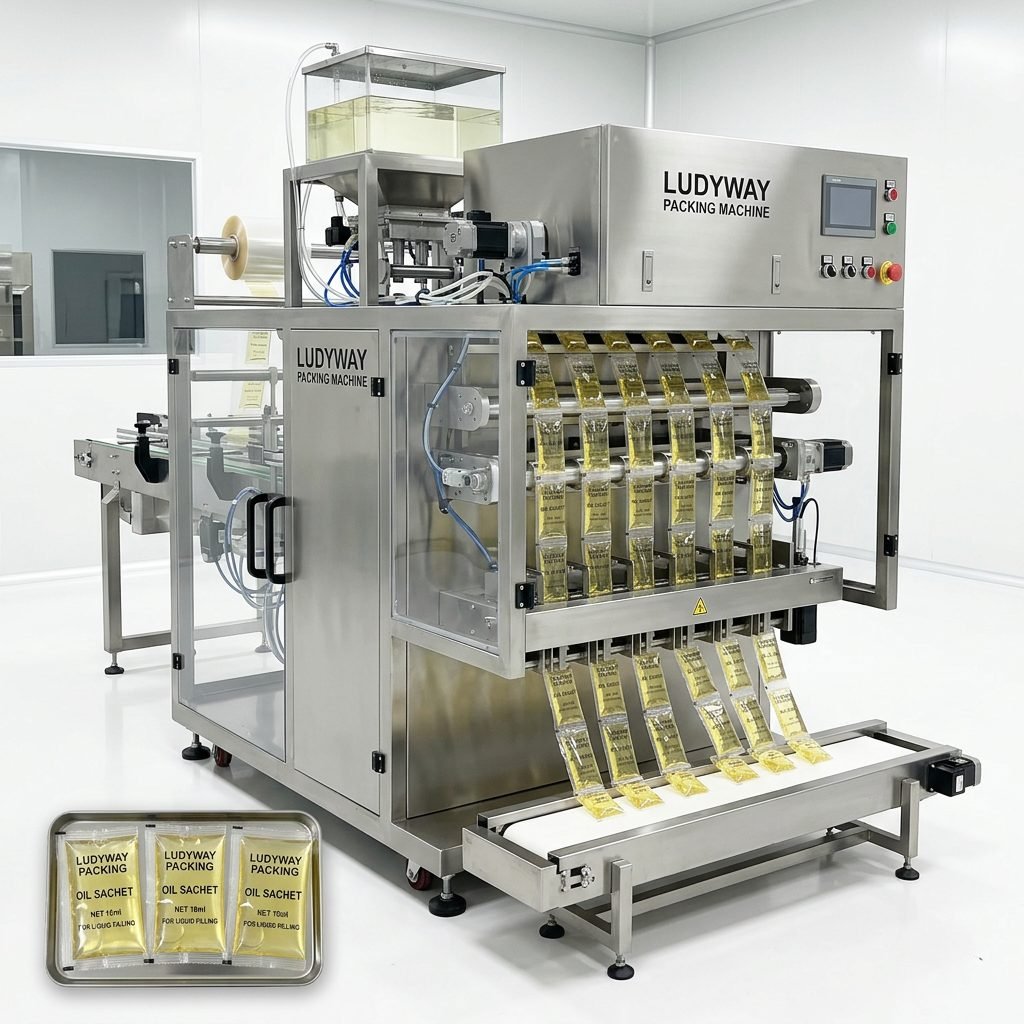
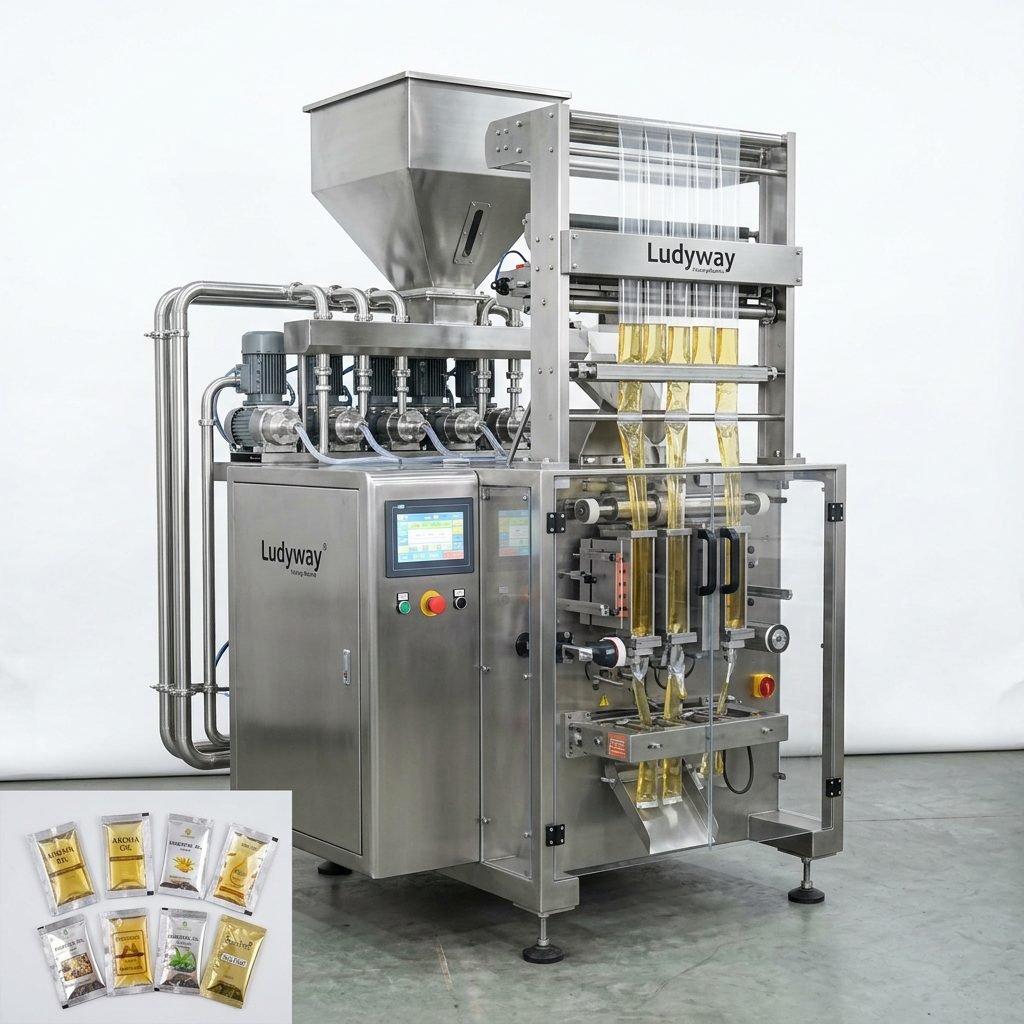
- Sachet & Stick Pack Machines: Ideal for single-serve edible oil portions, cosmetic serum samples, and travel-size products. These systems typically feature multi-lane configurations for high-speed output.
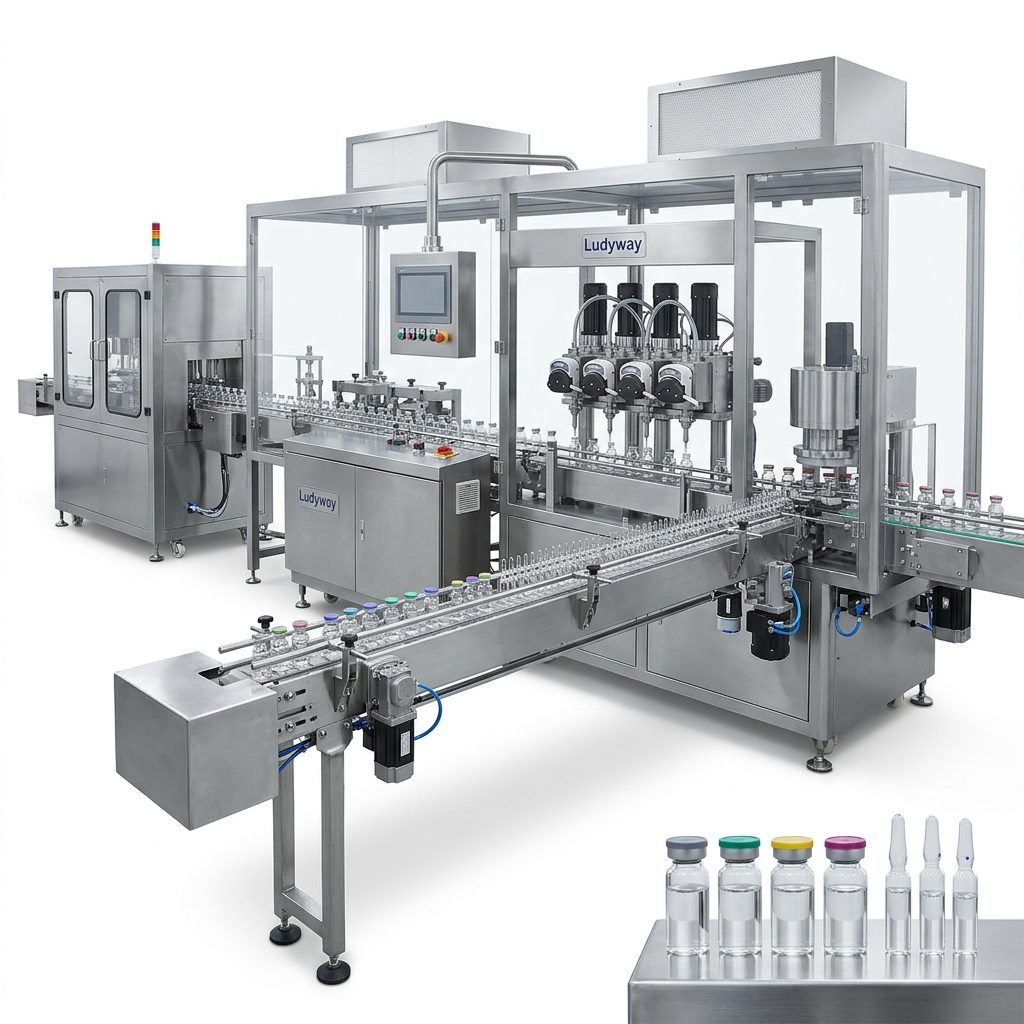
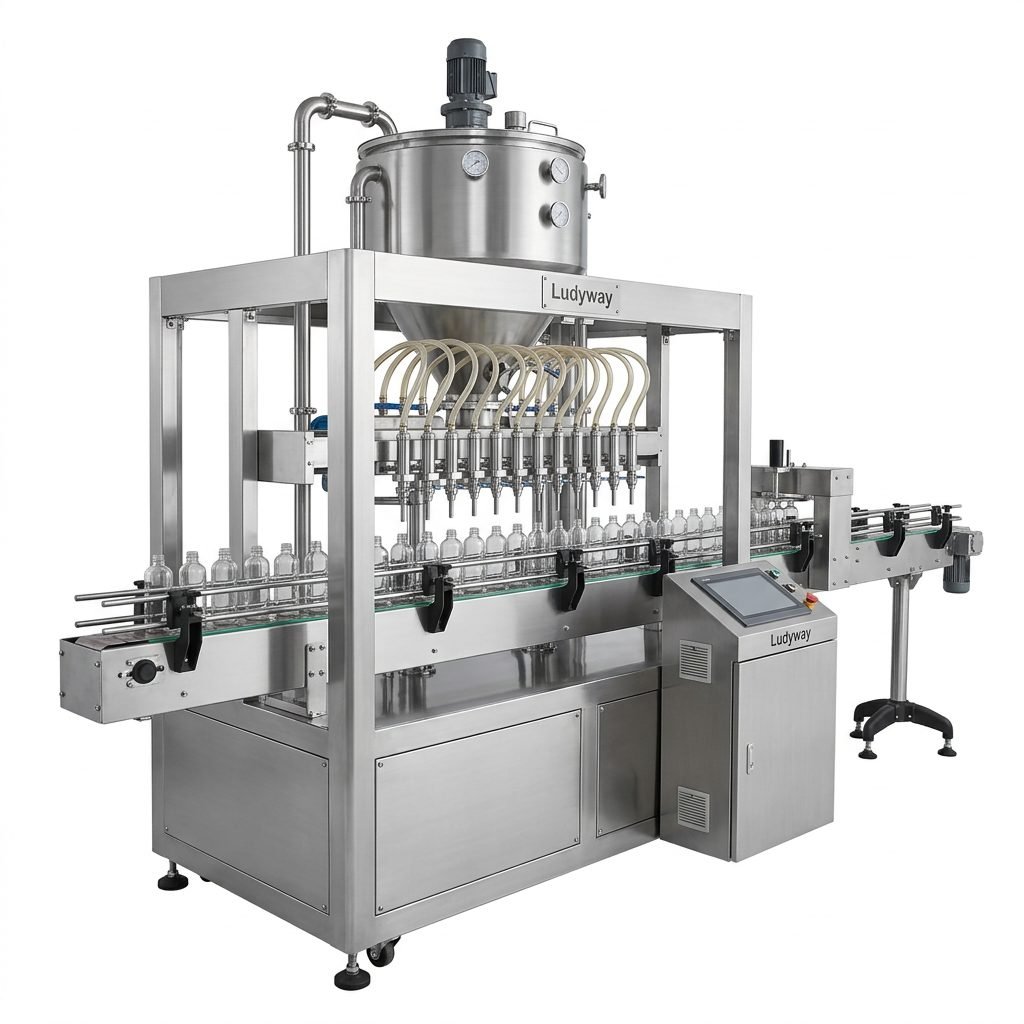
- Bottle Filling Lines: Designed for medium to high-viscosity oils, these machines handle glass or plastic bottles and often integrate capping, labeling, and sealing modules. Automation levels range from semi-automatic to fully automatic inline systems.
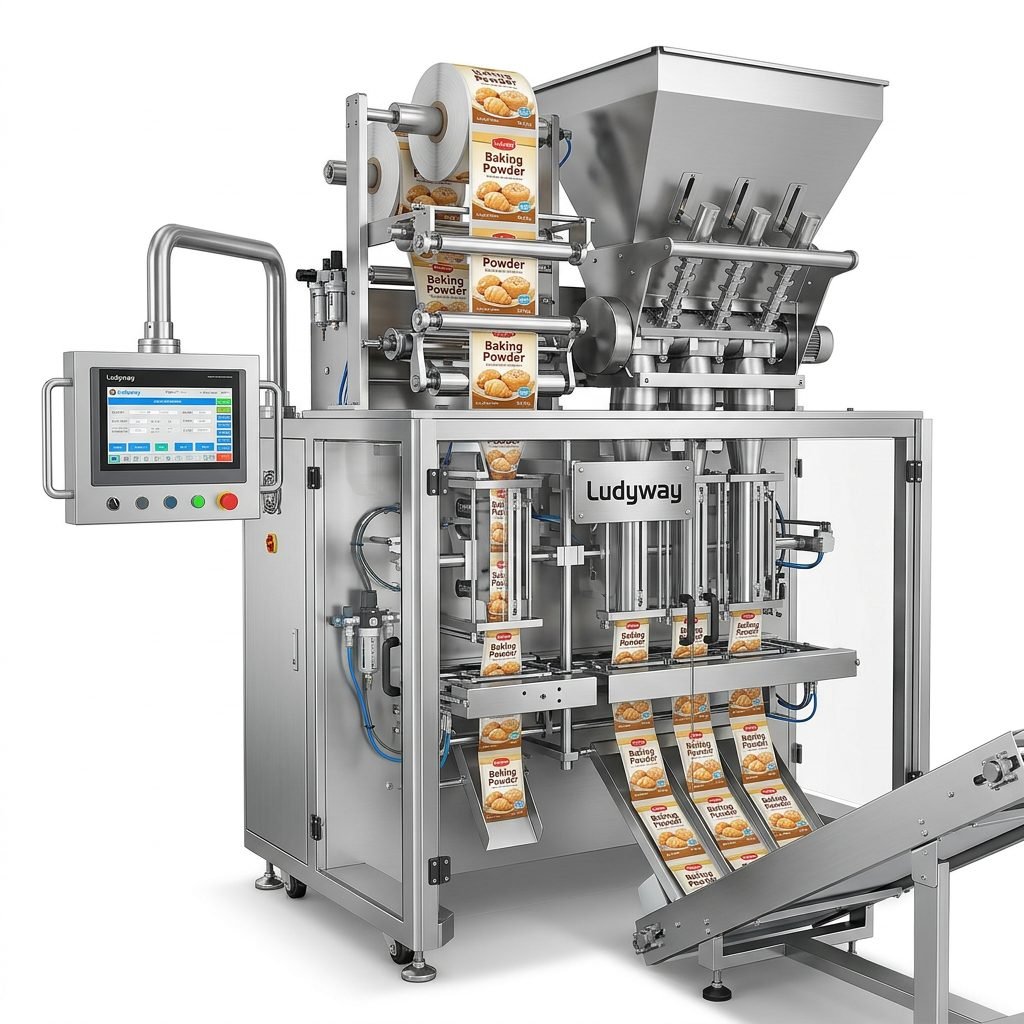
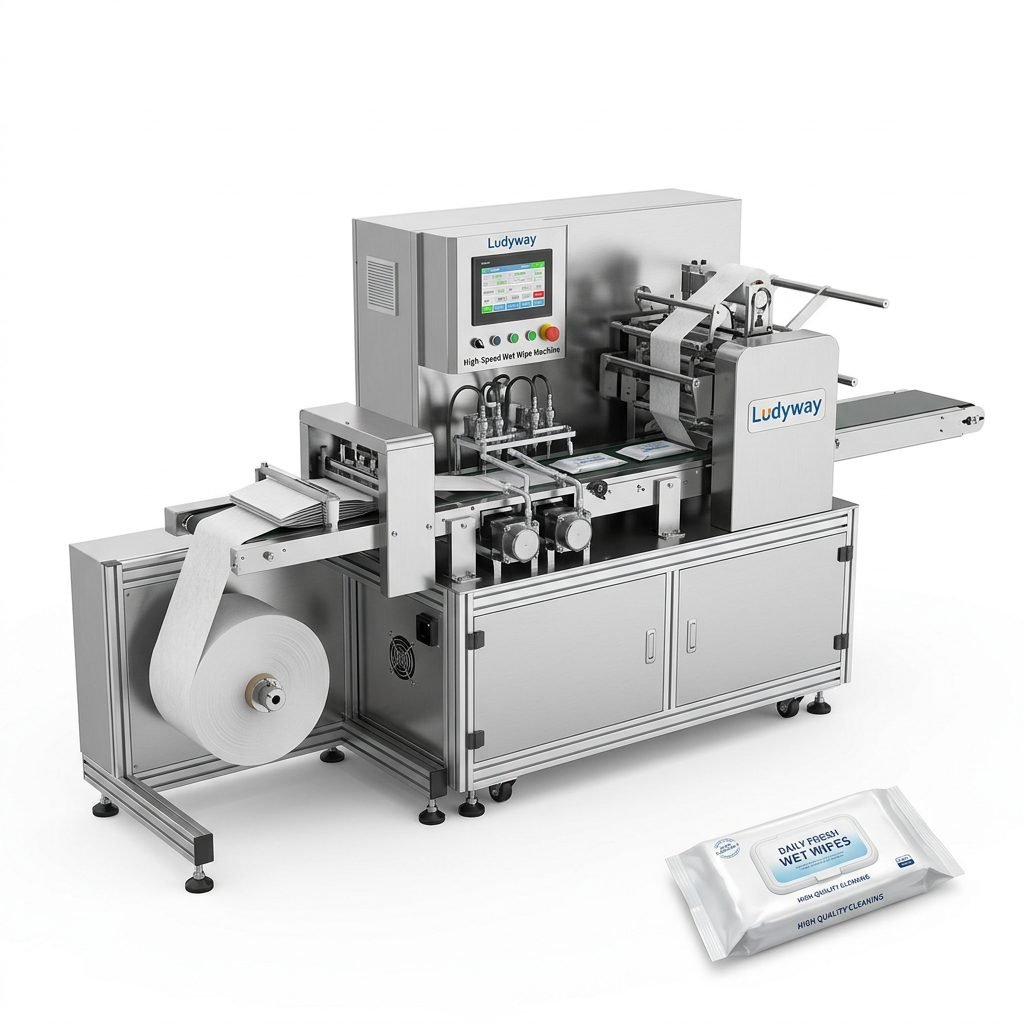
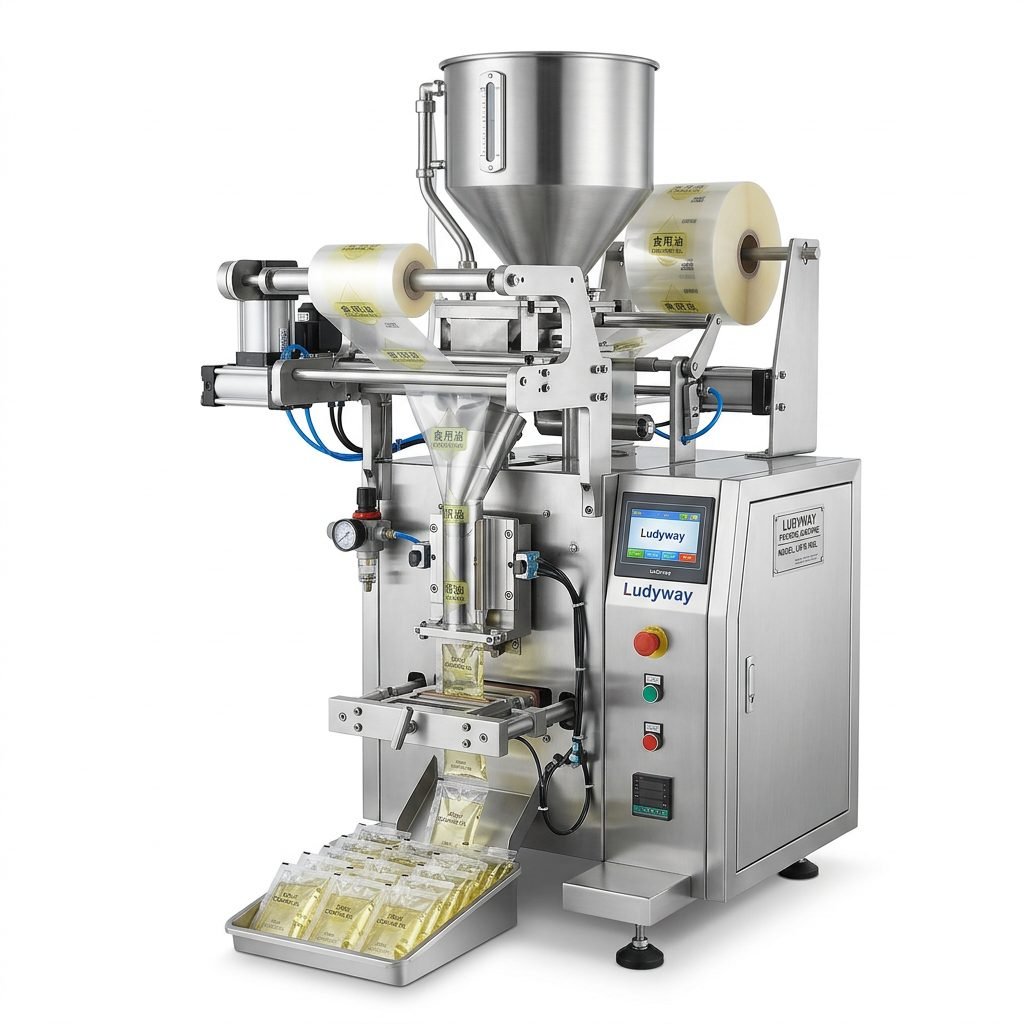
- Pouch Packaging Systems: Pre-made pouch fillers and form-fill-seal machines accommodate stand-up pouches, spout pouches, and flat pouches for retail-ready oil products.
- Bulk & Industrial Drum Fillers: For large-scale lubricant and industrial oil packaging, these heavy-duty systems manage volumes from 20 liters up to 200-liter drums with precision weighing.
Key Features to Evaluate Before Buying
Not all oil packaging machines are created equal. Here are the most critical specifications you should evaluate before making a purchase:
Filling Accuracy and Precision
Oil products often have high unit value, making fill accuracy essential for profitability. Look for machines equipped with servo-driven piston fillers, magnetic flow meters, or mass flow meters that deliver tolerances within ±0.5% to ±1%. Accurate filling minimizes product giveaway and ensures regulatory compliance.
Material Compatibility and Build Quality
Food-grade oils require stainless steel 304 or 316L construction to prevent contamination and corrosion. For industrial lubricants and chemical oils, ensure that seals, hoses, and pump components are compatible with the specific chemical formulation. Machines built with high-quality materials reduce maintenance frequency and extend equipment lifespan.
Packaging Speed and Throughput
Production capacity varies widely. A single-lane sachet machine may output 40-60 packs per minute, while a multi-lane stick pack system can reach 400-600 packs per minute or more. Match the machine’s rated speed to your current and projected production demands.
Automation and Control Systems
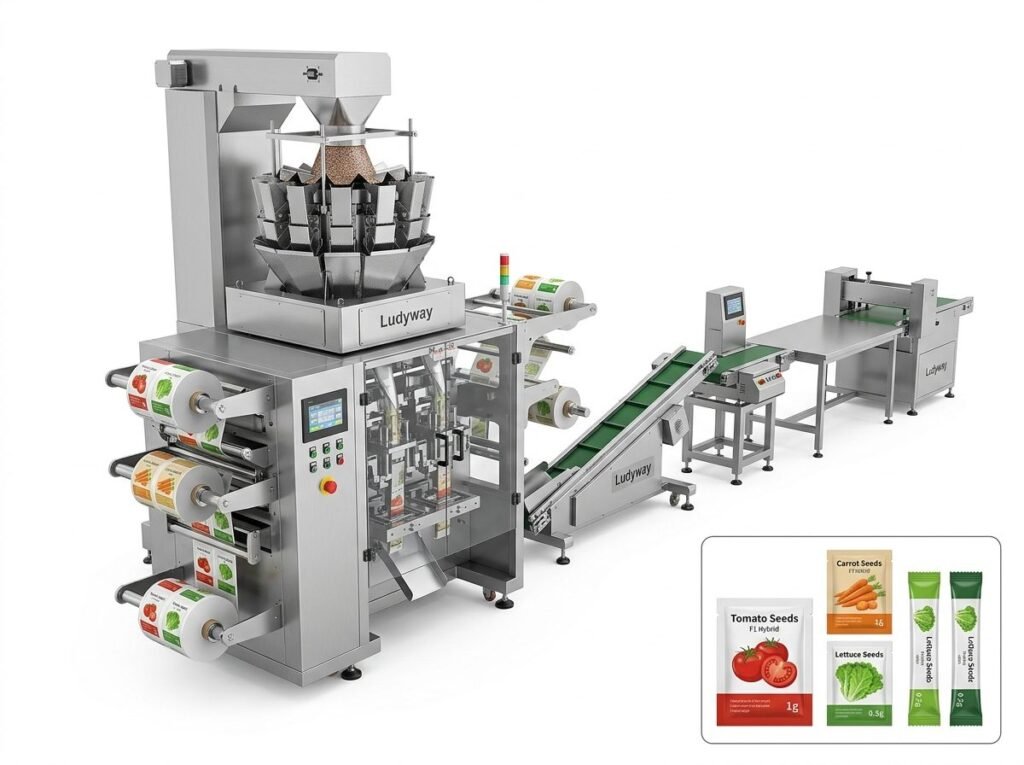
Modern oil packaging machines feature PLC touchscreen interfaces, recipe storage, and remote monitoring capabilities. Advanced automation reduces operator dependency and enables quick changeovers between different oil types and package formats. Integration with upstream and downstream equipment such as conveyors, checkweighers, and cartoning machines streamlines the entire packaging line.
Sealing Integrity and Leak Prevention
Oil leakage during storage and transportation leads to product loss and brand damage. Evaluate the sealing technology — heat sealing, ultrasonic sealing, or induction sealing — and ensure the machine consistently produces hermetic, leak-proof seals across all packaging materials including laminated films, aluminum foil, and multi-layer pouches.
Cost Factors and Budget Planning
The cost of an oil packaging machine depends on multiple variables. Below is a breakdown of key cost drivers to help you plan your investment effectively:
| Cost Factor | Description | Estimated Impact |
|---|---|---|
| Machine Type | Semi-automatic vs. fully automatic, single-lane vs. multi-lane | $15,000 – $150,000+ |
| Filling Technology | Piston, flow meter, volumetric, or gravimetric systems | Adds 10% – 25% to base price |
| Material of Construction | 304 stainless steel vs. 316L stainless steel | Adds 15% – 30% for 316L |
| Automation Level | PLC controls, servo drives, IoT connectivity | Adds 20% – 40% |
| Speed & Output | Packs per minute and lane count | Scales proportionally |
| Customization | Custom formats, special sealing, unique dosing | Adds 15% – 50% |
Beyond the initial equipment purchase, factor in operational costs including spare parts, maintenance contracts, operator training, energy consumption, and packaging material expenses. A slightly higher upfront investment in a reliable, efficient machine often yields lower total cost of ownership over time.

Tips for Choosing the Right Oil Packaging Machine
Making the right choice requires a strategic approach. Follow these proven tips to select equipment that aligns with your business goals:
- Define Your Product Specifications Clearly: Document the viscosity range, fill volume, packaging format, and target output for each oil product. This clarity helps suppliers recommend the most suitable machine configuration.
- Request Sample Testing and Factory Audits: Before finalizing, ask potential suppliers to run sample trials using your actual product and packaging materials. A factory visit or virtual tour provides valuable insight into manufacturing quality and quality control processes.
- Evaluate After-Sales Support and Spare Parts Availability: Reliable technical support is essential for minimizing downtime. Confirm the supplier’s response time, spare parts inventory, and availability of remote troubleshooting services.
- Check Industry Certifications and Compliance: For food-grade oil packaging, ensure the machine meets FDA, CE, and ISO standards. Pharmaceutical-grade oils require cGMP-compliant equipment with validated cleaning and sterilization protocols. Reference resources from the FDA Food Packaging and Food Contact Substances page for regulatory guidance.
- Plan for Future Scalability: Choose a modular machine platform that allows for lane additions, format changeovers, and integration with automation systems as your production needs grow. Industry insights from the PMMI State of the Industry Reports can help you understand market trends and capacity planning benchmarks.
- Compare Total Cost of Ownership: Look beyond the purchase price. Factor in energy efficiency, consumable costs, maintenance intervals, and expected machine lifespan. A durable, efficient machine delivers better long-term value.
Common Applications Across Industries
Oil packaging machines serve diverse sectors. The table below highlights key applications and recommended machine types:
| Industry | Oil Type | Recommended Machine |
|---|---|---|
| Food & Beverage | Cooking oil, olive oil, coconut oil | Multi-lane sachet & bottle filling lines |
| Cosmetics & Personal Care | Essential oils, serum oils, hair oils | Stick pack & small-volume sachet fillers |
| Pharmaceutical | Fish oil, mineral oil, vitamin oils | cGMP-compliant liquid filling lines |
| Industrial & Automotive | Lubricants, engine oil, hydraulic oil | Drum fillers & heavy-duty sachet systems |
| Aromatherapy | Fragrance oils, massage oils | Compact stick pack & sample sachet machines |
Industry Standards and Regulatory Considerations
Compliance with packaging standards is non-negotiable. Key frameworks to consider include ISO packaging standards for material safety and performance, FDA regulations for food-contact packaging in the United States, and EU packaging waste directives for products sold in European markets. For detailed information on packaging standards, visit the ISO Packaging Standards directory and the Flexible Packaging Association Industry Resources hub. The European Commission Packaging and Packaging Waste Regulation also provides essential compliance guidance for exporters targeting European markets.
Making the Final Decision
Selecting the ideal oil packaging machine involves balancing technical requirements, budget constraints, and long-term business goals. Start by clearly defining your product characteristics and production targets. Request detailed proposals from multiple suppliers, compare specifications side by side, and prioritize build quality and after-sales support. A well-chosen packaging machine becomes a strategic asset that boosts productivity, ensures consistent product quality, and strengthens your competitive position in the market.
For businesses seeking reliable, high-performance packaging equipment, Ludyway offers an extensive range of oil packaging machines — from multi-lane sachet and stick pack systems to fully automated bottle filling and turnkey production lines. With over 30 years of industry expertise and a modern 20,000㎡ manufacturing facility, Ludyway provides innovative and cost-effective solutions supported by professional engineering and global after-sales service. For more information, explore the PMMI Association for Packaging and Processing Technologies for broader industry insights, and check the PACK EXPO International event page to discover the latest packaging innovations and connect with leading equipment manufacturers.
Additional Resources
- PMMI Business Intelligence Library — Market research and packaging machinery data
- Flexible Packaging Association Official Website — Industry news and flexible packaging resources
- FDA Packaging and Food Contact Substances — Regulatory information for food-safe packaging
- U.S. EPA Sustainable Materials Management — Sustainability and packaging waste guidelines