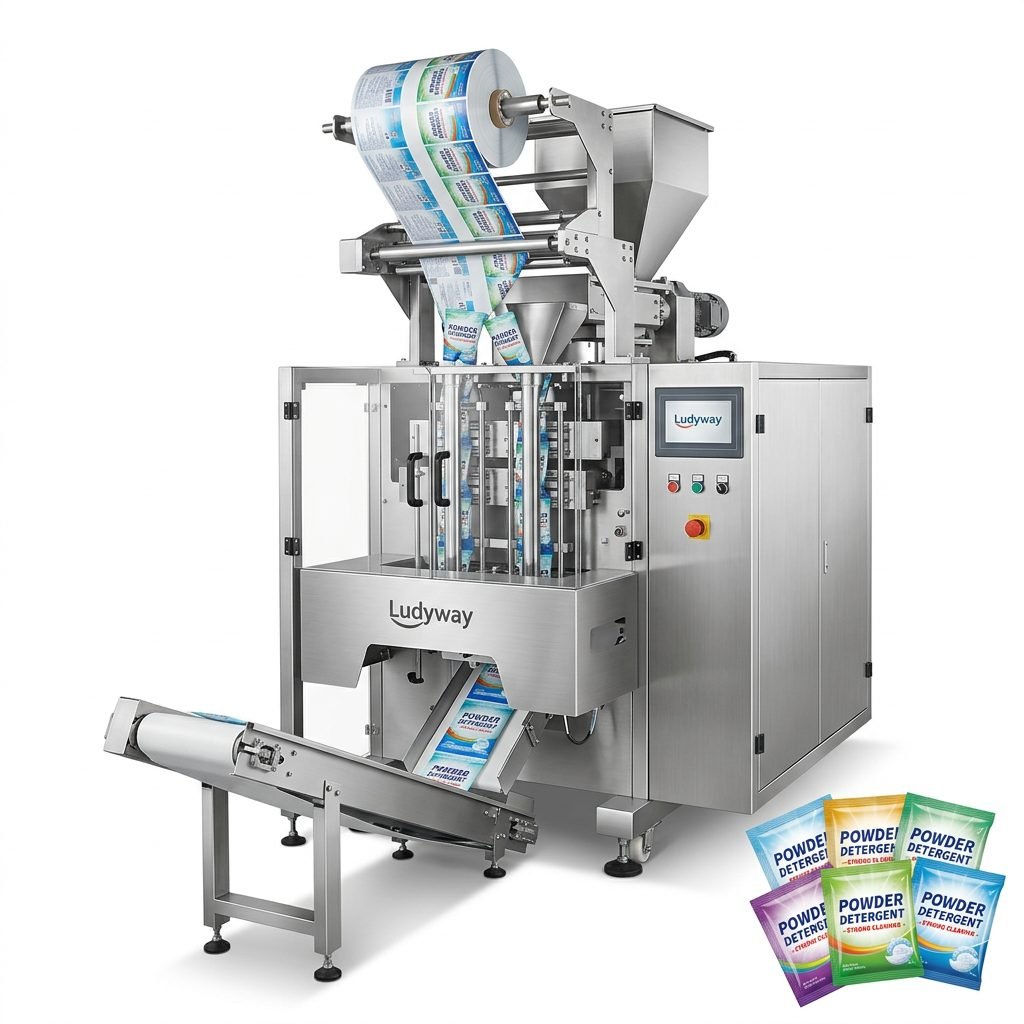
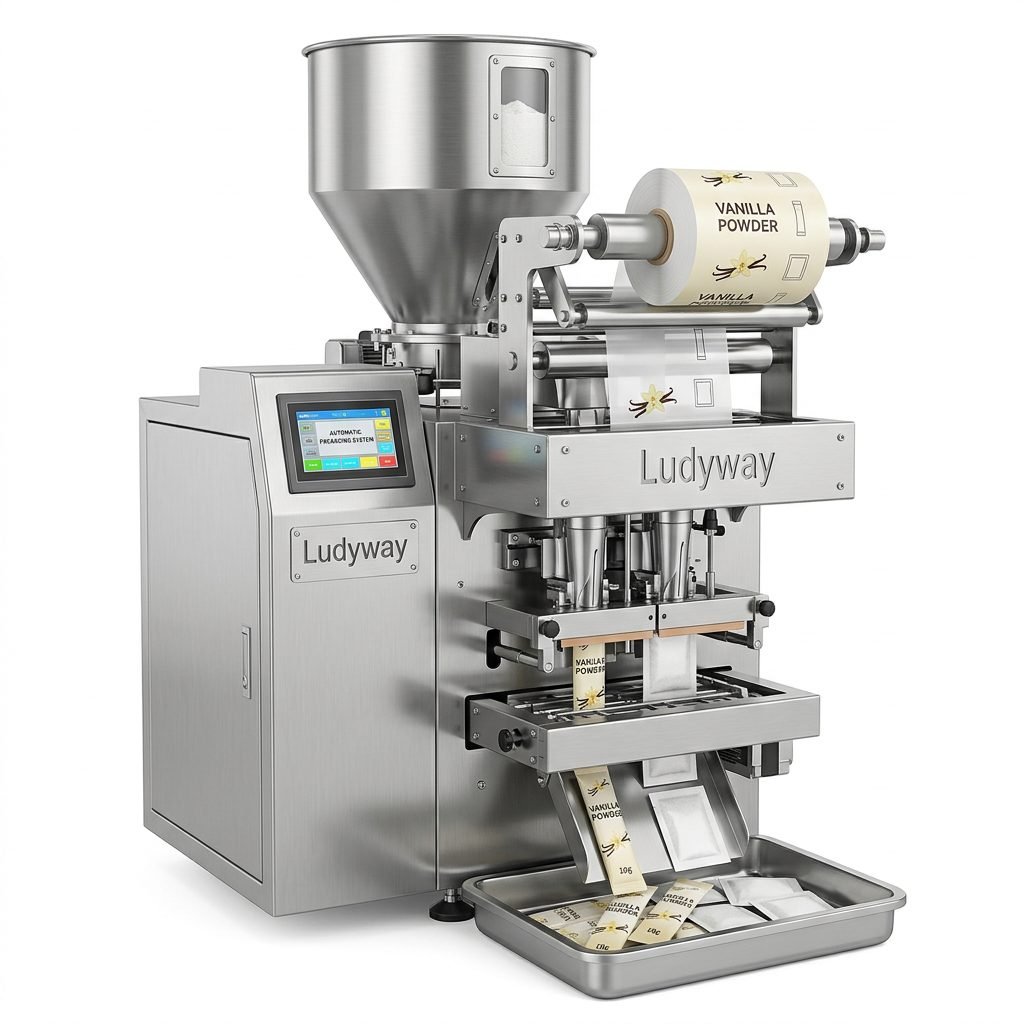
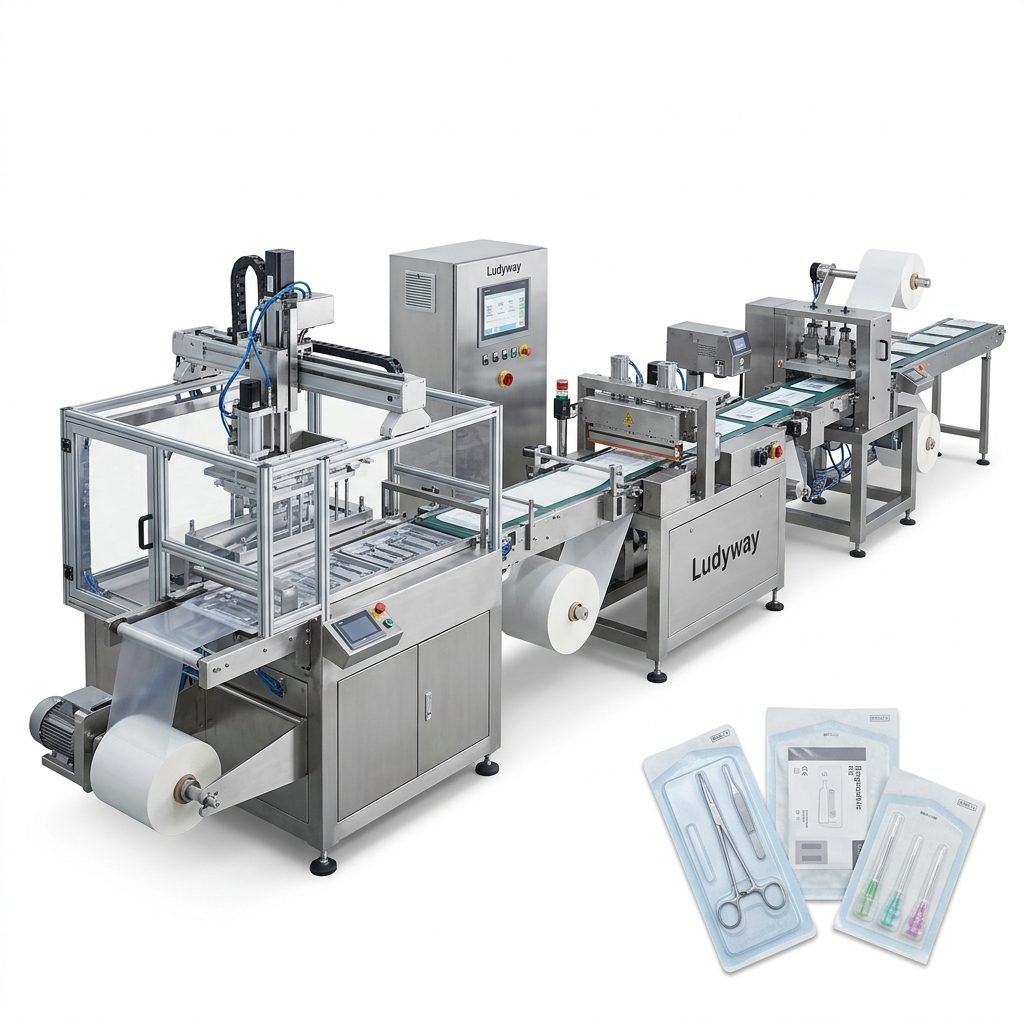
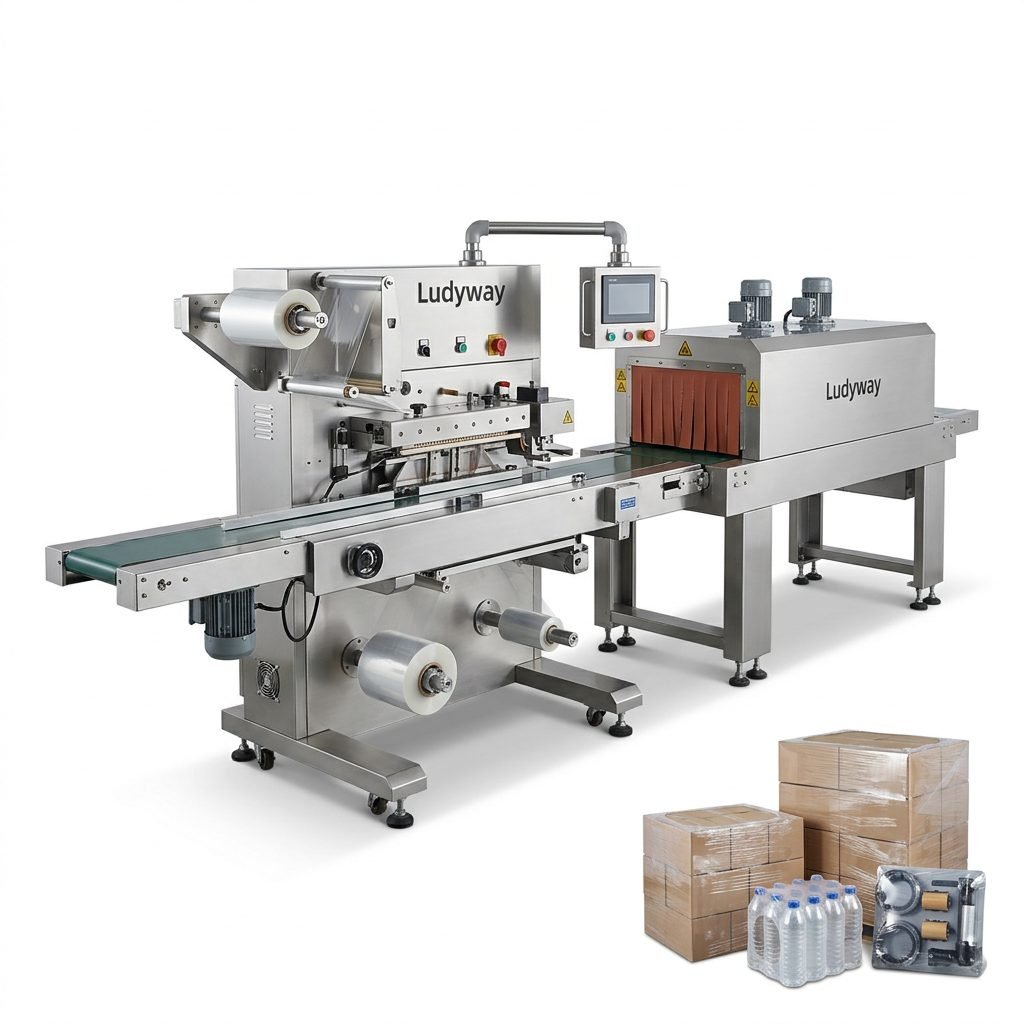
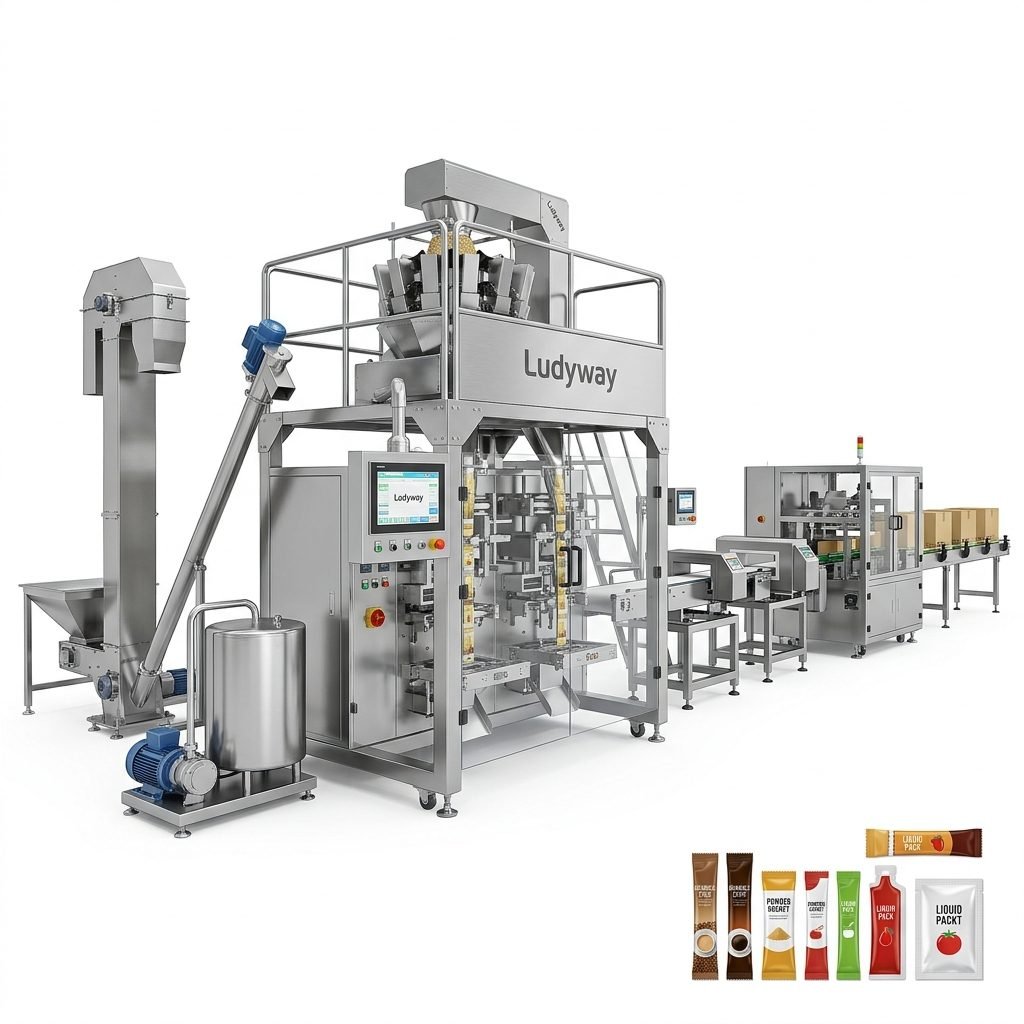
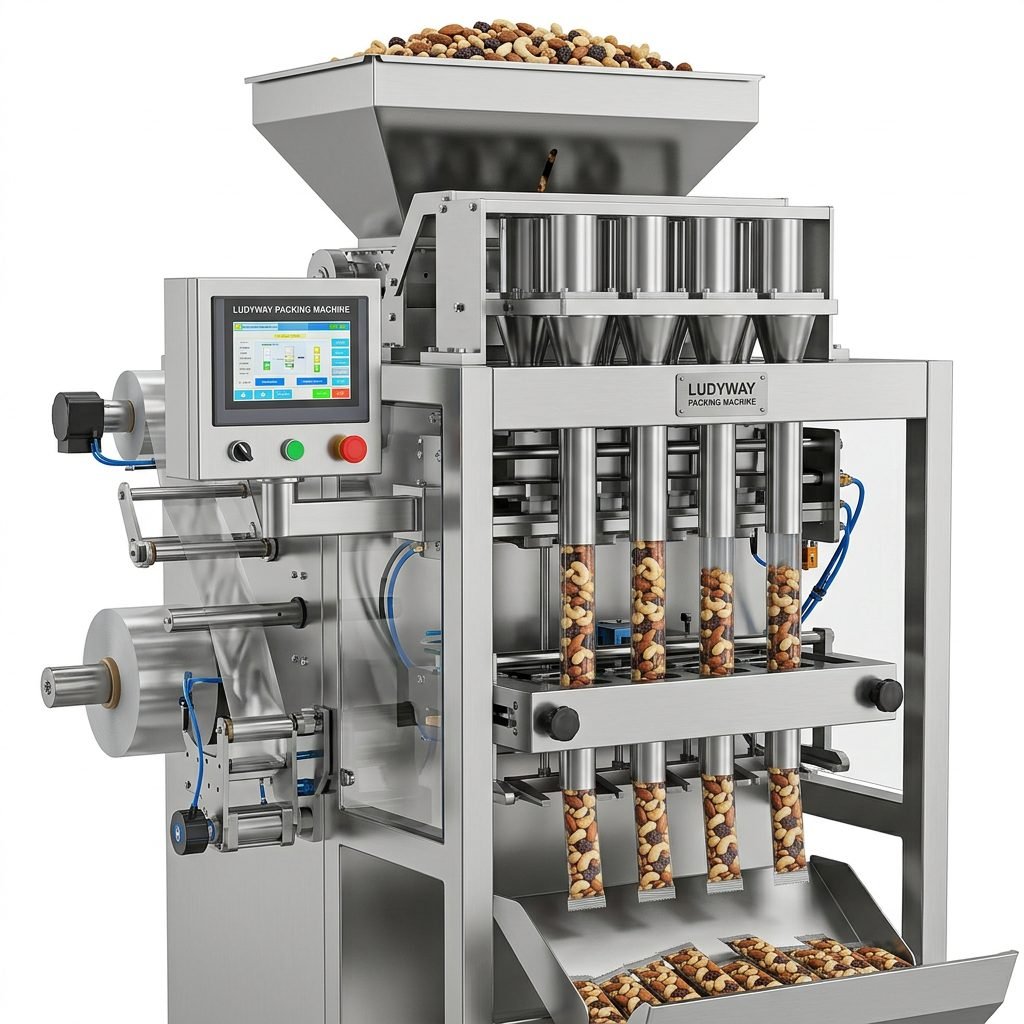
When evaluating the packaging and labelling machine price, the smartest buyers look beyond the initial quotation. A lower sticker price may seem attractive, but the real value comes from machine reliability, output efficiency, maintenance costs, product compatibility, and long-term scalability.
Whether you pack powders, granules, liquids, pouches, sachets, bottles, or cartons, choosing the right solution means balancing budget, production goals, and technical fit. For many manufacturers, the best investment is not the cheapest machine—it is the machine that delivers the highest return over time.
What Affects Packaging and Labelling Machine Price?
The price of packaging and labelling equipment varies widely because different businesses require different levels of automation, accuracy, speed, and integration. A basic standalone unit costs far less than a complete turnkey packaging line with filling, sealing, coding, inspection, labelling, cartoning, and palletizing.
- Machine type: filling machine, VFFS machine, sachet machine, pouch line, bottle labeller, cartoner, or complete line
- Packaging material and format: sachets, stick packs, pouches, jars, bottles, cartons, bags
- Product characteristics: powder, granule, liquid, paste, viscous or fragile material
- Speed requirements: low-volume, medium-speed, or high-speed production
- Automation level: semi-automatic vs fully automatic systems
- Customization: special dosing, lane design, label positioning, coding, vision inspection, or line integration
- Compliance needs: food-grade, pharmaceutical GMP-related requirements, CE-related export expectations, traceability systems
- After-sales service: installation, training, spare parts, remote support, and maintenance response
Typical Price Range by Equipment Type
The table below gives a general pricing reference. Actual costs depend on configuration, output, materials, and whether you need a single machine or a connected production line.
| Equipment Type | Typical Price Range | Suitable For |
|---|---|---|
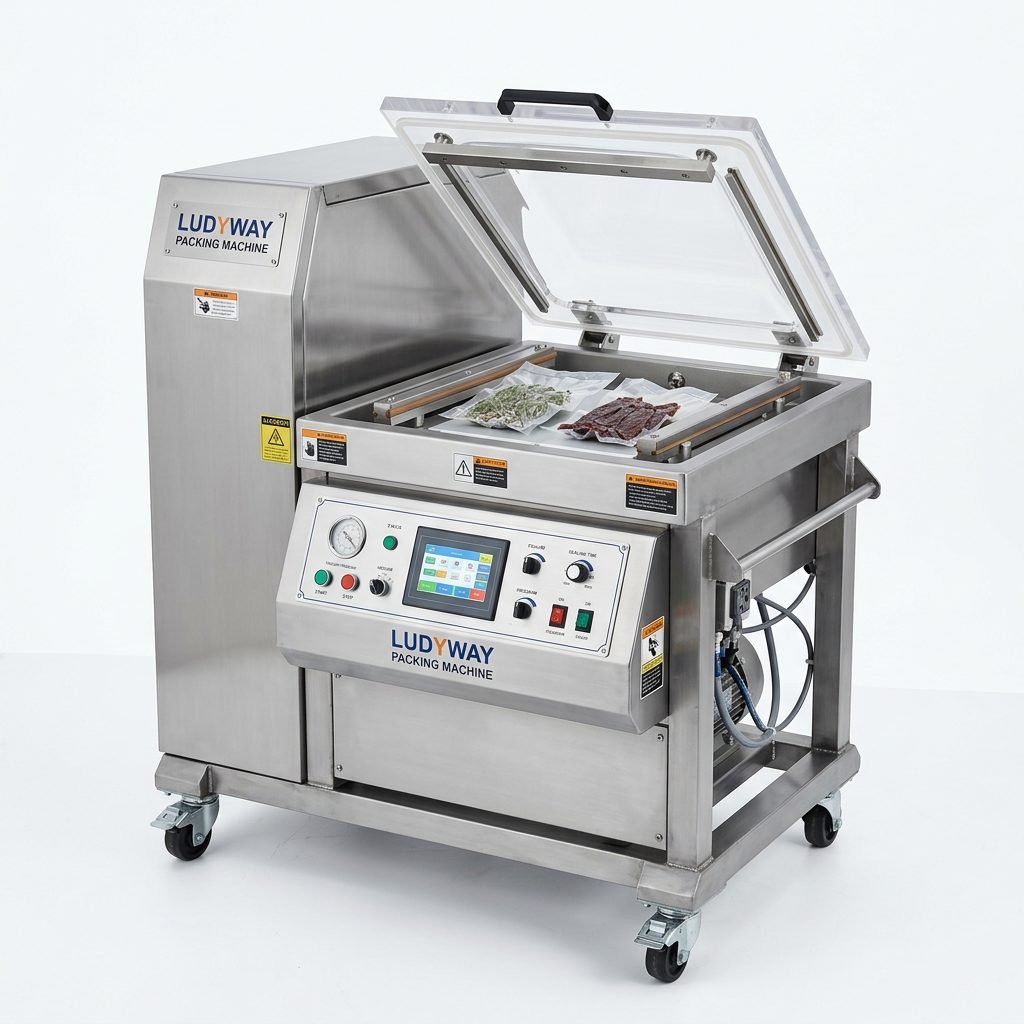
| Semi-automatic filling or labeling machine | US$2,000–US$10,000 | Startups, pilot production, low-volume operations |
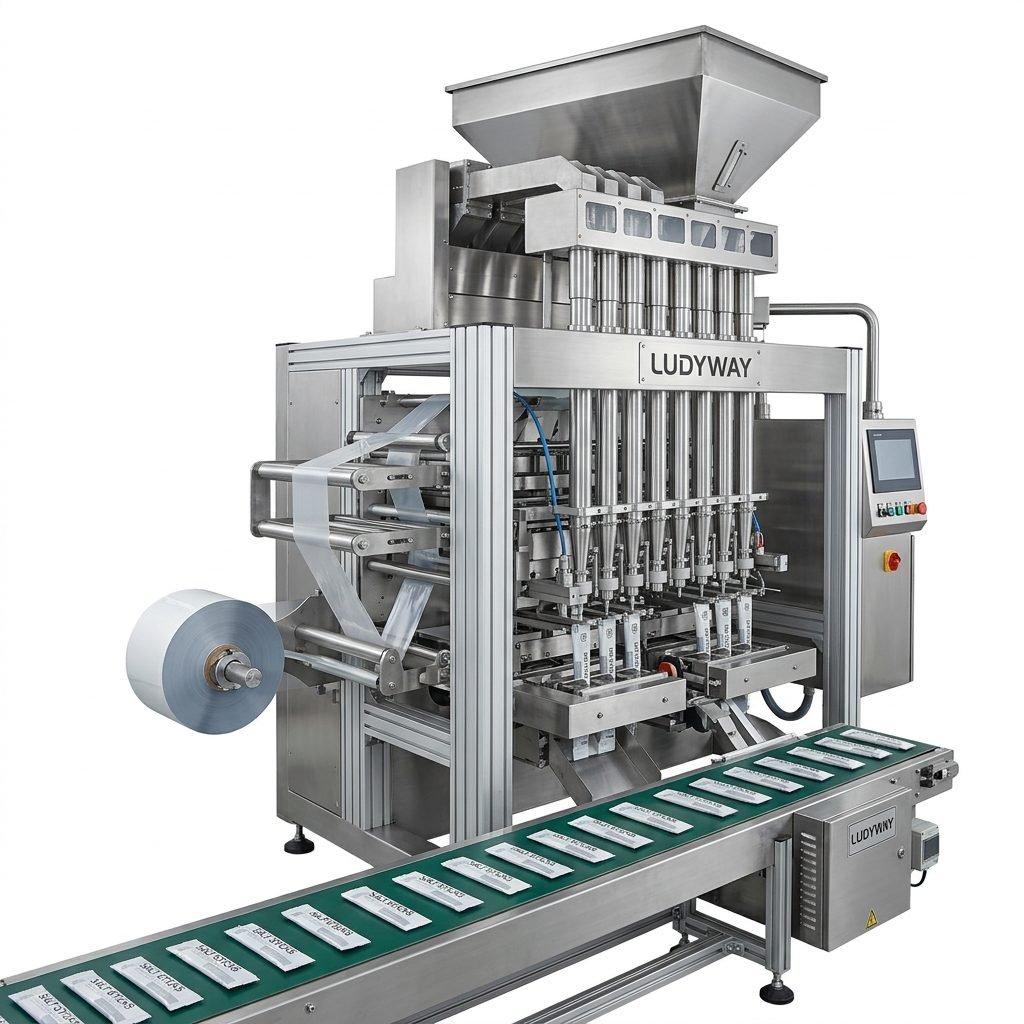
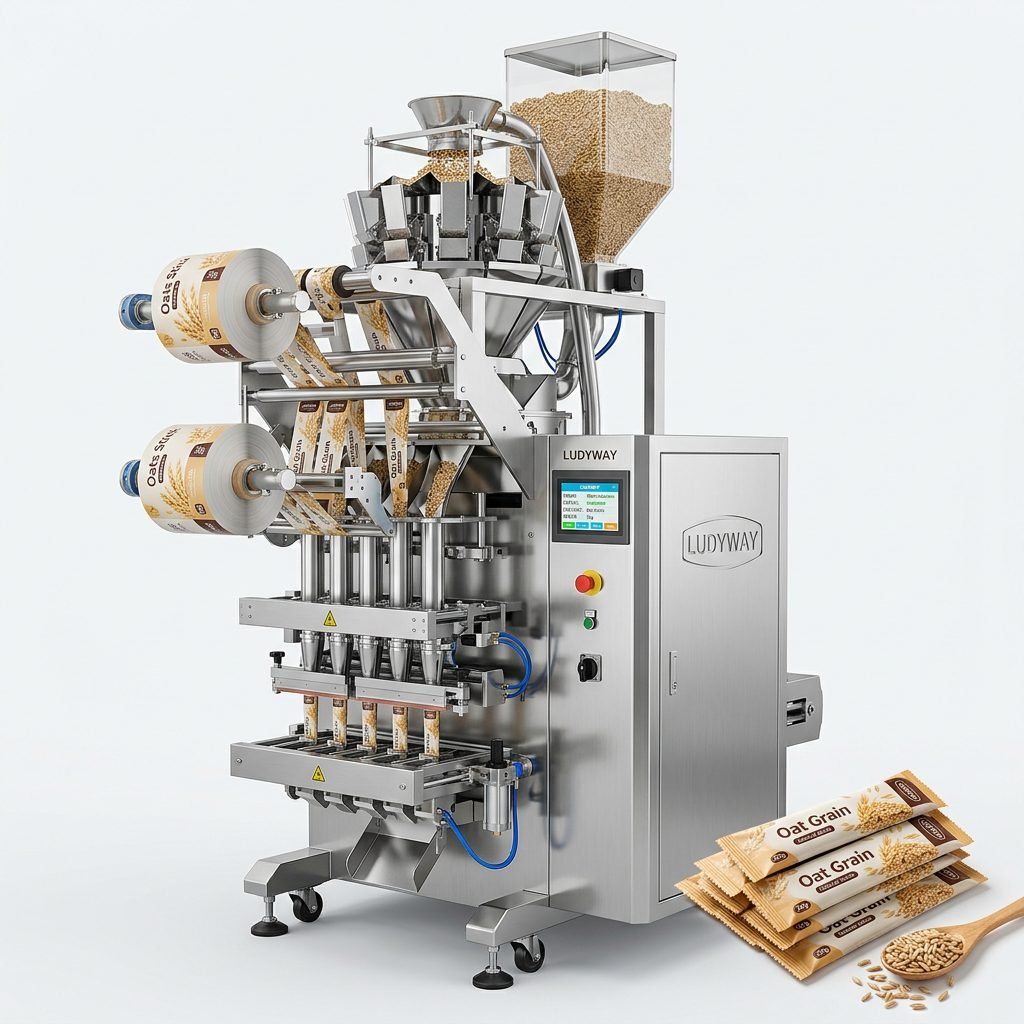
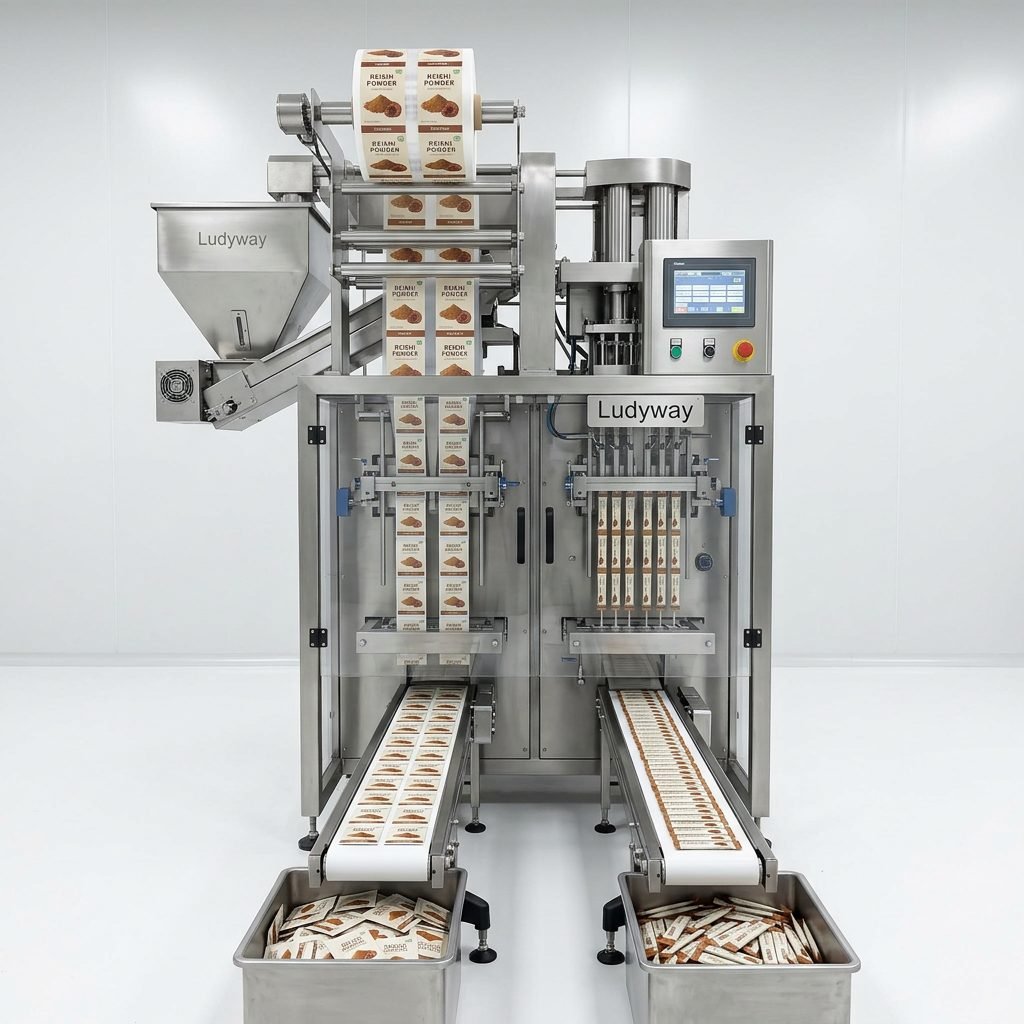
| Automatic sachet or stick pack machine | US$12,000–US$60,000+ | Food powders, supplements, seasonings, pharma granules |
| Automatic pouch packaging machine | US$20,000–US$80,000+ | Premade pouches, liquids, powders, granules |
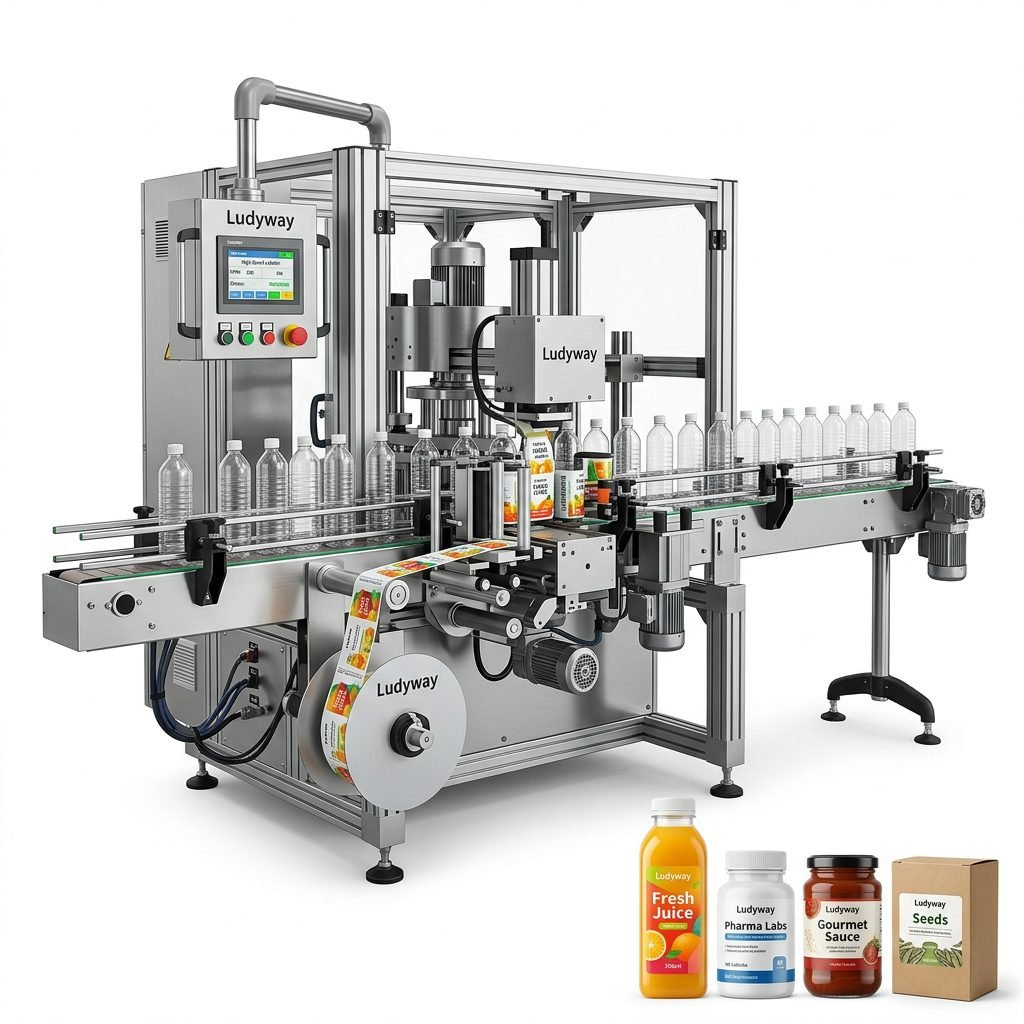
| Bottle or container labeling machine | US$5,000–US$25,000+ | Beverage, cosmetic, pharma, chemical products |
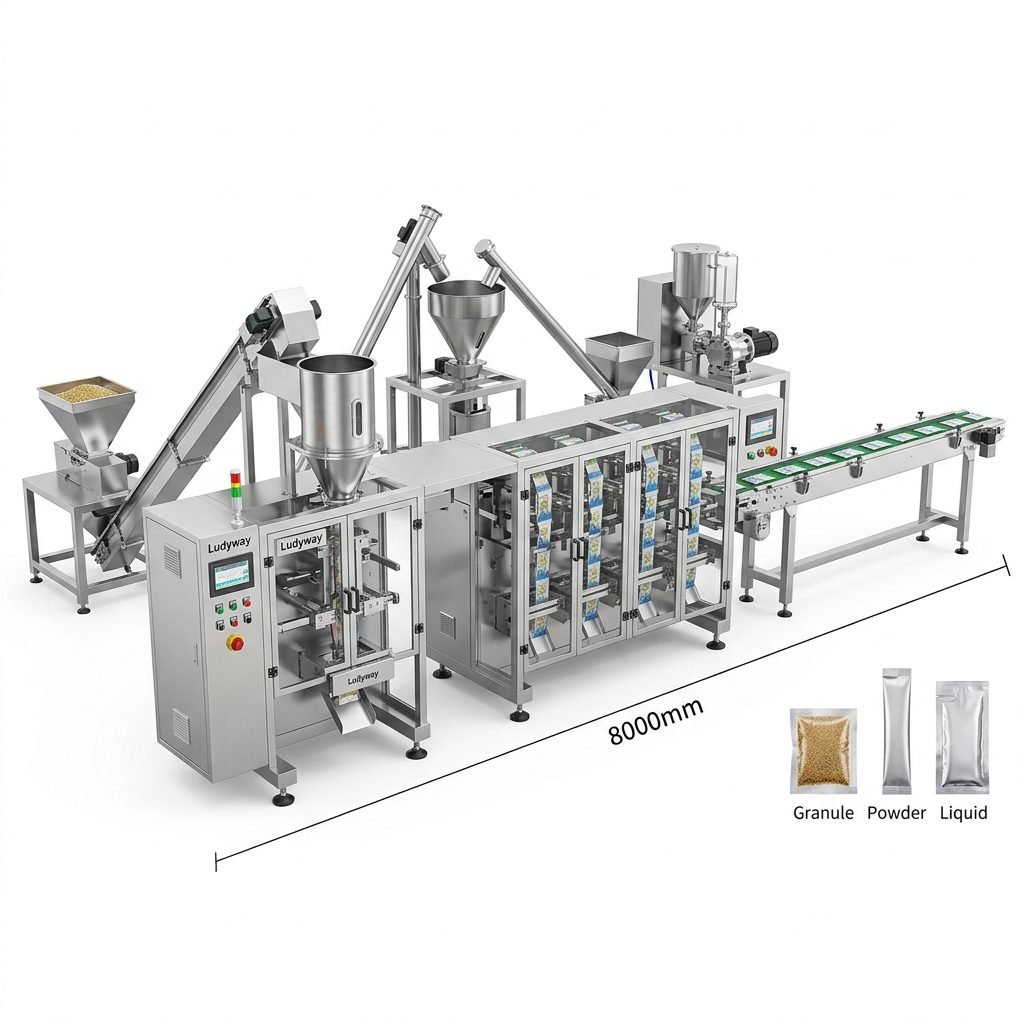
| Integrated packaging and labelling line | US$50,000–US$300,000+ | Medium to large manufacturers scaling production |
| Turnkey fully automated packaging line | US$150,000–US$1,000,000+ | Large factories requiring full automation and high throughput |
How to Choose the Right Solution for Your Business
1. Define Your Product and Packaging Format
Before comparing prices, identify exactly what you are packaging. A machine designed for free-flowing granules is different from one used for sticky sauces or fine powders. The wrong match can lead to poor sealing, inaccurate filling, wasted material, and frequent downtime.
Ask these questions:
- What product are you packing?
- Is it powder, granule, liquid, paste, tablet, capsule, or pouch-based material?
- What package format do you need?
- Do you also need printing, coding, weighing, inspection, or labeling?
2. Estimate Current and Future Output
Many businesses buy based only on current demand, then outgrow the machine too quickly. A better approach is to evaluate your expected output for the next three to five years. If growth is likely, a slightly higher upfront investment in a scalable system may reduce future replacement costs.
Tip: If your production is seasonal or rapidly expanding, consider modular equipment that can later integrate with conveyors, checkweighers, labellers, or cartoning systems.
3. Compare Total Cost of Ownership, Not Just Purchase Price
A machine quote is only part of the total investment. Smart buyers calculate the total cost of ownership, including:
- Installation and commissioning
- Operator training
- Energy consumption
- Spare parts availability
- Maintenance frequency
- Product giveaway and filling accuracy
- Production downtime risk
- Service response time
A stable, accurate machine can save substantial money through reduced waste and better productivity, even if the initial price is higher.
4. Consider Industry Compliance Requirements
Food, pharmaceutical, cosmetic, and chemical products often have different hygiene, safety, and documentation requirements. If your products are exported or regulated, your machine supplier should understand relevant standards and application details.
- Food producers may need easy-clean contact parts and contamination control
- Pharmaceutical manufacturers may prioritize precision, validation support, and cleaner design concepts
- Cosmetic brands often require package consistency and attractive label placement
- Chemical products may need corrosion-resistant materials and sealed dosing systems
5. Evaluate Automation Level Carefully
Semi-automatic machines may be ideal for smaller operations or limited budgets. However, if labor costs are rising or consistency matters, fully automatic systems often deliver stronger long-term value.
| Option | Advantages | Best For |
|---|---|---|
| Semi-automatic | Lower cost, easier setup, flexible for smaller batches | Small factories, startups, trial production |
| Fully automatic | Higher speed, lower labor need, better consistency | Growing brands, contract packers, high-volume manufacturers |
| Turnkey line | Full integration, streamlined workflow, scalable automation | Established plants, export-oriented production, multi-stage operations |
Red Flags When Comparing Machine Quotes
A low quotation can sometimes hide limitations. Be cautious if a supplier does not clearly explain configuration details, performance conditions, or after-sales responsibilities.
- Quoted speed without specifying product type and pack size
- Missing details on material contact parts
- No mention of warranty or spare parts support
- Unclear electrical standards or export compatibility
- No test video or sample validation
- Price excludes installation, tooling, or essential options
Questions to Ask Before Buying
- Can the machine run my exact product and packaging material?
- What filling accuracy can it achieve?
- How fast can it run under real production conditions?
- How easy is format changeover?
- Is labeling accurate at high speed?
- What parts are included in the standard configuration?
- What technical support is available after installation?
- Can the machine connect to future packaging line upgrades?
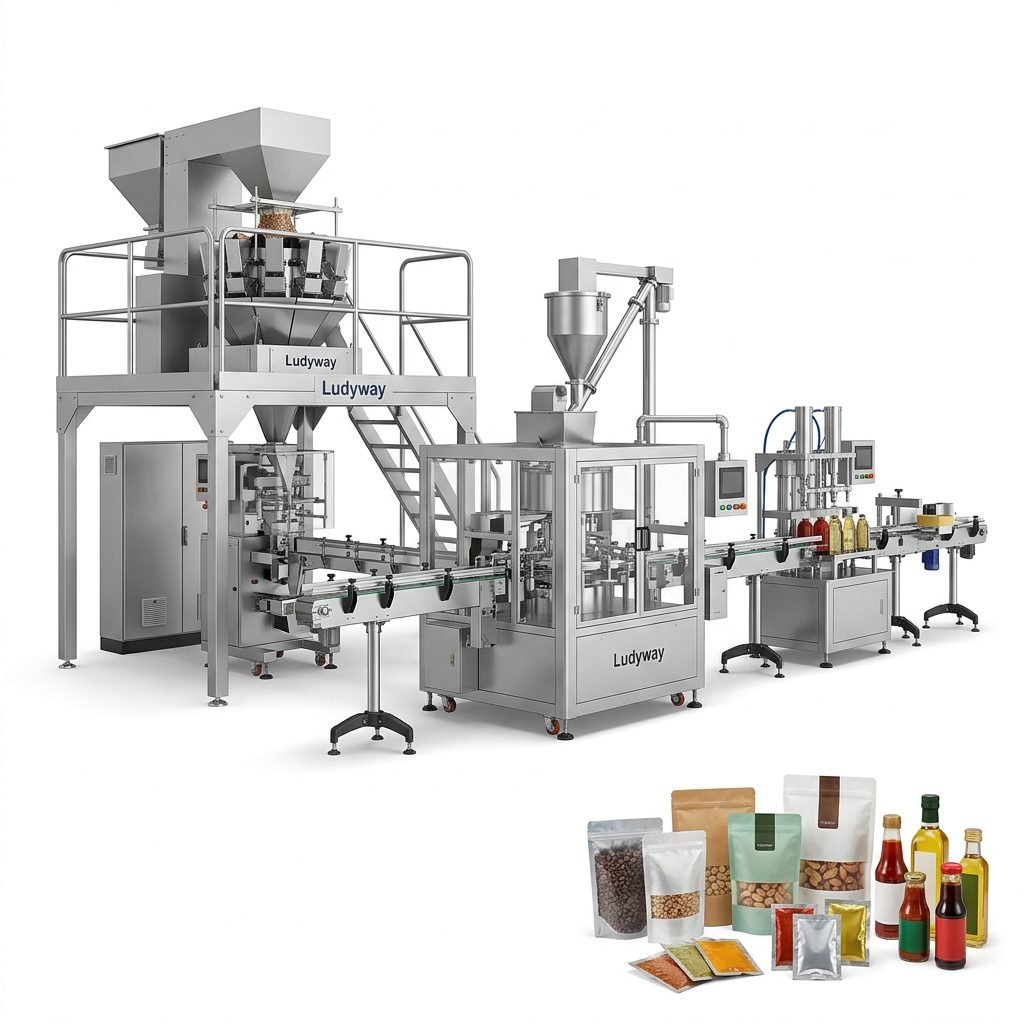
Why Supplier Capability Matters as Much as Price
Machine performance depends not only on design, but also on the manufacturer’s engineering experience, production quality, and technical support capability. Businesses purchasing for food, pharma, cosmetics, chemicals, or nicotine pouch applications often prefer suppliers that can provide both standalone equipment and full-line integration.
For example, Ludyway packaging and labelling machine solutions are backed by more than 30 years of manufacturing experience, a factory of over 20,000 square meters, and broad expertise across automatic packaging machinery and turnkey production lines for global industries. This type of supplier strength can be especially valuable when your project requires customization, export readiness, and long-term technical support.
Best Choice by Business Stage
For Startups
Focus on affordability, reliability, and ease of operation. A semi-automatic or entry-level automatic machine may be enough if volumes are still limited.
For Growing Manufacturers
Prioritize machines with upgrade potential. You may need integrated filling, sealing, coding, and labeling functions as demand increases.
For Large-Scale Factories
Invest in high-speed, fully automatic, and turnkey systems that reduce labor, improve consistency, and support high output with traceability and quality control.
Final Buying Insight
The right packaging and labelling machine price is the one that fits your production reality, growth plan, and quality expectations. Instead of asking only “How much does the machine cost?”, ask “How much value will this machine create over the next five years?”
If you compare machinery based on product fit, automation level, service capability, and long-term operating cost, you will make a much stronger investment decision—and choose a packaging solution that truly supports your business growth.