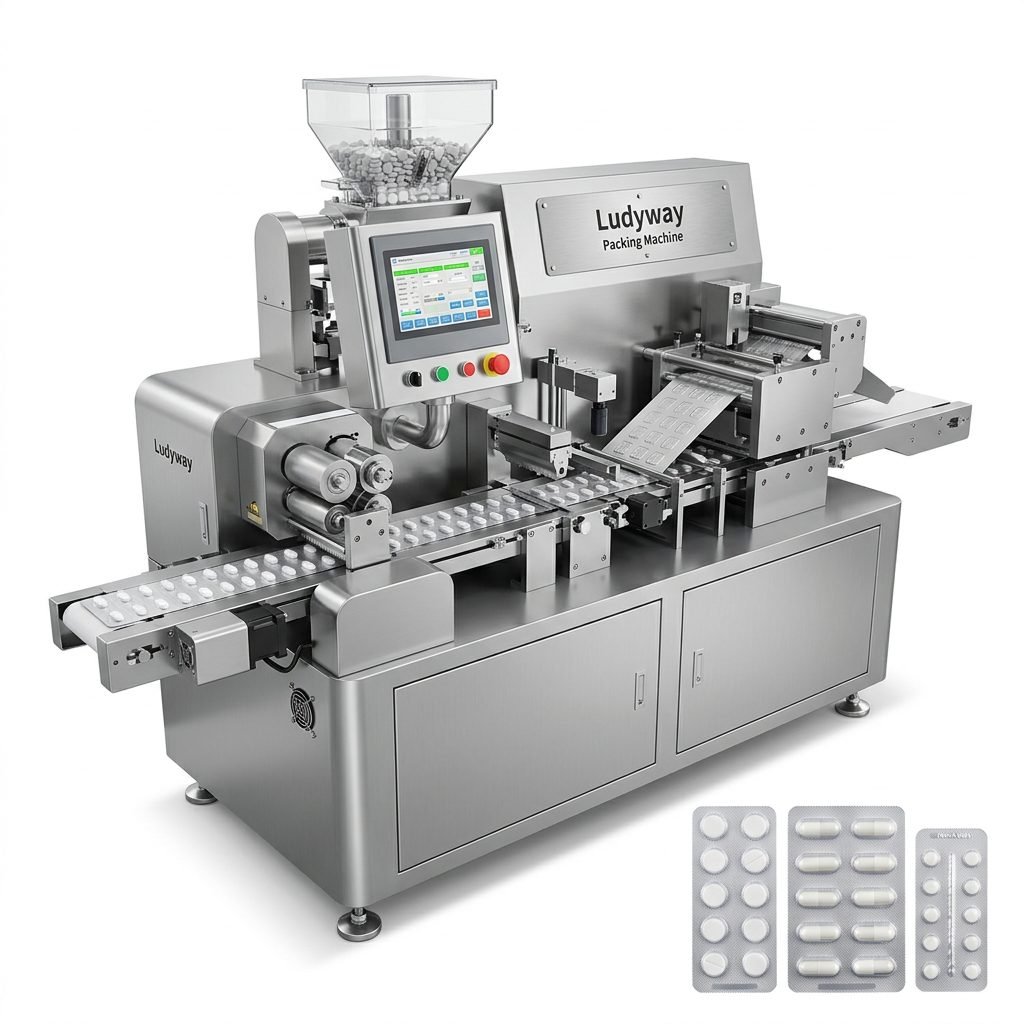
Selecting the right food packaging machine is a critical investment decision that directly impacts your production efficiency, product quality, and overall profitability. With a vast array of models, features, and price points available, navigating the market can be challenging. This guide will walk you through the essential factors to consider, helping you choose the perfect machine that aligns with your specific business needs and budget.
Understanding Your Core Packaging Requirements
Before diving into specific machine models, you must clearly define your operational needs. This foundational step prevents costly mismatches and ensures the equipment you select can handle your current and near-future demands.
1. Product Characteristics Analysis
The physical properties of your product are the primary determinants of machine type. Ask yourself these key questions:
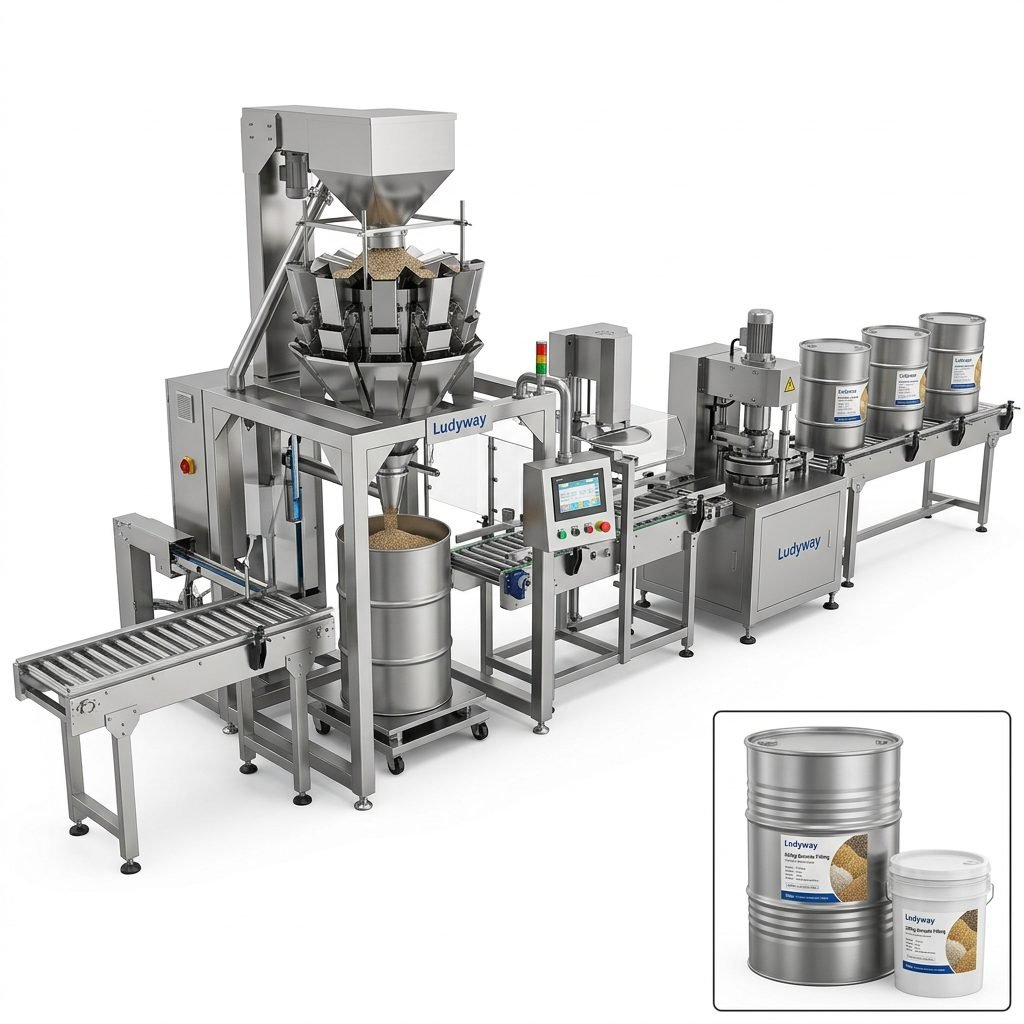
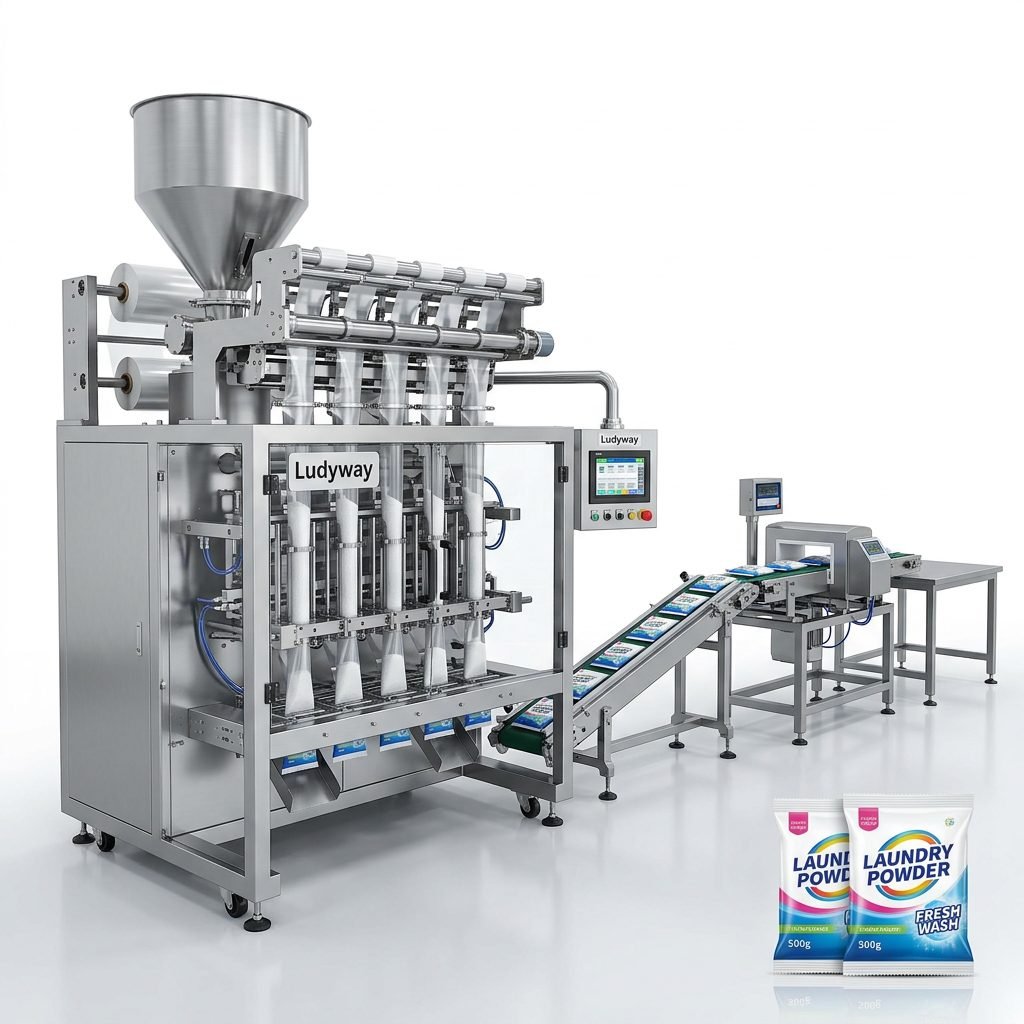
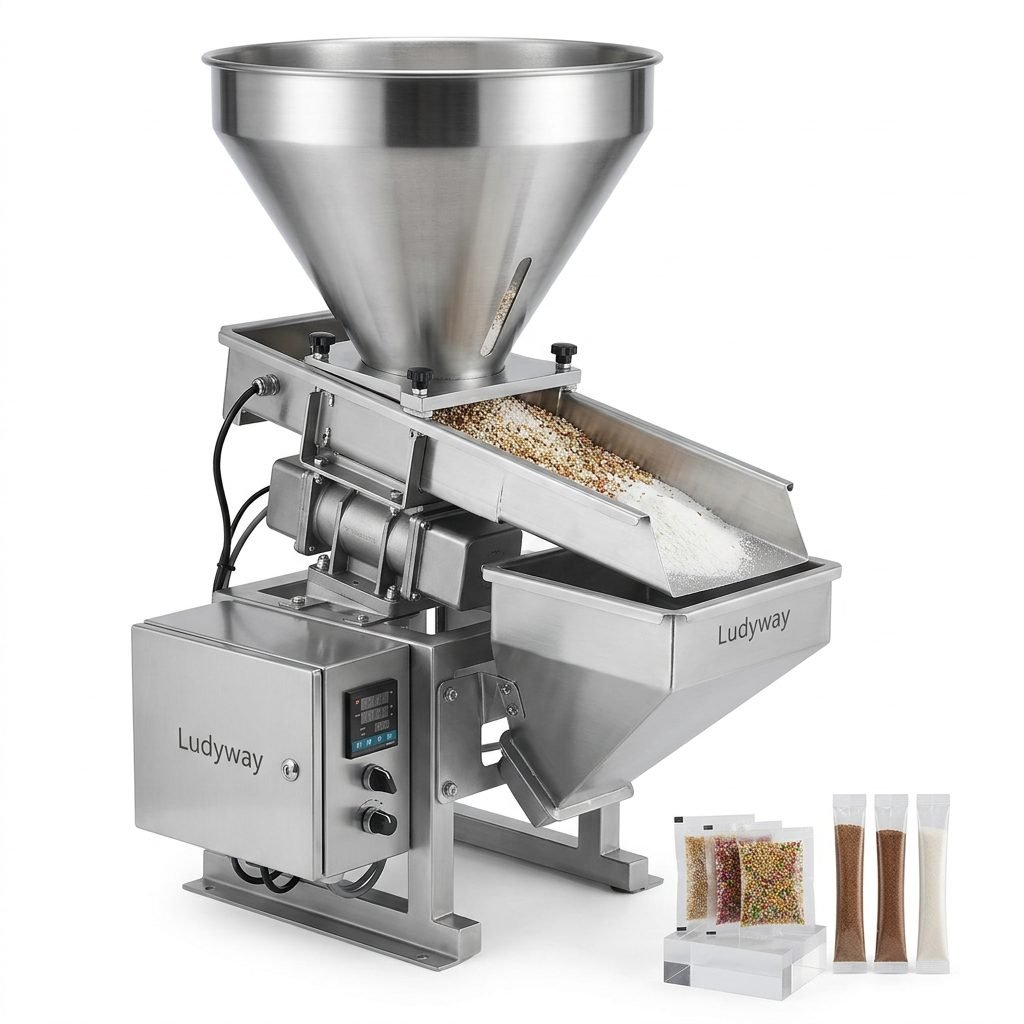
- What is the product form? Is it a granule (like coffee beans or seeds), a powder (like spices or protein powder), or a liquid/paste (like sauce or honey)?
- What is the product’s flowability and density? These affect filling accuracy and may require specialized augers or pumps.
- Does the product require special handling? (e.g., protection from moisture, heat sensitivity, abrasiveness).
2. Output & Speed Specifications
Your required production capacity is non-negotiable. Calculate your needed output in bags or pouches per minute (BPM/PPM).
📈 Capacity Planning Tip: Don’t just buy for today’s volume. Consider a 15-25% growth buffer to accommodate future business expansion without immediately needing another capital investment.
3. Packaging Material & Format
The machine must be compatible with your chosen packaging.
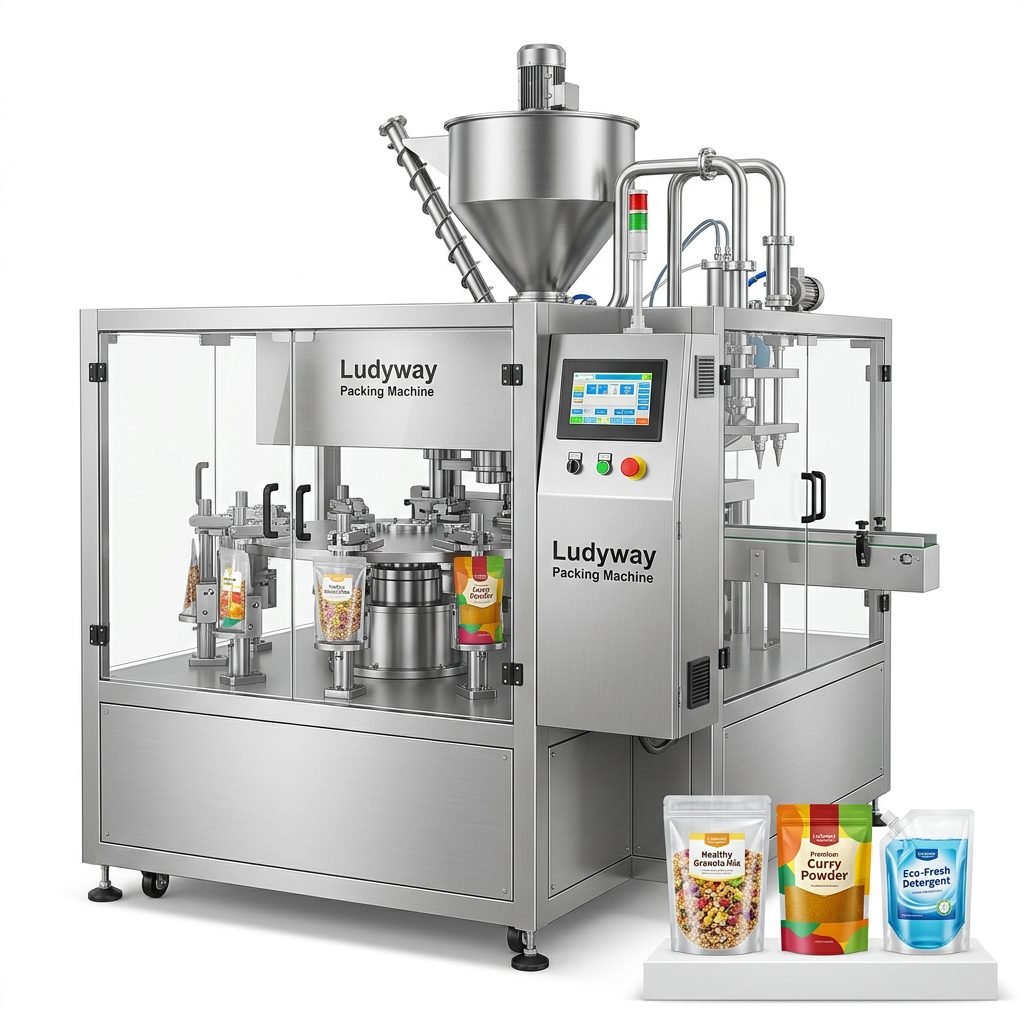
- Film Type: Laminates (PET/PE, PET/AL/PE), stand-up pouches, spout pouches, or pre-made bags?
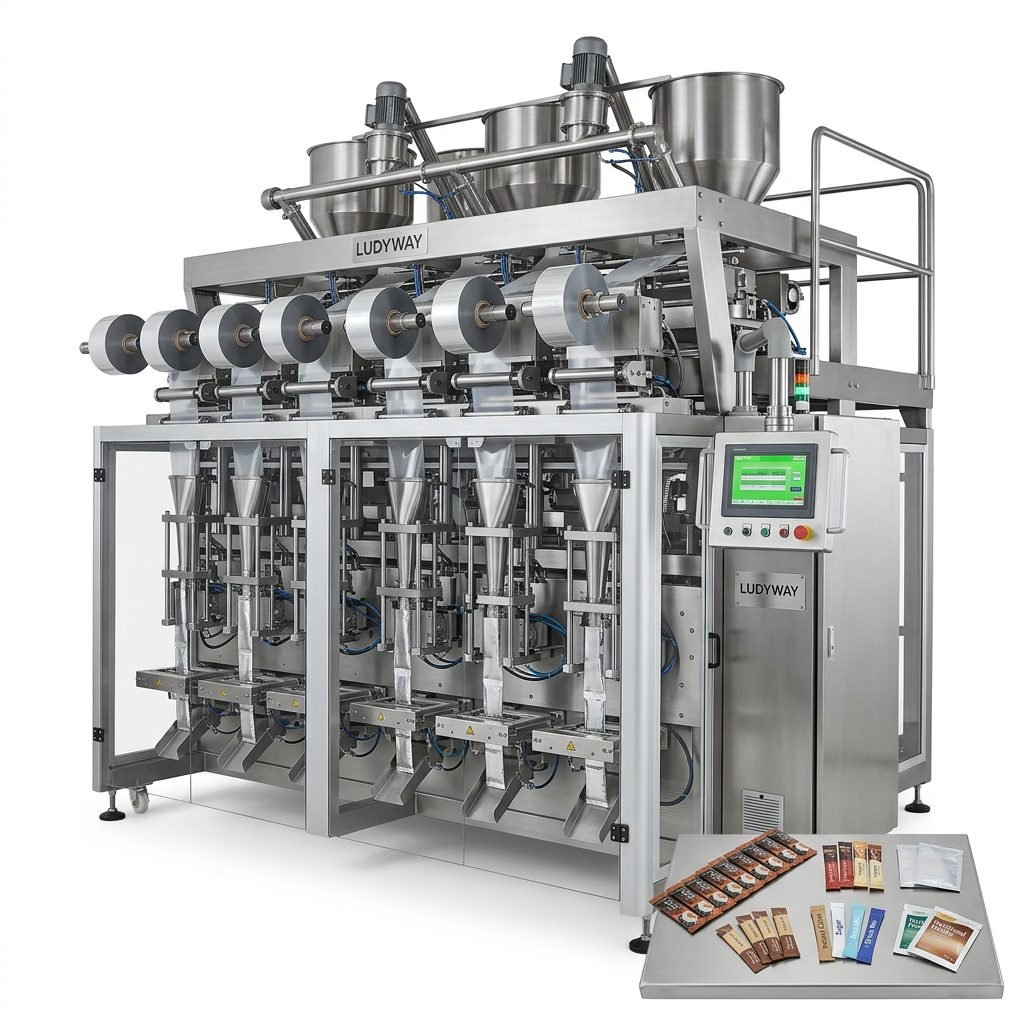
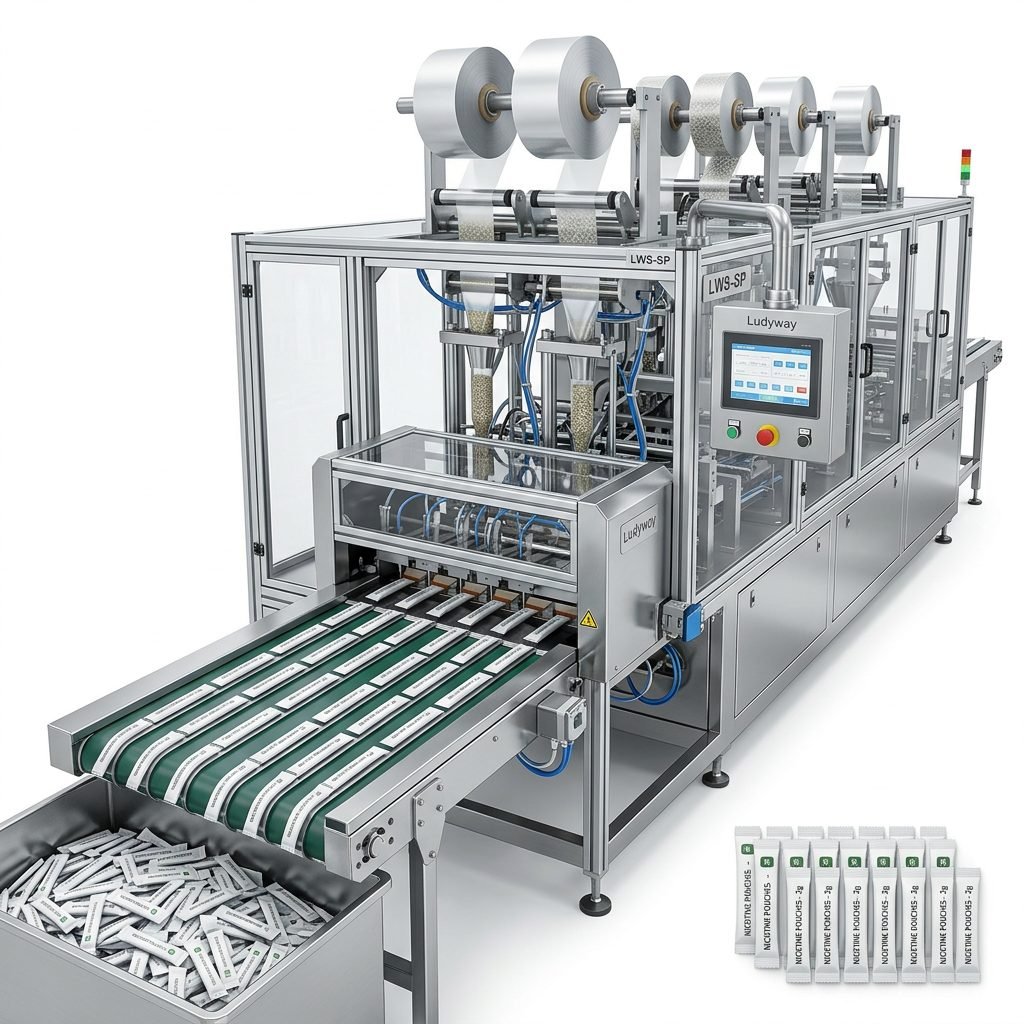
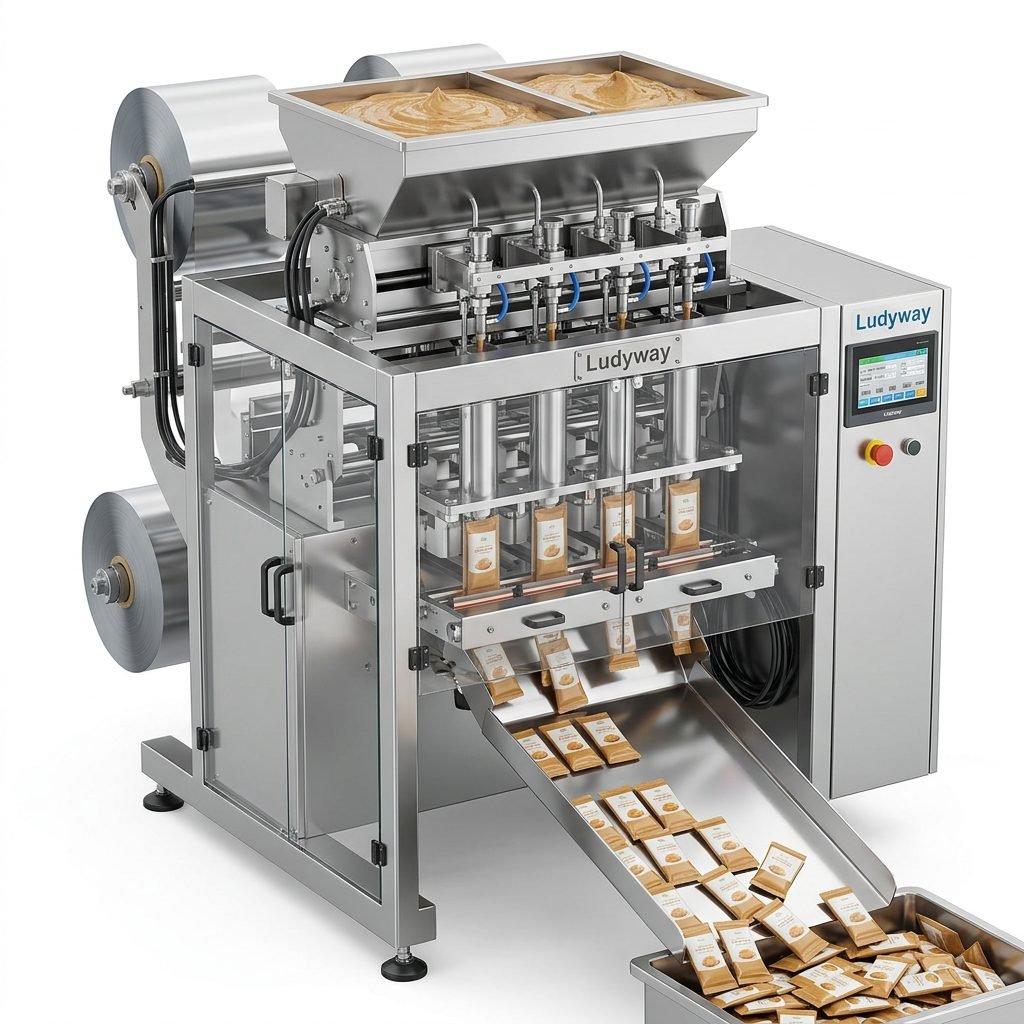
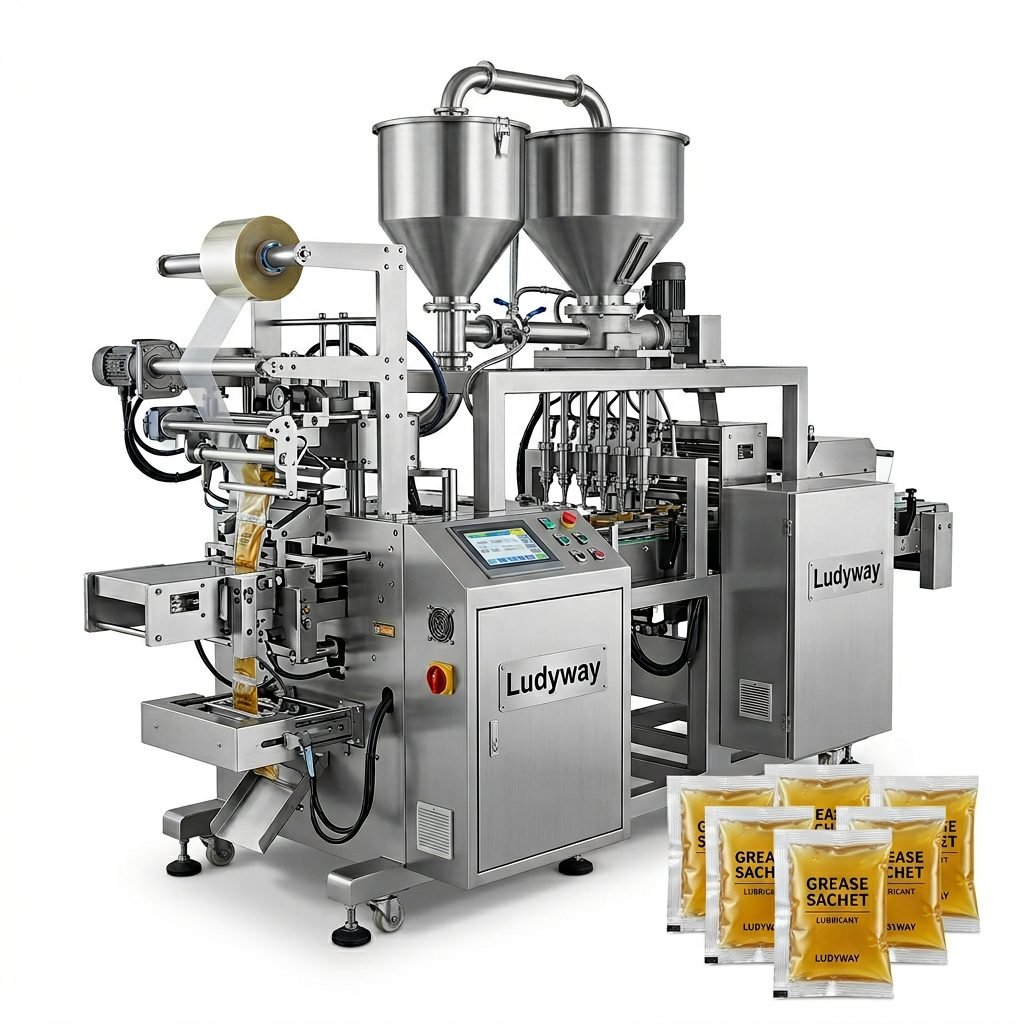
- Pack Style: Do you need stick packs for single-serve portions, sachets for sauces, or larger pillow bags?
Key Features to Evaluate in a Packaging Machine
Once your needs are clear, focus on the features that differentiate machines. These functionalities dictate reliability, versatility, and ease of use.
1. Filling System Technology
The heart of the machine. Choose based on product type:
- Volumetric Cup Filler: Ideal for uniform granules and chunks. Simple and cost-effective.
- Auger Filler: The standard for powders and fine granules. Look for servo-driven augers for superior accuracy and easy recipe changeovers.
- Liquid Pump Filler: For viscosities from water-like to pastes. Piston pumps offer high precision for valuable products.
2. Control System & Automation Level
A modern, intuitive control system is crucial for operational efficiency.
💡 Essential Control Features: A touch-screen HMI (Human-Machine Interface) allows for easy parameter setting, recipe storage, and diagnostics. Machines with PLC (Programmable Logic Controller) systems offer greater reliability and advanced automation capabilities compared to basic microprocessors.
3. Changeover Flexibility & Sanitation
If you run multiple products or package sizes, quick changeover is vital.
- Look for tool-less adjustments for bag length and width.
- Modular designs where components like funnels or augers can be swapped quickly.
- Stainless steel contact parts and CIP (Clean-in-Place) capabilities are essential for food safety, especially in dairy, meat, or ready-to-eat sectors.
Navigating Price Points and Total Cost of Ownership
The purchase price is just one part of the financial equation. A slightly more expensive, robust machine can have a far lower Total Cost of Ownership (TCO) than a cheap, unreliable one.
1. Machine Price Tiers
Generally, machines fall into three broad categories:
- Entry-Level/Basic: Suitable for low-volume startups. Often semi-automatic with simpler controls. Lower upfront cost but higher labor requirement per output.
- Mid-Range/Standard Industrial: The most common choice for growing businesses. Fully automatic, reliable, with good accuracy and speed. Offers the best balance of features and price.
- High-End/Premium: For high-speed, large-scale production. Features ultra-high accuracy, advanced diagnostics, integration with factory MES systems, and premium components for minimal downtime.
2. Beyond the Sticker Price: Hidden Costs
Always factor in these additional expenses:
- Installation & Training: Does the supplier provide on-site setup and operator training?
- Spare Parts Cost & Availability: Are common wear parts (like sealing jaws, augers, belts) reasonably priced and kept in stock? A supplier with a strong global support network is invaluable.
- Energy Consumption: Servo-driven machines often consume less power than traditional mechanical ones.
- Maintenance Contracts: Consider the value of a preventive maintenance plan to ensure peak performance.
Choosing the Right Supplier: A Strategic Partnership
You’re not just buying a machine; you’re entering a long-term relationship with the supplier. Their support is as important as the equipment itself.
Supplier Evaluation Checklist
- Industry Experience & Reputation: How long have they been in business? Look for a provider with proven experience in your specific product category (e.g., dairy, snacks, spices).
- Technical Support & Service: Is 24/7 remote support available? What is the average response time for service calls? Do they have local or regional technicians?
- Testing & Validation: Always insist on a live product test using your actual materials. This is the only way to verify speed, accuracy, and seal integrity.
- Warranty & After-Sales: Understand the warranty period and what it covers. A comprehensive warranty reflects confidence in product quality.
For over a decade, Ludyway Machinery has partnered with food producers worldwide, providing tailored solutions that bridge the gap between operational needs and technical feasibility. With a focus on intelligent packaging systems and a portfolio developed from deep industry experience, the goal is to deliver not just a machine, but a reliable production asset.
Frequently Asked Questions (FAQs)
1. What is the most important factor when choosing a food packaging machine?
While all factors are interconnected, the most critical is achieving a perfect match between the machine’s technical capabilities and the specific physical properties of your product. A machine that works perfectly for flour may fail with sticky honey or irregularly shaped pasta. A live product test is non-negotiable.
2. How do I know if I need a single-tube or a multi-lane machine?
This decision is primarily driven by your required output speed. A single-tube machine might produce 60-120 bags per minute. If you need 300 bags per minute, a 4-lane or 8-lane machine running at a slower, more reliable speed per lane is a more stable and efficient solution than pushing a single lane to its mechanical limit.
3. What maintenance does a typical automatic packaging machine require?
Daily cleaning and visual inspection of seals and critical parts are essential. Regularly scheduled maintenance includes lubricating moving parts, checking drive belt tension, and calibrating the weighing or filling system. The frequency depends on usage; a machine running 24/7 needs more frequent attention than one used for a single 8-hour shift.
4. Can one machine handle different types of products?
Many machines offer good flexibility within a product category. For example, an auger-based machine can often handle different powders or granules with a simple auger change and recipe adjustment. However, switching from powder to liquid typically requires significant component changes (e.g., swapping an auger filler for a pump system), which may not be cost-effective. Discuss your product mix with the supplier upfront.
5. How long does it typically take from purchase to operational installation?
The timeline varies. For a standard machine from stock, delivery might take 4-8 weeks, with installation and commissioning adding 1-2 weeks. For a highly customized solution, lead times can extend to 4-6 months. Always factor in time for factory acceptance testing, shipping, customs clearance, and thorough on-site training for your operators.