In the world of industrial automation, the seamless and reliable transmission of power is paramount. Within packaging machinery, a critical component ensuring this reliability is the coupling that connects the motor to the various mechanical systems. Among the various types available, composite disc couplings have emerged as a superior solution for many high-performance packaging applications. This guide delves into the types, benefits, and key considerations for selecting the right composite disc coupling for your packaging machine.
Understanding Composite Disc Couplings
Composite disc couplings are flexible couplings that transmit torque between two shafts while accommodating misalignment and absorbing vibrations. Their core component is a pack of flexible composite discs, typically made from advanced polymer materials or laminated composites, which are bolted between two metallic hubs. This design allows for flexibility in multiple planes.
Key Characteristics: They are known for their high torque capacity, zero backlash, and maintenance-free operation. Unlike gear or grid couplings, they have no moving parts that wear or require lubrication.
Primary Types Used in Packaging Machinery
The specific demands of packaging machines—such as high-speed operation, precision indexing, and clean environments—make certain types of composite disc couplings particularly suitable.
Single Disc Type Couplings
These feature a single, robust composite disc pack. They are ideal for applications requiring high torsional stiffness and precise positional accuracy, such as in servo-driven cut-off mechanisms or precise filler positioning systems. Their simplicity makes them compact and cost-effective.
Double Disc (Spacer) Type Couplings
This design incorporates two disc packs separated by a metallic spacer. The double disc configuration provides greater flexibility to handle larger parallel and angular misalignments. This type is often used in longer drive trains, such as those connecting a central motor to multiple packaging heads across a wide machine frame.
High-Speed & High-Torque Variants
Specifically engineered with advanced composite materials and balanced designs, these couplings are built for the extreme demands of modern high-speed packaging lines, like those filling hundreds of sachets per minute. They minimize windage losses and maintain stability under dynamic loads.
Benefits of Using Composite Disc Couplings
Integrating composite disc couplings into packaging machine design offers a multitude of operational and maintenance advantages.
1. Maintenance-Free & Clean Operation
With no need for lubrication or periodic wear-part replacement, these couplings eliminate a source of contamination and maintenance downtime. This is crucial in food and pharmaceutical packaging where hygiene and uninterrupted production are critical.
2. High Precision & Zero Backlash
The non-metallic, pre-loaded disc pack ensures instantaneous torque transmission without any lost motion. This zero backlash is essential for maintaining the precise synchronization needed in labeling, cutting, and product placement stages.
3. Vibration Damping & Misalignment Compensation
The flexible discs absorb torsional vibrations and shock loads from start-stop cycles or uneven loads, protecting both the motor and driven components. They also effectively compensate for installation misalignments, reducing stress on bearings and shafts.
4. Long Service Life & Reliability
Constructed from durable composites resistant to fatigue, corrosion, and most chemicals, these couplings offer a significantly longer service life compared to many metallic flexible couplings, leading to lower long-term costs and higher machine uptime.
A Practical Selection Guide
Choosing the correct coupling requires a systematic evaluation of your machine’s specific parameters.
Step 1: Analyze Application Requirements
Determine the primary function: Is it for a high-speed servo drive, a heavy-duty rotary filler, or a long transmission shaft? Define the required torque (both nominal and peak), operational speed (RPM), and the level of precision (backlash tolerance).
Step 2: Evaluate Installation Conditions
Measure or estimate the expected misalignment types and magnitudes: parallel, angular, and axial. Also, consider the environmental conditions—temperature, exposure to moisture, cleaning agents, or dust.
Step 3: Calculate Key Parameters
Use the motor’s power and speed to calculate the required nominal torque. Apply appropriate service factors (often 1.5 to 2.0 for packaging machinery due to cyclic loads) to determine the selection torque. Ensure the coupling’s rated speed exceeds your maximum operational RPM.
Critical Check: Always verify the coupling’s moment of inertia. A low-inertia coupling is vital for high-performance servo systems to maintain rapid response times and precise control.
Step 4: Consider Space & Connection Constraints
Check the available space for the coupling on the shaft. Decide on the connection method (keyway, clamp, or spline) based on the shaft design and the need for easy installation or removal. The bore sizes and tolerances must match your shafts precisely.
Step 5: Partner with an Expert Supplier
Collaborate with a knowledgeable packaging machinery or coupling supplier. They can provide validated selection software, application experience, and ensure you receive a coupling that is not only correctly sized but also optimized for the dynamic behavior of packaging equipment. For professional guidance on integrating these components into your packaging line, you can explore the expertise offered by packaging machinery specialists with deep industry experience.
Integration in Modern Packaging Lines
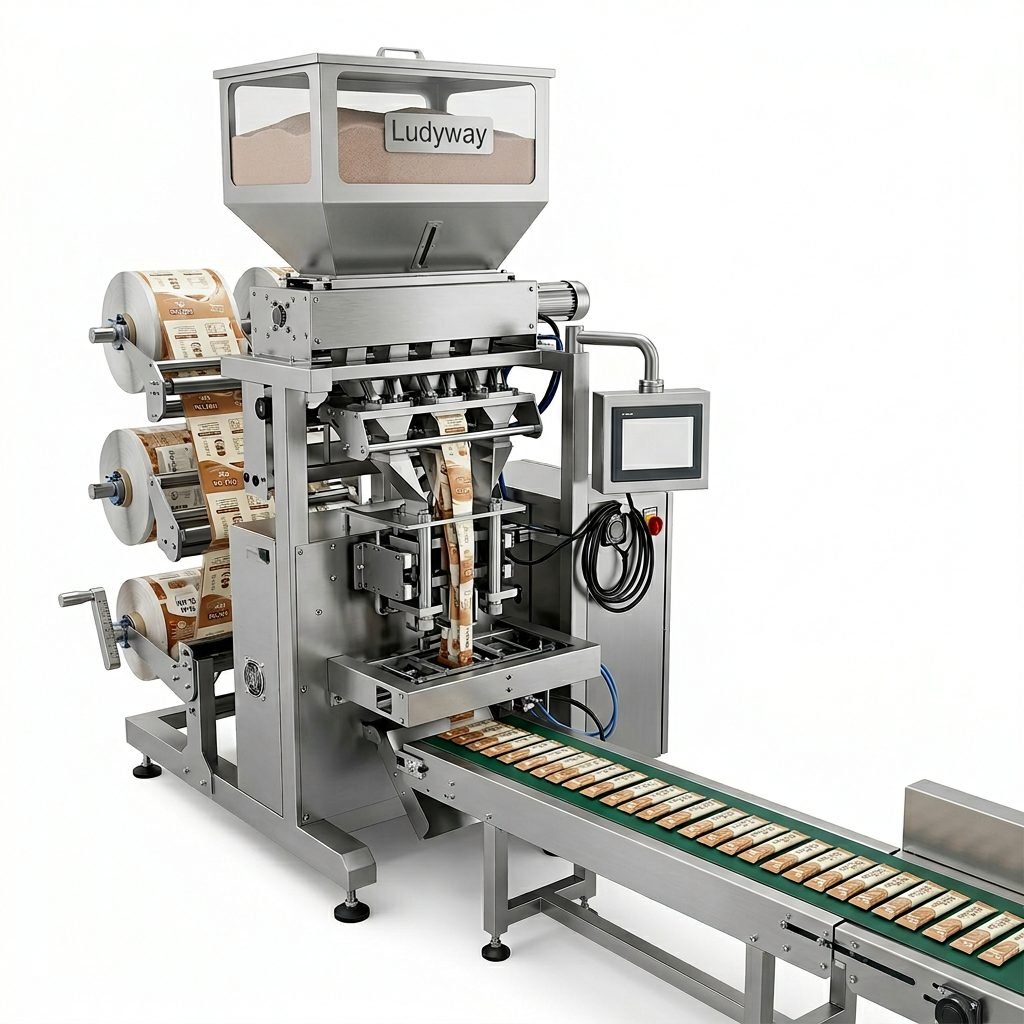
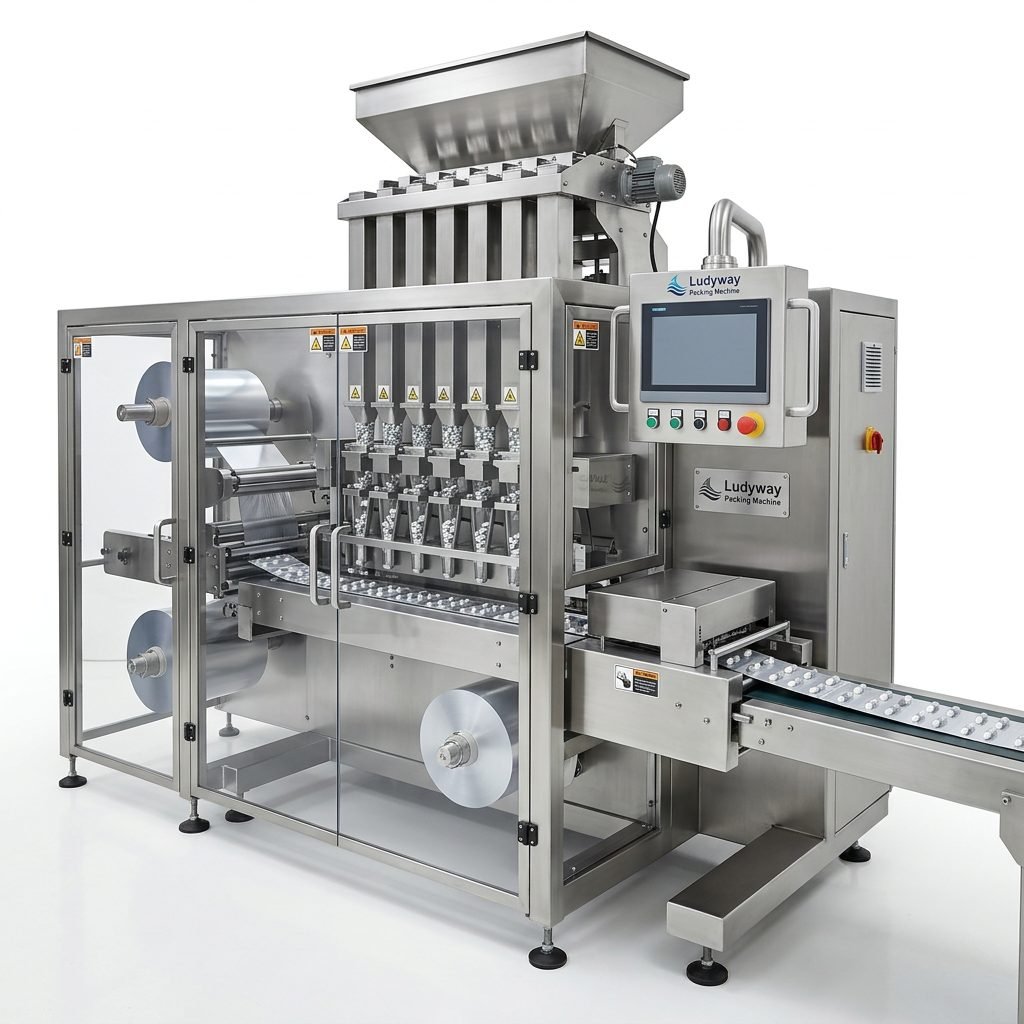
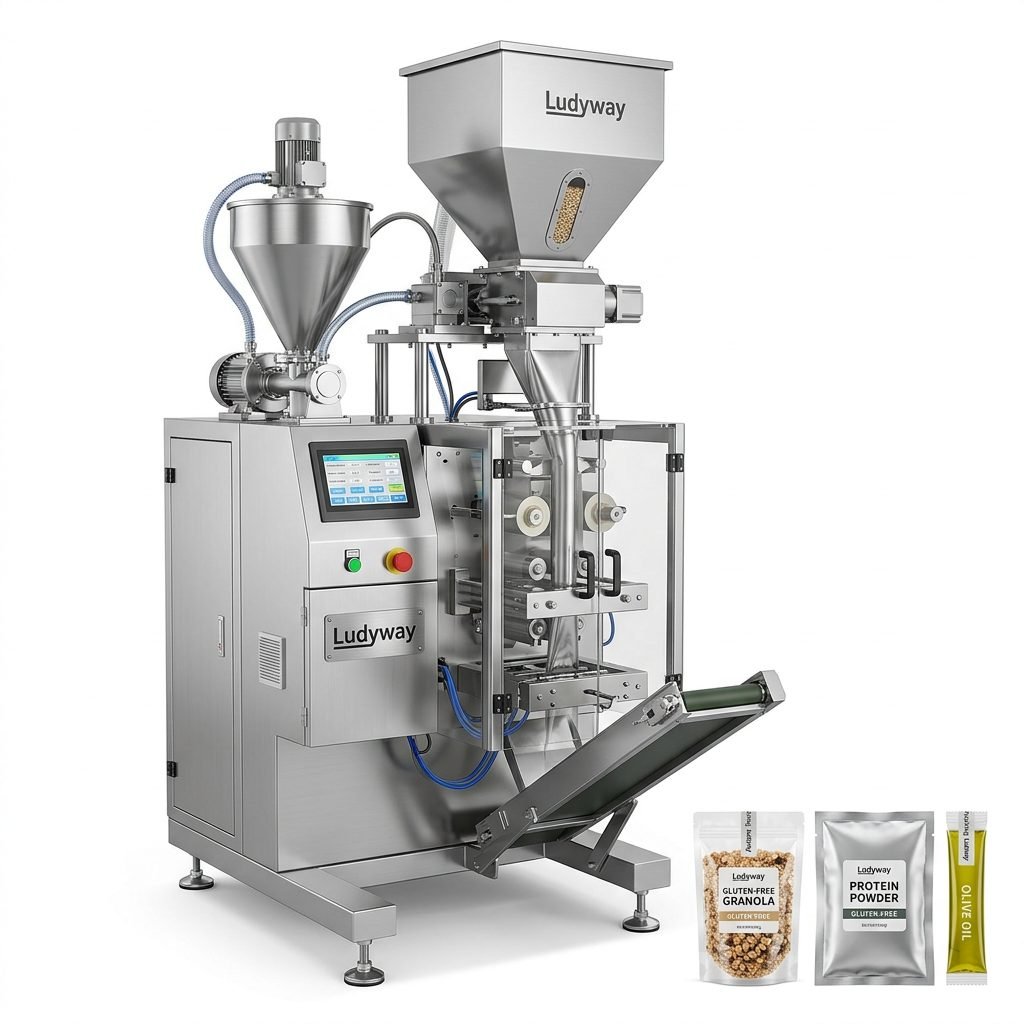
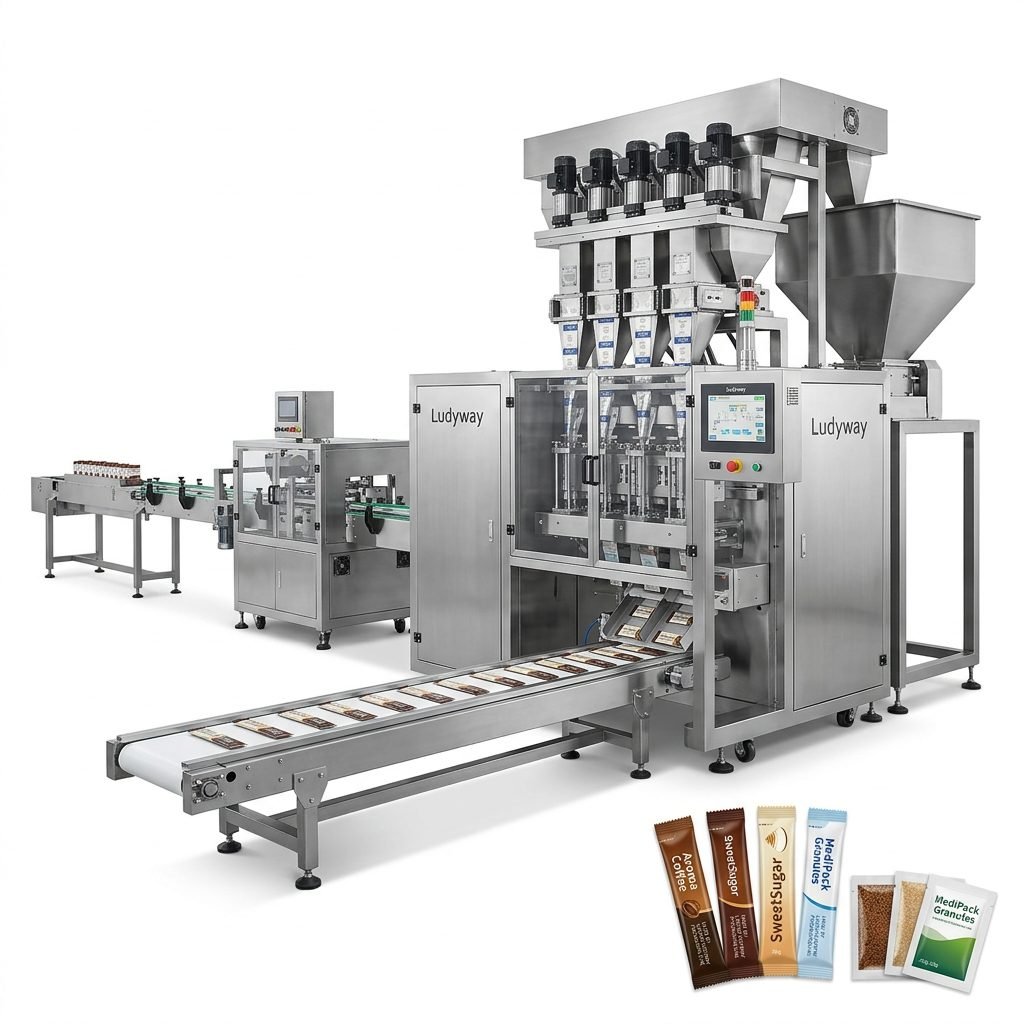
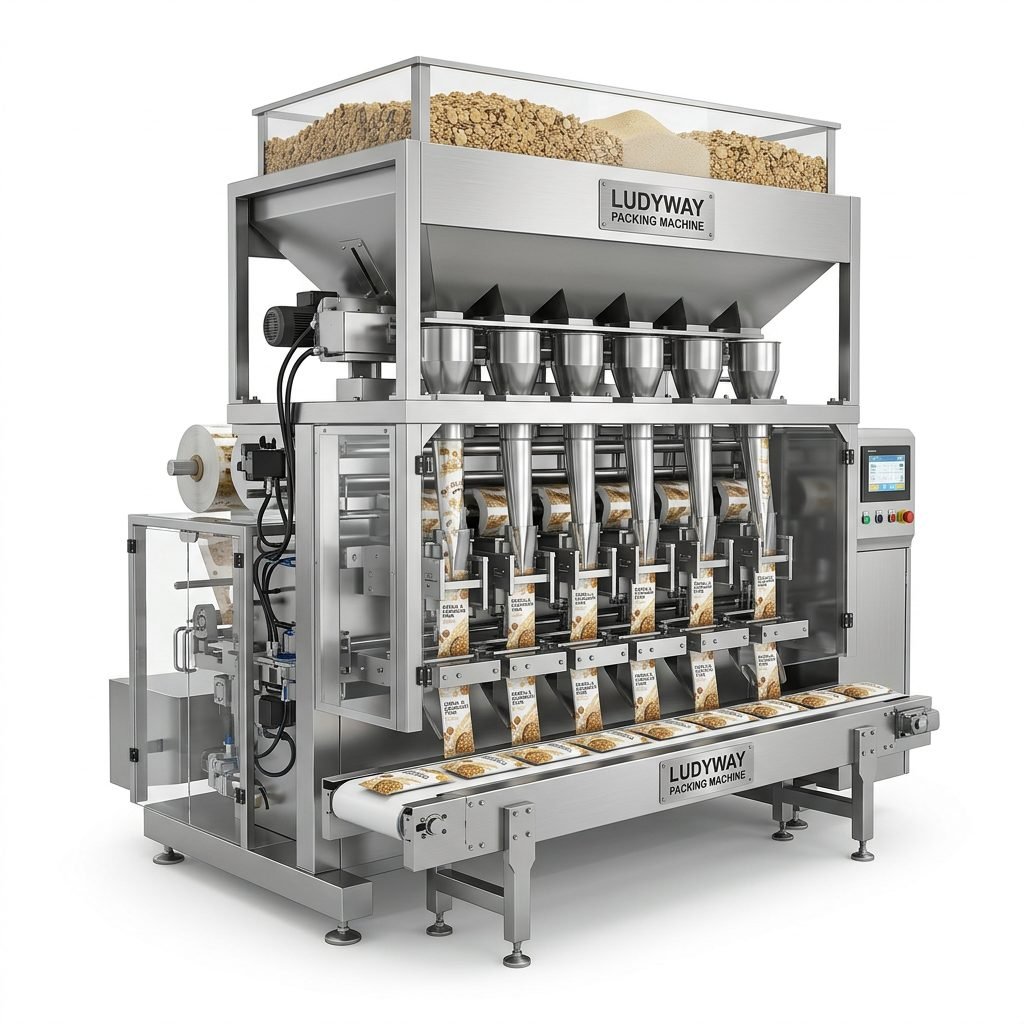
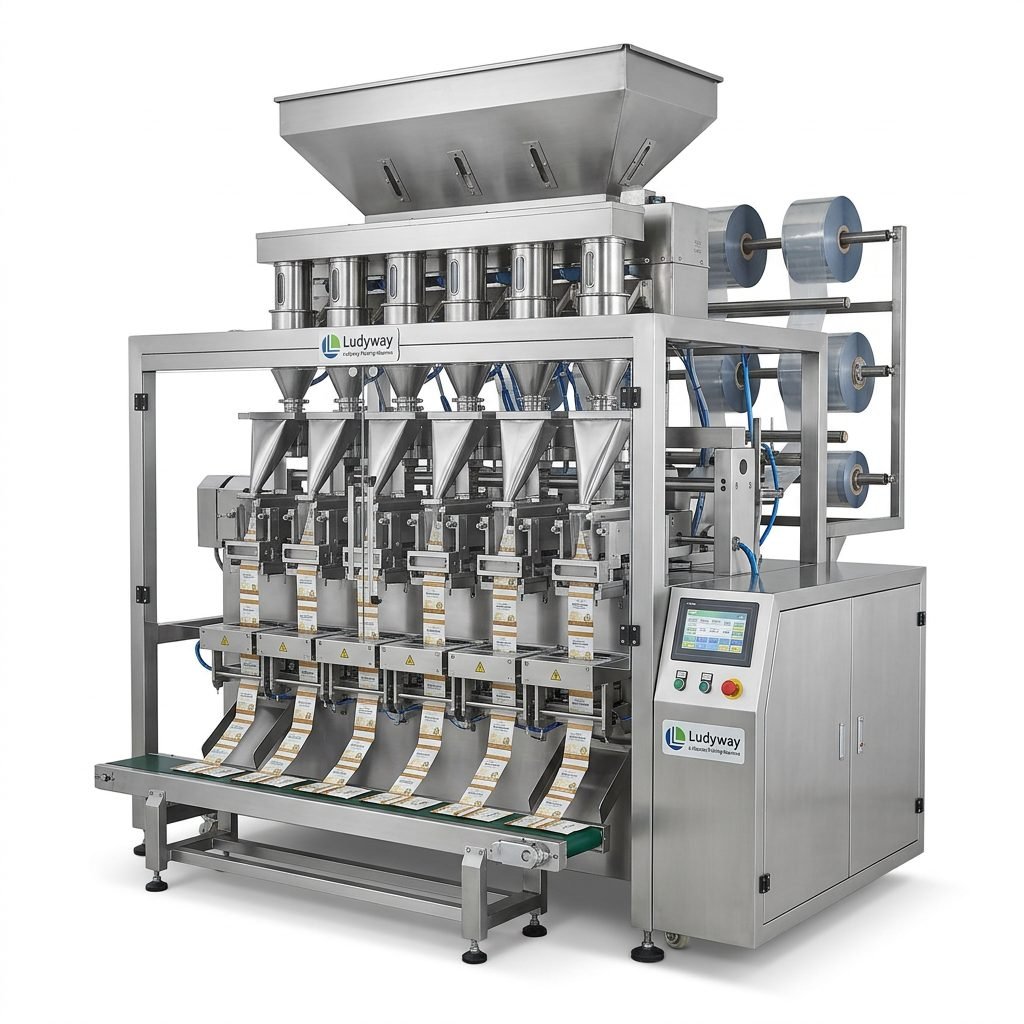
Composite disc couplings are found in various sections of advanced packaging machines. In a multi-lane stick pack machine, they reliably connect servo motors to the precise cut-off knives. Within powder filling systems, they transmit smooth torque to auger fillers without pulsation. For complete turnkey production solutions, their reliability contributes to the overall line efficiency and reduced maintenance burden.
Common Questions (FAQs)
Q1: Can composite disc couplings handle the high cyclic loads common in packaging machines?
Yes, absolutely. Their composite disc material is specifically engineered for excellent fatigue resistance. When selected with the appropriate service factor for cyclic loading, they perform reliably in the repetitive start-stop and indexing motions of packaging operations.
Q2: How do I know if I need a single disc or a double disc (spacer) type?
The choice primarily depends on the magnitude of misalignment you need to accommodate and the length of the drive span. For minimal misalignment and compact designs, choose a single disc type. For larger misalignments or when connecting two widely spaced components, the double disc spacer type is the better choice.
Q3: Are these couplings suitable for wash-down environments in food packaging?
Most high-quality composite disc couplings are made from materials resistant to water, mild cleaning chemicals, and corrosion. However, it is crucial to confirm the specific material specifications with the manufacturer to ensure compatibility with your cleaning protocols and agents.
Q4: What is the most common mistake in selecting a coupling for a packaging machine?
The most common error is undersizing the coupling based on nominal torque alone, neglecting the peak torque demands from rapid acceleration/deceleration and the necessary service factor. This can lead to premature failure. Always account for dynamic loads.
Q5: Do composite disc couplings require any special installation tools or procedures?
Installation is generally straightforward. They require standard tools for bolt tightening. The critical procedure is to ensure the hubs are aligned as closely as possible before final tightening to allow the coupling to operate within its designed misalignment capacity. Follow the manufacturer’s provided installation guidelines precisely.