In the fast-paced world of manufacturing, the final presentation and protection of a product are often as critical as the product itself. This is where bag packaging machinery becomes an indispensable asset. From food and pharmaceuticals to chemicals and consumer goods, automated bag packaging systems ensure efficiency, consistency, hygiene, and cost-effectiveness. This guide delves into the various types of bag packaging machines, explains their core working principles, and provides a clear framework for selecting the perfect system to elevate your production line.
Understanding the Core Types of Bag Packaging Machinery
The market offers a diverse range of bag packaging machines, each designed for specific materials, products, and output requirements. Understanding these categories is the first step toward a smart investment.
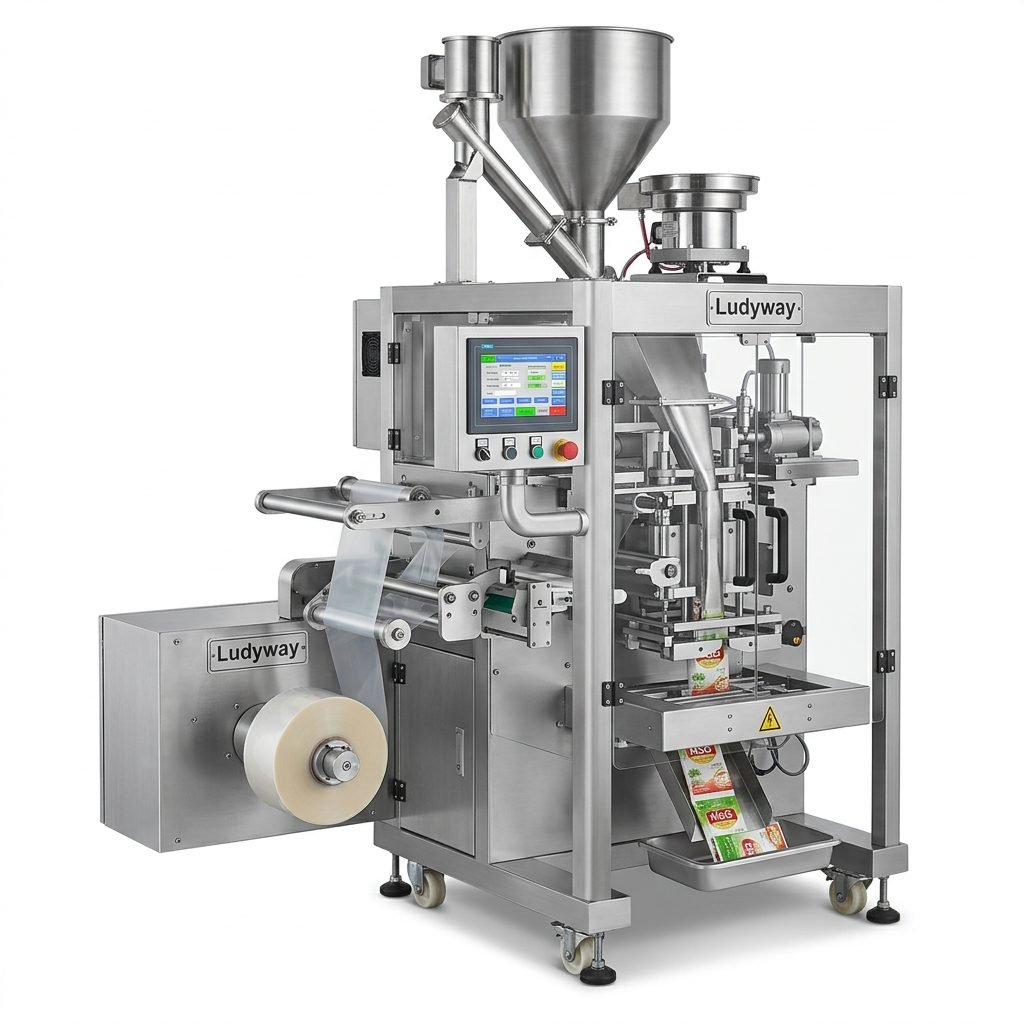
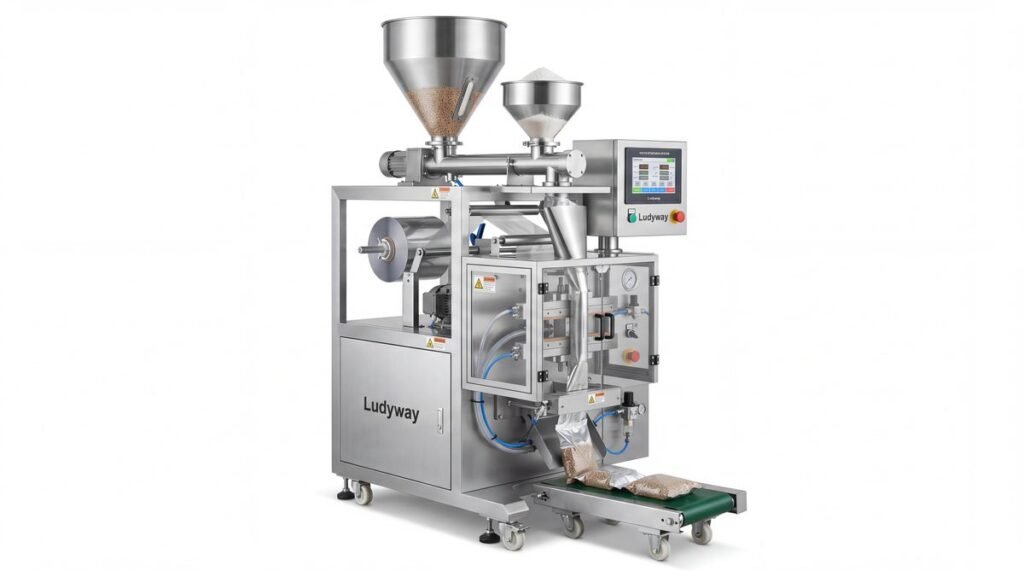
Vertical Form-Fill-Seal (VFFS) Machines
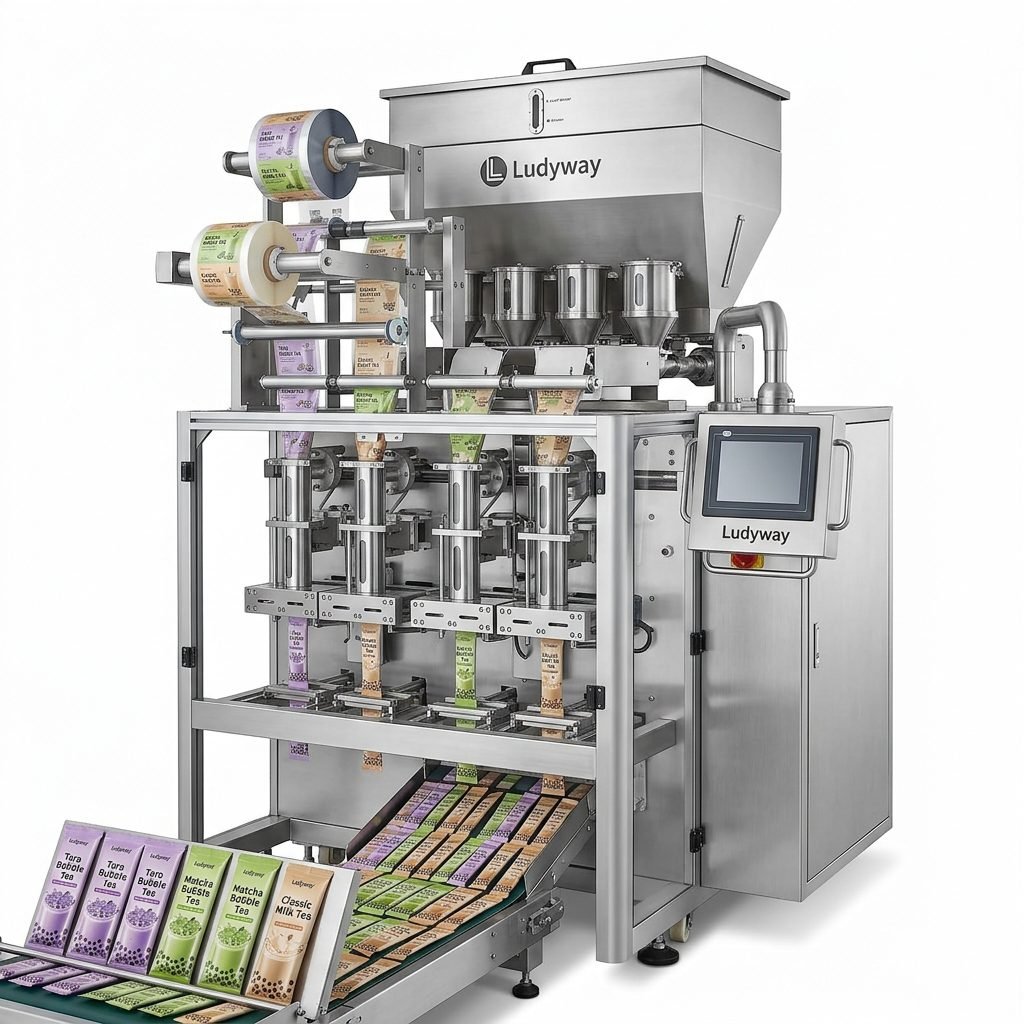
These are among the most common and versatile packaging systems. A VFFS machine forms a bag from a roll of flat packaging film, fills it with the product, and then seals it—all in a continuous vertical motion. They are ideal for granules, powders, seeds, snacks, and liquids. Their compact footprint and ability to handle a wide variety of bag styles (like pillow bags, gusseted bags, or block-bottom bags) make them a popular choice for medium to high-volume production.
Horizontal Form-Fill-Seal (HFFS) Machines
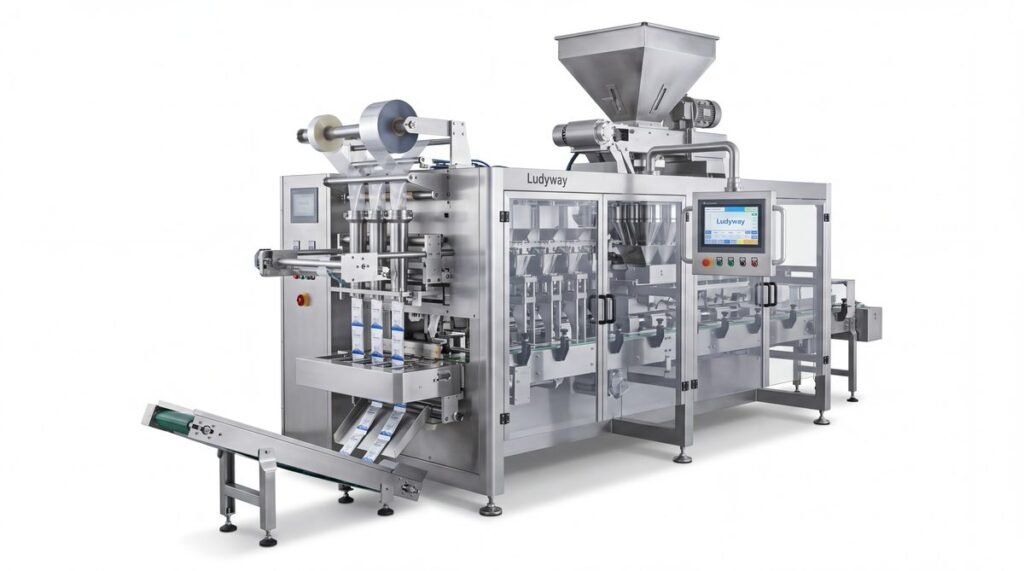
As the name suggests, HFFS machines operate on a horizontal plane. They are typically used for more rigid structures or when placing multiple items into a single package, such as biscuits, candy bars, medical devices, or tool kits. The film is formed into a tray or a cavity, the product is placed inside, and a top film is sealed over it. This method offers excellent product visibility and presentation.
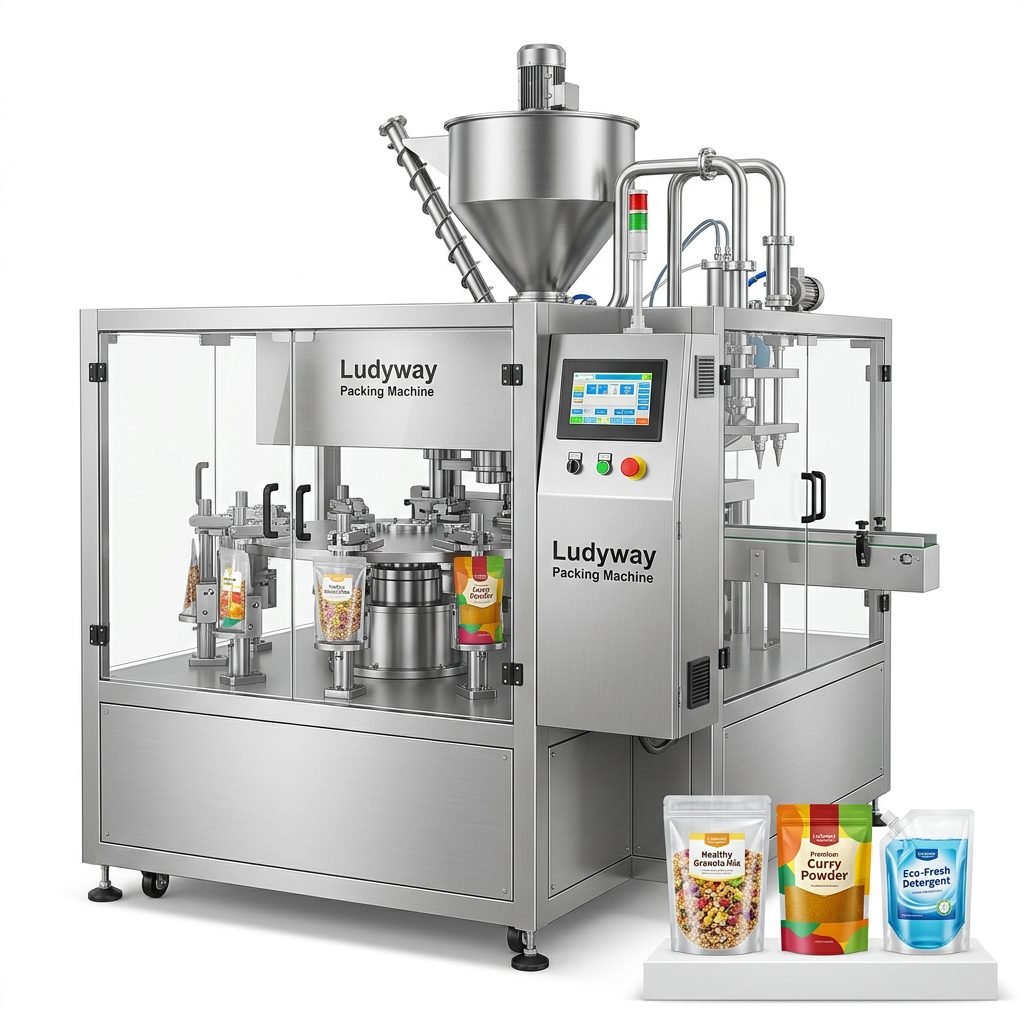
Pre-Made Bag Packaging Machines
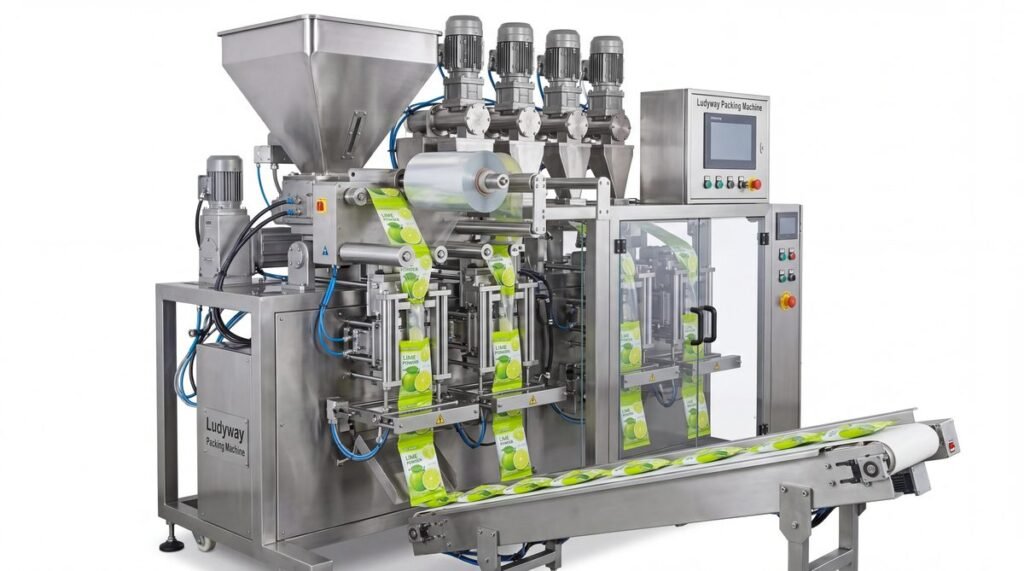
This system uses bags that are already manufactured and supplied on rolls or in stacks. The machine’s function is to open, fill, and seal these pre-formed bags. They are excellent for products that are difficult to handle on VFFS machines (like sticky or oily items) or when using complex bag materials with high-barrier properties. They often allow for faster changeovers between bag sizes and styles.
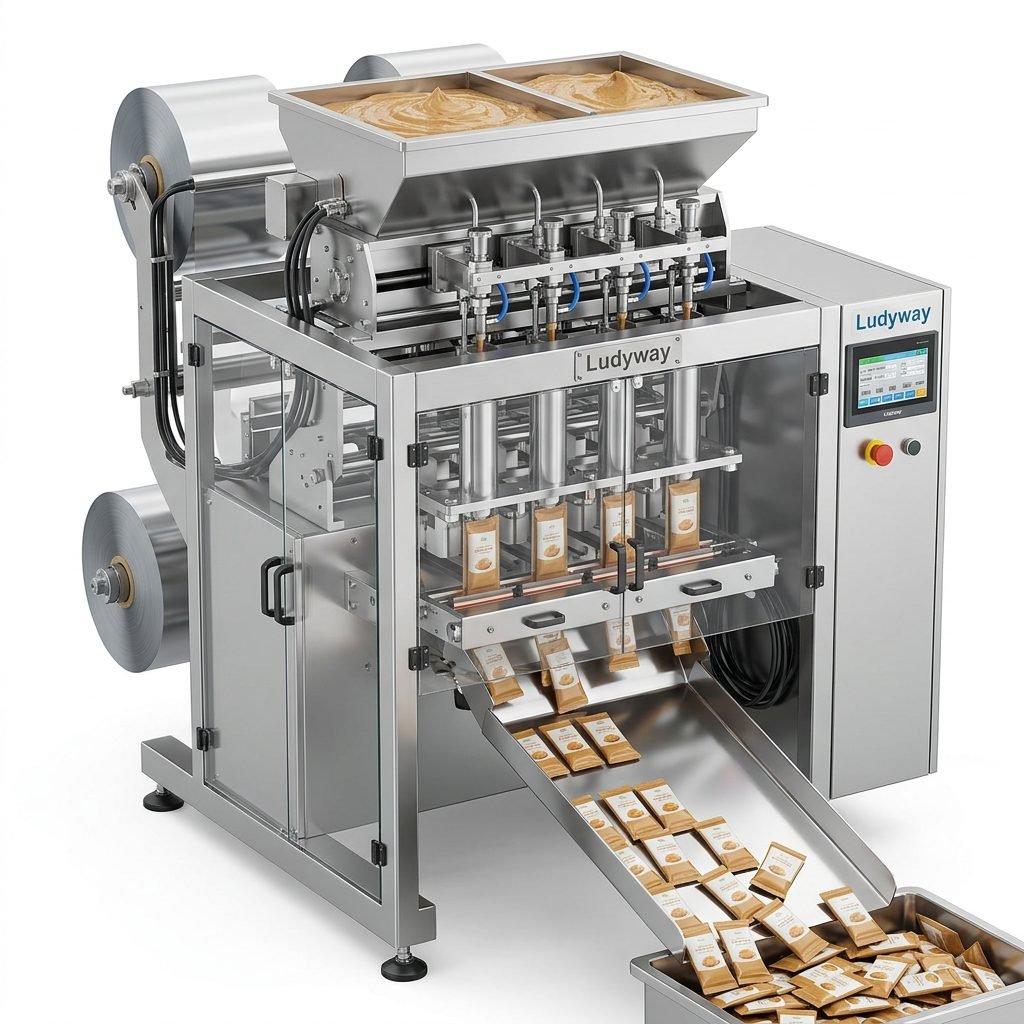
Specialized Systems: Stick Pack & Sachet Machines
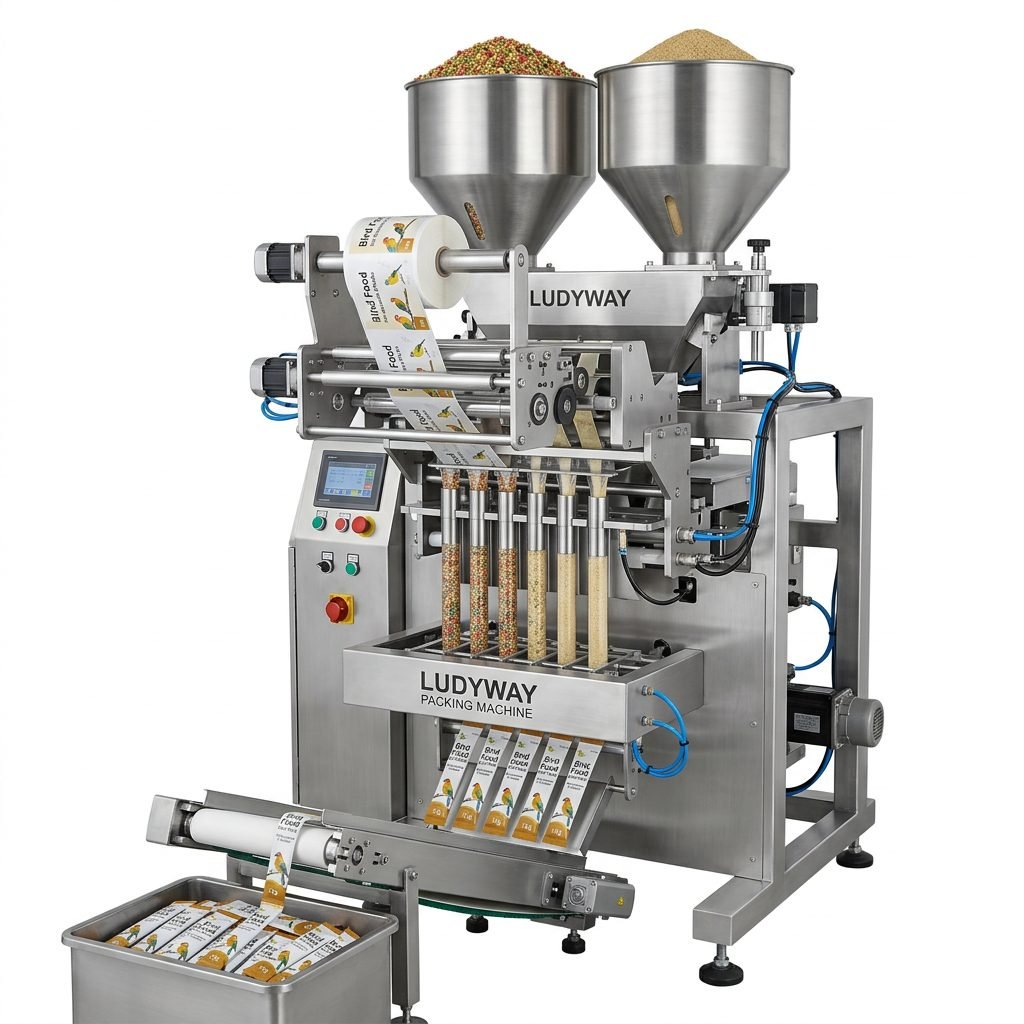
For single-serve portions of powders, liquids, or gels, stick pack and sachet machines are the go-to solutions. They create small, elongated stick packs or flat sachets from roll film, offering portability, precise dosing, and reduced material waste. These are highly popular in the food, beverage, pharmaceutical, and cosmetic industries for products like instant coffee, sugar, shampoo, or ointments.
Key Takeaway: Your product’s physical form (powder, solid, liquid), required production speed, and desired bag style are the primary factors that will point you toward one machine type over another. Consulting with a packaging expert from a seasoned provider like Ludyway Machinery can help clarify this initial choice.
How Bag Packaging Machines Work: Fundamental Principles
While designs vary, most automated baggers follow a similar sequence of operations. Understanding this process helps in troubleshooting and optimizing performance.
1. Film Feeding & Forming
The process begins with a roll of packaging film (laminated or co-extruded) being fed into the machine. In VFFS systems, the film is pulled over a forming tube, where it is shaped into a cylinder. In HFFS machines, the film is thermoformed into pockets or drawn into trays.
2. Bag Making & Sealing
Longitudinal sealing jaws create the back seam of the bag. Then, transverse sealing jaws move in to seal the bottom of one bag and the top of the previous bag simultaneously, cutting them apart. The sealing mechanism—whether thermal, impulse, or ultrasonic—is chosen based on the film material.
3. Product Dosing & Filling
This is the heart of accuracy. Depending on the product, different fillers are used:
Auger Fillers for precise powder and granule dosing.
Volumetric Cup Fillers for free-flowing products.
Liquid Pumps for viscous or liquid products.
Weighing Scales (multi-head or linear) for high-accuracy weight-based filling.
4. Final Sealing & Discharge
After filling, the bag’s top is sealed. Additional features like gas flushing (for modified atmosphere packaging) or date coding can be integrated at this stage. The finished bag is then discharged onto a conveyor or collection bin.
A Strategic Guide to Choosing Your Packaging System
Selecting the right machinery is a strategic decision impacting your operational efficiency and bottom line for years. Here’s a systematic approach.
1. Analyze Your Product & Material
Start with the product itself. Is it abrasive, hygroscopic, fragile, or oily? This determines the machine’s contact parts material (e.g., stainless steel, food-grade plastics) and the filling mechanism. Simultaneously, define your packaging material—whether it’s standard polyethylene, complex laminates, or biodegradable films—as this dictates the required sealing technology.
2. Define Output & Speed Requirements
Calculate your current and projected production volumes (bags per minute/hour). Be realistic. A machine operating reliably at 80% of its max speed is better than one constantly pushed to 100% and breaking down. Consider future growth to ensure the machine can scale with you.
3. Evaluate Flexibility & Changeover Needs
How often will you change bag sizes or products? If frequent, look for machines with quick-change features (tool-less adjustments, recipe memory). For operations running a single product 24/7, a dedicated, high-speed machine may be more cost-effective. Explore the range of intelligent packaging models available to find the right balance.
4. Prioritize Accuracy & Integration
For costly ingredients or regulated products (like pharmaceuticals), filling accuracy is non-negotiable. Invest in precision weighing or dosing systems. Also, consider how the machine will integrate into your existing line. Does it need to connect to upstream feeders, downstream cartoners, or a central PLC? A provider with turnkey solution experience can ensure seamless integration.
5. Assess Supplier Credibility & Support
The machine is only as good as the company behind it. Look for a supplier with proven industry experience, like Ludyway Machinery, which brings over a decade of focused expertise. Evaluate their after-sales support, availability of spare parts, training programs, and service response times. A reliable partner is crucial for minimizing downtime.
⚠️ Critical Consideration: Total Cost of Ownership (TCO)
Look beyond the initial purchase price. Calculate the TCO, which includes:
• Energy Consumption: A more efficient machine saves money long-term.
• Material Waste: Precise machines minimize film and product giveaway.
• Maintenance & Downtime: Robustly built machines from reputable suppliers require less repair.
• Operator Safety & Ease of Use: Intuitive controls reduce training time and error.
Investing in a quality system from a trusted partner often yields a lower TCO than opting for the cheapest upfront option.
Frequently Asked Questions (FAQs)
1. What is the main difference between VFFS and HFFS machines?
Answer: The primary difference is the orientation of bag formation and filling. VFFS (Vertical) machines are best for free-flowing products like granules and powders, forming bags vertically from a single roll of film. HFFS (Horizontal) machines are used for solid items that need to be placed horizontally, often using two webs of film to form a cavity around the product, offering superior presentation for items like baked goods or hardware.
2. How do I know if I need a multi-head weigher for my packaging line?
Answer: A multi-head weigher is essential when you require very high speed (e.g., over 60 bags per minute) combined with extreme weight accuracy (±0.5-1 gram). They are common for snack foods, frozen vegetables, and hardware. For lower speeds or less weight-critical applications, a single scale or volumetric filler may be sufficient and more economical.
3. Can one machine handle different types of products, like powders and granules?
Answer: Many machines, especially versatile VFFS models, can handle different product types if they have similar flow characteristics. The key is the filling system. A machine equipped with an auger filler designed for fine powders may struggle with large granules without modification. For significant product changes, look for machines with interchangeable filling systems or consult a supplier for a flexible design.
4. What are the most common causes of downtime in bag packaging systems?
Answer: The most frequent issues are film-related (misalignment, breaks, poor sealing due to film quality), product spillage or bridging in the hopper, and minor mechanical jams. Regular preventive maintenance, using high-quality packaging materials, and proper operator training are the best defenses against unplanned downtime.
5. How important is after-sales service when purchasing packaging machinery?
Answer: It is critically important. Even the best machines require maintenance, parts, and occasional troubleshooting. A supplier with a strong global service network, readily available spare parts, and responsive technical support—qualities emphasized by established providers—ensures your production line stays running, protects your investment, and maximizes your return over the machine’s entire lifespan.