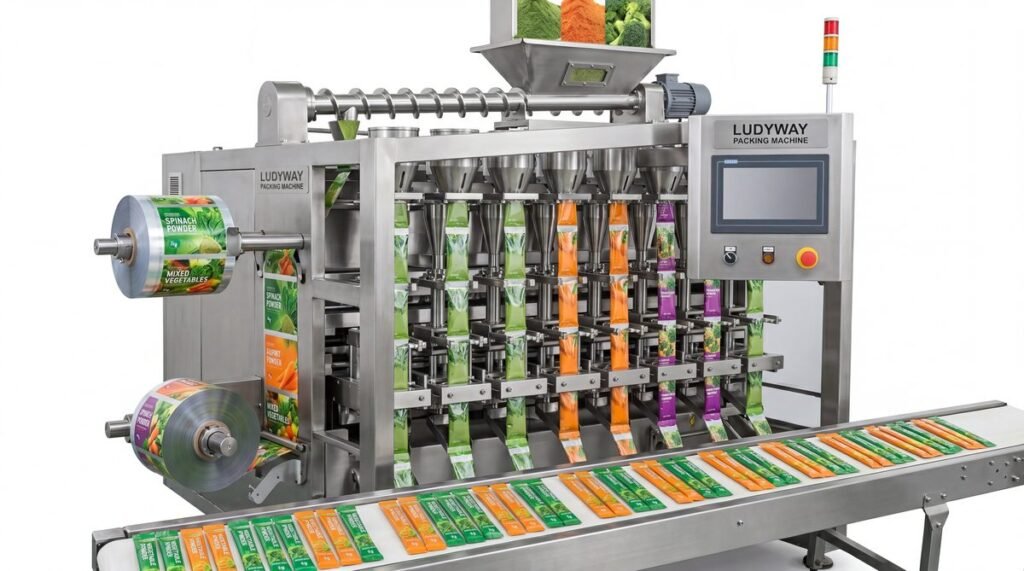
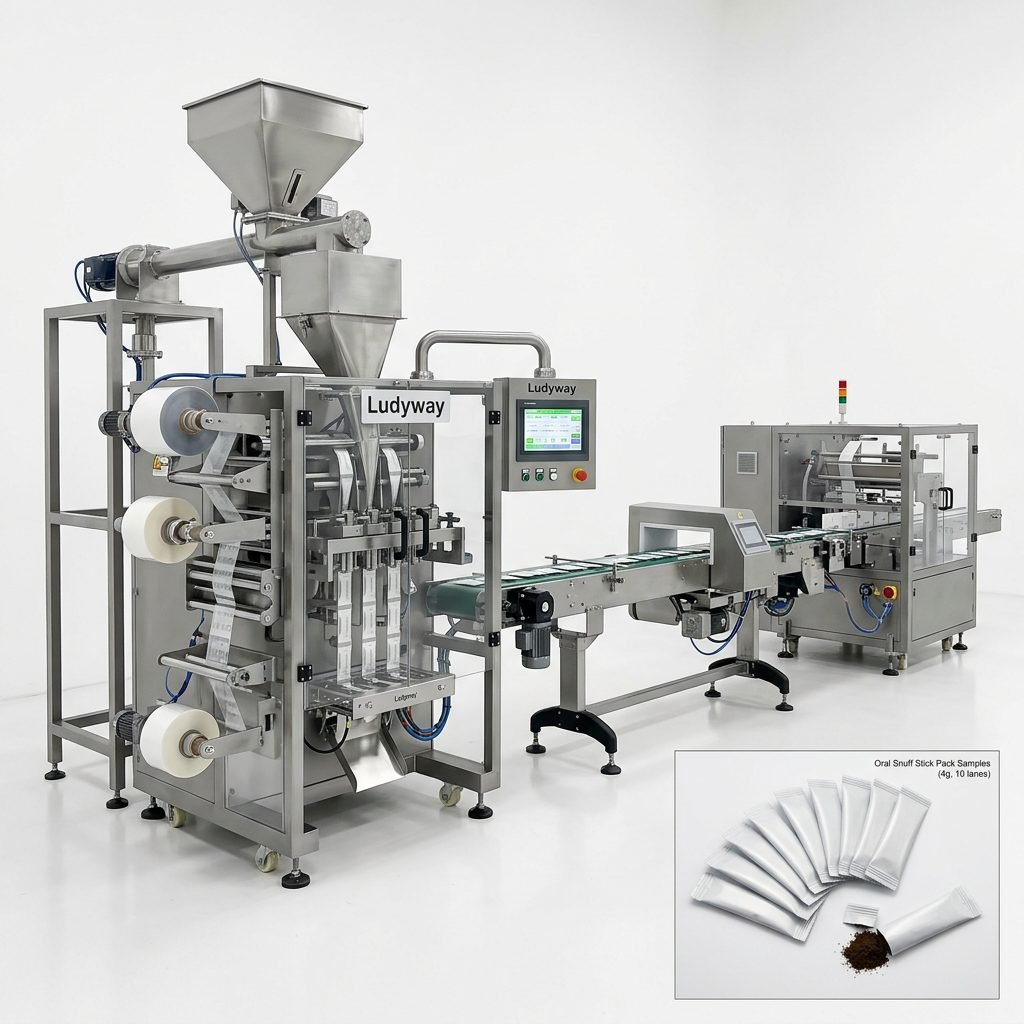
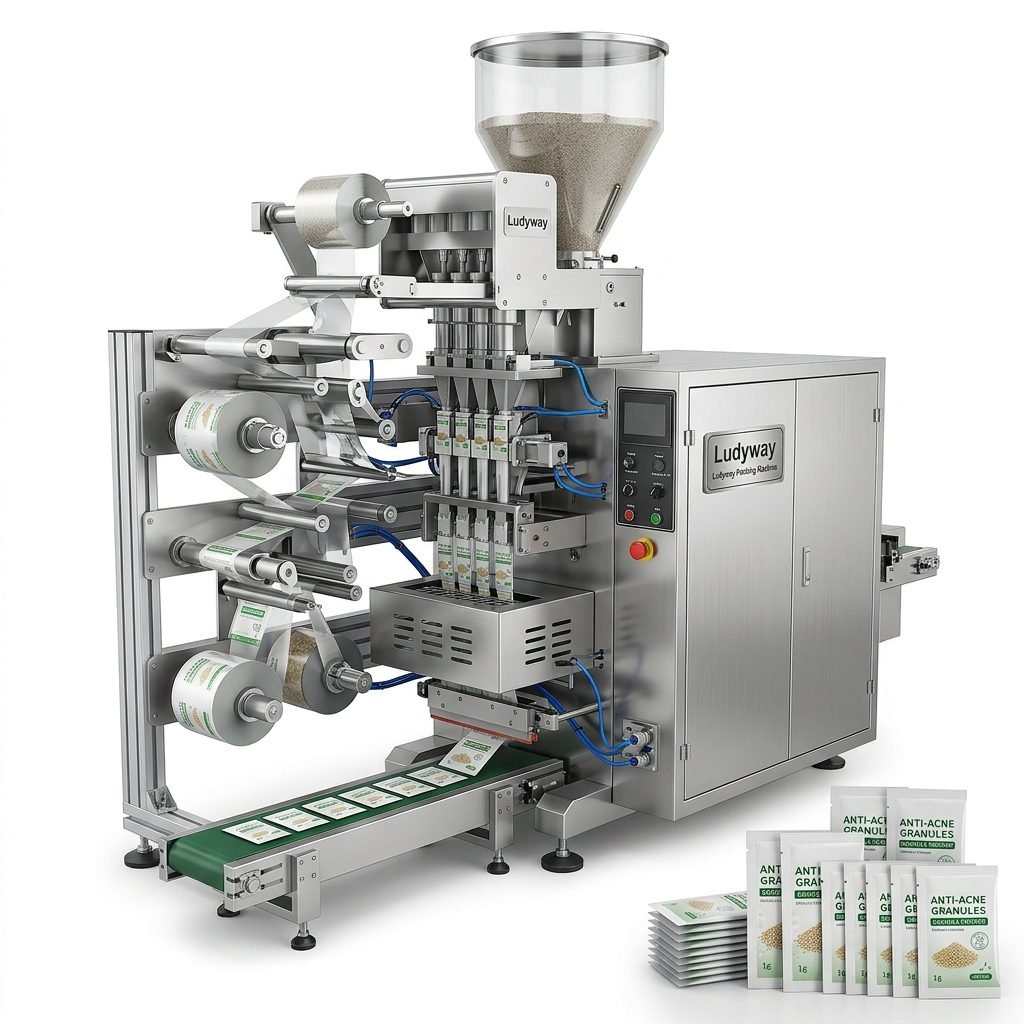
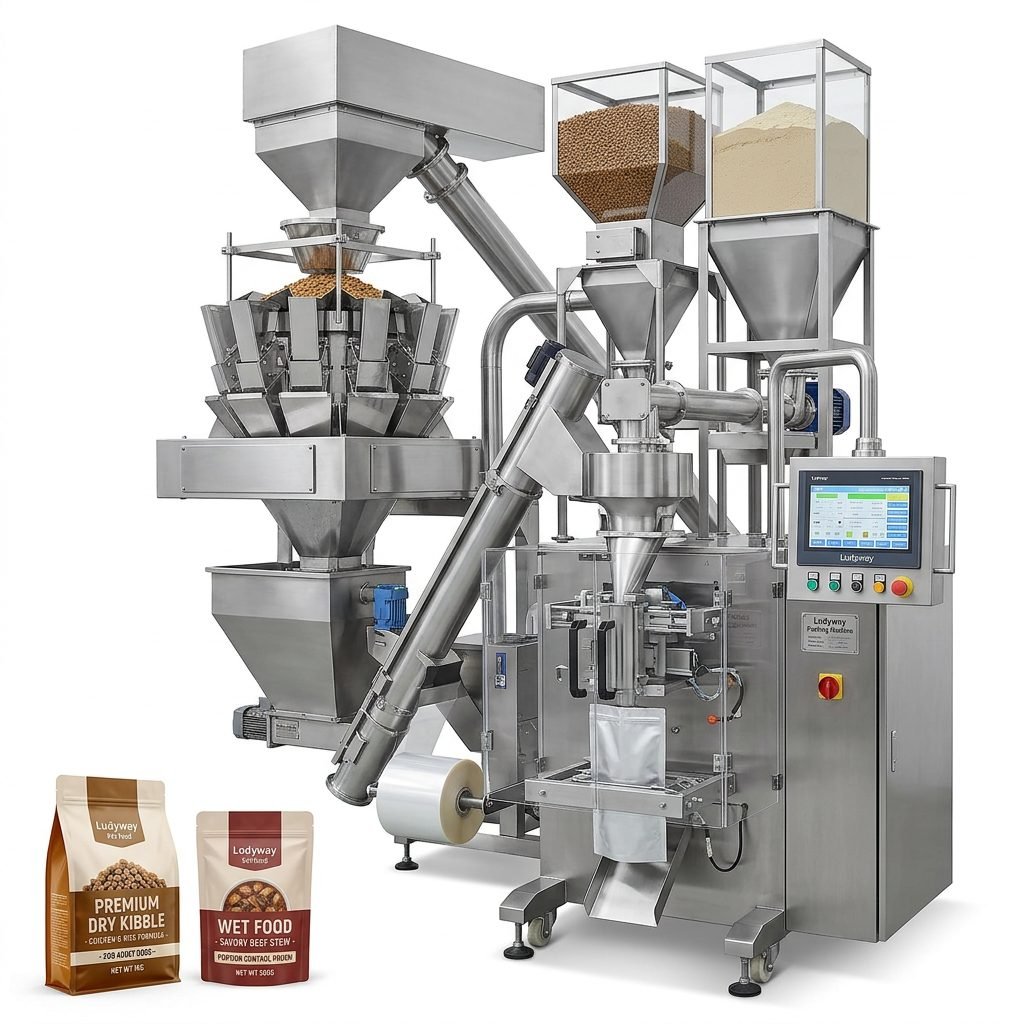
In the fast-paced world of commercial manufacturing, packaging equipment is the vital link between production and the market. When a critical machine fails, the consequences ripple through the entire operation, leading to halted production lines, missed deadlines, and significant financial loss. The key to mitigating these risks lies not just in the quality of the equipment but in the availability of professional, responsive, and expert repair services. Partnering with a service provider that offers comprehensive support is essential for minimizing unplanned downtime and maintaining a competitive edge.
The High Cost of Packaging Equipment Downtime
Every minute a primary packaging line is inactive represents a direct hit to productivity and profitability. The costs are multifaceted, extending far beyond simple repair bills.
Immediate Financial Loss: Stalled production means zero output, directly impacting revenue. For perishable goods, the stakes are even higher.
Labor Inefficiency: Skilled operators and line workers are left idle, incurring costs without generating value.
Missed Deliveries and Contract Penalties: Failure to meet shipping deadlines can damage customer relationships and trigger costly contractual penalties.
Waste and Spoilage: Partially processed materials in the line may be ruined, leading to wasted raw materials and inventory.
Long-term Brand Reputation: Consistently missing market windows due to mechanical failures can erode trust with retailers and end consumers.
Understanding this total cost of ownership underscores why a proactive maintenance and rapid repair strategy is a strategic investment, not an operational expense.
Beyond Quick Fixes: The Hallmarks of a Professional Repair Service
True professional repair goes beyond swapping out a broken part. It involves a systematic, knowledge-driven approach to restore and often improve your equipment’s reliability.
1. Certified Expertise and Deep Technical Knowledge
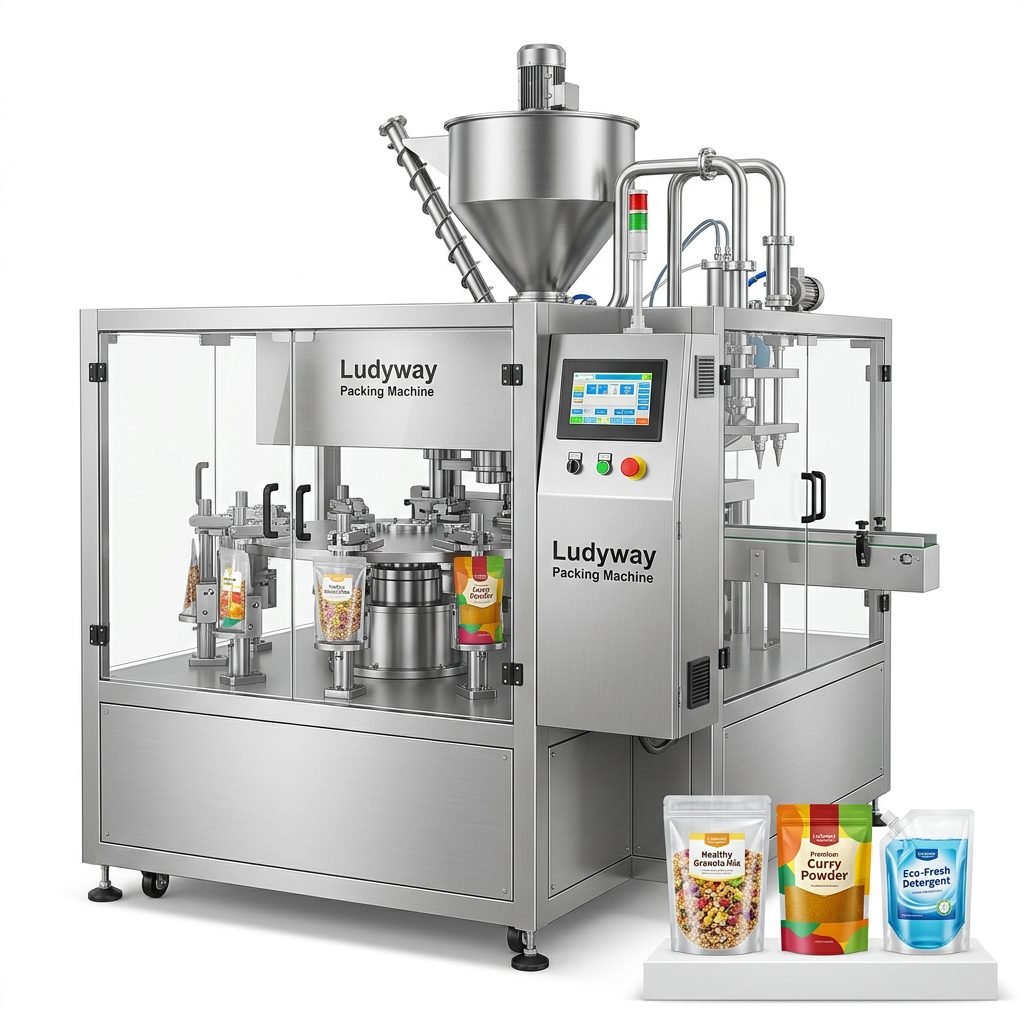
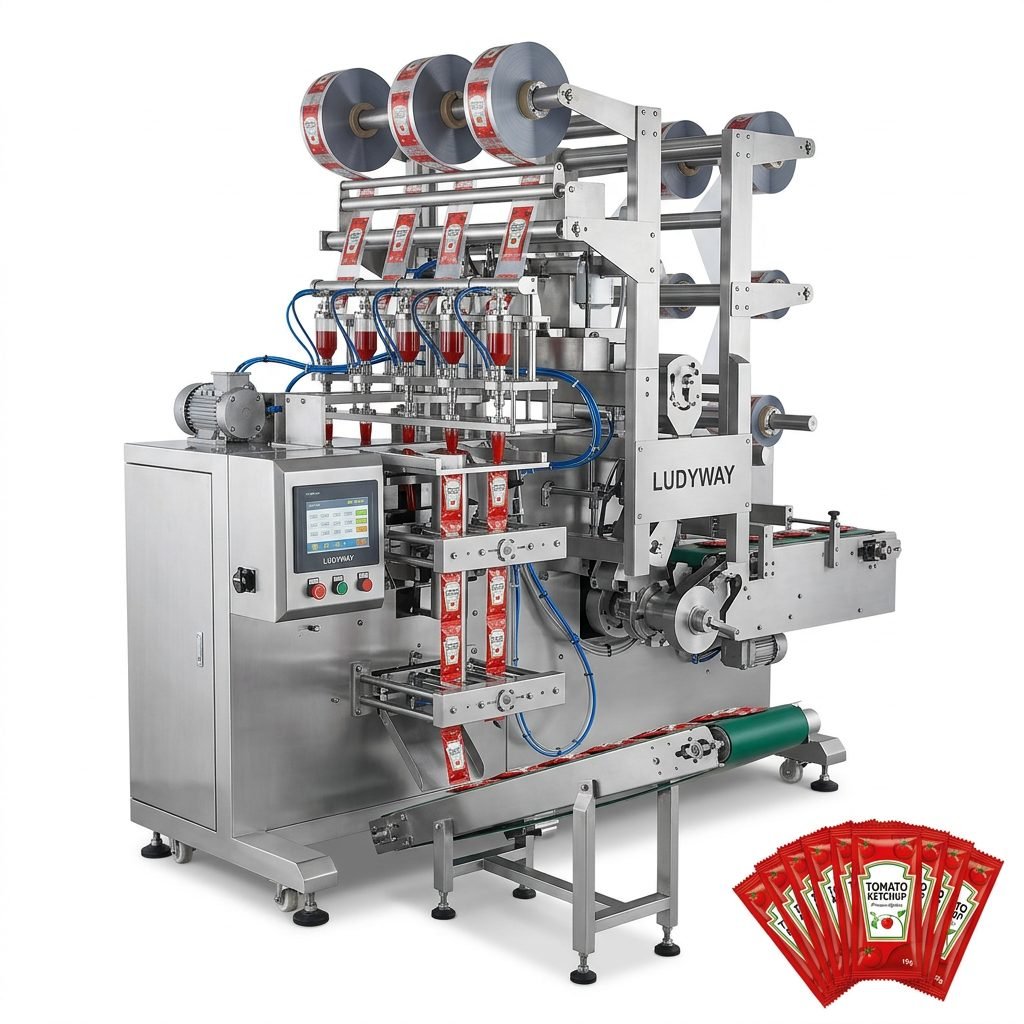
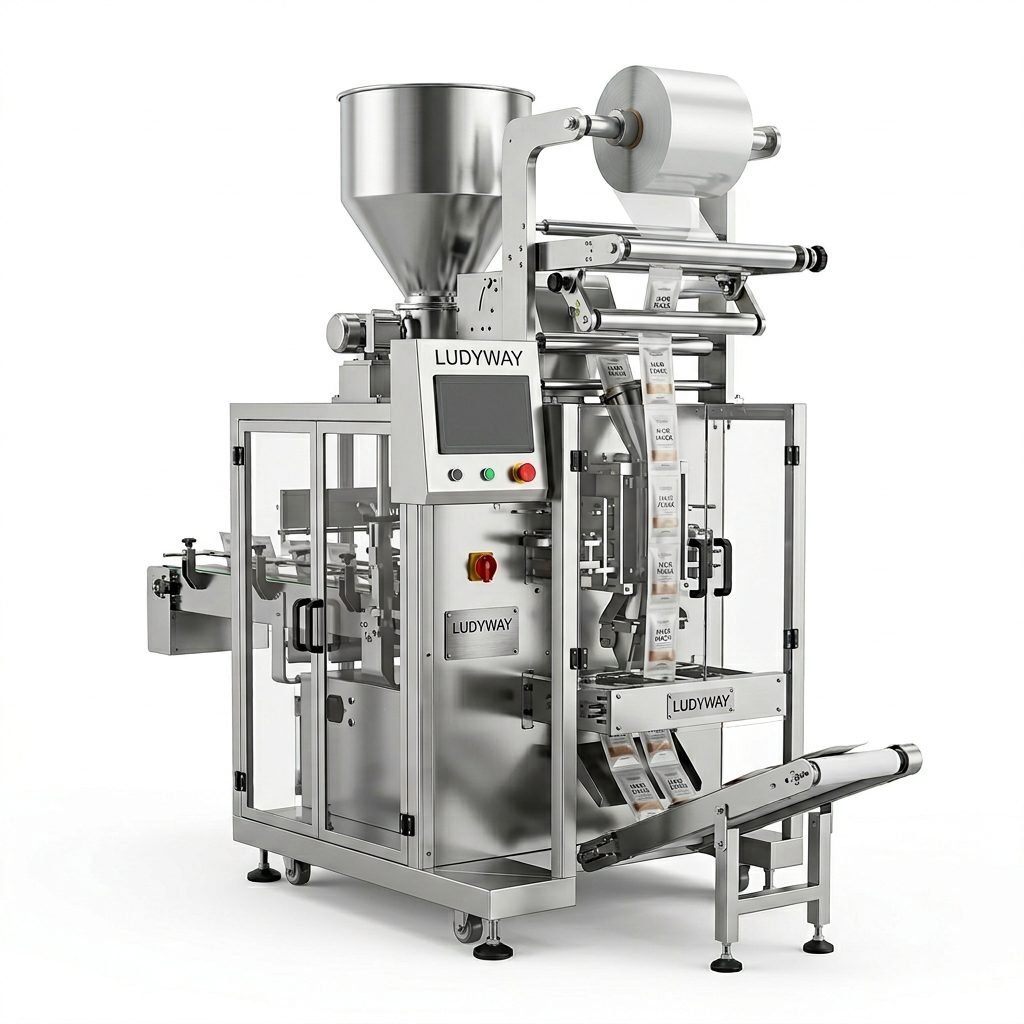
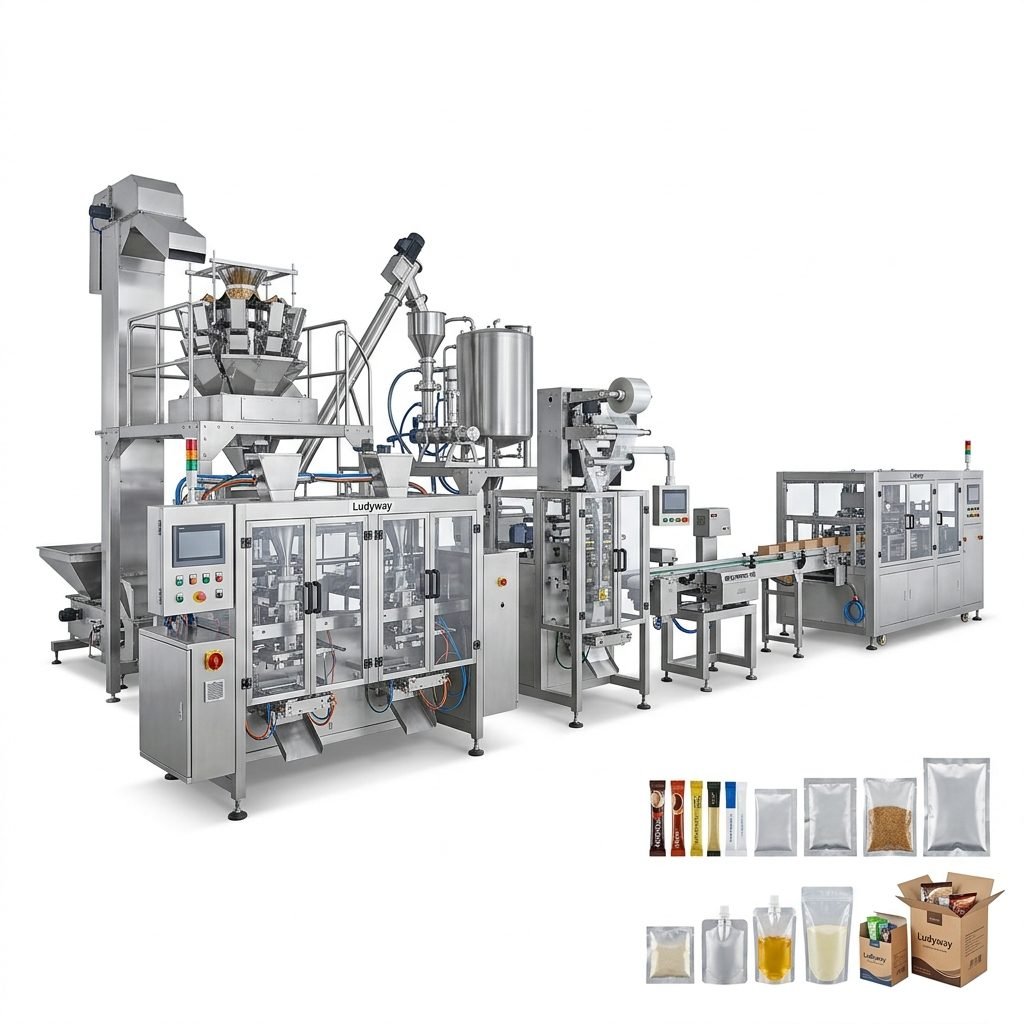
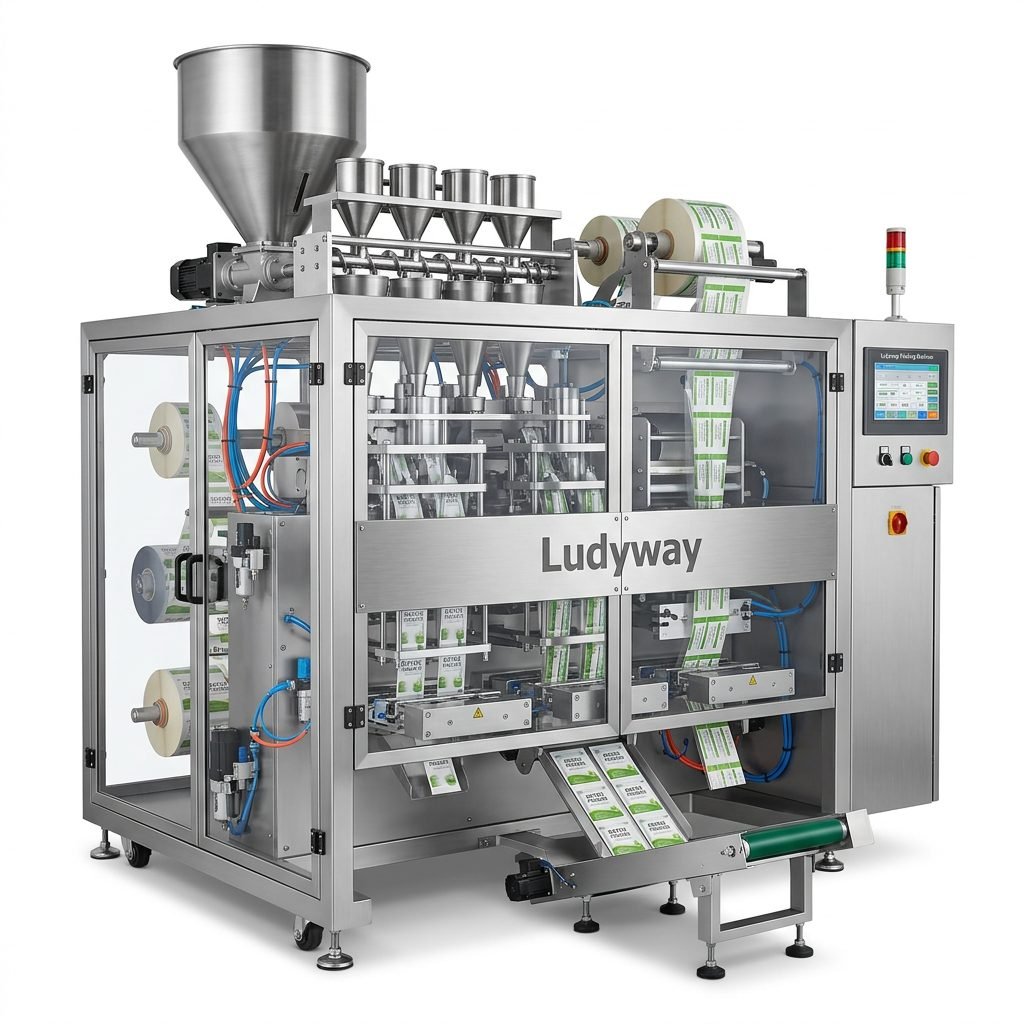
Technicians should possess manufacturer-specific training and certifications. A provider like Ludyway Machinery, with over 30 years of industry experience, brings deep, practical knowledge of complex systems like multi-lane stick pack machines and sachet packaging systems. This expertise ensures accurate diagnosis—fixing the root cause, not just the symptom.
2. Rapid Response and Clear Communication
Time is critical. Professional services offer structured response protocols, including remote diagnostics via phone or video to begin troubleshooting immediately. They provide clear, realistic timelines for on-site service and keep you informed at every step, from diagnosis to completion.
3. Genuine Parts and Advanced Tooling
Using OEM or certified equivalent parts is non-negotiable for longevity and safety. Professional services maintain a well-stocked inventory of common parts and utilize specialized, calibrated tooling to ensure repairs meet original performance specifications.
4. Comprehensive Service Reporting
Every service visit should conclude with a detailed report documenting the fault found, parts replaced, tests performed, and any recommendations for preventive action. This report becomes a valuable part of your equipment’s life-cycle history.
5. Training and Knowledge Transfer
The best service providers aim to empower your team. They offer operational and basic troubleshooting training for your staff, helping to prevent minor issues from escalating and fostering a culture of proactive equipment care.
Building a Proactive Partnership for Operational Resilience
The most effective strategy transforms the repair service relationship from reactive to proactive. This partnership model is designed to prevent failures before they occur.
Key Elements of a Proactive Service Partnership:
✅ Scheduled Preventive Maintenance (PM): Regularly scheduled inspections, cleaning, lubrication, and calibration based on machine runtime and manufacturer guidelines. This is the cornerstone of reliability.
✅ Condition Monitoring: Utilizing sensors and data logging to track vibration, temperature, and performance metrics, allowing for predictive maintenance before a catastrophic failure.
✅ Service Level Agreements (SLAs): Formal agreements that guarantee maximum response and resolution times, providing peace of mind and operational predictability.
✅ Access to Technical Support & Documentation: Having direct access to technical experts and up-to-date machine manuals and diagrams for ongoing reference.
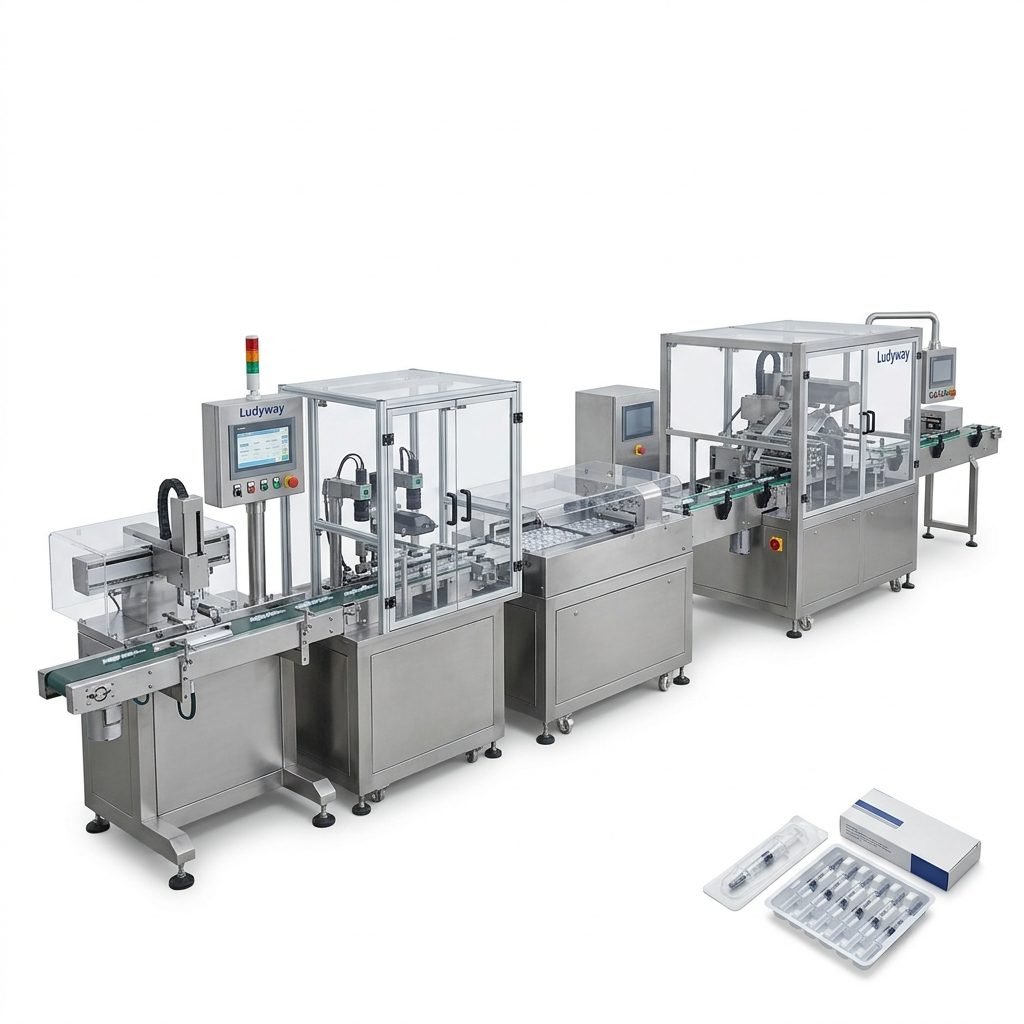
By integrating these elements, businesses can significantly reduce the frequency and severity of unplanned downtime, creating a more stable and efficient production environment. Companies that invest in complete turnkey production solutions often find this integrated support is a key component of their long-term success.
Choosing the Right Service Partner: Critical Questions to Ask
Selecting a repair service is a strategic decision. Beyond checking for certifications, ask potential partners these crucial questions:
- What is your average on-site response time for our type of equipment and region?
- Can you provide references from clients with similar packaging machinery?
- Do you maintain a local parts inventory, or are parts shipped from a central warehouse?
- What is your process for diagnosing complex, intermittent faults?
- Do you offer performance reports and actionable insights after each service visit?
A partner’s answers will reveal their commitment to service quality and partnership. A provider backed by a 20,000㎡ modern production facility and strong engineering capabilities, for instance, is often better equipped to understand manufacturing pressures and deliver robust solutions.
Conclusion: Viewing Service as a Strategic Asset
In today’s competitive landscape, operational continuity is paramount. Professional repair services for commercial packaging equipment are a critical component of a robust operational strategy. By moving from a reactive “fix-it-when-it-breaks” model to a proactive, partnership-based approach centered on preventive maintenance and expert rapid response, manufacturers can dramatically minimize costly downtime. This not only protects the bottom line but also enhances product quality, ensures supply chain reliability, and solidifies your reputation as a dependable producer. Investing in professional service is ultimately an investment in the resilience and future growth of your business.
Frequently Asked Questions (FAQs)
1. What are the most common signs that our packaging equipment needs professional service?
Watch for decreased output speed, increased product waste or giveaway, unusual noises or vibrations, inconsistent seals or fills, and frequent minor faults that your team keeps resetting. These are often early warnings of a developing problem that requires expert attention.
2. How can we reduce repair costs in the long term?
The most effective method is investing in a preventive maintenance (PM) program. Regular, scheduled PM is far less expensive than emergency repairs and major overhauls caused by neglect. It extends equipment life and optimizes performance. Partnering with a provider offering customized automation solutions can also streamline operations and reduce wear points.
3. Is remote diagnostics a valuable service, or do we always need a technician on-site?
Remote diagnostics are extremely valuable. Many software errors, parameter resets, and minor issues can be resolved quickly via a secure connection, saving the time and cost of a service call. For complex mechanical issues, remote diagnosis helps the technician arrive prepared with the right parts and tools.
4. Should we always use OEM (Original Equipment Manufacturer) parts for repairs?
While high-quality certified equivalents can be acceptable for some non-critical components, using OEM parts for critical mechanical, safety, and control systems is strongly recommended. They are engineered to exact specifications, ensuring compatibility, performance, and often preserving your machine’s warranty.
5. What should we look for in a Service Level Agreement (SLA) for packaging equipment repair?
A good SLA clearly defines guaranteed response times (e.g., 2-hour remote response, 24-hour on-site), resolution time targets, parts availability commitments, and escalation procedures for unresolved issues. It should also outline the scope of preventive maintenance visits if included.